Persicaria hydropiperoides
Persicaria hydropiperoides
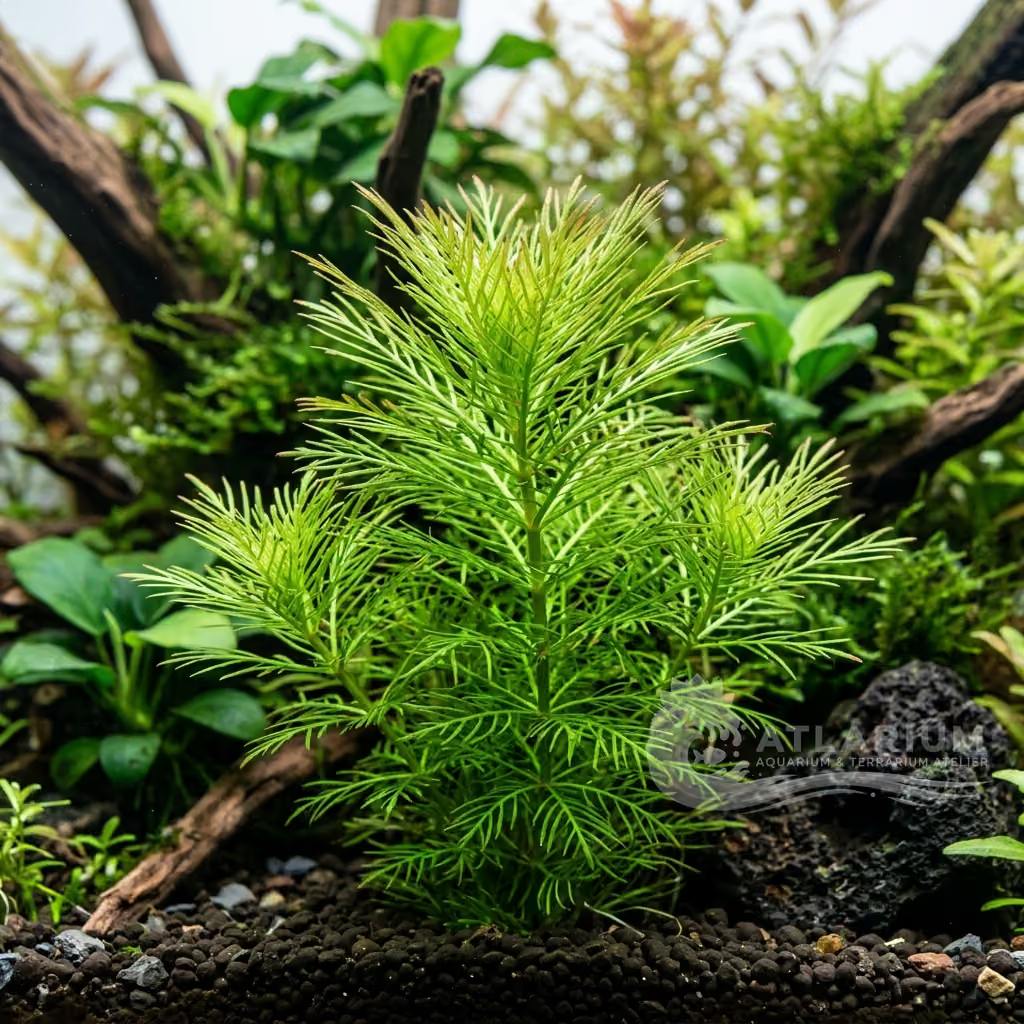
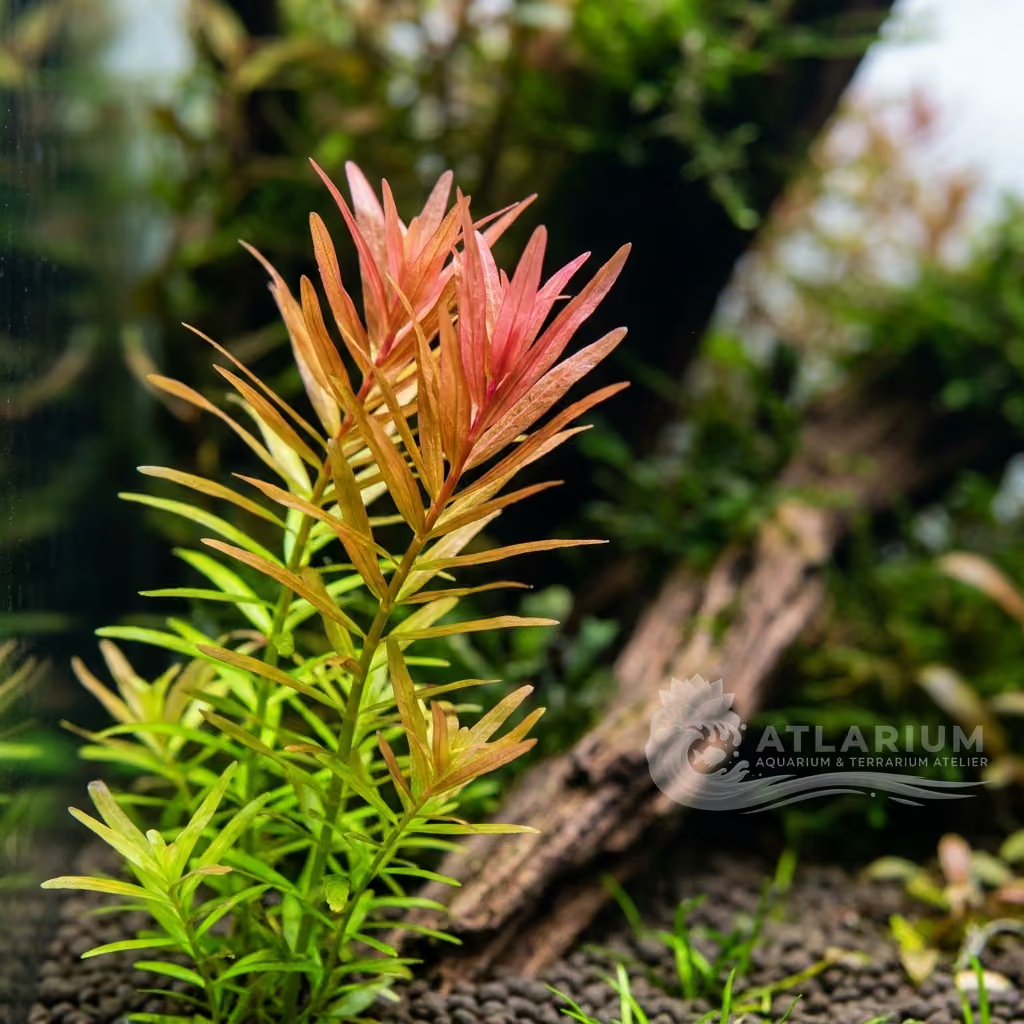
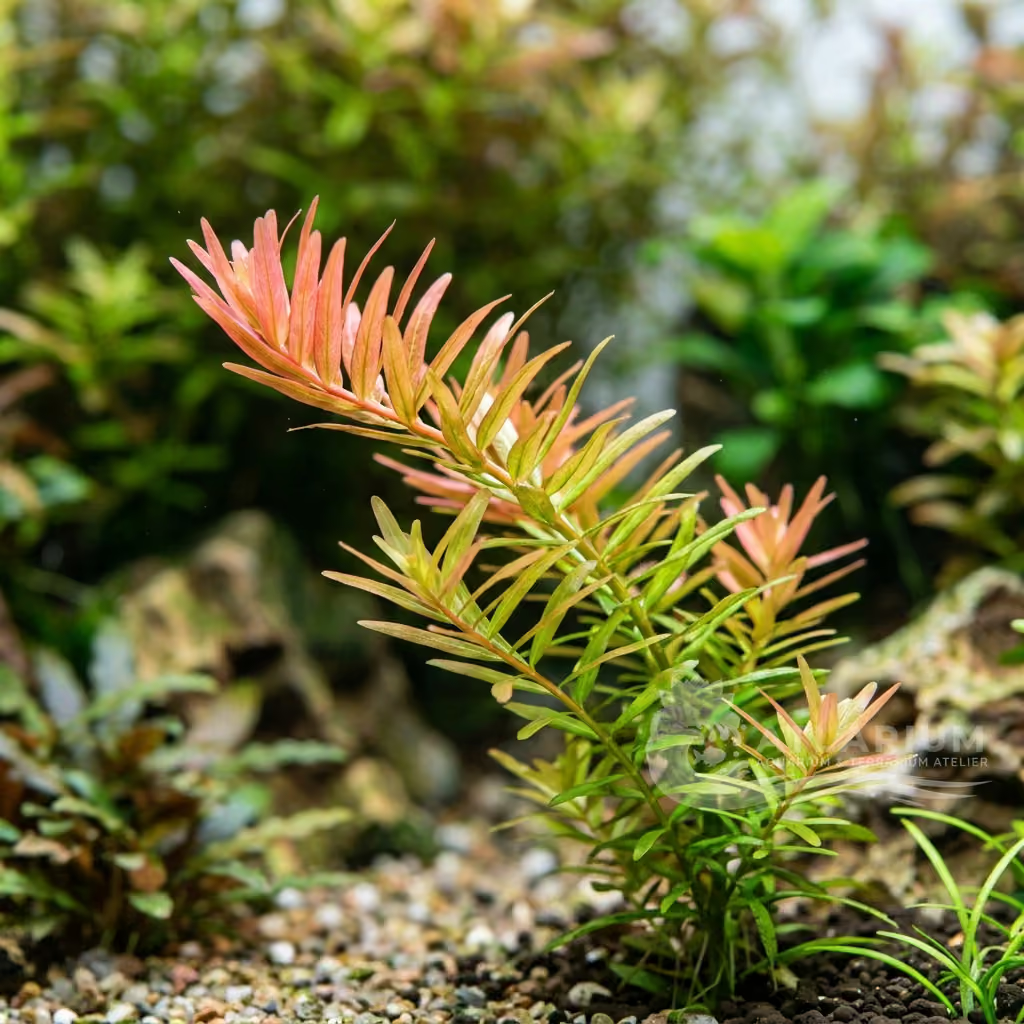
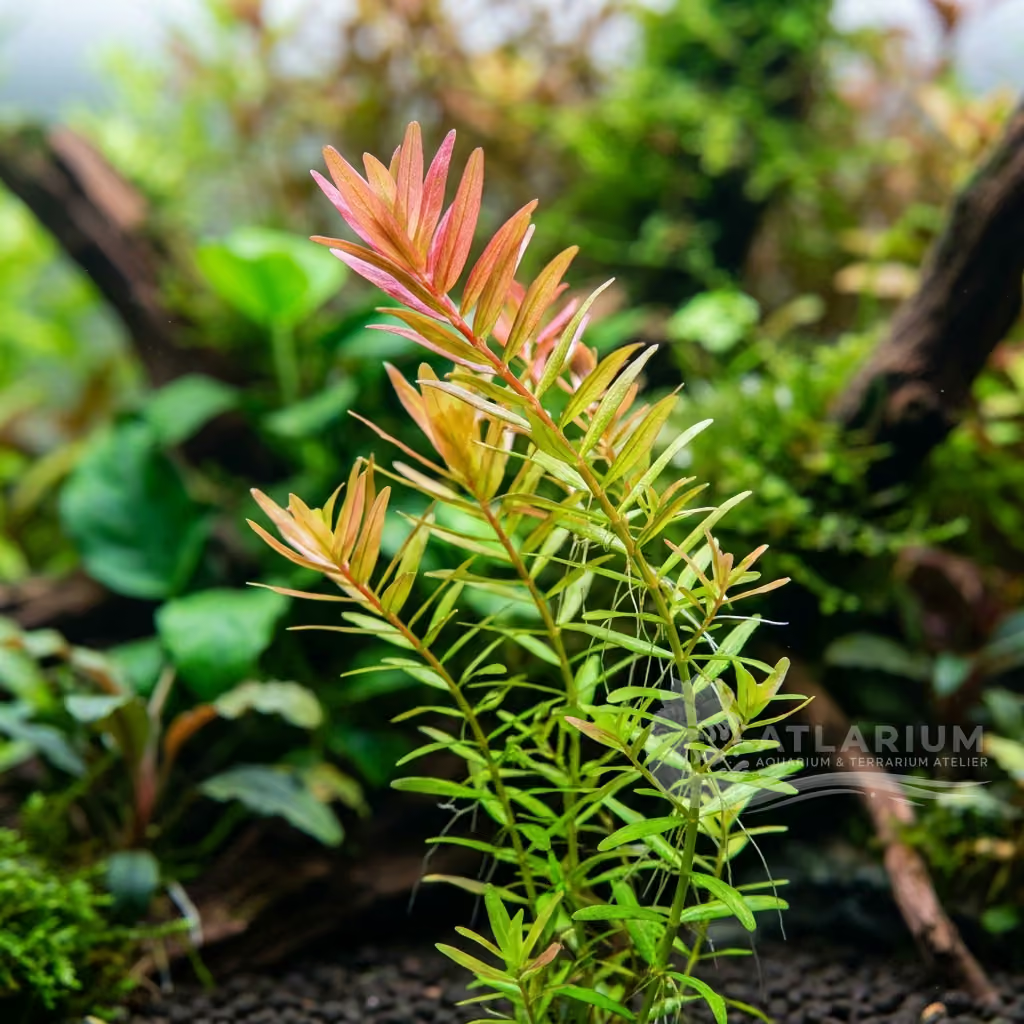
Persicaria hydropiperoides is a fast-growing stem plant, ideally suited for the midground of an aquarium, where it can form a dense and vividly colored bush.
Water Temperature
18 - 30 °C
pH Value
5 - 7
Water type
Freshwater
Light
Medium to High
CO2
High
KH
0 - 14 dKH

Species description
Geographical Origin and Habitat: Native to both North and South America, Persicaria hydropiperoides thrives in shallow aquatic environments such as marshes, riverbanks, and ponds. Its amphibious nature allows it to adapt to both submerged and emergent growth, making it particularly resilient to fluctuating water levels in its natural habitat. This adaptability underscores its robustness and capacity to tolerate varied environmental conditions within an aquarium.
Taxonomy & Genetics: Persicaria hydropiperoides belongs to the genus Persicaria, which is part of the Polygonaceae family, commonly known as the knotweed family. Its specific classification differentiates it from other *Persicaria* species through unique morphological features, such as leaf shape and stem structure. This species exemplifies the genetic diversity within the Polygonaceae, contributing to its rapid growth and notable adaptability in aquatic ecosystems.
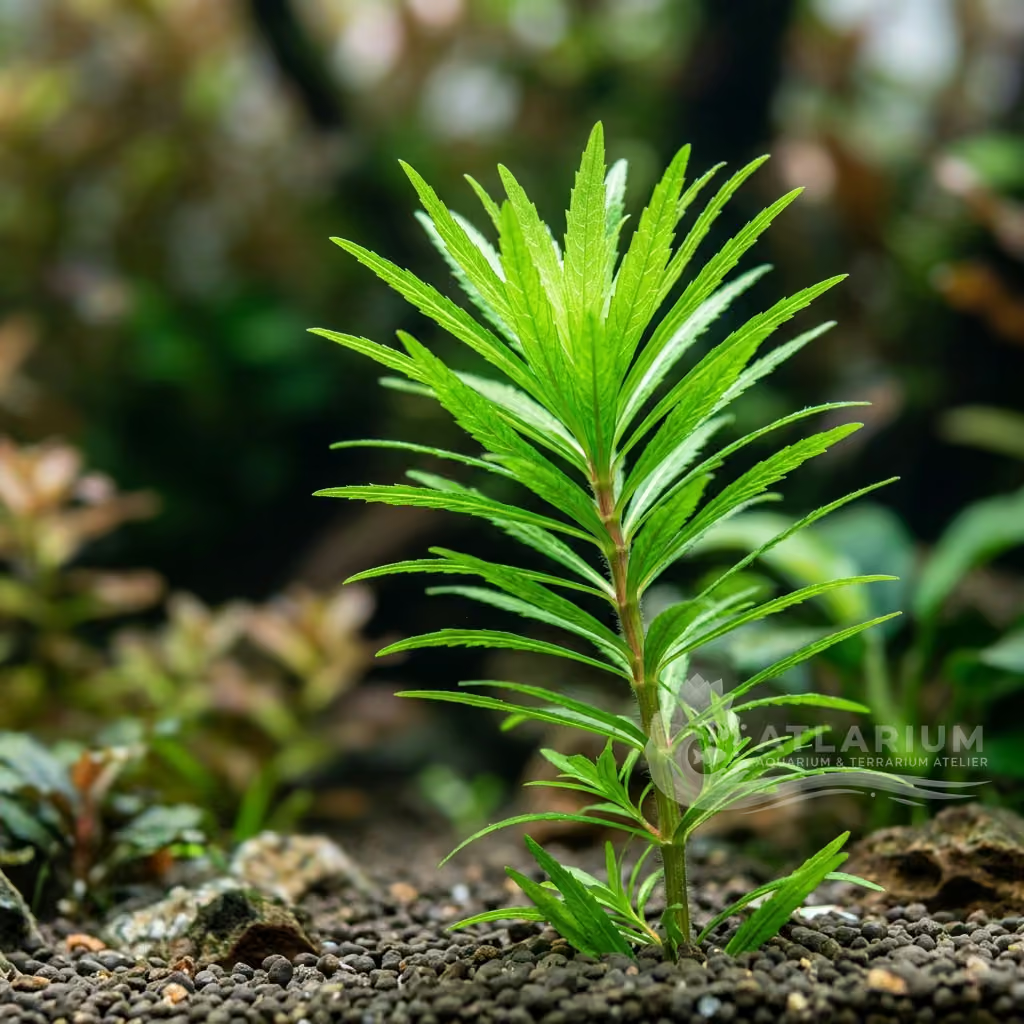
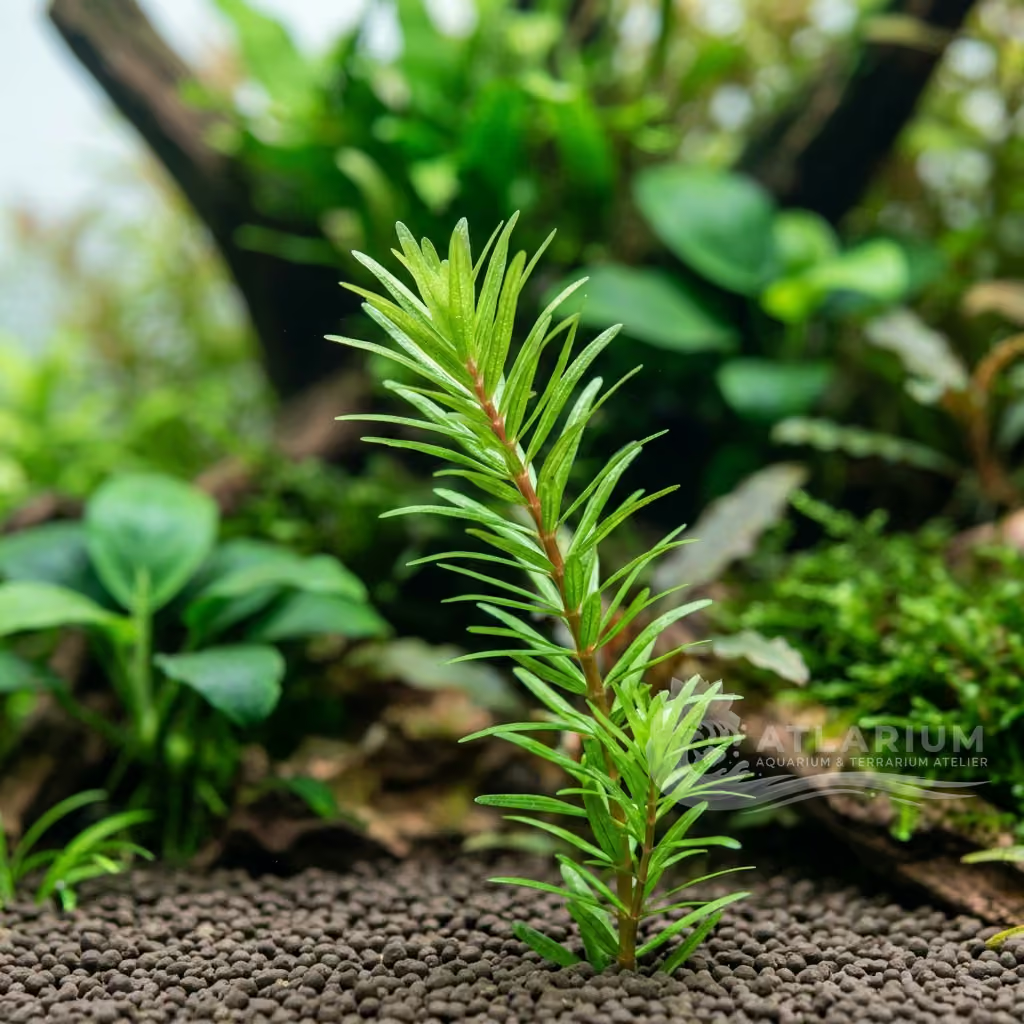
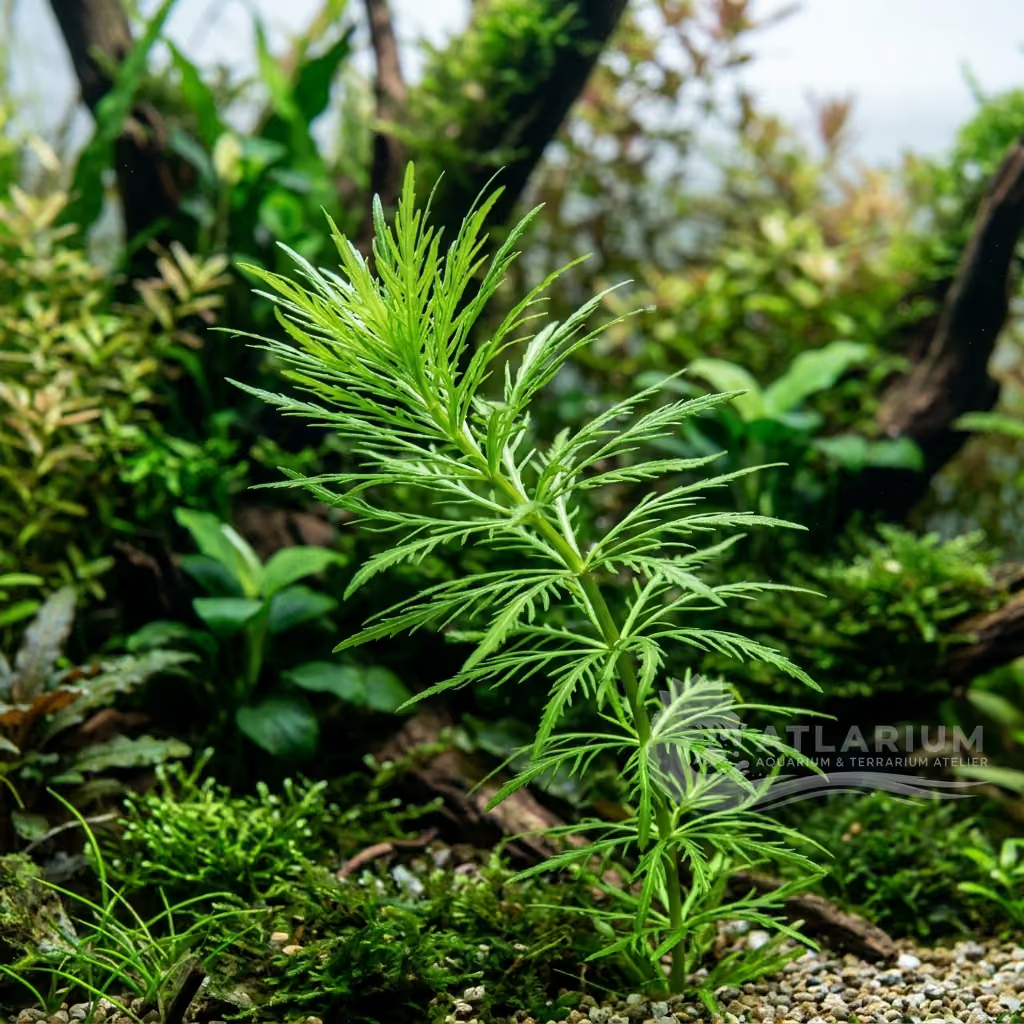
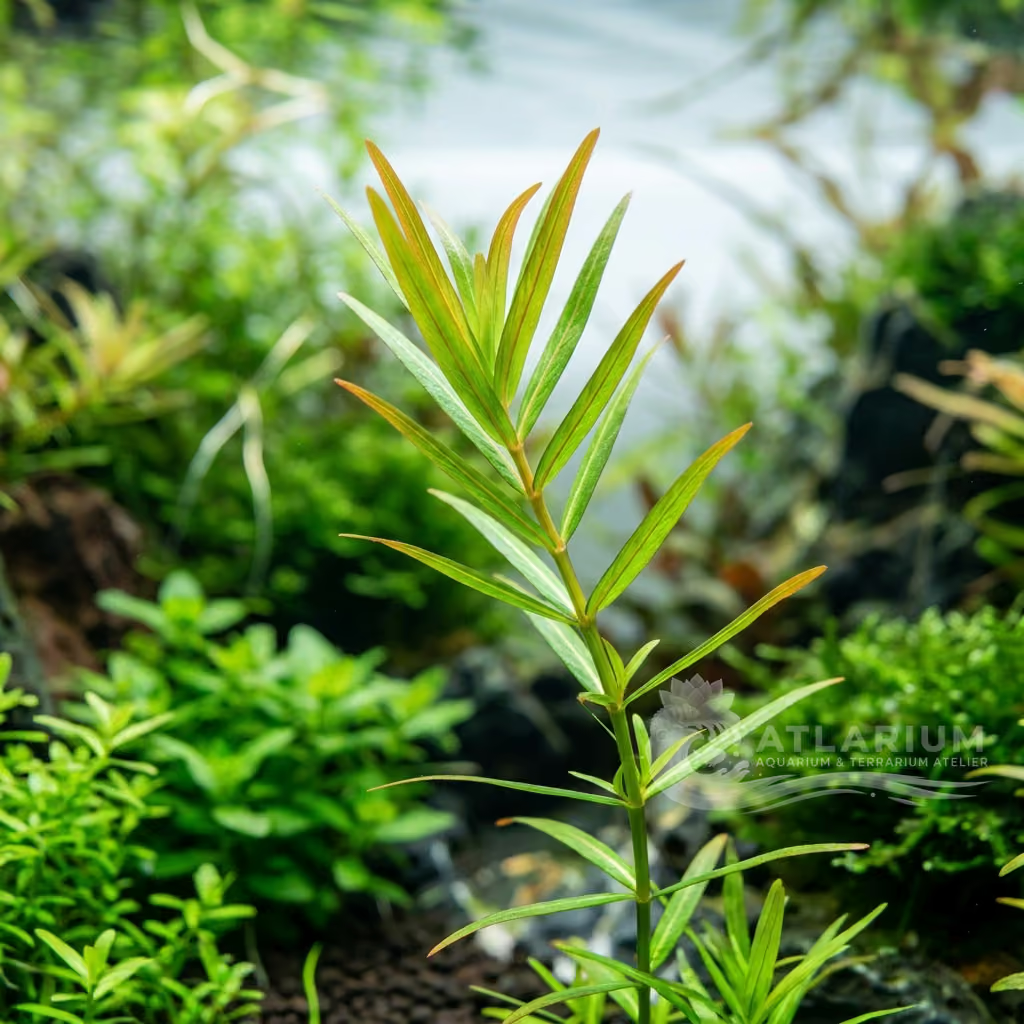
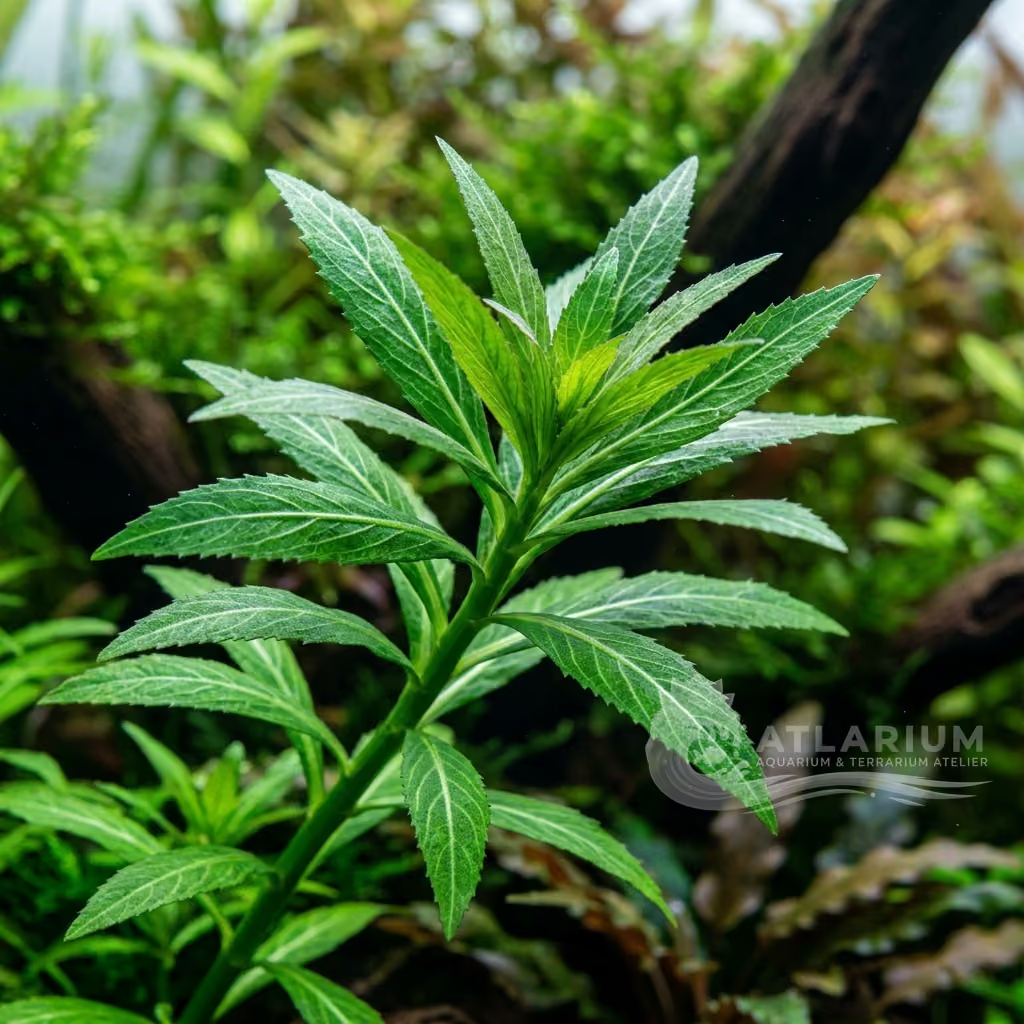
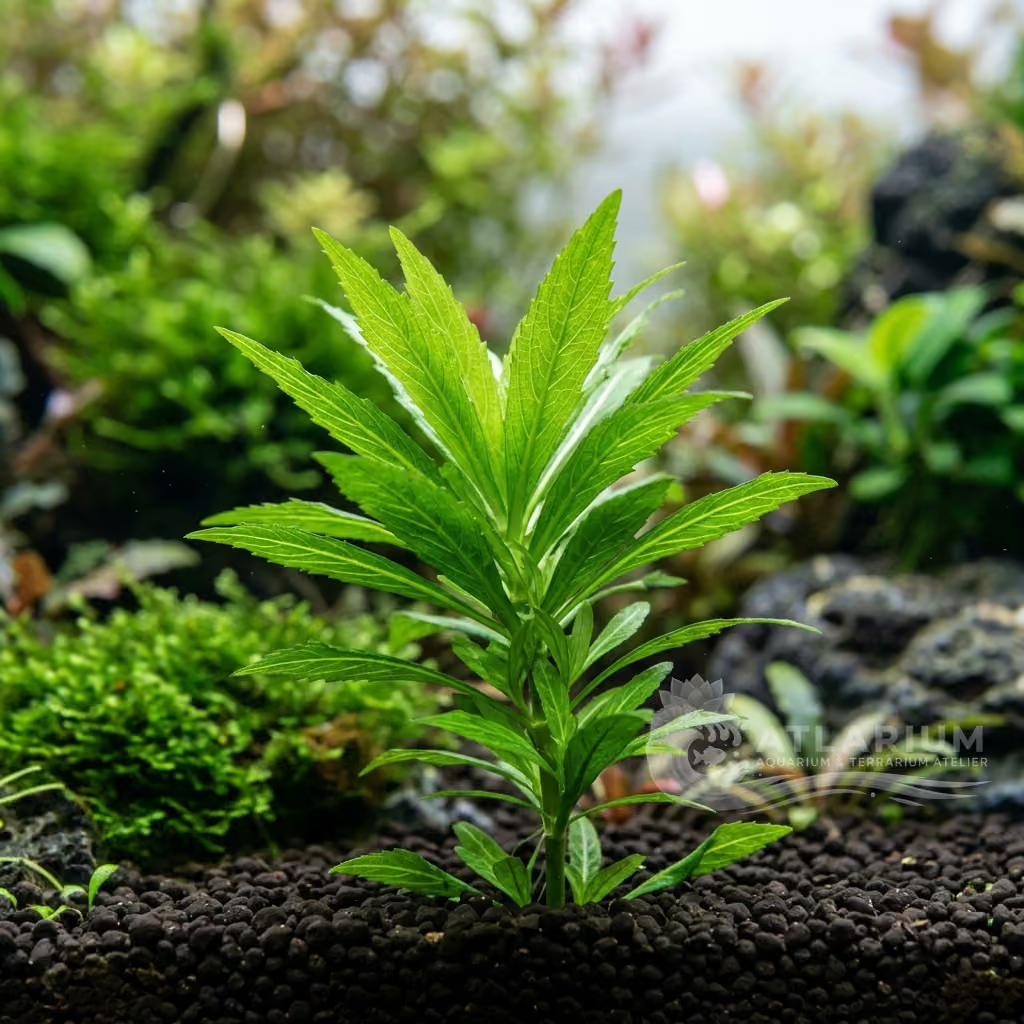
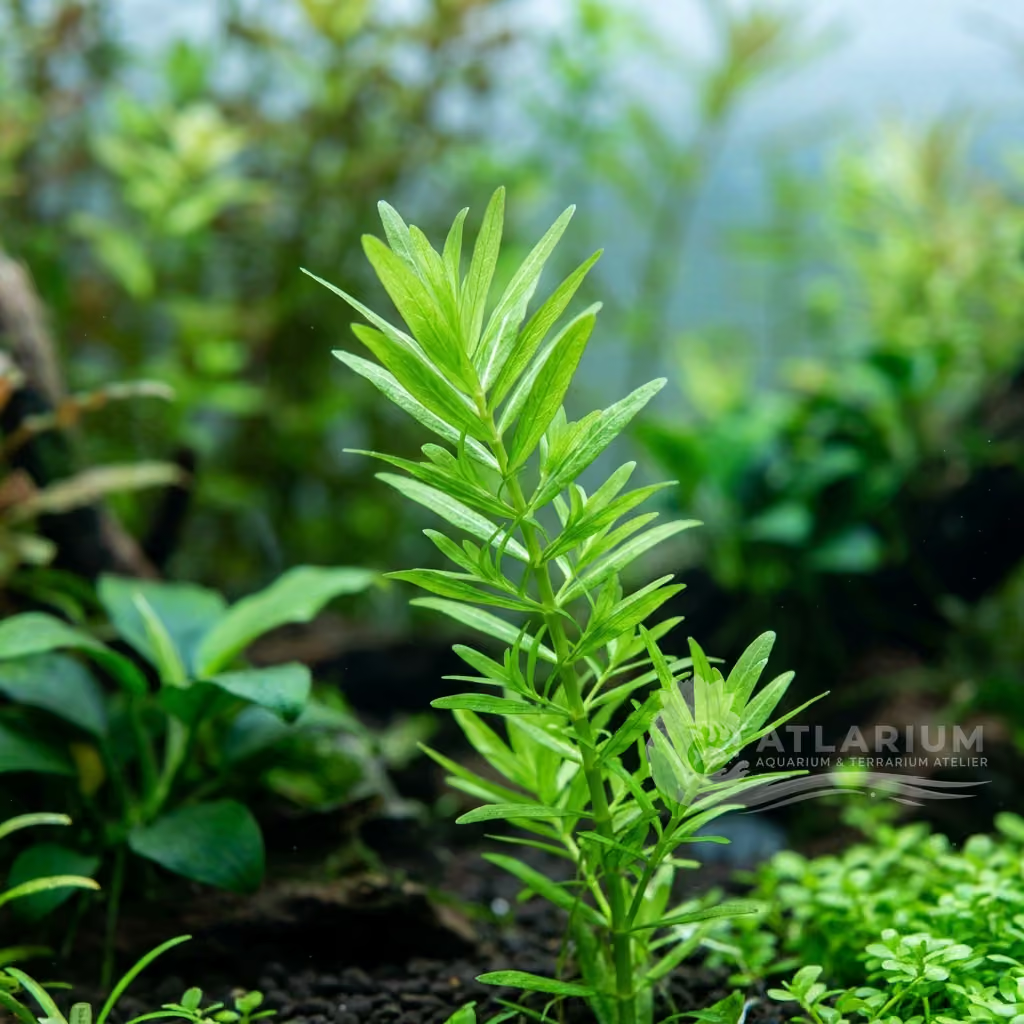
Physical Structure: This plant presents as a classic stem plant, growing upright with leaves arranged alternately along the stem. The stems can reach considerable heights if not regularly pruned, quickly forming a dense mass. Nodes along the stem are distinctly visible and frequently produce adventitious roots, which greatly facilitates propagation through cuttings.
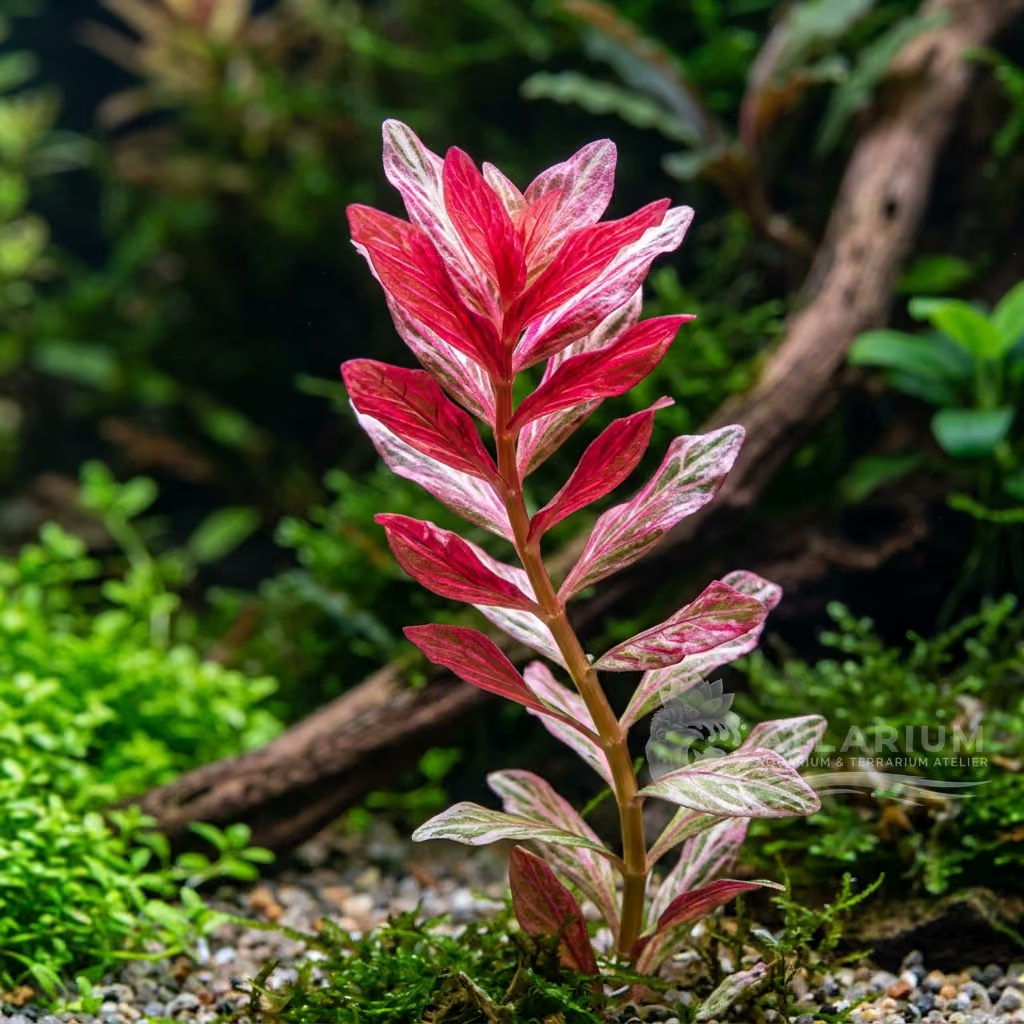
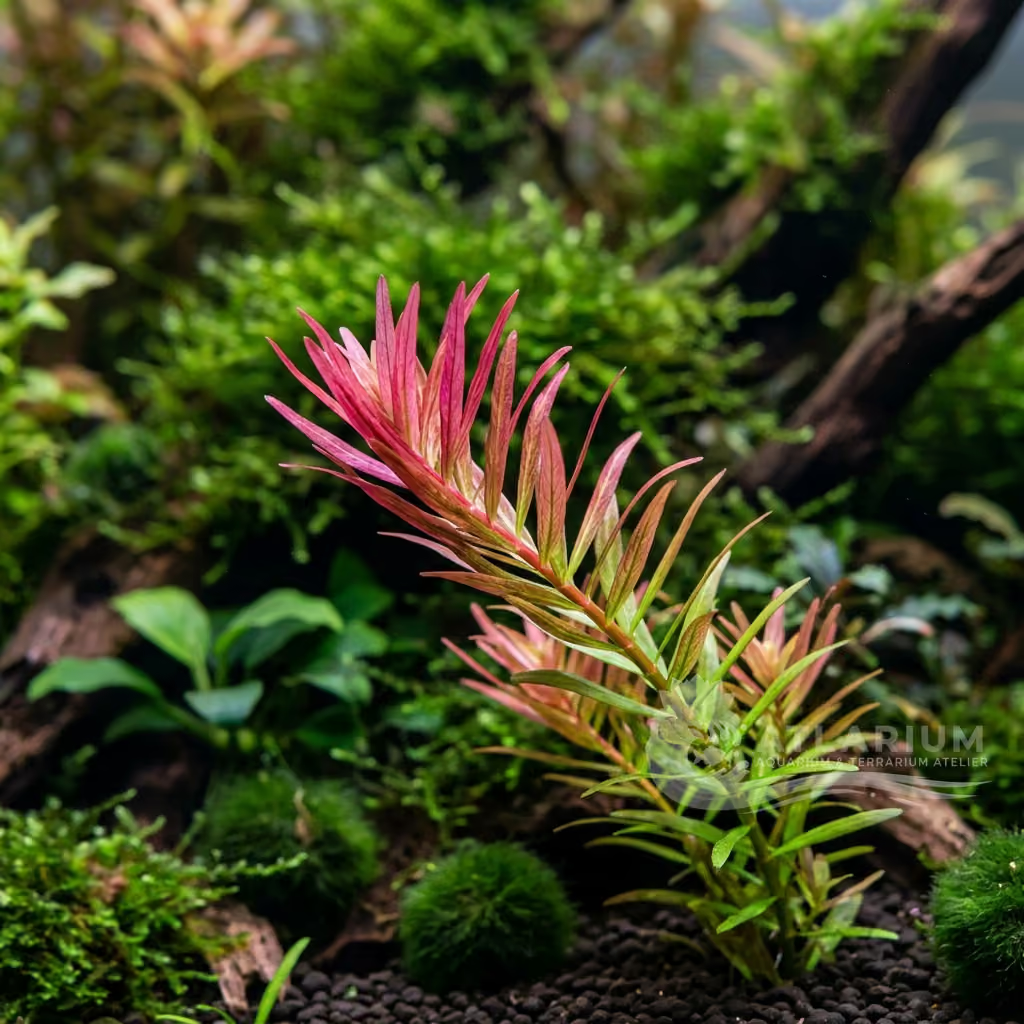
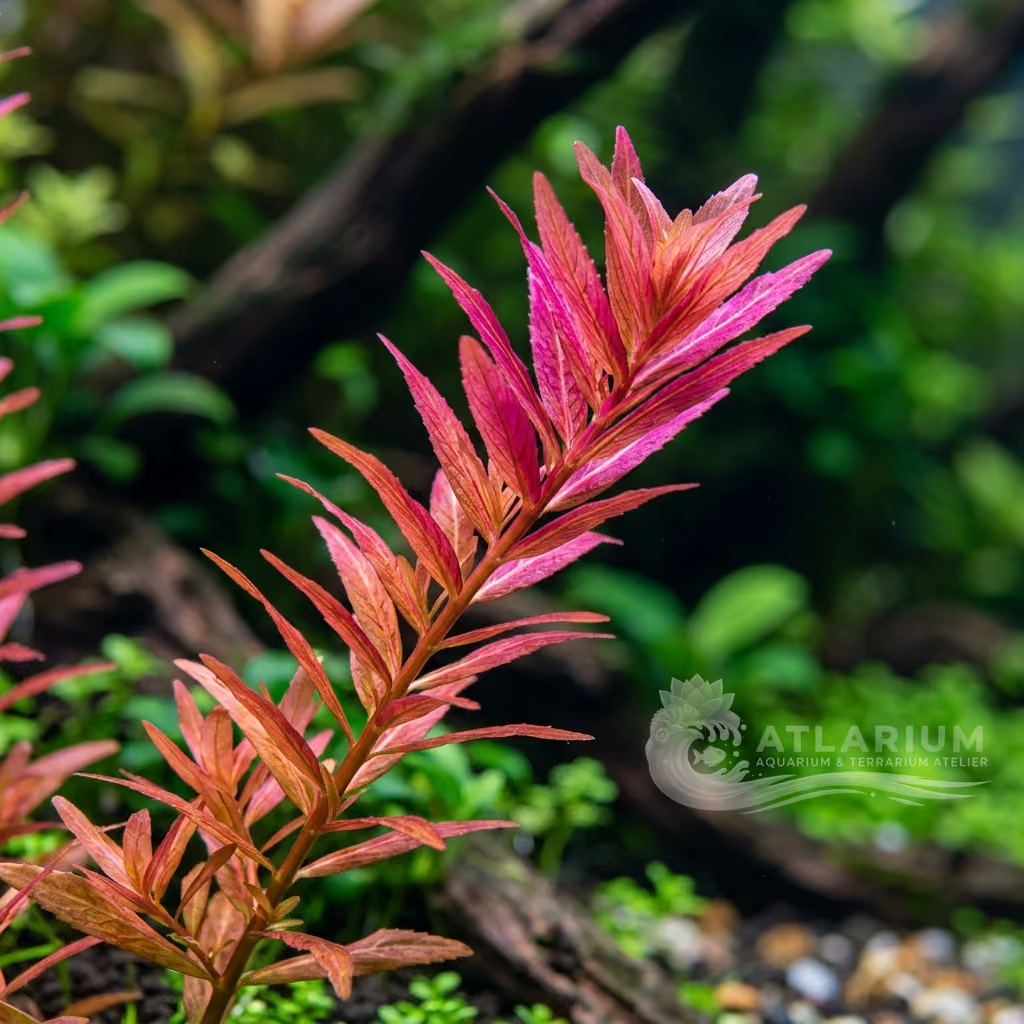
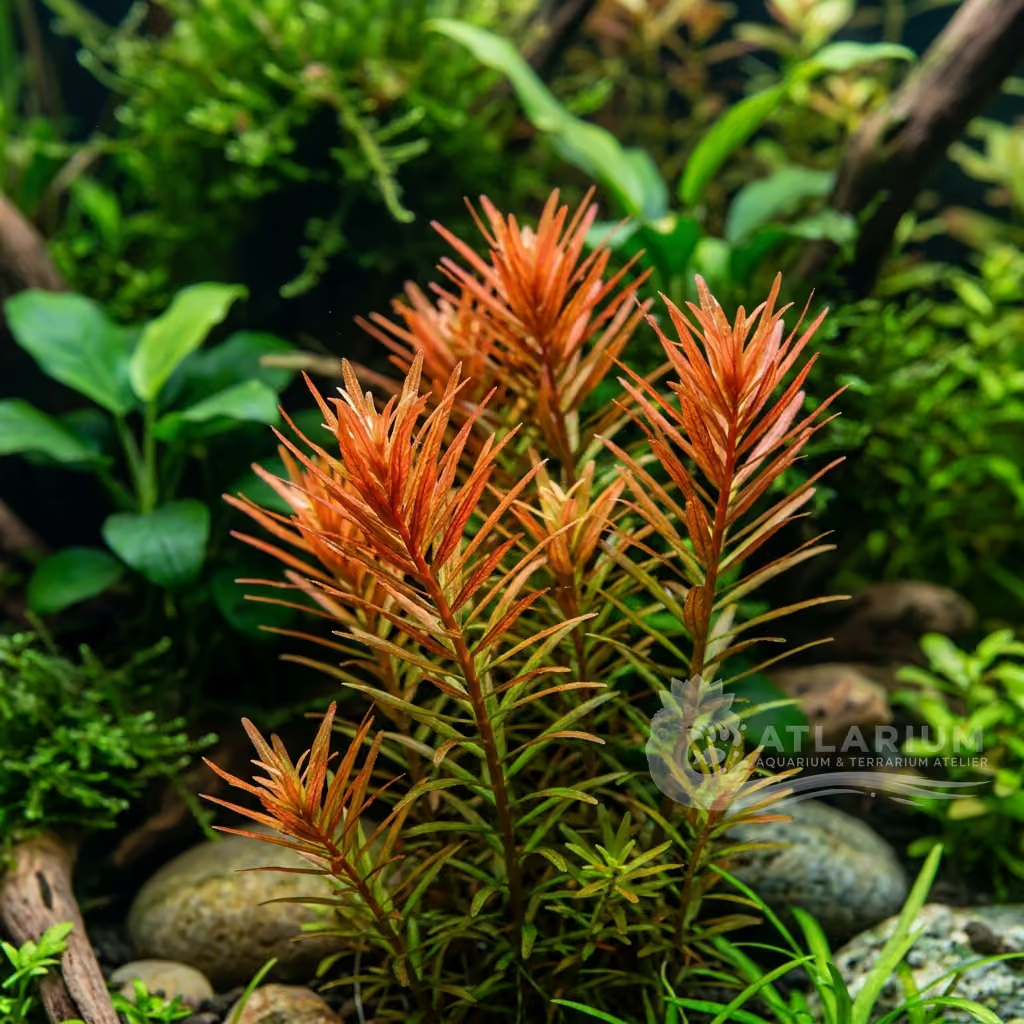
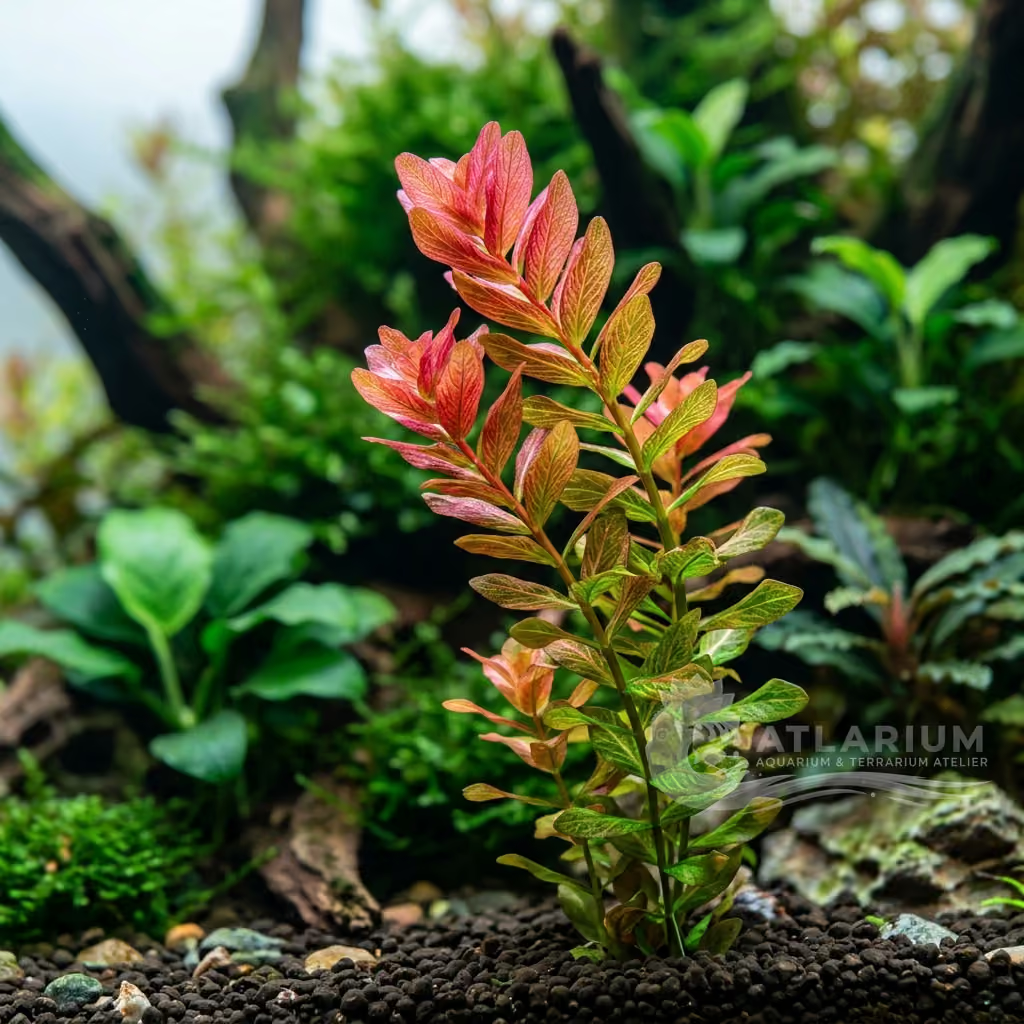
Color & Texture: The leaves of Persicaria hydropiperoides are typically lanceolate to elliptical, and their coloration can range from bright green to reddish or bronze hues, especially when exposed to intense lighting. The leaf surface is smooth to the touch, and the margins are entire, giving the plant a clean and orderly appearance. Under optimal conditions, its vibrant colors can become a captivating focal point in an aquascape.

Care, breeding and tankmates
Lighting & CO2: To achieve robust growth and optimal coloration, Persicaria hydropiperoides requires medium to high intensity lighting. Insufficient light can lead to leggy, weak stems and pale leaves, detracting from its characteristic dense appearance. CO2 supplementation is highly beneficial, significantly boosting its growth rate and enhancing the vibrancy of its foliage, although the plant can survive without additional CO2.
Nutrition & Substrate: As a fast-growing plant, Persicaria hydropiperoides is a heavy feeder. It benefits greatly from a nutrient-rich substrate, preferably one fortified with iron and other essential micronutrients to support its vigorous growth. Root tabs can effectively supplement substrate nutrients, and a comprehensive liquid fertilization regime is indispensable for maintaining its overall health and intense coloration.
Water Chemistry: This species tolerates a broad spectrum of water parameters, ranging from soft to moderately hard water (KH 0-14). It prefers slightly acidic to neutral pH levels, ideally between 5.0 and 7.0, with water temperatures maintained between 18 and 30°C. Stable water conditions within these ranges are crucial for preventing stress and promoting healthy, vigorous growth.
Space Management & Placement: Persicaria hydropiperoides is ideally placed in the midground of an aquascape, where its rapid vertical development can contribute to creating a lush, bushy effect. Its fast growth allows it to effectively fill empty spaces, providing a harmonious transition between foreground and background plants. It is essential to consider the vertical space required to allow it to fully express its growth potential without overshadowing other plants.
Pruning: Regular and sometimes aggressive pruning is crucial for managing the rapid growth of Persicaria hydropiperoides. Trimming the stem tops encourages lateral branching, promoting a denser, more compact, bush-like form. This practice not only controls the plant's size but also prevents it from overshadowing other species or excessively reaching the water surface, maintaining balance within the aquascape.
Risks & Diseases: Although Persicaria hydropiperoides is generally robust, it can exhibit nutrient deficiencies, such as yellowing or paling of new leaves due to iron scarcity. Like many fast-growing plants, it can become susceptible to algal growth if the balance between lighting, CO2, and nutrients is not maintained. Melting can occur following drastic environmental changes or transplant shock, particularly during the transition from an emergent to a submerged form.

Geographic origin and distribution
Native to both North and South America, Persicaria hydropiperoides thrives in shallow aquatic environments such as marshes, riverbanks, and ponds. Its amphibious nature allows it to adapt to both submerged and emergent growth, making it particularly resilient to fluctuating water levels in its natural habitat. This adaptability underscores its robustness and capacity to tolerate varied environmental conditions within an aquarium.
Origin
North AmericaExtra-Amazon South America

Plant profile
- Placement
- Midground
- This plant is ideally placed in the midground or background of the aquarium. Its upward growth habit provides a lush backdrop for smaller foreground species. Grouping several stems together creates a dense and visually striking thicket.
- Botanical form
- Stem
- It is characterized by an elegant stem structure adorned with delicately shaped leaves. The foliage grows in an alternating or opposite pattern, creating a structured appearance. Its graceful form adds a distinct textural contrast to the aquarium.
- Growth
- Fast
- Persicaria hydropiperoides exhibits a moderate to fast growth rate under optimal conditions. High light and CO2 injection significantly accelerate its development and branching. Steady growth requires a balanced and consistent nutrient supply.
- Substrate
- High
- Persicaria hydropiperoides requires a nutrient-rich and deep substrate to reach its full potential and display its striking aquatic forms. A high-quality aquasoil layered over a mineral-rich base is highly recommended to support its vigorous root system and rapid stem growth. A substrate depth of at least 5 to 7 centimeters is ideal, allowing the roots to firmly anchor the tall stems and providing consistent access to essential nutrients.
- Column fertilization
- Recommended
- Liquid fertilization is highly beneficial as Persicaria hydropiperoides readily absorbs nutrients through its leaves. A comprehensive fertilizer ensures the rapid metabolism is fully supported. Potassium and micronutrients are essential to prevent leaf holes.
- Root fertilization
- Recommended
- While it draws heavily from the water column, a fertile substrate greatly benefits this species. Root tabs or a quality aquasoil promote a strong and deep root system. Healthy roots anchor the plant securely and enhance overall vigor.
- Trimming
- Regular
- Trimming is straightforward: simply cut the stems at the desired height using sharp scissors. The lower sections left in the substrate will typically produce new lateral shoots. Regular pruning encourages a bushier and more compact growth form.
- Propagation
- Cuttings
- Propagation is easily achieved by taking stem cuttings. Snipping a healthy top portion and replanting it directly into the substrate establishes a new plant rapidly. The remaining bottom section will often sprout multiple new branches.
- Sensitivity
- Moderate
- Persicaria hydropiperoides is sensitive to sudden fluctuations in water parameters or temperature. Insufficient light quickly leads to the loss of lower leaves and weak stems. Care should be taken to avoid placing it with aggressive herbivorous fish.
- Layout role
- Midground, Background
- Its primary role is to provide vertical structure and textural contrast in planted layouts. The bright foliage stands out beautifully against dark hardscape materials. The gently swaying stems add a dynamic and natural feel to the water column.

Image gallery
Licensed images linked to the species or, when marked, to the closest representative taxon.

Related species
Recommendations grouped by close relatives, companion choices, and similar care.