Persicaria sp. "acre"
Persicaria sp. "acre"
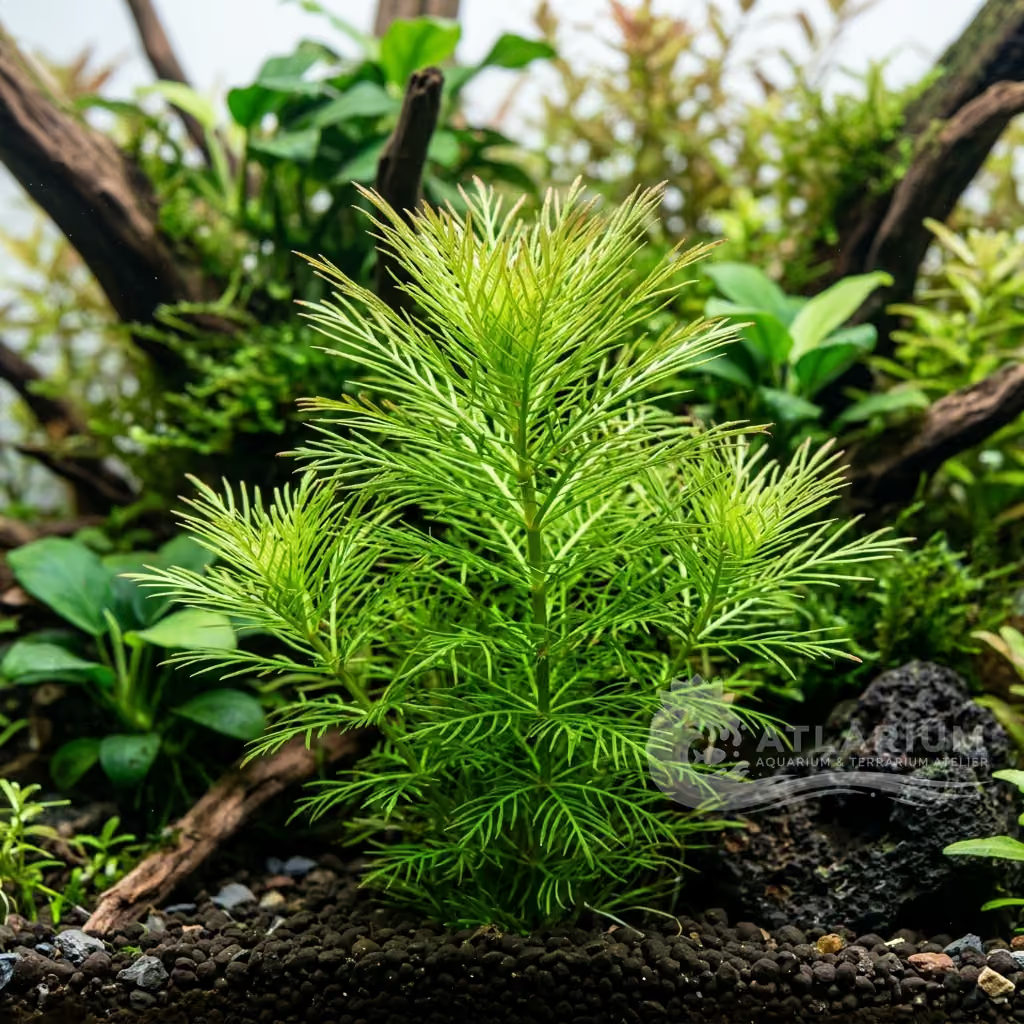
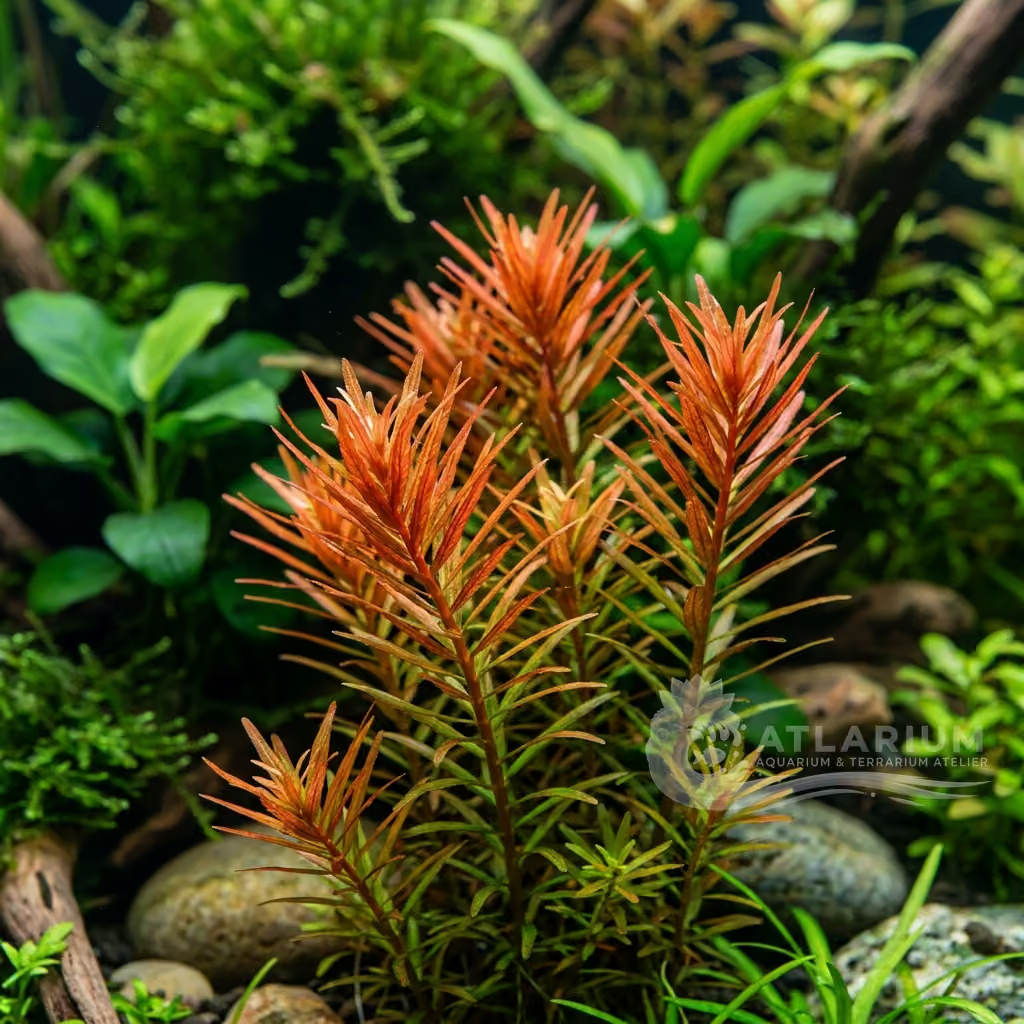
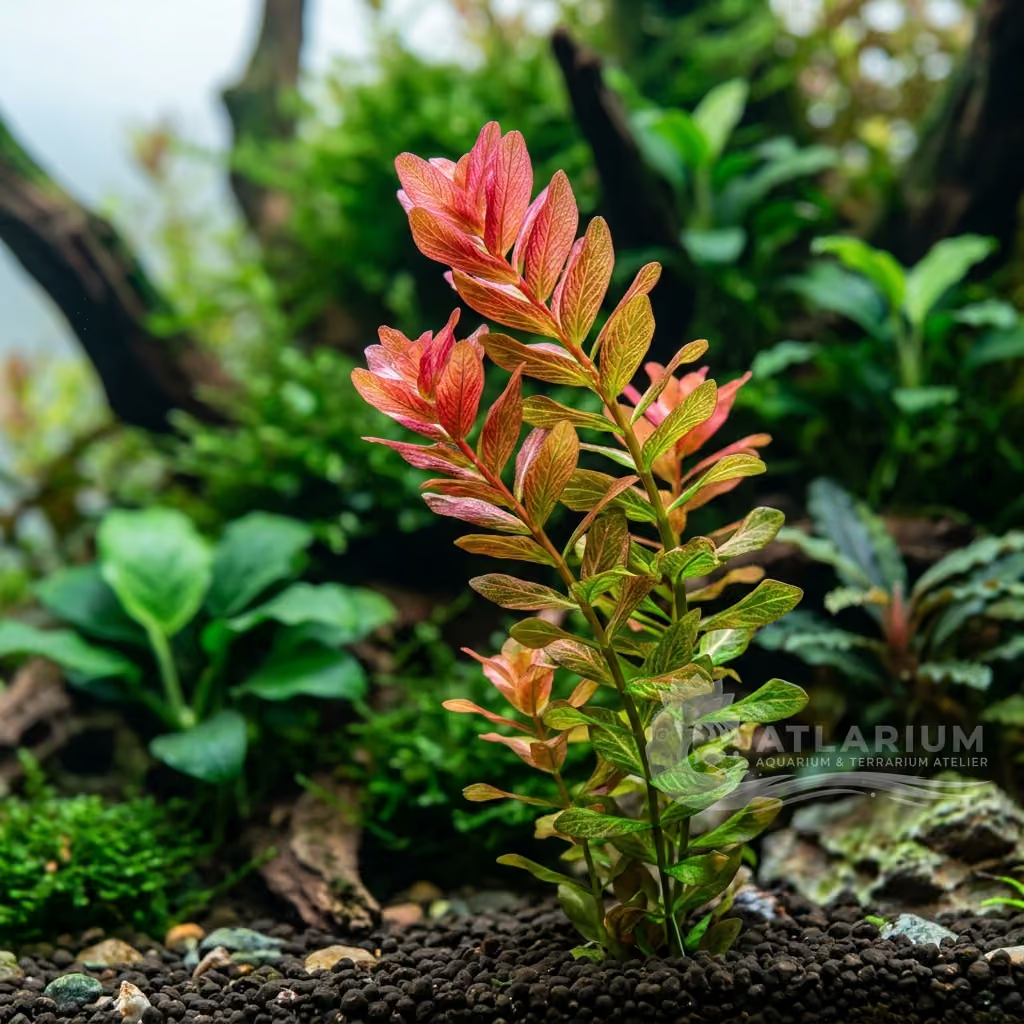
Persicaria sp. "acre" is a fast-growing stem plant ideal for midground placement, forming vibrant, dense bushes in the aquarium. It requires regular trimming to maintain its desired shape and encourage bushy, vigorous growth.
Water Temperature
18 - 30 °C
pH Value
5 - 7
Water type
Freshwater
Light
Medium to High
CO2
High
KH
0 - 14 dKH

Species description
Geographical Origin and Habitat: Although the designation "sp. 'acre'" does not refer to a formally described species, Persicaria plants are cosmopolitan, widely distributed in temperate and tropical zones across almost all continents. They are frequently found in damp environments such as marshes, riverbanks, ditches, and seasonally flooded areas, demonstrating a remarkable ability for both submerged and emergent growth. This particular form is likely a selection or variety that inherits the robustness and rapid growth typical of the genus in aquatic and semi-aquatic habitats.
Taxonomy & Genetics: Persicaria sp. "acre" belongs to the Polygonaceae family, a large group of plants that includes many well-known genera such as Polygonum and Bistorta, in addition to Persicaria itself. The genus Persicaria comprises numerous species, many of which are used in aquascaping due to their versatility and variety of forms and
Color & Texture: s. The "sp. 'acre'" designation suggests it is either an as-yet unidentified species or a cultivar selected for specific characteristics, often alluding to a pungent taste or smell typical of some wild Persicaria species, such as *Persicaria hydropiper*.
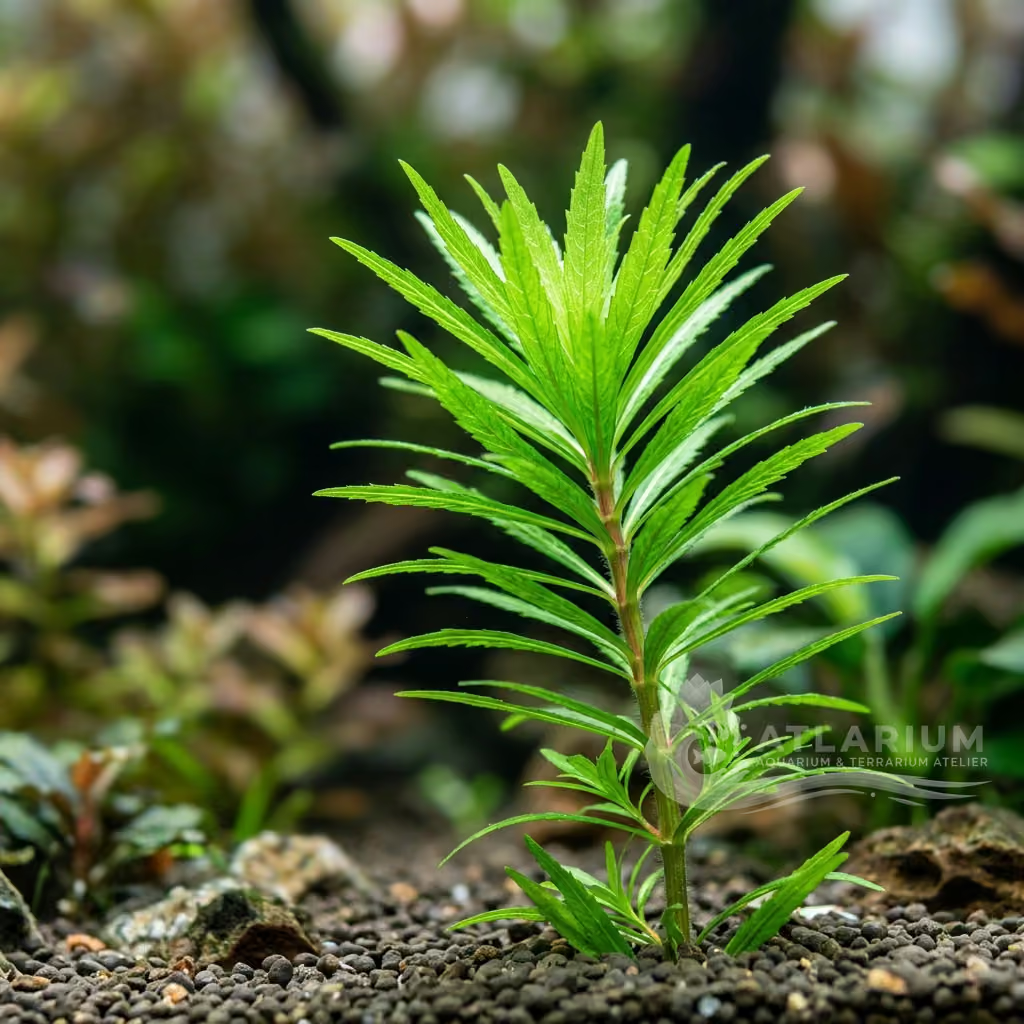
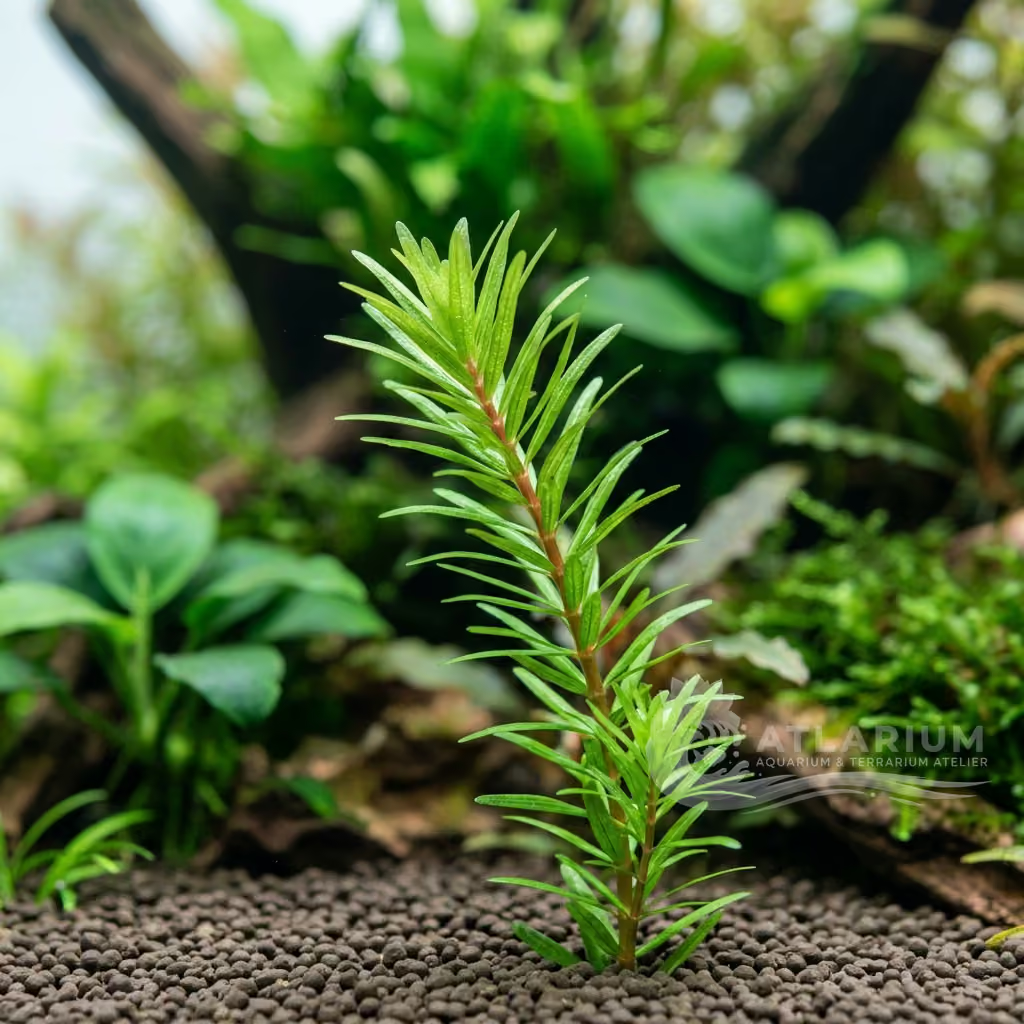
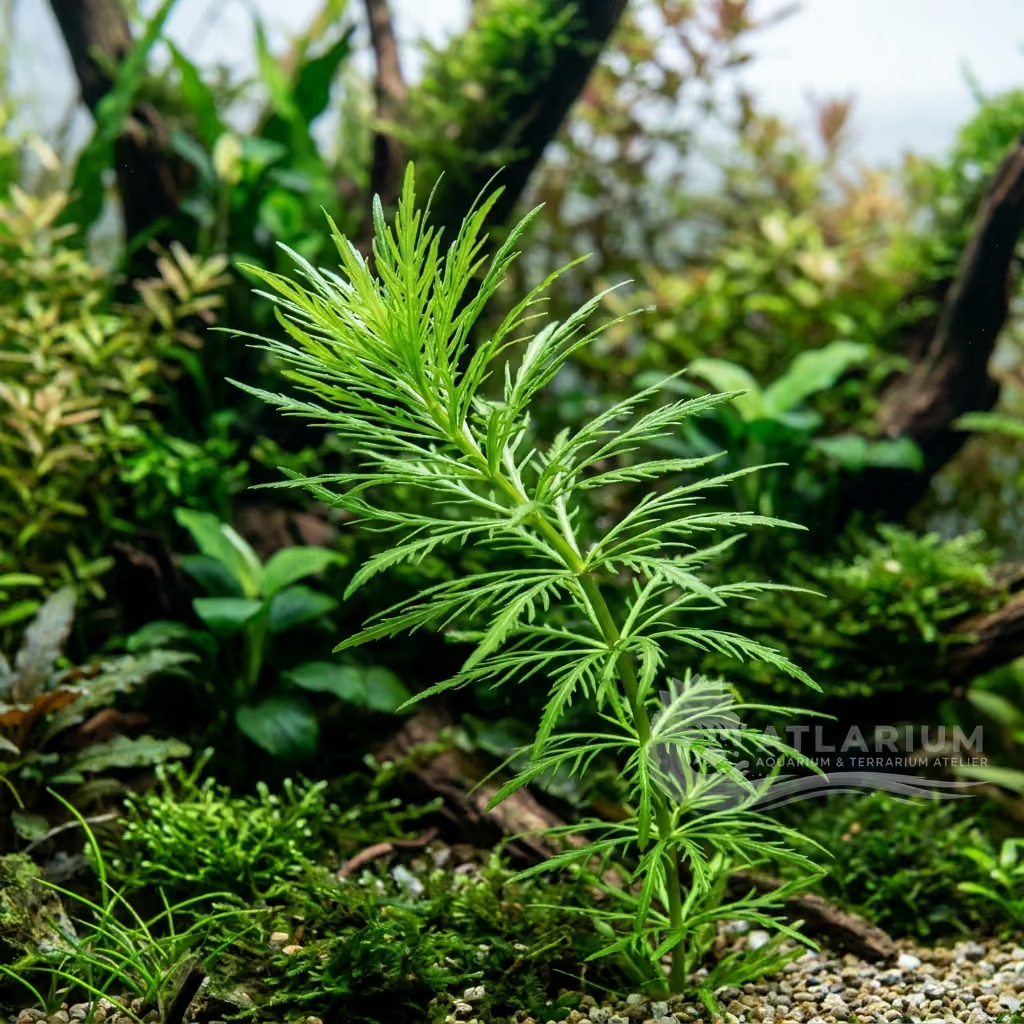
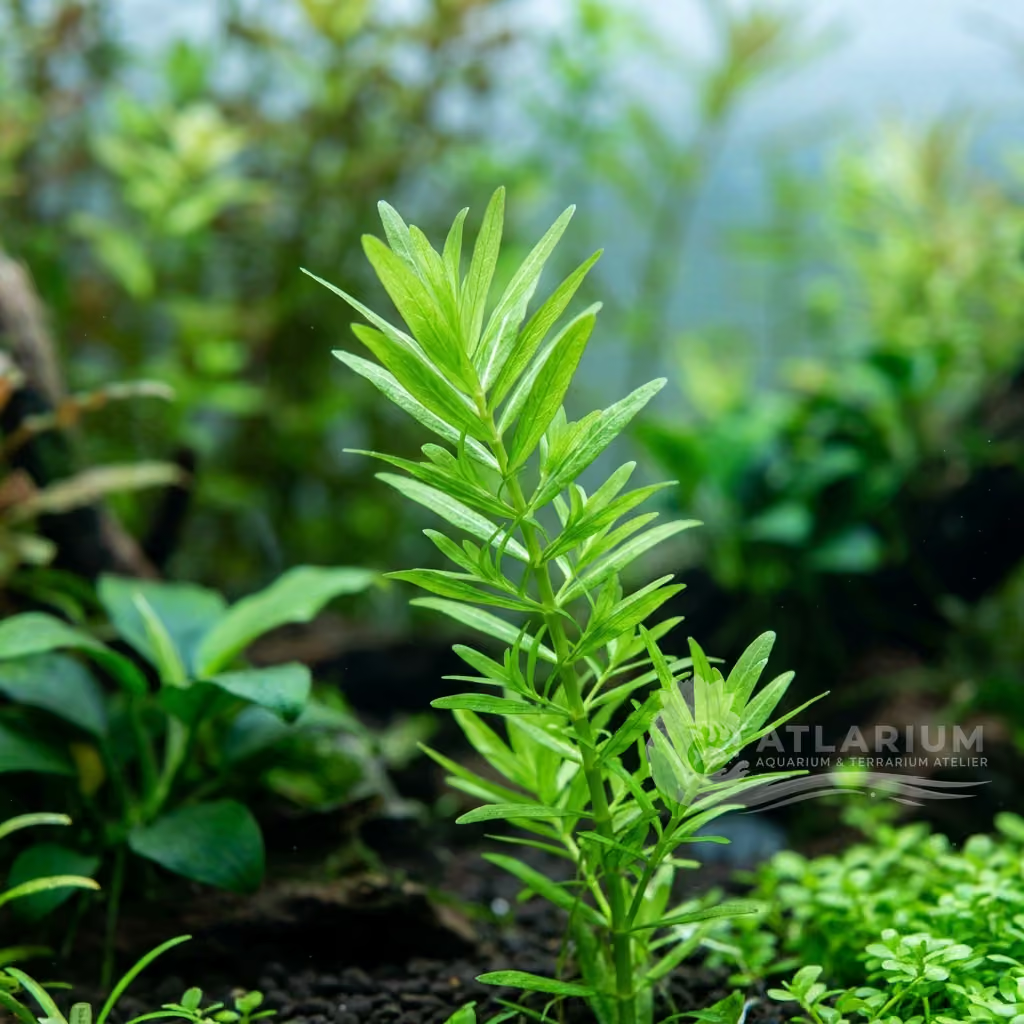
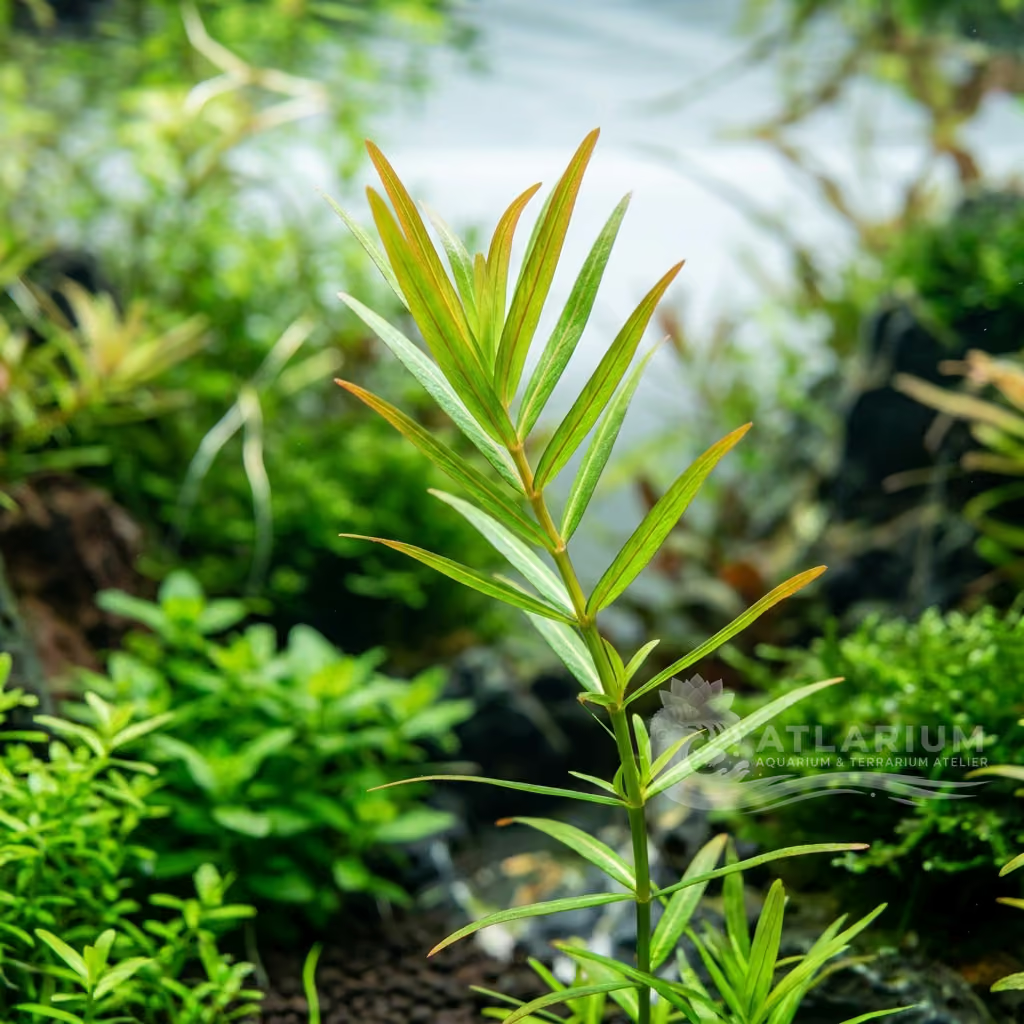
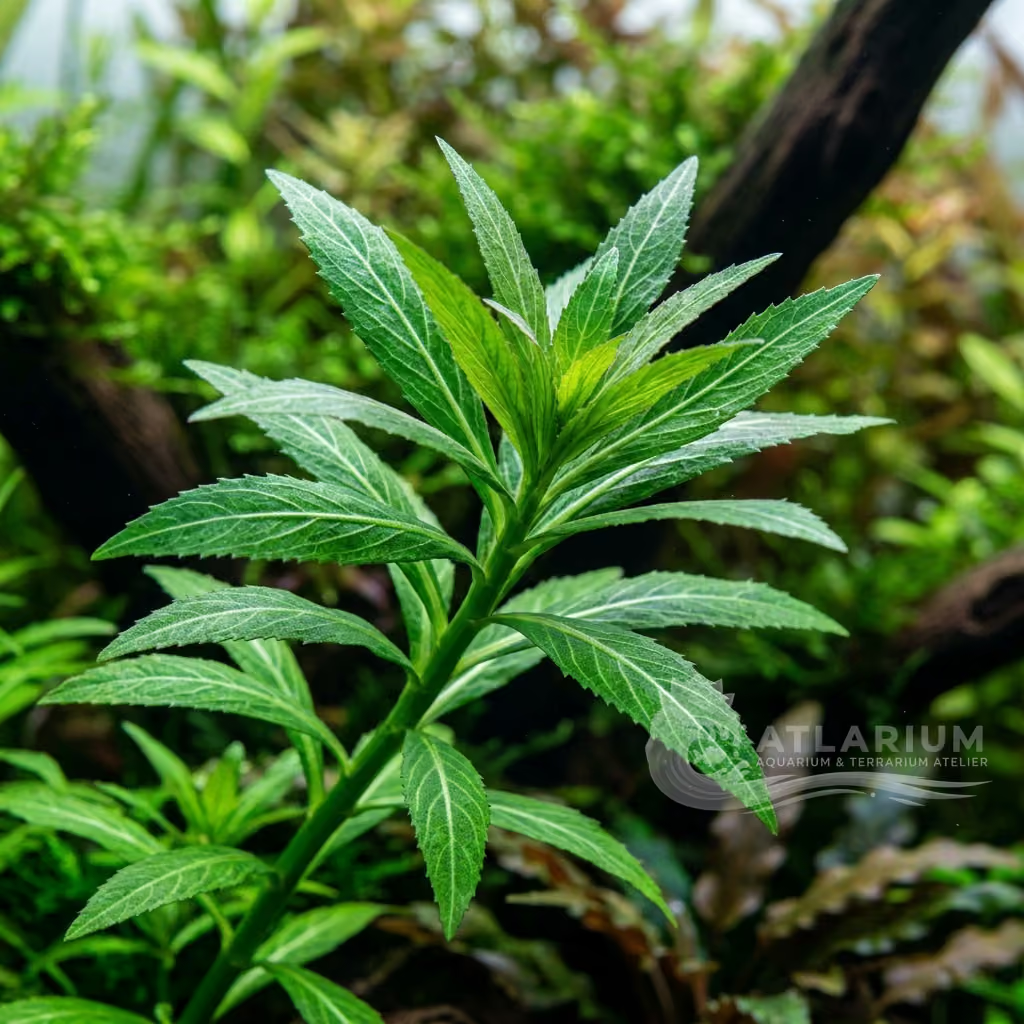
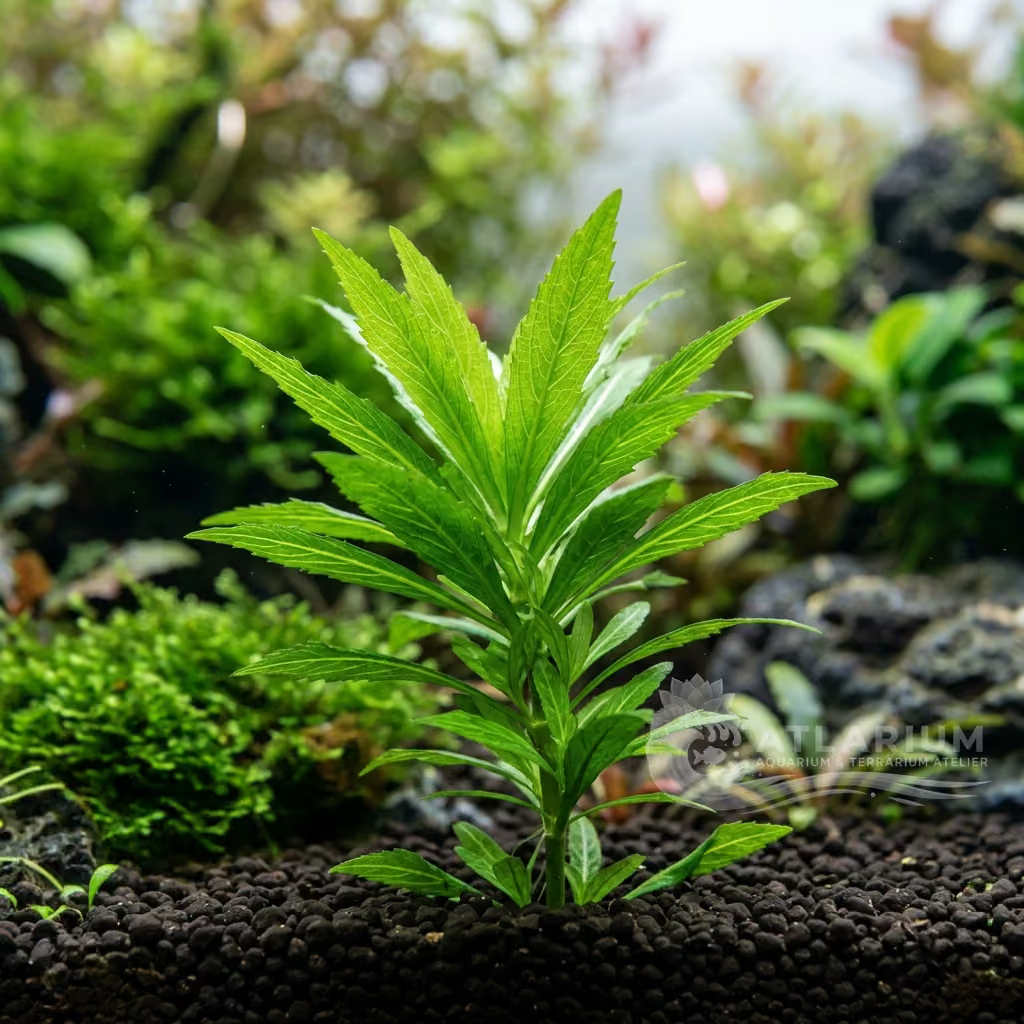
Physical Structure: This plant typically grows as an erect, branched stem, with internode lengths that can vary depending on light intensity and nutrient availability. Its leaves are alternately arranged along the stem and are typically lanceolate or ovate, tapering to a sharp point. The root system is fibrous and develops both in the substrate and along the stems, particularly when the plant is mature or in strong rooting conditions, contributing to its anchoring and nutrient absorption.
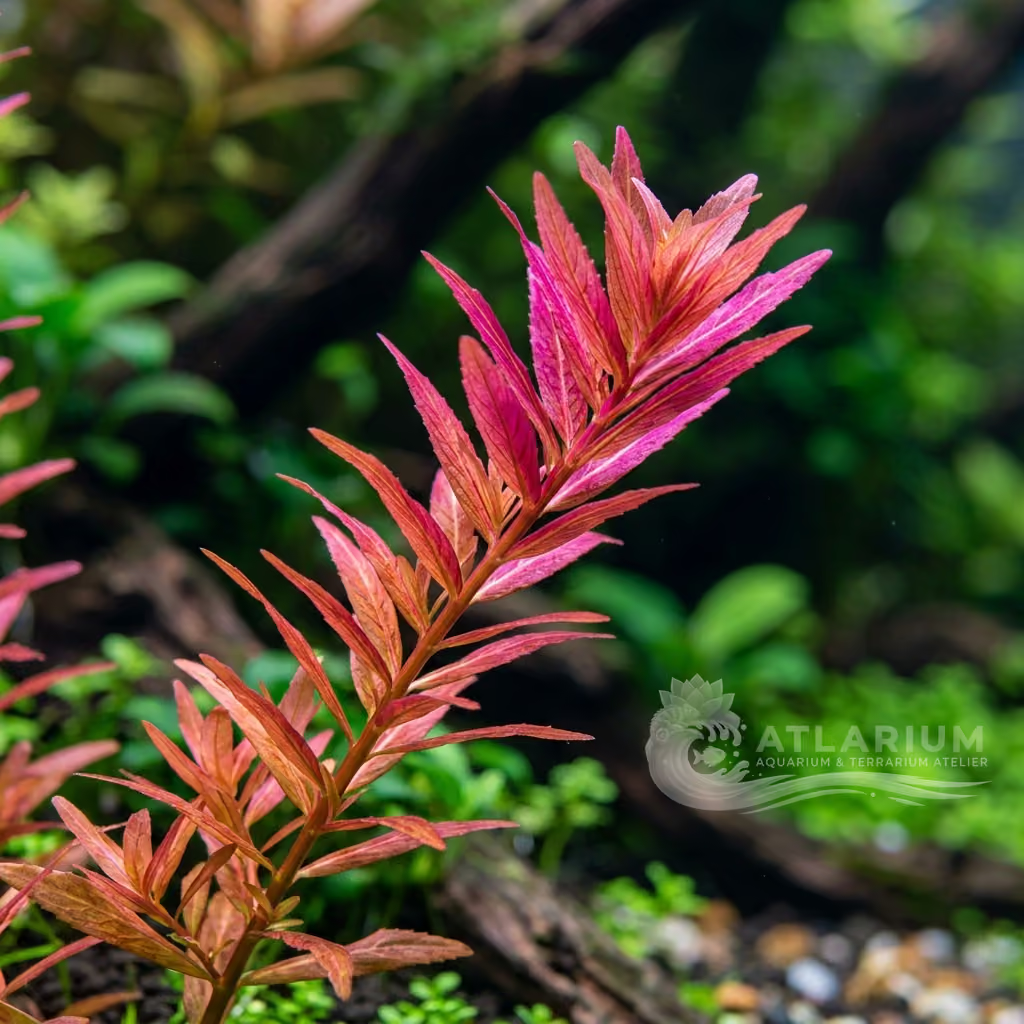
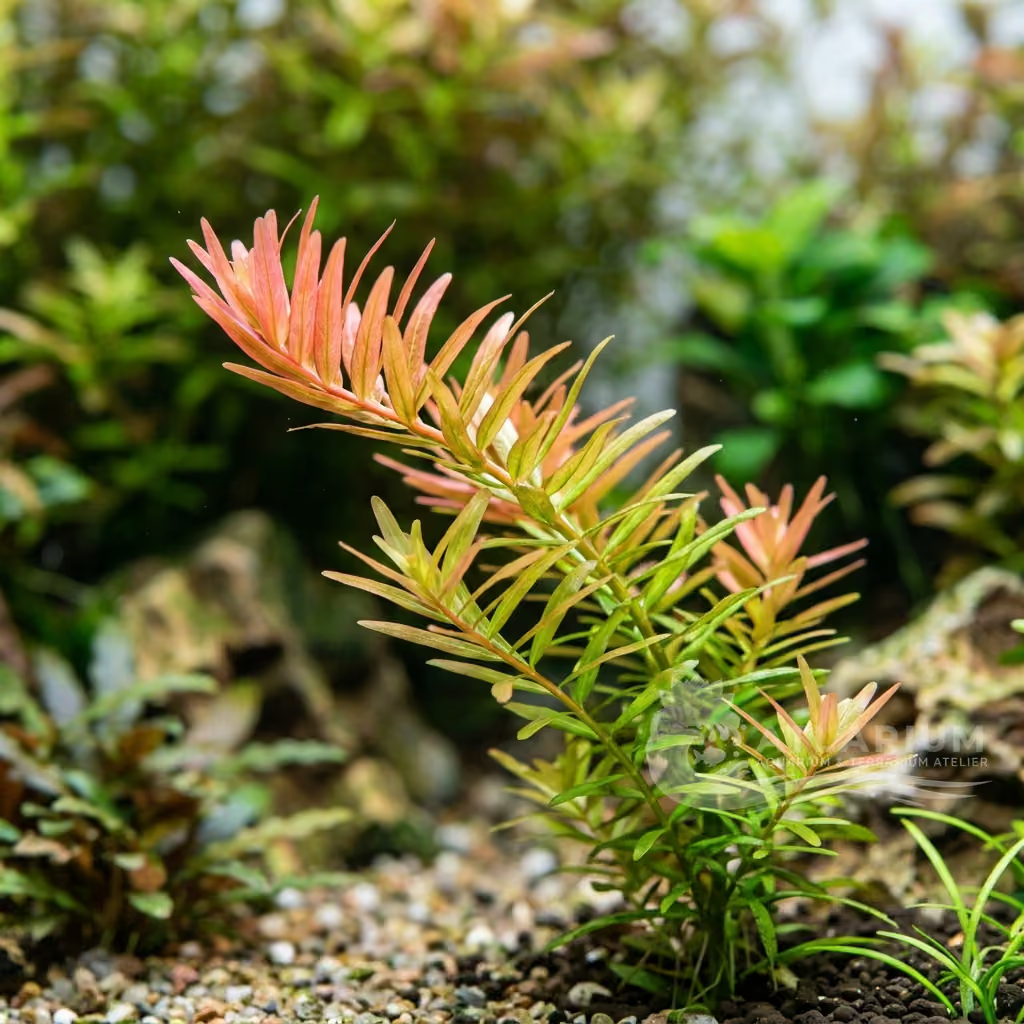
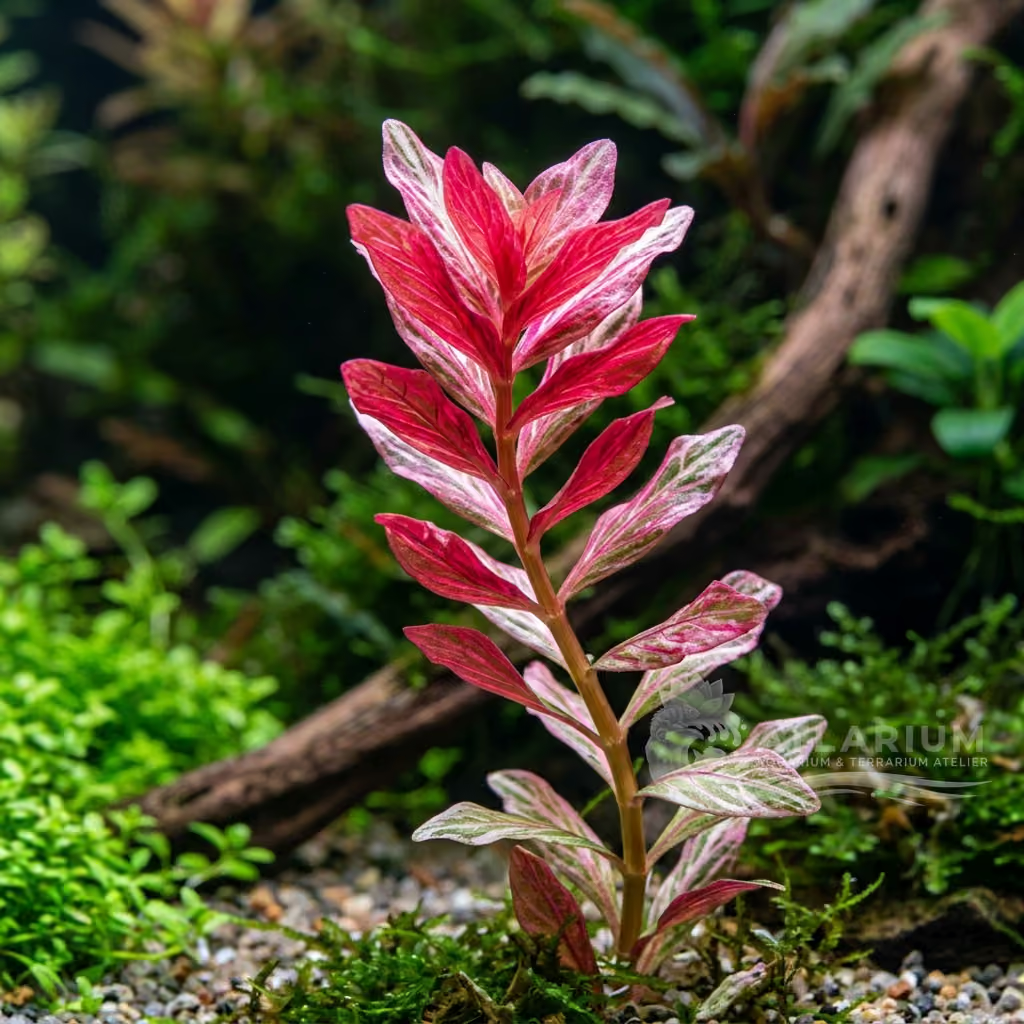
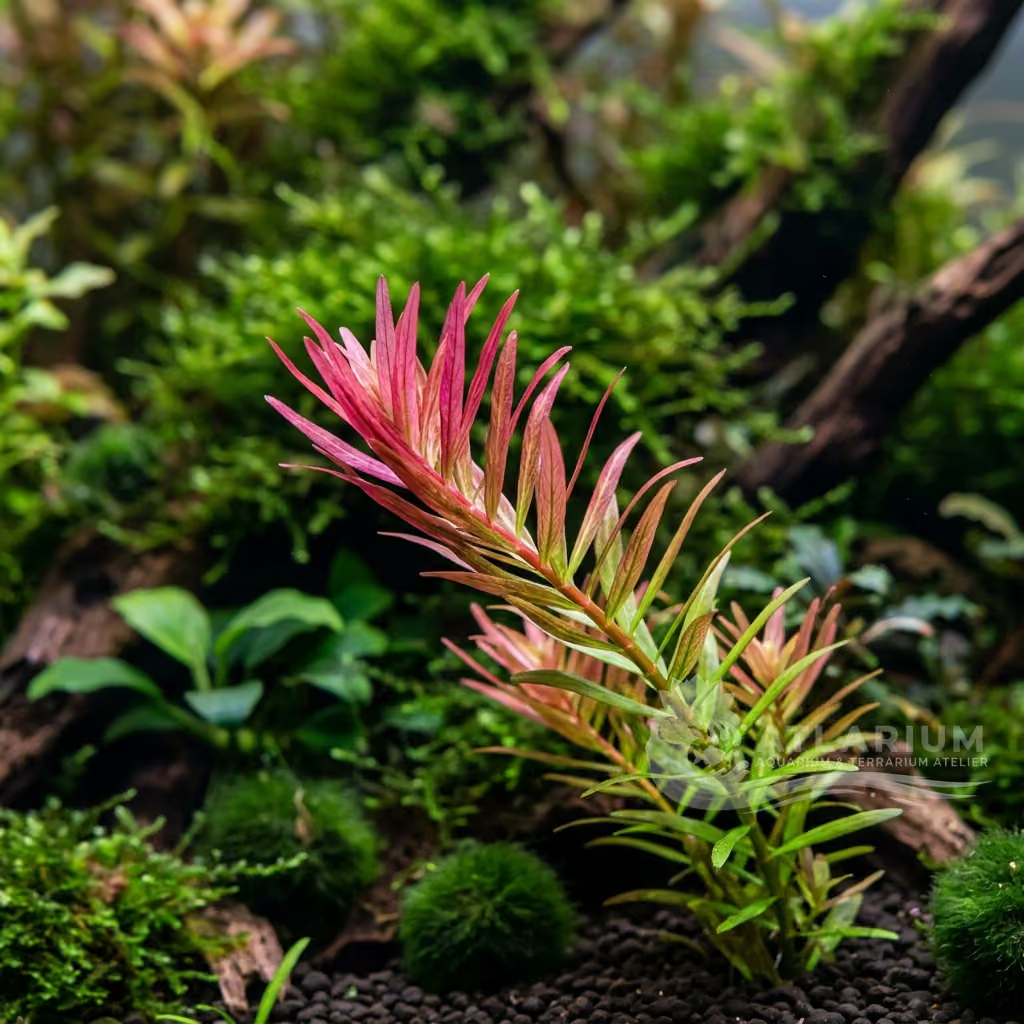
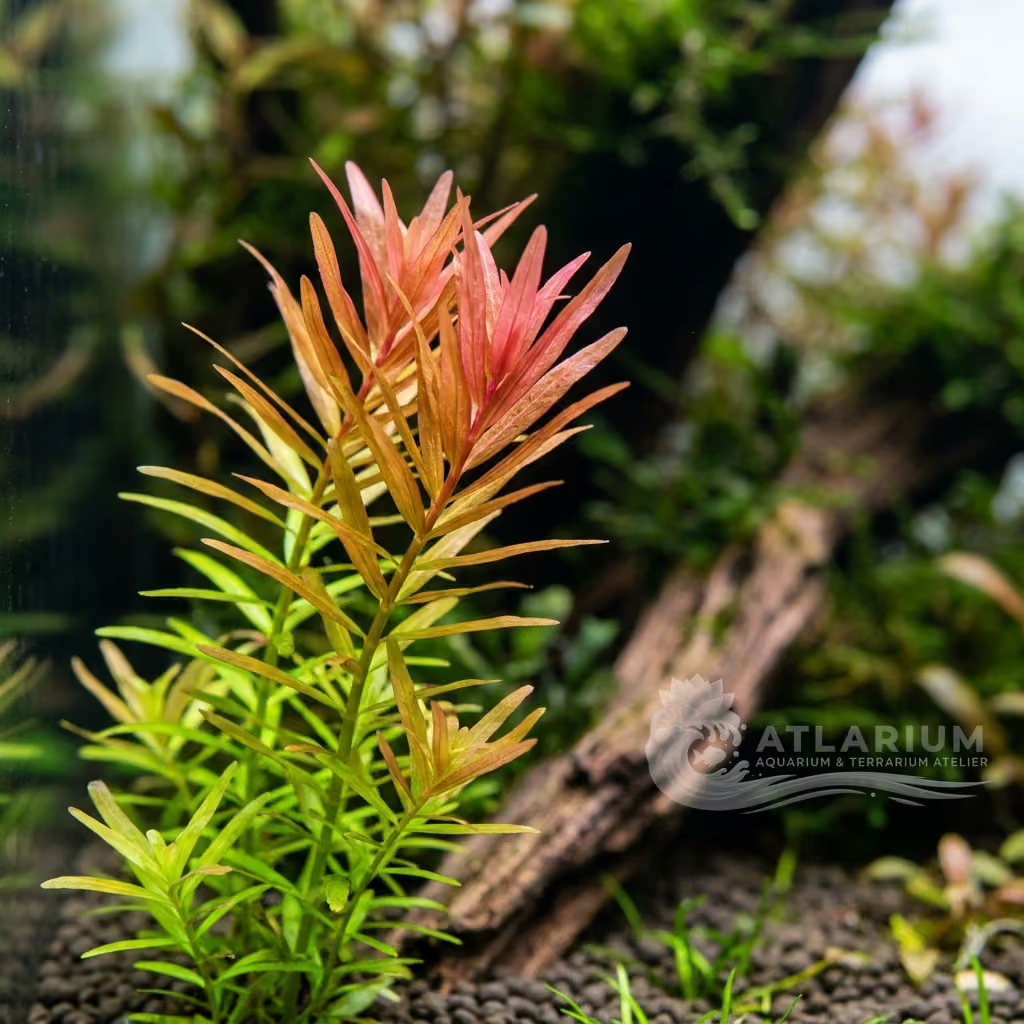
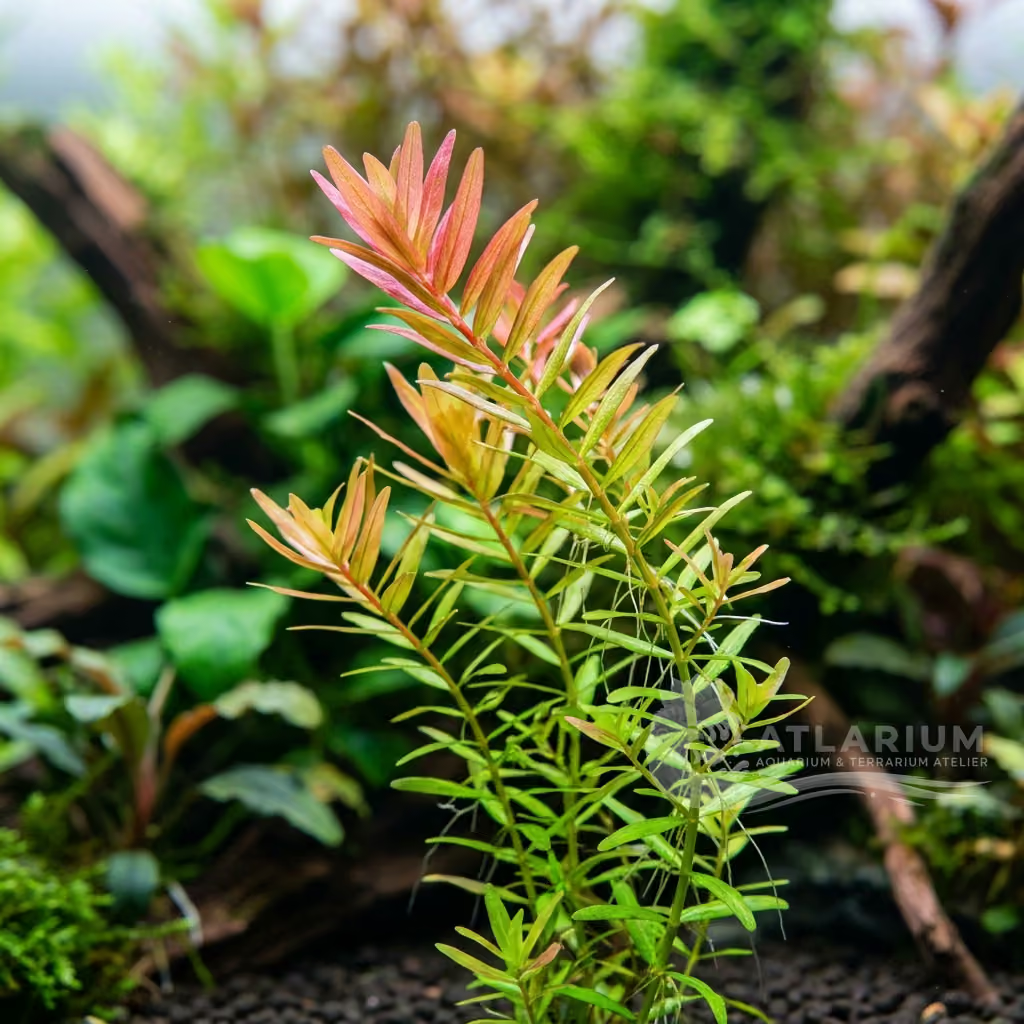
Color & Texture: The predominant color of Persicaria sp. "acre" leaves is a bright, vibrant green, which can take on more intense or even reddish hues under high lighting conditions and adequate CO2 and nutrient supplementation. New leaves and apical shoots tend to exhibit the most reddish or pinkish tones, adding an interesting visual contrast. The leaf texture is generally smooth and slightly fleshy, imparting a fresh and healthy appearance to the overall plant.

Care, breeding and tankmates
Lighting & CO2: For optimal growth and to enhance the coloration of Persicaria sp. "acre", it is essential to provide medium to high-intensity lighting. Insufficient light can lead to stunted growth, elongated internodes, and paler coloration. CO2 injection is highly recommended, if not almost mandatory, to support its rapid growth rate and promote efficient photosynthesis, resulting in more robust plants and denser, more colorful foliage.
Nutrition & Substrate: As a fast-growing plant, Persicaria sp. "acre" is a voracious consumer of nutrients and benefits immensely from a nutrient-rich substrate. It is crucial to supplement fertilization with a comprehensive liquid regimen that includes both macronutrients (nitrogen, phosphorus, potassium) and micronutrients (iron, manganese, boron, etc.). Iron deficiency, in particular, can manifest as yellowing of younger leaves and the loss of vibrant reddish tones.
Water Chemistry: This species is quite tolerant of a wide range of water parameters but thrives best in stable conditions. The ideal temperature ranges between 18.0 and 30.0 C, reflecting its often tropical or subtropical origin. pH should be maintained in a slightly acidic range, from 5.0 to 7.0, while carbonate hardness (KH) can vary from 0.0 to 14.0, indicating good adaptability to soft or moderately hard water. Avoiding sudden fluctuations is crucial to prevent stress to the plant.
Space Management & Placement: Persicaria sp. "acre" is an excellent choice for the midground, where its rapid growth and ability to form dense bushes can create a strong visual impact. Given its fast development, it is important to allow sufficient space and anticipate that it may soon require trimming to prevent it from overcrowding surrounding plants or reaching the surface. It can be used to add depth or as a transition point between foreground and background plants.
Pruning: Regular pruning is a fundamental aspect of cultivating Persicaria sp. "acre" in the aquarium. Due to its fast growth, if left unchecked, it can quickly become too tall and dense, overshadowing plants below. Frequent trimming encourages lateral branching, making the plant bushier and more compact. Cut stems can be easily replanted into the substrate to propagate the plant, creating new clusters or filling empty areas.
Risks & Diseases: This Persicaria is generally robust, but like all aquatic plants, it is susceptible to problems arising from nutrient deficiencies or unstable environmental conditions. Stunted growth, excessively long internodes, or pale leaves may indicate a lack of light, CO2, or nutrients. The appearance of algae on the leaves is often a sign of an imbalance between light and nutrients. Leaf decomposition at the base can occur due to poor water circulation or excessive shading.

Geographic origin and distribution
Although the designation "sp. 'acre'" does not refer to a formally described species, Persicaria plants are cosmopolitan, widely distributed in temperate and tropical zones across almost all continents. They are frequently found in damp environments such as marshes, riverbanks, ditches, and seasonally flooded areas, demonstrating a remarkable ability for both submerged and emergent growth. This particular form is likely a selection or variety that inherits the robustness and rapid growth typical of the genus in aquatic and semi-aquatic habitats.
Origin
Cosmopolitan or introduced

Plant profile
- Placement
- Midground
- This plant is ideally placed in the midground or background of the aquarium. Its upward growth habit provides a lush backdrop for smaller foreground species. Grouping several stems together creates a dense and visually striking thicket.
- Botanical form
- Stem
- It is characterized by an elegant stem structure adorned with delicately shaped leaves. The foliage grows in an alternating or opposite pattern, creating a structured appearance. Its graceful form adds a distinct textural contrast to the aquarium.
- Growth
- Fast
- Persicaria sp. "acre" exhibits a moderate to fast growth rate under optimal conditions. High light and CO2 injection significantly accelerate its development and branching. Steady growth requires a balanced and consistent nutrient supply.
- Substrate
- High
- Persicaria sp. "acre" thrives best when planted in a fertile, nutrient-dense substrate that can sustain its relatively high metabolic demands. Utilizing an active aquasoil enriched with foundational macronutrients encourages robust root spread and vibrant, healthy foliage. The substrate should be maintained at a depth of 4 to 6 centimeters, providing adequate space for its root network to anchor the plant securely and feed continuously.
- Column fertilization
- Recommended
- Liquid fertilization is highly beneficial as Persicaria sp. "acre" readily absorbs nutrients through its leaves. A comprehensive fertilizer ensures the rapid metabolism is fully supported. Potassium and micronutrients are essential to prevent leaf holes.
- Root fertilization
- Recommended
- While it draws heavily from the water column, a fertile substrate greatly benefits this species. Root tabs or a quality aquasoil promote a strong and deep root system. Healthy roots anchor the plant securely and enhance overall vigor.
- Trimming
- Regular
- Trimming is straightforward: simply cut the stems at the desired height using sharp scissors. The lower sections left in the substrate will typically produce new lateral shoots. Regular pruning encourages a bushier and more compact growth form.
- Propagation
- Cuttings
- Propagation is easily achieved by taking stem cuttings. Snipping a healthy top portion and replanting it directly into the substrate establishes a new plant rapidly. The remaining bottom section will often sprout multiple new branches.
- Sensitivity
- Moderate
- Persicaria sp. "acre" is sensitive to sudden fluctuations in water parameters or temperature. Insufficient light quickly leads to the loss of lower leaves and weak stems. Care should be taken to avoid placing it with aggressive herbivorous fish.
- Layout role
- Midground, Background
- Its primary role is to provide vertical structure and textural contrast in planted layouts. The bright foliage stands out beautifully against dark hardscape materials. The gently swaying stems add a dynamic and natural feel to the water column.

Related species
Recommendations grouped by close relatives, companion choices, and similar care.