Rotala rotundifolia 'Green'
Rotala rotundifolia
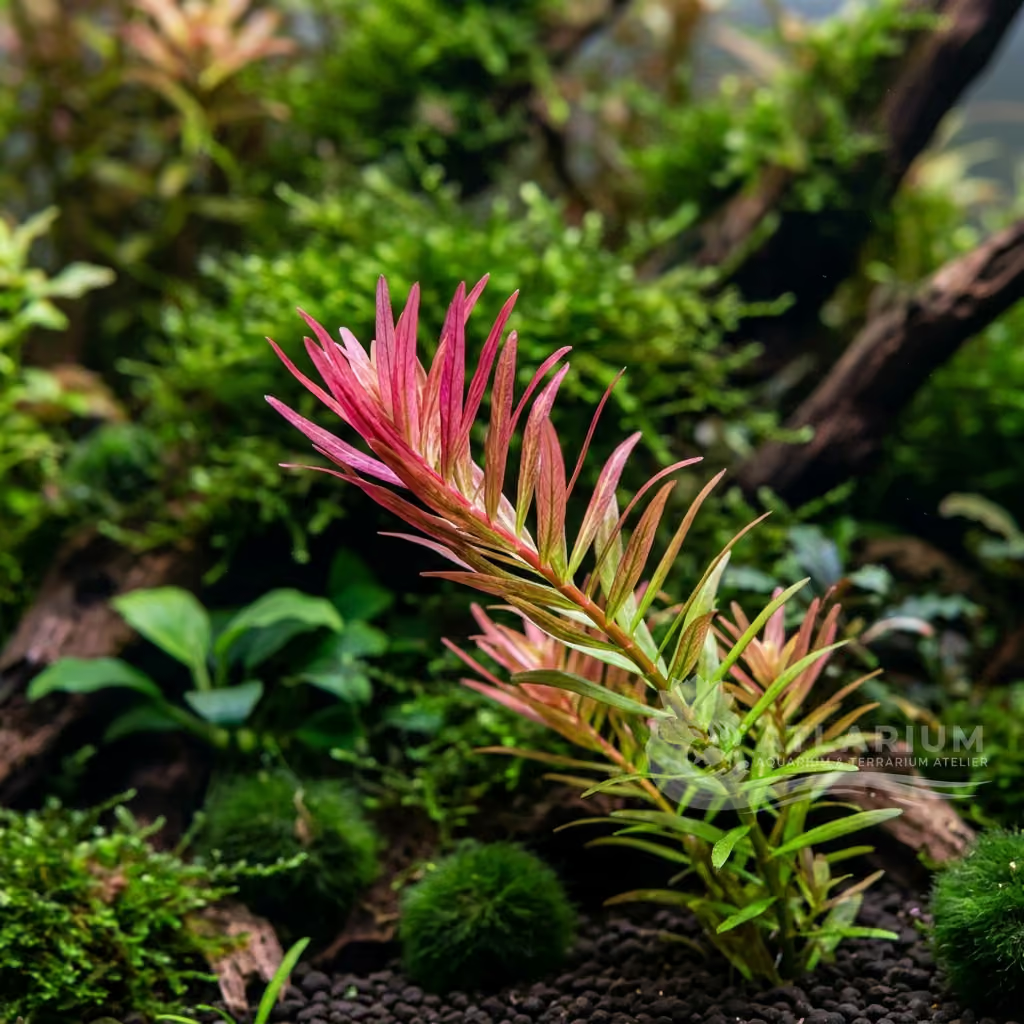
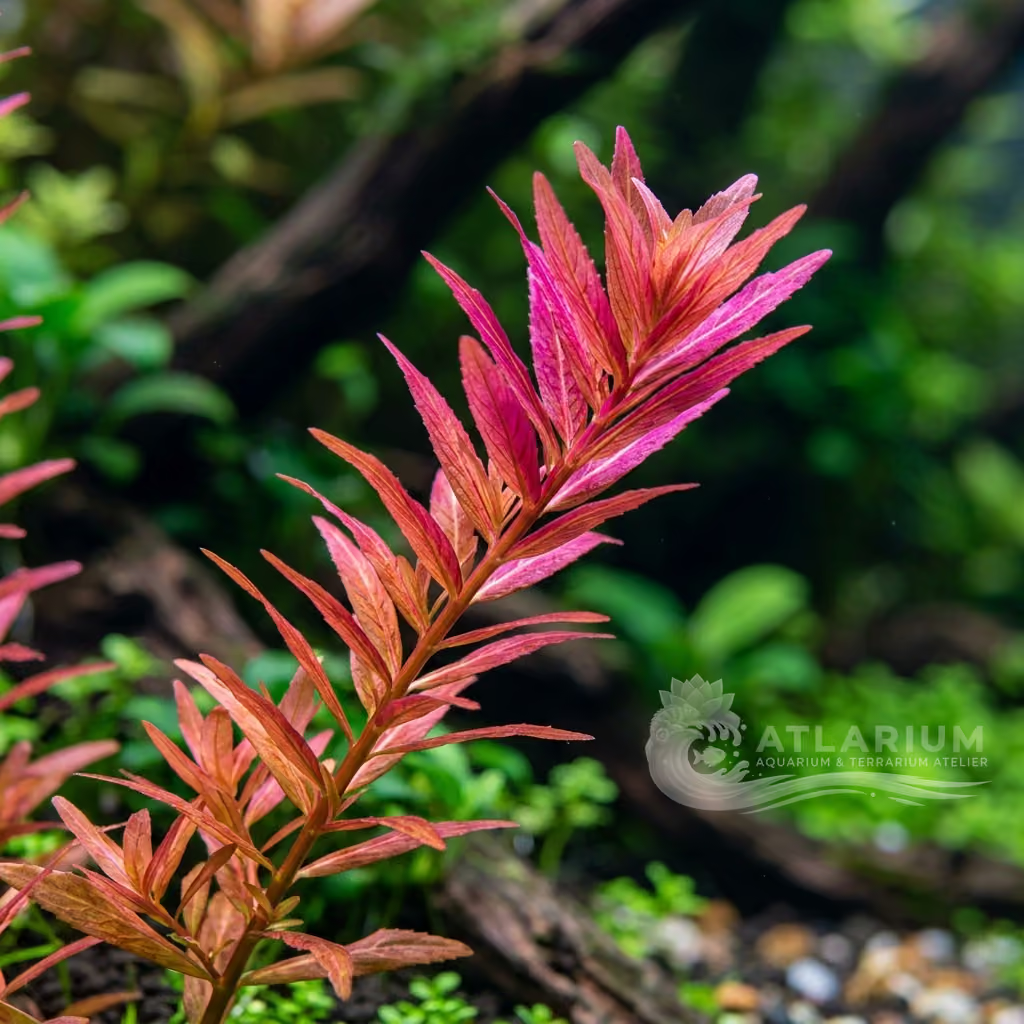
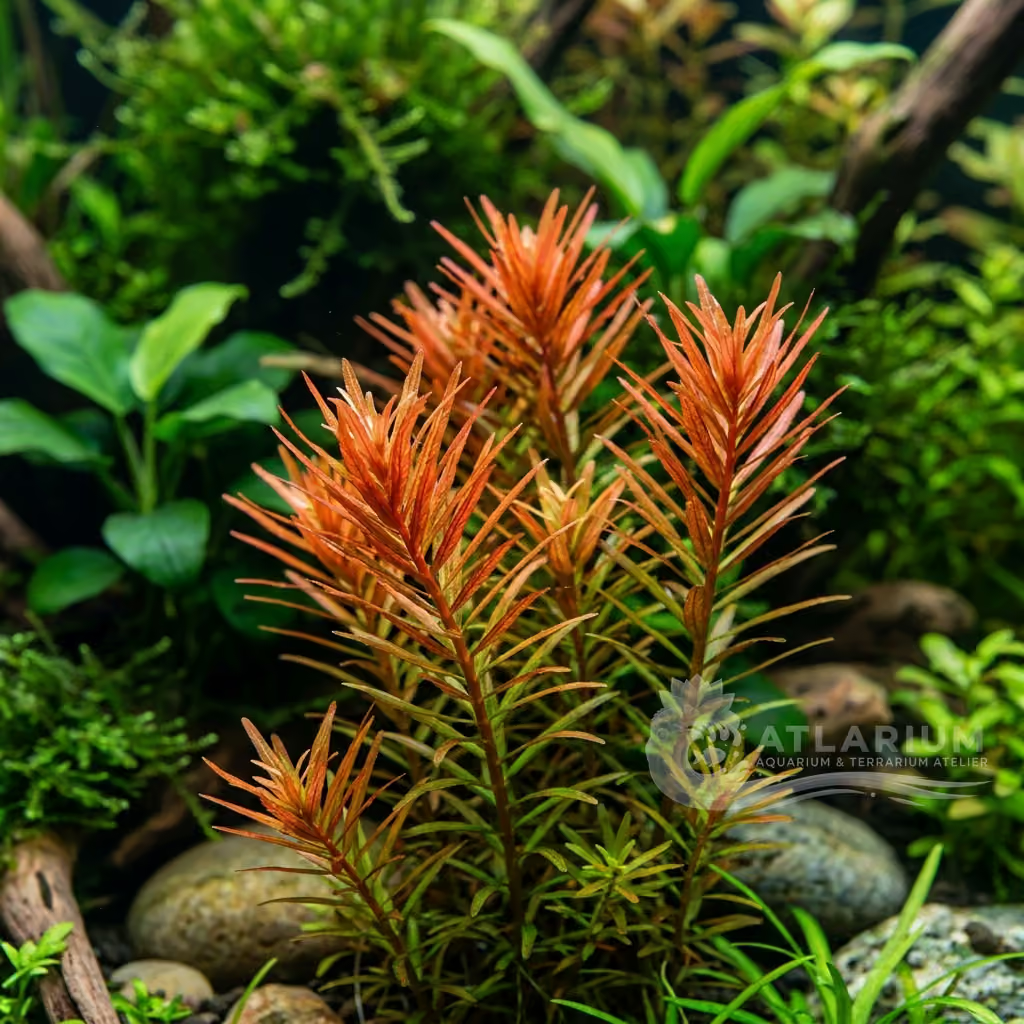
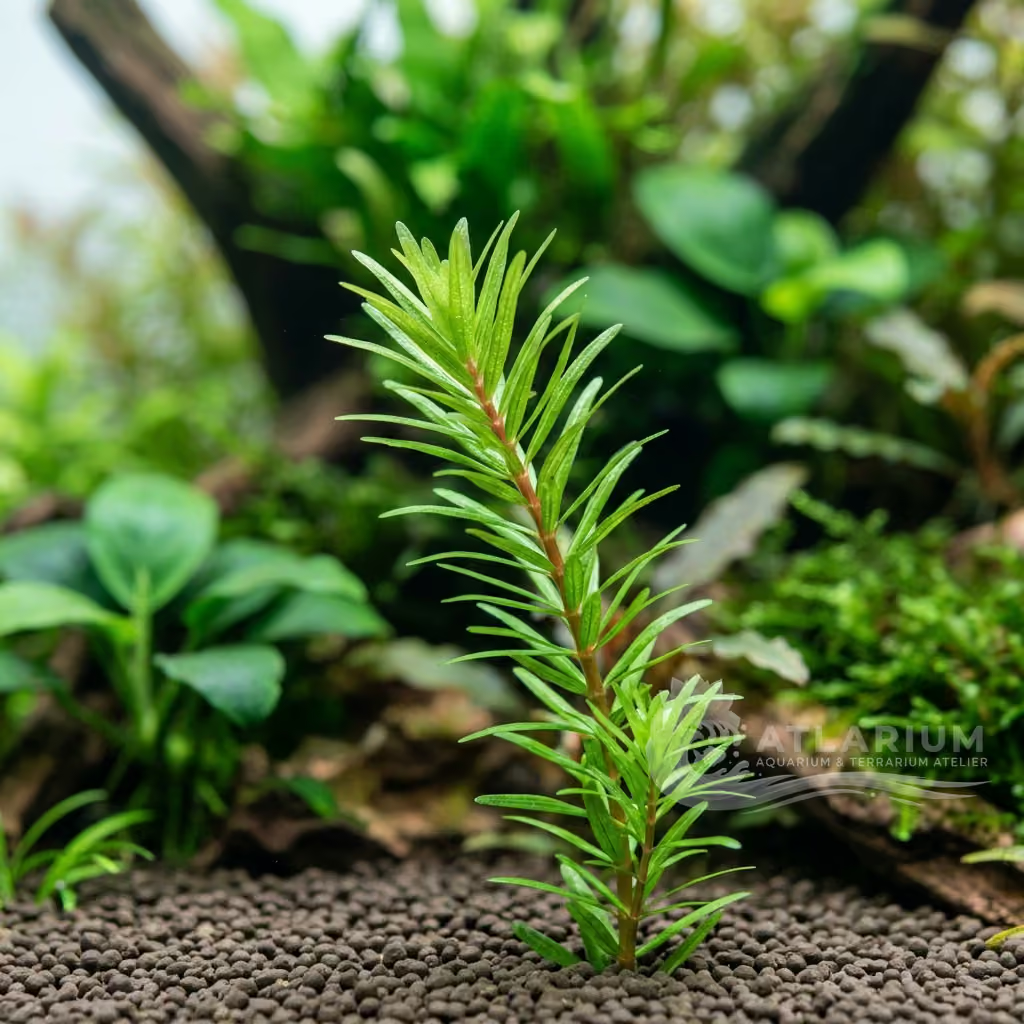
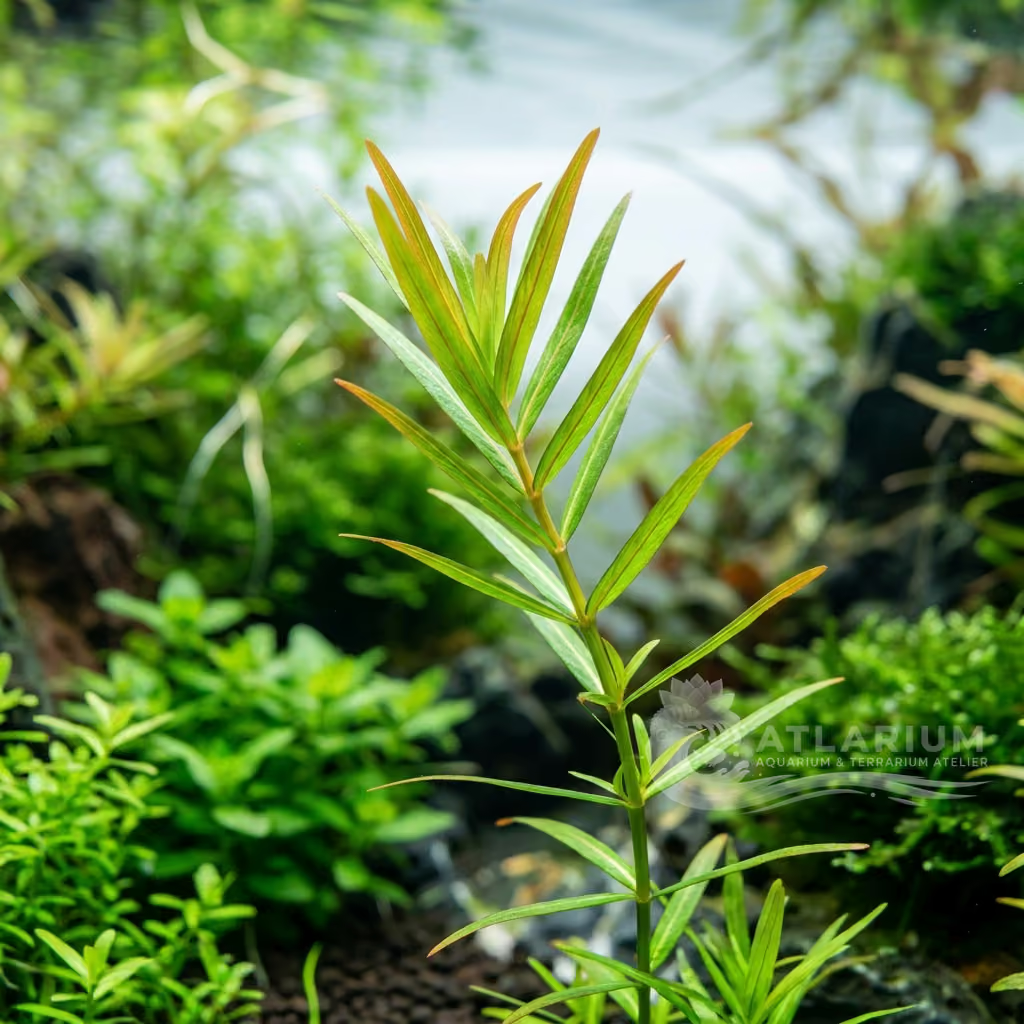
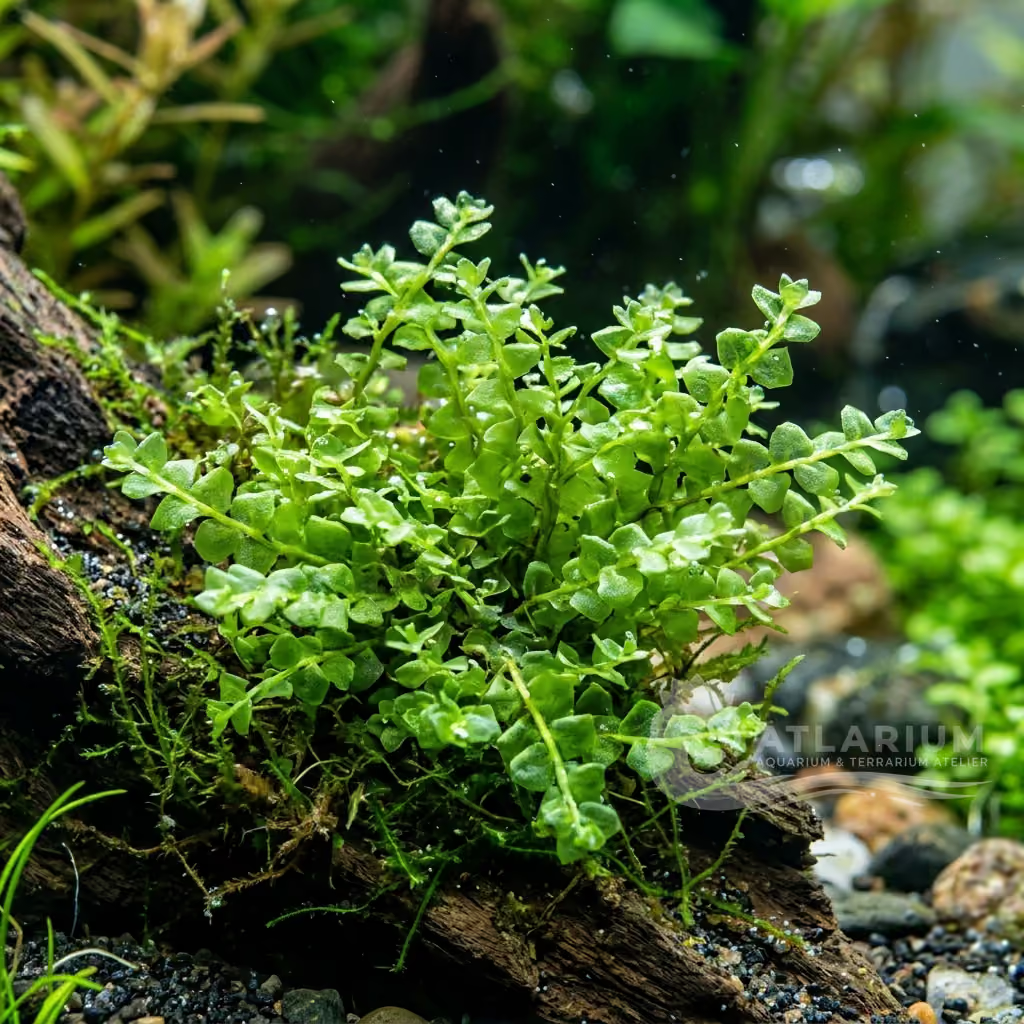
Rotala rotundifolia 'Green' is a versatile and fast-growing stem plant perfectly suited for the midground, offering a lush, vibrant green contrast to other aquatic flora. Its vigorous growth and ease of care make it an excellent choice for both novice and experienced aquascapers aiming to create dense, verdant arrangements.
Water Temperature
4 - 32 °C
pH Value
4.5 - 7.5
Water type
Freshwater
Light
Medium to High
CO2
High
Expected height
80 cm
Expected width
5 cm
KH
0 - 14 dKH

Species description
Geographical Origin and Habitat: The species Rotala rotundifolia originates from diverse aquatic habitats across Southeast Asia, spanning from India to Vietnam. In its natural environment, it thrives in amphibious conditions, growing both submersed in shallow, slow-moving waters like rice paddies and marshes, and emersed along the damp banks. This adaptability contributes to its resilience and ease of cultivation in various aquarium setups.
Taxonomy & Genetics: Rotala rotundifolia belongs to the family Lythraceae, a group known for its diverse aquatic and semi-aquatic members. The 'Green' designation specifically refers to a cultivar or variant that consistently displays bright green foliage, even under high light conditions, distinguishing it from other Rotala rotundifolia forms like '
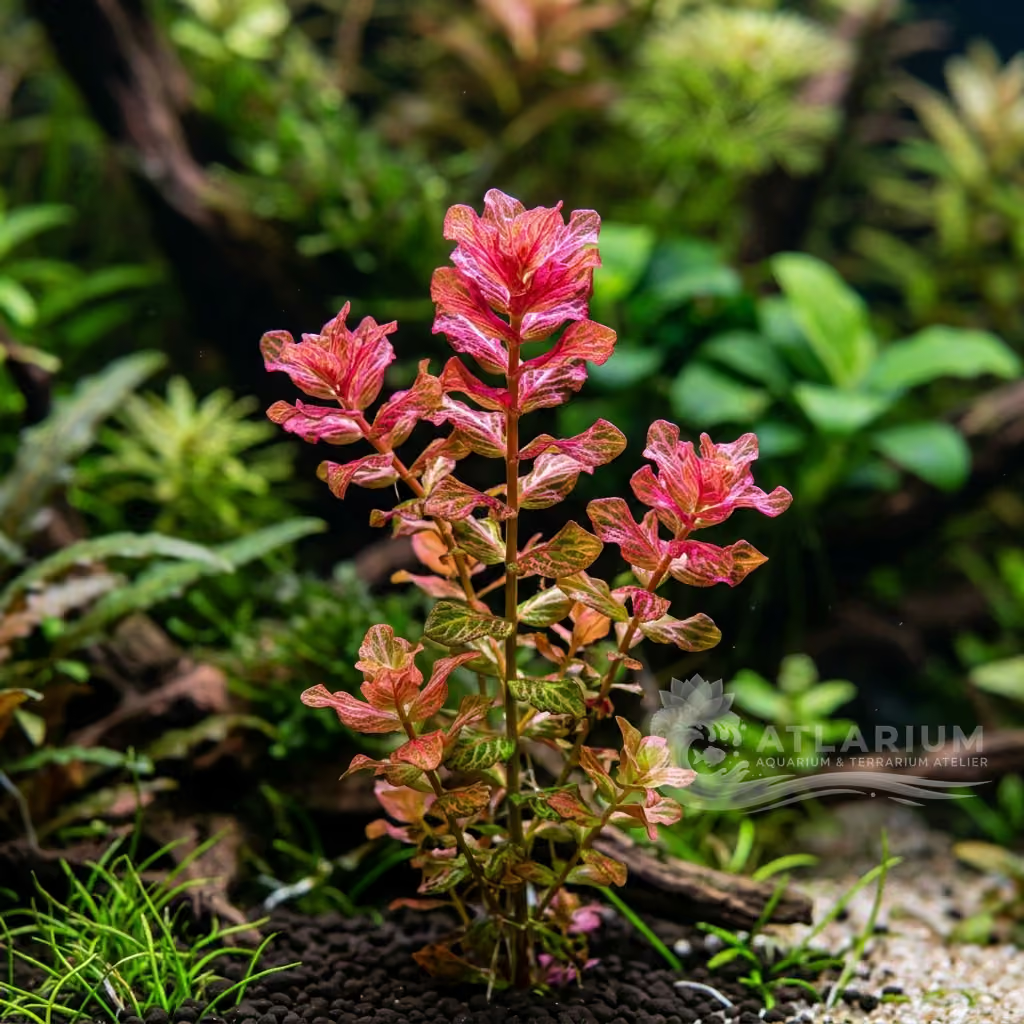
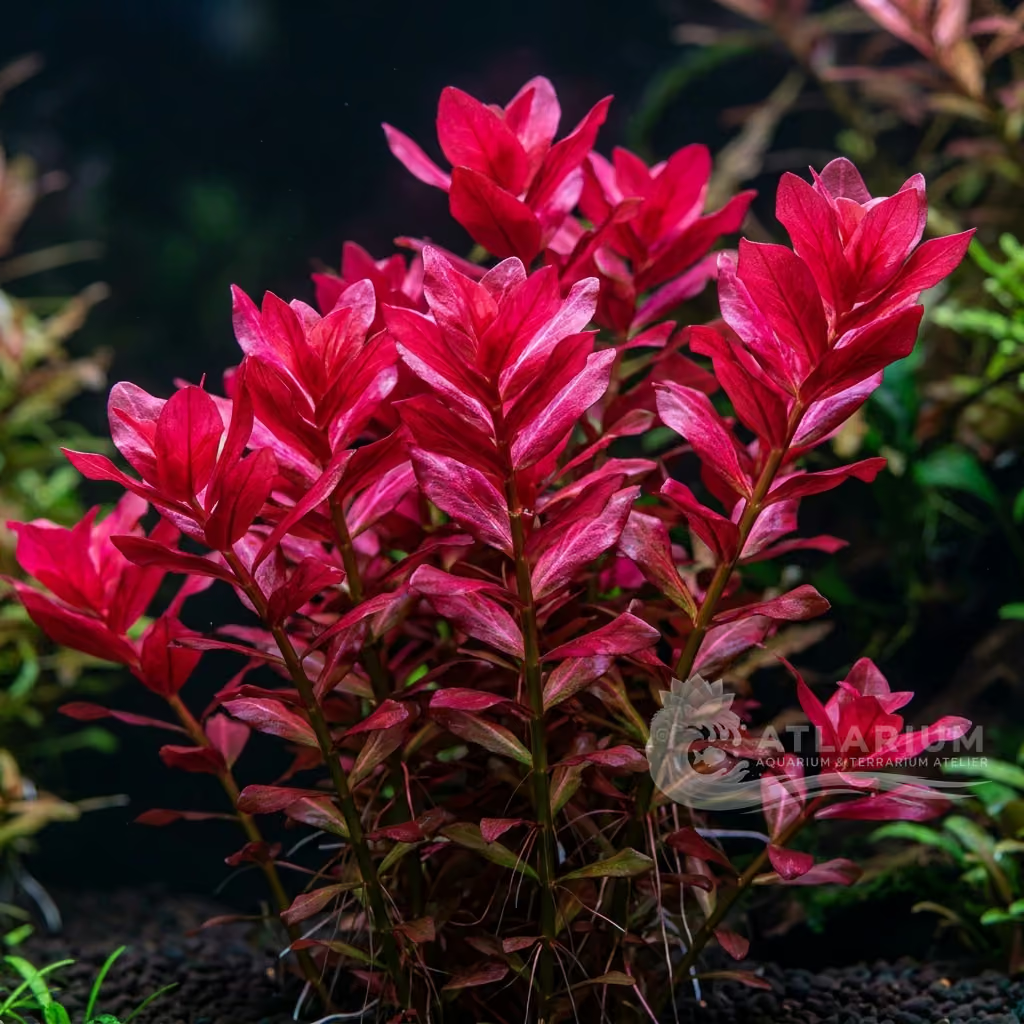
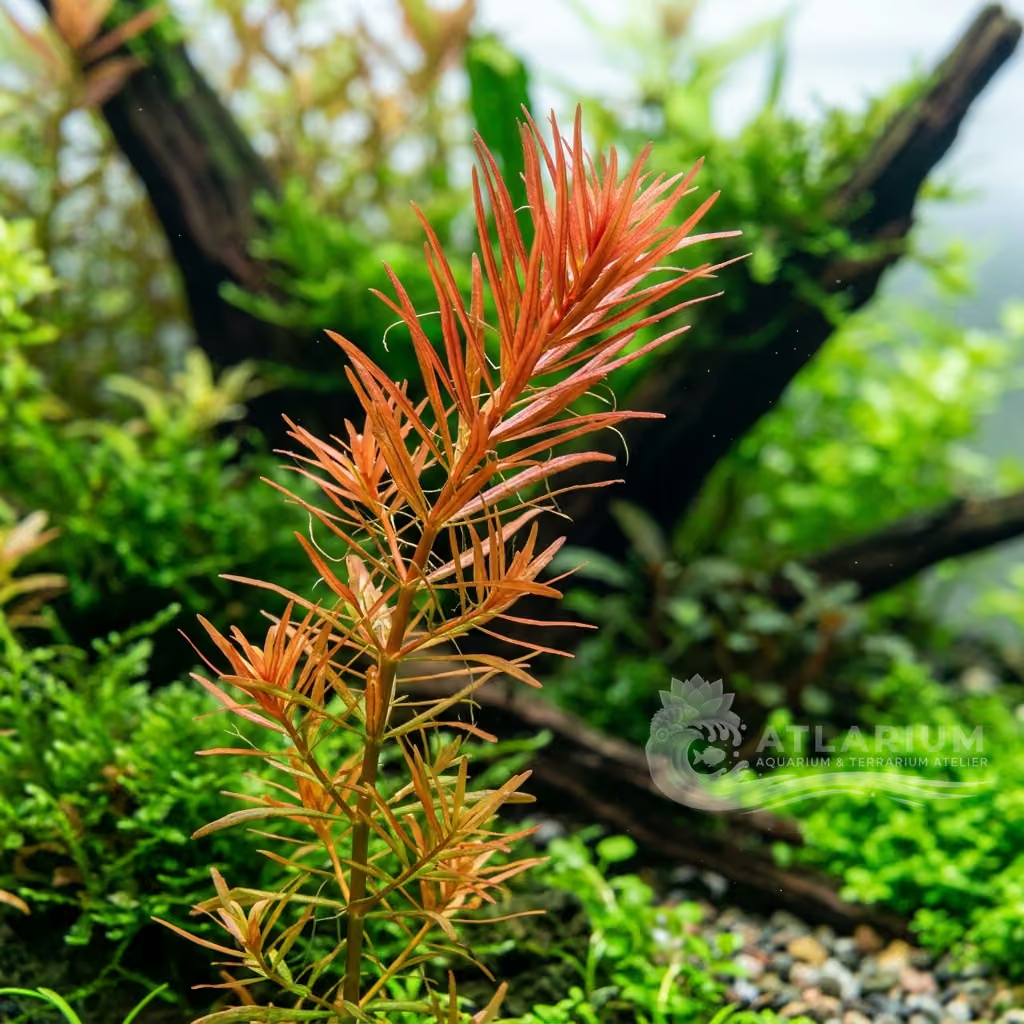
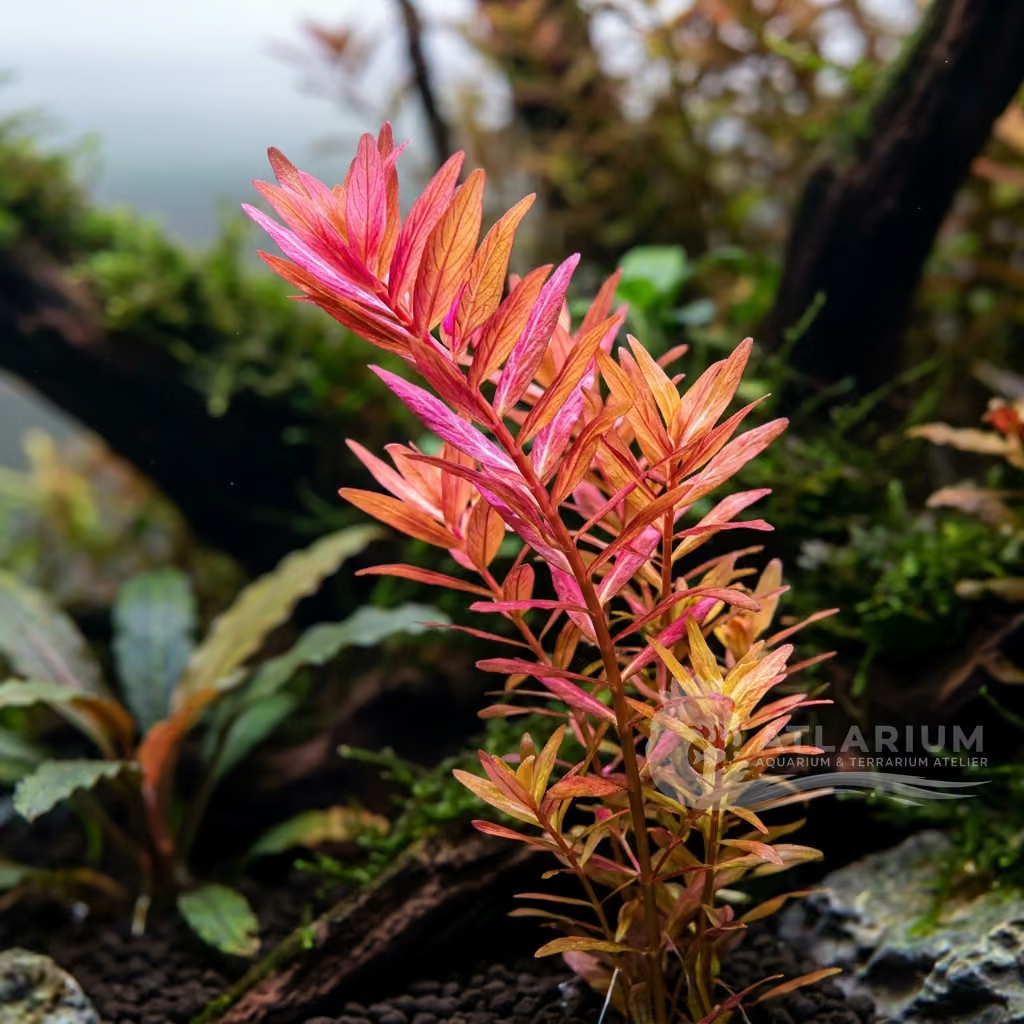
Color & Texture: ata' or 'H'ra' which develop reddish hues. This genetic trait makes it a reliable choice for maintaining a pure green aesthetic within an aquascape.
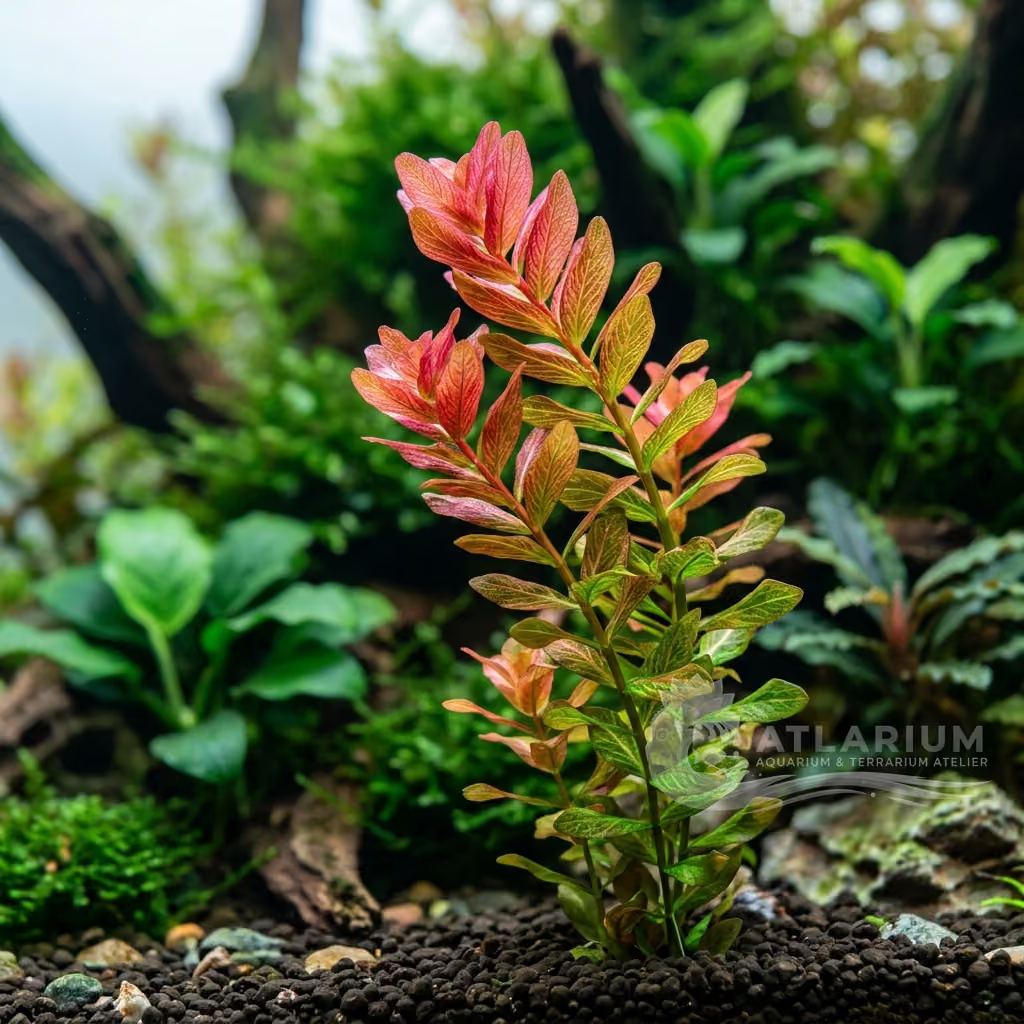
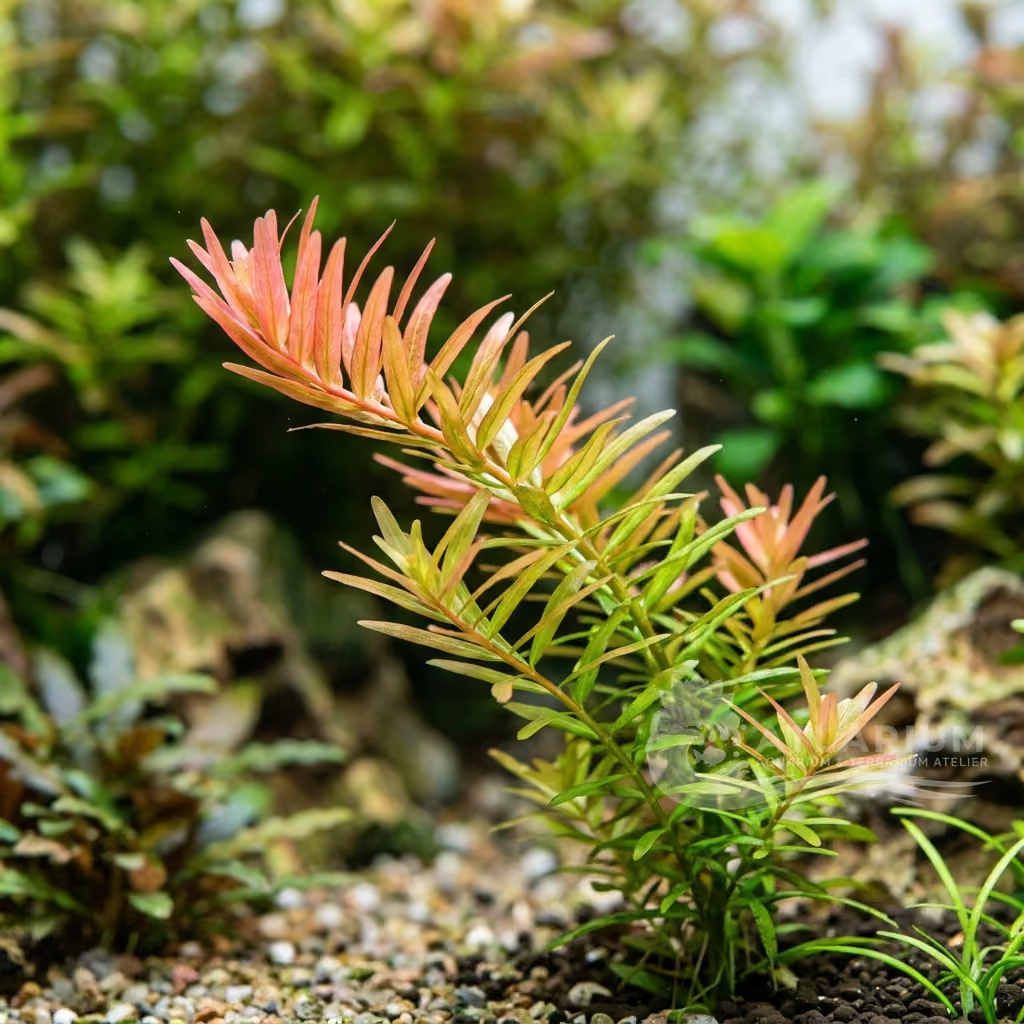
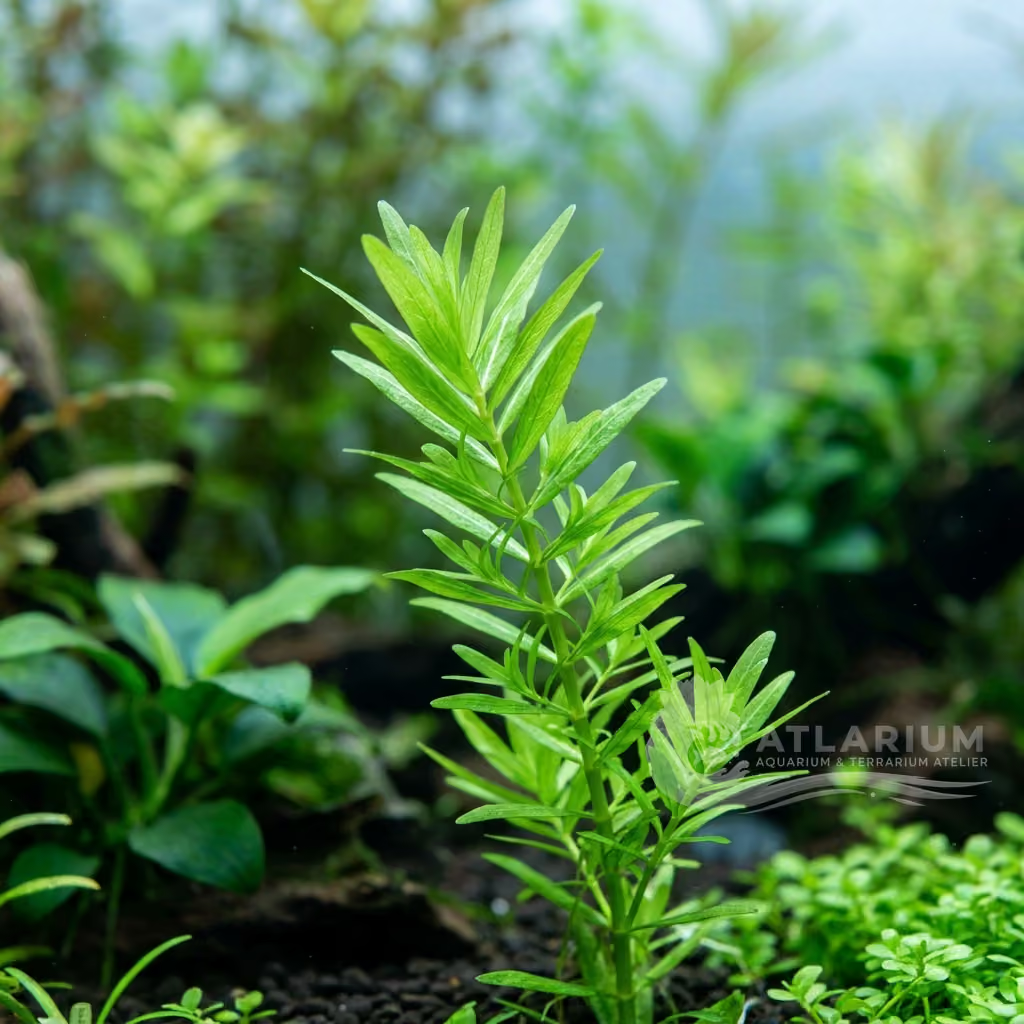
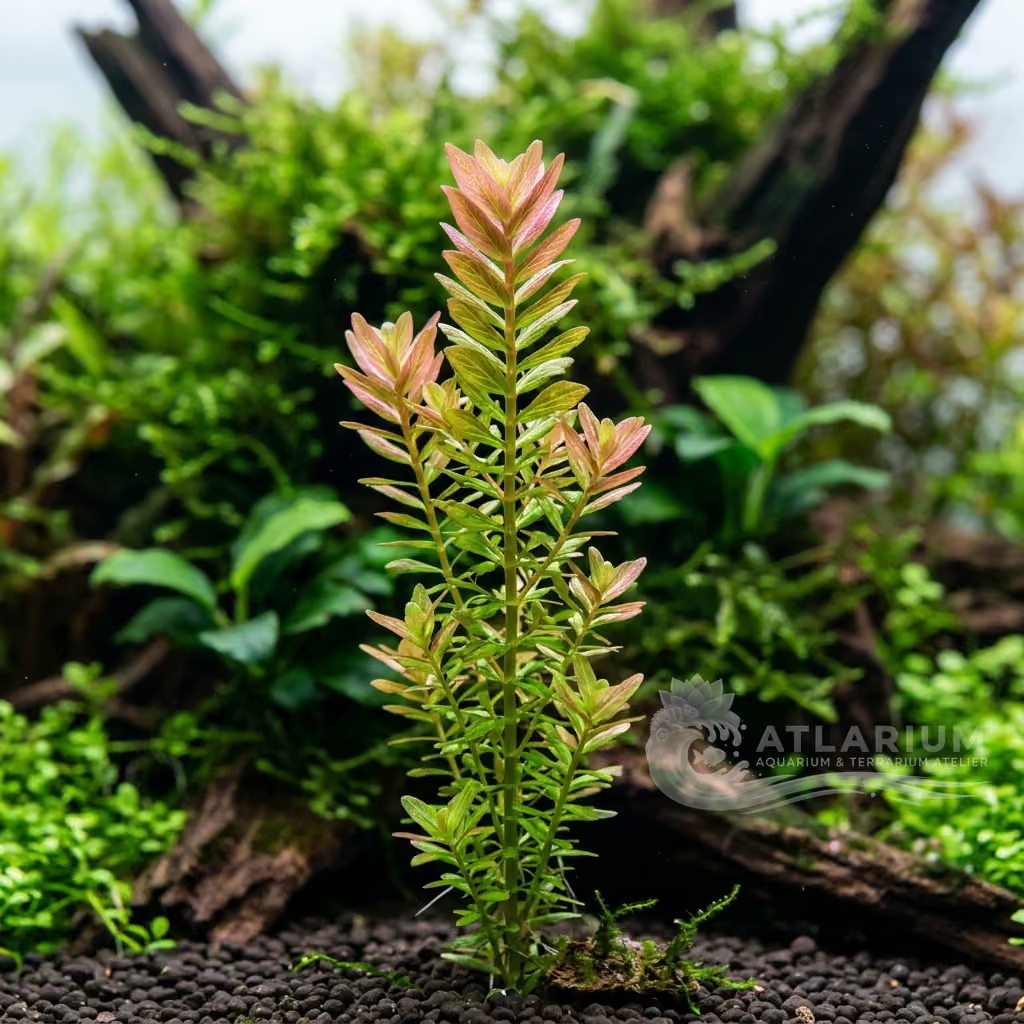
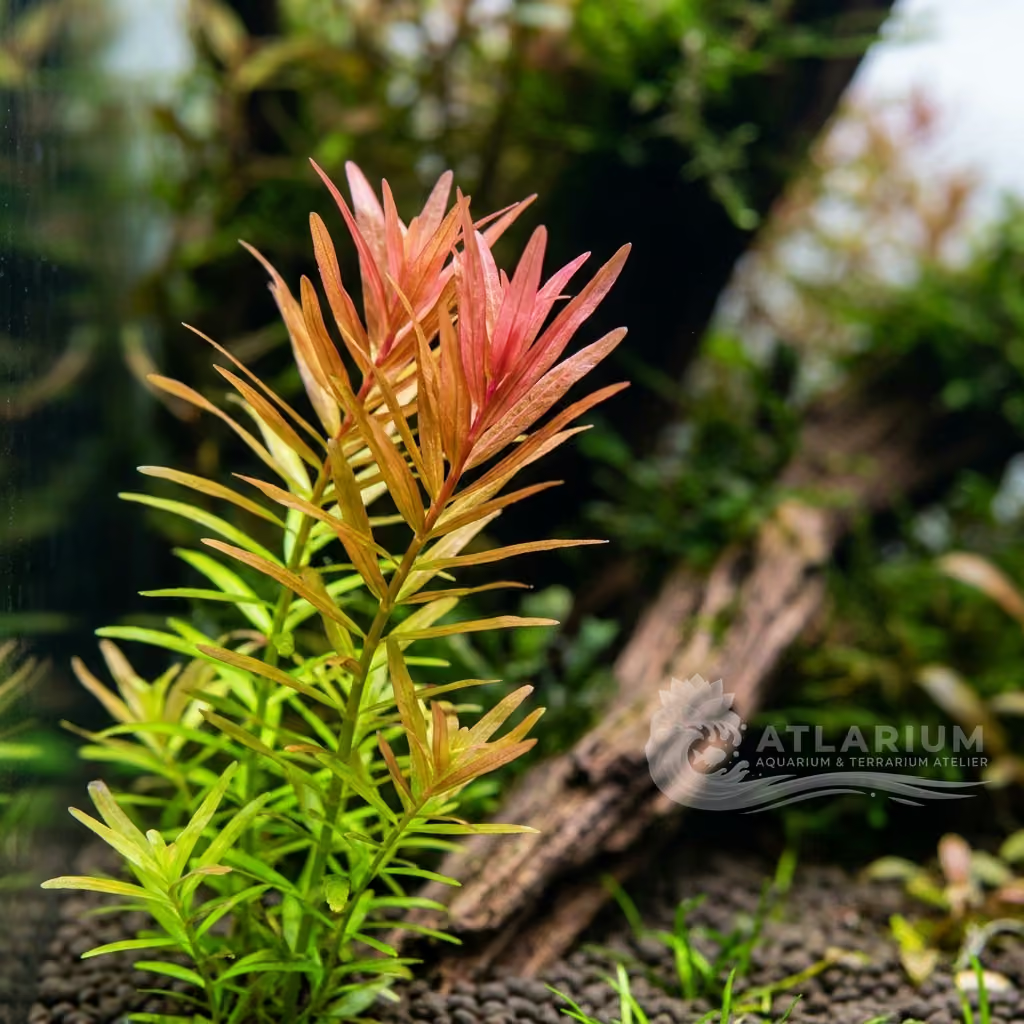
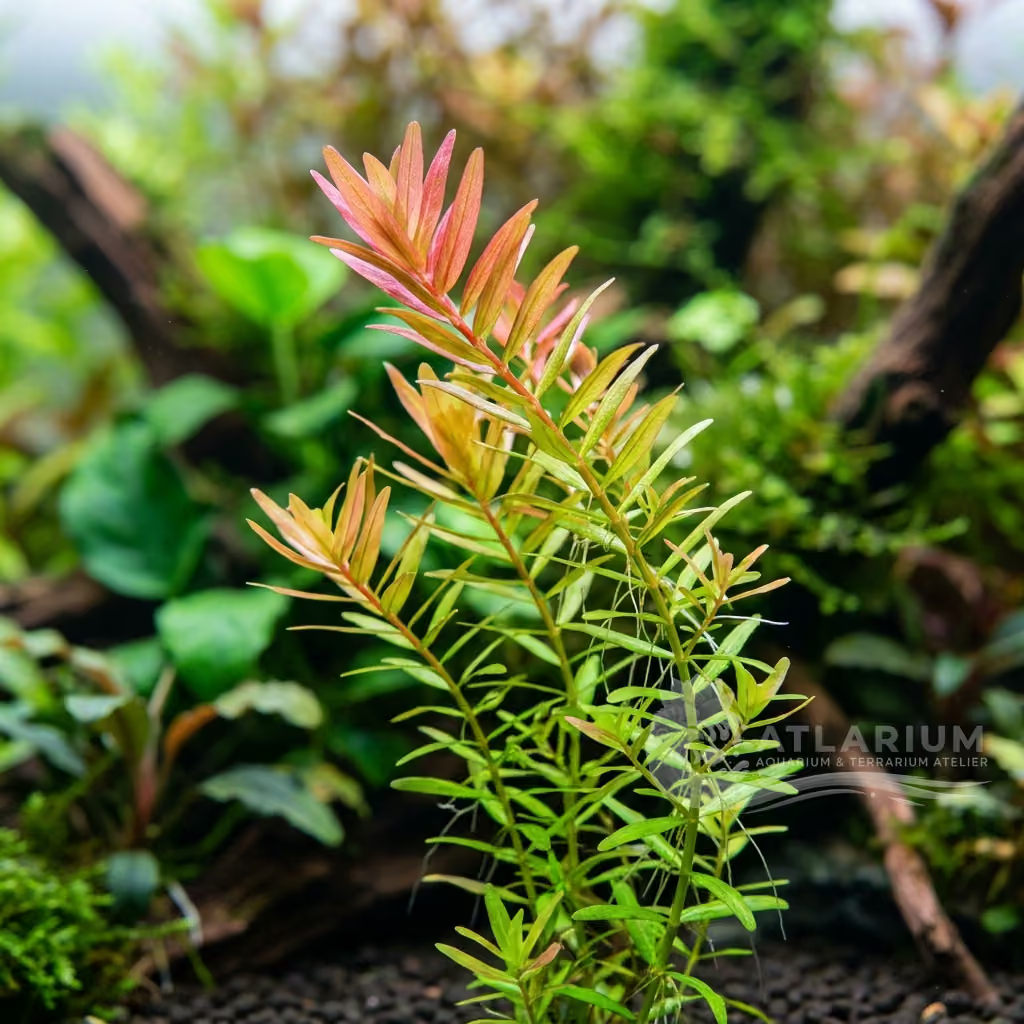
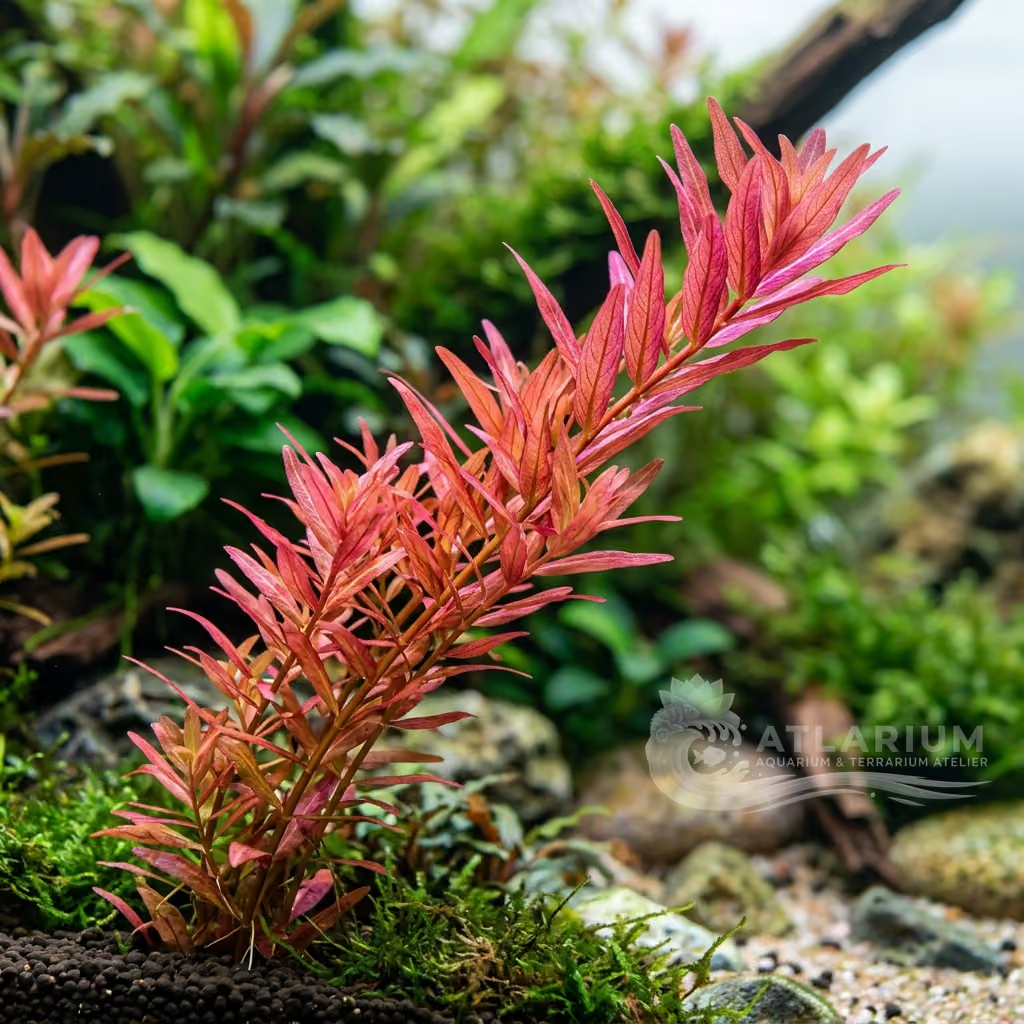
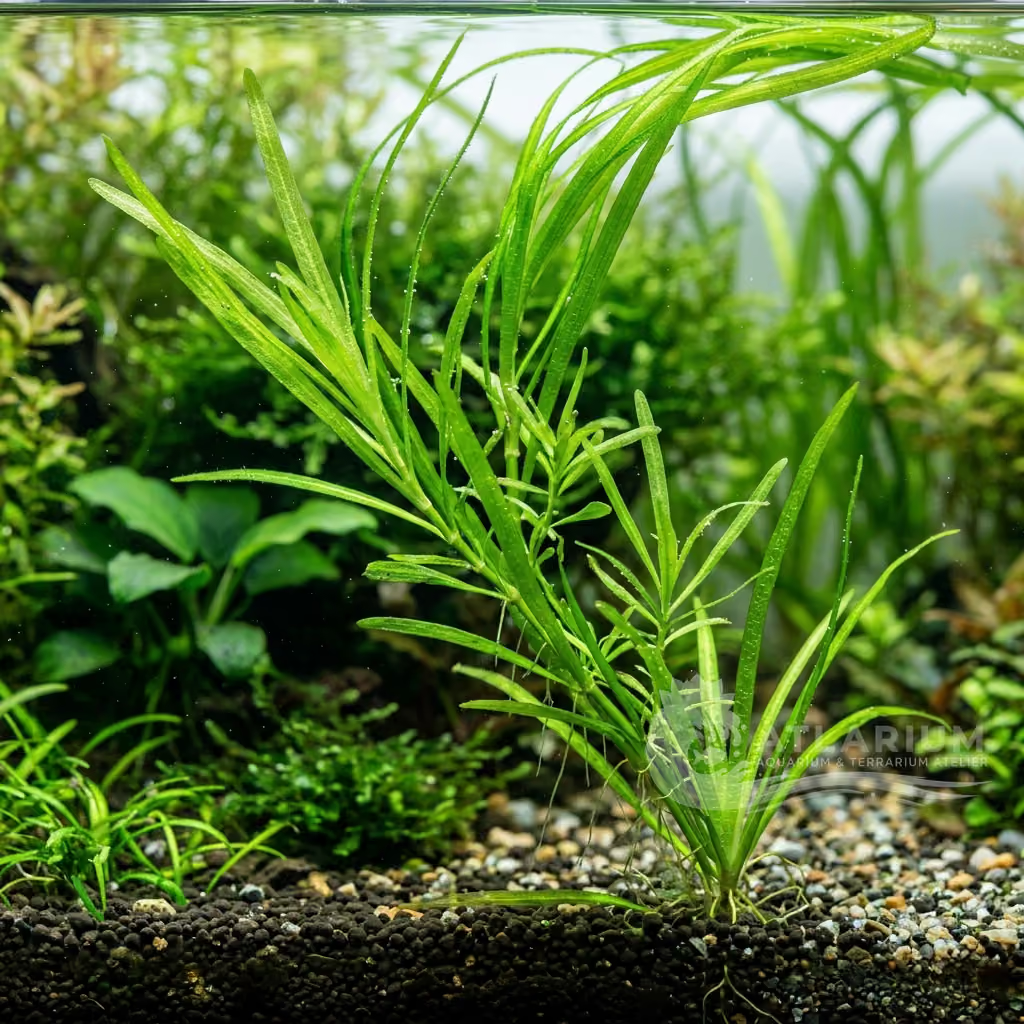
Physical Structure: As a classic stem plant, Rotala rotundifolia 'Green' exhibits an upright growth habit, featuring numerous delicate stems that can reach considerable heights if left untrimmed. Submersed leaves are typically lanceolate to ovate, arranged oppositely or in whorls along the stem, contrasting with the more rounded emersed foliage. Adventitious roots can readily develop from the stem nodes, anchoring the plant and facilitating nutrient uptake from the water column.
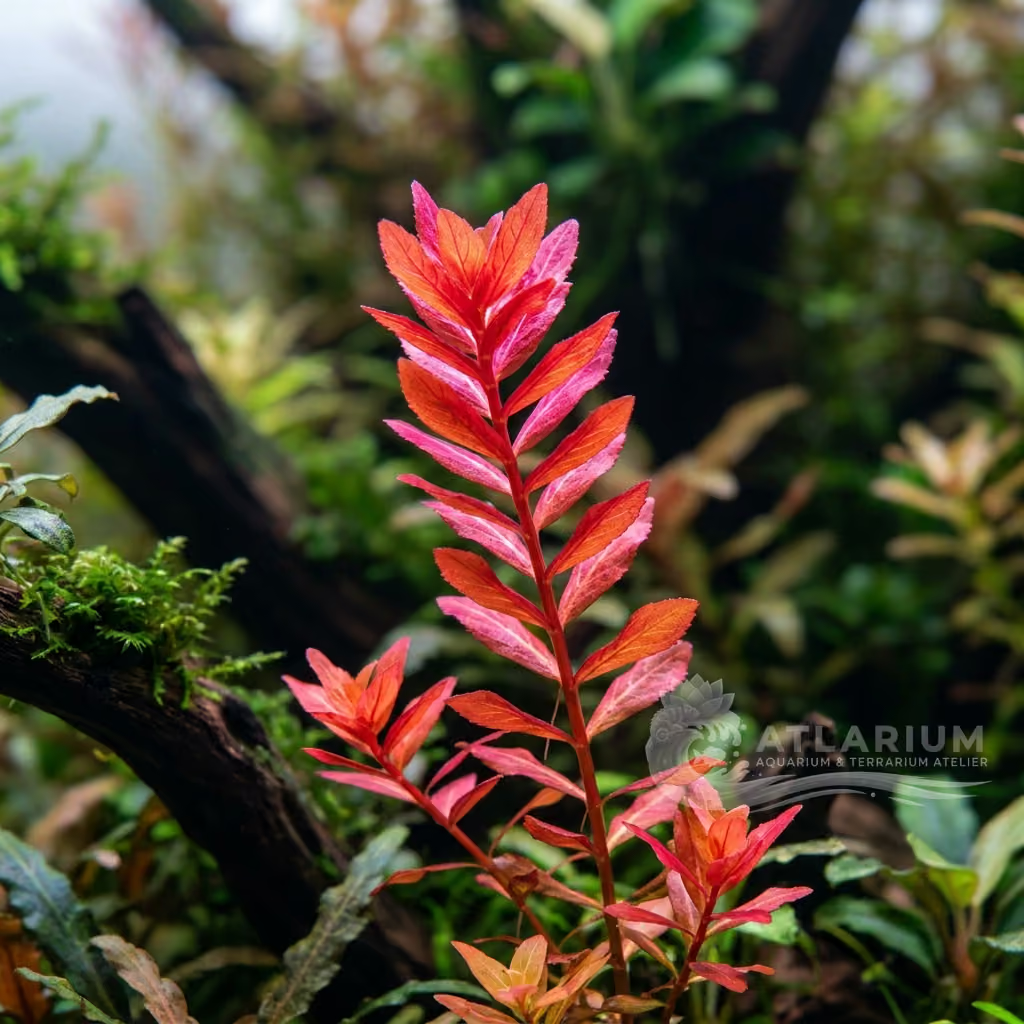
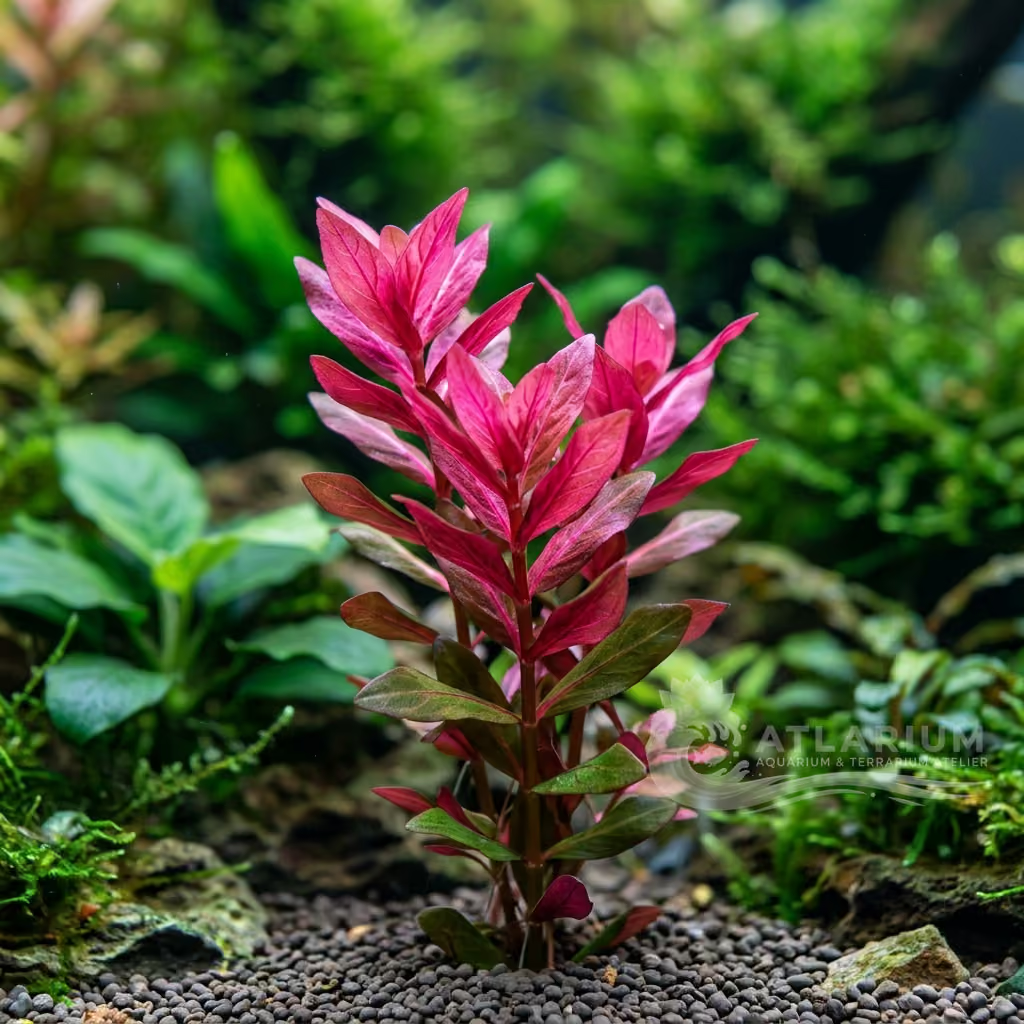
Color & Texture: The primary aesthetic appeal of Rotala rotundifolia 'Green' lies in its remarkably fresh and vibrant green coloration, which remains consistent even under intense aquarium lighting. Unlike its red counterparts, this variety maintains its lush emerald tones, providing a beautiful, natural contrast within a planted tank. The leaves possess a soft, delicate texture, contributing to an overall sense of organic fluidity and natural beauty within the aquascape.

Care, breeding and tankmates
Lighting & CO2: While Rotala rotundifolia 'Green' can tolerate medium light, higher light intensities are crucial for achieving dense, compact growth and preventing leggy stems. Supplemental CO2 injection is not strictly mandatory but is highly recommended to accelerate growth, enhance vitality, and ensure robust, healthy development. Consistent light cycles, typically 8-10 hours daily, are vital for photosynthesis and preventing algae accumulation.
Nutrition & Substrate: This fast-growing plant benefits significantly from a nutrient-rich substrate, although it primarily absorbs nutrients from the
Water Chemistry: Rotala rotundifolia 'Green' is remarkably adaptable to a wide range of water parameters, tolerating temperatures from 4.0 to 32.0 C, though optimal growth typically occurs between 22-28 C. It thrives in soft to moderately hard water, with a KH range of 0.0-14.0 and a pH of 4.5-7.5. Maintaining stable parameters within these ranges will promote vigorous and healthy growth, preventing stress-related issues.
Space Management & Placement: Ideally placed in the midground of an aquarium, Rotala rotundifolia 'Green' can also serve as a lush background plant if allowed to grow tall, or even a dense foreground bush with consistent, aggressive trimming. Its fast growth rate means it can quickly fill empty spaces, creating an appealing sense of depth and volume. Planting stems in small bunches rather than individually helps achieve a fuller, more impactful visual effect.
Pruning: Regular pruning is essential for maintaining the desired shape and density of Rotala rotundifolia 'Green' due to its rapid growth. Trimming the tops encourages lateral branching, leading to a bushier appearance and preventing the lower parts of the stems from losing leaves and becoming sparse. Consistent pruning also rejuvenates the plant, ensuring continuous vigorous growth and vibrant coloration.
Risks & Diseases: Rotala rotundifolia 'Green' is generally hardy, but common issues include nutrient deficiencies leading to stunted growth or yellowing leaves, particularly iron deficiency which can dull its vibrant green. Algae can become problematic if lighting is too intense or CO2/nutrient levels are unbalanced, particularly on older leaves. Proper care, including balanced fertilization and CO2, helps mitigate these risks.

Geographic origin and distribution
The species Rotala rotundifolia originates from diverse aquatic habitats across Southeast Asia, spanning from India to Vietnam. In its natural environment, it thrives in amphibious conditions, growing both submersed in shallow, slow-moving waters like rice paddies and marshes, and emersed along the damp banks. This adaptability contributes to its resilience and ease of cultivation in various aquarium setups.
Origin
South and Southeast Asia

Plant profile
- Placement
- Midground
- It is ideal for midground to background placement in most aquariums. It forms dense, bright green thickets when planted in groups. Its cascading growth habit makes it suitable for creating flowing visual effects. It can be trained to creep along the substrate or hardscape under very high light.
- Botanical form
- Stem
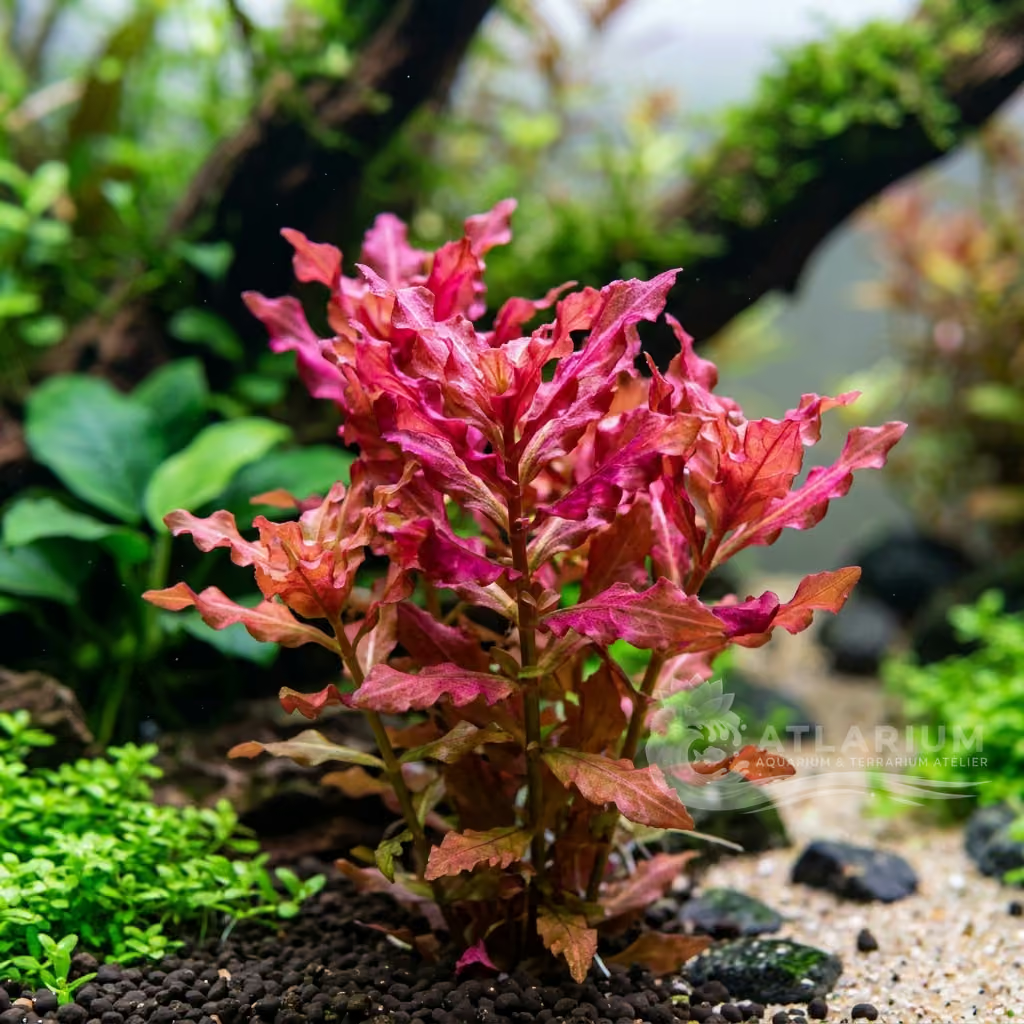
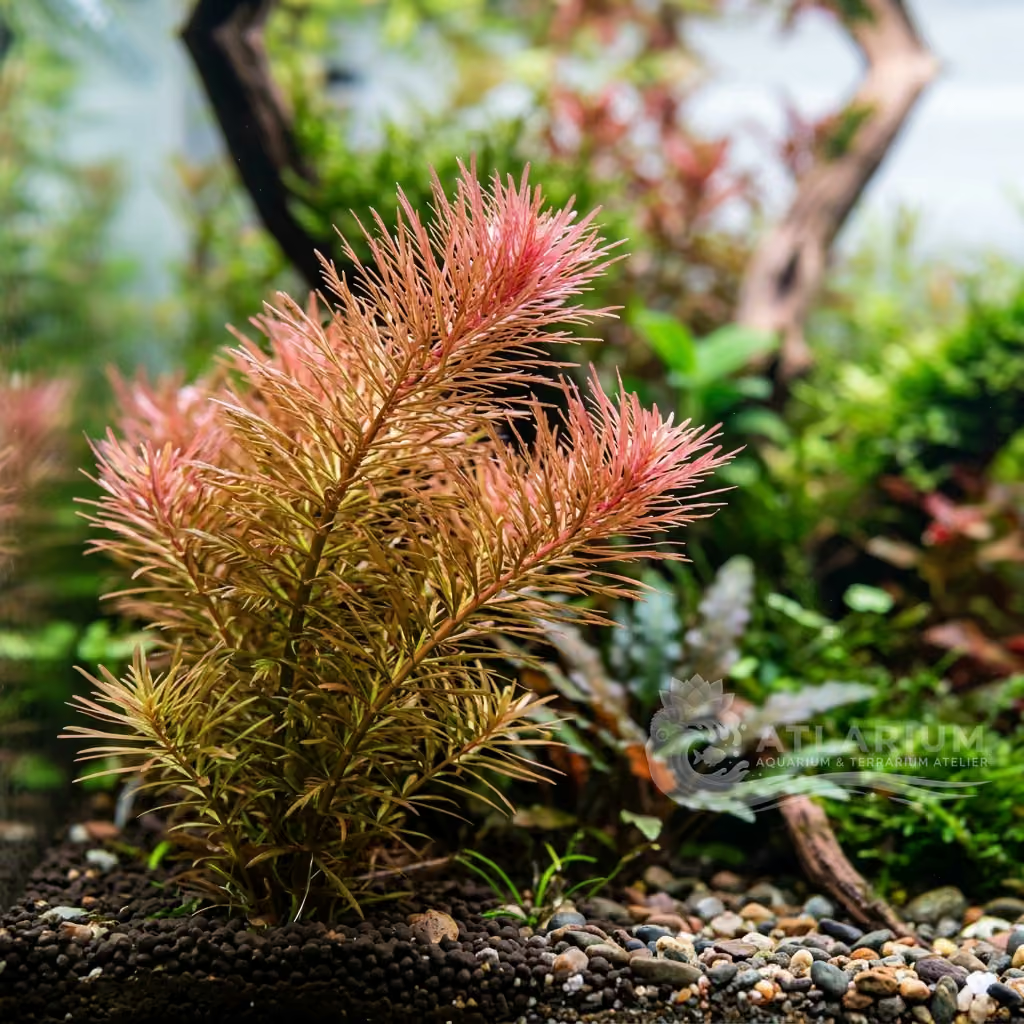
- It features narrow, elongated leaves that are a consistent, vivid bright green. Under strong light, the stems may arch downwards, giving it a weeping appearance. Internodes remain relatively compact compared to other fast-growing stems. Emersed leaves are rounder and slightly thicker.
- Growth
- Fast
- This plant is extremely fast-growing, requiring regular maintenance. Its vigorous growth helps outcompete algae by rapidly consuming excess nutrients. Frequent trimming is necessary to keep the layout looking neat. Optimal light and CO2 will maximize its growth potential.
- Substrate
- Medium
- Rotala rotundifolia 'Green' benefits from a moderately fertile substrate, which promotes the growth of dense, healthy green thickets. Planting in 2 to 3 inches (5-7 cm) of fine-grained aqua soil provides the perfect environment for its extensive root network to establish quickly. A porous substrate helps prevent compaction, allowing the roots to efficiently absorb essential micro and macronutrients needed for vigorous stem development.
- Column fertilization
- Recommended
- It feeds heavily from the water column, making liquid fertilization essential. A standard all-in-one fertilizer usually provides everything it needs. Ensure sufficient potassium to prevent pinholes in older leaves. Daily or regular dosing maintains its fast growth and bright coloration.
- Root fertilization
- Optional
- A fertile substrate enhances its overall robustness and root development. Soil-based substrates or root tabs provide excellent supplemental nutrition. Strong roots help the plant stay anchored despite its rapid vertical growth. However, it can still thrive in inert substrates if column dosing is adequate.
- Trimming
- Regular
- It is extremely tolerant of heavy pruning. It can be trimmed down to a few inches, and it will quickly rebound with multiple side shoots. Regular shaping helps create dense, beautifully rounded bushes. Replanting the tops is an easy way to refresh an old, woody stand.
- Propagation
- Cuttings
- Propagation is easily achieved through stem cuttings. Simply cut the healthy tops and insert them into the substrate. The original stem will produce lateral branches, increasing the density of the bush. It is one of the easiest stem plants to multiply.
- Sensitivity
- Moderate
- It is very forgiving and adaptable to a wide range of water parameters. However, poor flow or severe shading can cause the lower sections to deteriorate. It is susceptible to hair algae if nutrients and CO2 are unbalanced. It prefers stable temperatures and clean water.
- Layout role
- Midground, Background
- It acts as an excellent bright green background filler or midground bush. It provides a stark, fresh contrast against red or dark green plants. It is commonly used in Nature Aquariums to create lush, green rolling hills. Its weeping habit under high light can soften hardscape edges.

Related species
Recommendations grouped by close relatives, companion choices, and similar care.