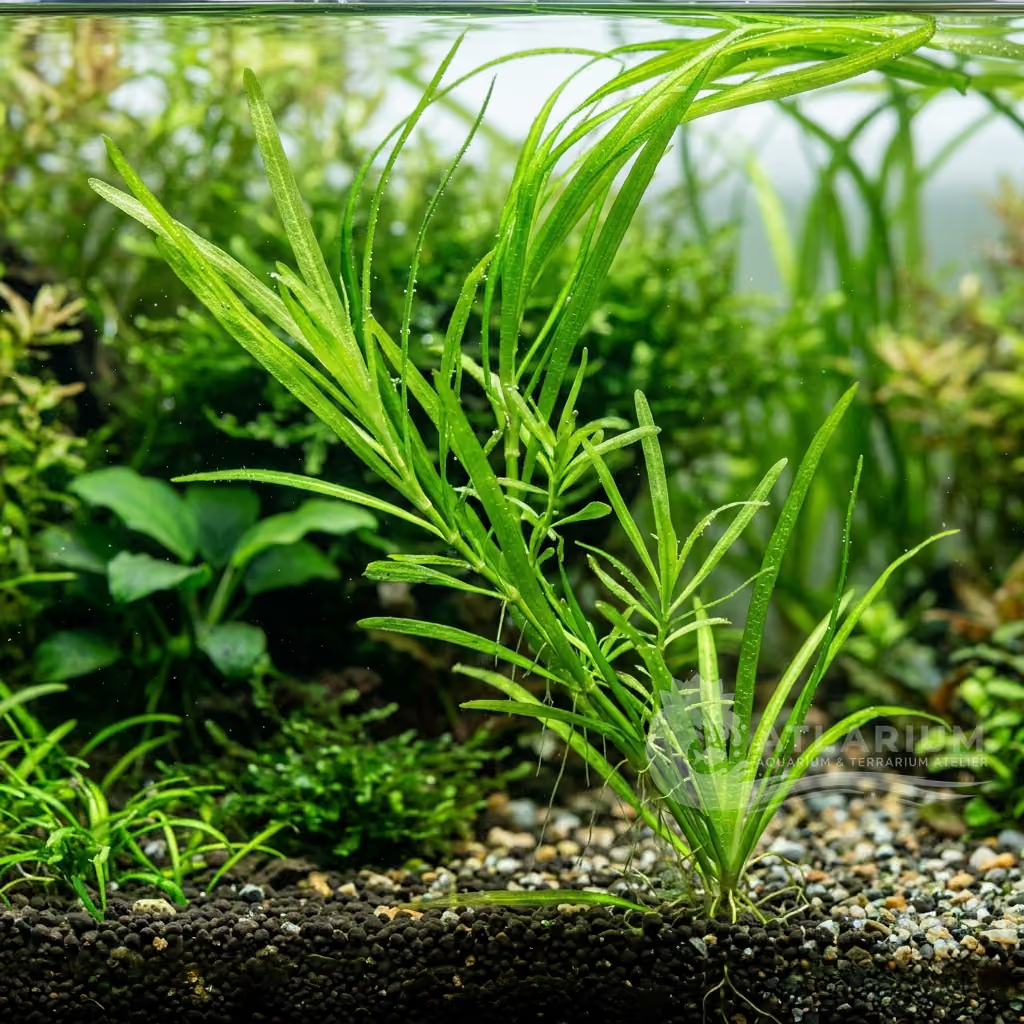
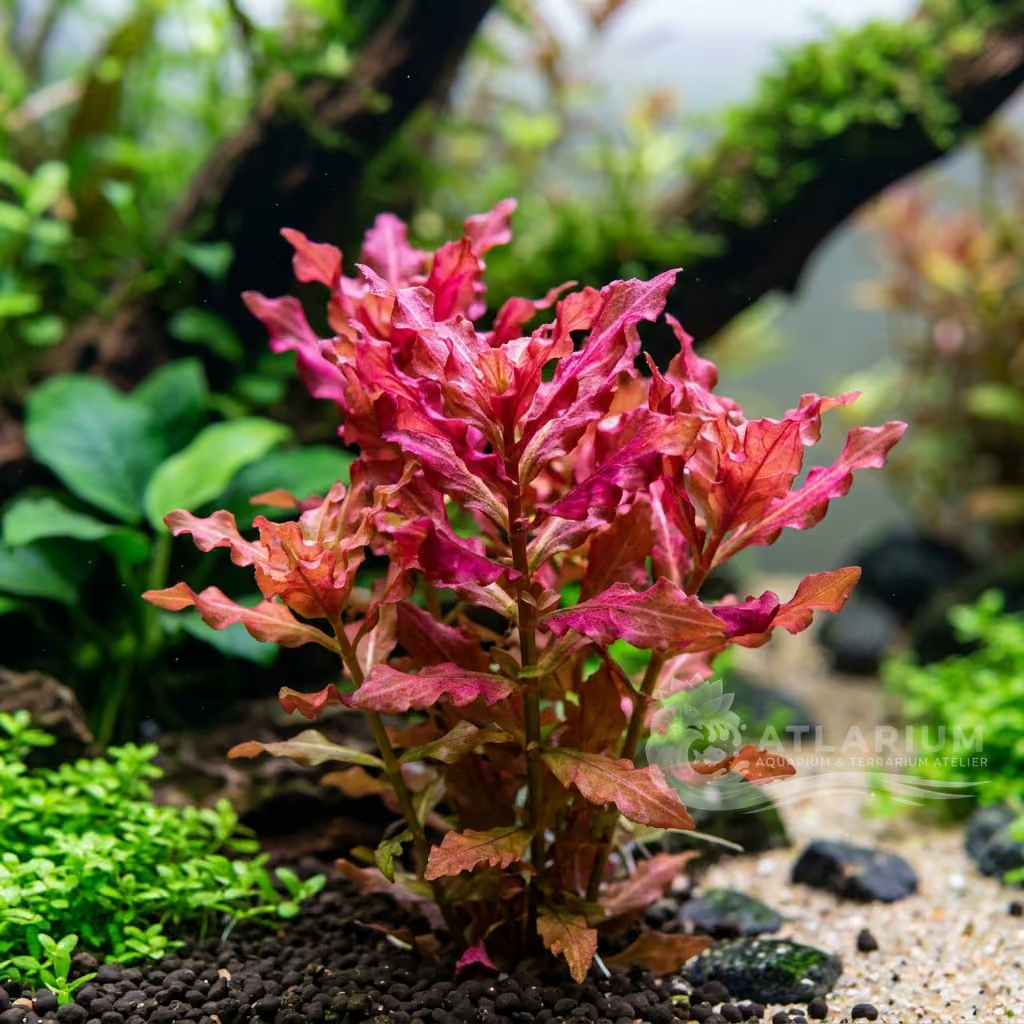
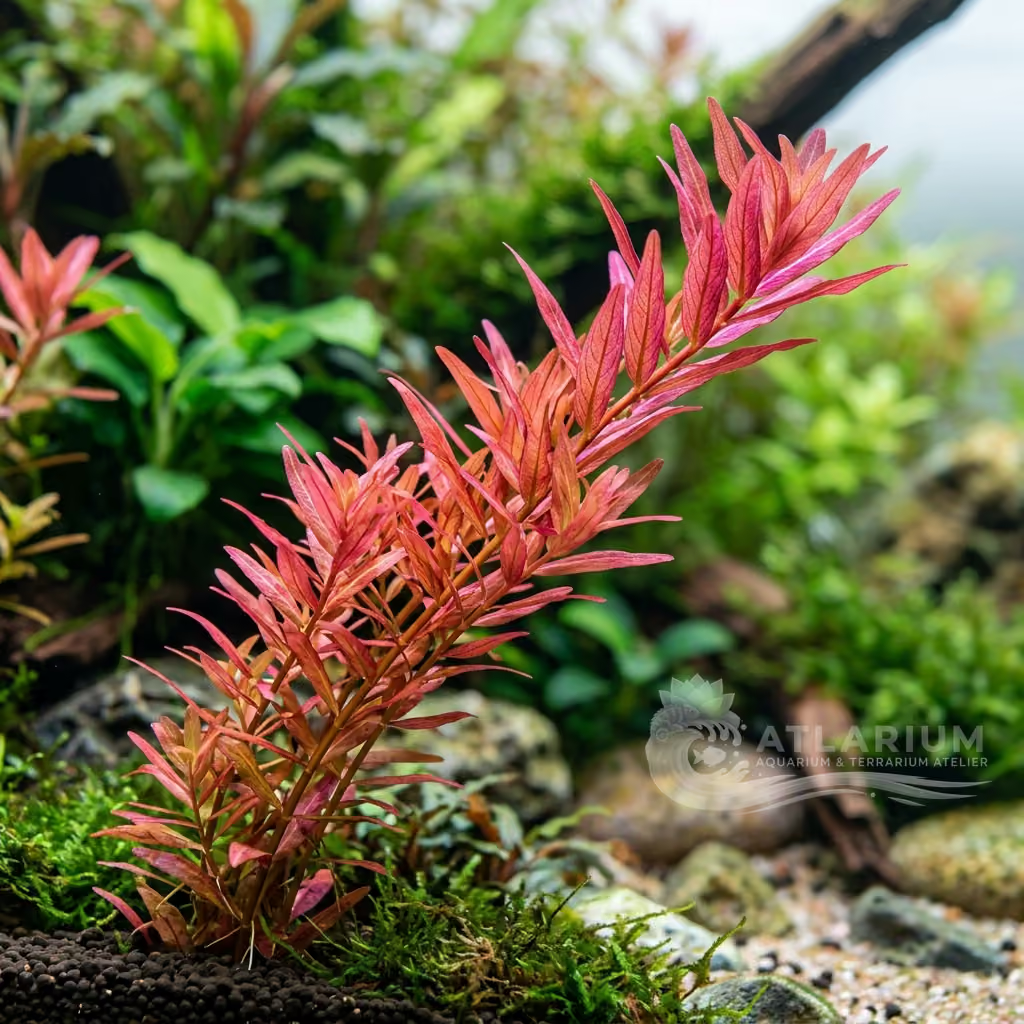
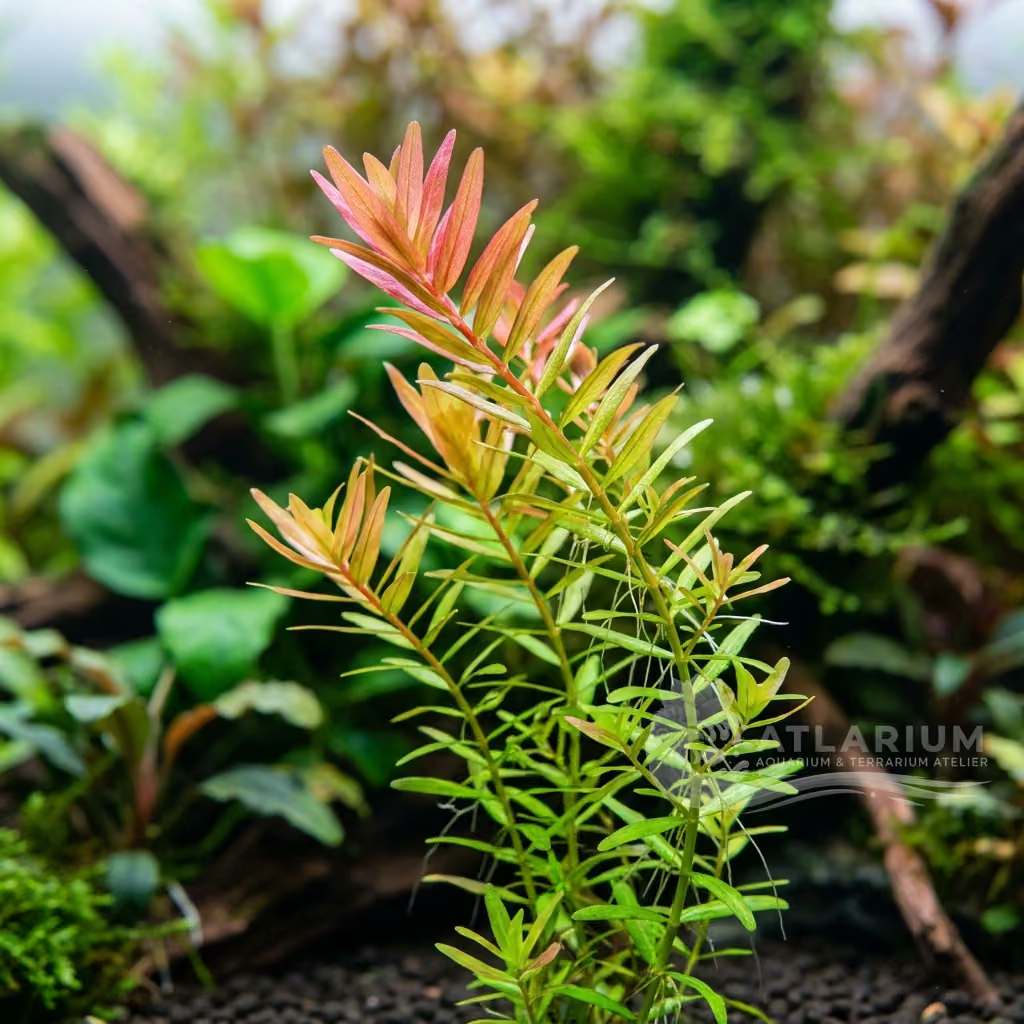
Rotala sp. "H'Ra" ("Gia Lai")
Rotala sp. "H'Ra" ("Gia Lai")
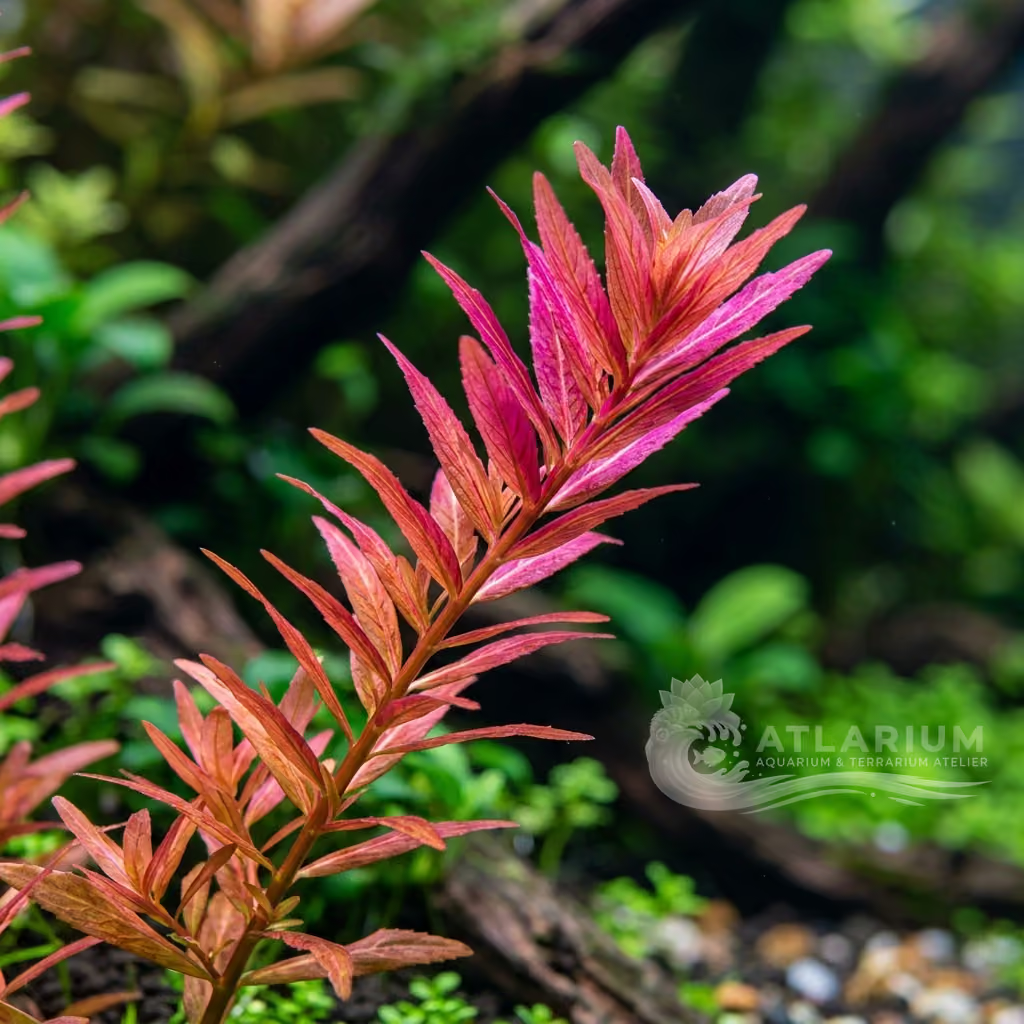
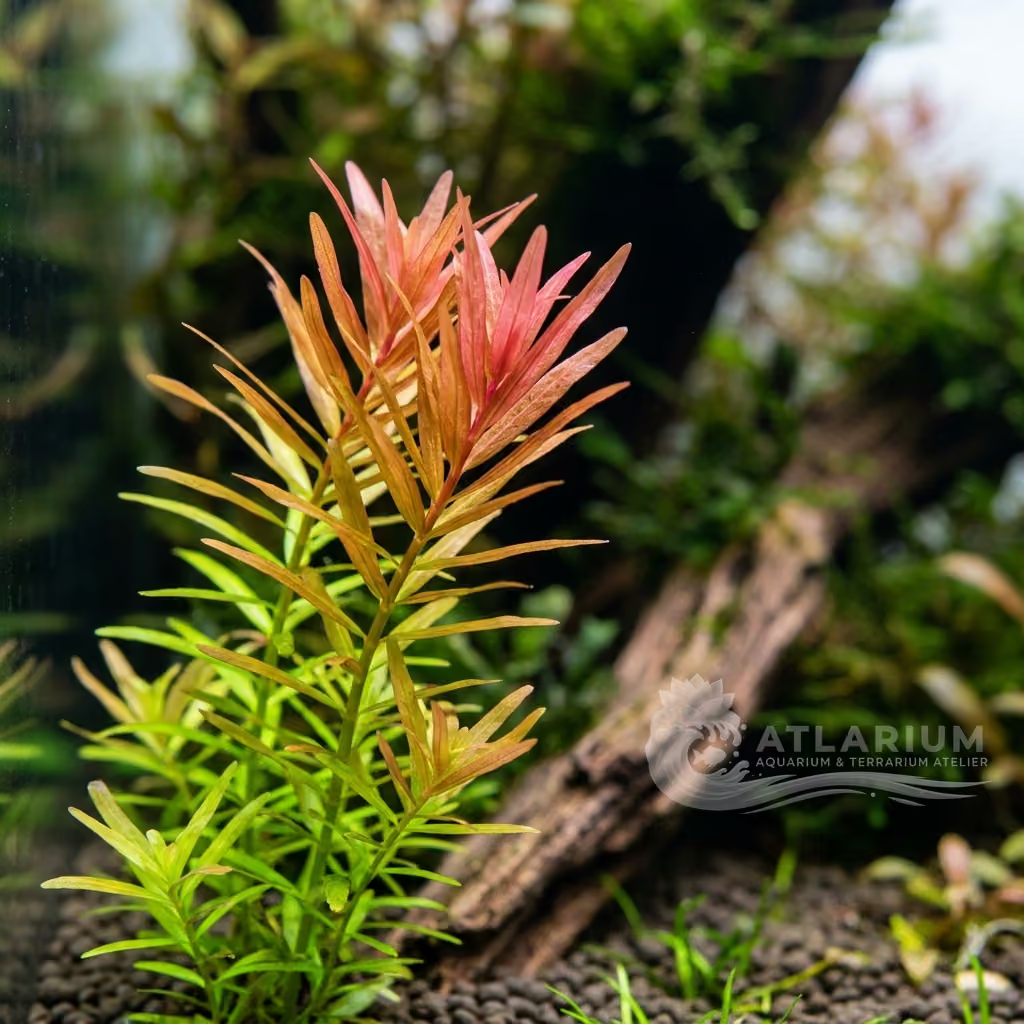
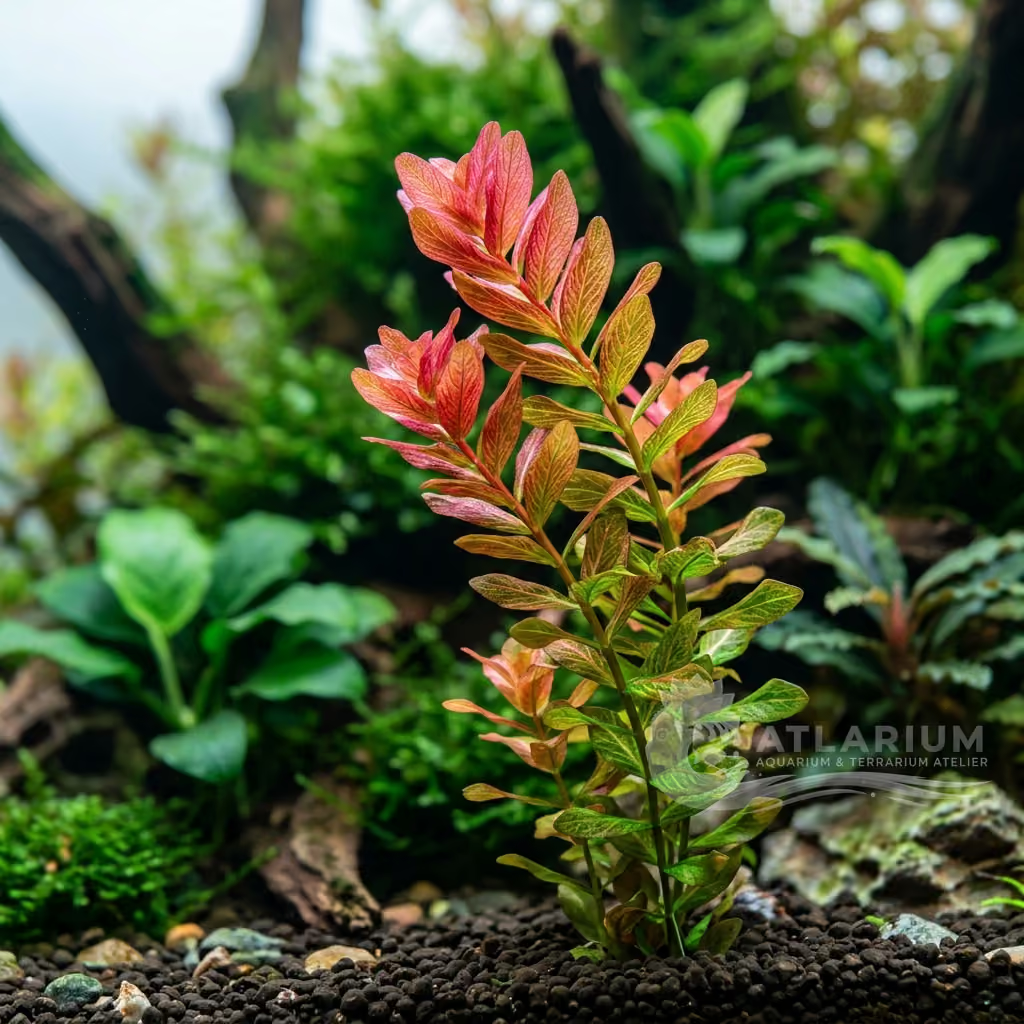
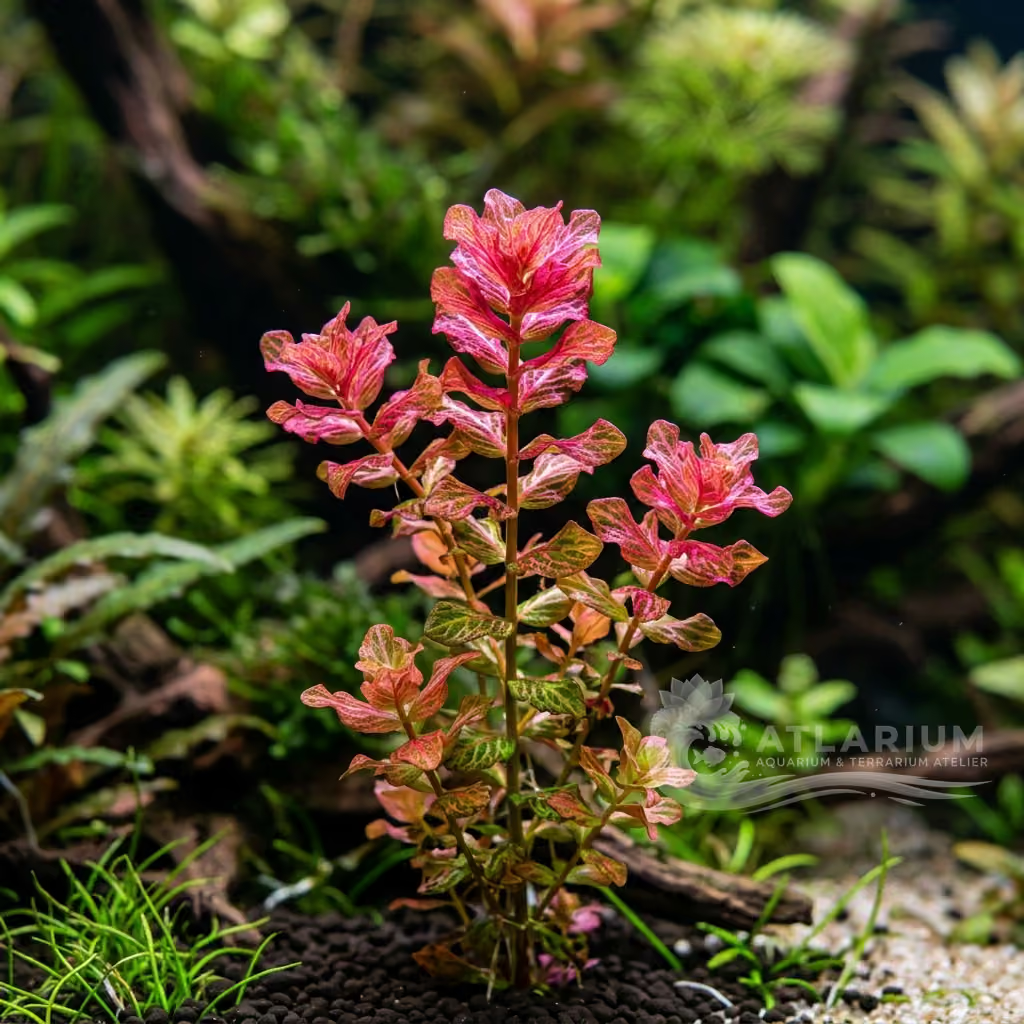
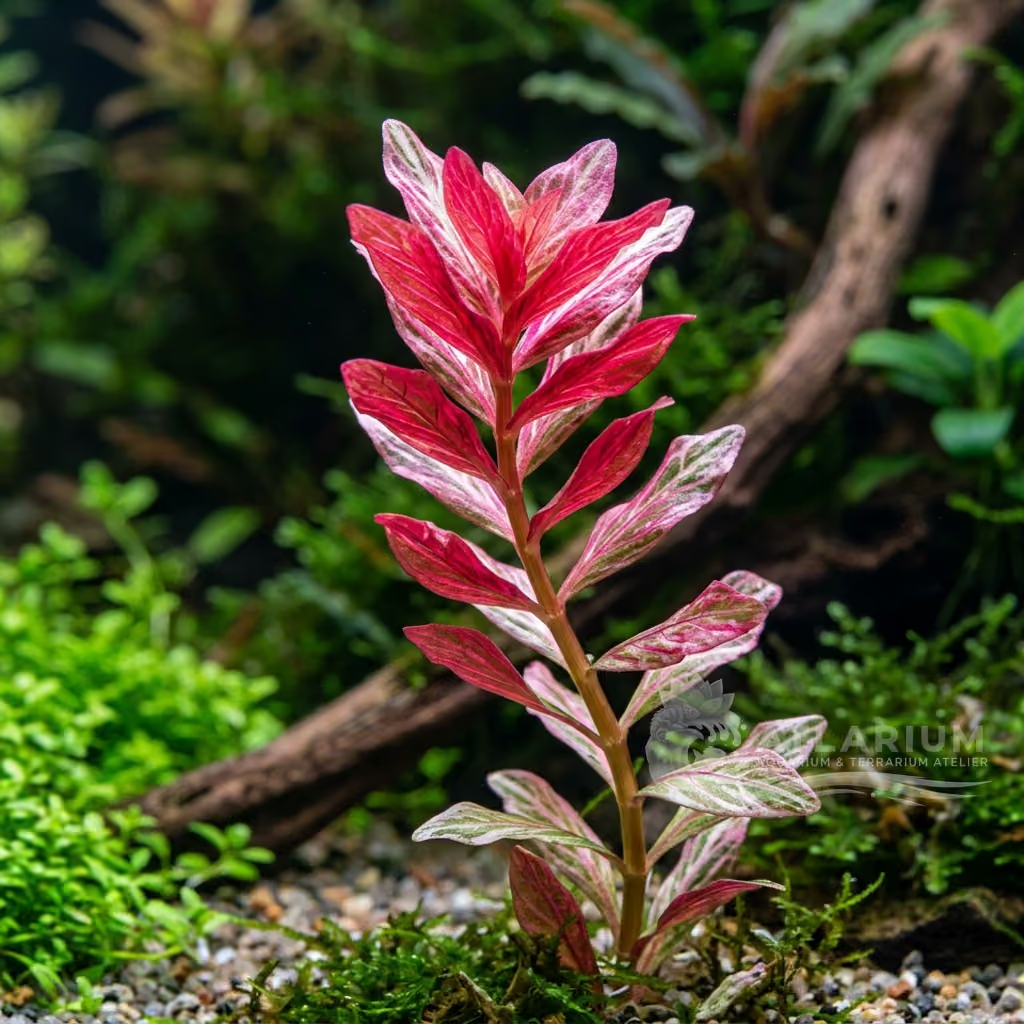
Rotala sp. "H'Ra" ("Gia Lai") is a vibrant stem plant known for its narrow leaves and ability to develop intense red-orange hues, making it an excellent midground choice for planted aquariums.
Water Temperature
18 - 30 °C
pH Value
5 - 8
Water type
Freshwater
Light
Medium - High
CO2
Low - High
Expected height
50 cm
KH
0 - 14 dKH

Species description
Geographical Origin and Habitat: This captivating Rotala variety derives its name from its discovery in the Gia Lai province, a mountainous region in central Vietnam, renowned for its rich natural landscapes and riverine biodiversity. It is typically found along the banks of slow to moderately flowing waterways, where it benefits from abundant sunlight and nutrient-rich substrates. The natural environment, characterized by relatively soft and slightly acidic waters, has shaped its cultivation requirements, making it particularly well-suited for aquariums with similar parameters.
Taxonomy & Genetics: Belonging to the Lythraceae family, Rotala sp. "H'Ra" is an ecotype or geographical variant of Rotala that has not yet been formally described as an independent species, hence the "sp." abbreviation. While it exhibits morphological similarities to the well-known Rotala rotundifolia, it distinguishes itself with unique growth characteristics and
Color & Texture: ation, making it a distinct entity in the aquarium plant landscape. Its classification underscores the extensive genetic variability within the genus Rotala, allowing for the continuous discovery of fascinating new forms.
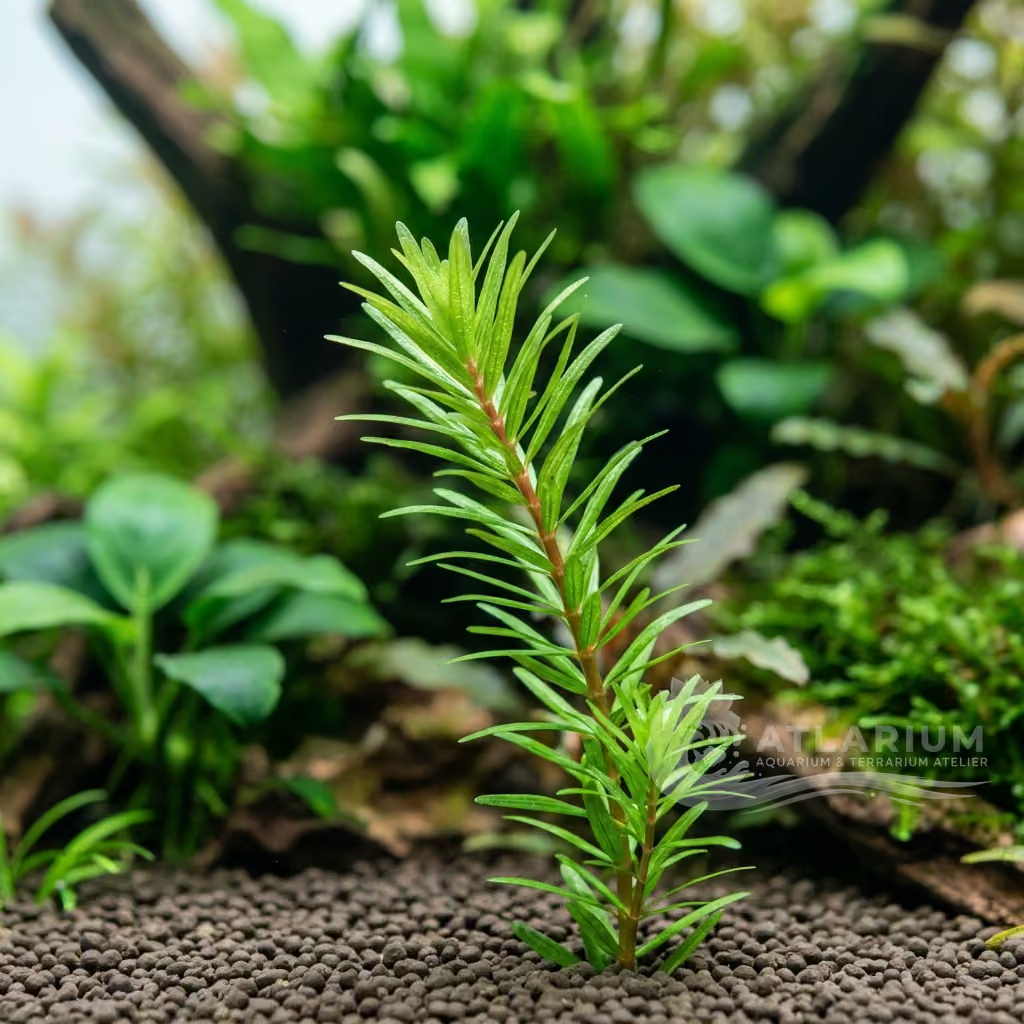
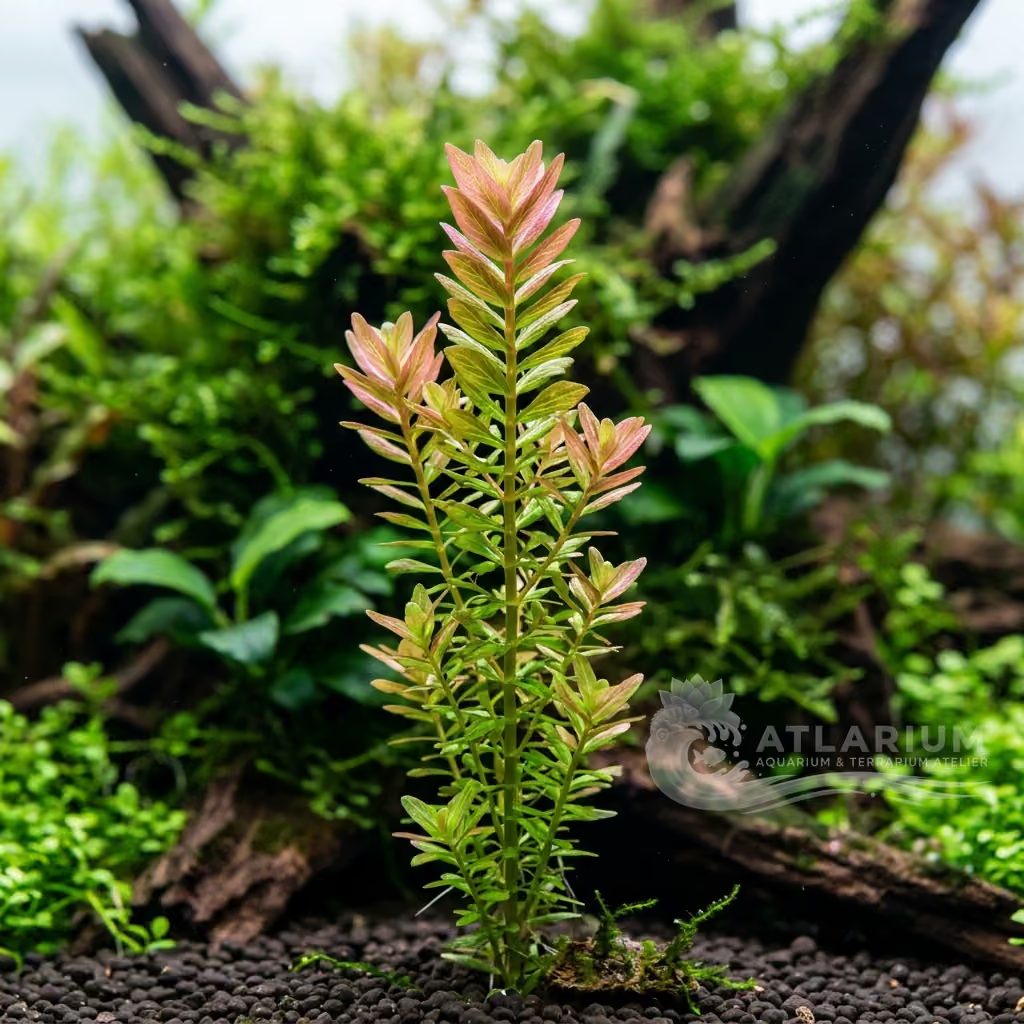
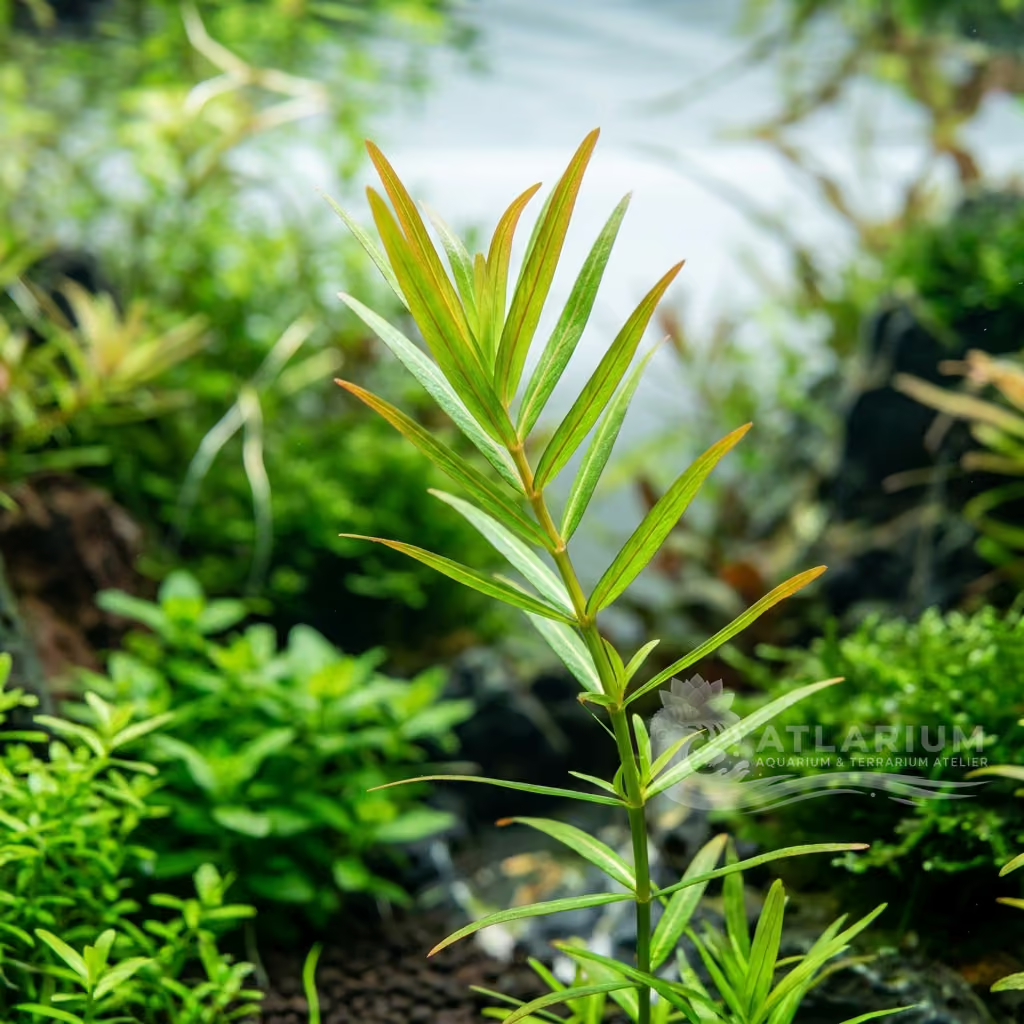
Physical Structure: Rotala sp. "H'Ra" is a stem plant characterized by relatively thin yet sturdy stems, which can reach considerable heights if left untrimmed. Its leaves are arranged oppositely and decussately along the stem, appearing lanceolate or linear, typically narrower than those of other Rotala rotundifolia varieties. It develops a fine but effective root system, which aids in anchoring it to the substrate, although it primarily absorbs nutrients from the water column, making it a versatile plant in various setups.
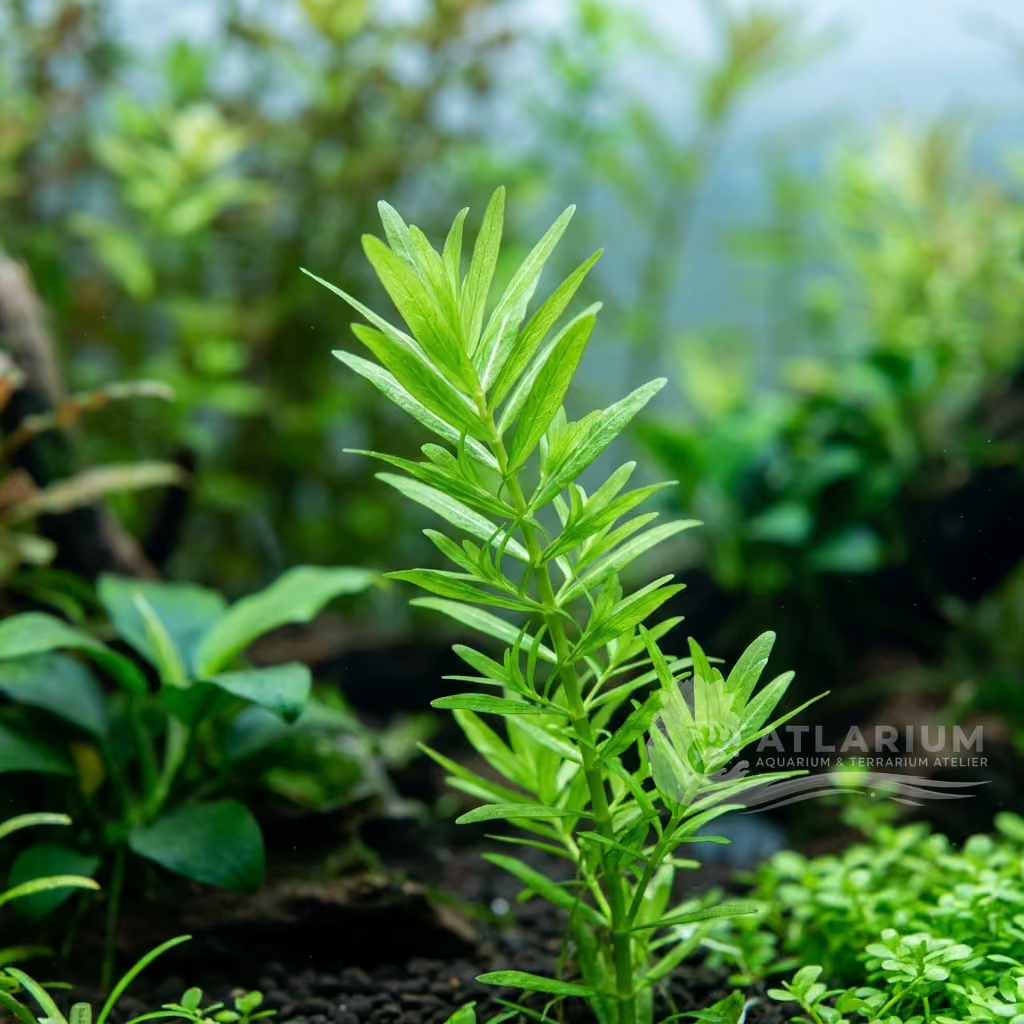
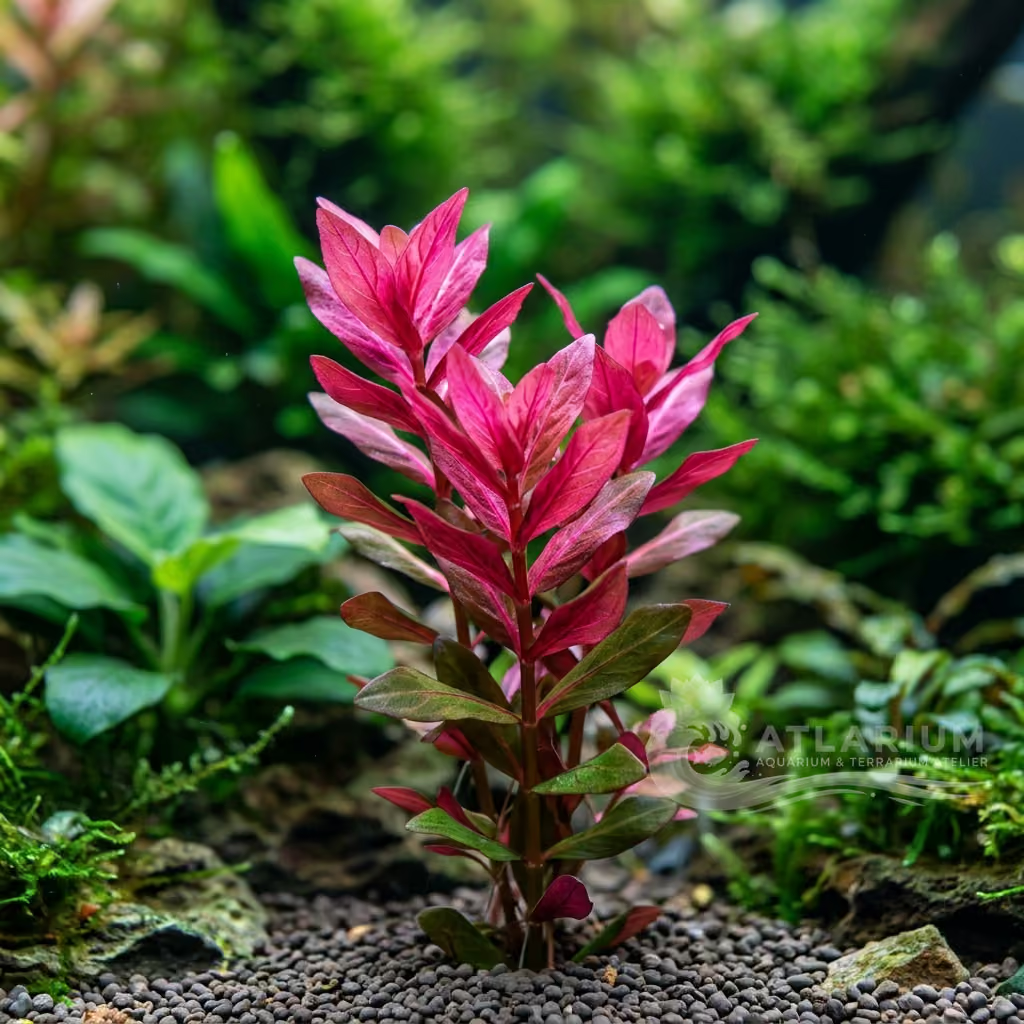
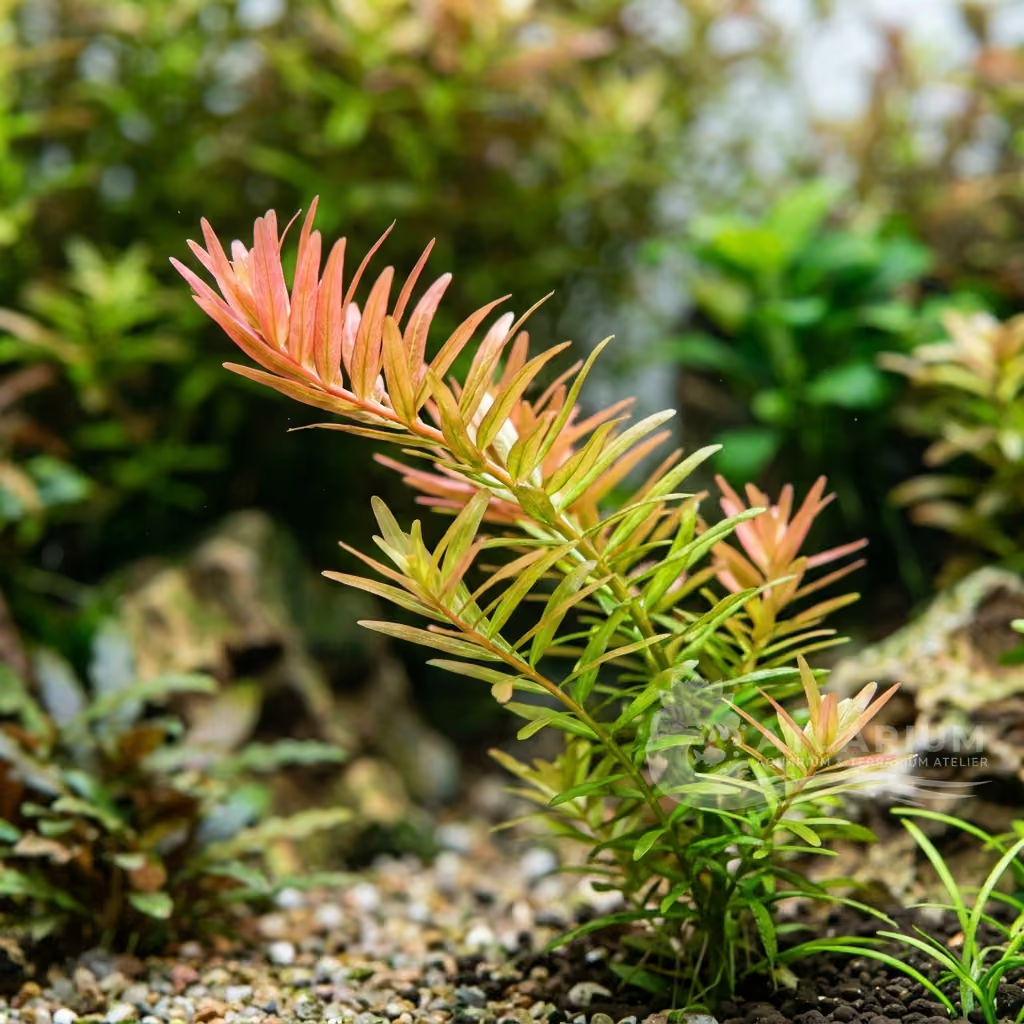
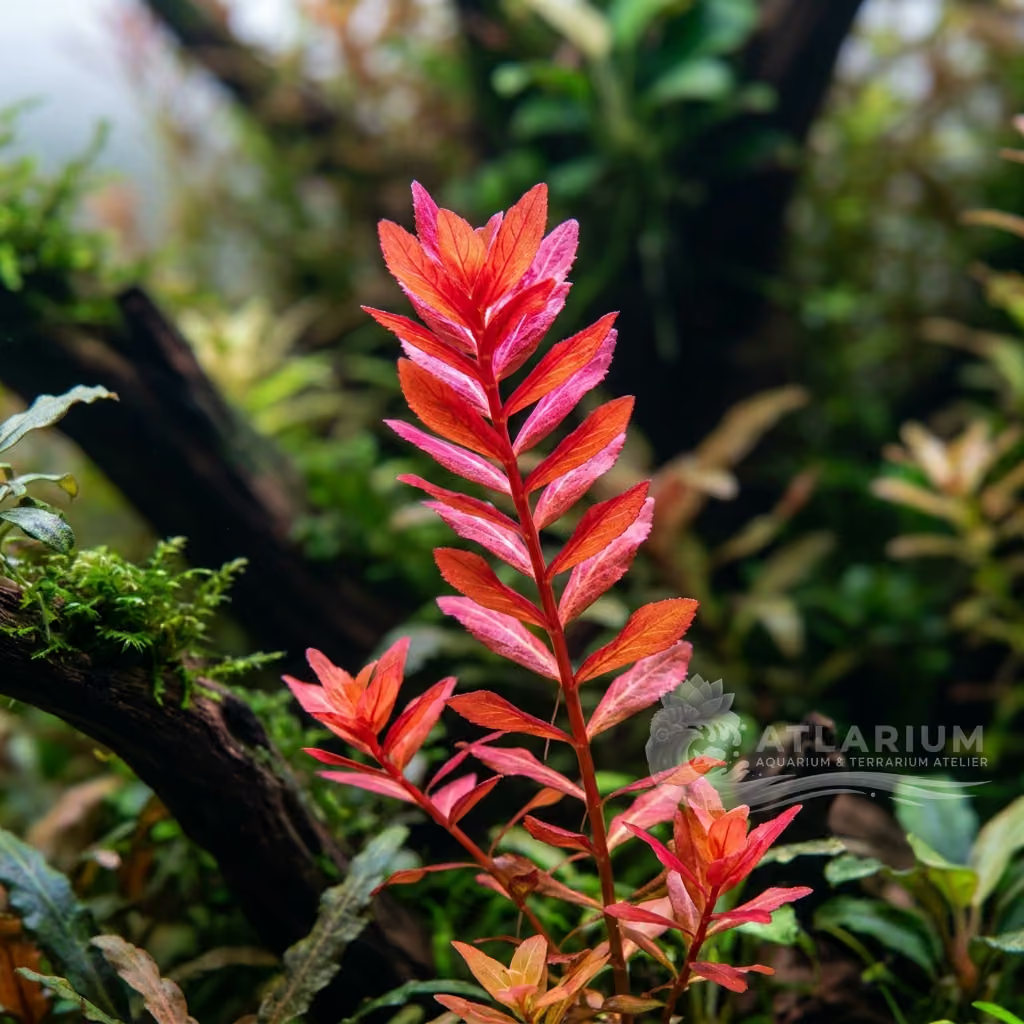
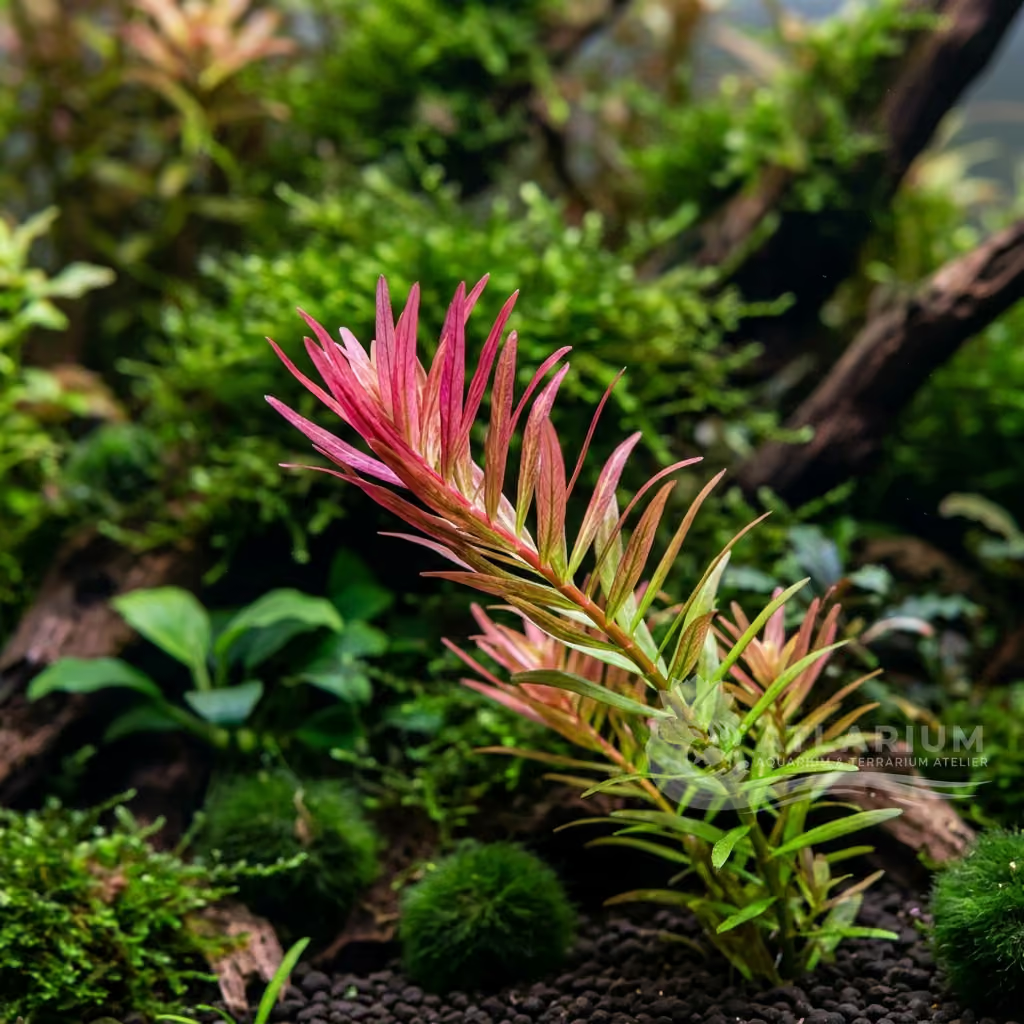
Color & Texture: Under moderate light conditions, Rotala sp. "H'Ra" displays fresh green leaves with tips that tend to take on a delicate pinkish hue. However, its true beauty emerges with intense lighting and adequate CO2 and iron supplementation, when the leaves and apical stems transform into an explosion of colors ranging from brilliant red-orange to deep magenta. The leaf texture is smooth and slightly fleshy, imparting a velvety appearance and creating an attractive visual contrast with other greener plants.

Care, breeding and tankmates
Lighting & CO2: To fully bring out its vibrant red-orange coloration, Rotala sp. "H'Ra" greatly benefits from strong illumination, despite its label indicating a medium light requirement. High light intensity, ideally 0.75 to 1.0 watts per liter or equivalent PAR, stimulates the production of anthocyanins, the pigments responsible for warm tones. Carbon dioxide (CO2) supplementation is crucial for robust growth and intensifying color, enabling the plant to maximize photosynthetic efficiency and preventing stunted growth due to carbon deficiency.
Nutrition & Substrate: Although primarily a
Water Chemistry: Rotala sp. "H'Ra" thrives in a water temperature range of 20 to 28 °C, demonstrating good adaptability to standard tropical conditions. Regarding carbonate hardness (KH), it prefers values between 2 and 12, indicating tolerance for soft to moderately hard water. The ideal pH is between 6.0 and 7.5, with a slight preference for slightly acidic to neutral waters, conditions that favor nutrient absorption and prevent osmotic stress, contributing to its vigorous growth and optimal coloration.
Space Management & Placement: Due to its medium growth rate and tendency to form dense bushes, Rotala sp. "H'Ra" is perfectly suited for midground placement in medium to large-sized aquariums. By planting stems in compact groups, a spectacular visual effect can be created, adding depth and contrast to the layout. It is important to ensure adequate spacing between groups to allow sufficient water circulation and light access even for lower leaves, preventing excessive shading and deterioration of the plant's lower parts.
Pruning: Regular pruning is essential to maintain Rotala sp. "H'Ra" in shape and to encourage denser, bushier growth. When stems reach the desired height or begin to become too bushy, it is advisable to cut the top portion of the stem, just above a leaf node. This operation stimulates the plant to produce new lateral shoots, increasing the density of the cluster. Apical cuttings can be replanted directly into the substrate, contributing to propagation and expansion of the bush.
Risks & Diseases: Like many stem plants, Rotala sp. "H'Ra" can be susceptible to certain risks and diseases under suboptimal conditions. Nutrient deficiency, particularly iron, can lead to chlorosis and fading of vibrant colors. Excessive planting density or poor water circulation can promote rotting of lower stems due to lack of light and oxygen. Finally, imbalances between light and nutrients can lead to the growth of filamentous algae on the leaves, compromising the plant's aesthetics and health.

Geographic origin and distribution
This captivating Rotala variety derives its name from its discovery in the Gia Lai province, a mountainous region in central Vietnam, renowned for its rich natural landscapes and riverine biodiversity. It is typically found along the banks of slow to moderately flowing waterways, where it benefits from abundant sunlight and nutrient-rich substrates. The natural environment, characterized by relatively soft and slightly acidic waters, has shaped its cultivation requirements, making it particularly well-suited for aquariums with similar parameters.
Origin
South and Southeast Asia

Plant profile
- Placement
- Midground
- It is an incredibly versatile plant that can be used in the midground or background. Under very intense lighting, it exhibits a strong creeping habit, making it suitable for foreground cascading effects over rocks. Planting it in dense, slanted groups creates a fiery sweeping aesthetic. It needs unobstructed light to maintain both its color and its horizontal growth.
- Botanical form
- Stem
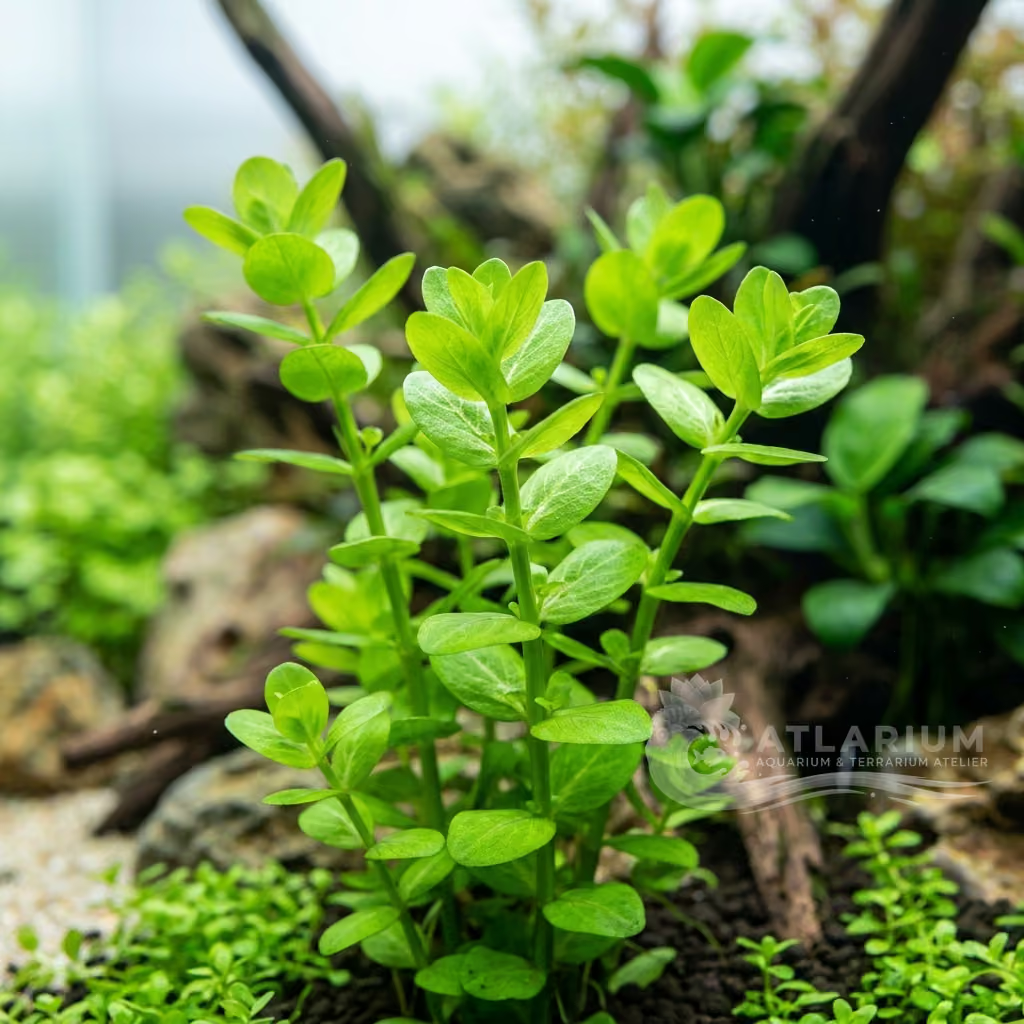
- It has very narrow, pointed leaves that are slightly finer than standard Rotala rotundifolia. Its stems are thin and prone to bending downwards or growing horizontally under high light. The coloration ranges from warm orange to deep reddish-pink depending on the environment. Emersed growth is typically green with rounder leaves, similar to other rotundifolia variants.
- Growth
- Medium
- The growth rate is very fast when provided with optimal light, CO2, and nutrients. It quickly forms dense thickets and horizontal mats that require frequent trimming. Its rapid metabolism makes it a great plant for balancing a new aquarium and outcompeting algae. Left unchecked, it will quickly reach the surface and shade out lower plants.
- Substrate
- Medium
- Rotala sp. "H'Ra" requires a high-quality, nutrient-loaded substrate to sustain its rapid growth and bring out its stunning deep red hues. Planting in 2 to 3 inches (5-7 cm) of fine-grained aqua soil allows its roots to establish securely and access vital trace elements like iron. A porous soil structure encourages healthy root aeration, ensuring that the heavy stem clusters remain well-anchored and nourished from the base up.
- Column fertilization
- Recommended
- Liquid fertilization is the primary method of nutrient delivery for this stem plant. A comprehensive dosing schedule with extra iron and trace elements is highly recommended. Daily dosing ensures the plant has a constant supply of nutrients to fuel its fast growth. Nitrate limitation in the water column is a common technique used to enhance its redness.
- Root fertilization
- None
- A nutrient-rich aquasoil provides a solid foundation for robust growth. While it feeds heavily from the water, a fertile substrate supports a strong root system. Root feeding provides a buffer of nutrients, ensuring the plant remains healthy even if column dosing fluctuates. Strong roots also help anchor its creeping stems securely to the bottom.
- Trimming
- Occasional
- Frequent and aggressive trimming is required to maintain a dense, bushy shape. Cutting the stems low encourages an explosion of lateral shoots. To create beautiful rolling slopes, trim the bush at an angle, keeping the front lower than the back. Older bushes can be refreshed by topping and replanting the vibrant upper shoots.
- Propagation
- Cuttings
- Propagation is incredibly easy through stem cuttings. Simply snip the healthy tops and replant them directly into the substrate. The planted cuttings root rapidly, while the cut base produces multiple new shoots. Its creeping nature also allows it to root from the nodes along the stem when growing horizontally.
- Sensitivity
- Moderate
- It is generally a resilient plant but will lose its distinct coloration if light or iron levels drop. Shading from taller plants will cause the lower leaves to melt away, leaving bare stems. It prefers slightly acidic water and stable CO2 levels. Sudden changes in water chemistry can lead to stunted tips.
- Layout role
- Midground
- It is heavily favored in Nature Aquariums for creating warm, fiery bushes that contrast beautifully with green plants. Its creeping habit makes it an excellent choice for softening hardscape edges or creating a smooth transition from foreground to background. It provides a striking focal point with its vivid orange-red hues. The fine texture adds a sense of scale to the layout.

Related species
Recommendations grouped by close relatives, companion choices, and similar care.