

Encyclopaedia
Nesaea praetermissa
Nesaea praetermissa
Nesaea praetermissa is a striking midground plant known for its vibrant coloration and medium growth rate, making it a captivating focal point in any planted aquarium. Its distinctive leaves and manageable size contribute significantly to the aesthetic depth and structure of an aquascape.
Share
Check out Nesaea praetermissa on Atlarium
22 - 28 °C
6 - 7.5
Freshwater
Medium - High
Medium - High
50 cm
15 cm
2 - 10 dKH
Species description
Care, breeding and tankmates
Geographic Origin and Distribution
Origin
Plant profile
- Placement
- Midground
- Botanical form
- Stem
- Growth
- Medium
- Substrate
- High
- Column fertilization
- Recommended
- Root fertilization
- Recommended
- Trimming
- Occasional
- Propagation
- Cuttings
- Sensitivity
- Moderate
- Layout role
- Midground, accent
Image gallery
Licensed images linked to the species or, when marked, to the closest representative taxon.
Related species
Recommendations grouped by close relatives, companion choices, and similar care.
Variants and close relatives
Same atlas type, nearby scientific identity, genus, or family.

Nesaea crassicaulis
Nesaea crassicaulis

Nesaea sp. 'Red Leaved'
Nesaea sp. 'Red Leaved'

Ammannia sp. 'Bonsai'
Ammannia sp. 'Bonsai'

Ammannia latifolia
Ammannia latifolia

Rotala sp. 'Pearl'
Rotala sp. 'Pearl'
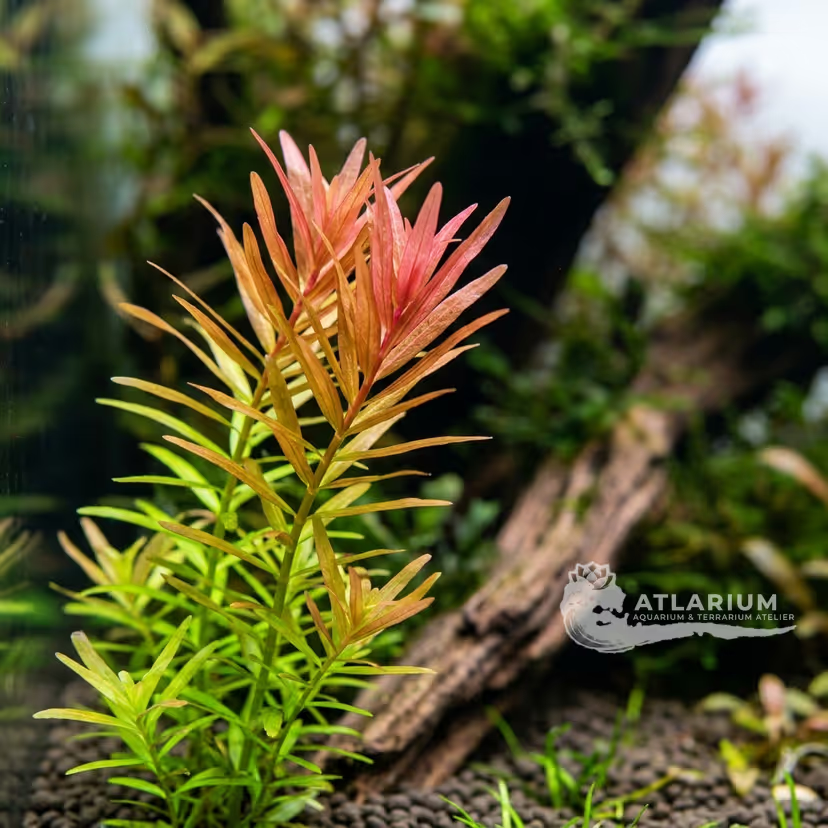
Rotala sp. "Araguaia"
Rotala sp. "Araguaia"

Rotala sp. "Long Leaf"
Rotala sp. "Long Leaf"
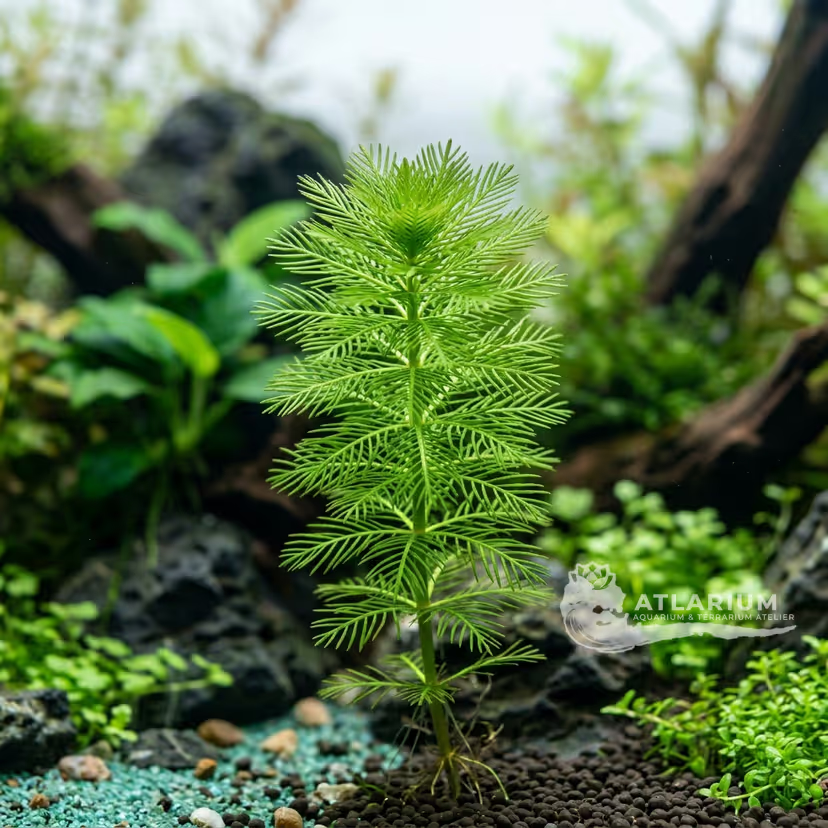
Rotala verticillaris
Rotala verticillaris

Ammannia mauritiana
Ammannia mauritiana

Senegal Ammannia
Ammannia senegalensis

Golden Nesaea
Ammannia pedicellata

Indian Rotala
Rotala indica
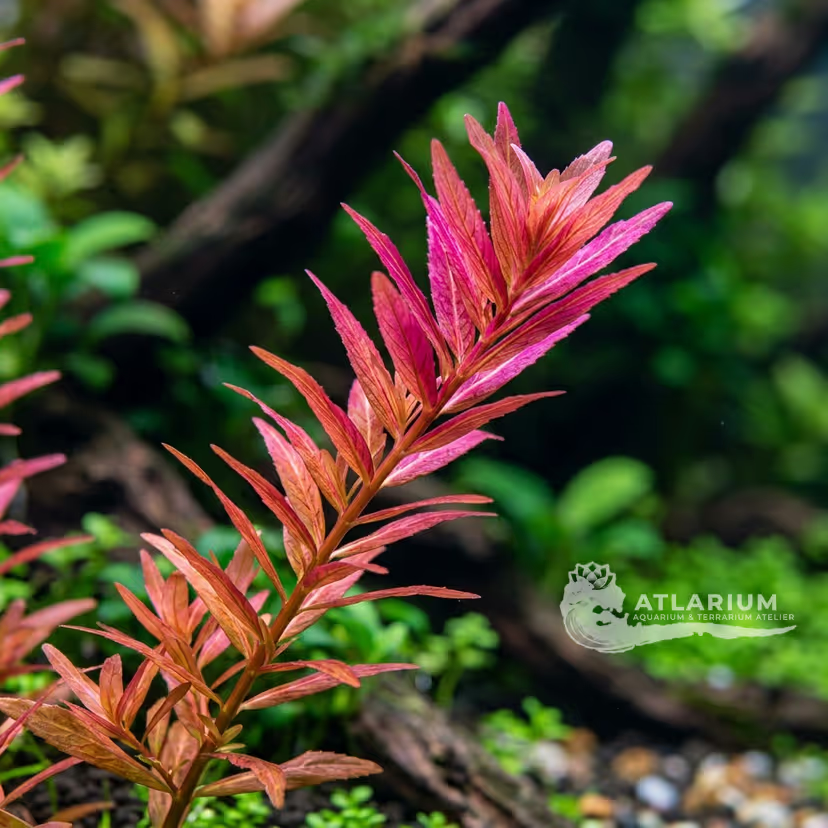
Rotala sp. 'Colorata'
Rotala sp. 'Colorata'
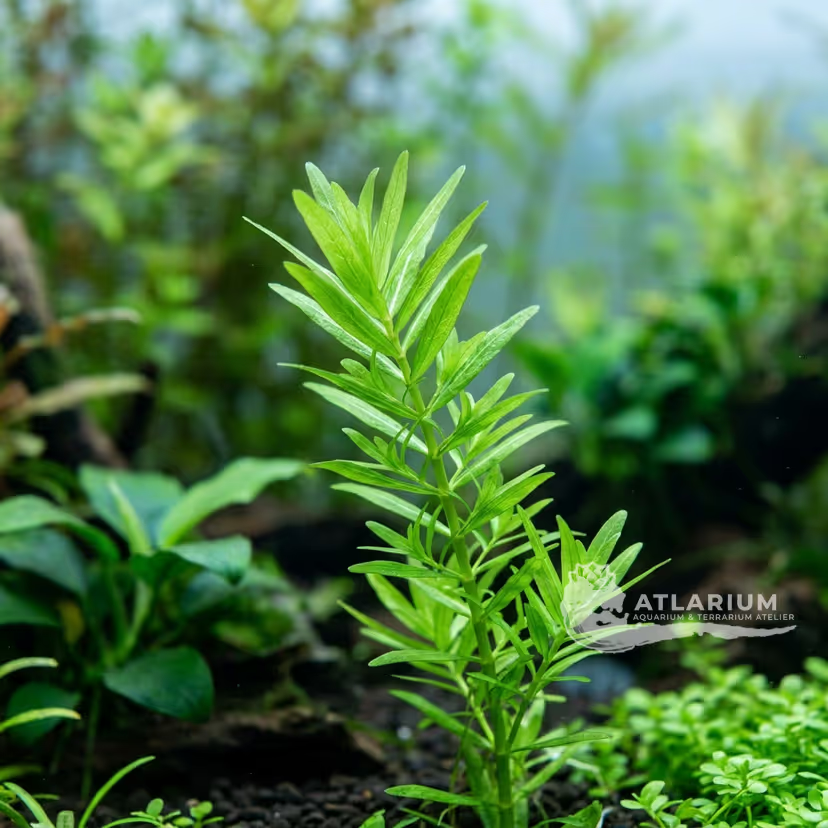
Rotala sp. 'Green'
Rotala sp. 'Green'

Rotala sp. "H'Ra" ("Gia Lai")
Rotala sp. "H'Ra" ("Gia Lai")

Ammannia capitellata
Ammannia capitellata
Recommended companions
Compatible cards from coherent ecosystems with matching parameters.

Bucephalandra motleyana "Braun-rot" ("Serimbu")
Bucephalandra motleyana "Braun-rot" ("Serimbu")

Bucephalandra motleyana "Kapit"
Bucephalandra motleyana "Kapit"

Bucephalandra motleyana "Pancuraji"
Bucephalandra motleyana "Pancuraji"

Bucephalandra sp. "Bukit Kelam / Sintang"
Bucephalandra sp. "Bukit Kelam / Sintang"

Bucephalandra sp. "Melawi"
Bucephalandra sp. "Melawi"

Commelinaceae sp. "Green"
Commelinaceae sp. "Green"

Cordyline fruticosa
Cordyline fruticosa
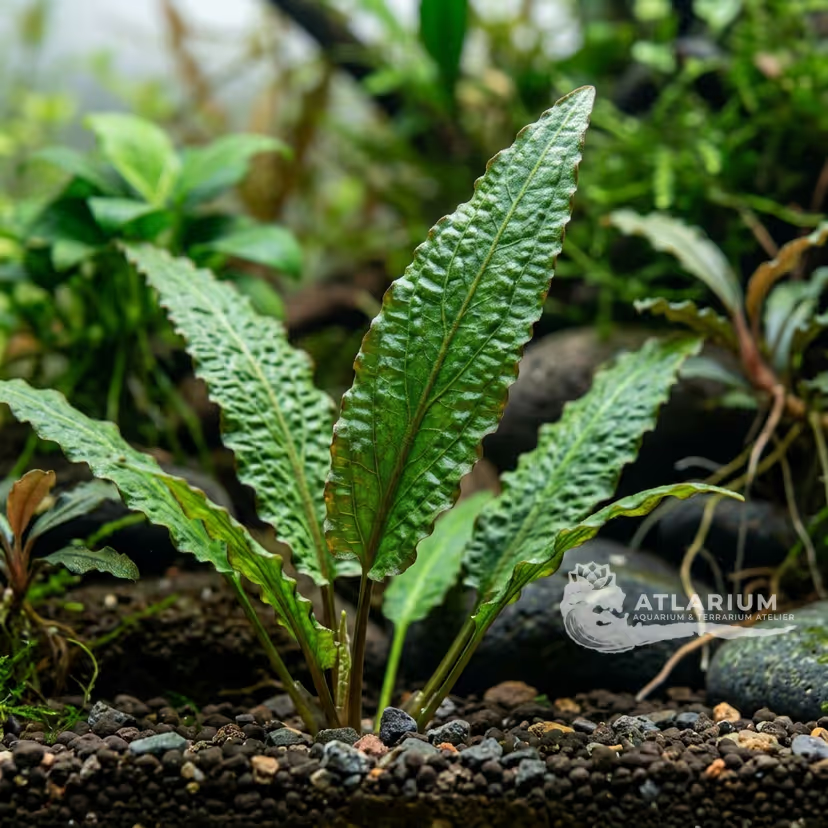
Cryptocoryne balansae
Cryptocoryne balansae

Blackline Tetra
Hyphessobrycon scholzei

Bucephalandra motleyana "Braun-rot narrow"
Bucephalandra motleyana "Braun-rot narrow"

Bucephalandra motleyana "Riam Macam"
Bucephalandra motleyana "Riam Macam"

Skunk cory
Corydoras arcuatus

Cherry Barb
Puntius titteya

Chlorophytum bichetii
Chlorophytum bichetii

Bamboo shrimp
Atyopsis moluccensis

Bacopa sp. "Japan"
Bacopa sp. "Japan"
Similar care
Cards with similar requirements, difficulty, habitat, and husbandry profile.

Ammannia gracilis
Ammannia gracilis

Three-flower Nesaea
Ammannia capitellata capitellata

Alternanthera reineckii "rosaefolia minor"
Alternanthera reineckii "rosaefolia minor"

Ceratopteris richardii
Ceratopteris richardii
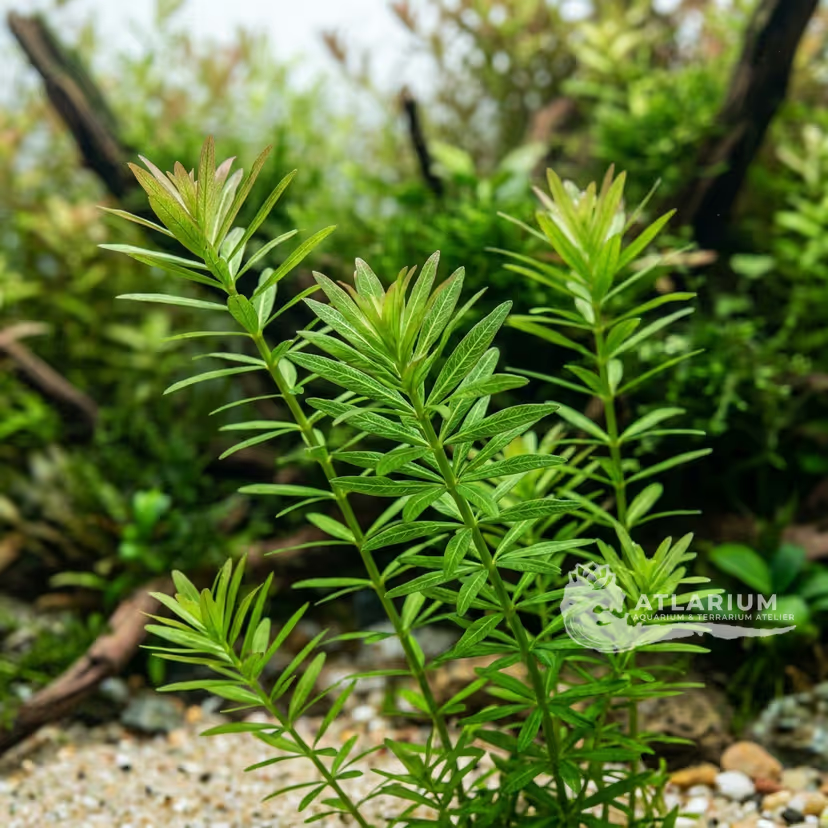
Water Hedge
Didiplis diandra
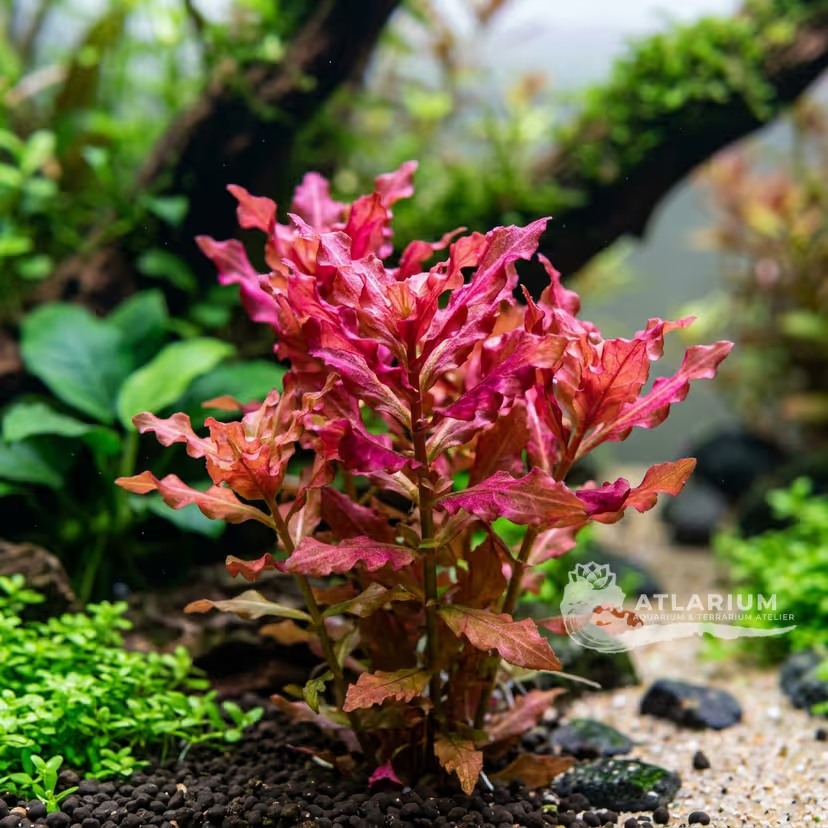
Rotala macrandra 'Wavy'
Rotala macrandra 'Wavy'

Golden Nesaea
Ammannia pedicellata

Rotala pusilla
Rotala pusilla

Bucephalandra sp. "Black Leaf"
Bucephalandra sp. "Black Leaf"

Ammannia praetermissa
Ammannia praetermissa

Cabomba australis
Cabomba australis
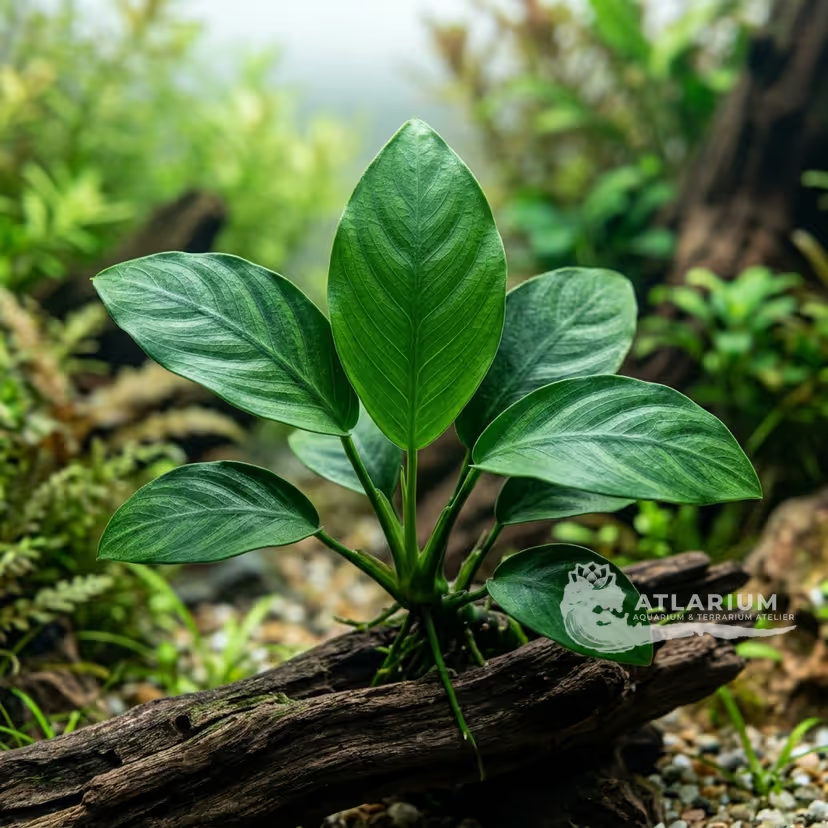
Anubias minima
Anubias minima

Ceratopteris siliquosa
Ceratopteris siliquosa

Rotala macrandra 'Mini Type 4'
Rotala macrandra 'Mini Type 4'
Anubias
Anubias barteri

Cryptocoryne axelrodii
Cryptocoryne axelrodii