Water Hedge
Didiplis diandra
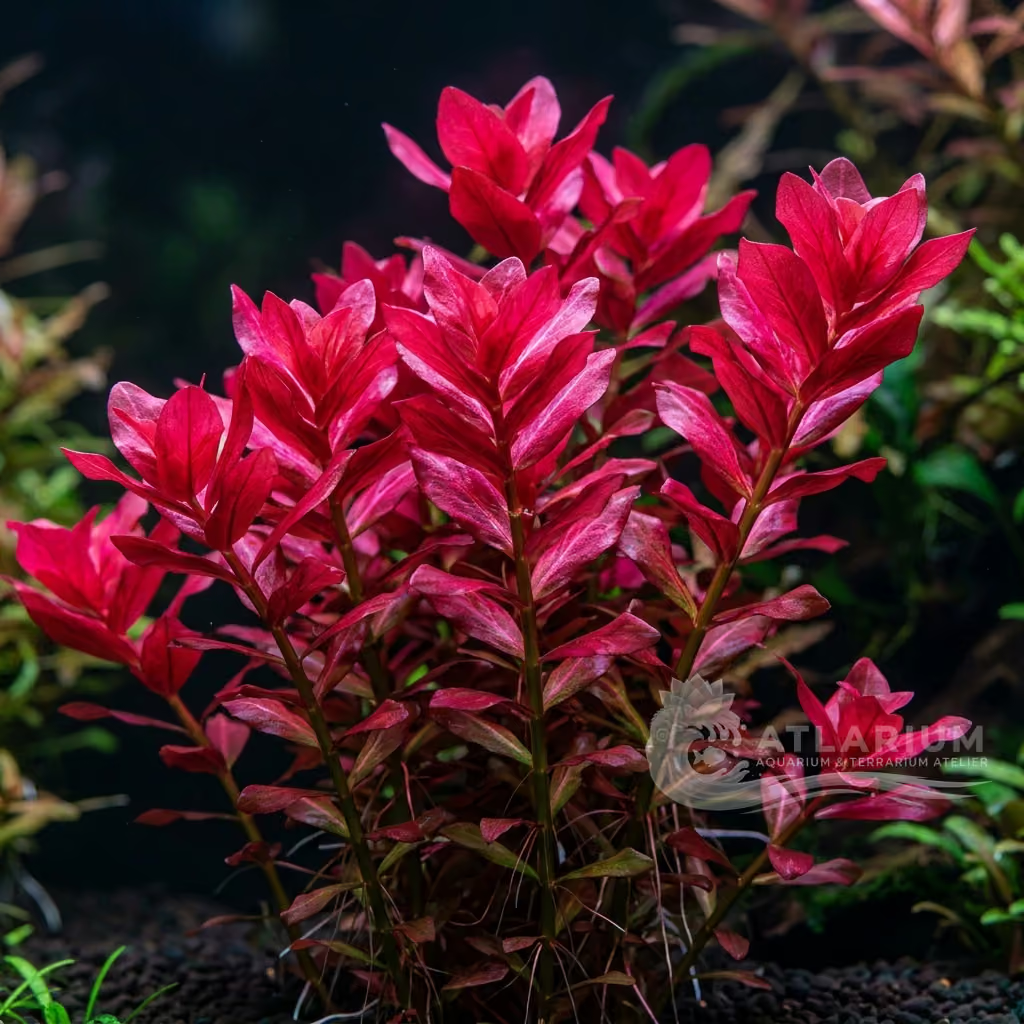
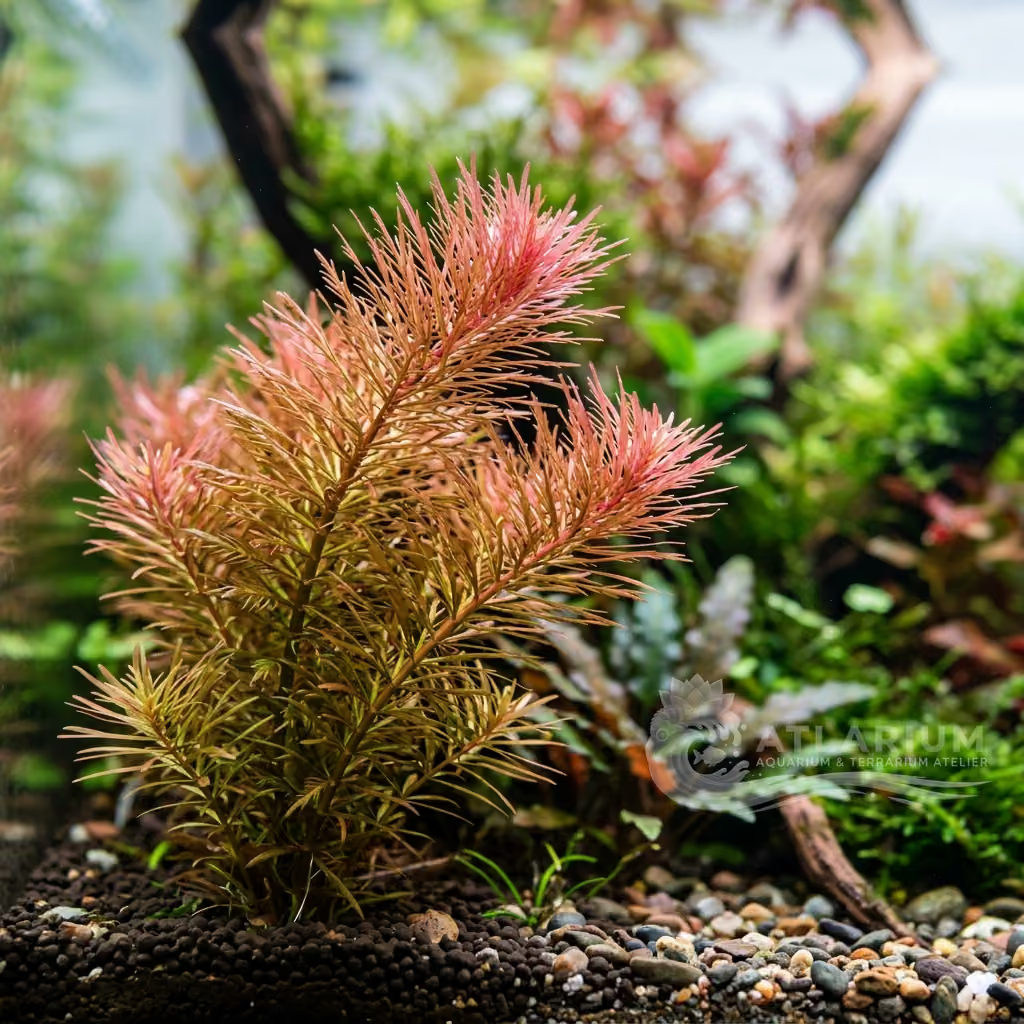
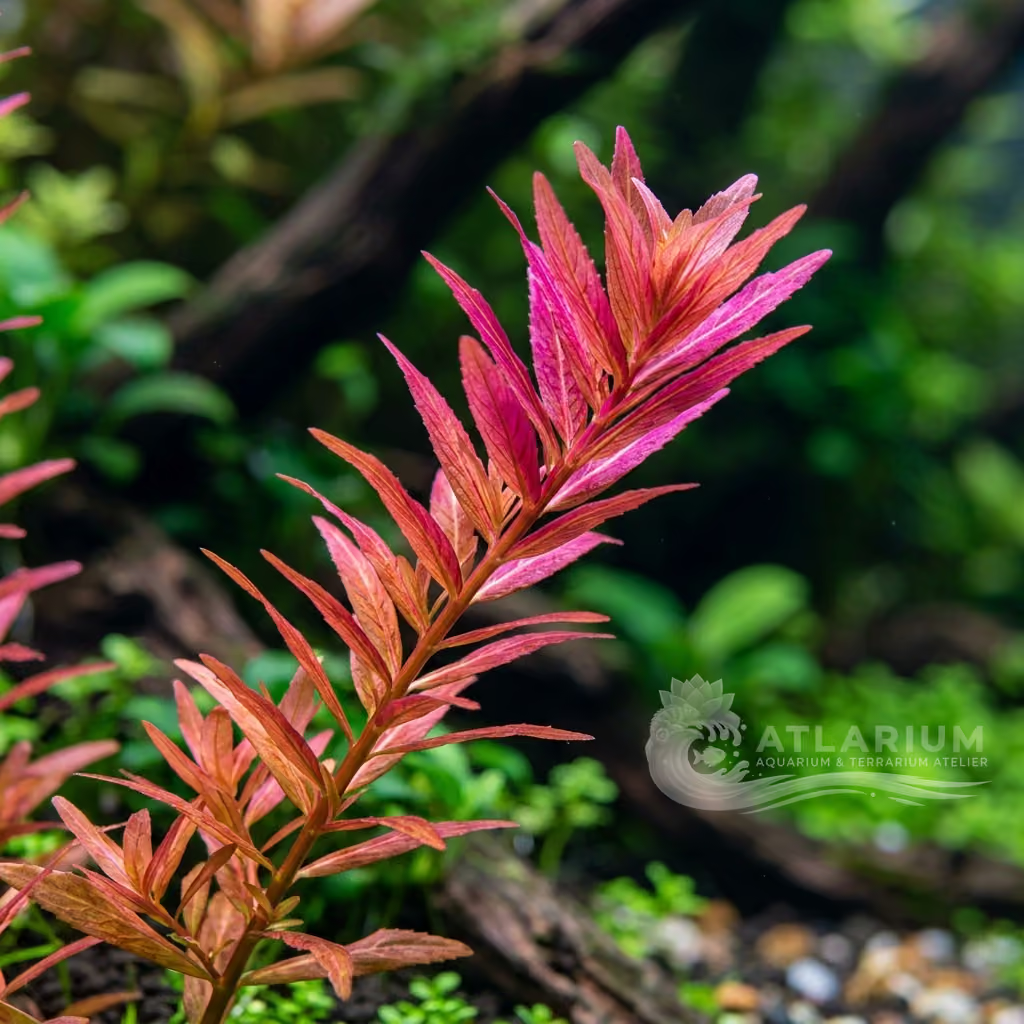
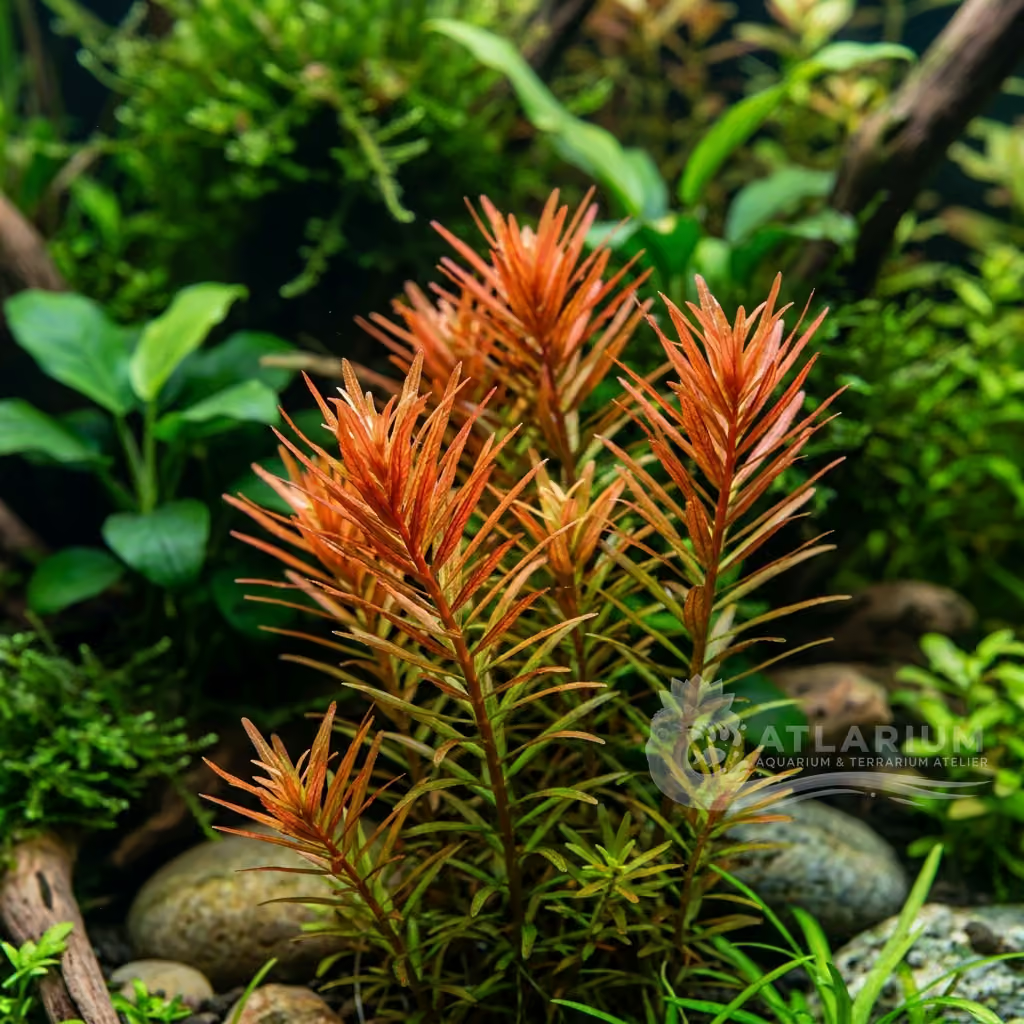
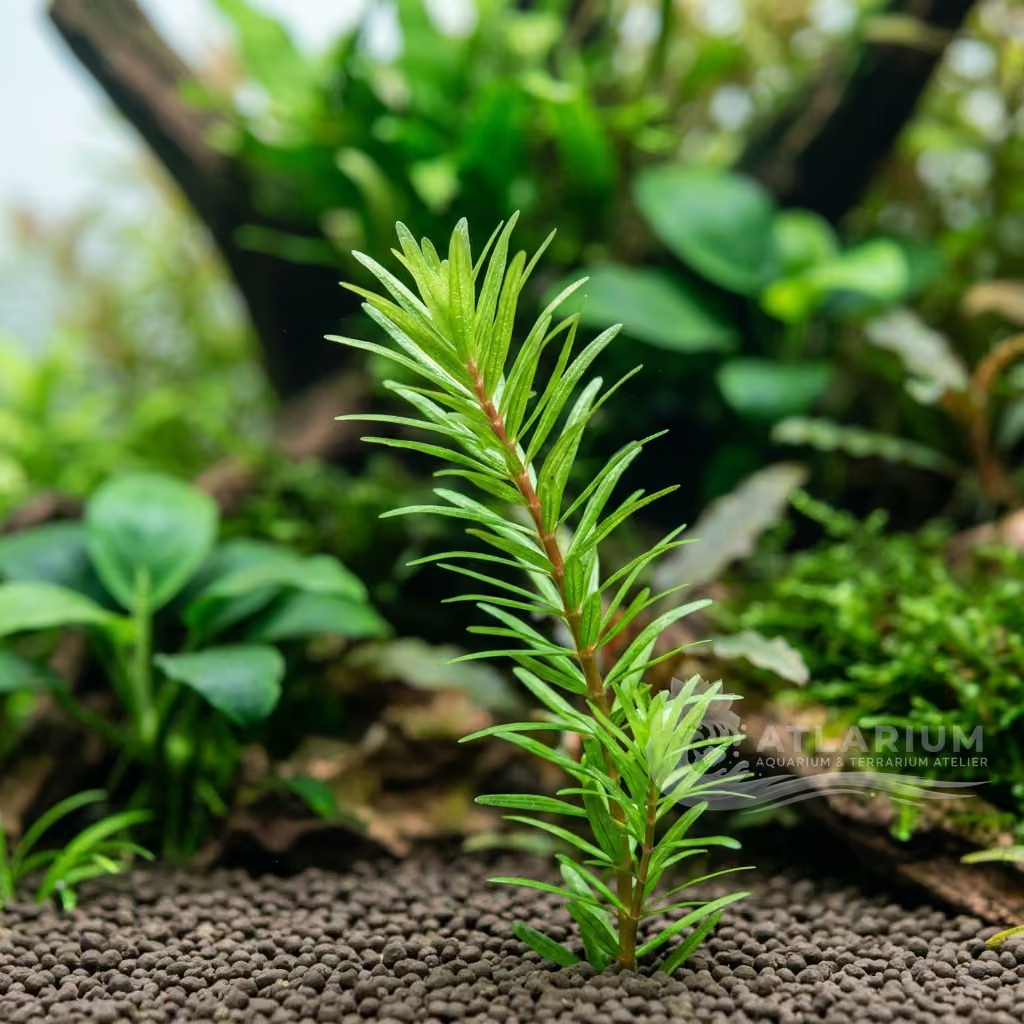
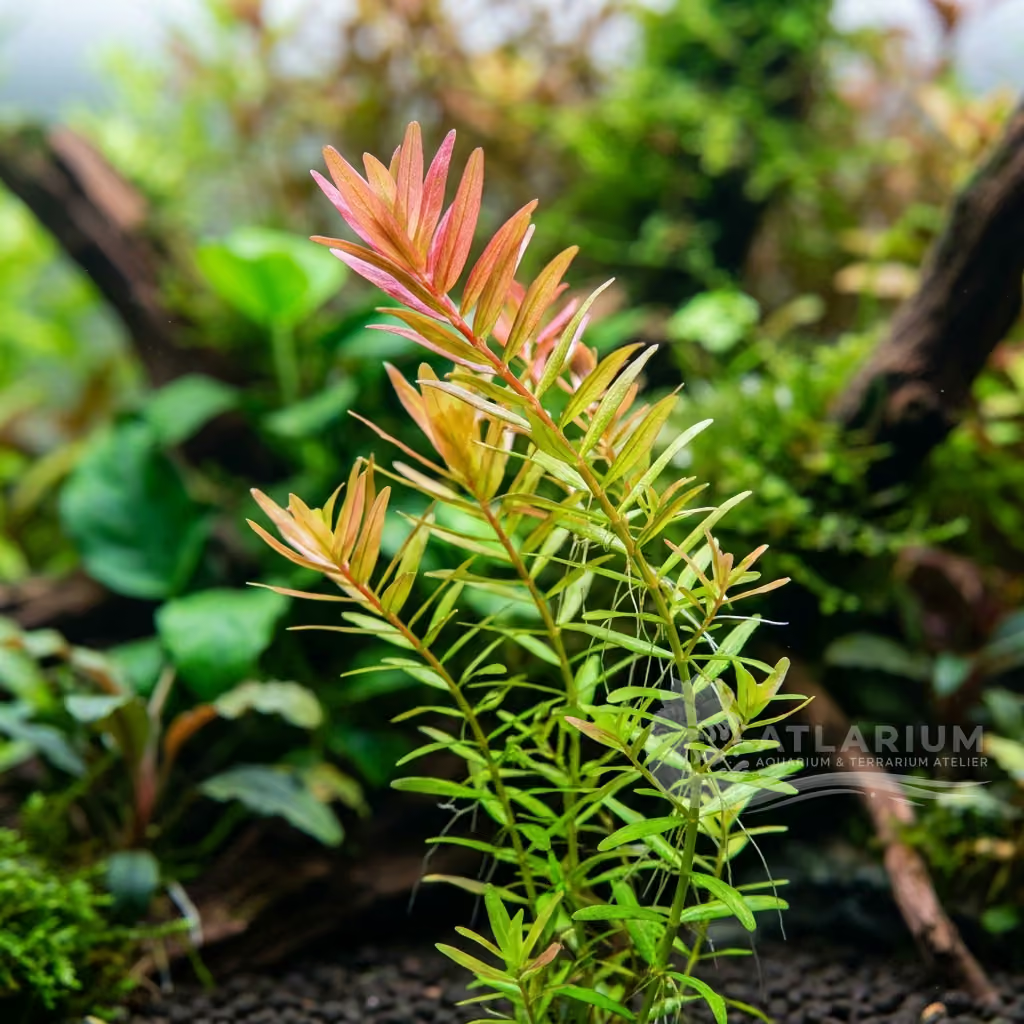
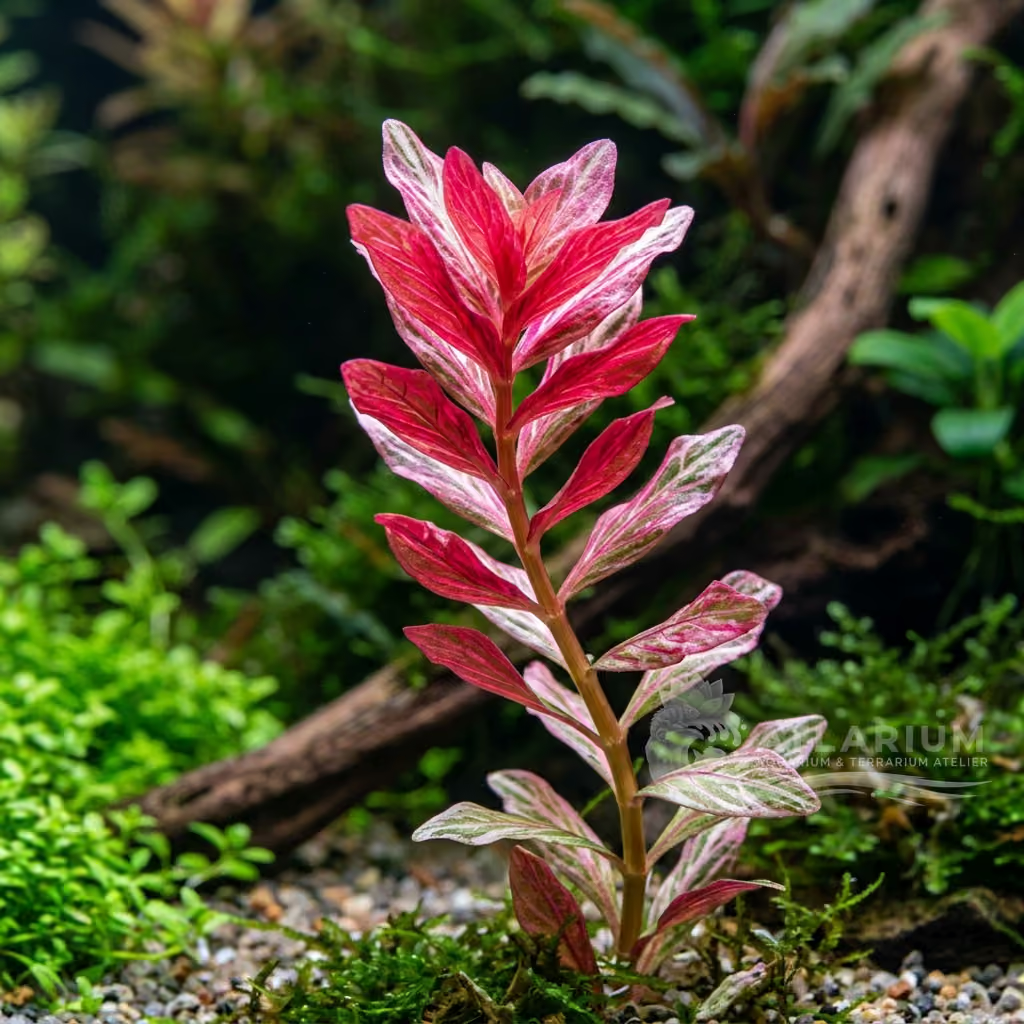
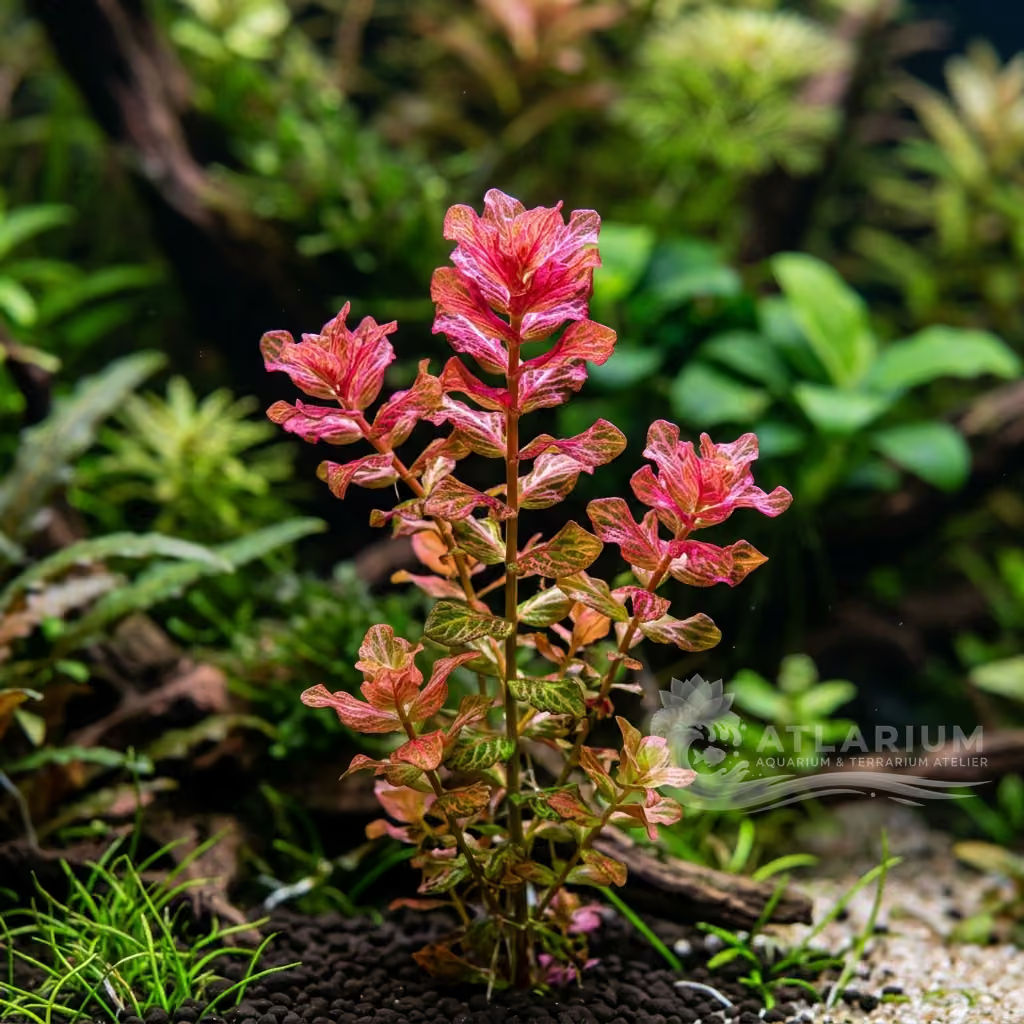
Didiplis diandra is a delicate North American stem plant. Under high light and CO2, its fine, needle-like foliage transforms into striking orange-red hues, perfect for adding vibrant color accents.
Water Temperature
20 - 28 °C
pH Value
5.5 - 7.5
Water type
Freshwater
Light
High
CO2
High
Expected height
30 cm
Expected width
15 cm
GH
4 - 20 dGH
KH
2 - 15 dKH

Species description
Geographical Origin and Habitat: Didiplis diandra, commonly known as Water Hedge or Peplis diandra, is an aquatic stem plant native to the eastern and central regions of the United States. It grows in marshes, swamps, shallow ponds, and along the muddy margins of slow-flowing rivers. The plant is highly adaptable, capable of growing both in an emersed form on damp mud flats and a fully submersed form in response to seasonal water level fluctuations.
Taxonomy & Genetics: Belonging to the family Lythraceae, Didiplis diandra is the sole species in the genus Didiplis. It is a dicotyledonous flowering plant. Its genetics have adapted to facilitate submersed photosynthesis through thin, needle-like leaves and highly flexible stems. There are no common commercial cultivars or genetically modified strains, so aquarium specimens represent the natural wild form.
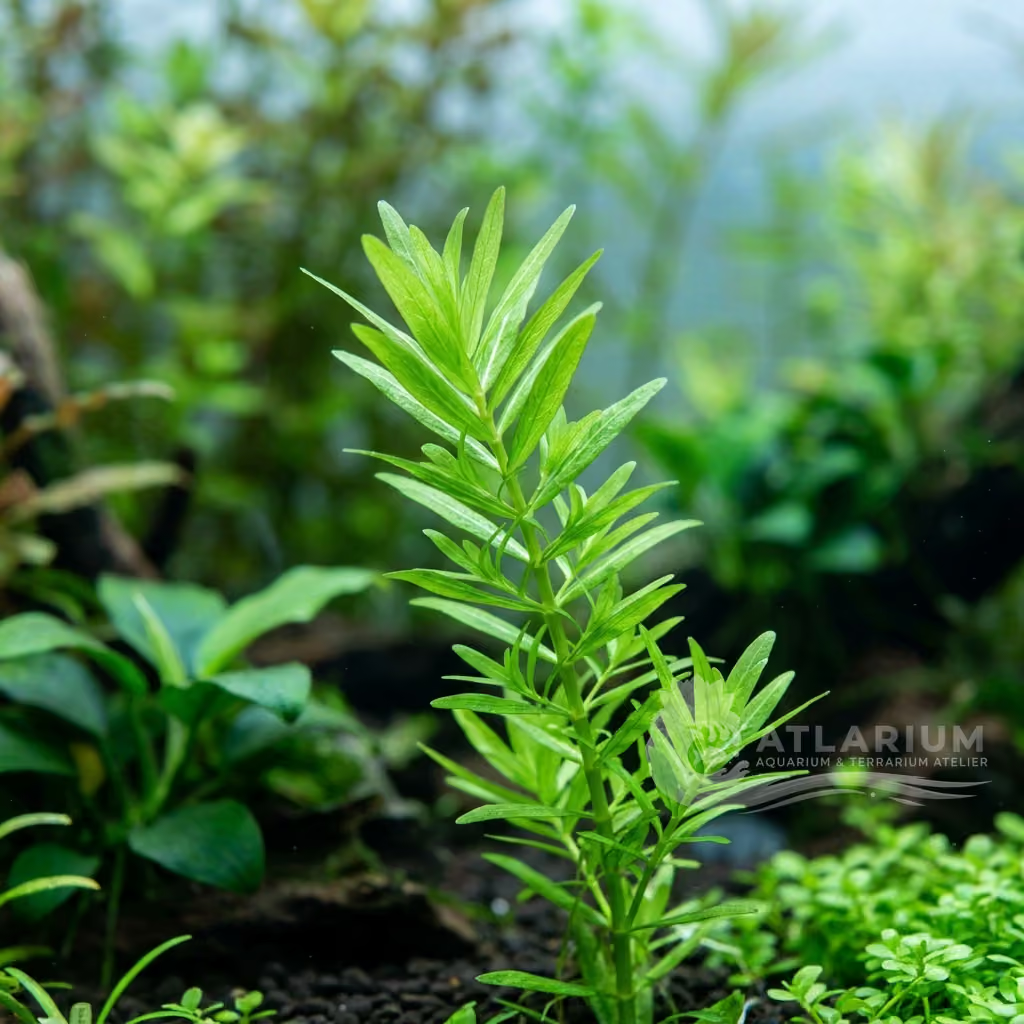
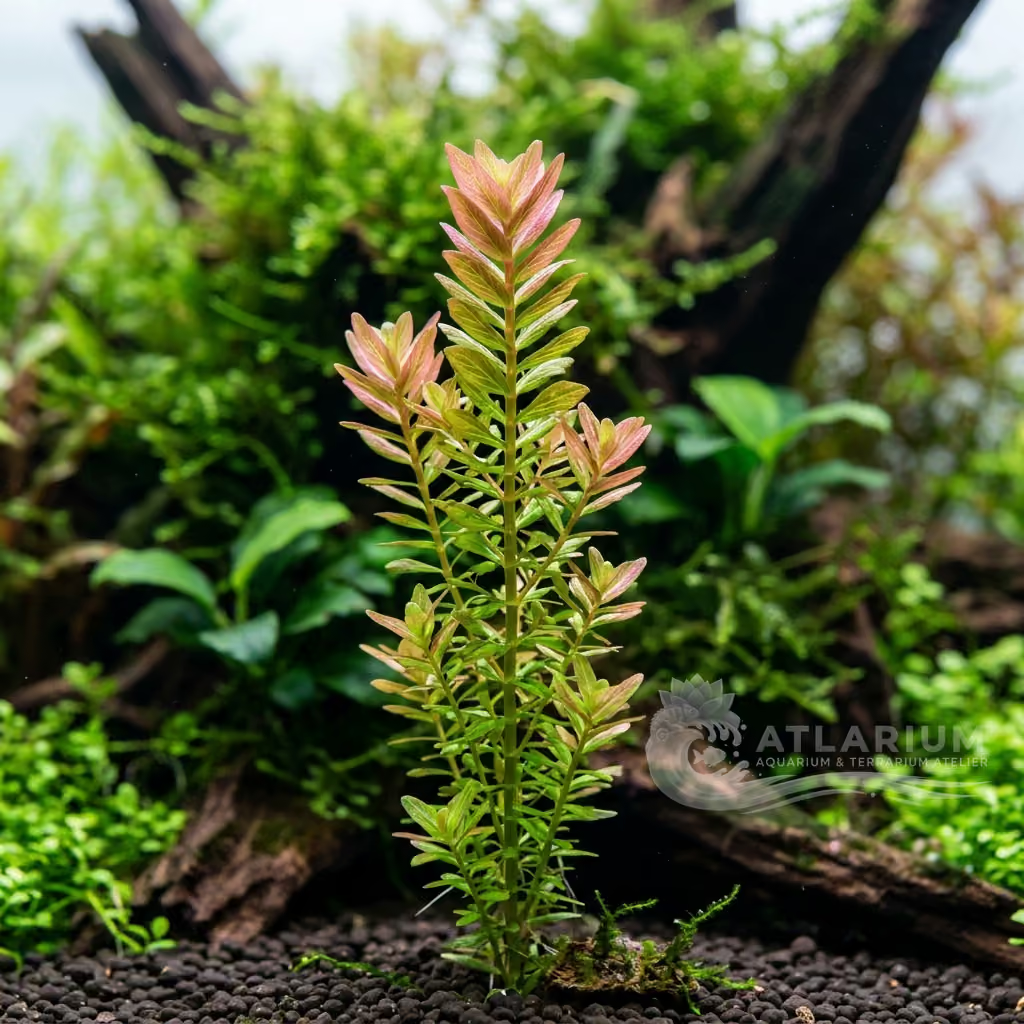
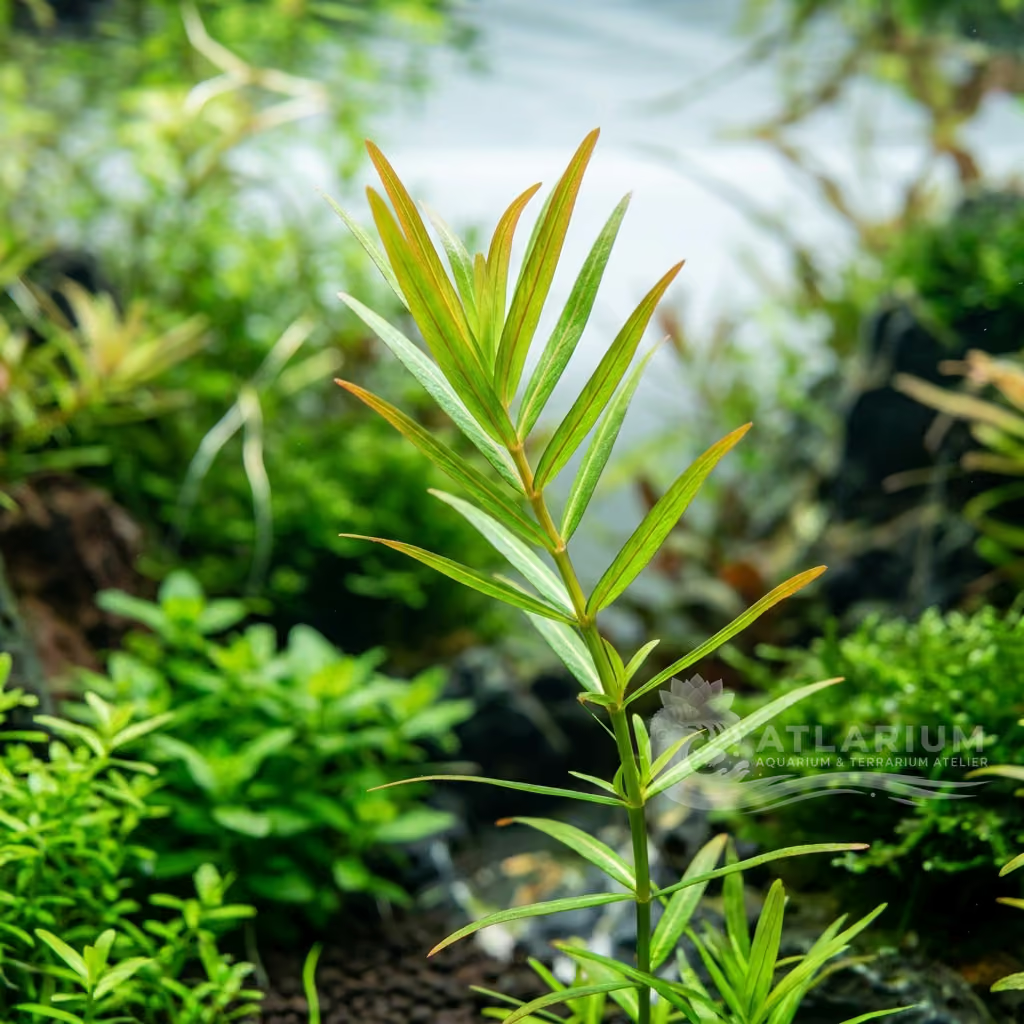
Physical Structure: It features an upright, branched, and delicate stem structure. The narrow, needle-like leaves grow without petioles (sessile) in decussate pairs (arranged at right angles to the pair below them) along the stem. This configuration gives the plant a compact, geometric, hedge-like appearance. In submersed aquarium conditions, the stems typically reach a height of 15 to 30 centimeters.
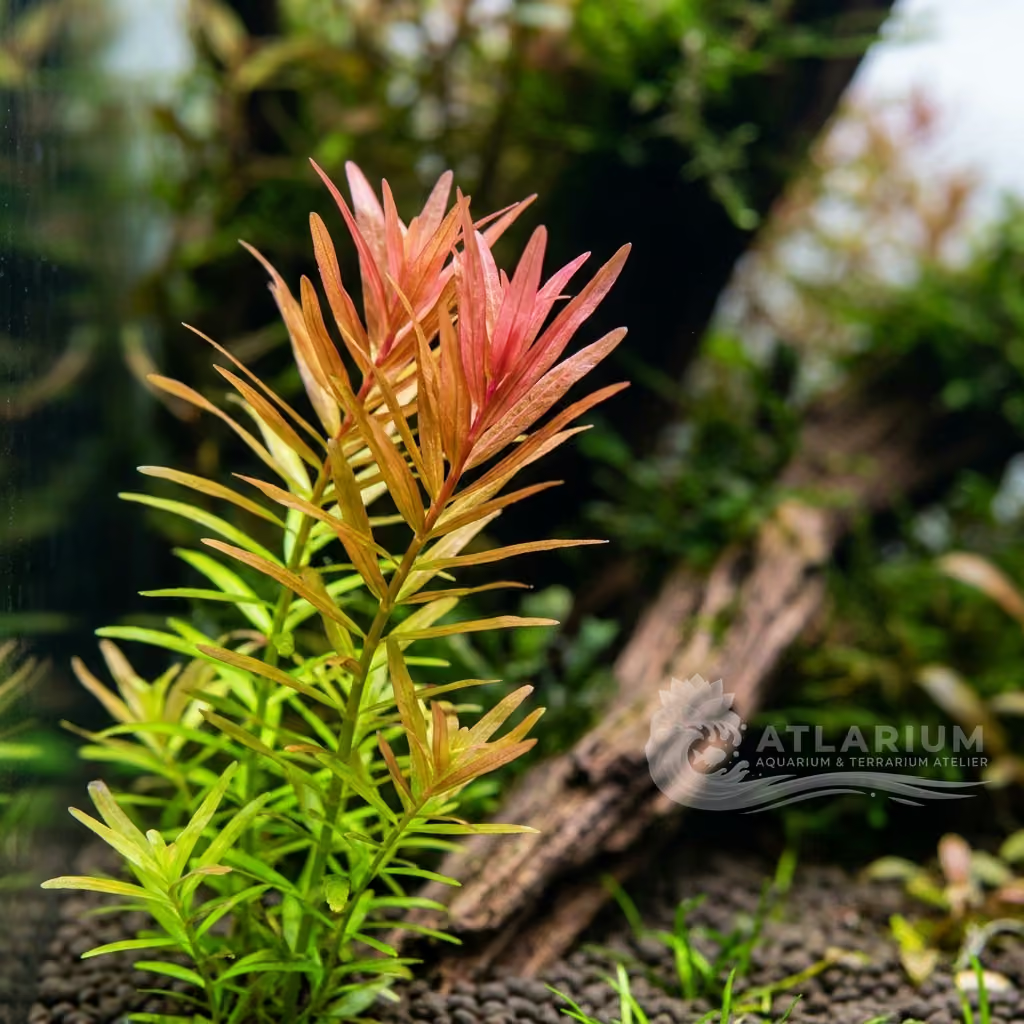
Color & Texture: The coloration of Didiplis diandra serves as an excellent health indicator. Under moderate lighting and standard nutrient levels, the foliage remains a vibrant light green. However, under high-intensity lighting combined with rich iron and micronutrient supplementation, the stem tips and upper leaves turn warm orange-red, brick-red, or copper-pink, presenting a fine, soft texture.

Care, breeding and tankmates
Lighting & CO2: This plant demands advanced care conditions to thrive. Lighting must be high (at least 0.7-1 watt per liter or a high PAR value) to prevent the lower portions of the stems from losing their leaves and rotting. Constant injection of carbon dioxide (CO2) is considered essential for healthy growth, and levels should be maintained at a stable 20-30 mg/l in the water column.
Nutrition & Substrate: Requires a nutrient-rich substrate. A fertile soil (such as active clay-based soil or aquasoil) is highly recommended to provide macro and micronutrients directly to the root system. Liquid fertilization in the water column must be balanced and consistent, with special emphasis on chelated iron and potassium to promote red colors and prevent chlorosis.
Water Chemistry: Prefers soft to moderately soft, slightly acidic water. Ideal parameters include a water temperature between 20°C and 26°C (growth halts and stems rot above 28°C), pH between 6.0 and 7.0, carbonate hardness (KH) of 2 to 6 dKH, and total hardness (GH) of 4 to 10 dGH. Regular water changes are critical to prevent organic waste buildup.
Space Management & Placement: Due to its dense, bushy growth habit, it is perfect for the midground or background of medium to large aquariums. Stems should be planted in small groups, leaving 1-2 cm of space between individual stems to ensure that light can reach the lower leaves. Avoid placing it in shaded areas or directly under massive broad-leaved plants.
Pruning: Regular trimming is necessary to maintain a bushy shape and prevent the lower sections from becoming shaded. Cut the top portion of the stems using sharp aquascaping scissors. These cut tops can be replanted into the substrate, where they will quickly grow new roots. If the bottom of the plant becomes woody or bare, pull up the stem, trim the bottom, and replant the healthy top.
Risks & Diseases: The primary risk is stem rot caused by insufficient light or inadequate CO2, which starts with blackening of the stem base and leaf loss. It is also highly susceptible to filamentous green algae and hair algae, which can easily suffocate the fine, needle-like leaves if nitrates and phosphates are out of balance. It does not tolerate frequent transplanting or sudden shifts in water chemistry.

Geographic origin and distribution
Didiplis diandra, commonly known as Water Hedge or Peplis diandra, is an aquatic stem plant native to the eastern and central regions of the United States. It grows in marshes, swamps, shallow ponds, and along the muddy margins of slow-flowing rivers. The plant is highly adaptable, capable of growing both in an emersed form on damp mud flats and a fully submersed form in response to seasonal water level fluctuations.
Origin
North America

Plant profile
- Placement
- Midground
- Best suited for the midground or background of the aquascape. Its dense, bushy growth makes it perfect for creating contrast against lighter green plants or hardscape. It should be planted where it receives strong, unobstructed lighting.
- Botanical form
- Stem
- Features fine, needle-like leaves that grow opposite each other along the stem, giving it a delicate, cross-like appearance when viewed from above. Under intense light, the tips turn a beautiful vibrant red to orange. The plant naturally branches out to form thick, compact bushes.
- Growth
- Medium
- Exhibits a fast growth rate when provided with optimal conditions, including high light and CO2 injection. Its rapid growth requires regular pruning to maintain its shape and prevent it from overshadowing neighboring plants. Without CO2, its growth significantly slows down and it may struggle.
- Substrate
- High
- Didiplis diandra requires a nutrient-rich substrate, preferably a fine-grained aqua soil, to support its delicate stem structure. The fine texture allows its fragile roots to easily penetrate and anchor securely into the bottom. A substrate depth of 4-5 centimeters is necessary to supply an uninterrupted flow of micronutrients, especially iron, which is essential for vibrant reddish tips. A well-fertilized bed significantly enhances its density and overall health in the aquarium.
- Column fertilization
- Recommended
- Demands consistent and comprehensive liquid fertilization. Adequate levels of nitrate and phosphate are essential for its overall health, while iron is key for its pigmentation. Insufficient water column nutrients will quickly result in pale, stunted growth and leaf loss.
- Root fertilization
- Recommended
- While it primarily feeds through the water column, a nutrient-rich substrate greatly supports its development. Aquasoil or root tabs will help anchor the plant and provide a supplemental nutrient reserve. Strong root growth is beneficial for establishing large, healthy groups.
- Trimming
- Regular
- Requires frequent trimming to maintain a compact, bushy shape. Pruning the tops encourages lateral shoots, making the bush denser. However, if trimmed too often without allowing it to recover, the lower stems can become exhausted and rot.
- Propagation
- Cuttings
- Easily propagated by cutting the top portions of the stems and replanting them. Ensure that the cuttings are planted with a little space between them to allow light to reach the bottom leaves. The remaining trimmed stems will readily produce side shoots.
- Sensitivity
- HIGH
- Known for being a somewhat sensitive and demanding plant. It is highly susceptible to algae if nutrient levels are imbalanced or if water circulation is poor. It requires clean, well-oxygenated water and strongly dislikes sudden changes in water parameters.
- Layout role
- Midground, Background, group
- Acts as a brilliant focal point or color accent in the midground due to its reddish tips and fine texture. It is a classic choice in Dutch-style aquariums, where it is often shaped into a neat, colorful street. It provides excellent contrast against broad-leaved, green species.

Related species
Recommendations grouped by close relatives, companion choices, and similar care.