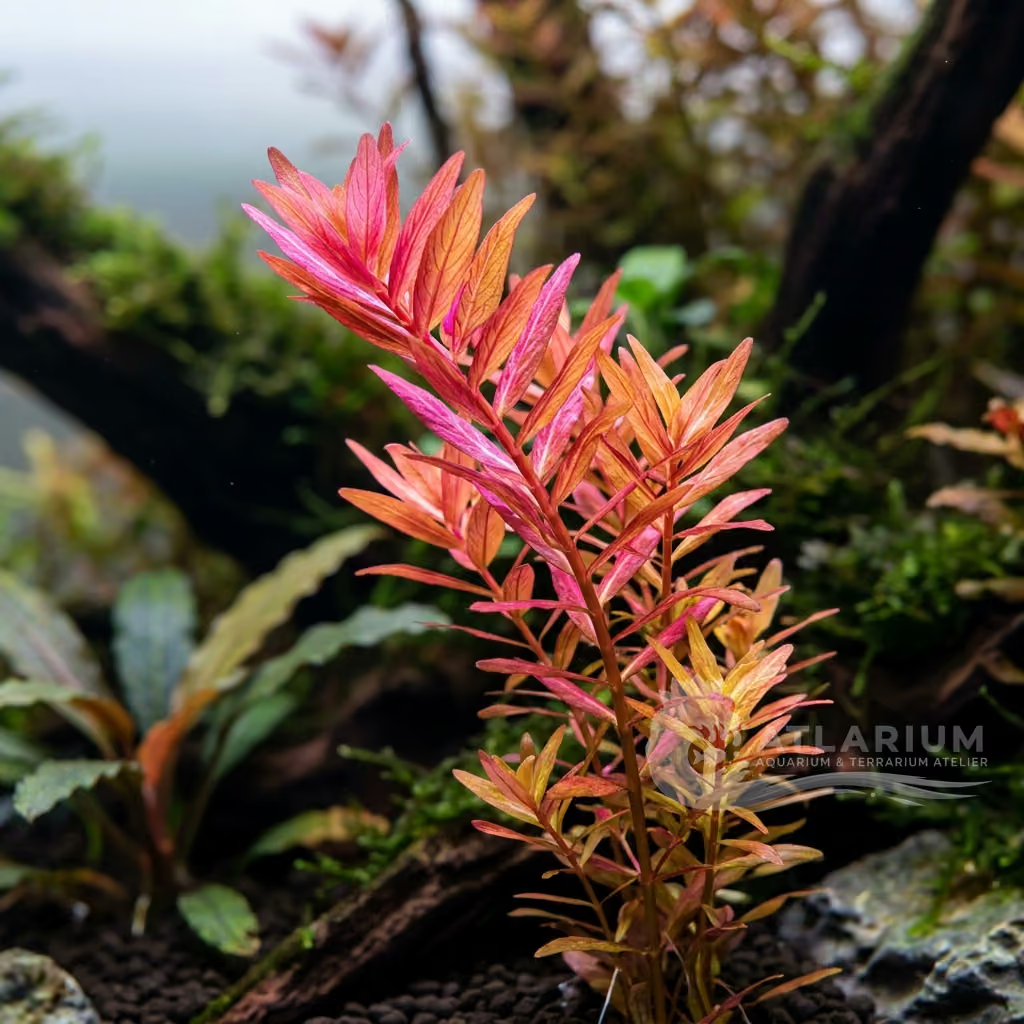
Rotala sp. 'Pearl'
Rotala sp. 'Pearl'
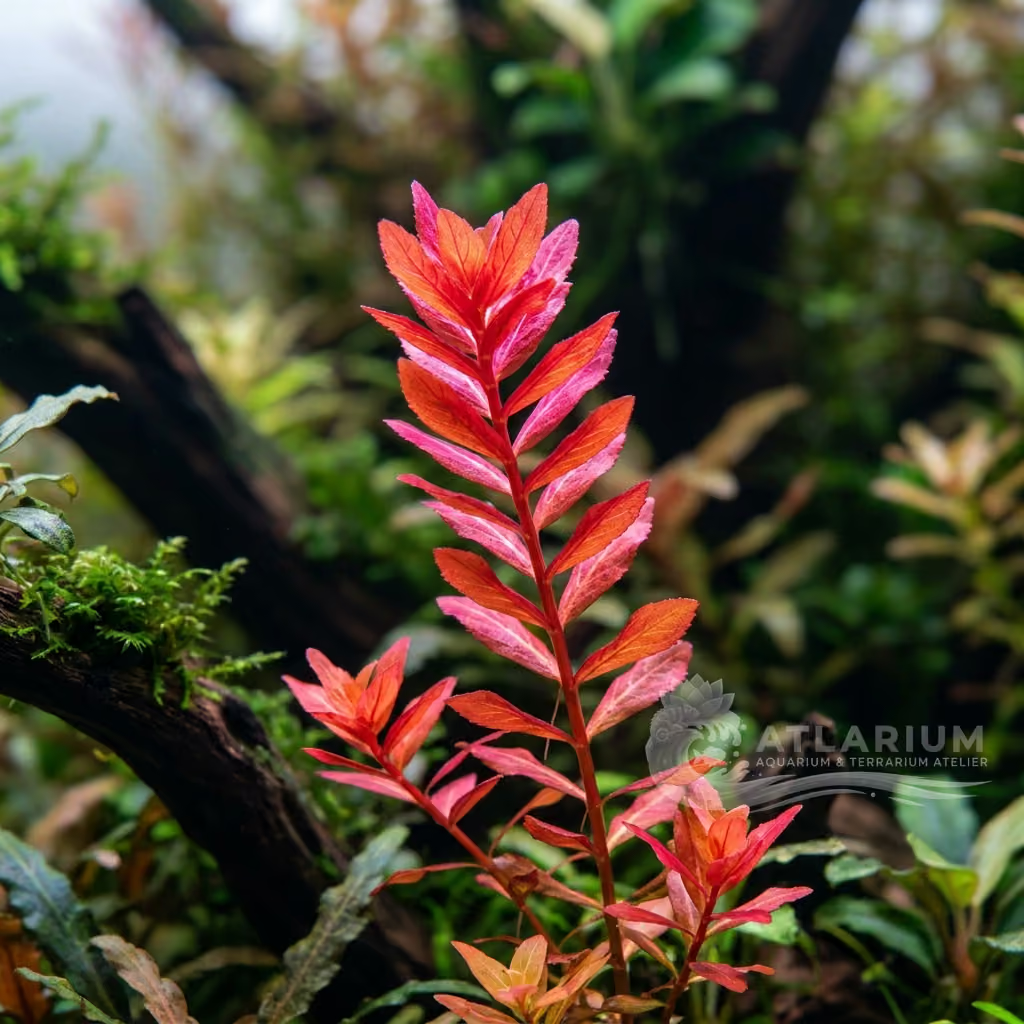
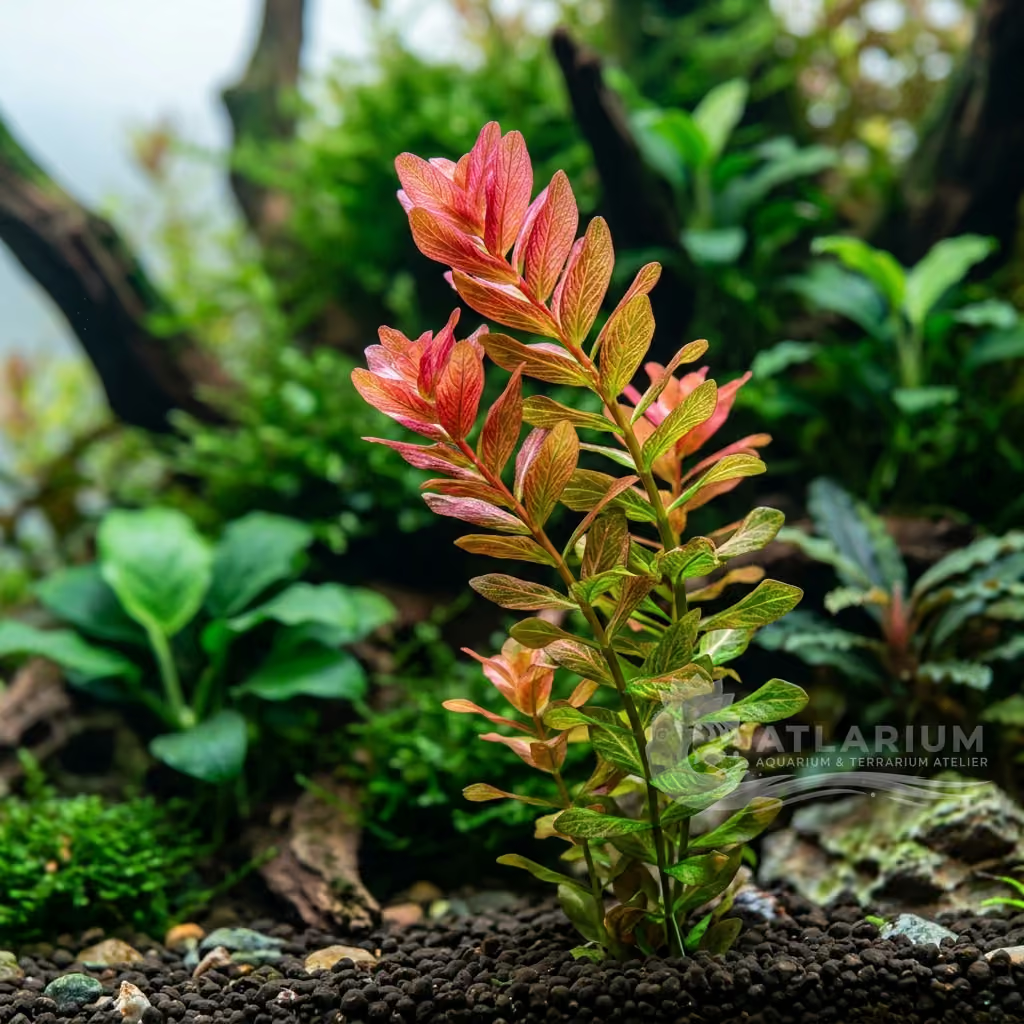
Rotala sp. 'Pearl' is a captivating midground stem plant that exhibits a moderate growth rate, making it an excellent choice for adding depth and vibrant coloration to aquascapes without becoming overly demanding. Its unique aesthetic contributes significantly to creating lush, layered underwater landscapes.
Water Temperature
22 - 28 °C
pH Value
5 - 7
Water type
Freshwater
Light
Medium - High
CO2
Low - High
Expected height
35 cm
KH
0 - 12 dKH

Species description
Geographical Origin and Habitat: While the specific natural origin of Rotala sp. 'Pearl' as a distinct 'species' or cultivar remains somewhat obscure, the broader Rotala genus predominantly hails from the tropical and subtropical regions of Southeast Asia, particularly thriving in slow-moving streams, marshes, and rice paddies. These environments are characterized by clear, nutrient-rich waters and ample sunlight, conditions which this cultivated form aims to replicate for optimal growth and
Color & Texture: ation. The 'Pearl' designation likely refers to its refined appearance, suggesting it's a selected variant rather than a wild-collected species with a specific geographical pinpoint.
Taxonomy & Genetics: Rotala sp. 'Pearl' belongs to the family Lythraceae, which encompasses a diverse group of flowering plants, including many popular aquatic species. The 'sp.' in its name indicates that it is either an undescribed species within the genus Rotala or, more commonly for named forms like 'Pearl', a cultivar or a specific phenotypic variant with distinct characteristics. Despite its informal designation, it shares the typical stem plant morphology of the genus, producing upright stems with leaves arranged in a manner characteristic of Rotala. Its genetic lineage places it firmly within a group of plants known for their adaptability and ornamental value in aquatic settings.
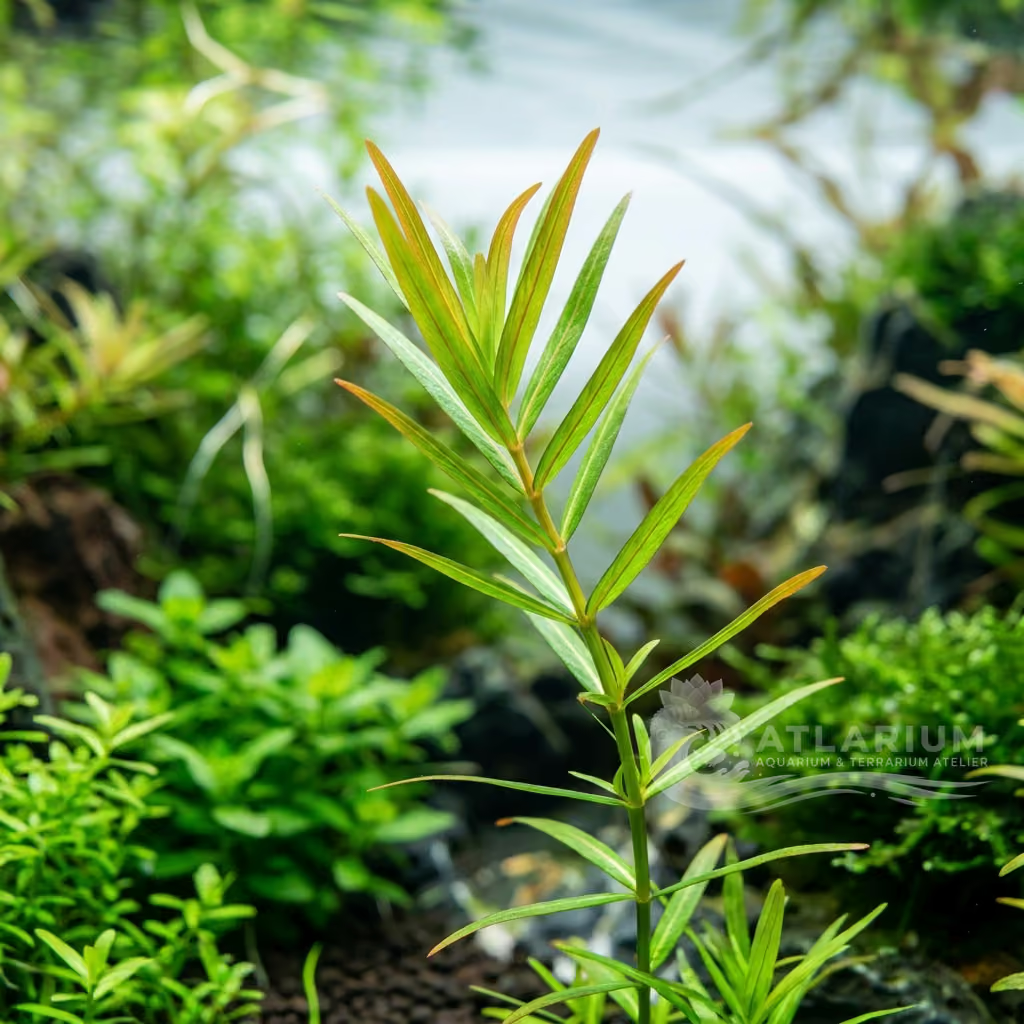
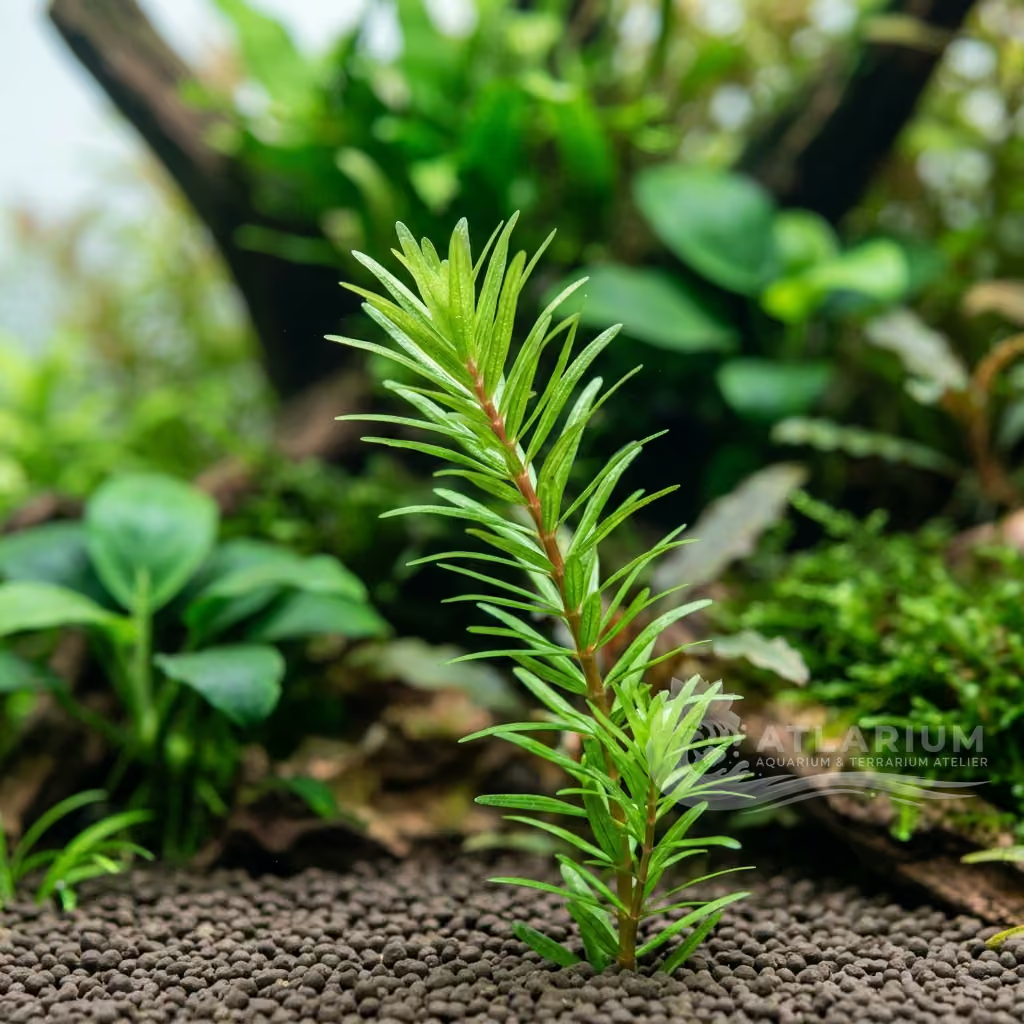
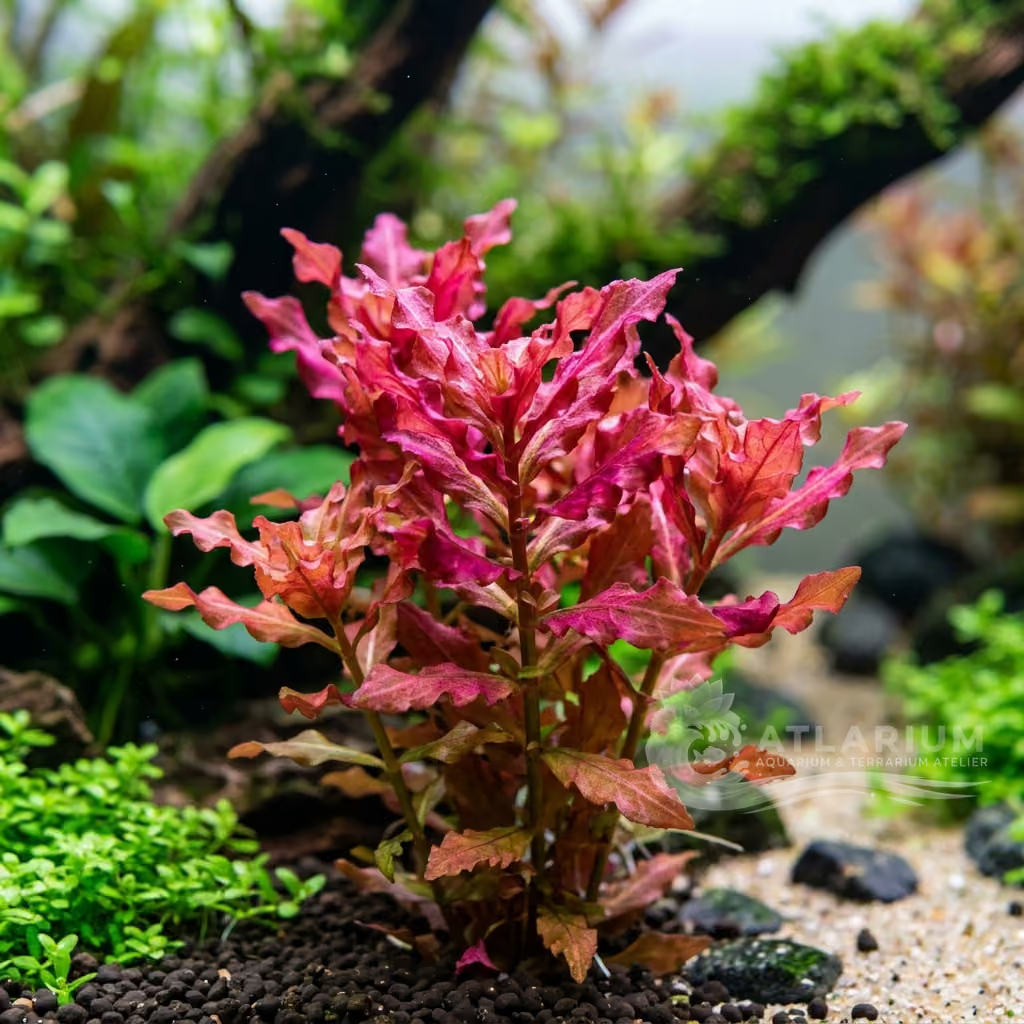
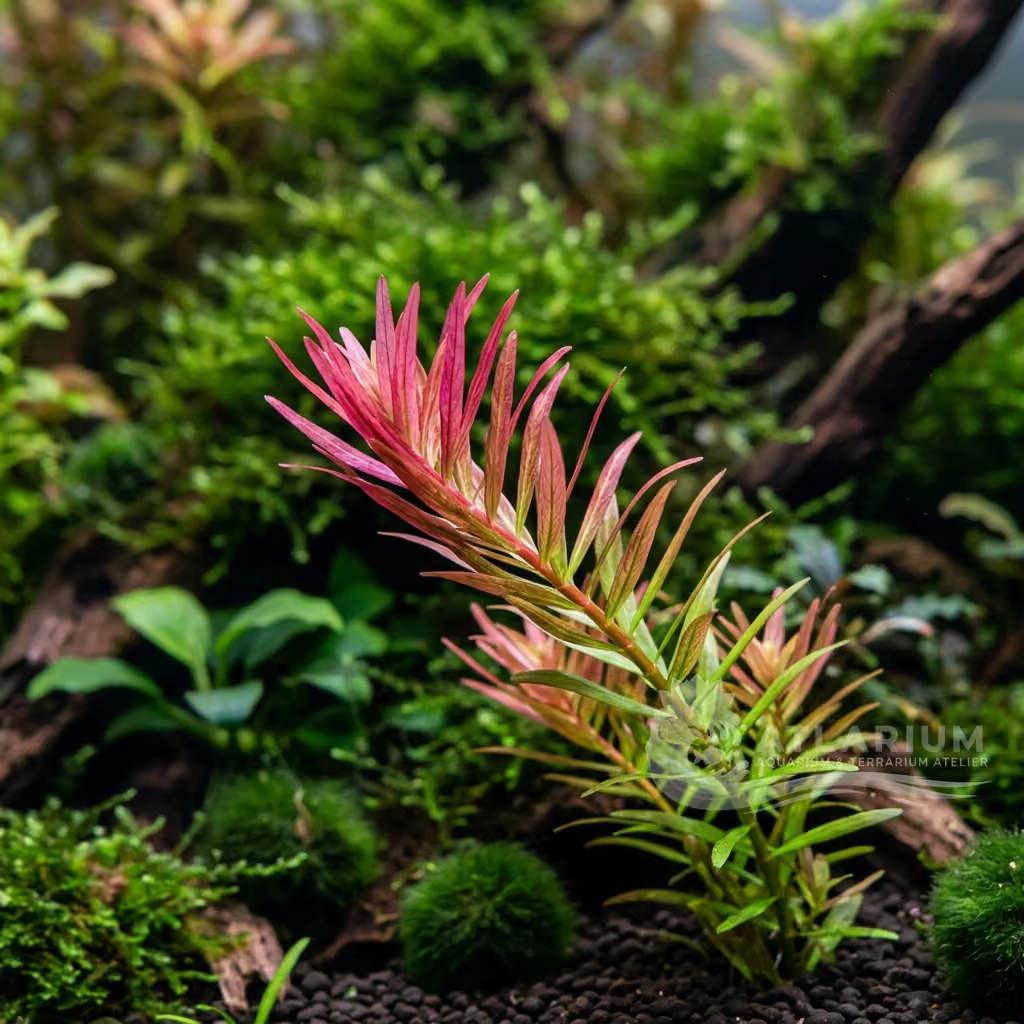
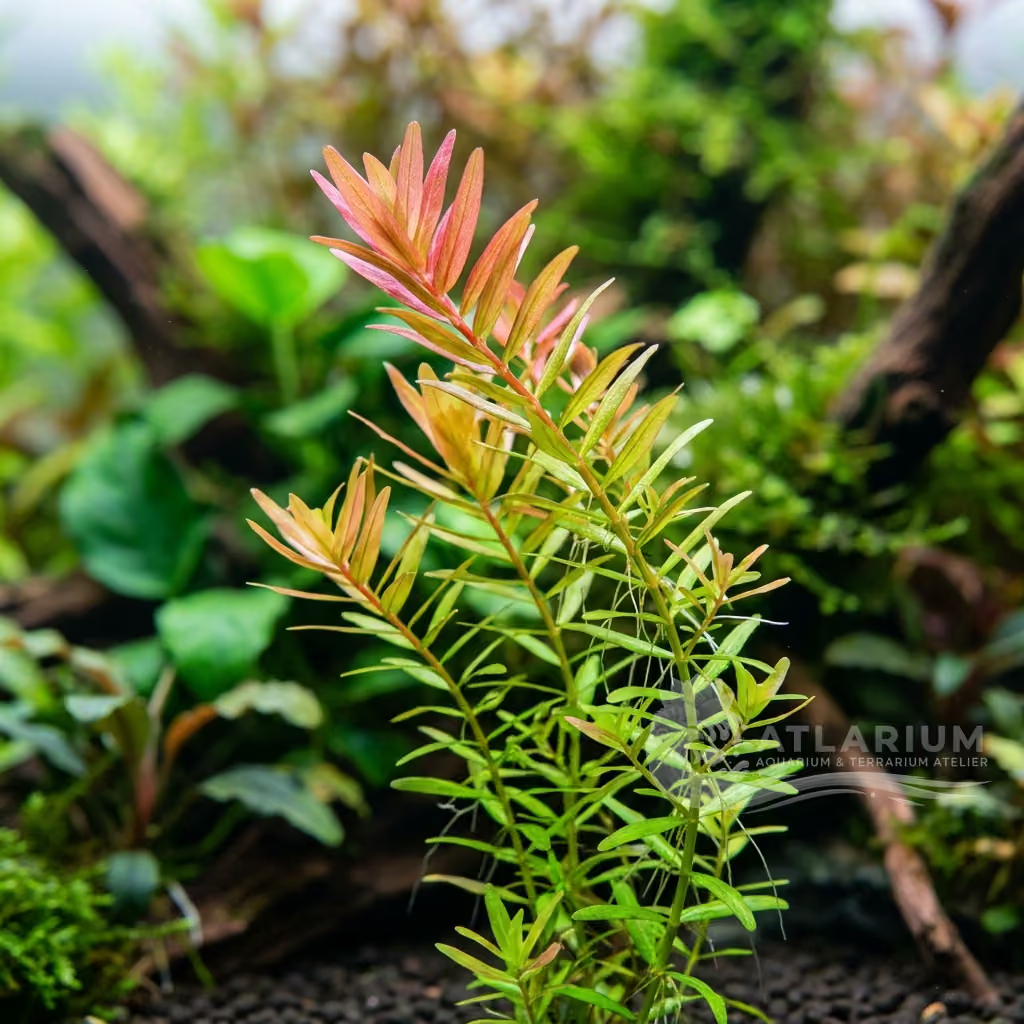
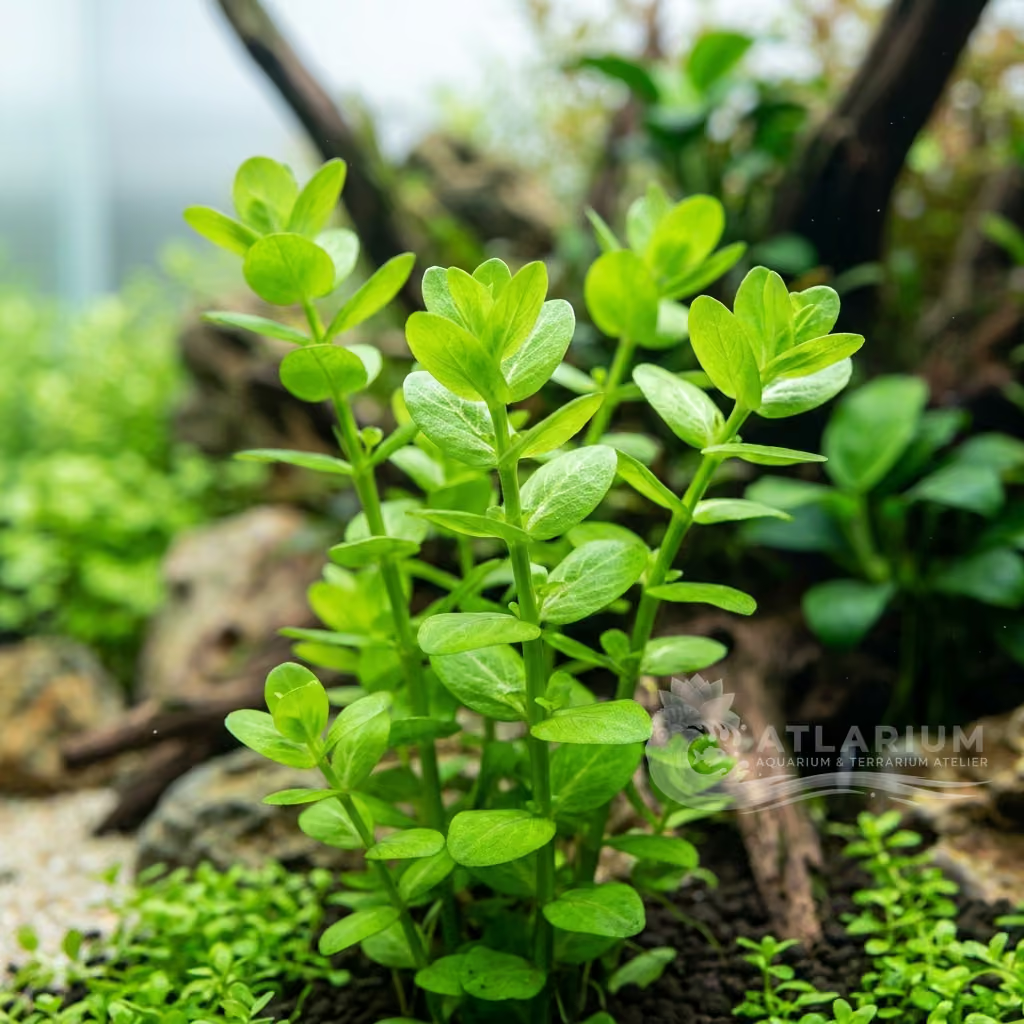
Physical Structure: As a classic stem plant, Rotala sp. 'Pearl' develops elongated, upright stems adorned with relatively small, often rounded to oval leaves. These leaves are typically arranged either oppositely or in whorls along the stem, creating a dense, bushy appearance when grown under favorable conditions. The internodal spacing, or the distance between leaf sets, can vary depending on light intensity, with brighter light generally resulting in more compact growth. Its moderate growth rate allows for careful shaping and layering within the midground, contributing to the aquascape's perceived depth.
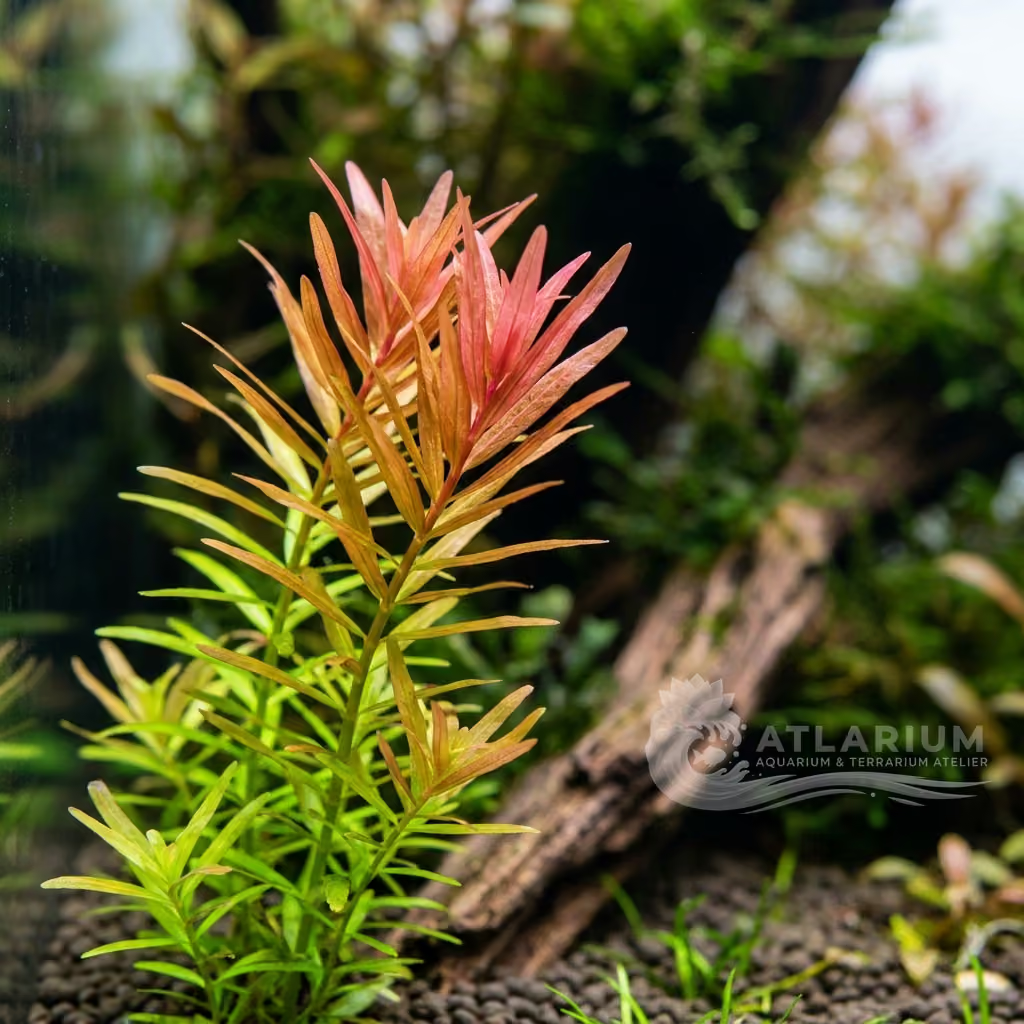
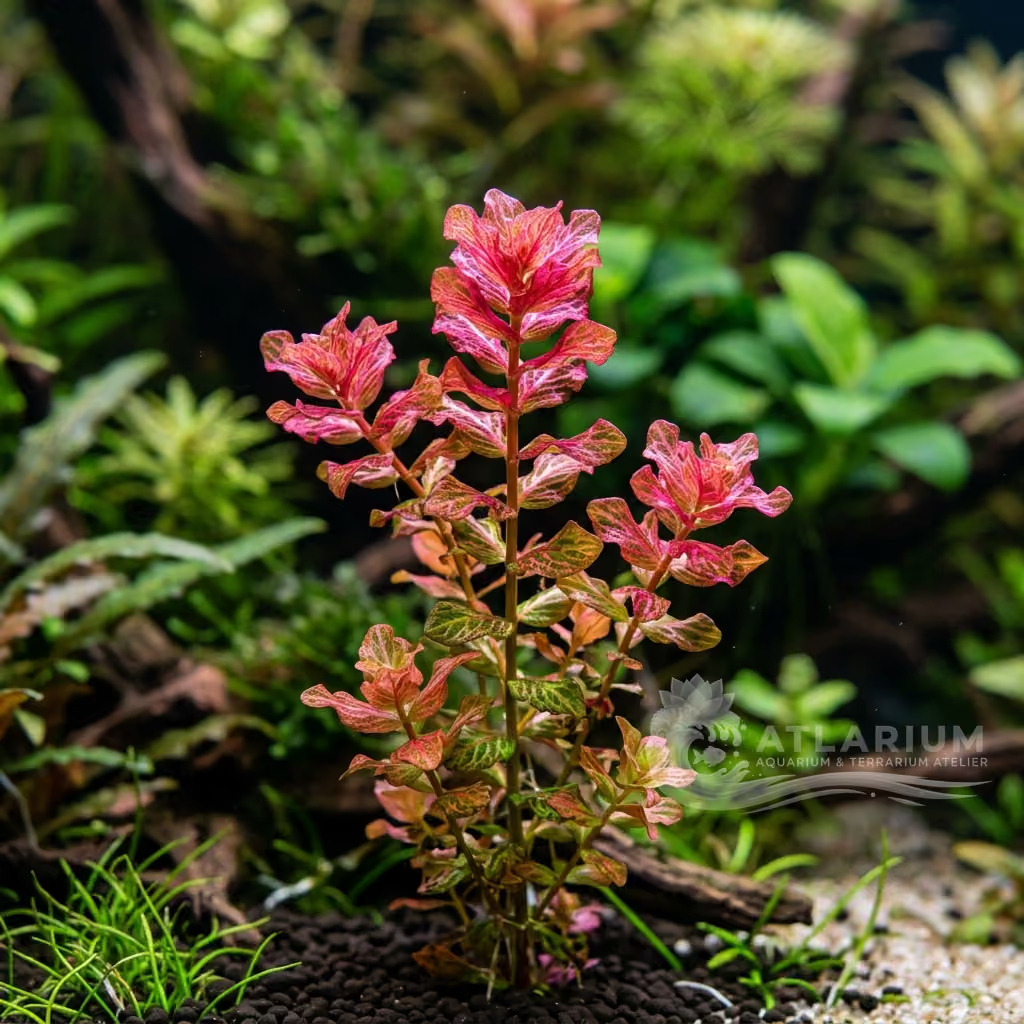
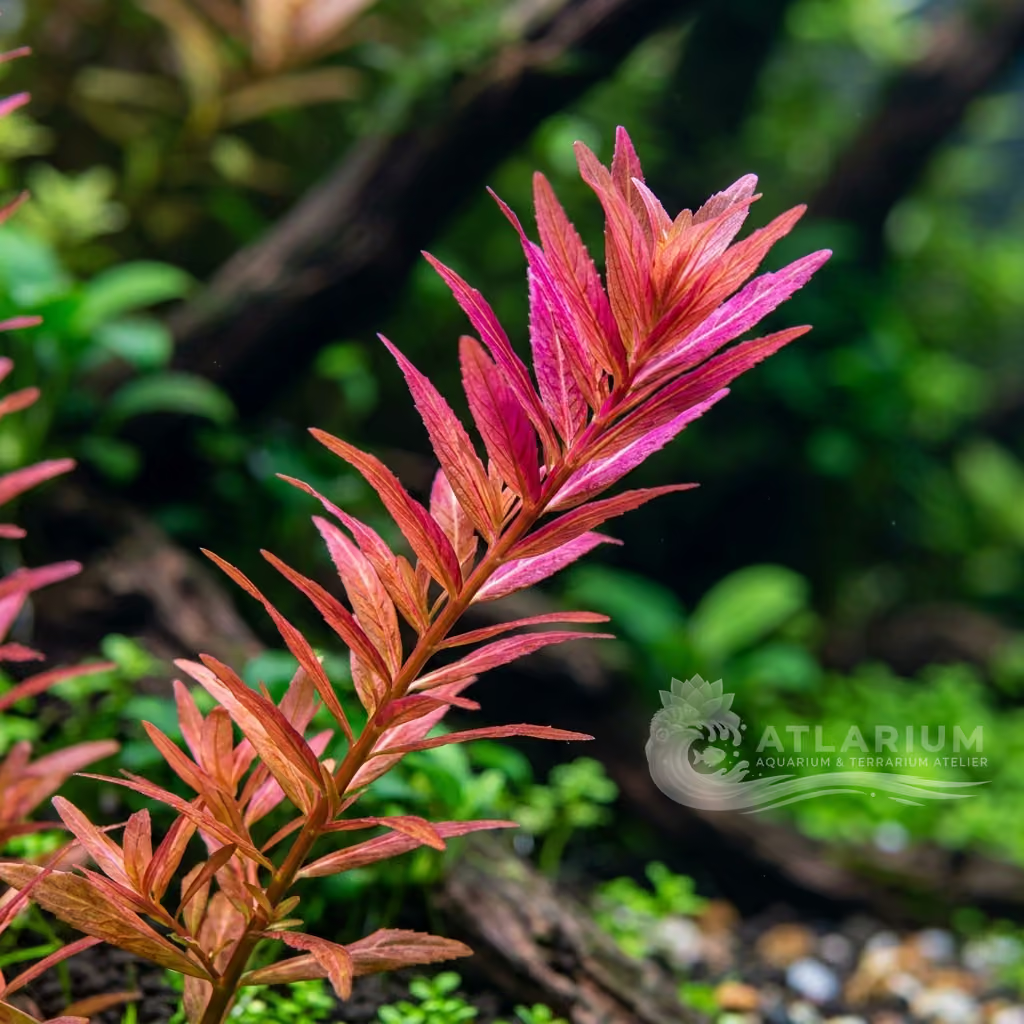
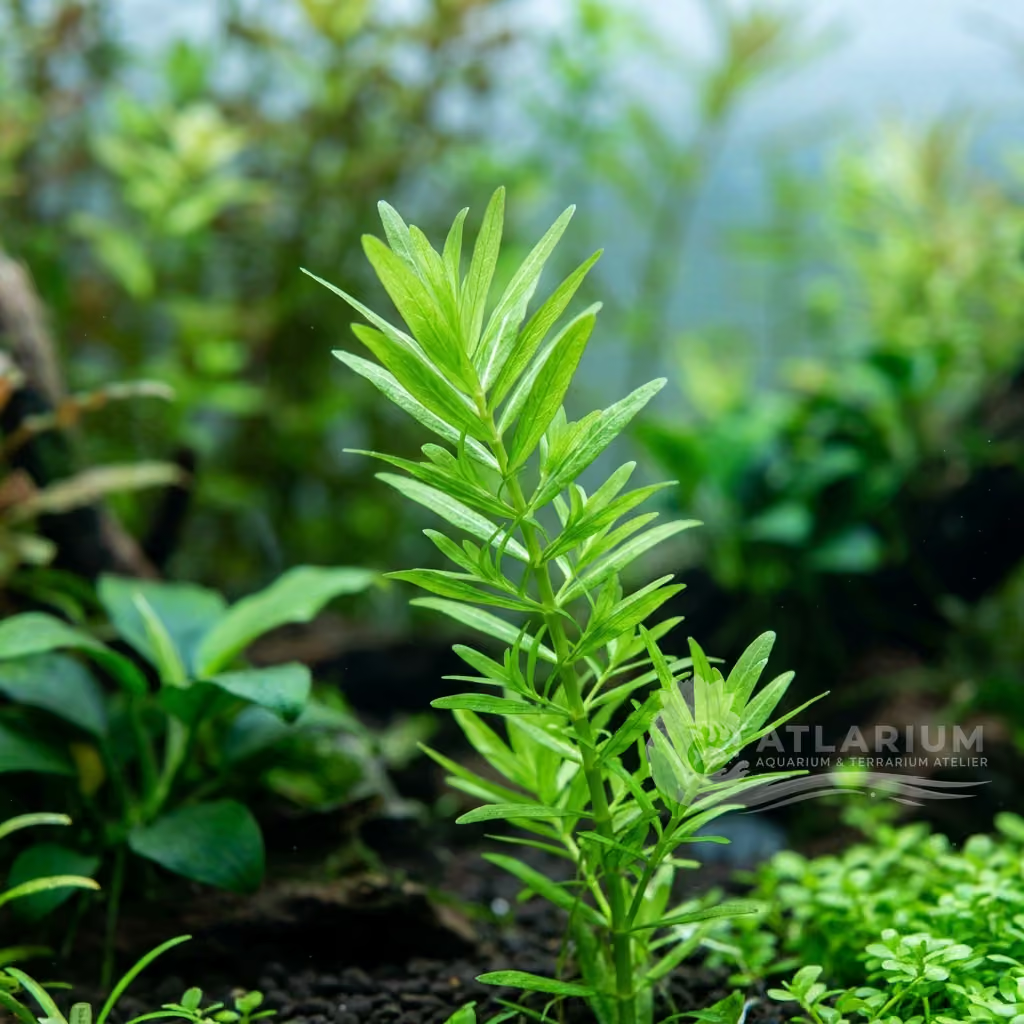
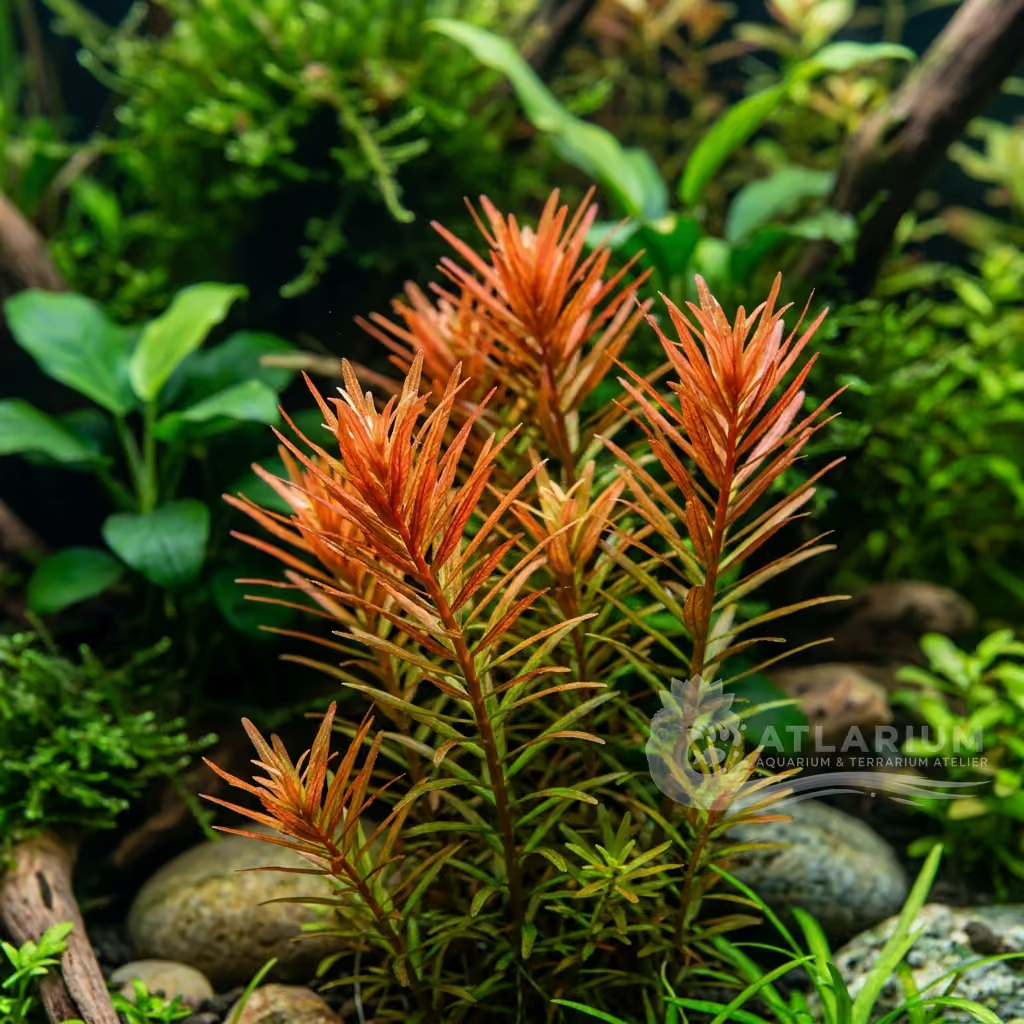
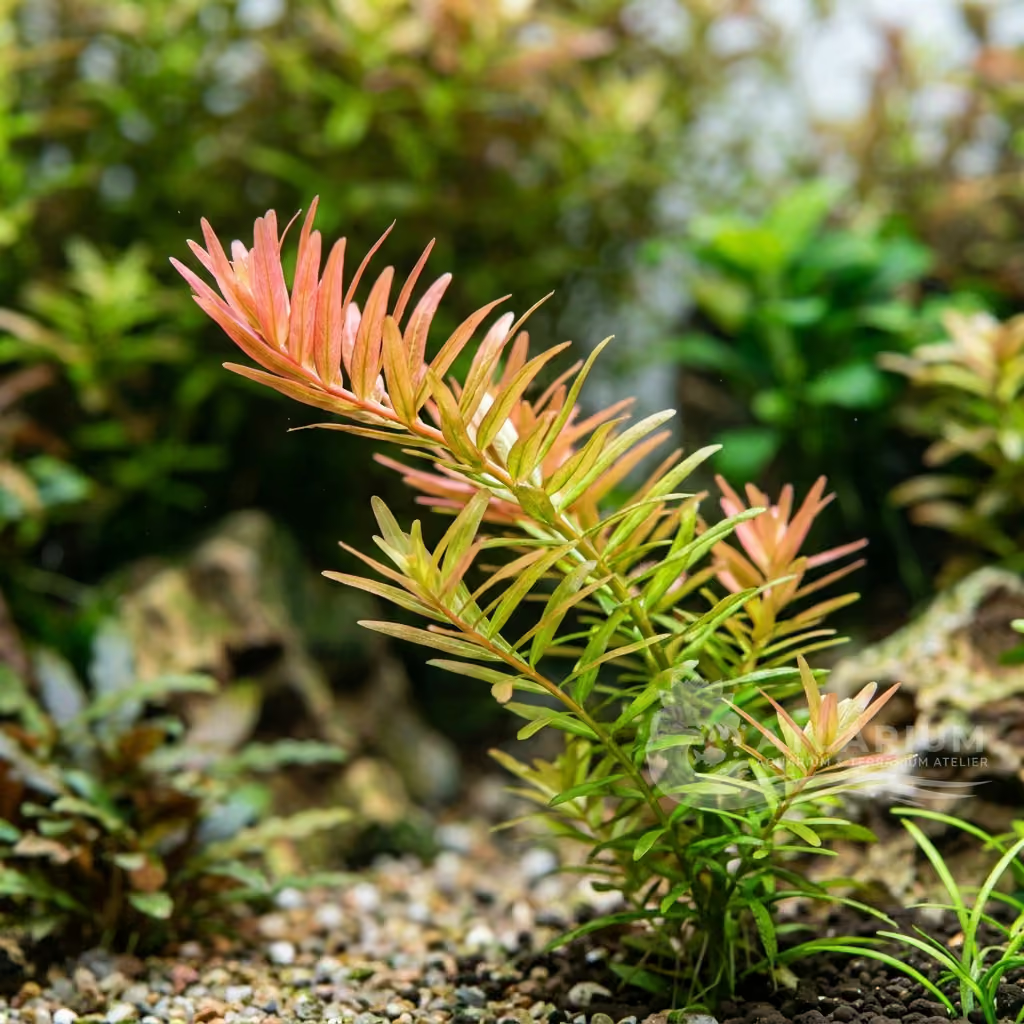
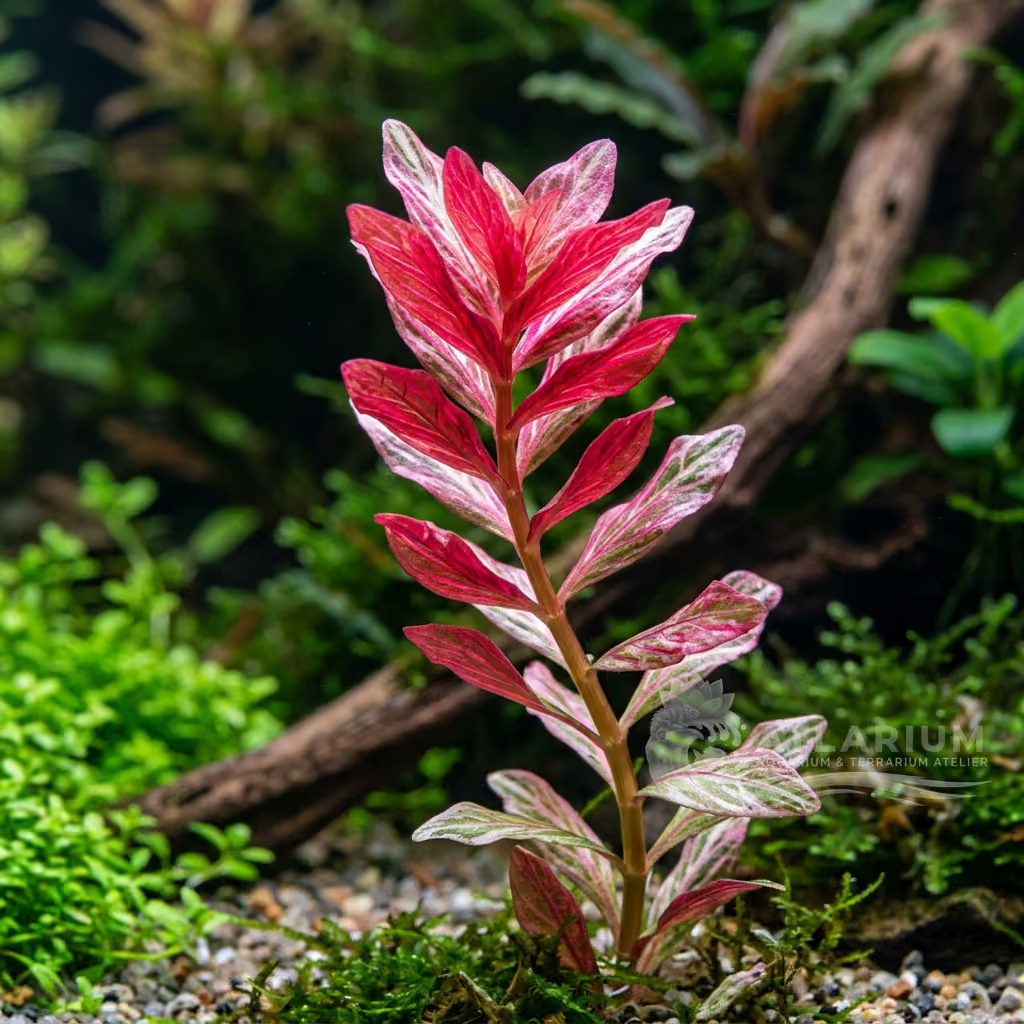
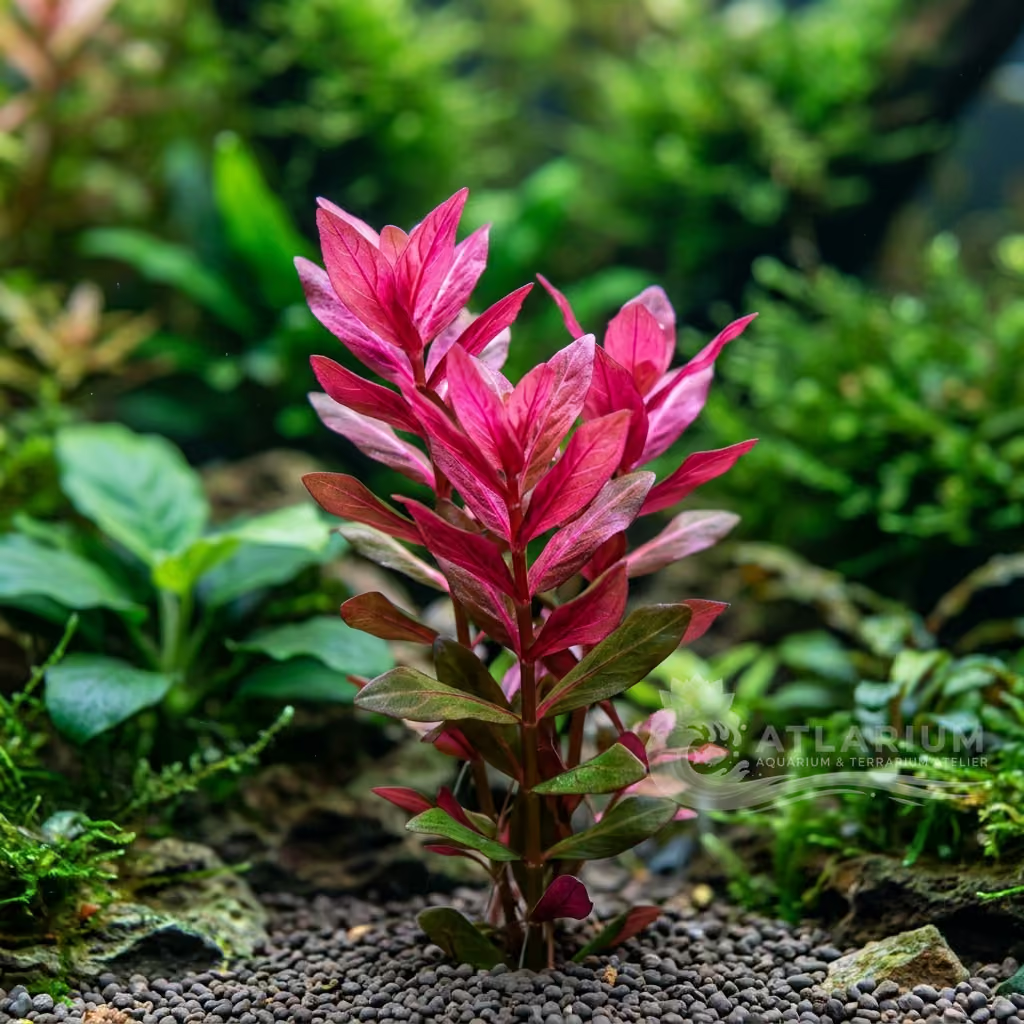
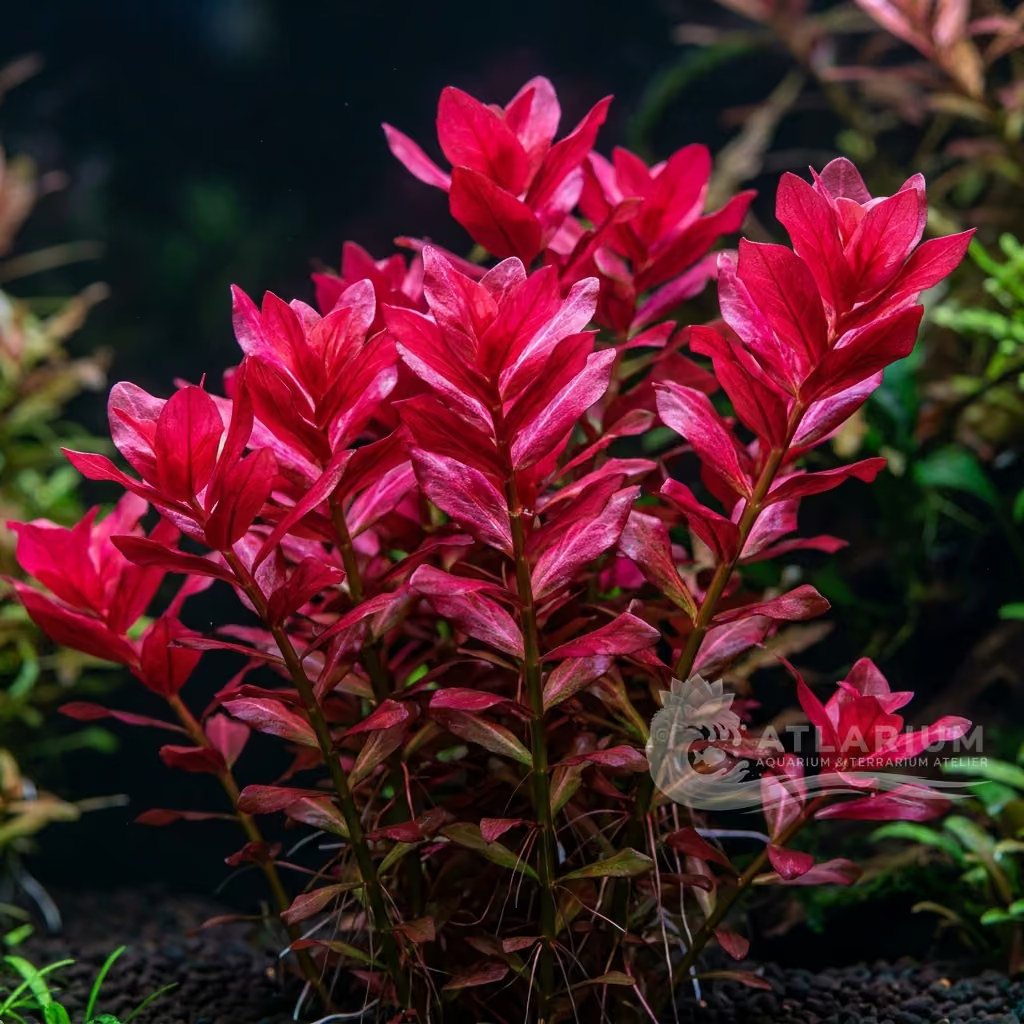
Color & Texture: The characteristic appeal of Rotala sp. 'Pearl' lies in its exquisite coloration, which can range from a bright, luminous green to a delicate, often pearlescent, pink or even reddish hue under intense lighting and optimal nutrient conditions. The leaves possess a fine texture, sometimes appearing almost translucent, contributing to the plant's elegant and refined aesthetic. This captivating interplay of color and texture makes it a standout choice for adding subtle yet impactful visual interest to the midground, especially when contrasted with darker or broader-leaved plants.

Care, breeding and tankmates
Lighting & CO2: Rotala sp. 'Pearl' thrives under medium lighting conditions, where it can maintain healthy growth and attractive green coloration. To encourage more vibrant pink or reddish tones and promote denser growth, higher light intensity coupled with consistent CO2 injection is highly beneficial, though not strictly mandatory for its survival. Adequate CO2 supply facilitates efficient photosynthesis, leading to stronger stems, more compact internodes, and enhanced color development, making it a cornerstone for achieving its full aesthetic potential.
Nutrition & Substrate: While Rotala sp. 'Pearl' primarily absorbs nutrients from the
Water Chemistry: This Rotala variety demonstrates adaptability across a moderate range of water parameters, preferring temperatures between 20-28°C (68-82°F) for optimal metabolic activity. It flourishes in soft to moderately hard water, with a KH range of 2-12, and an acidic to neutral pH between 6.0-7.5. Maintaining stable parameters within these ranges is paramount, as sudden fluctuations can induce stress, potentially leading to stunted growth or 'melting' of delicate tissues, emphasizing the need for consistent water quality.
Space Management & Placement: Positioned ideally in the midground, Rotala sp. 'Pearl' adds visual depth and a sense of lushness to the aquascape. Its moderate growth rate makes it manageable for this placement, allowing it to form dense bushes or gentle slopes without rapidly overgrowing adjacent plants. When planting, it's advisable to group several stems together to create an impactful cluster, ensuring sufficient space between individual groupings to allow for adequate light penetration and water circulation, preventing self-shading and promoting uniform growth.
Pruning: Regular pruning is essential for maintaining the desired shape, density, and health of Rotala sp. 'Pearl'. As a stem plant, it responds well to 'topping,' where the upper portions of the stems are cut and can then be replanted to propagate new plants. This practice encourages lateral branching from the lower remaining stems, resulting in a bushier, more compact growth habit and preventing the bottom leaves from becoming shaded and eventually deteriorating.
Risks & Diseases: Like many aquatic plants, Rotala sp. 'Pearl' can be susceptible to common issues if conditions are not met. Nutrient deficiencies often manifest as discoloration (e.g., yellowing leaves from nitrogen or iron deficiency) or stunted growth. Algae can become a problem if there's an imbalance in light, CO2, and nutrient levels. Furthermore, sudden changes in water parameters or light intensity can cause stress, leading to 'melting' or leaf loss, especially when first introduced to a new aquarium environment.

Geographic origin and distribution
While the specific natural origin of Rotala sp. 'Pearl' as a distinct 'species' or cultivar remains somewhat obscure, the broader Rotala genus predominantly hails from the tropical and subtropical regions of Southeast Asia, particularly thriving in slow-moving streams, marshes, and rice paddies. These environments are characterized by clear, nutrient-rich waters and ample sunlight, conditions which this cultivated form aims to replicate for optimal growth and
Origin
South and Southeast AsiaSelective breeding and cultivars

Plant profile
- Placement
- Midground
- Its tiny size and unique leaf structure make it an exquisite choice for the foreground or midground in nano aquariums. Due to its extremely slow growth and small stature, it should never be placed behind faster-growing or larger plants. Unobstructed, high-intensity lighting is crucial, so strategic placement is key to preventing it from being shaded.
- Botanical form
- Stem
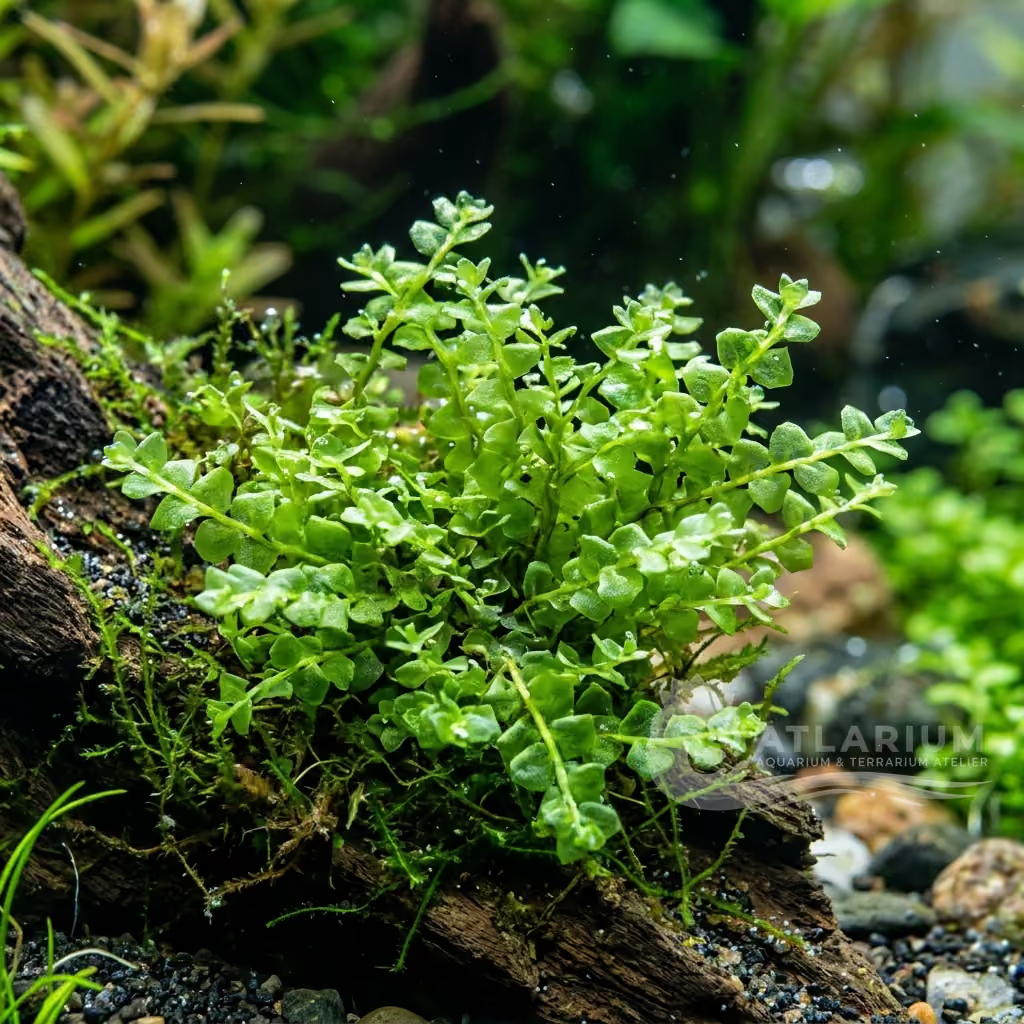
- The plant is famous for its miniature, tightly curled leaves that sharply arch downwards, creating a distinctly 'pearl-like' or beaded appearance along the stem. It often exhibits deep purple to reddish hues underneath the leaves, contrasting with a greener upper surface. The stems remain extremely thin and fragile, contributing to its delicate aesthetic.
- Growth
- Medium
- Unlike most Rotala species, 'Pearl' grows at an exceptionally slow rate, even under optimal conditions. Intense light, rich nutrients, and high CO2 injection are absolute requirements to maintain even a modest growth pace. Patience is required, as forming a dense, cohesive bush can take many months of careful cultivation.
- Substrate
- Low
- Planting Rotala sp. 'Pearl' in a high-quality, nutrient-dense aquasoil is virtually mandatory for success. The fine roots need a soft, acidic substrate to anchor properly and absorb vital nutrients. Attempts to grow this delicate species in inert sand or plain gravel usually end in the plant melting away completely.
- Column fertilization
- Recommended
- A robust water column fertilization regimen is critical; daily dosing of liquid fertilizers ensures this slow grower receives constant nourishment. Without consistent micro and macronutrients in the water, the plant will quickly stunt, and its delicate lower leaves will rot. Careful balancing is required, as its slow growth makes it susceptible to algae overgrowth if nutrients are mismanaged.
- Root fertilization
- None
- While the substrate must be rich, additional root tabs are highly beneficial for providing a long-term, stable nutrient base. The delicate root system relies heavily on the substrate to buffer any fluctuations in water column nutrients. Keeping the root zone well-fertilized encourages slightly faster growth and stronger stems.
- Trimming
- Occasional
- Requires careful trimming with sharp scissors to avoid crushing the fragile stems. Cutting the tops encourages lateral branching, creating a denser bush. Replanting healthy tops is often more successful than leaving old, woody bottoms.
- Propagation
- Cuttings
- Propagation is done by carefully taking top cuttings from established stems, though extreme care must be taken not to damage the fragile tissue. Because of its slow growth, cuttings should only be taken when the plant is absolutely healthy and robust. The tiny cuttings must be gently planted using precision tweezers to avoid crushing the delicate stems.
- Sensitivity
- Moderate
- Highly sensitive to sudden changes in water parameters, especially fluctuations in CO2 and pH. It is prone to algae issues if water circulation is poor or nutrients are imbalanced. Not recommended for beginner aquarists due to its demanding nature.
- Layout role
- Midground
- Excellent as a delicate accent plant or a small colorful bush in the midground. Its unique leaf shape provides a beautiful contrast against broader-leaved green plants. Perfect for nano aquariums or detailed aquascaping layouts.

Related species
Recommendations grouped by close relatives, companion choices, and similar care.