Rotala rotundifolia "H'Ra" ("Gia Lai")
Rotala rotundifolia
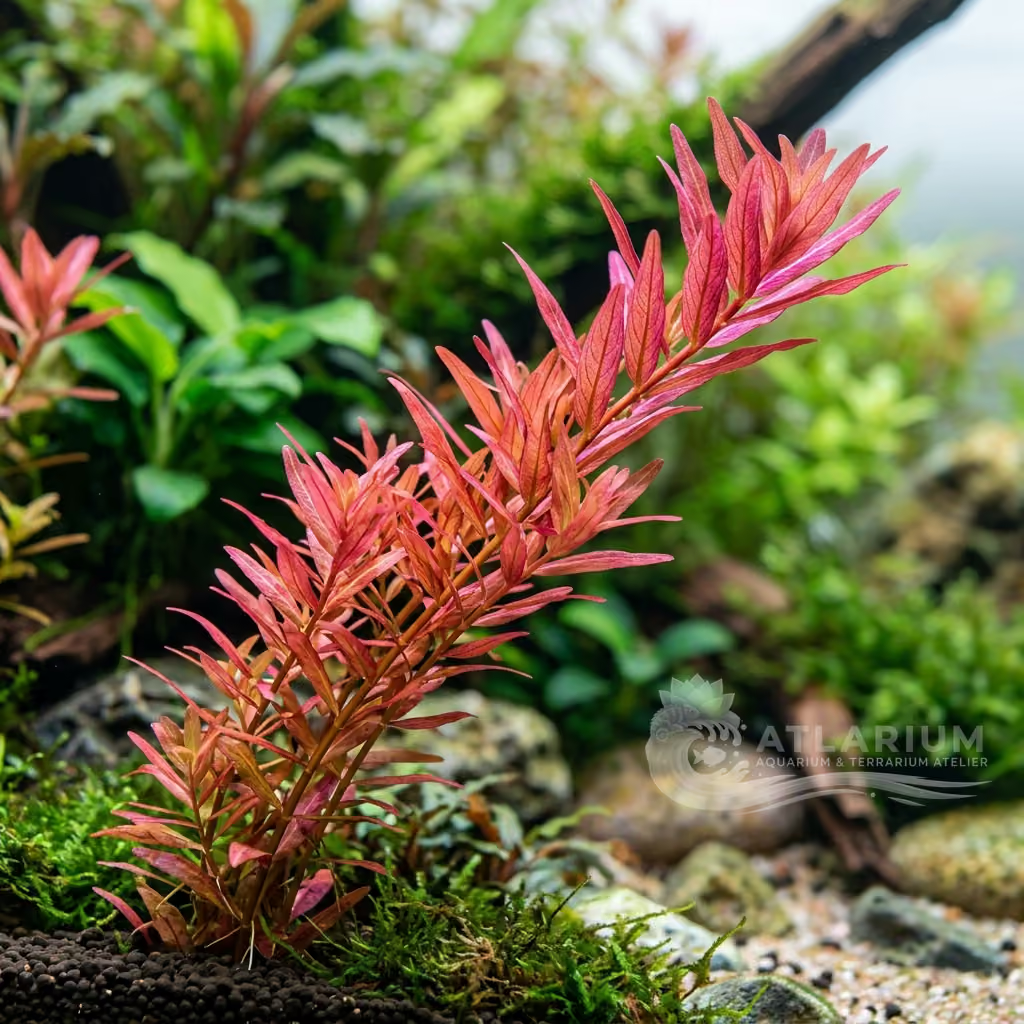
Rotala rotundifolia "H'Ra" is a fast-growing, vibrant stem plant ideal for the midground, celebrated for its intense orange to red coloration under optimal conditions, creating striking visual depth in an aquascape.
Water Temperature
4 - 32 °C
pH Value
4.5 - 7.5
Water type
Freshwater
Light
Medium to High
CO2
High
Expected height
80 cm
Expected width
5 cm
KH
0 - 14 dKH

Species description
Geographical Origin and Habitat: The specific cultivar "H'Ra" or "Gia Lai" is named after the Gia Lai province in the central highlands of Vietnam, suggesting its origin from this region. Like other Rotala rotundifolia varieties, it naturally thrives in marshy areas, shallow waters, and along the banks of slow-moving streams, often growing emersed or submersed depending on seasonal water levels. These environments typically feature soft, acidic waters rich in organic matter and abundant sunlight, contributing to the plant's adaptability and vibrant potential.
Taxonomy & Genetics: Rotala rotundifolia "H'Ra" is a cultivated variety (cultivar) or geographical variant of the species Rotala rotundifolia, belonging to the family Lythraceae. While sharing the basic genetic blueprint of Rotala rotundifolia, this particular strain has been selectively bred or naturally evolved to exhibit enhanced characteristics, most notably a more compact growth habit and a heightened propensity for vibrant reddish-orange
Color & Texture: ation under specific cultural conditions. Its distinct genetic markers differentiate it from other Rotala rotundifolia forms, making it a prized specimen among aquascapers.
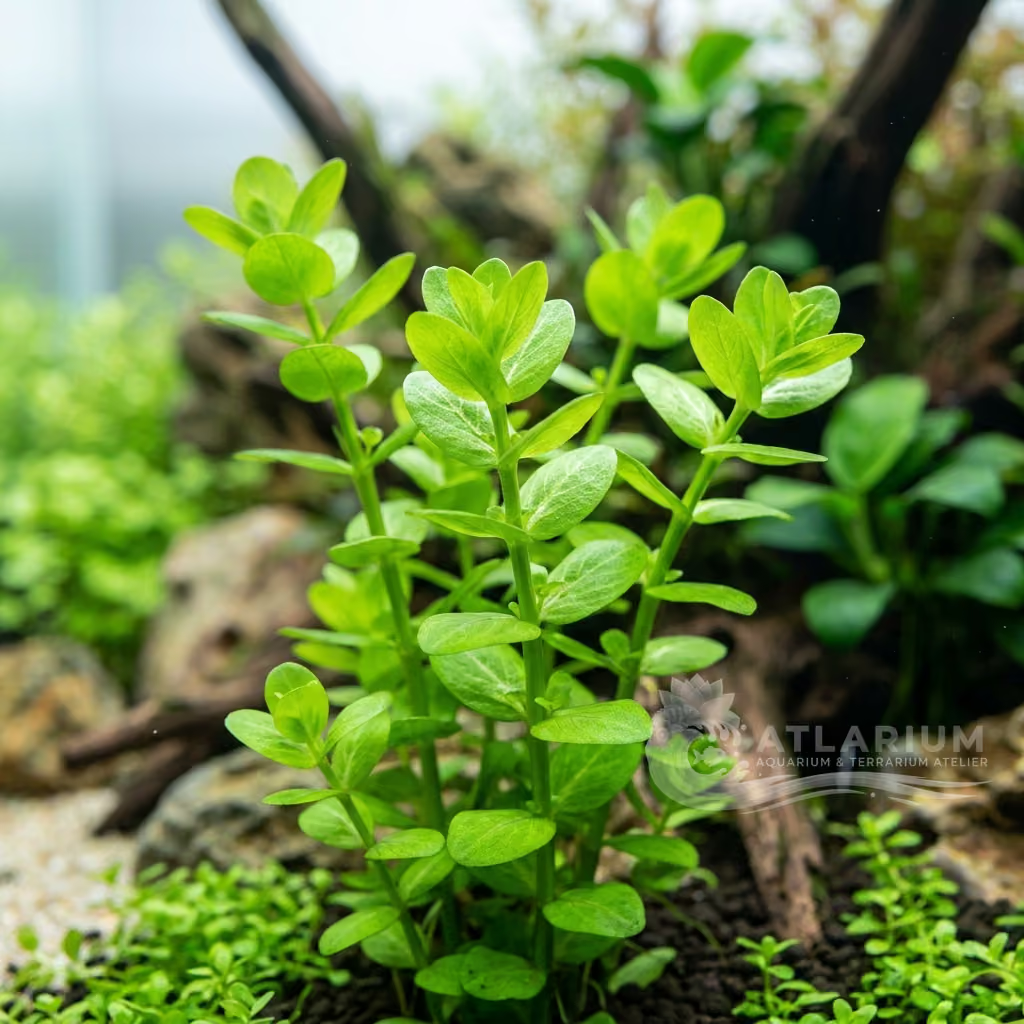
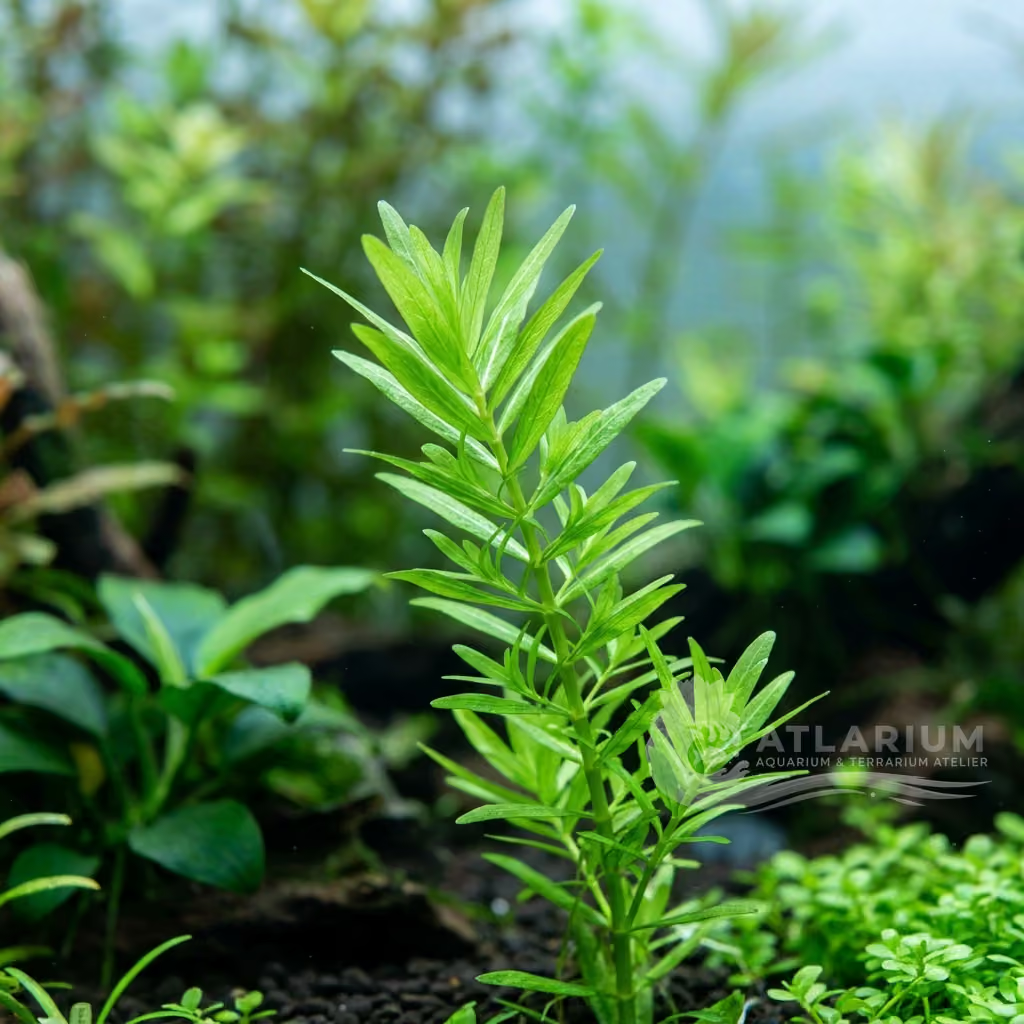
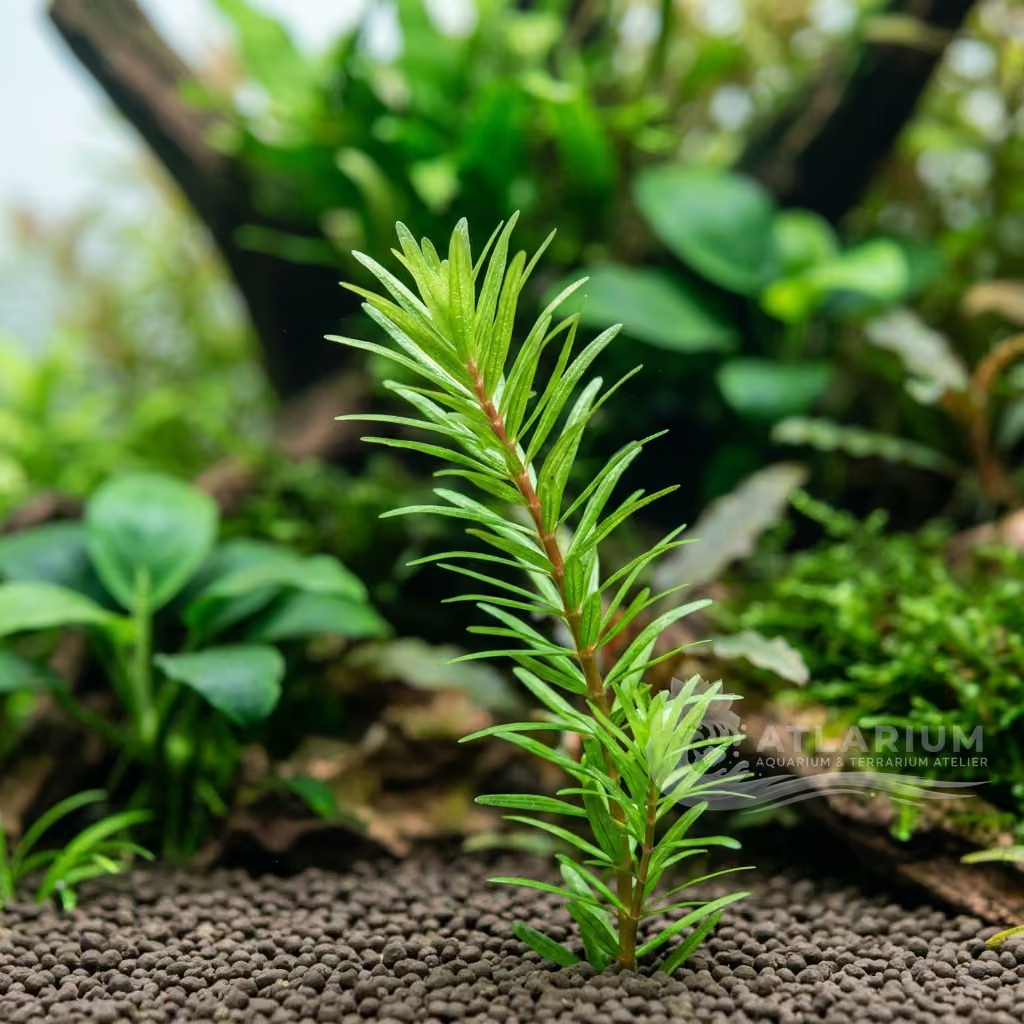
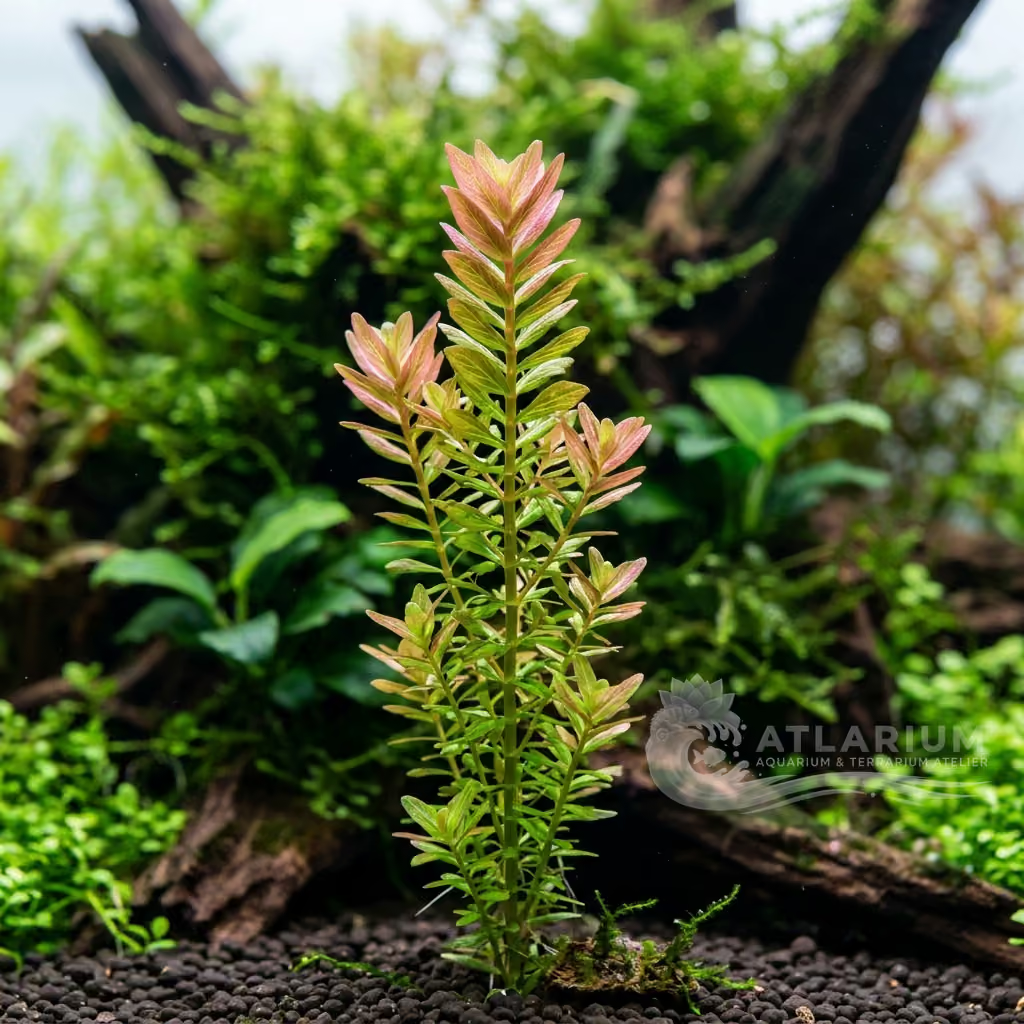
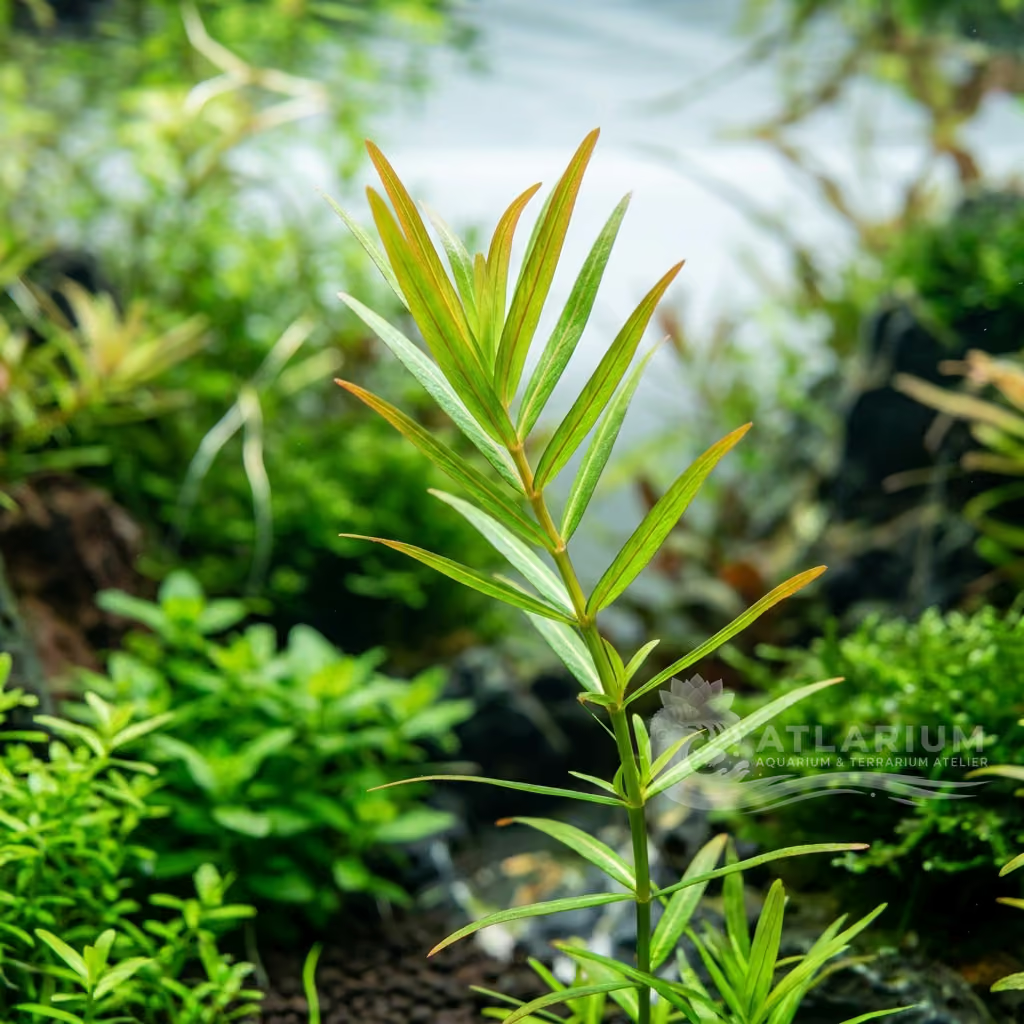
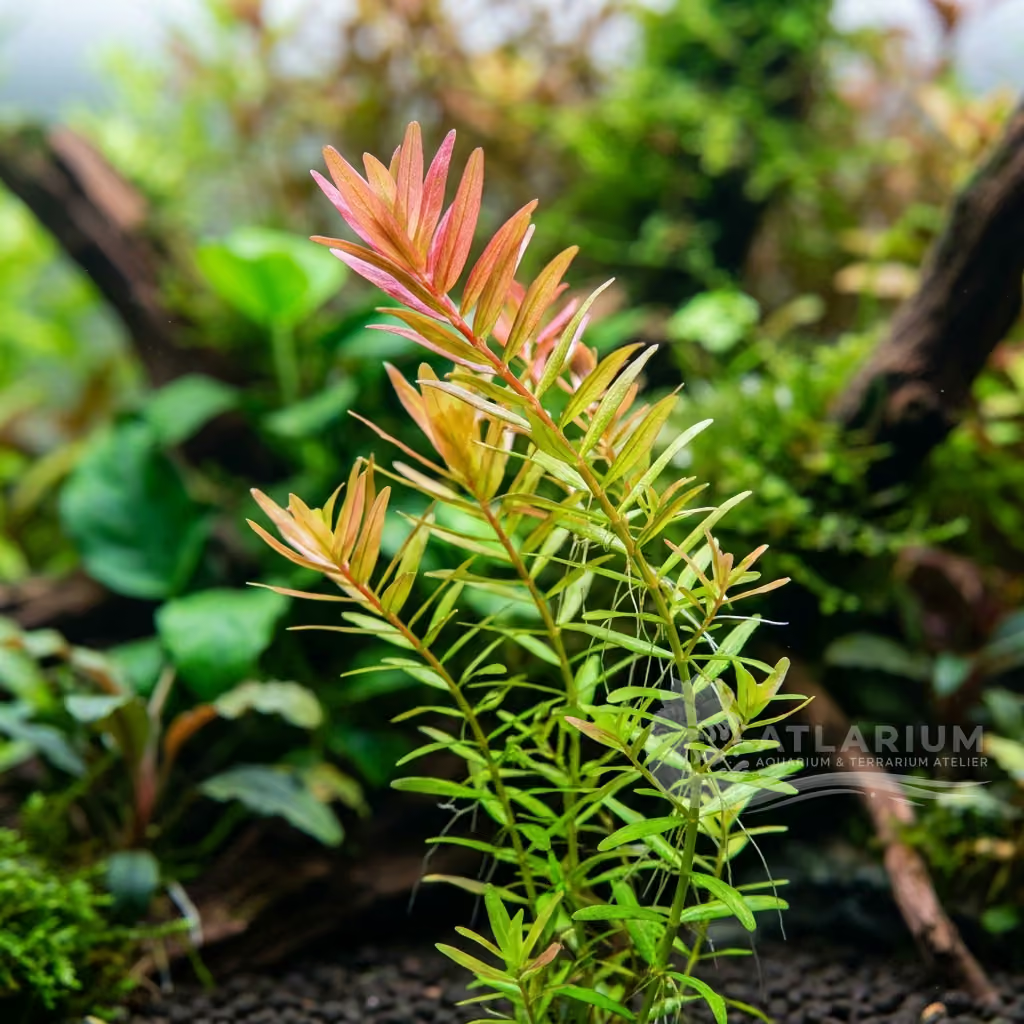
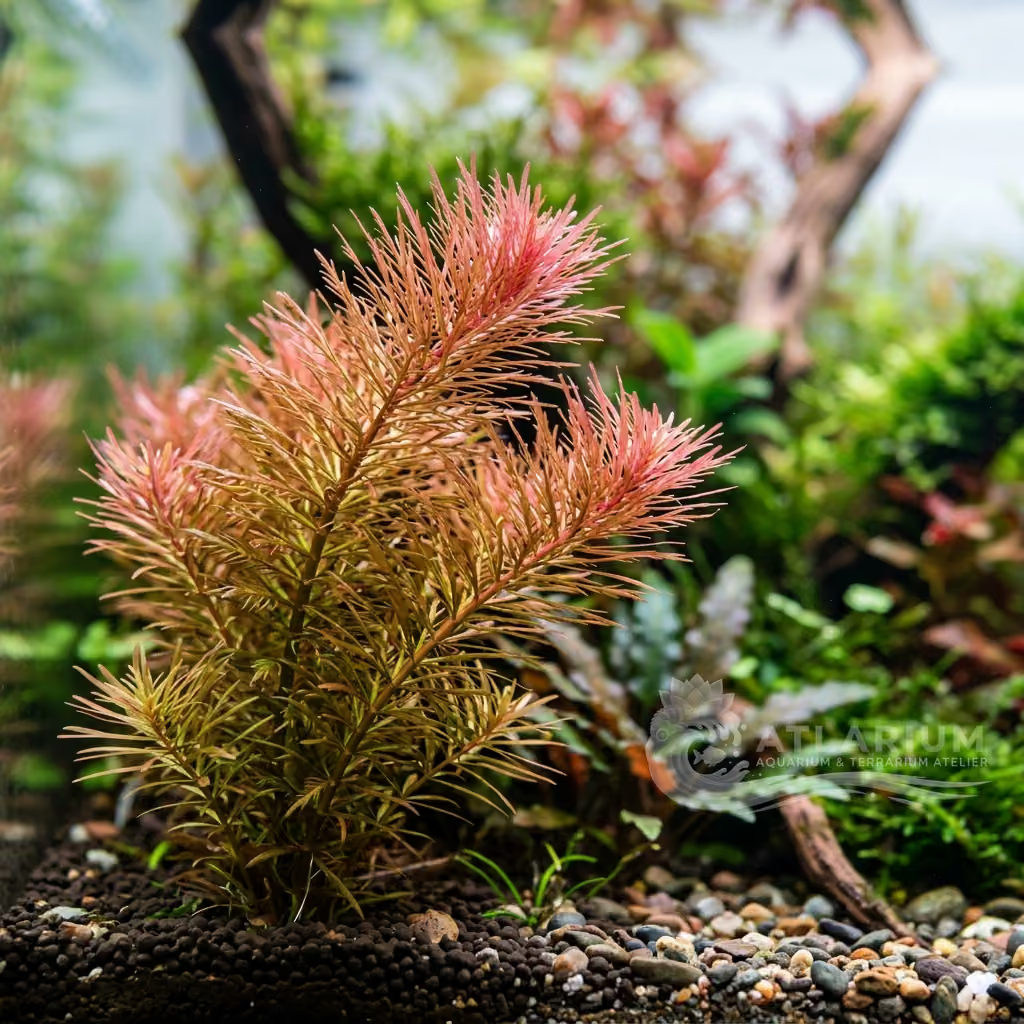
Physical Structure: This stem plant features delicate, round to oval leaves arranged oppositely along its upright stems, though the submersed form often displays narrower, more lanceolate leaves. Under optimal growing conditions, the stems grow vigorously, reaching towards the light, and can develop dense side shoots, creating a bushy appearance. Its fast growth rate means it can quickly establish lush stands, forming an intricate network of stems and leaves within the aquarium.
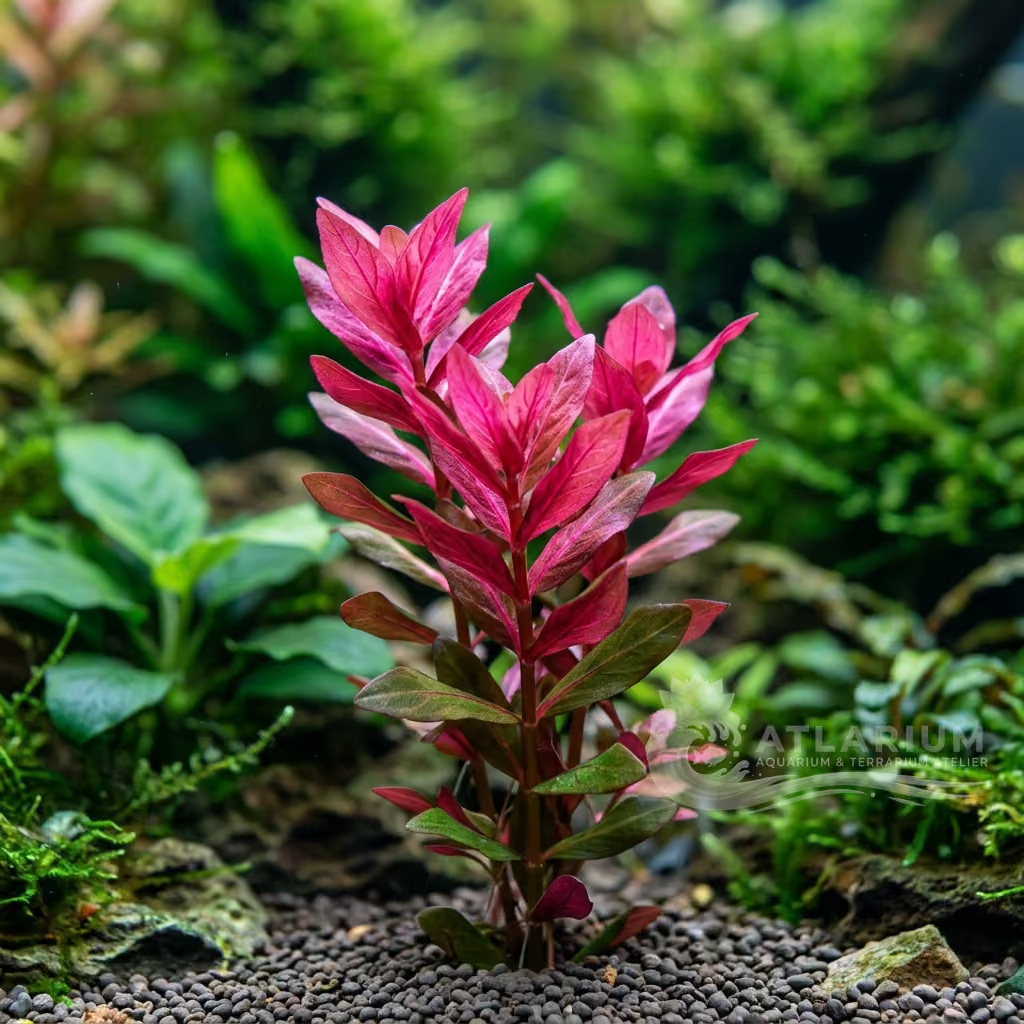
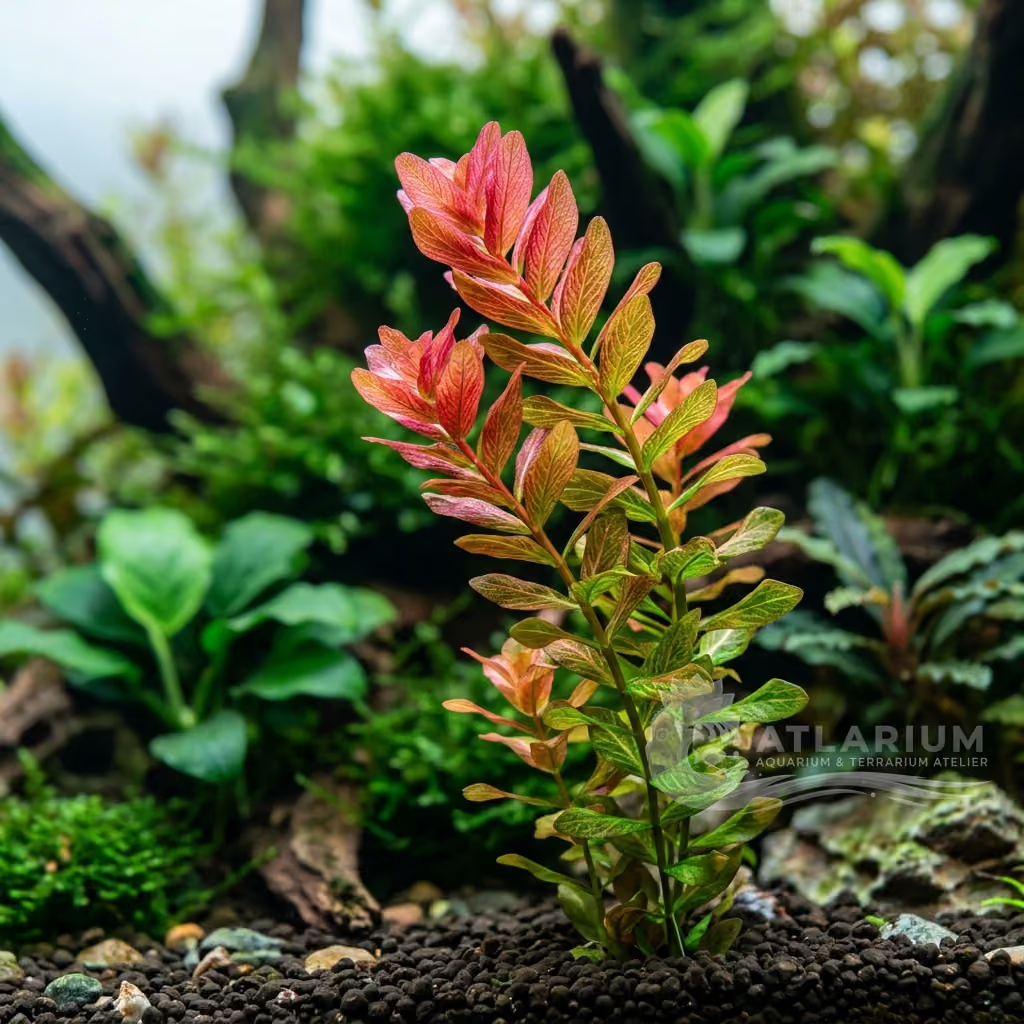
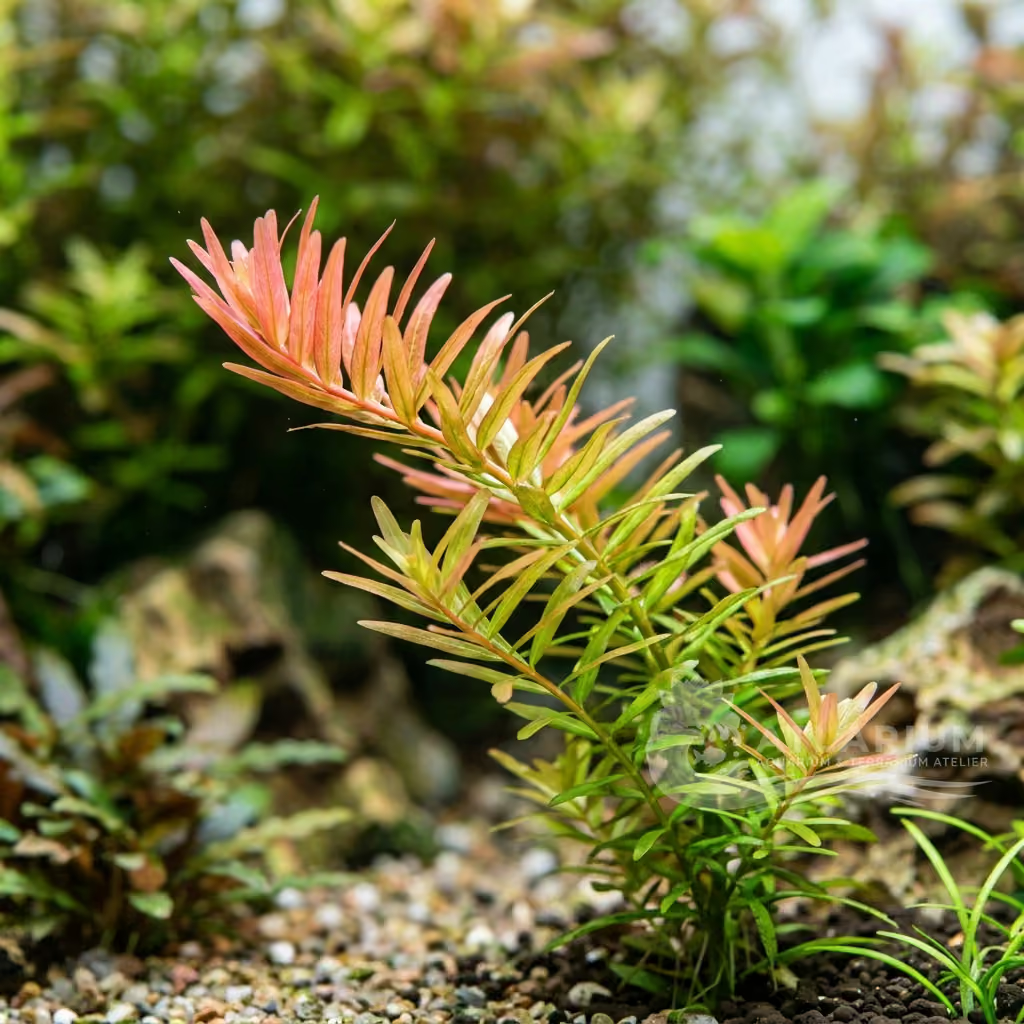
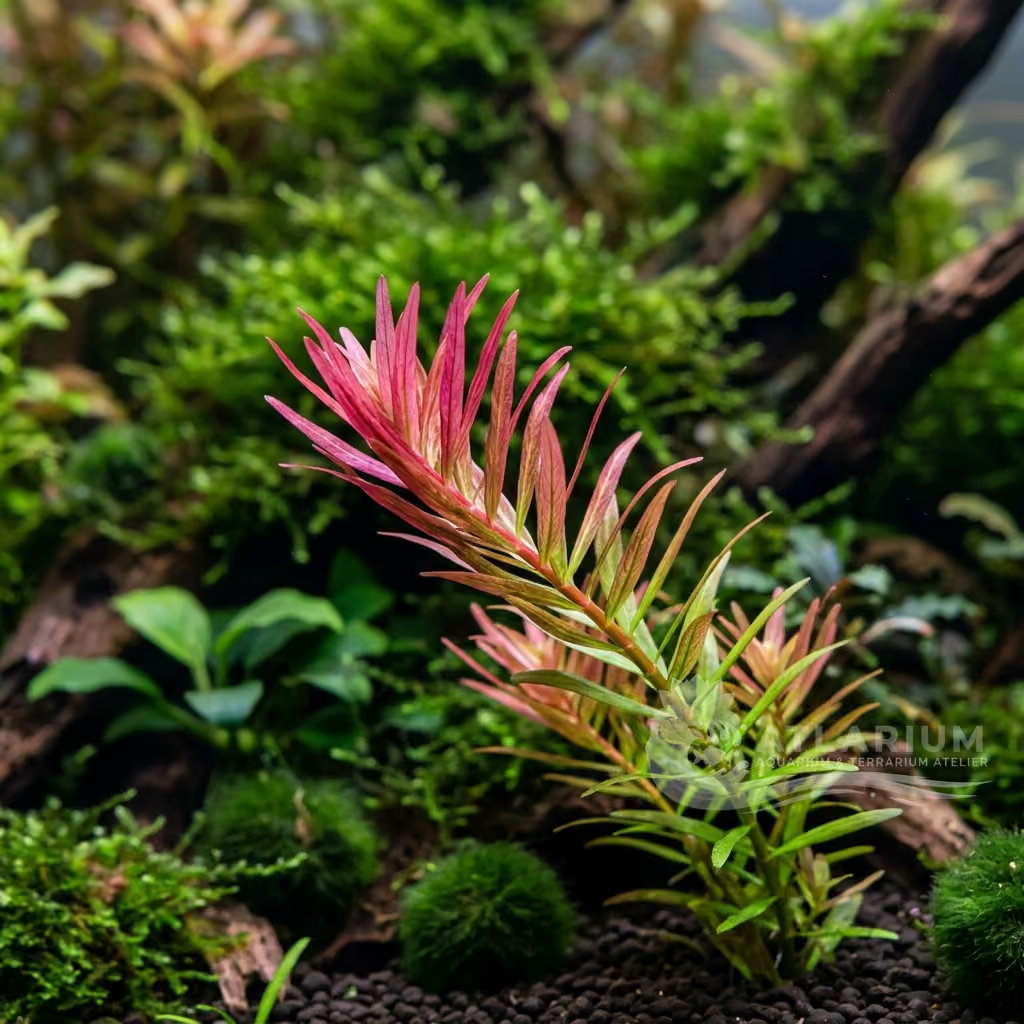
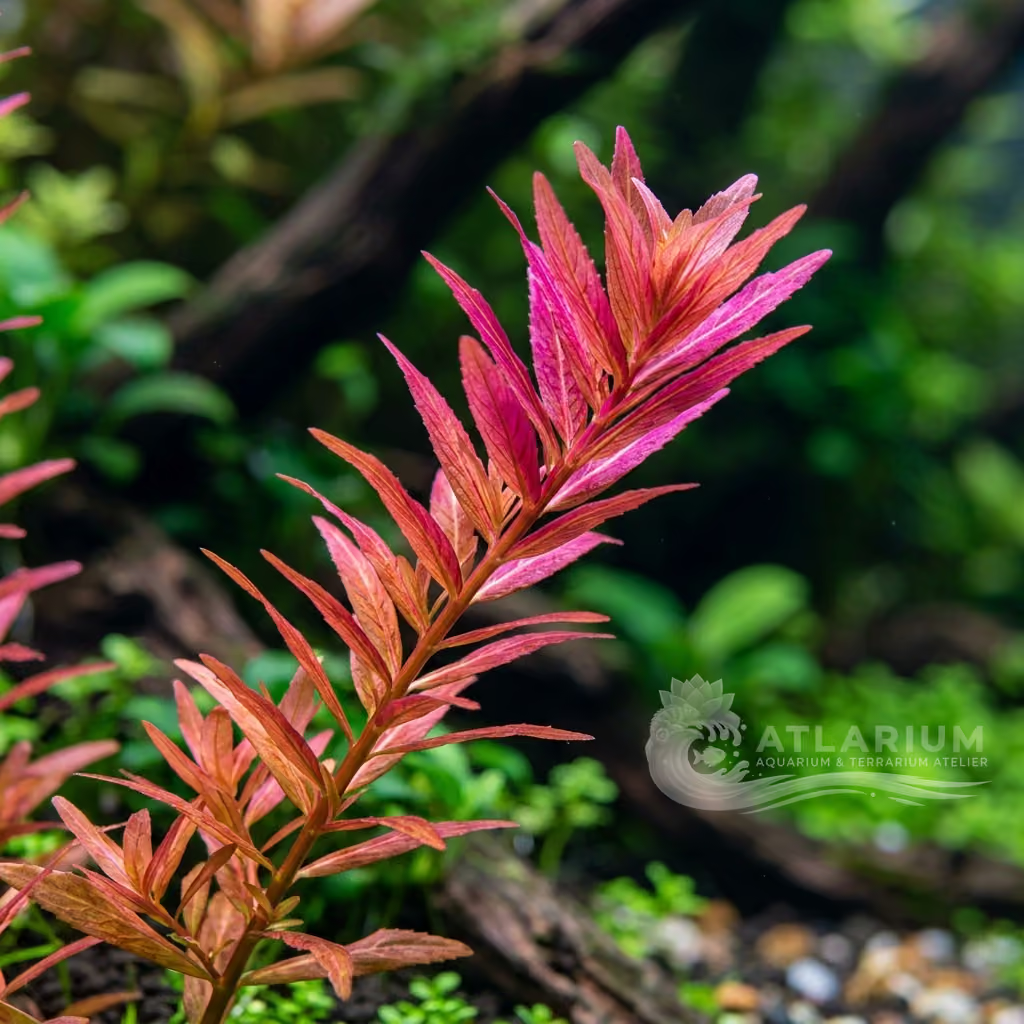
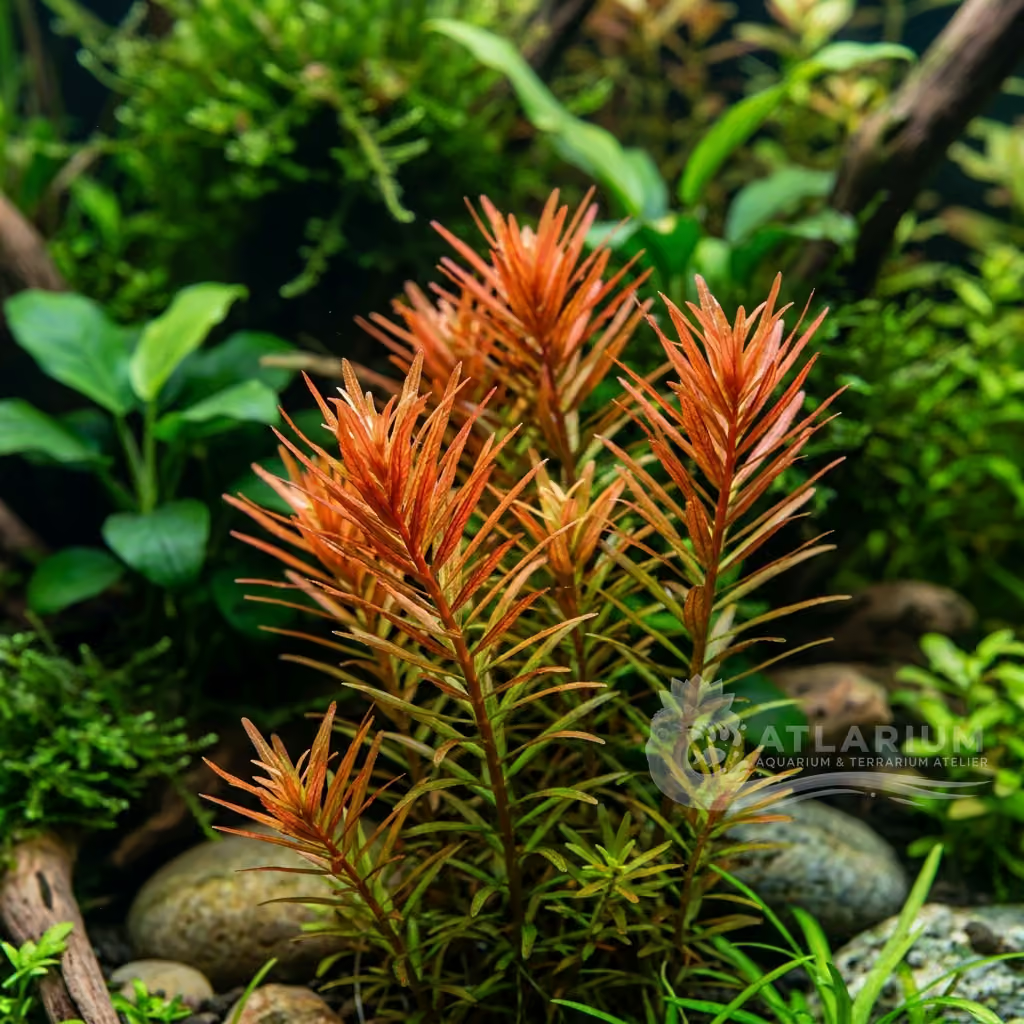
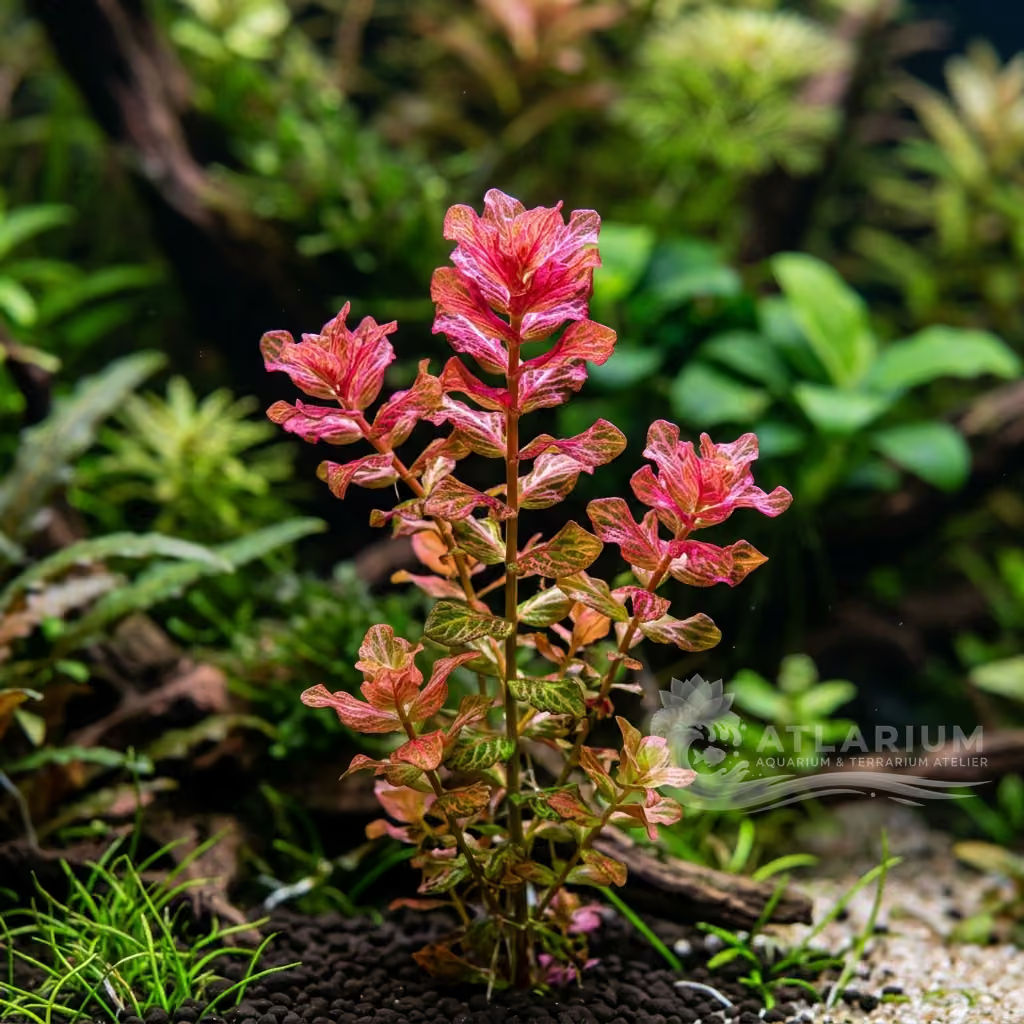
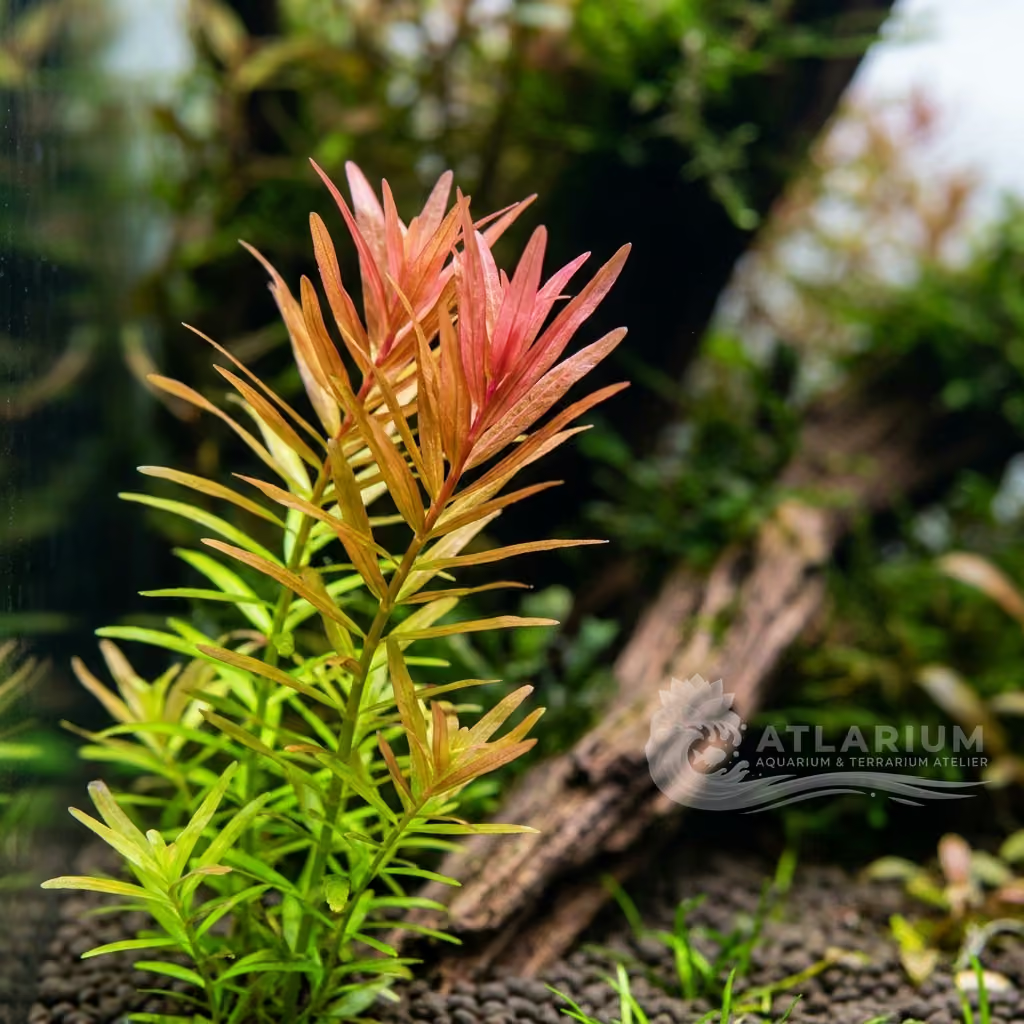
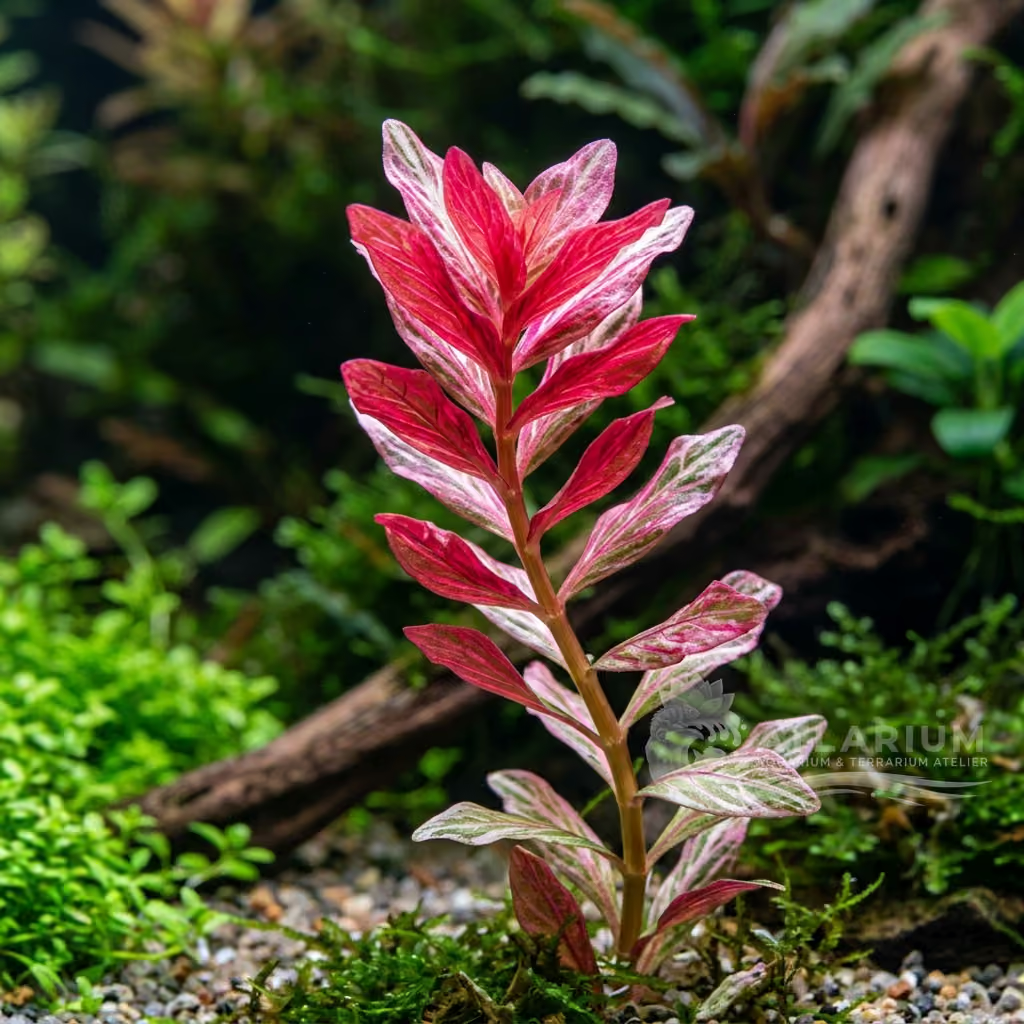
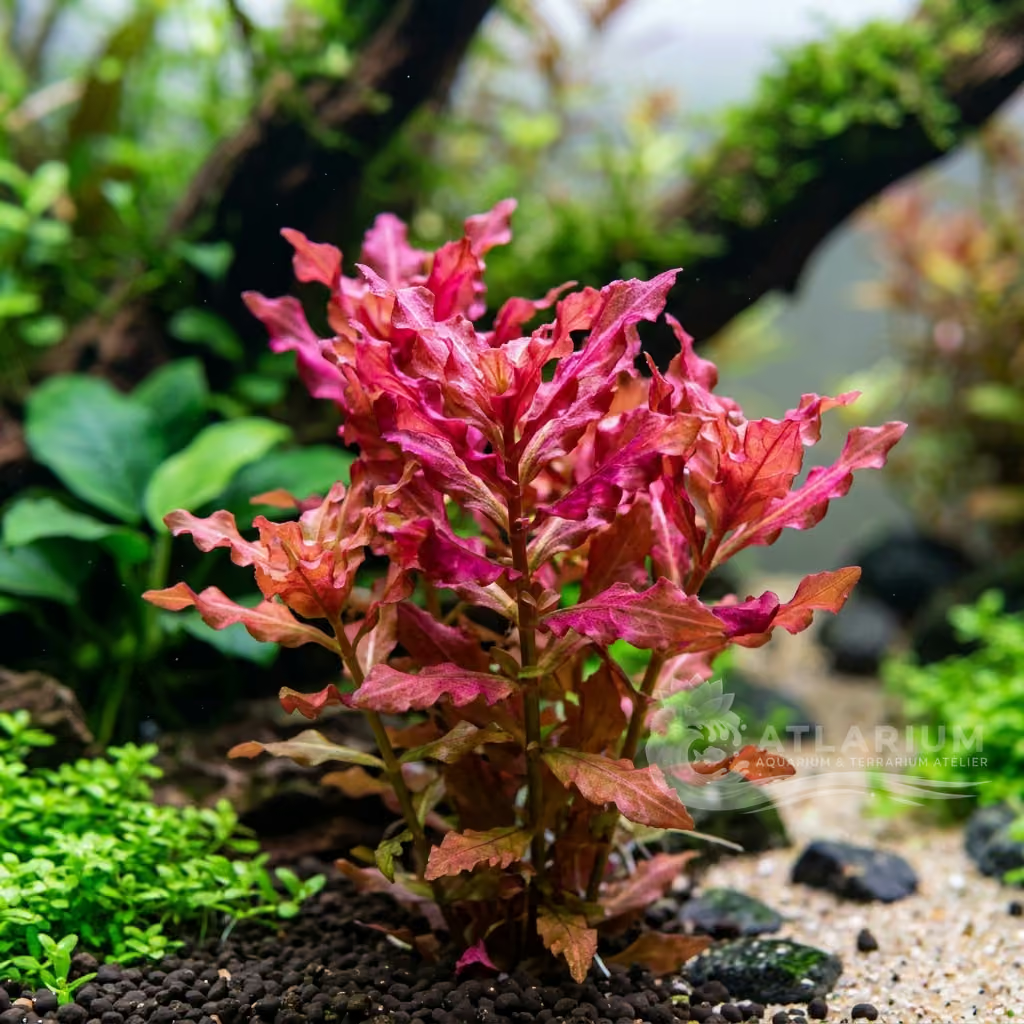
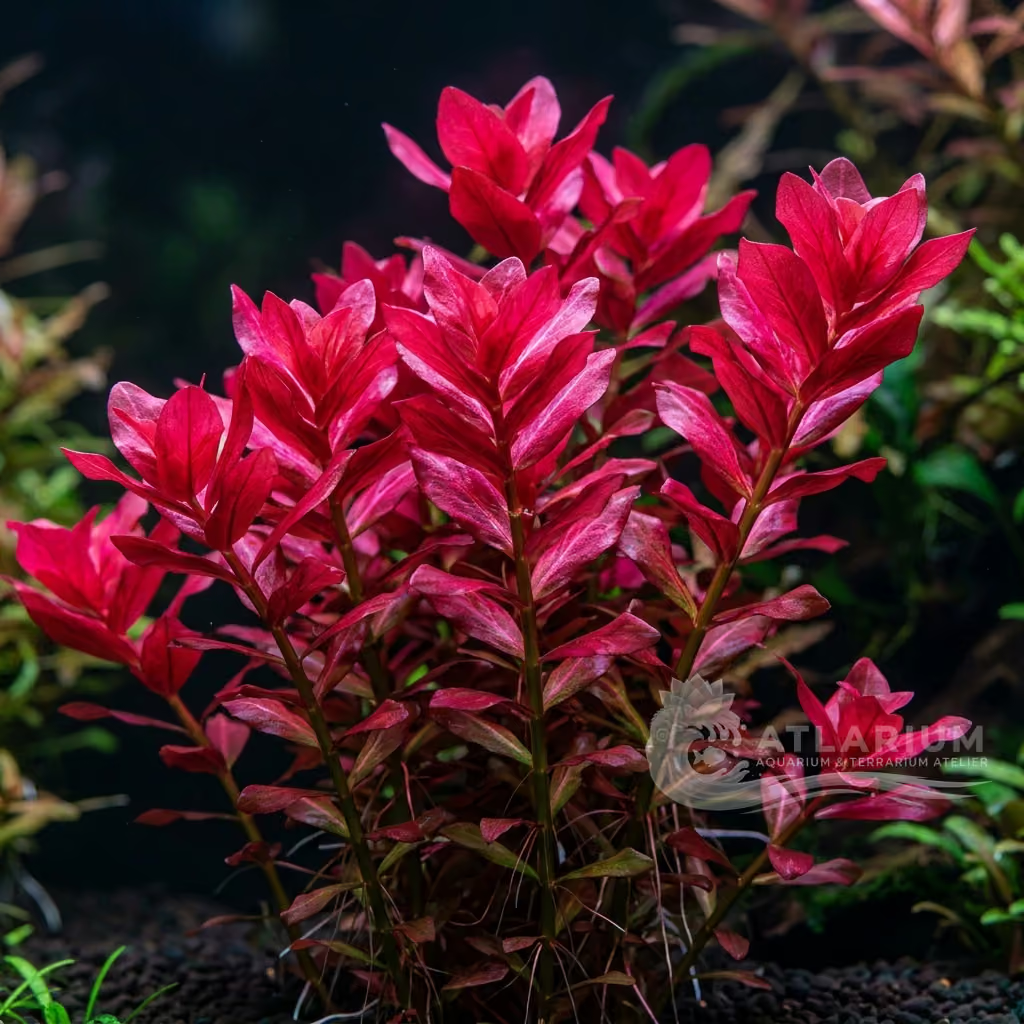
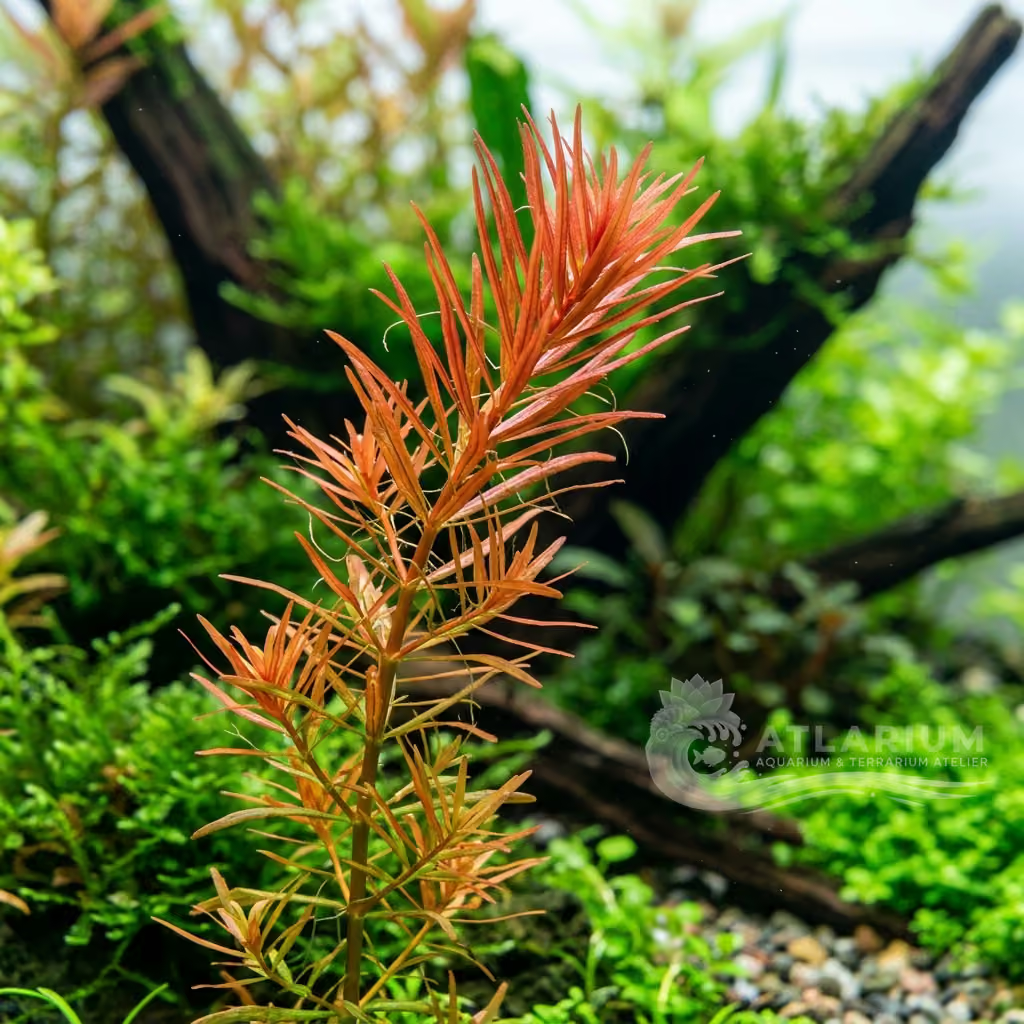
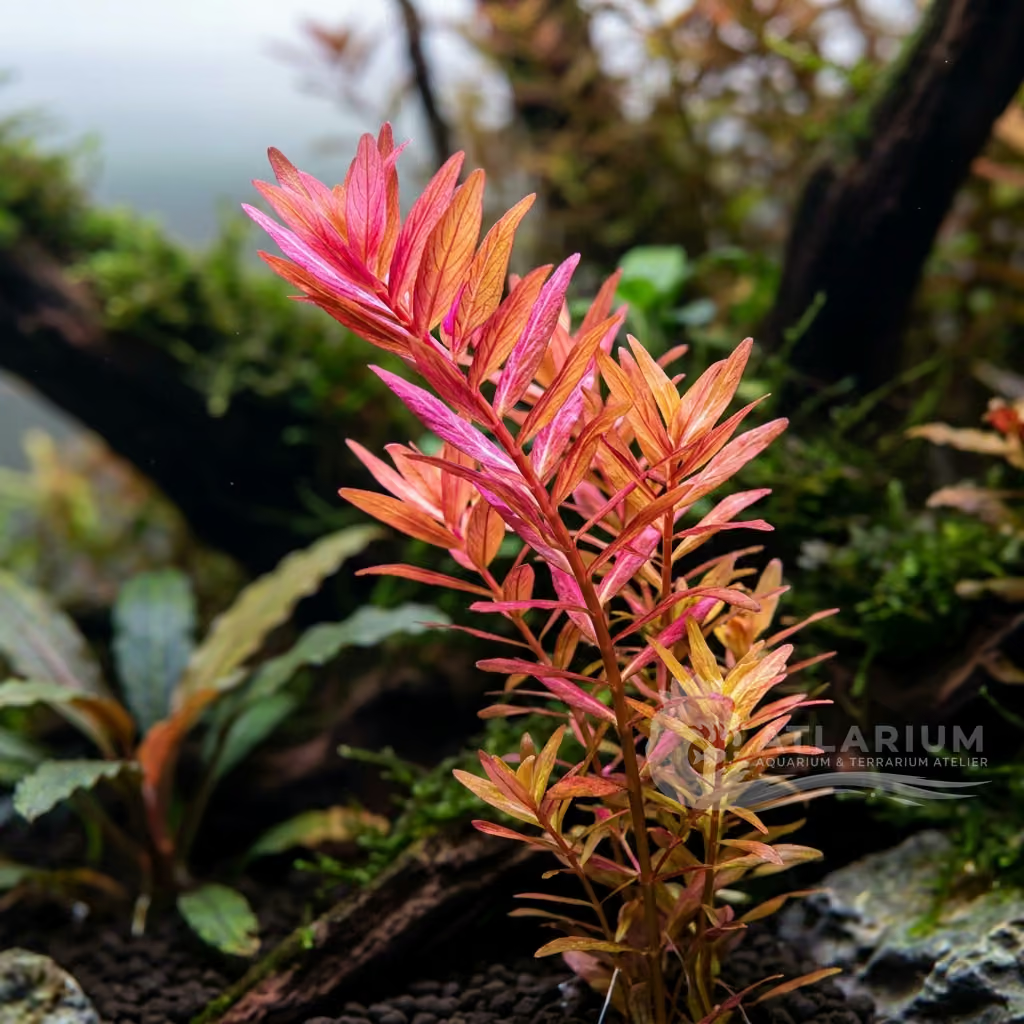
Color & Texture: The defining characteristic of Rotala rotundifolia "H'Ra" is its spectacular coloration, ranging from bright orange to deep reddish-pink, particularly intense on the undersides of the leaves and the stem tips. This vibrant hue is most pronounced under high light and ample iron supplementation, contrasting beautifully with the greener lower leaves or other background plants. The leaves themselves are smooth and relatively thin, contributing to a fine-textured, airy appearance that adds delicate movement and color depth to the aquascape.

Care, breeding and tankmates
Lighting & CO2: Rotala rotundifolia "H'Ra" requires medium to high lighting for robust growth and to achieve its signature vibrant coloration; insufficient light will result in leggy growth and a duller, greener appearance. Optimal red hues are significantly enhanced with supplemental CO2 injection, which also boosts its fast growth rate and promotes denser foliage. A photoperiod of 8-10 hours at appropriate intensity is recommended to prevent algae while supporting healthy plant development.
Nutrition & Substrate: A nutrient-rich substrate, such as an aquasoil, is highly beneficial for Rotala rotundifolia "H'Ra" to support its fast growth and root development, though it can also thrive rooted in inert substrates with adequate liquid fertilization. Regular dosing of a comprehensive liquid fertilizer, including macronutrients (NPK) and especially micronutrients like iron, is crucial for maintaining vibrant coloration and preventing deficiencies. Iron deficiency, for instance, can lead to paler leaves and a loss of its characteristic red tones.
Water Chemistry: This Rotala variety is quite adaptable but thrives in soft to moderately hard water with a KH range of 0.0-14.0 and a slightly acidic to neutral pH between 4.5-7.5. Maintaining stable water parameters is more important than hitting exact numbers within this range, as sudden fluctuations can stress the plant. A broad temperature range of 4.0-32.0°C indicates its resilience, though ideal growth and coloration are typically observed in the mid-20s (Celsius).
Space Management & Placement: Positioned optimally in the midground, Rotala rotundifolia "H'Ra" can create striking focal points or dense bushes due to its fast growth and tendency to branch. Allow sufficient space around individual stems or groups to ensure adequate light penetration to lower leaves, preventing shading and subsequent decay. Its vigorous growth necessitates regular trimming to maintain desired height and shape, preventing it from overgrowing other plants or blocking light.
Pruning: Regular pruning is essential for maintaining the aesthetic appeal and health of Rotala rotundifolia "H'Ra", encouraging bushier growth rather than tall, sparse stems. When trimming, cut the stems just above a leaf node, and these trimmed tops can often be replanted to propagate new plants, effectively thickening the existing bush. Frequent trimming also helps manage its fast growth rate and ensures light can reach all parts of the plant, promoting consistent coloration.
Risks & Diseases: While generally robust, Rotala rotundifolia "H'Ra" can be susceptible to common aquatic plant issues if environmental conditions are not met. Algae growth on its leaves often indicates excess nutrients or insufficient CO2/lighting. Nutrient deficiencies, particularly iron, will manifest as pale or yellowing leaves and a loss of red pigmentation. Melting or decay can occur if water parameters fluctuate drastically, or if the plant is transitioning from emersed to submersed growth without proper acclimation.

Geographic origin and distribution
The specific cultivar "H'Ra" or "Gia Lai" is named after the Gia Lai province in the central highlands of Vietnam, suggesting its origin from this region. Like other Rotala rotundifolia varieties, it naturally thrives in marshy areas, shallow waters, and along the banks of slow-moving streams, often growing emersed or submersed depending on seasonal water levels. These environments typically feature soft, acidic waters rich in organic matter and abundant sunlight, contributing to the plant's adaptability and vibrant potential.
Origin
South and Southeast Asia

Plant profile
- Placement
- Midground
- It is an incredibly versatile plant that can be used in the midground or background. Under very intense lighting, it exhibits a strong creeping habit, making it suitable for foreground cascading effects over rocks. Planting it in dense, slanted groups creates a fiery sweeping aesthetic. It needs unobstructed light to maintain both its color and its horizontal growth.
- Botanical form
- Stem
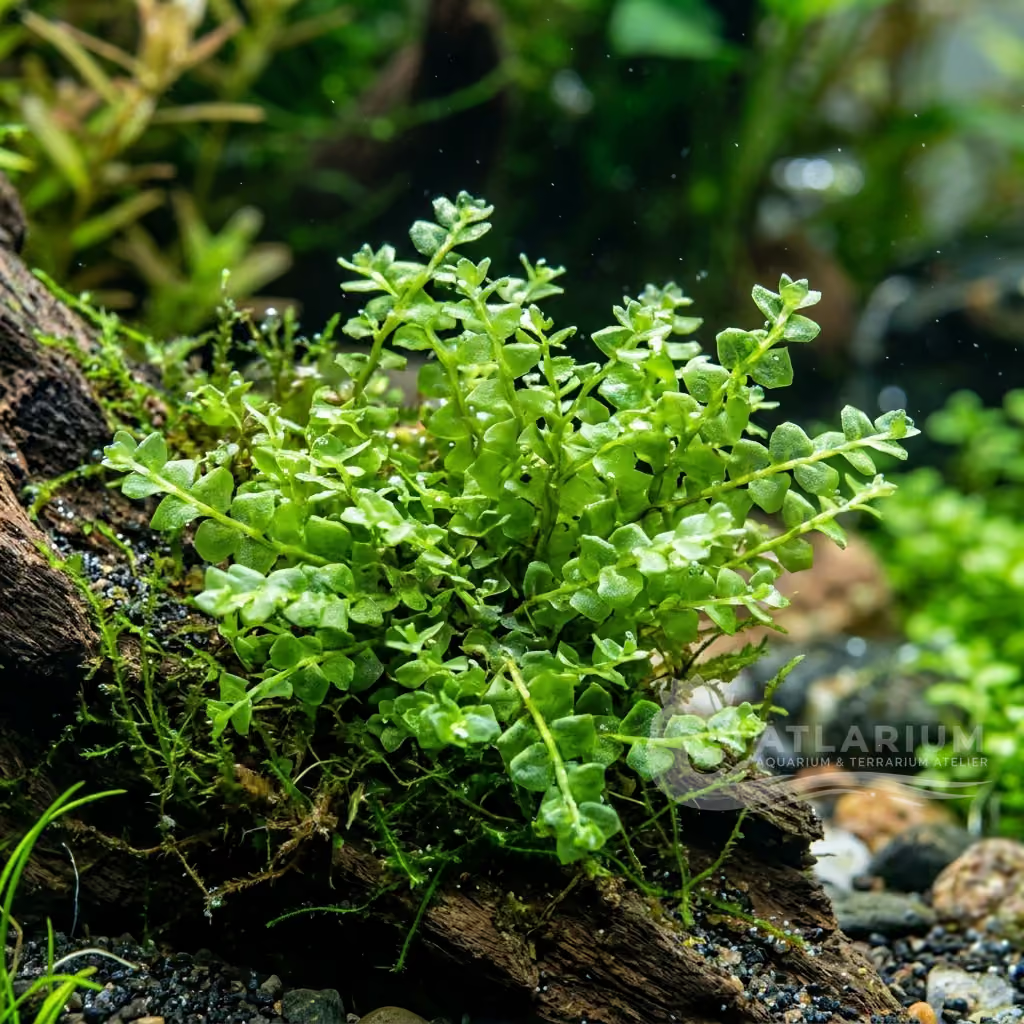
- It has very narrow, pointed leaves that are slightly finer than standard Rotala rotundifolia. Its stems are thin and prone to bending downwards or growing horizontally under high light. The coloration ranges from warm orange to deep reddish-pink depending on the environment. Emersed growth is typically green with rounder leaves, similar to other rotundifolia variants.
- Growth
- Fast
- The growth rate is very fast when provided with optimal light, CO2, and nutrients. It quickly forms dense thickets and horizontal mats that require frequent trimming. Its rapid metabolism makes it a great plant for balancing a new aquarium and outcompeting algae. Left unchecked, it will quickly reach the surface and shade out lower plants.
- Substrate
- Medium
- Rotala rotundifolia "H'Ra" requires a nutrient-rich aqua soil to reach its full potential and produce its characteristic intense orange-red coloration. A substrate depth of at least 2 inches (5 cm) is ideal to anchor its delicate stems and support a robust root system. The fine roots easily penetrate porous clay-based substrates, extracting iron and other trace elements crucial for optimal growth and vibrant leaf pigmentation.
- Column fertilization
- Recommended
- Liquid fertilization is the primary method of nutrient delivery for this stem plant. A comprehensive dosing schedule with extra iron and trace elements is highly recommended. Daily dosing ensures the plant has a constant supply of nutrients to fuel its fast growth. Nitrate limitation in the water column is a common technique used to enhance its redness.
- Root fertilization
- None
- A nutrient-rich aquasoil provides a solid foundation for robust growth. While it feeds heavily from the water, a fertile substrate supports a strong root system. Root feeding provides a buffer of nutrients, ensuring the plant remains healthy even if column dosing fluctuates. Strong roots also help anchor its creeping stems securely to the bottom.
- Trimming
- Regular
- Frequent and aggressive trimming is required to maintain a dense, bushy shape. Cutting the stems low encourages an explosion of lateral shoots. To create beautiful rolling slopes, trim the bush at an angle, keeping the front lower than the back. Older bushes can be refreshed by topping and replanting the vibrant upper shoots.
- Propagation
- Cuttings
- Propagation is incredibly easy through stem cuttings. Simply snip the healthy tops and replant them directly into the substrate. The planted cuttings root rapidly, while the cut base produces multiple new shoots. Its creeping nature also allows it to root from the nodes along the stem when growing horizontally.
- Sensitivity
- Moderate
- It is generally a resilient plant but will lose its distinct coloration if light or iron levels drop. Shading from taller plants will cause the lower leaves to melt away, leaving bare stems. It prefers slightly acidic water and stable CO2 levels. Sudden changes in water chemistry can lead to stunted tips.
- Layout role
- Midground, accent
- It is heavily favored in Nature Aquariums for creating warm, fiery bushes that contrast beautifully with green plants. Its creeping habit makes it an excellent choice for softening hardscape edges or creating a smooth transition from foreground to background. It provides a striking focal point with its vivid orange-red hues. The fine texture adds a sense of scale to the layout.

Related species
Recommendations grouped by close relatives, companion choices, and similar care.