Rotala macrandra 'Narrow Leaf'
Rotala macrandra
Rotala macrandra 'Narrow Leaf' is a stunning stem plant for the midground, characterized by rapid growth and intensely colored foliage. It is ideal for creating vibrant color accents and dense bushes in the aquarium layout.
Water Temperature
18 - 30 °C
pH Value
4.5 - 7
Water type
Freshwater
Light
Medium to High
CO2
High
Expected height
30 cm
Expected width
8 cm
KH
0 - 12 dKH

Species description
Geographical Origin and Habitat: Rotala macrandra, the parent species of the 'Narrow Leaf' variety, originates from the marshy regions and slow-moving stream banks of Southeast Asia, thriving in tropical environments with soft, often acidic water. While 'Narrow Leaf' is a cultivated variety and not a natural form, its ecological requirements mirror those of the wild species, preferring habitats rich in light and nutrients. Its adaptability makes it a popular choice for aquariums replicating Asian river and swamp conditions, though it has been optimized for the artificial aquatic environment.
Taxonomy & Genetics: Rotala macrandra 'Narrow Leaf' belongs to the Lythraceae family, a large group of plants that includes both terrestrial and aquatic species. Specifically, it is a cultivar of Rotala macrandra, meaning it has been artificially selected and propagated to enhance desirable characteristics, in this case, its narrower leaves and intense
Color & Texture: ation potential. This genetic variation results in a more delicate and refined appearance compared to the wild form, making it a distinctive specimen within the Rotala genus. Propagation typically occurs vegetatively, ensuring the preservation of its unique traits.
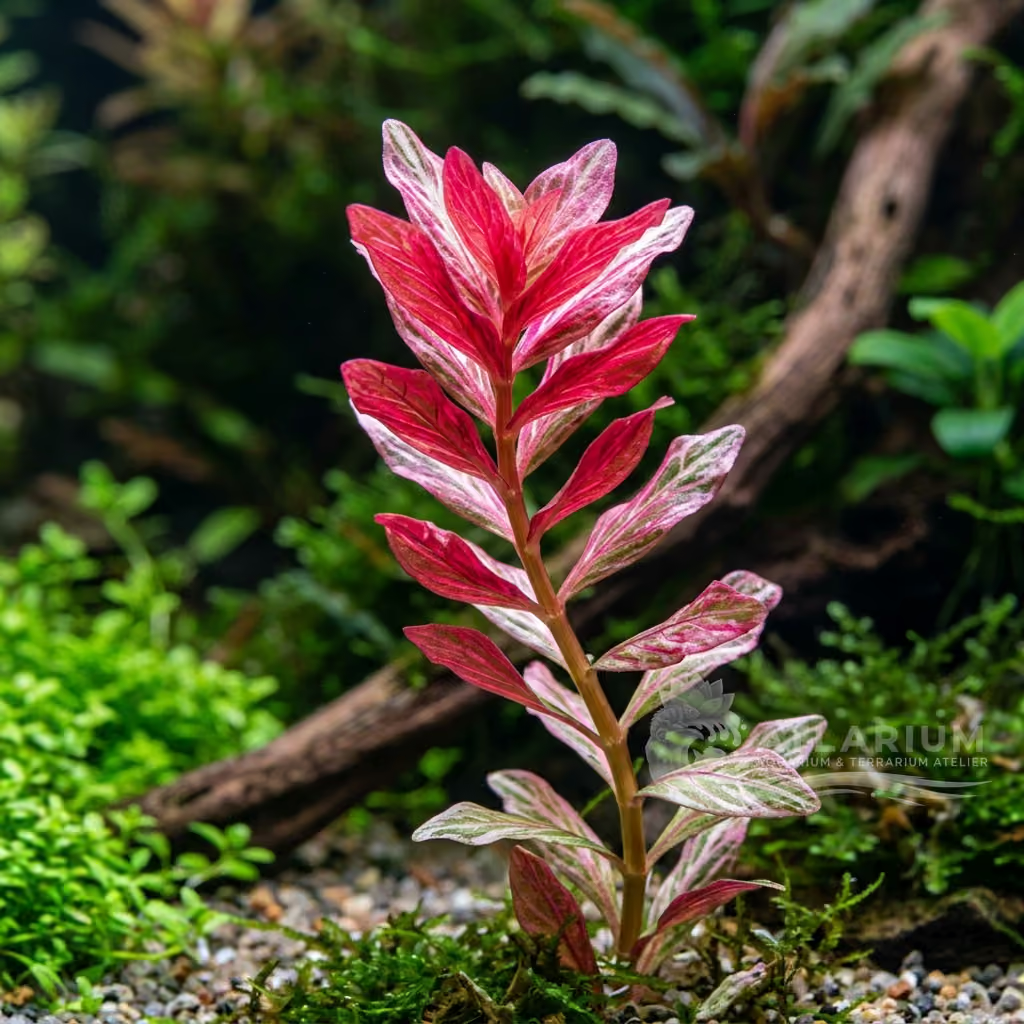
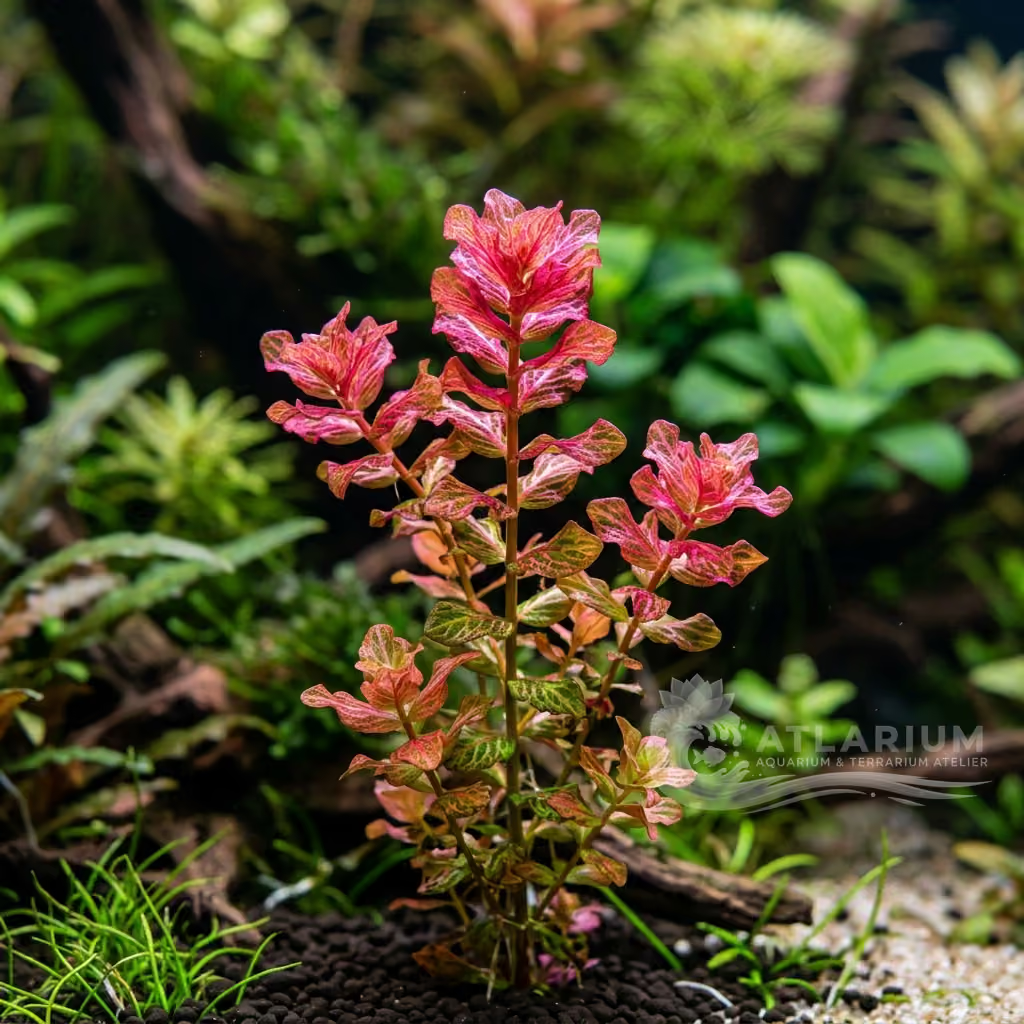
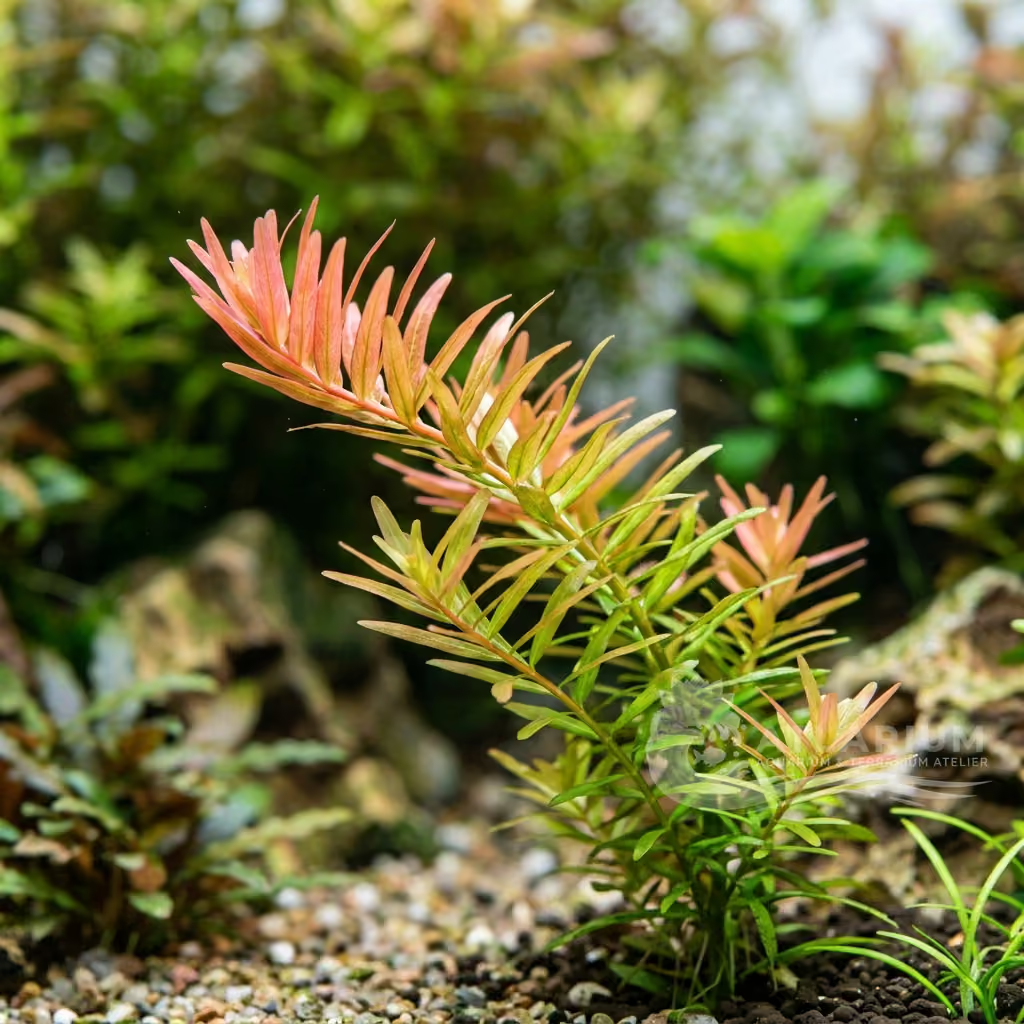
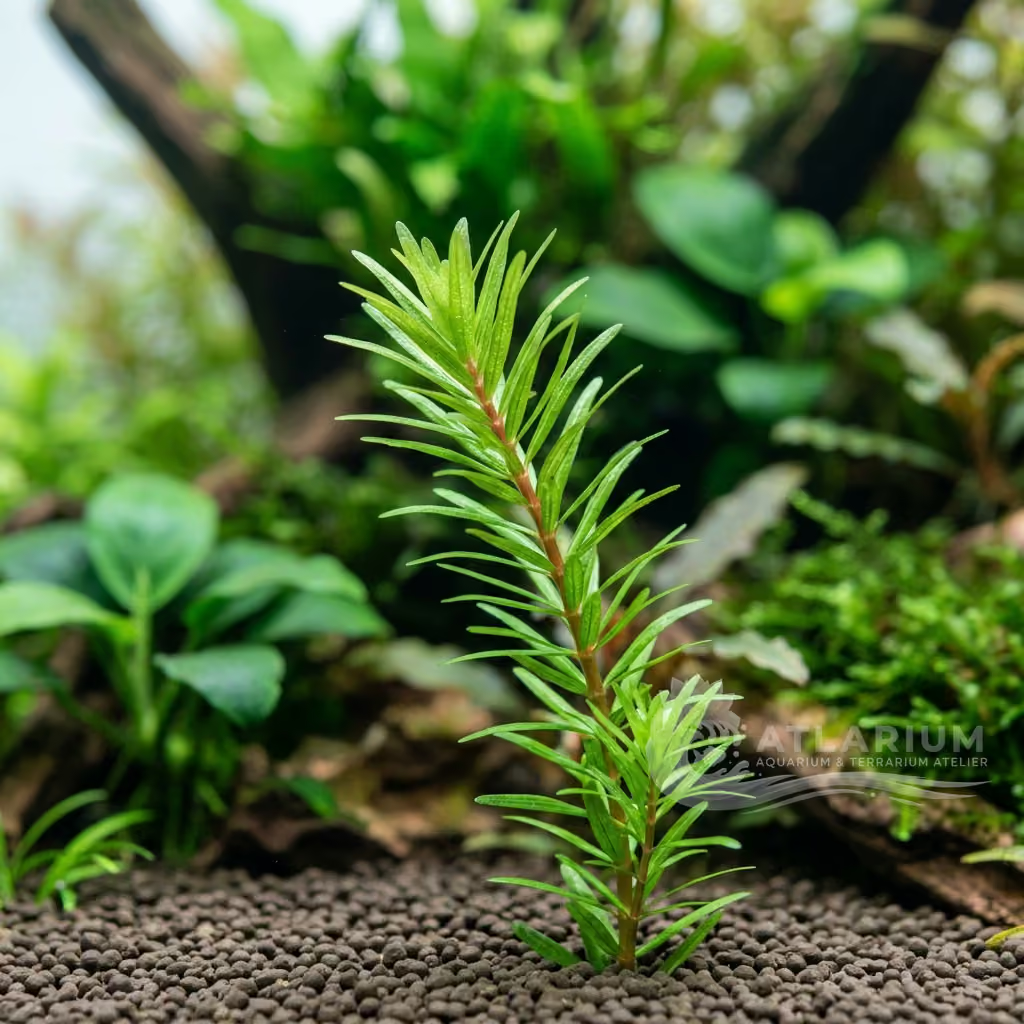
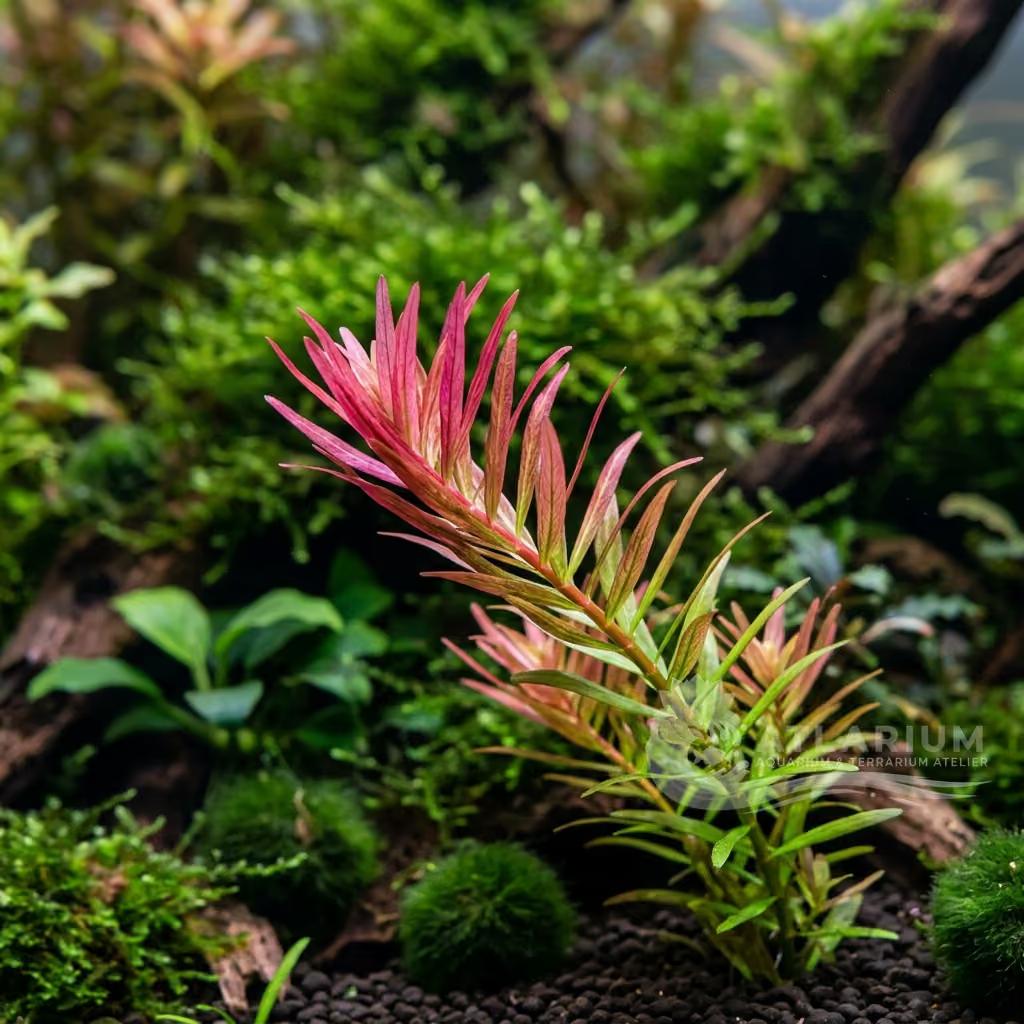
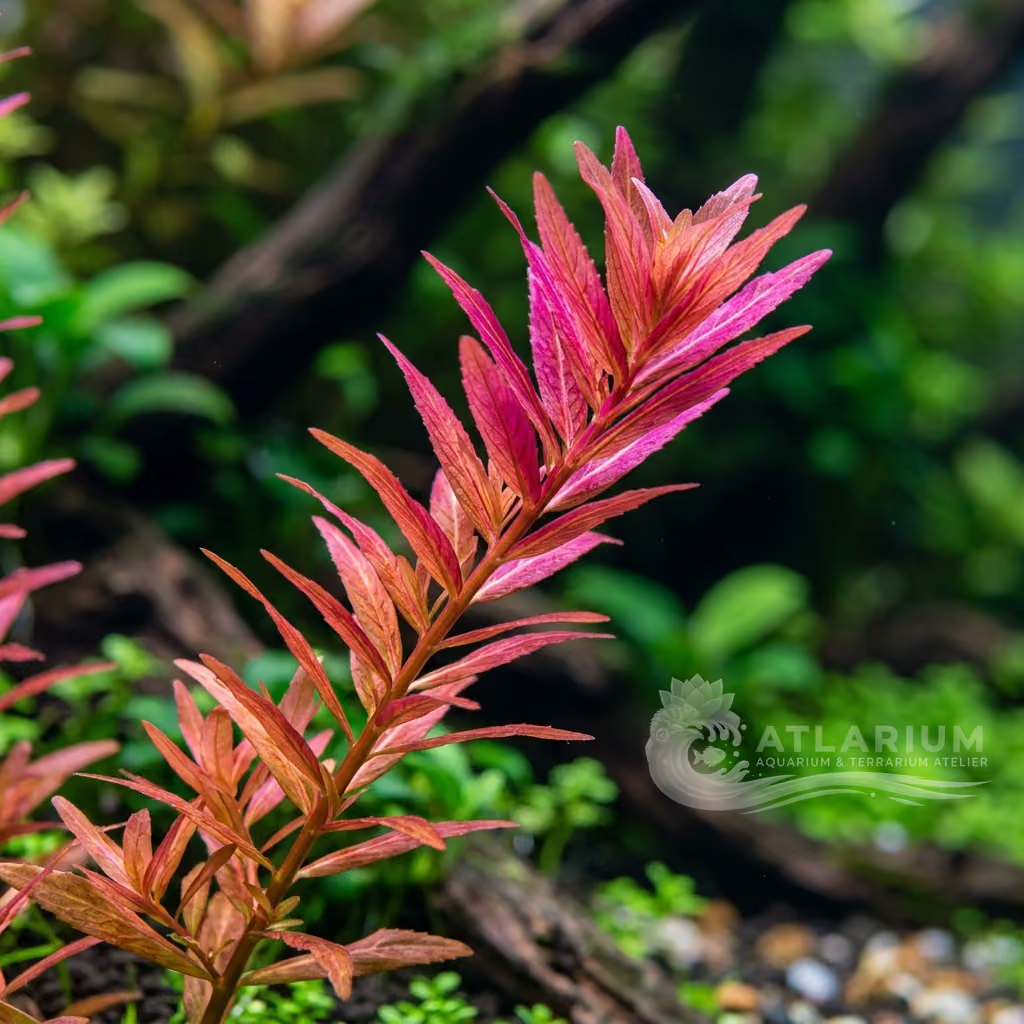
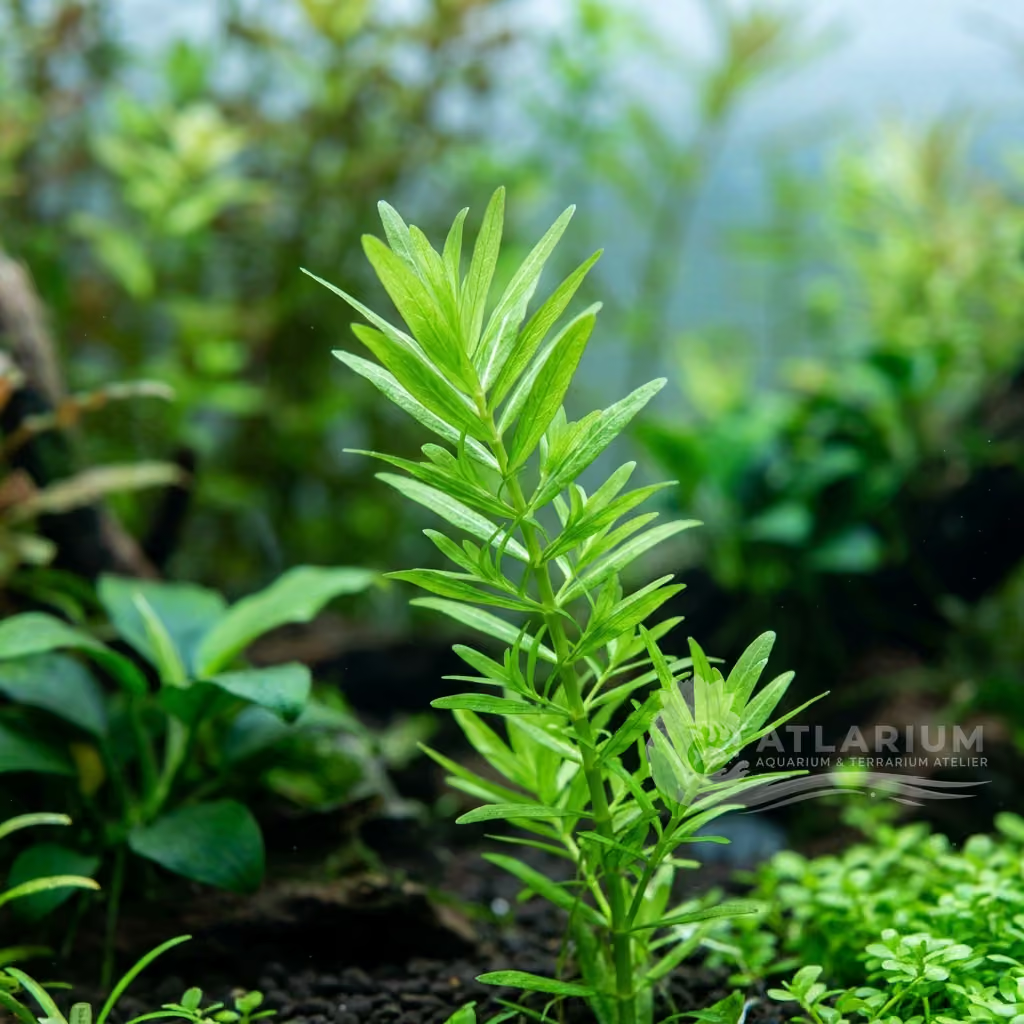
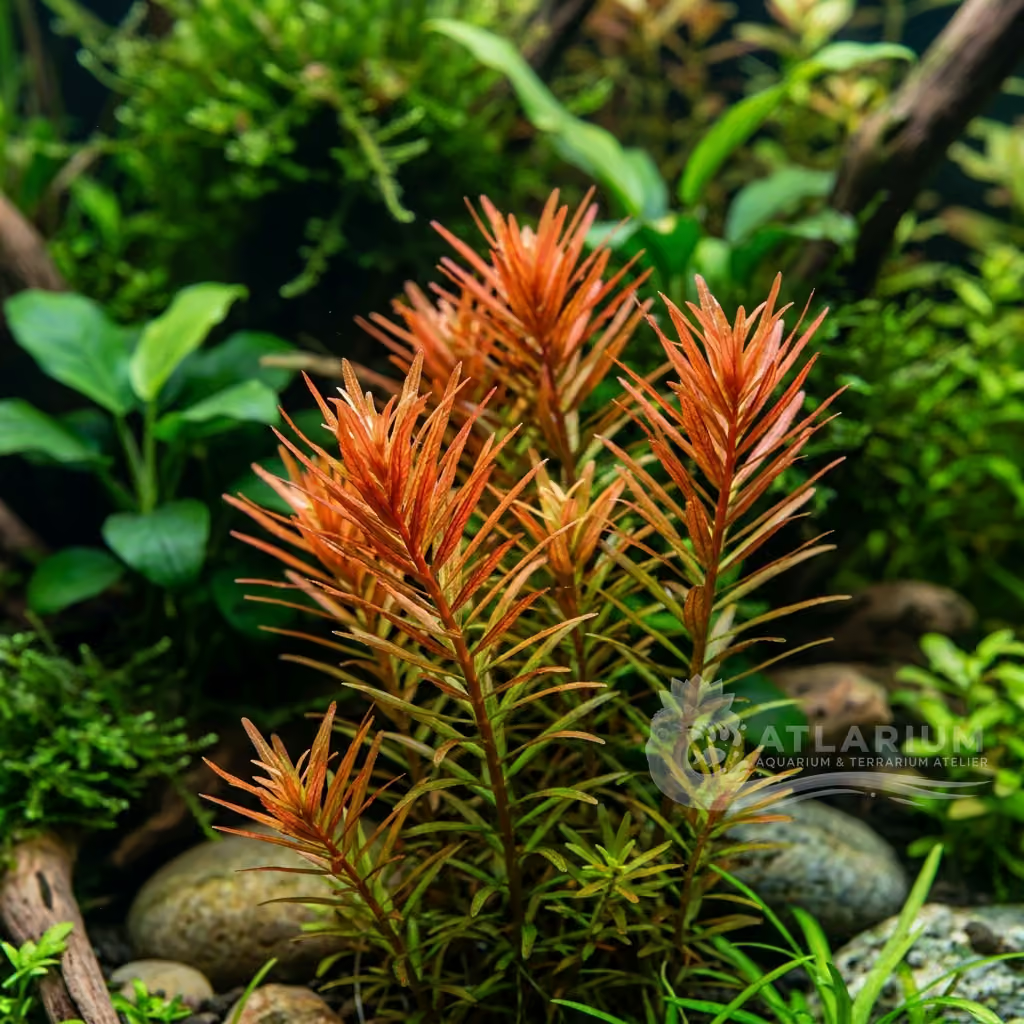
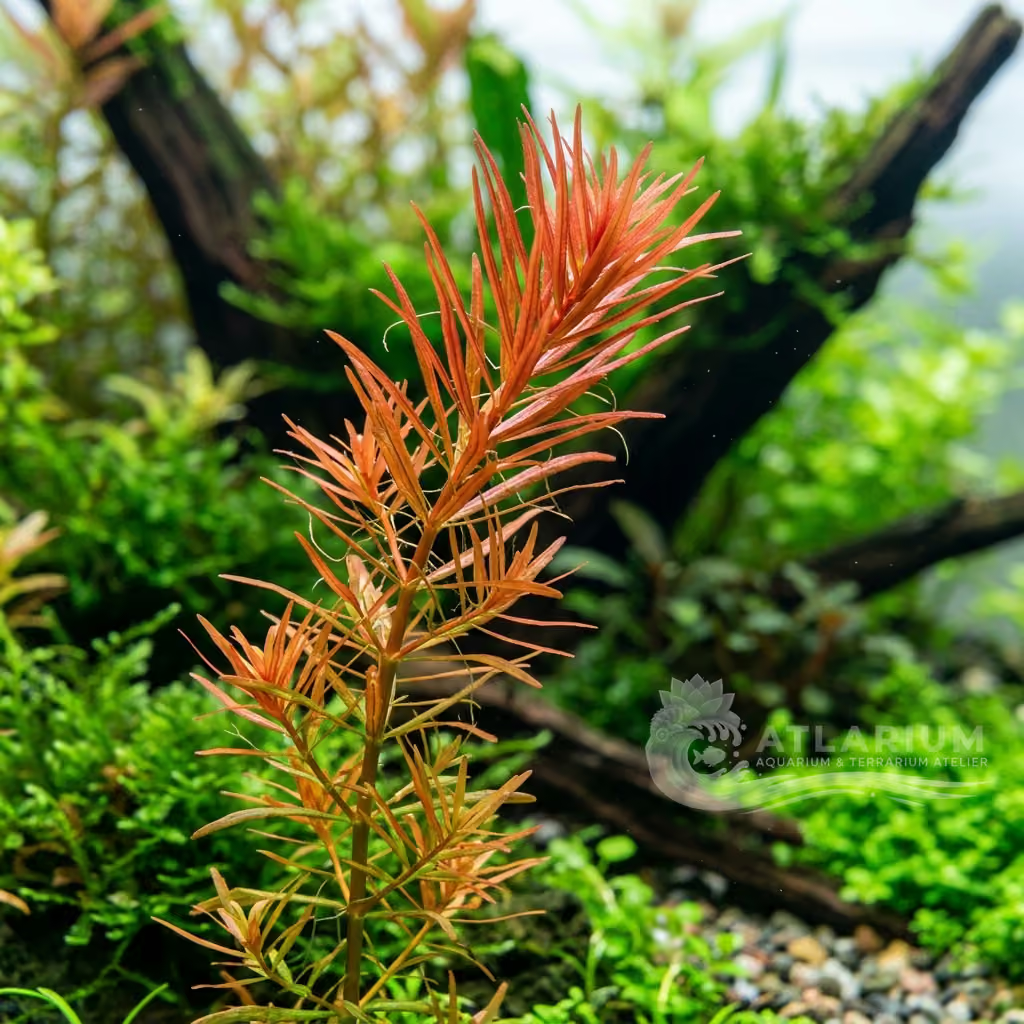
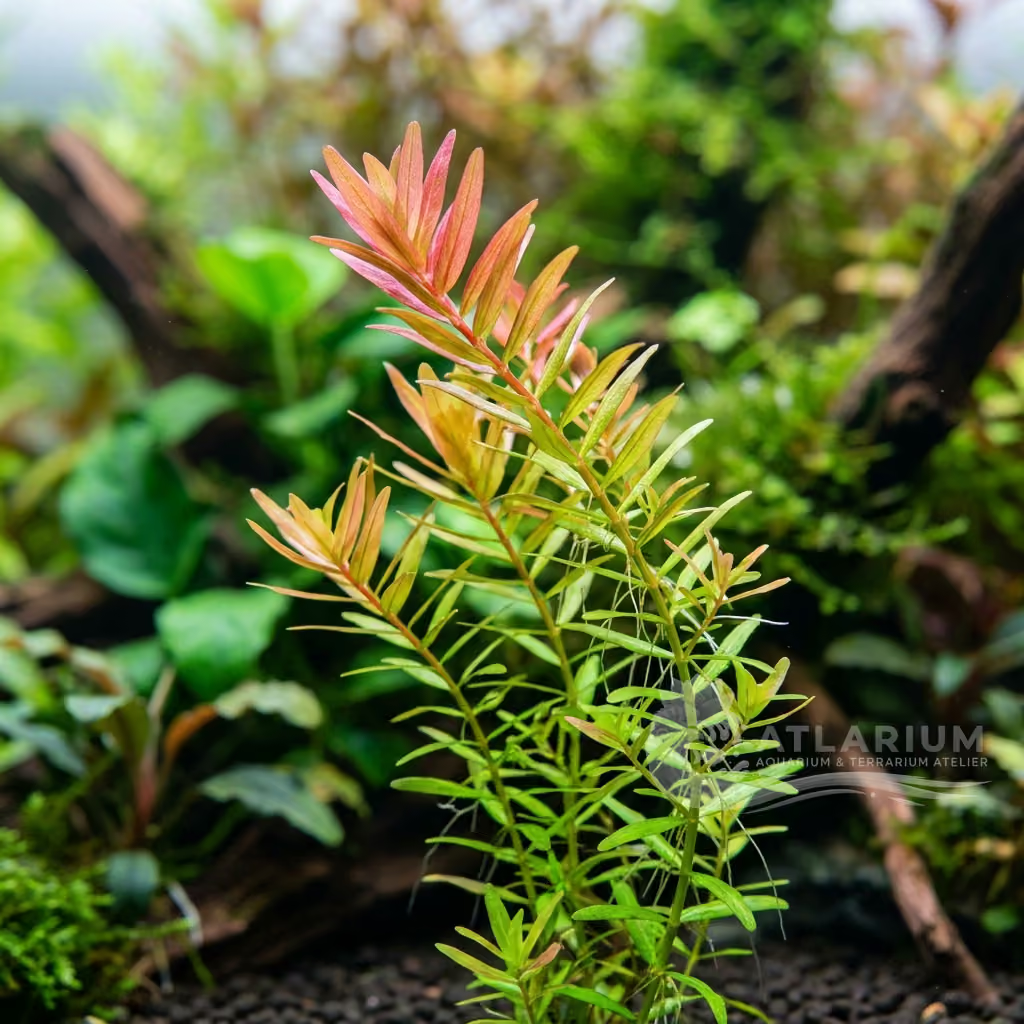
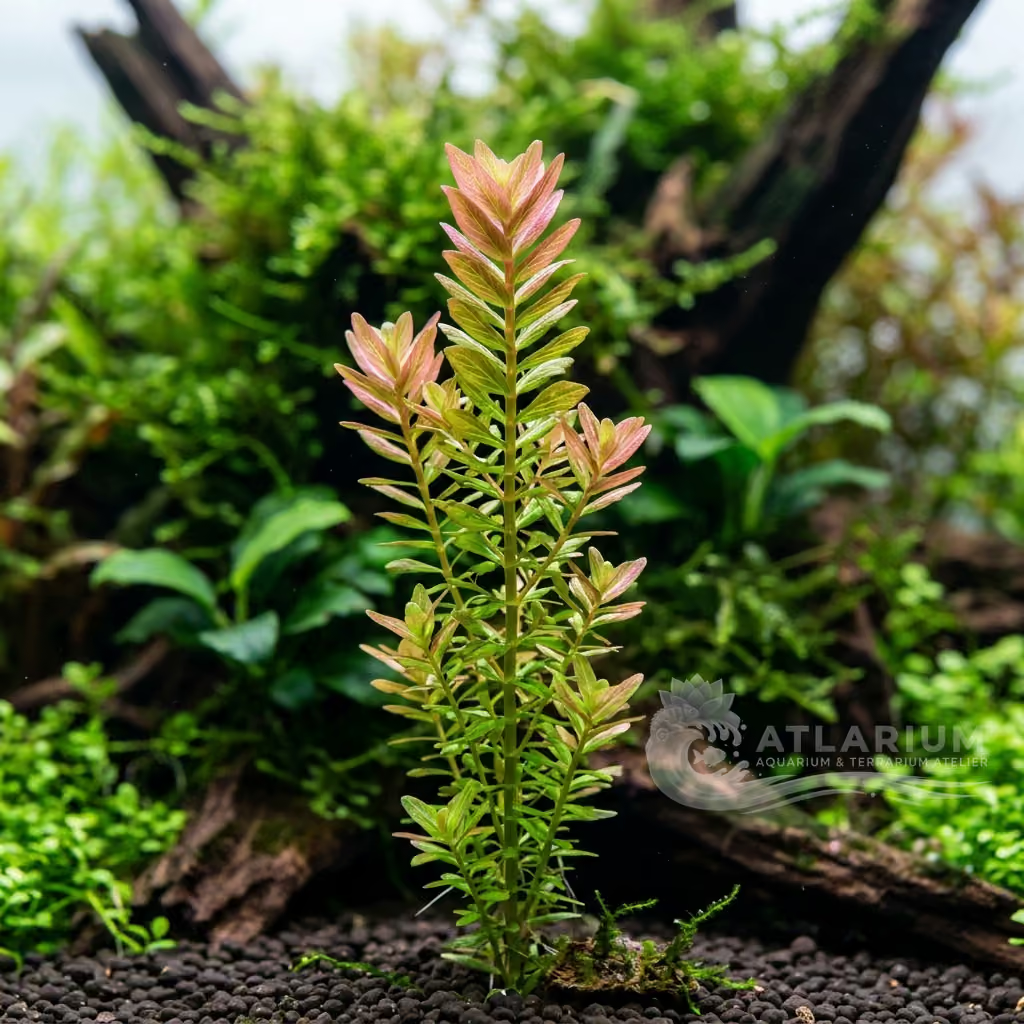
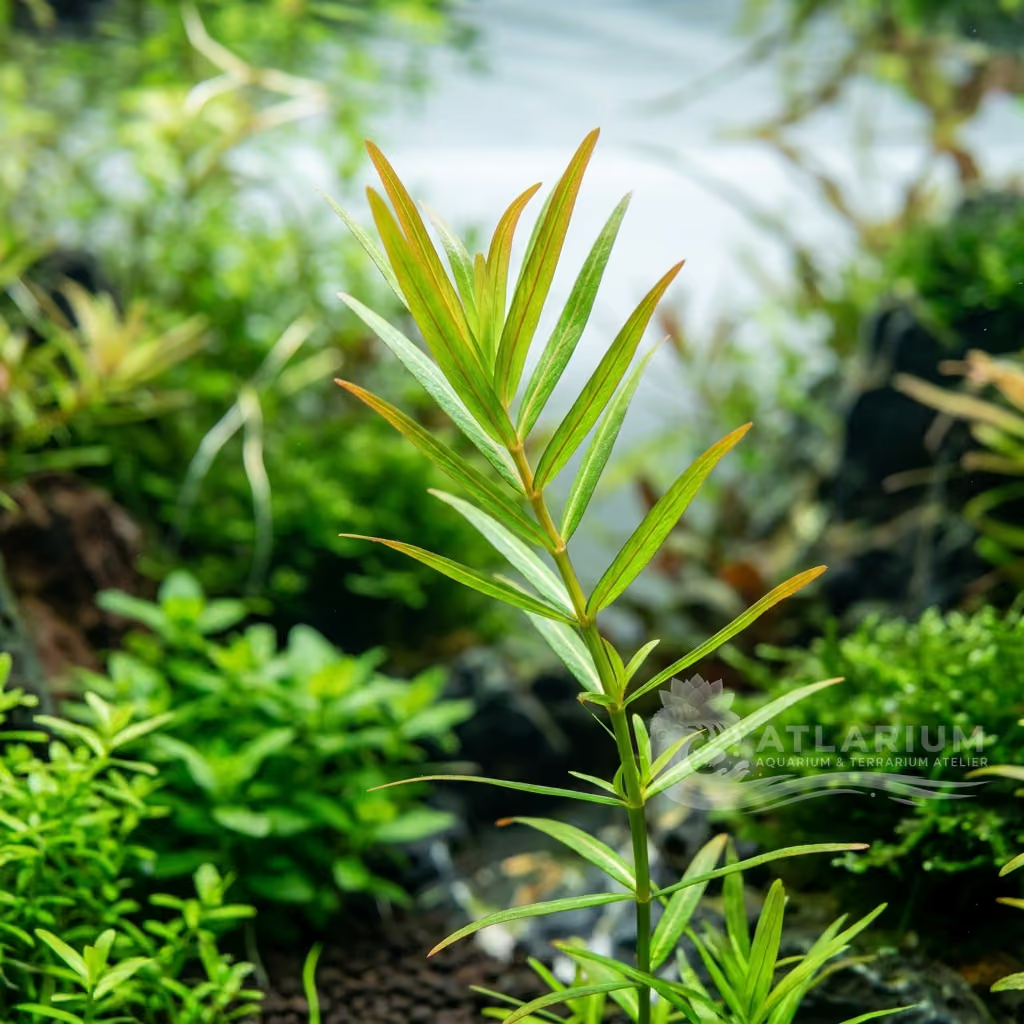
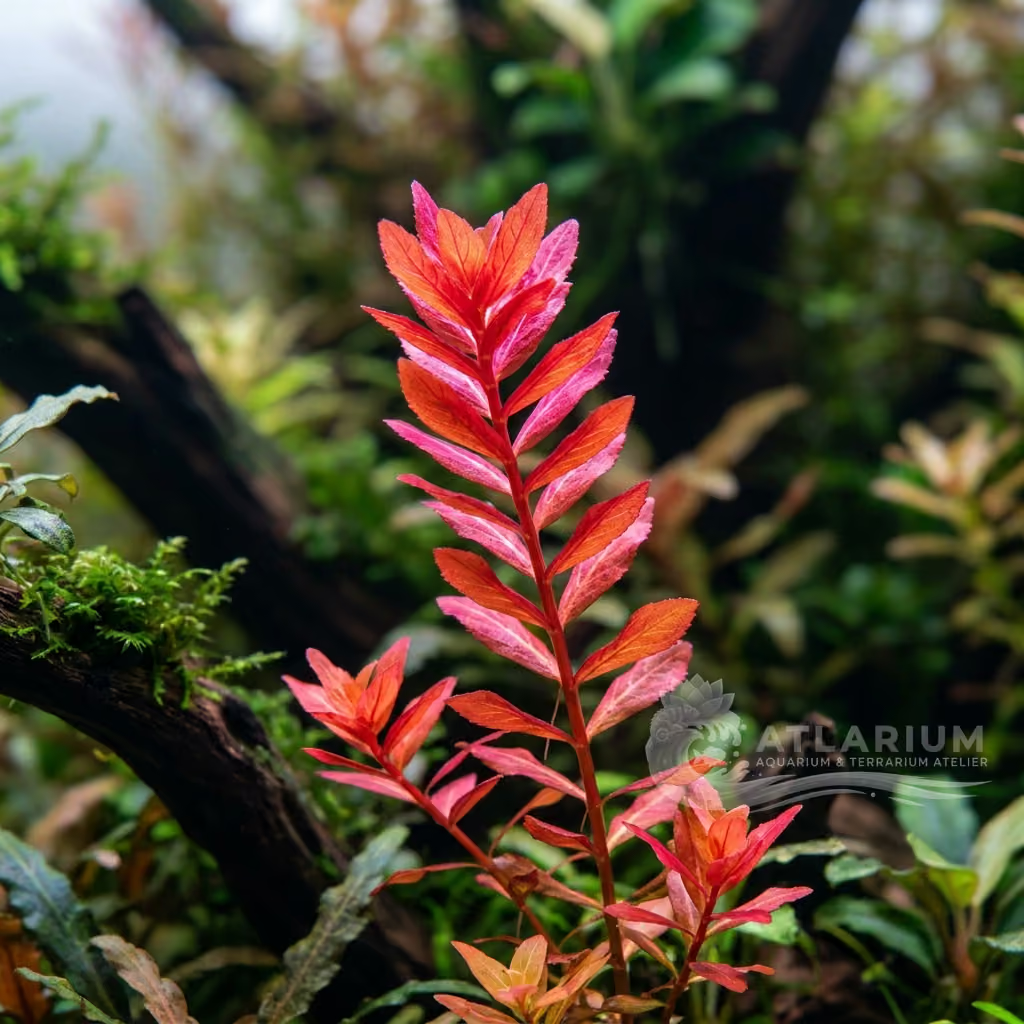
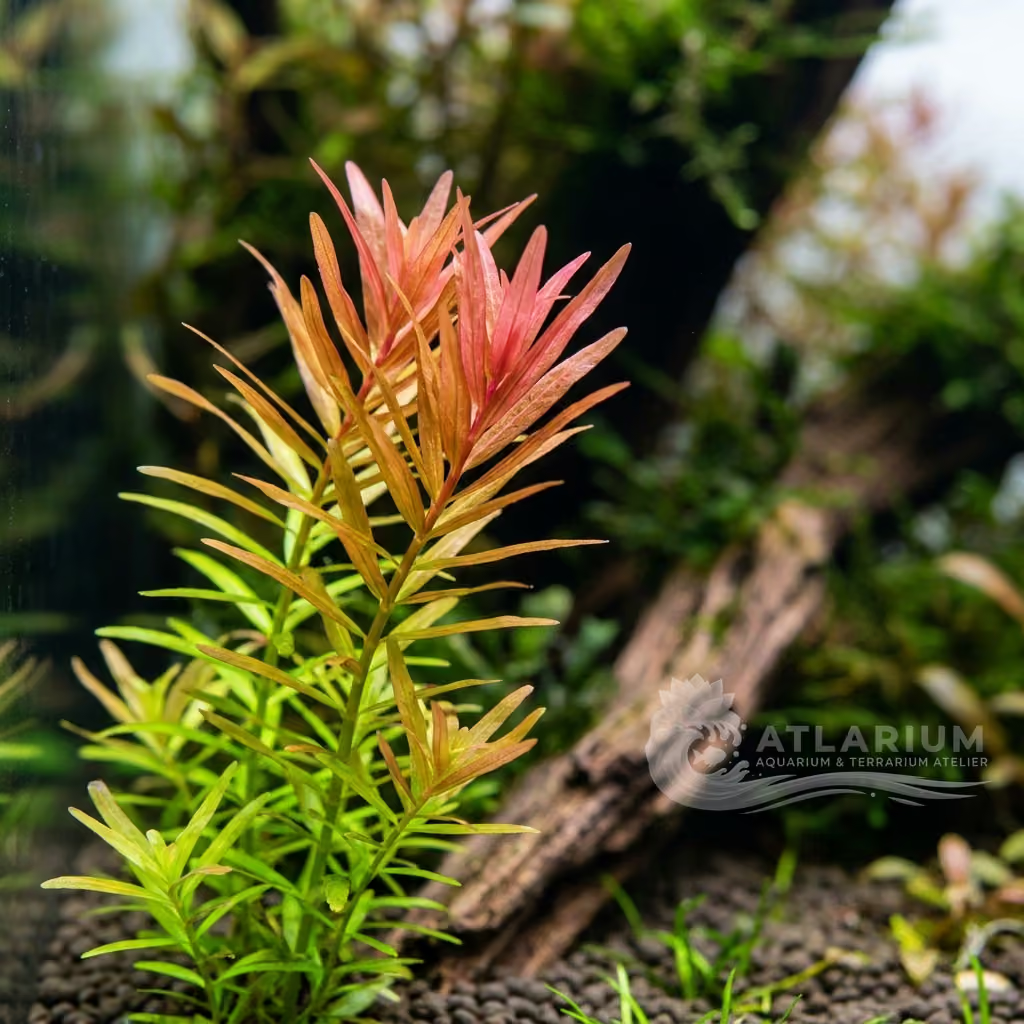
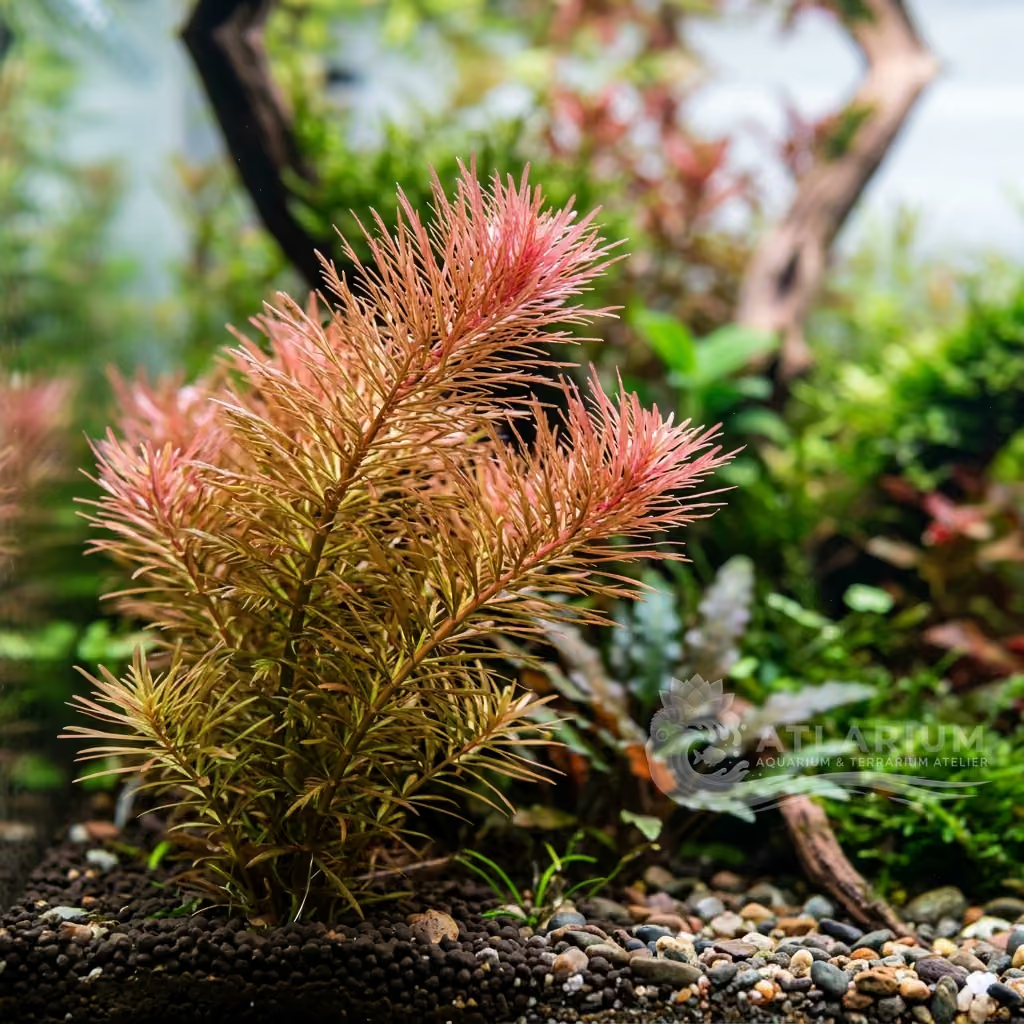
Physical Structure: Rotala macrandra 'Narrow Leaf' is distinguished by its slender structure and finely patterned foliage, featuring upright stems that can reach considerable heights in the aquarium. The leaves are arranged alternately along the stem, sessile, and exceptionally narrow-lanceolate to almost linear in shape, with pointed tips. The internodes, or spaces between the leaves, are relatively short, giving the plant a dense and compact appearance, especially with proper pruning that encourages lateral branching. This growth habit makes it ideal for creating a structured "bush" effect.
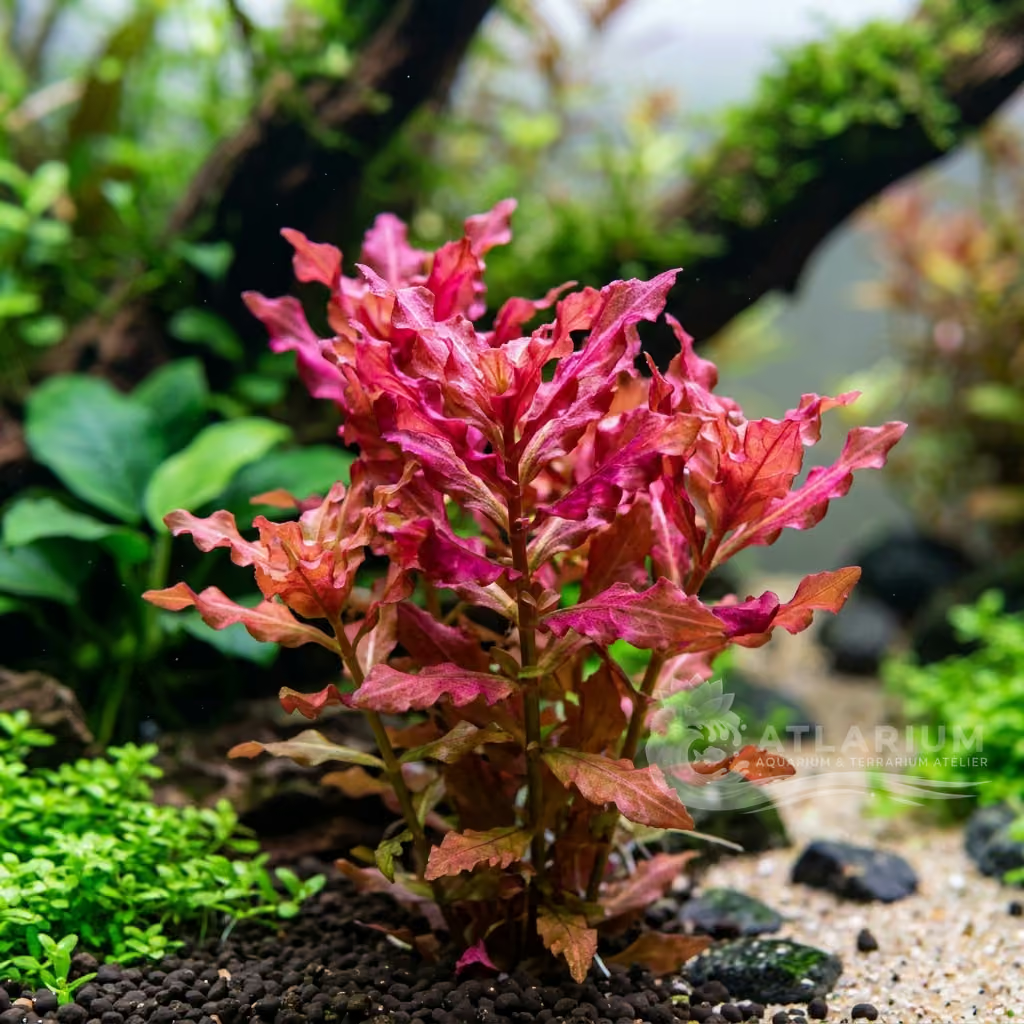
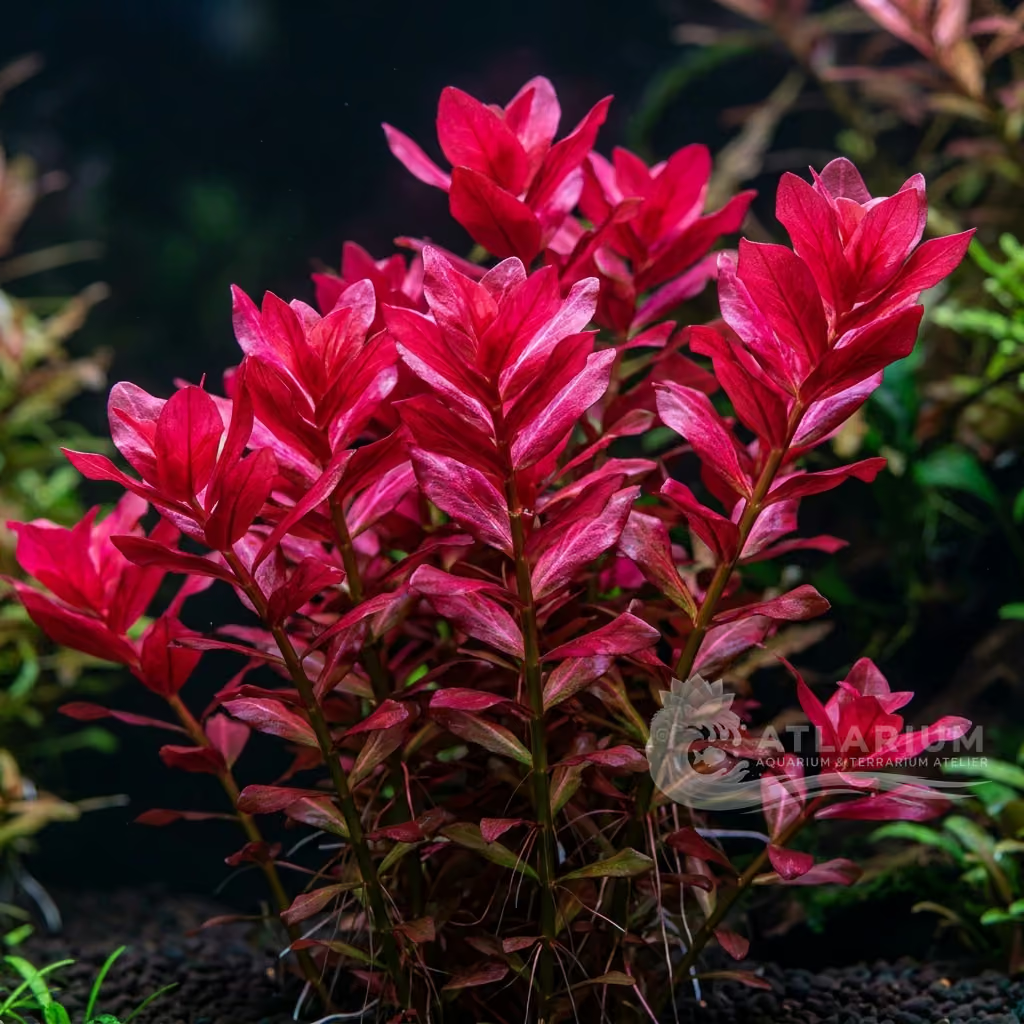
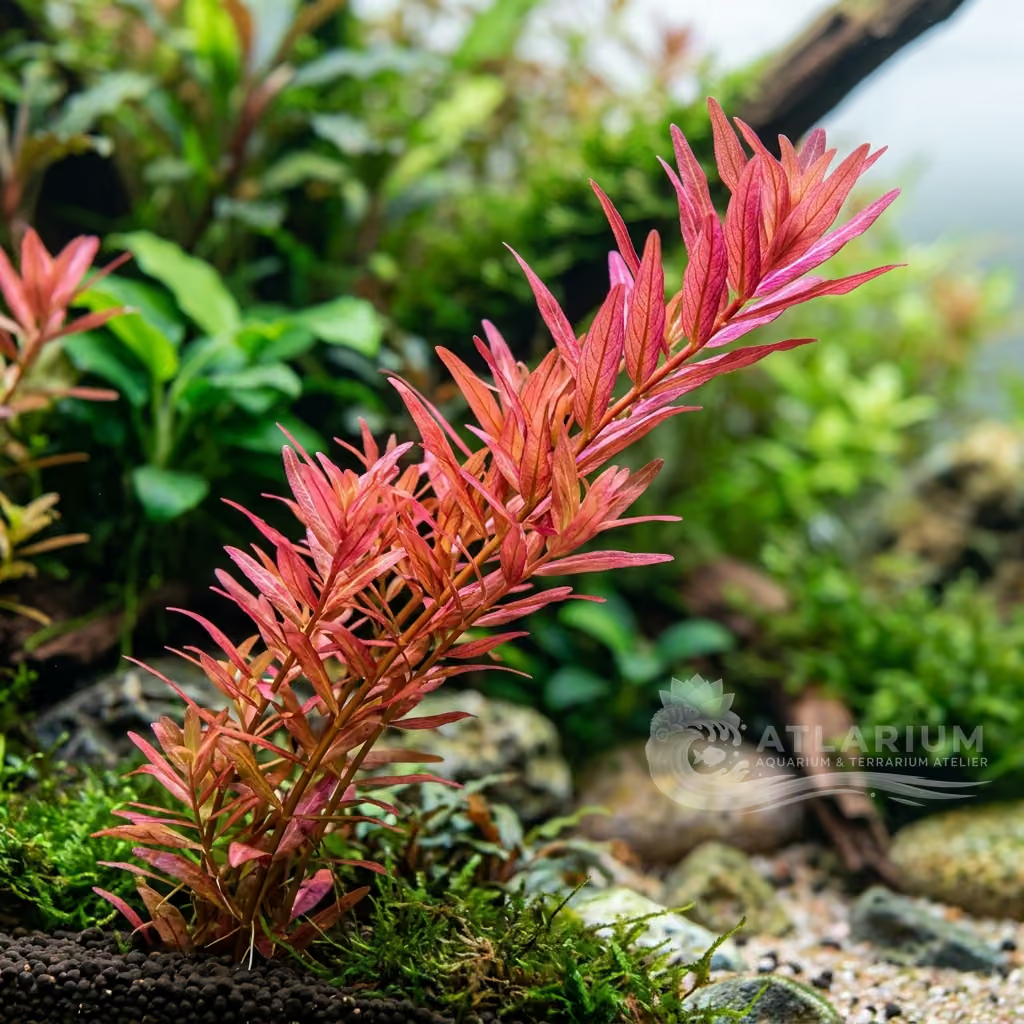
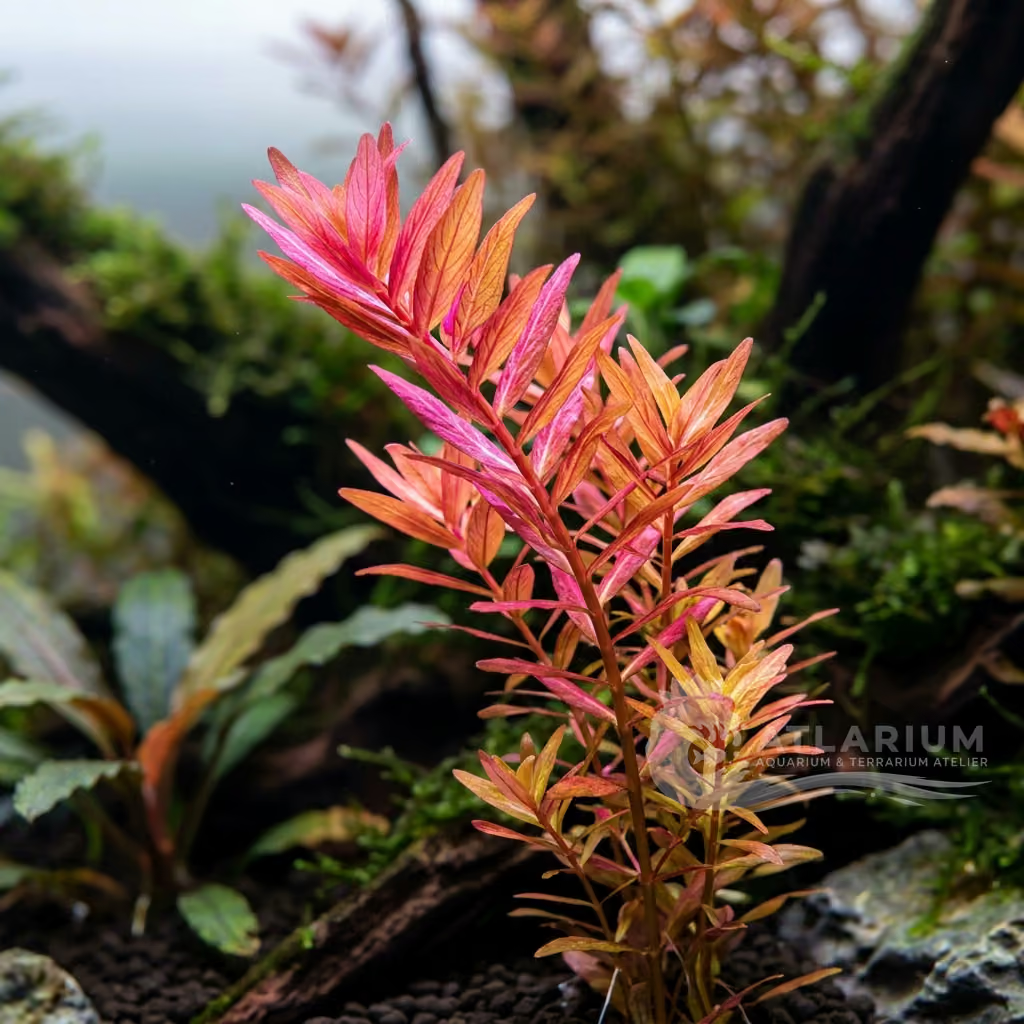
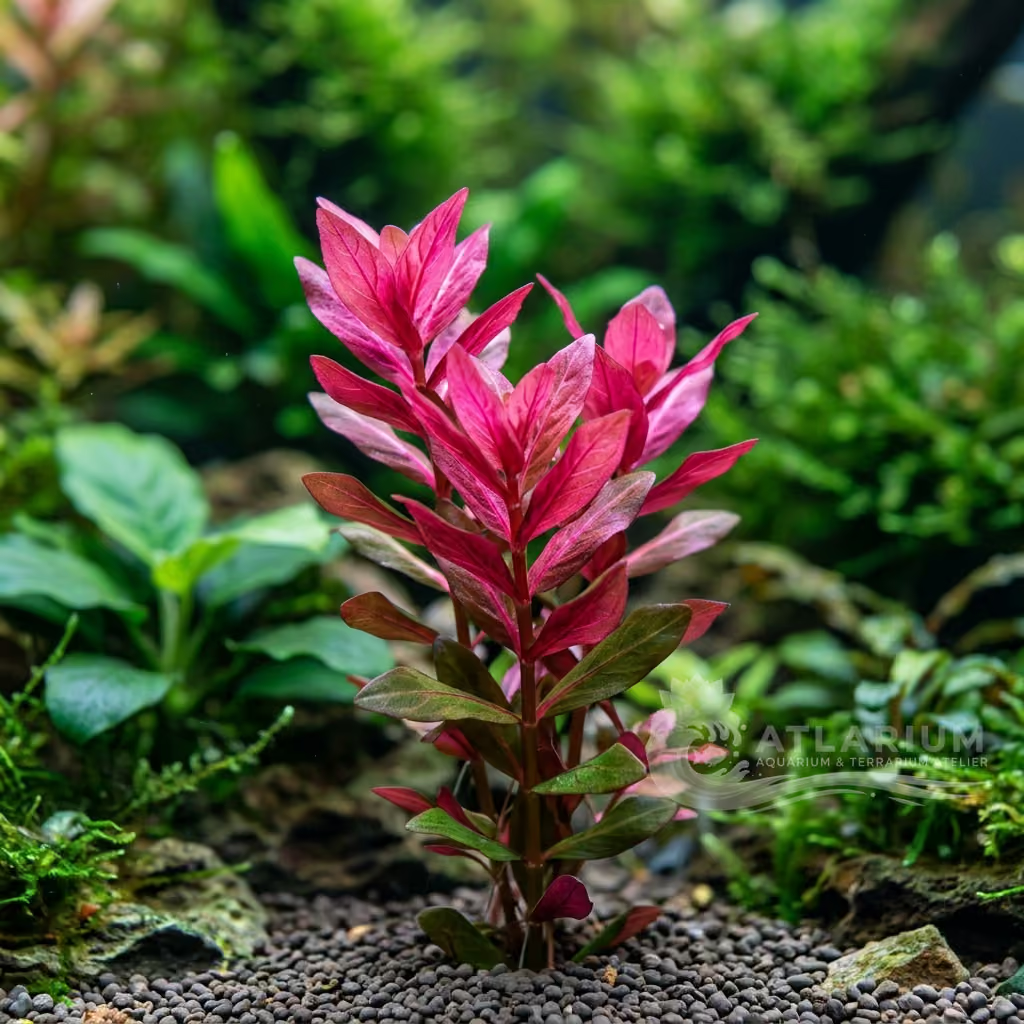
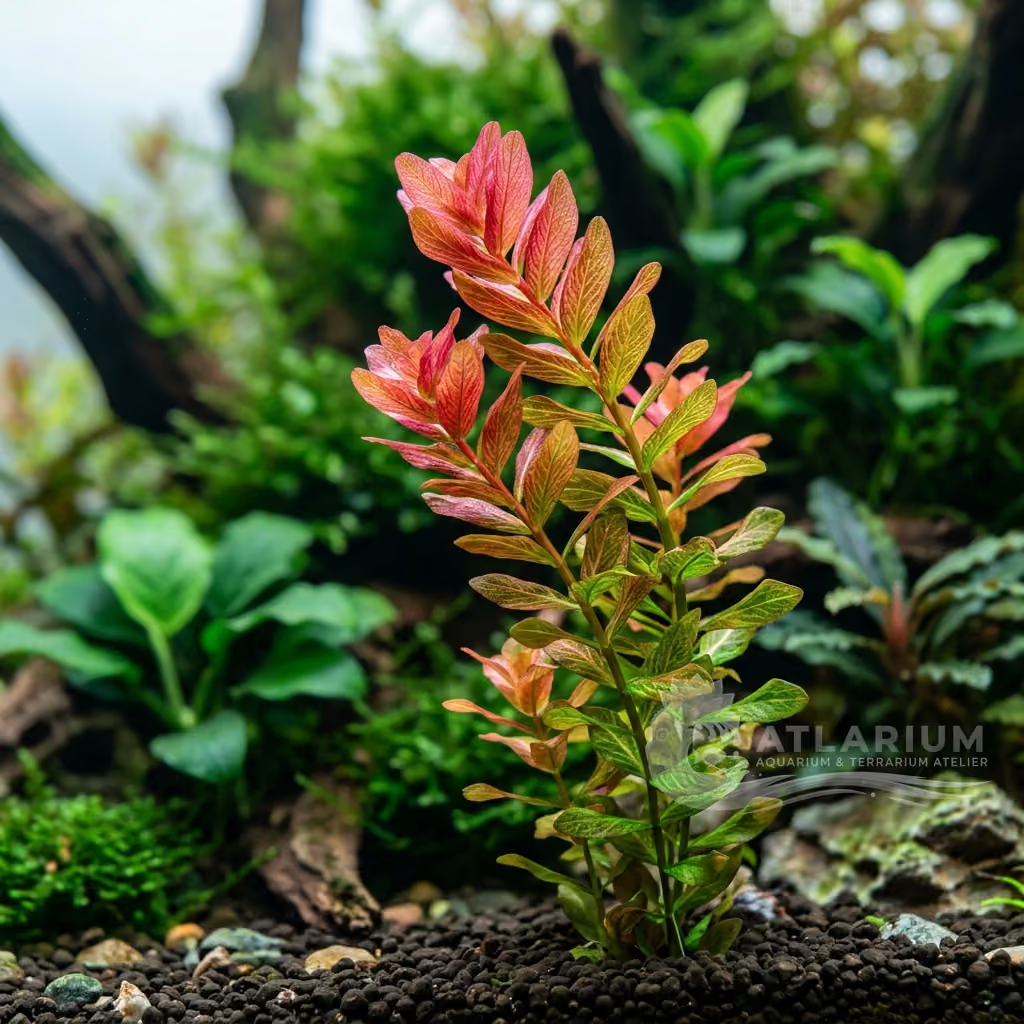
Color & Texture: Under conditions of intense light and adequate CO2 and nutrient supply, Rotala macrandra 'Narrow Leaf' develops a brilliant red to deep crimson coloration, which can vary depending on light intensity and iron availability. The upper leaves and underside often display the most vibrant hues, while in less optimal conditions, the color may shift towards pink-orange or even green. The leaf texture is smooth and delicate to the touch, yet sufficiently robust to maintain its shape in water, giving it a velvety appearance and an attractive visual contrast with other greener or broad-leaved plants.

Care, breeding and tankmates
Lighting & CO2: Rotala macrandra 'Narrow Leaf' requires medium to high lighting to fully thrive and develop its intense red coloration, with PAR levels of at least 50-70 µmol/m²/s often being ideal. CO2 supplementation is considered essential for vigorous growth and to prevent stunting, with recommended levels of 20-30 mg/L to optimize photosynthesis and nutrient uptake. Without adequate CO2, growth will be slow, and the plant will not reach its full chromatic potential, often displaying smaller leaves and less vibrant colors.
Nutrition & Substrate: For optimal growth, Rotala macrandra 'Narrow Leaf' greatly benefits from a rich, nutritious substrate, though it can draw most of its nutrients from the
Water Chemistry: Rotala macrandra 'Narrow Leaf' thrives in a water temperature range of 18.0 to 30.0 C, with an optimum around 22-26 C for healthier and faster growth. Regarding carbonate hardness (KH), it tolerates a broad range from 0.0 to 12.0, although it prefers softer water for optimal nutrient absorption. The ideal pH is between 4.5 and 7.0, indicating a preference for slightly acidic to neutral water; maintaining stable parameters promotes the plant's overall health and its ability to express vibrant colors.
Space Management & Placement: Given its rapid growth potential and tendency to become dense, Rotala macrandra 'Narrow Leaf' is ideally placed in the midground of the aquarium, where it can form a vibrant focal point with its color. In smaller aquariums, it can also be used in the background to add depth and height. It is advisable to plant it in dense groups of several stems to create a more impactful "bush" effect and ensure it receives sufficient light, preventing excessive shading of the lower parts of the plant.
Pruning: Regular pruning is essential to keep Rotala macrandra 'Narrow Leaf' healthy and to encourage dense, bushy growth, preventing the lower parts from becoming shaded and losing leaves. To prune, simply cut the stems to the desired length, preferably above a leaf node, and the cuts will promote the growth of new lateral shoots. The trimmed apical sections can be replanted directly into the substrate to propagate the plant, helping to further thicken the area or create new sections of color in the aquarium.
Risks & Diseases: Rotala macrandra 'Narrow Leaf' can be susceptible to algae problems if nutrient balance, CO2, or lighting are not optimal; specifically, BBA (Black Brush Algae) or GSA (Green Spot Algae) can indicate imbalances. Nutrient deficiencies manifest with specific symptoms: lack of iron leads to loss of red coloration and yellowing of new leaves, while a nitrate deficiency can cause stunted growth and smaller leaves. "Melting," or the dissolving of plant tissues, can occur following drastic changes in water conditions or during the initial adaptation period in a new aquatic environment.

Geographic origin and distribution
Rotala macrandra, the parent species of the 'Narrow Leaf' variety, originates from the marshy regions and slow-moving stream banks of Southeast Asia, thriving in tropical environments with soft, often acidic water. While 'Narrow Leaf' is a cultivated variety and not a natural form, its ecological requirements mirror those of the wild species, preferring habitats rich in light and nutrients. Its adaptability makes it a popular choice for aquariums replicating Asian river and swamp conditions, though it has been optimized for the artificial aquatic environment.
Origin
South and Southeast Asia

Plant profile
- Placement
- Midground
- It is best placed as a focal point in the midground or background, where its bright colors can stand out against green plants. Ensure it is planted in an area with unobstructed, intense lighting. Planting in small, loose groups rather than dense bunches helps ensure that lower leaves receive adequate light and water flow.
- Botanical form
- Stem
- This 'Narrow Leaf' variant features narrow, wavy red leaves foliage. This species features large, slightly wavy, ovate leaves that develop a deep, translucent red to magenta color under intense light. The stems are fragile and can easily snap if handled roughly. Its large, colorful leaves make it one of the most striking stem plants available in the hobby.
- Growth
- Fast
- Under ideal high-tech conditions, it exhibits a very fast growth rate, quickly reaching the water surface. However, if conditions are sub-optimal, its growth will stall, and the plant will deteriorate rapidly. The fast growth necessitates regular, careful trimming to maintain its shape and health.
- Substrate
- High
- To support its striking needle-like foliage, *Rotala macrandra* 'Narrow Leaf' fundamentally requires a deep and nutrient-dense aquatic substrate. Its roots rapidly branch out to sequester iron and trace minerals, demanding an aerated soil bed to function effectively and avoid stagnation. A substrate layer of 5 to 7 centimeters is highly recommended to secure the stems against strong water flow and encourage upward vigor. Utilizing a fertile aqua soil prevents the lower portions of the plant from deteriorating and dropping leaves prematurely.
- Column fertilization
- Recommended
- Liquid fertilization must be heavily maintained, focusing on a strong supply of micronutrients and iron. It absorbs most of its needed nutrients directly from the water column through its delicate leaves. Maintaining lower nitrate levels relative to phosphate can sometimes enhance its deep red pigmentation.
- Root fertilization
- None
- While it feeds primarily from the water column, a nutrient-rich active soil substrate is highly recommended. The soft substrate allows its delicate roots to anchor securely and provides a backup source of essential minerals. Root tabs can be beneficial in older setups where the soil has depleted.
- Trimming
- Occasional
- Trimming must be done with extreme care using sharp scissors, as the stems are easily bruised or crushed. Replant the healthy top cuttings to maintain the thicket, as the lower cut stems may sometimes struggle to branch out if light is poor. Removing old, bare lower stems entirely is often preferred to topping.
- Propagation
- Cuttings
- Propagation is done by taking top cuttings and carefully planting them into soft, active soil. The cuttings will root within a few days under high light and stable CO2 conditions. Handle the cuttings gently by the very bottom of the stem to avoid crushing the delicate tissues.
- Sensitivity
- Moderate
- This is one of the most sensitive plants in the hobby, prone to melting if water parameters, CO2, or light levels fluctuate. It easily drops its lower leaves if shaded or if water circulation is inadequate. It is also highly susceptible to algae if the tank's nutrient balance is slightly off.
- Layout role
- Midground, accent, Background
- Rotala macrandra is the ultimate red focal point plant for Dutch style and high-tech Nature Aquariums. Its intense coloration and large leaves provide a dramatic contrast against light green carpeting plants or delicate background stems. It requires careful placement to ensure it doesn't overshadow other delicate species.

Related species
Recommendations grouped by close relatives, companion choices, and similar care.