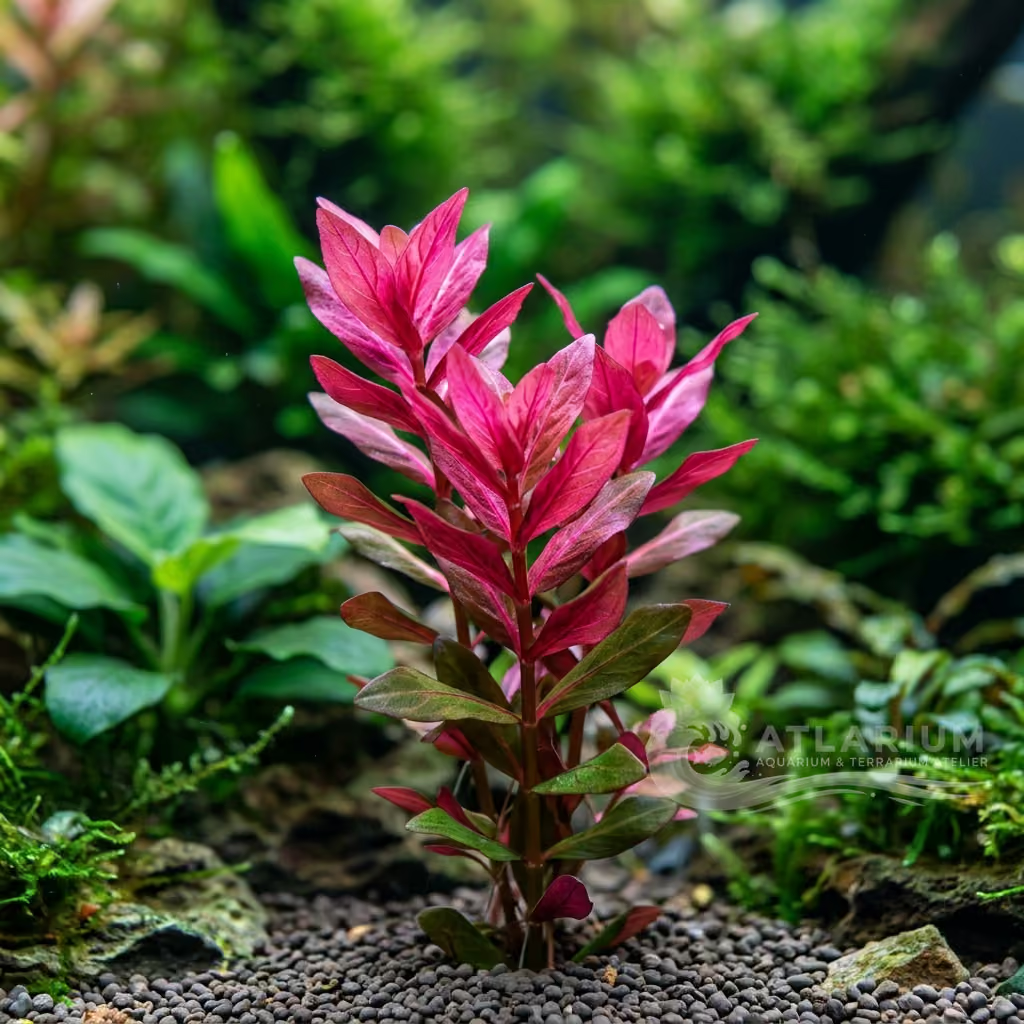
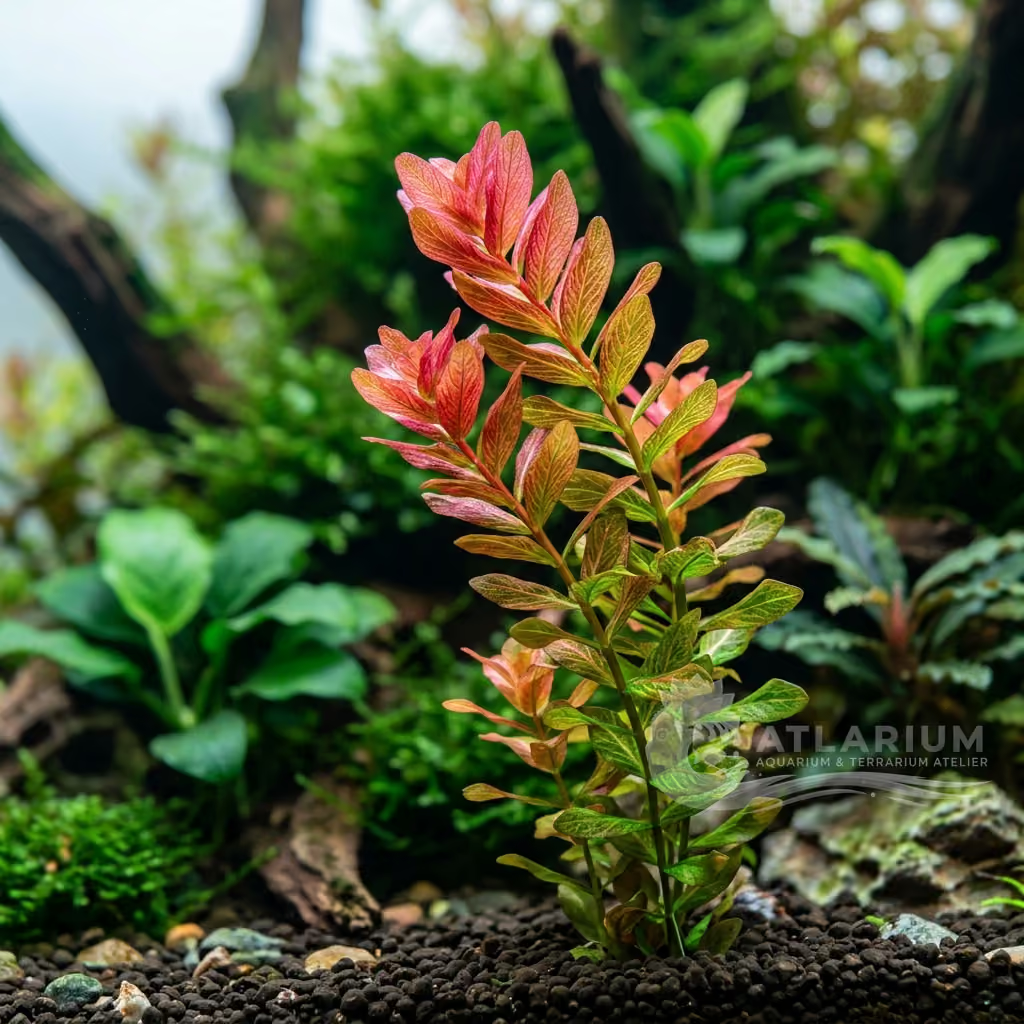
Rotala ramosior "Sunset"
Rotala ramosior
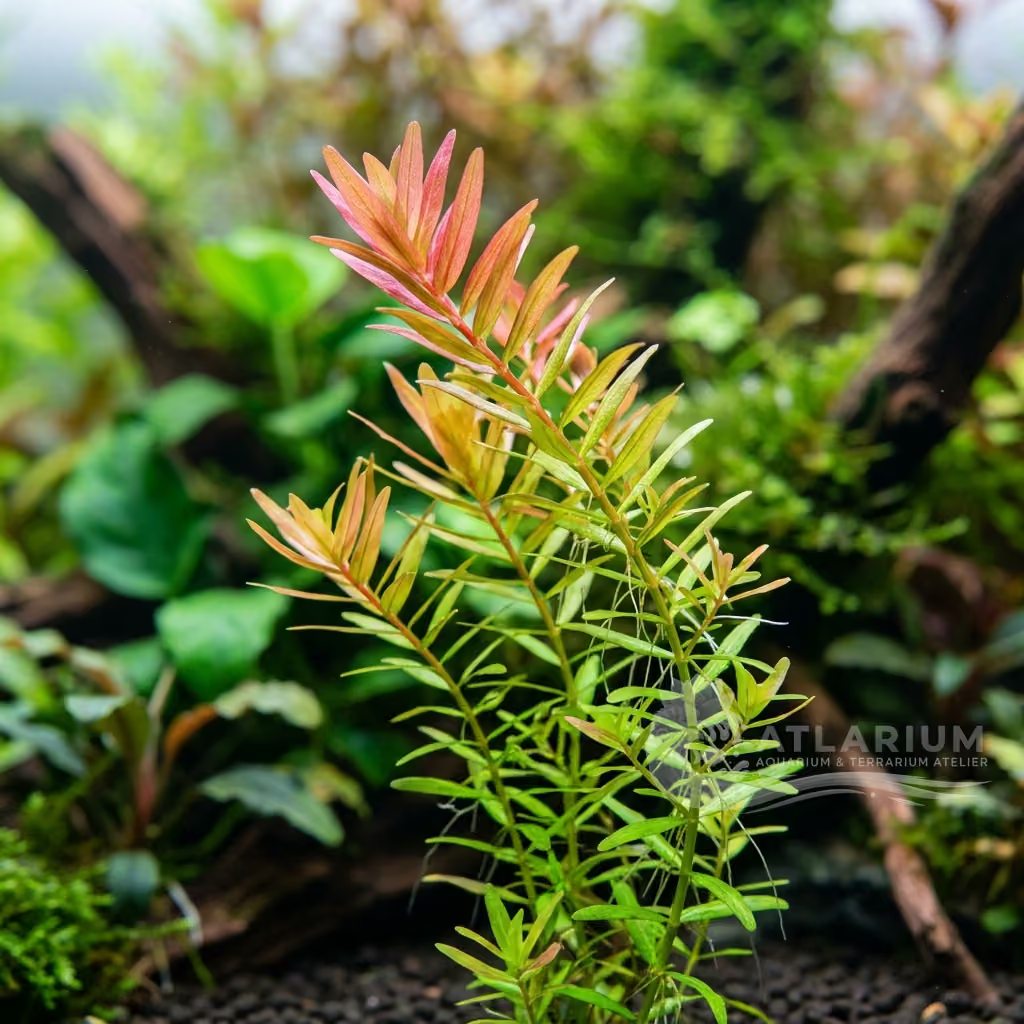
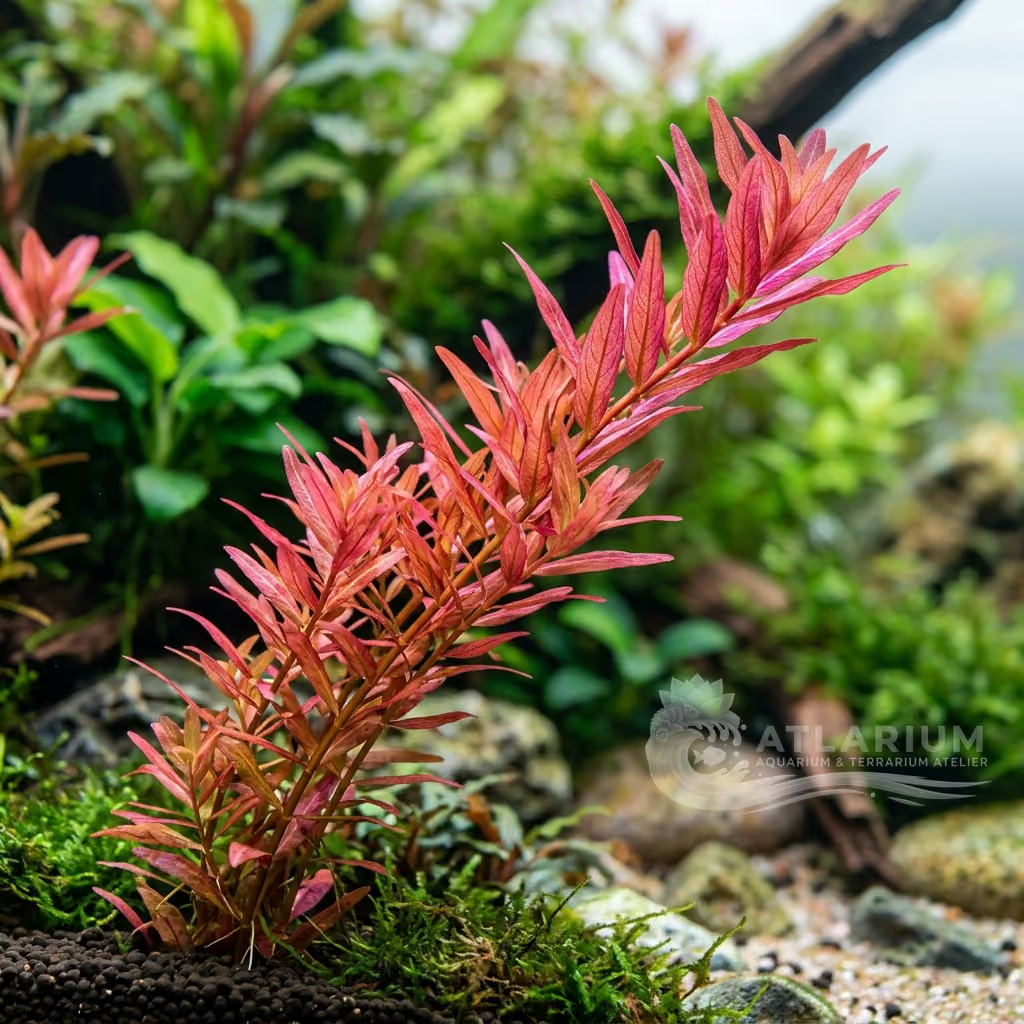
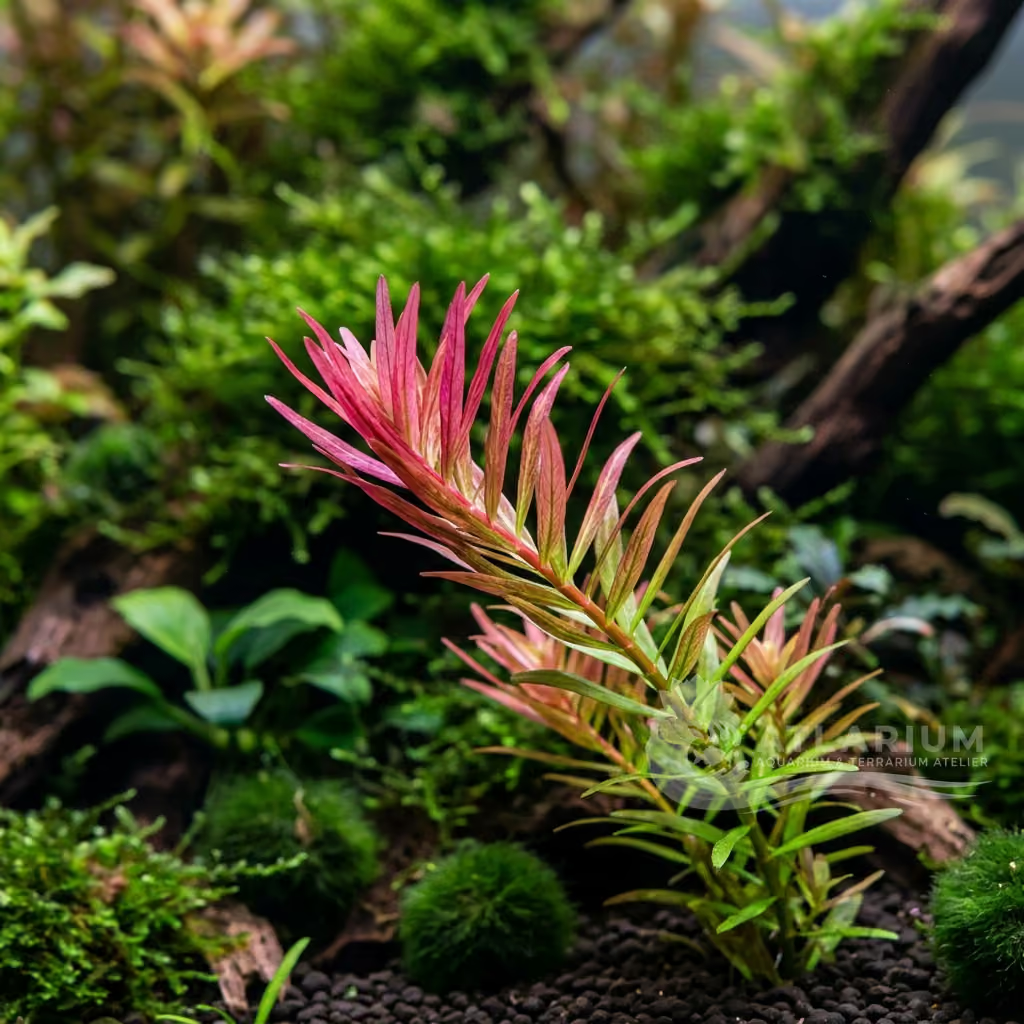
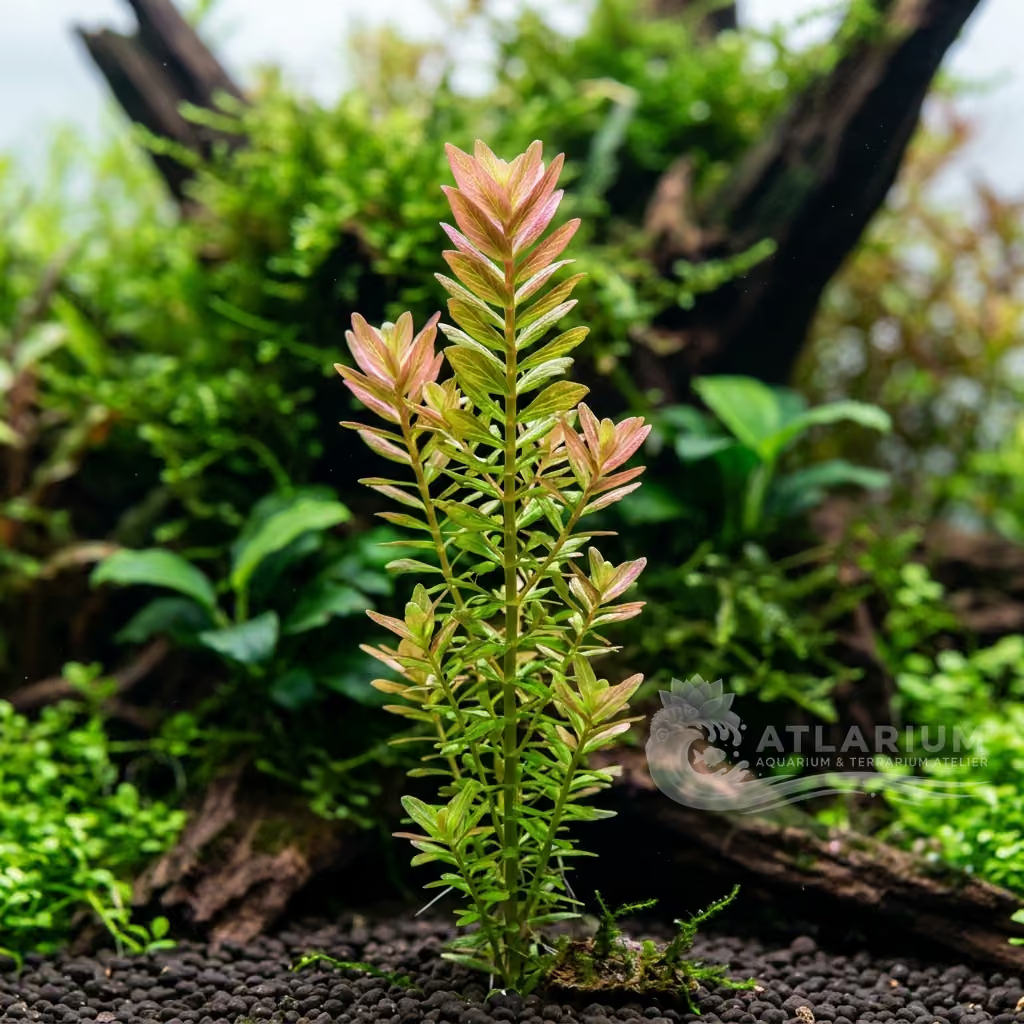
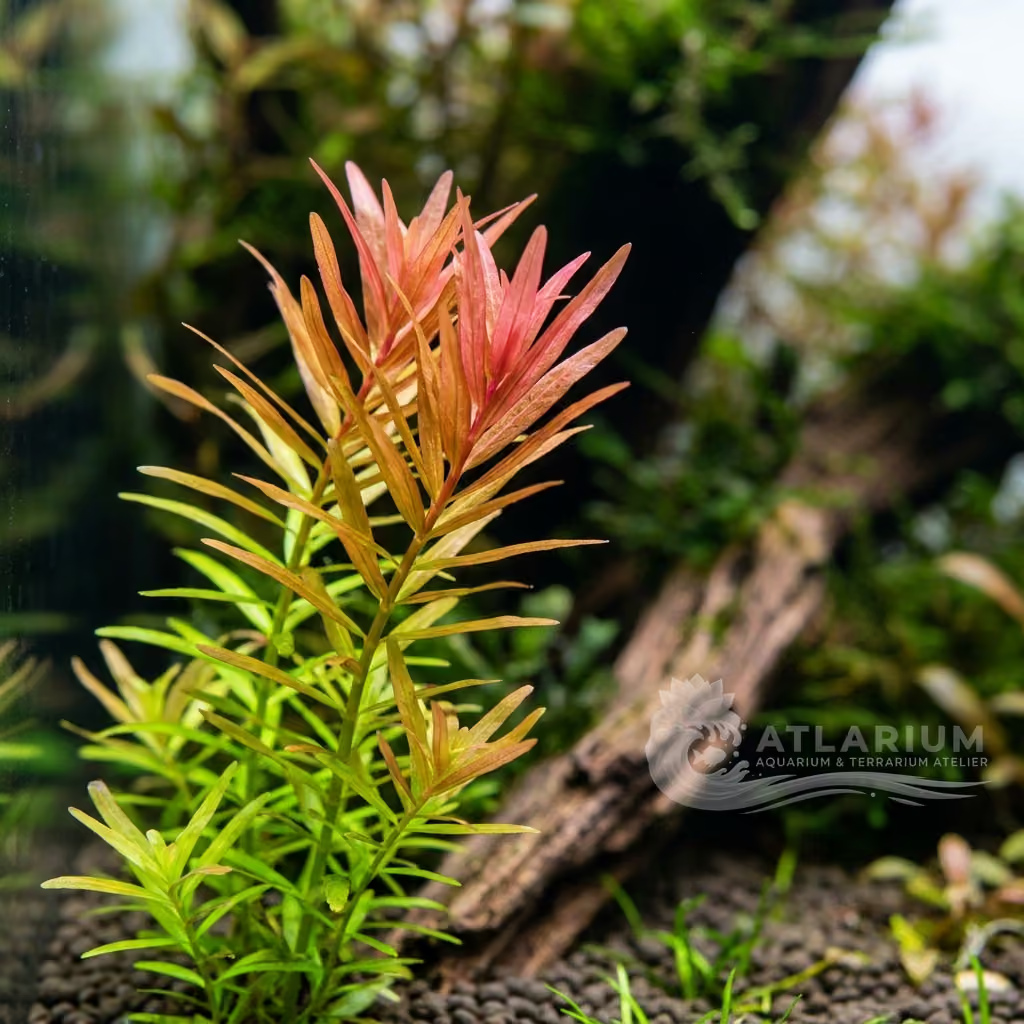
Rotala ramosior "Sunset" is an exceptional foreground cultivar, highly prized for its slow growth and vivid coloration. This plant is perfectly suited for aquascapes that require an intense splash of color and a compact structure.
Water Temperature
18 - 30 °C
pH Value
4.5 - 7
Water type
Freshwater
Light
High
CO2
High
Expected height
10 cm
Expected width
10 cm
KH
0 - 7 dKH

Species description
Geographical Origin and Habitat: The species Rotala ramosior is native to the Americas, where it naturally thrives in humid environments such as marshes, ditches, and slow-moving water margins. This specific cultivar, "Sunset," does not have a distinct natural habitat but has been developed through horticultural selection to emphasize its extraordinary chromatic qualities. Its ability to flourish submerged makes it a valuable addition to tropical aquariums, ideally replicating stable, freshwater conditions.
Taxonomy & Genetics: Rotala ramosior belongs to the Lythraceae family, a botanical group that includes many aquatic and wetland plants. The "Sunset" form is a specific cultivar, meaning it has been selected and propagated by humans for its distinctive aesthetic characteristics, particularly its intense
Color & Texture: ation. It is not a species or subspecies found in nature, but a genetic variant stabilized through hybridization or selection of particular phenotypes. Its full scientific name therefore reflects the parent species with the addition of the cultivar name in quotation marks.
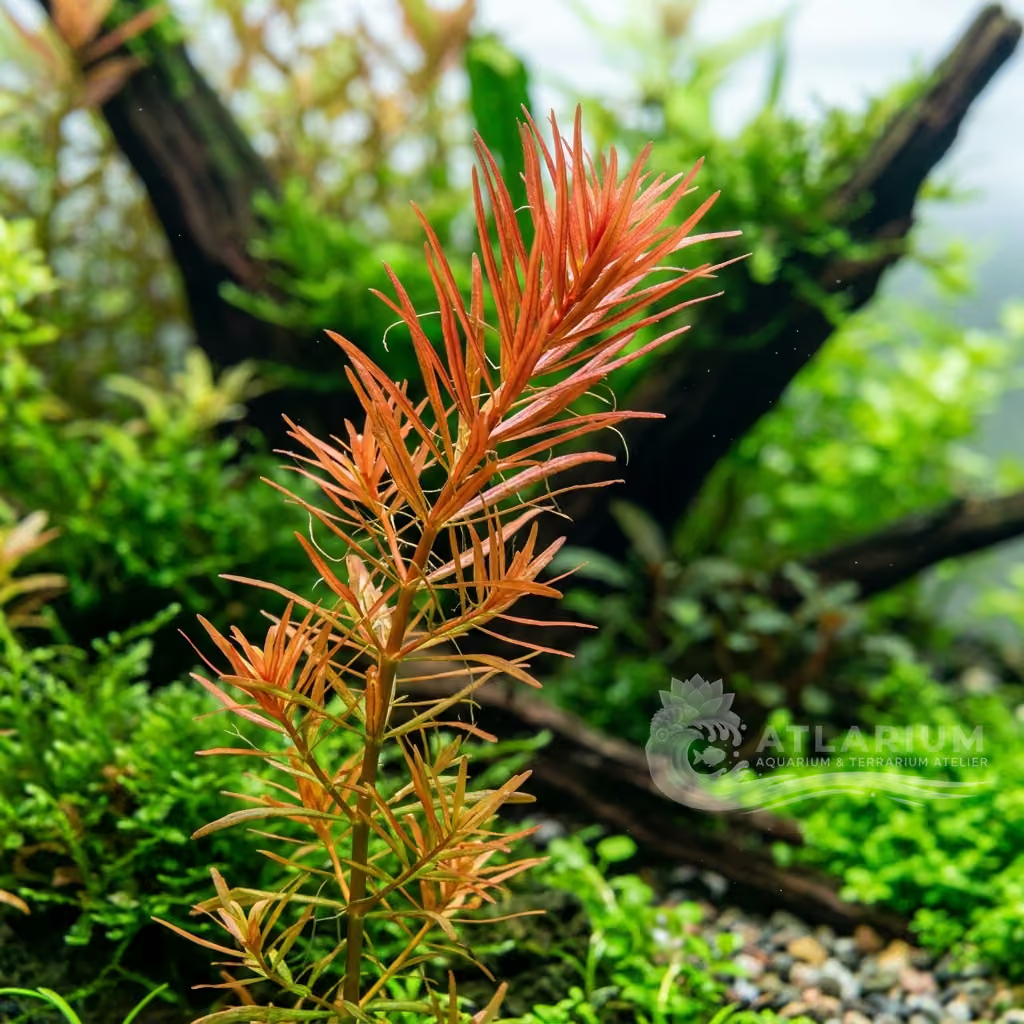
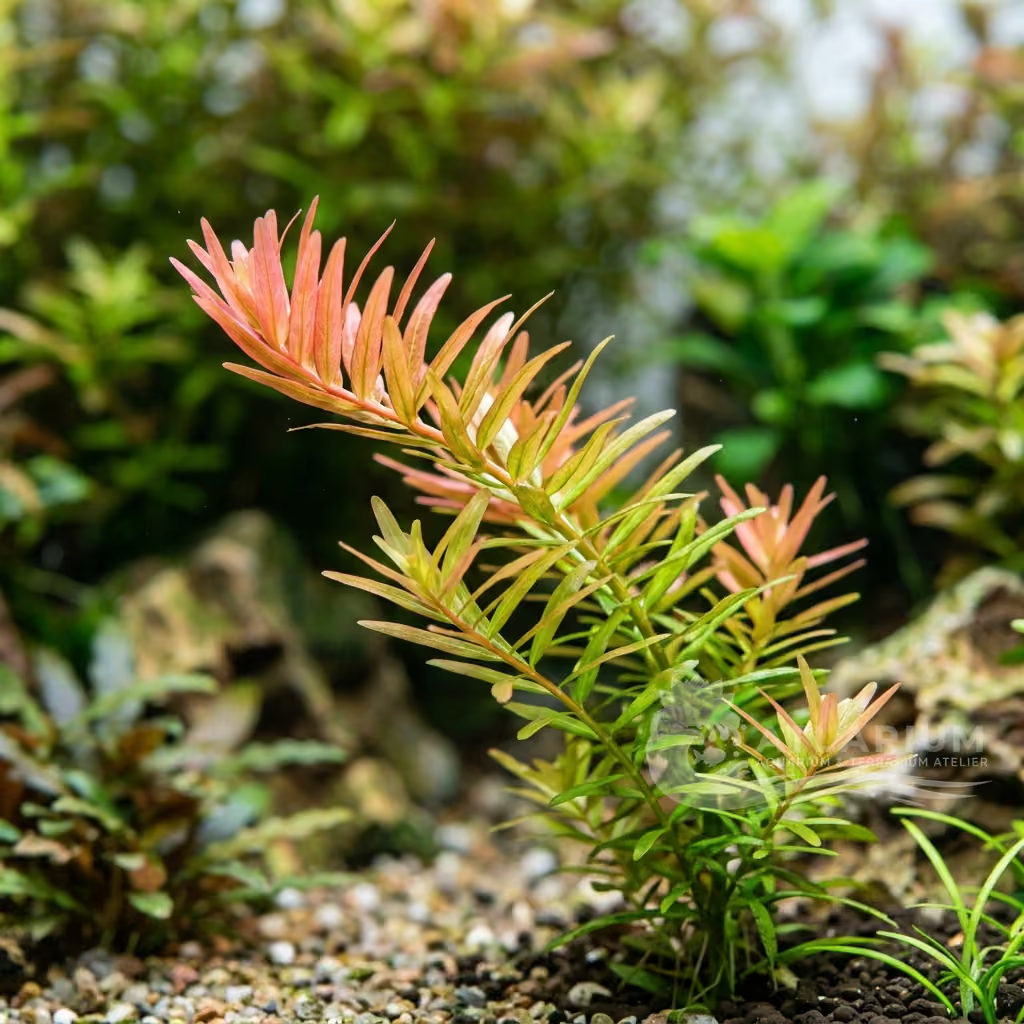
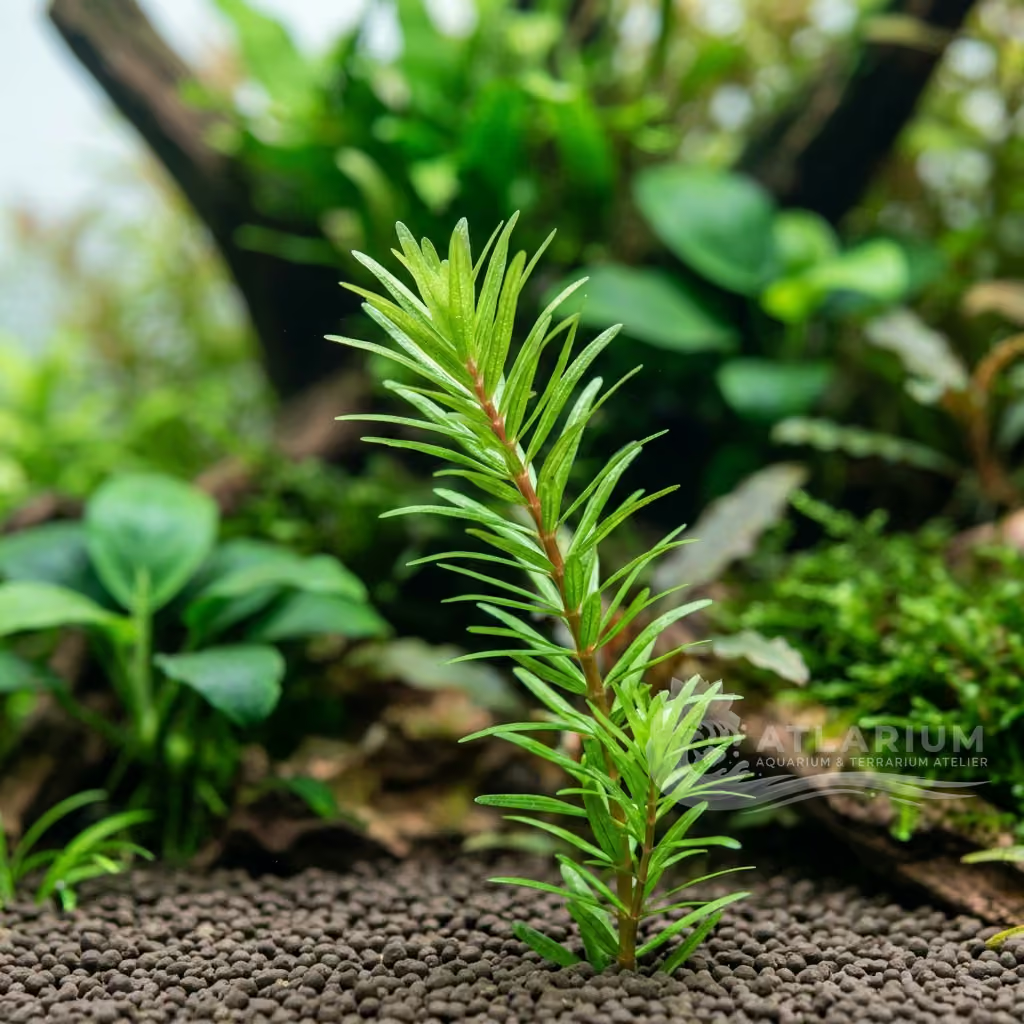
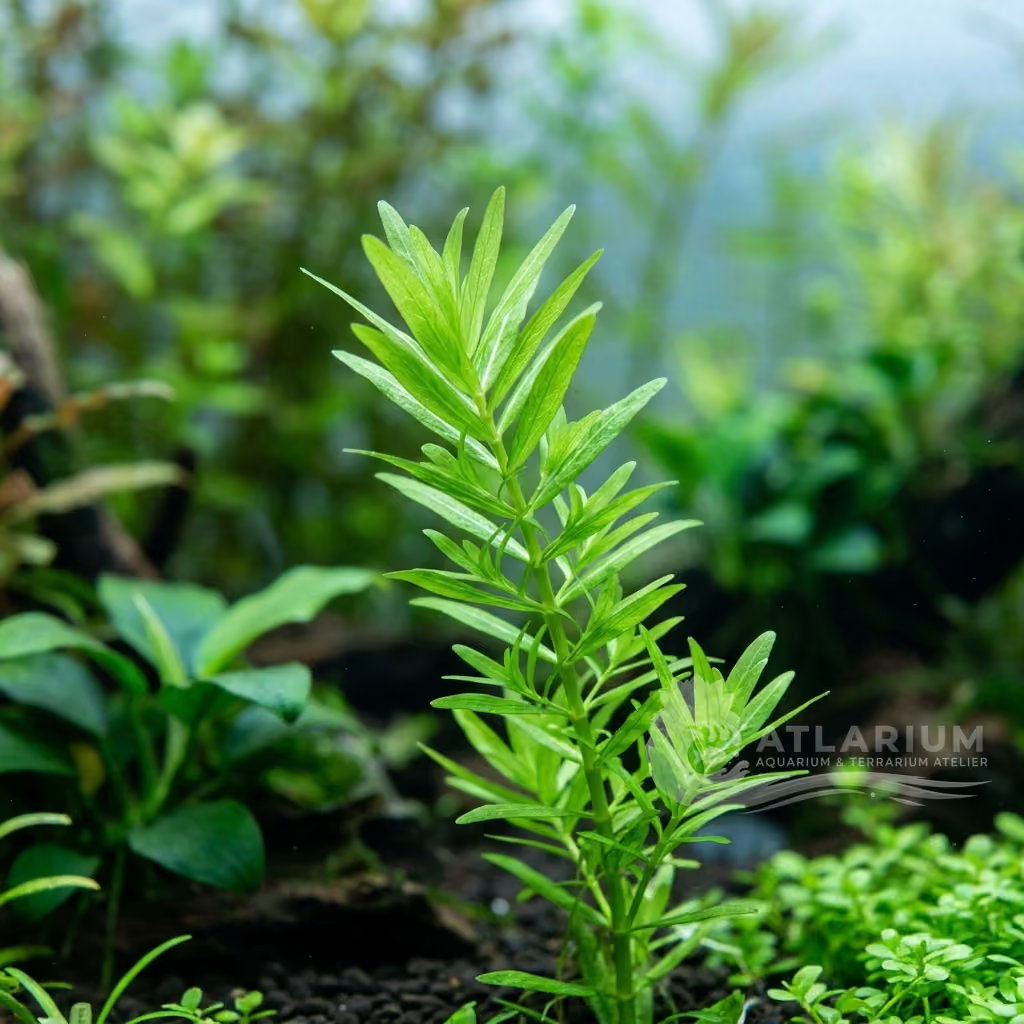
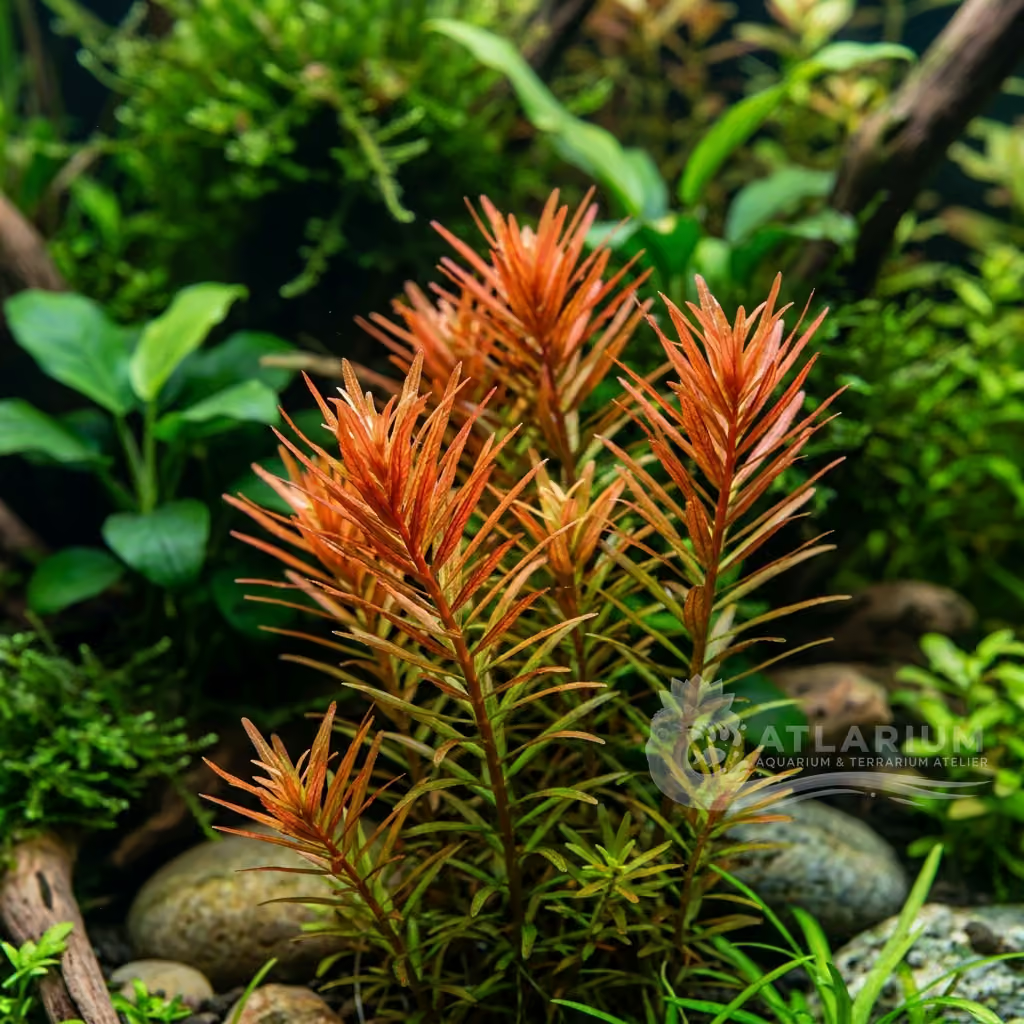
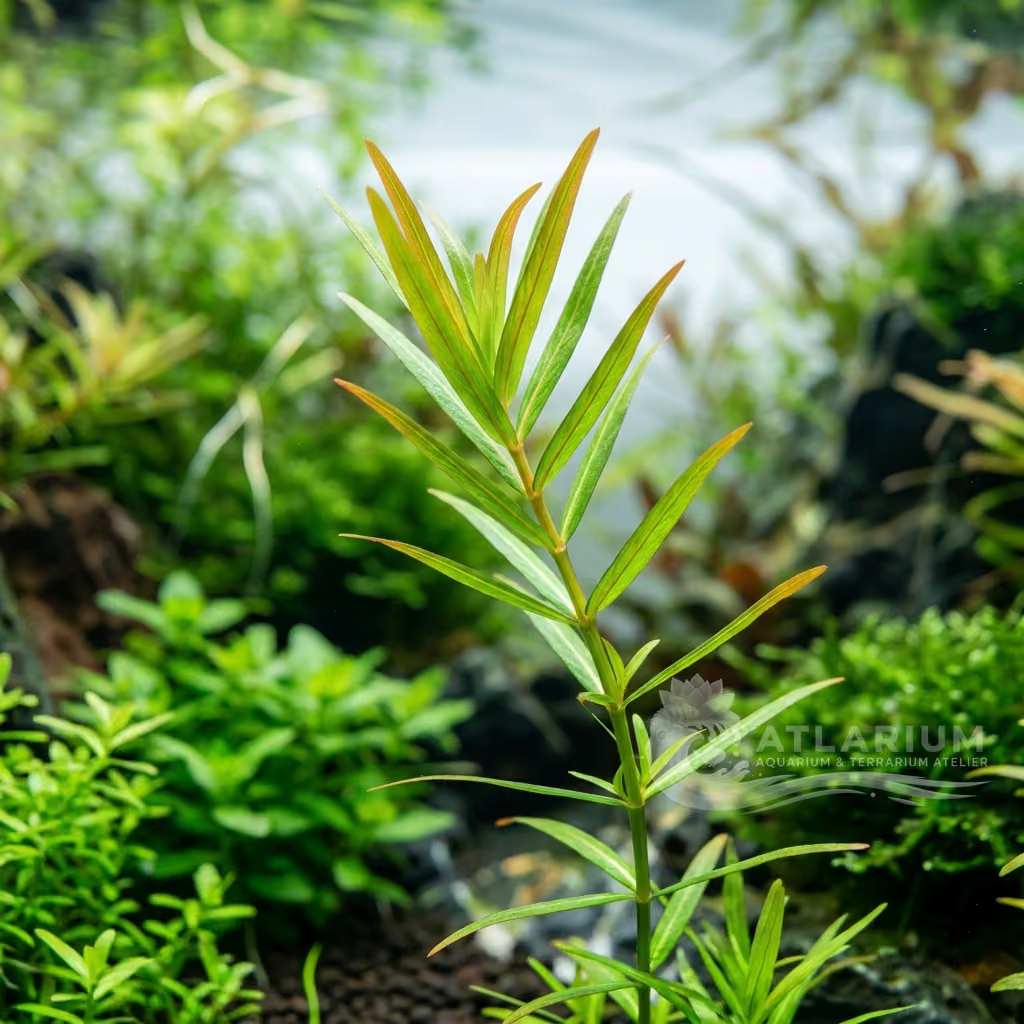
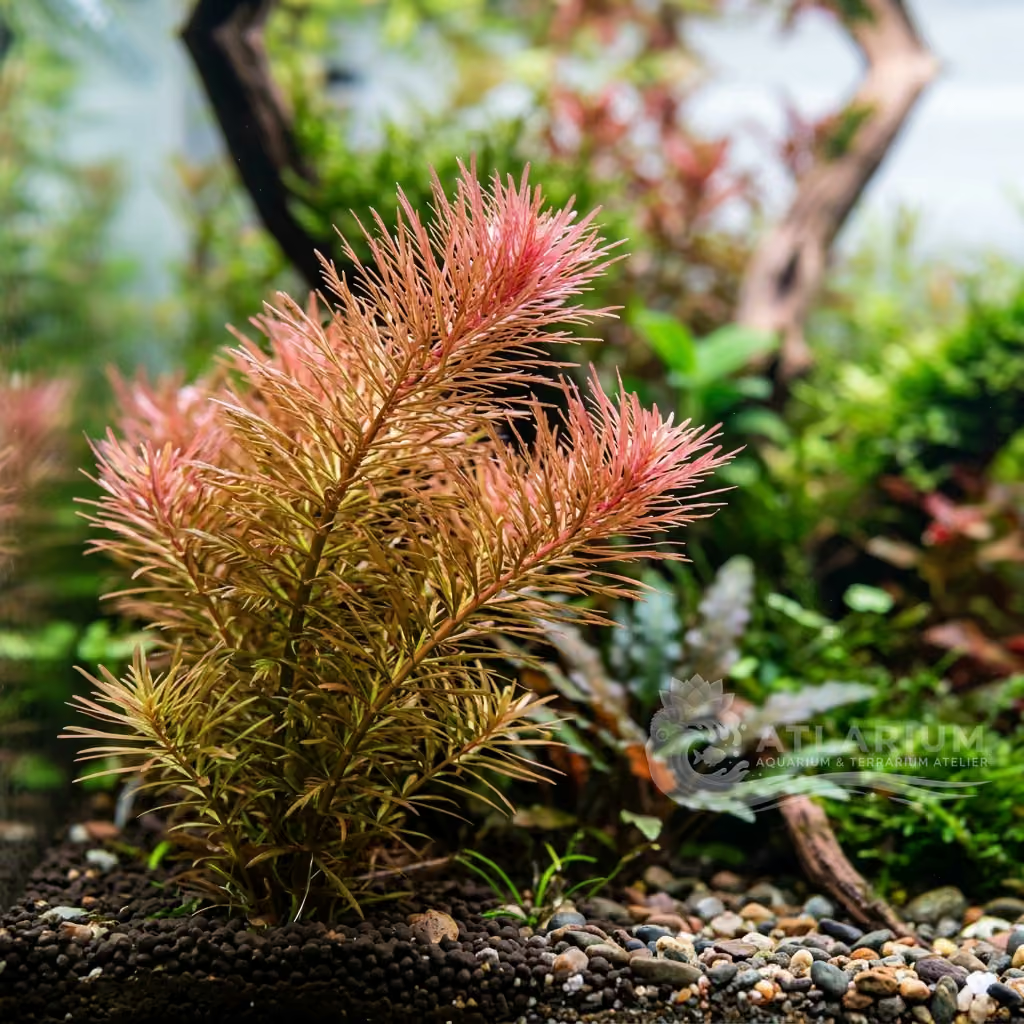
Physical Structure: This Rotala features delicate yet sturdy stems that can branch abundantly under the right conditions. The leaves are small, lanceolate or narrowly elliptic, arranged in whorls or opposite pairs along the stem, depending on the segment's maturity and environmental conditions. Its structure is generally compact and dense, especially when receiving intense light and trimmed regularly. It grows upright but can also develop more prostrate stems if positioned horizontally or if water current pushes it, making it versatile for creating bushes or low carpets.
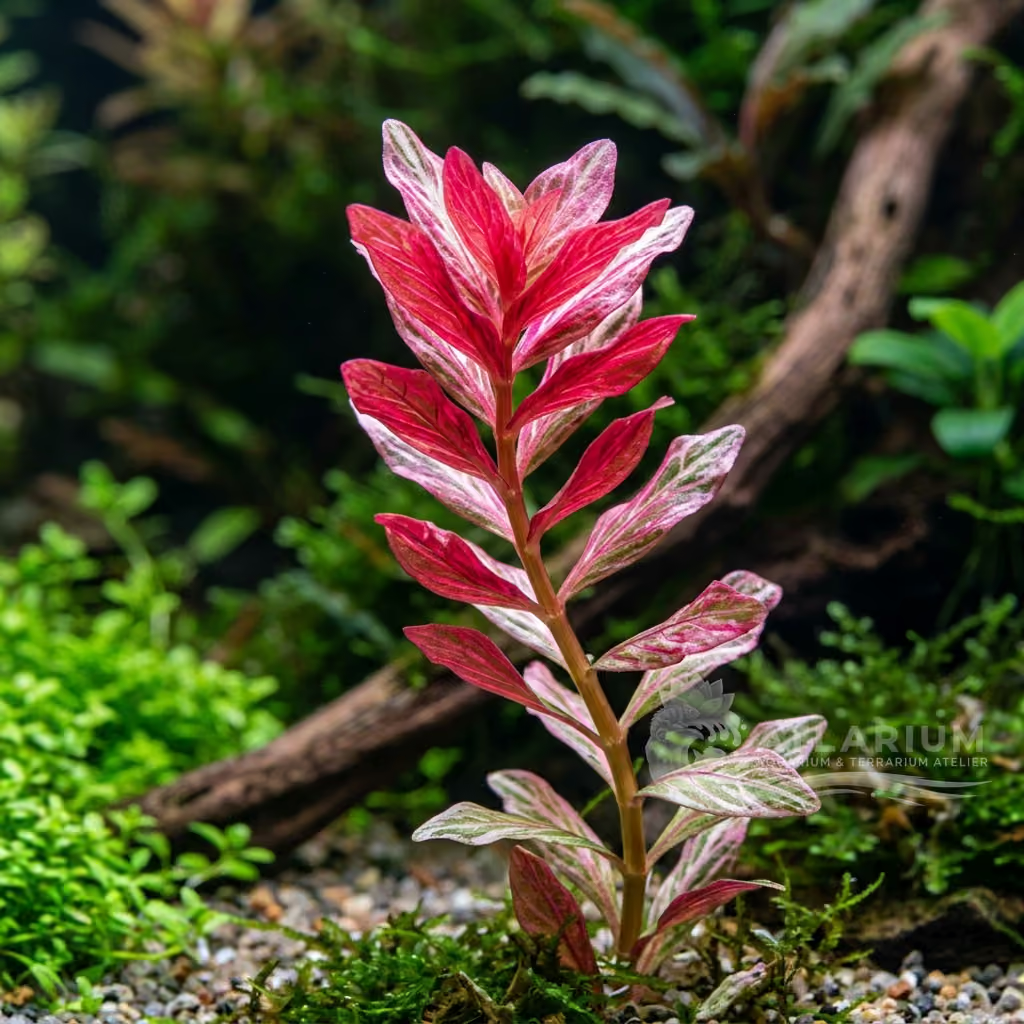
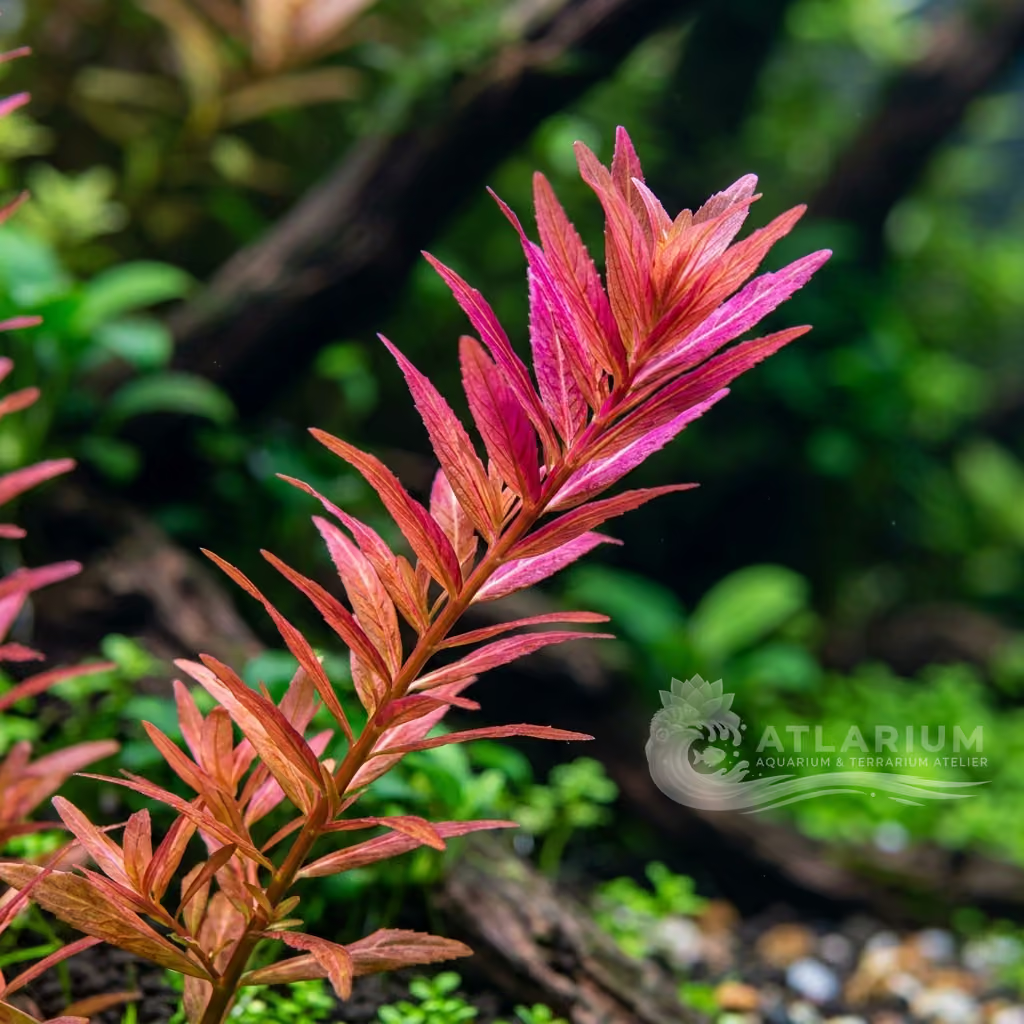
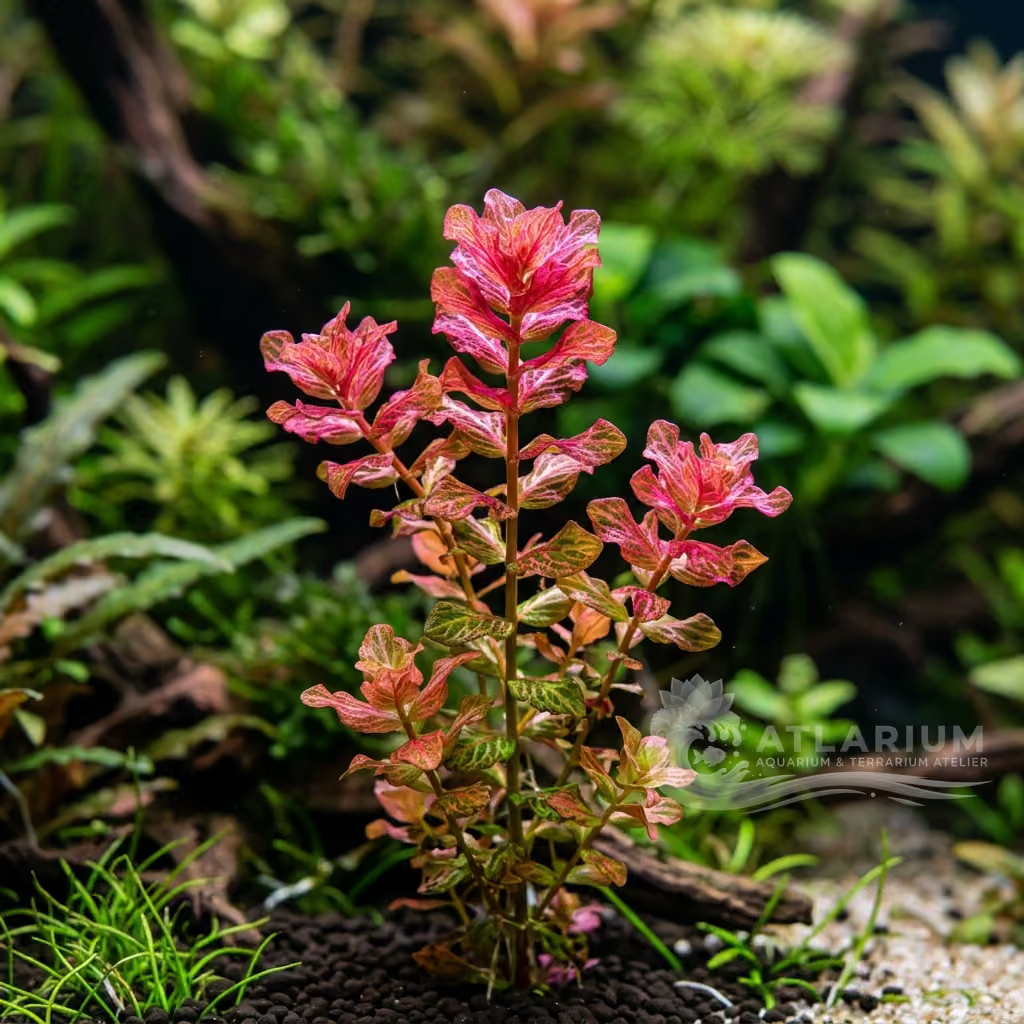
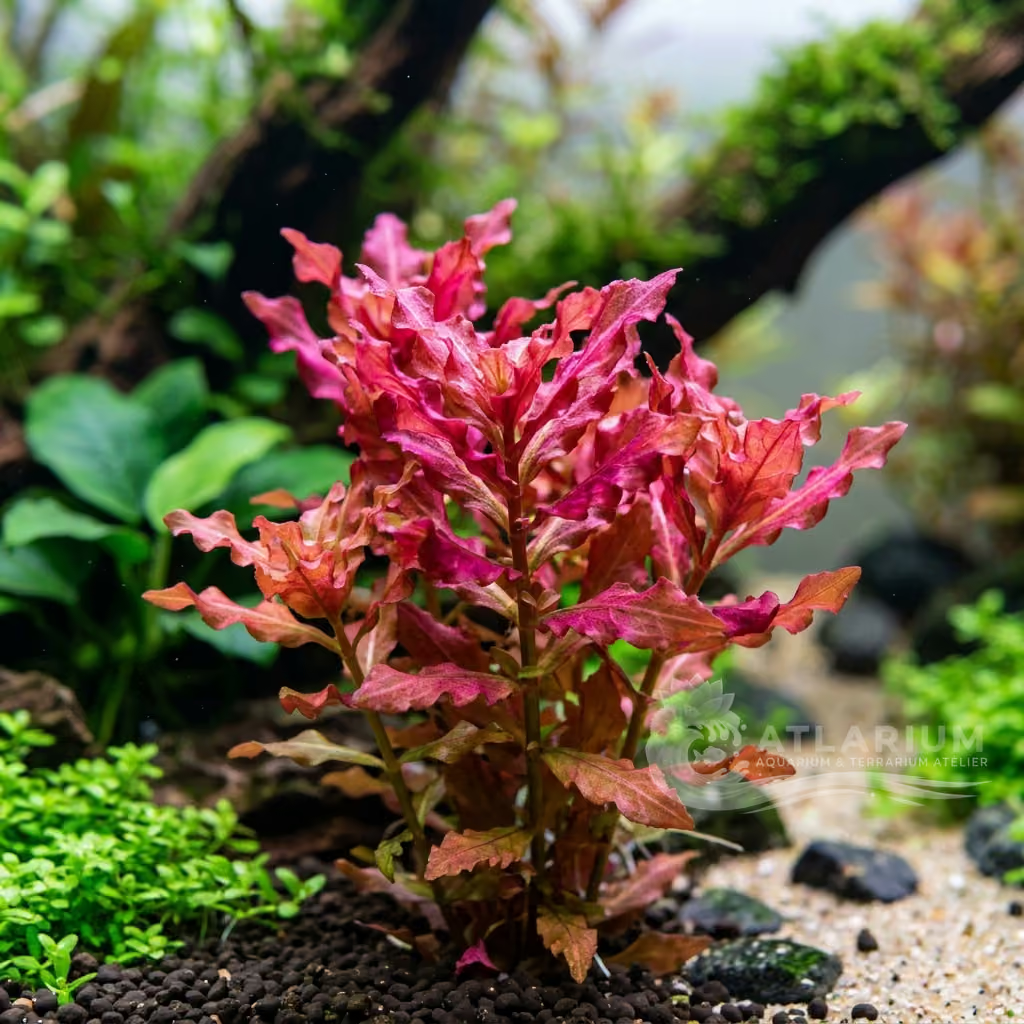
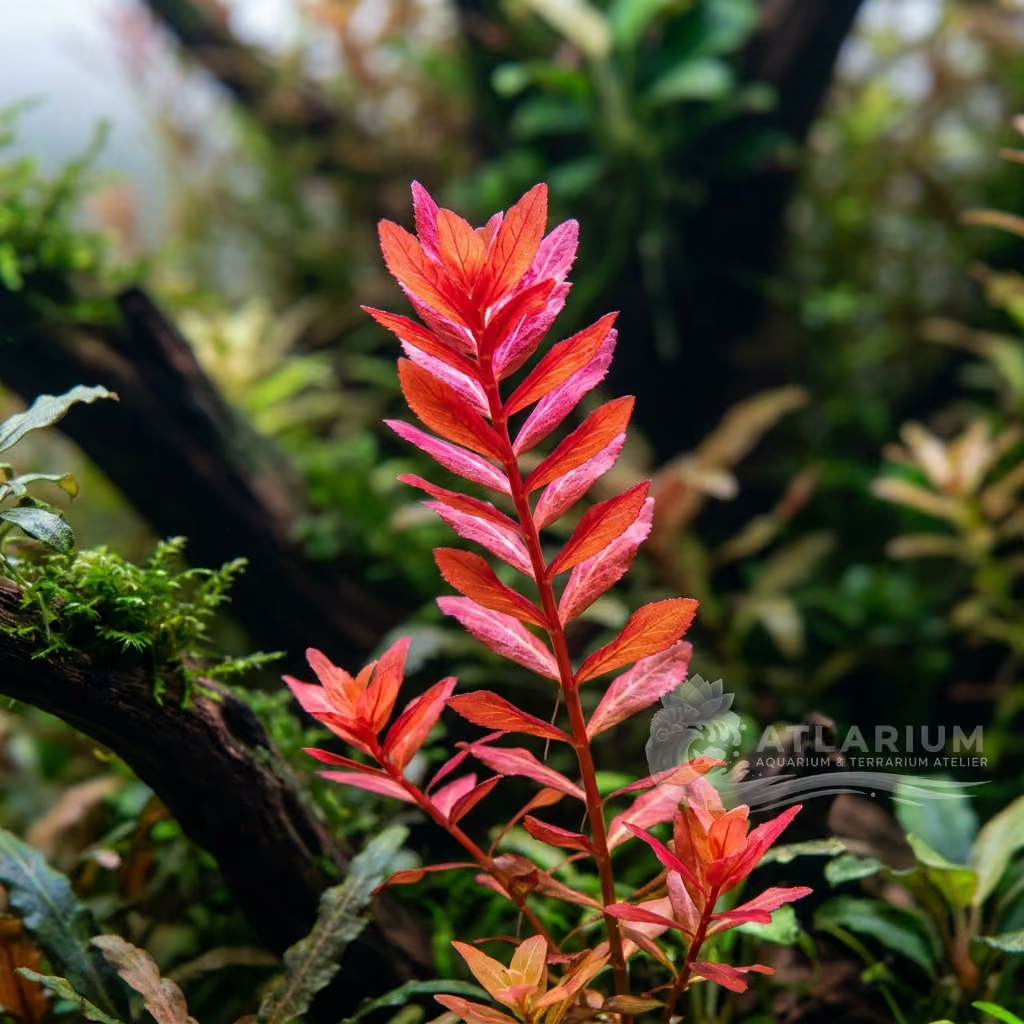
Color & Texture: The name "Sunset" refers to the incredible range of colors this plant can display, ranging from intense red to bright orange, with pink and fuchsia hues, evoking the tones of a sunset. These vibrant colors are maximized under strong lighting and with proper fertilization, particularly with an adequate supply of iron and nitrates. The leaf surface is smooth and slightly glossy, contributing to a refined and delicate appearance. The overall texture is fine, making it an excellent contrast to broader-leaved or green plants.

Care, breeding and tankmates
Lighting & CO2: To achieve the vibrant "Sunset" coloration and healthy growth, high-intensity lighting is indispensable, at least 0.8-1.0 watts per liter or a PAR of 70-100 µmol/m²/s. Light deficiency can lead to leggy stems and dull, brownish-green coloration. CO2 supplementation is crucial for this species; a consistent level of 20-30 ppm not only accelerates its slow growth but is fundamental for stimulating the production of red pigments. Without CO2, the plant struggles to reach its full aesthetic potential and may exhibit stunted growth.
Nutrition & Substrate: While Rotala ramosior "Sunset" is primarily a
Water Chemistry: Rotala ramosior "Sunset" prefers soft, slightly acidic water conditions, with a pH ranging between 4.5 and 7.0 and a carbonate hardness (KH) between 0.0 and 7.0. Maintaining these parameters stable is more important than achieving specific values at the extremes of the range. Water temperature should be kept between 18.0 and 30.0 °C, ideally around 22-26 °C for optimal growth and to prevent stress. Sudden fluctuations in pH or KH can shock the plant, leading to deterioration or leaf melt.
Space Management & Placement: Due to its compact stature and slow growth, Rotala ramosior "Sunset" is ideally positioned in the foreground or midground of the aquarium. Planting it in dense groups creates a bush effect or a vibrant splash of color that catches the eye. Allowing sufficient space between individual stems is crucial initially to allow light to reach lower leaves and promote branching. Avoid placing it directly under the shade of larger plants, as light is a determining factor for its coloration.
Pruning: Regular pruning is essential to maintain the desired shape and promote denser, more branched growth of Rotala ramosior "Sunset". Since it grows slowly, pruning is not overly frequent, but when necessary, it should be done precisely. Trimming the top stems encourages the plant to produce new lateral shoots from the leaf axils below, creating a bushier, more compact appearance. This process also prevents shading of the lower parts of the plant, which might otherwise lose leaves.
Risks & Diseases: Rotala ramosior "Sunset" is generally robust but can be sensitive to nutritional imbalances or unstable environmental conditions. Stunted growth, thin stems, or melting leaves may indicate CO2 deficiency, insufficient light, or micronutrient imbalances. It is also susceptible to algae growth, especially if there are CO2 fluctuations or an excess of nutrients combined with poor maintenance. Leaves may melt if water conditions change drastically, requiring an adaptation period.

Geographic origin and distribution
The species Rotala ramosior is native to the Americas, where it naturally thrives in humid environments such as marshes, ditches, and slow-moving water margins. This specific cultivar, "Sunset," does not have a distinct natural habitat but has been developed through horticultural selection to emphasize its extraordinary chromatic qualities. Its ability to flourish submerged makes it a valuable addition to tropical aquariums, ideally replicating stable, freshwater conditions.
Origin
Selective breeding and cultivarsNorth America

Plant profile
- Placement
- Foreground
- This premium plant is an undisputed showstopper and should be placed squarely in the midground as a central focal point. Because it grows strictly straight up and does not branch easily, planting it in a neat, well-defined group maximizes its visual impact. It requires unobstructed, intense lighting to maintain its colors, so avoid placing it anywhere it might be shaded.
- Botanical form
- Stem
- The 'Sunset' variant features thick, rigid stems and broad, oval leaves that curve slightly downwards. Under intense illumination, the foliage transforms into a spectacular gradient of deep purple, pink, and fiery orange-red. The plant feels almost succulent-like due to its thick tissue, distinguishing it significantly from standard thin-leaved Rotala species.
- Growth
- Slow
- It is notorious for being one of the slowest growing stem plants in the hobby, even under high-tech conditions. This slow growth is an advantage for aquascaping, as it requires very infrequent trimming and holds its shape for a long time. However, it also means recovery from stress or trimming is sluggish, requiring patience and stable parameters.
- Substrate
- Medium
- Rotala ramosior 'Sunset' relies on a moderately fertile substrate to achieve its signature vibrant reddish-orange hues and steady growth rates. The plant's root structure effectively navigates soft aquarium soils to draw up essential micronutrients like iron that enhance its striking coloration. Providing an uncompacted substrate layer of around 4 to 5 centimeters ensures excellent root health and prevents the basal parts from rotting.
- Column fertilization
- Recommended
- Liquid fertilization is absolutely critical; failure to provide daily, comprehensive dosing will result in immediate loss of color and stunted growth. It is highly dependent on nutrients dissolved in the water column and requires a high, stable CO2 concentration (35-40 ppm) to thrive. Consistent nutrient availability is the only way to achieve the sought-after deep purple coloration.
- Root fertilization
- None
- While water column dosing is paramount, a deep, nutrient-rich active soil is necessary to support its slow-growing but robust root system. Root tabs rich in iron and trace elements can be highly beneficial in encouraging stronger, healthier stems. A healthy substrate helps buffer the plant against minor fluctuations in water chemistry that might otherwise cause it to melt.
- Trimming
- Occasional
- Trimming must be executed carefully with heavy-duty scissors, as the stems are thick and woody. Because it is so slow to produce side shoots from cut bases, it is usually best to uproot, trim the bottoms, and replant the vibrant tops. Frequent pruning should be avoided; allow the plant to grow until it truly needs to be shortened to prevent unnecessary stress.
- Propagation
- Cuttings
- Propagation is slow and requires patience; it is done by taking healthy top cuttings and replanting them. The cuttings must be planted deeply and securely into a soft substrate, ensuring they receive plenty of light. Because of its slow metabolism, cuttings can take weeks to fully root and resume noticeable vertical growth.
- Sensitivity
- Moderate
- This is widely considered an expert-level plant that is extremely unforgiving of mistakes or unstable parameters. It demands very soft, acidic water and pristine tank conditions; high organics or poor flow will quickly lead to algae covering its slow-growing leaves. Any fluctuation in CO2 or sudden changes in fertilization will cause immediate stunting or severe melting of the stems.
- Layout role
- group, accent, Midground, Nano, Foreground
- Rotala ramosior 'Sunset' is used almost exclusively as an elite, high-contrast focal point in advanced aquascapes. Its incredibly rare purple/red coloration provides a stunning contrast against standard green background plants. It is perfect for creating striking 'streets' in Dutch layouts or standing as a solitary gem in a nature aquarium.

Related species
Recommendations grouped by close relatives, companion choices, and similar care.