Rotala hippuris
Rotala hippuris
Rotala hippuris is a fast-growing stem plant ideal for midground placement in aquascapes, contributing a lush and dynamic green presence. Its vigorous growth necessitates regular trimming to maintain the desired form and prevent overgrowth within the layout.
Water Temperature
18 - 30 °C
pH Value
5 - 7
Water type
Freshwater
Light
Medium to High
CO2
High
KH
0 - 7 dKH

Species description
Geographical Origin and Habitat: Native to tropical and subtropical regions of Asia, Rotala hippuris typically thrives in marshy areas, slow-moving riverbanks, and rice paddies, where it can grow in both submerged and emergent forms. Its natural habitat is characterized by relatively soft and acidic waters, often rich in dissolved nutrients and abundant sunlight. This adaptability allows it to develop leaves with varying morphologies depending on environmental conditions, demonstrating remarkable ecological plasticity. Its distribution is closely linked to the presence of these humid and luminous environments, characteristic of monsoon regions.
Taxonomy & Genetics: Rotala hippuris belongs to the Lythraceae family, a large group of dicotyledonous plants that includes many aquatic and terrestrial species. Within the genus Rotala, it is distinguished by its needle-like leaves and dense growth habit, although the taxonomy of the genus is complex and subject to revisions due to intraspecific morphological variability. Genetic and phylogenetic analyses help clarify the relationships between different Rotala species, aiding in their correct identification and understanding their evolution. Its distinct characteristics make it an interesting specimen for botanical studies and aquarium collections.
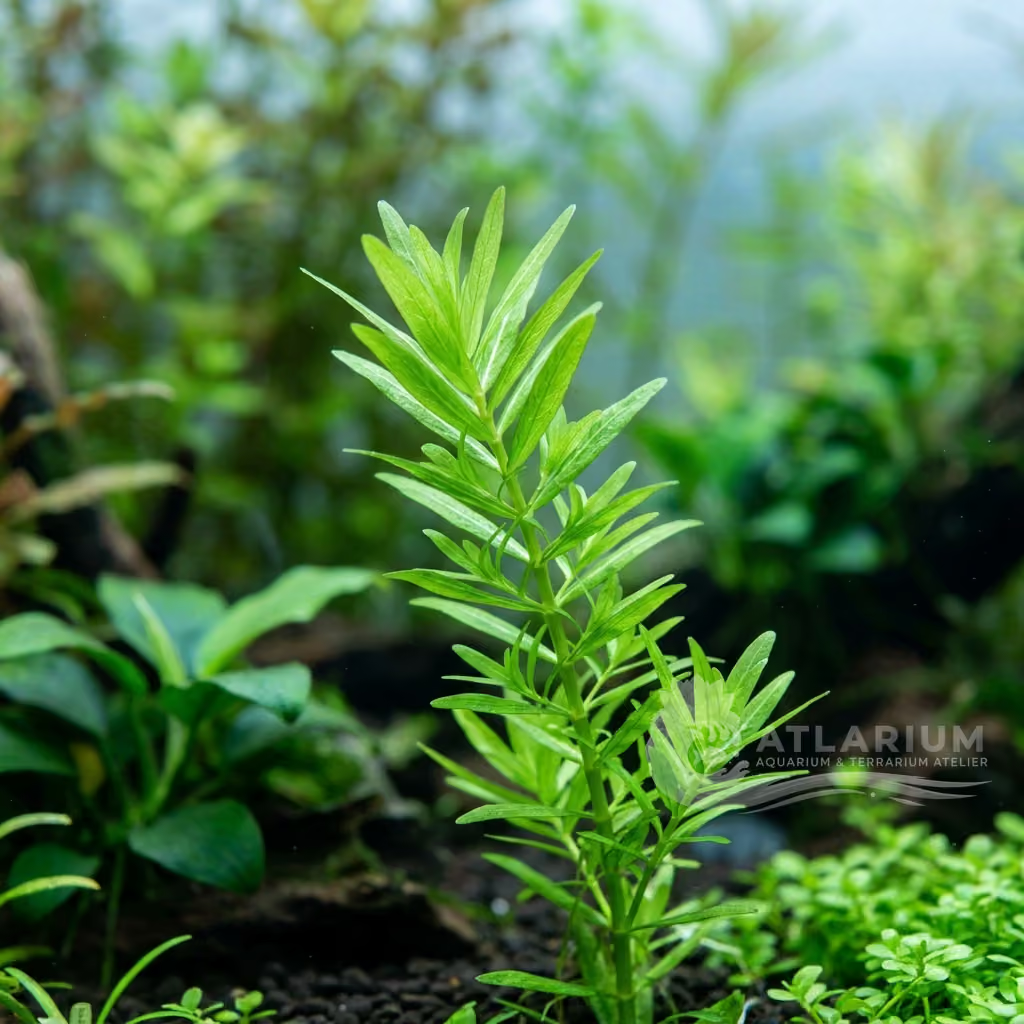
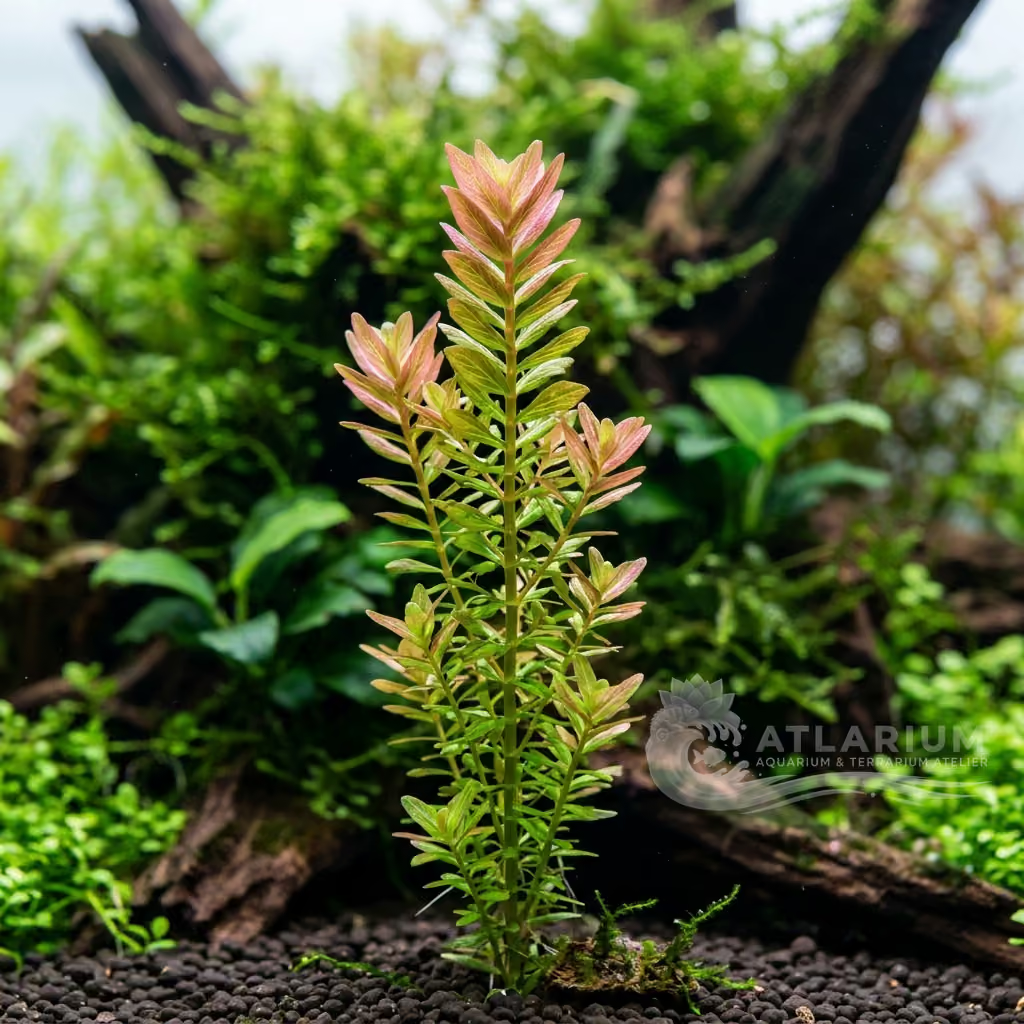
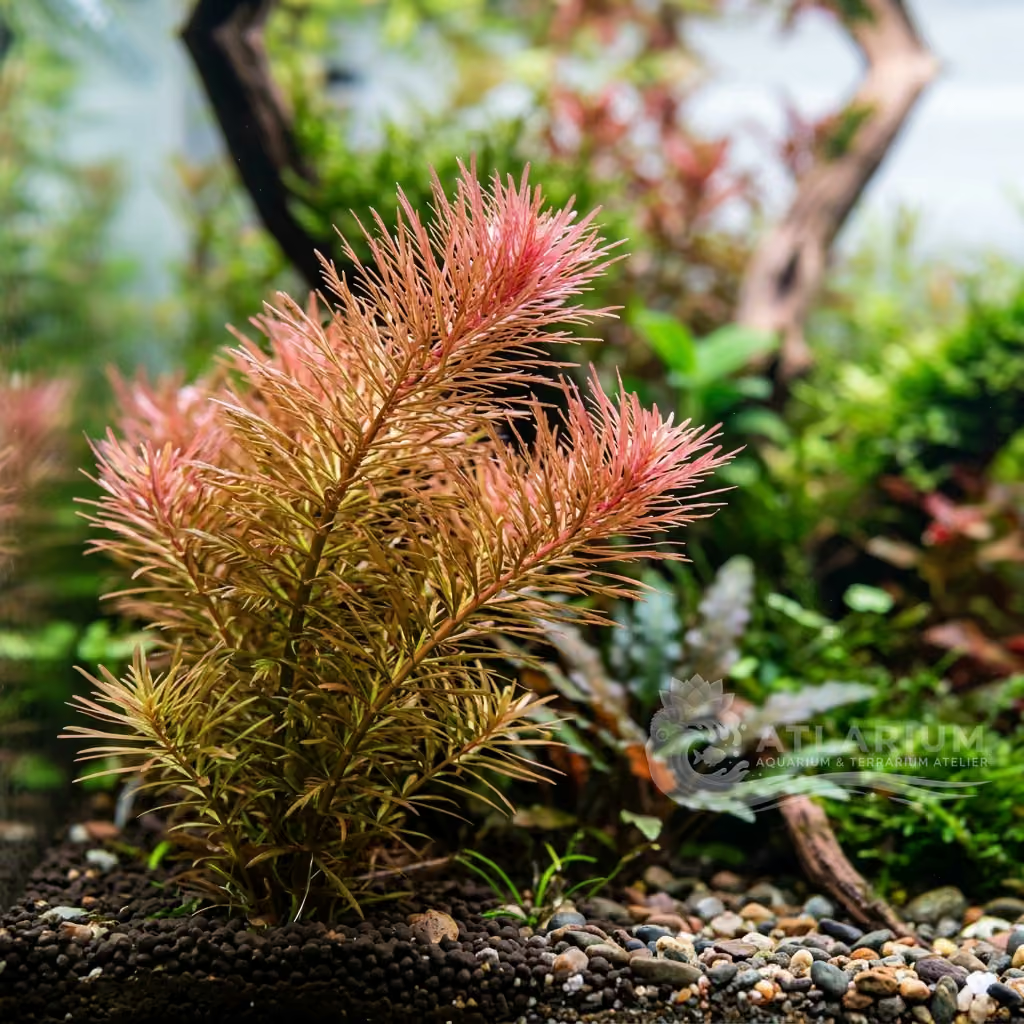
Physical Structure: Rotala hippuris presents as a stem plant with a relatively robust stem and an upright growth habit, capable of reaching significant heights if left untrimmed. Leaves are arranged in whorls or opposite pairs along the stem, typically linear or needle-like in shape, with sizes varying based on light intensity and available nutrients. Under conditions of intense light and good CO2 supplementation, the leaves tend to be more compact and closely spaced, creating a dense, bushy appearance. The roots, though less pronounced than some other plants, contribute to anchoring in the substrate and nutrient absorption.
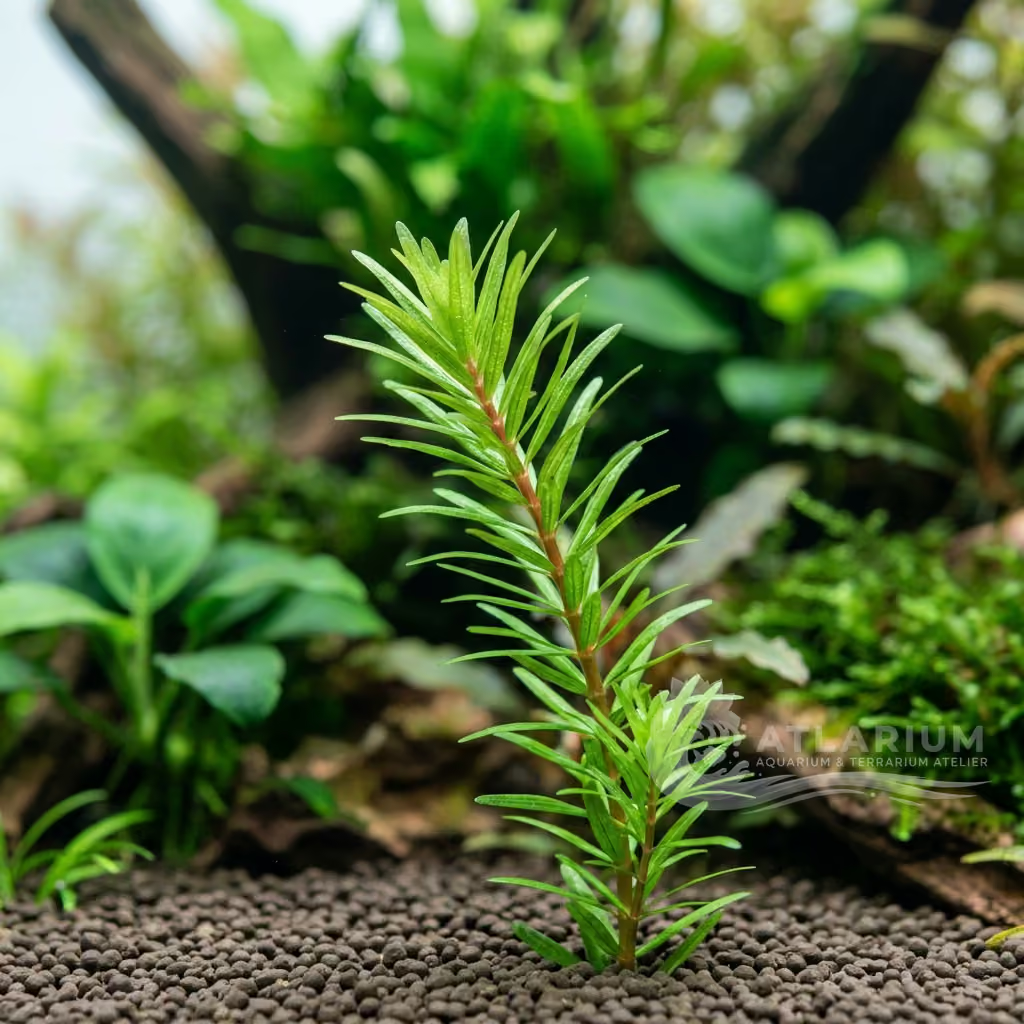
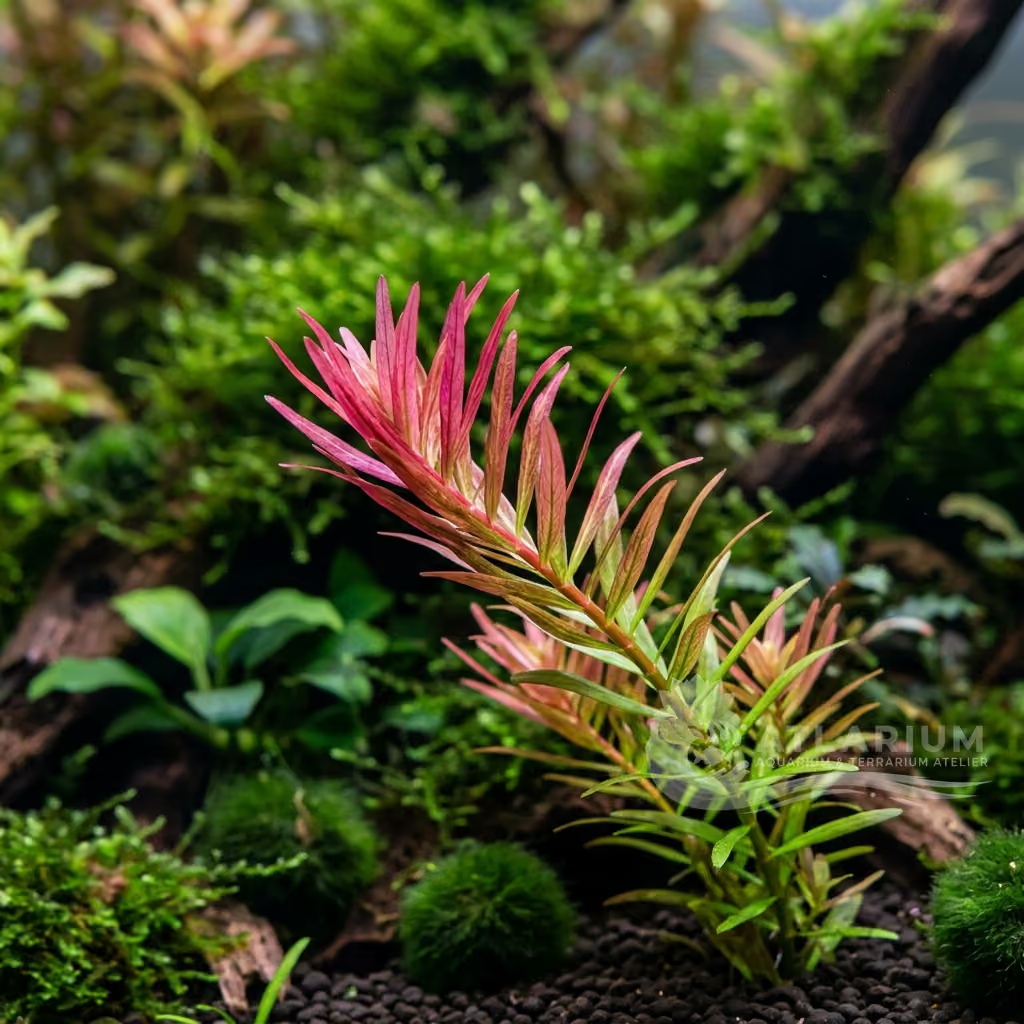
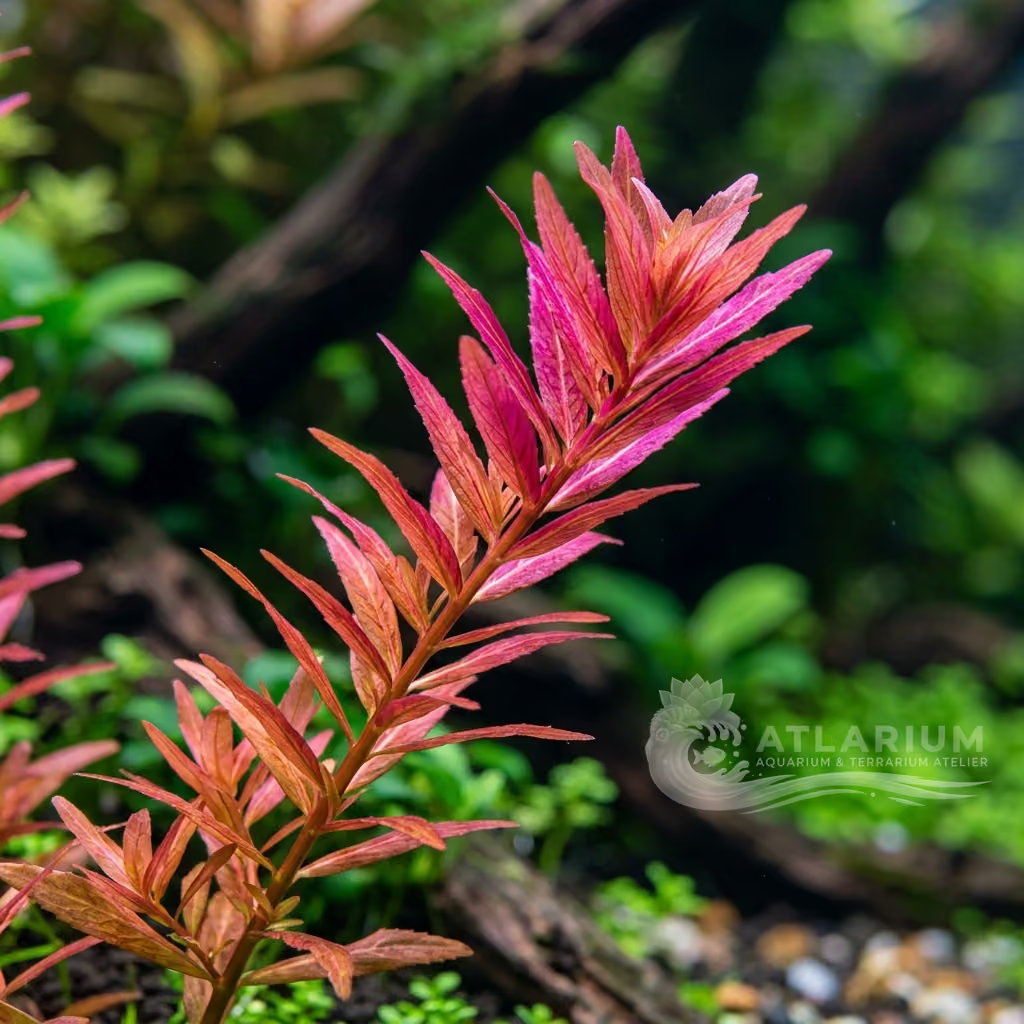
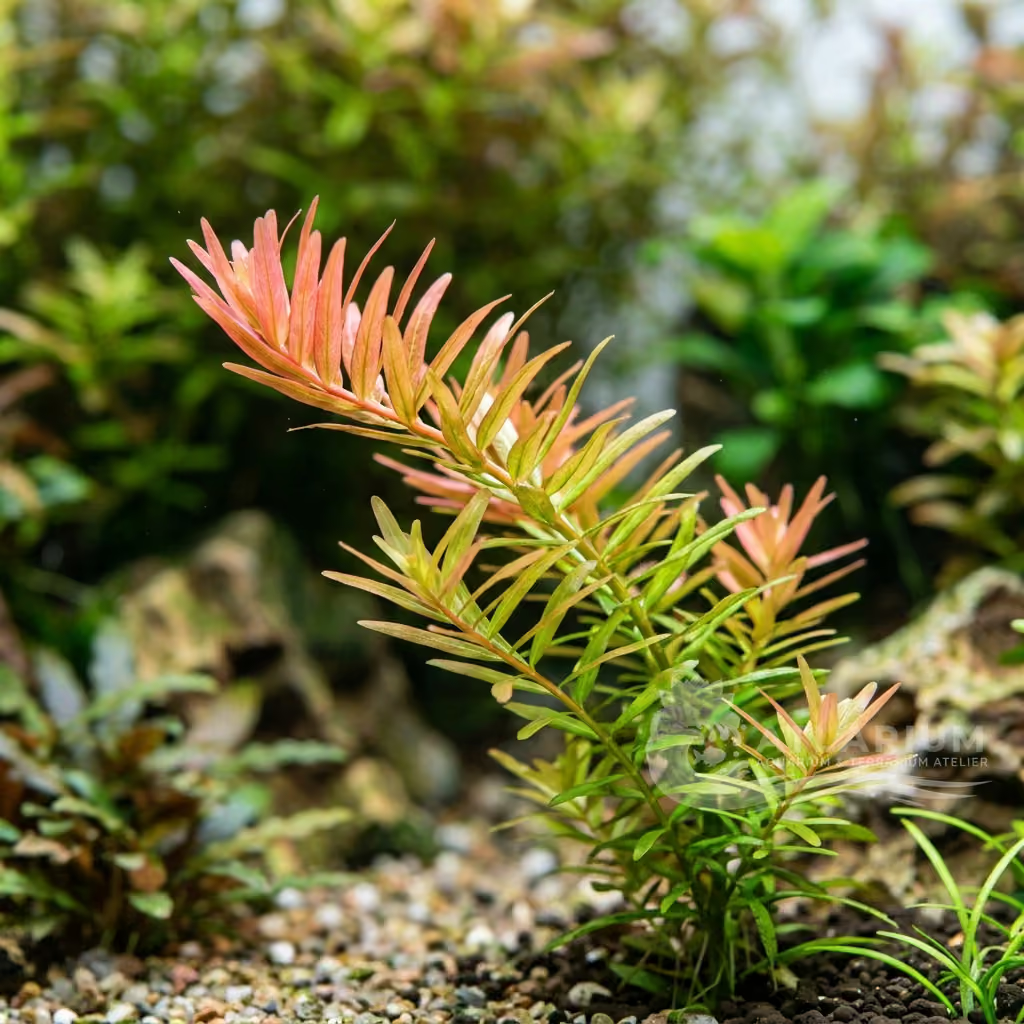
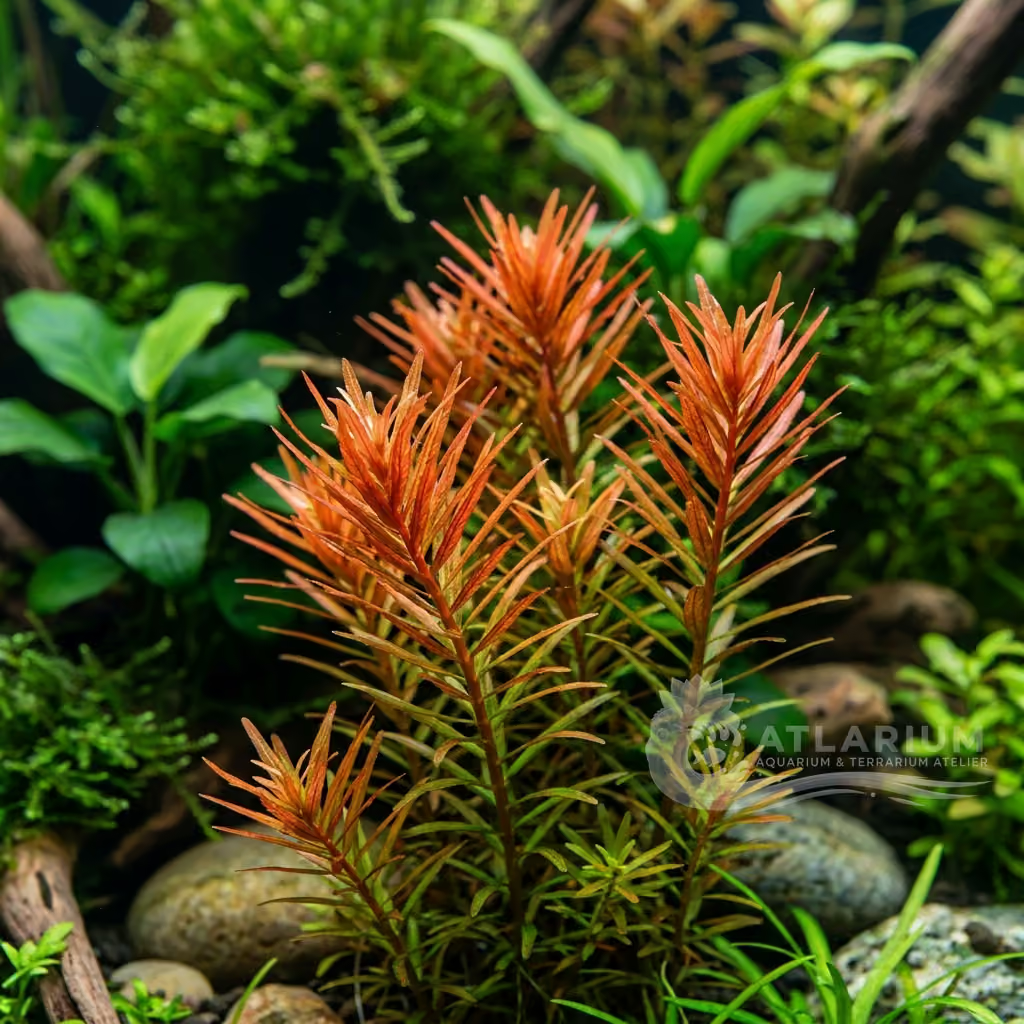
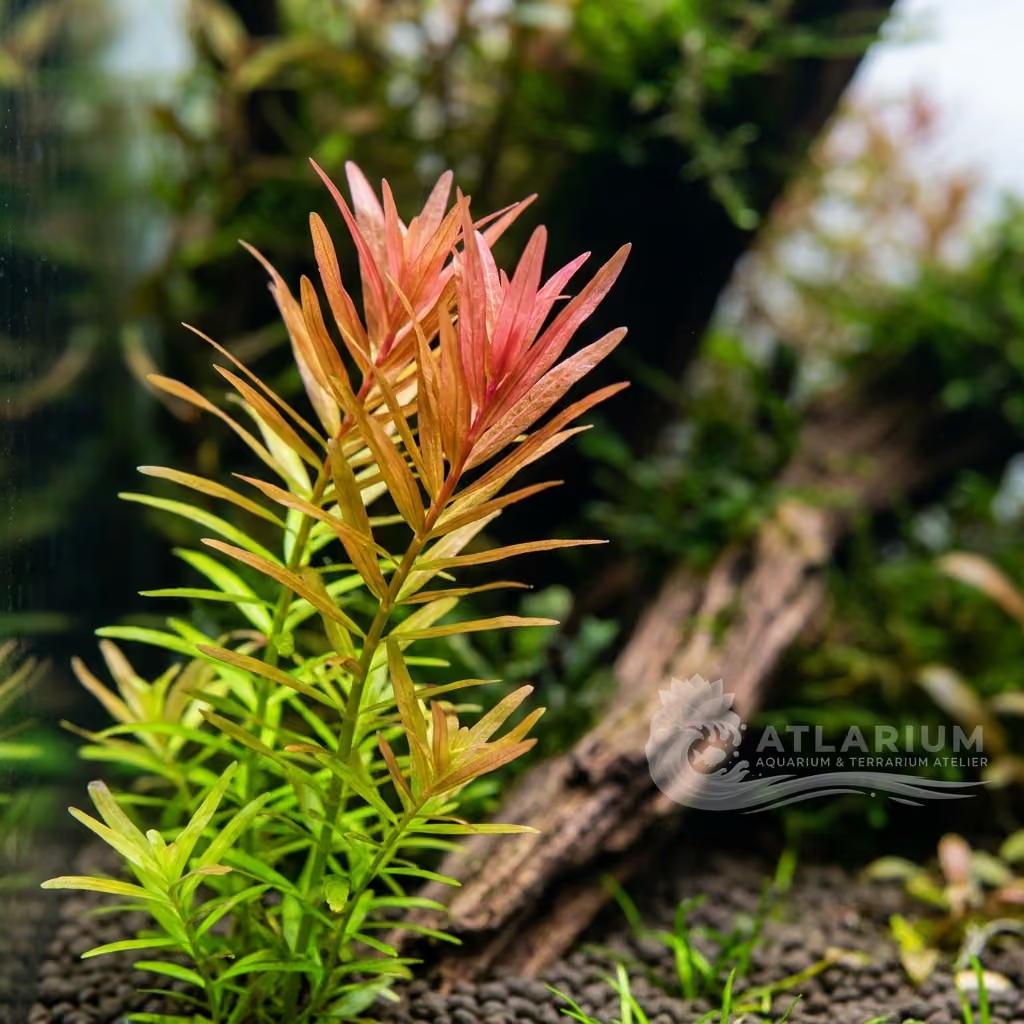
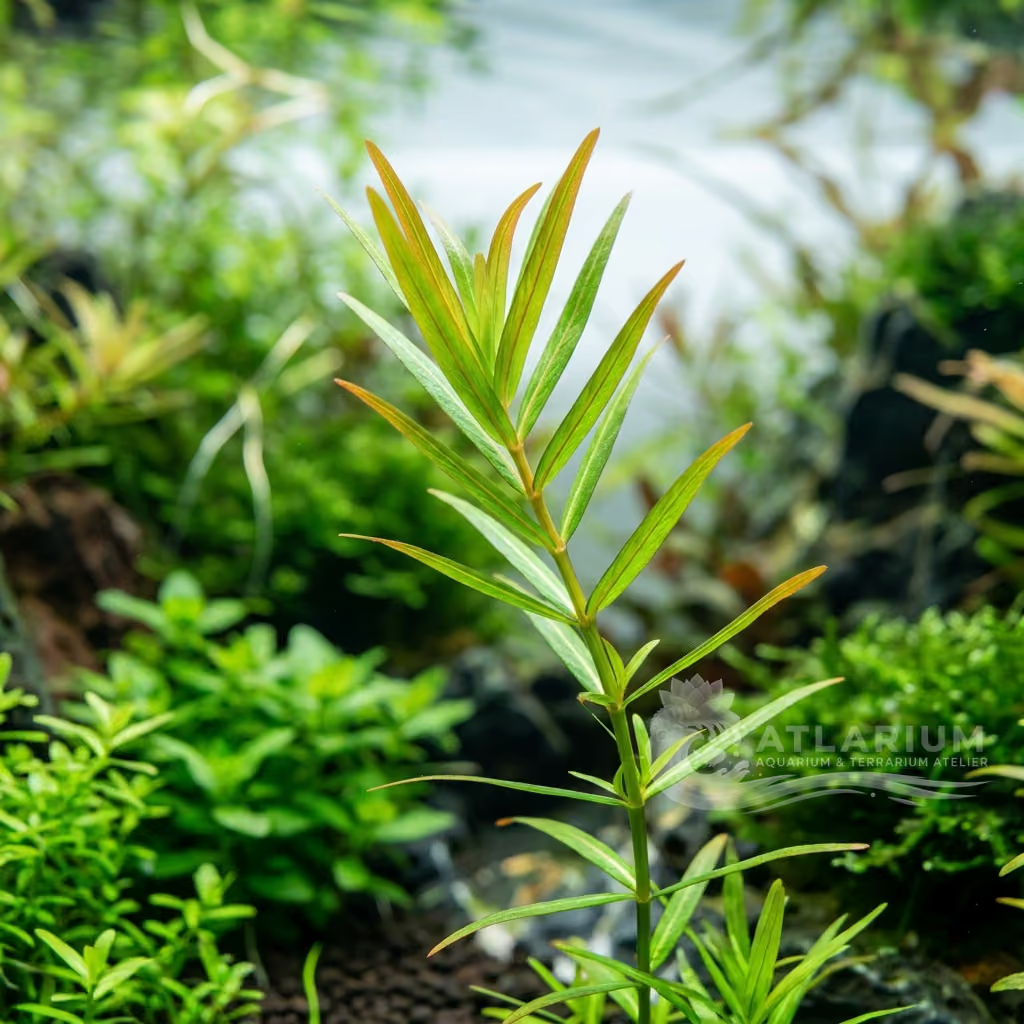
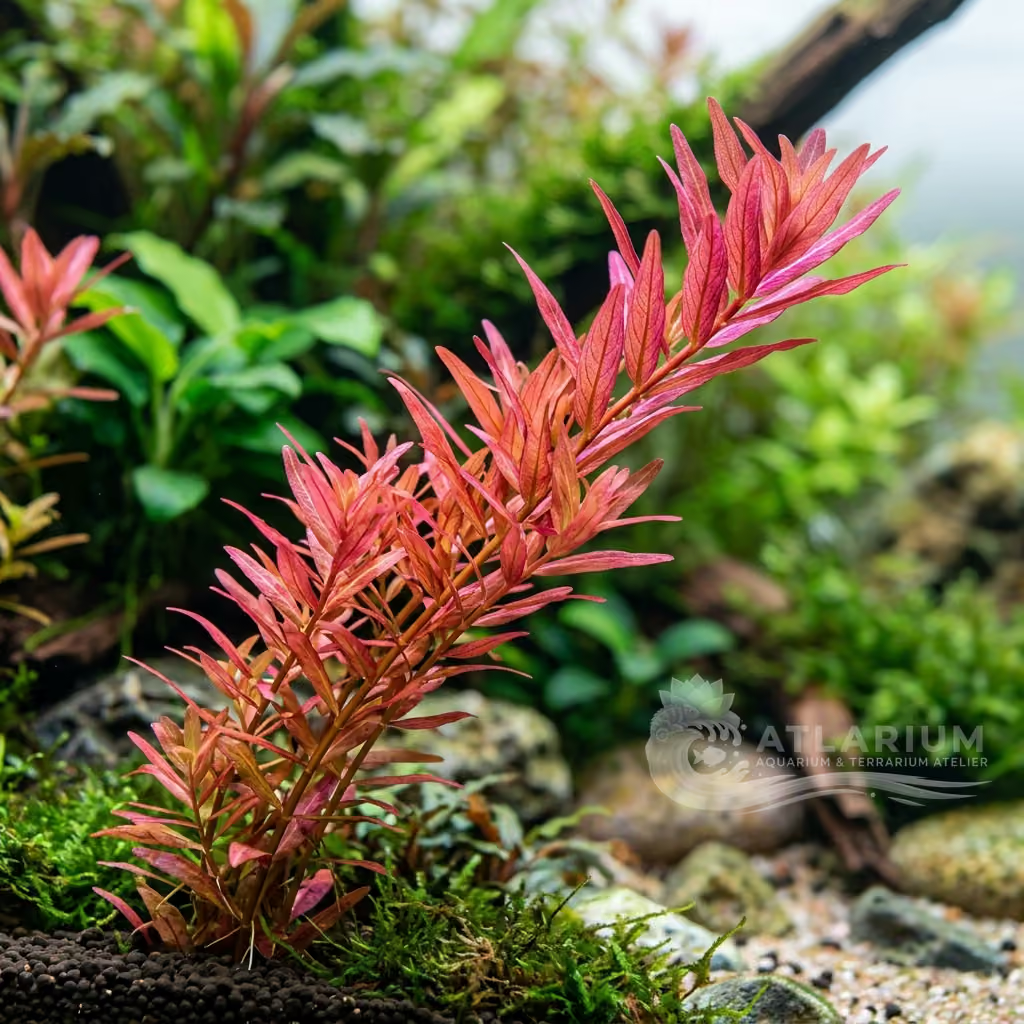
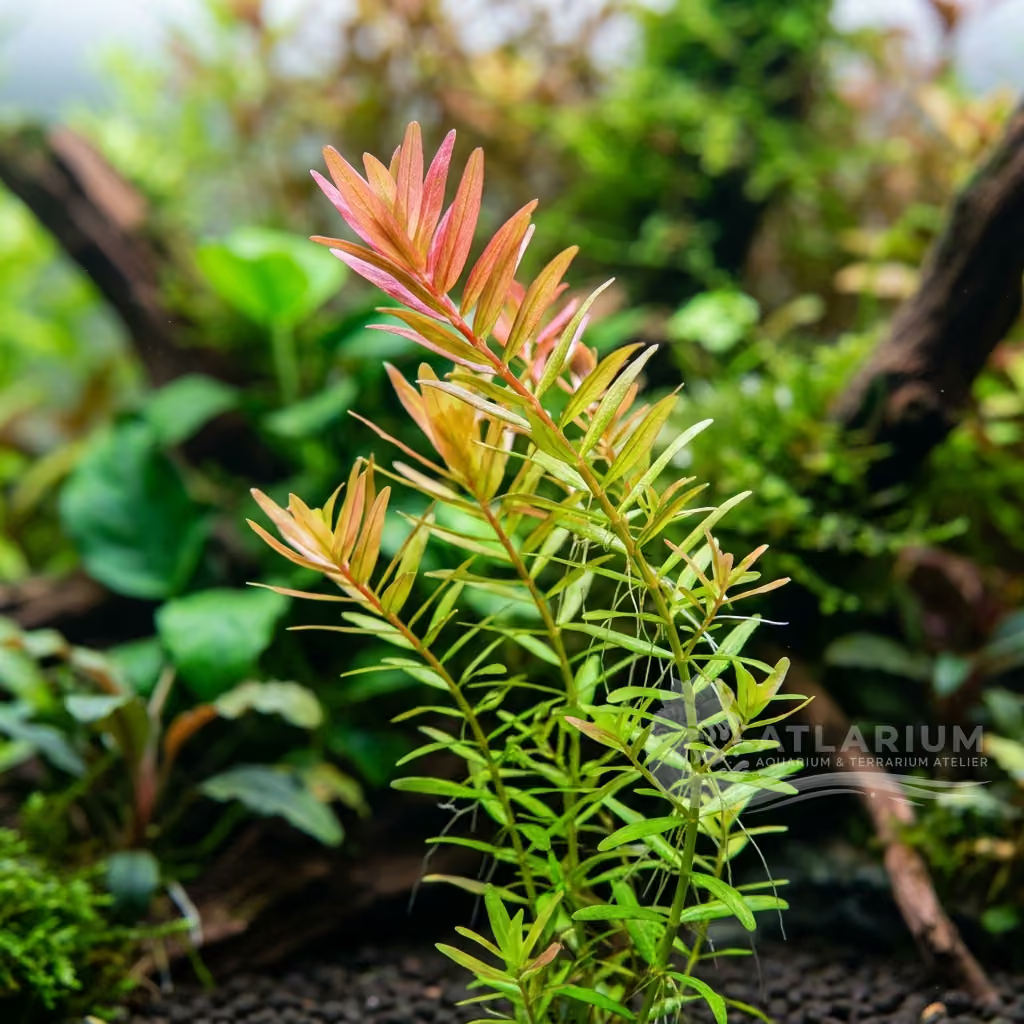
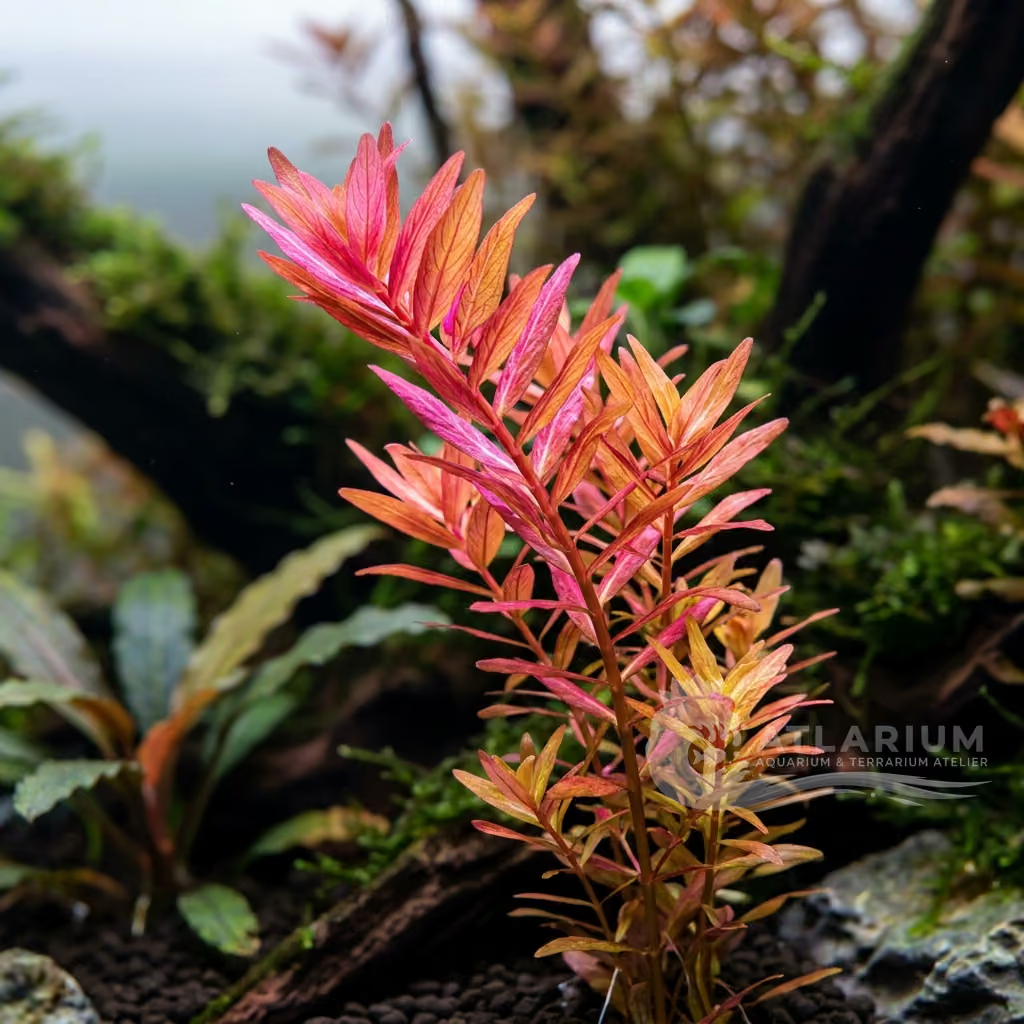
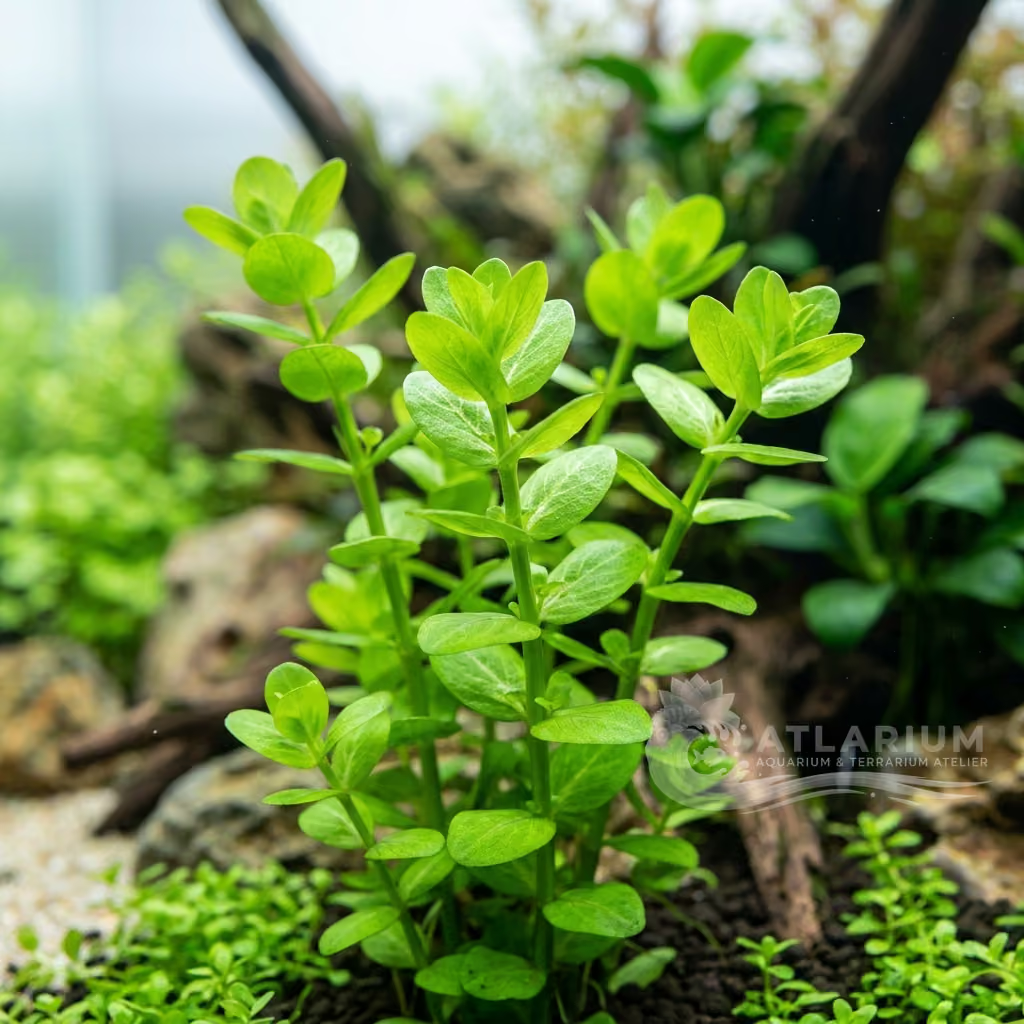
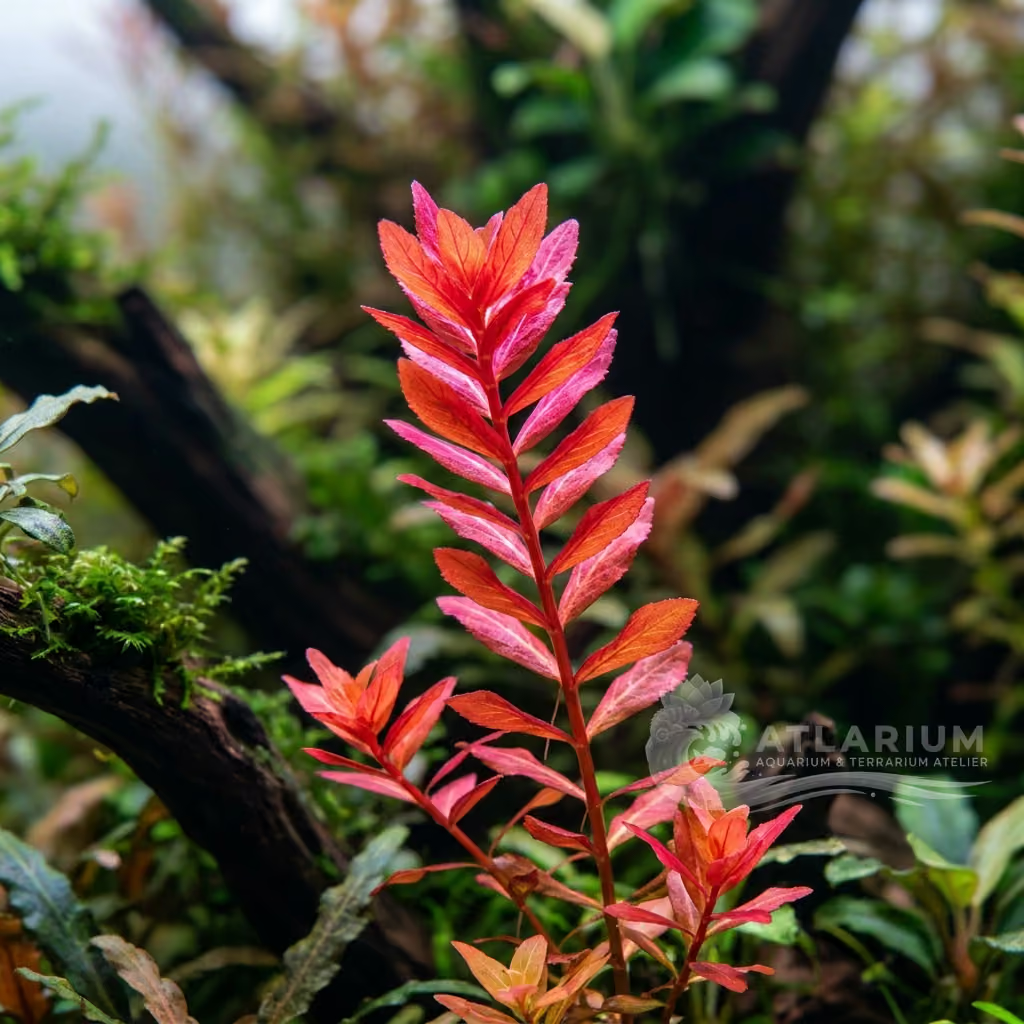
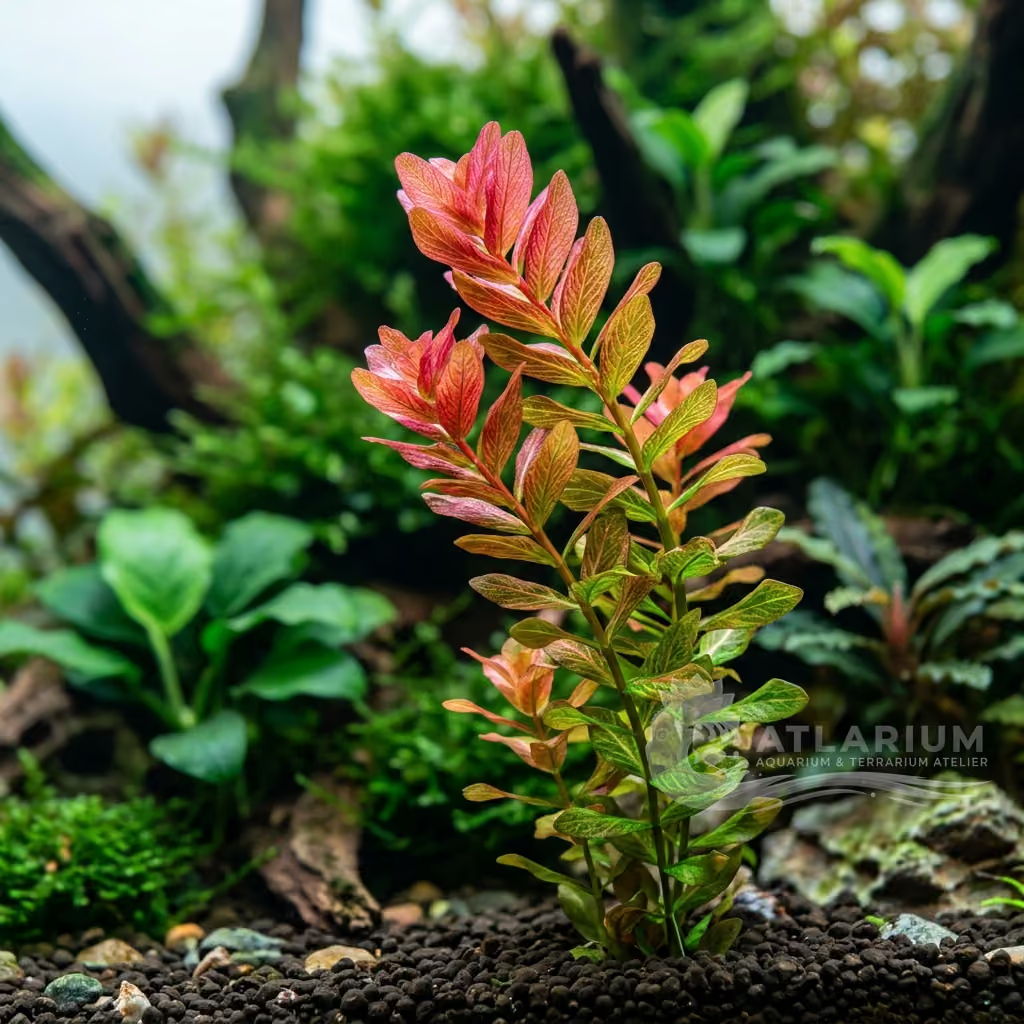
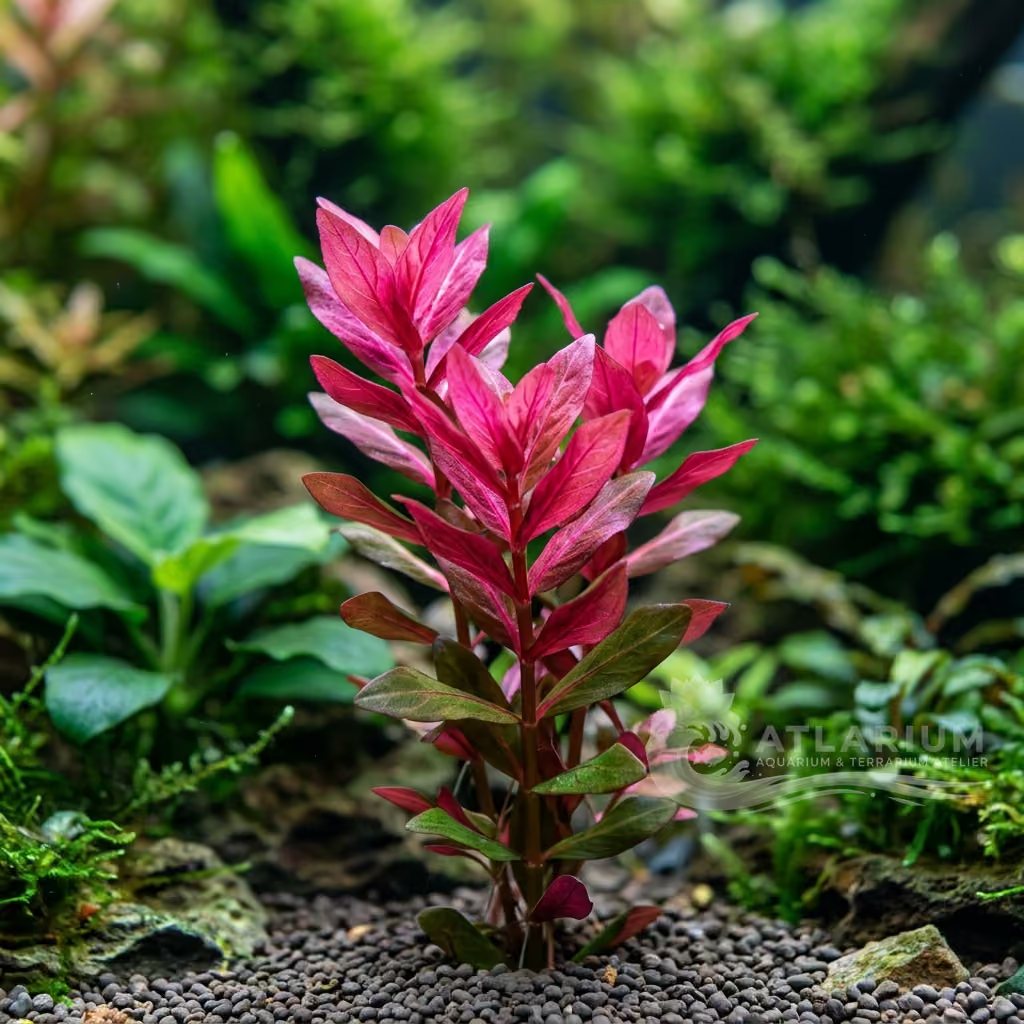
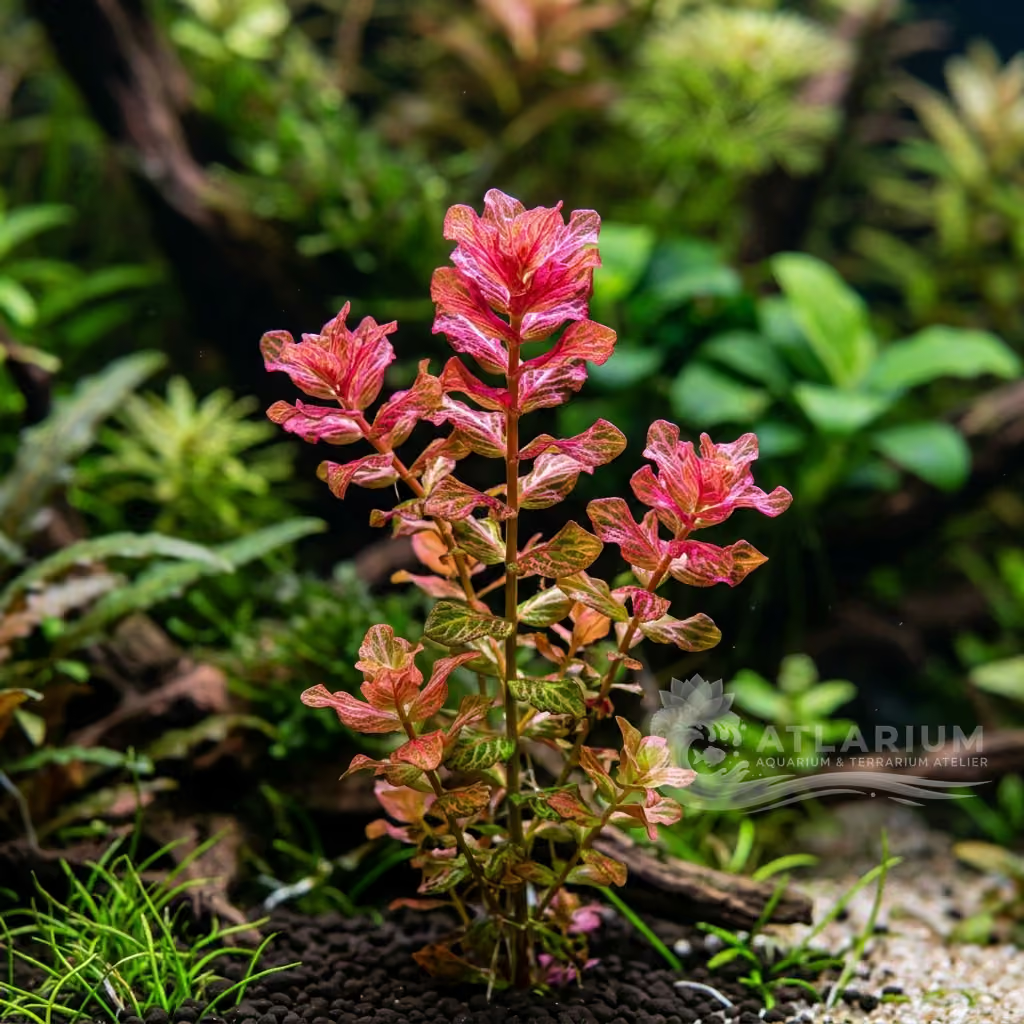
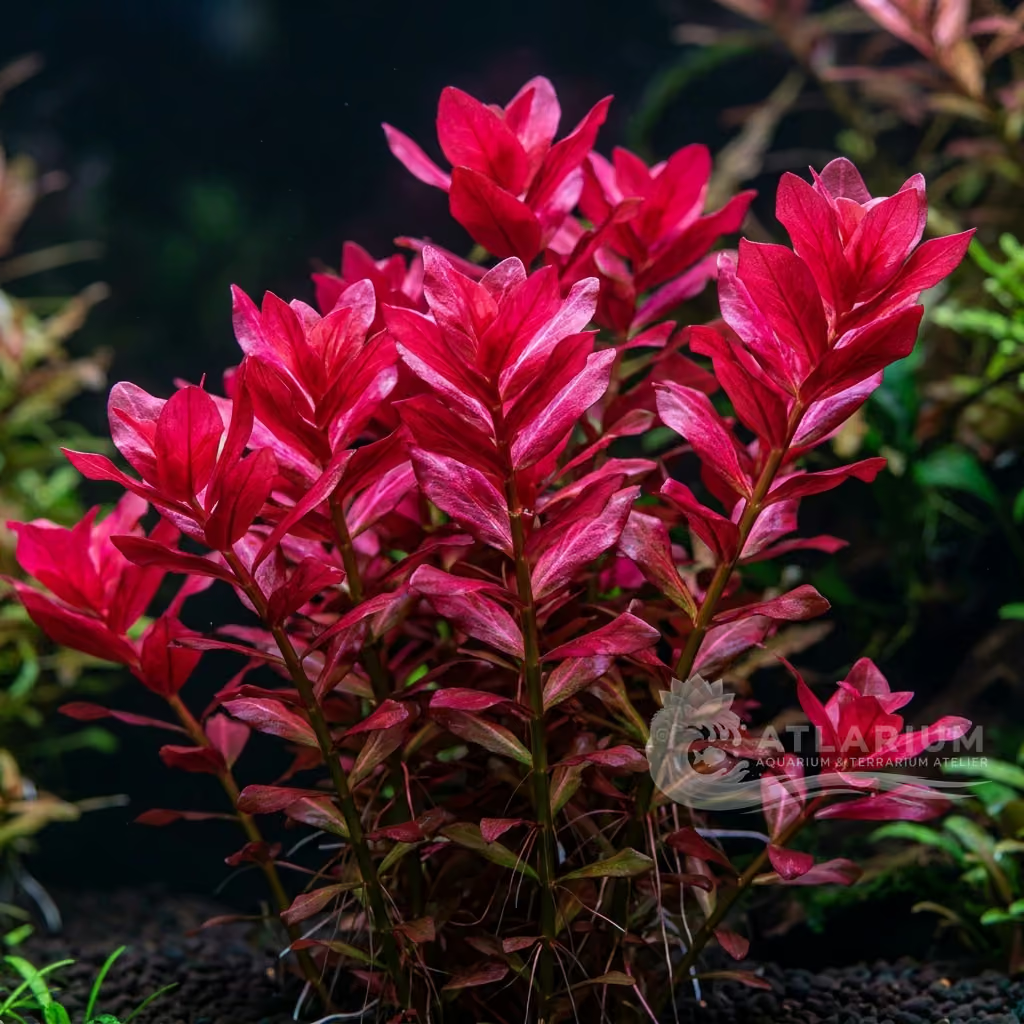
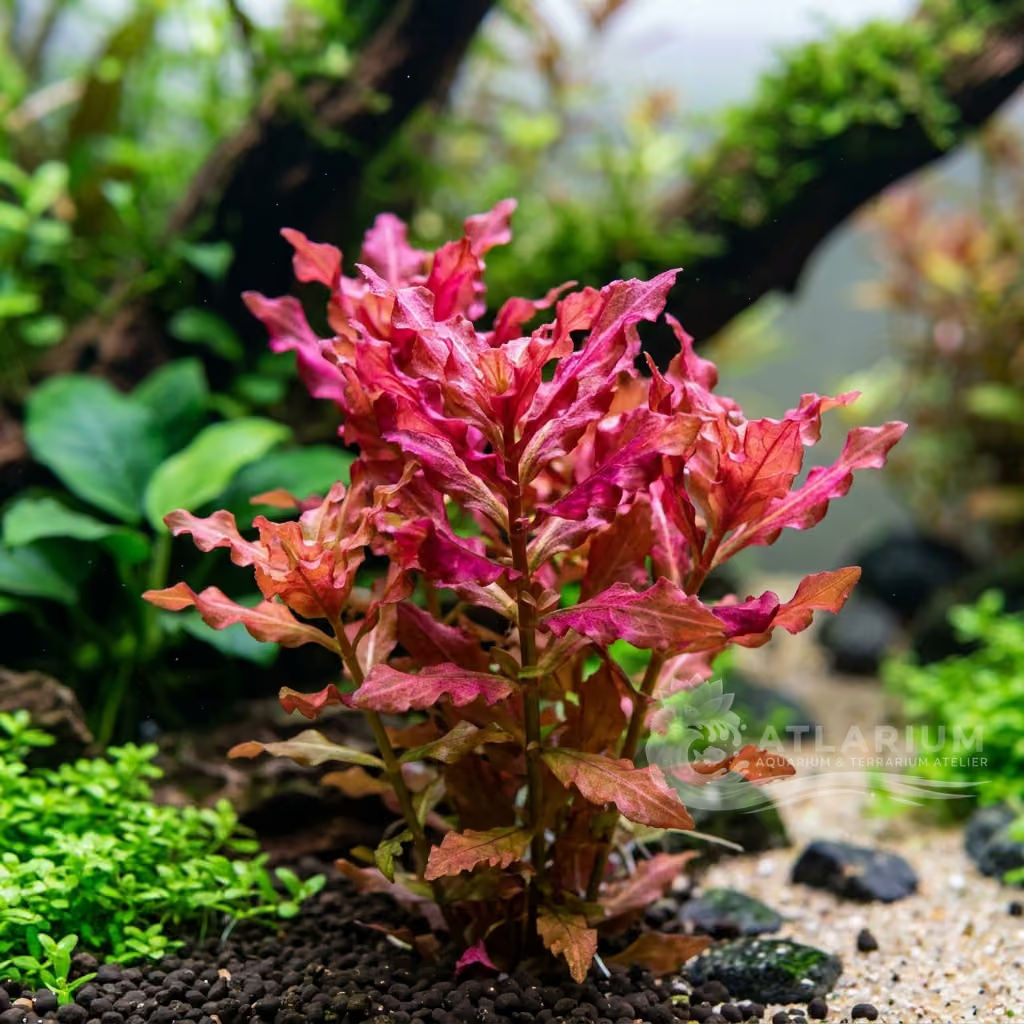
Color & Texture: The predominant color of Rotala hippuris is a bright and vibrant green, which can develop more intense hues and sometimes reddish or pinkish tints on the shoot tips and along the leaf margins under strong illumination. This appealing coloration makes it a focal point in well-lit aquariums, contrasting with other darker-toned plants. The texture of the leaves is smooth and delicate, giving the plant a refined and airy appearance. Its ability to adopt different colors depending on growing conditions is one of its most appreciated qualities in aquascaping.

Care, breeding and tankmates
Lighting & CO2: For optimal growth and vibrant coloration, Rotala hippuris requires medium to high lighting, preferably with a spectrum suitable for aquatic plant growth. Insufficient light intensity can lead to leggy stems and pale leaves, compromising its aesthetic appeal and overall health. Carbon dioxide (CO2) supplementation is highly recommended, especially in aquariums with intense lighting and fertilized substrate, as it supports its rapid growth and promotes richer coloration and a more compact structure. Stable CO2 levels prevent deficiencies and facilitate nutrient assimilation.
Nutrition & Substrate: This species greatly benefits from a nutrient-rich substrate, especially during the initial rooting and growth phases, as although it is a stem plant, its roots absorb a portion of nutrients. It is advisable to supplement with complete liquid fertilizers that provide macroelements (nitrogen, phosphorus, potassium) and microelements (iron, manganese, boron) in adequate amounts. Nutrient deficiencies manifest as yellowing leaves or stunted growth, particularly iron deficiency which can inhibit the development of brighter colors. A balanced fertilization regimen is crucial to keeping it healthy and vigorous.
Water Chemistry: Rotala hippuris thrives in water temperatures between 18.0 and 30.0 C, showing good tolerance to various thermal conditions typical of tropical aquariums. It requires acidic to neutral pH, ideally between 5.0 and 7.0, and low carbonate hardness (KH), from 0.0 to 7.0. Water that is too hard or alkaline can inhibit its growth and nutrient absorption capacity, manifesting as chlorosis or leaf fragility. It is essential to maintain stable water parameters, avoiding extreme fluctuations that could stress the plant and lead to problems.
Space Management & Placement: Due to its rapid growth and bushy habit, Rotala hippuris is an excellent choice for midground placement, where it can form a dense cluster of bright green, adding depth and texture to the layout. If allowed to grow freely, it can also extend into the background, forming a lush and vibrant backdrop. It is essential to consider its fast growth rate when planning the layout, allocating sufficient space for its development and for regular trimming. Its versatility allows it to be used both as a focal point and as a transitional element between shorter and taller plants.
Pruning: Regular pruning is essential for Rotala hippuris, not only to maintain the desired shape and size but also to promote denser, more branched growth. Neglecting pruning can lead to leggy, untidy growth, with the lower parts of the stem shedding leaves due to shading. It is advisable to remove about one-third to half of the top portion of the stems, encouraging the formation of new side shoots and maintaining a compact appearance. The cuttings obtained can be easily replanted to further propagate the plant.
Risks & Diseases: Like many aquatic plants, Rotala hippuris can be susceptible to algae invasion, especially under conditions of nutritional imbalance or excessive lighting without adequate CO2. Macro and microelement deficiencies can manifest as chlorosis, stunted growth, or leaf deterioration. It is important to carefully monitor water parameters and the plant's overall health to prevent these issues. Furthermore, sudden changes in environmental conditions or improper use of chemicals can cause stress or leaf melting.

Geographic origin and distribution
Native to tropical and subtropical regions of Asia, Rotala hippuris typically thrives in marshy areas, slow-moving riverbanks, and rice paddies, where it can grow in both submerged and emergent forms. Its natural habitat is characterized by relatively soft and acidic waters, often rich in dissolved nutrients and abundant sunlight. This adaptability allows it to develop leaves with varying morphologies depending on environmental conditions, demonstrating remarkable ecological plasticity. Its distribution is closely linked to the presence of these humid and luminous environments, characteristic of monsoon regions.
Origin
South and Southeast Asia

Plant profile
- Placement
- Midground
- This beautiful stem plant is most effectively utilized in the background or as a striking midground accent. Planting it in dense, tiered groups creates a lush, highly textured thicket that draws the eye. Ensure it is placed directly under the light source to prevent the lower portions from losing their delicate needles.
- Botanical form
- Stem
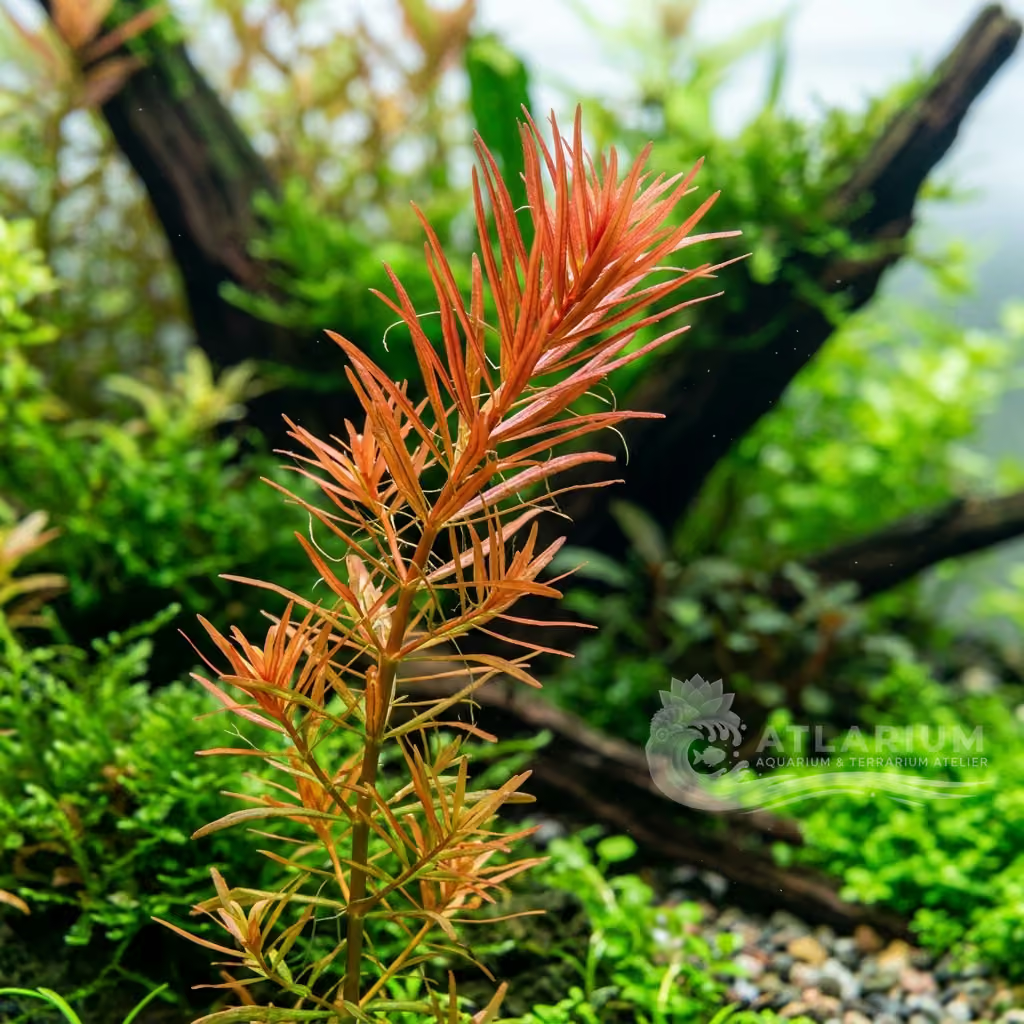
- Rotala hippuris features remarkably fine, needle-like leaves that are arranged in whorls around a delicate central stem. When given high light, the crown develops striking orange to deep red tones, while the lower stem remains a soft green. Its wispy, elegant appearance is truly unique among the Rotala species.
- Growth
- Fast
- It exhibits a relatively fast growth rate under optimal high-tech aquarium conditions. This rapid growth means it will quickly reach the water surface and requires regular maintenance to keep its shape. The fast metabolism also helps in outcompeting algae when nutrients are well balanced.
- Substrate
- Medium
- *Rotala hippuris* adapts well to a variety of substrates, but it displays optimal growth when planted in a fine to medium-grained aquatic soil. Its delicate root system prefers a loosely packed bed, allowing it to anchor securely and access essential nutrients directly from the ground. A substrate depth of about 4 to 6 centimeters is ideal for supporting its upright stem growth and maintaining stability in the water column. While not strictly reliant on root-feeding, providing a mildly enriched substrate encourages bushier, more vibrant foliage.
- Column fertilization
- Recommended
- Liquid column fertilization is the primary method for delivering nutrients to this fast-growing stem plant. Regular dosing of nitrogen, phosphorus, and especially potassium is crucial for maintaining healthy, robust stems. Daily micro-dosing helps ensure the fine leaves have constant access to iron for their intense coloration.
- Root fertilization
- Recommended
- While it draws heavily from the water column, a nutrient-rich active soil significantly supports its foundational health. The roots serve primarily for anchorage but will happily utilize ammonium and trace elements present in the substrate. Root tabs are not strictly necessary if the soil is fresh and the column dosing is adequate.
- Trimming
- Regular
- To maintain a dense bush, trim the tops frequently and replant the healthy upper cuttings. Once a thicket is established, you can use the topping method, cutting the stems horizontally at the desired height. The lower portions will sprout multiple side shoots, eventually forming an even denser and more colorful canopy.
- Propagation
- Cuttings
- Propagation is straightforward through stem cuttings; simply snip the top 10-15 centimeters and plant them into the substrate. The cuttings root quickly in active soil and begin growing almost immediately. Alternatively, allowing it to grow horizontally along the substrate will promote numerous vertical side shoots.
- Sensitivity
- Moderate
- This plant is extremely sensitive to low light conditions, which will cause it to drop its lower leaves rapidly. Fluctuations in CO2 or sudden drops in macronutrients can lead to stunted tips or melting stems. It is also quite fragile; handle with care during planting and avoid placing it in areas with excessively strong, buffeting currents.
- Layout role
- Midground, Background
- Rotala hippuris is an exceptional background plant that brings fine texture and brilliant warm colors to the aquascape. Its delicate nature makes it perfect for adding a sense of scale and softness to rigid hardscape structures. It is heavily favored in Dutch style and fine-detailed Nature Aquariums for creating colorful, feathery bushes.

Related species
Recommendations grouped by close relatives, companion choices, and similar care.