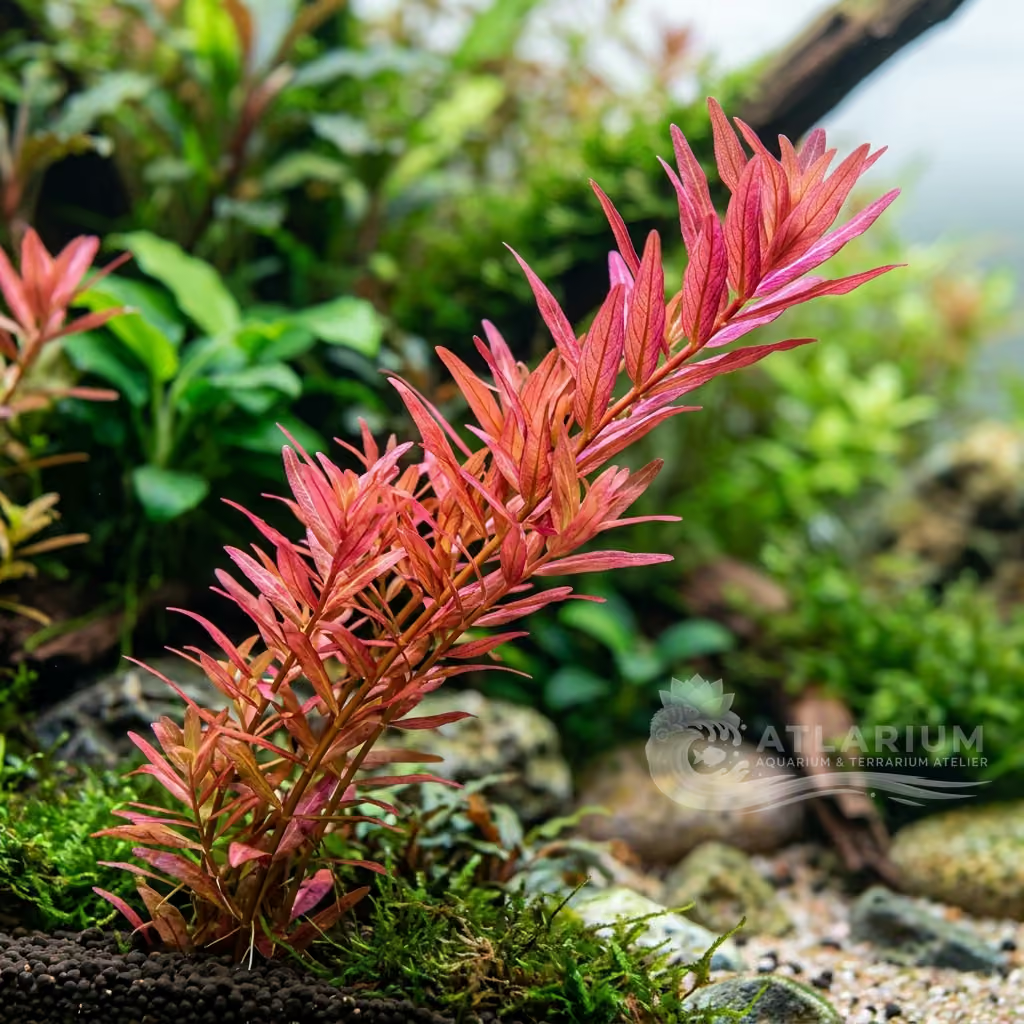
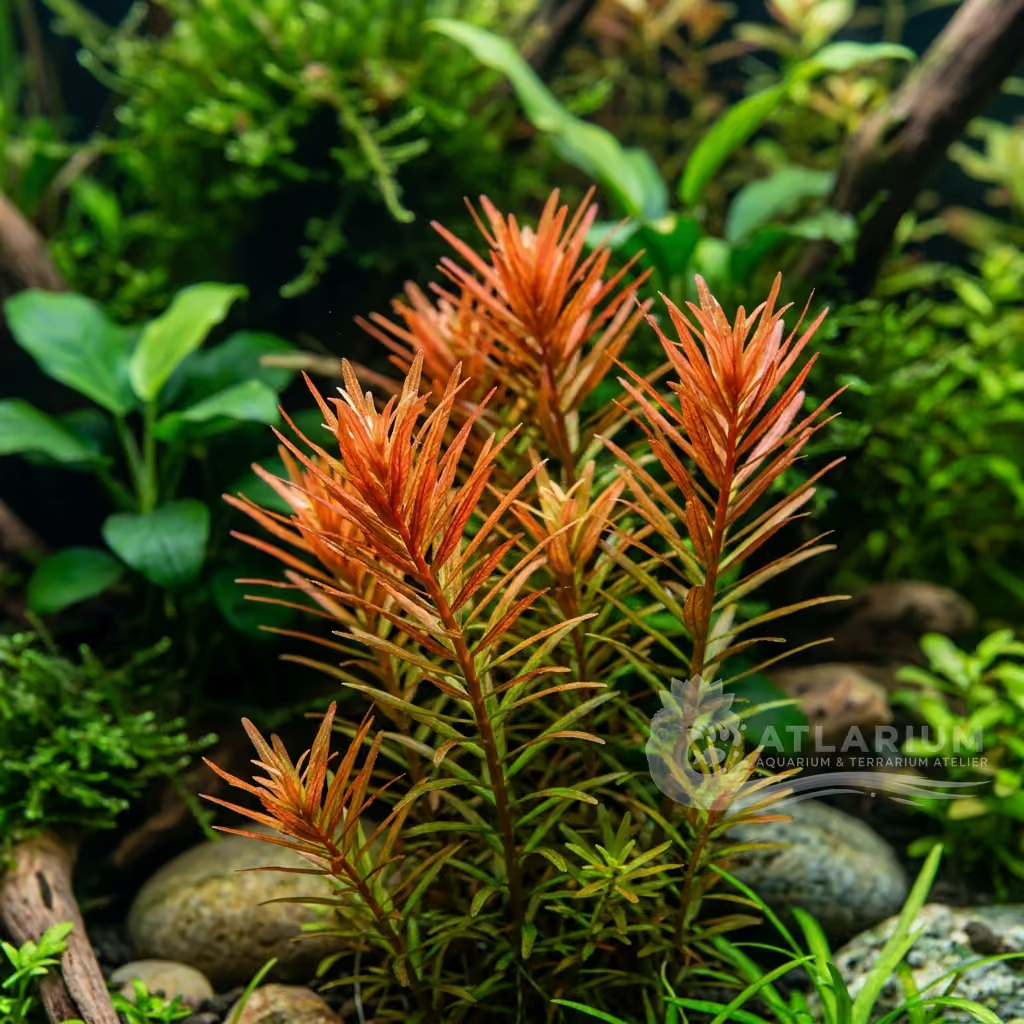
Giant Red Rotala
Rotala macrandra
The spectacular queen of red aquarium plants. Extremely demanding, it requires intense full-spectrum lighting, high CO2 levels, and pristine water to maintain its vibrant magenta coloration.
Water Temperature
24 - 28 °C
pH Value
5.5 - 7
Water type
Freshwater
Light
High
CO2
High
Expected height
40 cm
Expected width
10 cm
GH
4 - 20 dGH
KH
2 - 15 dKH

Species description
Geographical Origin and Habitat: Rotala macrandra is native to southern India, where it grows submerged or emersed in warm, stagnant, or slow-flowing waters such as marshes, rice paddies, and riverbanks. It is considered a demanding and delicate species, found only in pristine, nutrient-rich biotopes.
Taxonomy & Genetics: Belonging to the Lythraceae family, it is commonly known as the "Giant Red Rotala." Genetically, it is a sensitive species that requires highly stable parameters; it does not tolerate chemical fluctuations or high concentrations of dissolved organic substances.
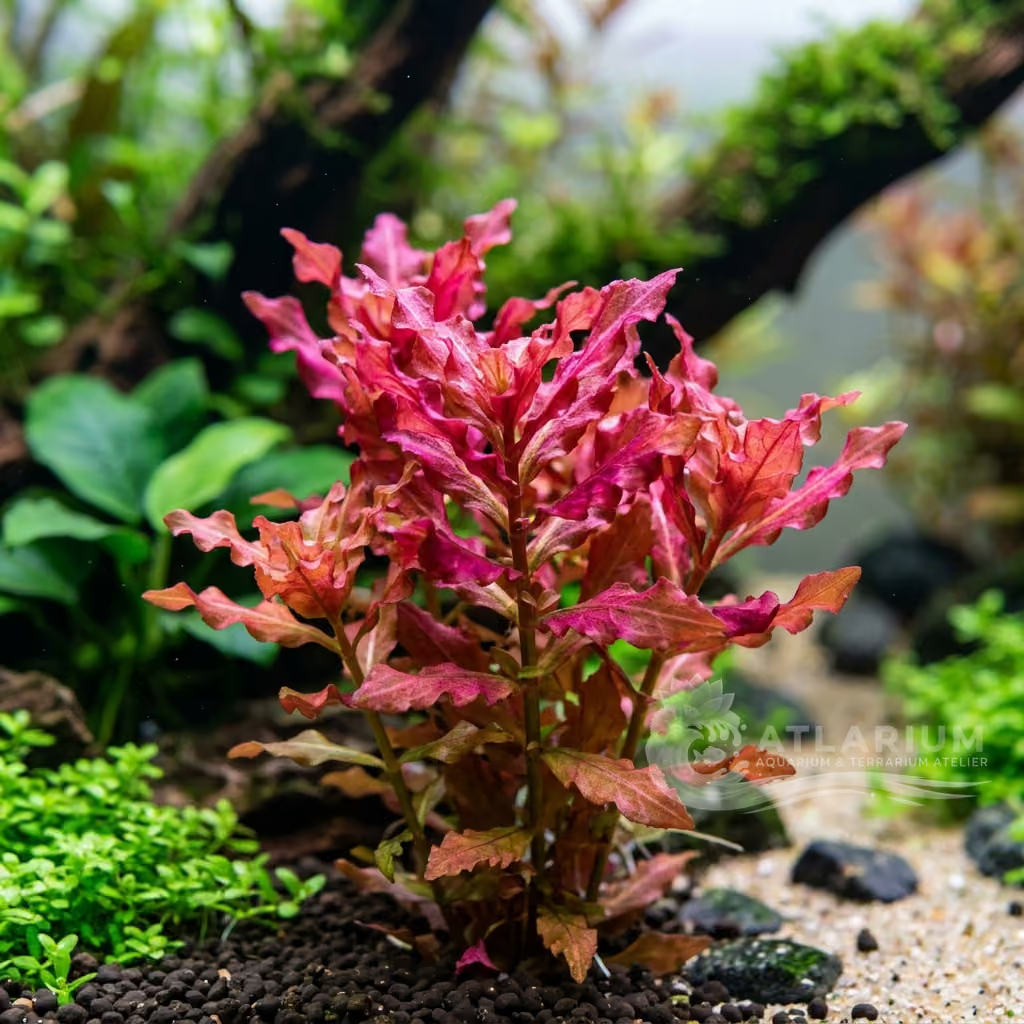
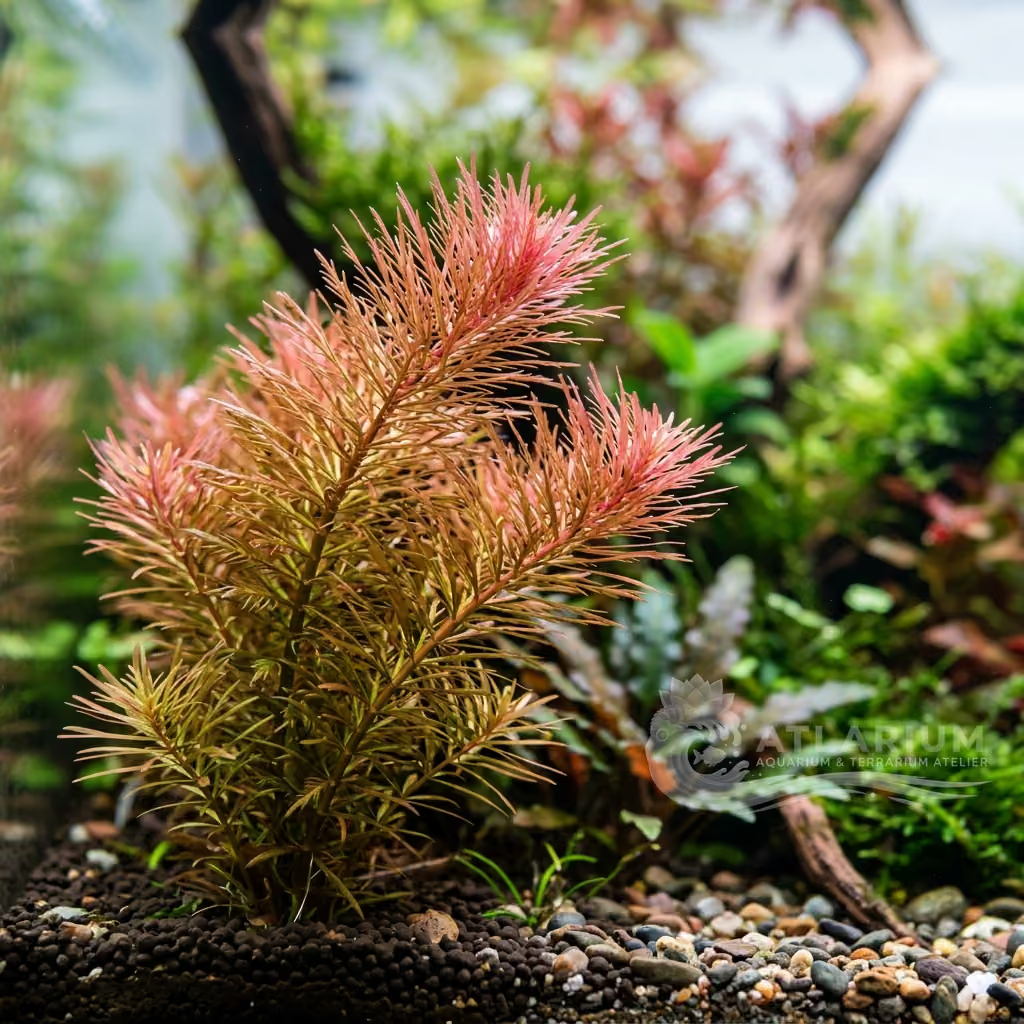
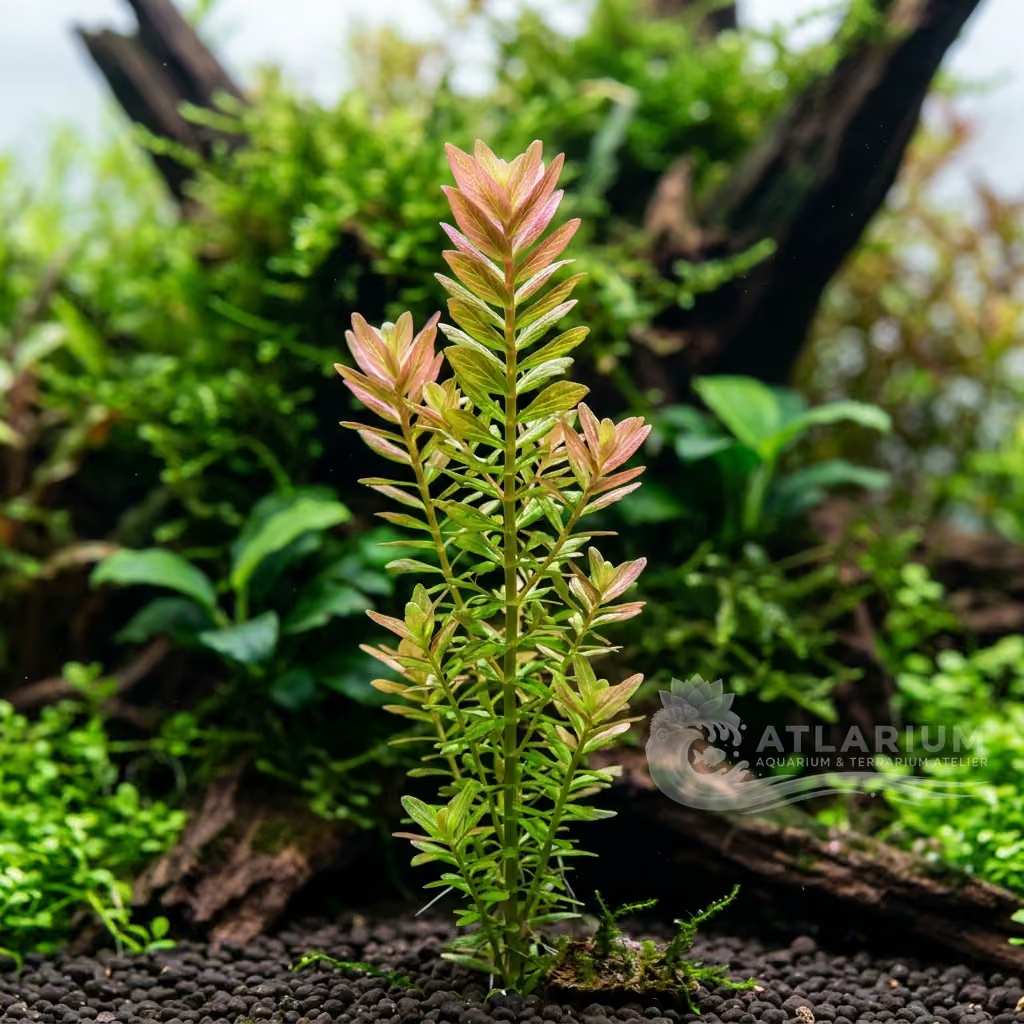
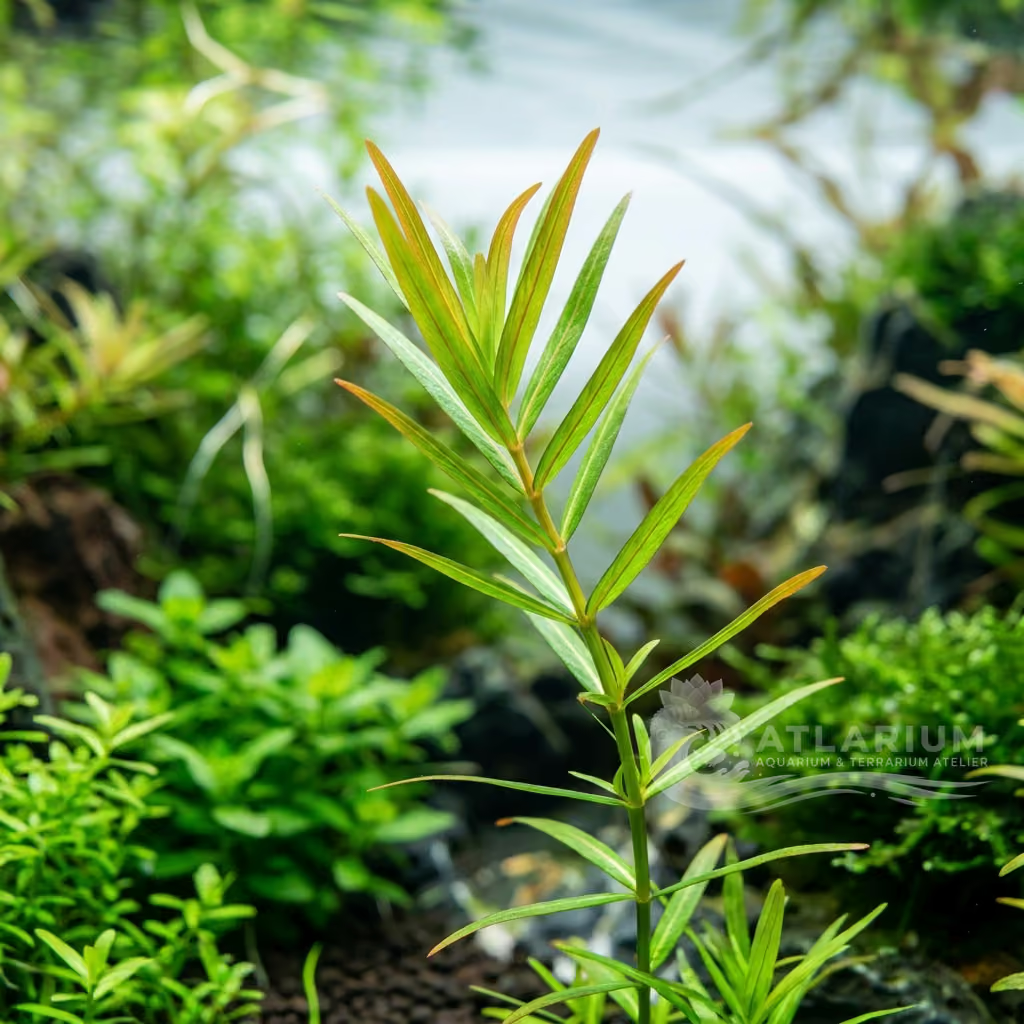
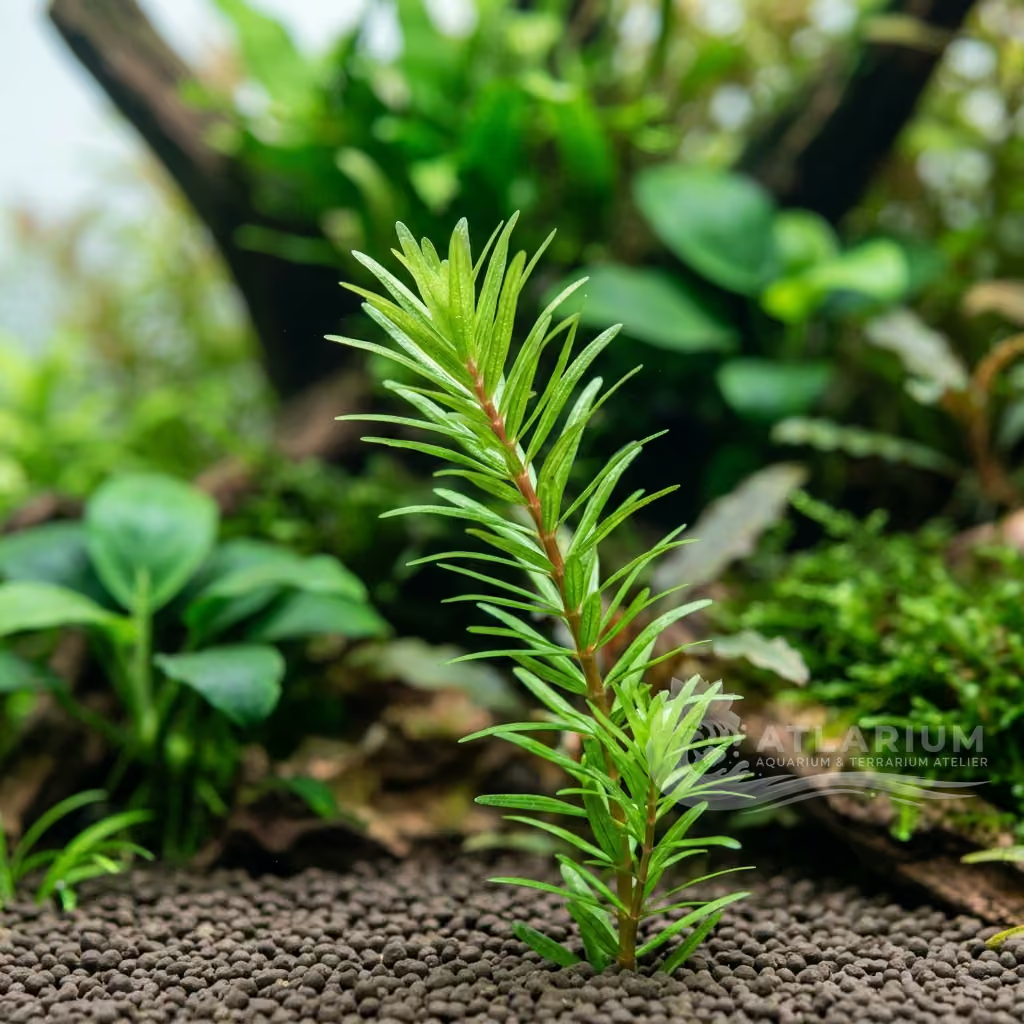
Physical Structure: It features delicate, erect, and branching stems. Submerged leaves are large, oval, extremely thin, and wavy along the margins. The root system is fragile and requires a soft substrate to develop without damage.
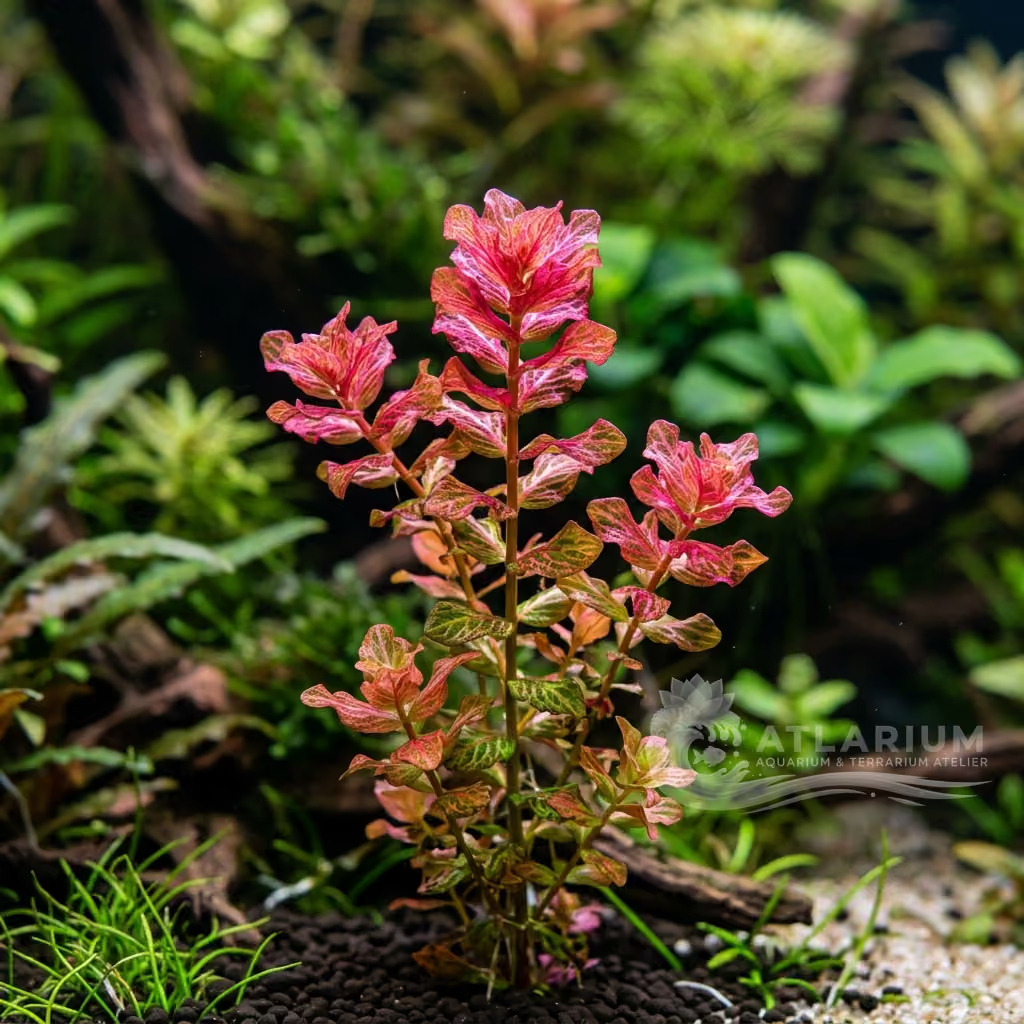
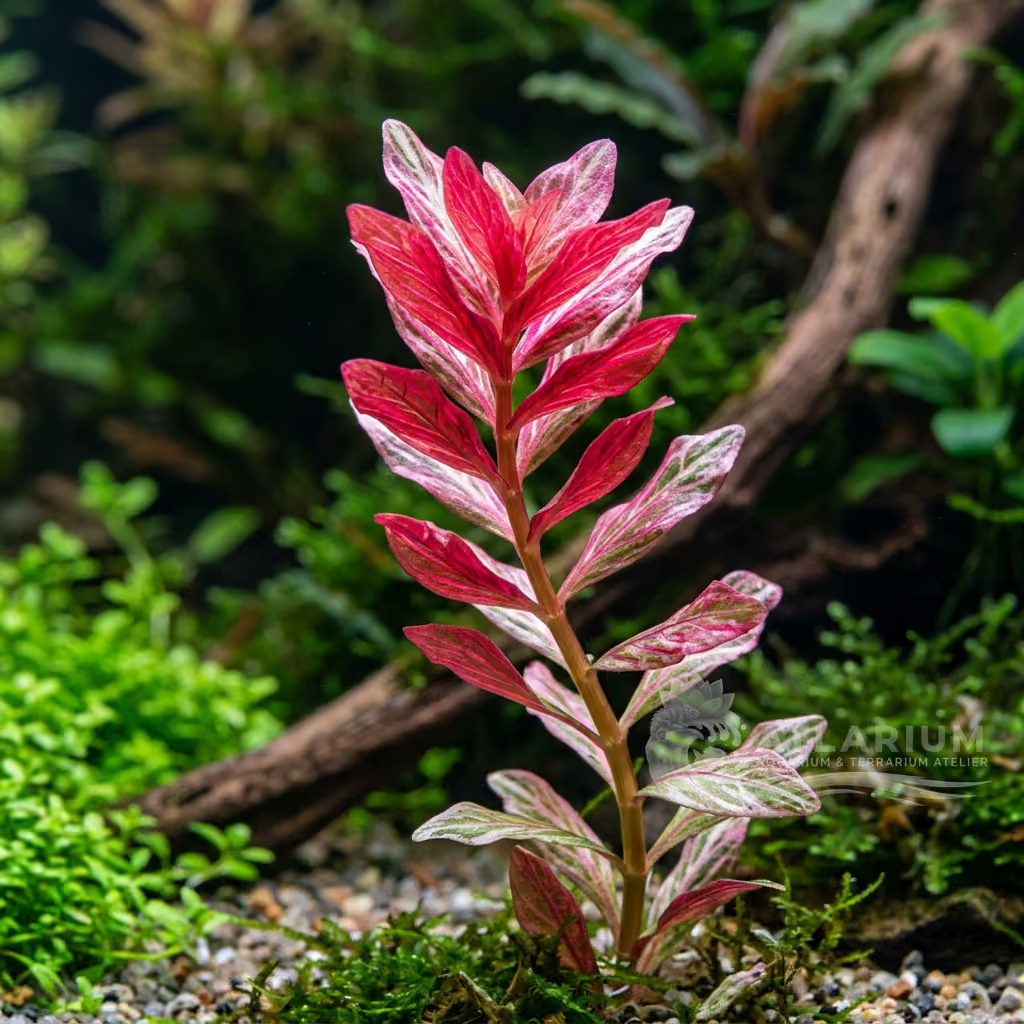
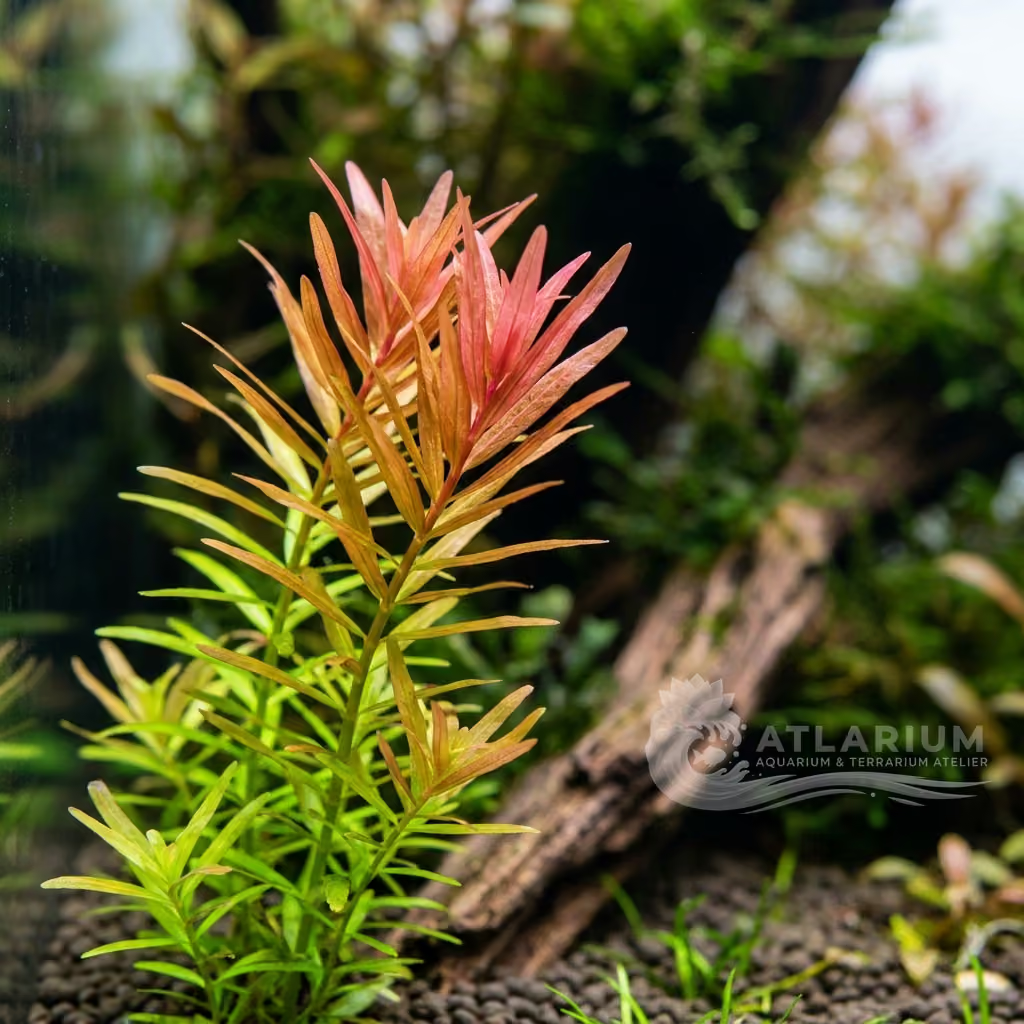
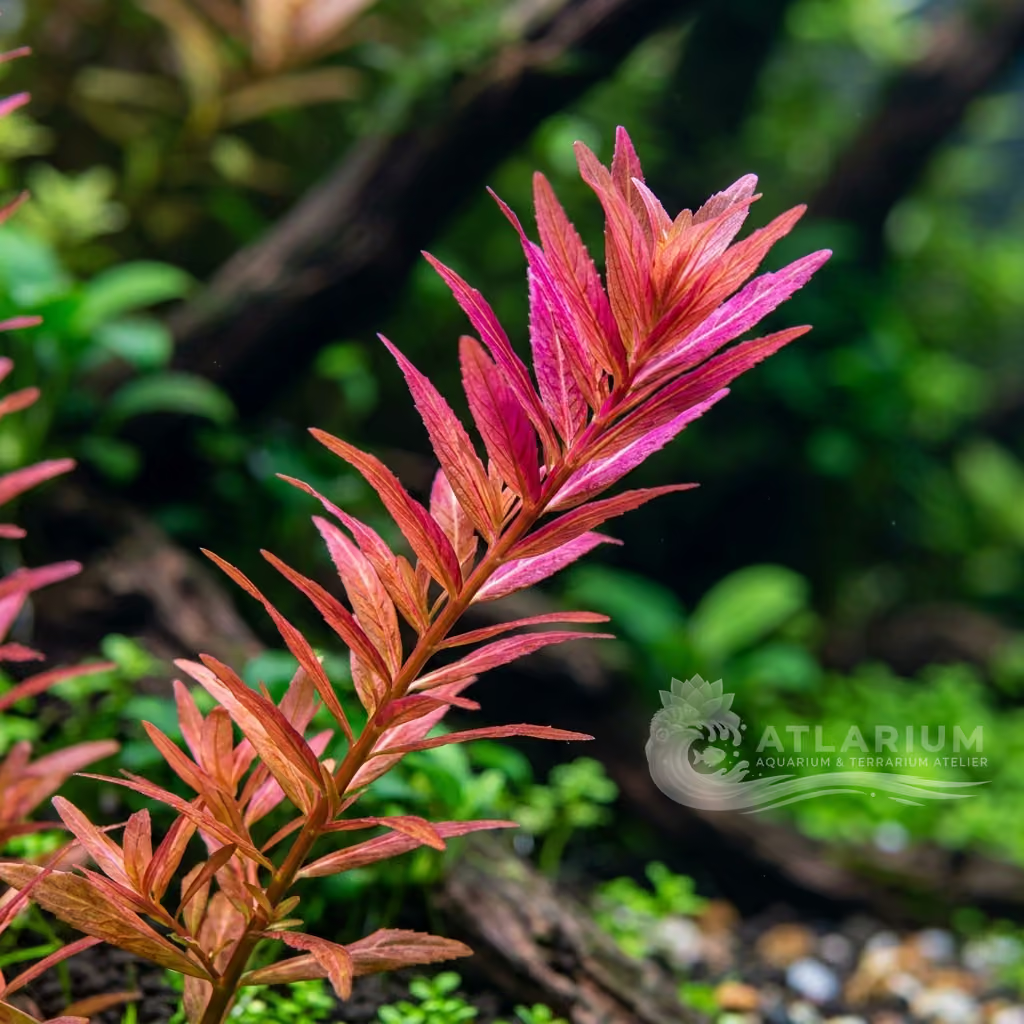
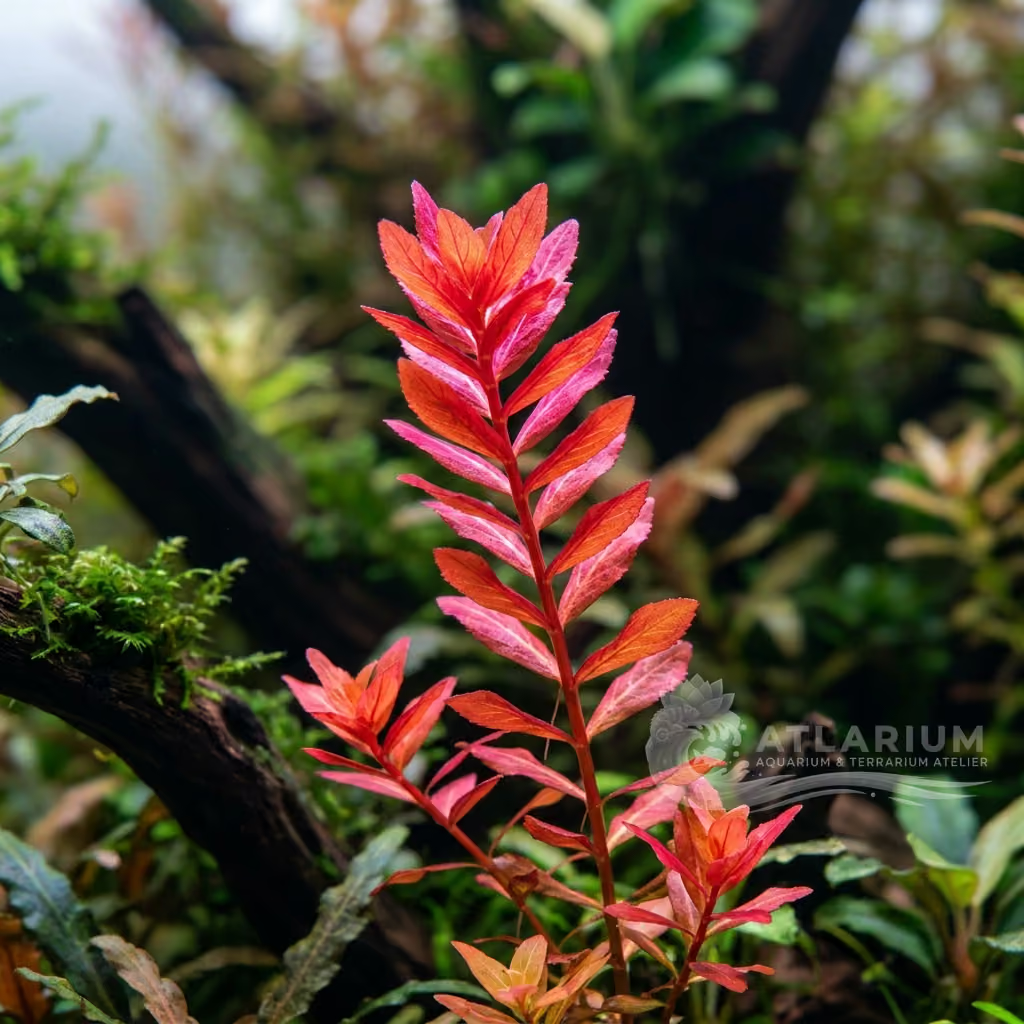
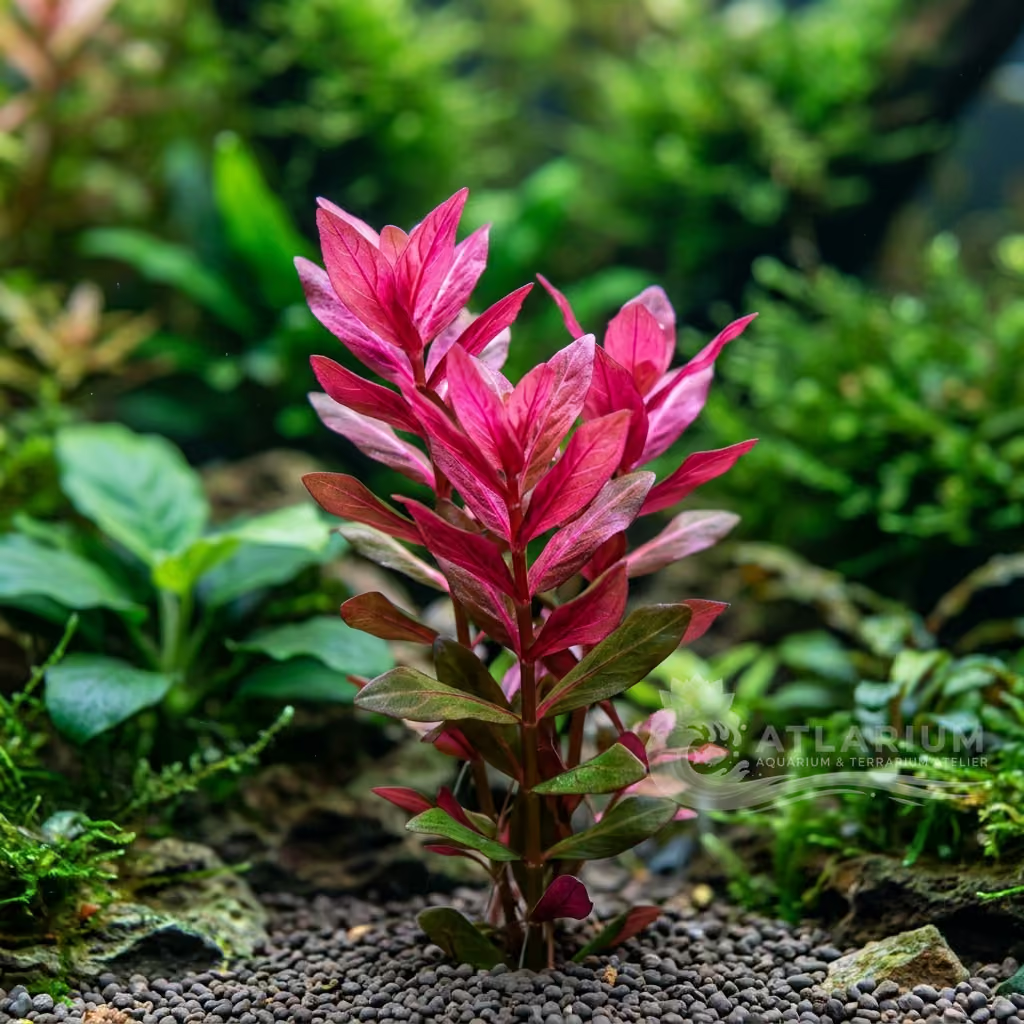
Color & Texture: It is famous for its spectacular and intense fiery red or magenta color that entirely covers the plant under correct lighting. The leaf texture is incredibly thin, translucent, and delicate, offering a soft, undulating appearance in the water current.

Care, breeding and tankmates
Lighting & CO2: Requires extremely intense, full-spectrum lighting. Consistent and high CO2 injection (20-30 mg/l) is absolutely mandatory to prevent decay and leaf loss.
Nutrition & Substrate: Needs a fertile, acidic, and iron-rich substrate (active soil). It demands advanced and balanced liquid fertilization with microelements and chelated iron. It is highly sensitive to potassium and phosphate deficiencies.
Water Chemistry: Demanding. Prefers soft, acidic water (pH 5.0 - 7.0) with very low KH (0-4 dKH). Requires stable warm temperatures between 22 and 28°C (72-82°F). It does not tolerate parameter swings or dissolved nitrate buildup.
Space Management & Placement: Placed in the midground or background in small groups. The stems must be planted individually, spaced at least 2-3 cm apart, to ensure that intense light reaches the lower leaves.
Pruning: Pruning is done by cutting the main stems. This stimulates lateral branching. To propagate the plant, replant the healthy top cuttings. Avoid pruning too frequently to prevent stressing the fragile stems.
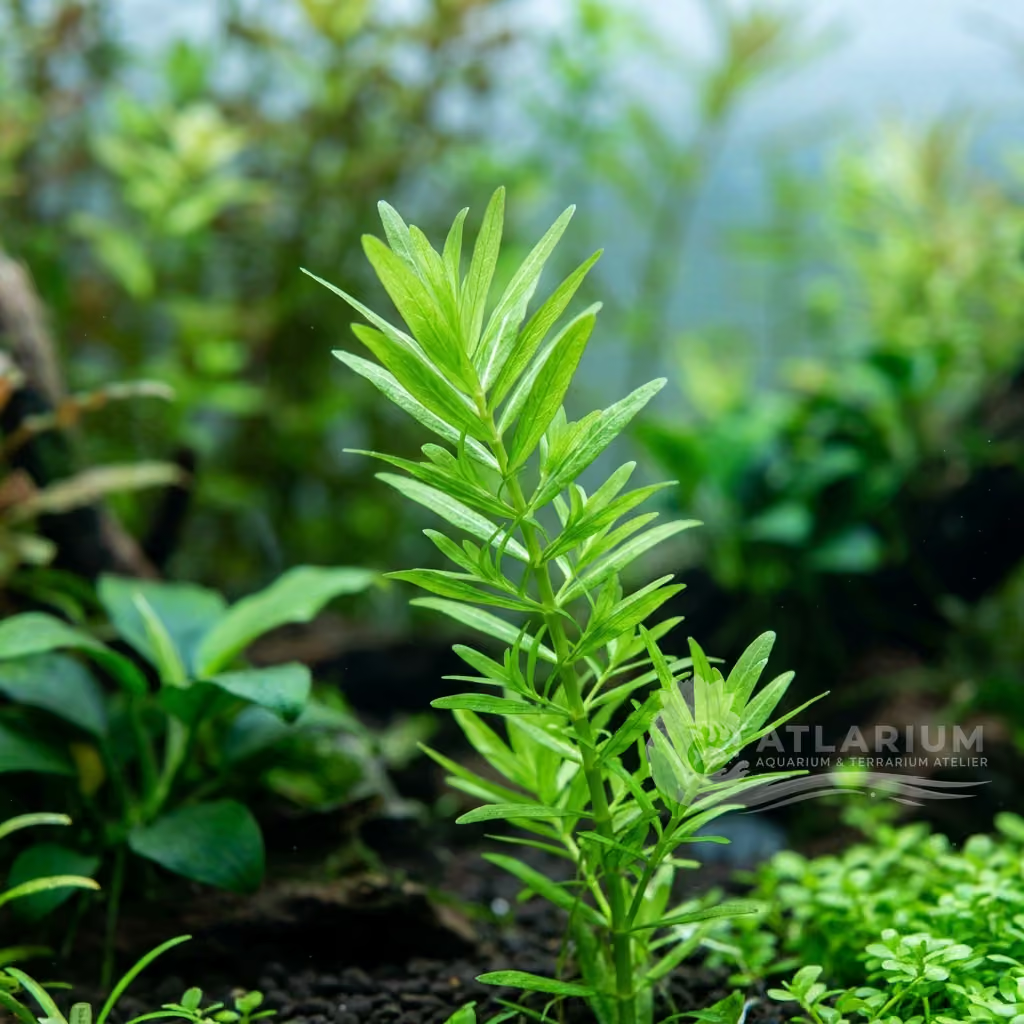
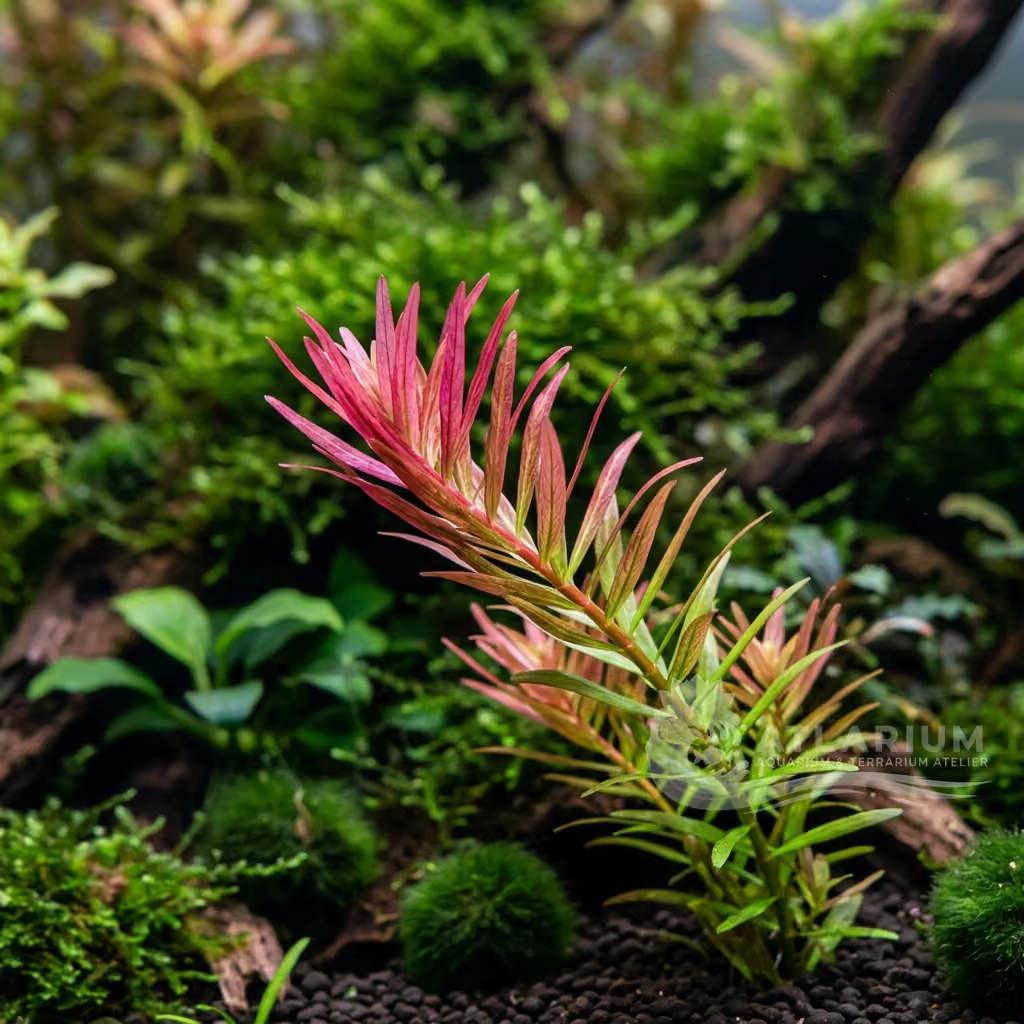
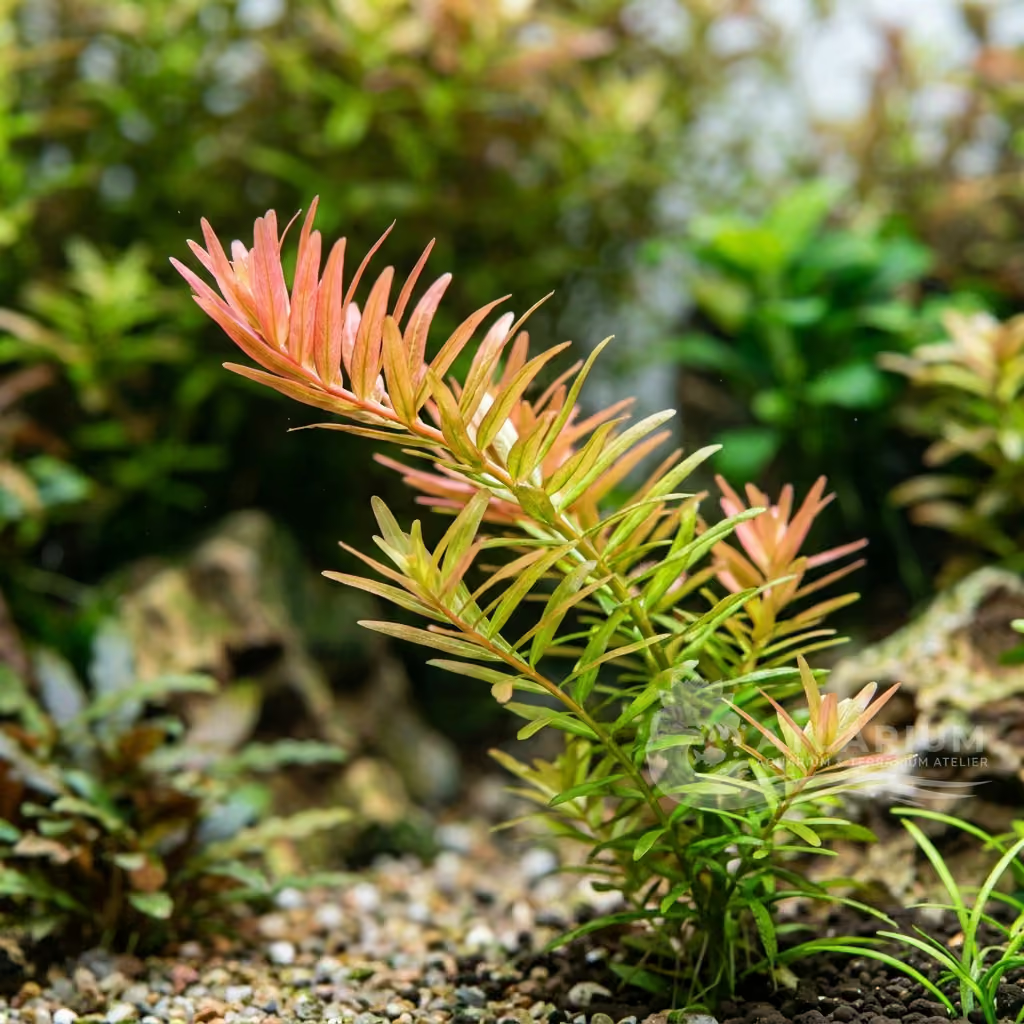
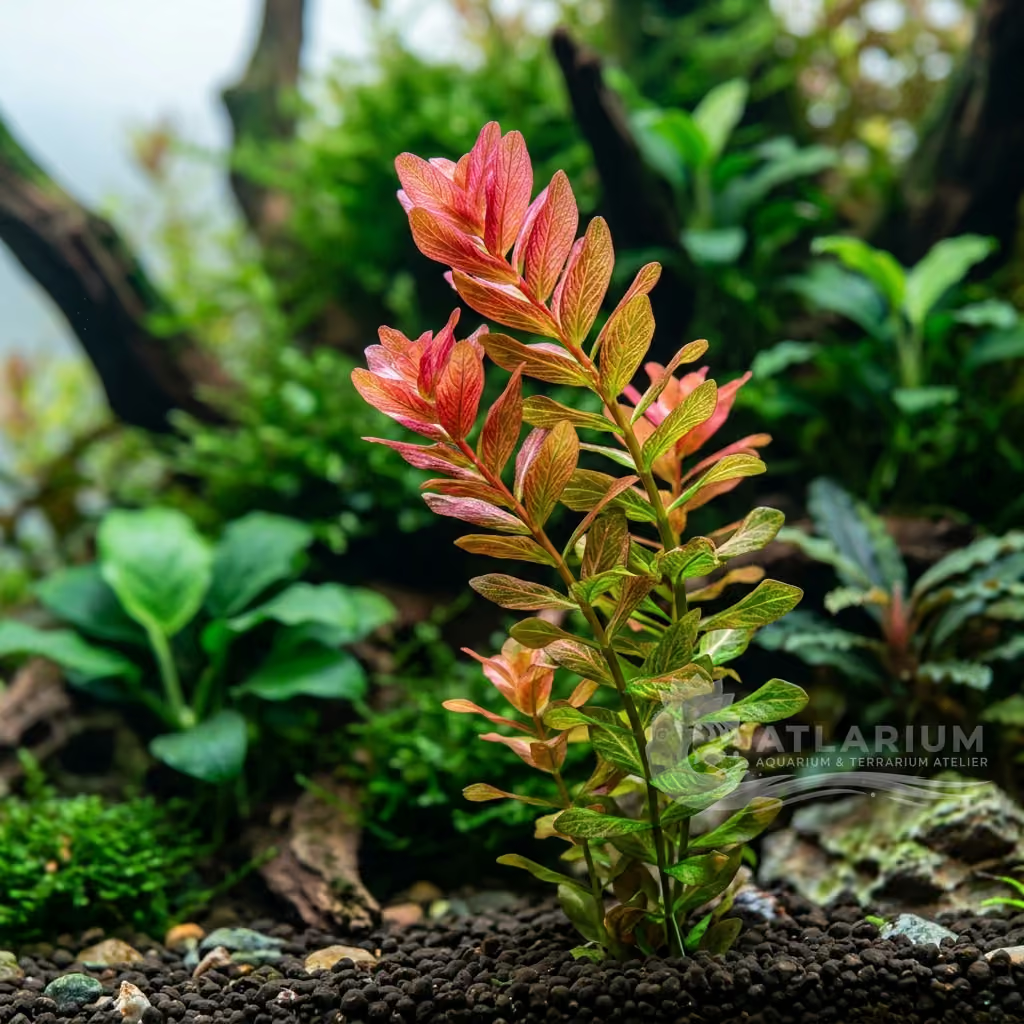
Risks & Diseases: The greatest risk is the sudden melting of leaves due to CO2 drops or pH fluctuations. If light is insufficient, the plant quickly loses its red color, turning dull green, and the lower leaves rot.

Geographic origin and distribution
Rotala macrandra is native to southern India, where it grows submerged or emersed in warm, stagnant, or slow-flowing waters such as marshes, rice paddies, and riverbanks. It is considered a demanding and delicate species, found only in pristine, nutrient-rich biotopes.
Origin
South and Southeast Asia

Plant profile
- Placement
- Midground
- It is best placed as a focal point in the midground or background, where its bright colors can stand out against green plants. Ensure it is planted in an area with unobstructed, intense lighting. Planting in small, loose groups rather than dense bunches helps ensure that lower leaves receive adequate light and water flow.
- Botanical form
- Stem
- This 'Classic large-leaved' variant features deep red foliage. This species features large, slightly wavy, ovate leaves that develop a deep, translucent red to magenta color under intense light. The stems are fragile and can easily snap if handled roughly. Its large, colorful leaves make it one of the most striking stem plants available in the hobby.
- Growth
- Fast
- Under ideal high-tech conditions, it exhibits a very fast growth rate, quickly reaching the water surface. However, if conditions are sub-optimal, its growth will stall, and the plant will deteriorate rapidly. The fast growth necessitates regular, careful trimming to maintain its shape and health.
- Substrate
- High
- *Rotala macrandra* is a demanding stem plant that fundamentally relies on a nutrient-dense, high-quality aqua soil to support its rapid growth and brilliant red hues. Its roots act as heavy feeders, vigorously extracting iron, nitrogen, and essential trace minerals directly from the substrate bed. A deep substrate of at least 5 to 8 centimeters is crucial to properly anchor its buoyant stems and accommodate widespread root development. Without a thoroughly enriched, slightly acidic soil, this delicate species often struggles to establish itself and maintain its striking appearance.
- Column fertilization
- Required
- Liquid fertilization must be heavily maintained, focusing on a strong supply of micronutrients and iron. It absorbs most of its needed nutrients directly from the water column through its delicate leaves. Maintaining lower nitrate levels relative to phosphate can sometimes enhance its deep red pigmentation.
- Root fertilization
- Recommended
- While it feeds primarily from the water column, a nutrient-rich active soil substrate is highly recommended. The soft substrate allows its delicate roots to anchor securely and provides a backup source of essential minerals. Root tabs can be beneficial in older setups where the soil has depleted.
- Trimming
- None
- Trimming must be done with extreme care using sharp scissors, as the stems are easily bruised or crushed. Replant the healthy top cuttings to maintain the thicket, as the lower cut stems may sometimes struggle to branch out if light is poor. Removing old, bare lower stems entirely is often preferred to topping.
- Propagation
- Cuttings
- Propagation is done by taking top cuttings and carefully planting them into soft, active soil. The cuttings will root within a few days under high light and stable CO2 conditions. Handle the cuttings gently by the very bottom of the stem to avoid crushing the delicate tissues.
- Sensitivity
- HIGH
- This is one of the most sensitive plants in the hobby, prone to melting if water parameters, CO2, or light levels fluctuate. It easily drops its lower leaves if shaded or if water circulation is inadequate. It is also highly susceptible to algae if the tank's nutrient balance is slightly off.
- Layout role
- Midground, Background, group
- Rotala macrandra is the ultimate red focal point plant for Dutch style and high-tech Nature Aquariums. Its intense coloration and large leaves provide a dramatic contrast against light green carpeting plants or delicate background stems. It requires careful placement to ensure it doesn't overshadow other delicate species.

Related species
Recommendations grouped by close relatives, companion choices, and similar care.