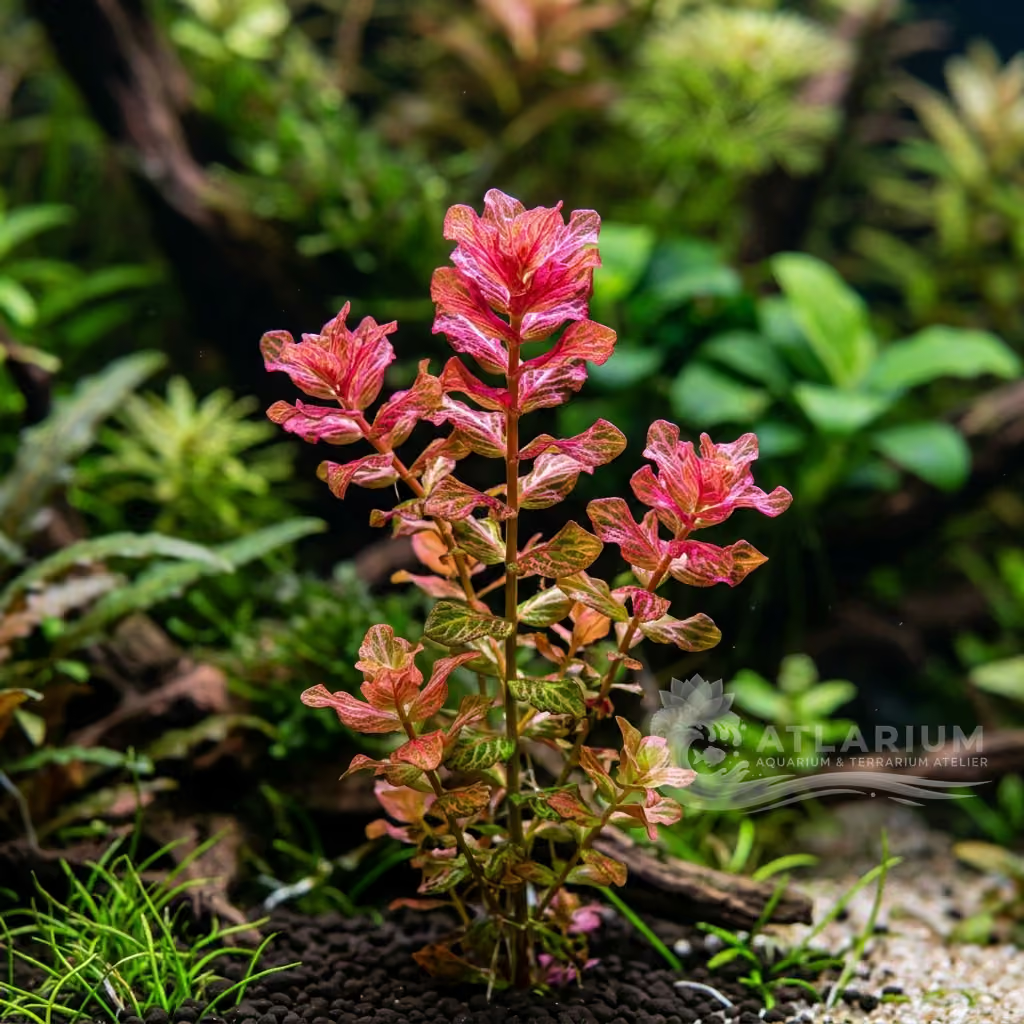
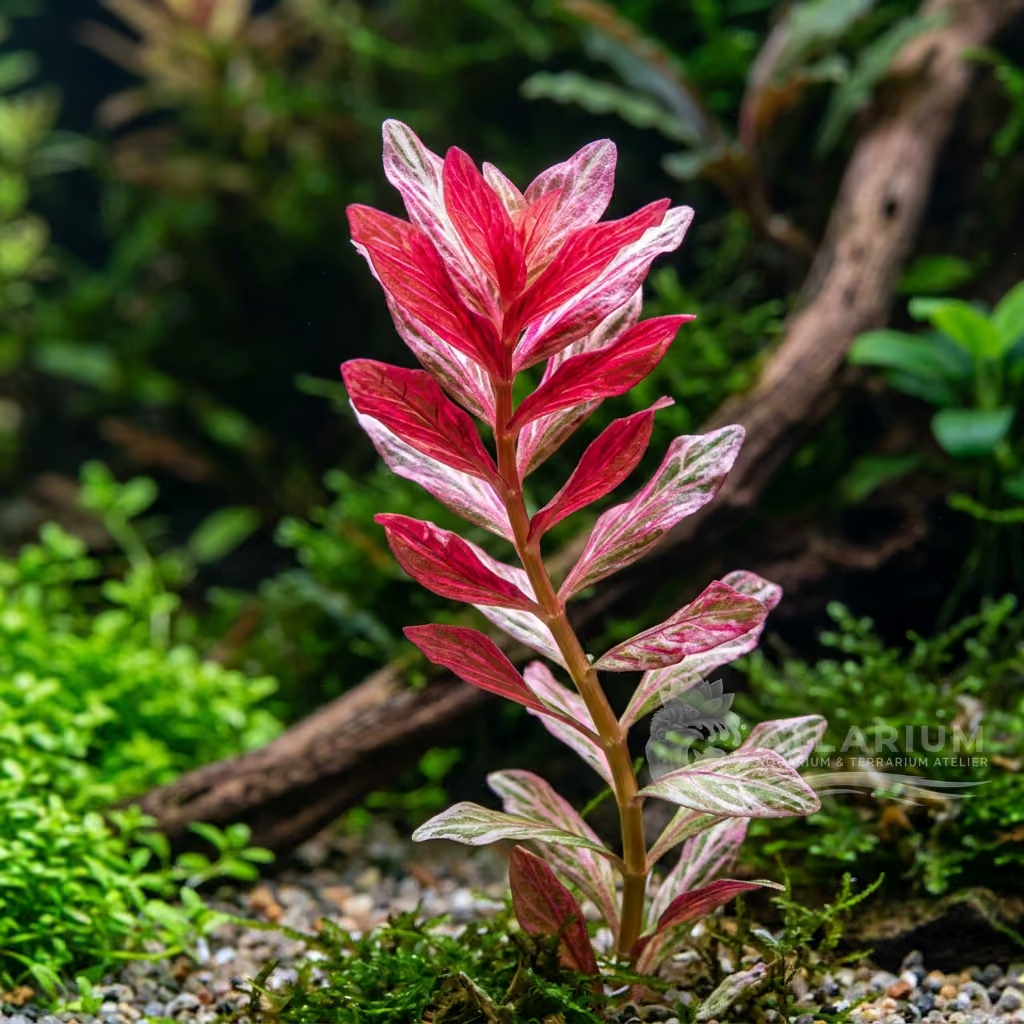
Dwarf Rotala
Rotala rotundifolia
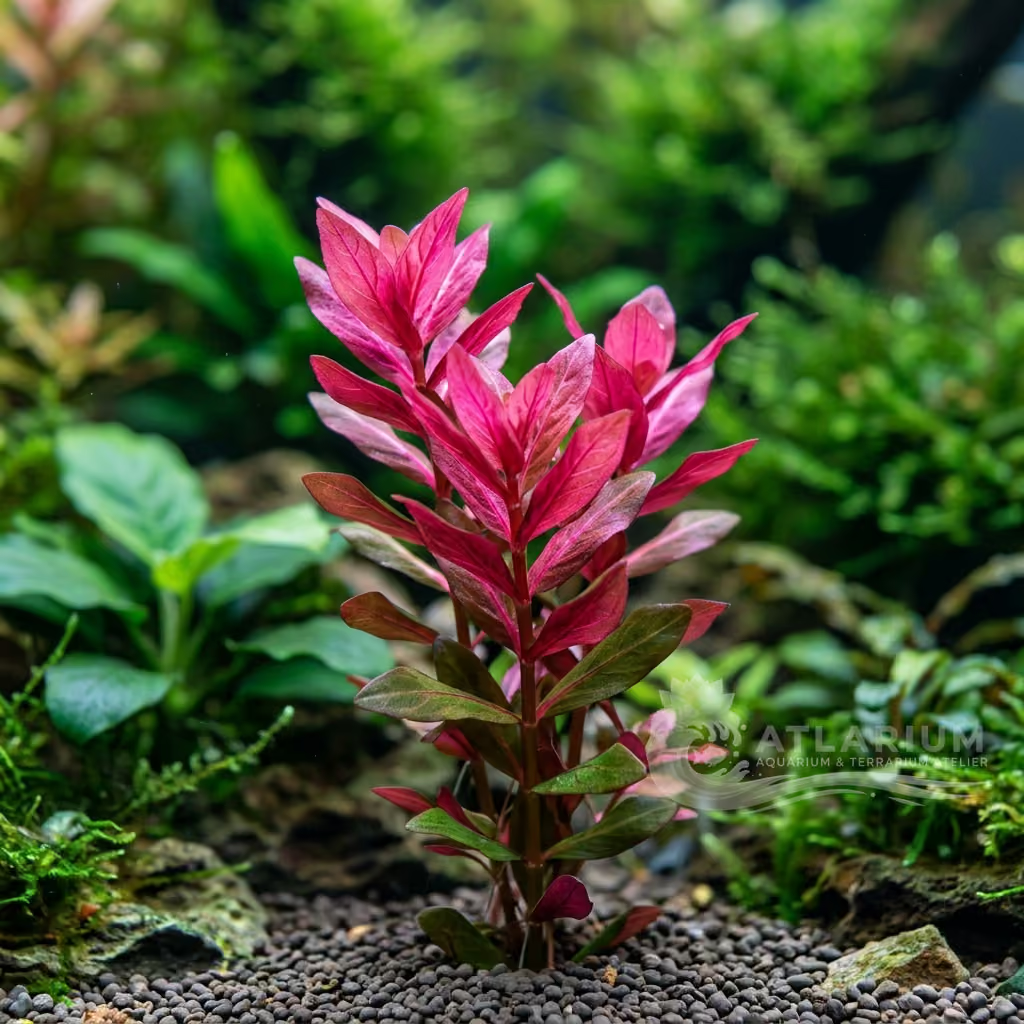
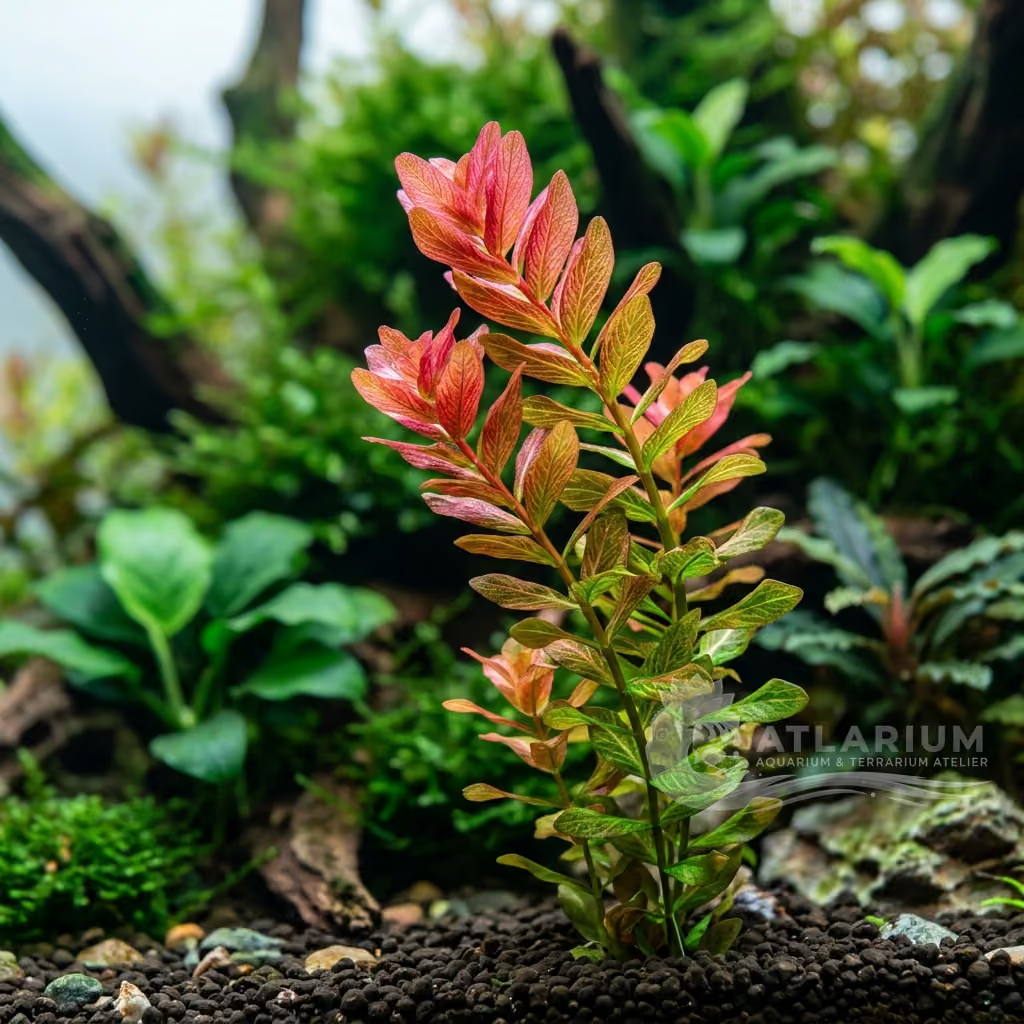
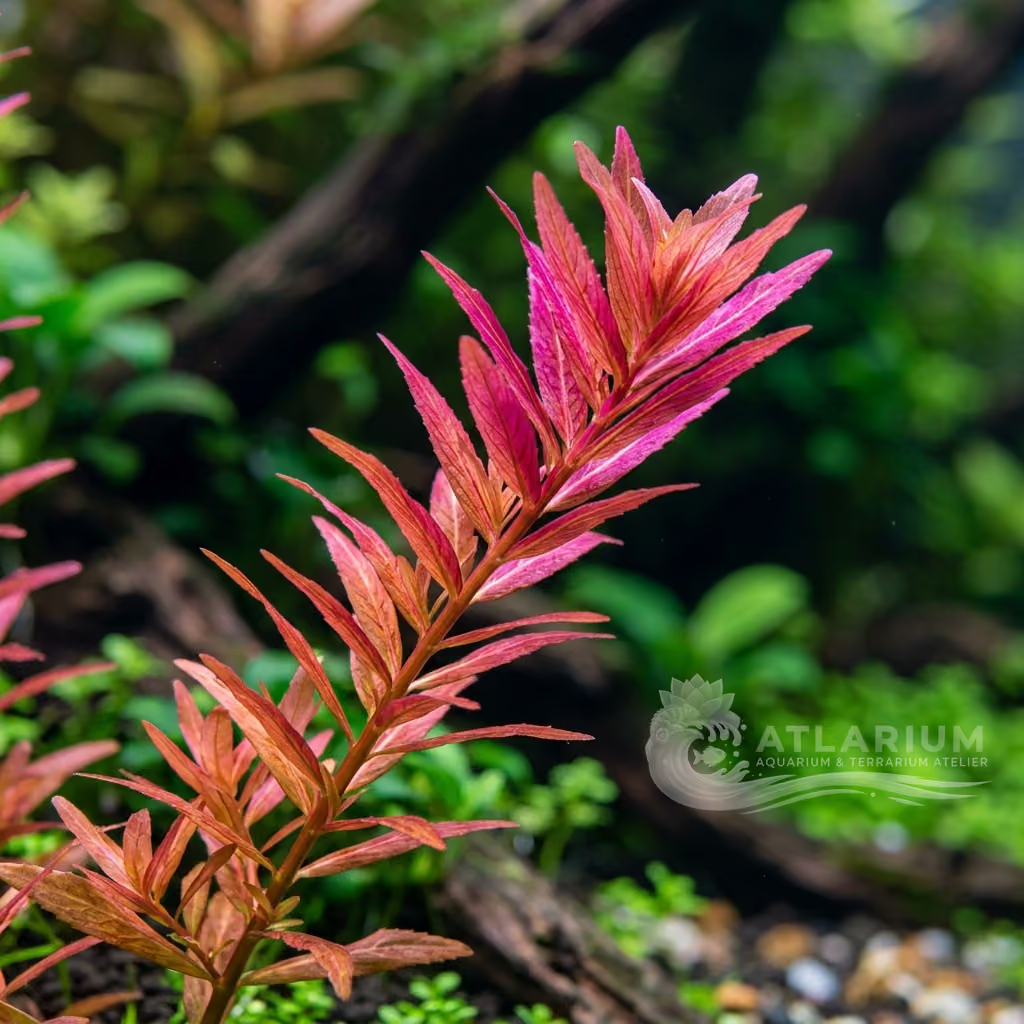
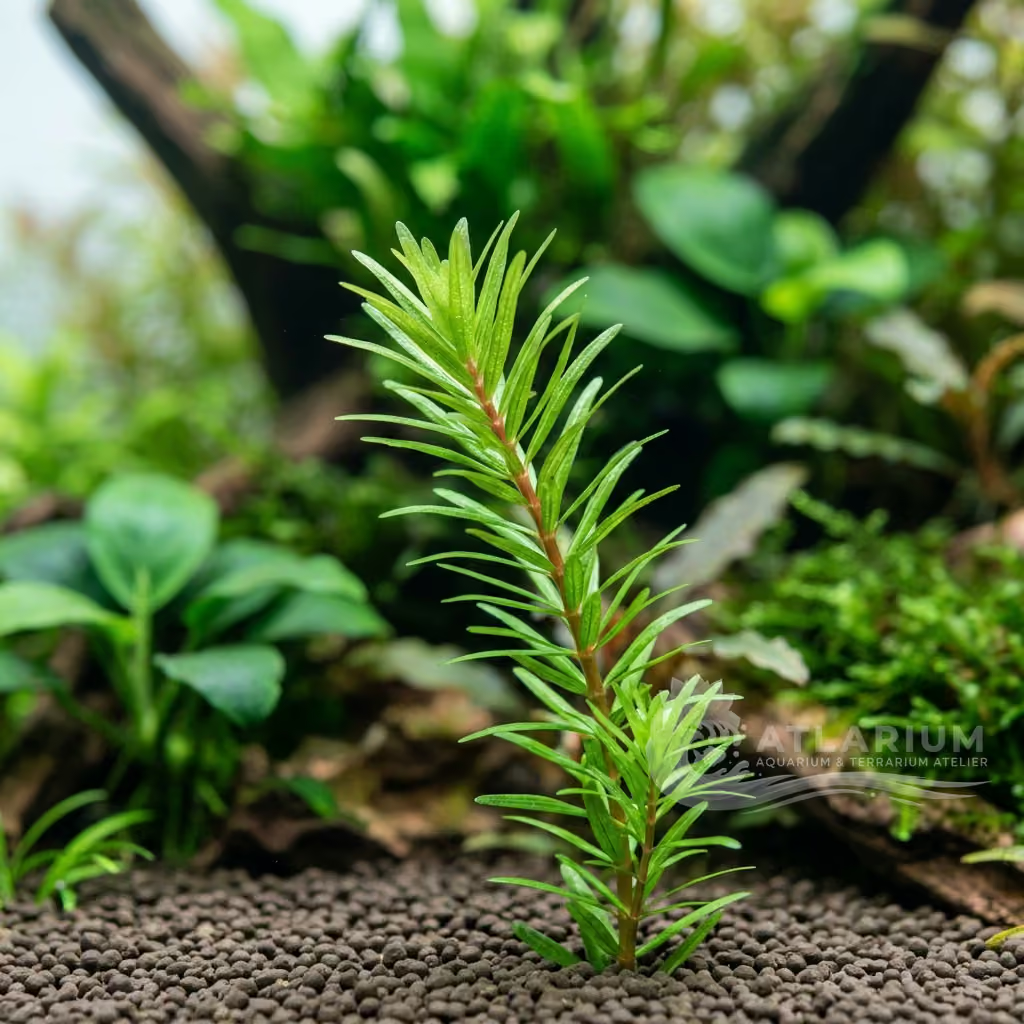
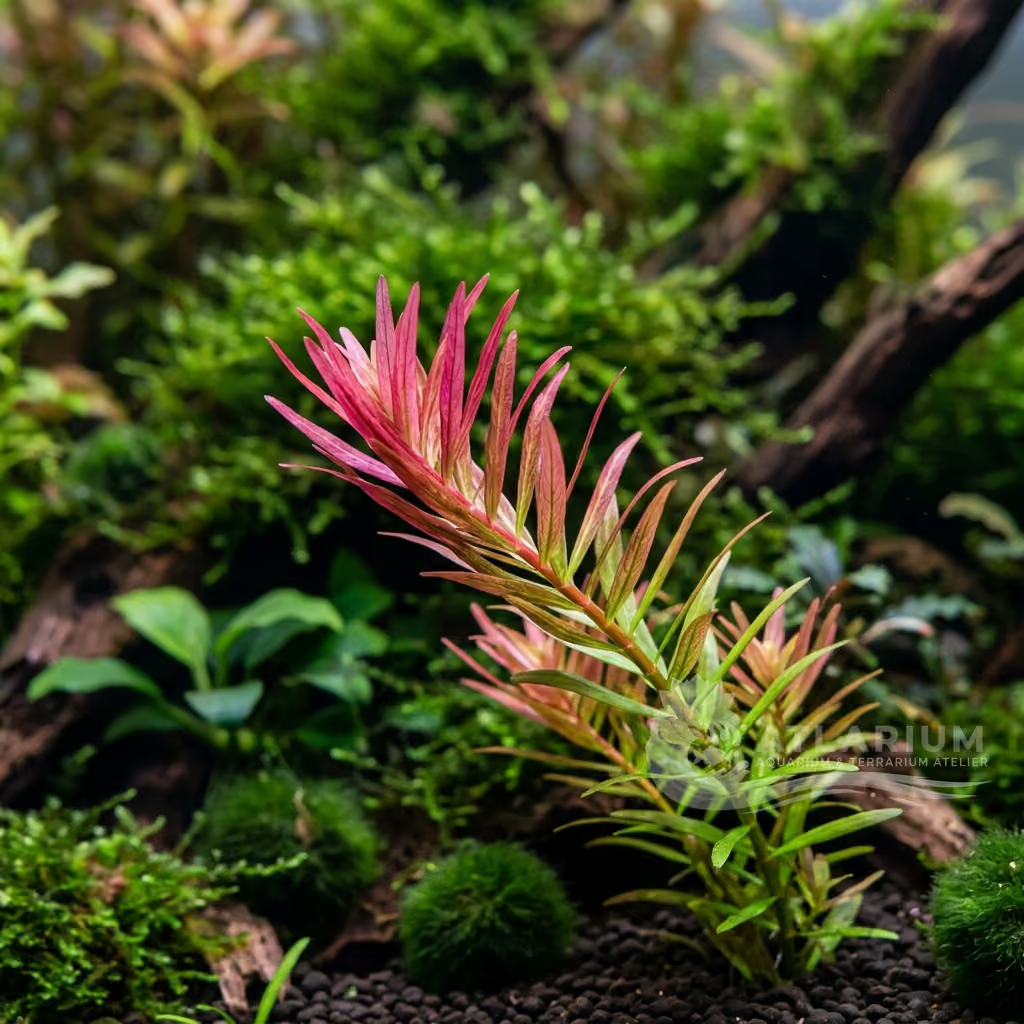
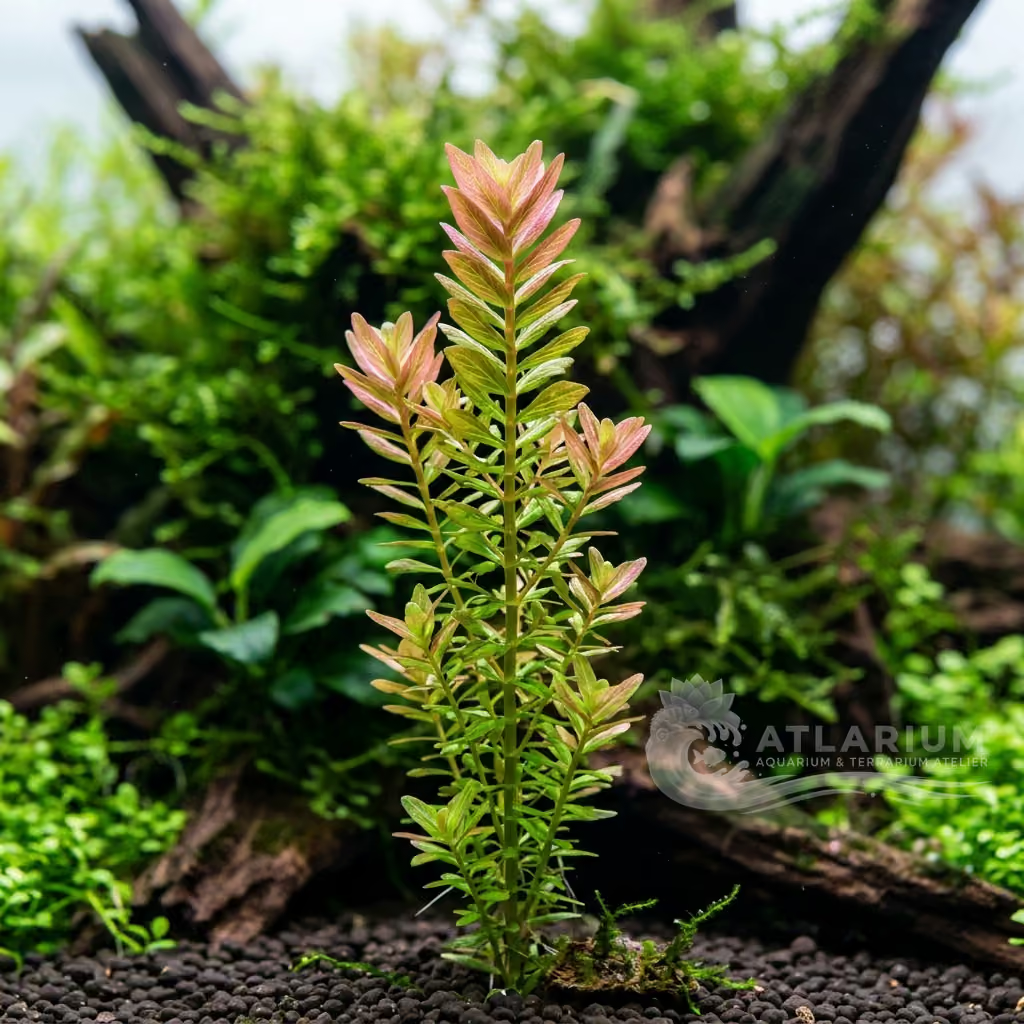
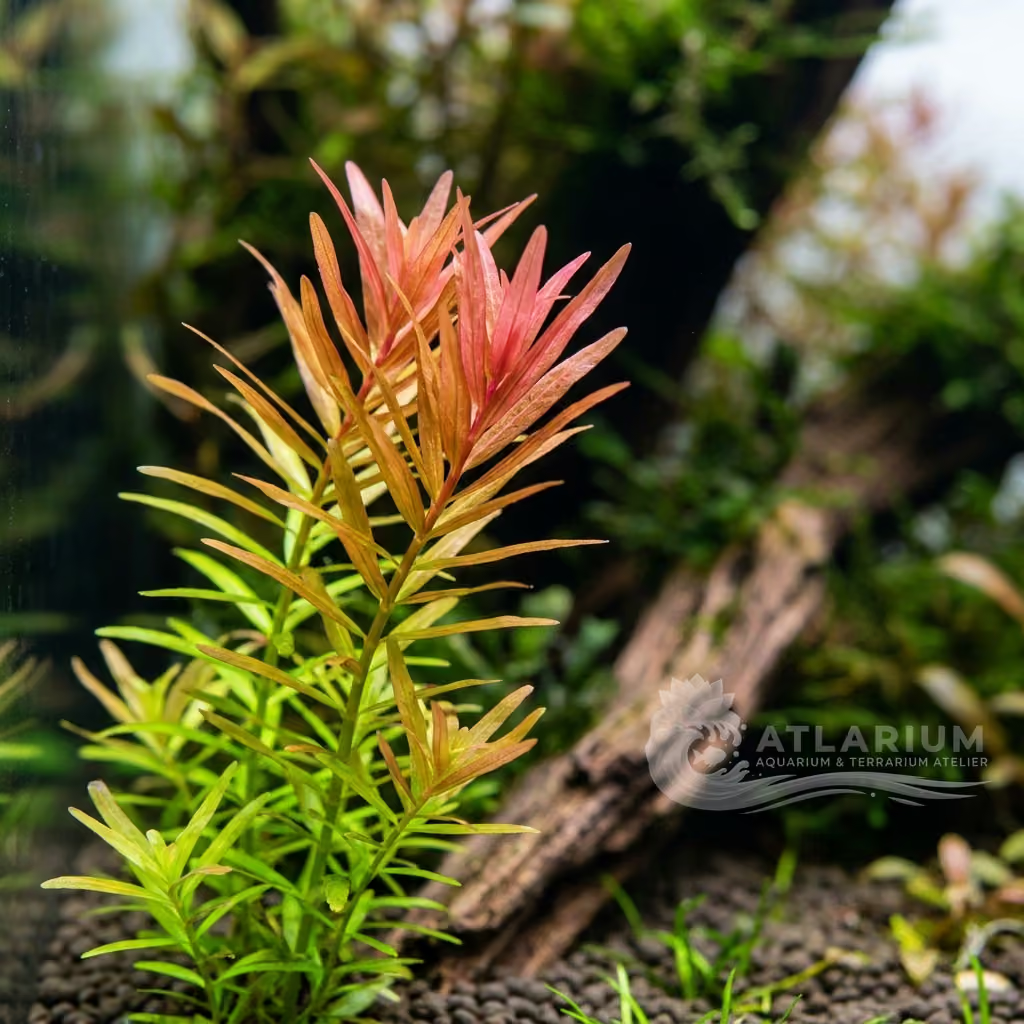
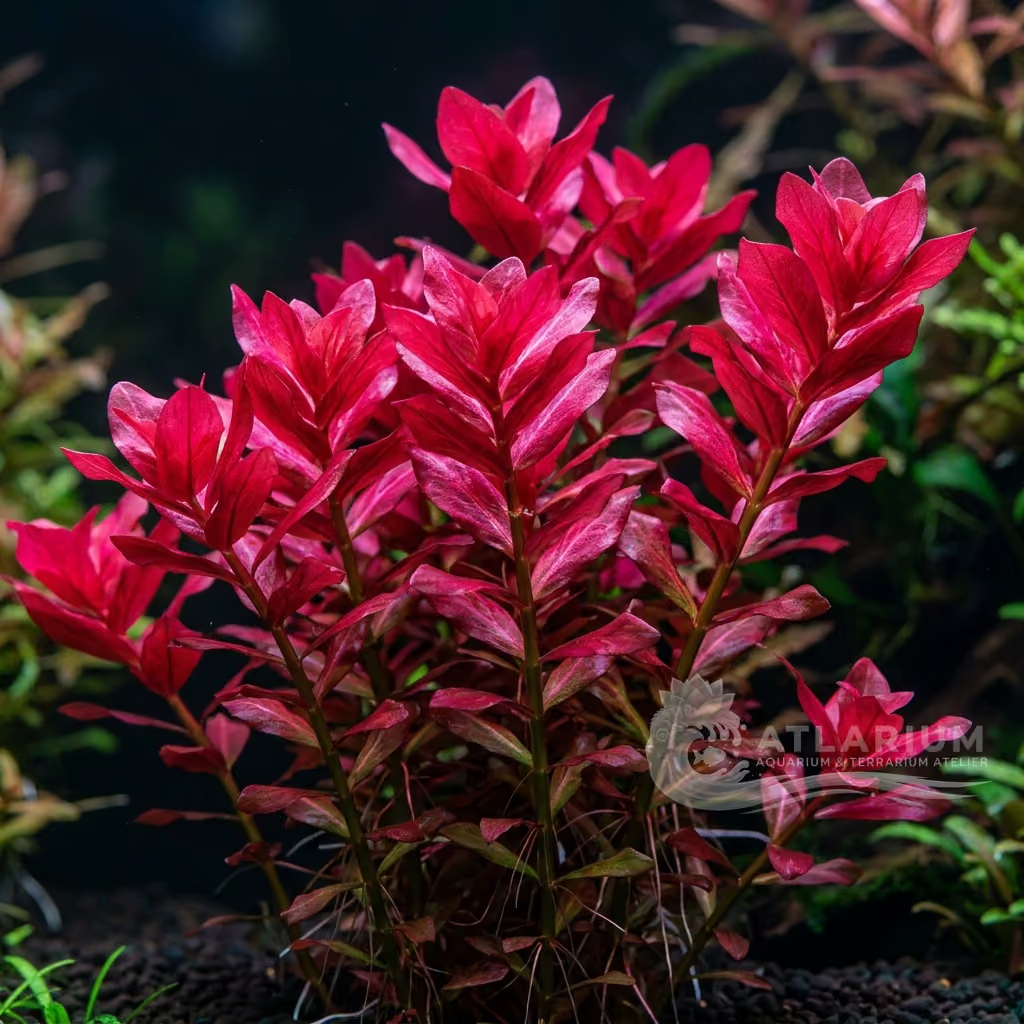
A classic, highly adaptable stem plant. Extremely popular for background planting, it forms dense bushes that transition from green to pink and deep red under bright light.
Water Temperature
15 - 28 °C
pH Value
5 - 8
Water type
Freshwater
Light
Media ad Alta (per i colori arancio/rosa)
CO2
Media (sebbene sopravviva bene senza)
Expected height
40 cm
Expected width
3 cm
GH
4 - 20 dGH
KH
2 - 15 dKH

Species description
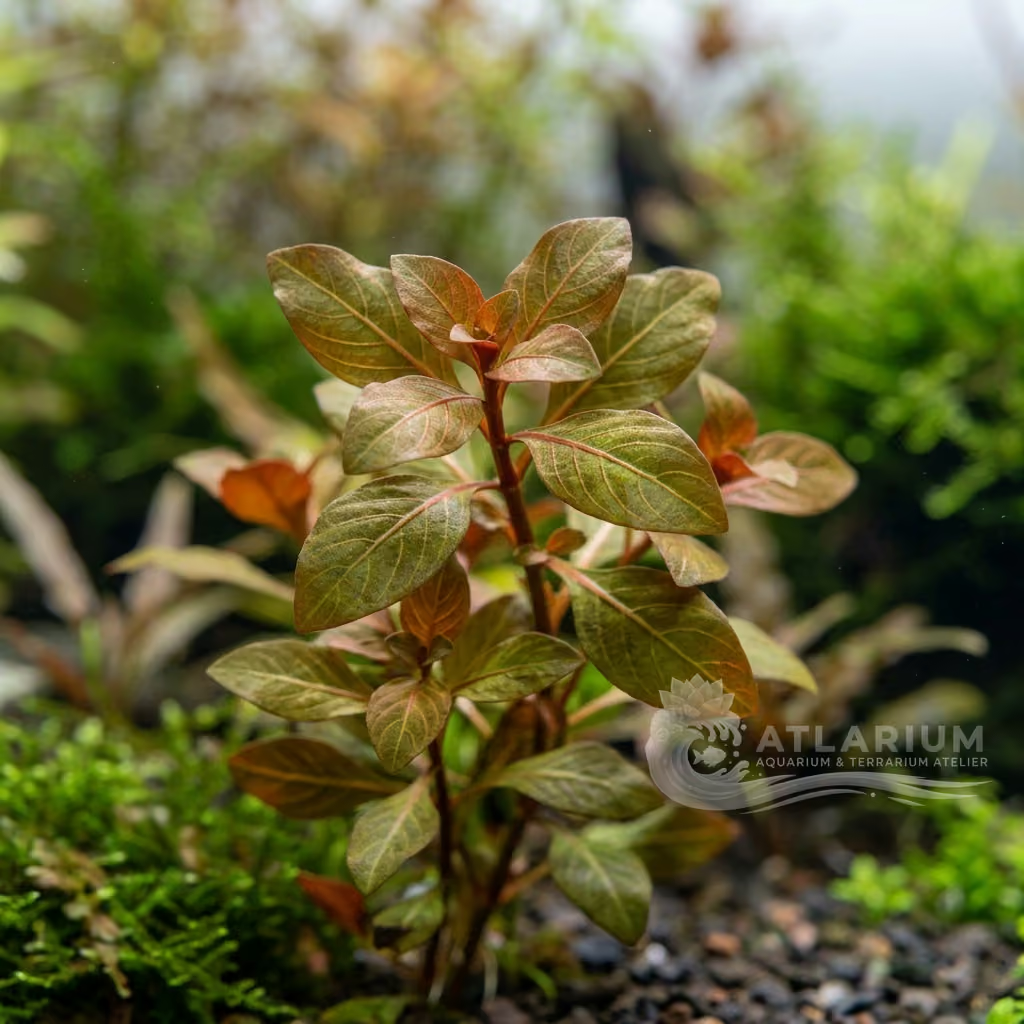
Geographical Origin and Habitat: Rotala rotundifolia is native to Southeast Asia, widely distributed in countries such as China, India, Thailand, Japan, and Vietnam. It populates marshes, rice paddies, riverbanks, and canals. It grows both submerged and emersed; in its emersed form, the leaves are round, while submerged leaves are elongated.
Taxonomy & Genetics: Belonging to the Lythraceae family, the species name "rotundifolia" refers to the round leaves of the emersed form. It is a highly common and adaptable plant. Genetically stable, it has given rise to numerous cultivated varieties (such as Colorata, Green, H'Ra) selected for color intensity or growth habit.
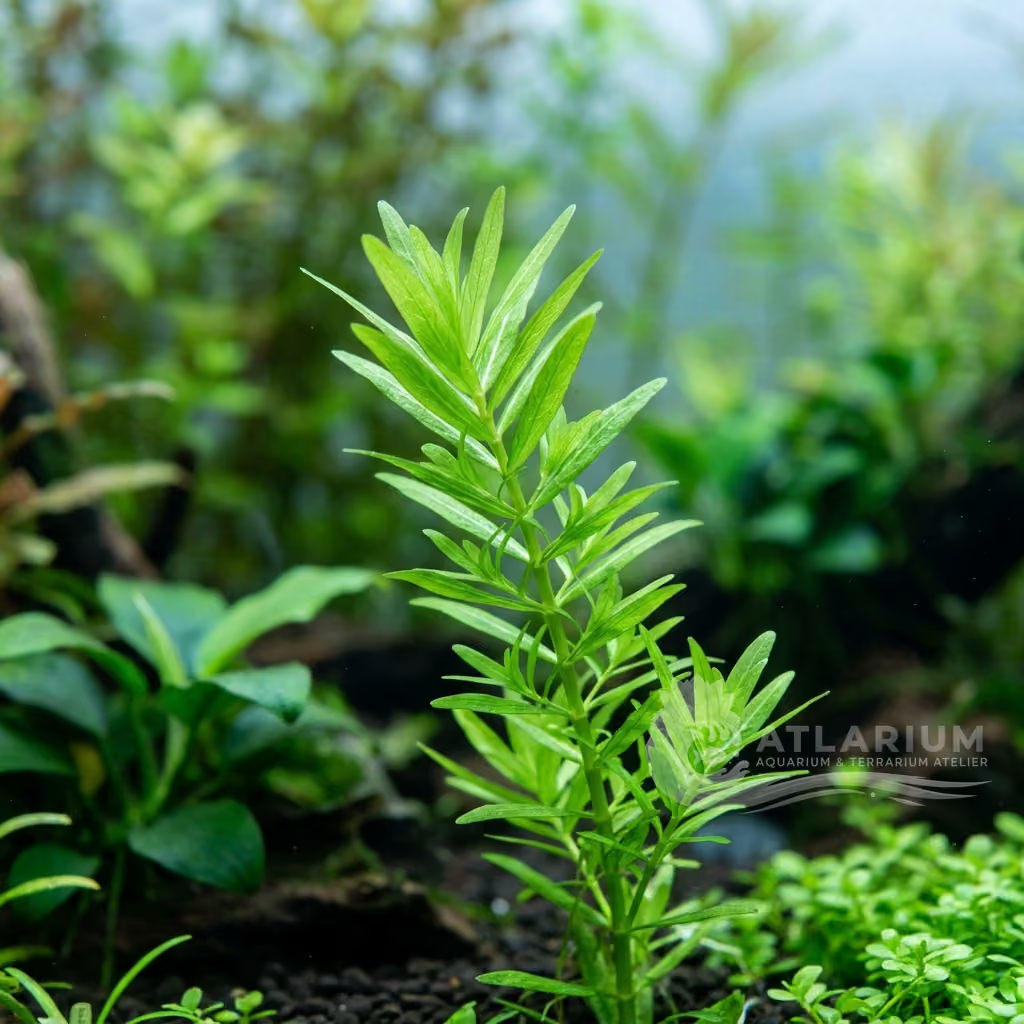
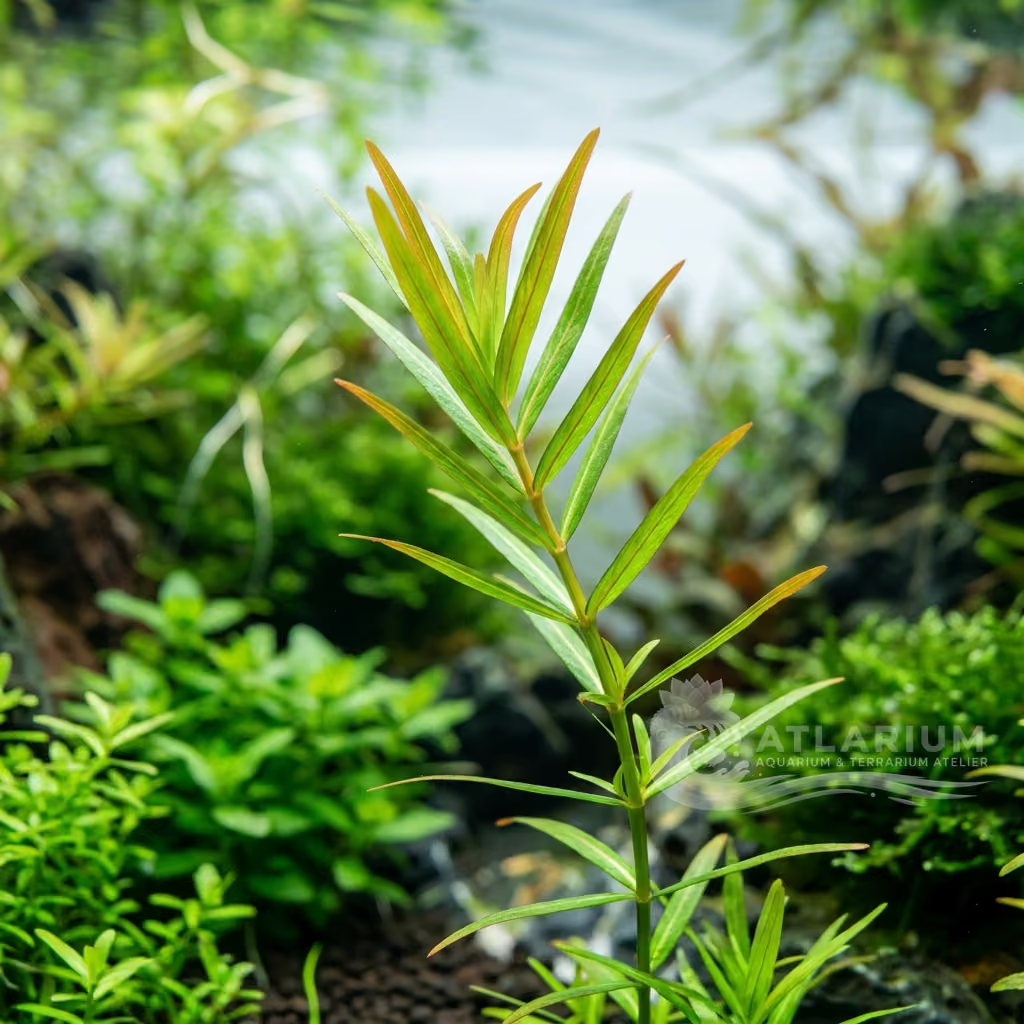
Physical Structure: It features thin, erect, and branching vertical stems that tend to bend and grow horizontally under intense lighting. Submerged leaves are narrow, lanceolate, and arranged in opposite pairs or whorls along the stem. The root system is dense and robust.
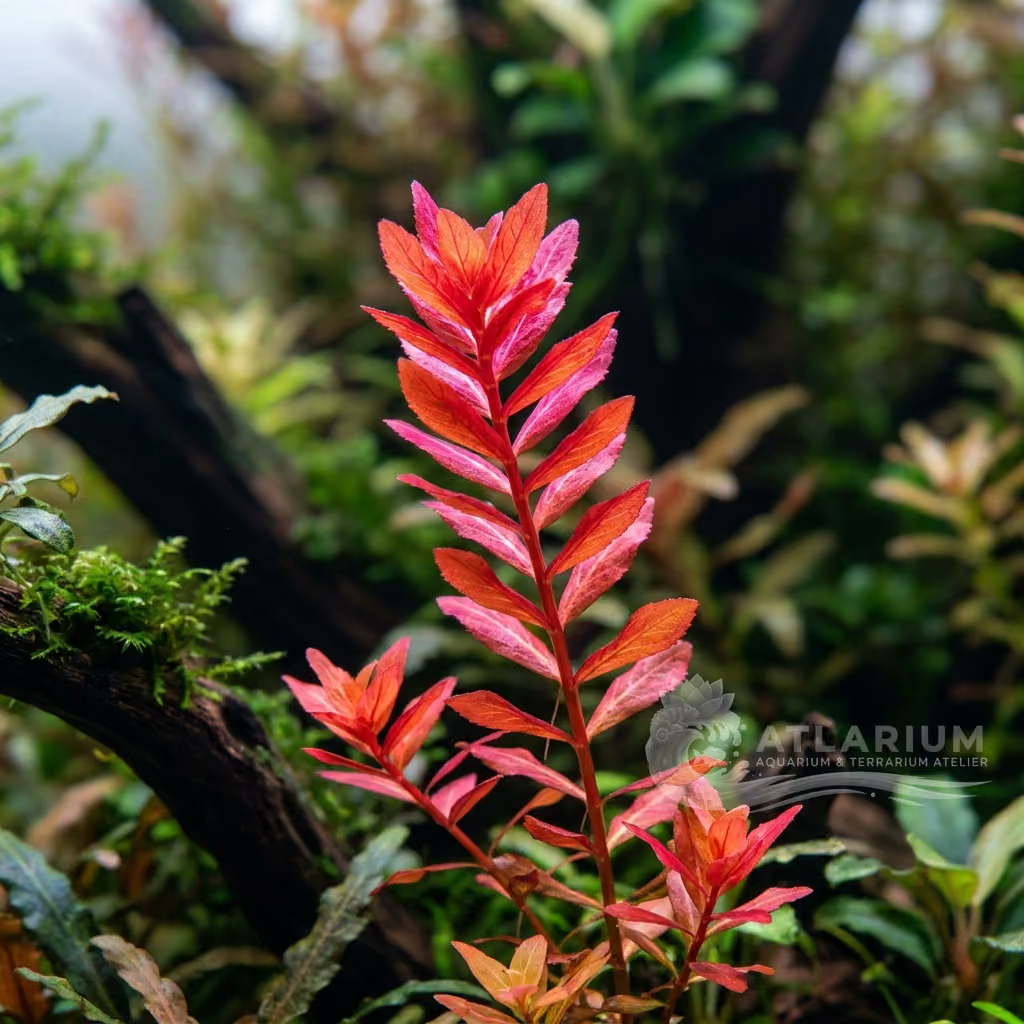
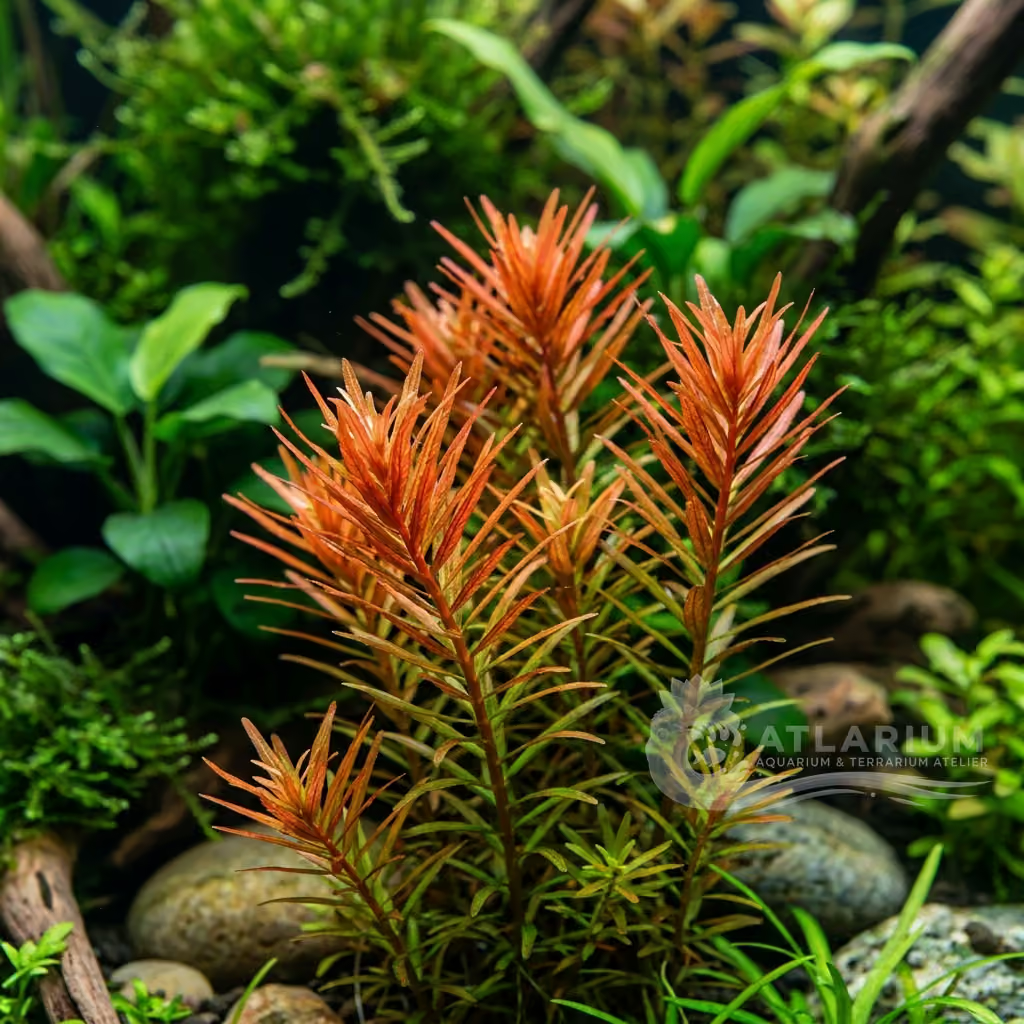
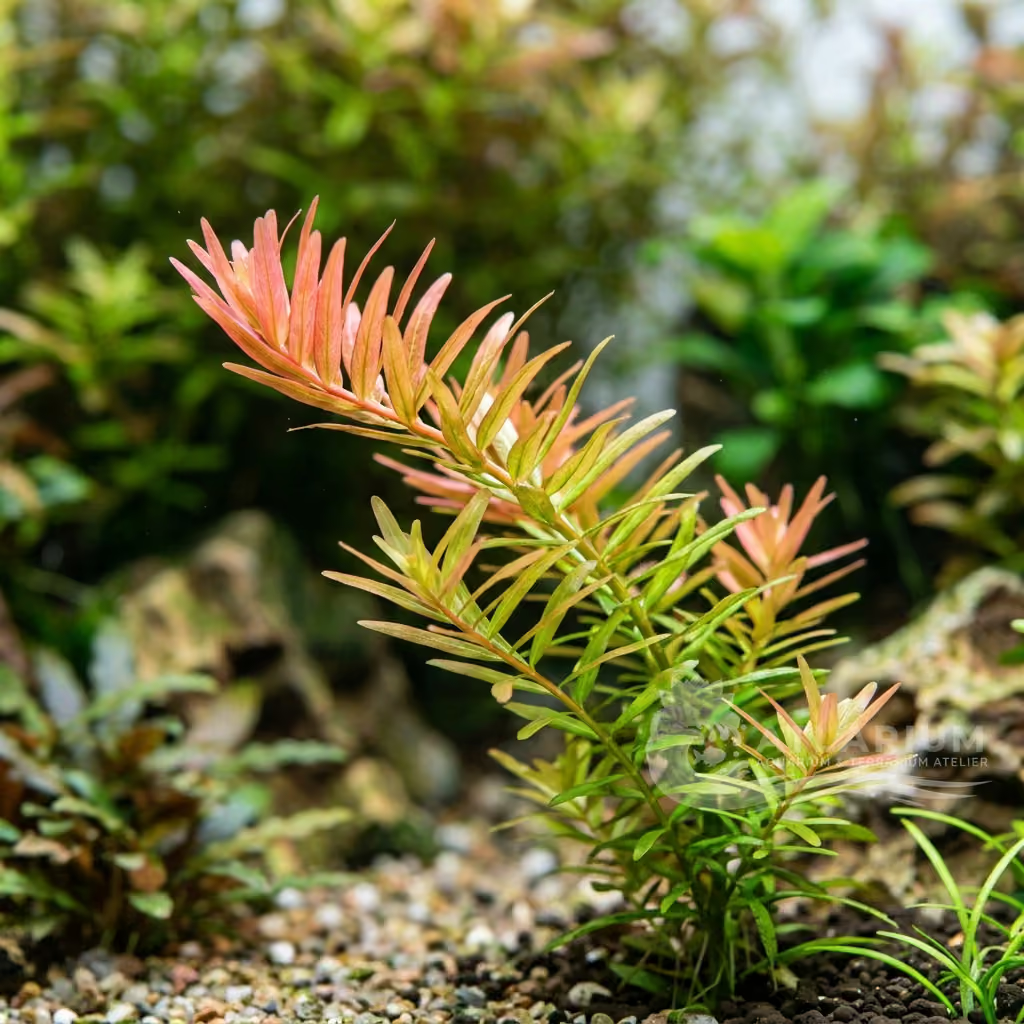
Color & Texture: It displays a coloration ranging from light green to pink-orange, reaching intense red at the tips under proper lighting. The leaf texture is light, dense, and regular, creating a beautiful bushy appearance highly valued in aquascaping.

Care, breeding and tankmates
Lighting & CO2: Requires moderate to high lighting. To achieve intense red coloration, strong lighting is necessary. CO2 injection is not mandatory for survival, but it promotes compact growth, short internodes, and robust stems.
Nutrition & Substrate: Grows well in fertile substrates, but adapts to plain gravel if supported by consistent liquid column fertilization. It benefits from controlled nitrate limitation combined with high iron levels to promote red hues.
Water Chemistry: Extremely adaptable. It survives in temperatures between 18 and 28°C (64-82°F), with an optimal pH range of 6.0 to 7.5. Tolerant of both soft, acidic water and hard water, making it suitable for beginners.
Space Management & Placement: Placed in the background or midground. Under very intense lighting, it tends to bend sideways, creating dense horizontal bushes. It should be planted in tight groups of individual stems.
Pruning: Pruning is done by cutting the stems at the desired height; this stimulates the growth of numerous lateral shoots, densifying the clump. Replant the cut cuttings in the substrate to propagate.
Risks & Diseases: If lighting is insufficient, lower leaves tend to fade, turn yellow, and drop, leaving the stem bare. Nutrient deficiencies limit growth, reducing leaf size.

Geographic origin and distribution
Rotala rotundifolia is native to Southeast Asia, widely distributed in countries such as China, India, Thailand, Japan, and Vietnam. It populates marshes, rice paddies, riverbanks, and canals. It grows both submerged and emersed; in its emersed form, the leaves are round, while submerged leaves are elongated.
Origin
South and Southeast Asia

Plant profile
- Placement
- Background
- This versatile plant is a staple for the background of planted aquariums, where it forms dense, bushy thickets. It naturally curves and arches gracefully toward the light, softening harsh hardscape lines. Its ability to create massive, colorful background walls makes it a favorite in both Dutch and Nature style layouts.
- Botanical form
- Stem
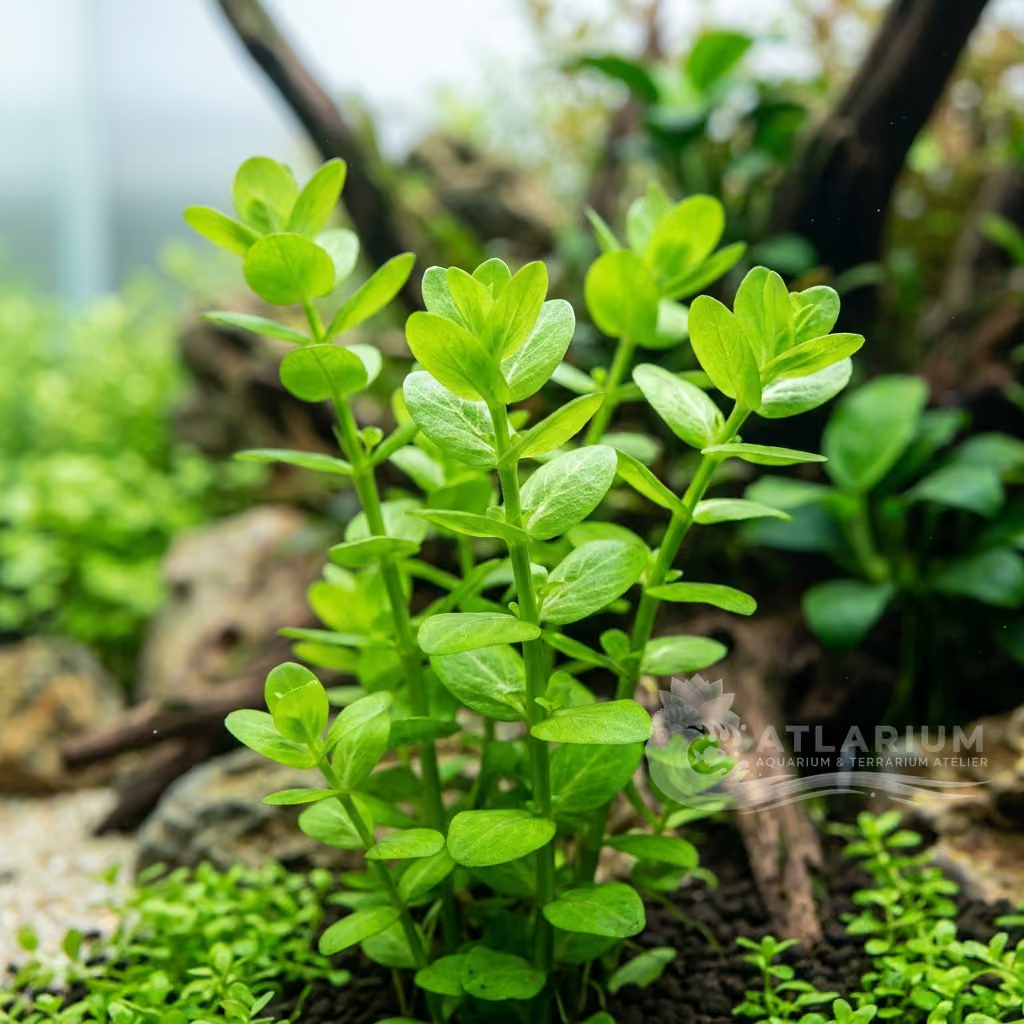
- Despite its name, which means 'round-leaved', the submerged leaves are actually narrow and elongated. Under moderate light, the foliage remains a vibrant green, but high light and CO2 transform the upper leaves into brilliant shades of pink and red. The stems are flexible and tend to arch horizontally before reaching the surface.
- Growth
- Fast
- It is an incredibly fast-growing stem plant that will quickly reach the water's surface under most conditions. This rapid growth makes it excellent for competing with algae in newly established tanks, as it absorbs excess nutrients efficiently. Regular and sometimes aggressive trimming is required to keep it from taking over the aquarium.
- Substrate
- Medium
- Rotala rotundifolia is highly versatile and readily roots in nearly any standard aquarium substrate, from nutrient-packed aqua soils to plain sand or fine gravel. The root network acts swiftly to anchor its fast-growing stems and is very efficient at absorbing both substrate and water column nutrients. A standard depth of 3 to 5 centimeters is recommended to give the root system enough space to support its often dense, bushy growth.
- Column fertilization
- Required
- It absorbs the vast majority of its nutrients directly from the water column through its leaves. A simple, regular liquid fertilizer dosing routine is usually sufficient to keep it thriving and growing rapidly. While it can grow without injected CO2, adding it will significantly increase the stem thickness and color intensity.
- Root fertilization
- None
- While it is primarily a water column feeder, planting it in a nutrient-rich substrate provides a good foundation for a strong root system. It frequently sends out white aerial roots from its nodes, which help it anchor and absorb additional nutrients from the water. Substrate fertilization is less critical for this species than for more demanding Rotala varieties.
- Trimming
- Occasional
- Rotala rotundifolia thrives on frequent, heavy trimming, which encourages it to branch out and form incredibly dense bushes. It can be cut very low, and multiple new shoots will rapidly emerge from the remaining stumps. Trimming it into a rounded, sloping shape is a classic technique used to create depth in aquascaping.
- Propagation
- Cuttings, Runners
- Propagation is incredibly easy and is done by taking stem cuttings and planting them in the substrate. Almost any cut portion of the stem will root and begin growing new shoots within days. Leaving the rooted bottoms in the substrate after a trim is the standard way to multiply its density.
- Sensitivity
- Moderate
- This is one of the hardiest and most forgiving stem plants available in the hobby. It tolerates a wide range of water parameters, from soft to hard water, and can adapt to lower light levels. However, if shaded completely, the lower portions of the stems will drop their leaves and become bare.
- Layout role
- Background, Midground
- It is arguably the most popular background stem plant used to add volume, texture, and color to aquascapes. Its graceful, arching growth habit makes it perfect for creating flowing bushes that sway gently in the current. It transitions beautifully from green at the bottom to red at the top, adding a natural gradient to the layout.

Related species
Recommendations grouped by close relatives, companion choices, and similar care.