Floating primrose-willow
Ludwigia peploides
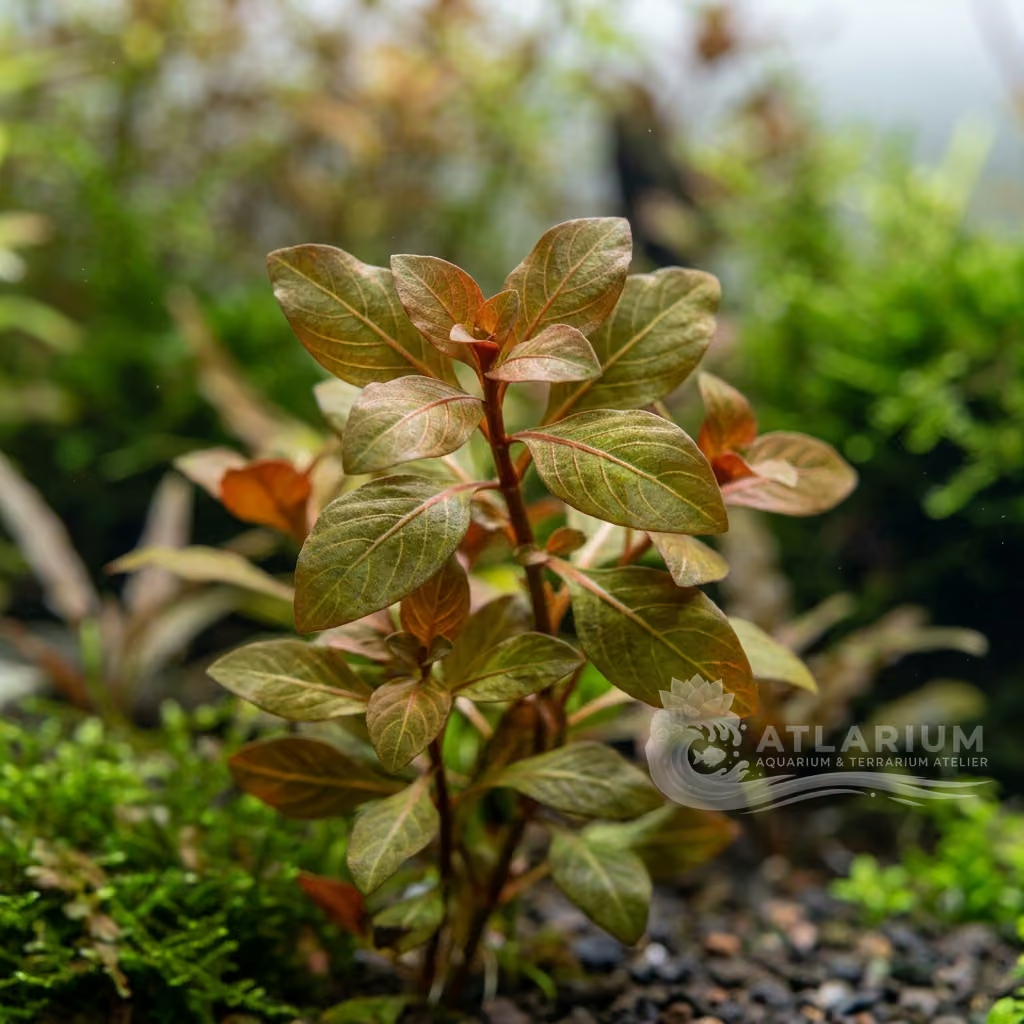
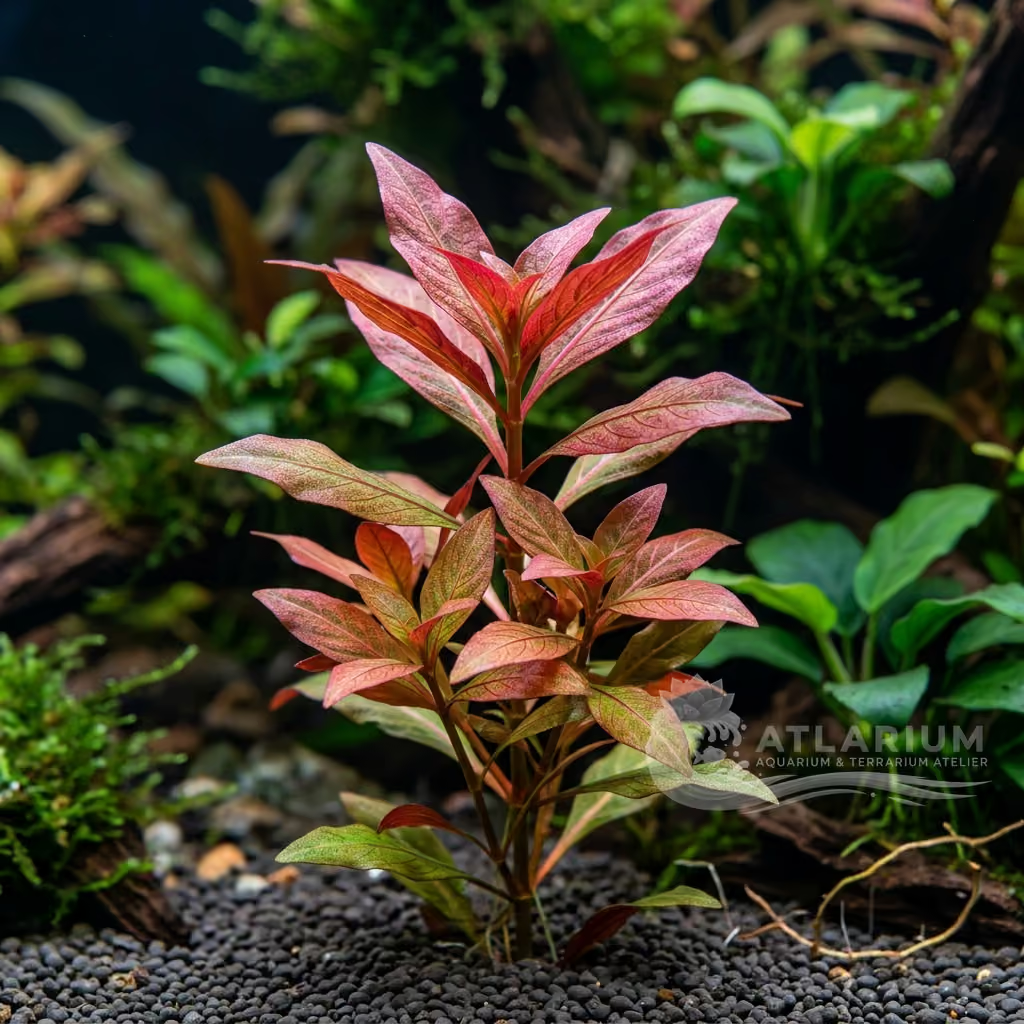
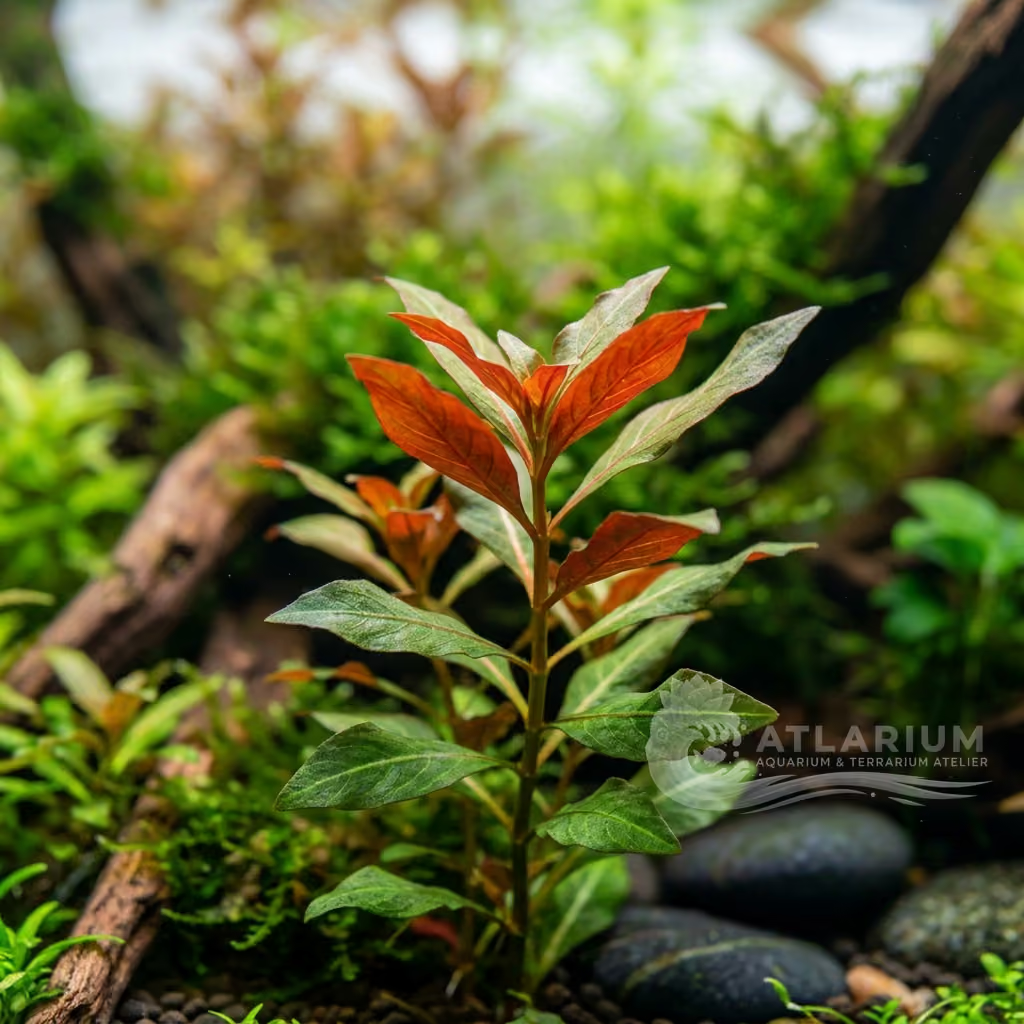
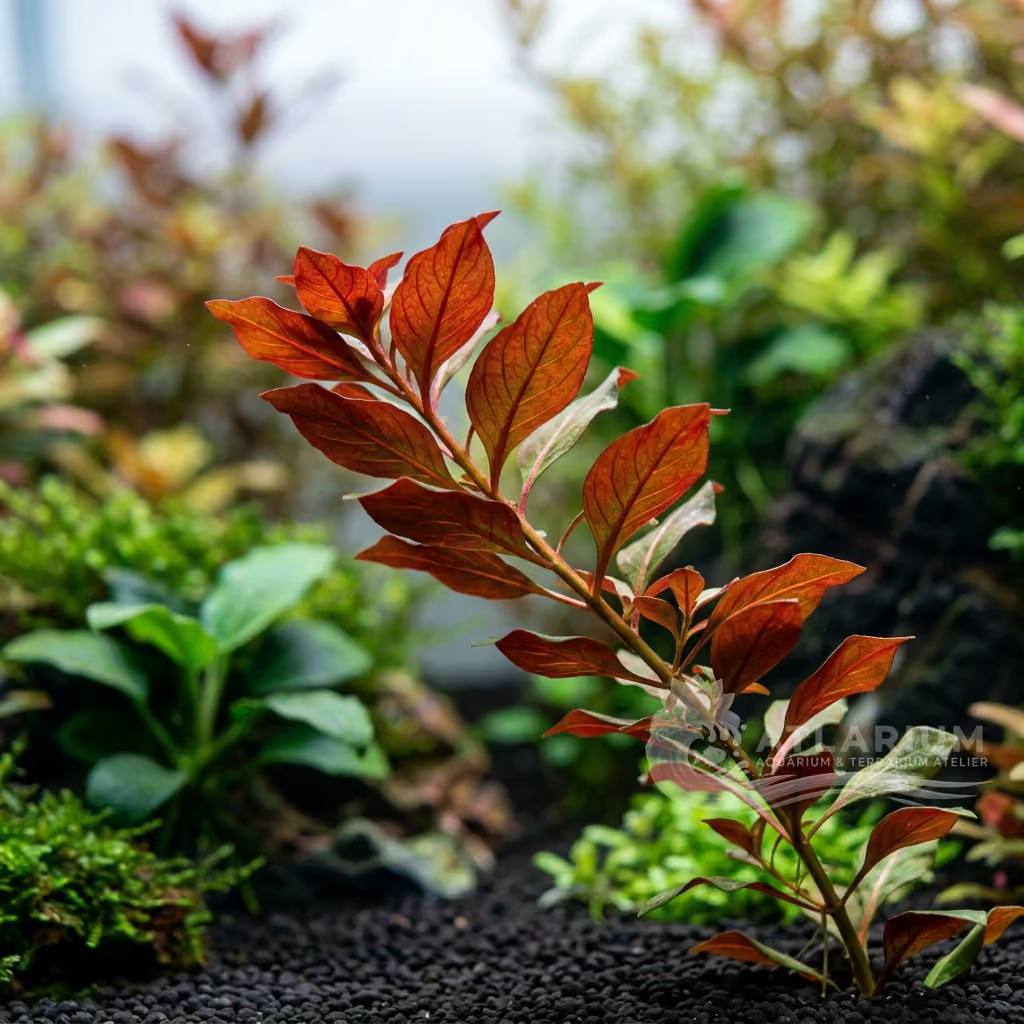
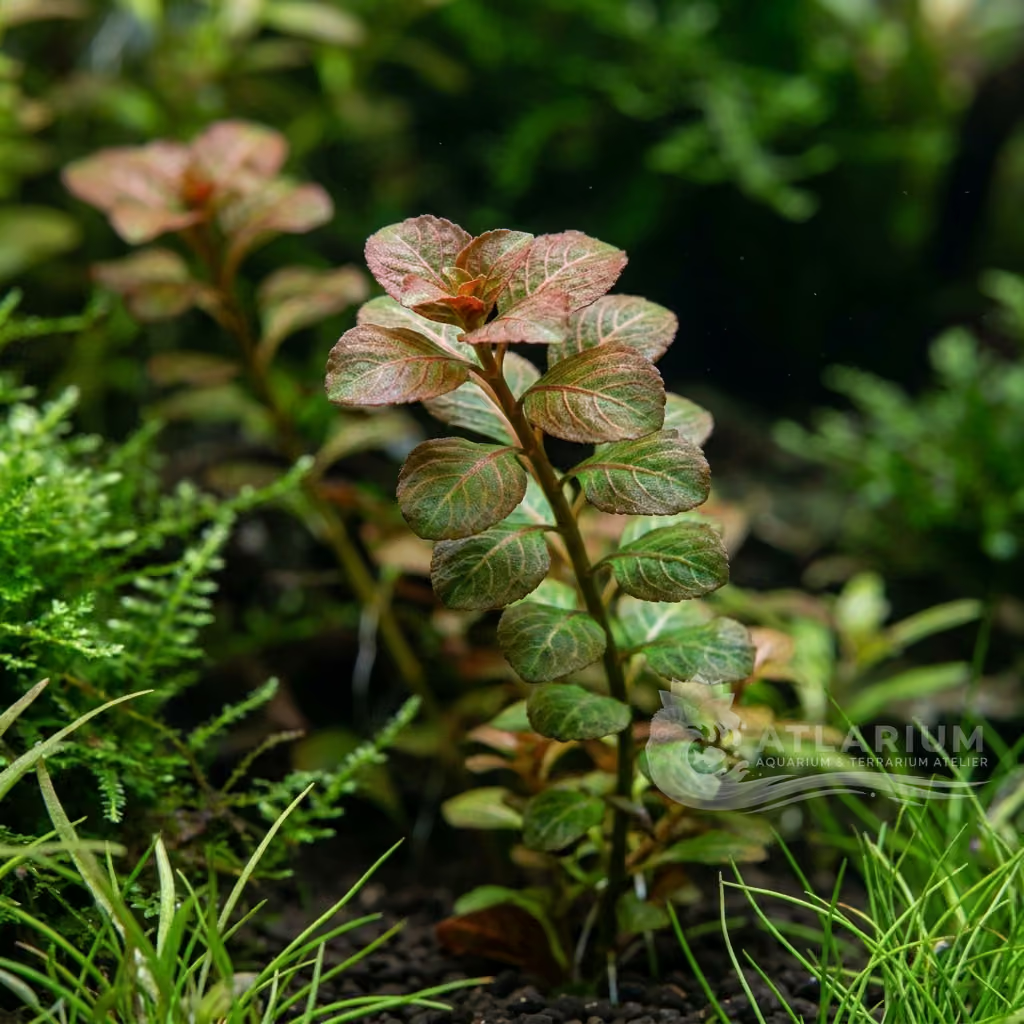
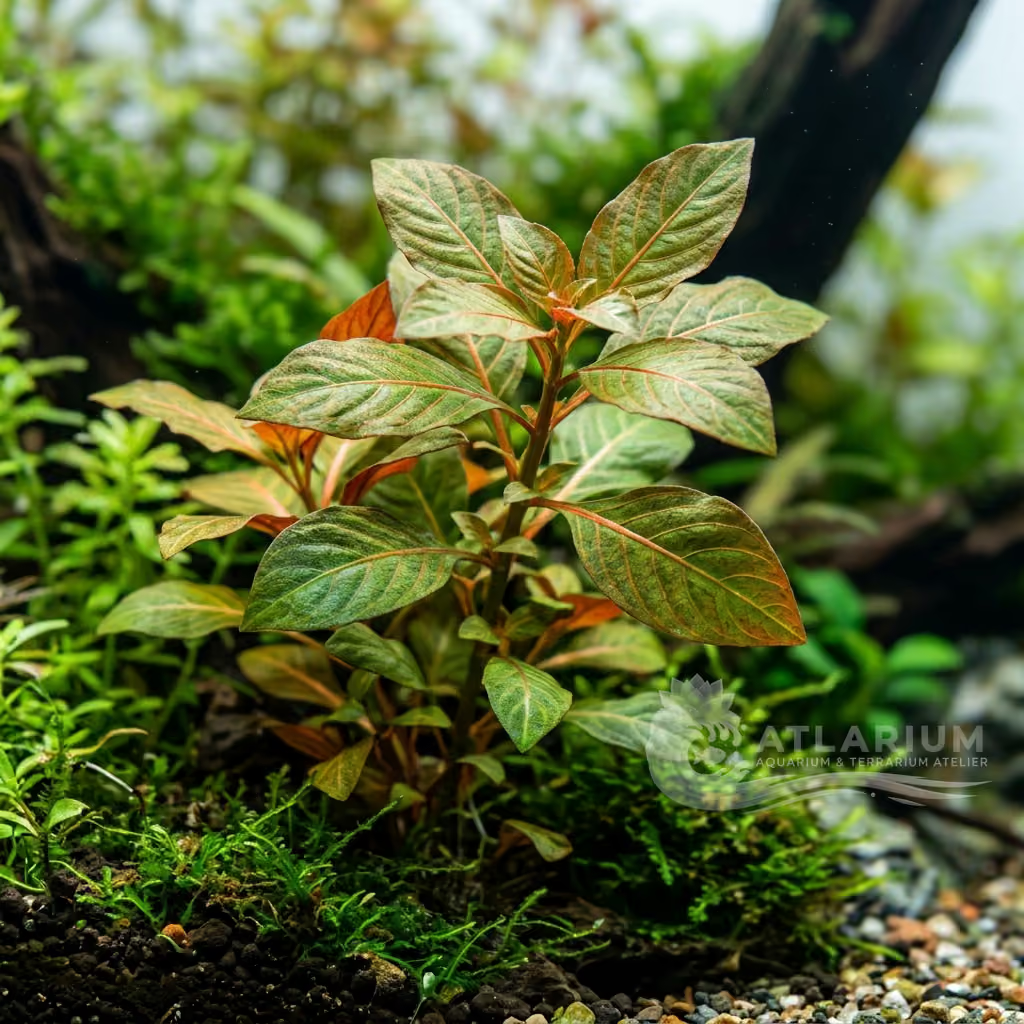
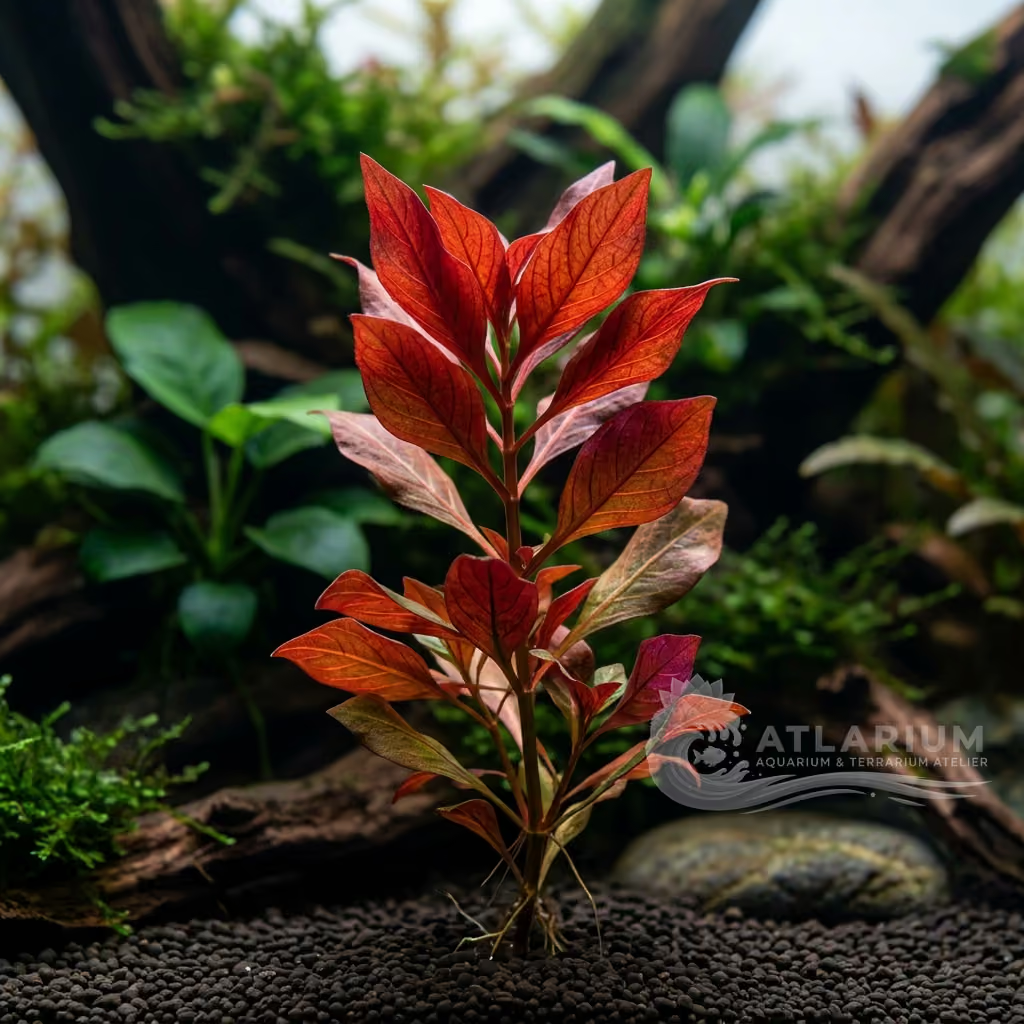
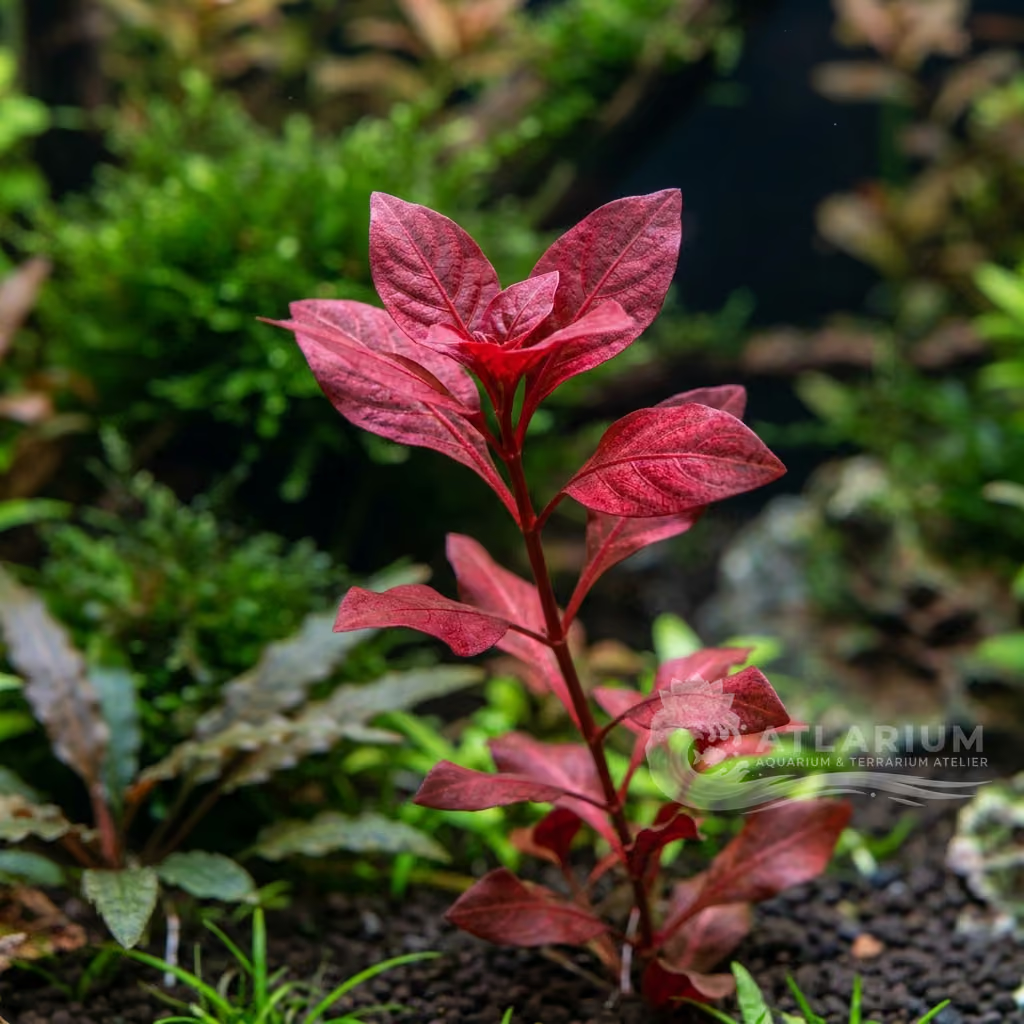
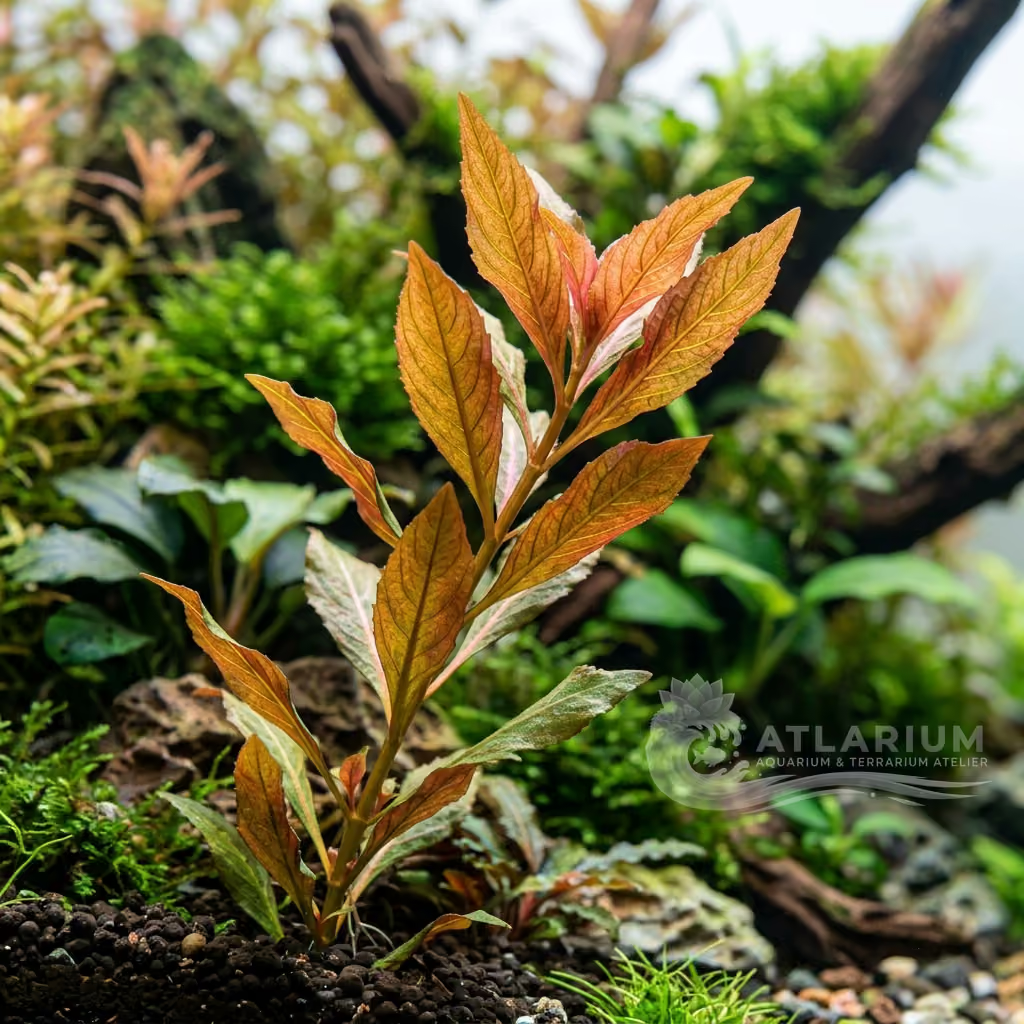
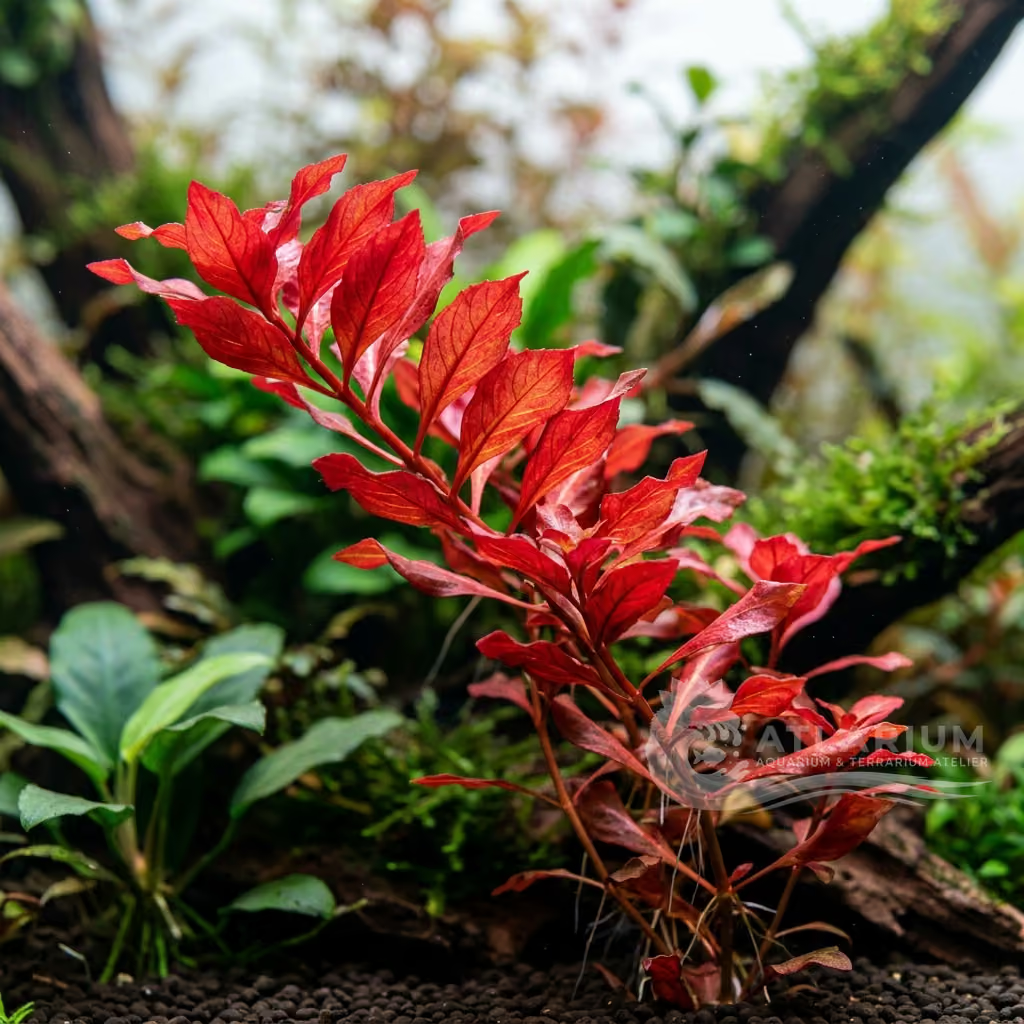
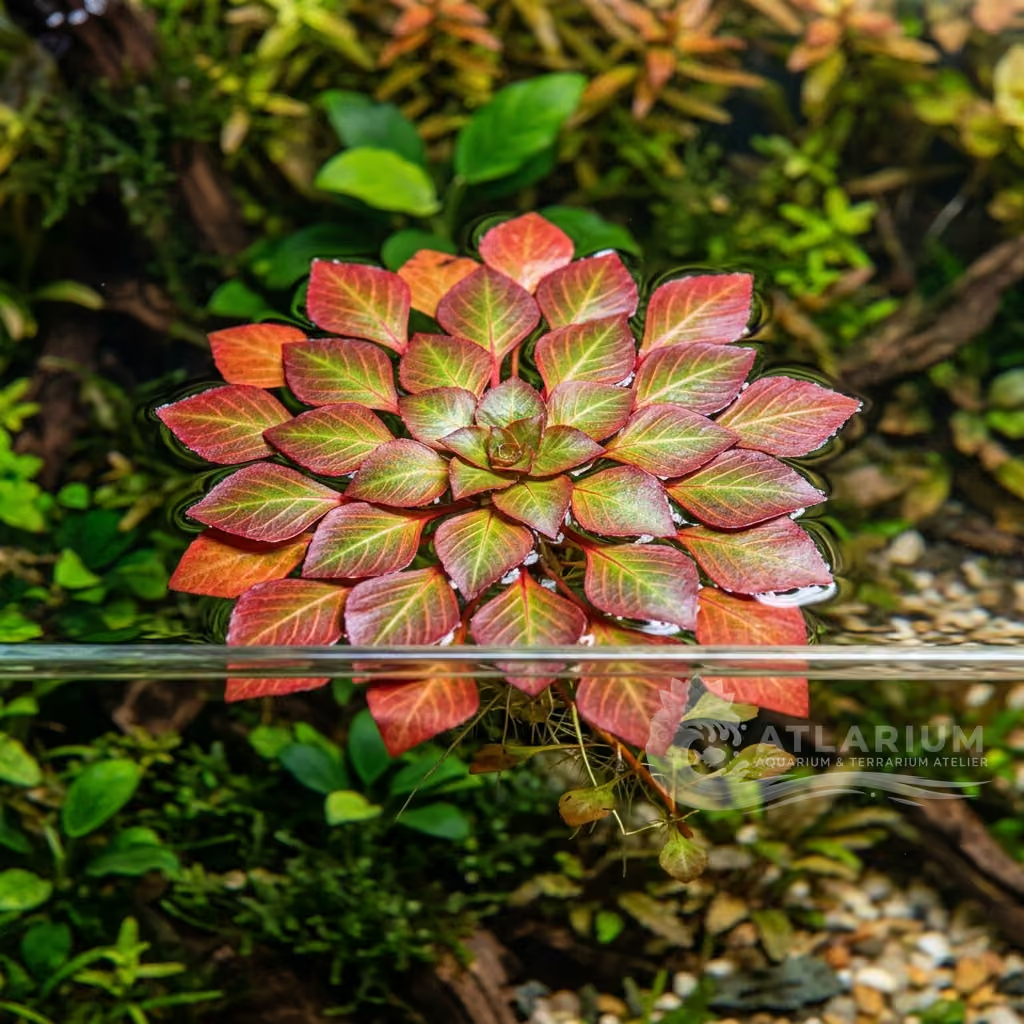
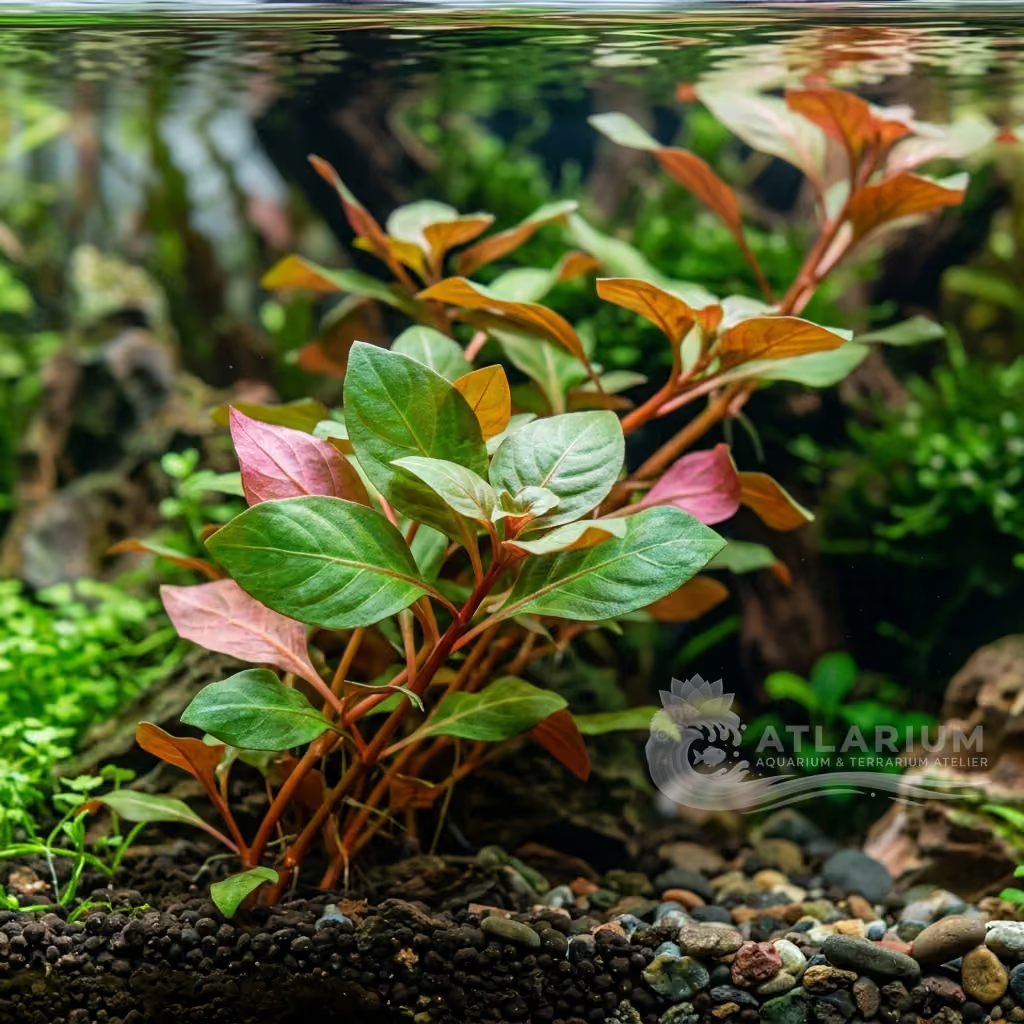
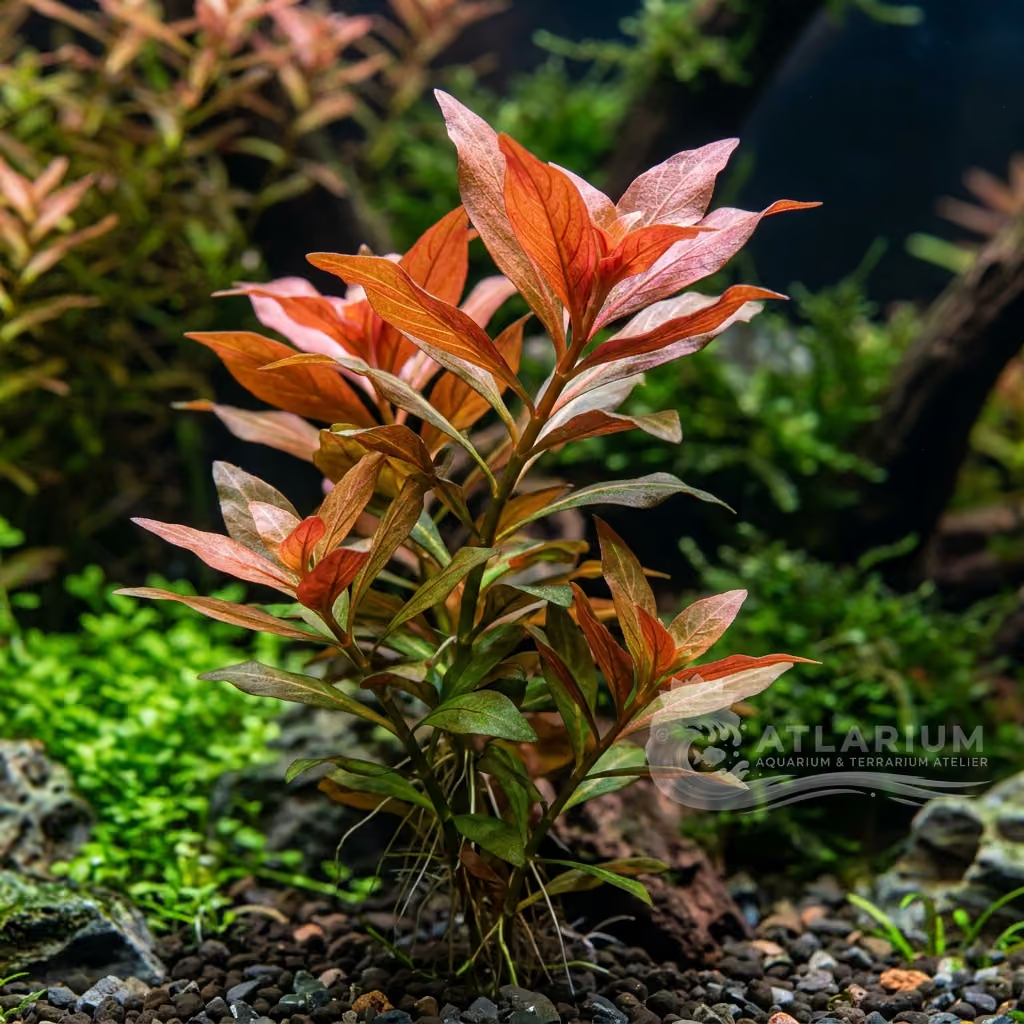
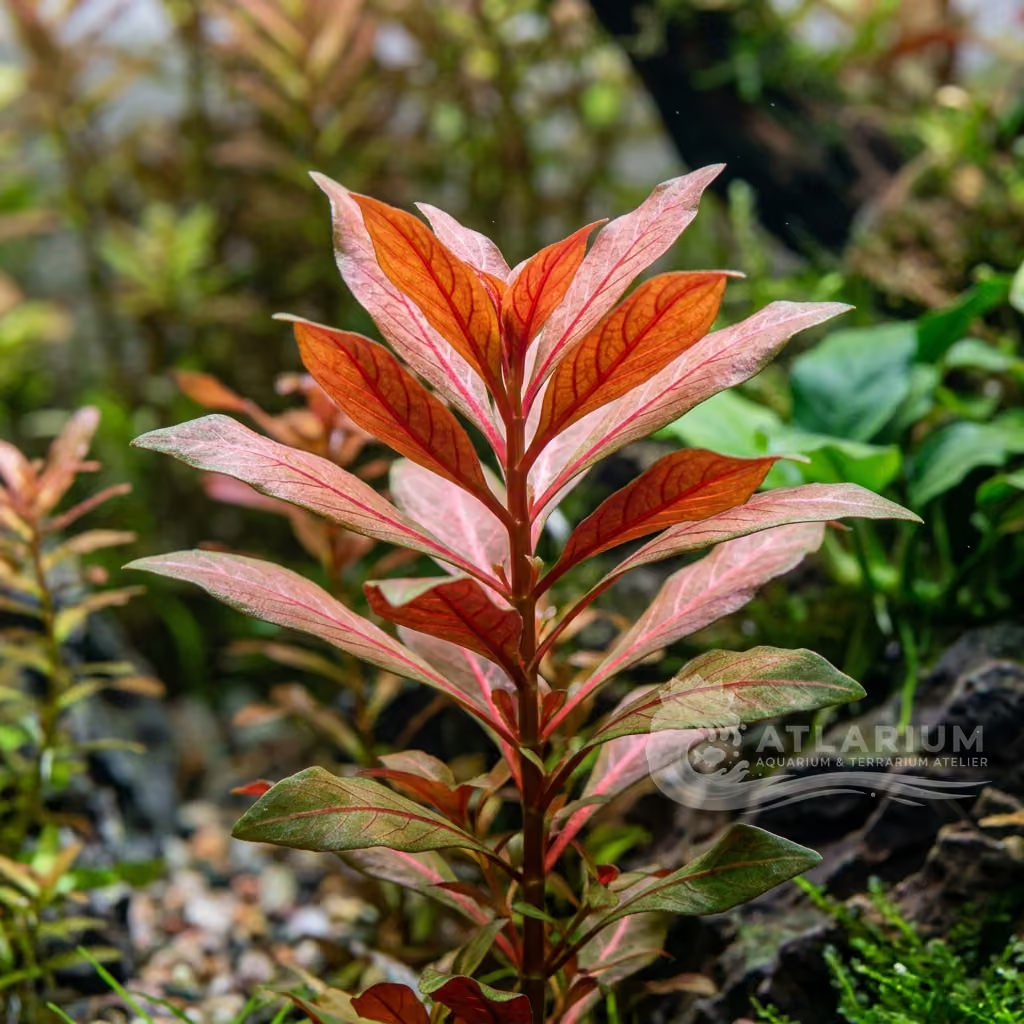
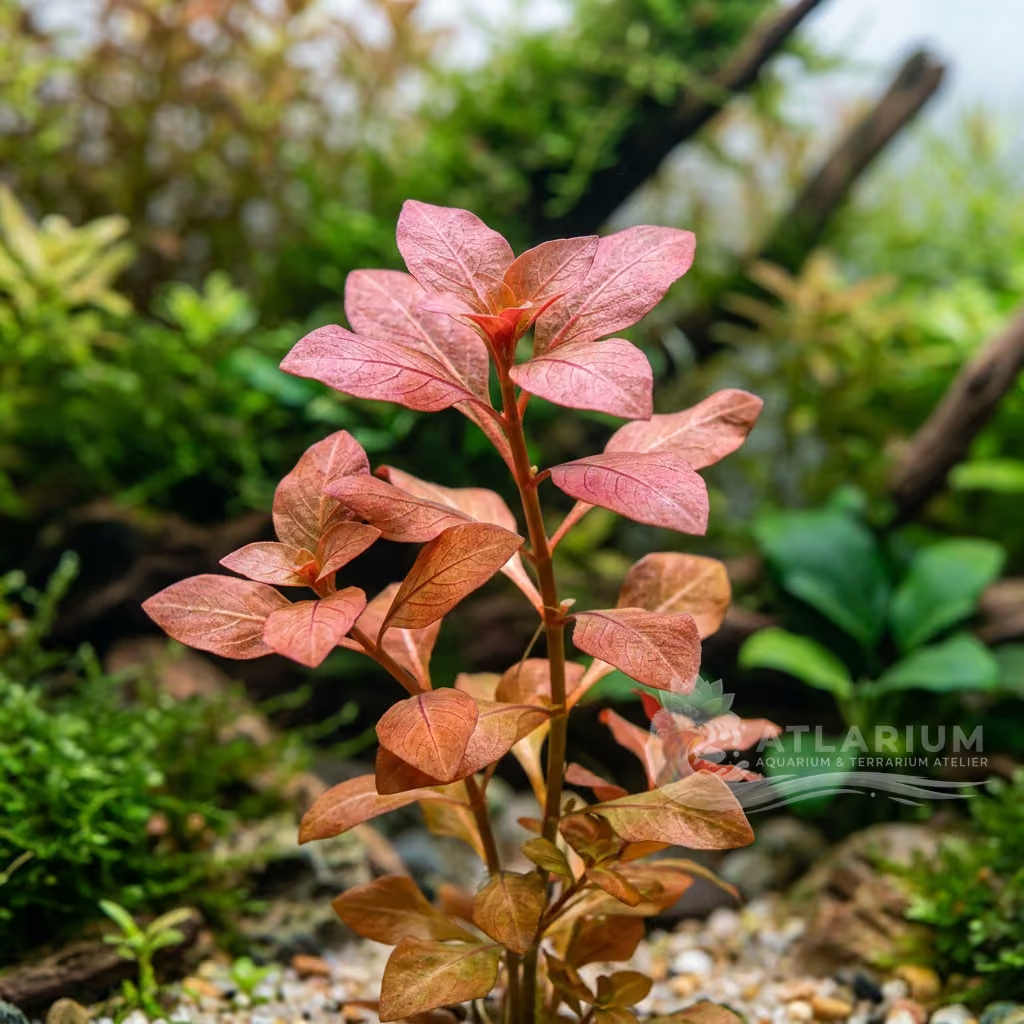
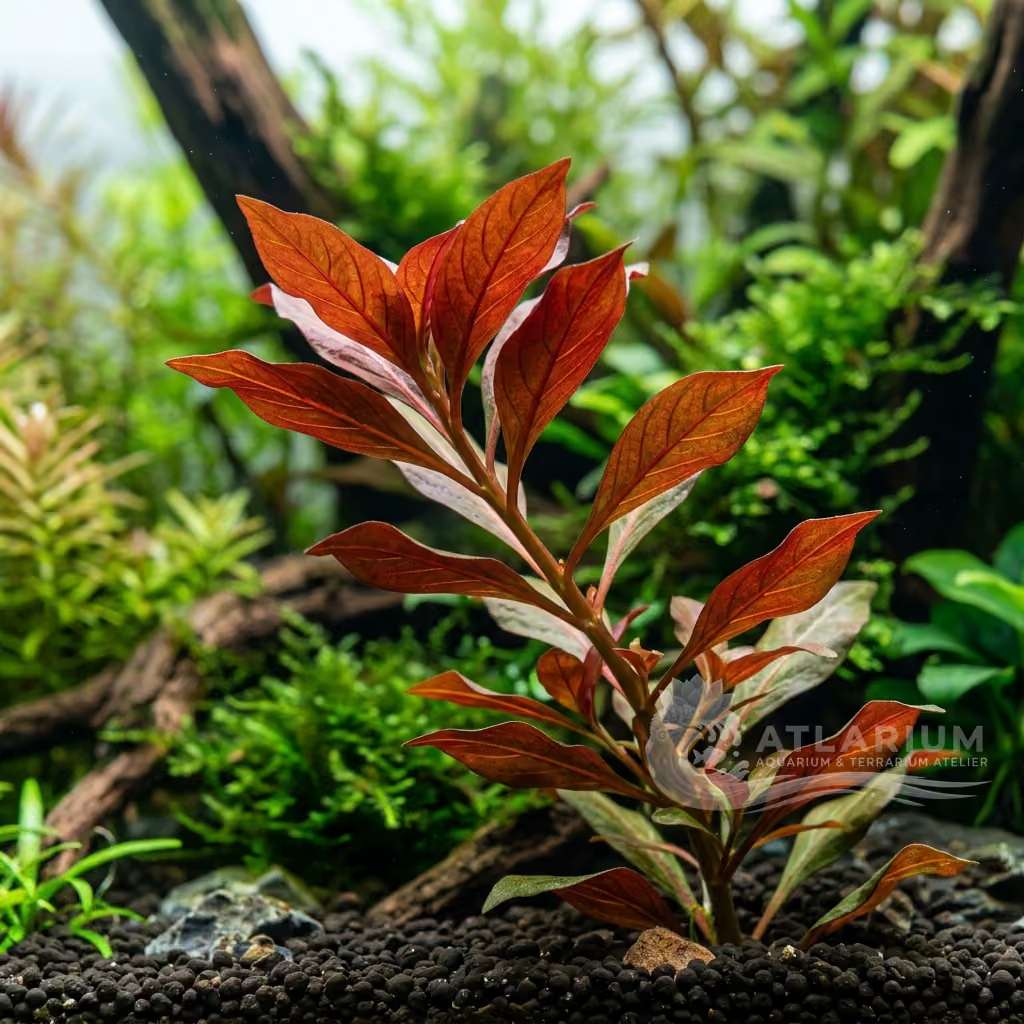
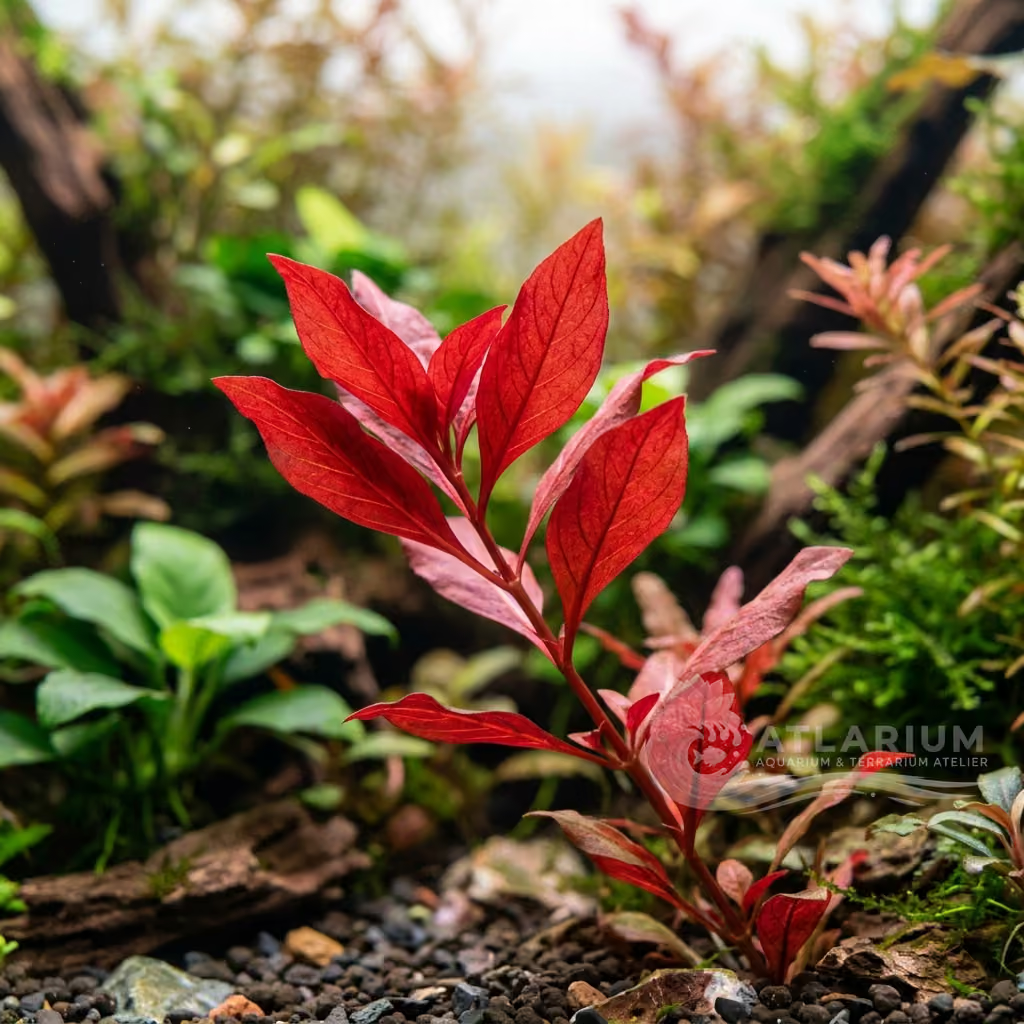
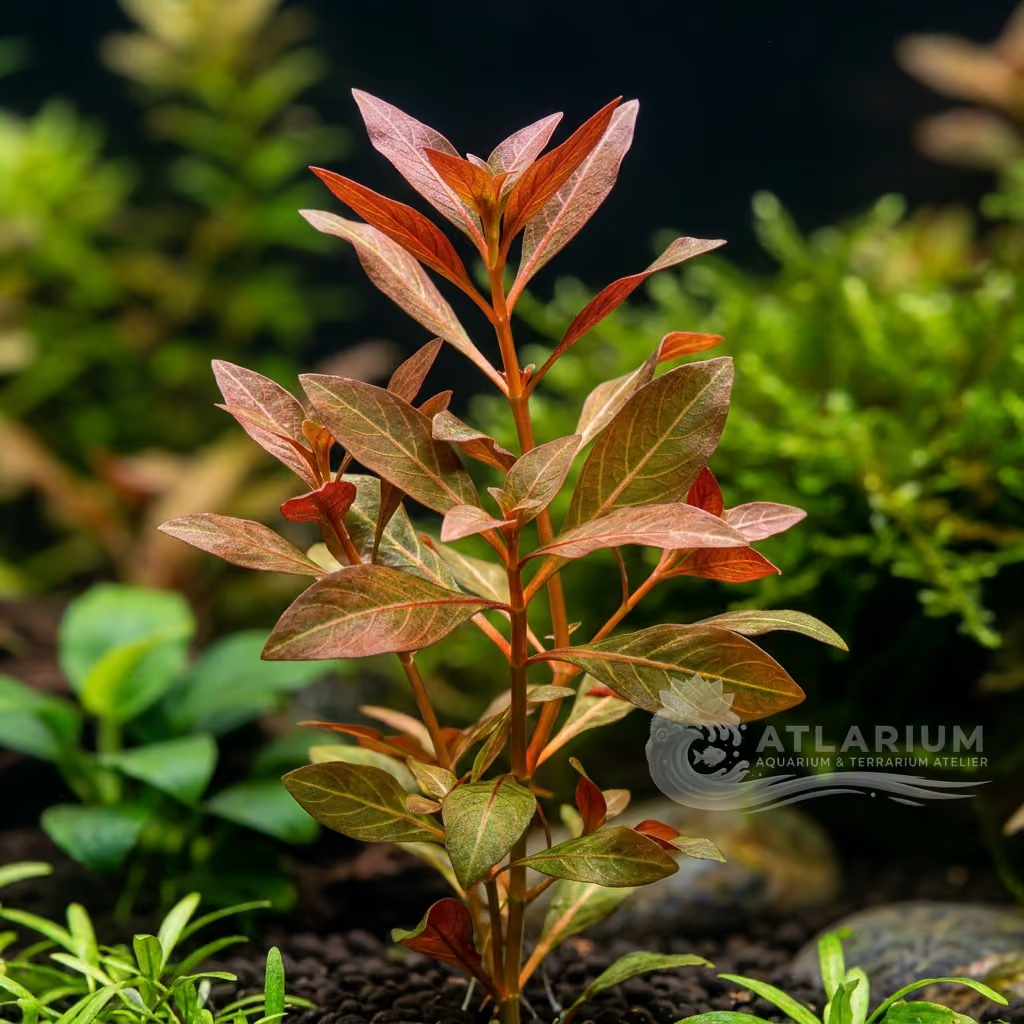
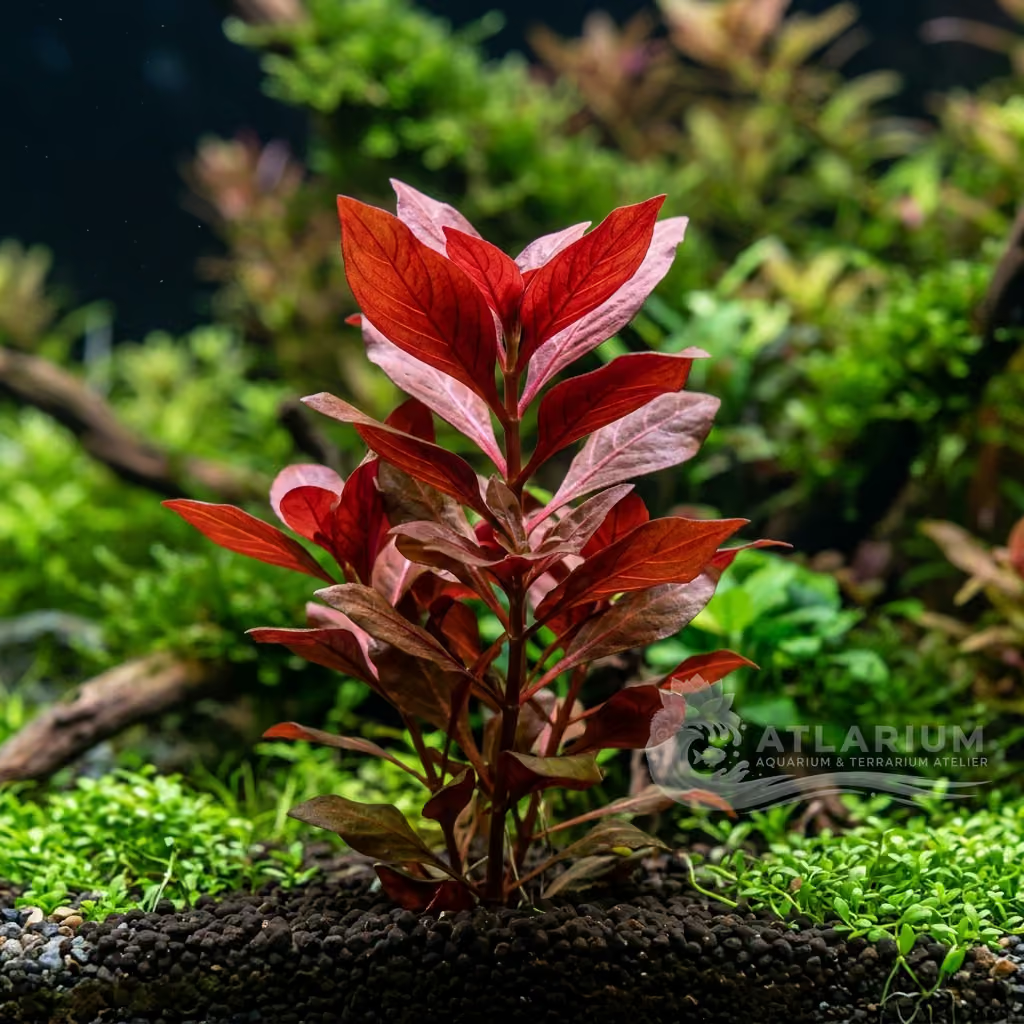
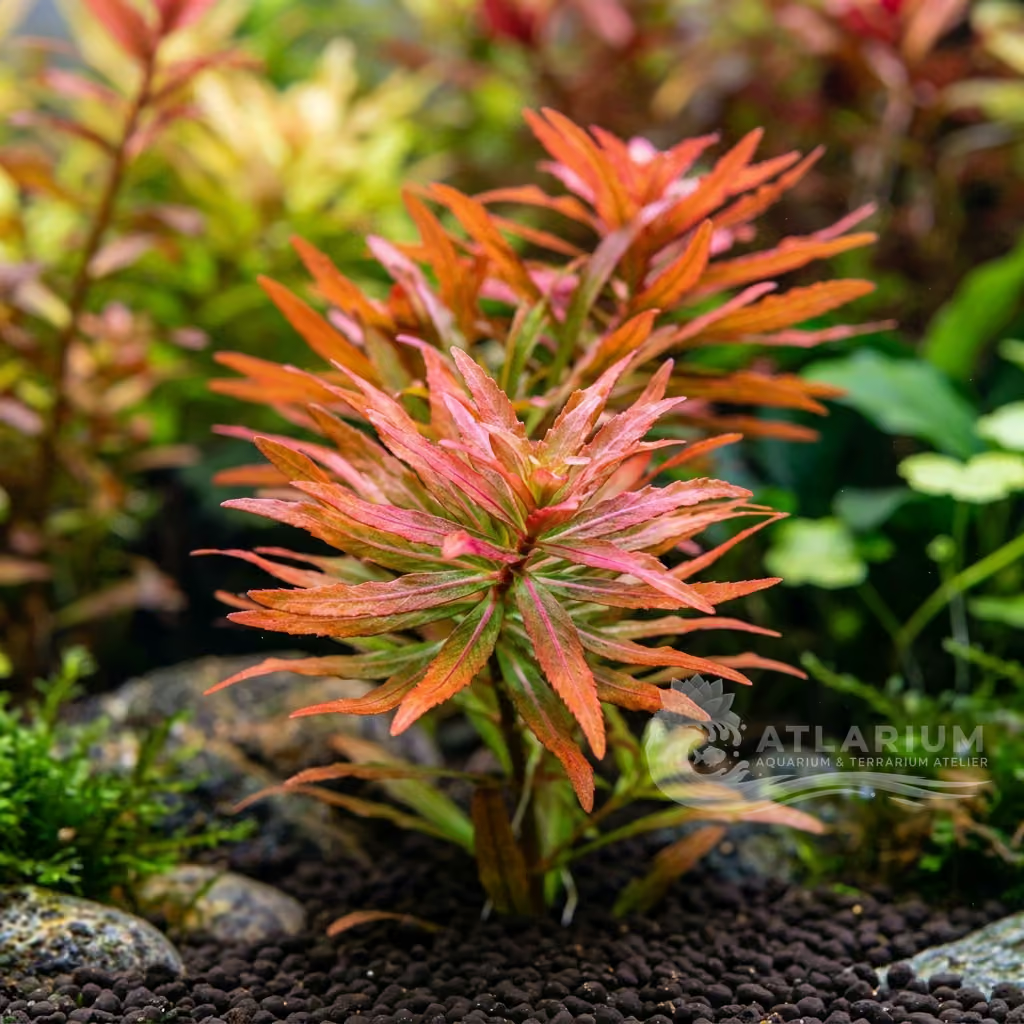
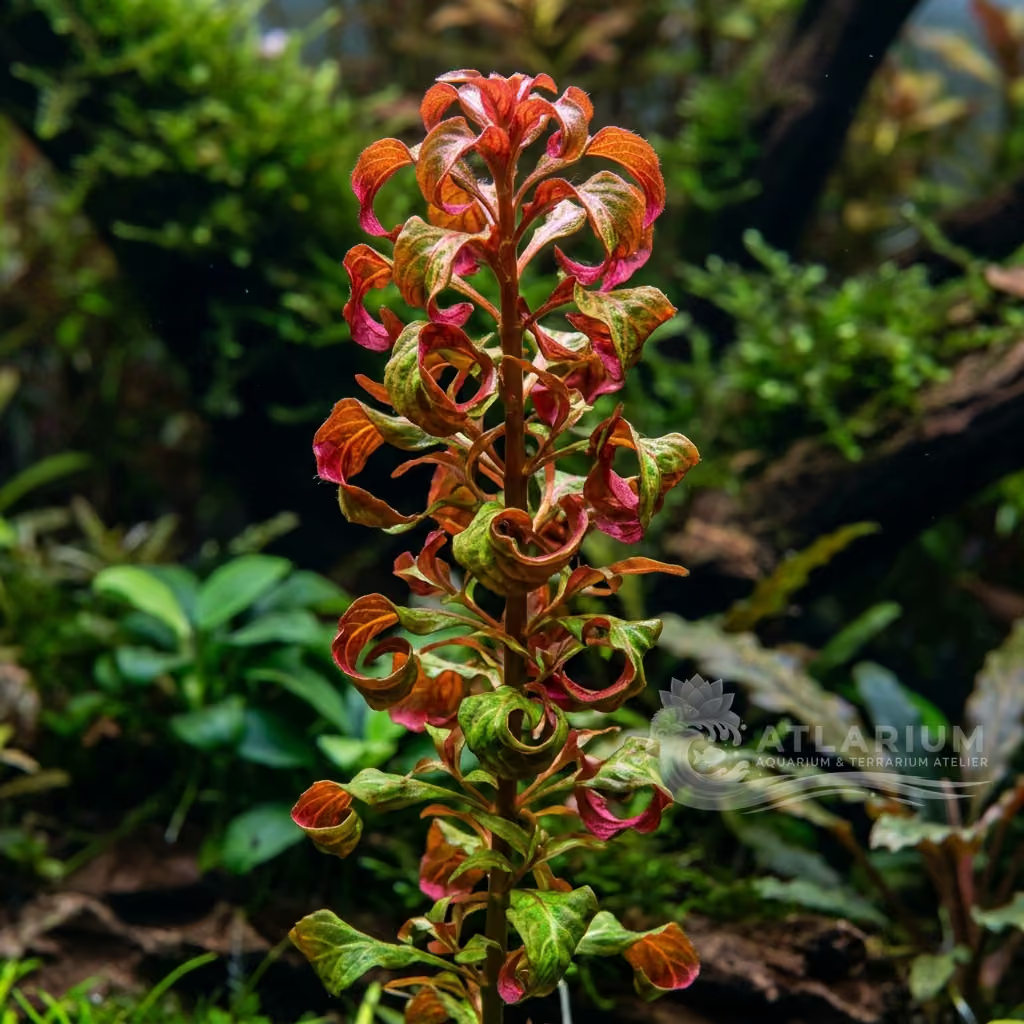
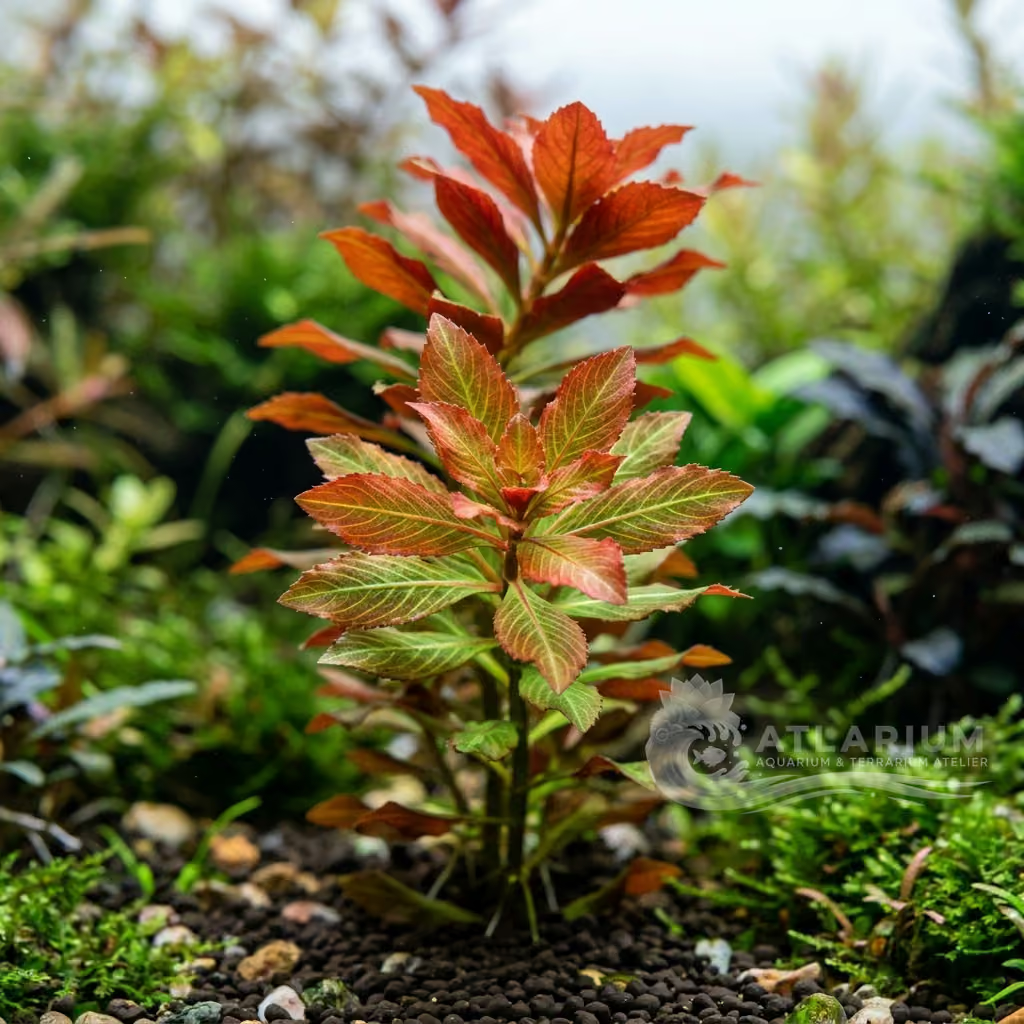
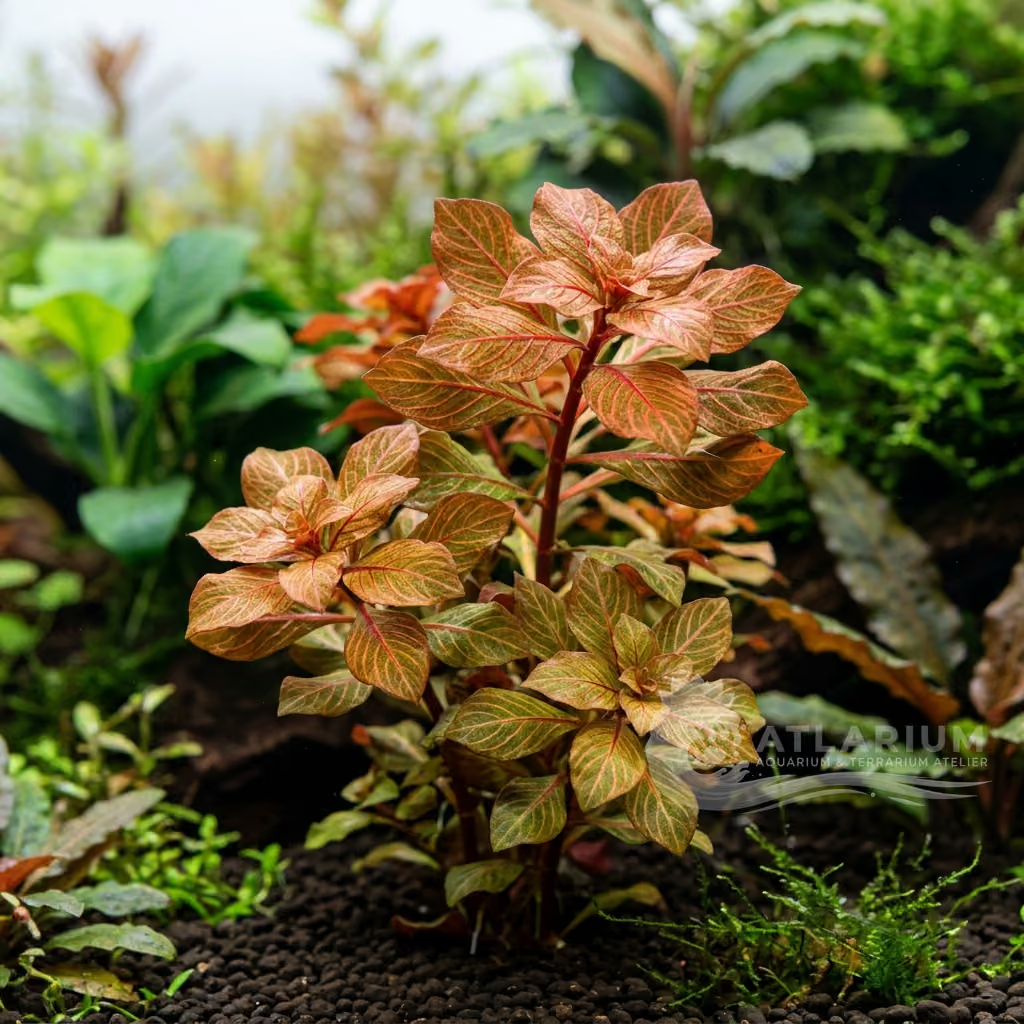
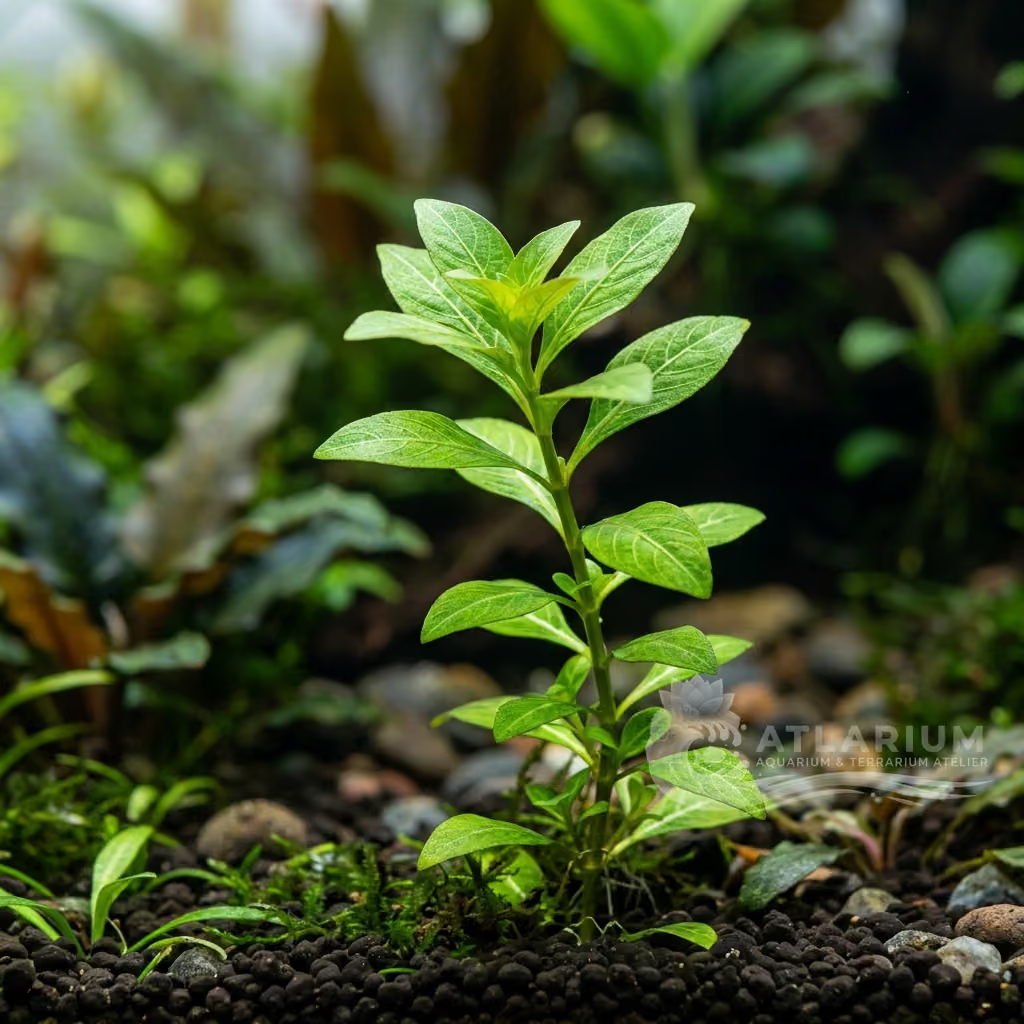
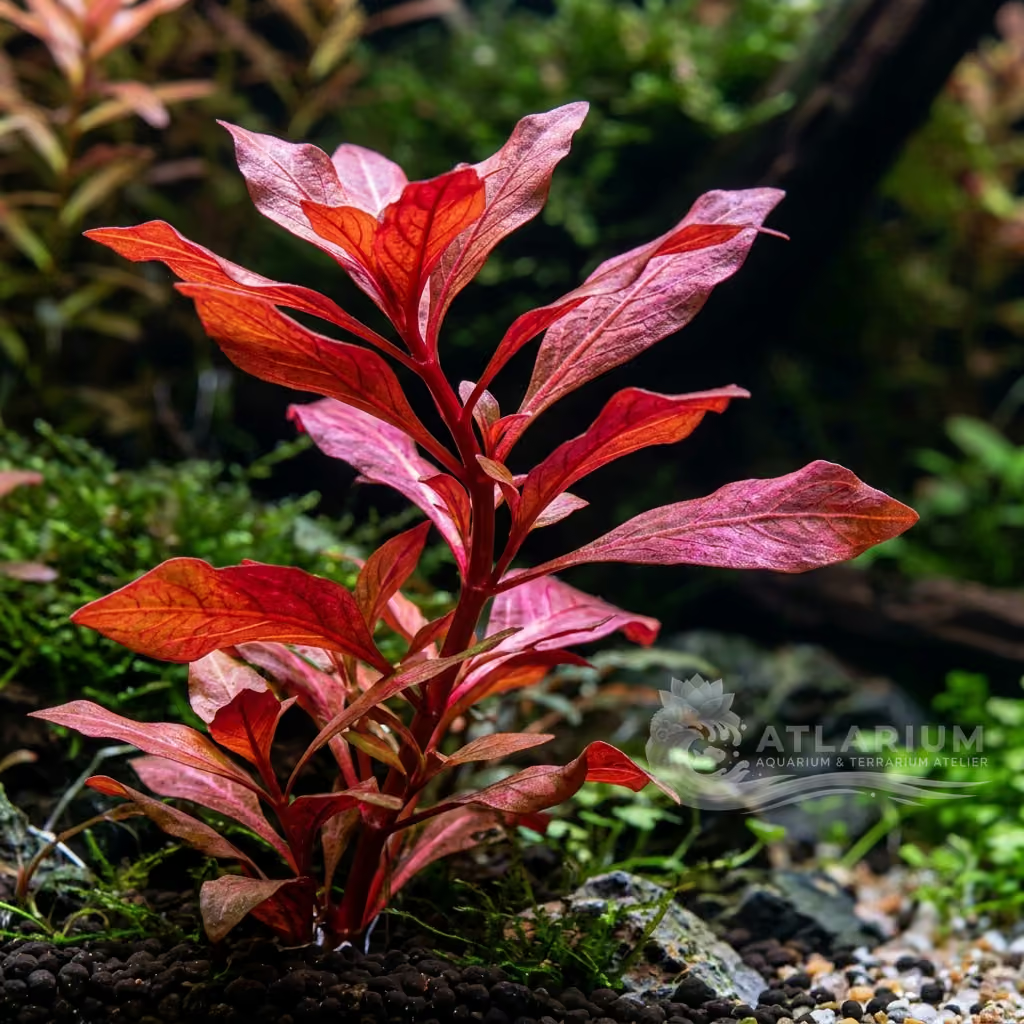
Ludwigia peploides grows beautiful copper-red upper leaves. Native to the Americas, it needs high light intensity to maintain compact growth and vivid coloring.
Water Temperature
15 - 26 °C
pH Value
6 - 8
Water type
Freshwater
Light
High
CO2
Low
Expected height
20 cm
Expected width
30 cm
GH
4 - 20 dGH
KH
2 - 15 dKH

Species description
Geographical Origin and Habitat: Ludwigia peploides is native to the temperate and tropical regions of the Americas, where it thrives in wetlands, riverbanks, slow-moving streams, ponds, and marshes. Due to its remarkable environmental tolerance and ease of propagation, it has become an invasive species in Europe, North America, and Australia, where it quickly colonizes water bodies and outcompetes local flora.
Taxonomy & Genetics: Belonging to the family Onagraceae and the genus Ludwigia, this species exhibits high phenotypic plasticity. Genetic studies highlight its ability to adapt to varying water levels and light conditions by modifying its leaf shape, growth habits, and metabolic rate, transitioning easily between submerged, floating, and terrestrial forms.
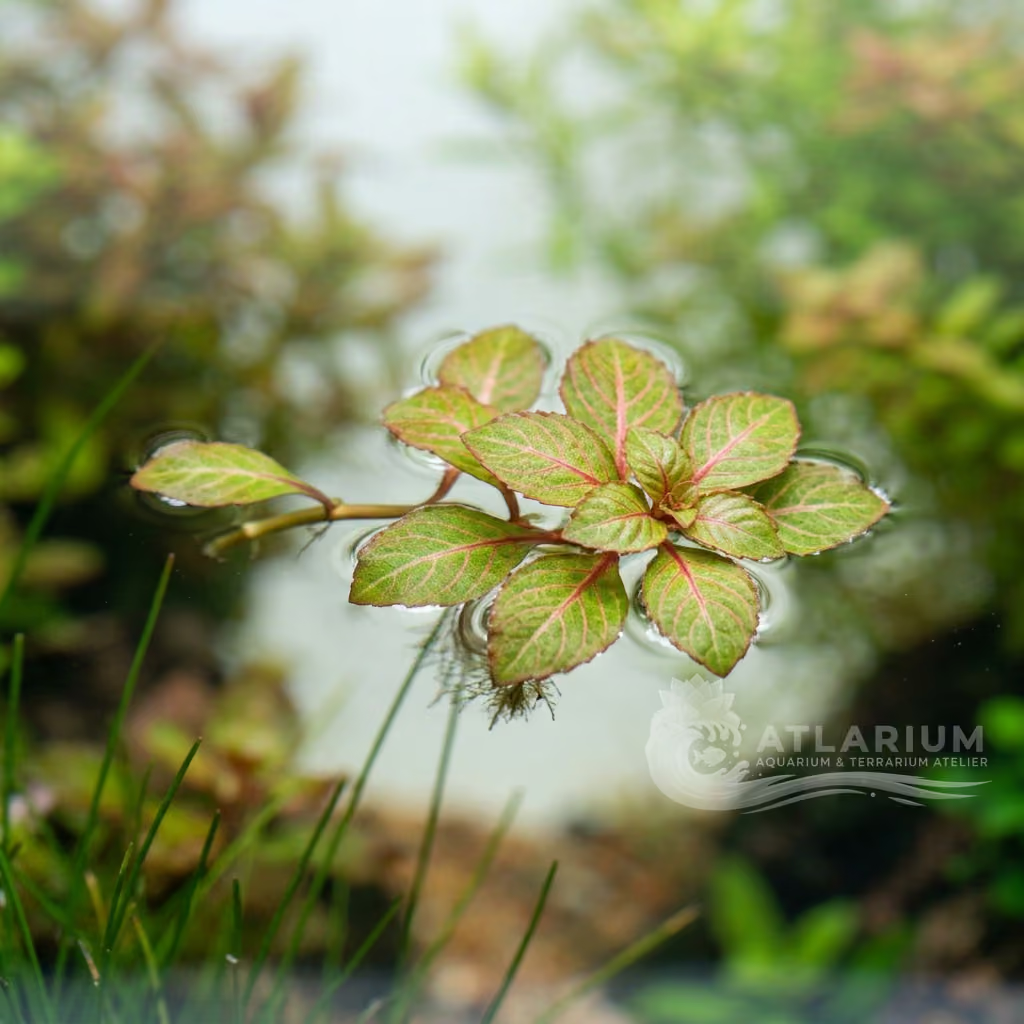
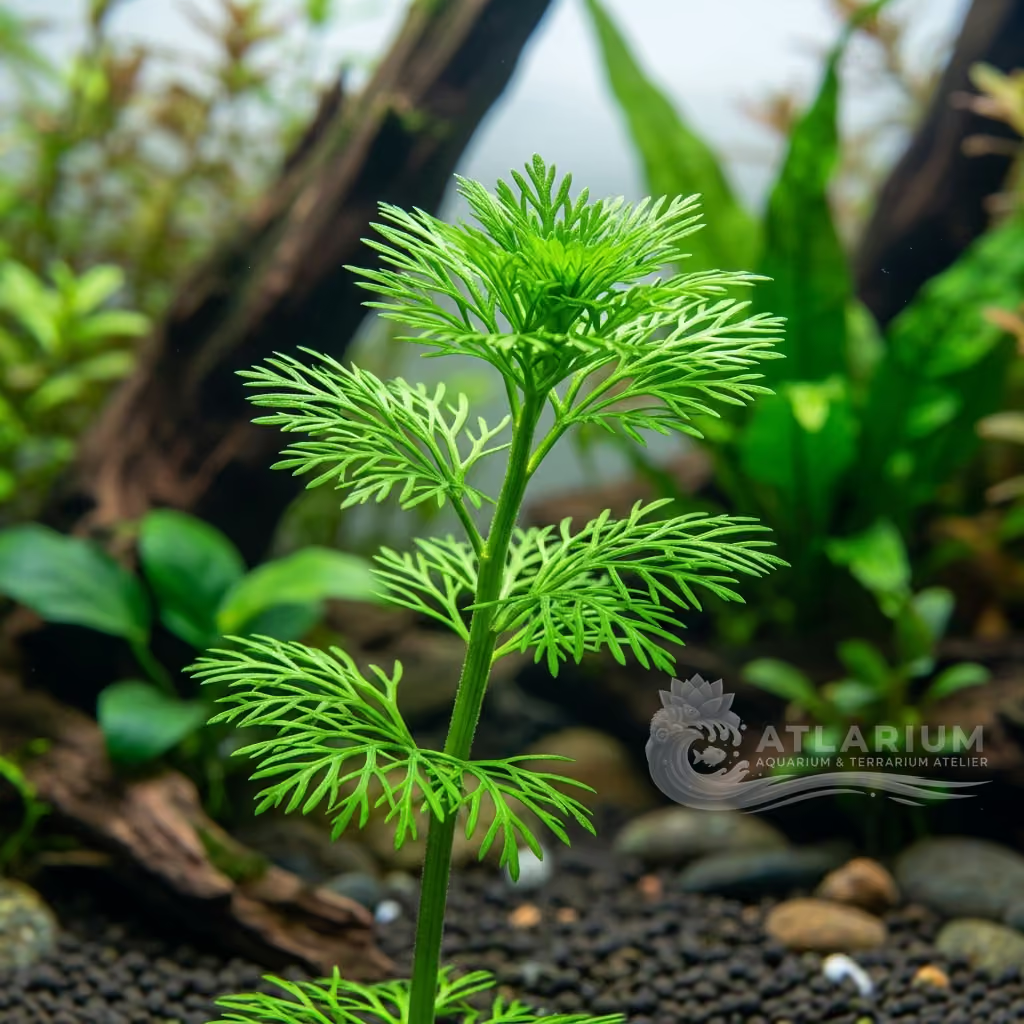
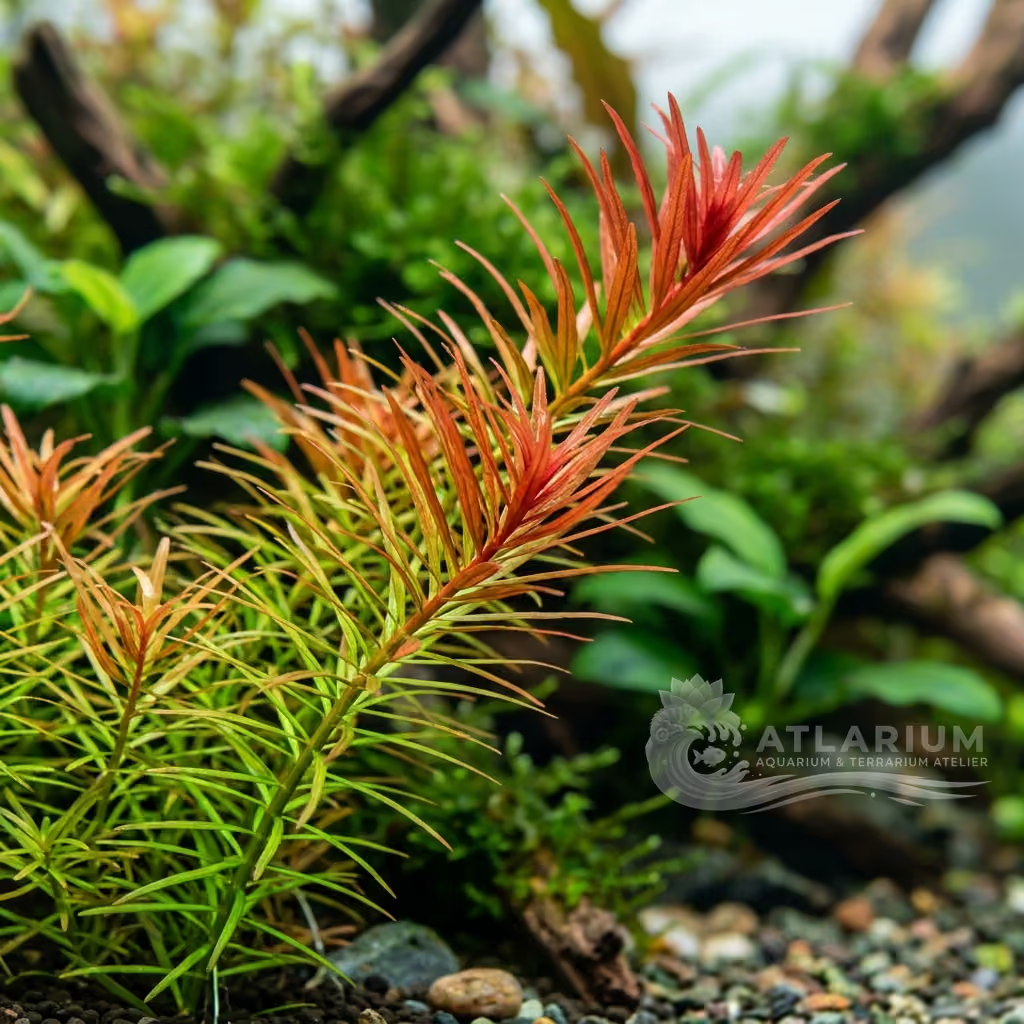
Physical Structure: The plant features thick, hollow, and branched stems that can reach several meters in length, creeping along muddy shores or floating on the water surface using spongy aerenchyma tissue. It produces adventitious roots and specialized white pneumatophores from its nodes. Submerged leaves are narrow and alternate, while emerged leaves are glossy, spatulate, and broader.
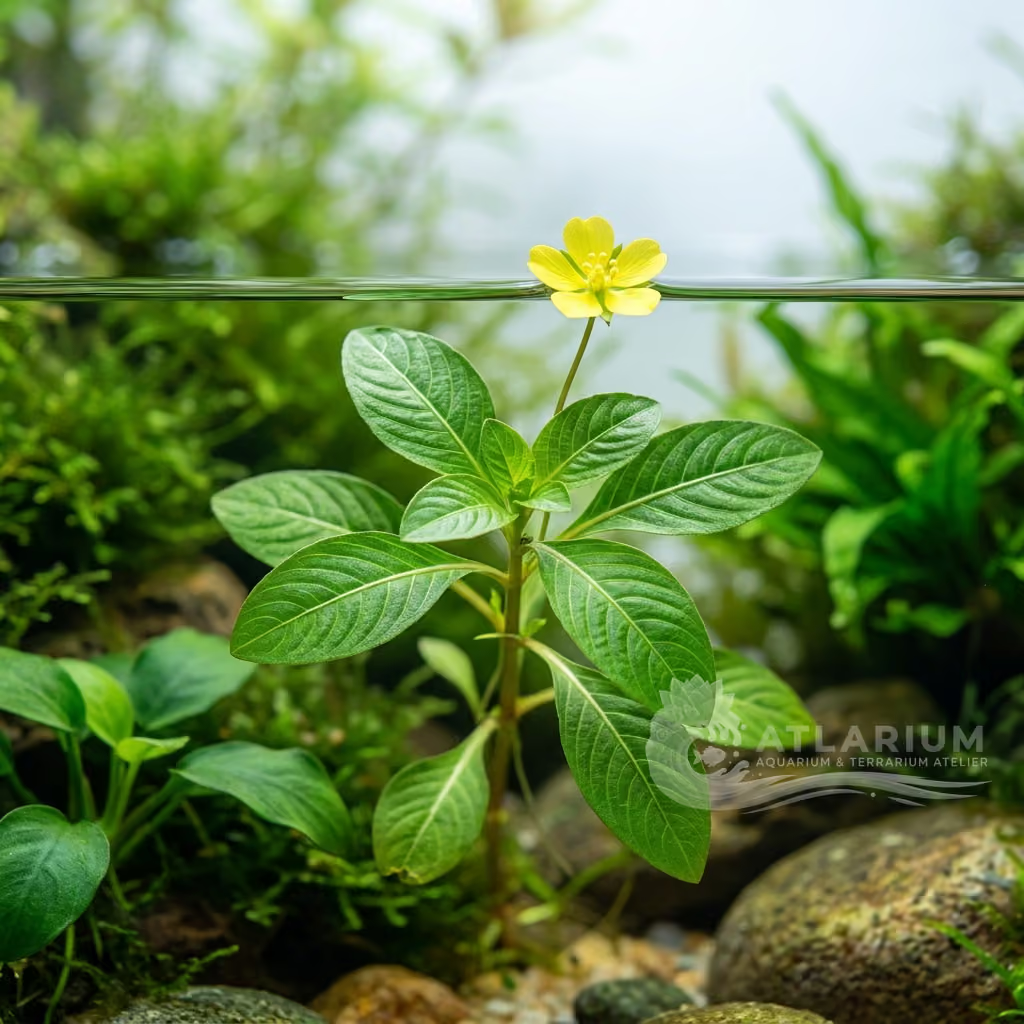
Color & Texture: Submerged foliage ranges from bright lime green to olive green, with stems and leaves exposed to intense light often turning reddish-brown or copper. The solitary flowers, rising from the axils of emerged leaves, are bright golden-yellow with five delicate petals that display a satiny texture and fine, radial veins.

Care, breeding and tankmates
Lighting & CO2: High light intensity is required to maintain compact growth and induce the beautiful copper-red coloration of the upper leaves in aquariums. While it can survive without supplemental CO2 injection, providing carbon dioxide will significantly accelerate growth, improve overall plant health, and prevent the lower stem segments from losing leaves.
Nutrition & Substrate: With its extensive root system, this plant benefits greatly from a nutrient-rich substrate containing iron and clay. However, it is also a heavy water-column feeder, absorbing nitrogen, phosphorus, and micronutrients through its stems and floating roots. Regular dosing of liquid fertilizers is recommended to maintain optimal growth rates.
Water Chemistry: It exhibits extreme tolerance for a wide range of water parameters. It can thrive in pH levels from 6.0 to 8.0 and tolerates soft to hard water (GH 4-20 °dGH). Its temperature range is highly versatile, surviving in waters from 15 °C to 28 °C, which allows it to be used in outdoor ponds during summer months.
Space Management & Placement: Due to its rapid growth and creeping nature, it is best suited for the background of the aquarium. If allowed to reach the surface, it will produce floating shoots that can block light from reaching lower plants. Constant monitoring and strategic anchoring are required to manage its spreading habit.
Pruning: Propagation is incredibly easy through stem cuttings. Simply cut healthy terminal shoots (at least 10 cm in length) and replant them into the substrate. Regular pruning is necessary to control its size, prevent it from crowding out other species, and encourage the growth of dense, lateral branches.
Risks & Diseases: The primary risk is light deprivation at the base of the plant, which leads to leggy growth, leaf drop, and root rot. It is susceptible to iron deficiency, which causes yellowing of the leaves (chlorosis). In closed aquariums, emerged growth may suffer from lack of air circulation and high humidity build-up.

Geographic origin and distribution
Ludwigia peploides is native to the temperate and tropical regions of the Americas, where it thrives in wetlands, riverbanks, slow-moving streams, ponds, and marshes. Due to its remarkable environmental tolerance and ease of propagation, it has become an invasive species in Europe, North America, and Australia, where it quickly colonizes water bodies and outcompetes local flora.
Origin
Cosmopolitan or introducedExtra-Amazon South AmericaCentral America and CaribbeanNorth AmericaEurope, Mediterranean, and West AsiaAustralia, New Guinea, and Oceania

Plant profile
- Placement
- Background
- It is an excellent choice for the foreground or midground due to its creeping growth habit. It can also be allowed to float or cascade over hardscape materials. Its vibrant green foliage provides a beautiful contrast against darker background plants.
- Botanical form
- Stem
- It features creeping stems with alternate, elliptic to lanceolate leaves that are bright green. When growing emersed, it produces striking yellow, five-petaled flowers. The submerged form is more delicate but retains its characteristic creeping nature.
- Growth
- Fast
- This plant grows very quickly, often spreading horizontally across the substrate or water surface. In optimal conditions, it can rapidly cover large areas. Frequent maintenance may be necessary to keep it from overrunning other plants.
- Substrate
- Medium
- Ludwigia peploides is an adaptable stem plant that benefits from a moderately fertile substrate to support its rapid growth. While it can survive in inert gravel, an enriched aqua soil encourages healthier root development and sturdier stems. Providing a substrate depth of 4 to 6 centimeters ensures the plant's roots have enough space to spread out and anchor securely.
- Column fertilization
- Optional
- Regular dosing of a comprehensive liquid fertilizer is recommended to support its rapid growth. Sufficient macronutrients, especially nitrates and phosphates, prevent yellowing of the older leaves. Micronutrients, including iron, keep the new growth healthy and vibrant.
- Root fertilization
- Optional
- A nutrient-rich substrate is highly beneficial as this plant roots extensively along its creeping stems. Root tabs can be used to supplement poor substrates and encourage vigorous lateral growth. Strong root development is key to its rapid horizontal spread.
- Trimming
- None
- Frequent pruning is essential to control its aggressive spread. Stems can be cut at any point to restrict growth or encourage a denser, bushier appearance. The trimmed portions can easily be replanted or allowed to float.
- Propagation
- Cuttings
- Propagation is incredibly easy; simply cut a piece of the stem and replant it or let it float. Roots will quickly develop from the nodes along the stem. It readily propagates itself by spreading and rooting as it grows.
- Sensitivity
- Moderate
- It is generally very hardy and adaptable to a wide range of water conditions. However, it may become leggy and sparse if light levels are too low. It is relatively resistant to algae, provided it is actively growing.
- Layout role
- Background
- Its creeping habit makes it a versatile plant for creating bright green carpets or cascading effects over rocks and wood. It softens the hardscape and adds a dynamic, trailing element to the layout. It is also well-suited for paludariums and ripariums.

Related species
Recommendations grouped by close relatives, companion choices, and similar care.