Floating Ludwigia
Ludwigia helminthorrhiza
Ludwigia helminthorrhiza floats with unique white spongy roots. Native to Central and South America, it demands very high light and is perfect for open-top aquariums.
Water Temperature
20 - 28 °C
pH Value
6 - 7.5
Water type
Freshwater
Light
High
CO2
Low
Expected height
10 cm
Expected width
20 cm
GH
4 - 20 dGH
KH
2 - 15 dKH

Species description
Geographical Origin and Habitat: This plant is native to the tropical regions of Central and South America. It thrives floating on the surface of calm waters, such as shallow ponds, swamps, marshes, and slow-moving rivers, fully exposed to direct tropical sunlight and rich in organic nutrients.
Taxonomy & Genetics: A member of the Onagraceae family, genus Ludwigia. The species has evolved specialized genetic mechanisms to develop pneumatophores, which are spongy, white, root-like structures that function as floats and facilitate gas exchange in oxygen-depleted waters.
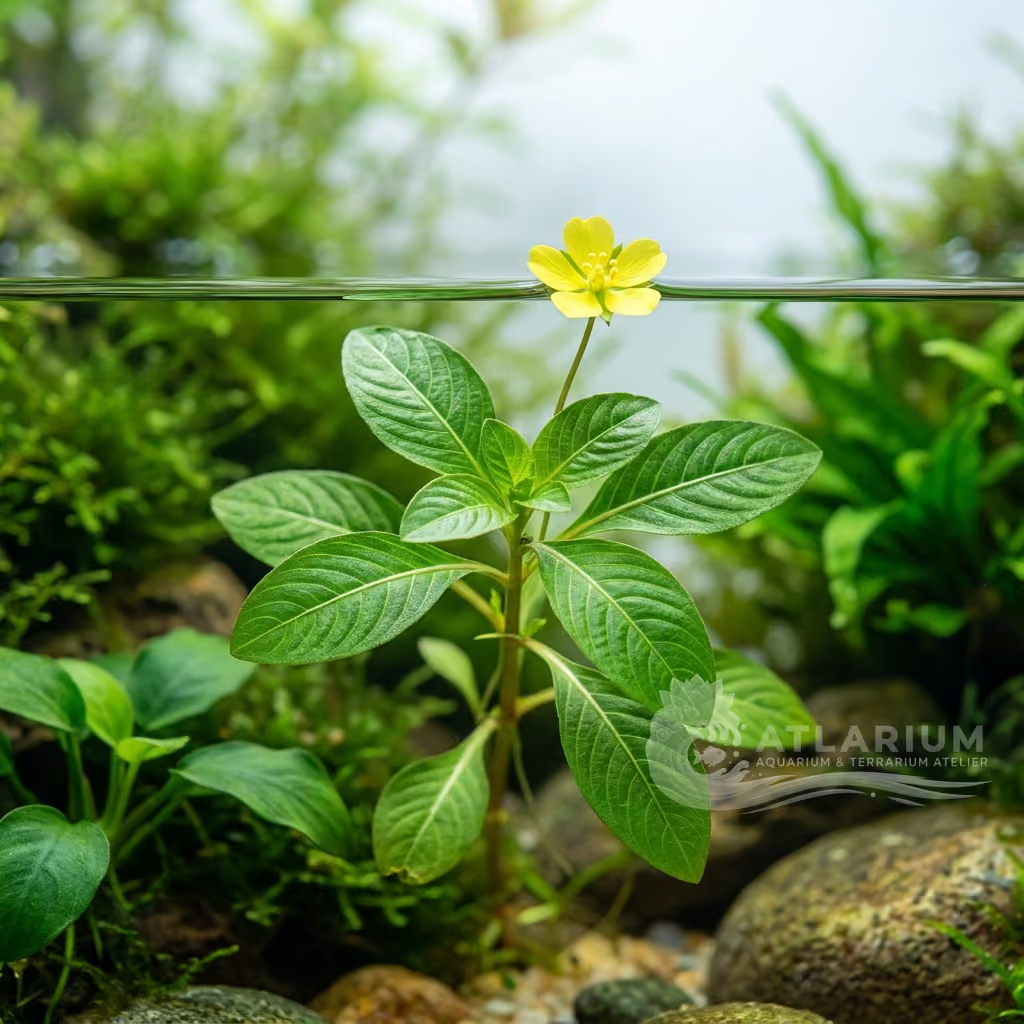
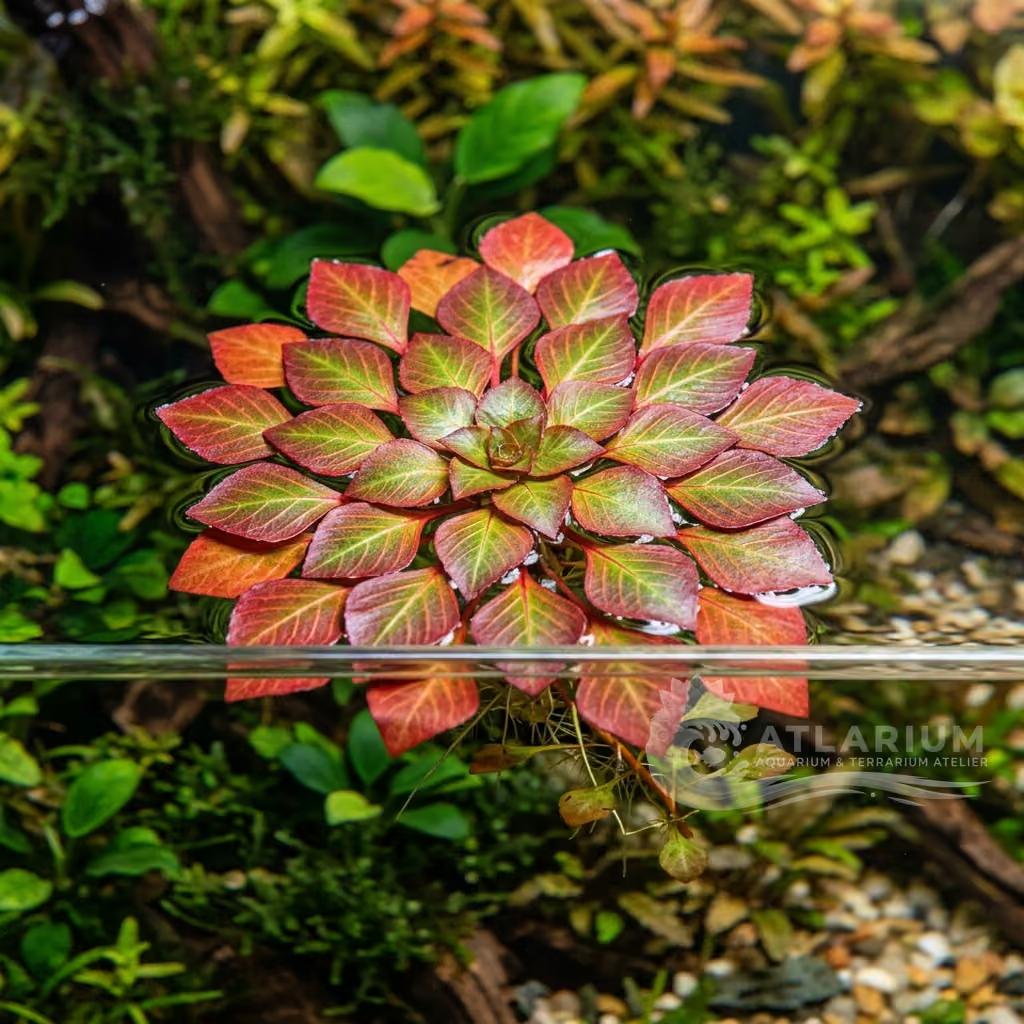
Physical Structure: It features creeping stems that grow horizontally across the water surface. From the nodes, it produces round rosettes of leaves, fine aquatic roots, and the distinctive bulbous white spongy floats. Stems can branch extensively under favorable conditions.
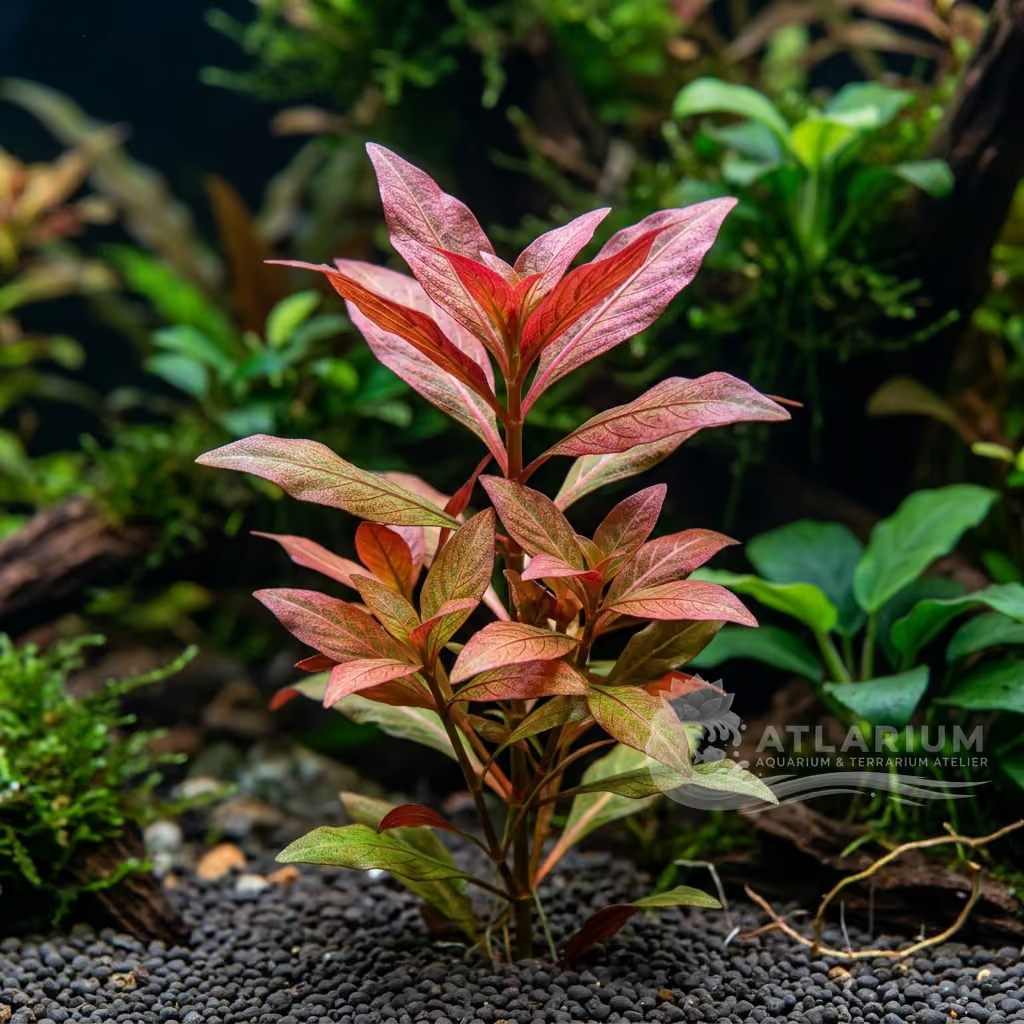
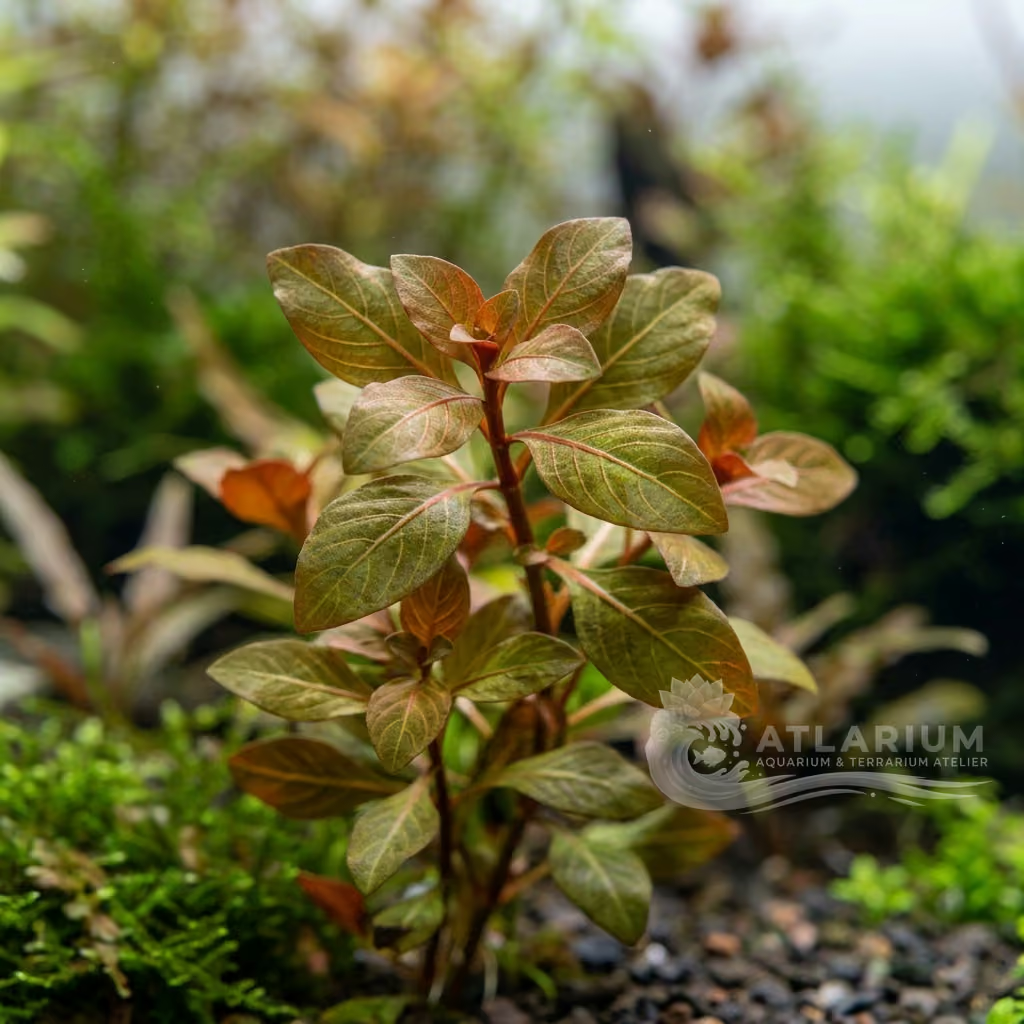
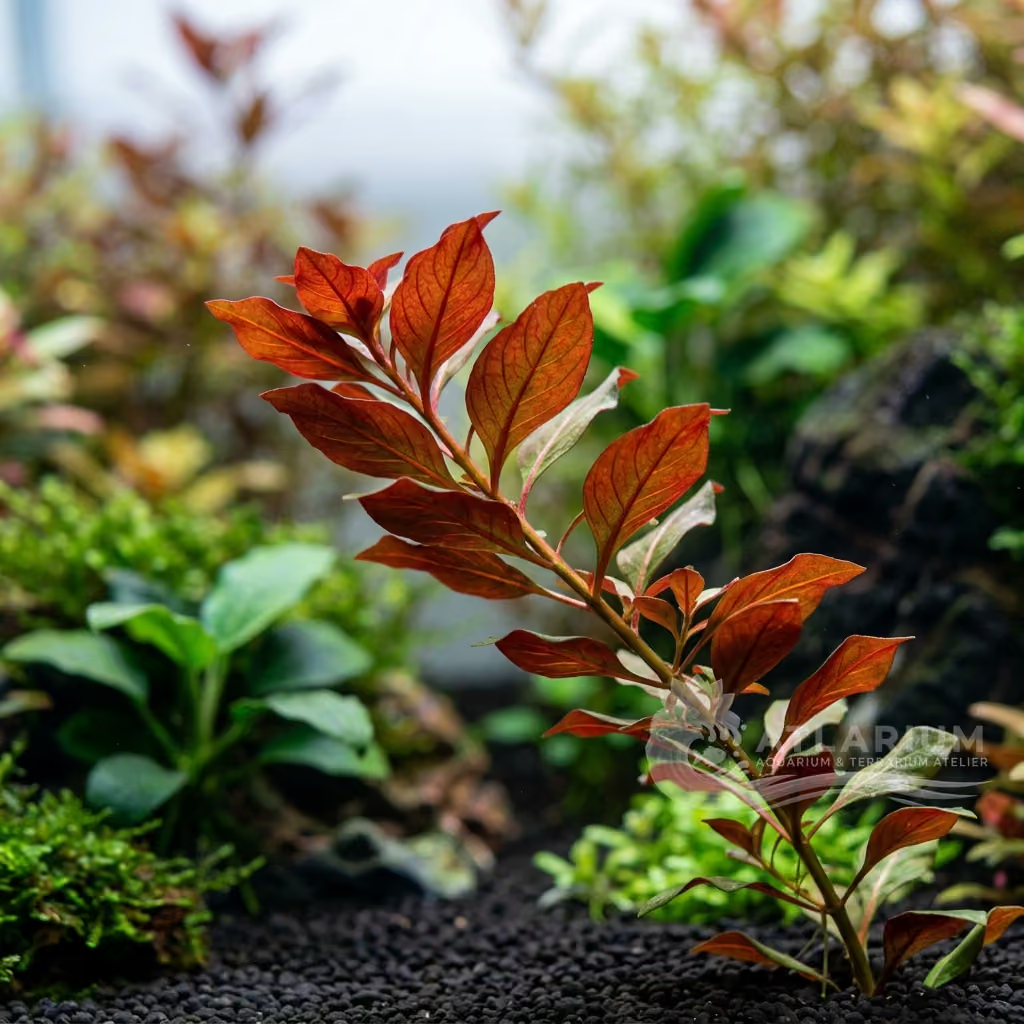
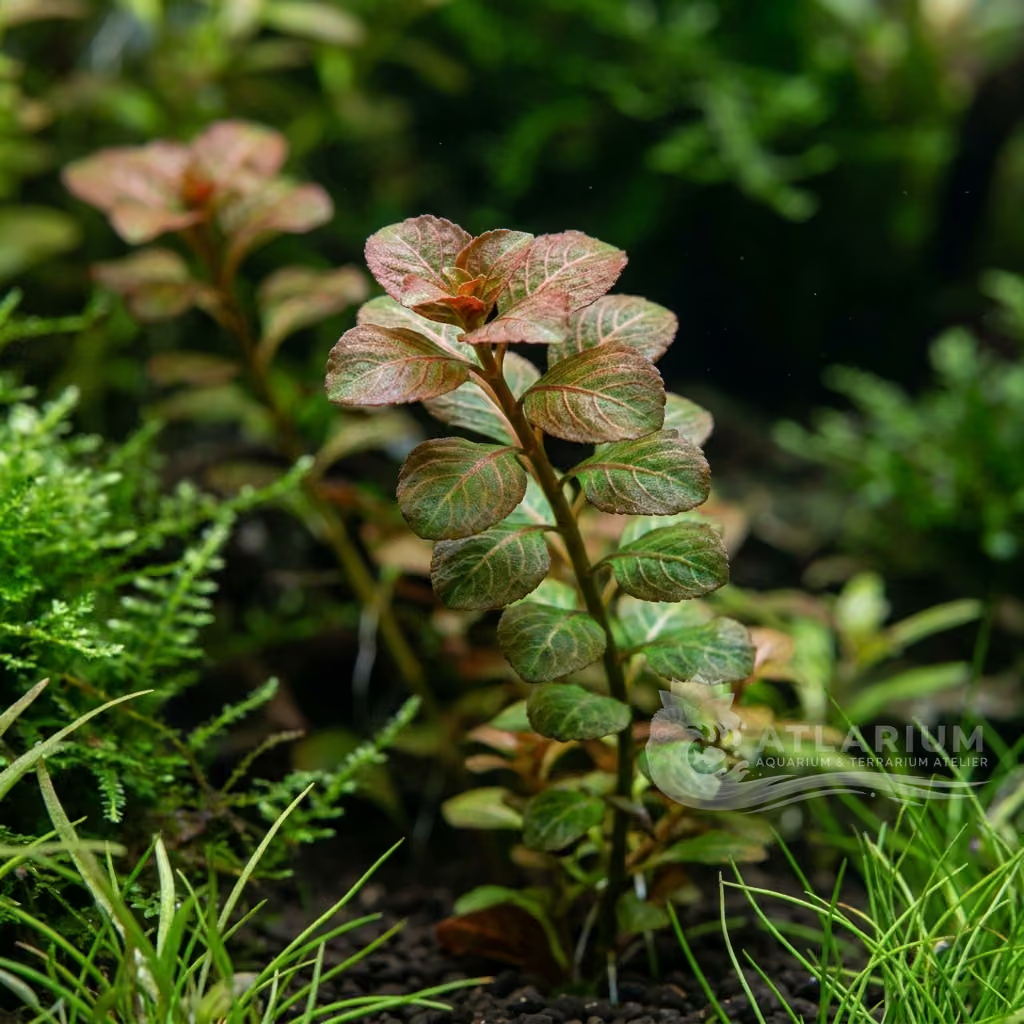
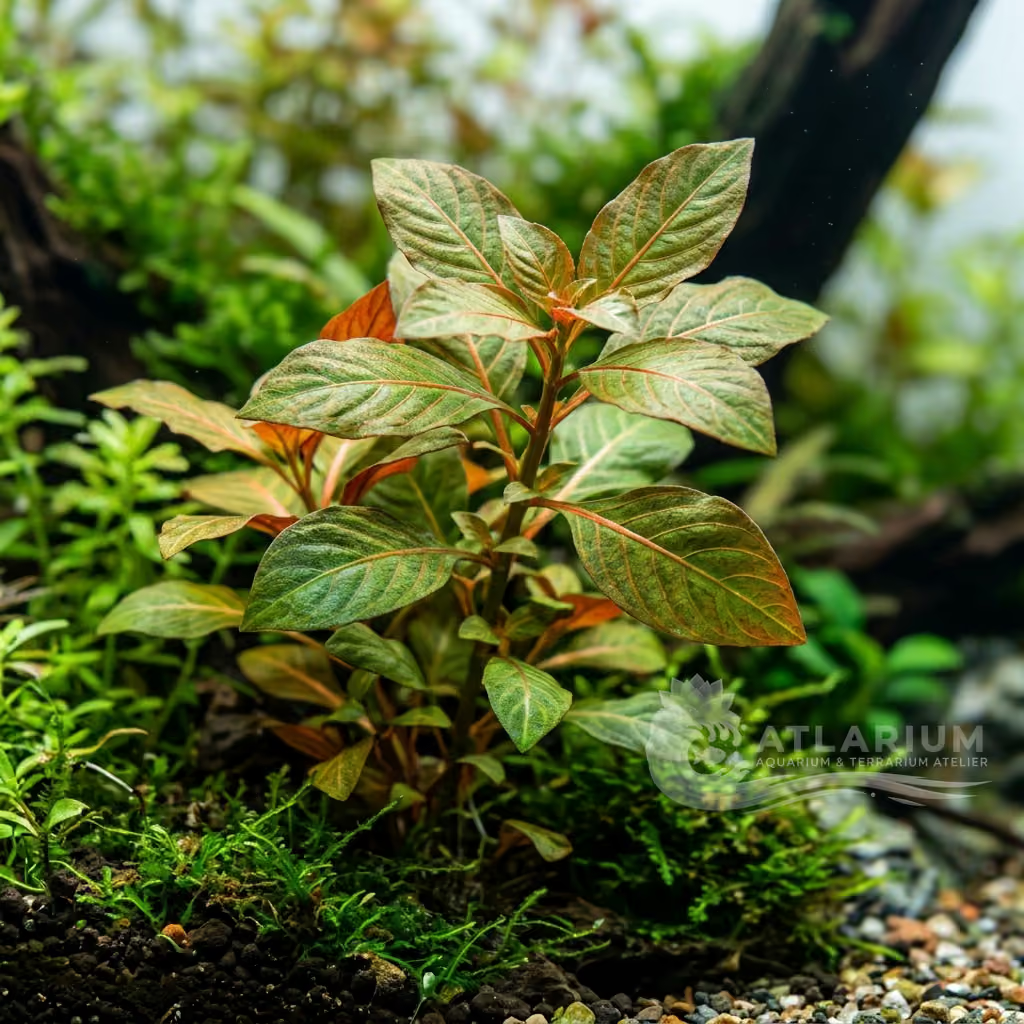
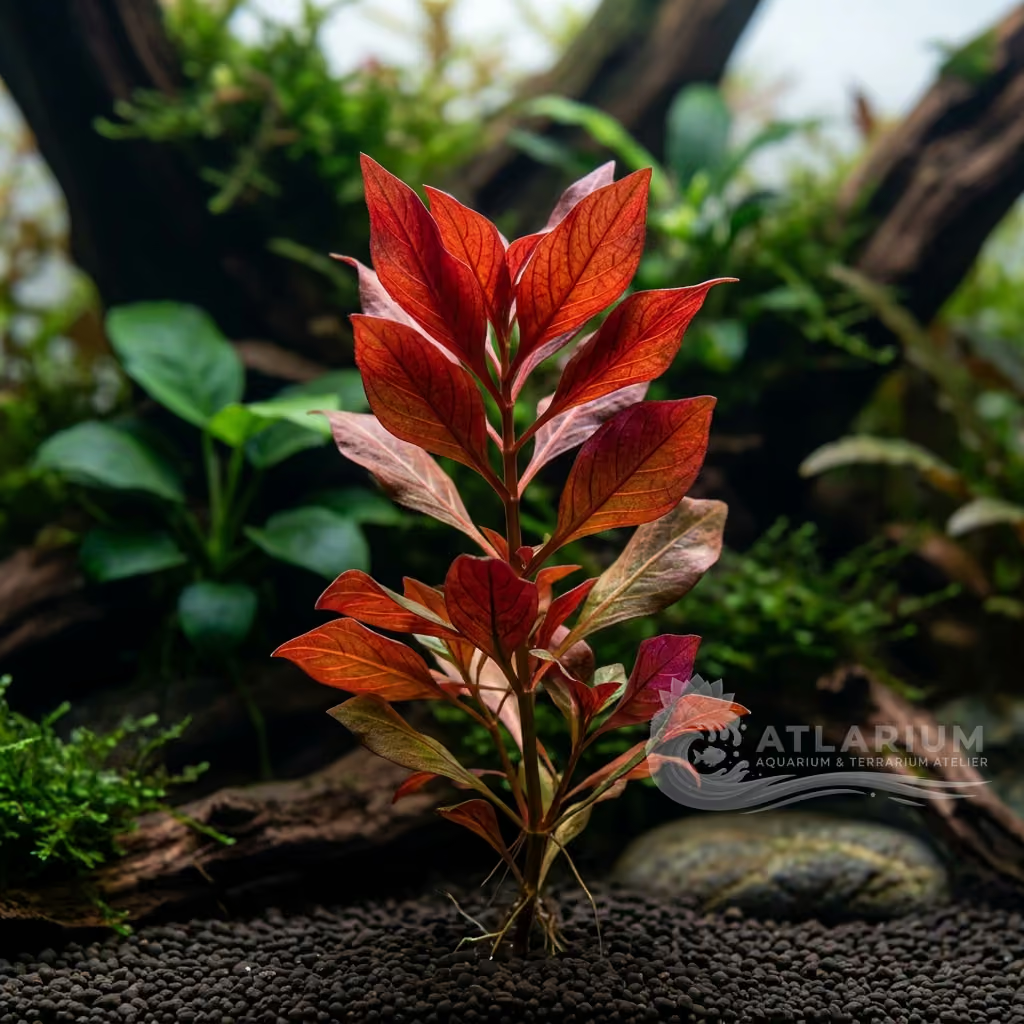
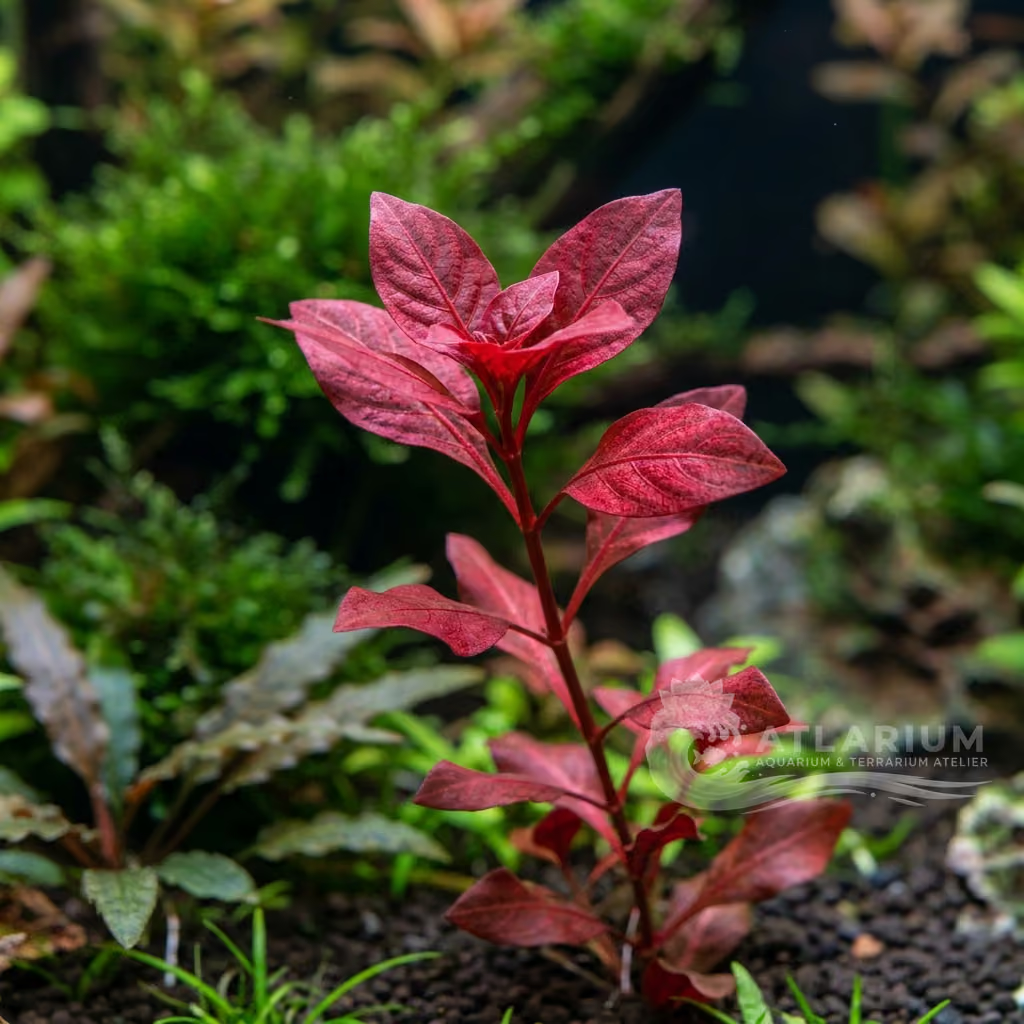
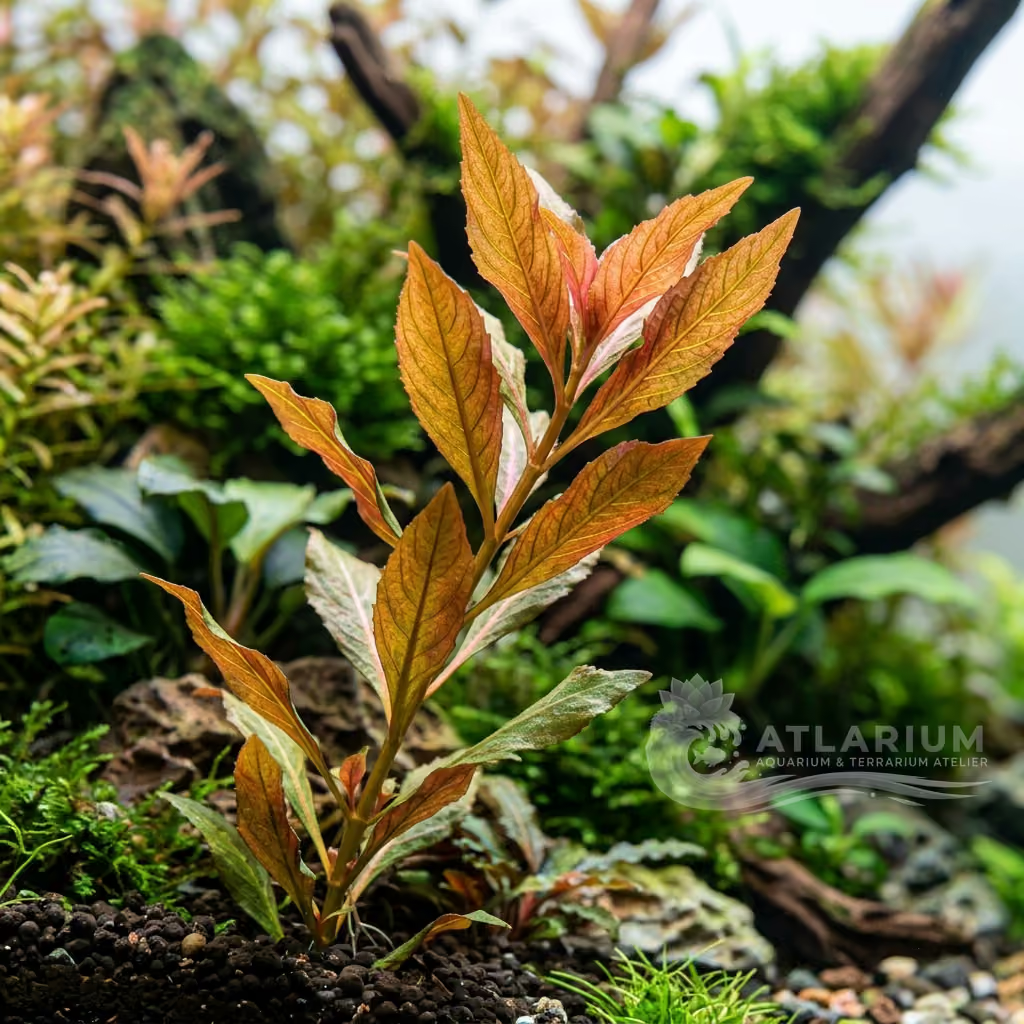
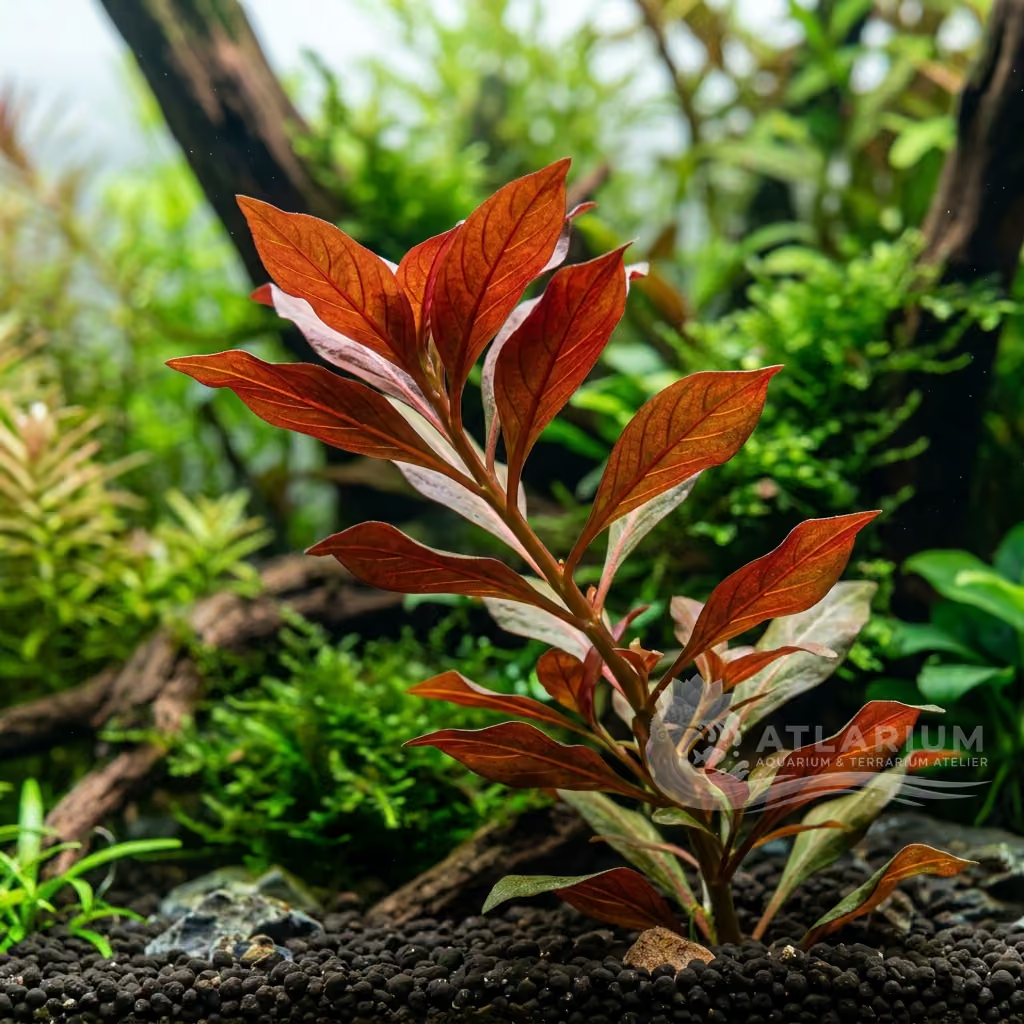
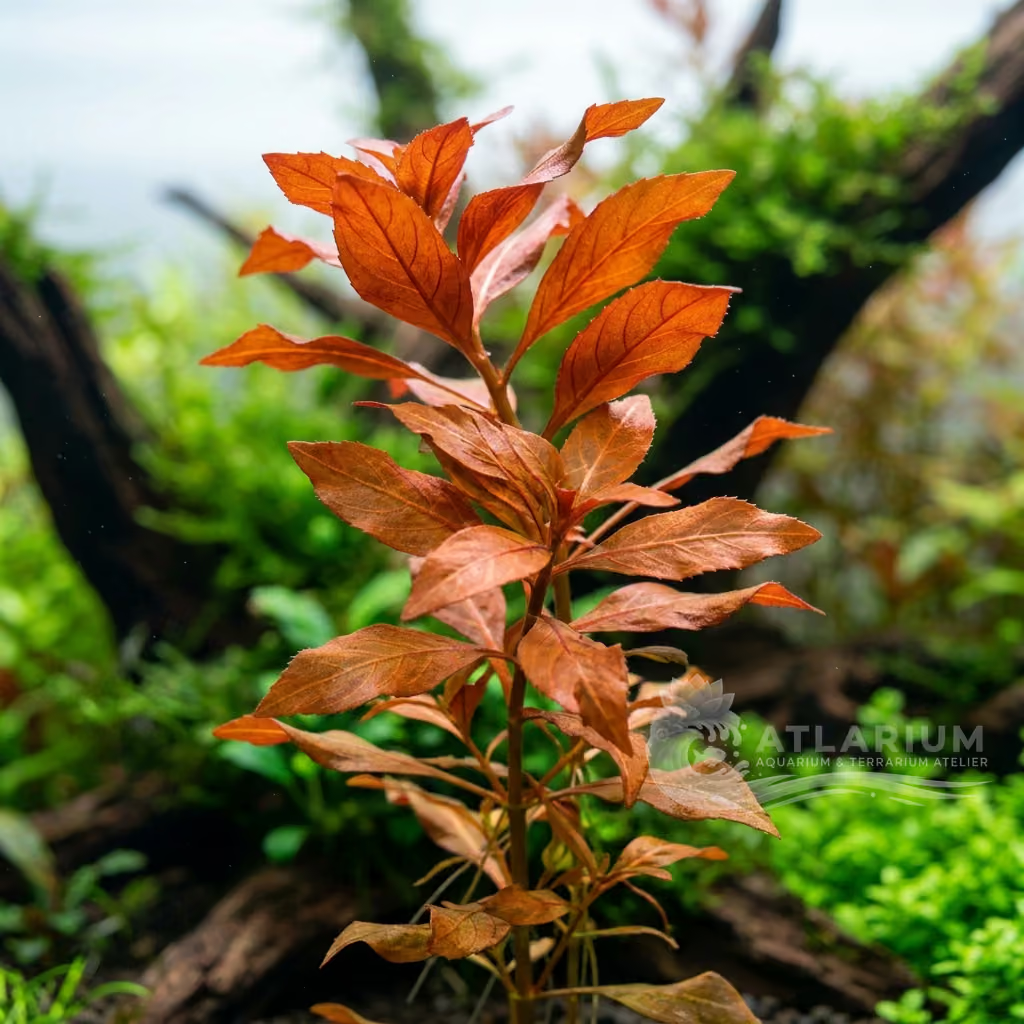
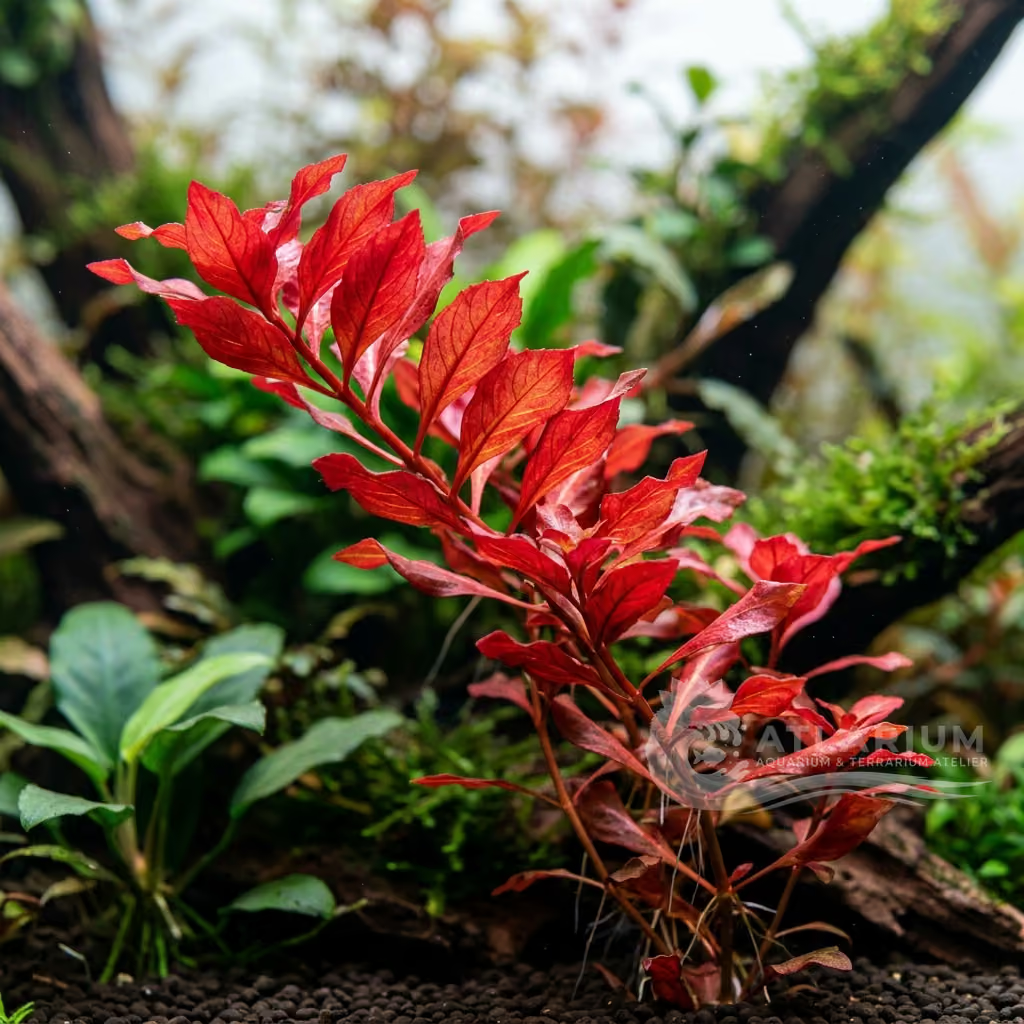
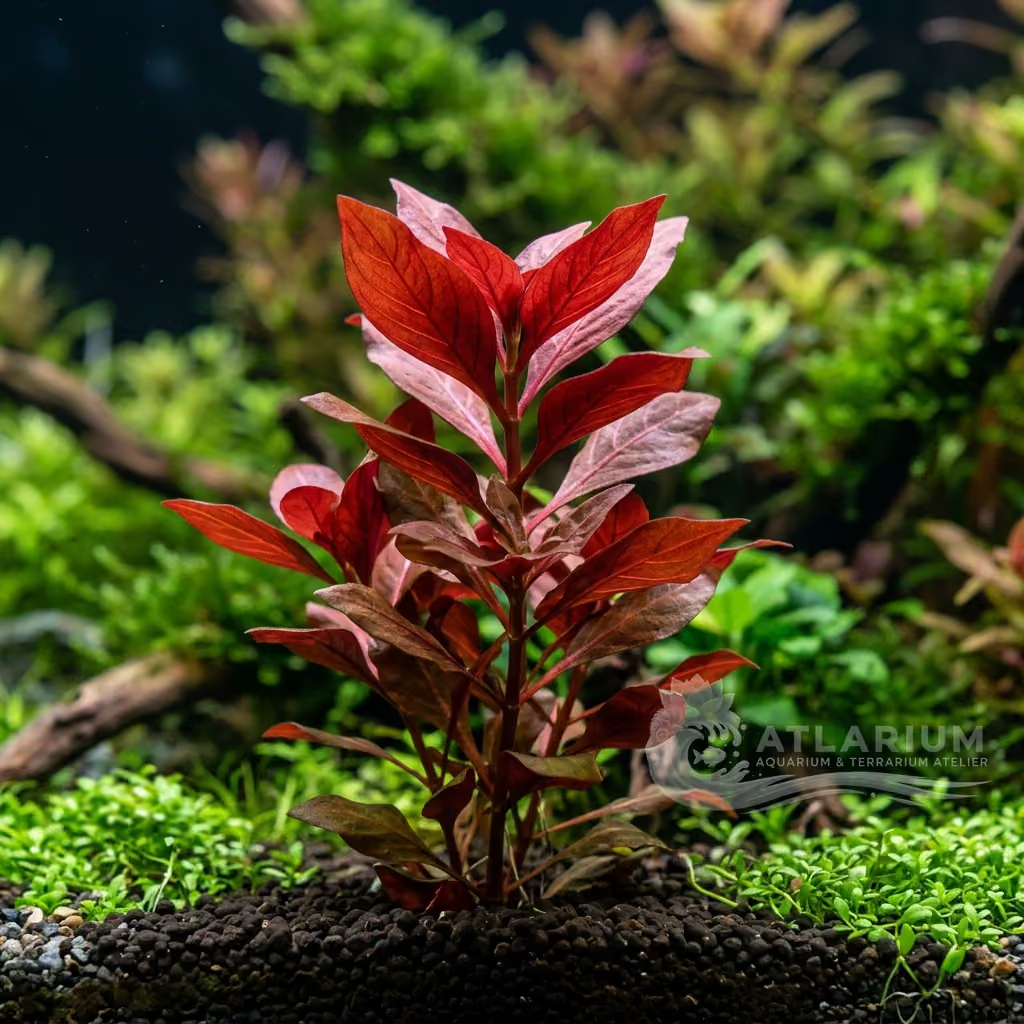
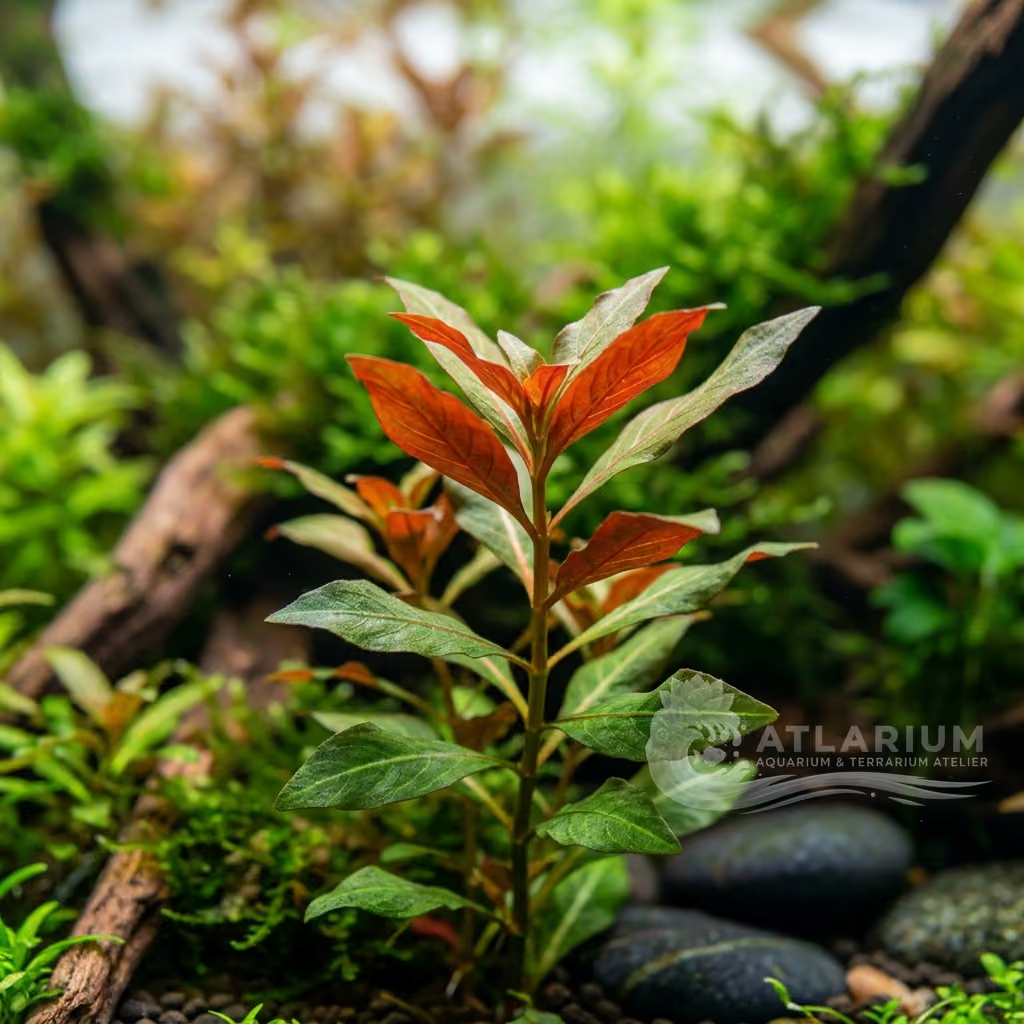
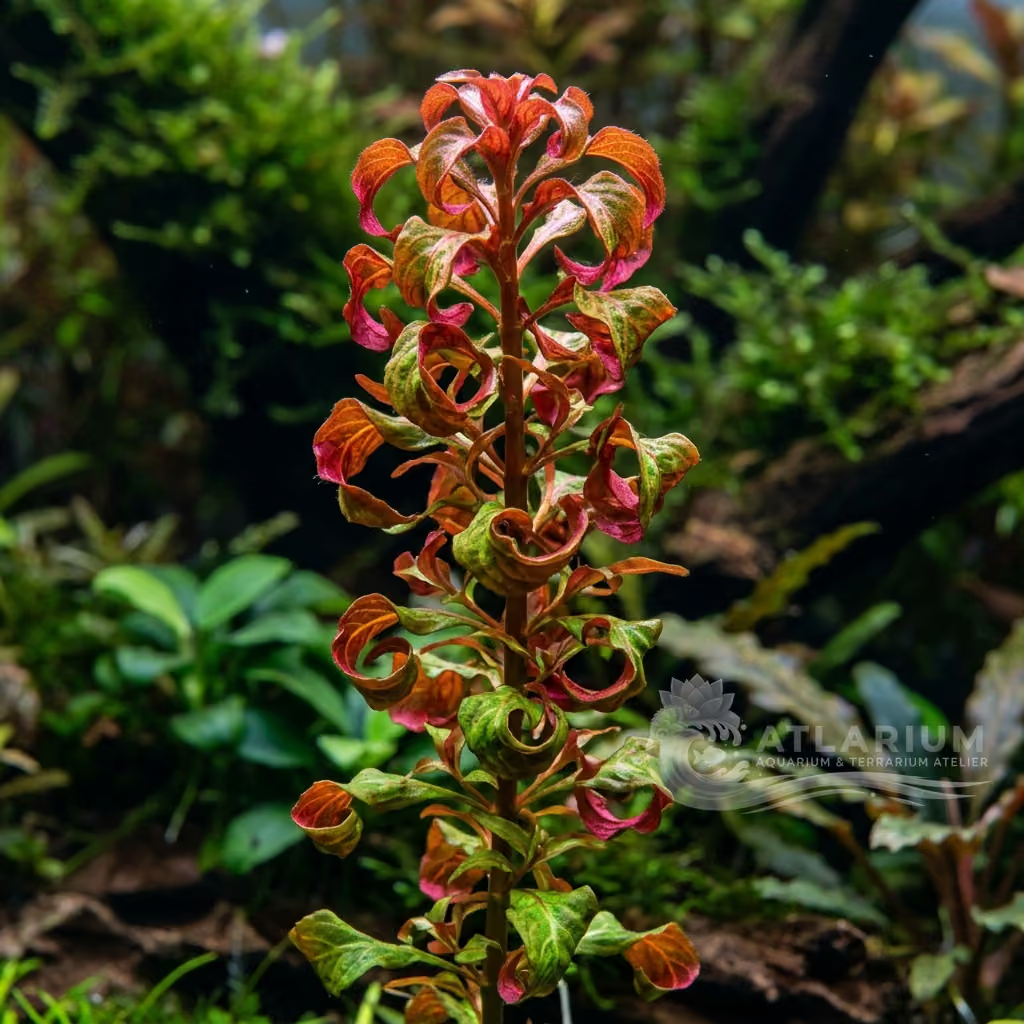
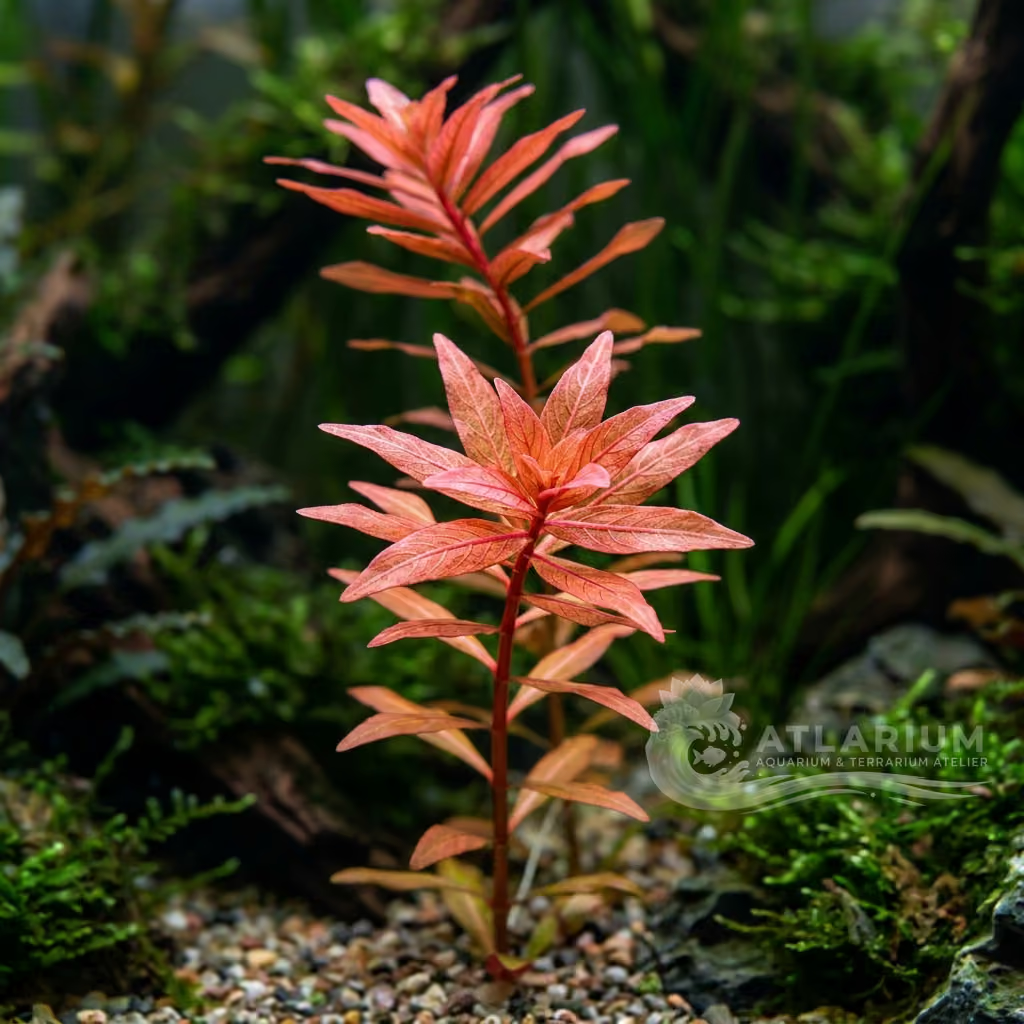
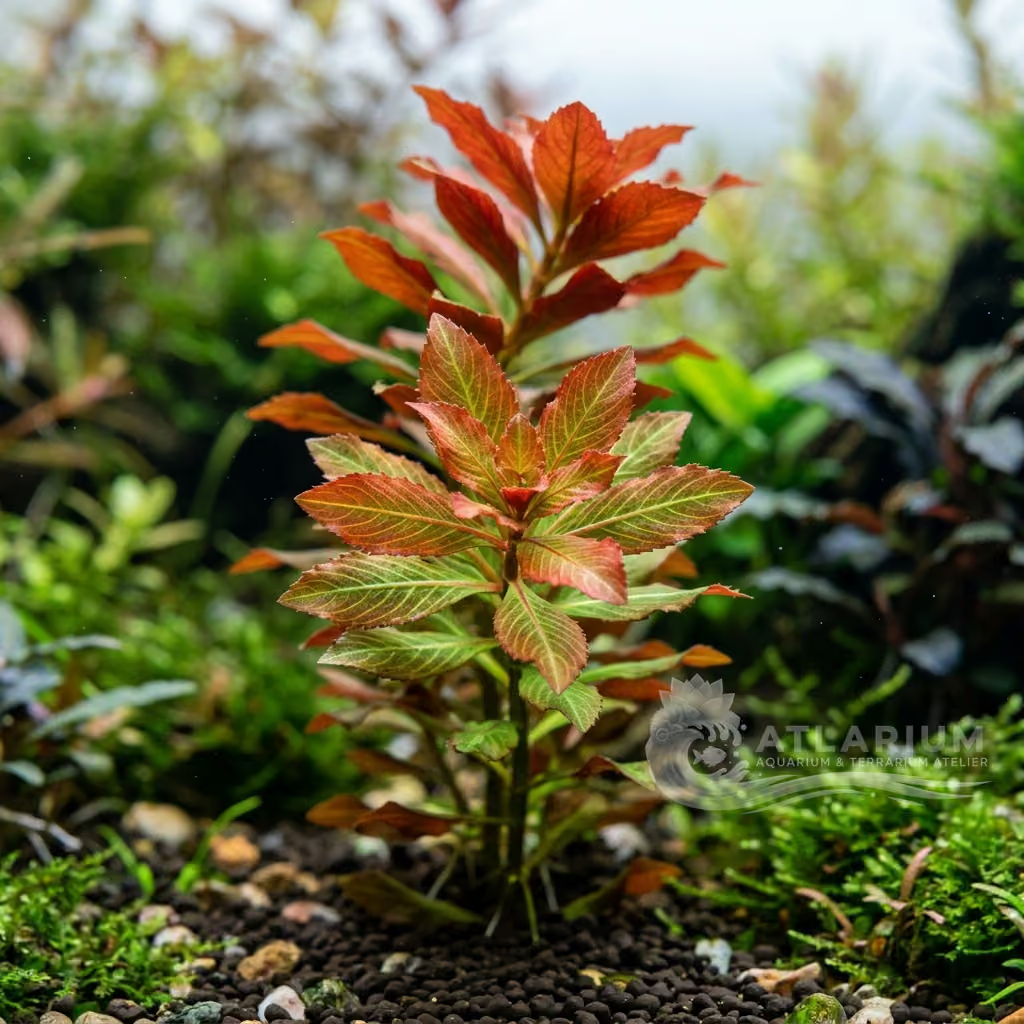
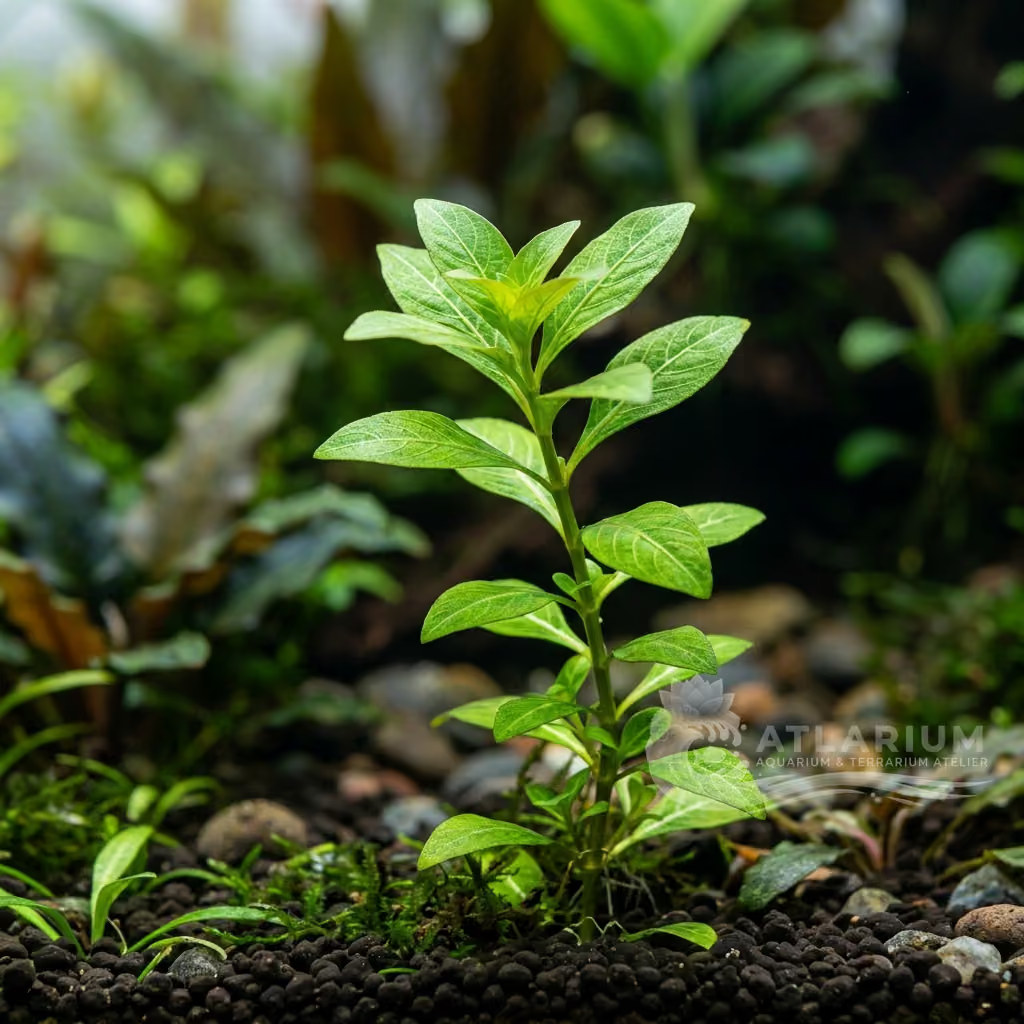
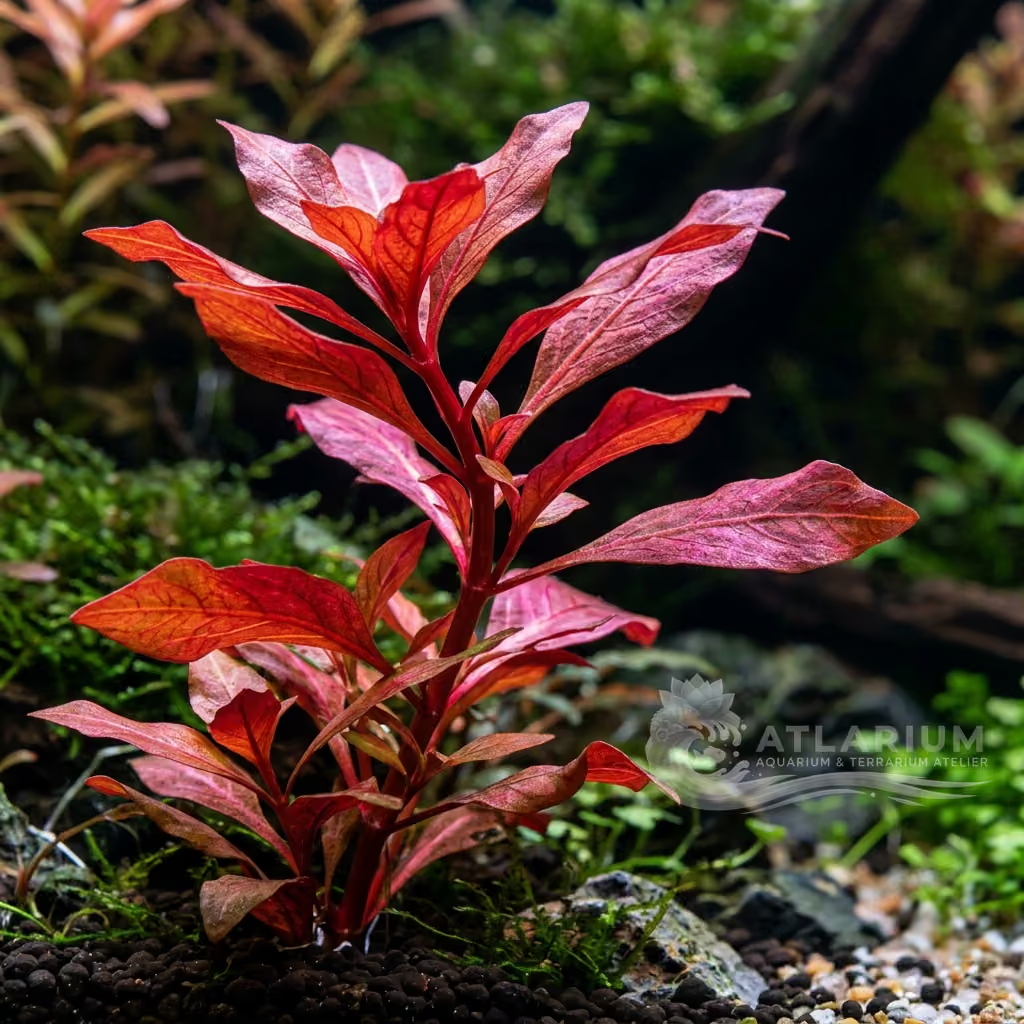
Color & Texture: Leaves are round, smooth, glossy, and covered with a waxy cuticle. Under very high-intensity lighting, the leaves turn striking shades of orange and bright red with visible veins. In lower light levels, they remain a light to olive-green color.

Care, breeding and tankmates
Lighting & CO2: Demands very high light levels. It will not survive in dimly lit or enclosed tanks. Since its leaves float on the surface, it has direct access to atmospheric carbon dioxide, making dissolved CO2 injection in the water column unnecessary.
Nutrition & Substrate: Substrate is not required as it floats. However, it is an intensive nutrient feeder and requires regular, high-dose water column fertilization. Iron, potassium, and trace elements are vital to sustain its rapid growth rate and prevent leaf yellowing.
Water Chemistry: Prefers soft, slightly acidic to neutral water with a pH range between 6.0 and 7.2. The ideal water temperature is 20°C to 28°C (68-82°F). Clean water conditions are necessary to prevent algae from colonizing its feather-like aquatic roots.
Space Management & Placement: Used strictly as a floating surface plant. Because it grows rapidly, it can quickly cover the entire water surface. Regular thinning is required to ensure that adequate light reaches the submerged plants and corals beneath it.
Pruning: Trim the running stems regularly to manage its spread. Cut the stems using sharp scissors. The cut side shoots can be left to float on the surface, where they will continue to grow, rapidly propagating and forming new individual plants.
Risks & Diseases: Highly susceptible to decaying and dropping leaves if surface light levels are too low or if there is a severe nutrient deficiency in the water. Condensation dripping from aquarium lids can damage the floating leaves, leading to rot.

Geographic origin and distribution
This plant is native to the tropical regions of Central and South America. It thrives floating on the surface of calm waters, such as shallow ponds, swamps, marshes, and slow-moving rivers, fully exposed to direct tropical sunlight and rich in organic nutrients.
Origin
Amazon, Orinoco, and GuianasCentral America and Caribbean

Plant profile
- Placement
- Floating
- Optimal placement for Ludwigia helminthorrhiza is as a water surface. Careful positioning allows it to receive adequate light and flow. This strategic placement ensures it does not overshadow smaller plants while exhibiting its best form.
- Botanical form
- Stem
- Botanically, Ludwigia helminthorrhiza is characterized as a floating stem plant. Its unique physiological traits make it a fascinating addition to the ecosystem. The leaf structure and overall form adapt closely to its submerged environment.
- Growth
- Fast
- The growth rate of Ludwigia helminthorrhiza is generally considered fast. This steady development necessitates a well-planned maintenance schedule. Adjusting environmental factors can slightly speed up or slow down this rate.
- Substrate
- Low
- Ludwigia helminthorrhiza is an obligate floating plant and completely bypasses the need for a traditional aquarium substrate. It generates specialized, spongy white roots containing air chambers (pneumatophores) that trail in the water column, providing buoyancy and absorbing dissolved nutrients directly from the water. Because its roots never touch the bottom, it relies entirely on a well-fertilized water column rich in macronutrients and iron. Consequently, the nature, depth, or composition of the aquarium's substrate has no impact on the growth or health of this species.
- Column fertilization
- Optional
- For column fertilization, Ludwigia helminthorrhiza prefers a rich dosing regimen. Liquid fertilizers are efficiently absorbed through its submerged surfaces. Consistent daily or weekly dosing ensures steady nutrient availability.
- Root fertilization
- None
- Regarding root fertilization, it is not strictly true that Ludwigia helminthorrhiza requires a nutrient-rich substrate. A quality aquasoil or root tabs can significantly boost its long-term health. The root system plays an active role in stabilizing the plant and absorbing minerals.
- Trimming
- Occasional
- Maintenance for Ludwigia helminthorrhiza primarily involves removing excess stems. Using sharp aquascaping scissors ensures clean cuts that heal quickly. Regular pruning encourages a more compact and aesthetically pleasing form.
- Propagation
- Cuttings
- Propagation of Ludwigia helminthorrhiza is typically achieved through cuttings. This method is straightforward and yields a high success rate. Newly propagated sections should be planted with sufficient space to establish themselves.
- Sensitivity
- Sensitive
- Ludwigia helminthorrhiza is particularly sensitive to surface agitation. Sudden changes in water chemistry can trigger negative reactions or melting. Maintaining a stable environment is the best preventative measure against these issues.
- Layout role
- Floating
- In an aquascape, Ludwigia helminthorrhiza serves excellently as a surface decoration. Its visual characteristics draw the eye and create depth within the layout. It pairs well with contrasting textures to enhance the overall composition.

Related species
Recommendations grouped by close relatives, companion choices, and similar care.