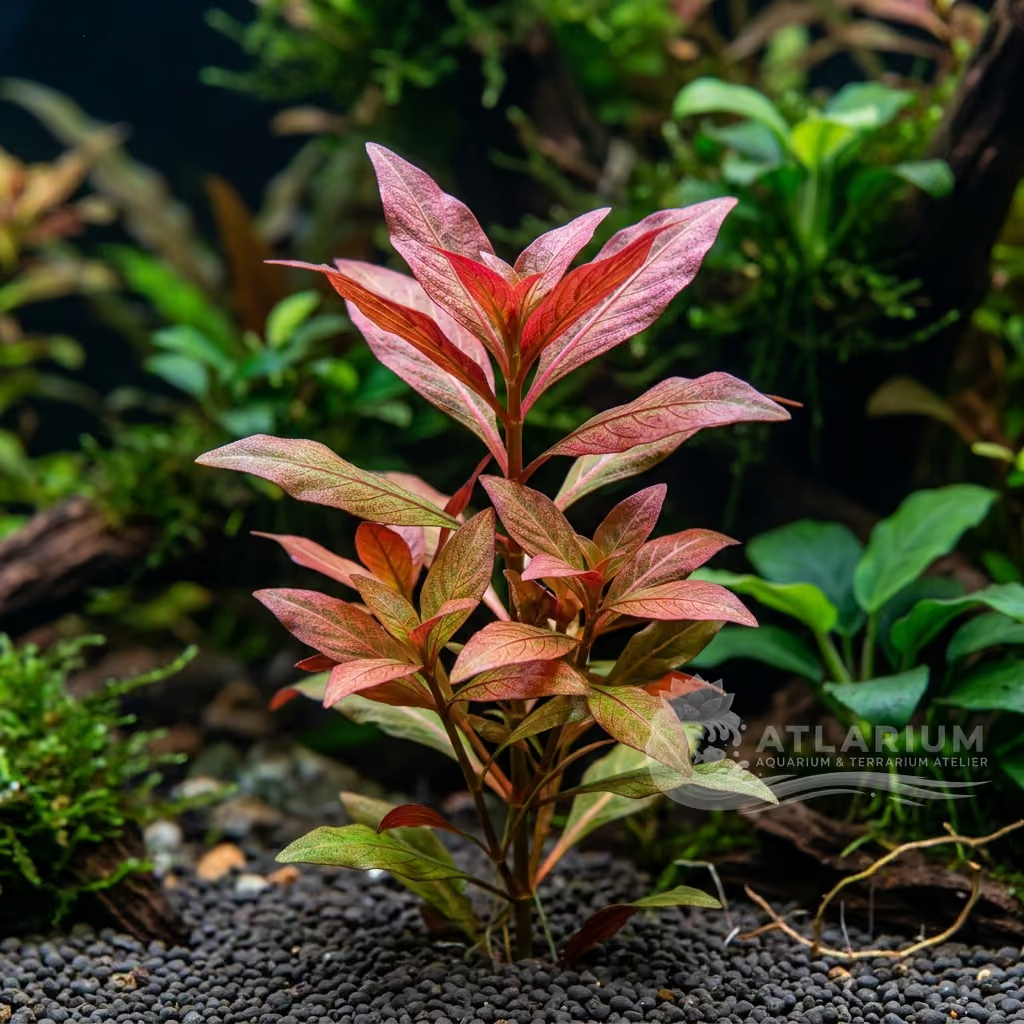
Ludwigia palustris "Super Red"
Ludwigia palustris
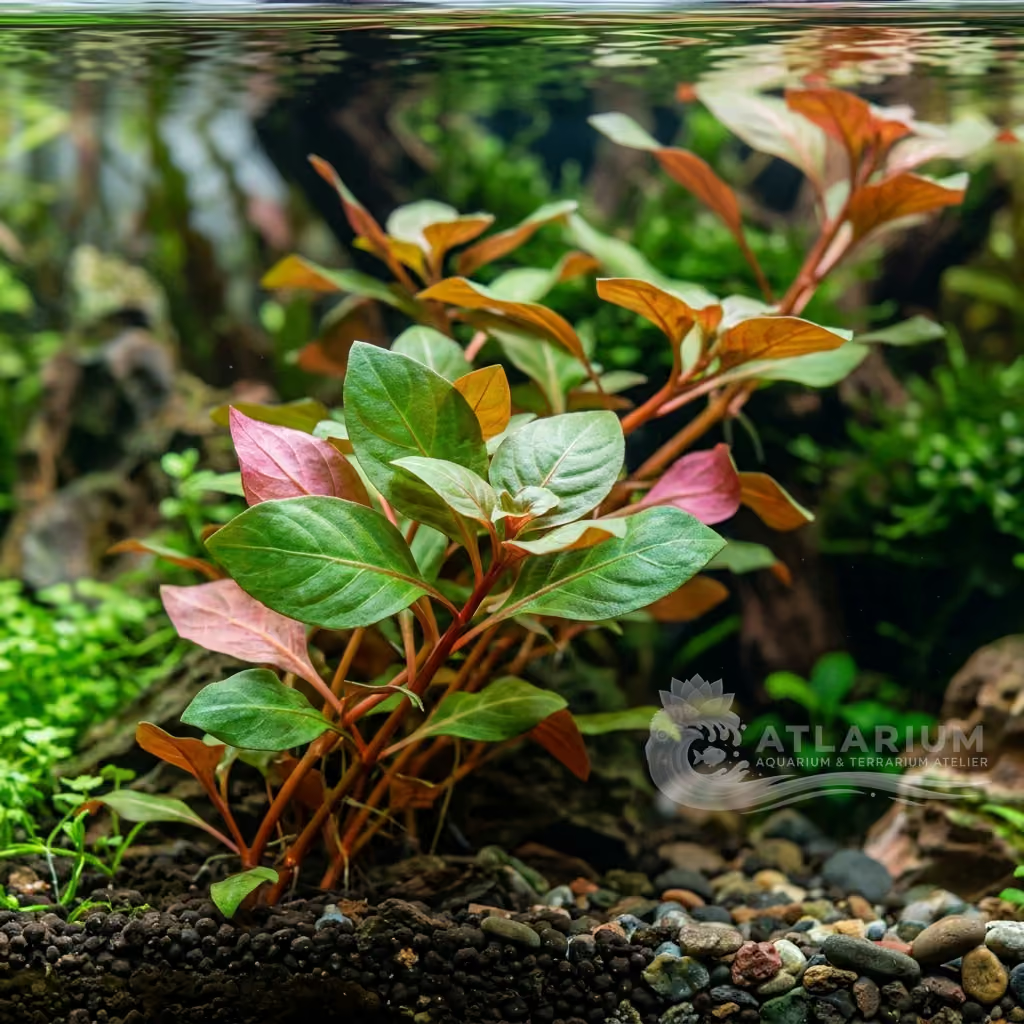
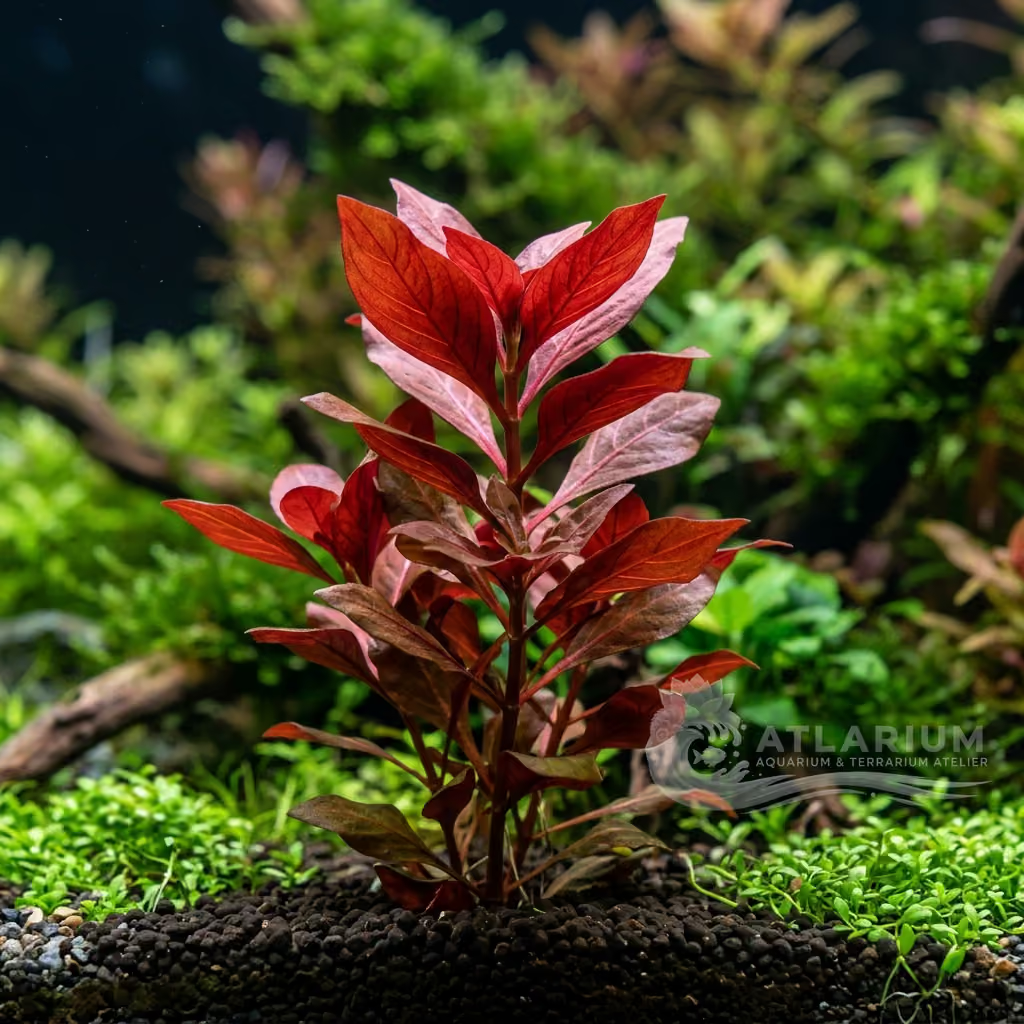
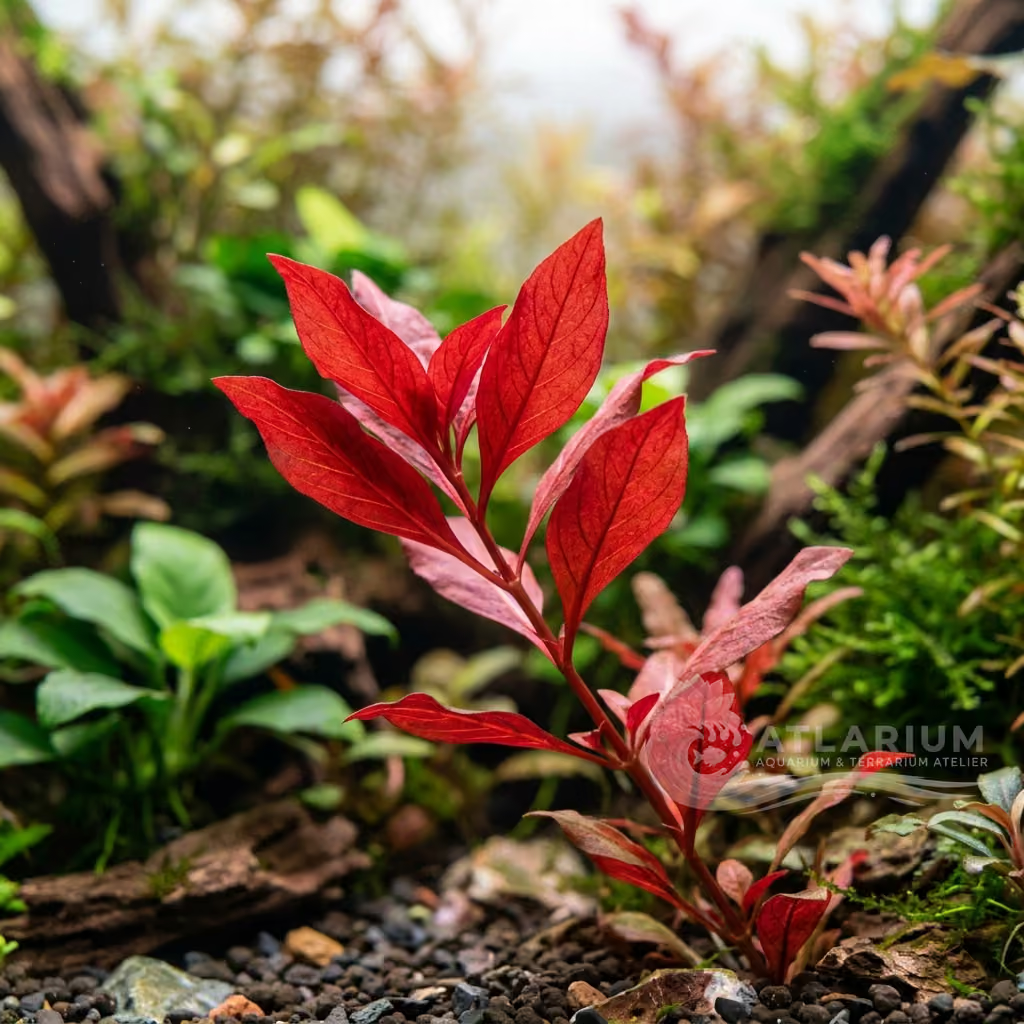
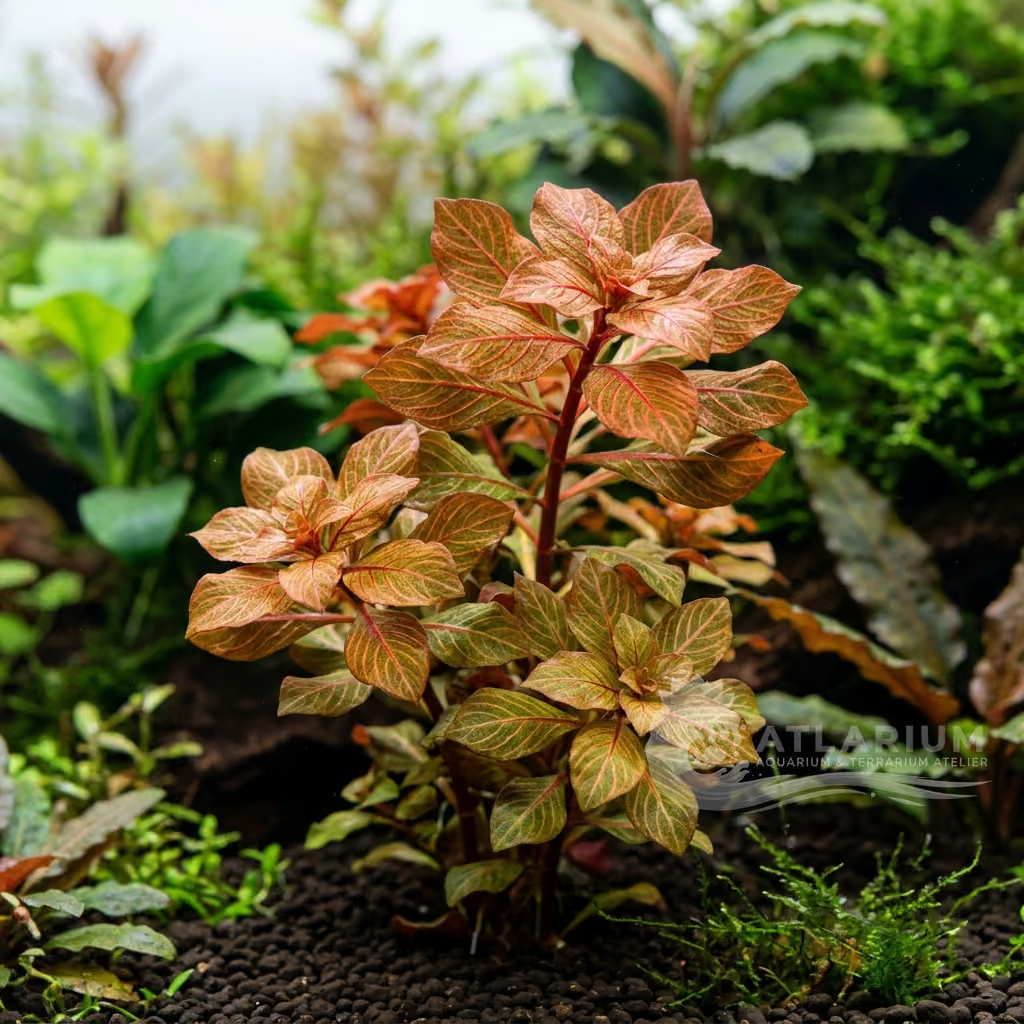
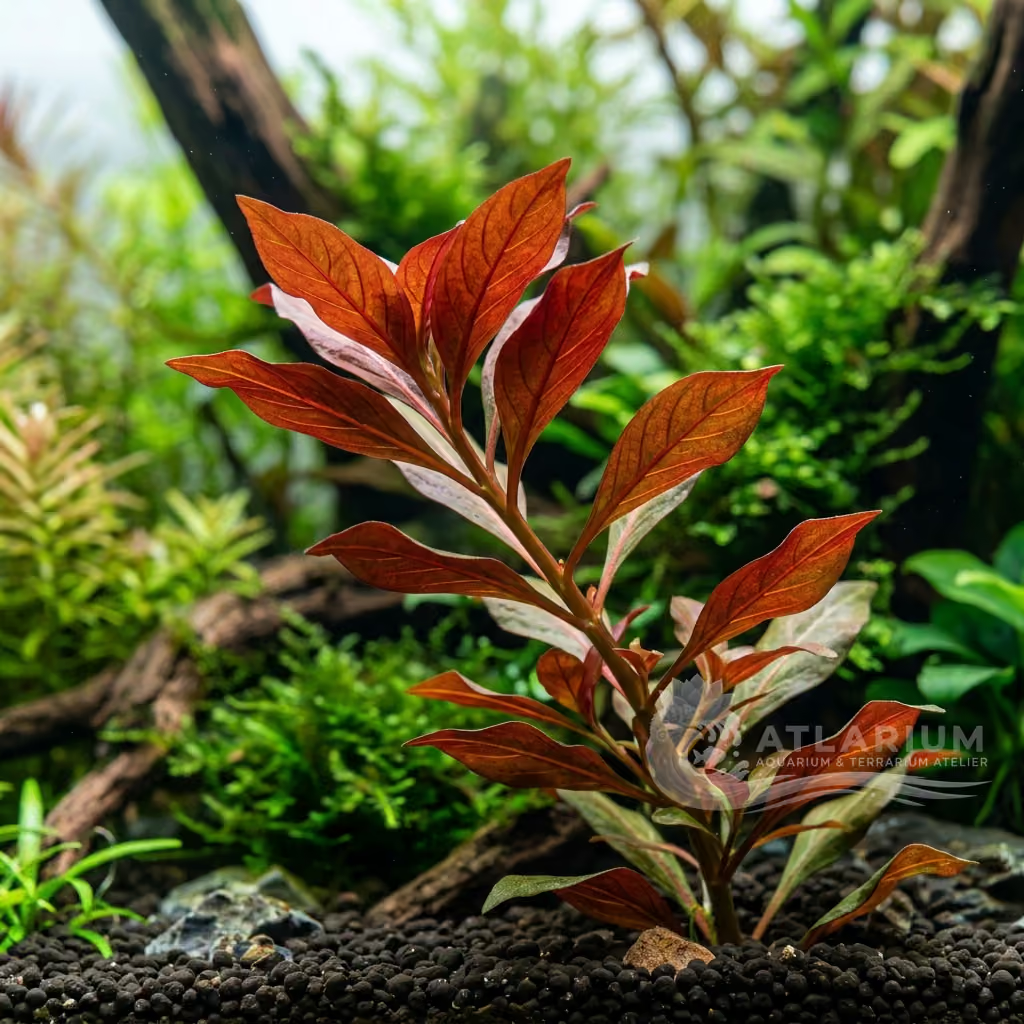
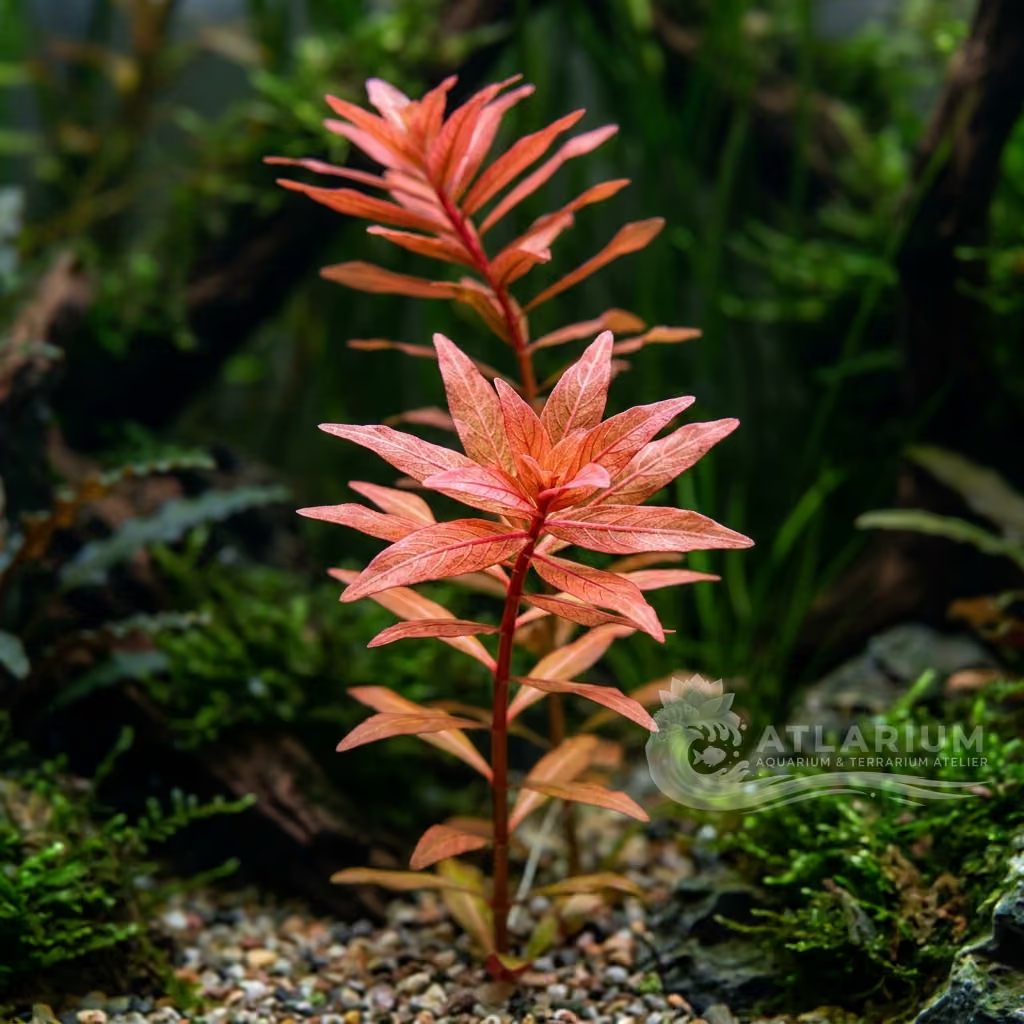
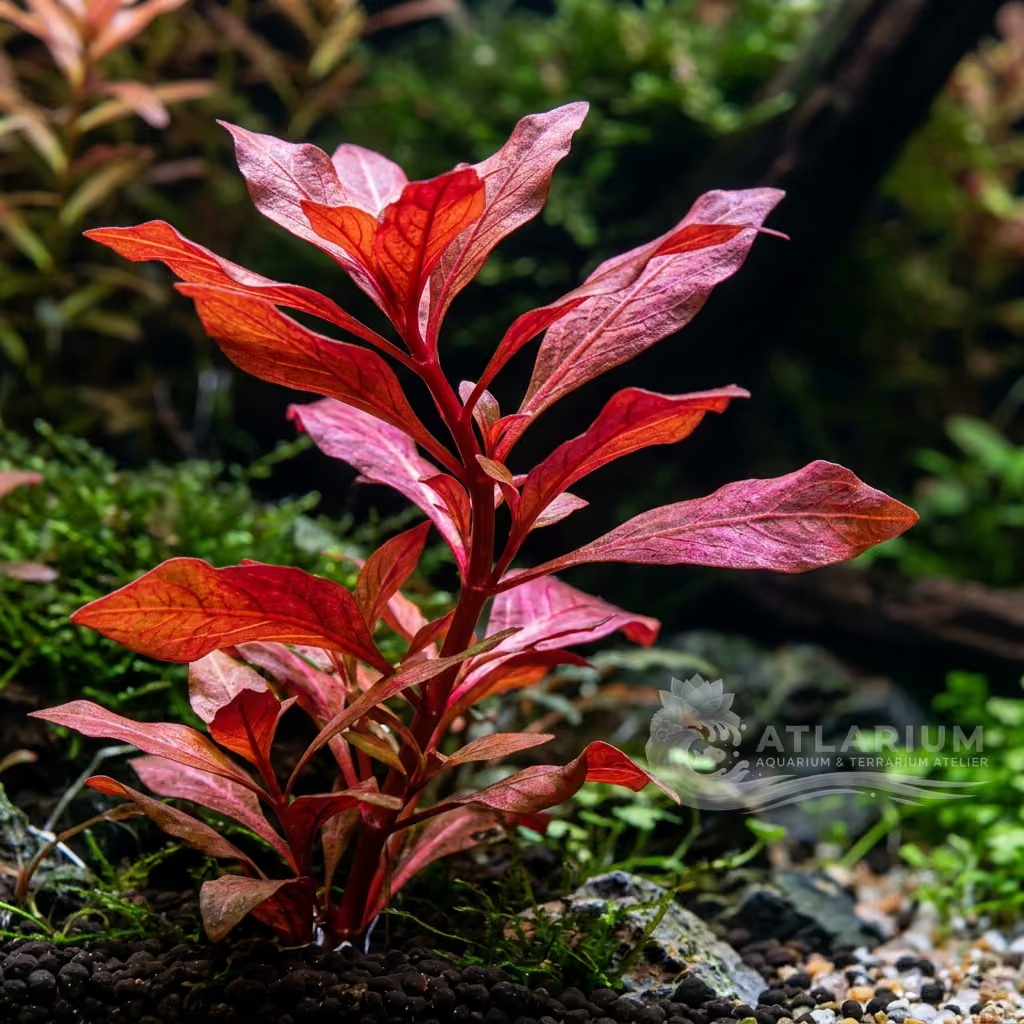
Ludwigia palustris "Super Red" is a fast-growing stem plant perfectly suited for midground placement, renowned for its intense red coloration. It serves as a vibrant focal point, adding striking visual depth and rich texture to the aquarium.
Water Temperature
18 - 28 °C
pH Value
5 - 7.5
Water type
Freshwater
Light
Medium to High
CO2
High
Expected height
50 cm
Expected width
7 cm
KH
0 - 14 dKH

Species description
Geographical Origin and Habitat: Ludwigia palustris is a cosmopolitan species, widespread across many temperate and subtropical regions globally, typically thriving in wetlands, marshes, and along the edges of various water bodies. The "Super Red" cultivar, however, is a horticultural selection specifically developed to exhibit an exceptionally intense red
Color & Texture: ation. Despite its cultivated origin, it retains the robustness and adaptability of the wild species, making it a popular choice among aquarists worldwide.
Taxonomy & Genetics: Belonging to the Onagraceae family, the genus Ludwigia encompasses approximately 80 species of aquatic and semi-aquatic plants. Ludwigia palustris "Super Red" is a cultivated variant of the type species Ludwigia palustris, distinguished by its enhanced chromatic properties. The "Super Red" designation explicitly highlights this distinctive characteristic, making it a sought-after specimen in the aquascaping world due to its selectively bred genetics.
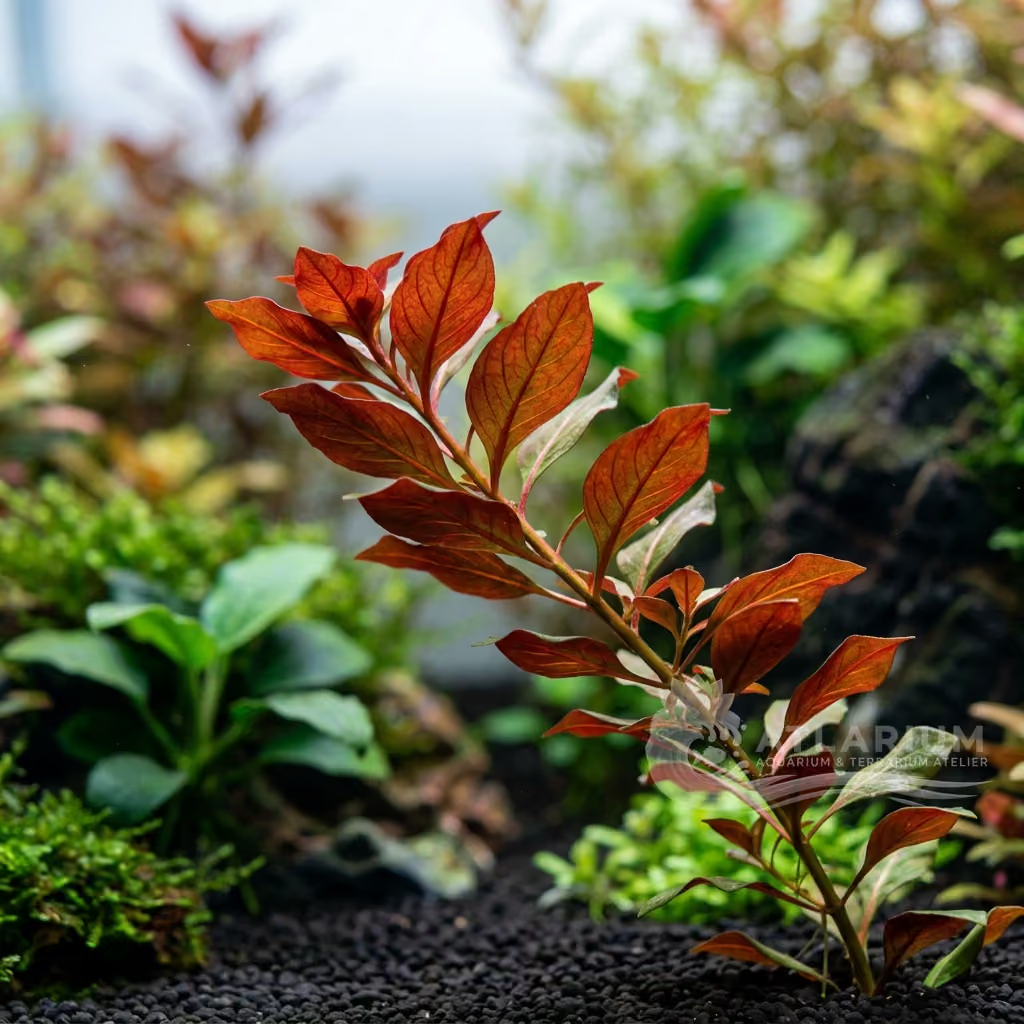
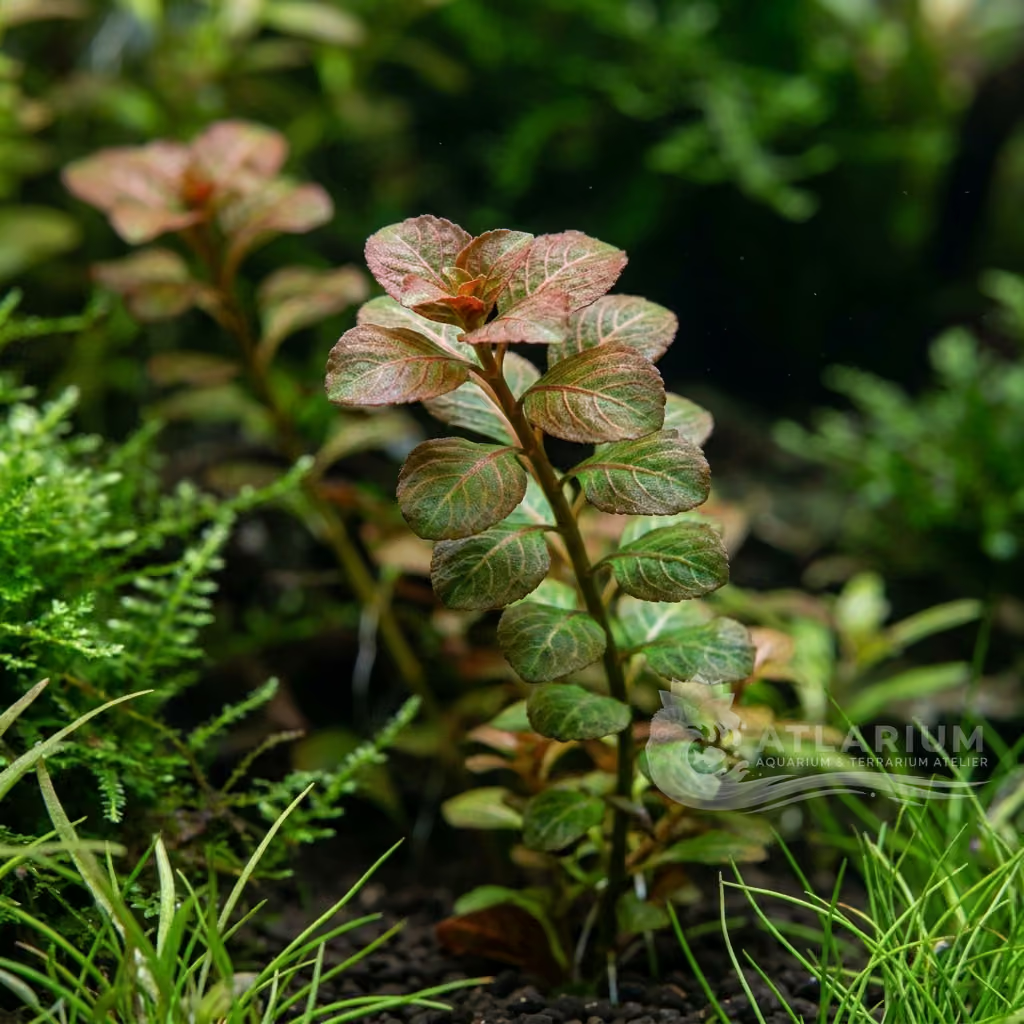
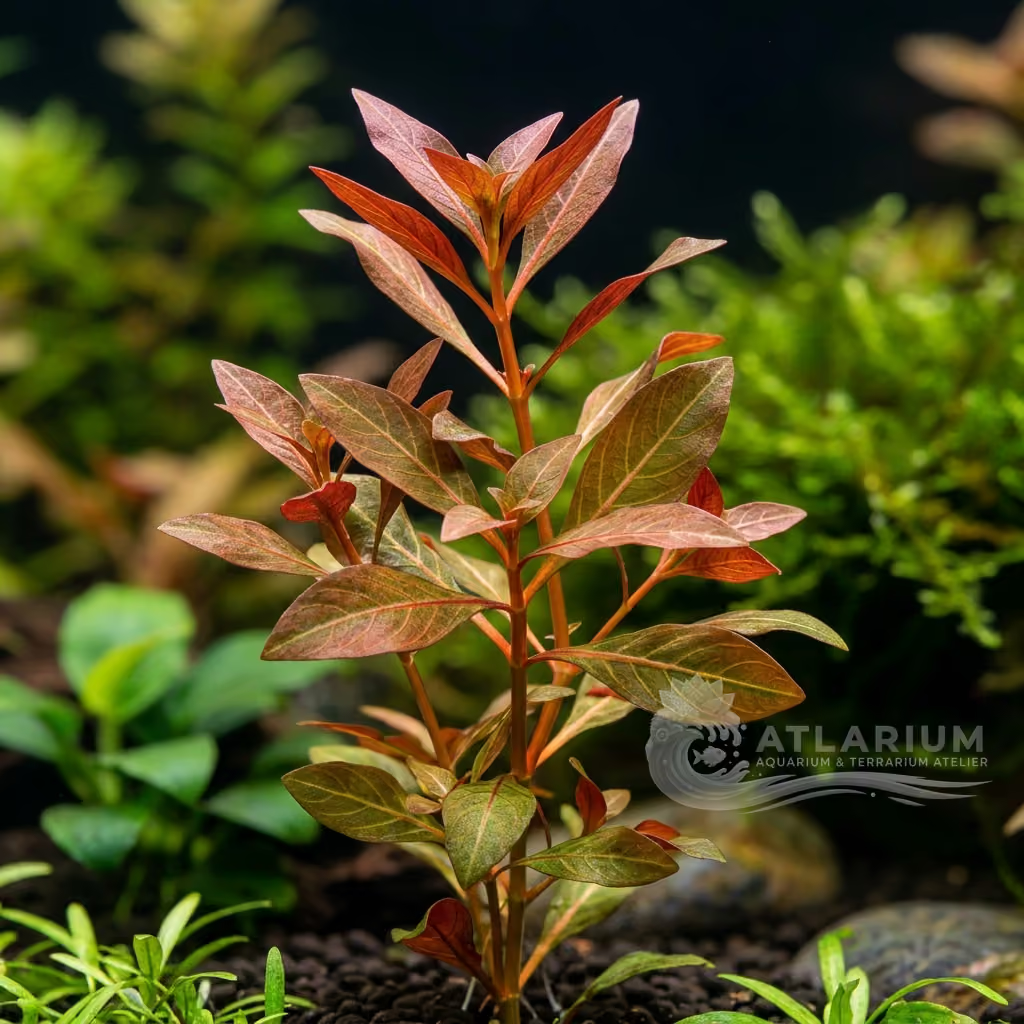
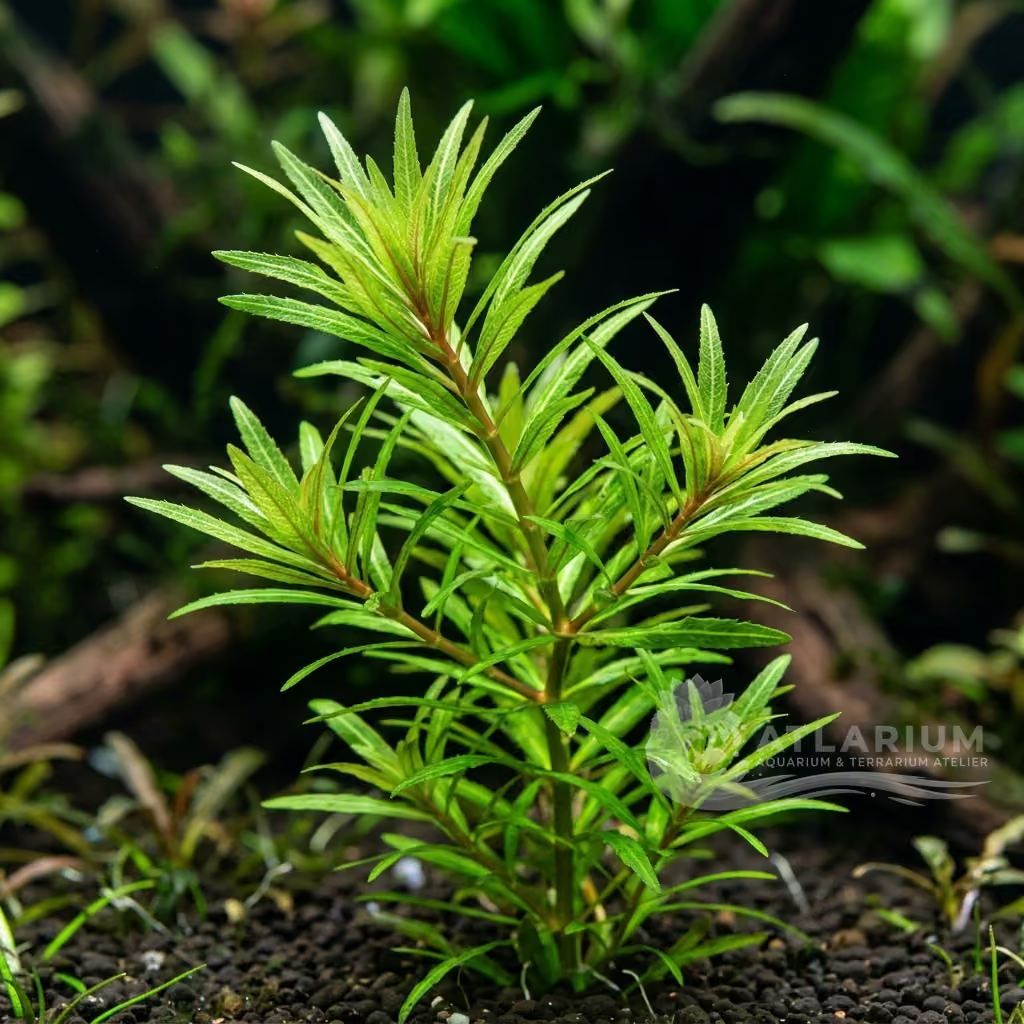
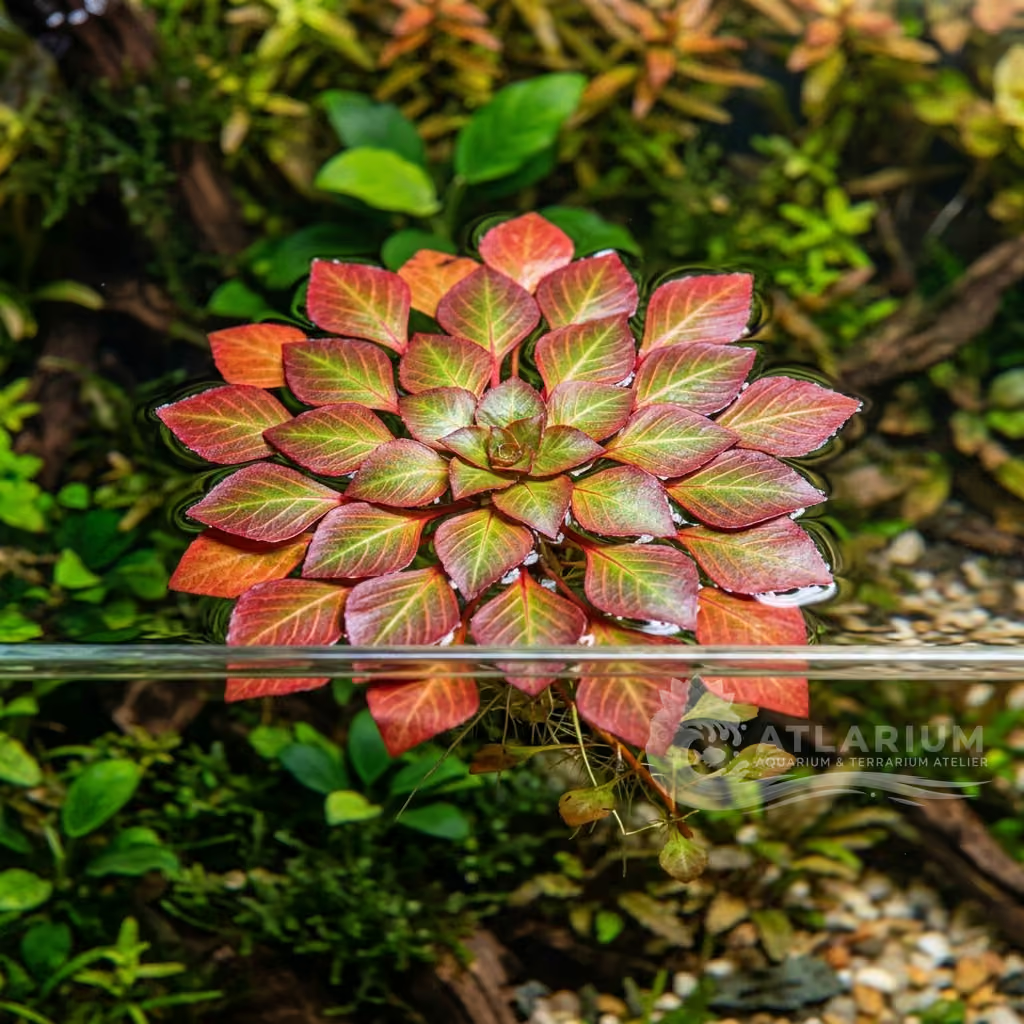
Physical Structure: This stem plant develops erect or slightly creeping stems that can reach considerable heights under optimal conditions, although it is usually maintained shorter through regular pruning. Its leaves are arranged oppositely along the stem, typically oval or lanceolate, and can vary in size depending on light intensity. Submerged, the plant can develop adventitious roots along the stem, which contribute to nutrient absorption and anchoring.
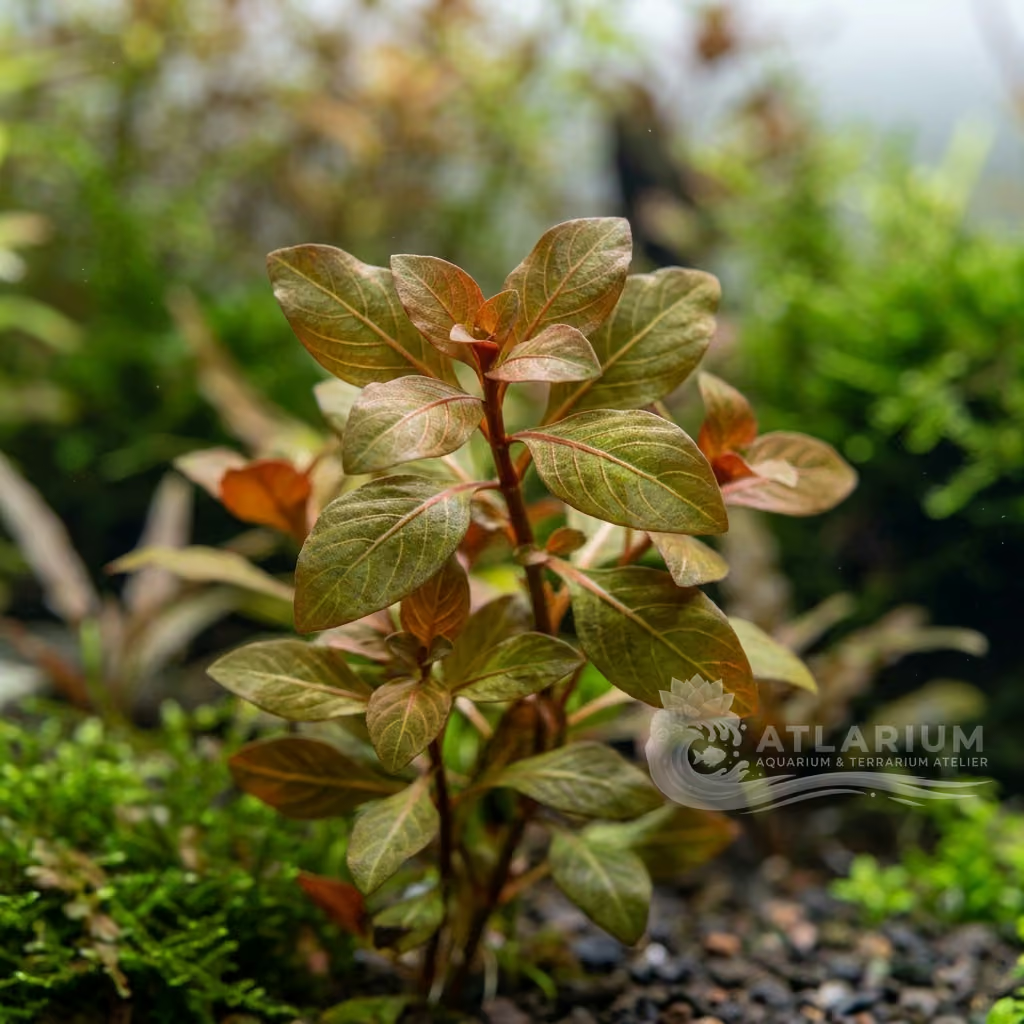
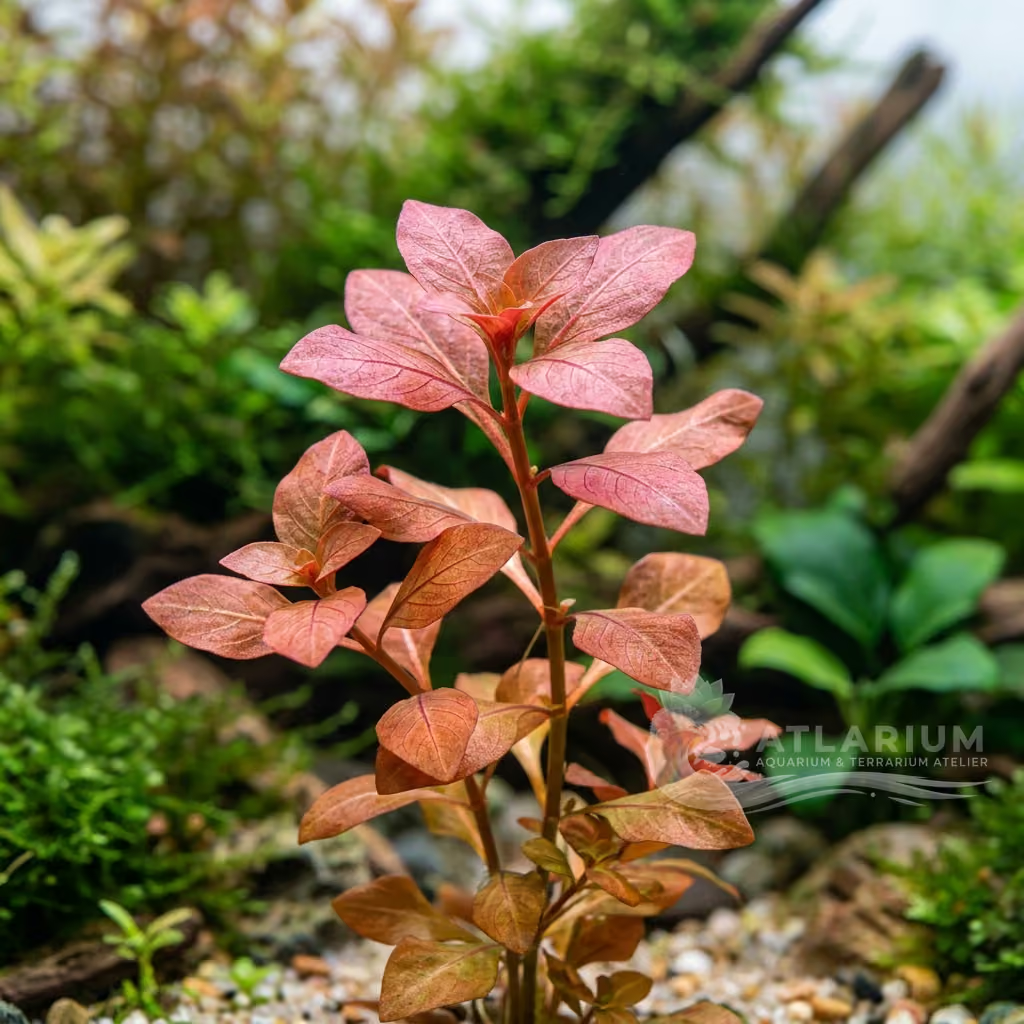
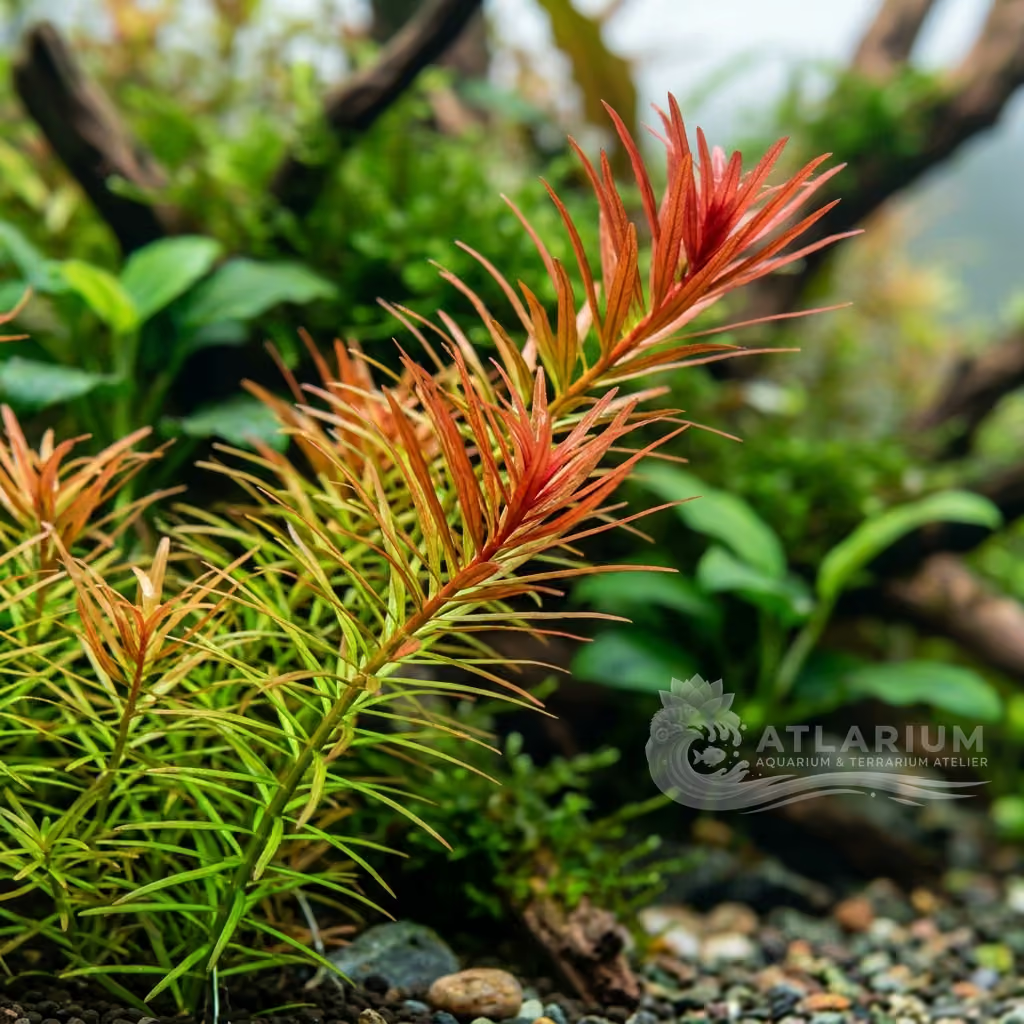
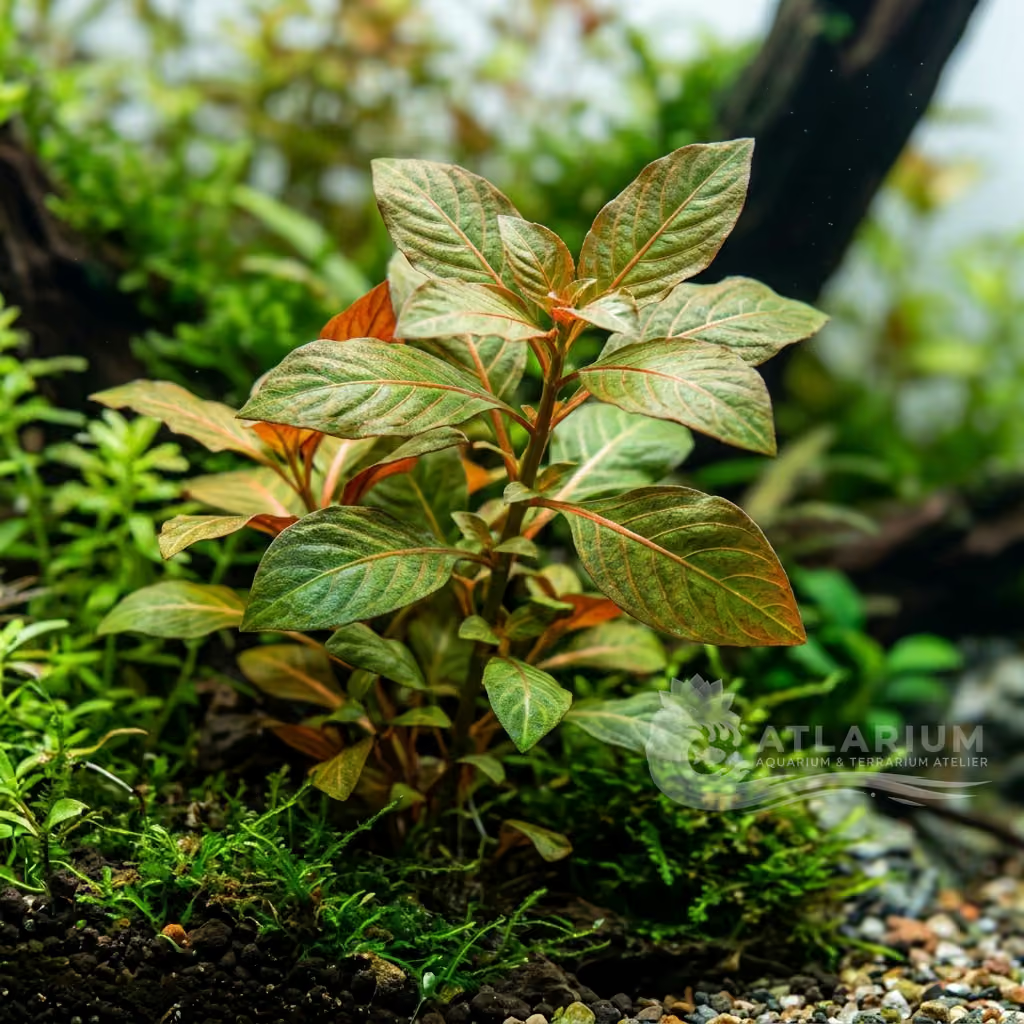
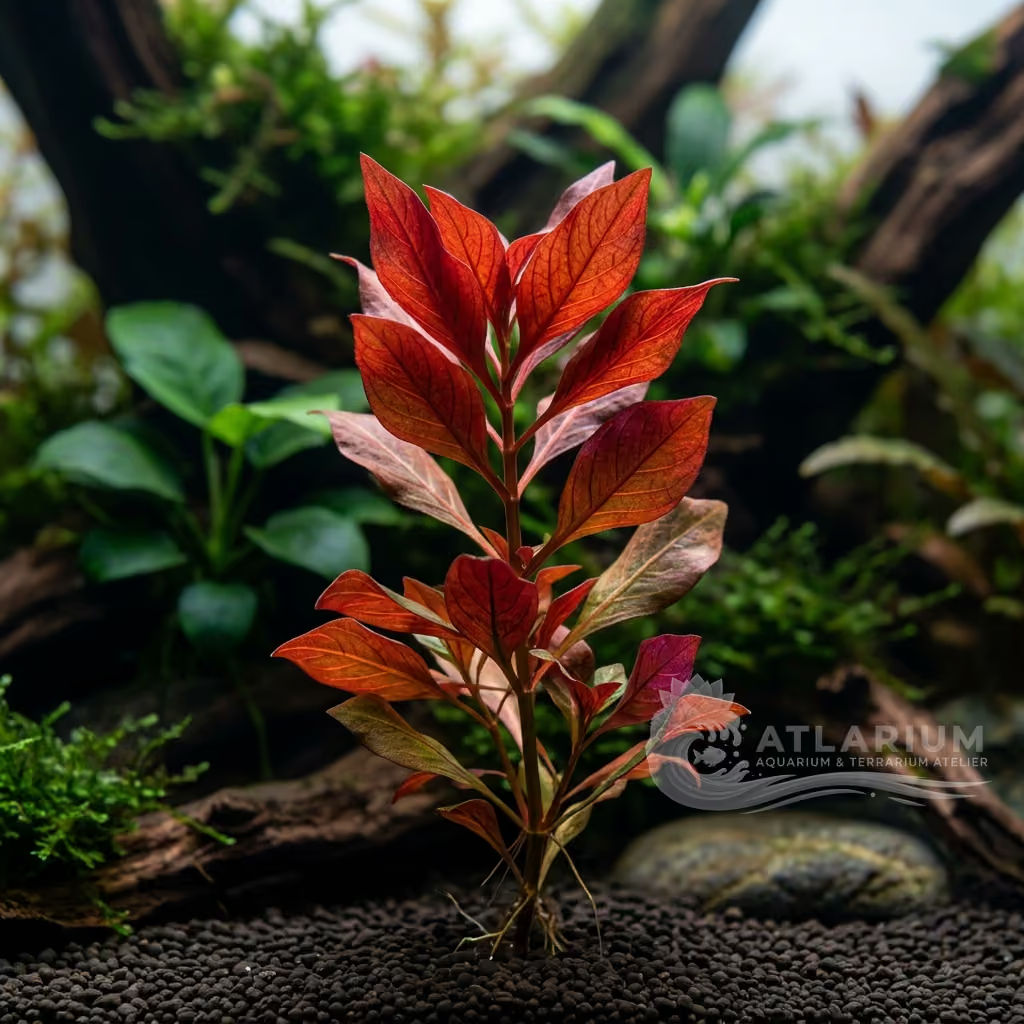
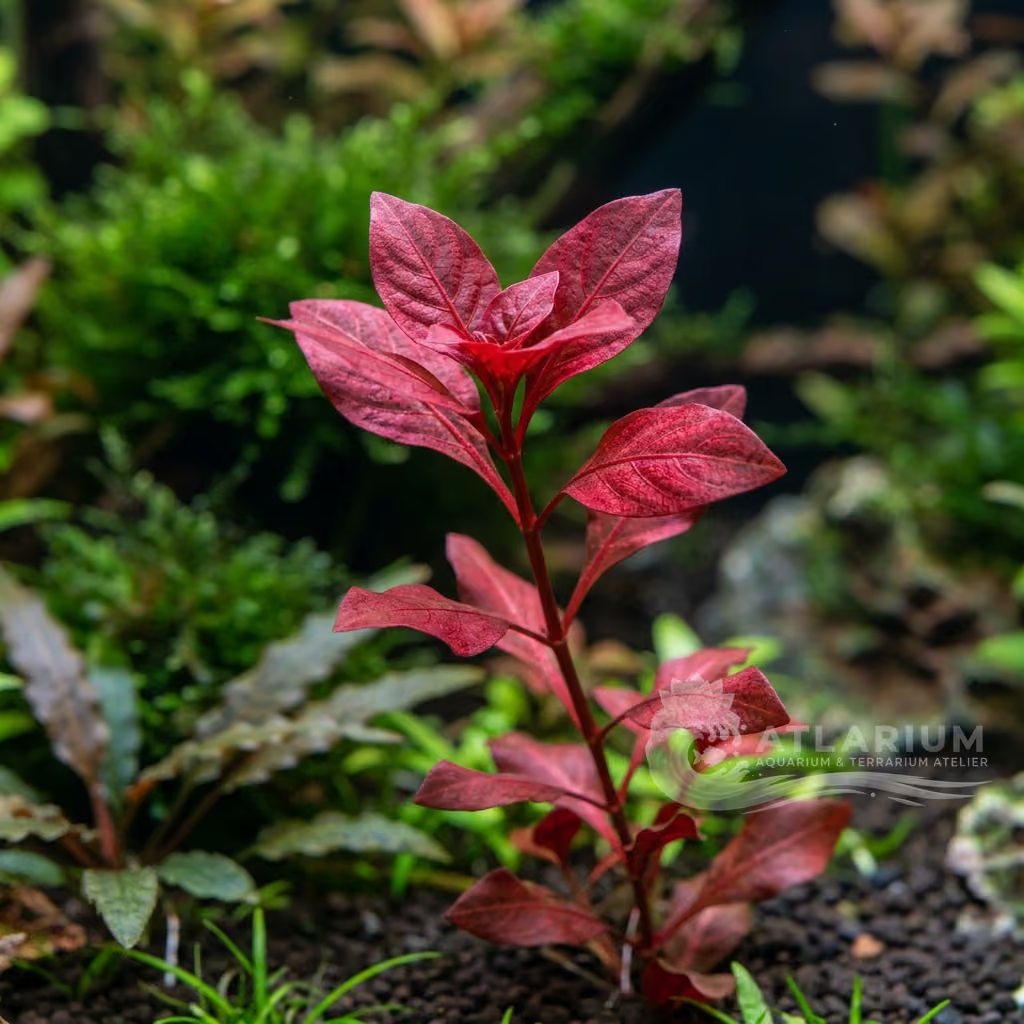
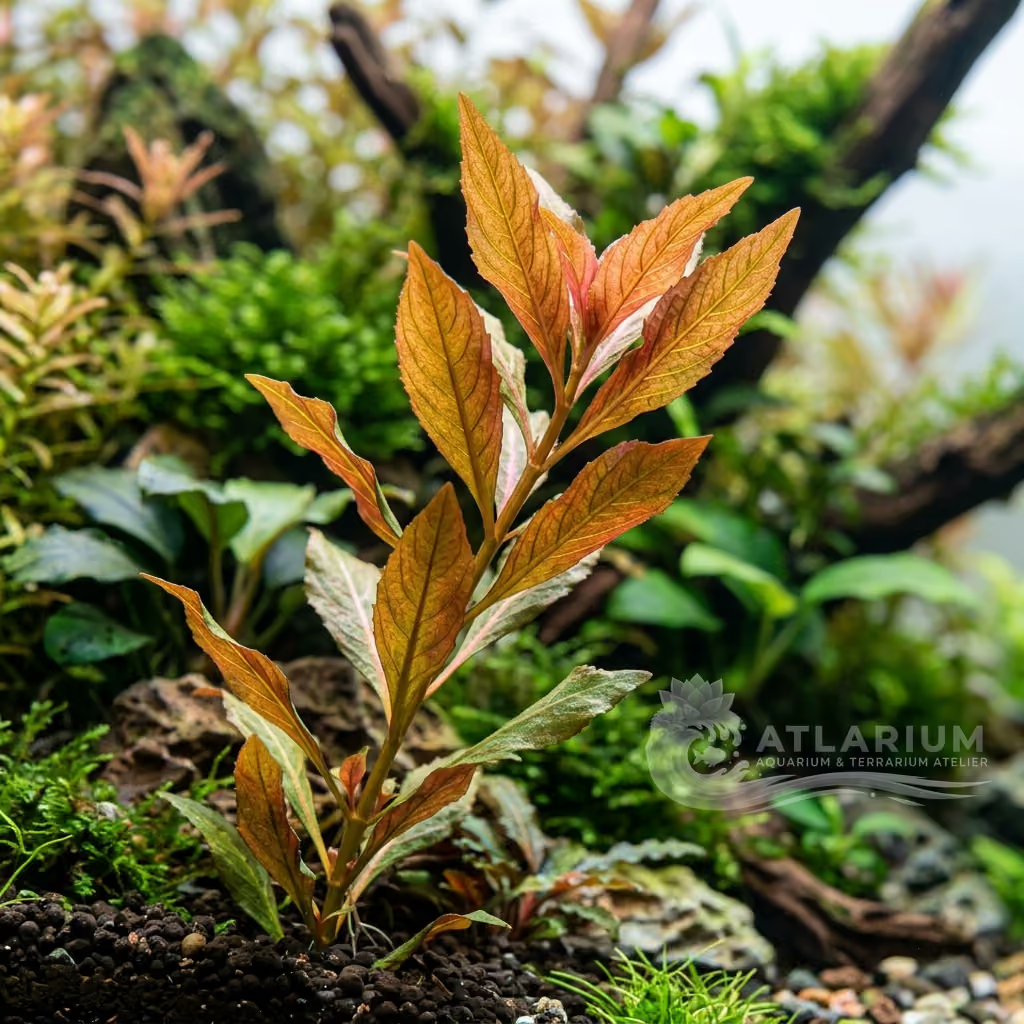
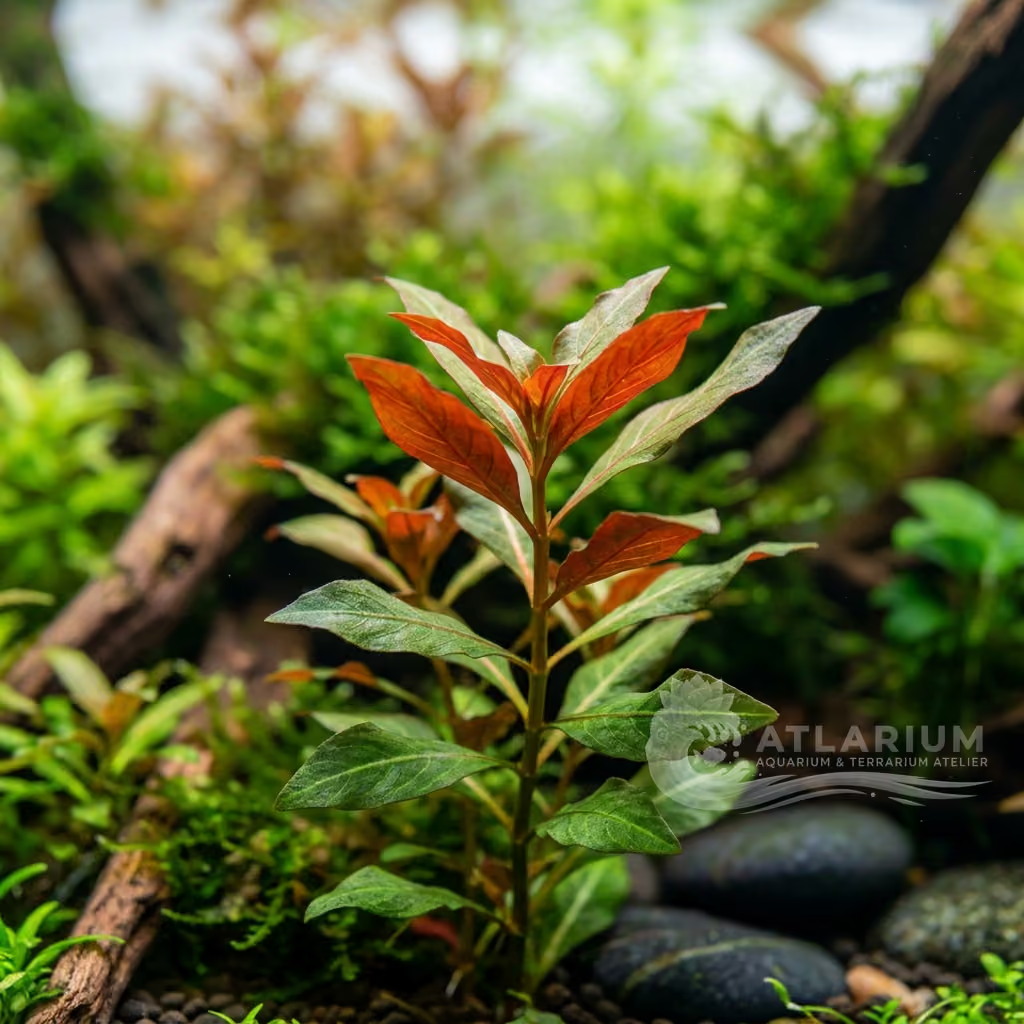
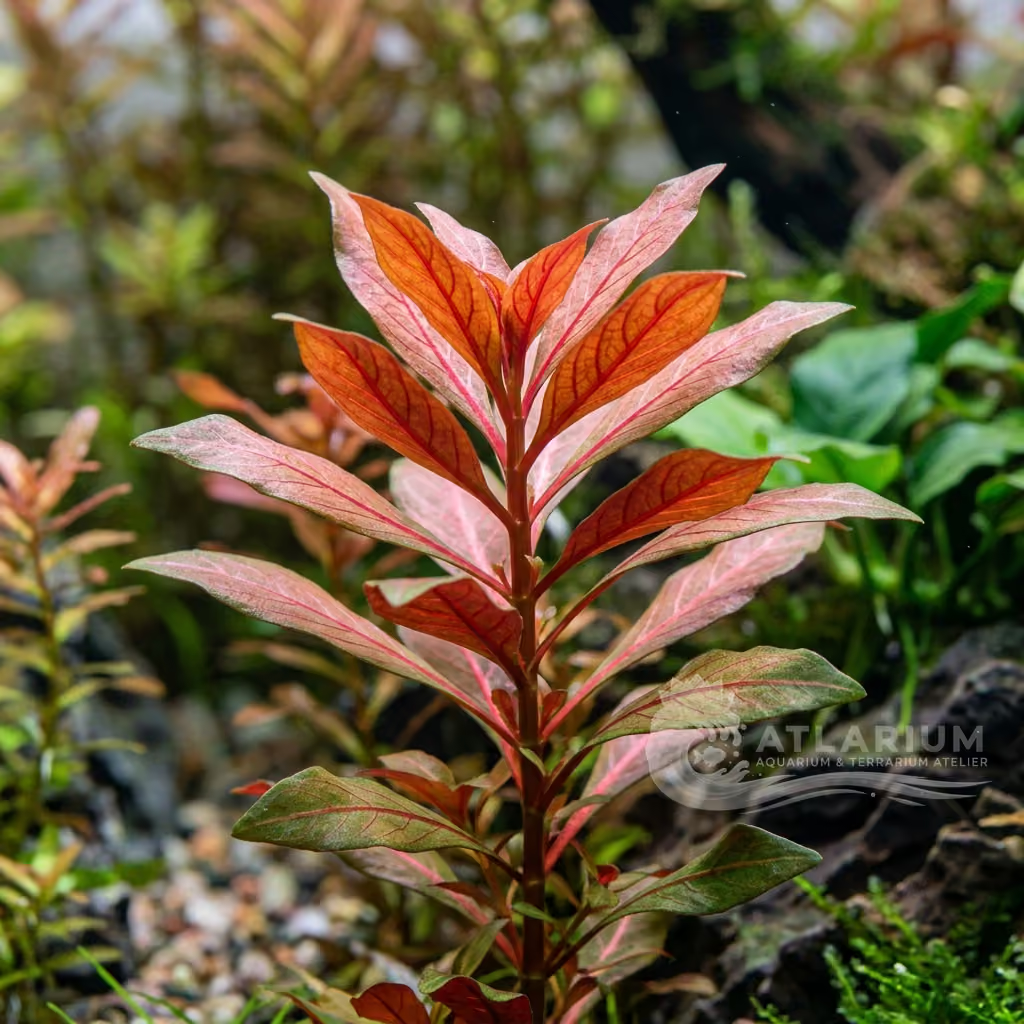
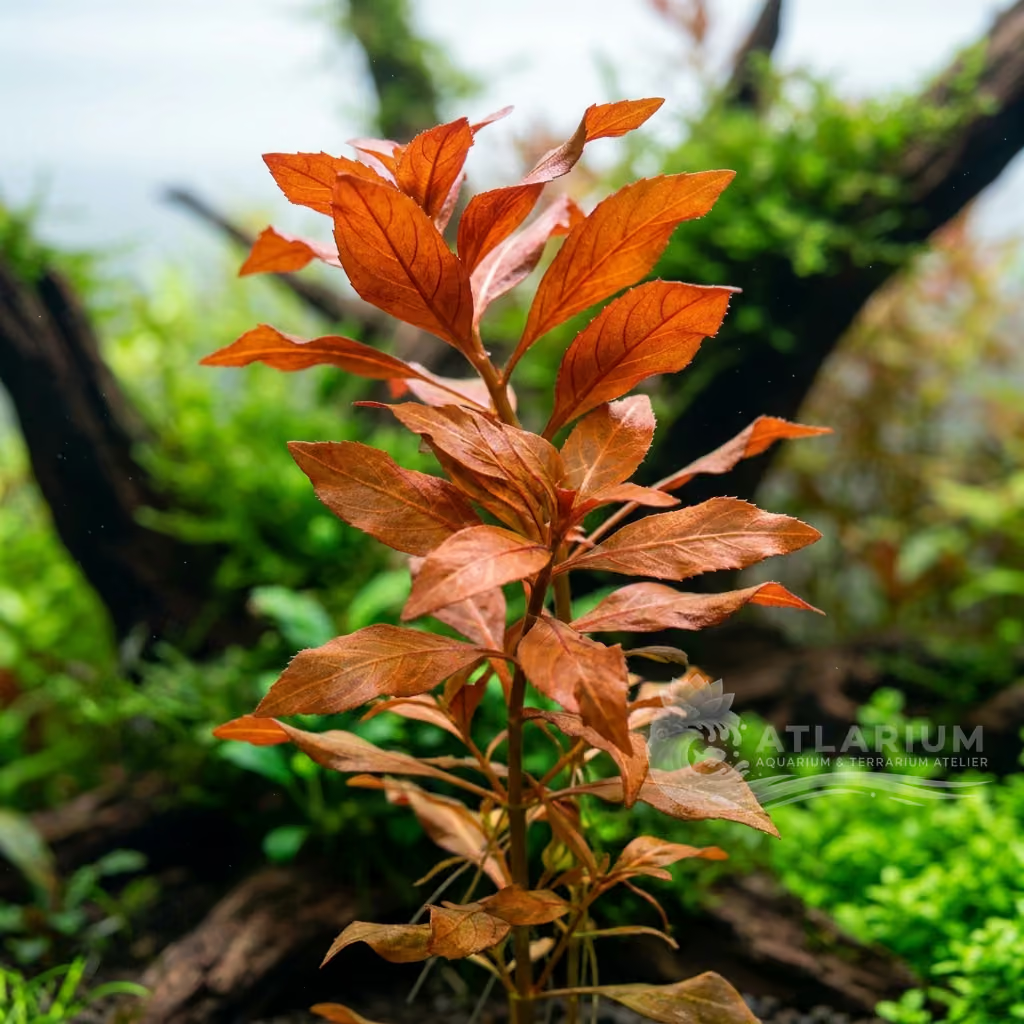
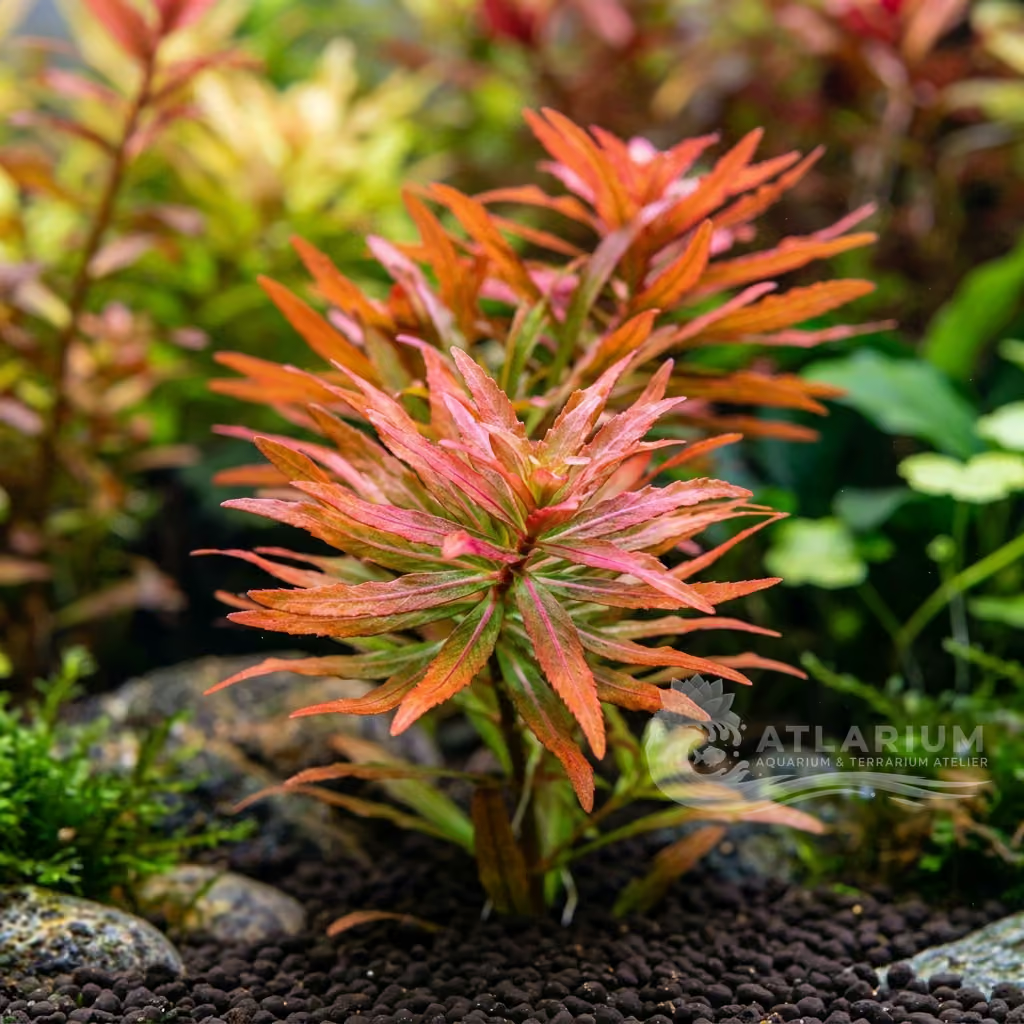
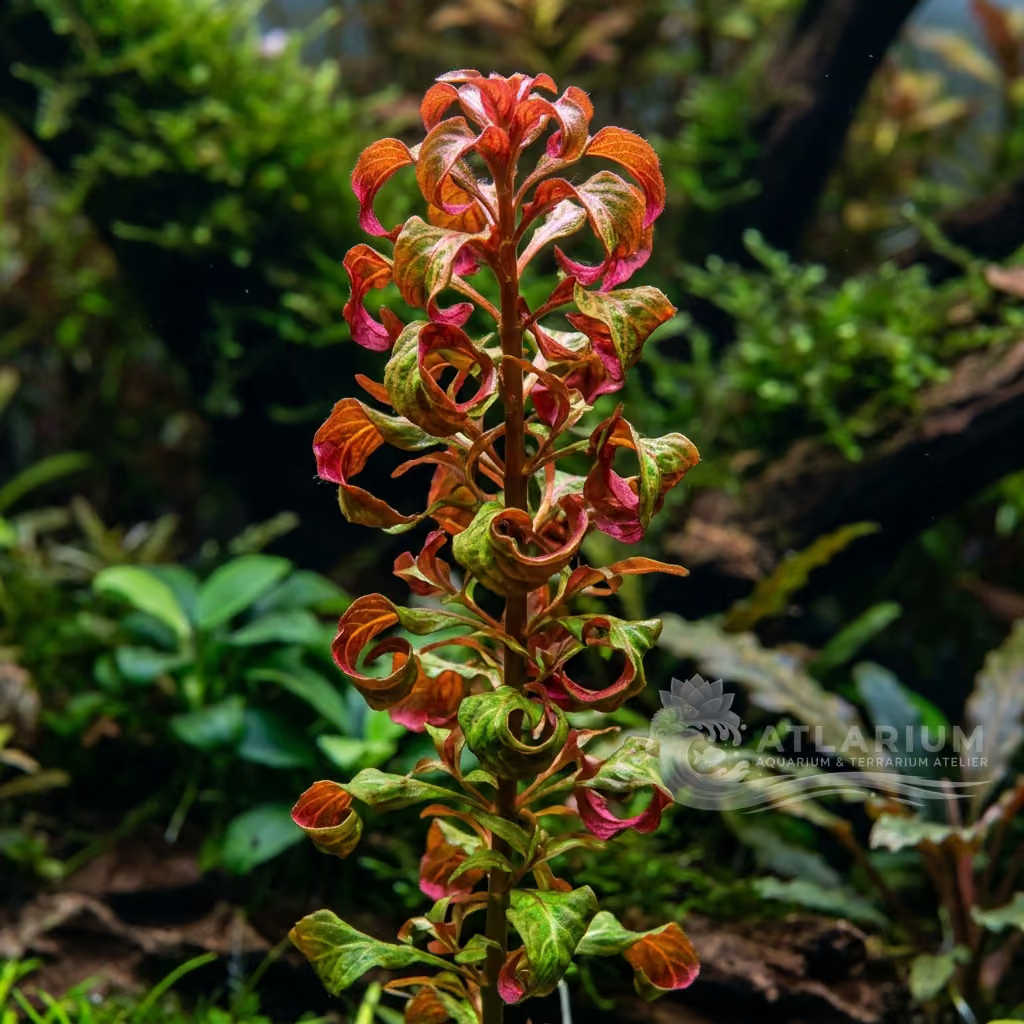
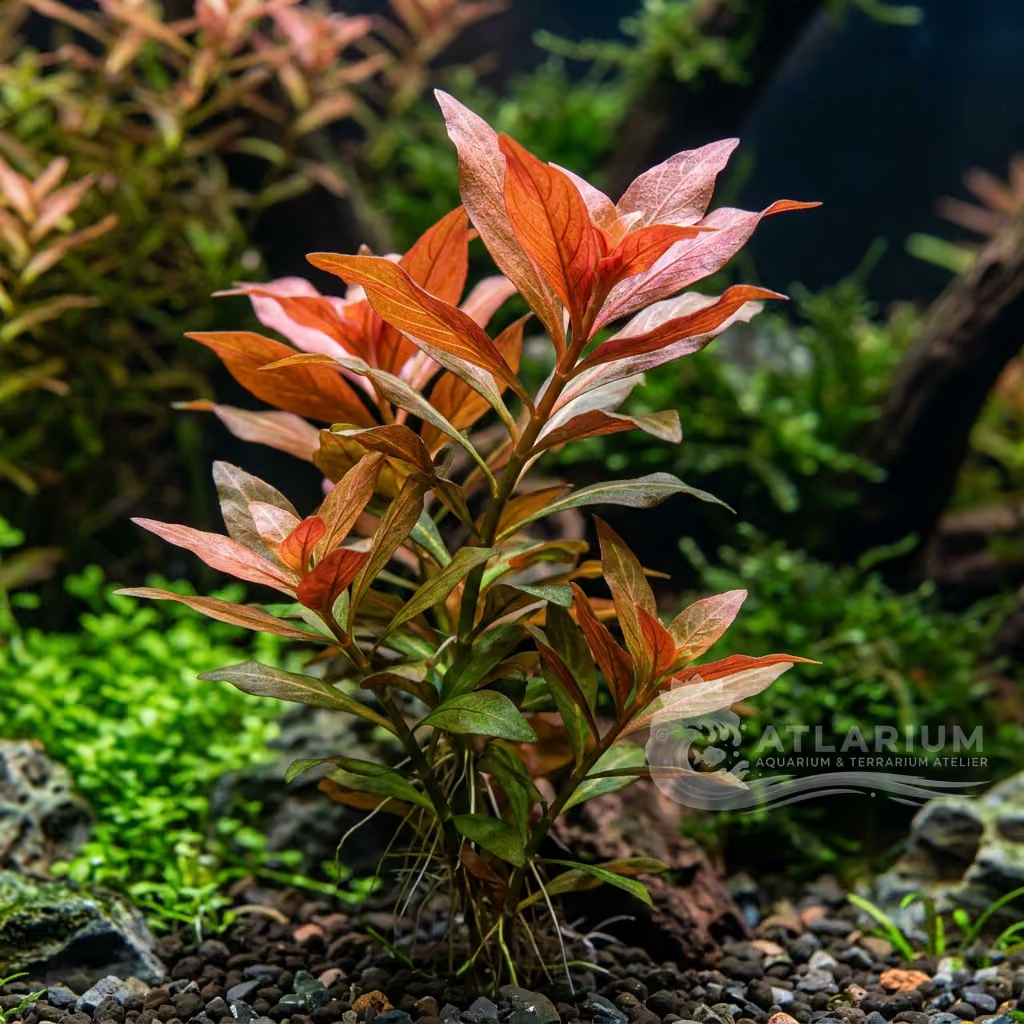
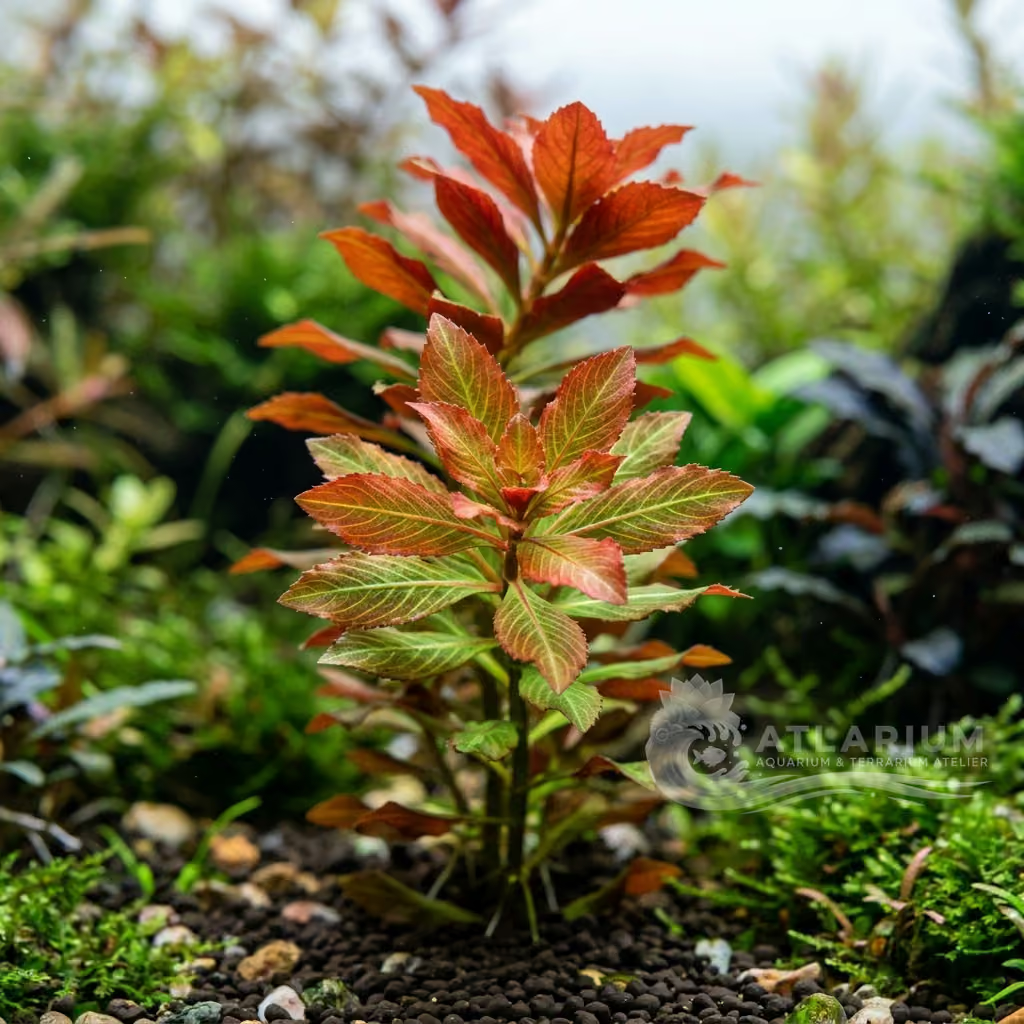
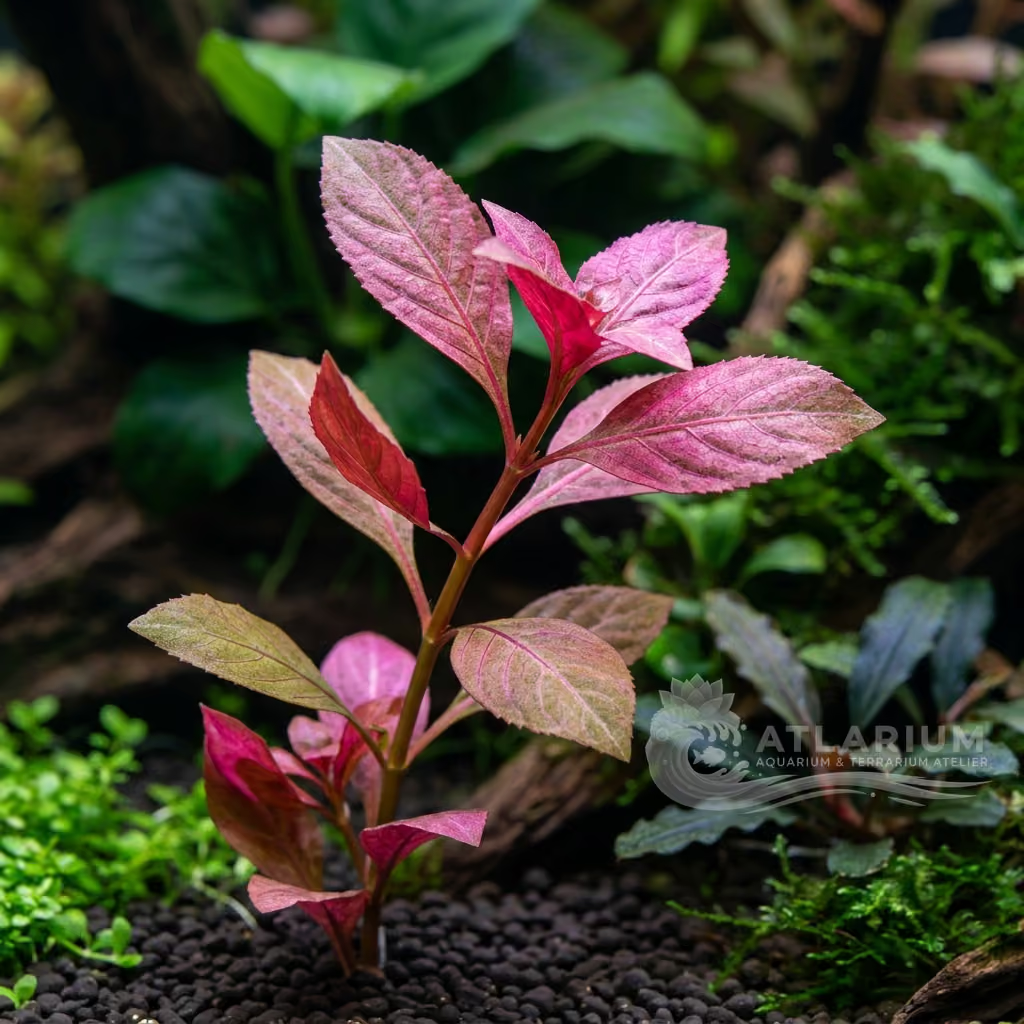
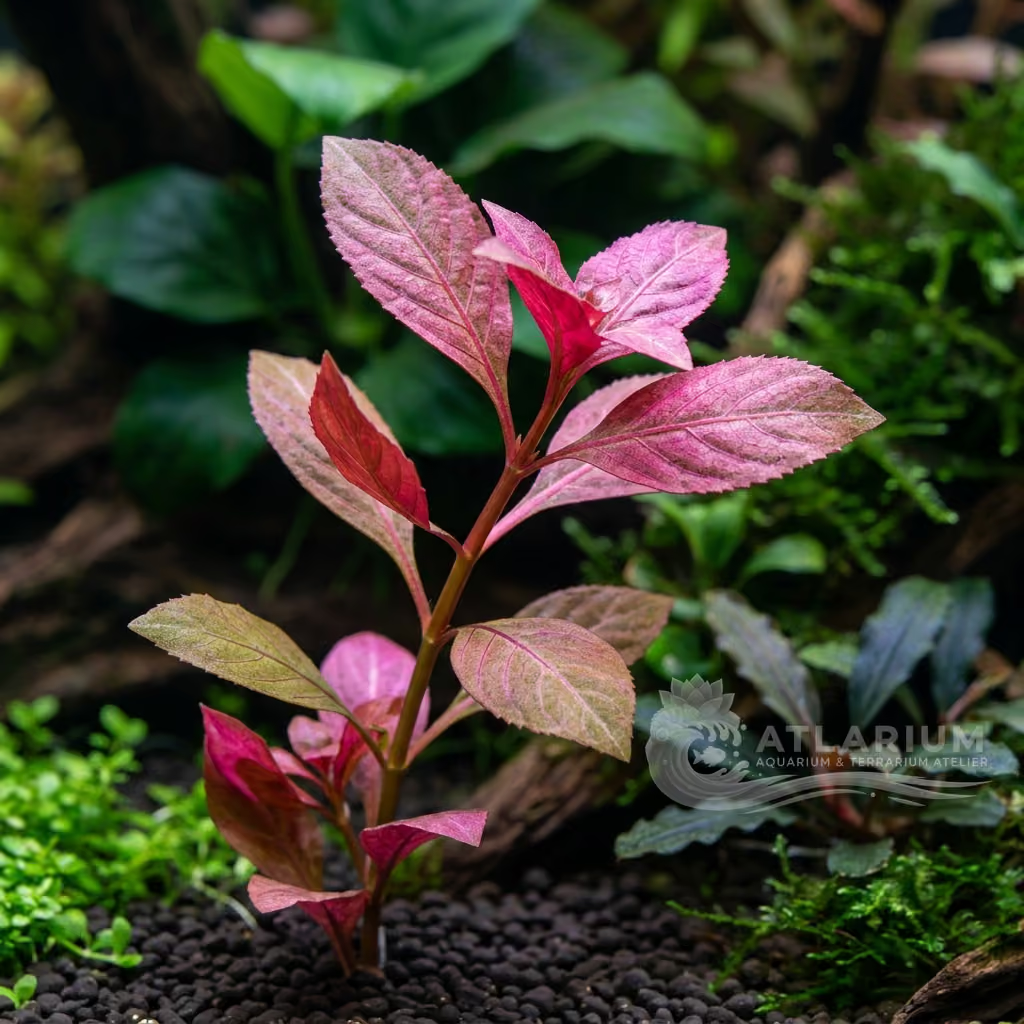
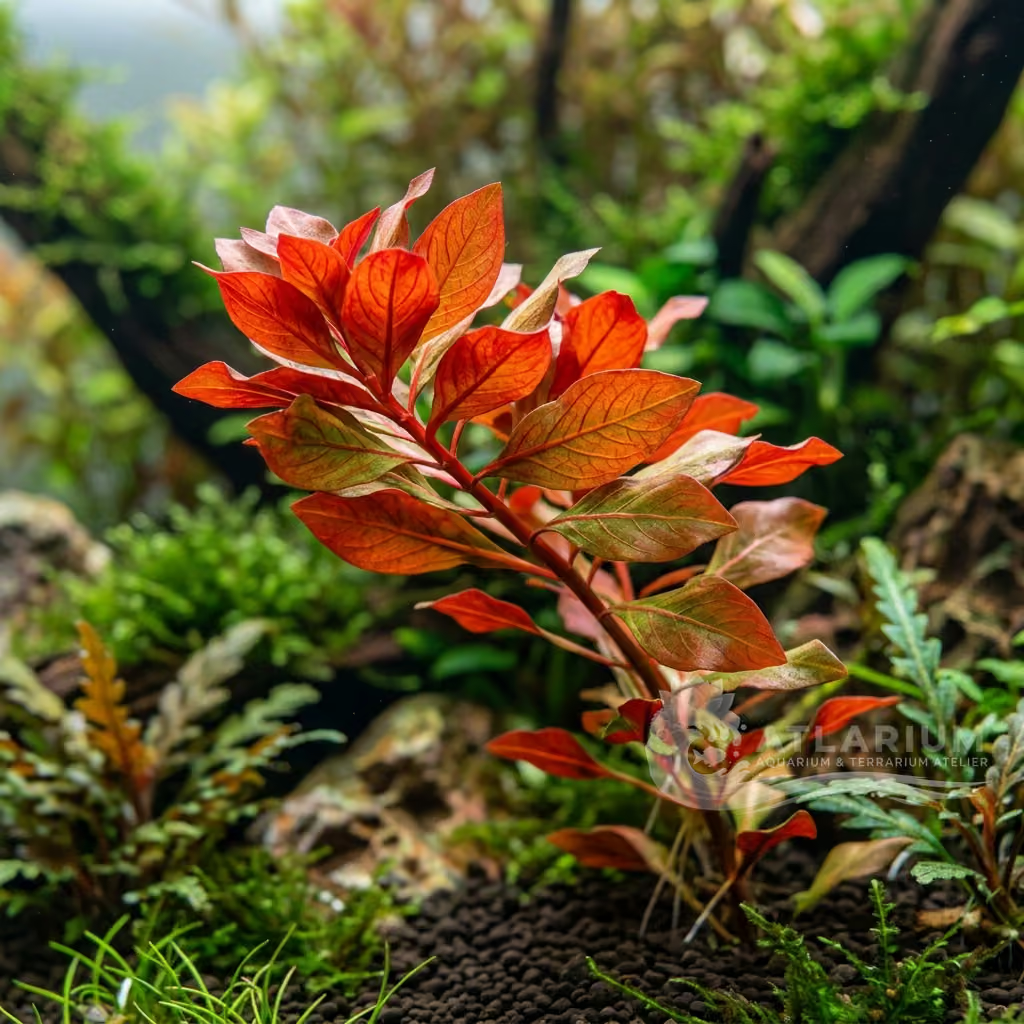
Color & Texture: The defining characteristic of Ludwigia palustris "Super Red" is its extraordinary coloration, which can range from a brilliant reddish-orange to a deep, almost burgundy, ruby red under intense light and good nutrient availability. The leaves exhibit a smooth, slightly fleshy texture, beautifully reflecting light and adding visual depth to the aquascape. This intense red pigmentation is due to the production of anthocyanins, pigments that the plant synthesizes as protection from UV rays and in response to stress conditions, which in an aquarium are replicated by high light and specific nutrients.

Care, breeding and tankmates
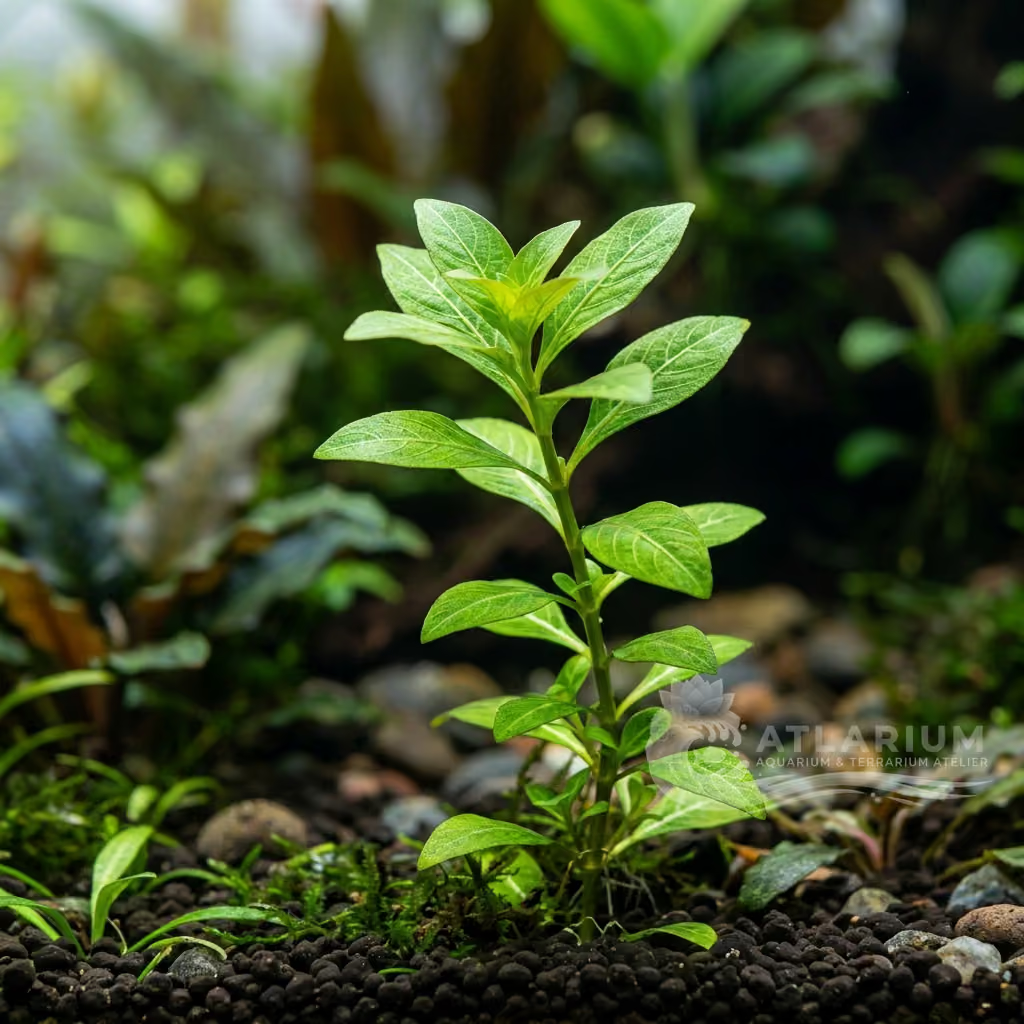
Lighting & CO2: To achieve its most vibrant red coloration and robust growth, Ludwigia palustris "Super Red" requires medium to high-intensity lighting. Insufficient light can cause the leaves to take on a less intense green or reddish-brown hue, compromising the desired aesthetic appeal. CO2 supplementation is highly recommended; it not only significantly accelerates the plant's rapid growth rate but is also crucial for maximizing the production of red pigments, making the colors much more saturated and vivid.
Nutrition & Substrate: This species is a demanding consumer of nutrients, benefiting significantly from a nutrient-rich substrate and comprehensive liquid fertilization in the
Water Chemistry: Ludwigia palustris "Super Red" thrives in a water temperature range of 18.0 to 28.0 C, showing remarkable tolerance to fluctuations within this range. It prefers a slightly acidic to neutral pH, between 5.0 and 7.5, and a carbonate hardness (KH) from 0.0 to 14.0, indicating good adaptability to various water conditions. However, maintaining stable parameters within these optimal ranges will foster more vigorous growth and more intense coloration.
Space Management & Placement: Given its rapid growth rate, Ludwigia palustris "Super Red" is ideal for midground placement, where its red leaves can create a strong contrast with green plants. It is crucial to ensure adequate spacing between stems to allow light to penetrate to the lower leaves and promote good water circulation. This prevents excessive shading and the consequent loss of basal leaves, keeping the plant healthy and bushy from base to top.
Pruning: Regular pruning is essential to maintain the desired shape of Ludwigia palustris "Super Red" and to encourage denser, more branched growth. Trimming the tops of the stems stimulates the plant to produce new lateral shoots, contributing to a bushier appearance. The pruned stems can be easily replanted into the substrate to propagate the plant, creating new colonies and increasing the red plant mass in the aquarium.
Risks & Diseases: This plant is generally robust but can be susceptible to filamentous algae growth on its leaves, especially in the presence of nutrient imbalances or excessive lighting without adequate CO2. Nutrient deficiencies, particularly iron, can lead to stunted growth and pale coloration. Regular maintenance, proper fertilization, and a stable aquatic environment are the best defenses against most potential issues.

Geographic origin and distribution
Ludwigia palustris is a cosmopolitan species, widespread across many temperate and subtropical regions globally, typically thriving in wetlands, marshes, and along the edges of various water bodies. The "Super Red" cultivar, however, is a horticultural selection specifically developed to exhibit an exceptionally intense red
Origin
Cosmopolitan or introducedSelective breeding and cultivars

Plant profile
- Placement
- Midground
- This plant is best placed in the midground or background of the aquarium, depending on the tank size. Its striking red coloration makes it an excellent focal point when planted in dense bushes. It contrasts beautifully with bright green foreground or background plants.
- Botanical form
- Stem
- It features opposite, ovate leaves that develop a deep red to magenta coloration under strong light. The stems are somewhat delicate but grow upright toward the light source. Without sufficient light, the lower leaves may turn green or drop off.
- Growth
- Fast
- It exhibits a relatively fast growth rate under optimal conditions with high light and CO2. In low-tech setups, the growth will be moderate but manageable. Regular pruning is necessary to maintain its shape and prevent it from shading neighboring plants.
- Substrate
- High
- Ludwigia palustris "Super Red" thrives best in a nutrient-rich aquarium soil that provides ample iron and essential minerals. Its fine root system anchors firmly into fine to medium-grained substrates, drawing up nutrients to support its intense red coloration. A substrate depth of at least 2 inches (5 cm) is recommended to accommodate its extensive root growth and prevent uprooting.
- Column fertilization
- Recommended
- Liquid fertilizers containing a comprehensive mix of micro and macronutrients are highly recommended. Iron and nitrate levels should be monitored to ensure the red coloration remains vibrant. Regular dosing prevents nutrient deficiencies that could lead to stunted growth.
- Root fertilization
- None
- While it absorbs significant nutrients from the water column, a nutrient-rich substrate or the use of root tabs can enhance its overall vitality. A fertile substrate helps develop a strong root system, providing stability for the fast-growing stems. This is especially beneficial in newly established aquariums.
- Trimming
- Regular
- Frequent trimming is required to keep the plant bushy and compact. Cutting the top portion encourages the stem to produce multiple side shoots, creating a denser appearance. The trimmed tops can be replanted to propagate new individuals.
- Propagation
- Cuttings
- Propagation is straightforward and is achieved by taking stem cuttings. Simply snip the healthy top portions and plant them directly into the substrate. They will quickly develop roots and establish themselves as new plants.
- Sensitivity
- Moderate
- It is generally a hardy plant but can be sensitive to sudden fluctuations in water parameters. Inadequate lighting will cause the plant to lose its signature red color and revert to a dull green. It may also suffer from algae growth on the leaves if nutrients and light are not properly balanced.
- Layout role
- Midground, accent, Background, Nano
- It serves as a brilliant color contrast in planted aquariums, breaking up the monotony of green foliage. It is often used to create striking red accents or dense colorful thickets in Dutch-style layouts. Its vibrant appearance draws the eye, making it an ideal focal point.

Related species
Recommendations grouped by close relatives, companion choices, and similar care.