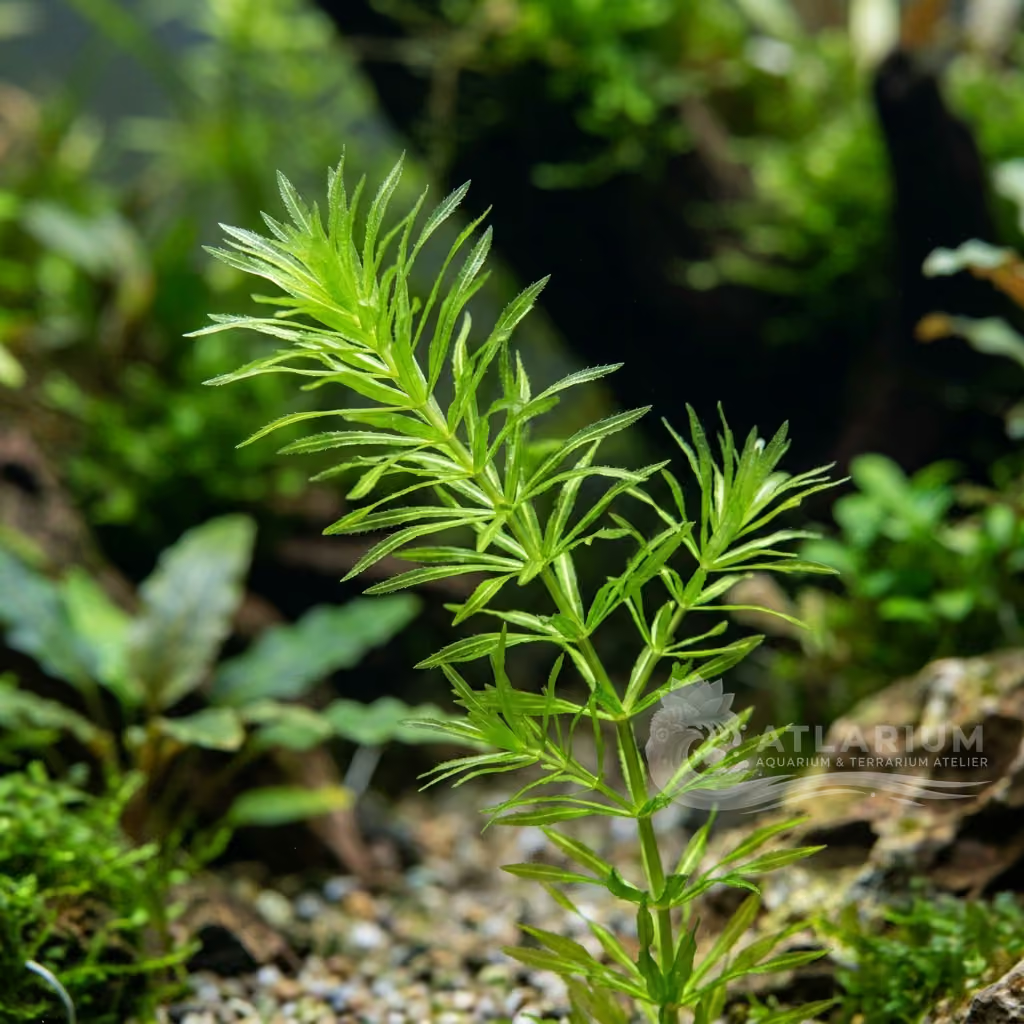
Ludwigia palustris × repens
Ludwigia palustris × repens
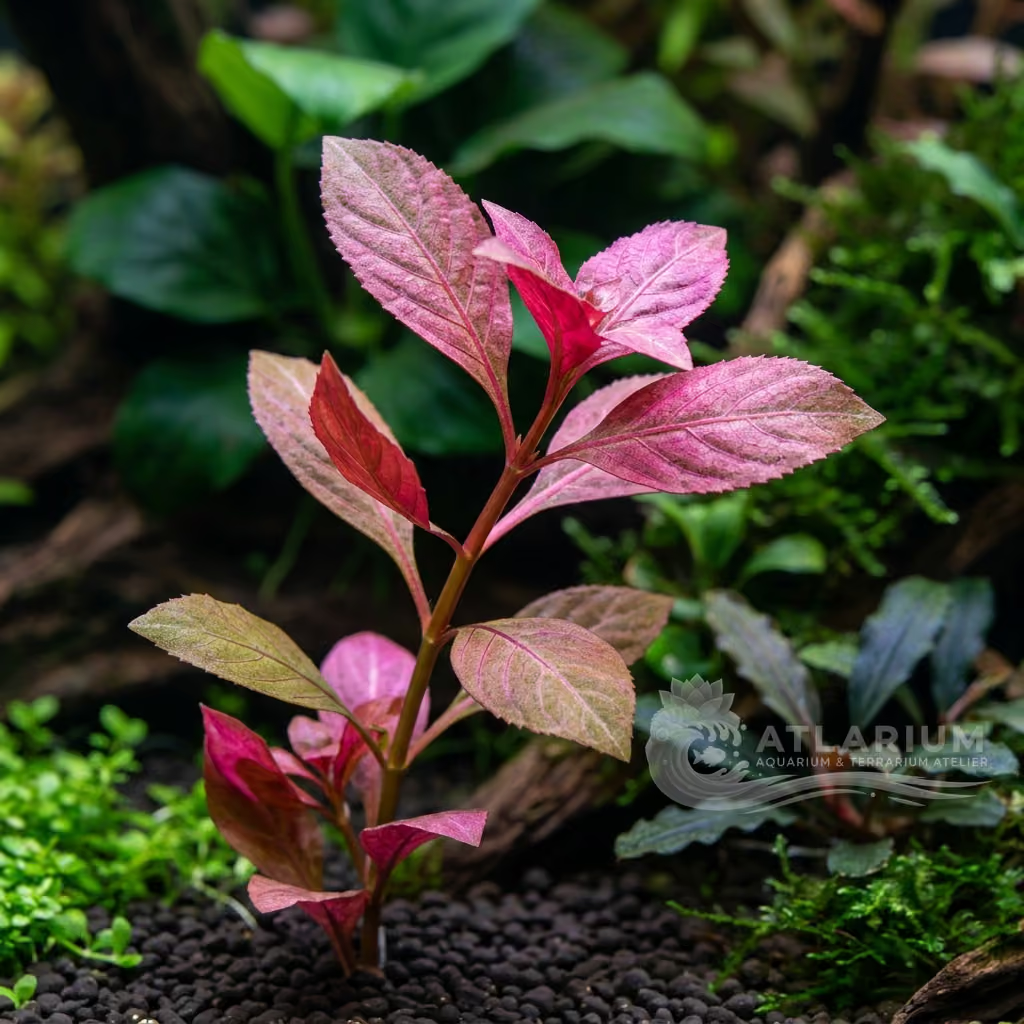
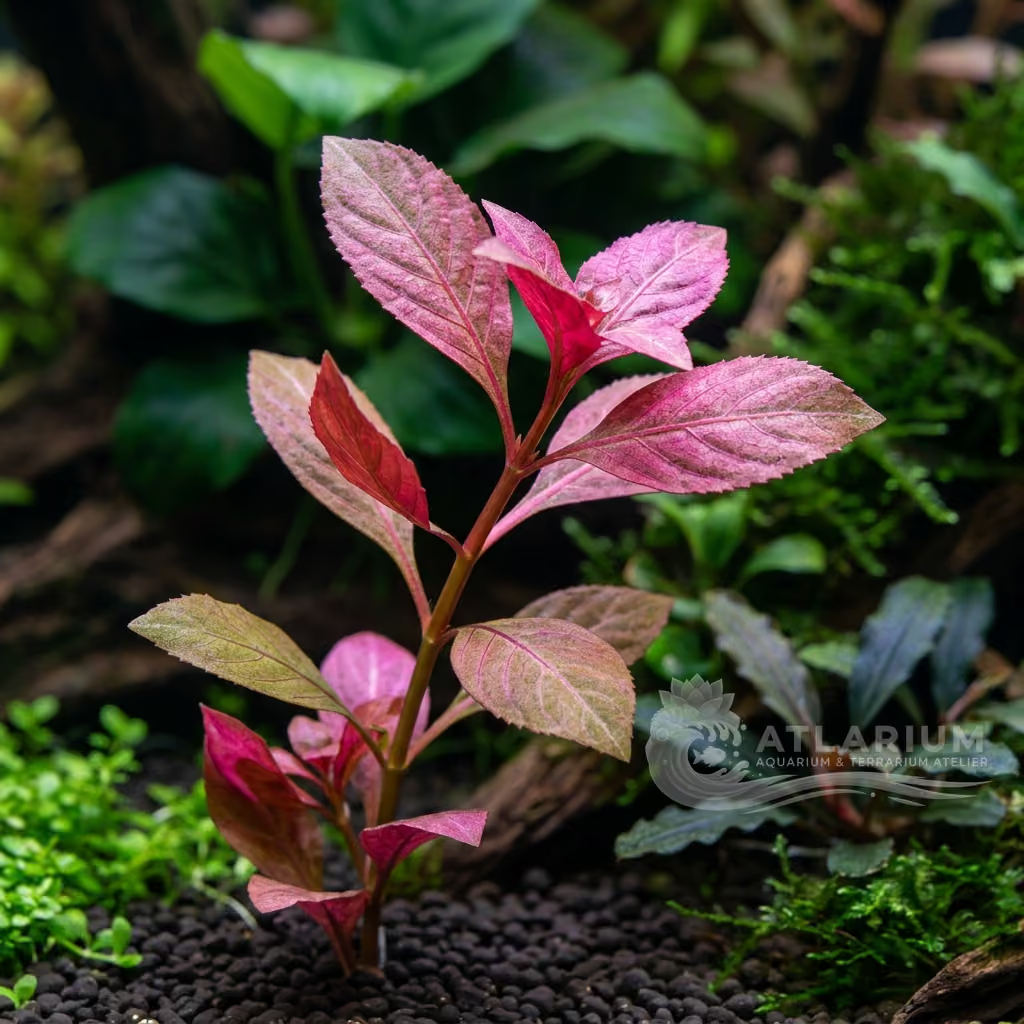
Ludwigia palustris × repens is a fast-growing, versatile aquatic hybrid plant, ideally suited for the midground of freshwater aquariums. It offers a vibrant splash of color and structural depth, quickly filling spaces with its dynamic and colorful foliage.
Water Temperature
4 - 30 °C
pH Value
5 - 8
Water type
Freshwater
Light
Medium to High
CO2
High
KH
2 - 22 dKH

Species description
Geographical Origin and Habitat: This particular Ludwigia is a cultivated hybrid, resulting from the crossbreeding of Ludwigia palustris and Ludwigia repens. Its parent species are both widely distributed in various wetland regions of North America and have, in some instances, been introduced to other parts of the world. The hybrid combines traits from both, thriving in aquatic and semi-aquatic habitats such as marshes, riverbanks, and ponds where ample sunlight is available and water flow is slow or stagnant.
Taxonomy & Genetics: Belonging to the Onagraceae family, Ludwigia palustris × repens is an interspecific hybrid. This designation means it originated from the cross of two distinct species within the same genus, Ludwigia, an event that can occur naturally or be induced for desired trait selection. Its hybrid genetics often bestow it with increased vigor (heterosis) and a unique combination of morphological and adaptive characteristics from its parent species, making it a popular choice among aquarists.
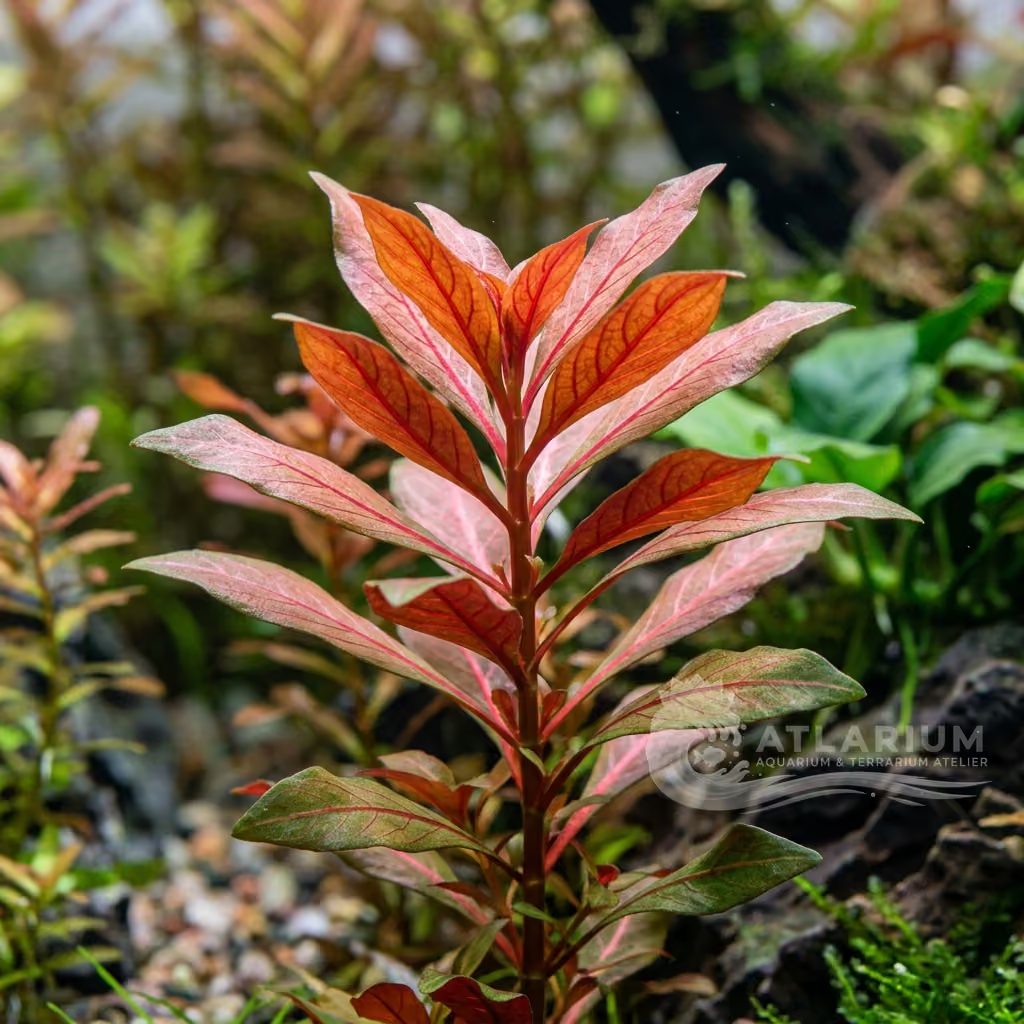
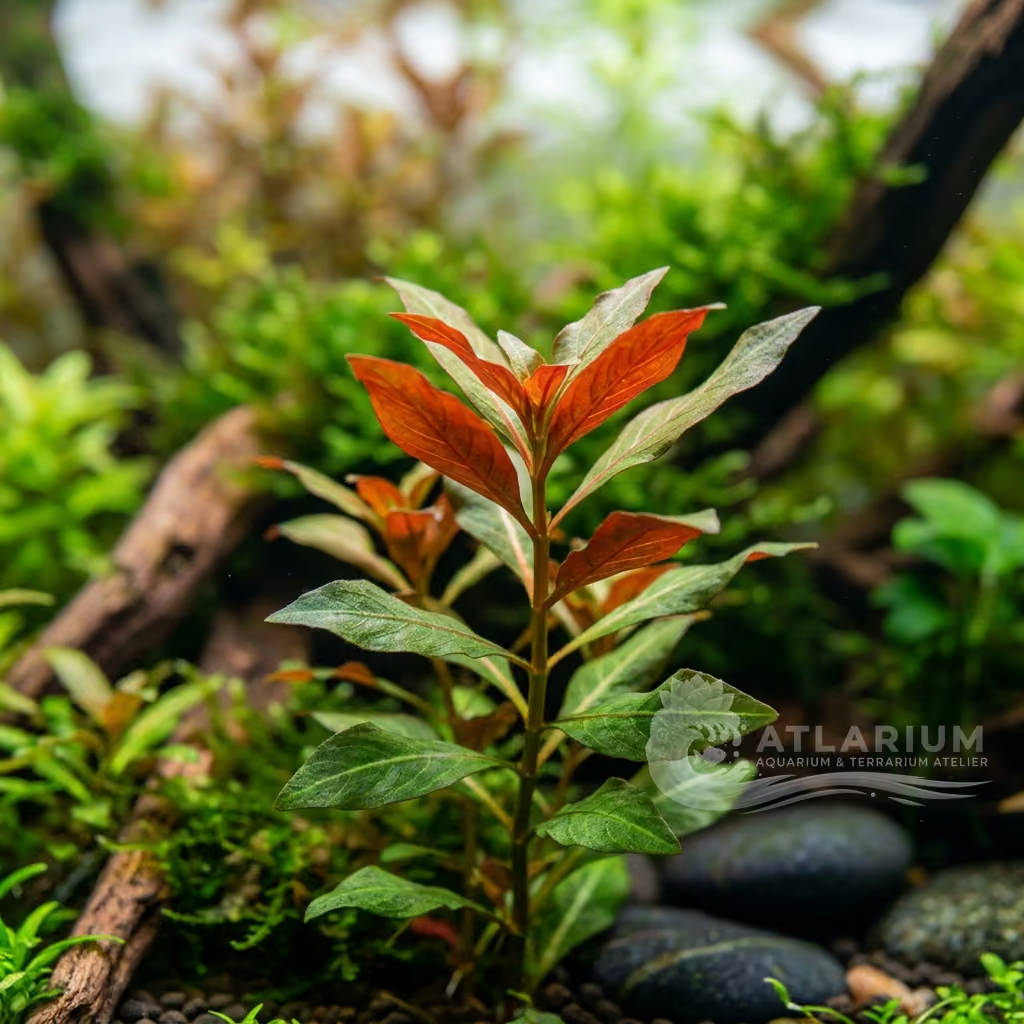
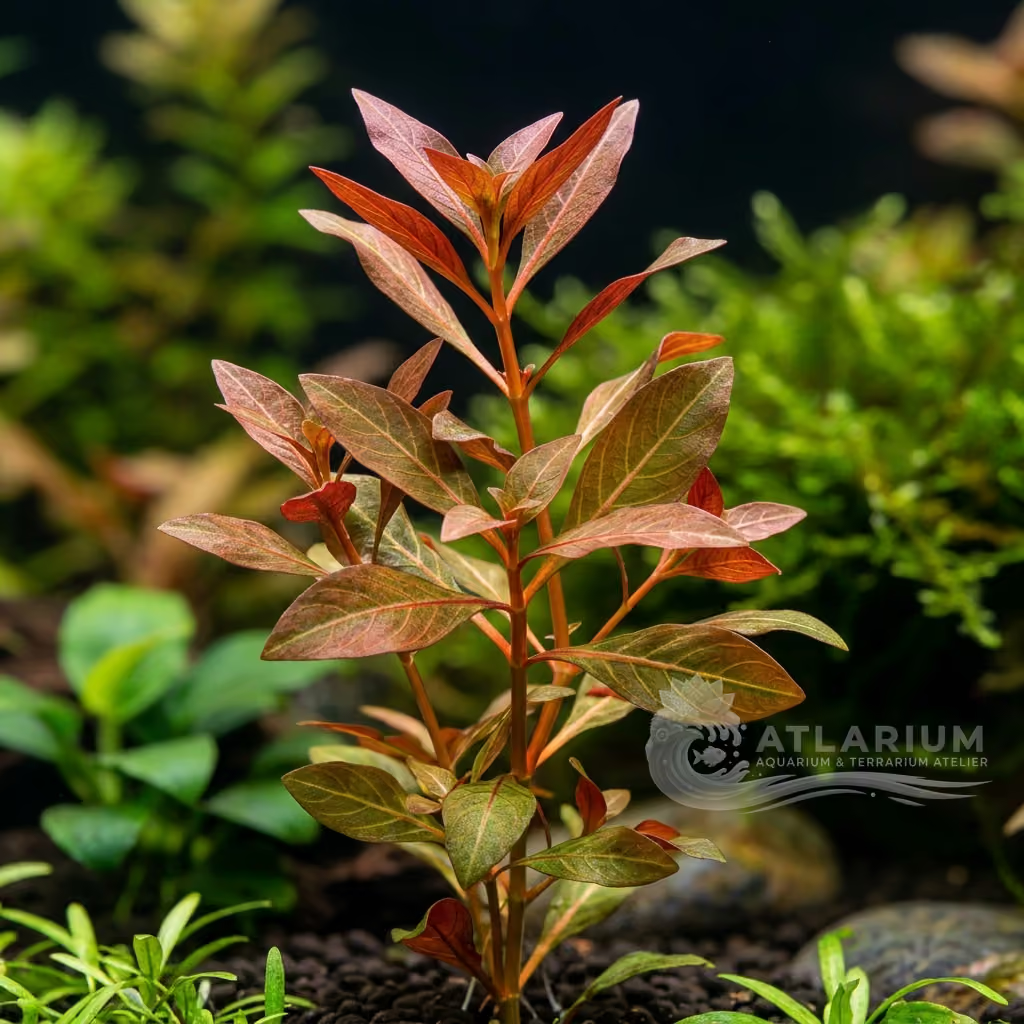
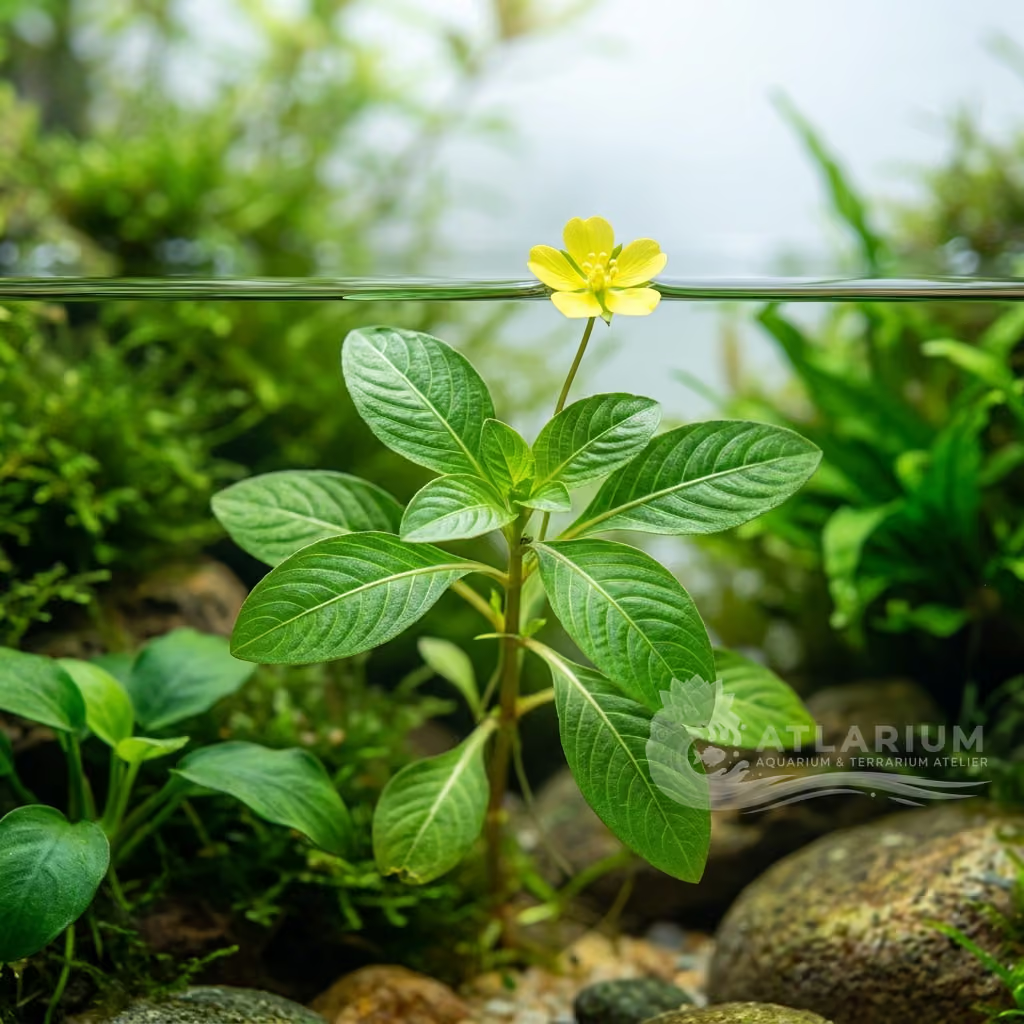
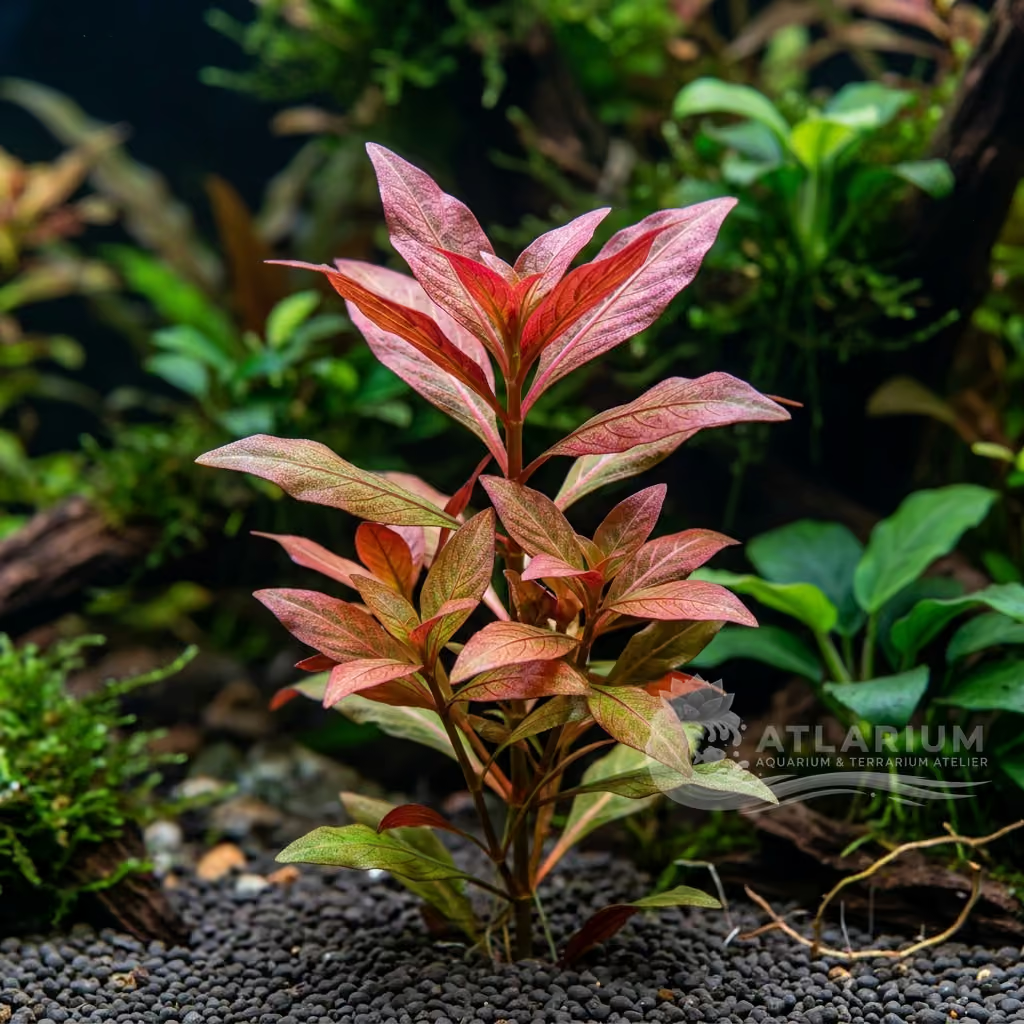
Physical Structure: This Ludwigia exhibits erect, branching stems that can reach considerable lengths under optimal conditions, forming dense masses of foliage. The leaves are arranged oppositely along the stem, with a shape ranging from oval to lanceolate and smooth margins. Under strong lighting and adequate fertilization, the plant develops adventitious roots from its stem nodes, which can be utilized for propagation or serve as an indicator of vigorous growth and good plant health.
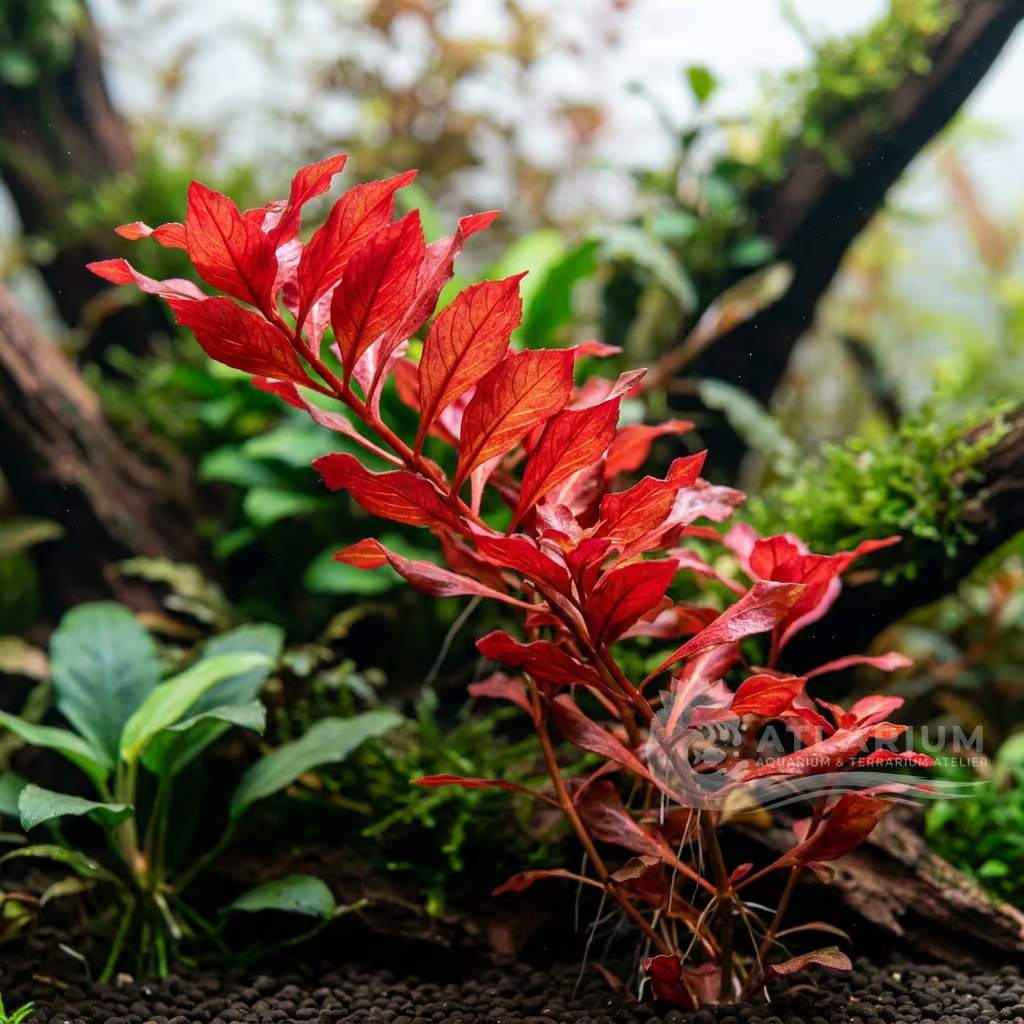
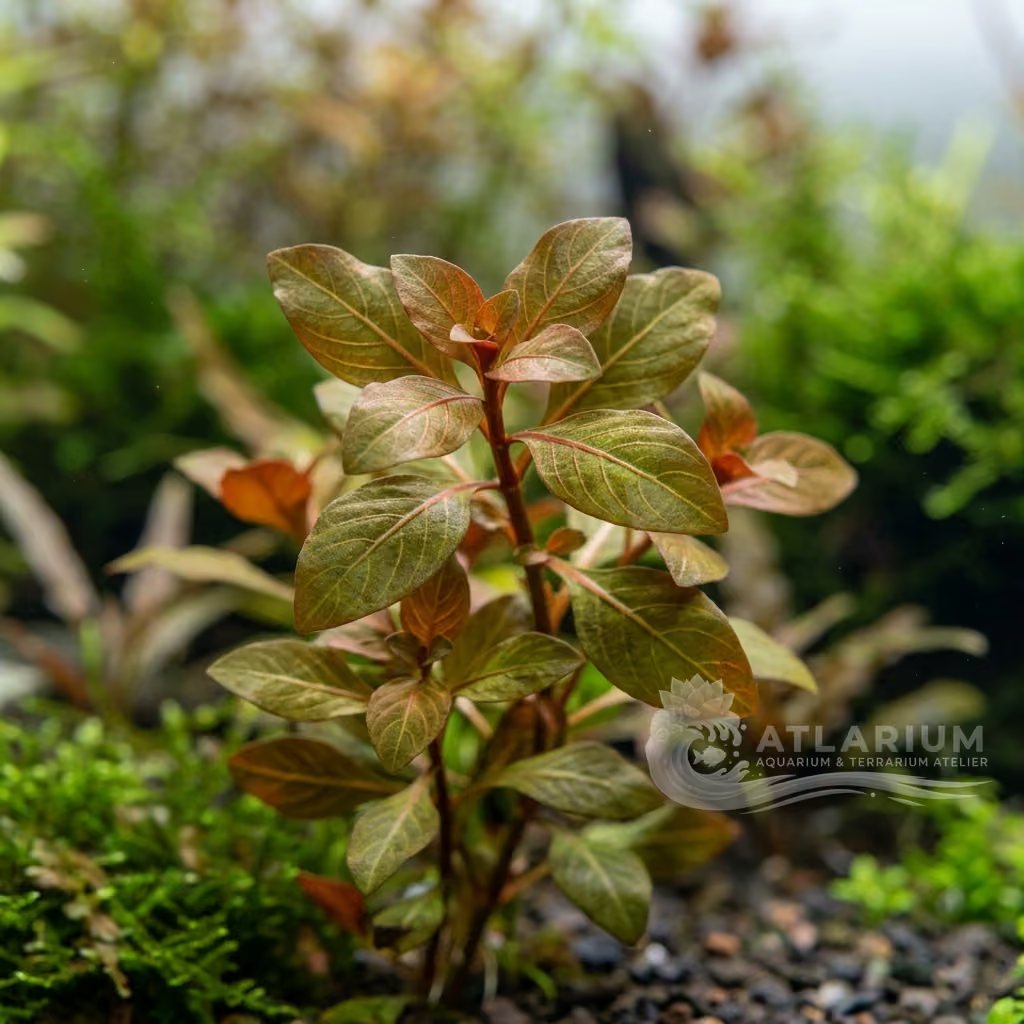
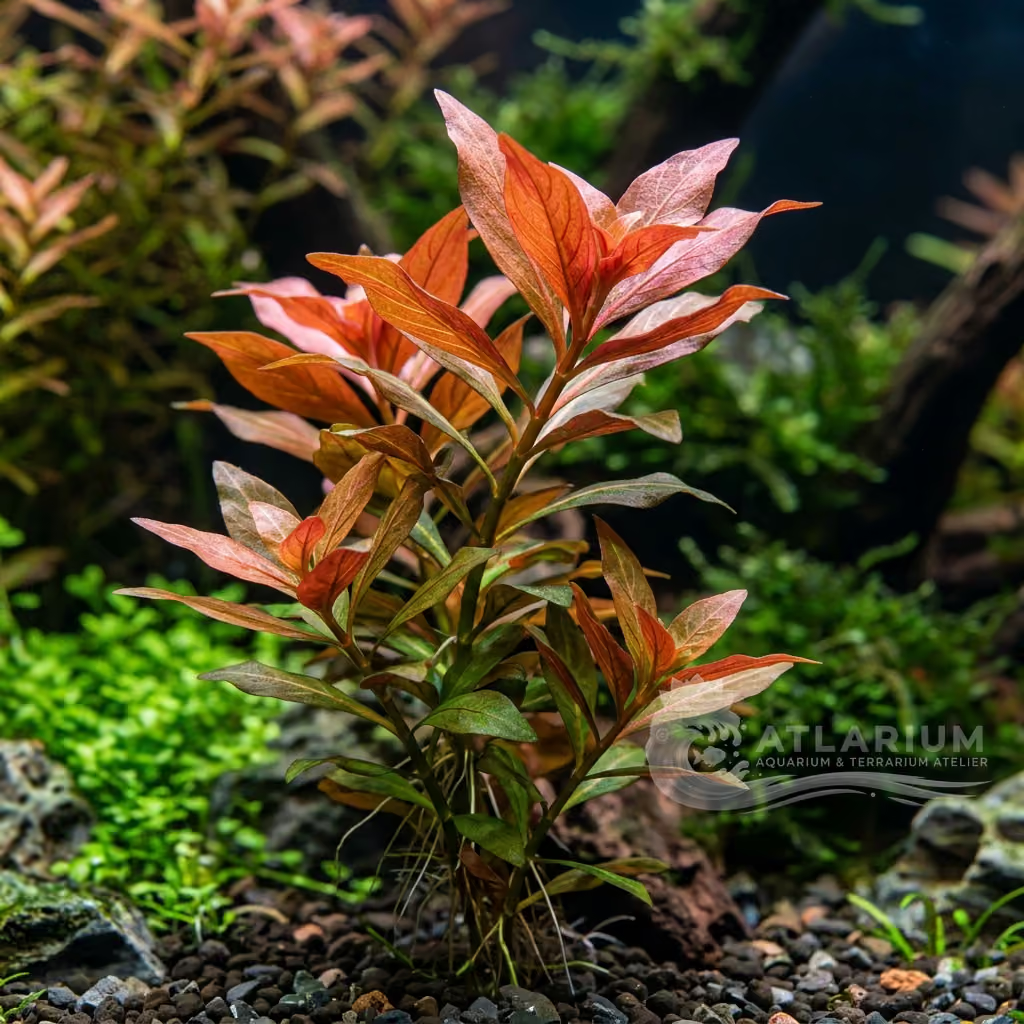
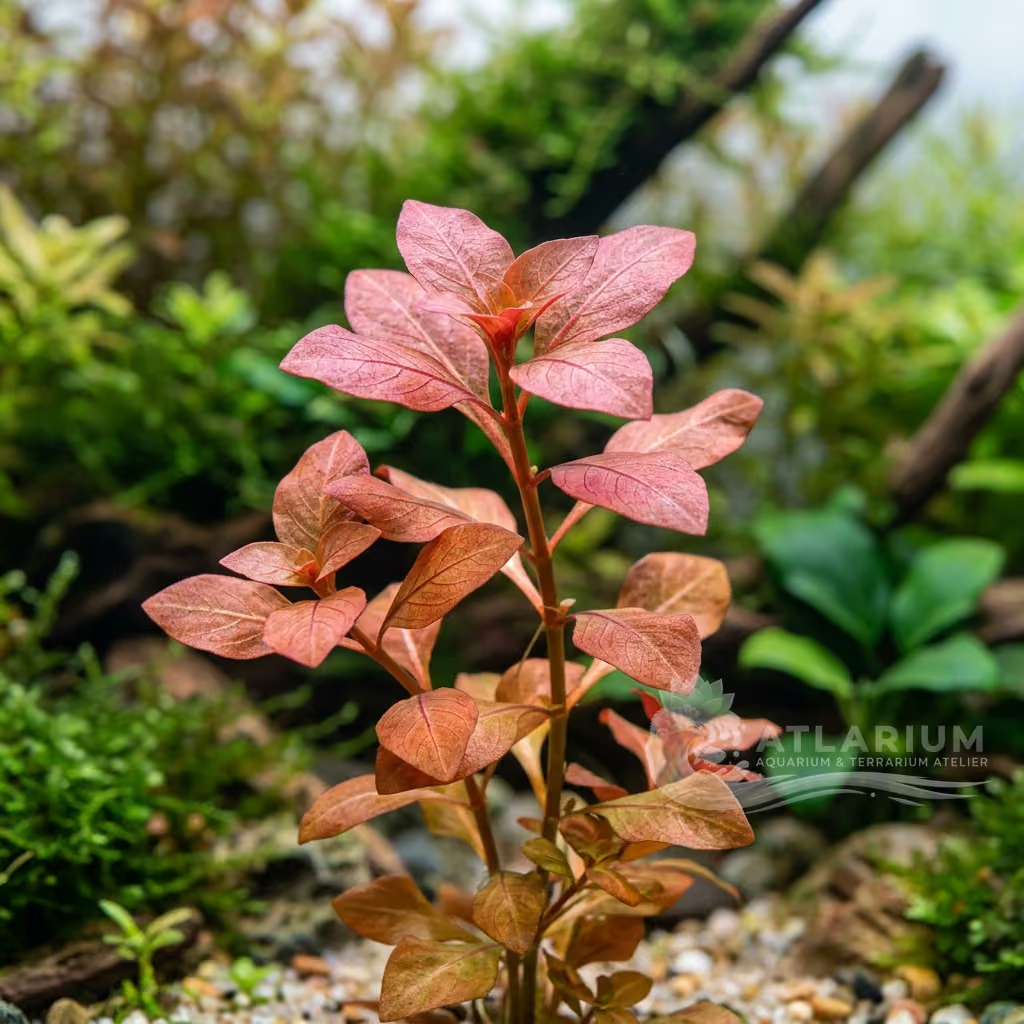
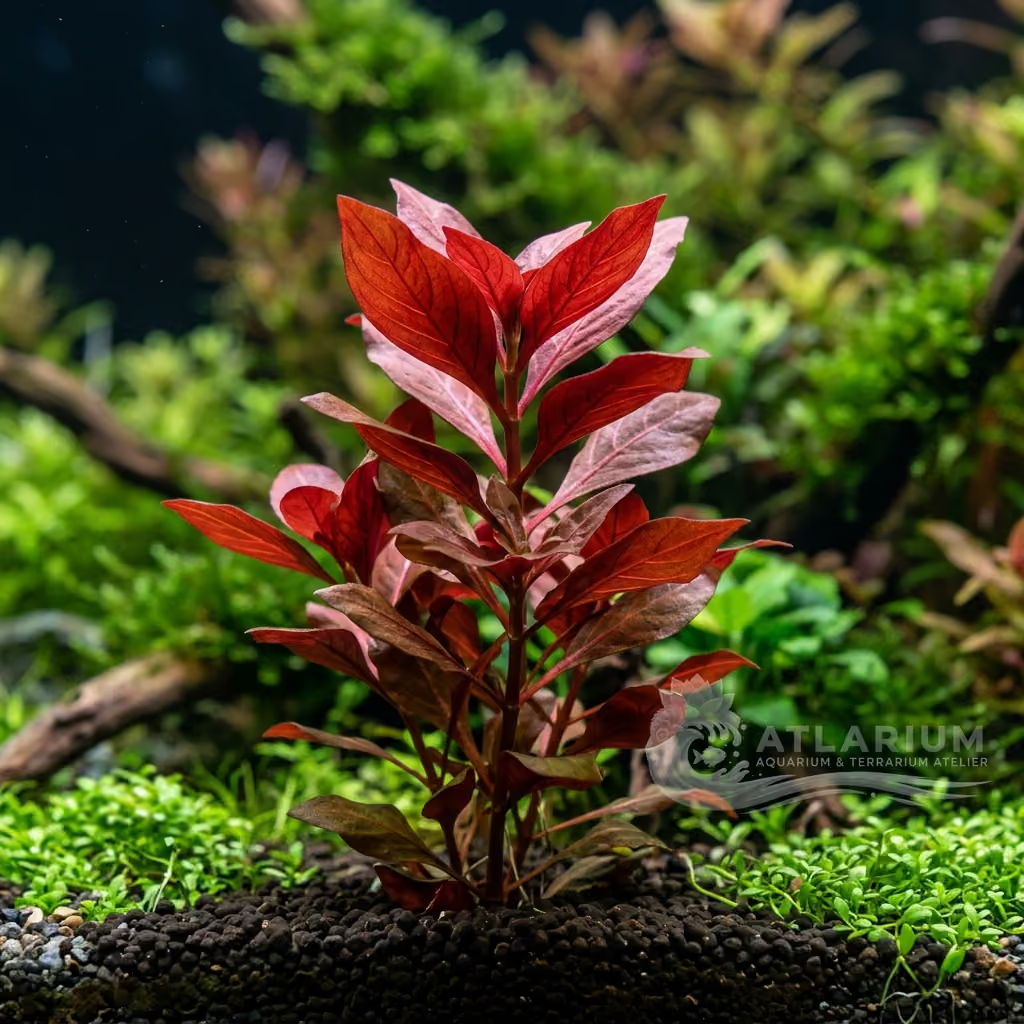
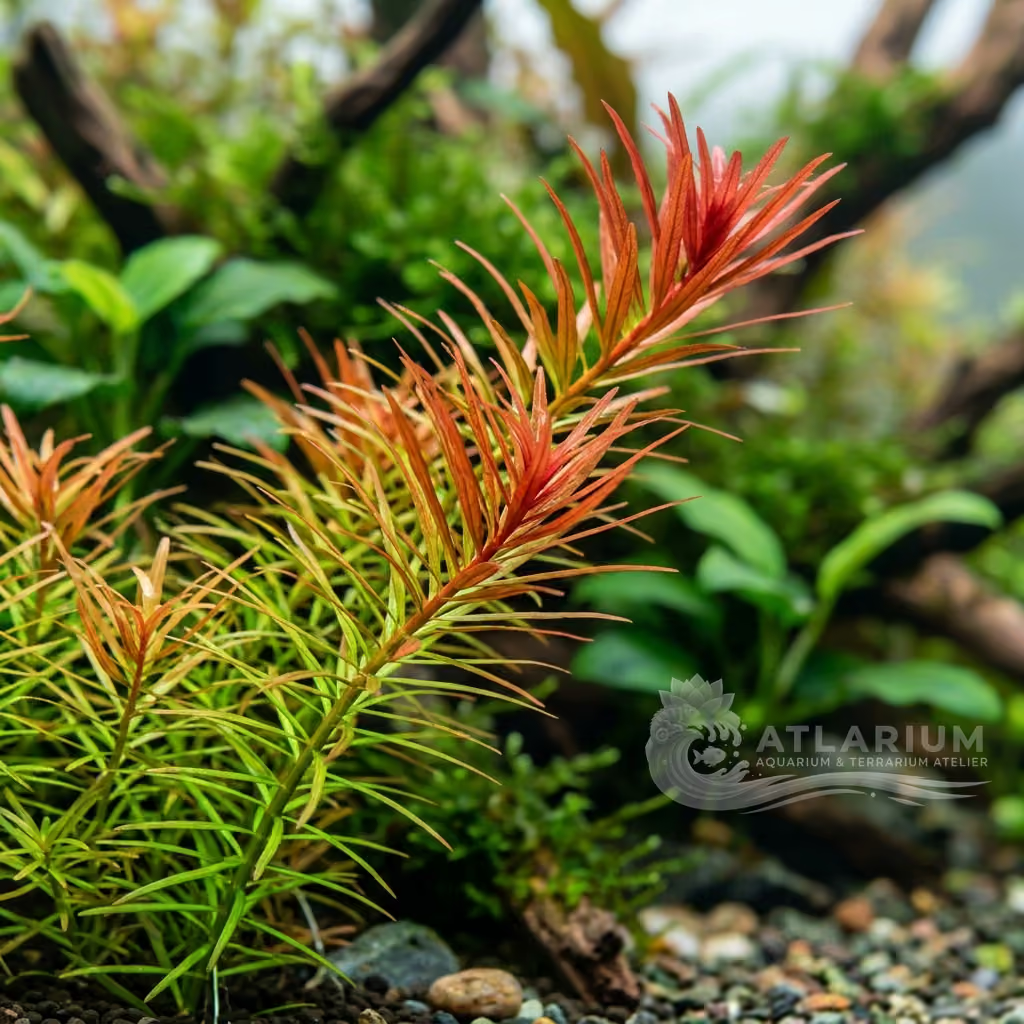
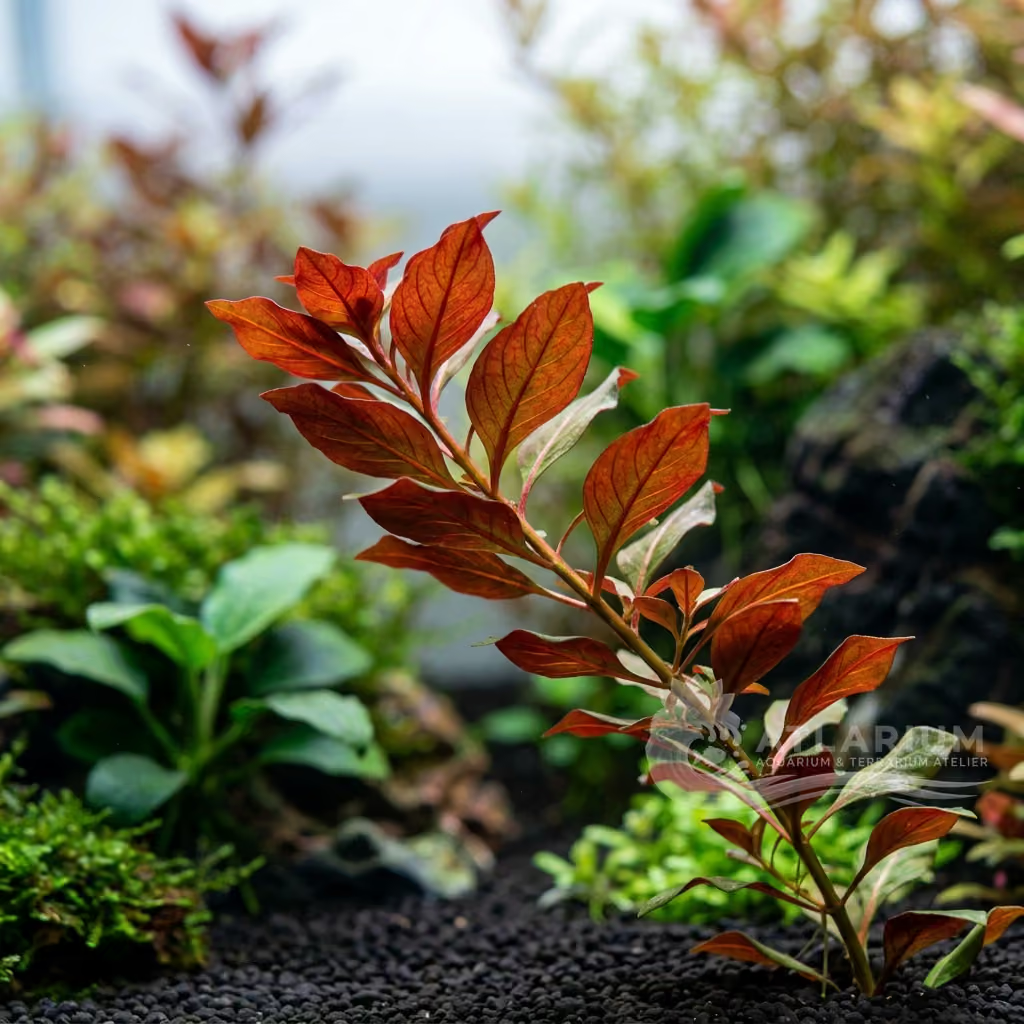
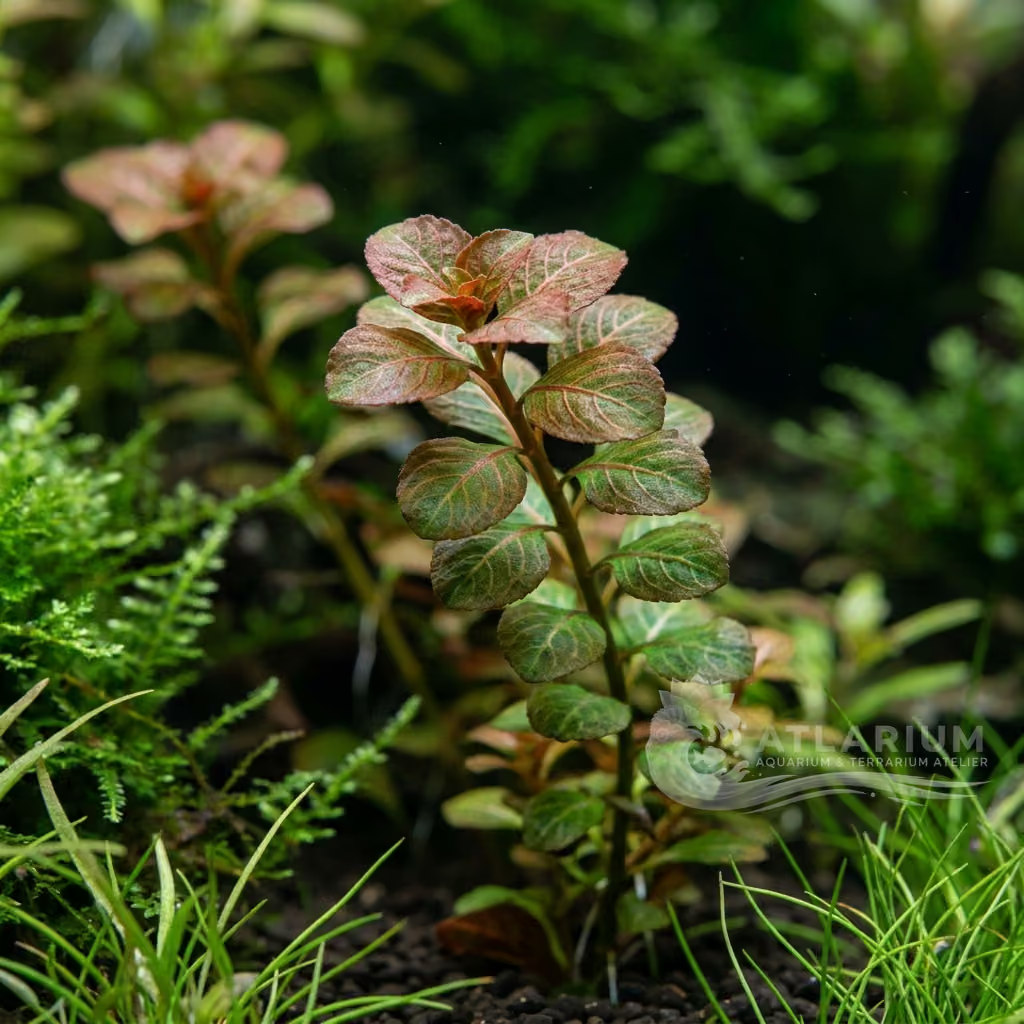
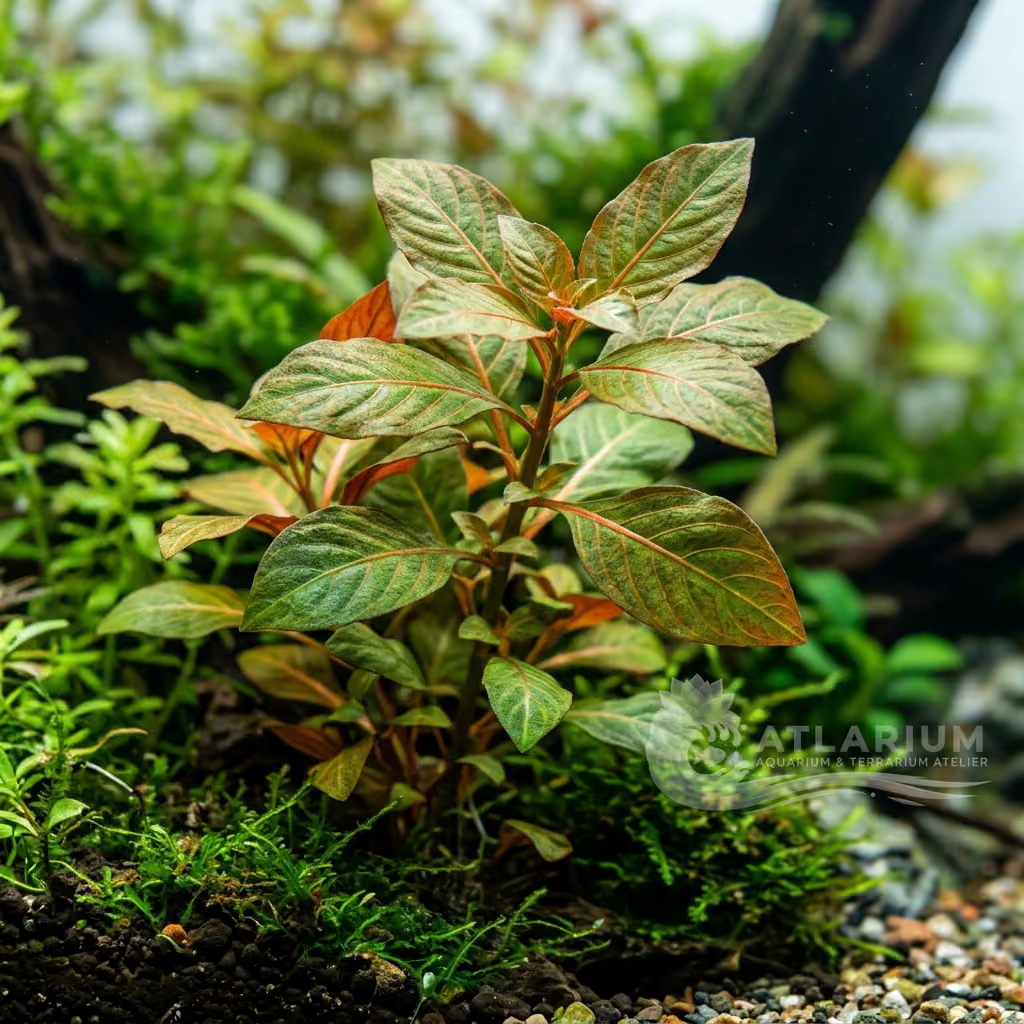
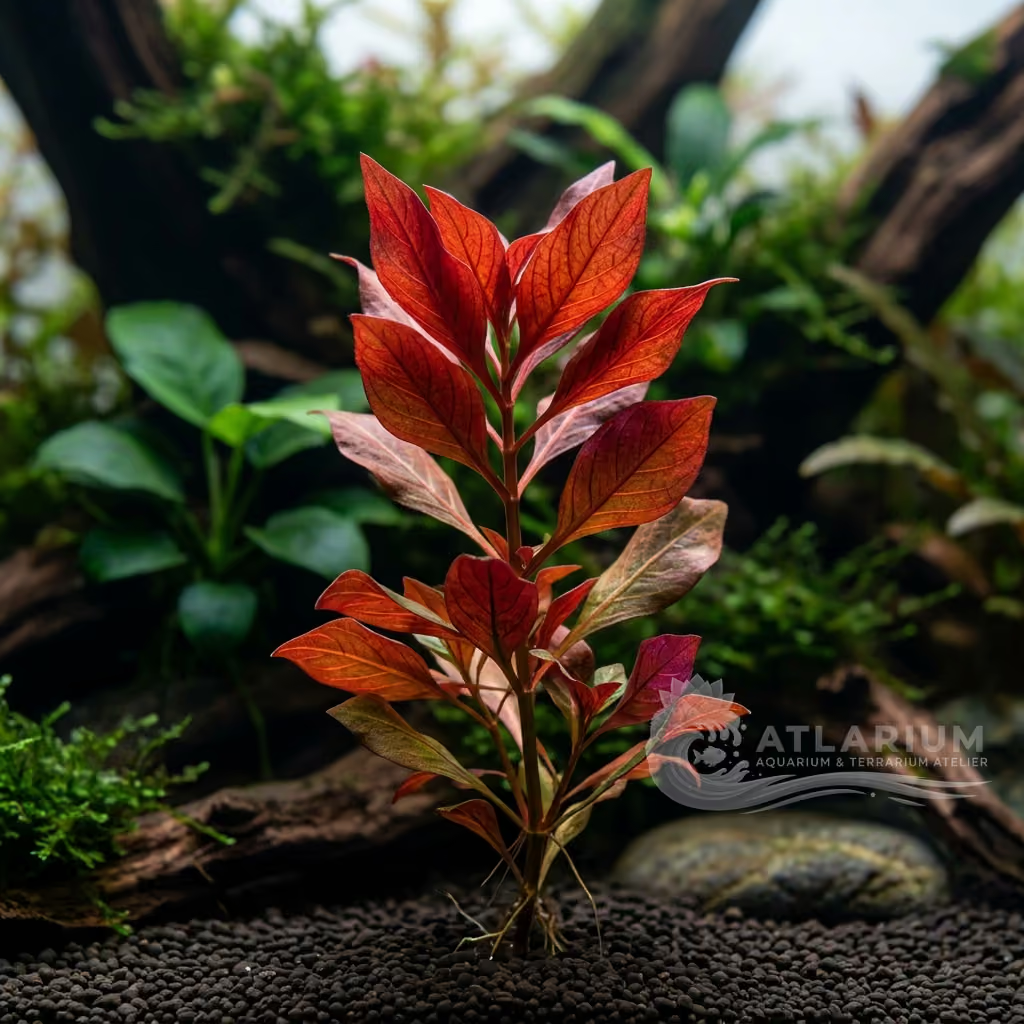
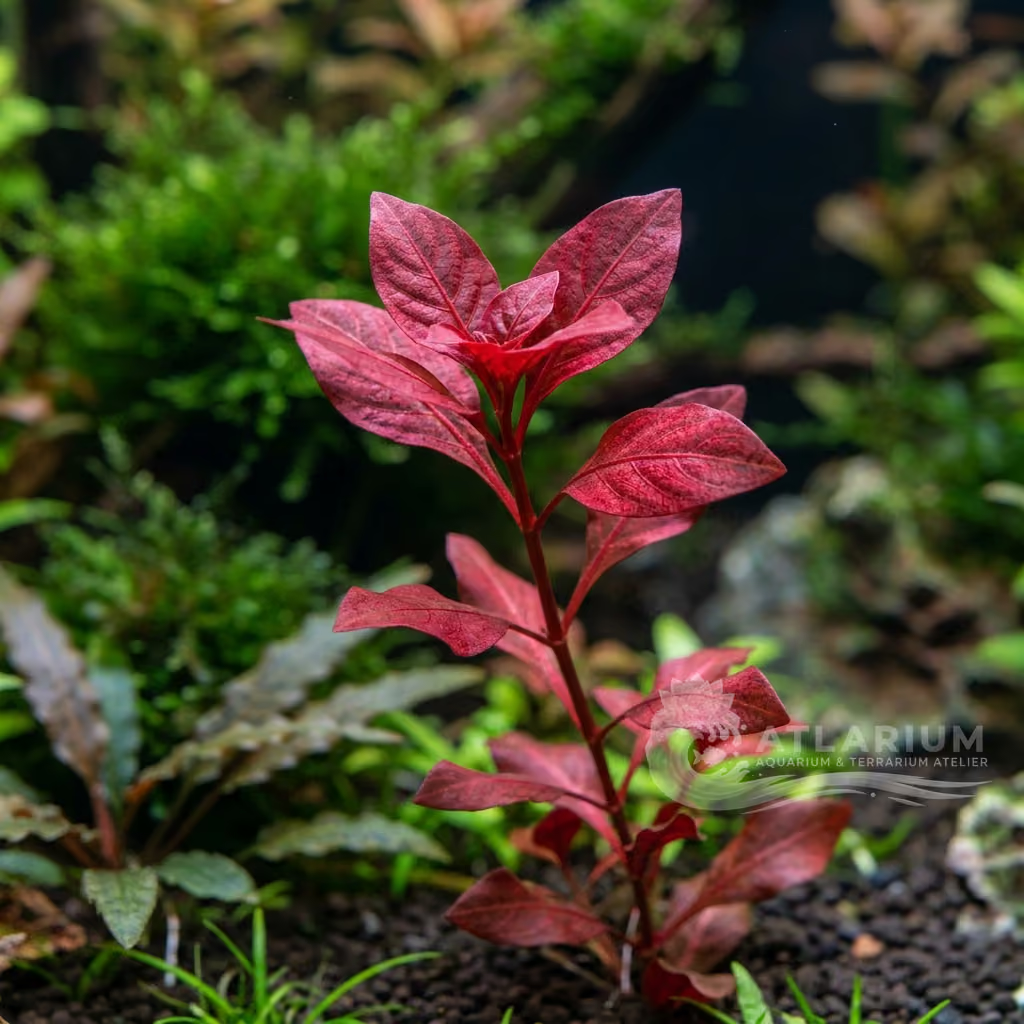
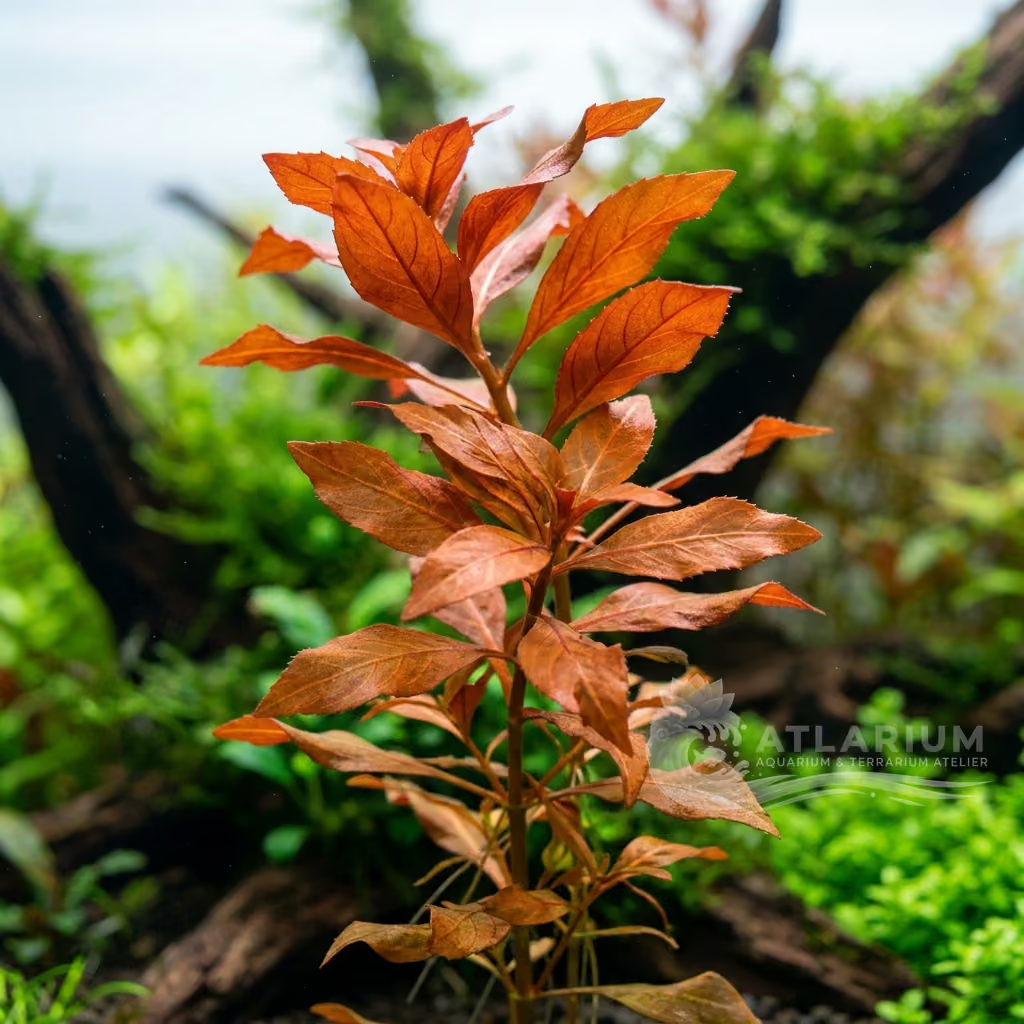
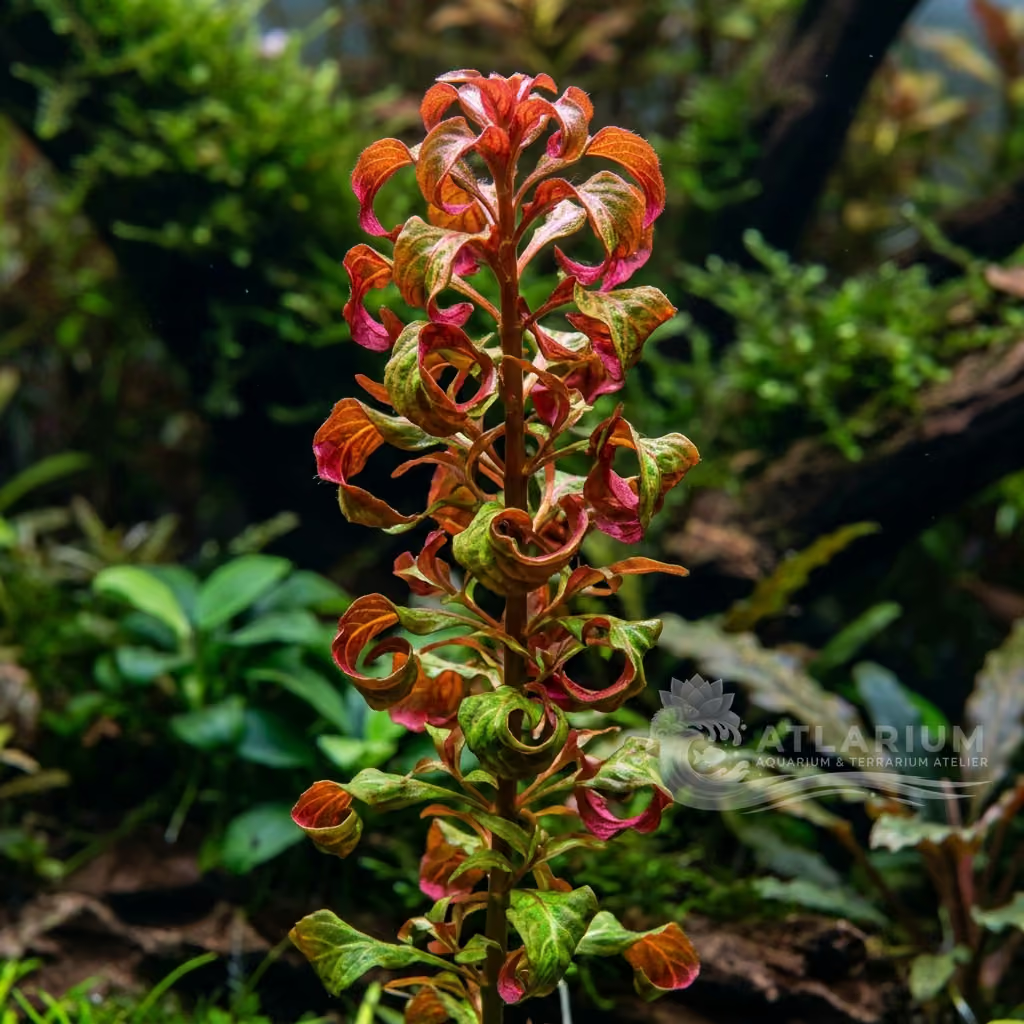
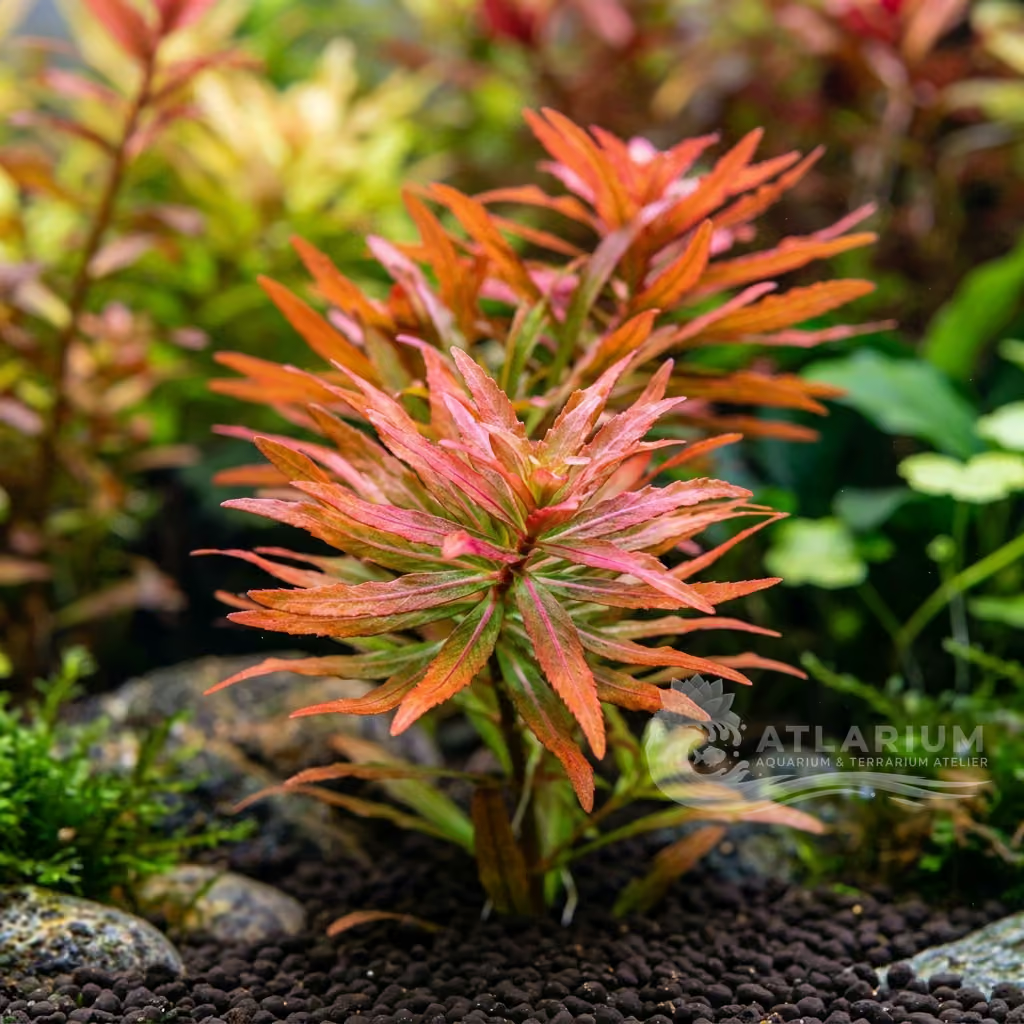
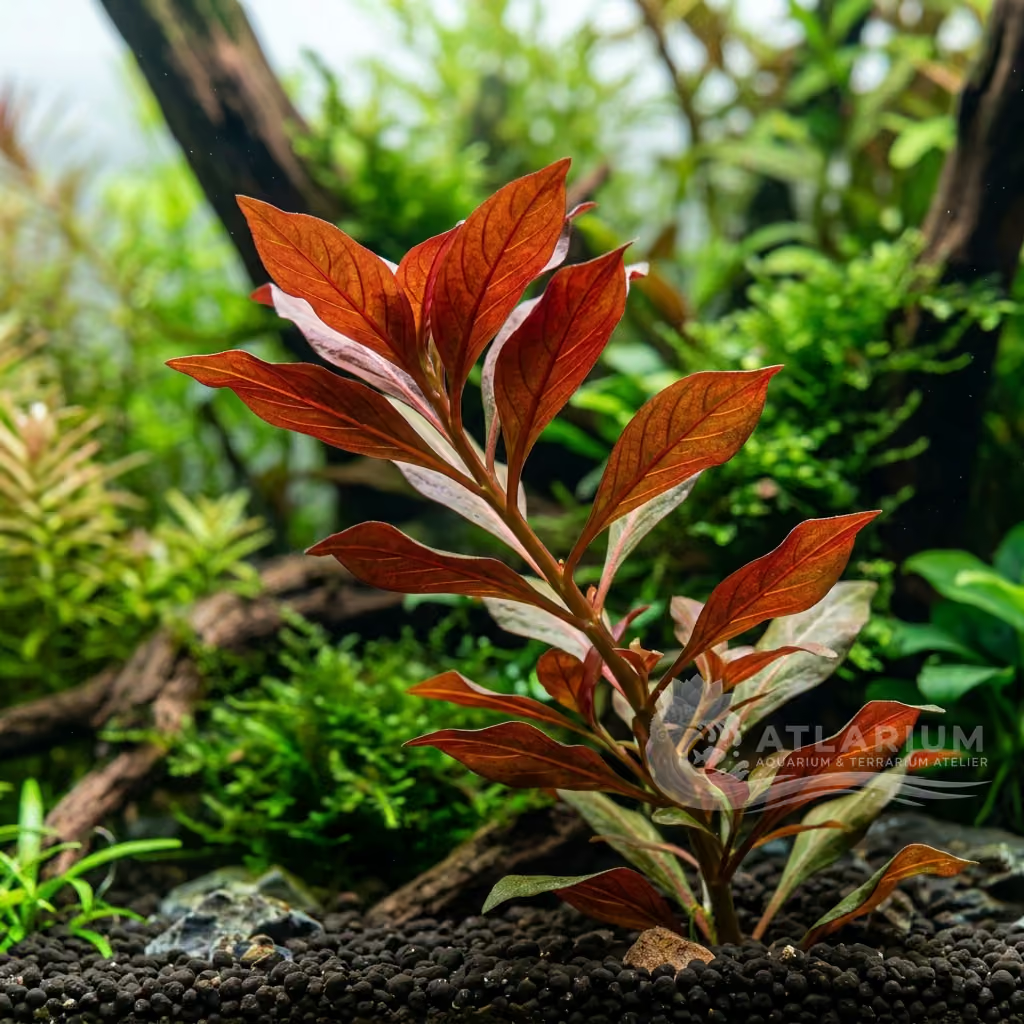
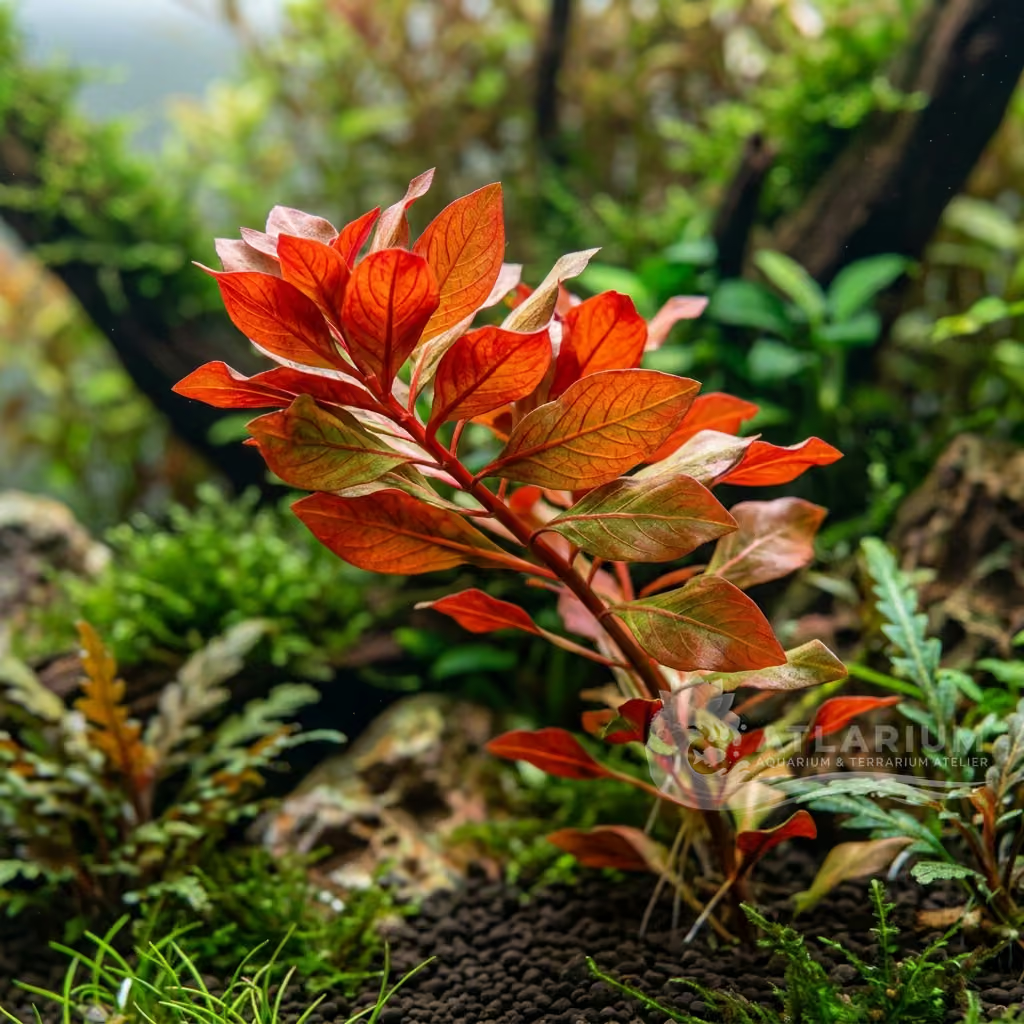
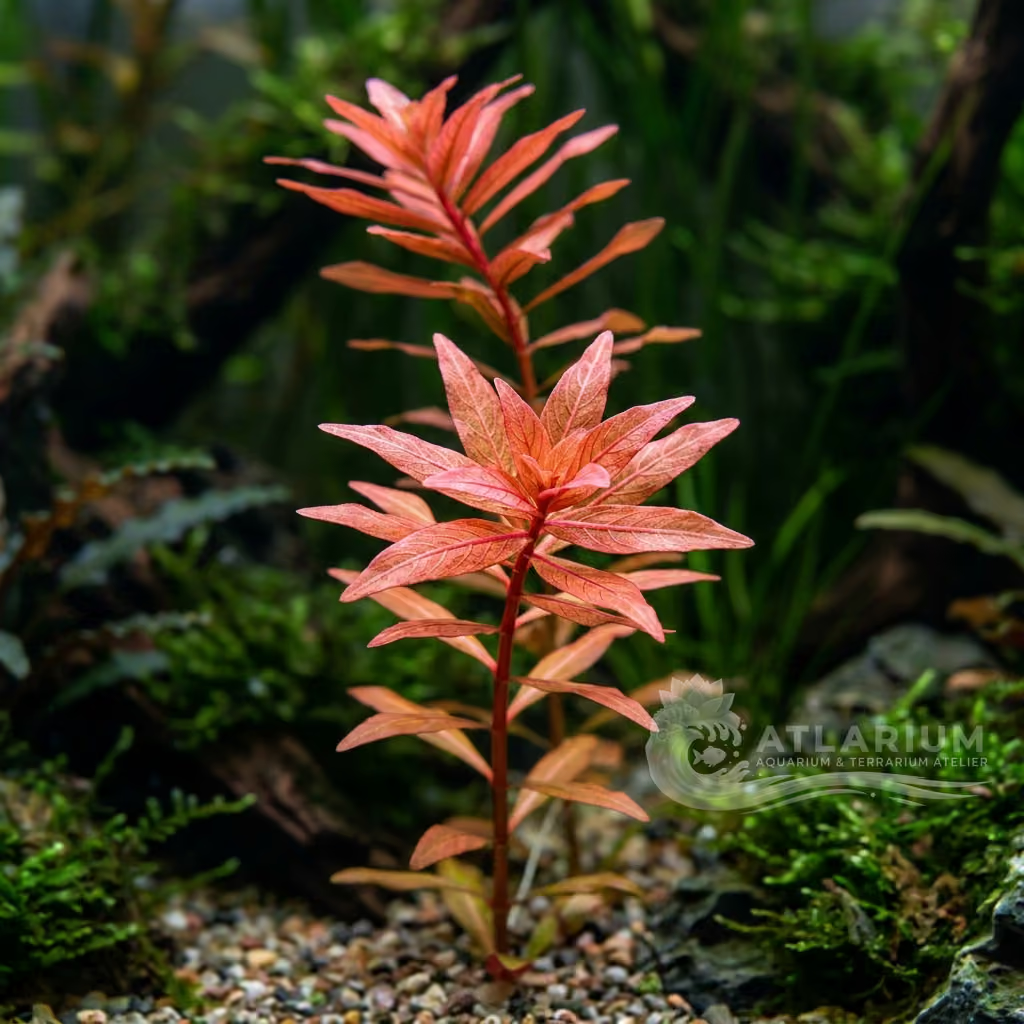
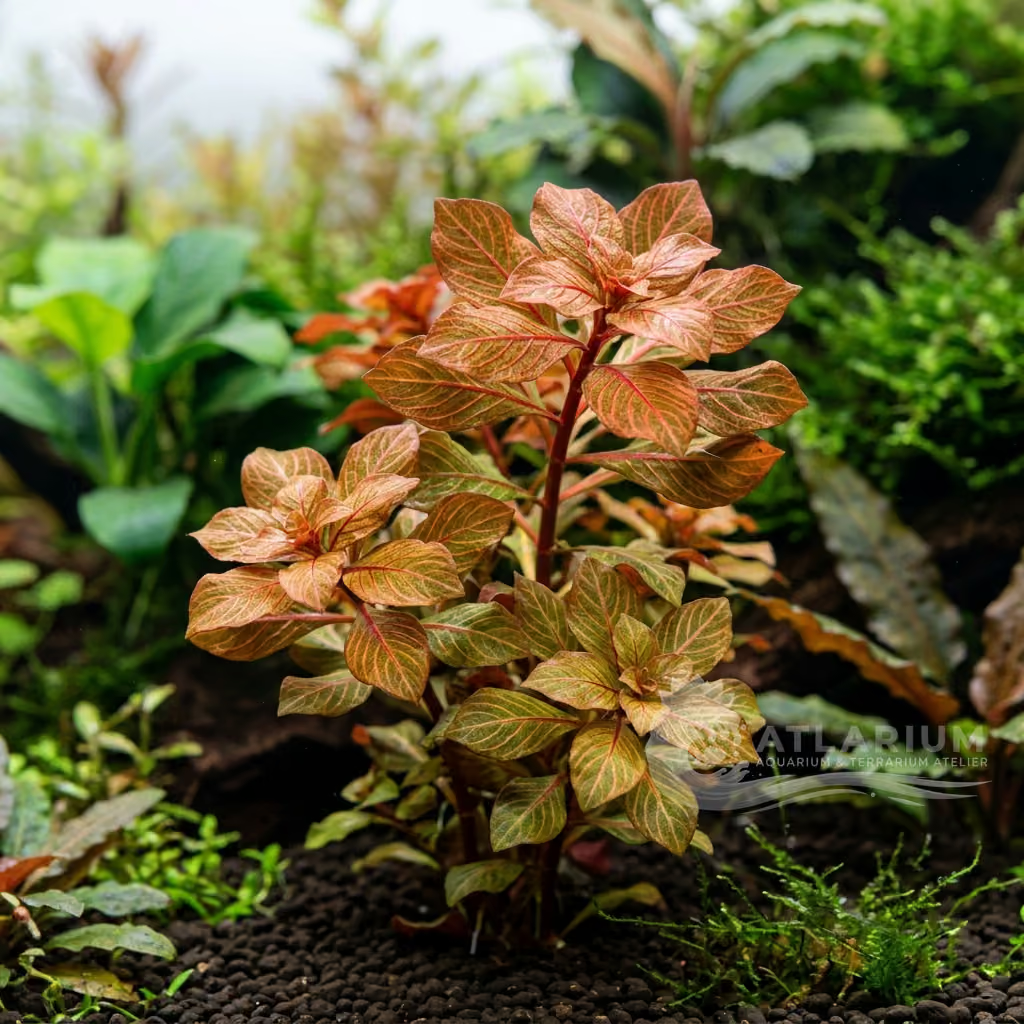
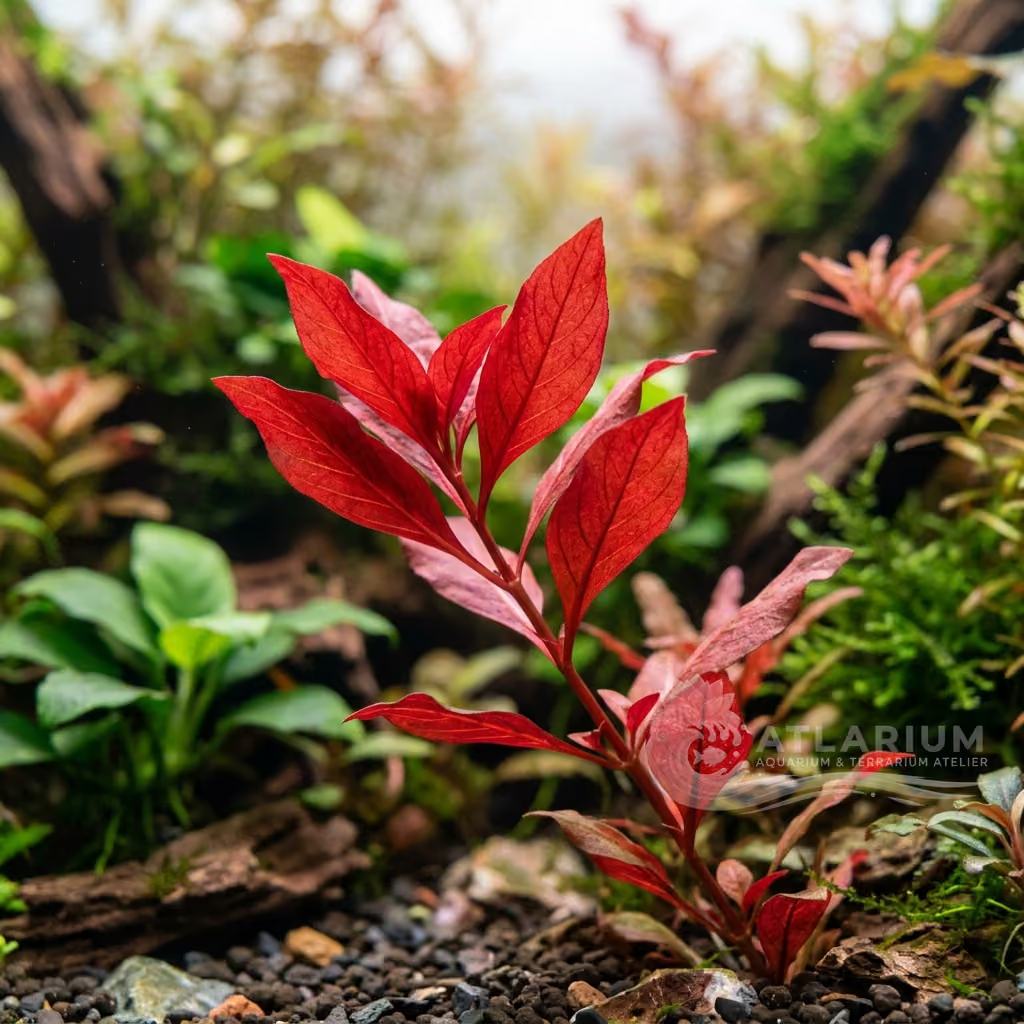
Color & Texture: The foliage of Ludwigia palustris × repens displays a captivating chromatic variation, ranging from bright green to intense reddish-orange and burgundy. The red coloration is significantly enhanced by high light intensity and a good supply of iron and other micronutrients, especially in new growth. The leaf texture is generally smooth and slightly fleshy, imparting a velvety appearance underwater that contributes to the overall aquarium aesthetic and perception of depth.

Care, breeding and tankmates
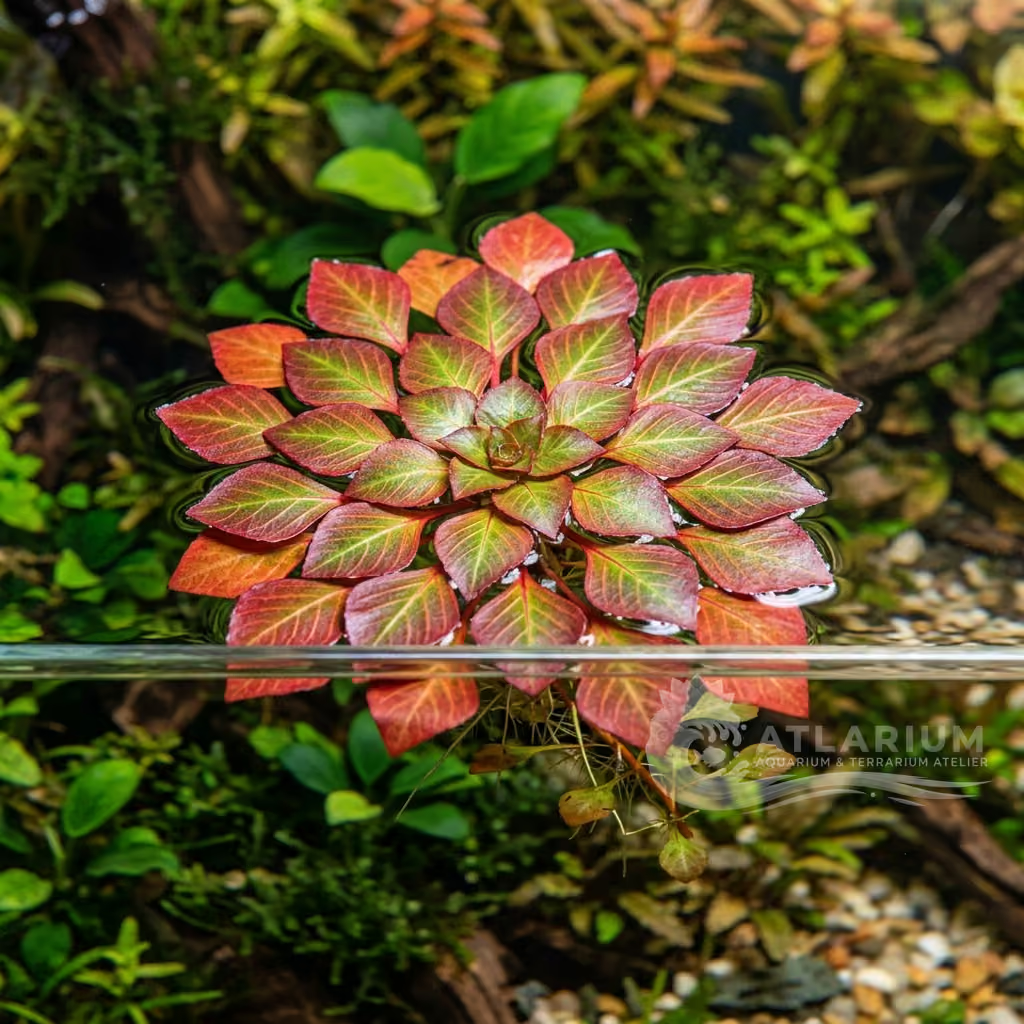
Lighting & CO2: To achieve the distinctive intense red coloration of Ludwigia palustris × repens, it is essential to provide medium to high-intensity lighting, preferably with a spectrum suitable for aquatic plants. Supplemental carbon dioxide (CO2) injection is highly recommended to promote robust, vigorous growth and to intensify the red pigmentation and prevent algal growth. Without added CO2, the plant can still grow, but at a slower rate and with less vibrant colors, often leaning more towards olive green or bronze hues.
Nutrition & Substrate: Ludwigia palustris × repens is a relatively demanding plant in terms of nutrients, benefiting significantly from comprehensive fertilization. A nutrient-rich substrate is ideal for promoting root development and initial absorption of macroelements, firmly anchoring the plant. However, the majority of nutrients are absorbed through the
Water Chemistry: This hybrid Ludwigia is tolerant of a wide range of water parameters, making it suitable for many setups, from basic to advanced. The ideal water temperature should be maintained between 4.0 and 30.0 C, although a more stable range around 22-26 C is optimal for vigorous growth and maximum color expression. The pH can range from 5.0 to 8.0, while carbonate hardness (KH) tolerates values from 2.0 to 22.0, indicating remarkable flexibility; however, avoiding sudden fluctuations is always advisable for plant health.
Space Management & Placement: Due to its growth habit and rapid growth, Ludwigia palustris × repens is an excellent choice for the midground of the aquarium, where it can create a focal point or serve as a dense backdrop for smaller plants. Its ability to branch and grow tall requires careful space management to prevent it from excessively shading underlying plants, which could stunt their growth. Planting it in groups of several stems will achieve a fuller and more impactful effect, highlighting its varied coloration and creating interesting visual contrast.
Pruning: Given its rapid growth, regular pruning is indispensable to maintain Ludwigia palustris × repens in a desirable shape and to stimulate bushier growth. Trimming the stem tips encourages the plant to branch laterally from the nodes below, creating a denser and more compact bush. The cut apical sections, if sufficiently robust and with at least a couple of nodes, can be replanted directly into the substrate to propagate the plant, helping to fill in or expand the desired area in the aquarium.
Risks & Diseases: Like many fast-growing plants, Ludwigia palustris × repens may show signs of nutrient deficiencies if not adequately fertilized, manifesting as yellowing leaves, elongated internodes, or stunted growth. It is also susceptible to algal growth on its leaves if the balance between light, CO2, and nutrients is not optimal, often indicating excess light or a nutrient imbalance. Careful observation and regular maintenance are crucial to prevent these issues and keep the plant healthy and vibrantly colored.

Geographic origin and distribution
This particular Ludwigia is a cultivated hybrid, resulting from the crossbreeding of Ludwigia palustris and Ludwigia repens. Its parent species are both widely distributed in various wetland regions of North America and have, in some instances, been introduced to other parts of the world. The hybrid combines traits from both, thriving in aquatic and semi-aquatic habitats such as marshes, riverbanks, and ponds where ample sunlight is available and water flow is slow or stagnant.
Origin
North AmericaSelective breeding and cultivars

Plant profile
- Placement
- Midground
- Due to its size and relatively rapid growth, this plant is best suited for the midground to background of the aquarium. It looks particularly effective when planted in large, dense clusters to form a solid, bushy thicket. Its slightly creeping nature means it can also be used to soften transitions between hardscape elements.
- Botanical form
- Stem
- It combines traits of both parent species, featuring broader, more robust leaves than pure L. palustris. The foliage is oppositely arranged and takes on a beautiful mix of olive green, copper, and deep red tones depending on the environment. The stems are relatively thick and sturdy, supporting the plant well as it grows taller.
- Growth
- Fast
- This hybrid exhibits a moderate to fast growth rate, especially when provided with strong light and CO2 injection. Without CO2, its growth is slower but remains steady and manageable. Frequent trimming is required in high-tech tanks to keep it from quickly reaching the water's surface.
- Substrate
- Medium
- Flourishes in a nutrient-rich substrate like aqua soil, which provides a steady supply of nutrients for its vigorous growth. A substrate layer of 1.5 to 2 inches helps its roots anchor firmly and efficiently absorb essential minerals. While it is relatively forgiving, a well-fertilized base promotes denser foliage and more intense red and green colors.
- Column fertilization
- Recommended
- Liquid fertilization is effective at preventing nutrient deficiencies and promoting large, healthy leaf development. A balanced fertilizer containing nitrogen and potassium ensures the lower leaves do not prematurely yellow or drop. Consistent dosing keeps the overall coloration rich and vibrant.
- Root fertilization
- None
- While it draws well from the water column, a nutrient-rich substrate or the addition of root tabs encourages a stronger, deeper root system. Good root nutrition leads to thicker stems that can support more vigorous top growth. It is highly adaptable and will grow in inert substrates, though with less vitality.
- Trimming
- Occasional
- Topping the plant and replanting the cuttings is the best way to maintain a tidy appearance and expand the group. The cut stems left in the substrate will readily branch out, producing multiple new shoots that increase the bushiness. It responds very well to aggressive pruning, making it easy to shape.
- Propagation
- Cuttings
- Propagation is straightforward and relies on simple stem cuttings. Any cut portion of the stem will quickly develop roots when planted in the substrate. It is one of the easiest aquatic plants to multiply rapidly.
- Sensitivity
- Moderate
- This hybrid is known for its hardiness and resilience, making it an excellent choice for beginners. It tolerates a wide range of water parameters, including harder water and higher pH levels, better than many other stem plants. However, severe shading will cause the lower leaves to melt away.
- Layout role
- Midground, Background
- It serves as an excellent, colorful filler plant that bridges the gap between bright green and intensely red species. Its muted copper and red tones provide a natural, harmonious look in nature-style aquascapes. It is a reliable workhorse plant for creating dense background structure.

Related species
Recommendations grouped by close relatives, companion choices, and similar care.