Ludwigia pilosa
Ludwigia pilosa
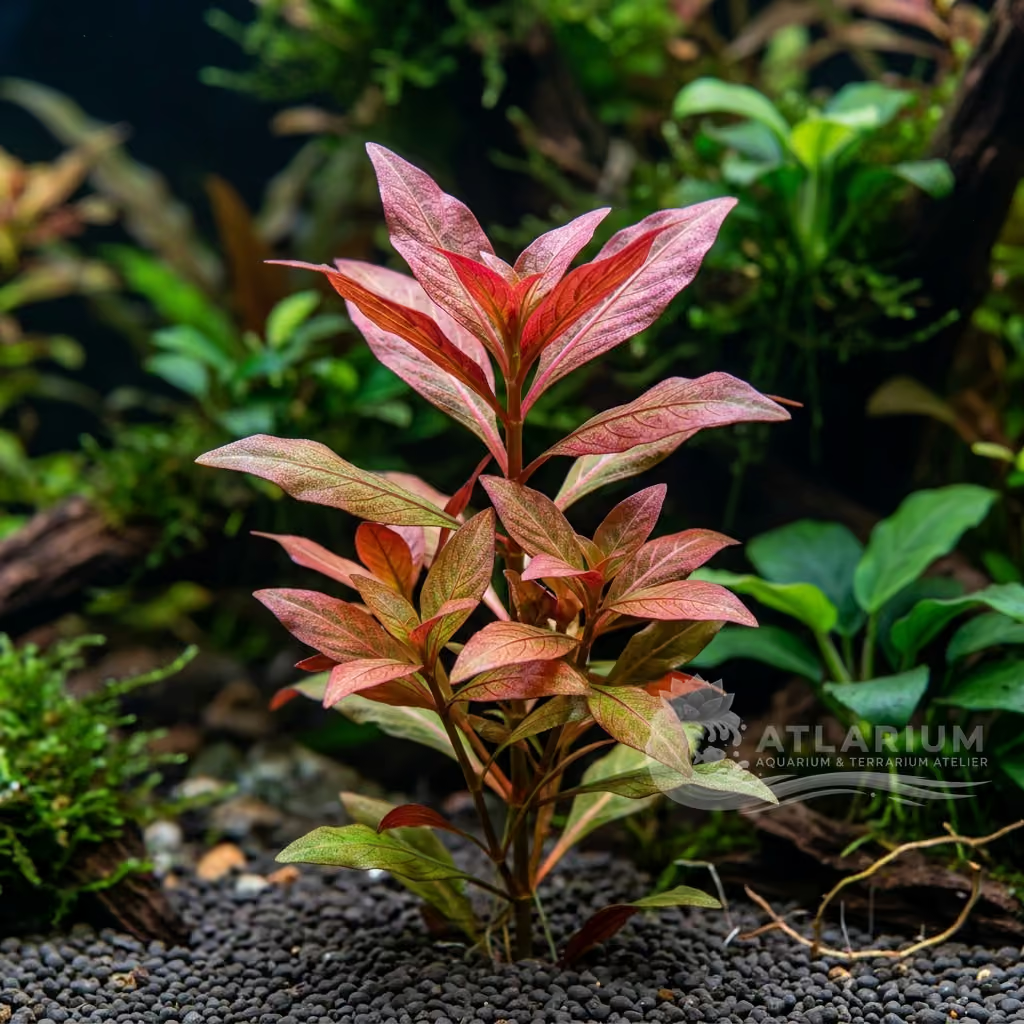
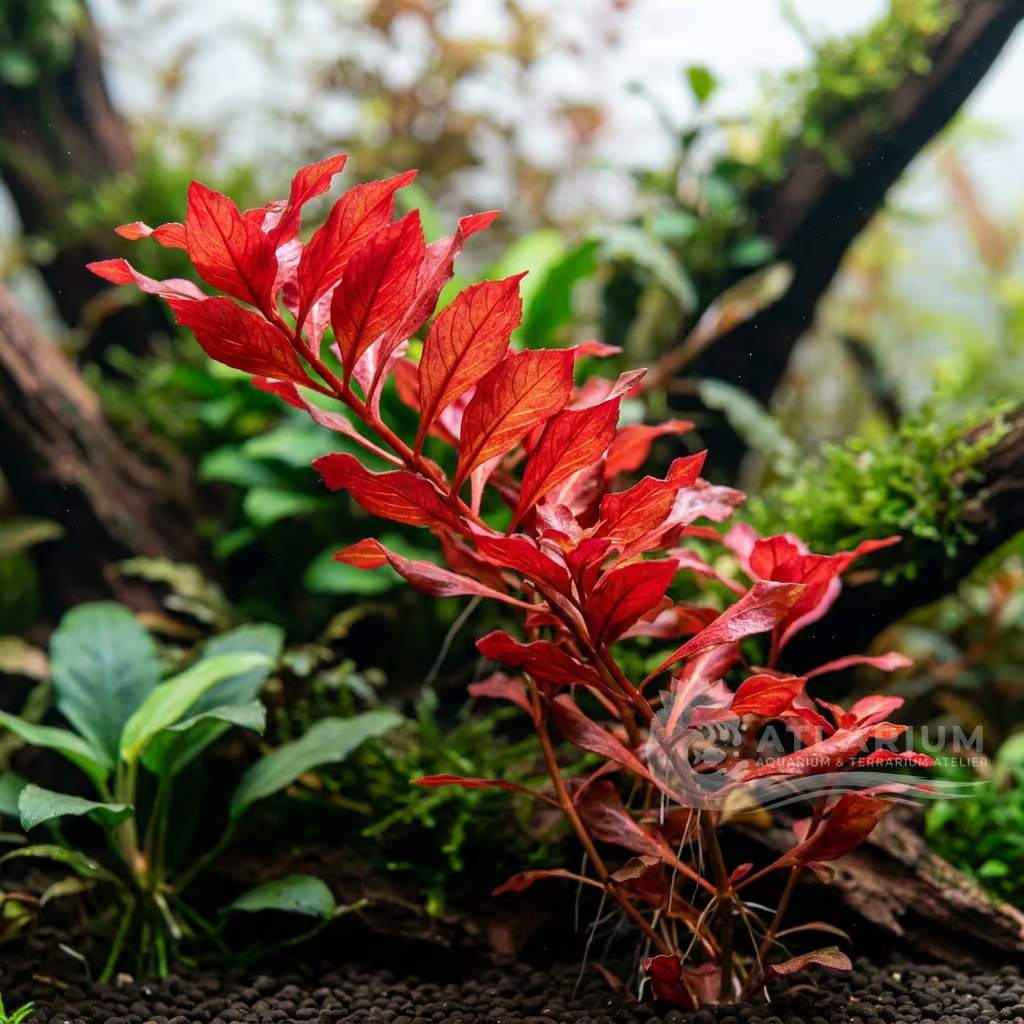
Ludwigia pilosa is a striking midground plant known for its vibrant coloration and unique texture, ideal for creating a focal point or rich background in an aquascape. Its medium growth rate allows for controlled development, making it suitable for both experienced aquascapers and dedicated beginners.
Water Temperature
20 - 28 °C
pH Value
6 - 7.5
Water type
Freshwater
Light
Medium - High
CO2
Medium - High
KH
2 - 10 dKH

Species description
Geographical Origin and Habitat: Ludwigia pilosa originates from the warmer regions of North and South America, typically found thriving in shallow, slow-moving waters of marshes, swamps, and along the banks of rivers and streams. This aquatic environment, characterized by soft substrates and abundant organic matter, contributes to its adaptable nature in a diverse range of freshwater conditions. Its natural habitat often experiences fluctuating water levels, which has endowed the plant with a robust capacity to transition between submerged and emergent growth forms.
Taxonomy & Genetics: As a member of the Onagraceae family, Ludwigia pilosa shares genetic characteristics with other Ludwigia species, renowned for their aquatic adaptations and diverse morphology. The "pilosa" epithet refers to its characteristic hairy or pubescent stems and leaves, a distinct genetic trait that helps distinguish it from other smooth-stemmed Ludwigia varieties. This specific genetic makeup allows it to exhibit unique growth patterns and nutrient absorption mechanisms within its aquatic environment.
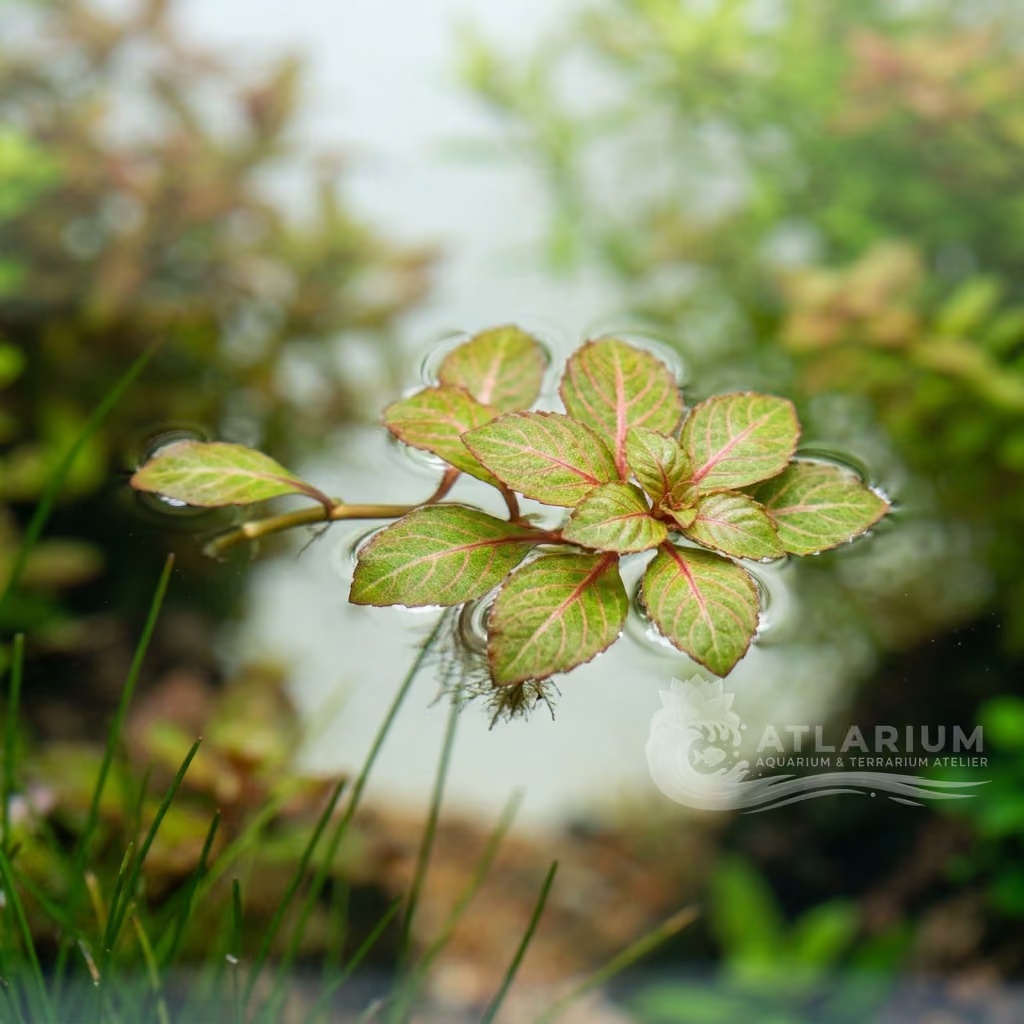
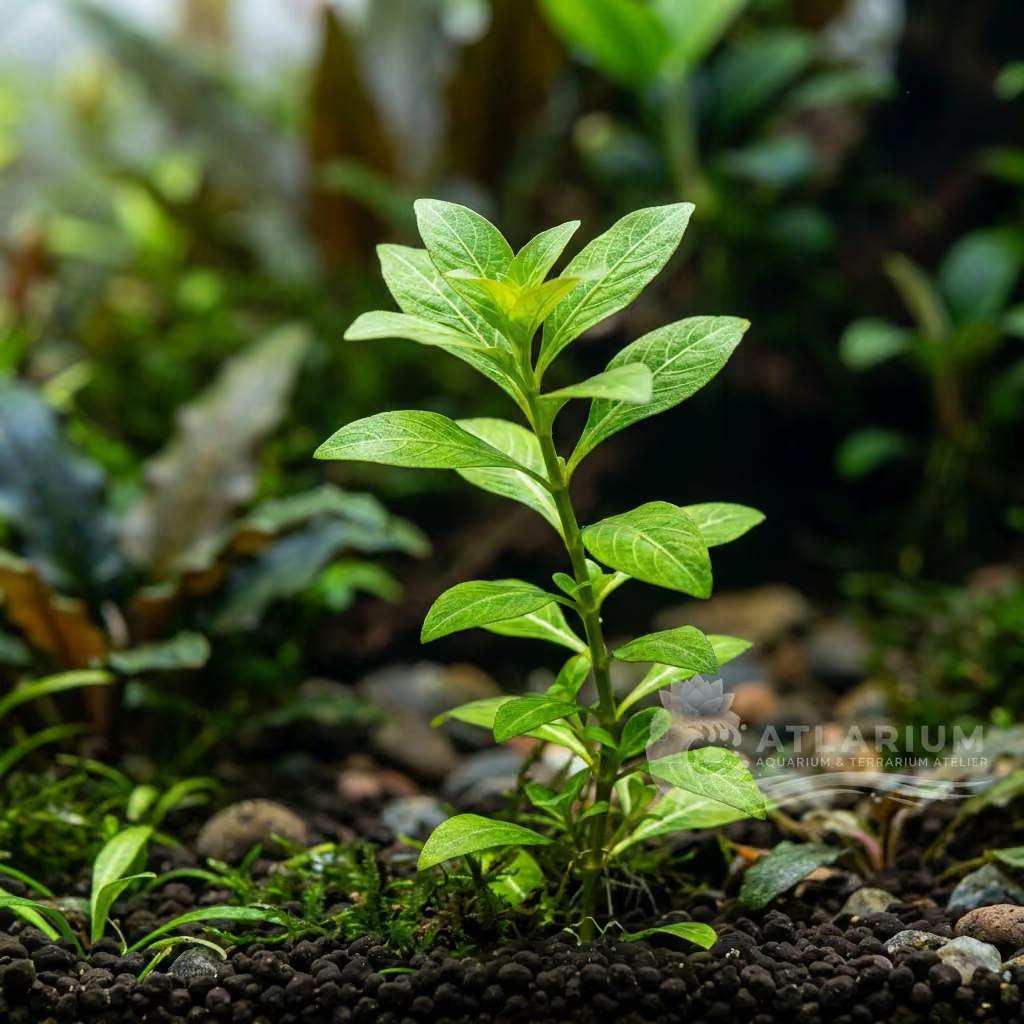
Physical Structure: Ludwigia pilosa develops robust, moderately branching stems that can reach significant heights, establishing a dense midground presence. Its leaves are typically ovate to lanceolate, arranged alternately along the stem, and exhibit a distinct, finely textured surface. Under optimal conditions, the plant produces adventitious roots from its lower nodes, which can anchor it firmly and contribute to its overall nutrient uptake from the substrate and water column.
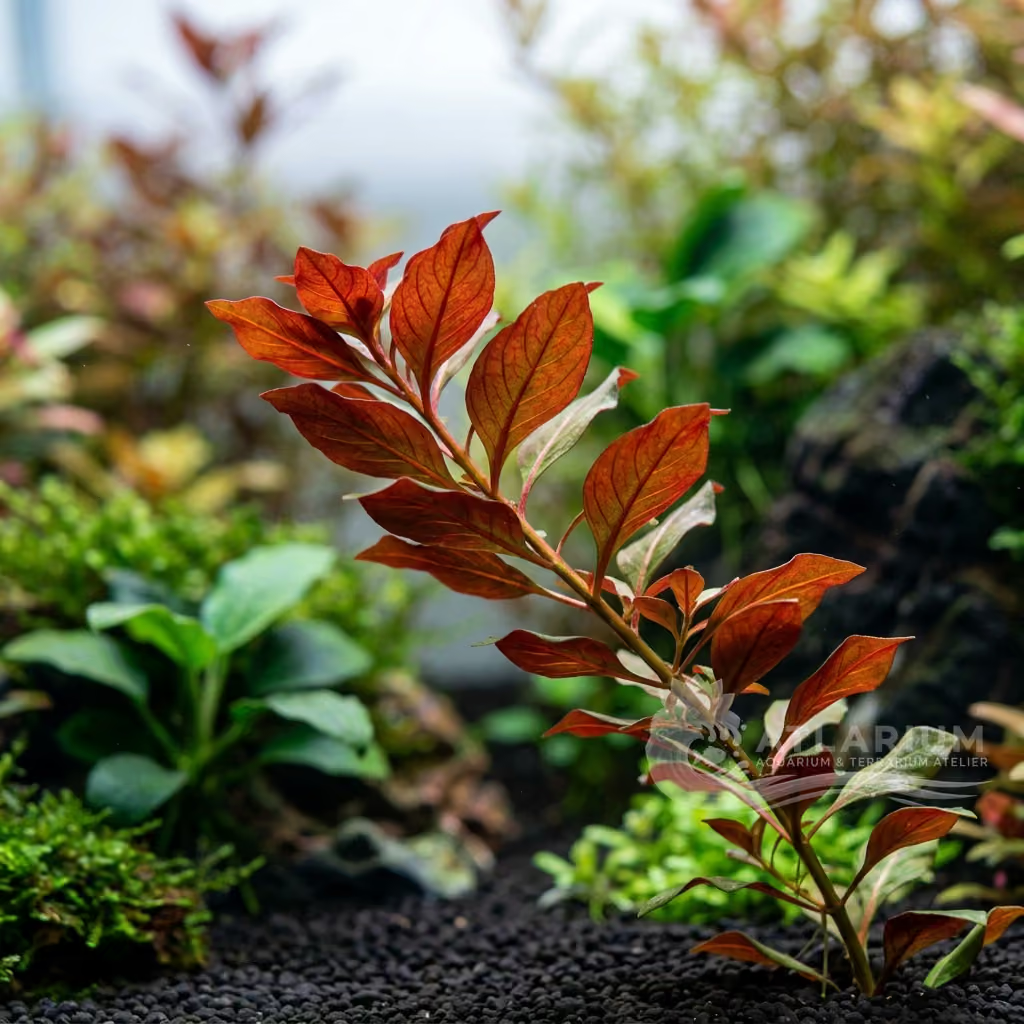
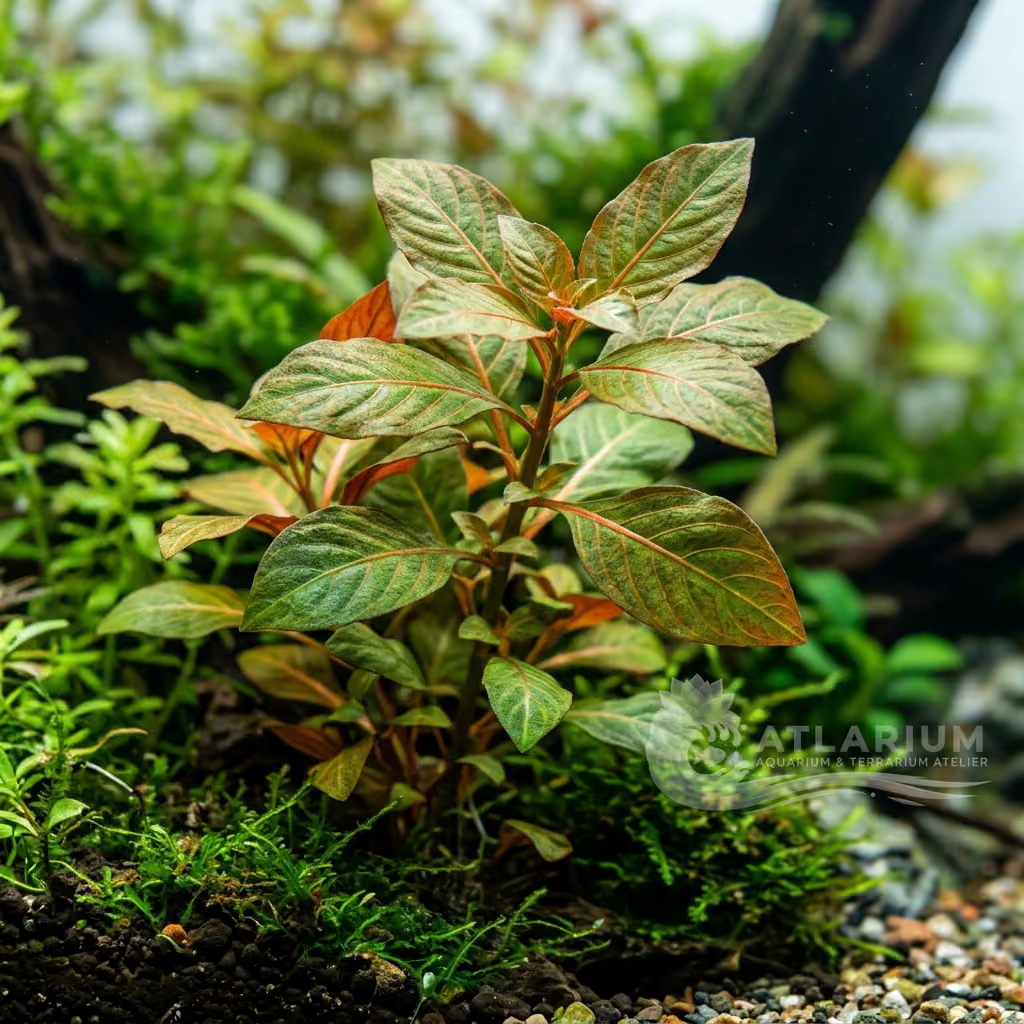
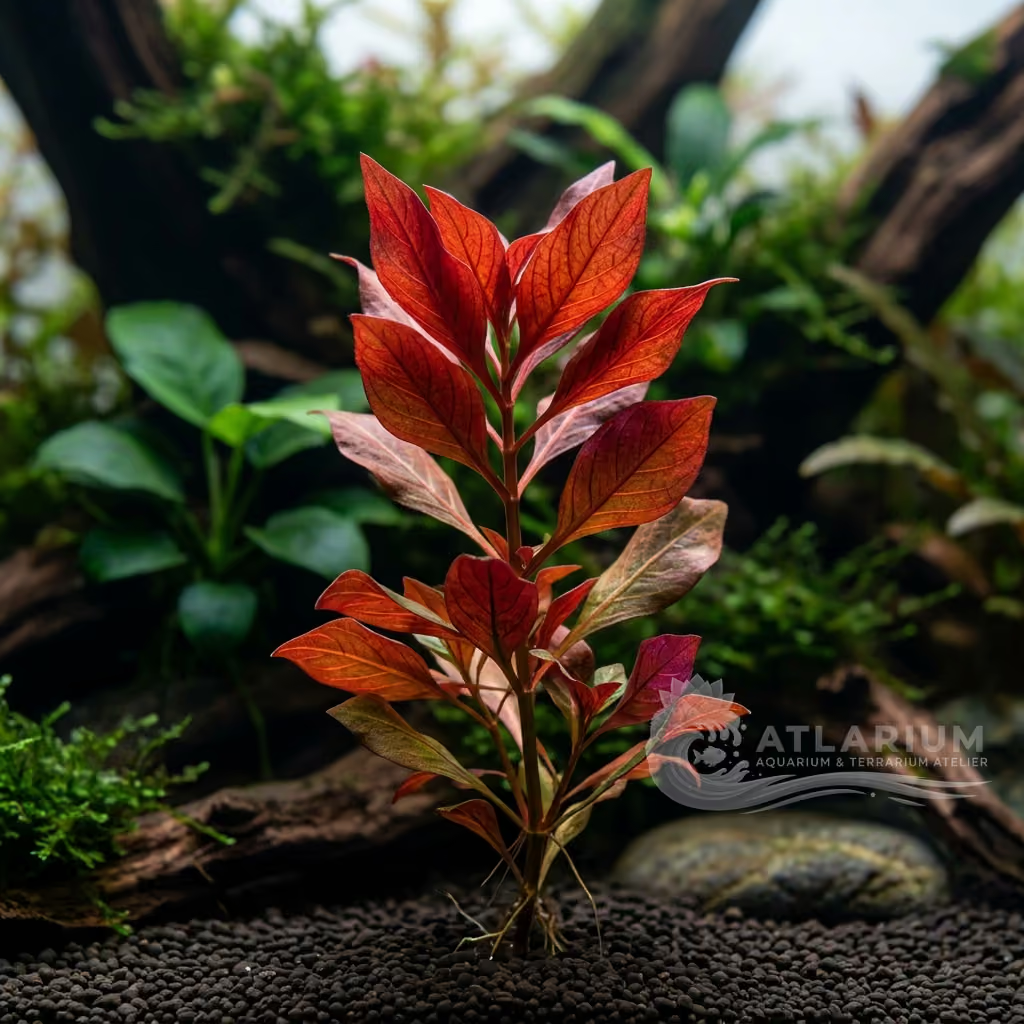
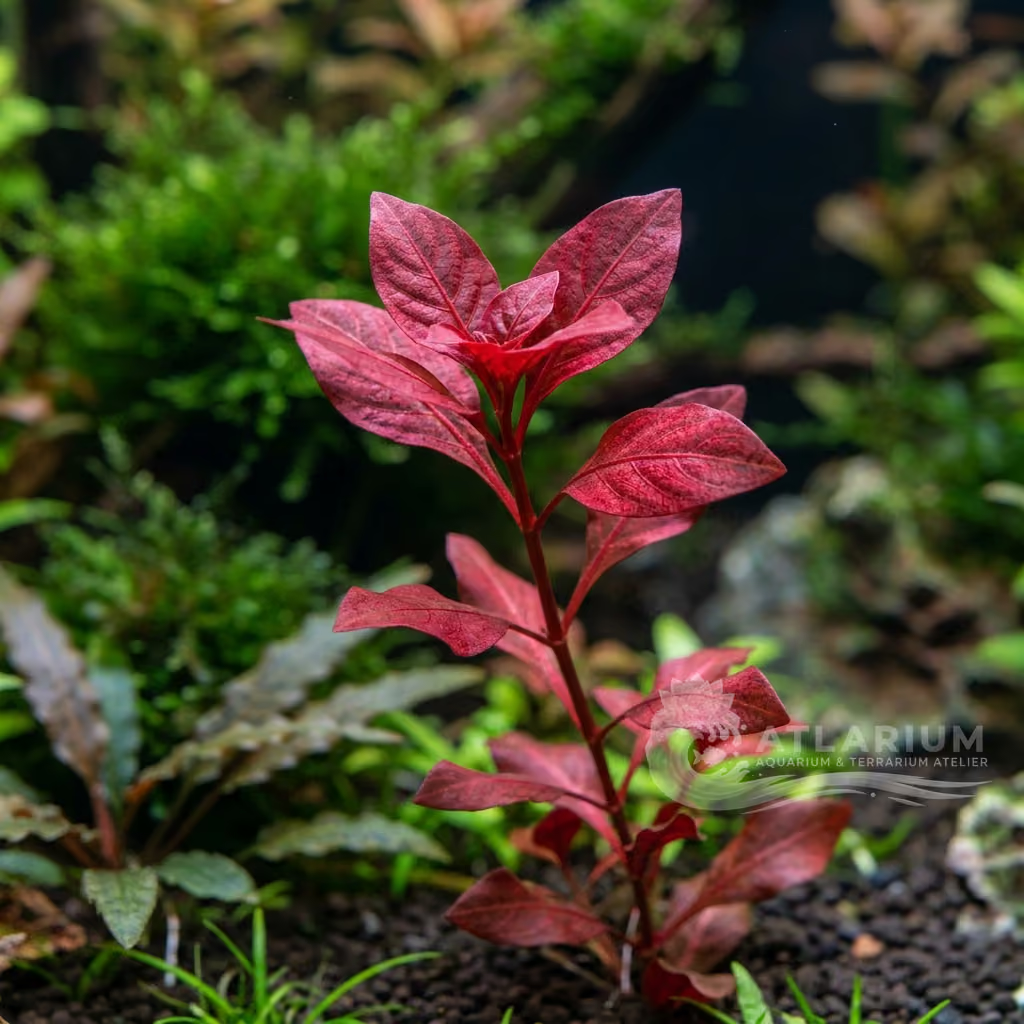
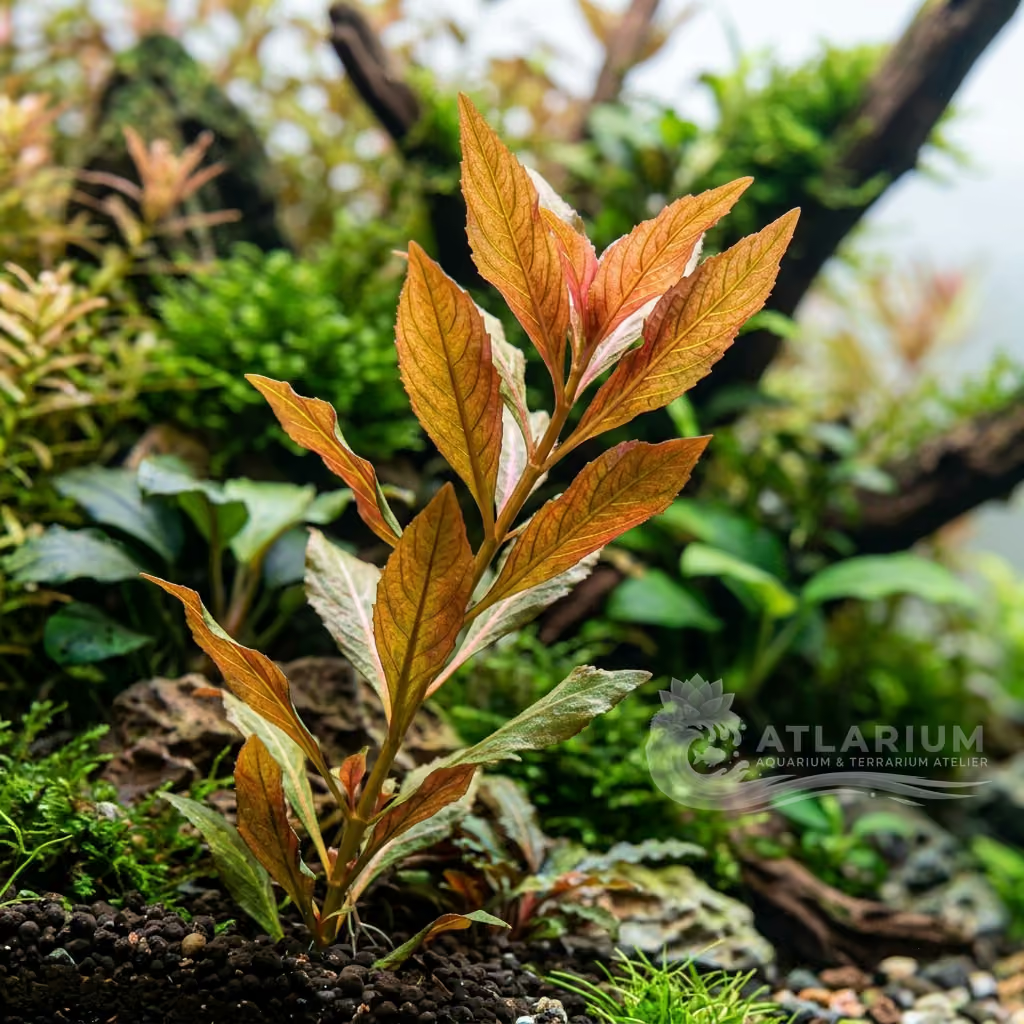
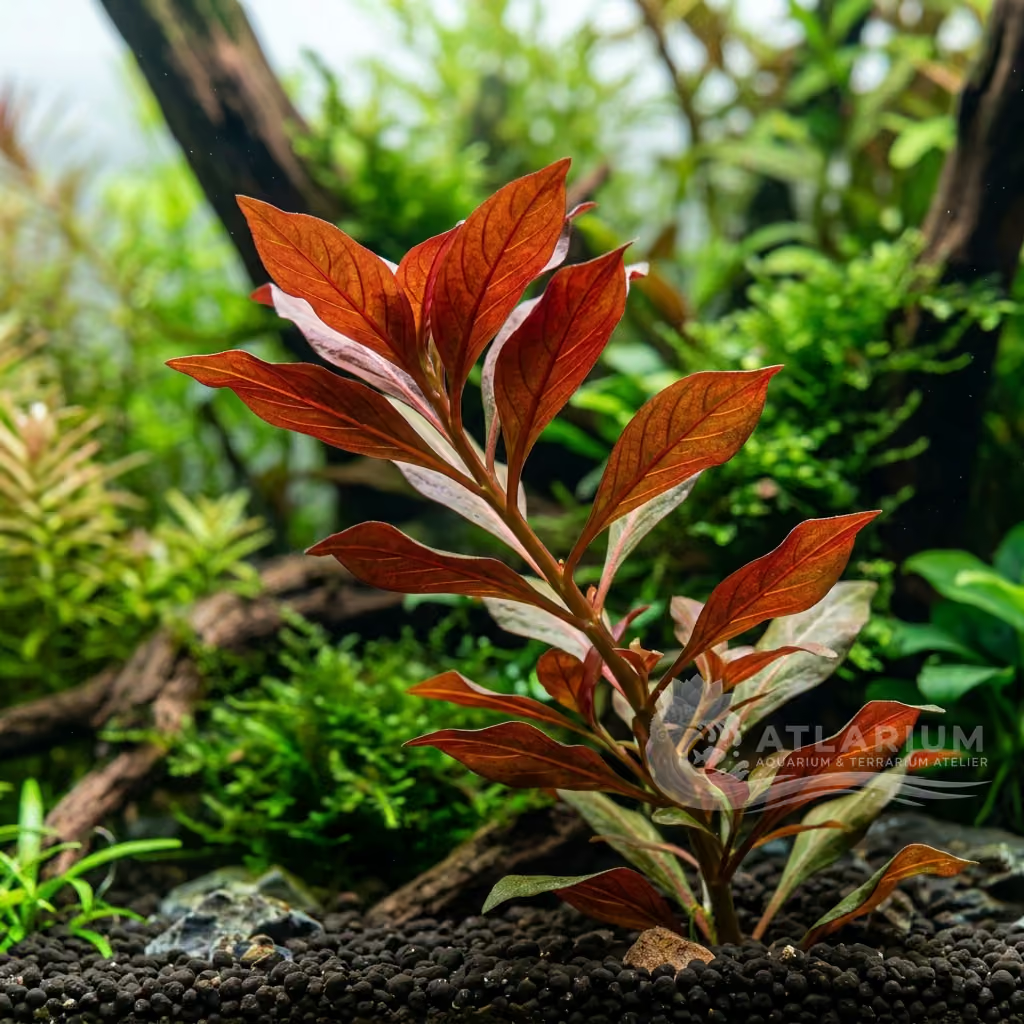
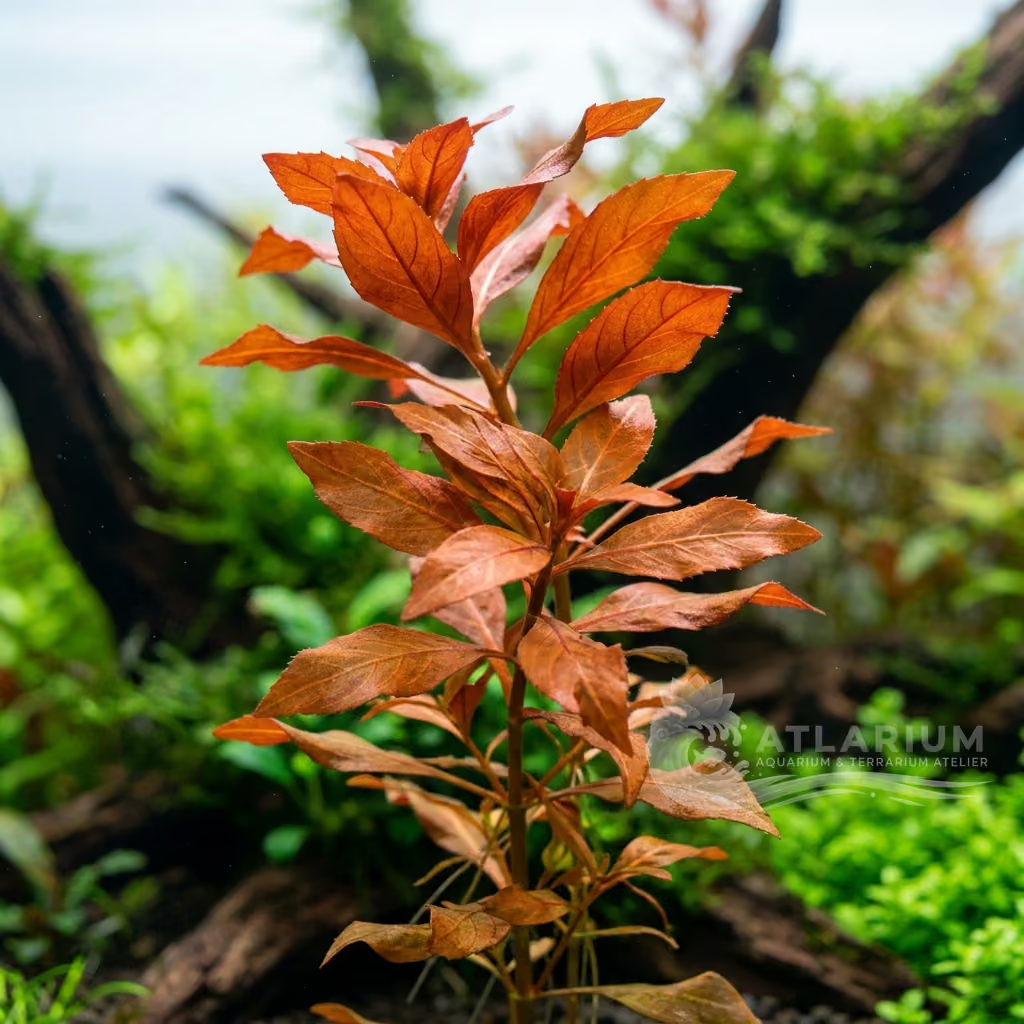
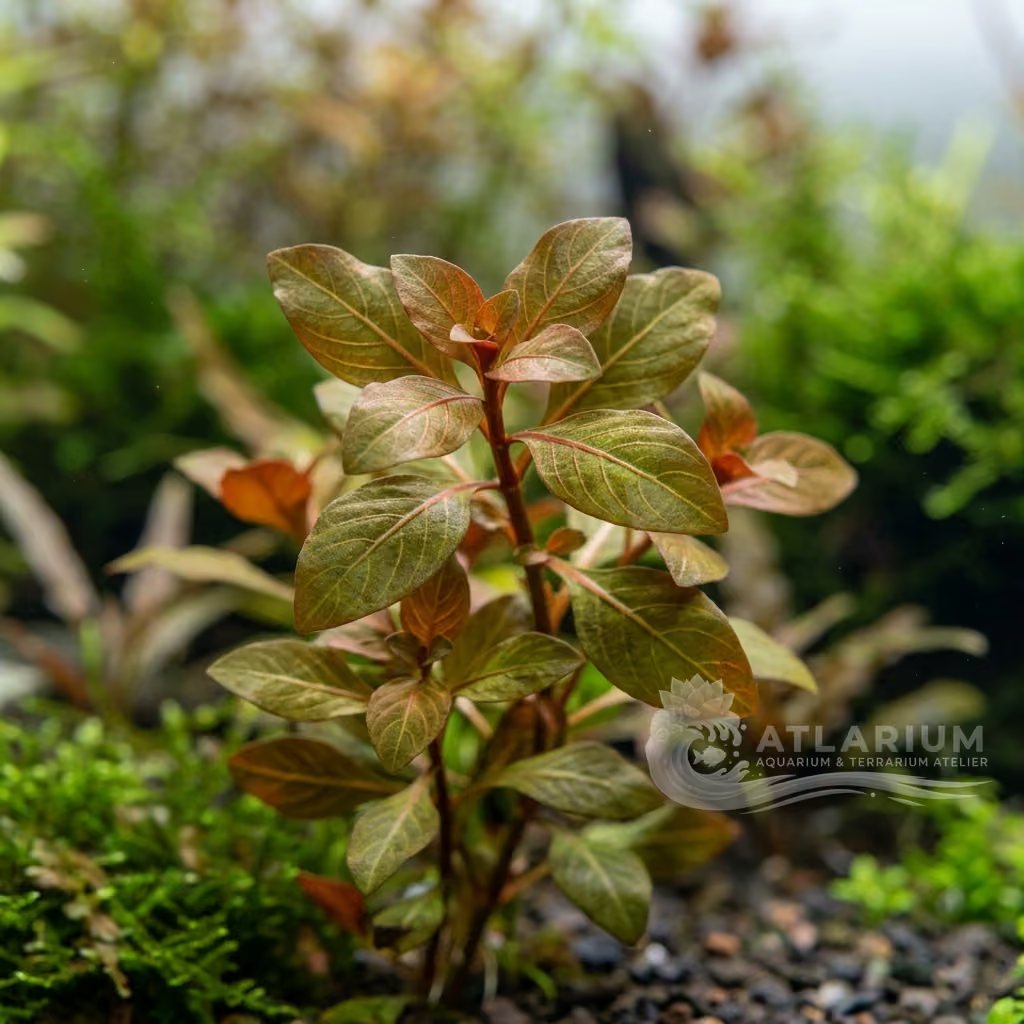
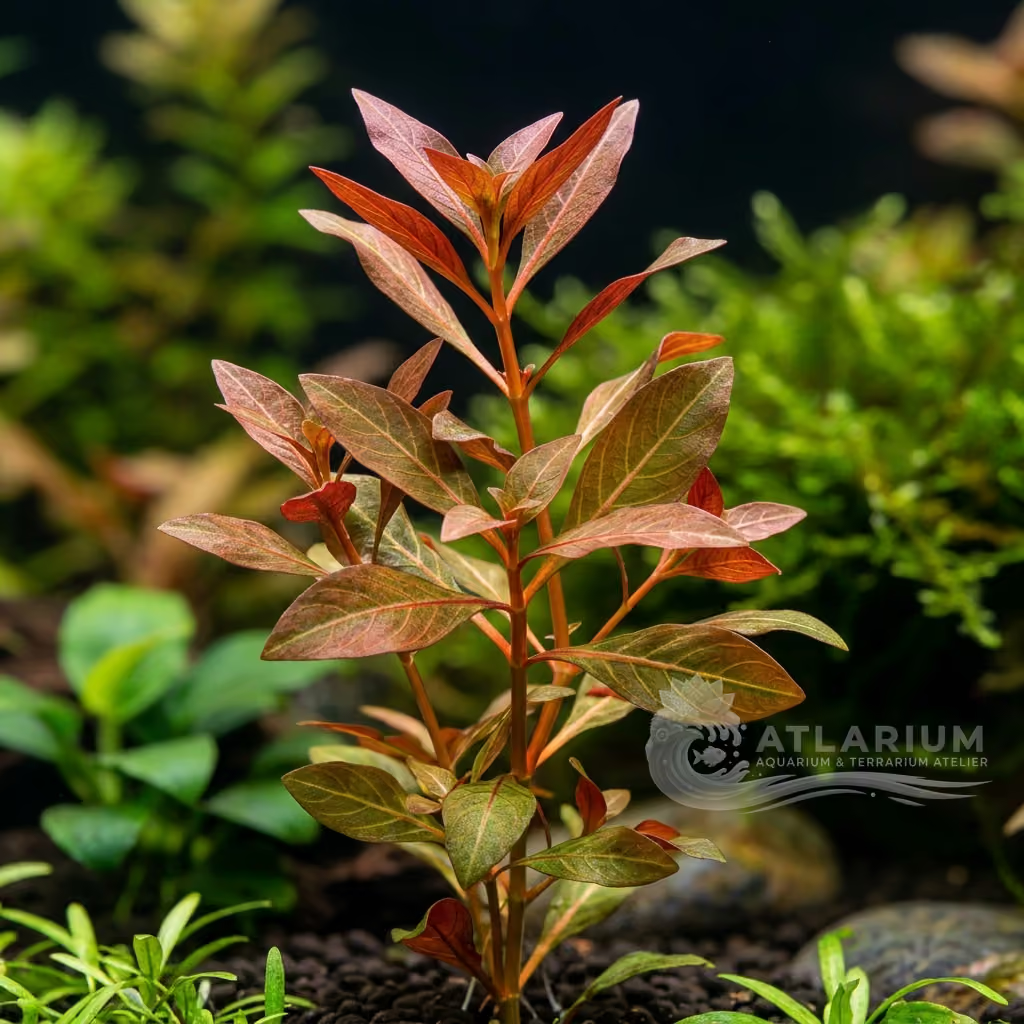
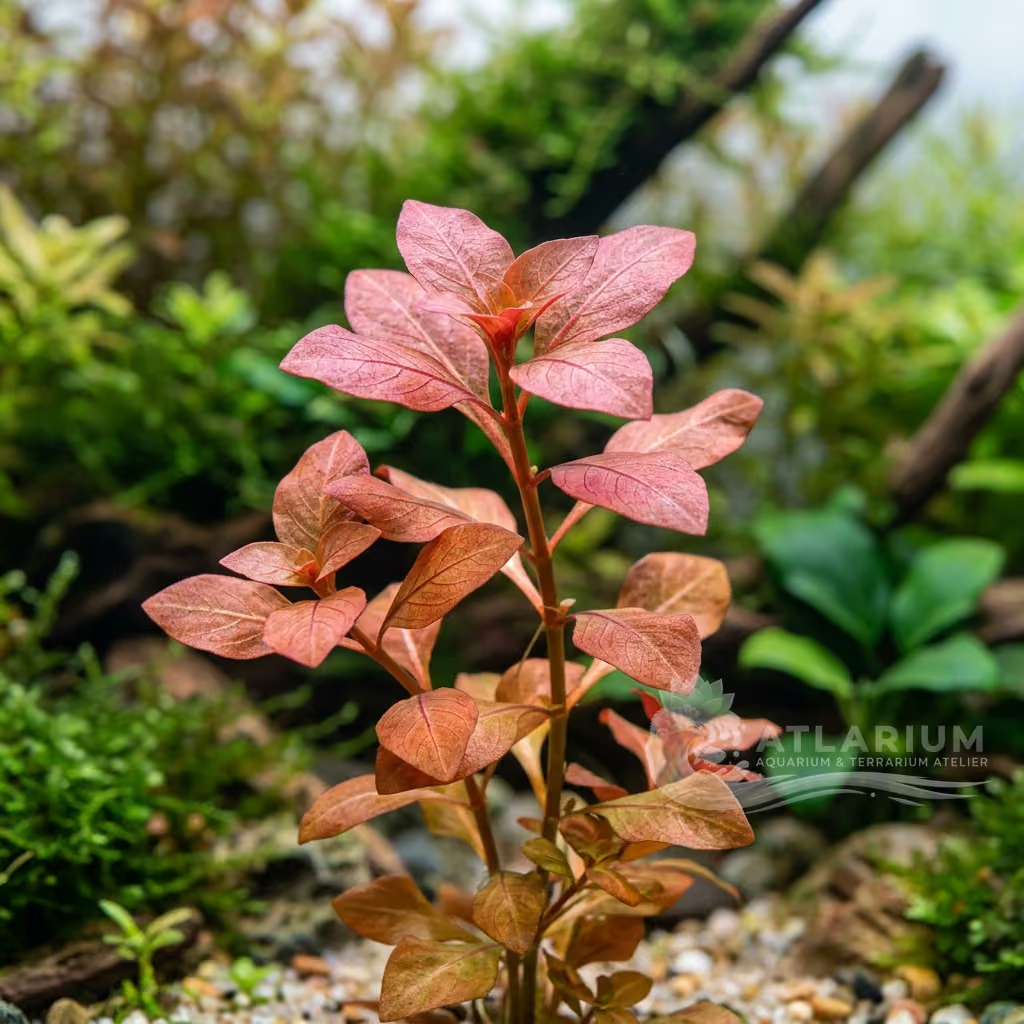
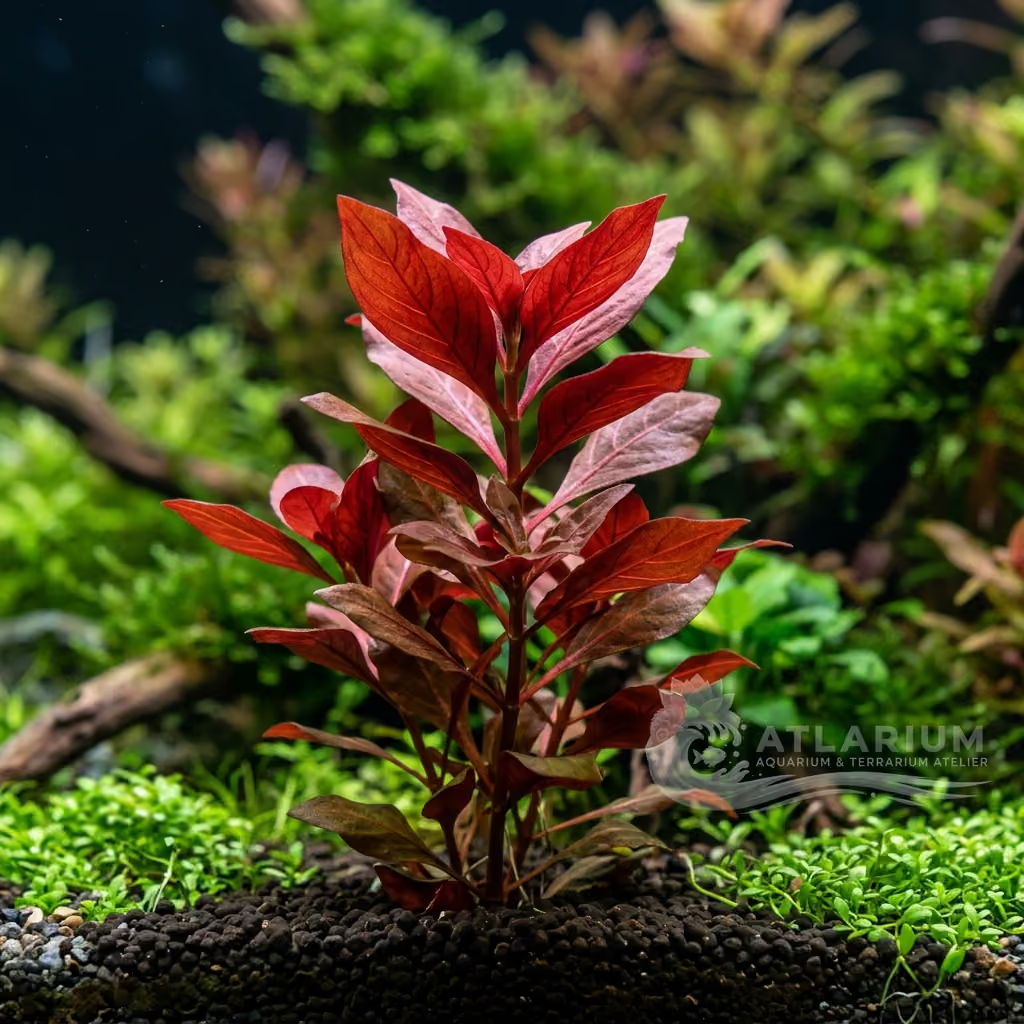
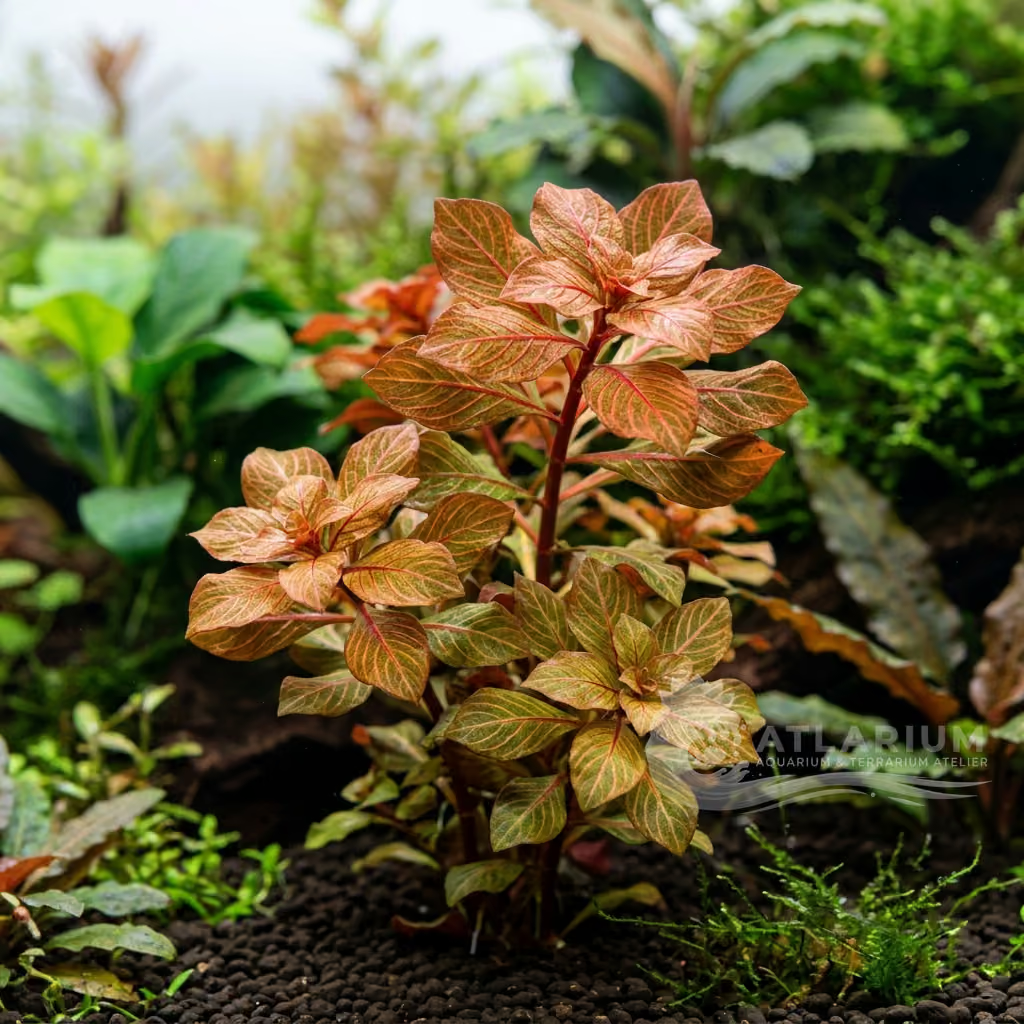
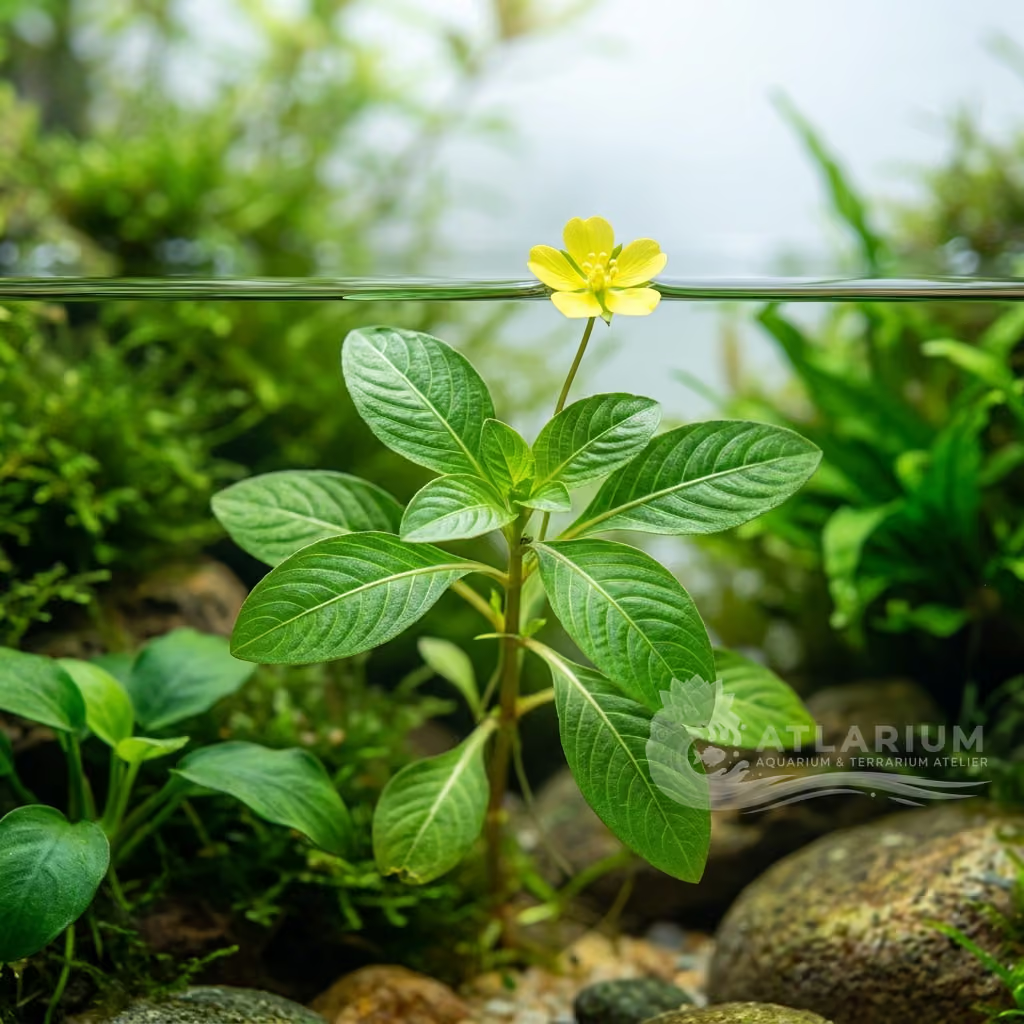
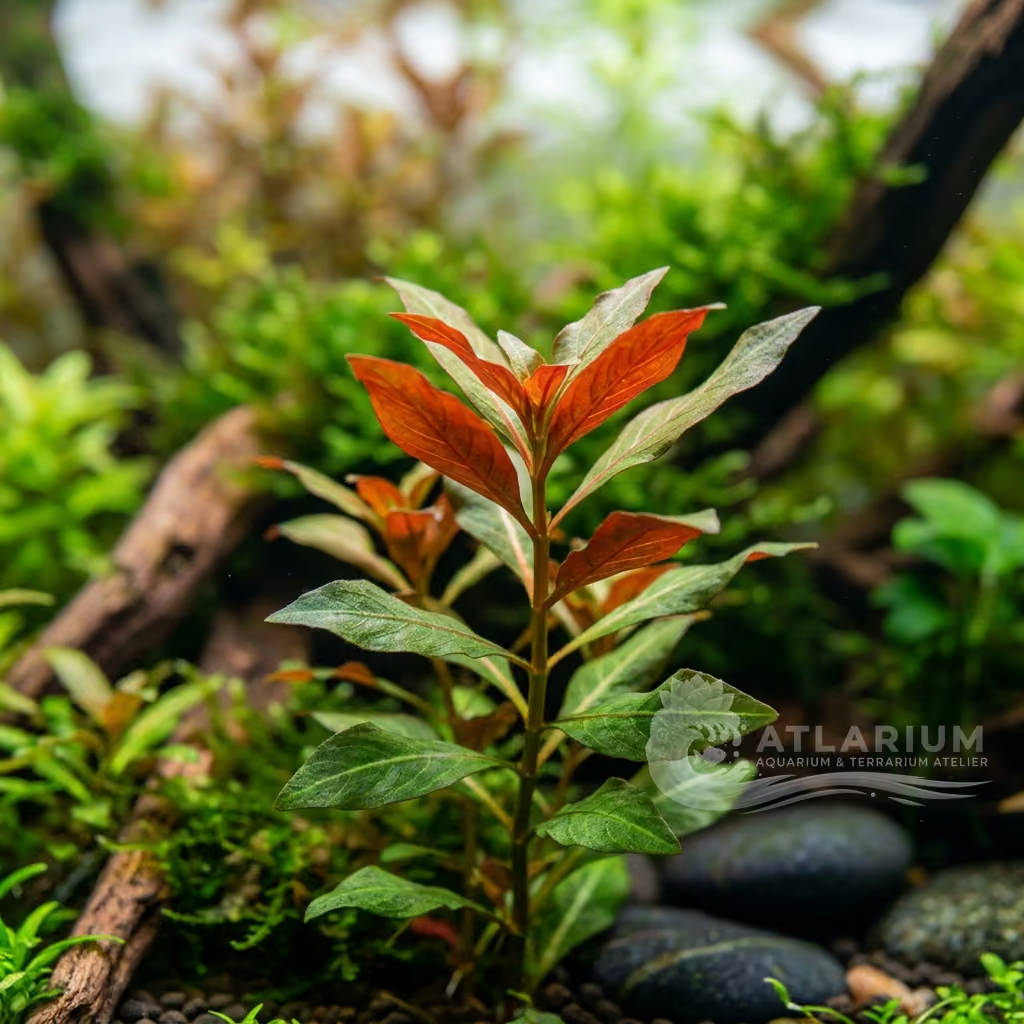
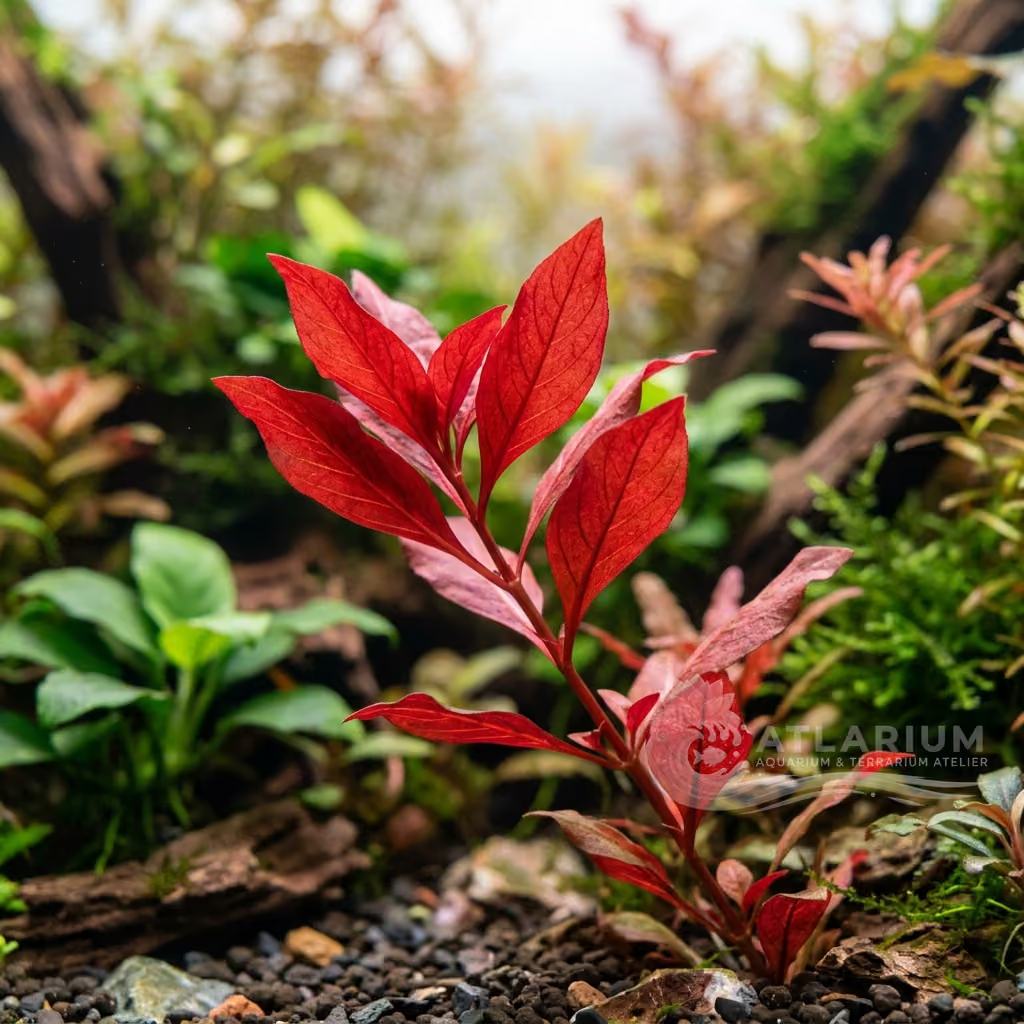
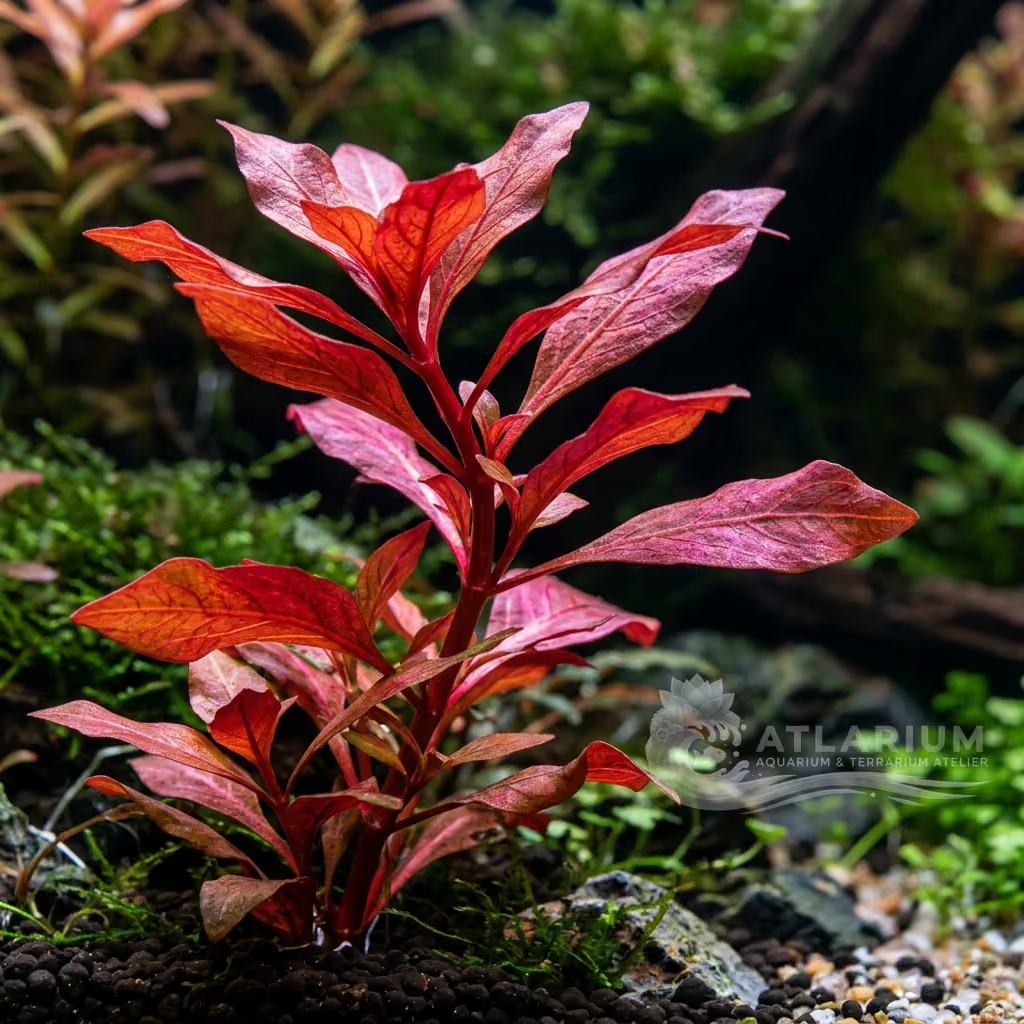
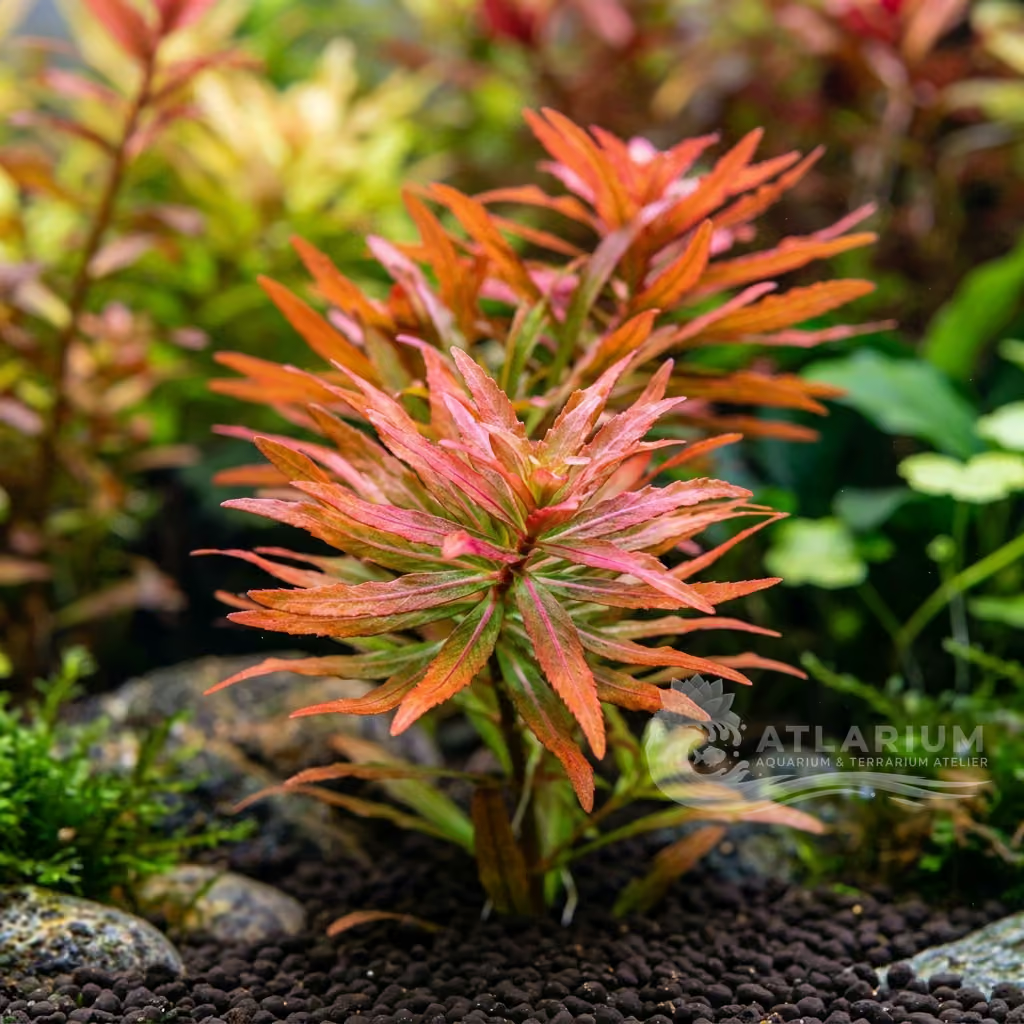
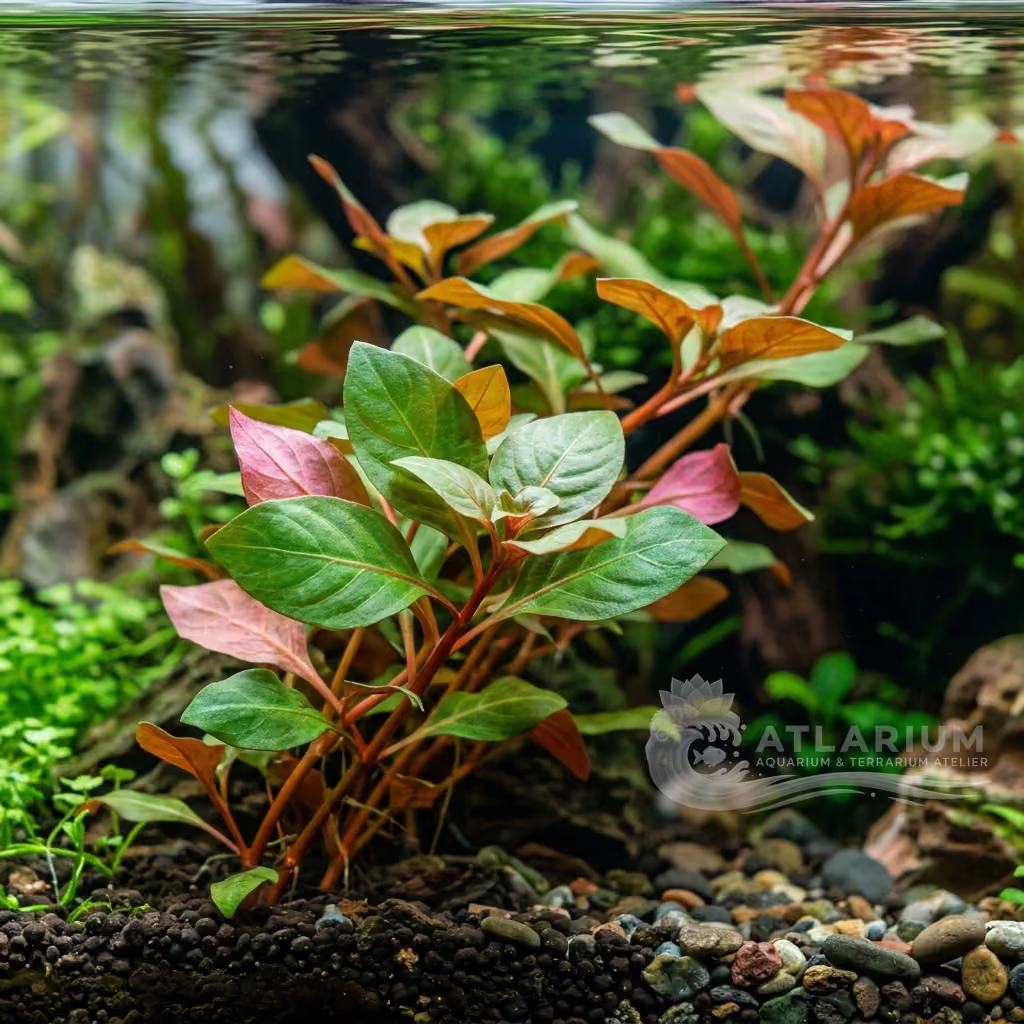
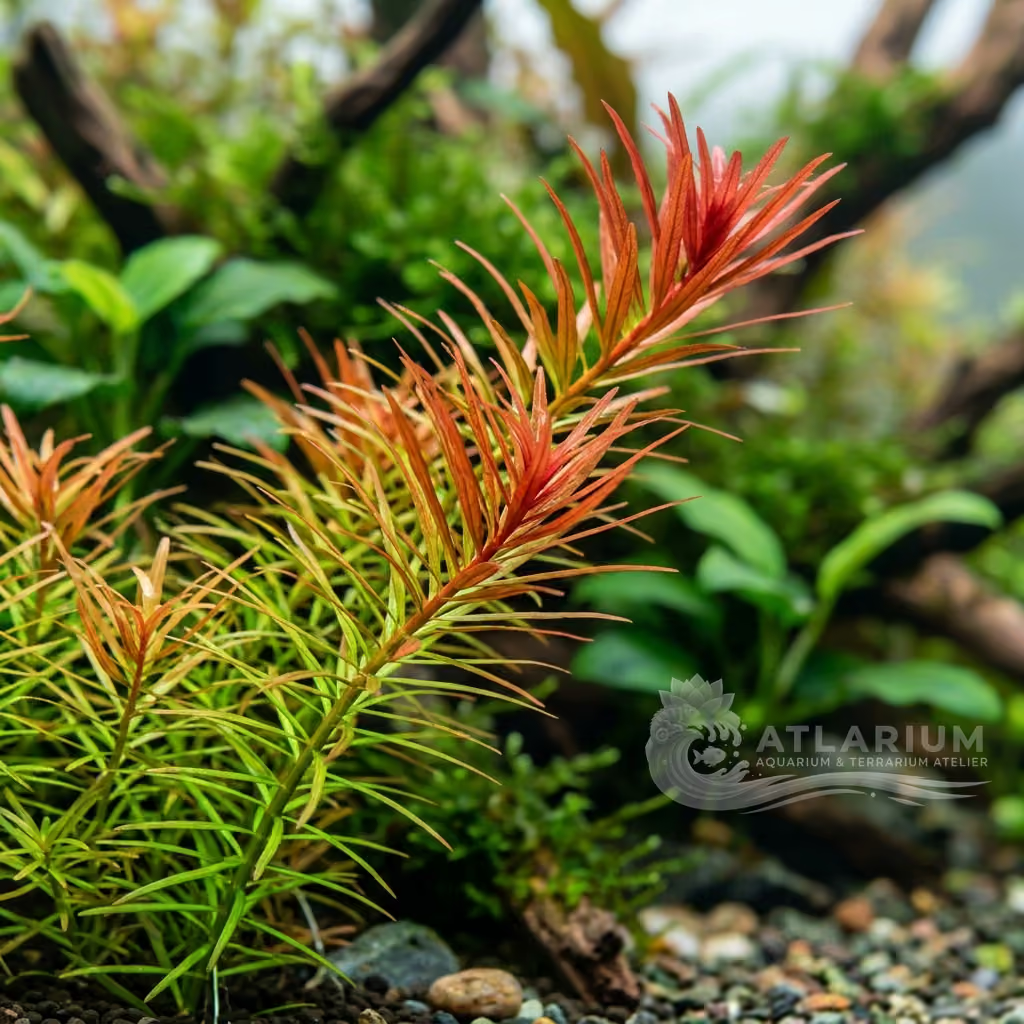
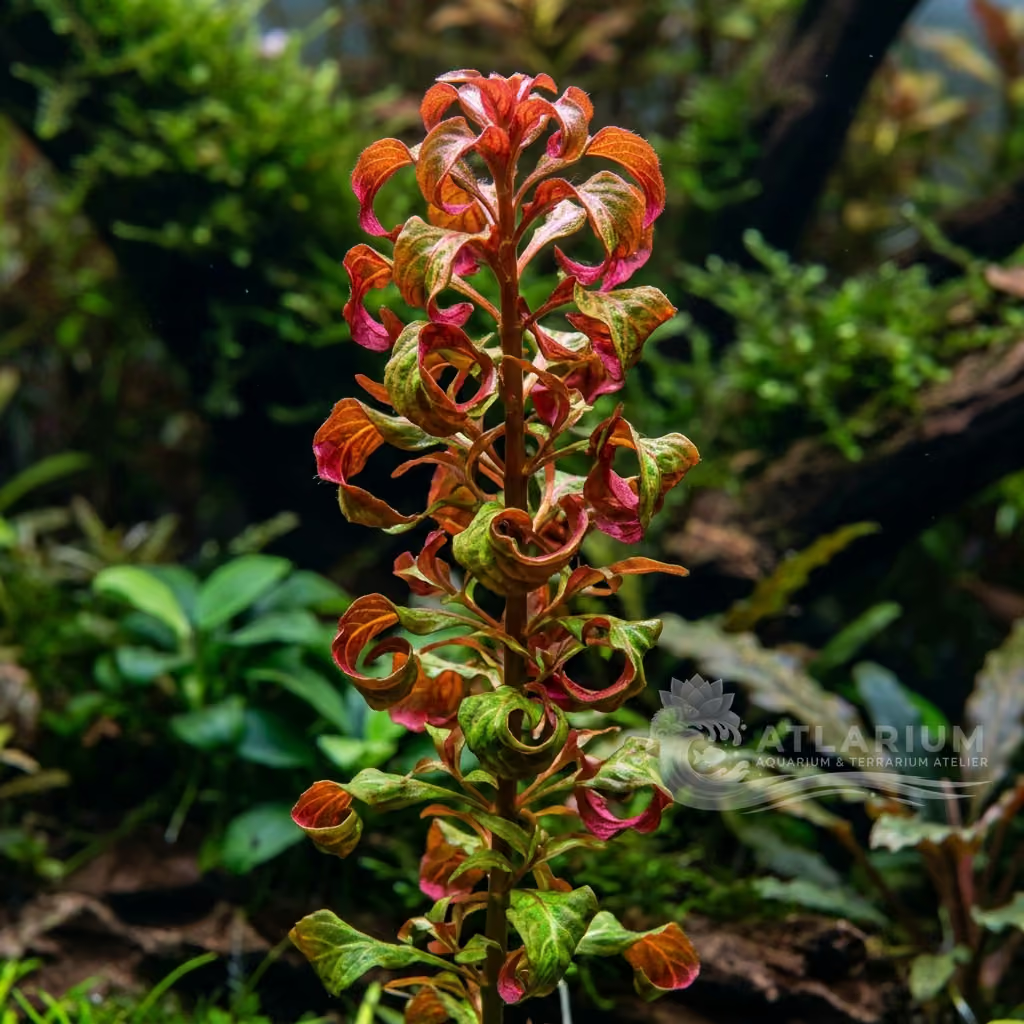
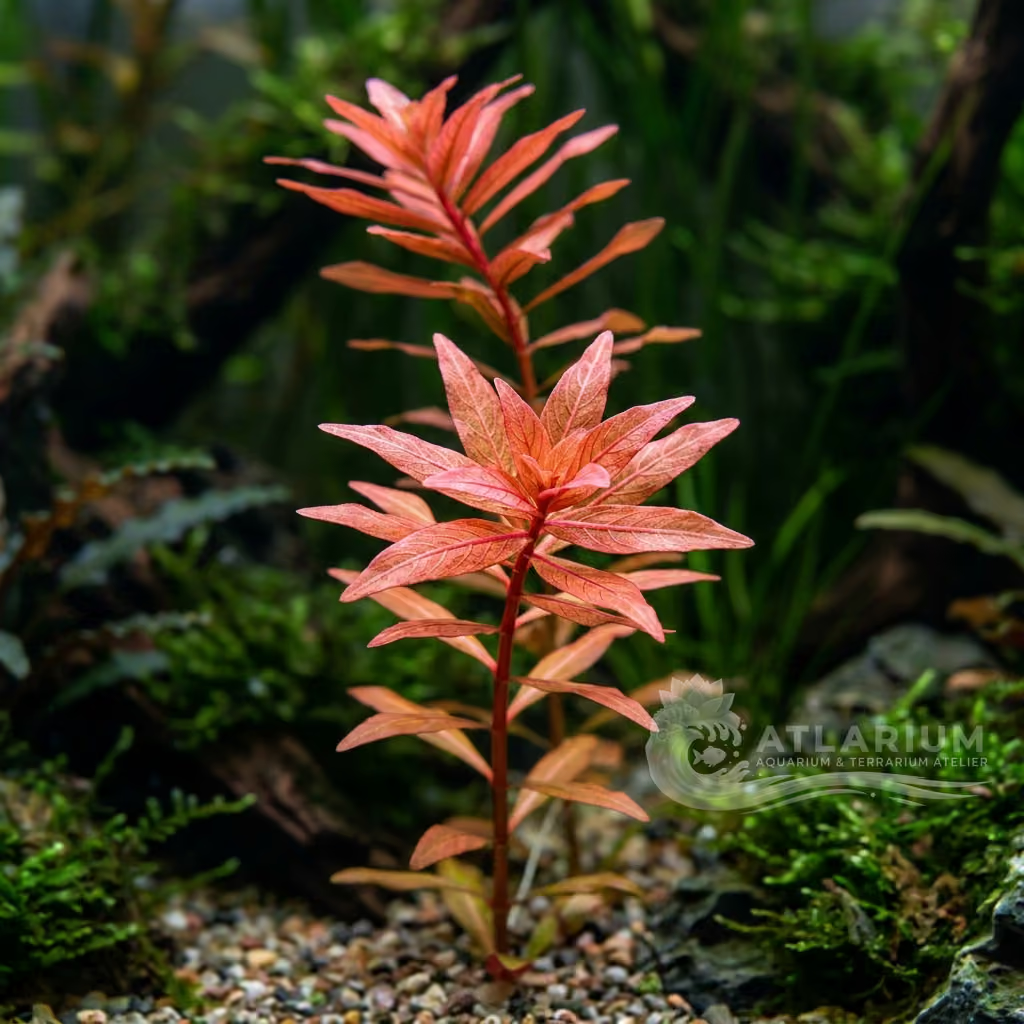
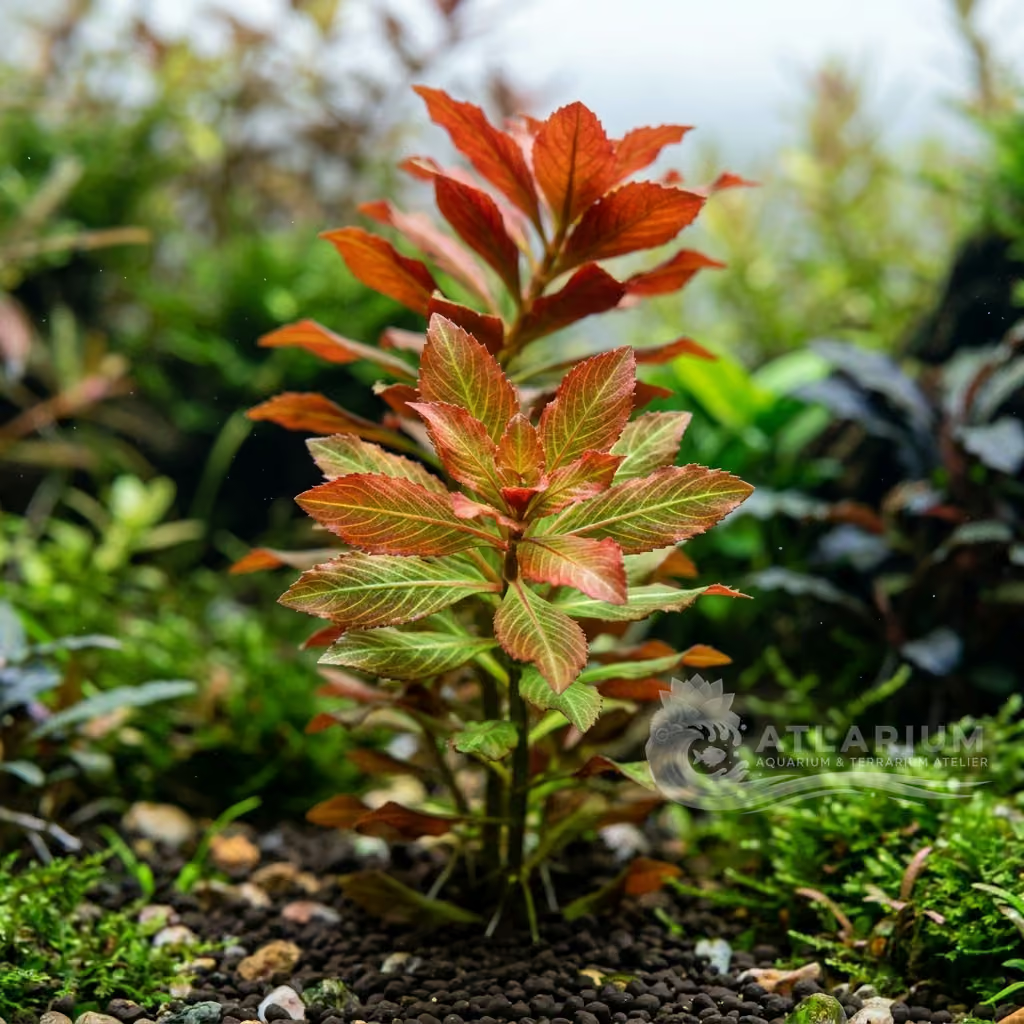
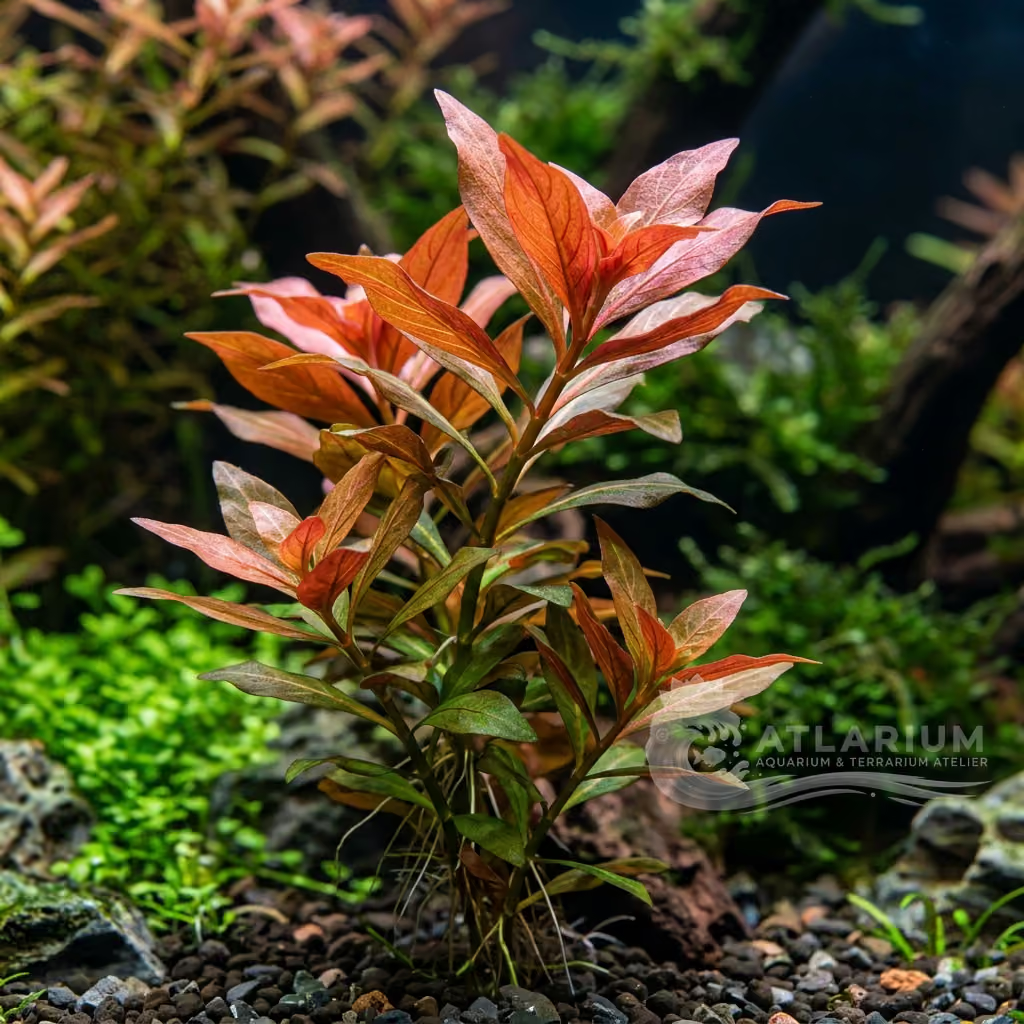
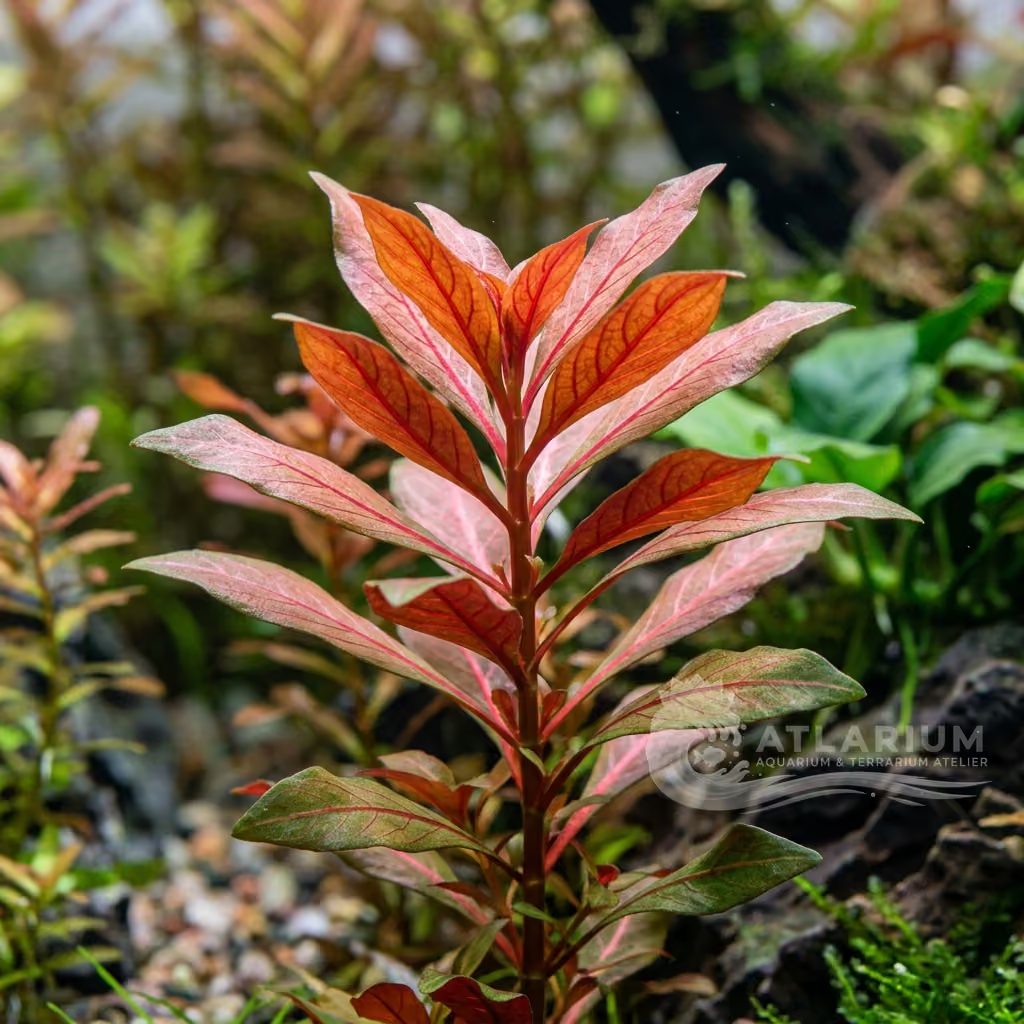
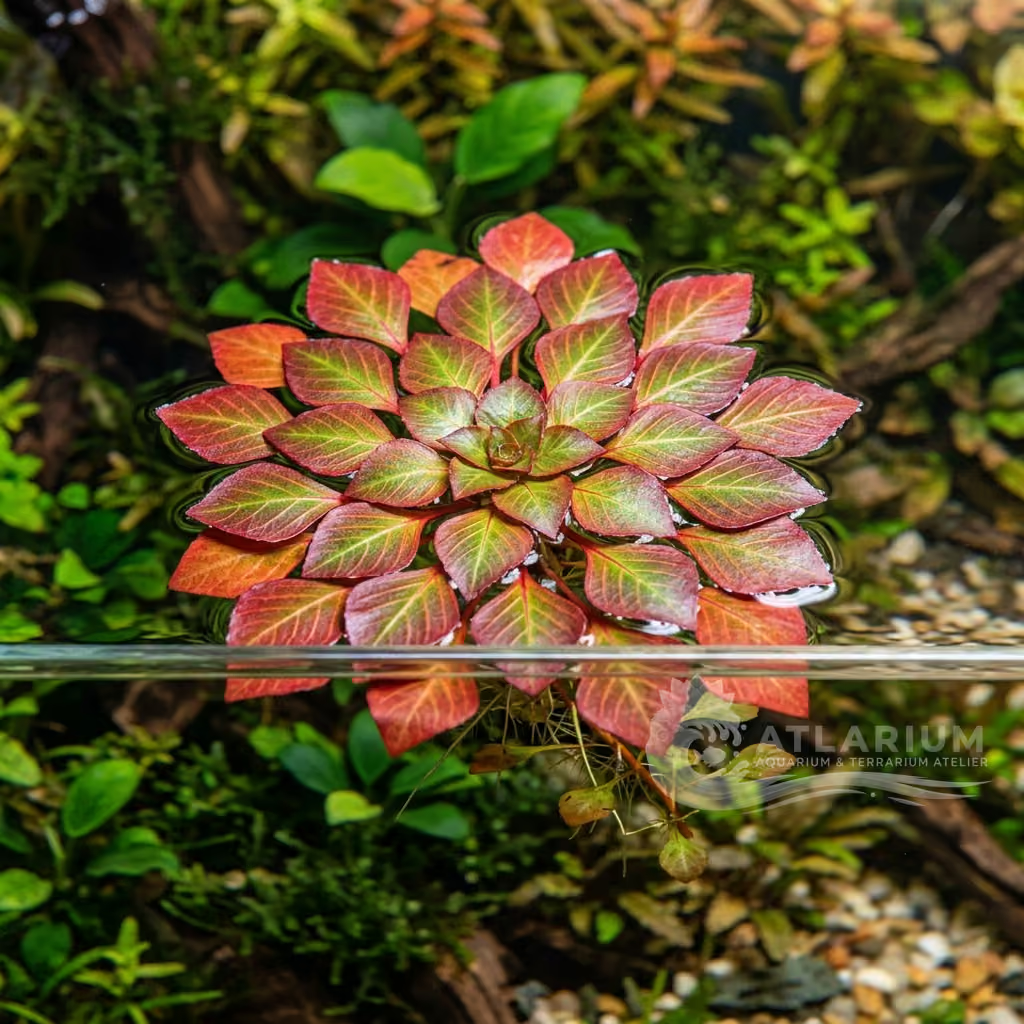
Color & Texture: The foliage of Ludwigia pilosa presents a captivating array of colors, ranging from lush green in lower light conditions to intense reddish-orange or even deep crimson when exposed to higher light and ample iron supplementation. Its most distinguishing feature is the fine, hair-like texture (pilose) on its stems and leaves, which gives the plant a soft, velvety appearance. This unique texture not only enhances its visual appeal but may also play a role in light refraction and gas exchange.

Care, breeding and tankmates
Lighting & CO2: Ludwigia pilosa thrives under medium light intensity, where it exhibits a balanced growth rate and robust coloration. While it can tolerate lower light, higher light levels (0.5-0.7 W/L or 30-50 PAR) are crucial for encouraging its vibrant red hues. Supplemental CO2 injection is highly recommended to achieve optimal growth, denser foliage, and more intense coloration, as it significantly boosts photosynthesis rates and nutrient assimilation in this species.
Nutrition & Substrate: This plant benefits significantly from a nutrient-rich substrate, as its root system is active in nutrient uptake, particularly for macro and micronutrients. Iron supplementation is especially vital for promoting its characteristic red coloration; deficiencies can lead to pale or yellowing leaves. A balanced liquid fertilization regimen, coupled with a nutrient-rich aquasoil or root tabs, will ensure robust growth and prevent nutrient-related deficiencies.
Water Chemistry: Ludwigia pilosa is adaptable to a relatively wide range of water parameters, preferring temperatures between 20-28°C (68-82°F) for vigorous growth. It performs best in slightly acidic to neutral water with a pH range of 6.0-7.5 and tolerates a KH range of 2-12. Maintaining stable water parameters is more crucial than adhering to precise values, as sudden fluctuations can stress the plant and impede its development.
Space Management & Placement: As a midground plant with a medium growth rate, Ludwigia pilosa should be positioned strategically to allow for its moderate spread and height without overshadowing smaller foreground plants. Plant it in groups of several stems to create a lush, bushy effect, leaving adequate space between individual plants to ensure proper light penetration and water circulation. This thoughtful placement will prevent overcrowding and promote healthy, uniform growth throughout the cluster.
Pruning: Regular pruning is essential for maintaining the desired shape and density of Ludwigia pilosa within the aquascape. Trimming the top portions of the stems encourages bushier growth by promoting lateral branching from the nodes below the cut. This not only keeps the plant at an appropriate height but also revitalizes older stems and prevents the lower leaves from deteriorating due to insufficient light penetration.
Risks & Diseases: Ludwigia pilosa is generally a hardy plant, but it can be susceptible to common aquatic plant ailments if water parameters are unstable or nutrient deficiencies occur. Melting of lower leaves can indicate insufficient light or nutrient deficiencies, particularly iron. Algae growth on its delicate, pilose leaves can occur in tanks with imbalanced nutrients or excessive light, often leading to stunted growth if not addressed promptly.

Geographic origin and distribution
Ludwigia pilosa originates from the warmer regions of North and South America, typically found thriving in shallow, slow-moving waters of marshes, swamps, and along the banks of rivers and streams. This aquatic environment, characterized by soft substrates and abundant organic matter, contributes to its adaptable nature in a diverse range of freshwater conditions. Its natural habitat often experiences fluctuating water levels, which has endowed the plant with a robust capacity to transition between submerged and emergent growth forms.
Origin
North AmericaAmazon, Orinoco, and GuianasExtra-Amazon South AmericaCentral America and Caribbean

Plant profile
- Placement
- Midground
- This plant is best positioned in the midground of the aquarium. Its relatively slow growth and compact size make it an ideal focal point plant. It looks best when planted in small, dense groups.
- Botanical form
- Stem
- It is characterized by ovate leaves that are densely covered in fine hairs, giving it a unique texture. The leaves develop a beautiful orange-red to copper color under intense light. The stems are somewhat delicate and tend to grow upright.
- Growth
- Medium
- Compared to other Ludwigia species, L. pilosa has a notably slow growth rate. This slow growth makes it very manageable and reduces the frequency of pruning required. It requires patience to grow into a dense bush.
- Substrate
- High
- Ludwigia pilosa performs best when planted in a nutrient-dense substrate that provides a steady supply of macronutrients. The plant develops a robust root network that anchors effectively in soft, porous aqua soils, facilitating efficient nutrient uptake. A substrate depth of at least 5 centimeters is recommended to properly support the plant and encourage its characteristic lush growth.
- Column fertilization
- Recommended
- Regular dosing of a complete liquid fertilizer is important to support its slow but steady growth. Iron supplementation is key to enhancing its warm colors. Ensure that macronutrients are balanced to prevent algae issues on the slow-growing leaves.
- Root fertilization
- Recommended
- A nutrient-rich substrate or aquasoil is highly recommended for this species. It develops a healthy root system that draws significant nutrition from the substrate. Root fertilization contributes to thicker, more robust stems.
- Trimming
- Regular
- Due to its slow growth, trimming is infrequent. When necessary, trim the tops and replant them to propagate. Avoid heavy pruning, as it takes time for the plant to recover and regrow.
- Propagation
- Cuttings
- Propagation is done via stem cuttings. Take cuttings from healthy top shoots and plant them carefully in the substrate. Due to its slow growth, the cuttings may take some time to establish and show new growth.
- Sensitivity
- Moderate
- It is sensitive to shading; lower leaves will deteriorate if not exposed to sufficient light. It is also prone to algae growth on its hairy leaves if water flow or nutrient balance is poor. Stable parameters and clean water are essential.
- Layout role
- Midground, group
- L. pilosa is used as an exquisite midground accent plant. Its unique hairy texture and warm orange-red colors add a subtle but striking contrast to green foliage. It is perfect for intricate, detail-oriented aquascapes.

Related species
Recommendations grouped by close relatives, companion choices, and similar care.