Ludwigia sp. "Guinea"
Ludwigia sp. "Guinea"
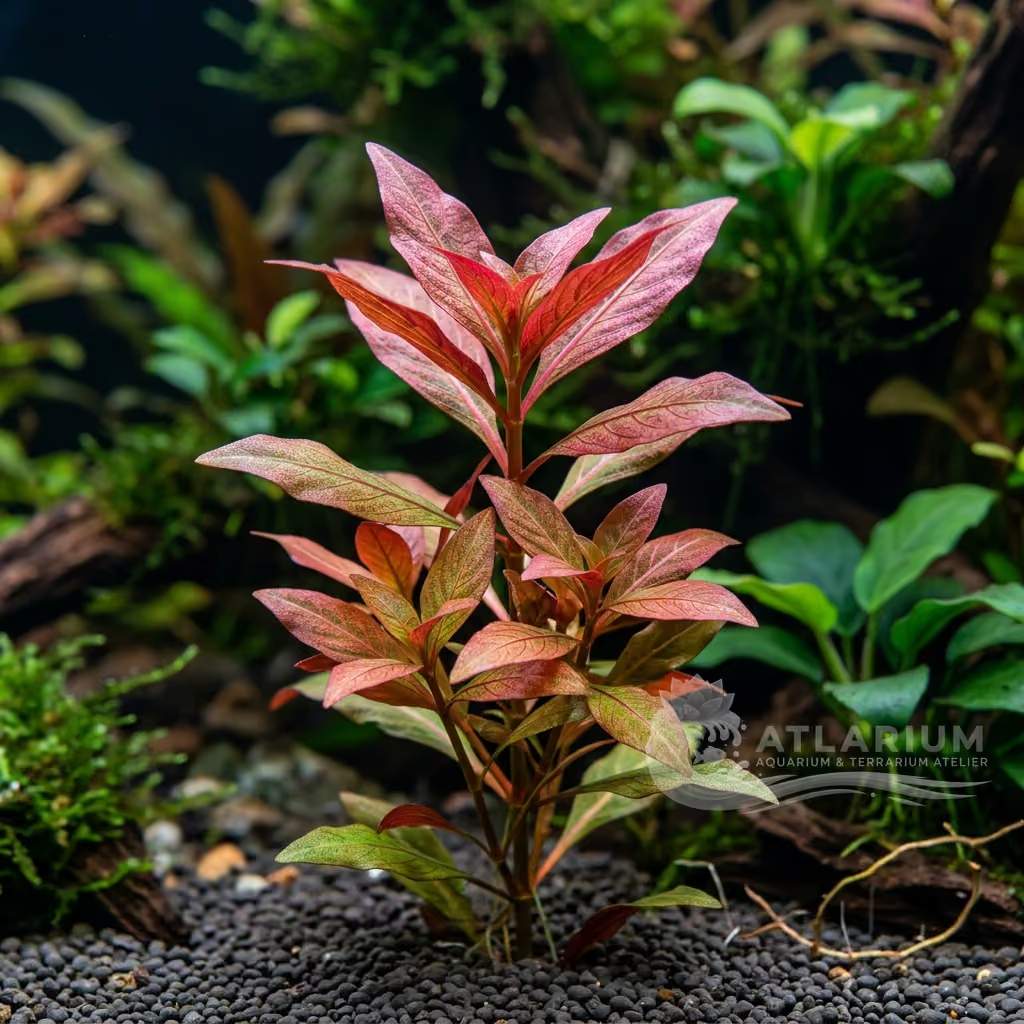
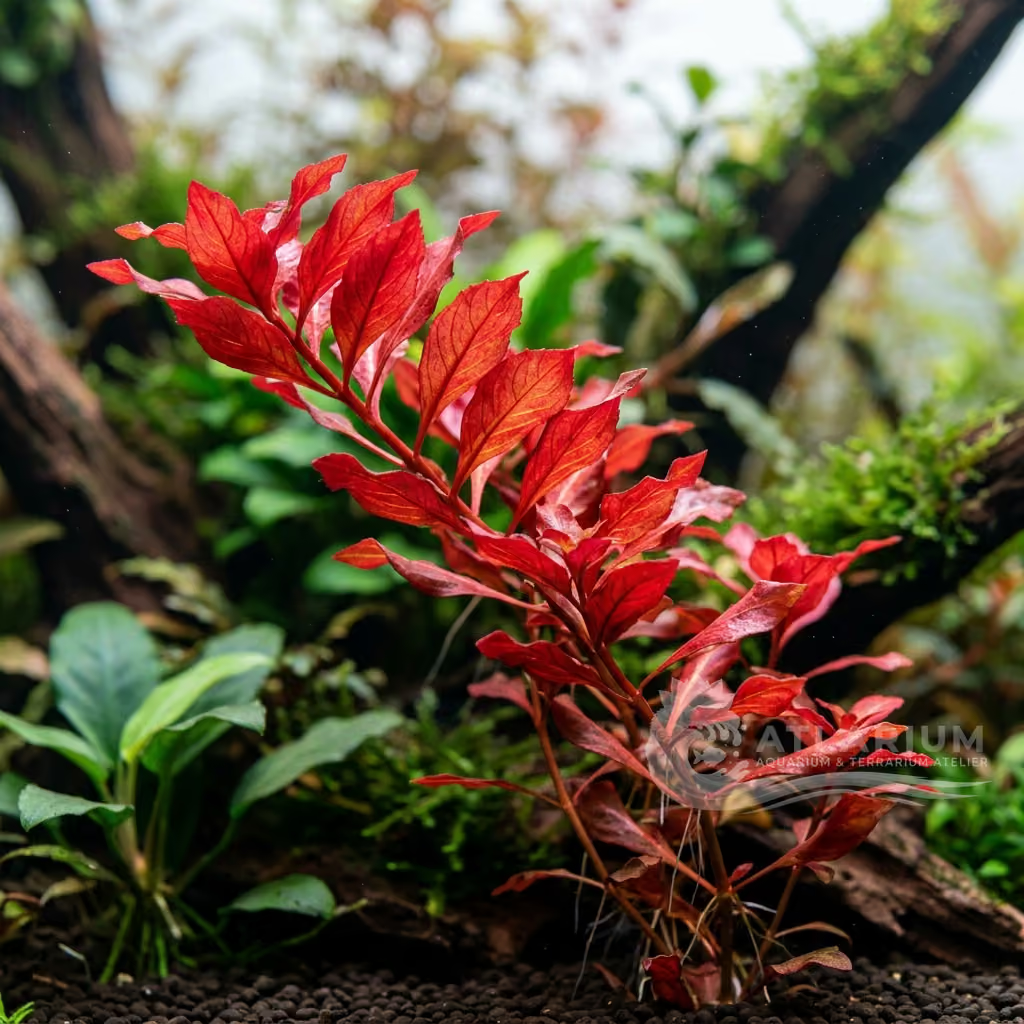
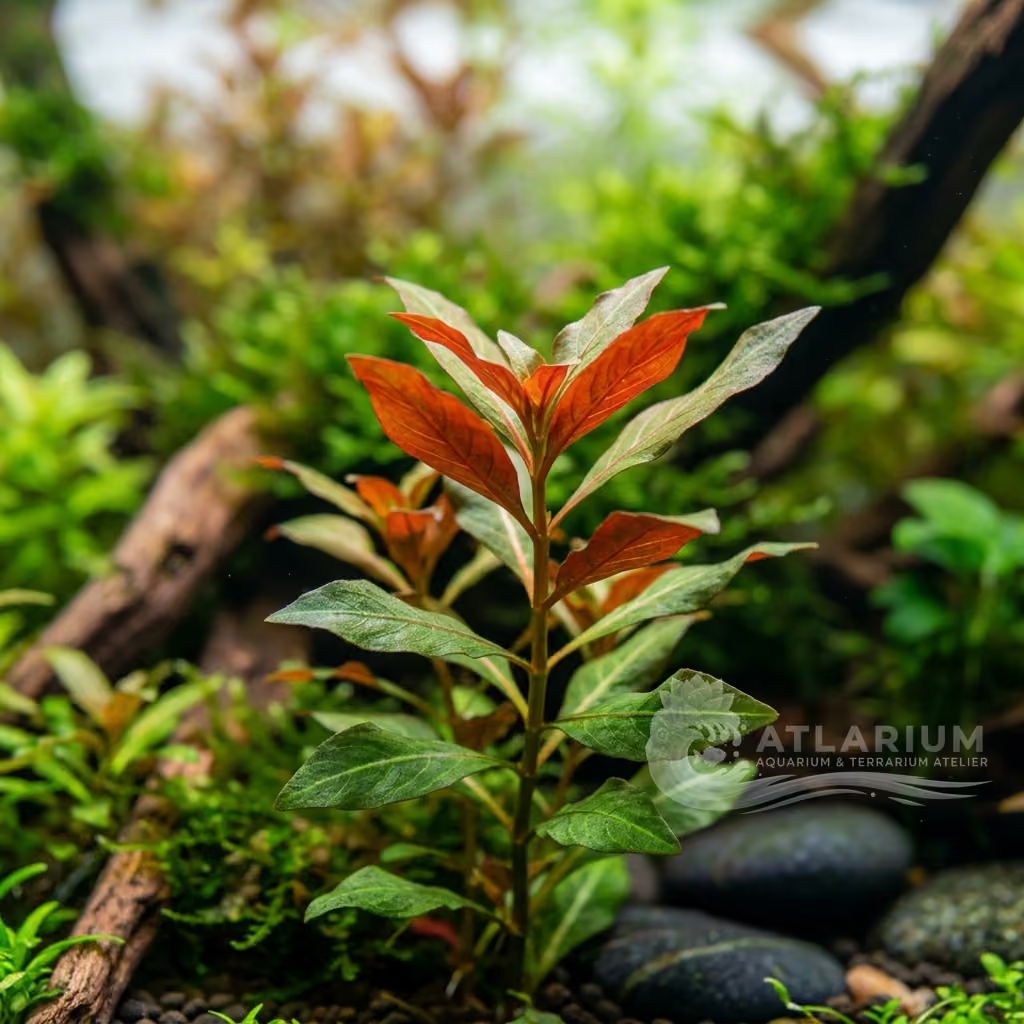
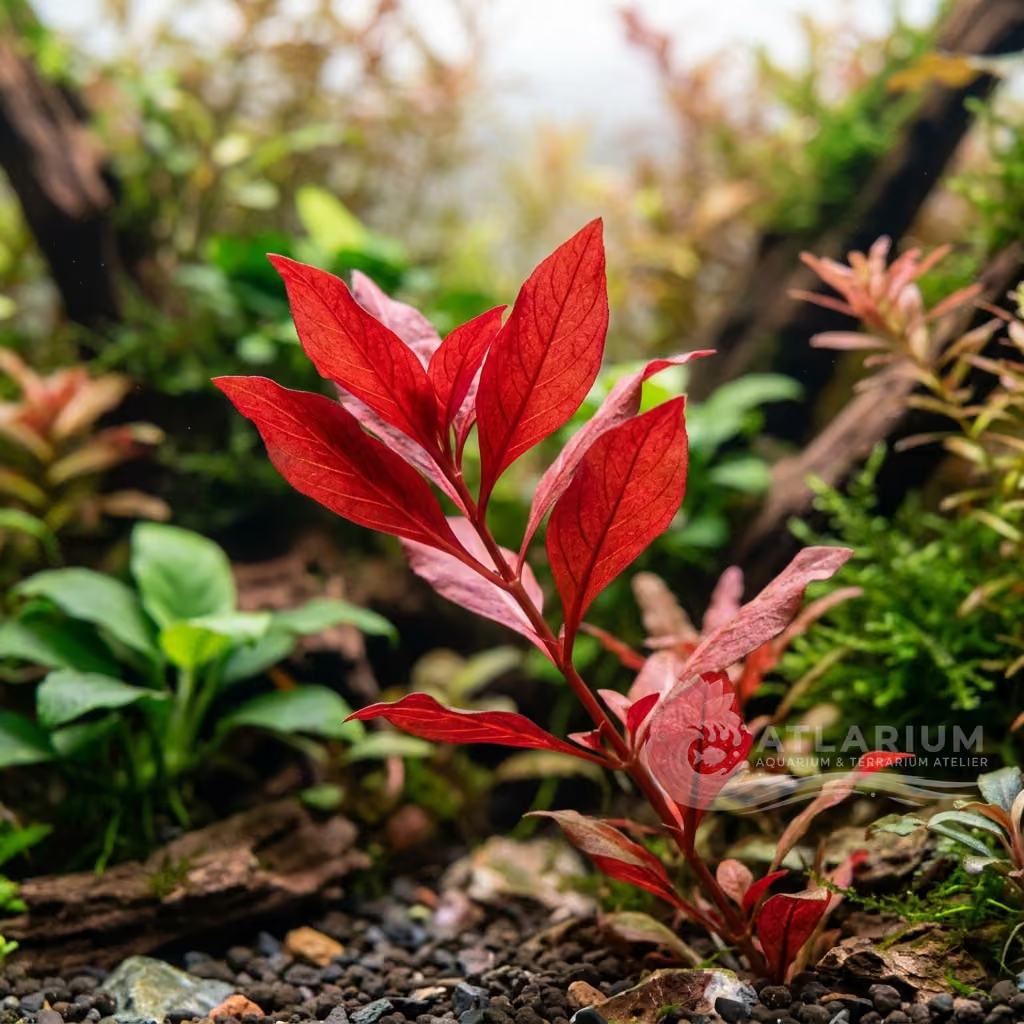
Ludwigia sp. "Guinea" is a striking stem plant celebrated for its vibrant coloration and medium growth rate, making it an ideal choice for the midground of an aquascape. It offers a captivating visual element, contributing to the depth and aesthetic appeal of the aquatic environment.
Water Temperature
20 - 28 °C
pH Value
6 - 7.5
Water type
Freshwater
Light
Medium - High
CO2
Medium - High
KH
2 - 10 dKH

Species description
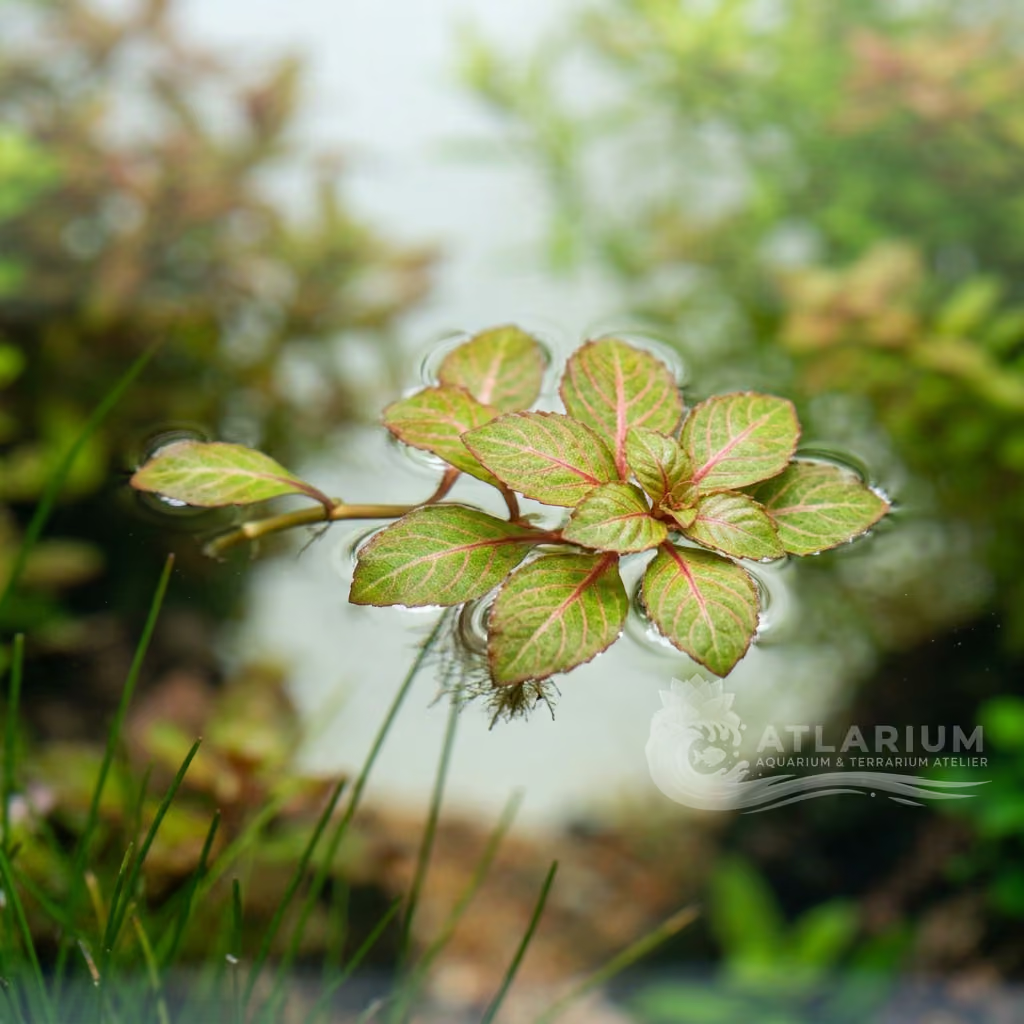
Geographical Origin and Habitat: While "Ludwigia sp. Guinea" suggests an origin linked to the West African region, particularly Guinea, the precise natural habitat of this specific form remains somewhat specialized within the broader Ludwigia genus. Typically, Ludwigia species thrive in slow-moving freshwater environments such as swamps, marshes, and the margins of rivers and lakes, often growing both submerged and emersed. These areas are characterized by nutrient-rich substrates and consistent water availability, conditions that foster robust growth and vibrant
Color & Texture: ation.
Taxonomy & Genetics: Belonging to the Onagraceae family, the genus Ludwigia is extensive, comprising numerous species globally recognized for their aquatic adaptability. The designation "sp. Guinea" indicates a specific, possibly undescribed or localized form from a particular geographic collection, distinguishing it from other well-known Ludwigia varieties. Its taxonomic placement within Ludwigia highlights its evolutionary relationship with other members of the genus, sharing common physiological traits and growth patterns. Understanding its genetic lineage helps aquascapers appreciate its unique characteristics and cultivation requirements.
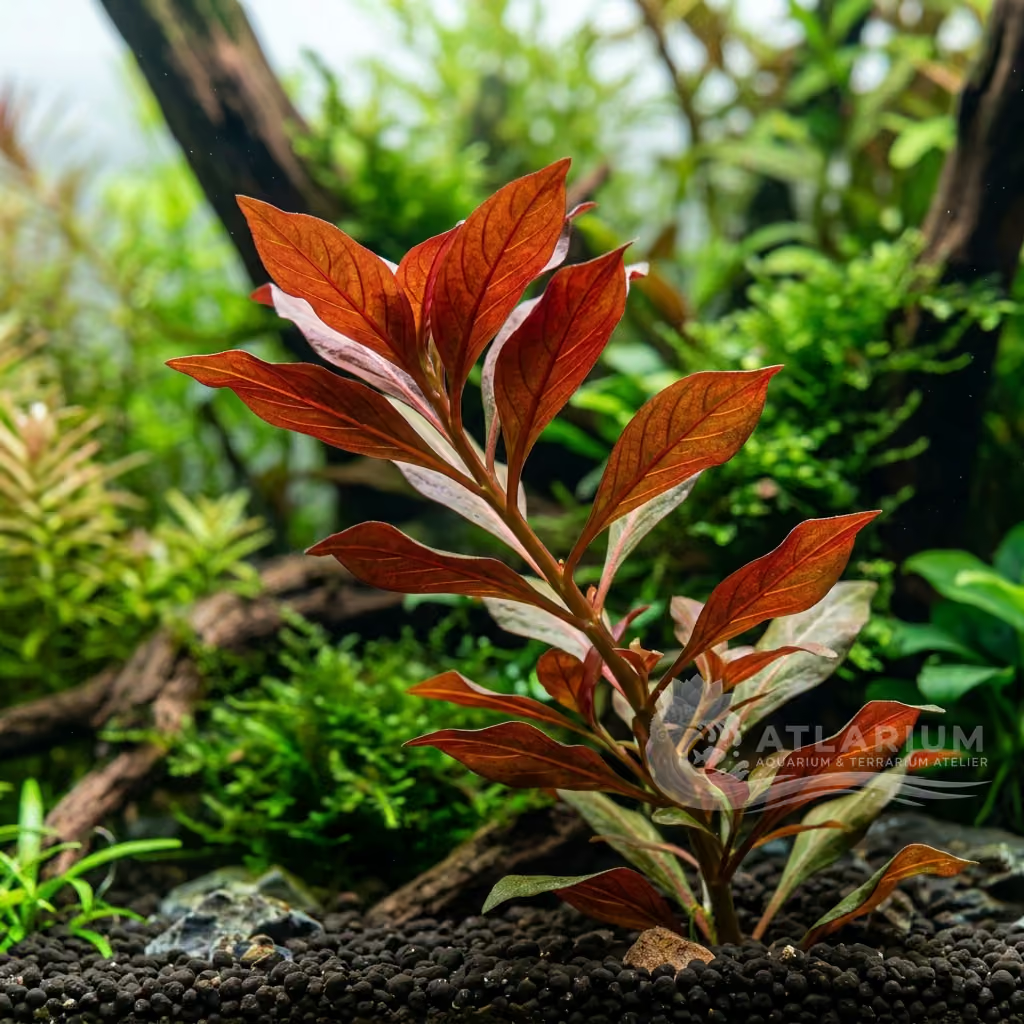
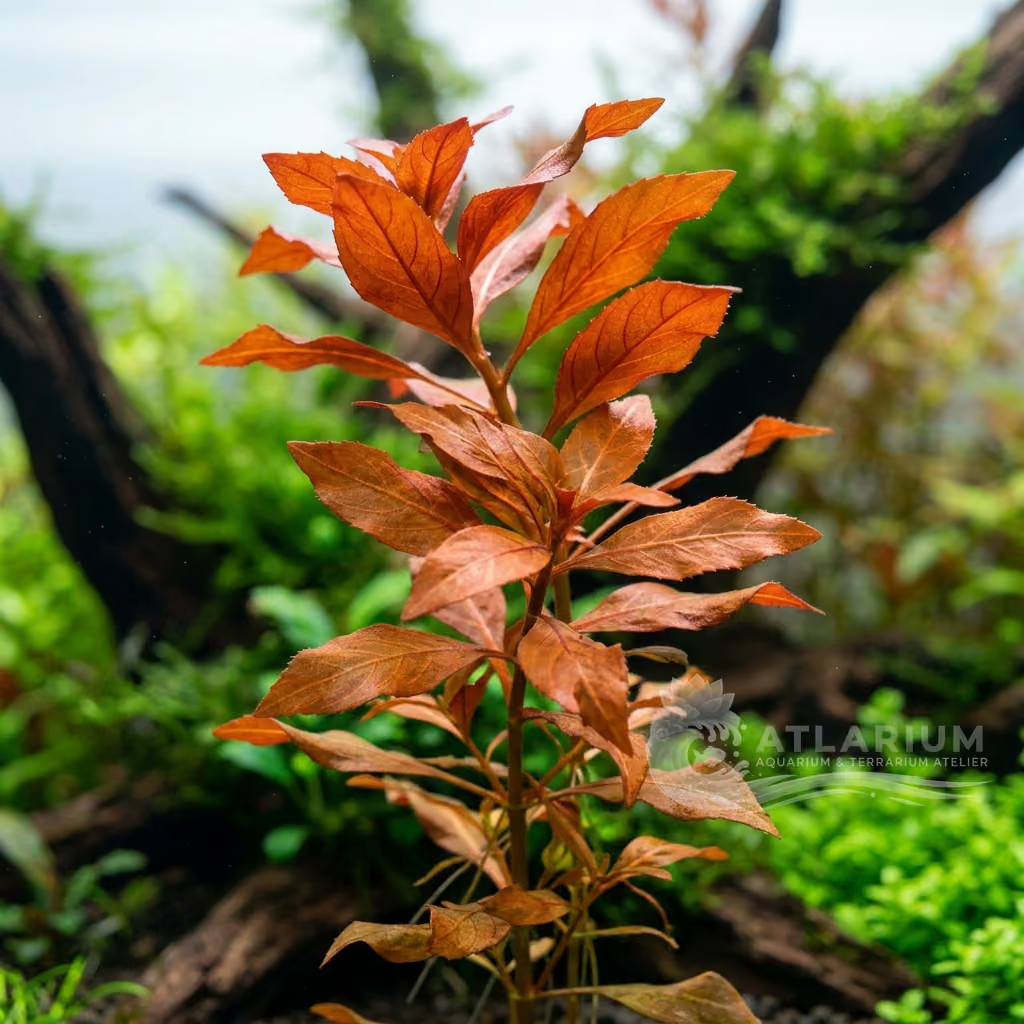
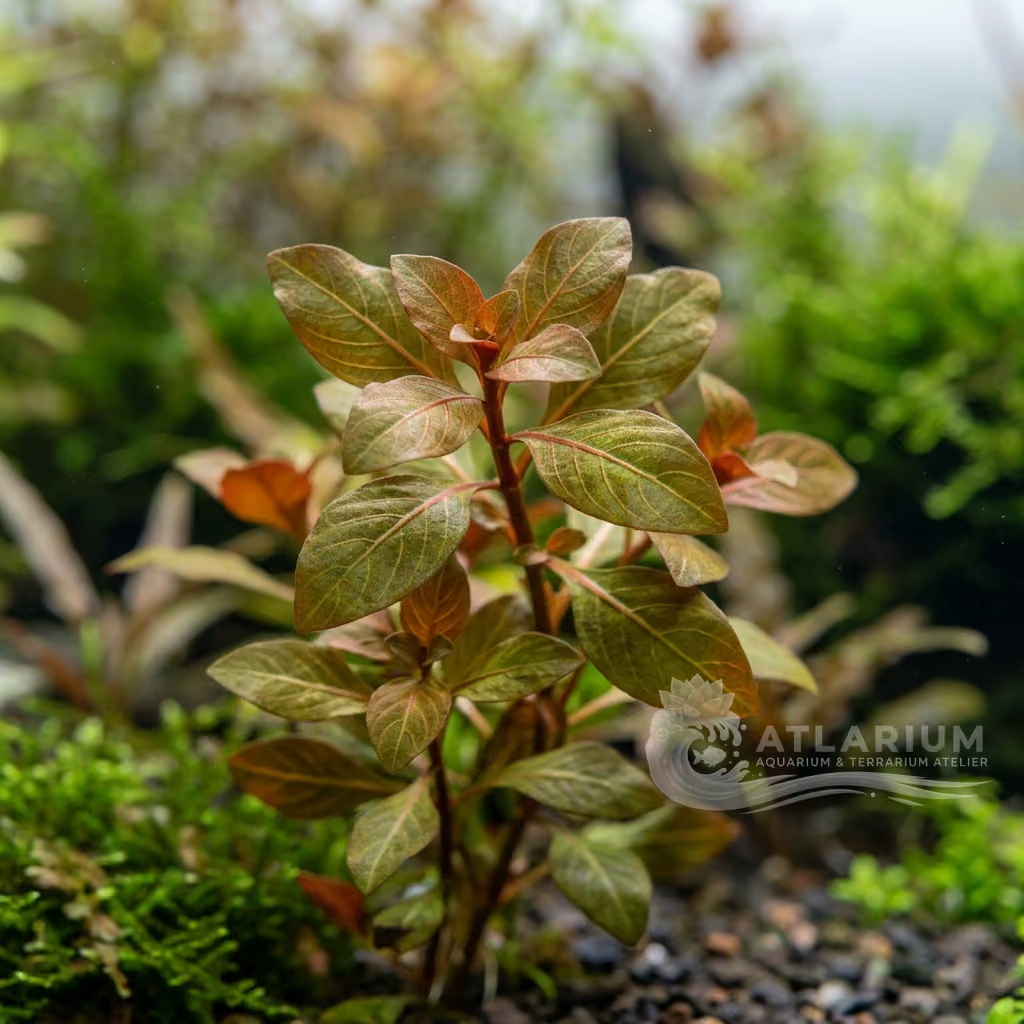
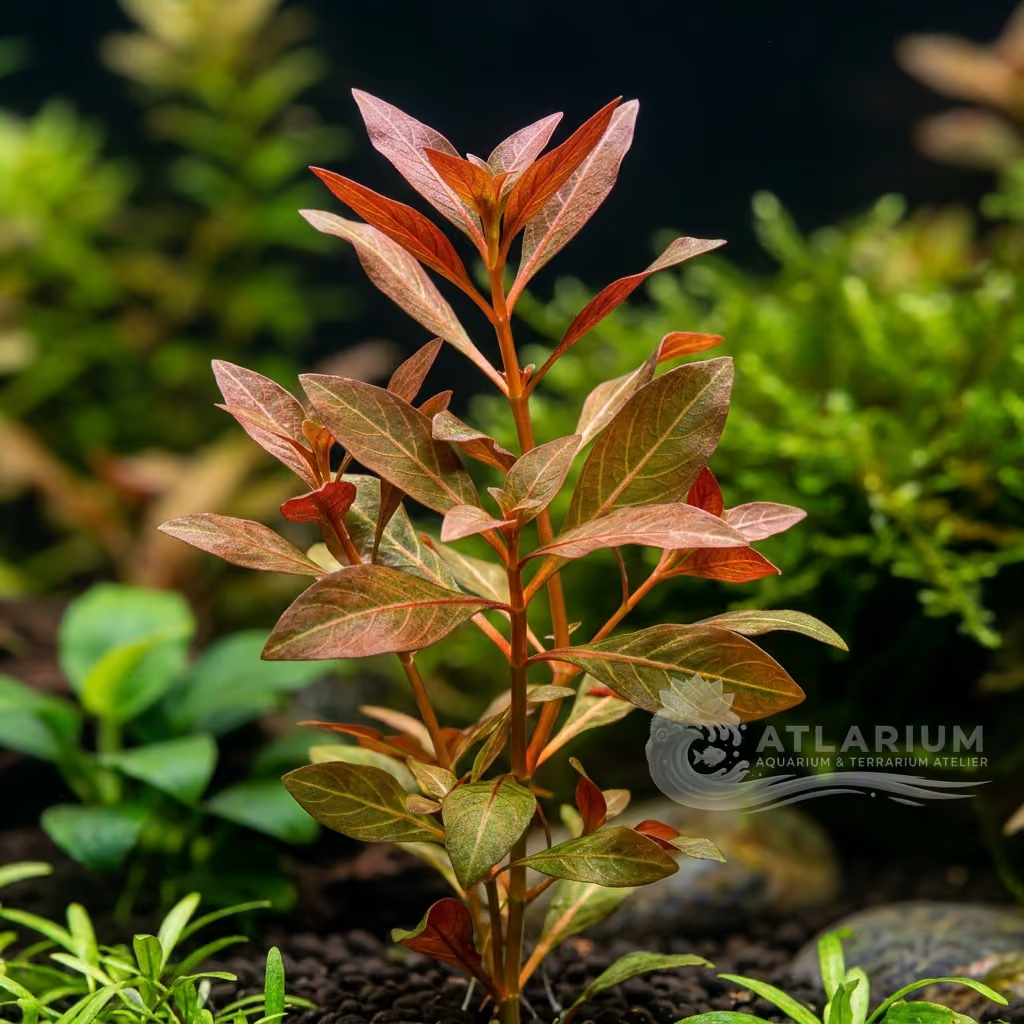
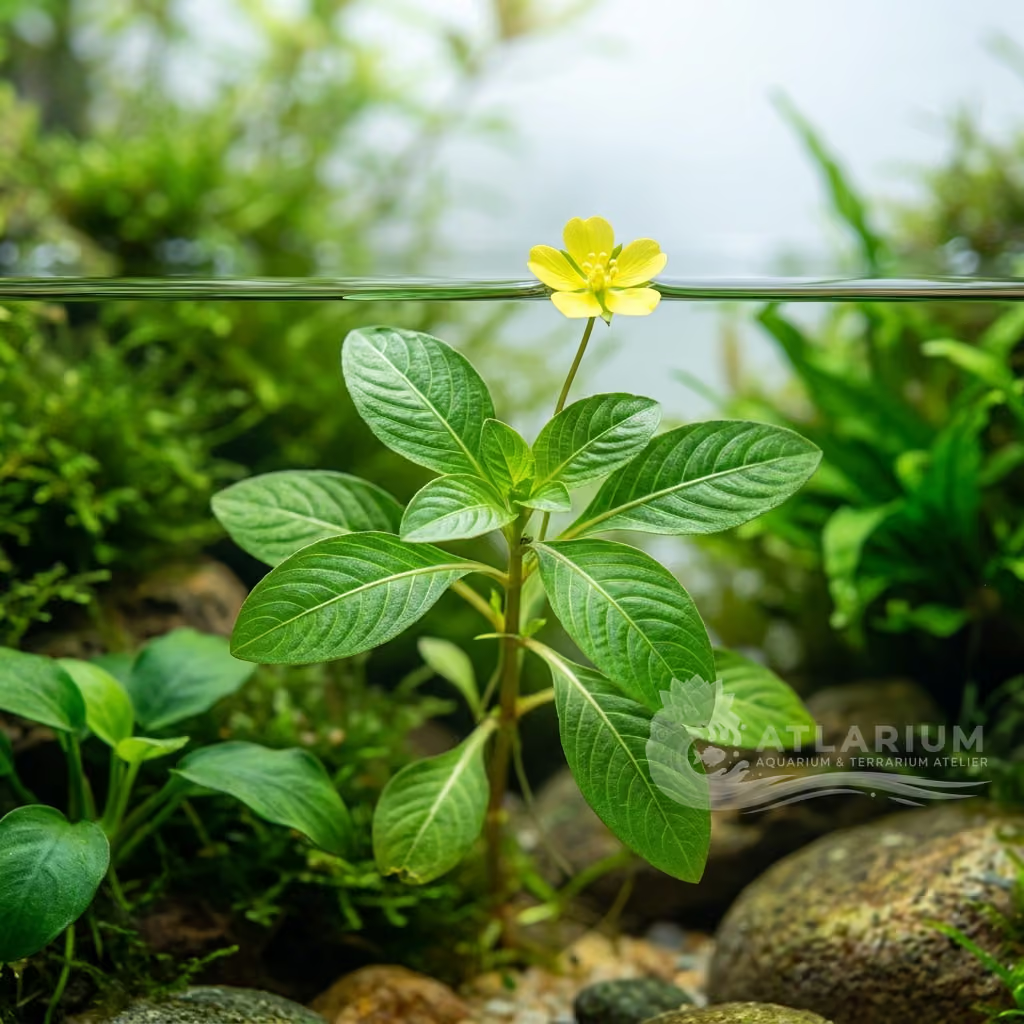
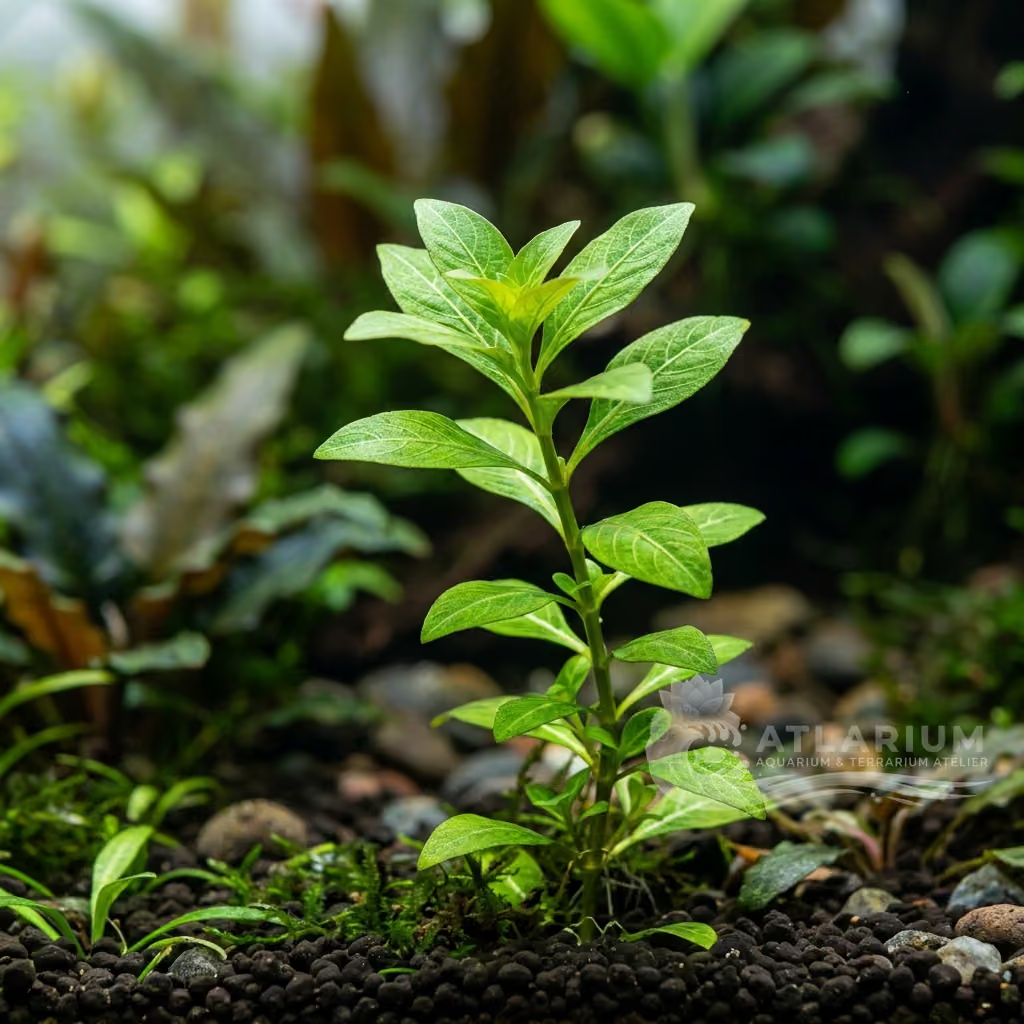
Physical Structure: Ludwigia sp. "Guinea" develops sturdy, upright stems that can reach moderate heights, making it perfect for midground placement in an aquascape. Its leaves are typically ovate to lanceolate, arranged oppositely along the stem, contributing to a dense, bushy appearance when properly maintained. The root system, though not extensive, effectively anchors the plant and absorbs nutrients from the substrate, supporting its consistent medium growth rate. This structural integrity allows it to form attractive vertical accents within the aquatic display.
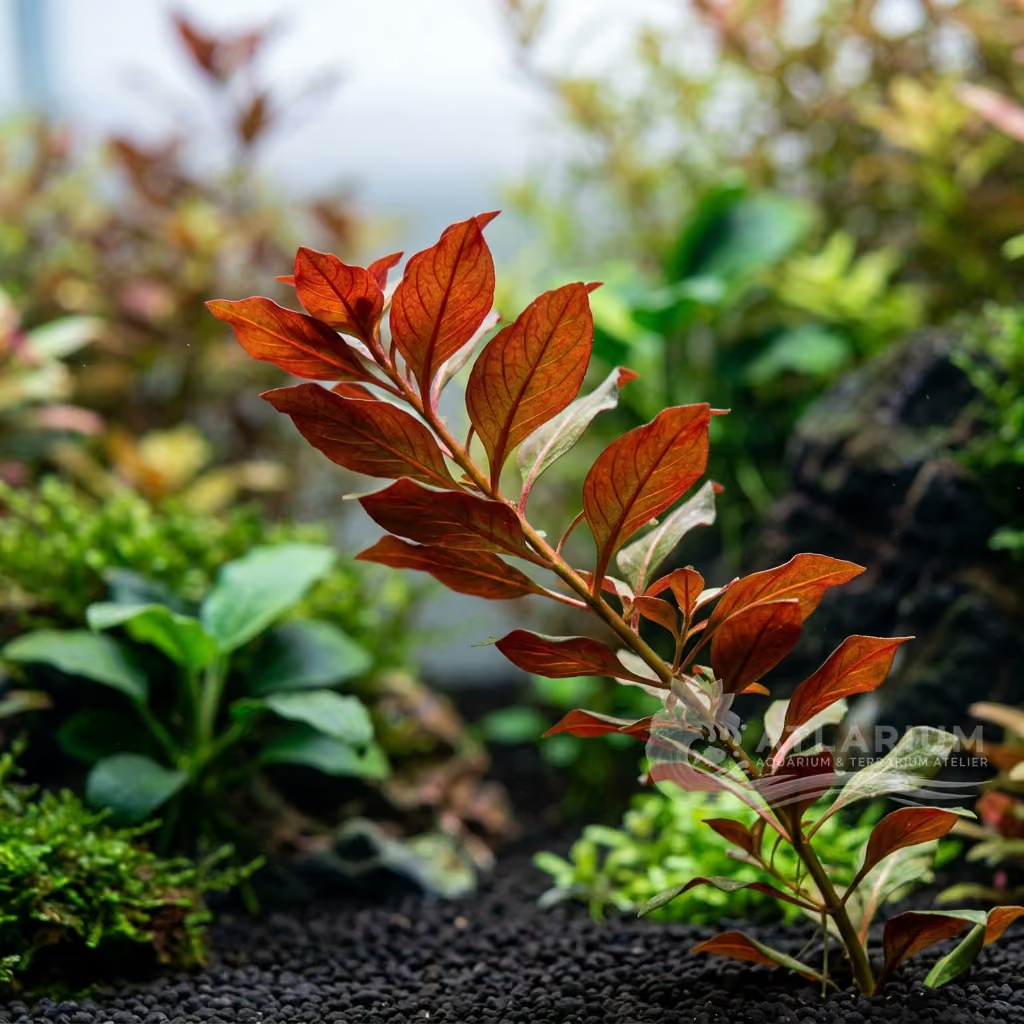
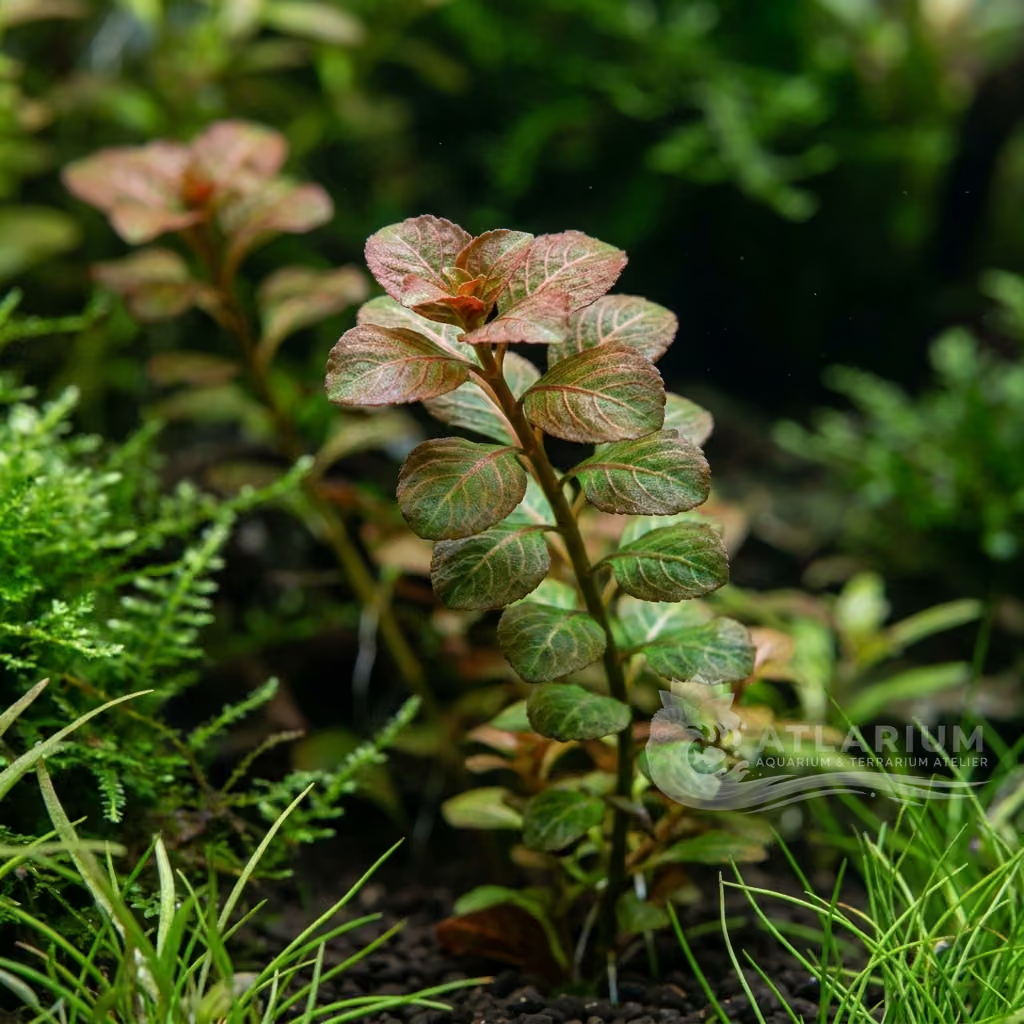
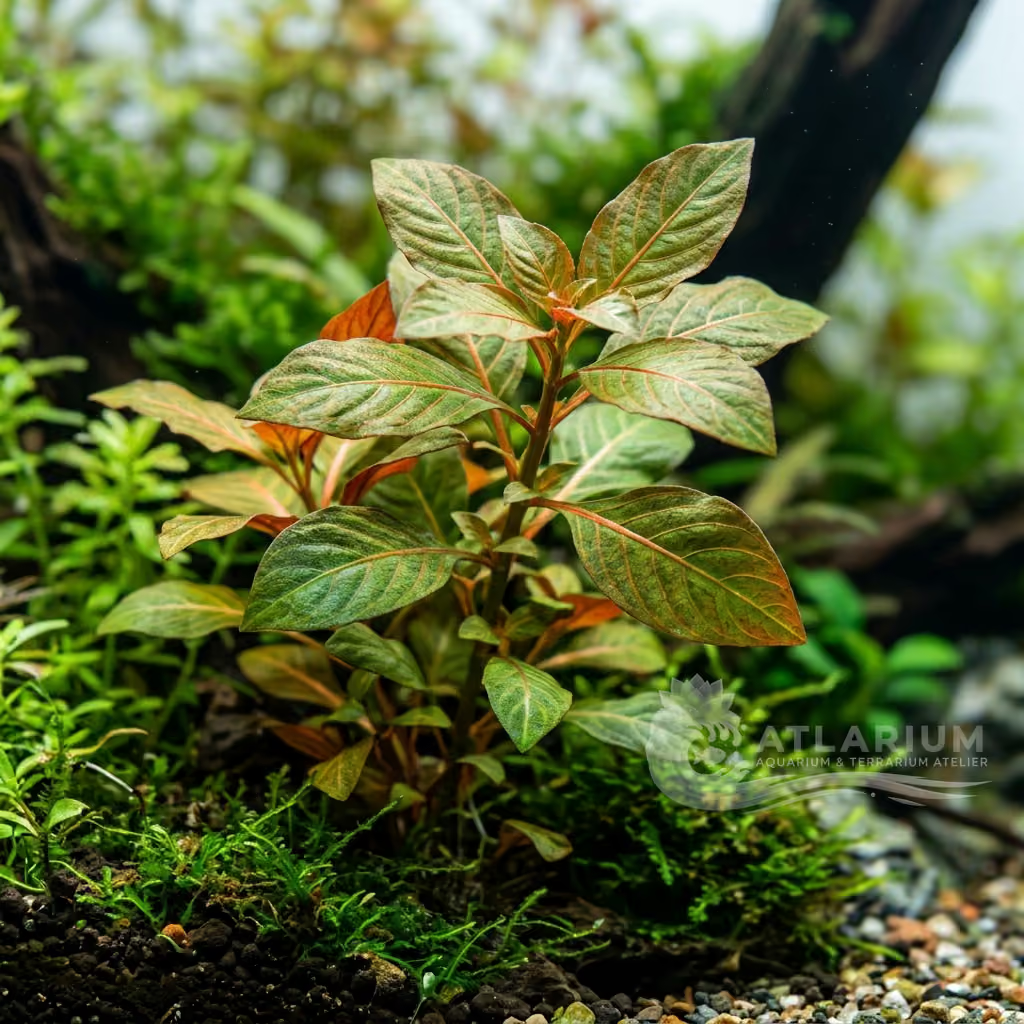
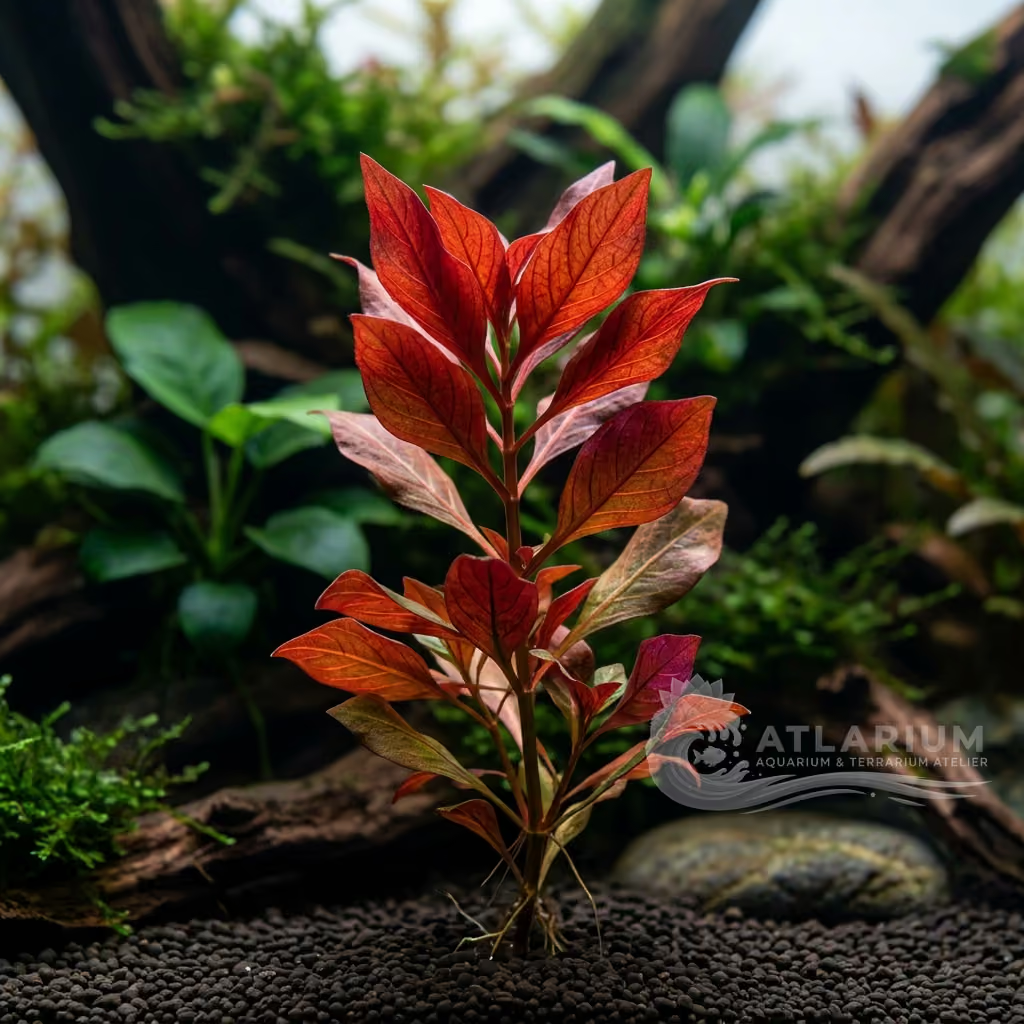
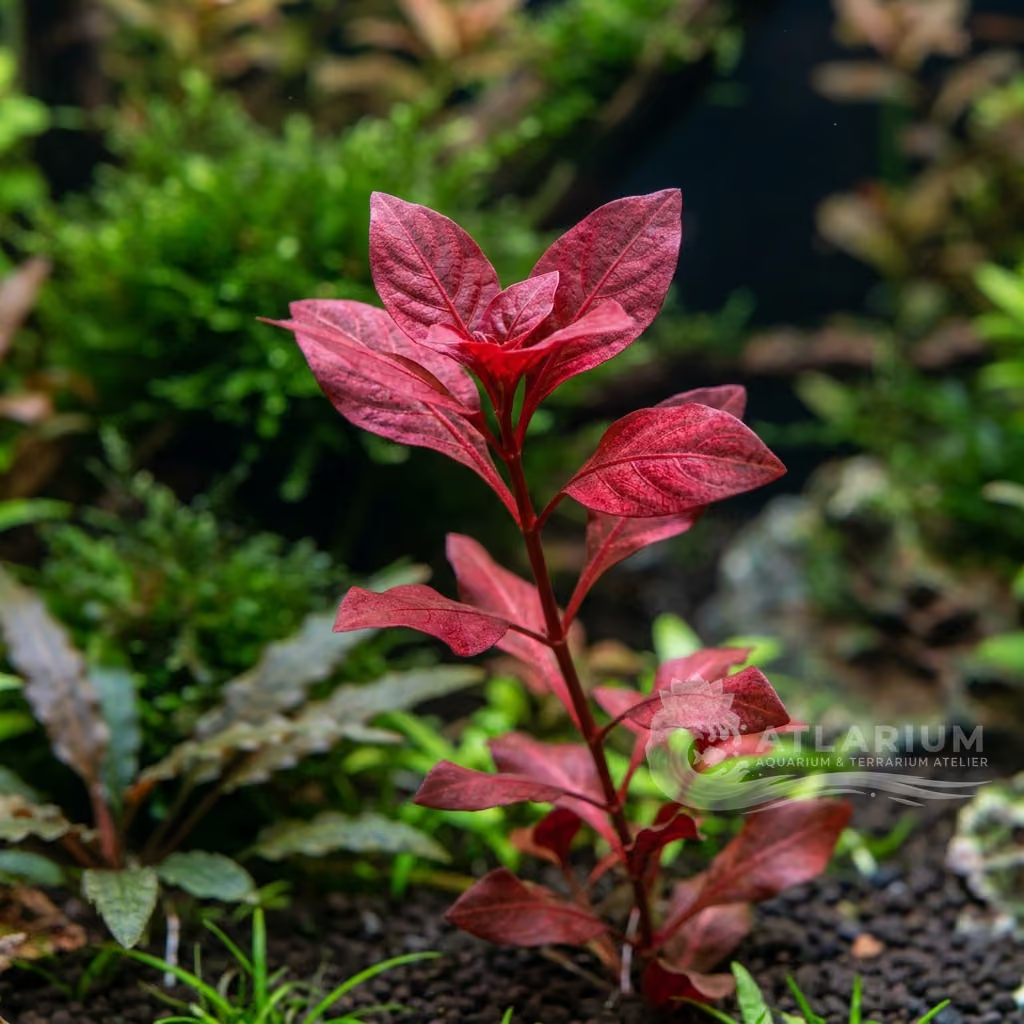
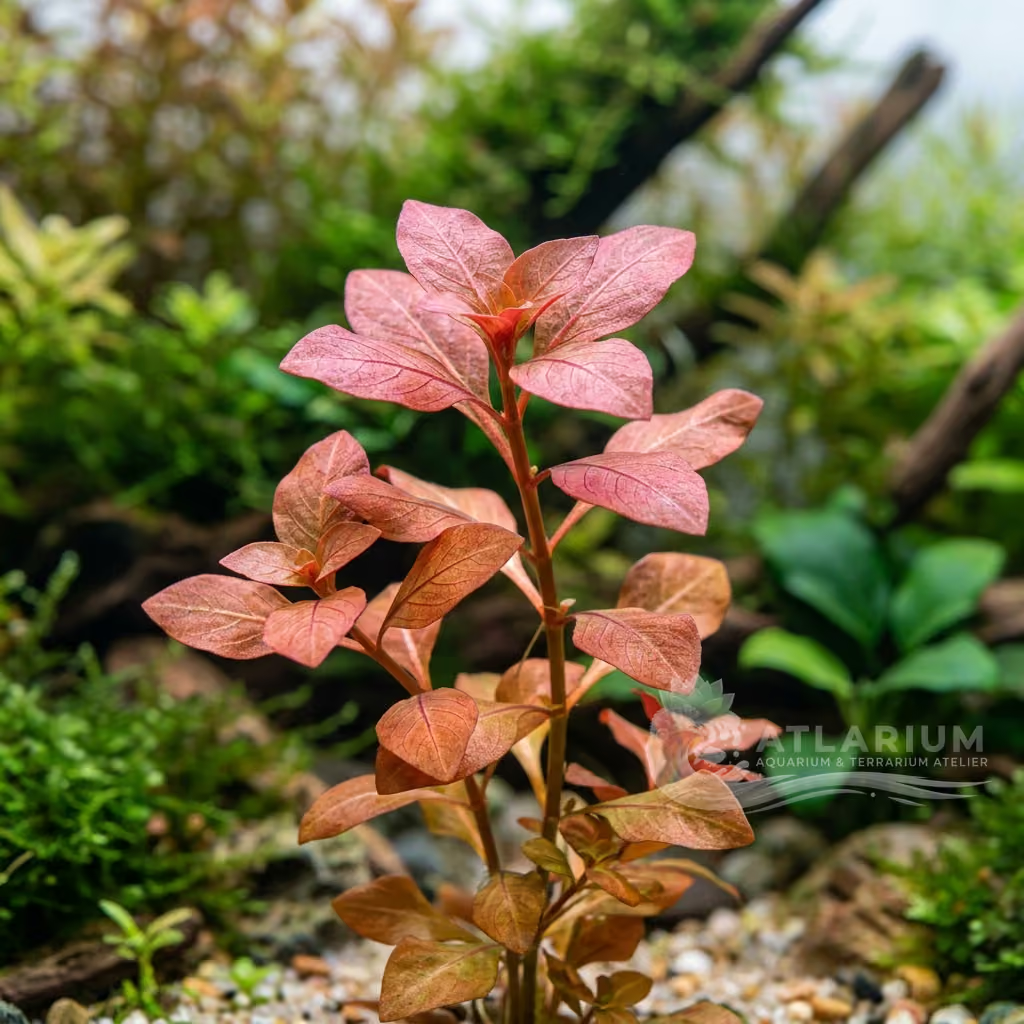
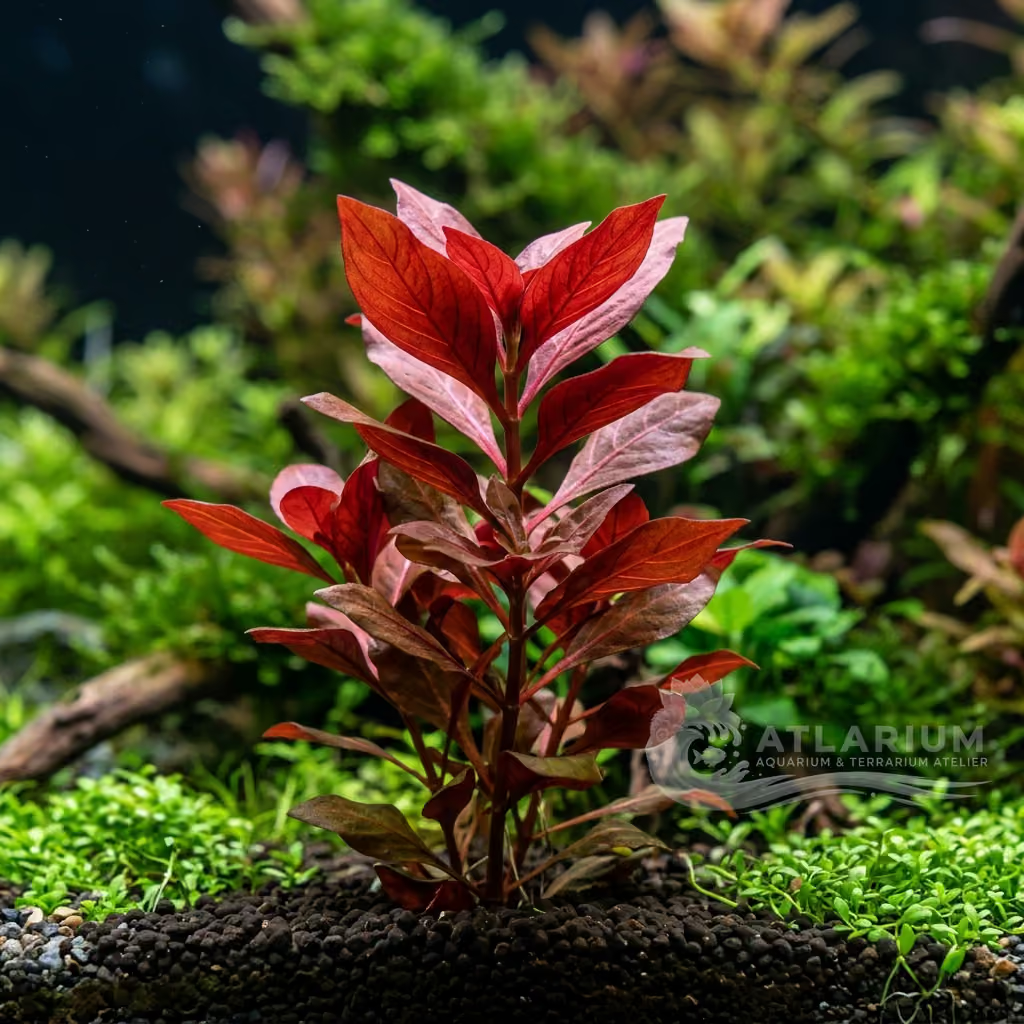
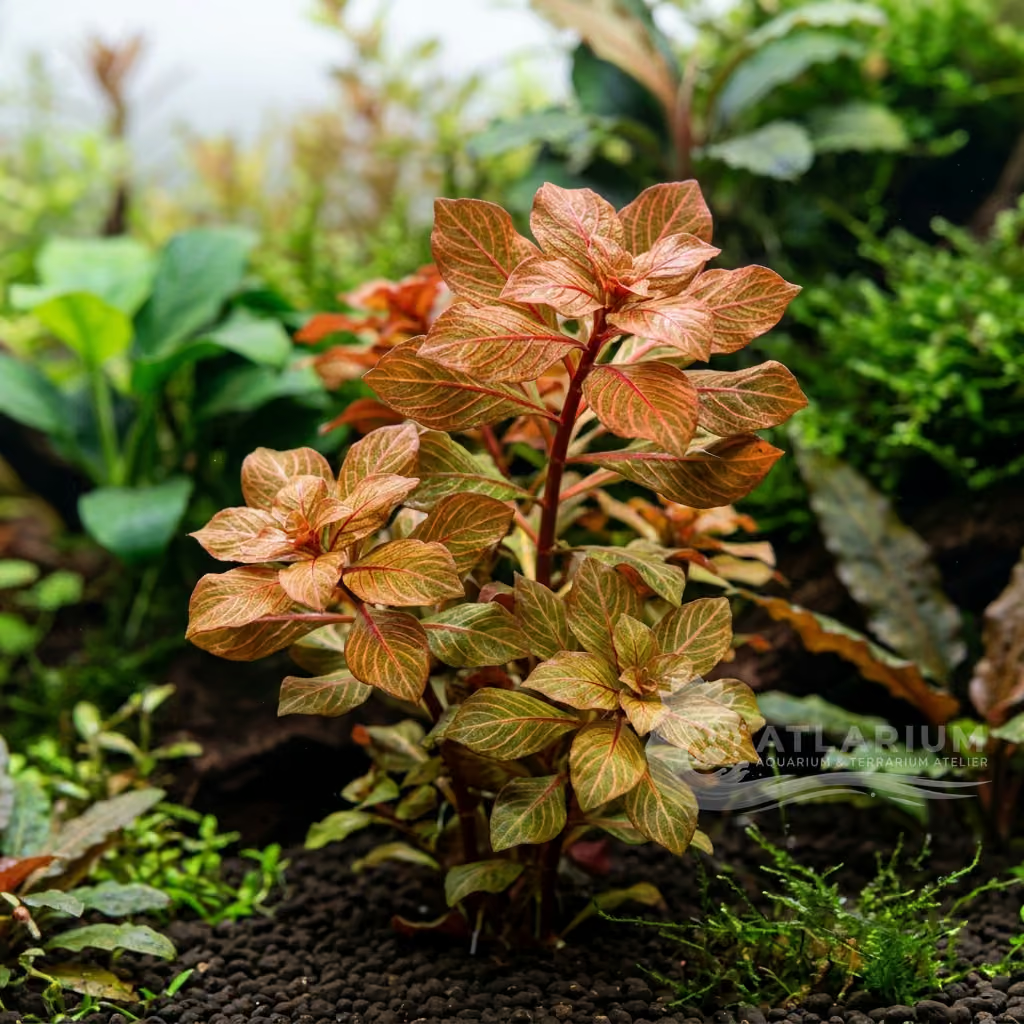
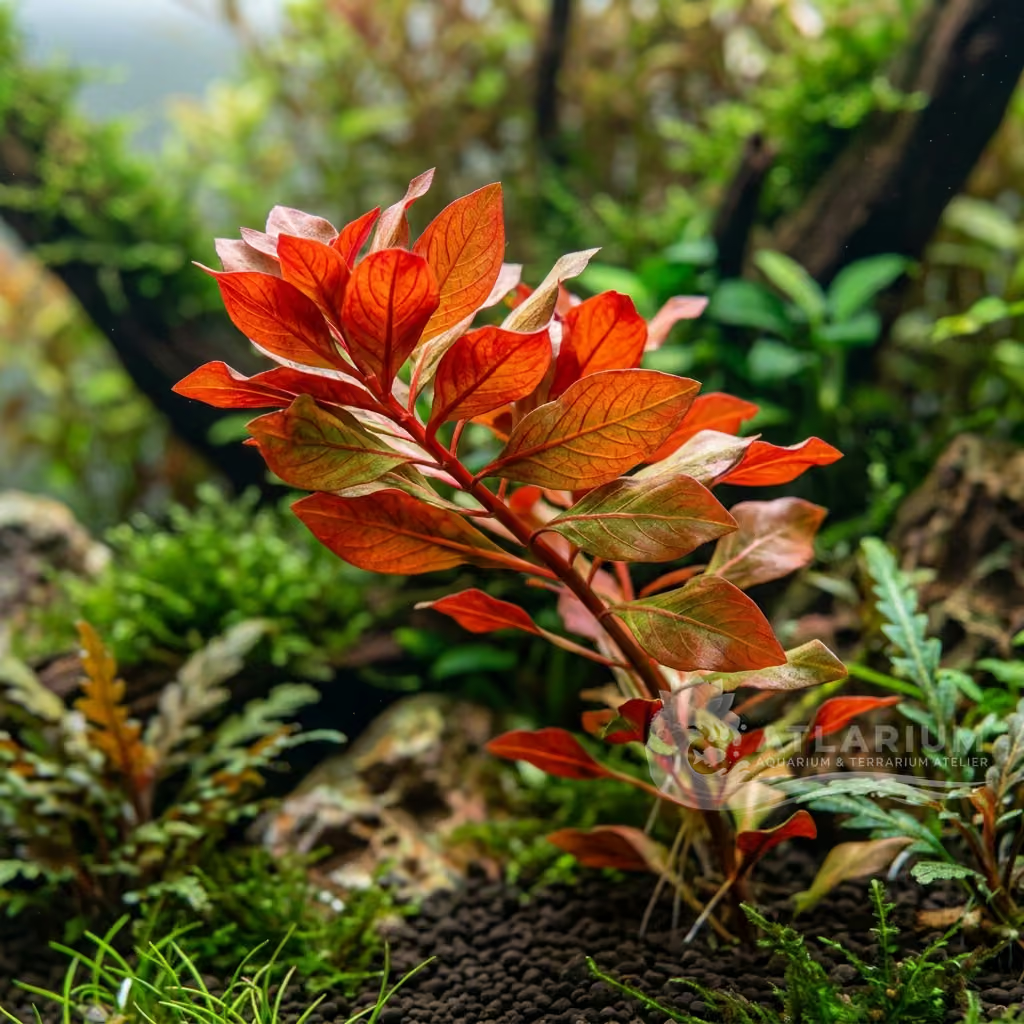
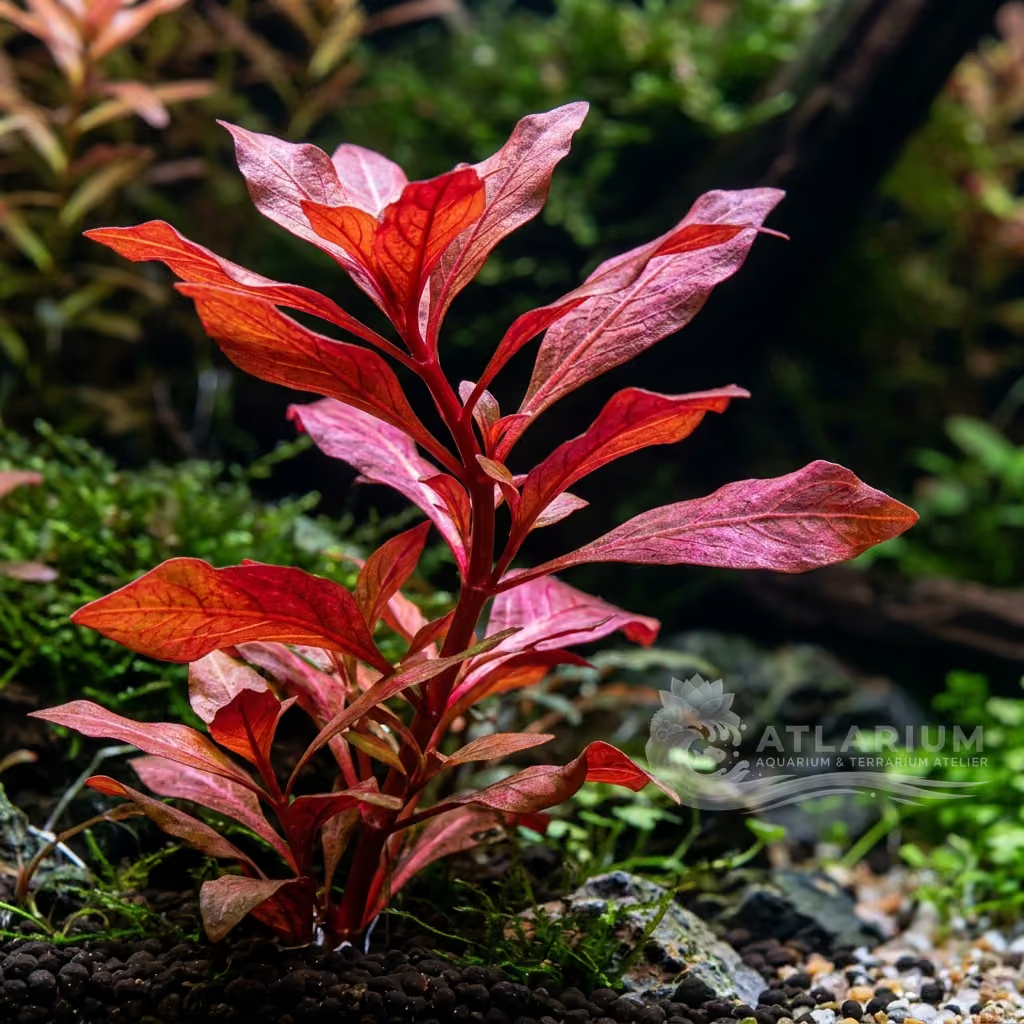
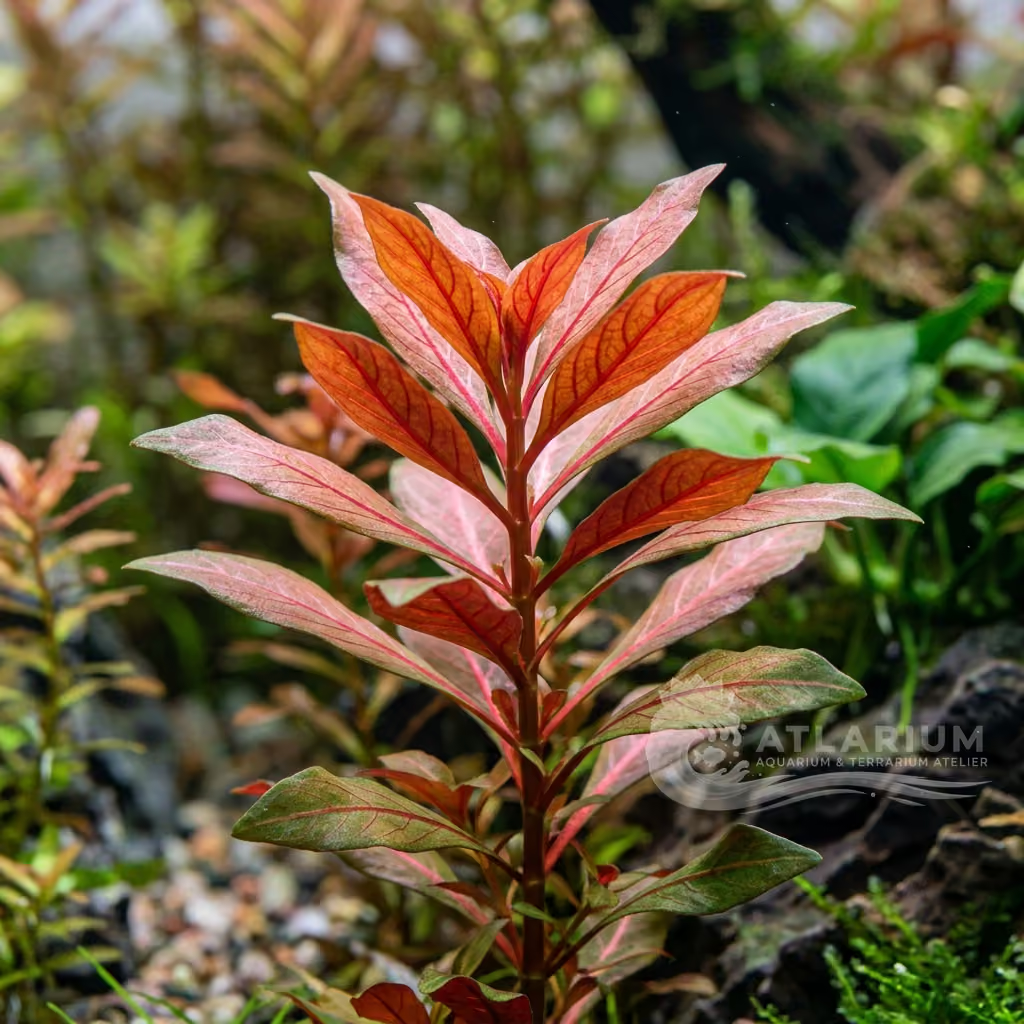
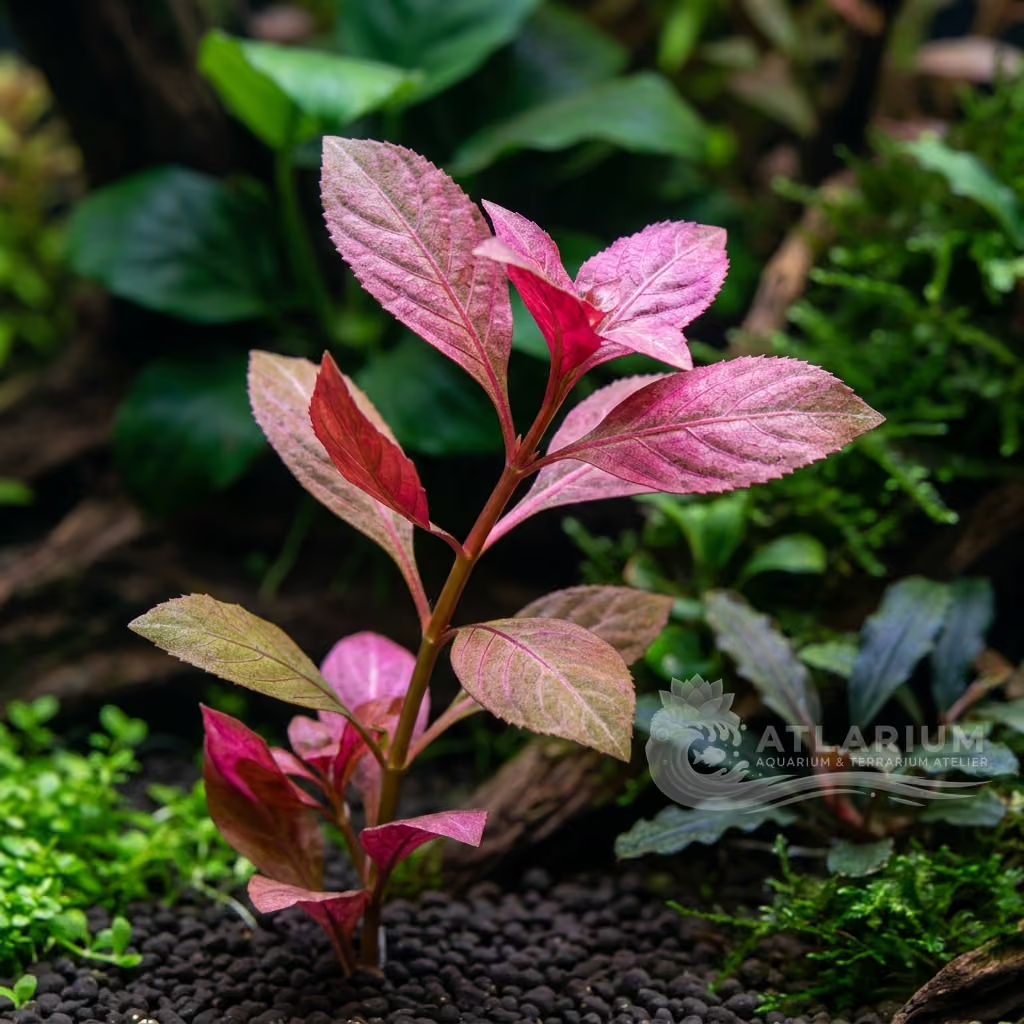
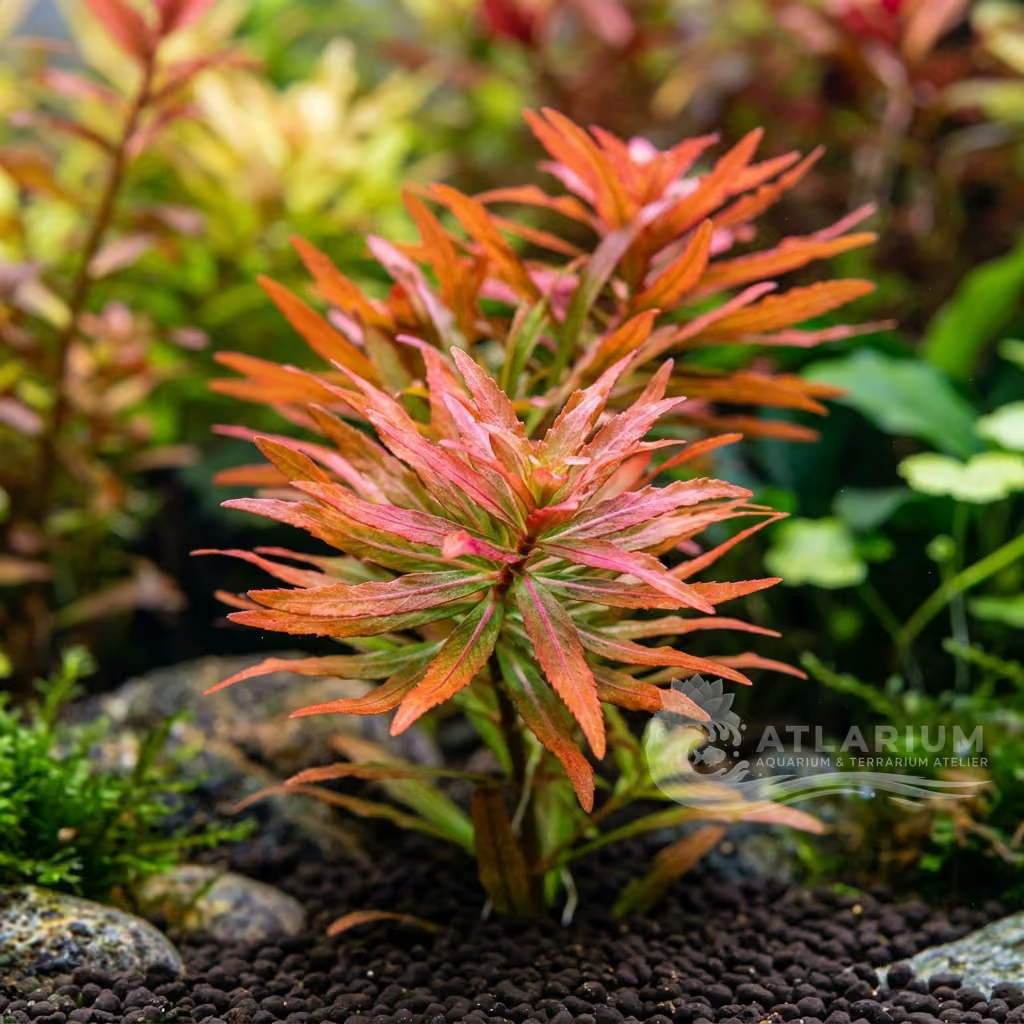
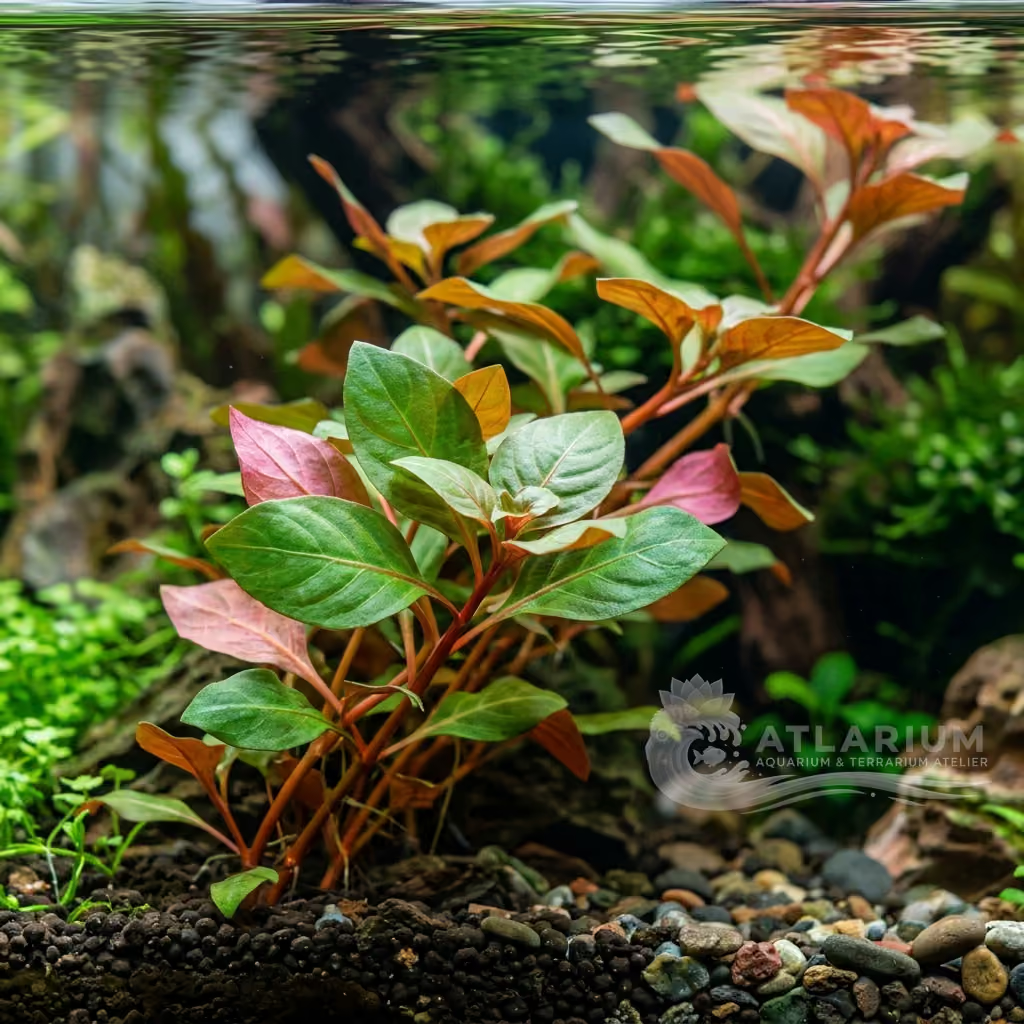
Color & Texture: The foliage of Ludwigia sp. "Guinea" is renowned for its captivating coloration, which can range from vibrant green to deep red and even purplish hues, depending significantly on light intensity and nutrient availability. Under optimal conditions, particularly with strong lighting and sufficient iron, the leaves develop intense, rich red tones on their undersides and sometimes throughout the entire leaf. The leaves possess a smooth, somewhat waxy texture, enhancing their visual appeal and providing a subtle shimmer under aquarium lighting. This striking color contrast makes it a popular choice for adding visual depth and interest.

Care, breeding and tankmates
Lighting & CO2: To achieve its full potential and display its most vibrant coloration, Ludwigia sp. "Guinea" requires medium to strong lighting, ideally within the PAR range of 50-80 µmol/m²/s for several hours daily. While it can tolerate lower light, its growth will be greener and less compact, with diminished red tones. CO2 injection is highly recommended, though not strictly mandatory; it significantly boosts growth rate and enhances color intensity by facilitating more efficient photosynthesis. Consistent CO2 levels (20-30 ppm) will ensure robust health and minimize the risk of algal growth on the plant.
Nutrition & Substrate: Optimal growth and coloration for Ludwigia sp. "Guinea" depend on a nutrient-rich substrate, preferably one designed for planted aquariums, supplemented with root tabs. It benefits significantly from a comprehensive liquid fertilizer regimen that supplies both macro (nitrogen, phosphorus, potassium) and micro (iron, magnesium, trace elements) nutrients. Sufficient iron is particularly crucial for the development of its signature red hues. Regular dosing, tailored to the aquarium's needs and plant mass, will prevent deficiencies and promote vigorous, healthy growth.
Water Chemistry: Ludwigia sp. "Guinea" thrives in stable water parameters, preferring a temperature range of 20-28°C (68-82°F) to support its metabolic processes effectively. A slightly acidic to neutral pH between 6.0 and 7.5 is ideal, promoting nutrient uptake and overall plant health. The plant exhibits good adaptability to water hardness, tolerating a KH range of 2-12, but stability within this range is more critical than specific values. Regular water changes are essential to replenish minerals and reduce the accumulation of organic waste, maintaining pristine conditions for growth.
Space Management & Placement: Given its medium growth rate and potential for dense foliage, Ludwigia sp. "Guinea" is perfectly suited for midground placement in an aquascape, where it can form lush bushes or vertical accents. It's important to provide adequate spacing between individual stems to ensure proper light penetration to lower leaves and promote good water circulation, preventing rot and encouraging healthy development. When planted in groups, it creates a striking visual mass, adding depth and a focal point to the aquascape design. Consider its mature height when planning its position relative to other plants.
Pruning: Regular pruning is vital for maintaining the desired shape and density of Ludwigia sp. "Guinea," encouraging bushier growth rather than tall, leggy stems. To prune, simply cut the top portion of the stem using sharp aquascaping scissors, making the cut just above a leaf node. The trimmed tops can often be replanted into the substrate to propagate new plants, thereby increasing plant mass or filling in sparse areas. This practice also helps in removing older, potentially less vibrant growth and stimulates lateral branching for a fuller appearance.
Risks & Diseases: While generally robust, Ludwigia sp. "Guinea" can exhibit signs of stress or disease under suboptimal conditions. Common risks include nutrient deficiencies, particularly iron leading to pale or green new growth, and potassium deficiency resulting in pinholes or yellowing on older leaves. Algal growth can become an issue if lighting or nutrient levels are imbalanced. Watch for melting or translucent leaves, which often indicate severe environmental stress, insufficient CO2, or a drastic change in water parameters. Promptly addressing these issues through water parameter adjustments and nutrient supplementation is crucial for recovery.

Geographic origin and distribution
While "Ludwigia sp. Guinea" suggests an origin linked to the West African region, particularly Guinea, the precise natural habitat of this specific form remains somewhat specialized within the broader Ludwigia genus. Typically, Ludwigia species thrive in slow-moving freshwater environments such as swamps, marshes, and the margins of rivers and lakes, often growing both submerged and emersed. These areas are characterized by nutrient-rich substrates and consistent water availability, conditions that foster robust growth and vibrant
Origin
Africa and Madagascar

Plant profile
- Placement
- Midground
- Due to its high light requirements, it must be placed in a prominent, unshaded midground or background position. It should be planted in small, carefully manicured groups to avoid shading its own lower stems. Adequate spacing between stems ensures good light penetration and water flow.
- Botanical form
- Stem
- It features uniquely patterned, oval to slightly elongated leaves with a distinct reticulated venation that stands out against a deep red or purplish background. The stems are somewhat delicate compared to other Ludwigia species. Its highly ornamental appearance makes it a prized collector's plant.
- Growth
- Medium
- This plant has a moderate growth rate, even under highly optimized conditions. It takes time to acclimate to new environments and parameters. Its relatively slow growth makes it easier to maintain once established but requires patience initially.
- Substrate
- High
- Ludwigia sp. "Guinea" benefits greatly from an iron-rich aqua soil to foster a deep root network and encourage optimal leaf coloration. It needs a substrate depth of around 2-3 inches to securely anchor its sturdy stems and prevent them from uprooting. The plant aggressively pulls nutrients through its roots, so a nutrient-depleted substrate can quickly lead to stunted growth and faded colors.
- Column fertilization
- Recommended
- Heavy water column fertilization is mandatory, requiring daily dosing of a comprehensive fertilizer. It is particularly sensitive to micro-nutrient deficiencies, which manifest as pale or deformed new leaves. Keeping nitrates and phosphates readily available is crucial for its survival.
- Root fertilization
- Recommended
- A rich, active substrate is essential for this demanding species. It benefits greatly from the addition of high-quality root tabs. A strong root system helps it endure the stress of trimming and environmental fluctuations.
- Trimming
- Occasional
- Trimming should be done with care, as the plant can be slow to recover if cut too aggressively. Top the stems and replant them, leaving a healthy portion of the base to regenerate. Avoid letting the plant become too dense, which can lead to poor circulation and lower leaf loss.
- Propagation
- Cuttings
- Propagation is achieved through stem cuttings. Carefully cut healthy tops and plant them in a nutrient-rich substrate. Ensure cuttings receive ample light and CO2 to encourage quick rooting and prevent rot.
- Sensitivity
- Moderate
- Ludwigia sp. 'Guinea' is extremely sensitive to fluctuations in CO2, light, and nutrients. It is highly susceptible to algae growth if parameters are unbalanced. It requires pristine water conditions and is recommended only for experienced aquascapers.
- Layout role
- Midground
- It is best used as a striking focal point or rare accent plant in high-tech aquascapes. Its stunning pattern and coloration make it a standout against finely textured green plants. It is highly valued in Dutch-style tanks for its unique visual characteristics.

Related species
Recommendations grouped by close relatives, companion choices, and similar care.