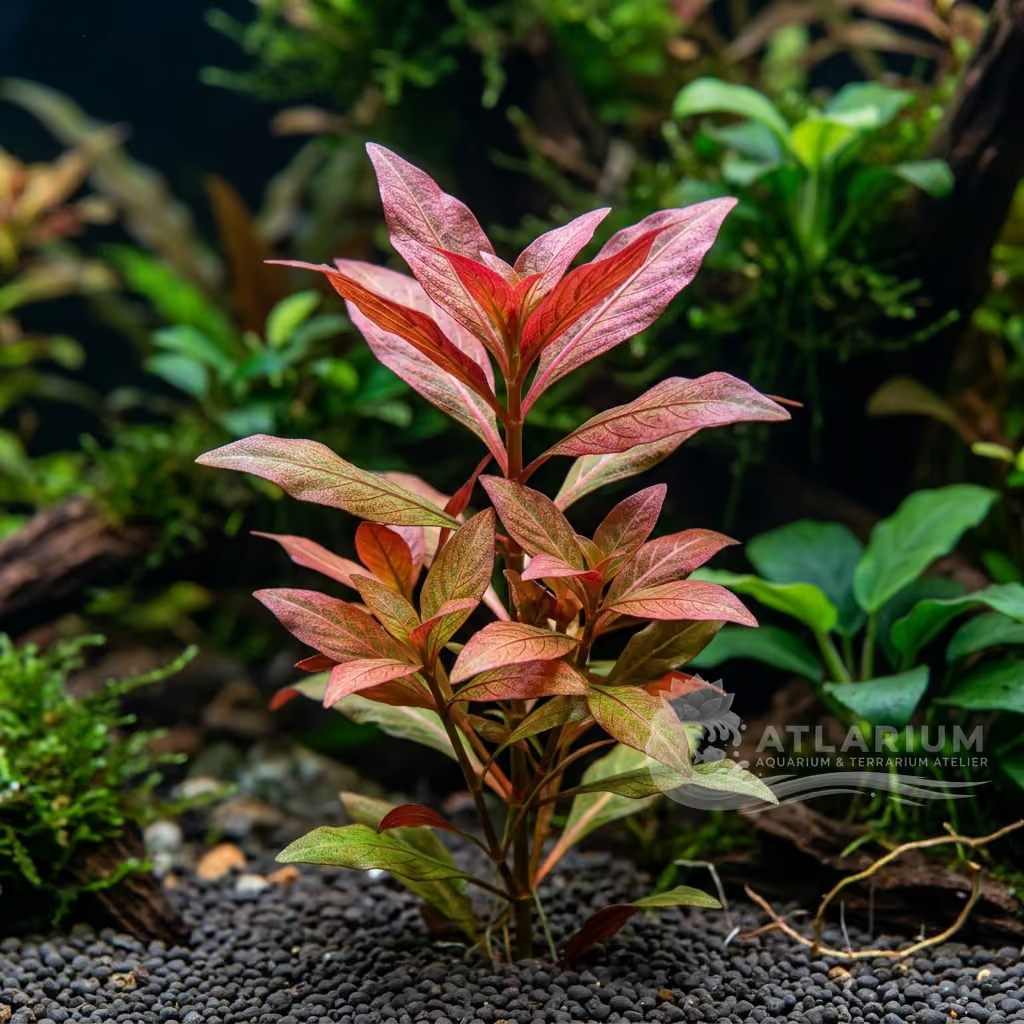
Ludwigia "Rubin"
Ludwigia "Rubin"
Ludwigia "Rubin" is a striking red stem plant ideal for the midground, celebrated for its rapid growth and vibrant ruby coloration. It serves as an excellent focal point, requiring medium to high light and consistent care to achieve its most intense hues.
Water Temperature
6 - 32 °C
pH Value
5 - 7.5
Water type
Freshwater
Light
Medium to High
CO2
High
KH
2 - 15 dKH

Species description
Geographical Origin and Habitat: Ludwigia "Rubin" is a specially cultivated variety, rather than a wild species with a specific natural habitat. It is believed to be a horticultural hybrid or selection, likely derived from various Ludwigia species native to North and South America, where many members of this genus thrive in diverse aquatic and semi-aquatic environments such as marshes, slow-moving rivers, and ditches. This specific cultivar has been selectively bred to enhance its production of red pigments, making it a highly sought-after plant in aquascaping. Despite its cultivated origin, it retains the robust nature and adaptability characteristic of wild Ludwigia species.
Taxonomy & Genetics: Belonging to the Onagraceae family, Ludwigia "Rubin" exemplifies how genetic selection can dramatically enhance specific aesthetic characteristics in aquatic plants. While not a distinct species, the "Rubin" designation signifies a particular cultivar chosen for its unique, intense red
Color & Texture: ation and vigorous growth. This classification places it within the genus Ludwigia, which encompasses over 80 species, many of which are popular in the aquarium hobby due to their versatility and beauty. Its distinctiveness lies in the consistent and vibrant intensity of its color, setting it apart from other common Ludwigia forms and making it a prime choice for aquascapers seeking a strong visual impact.
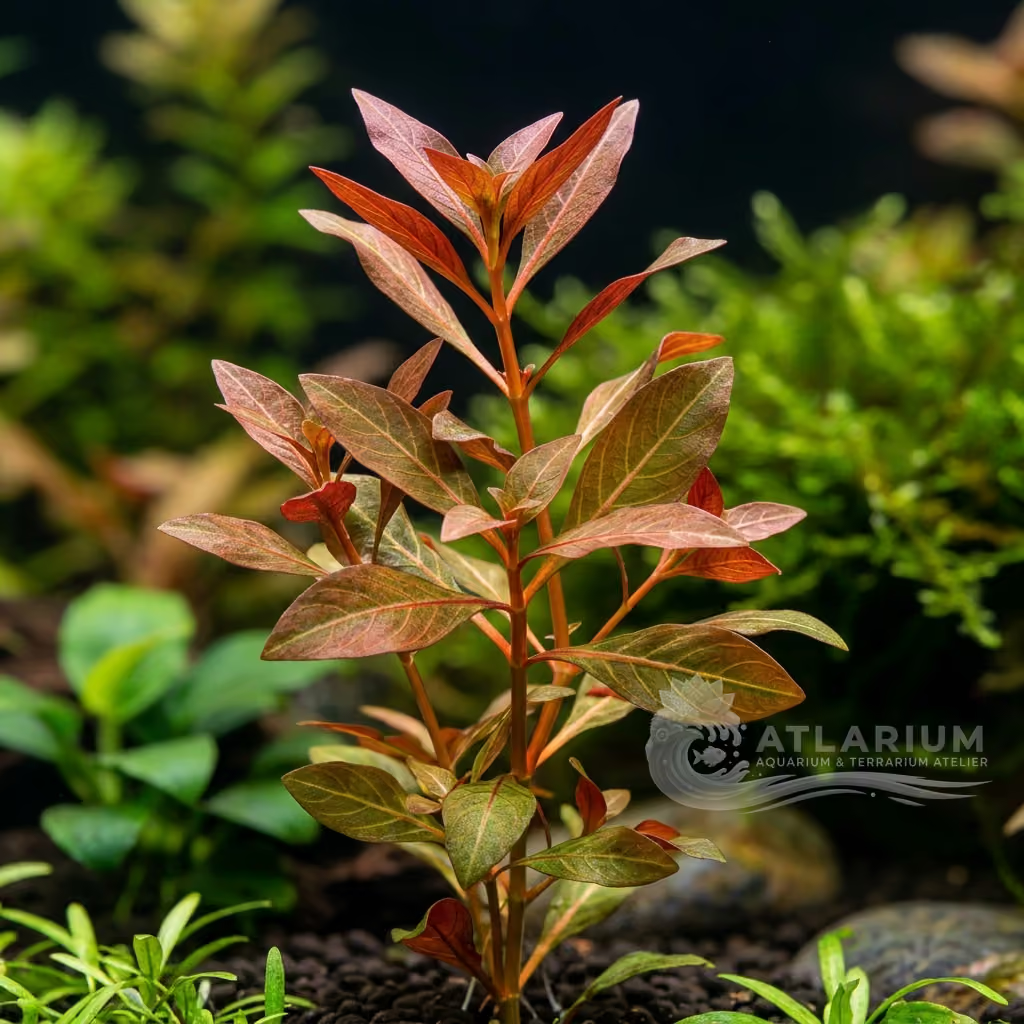
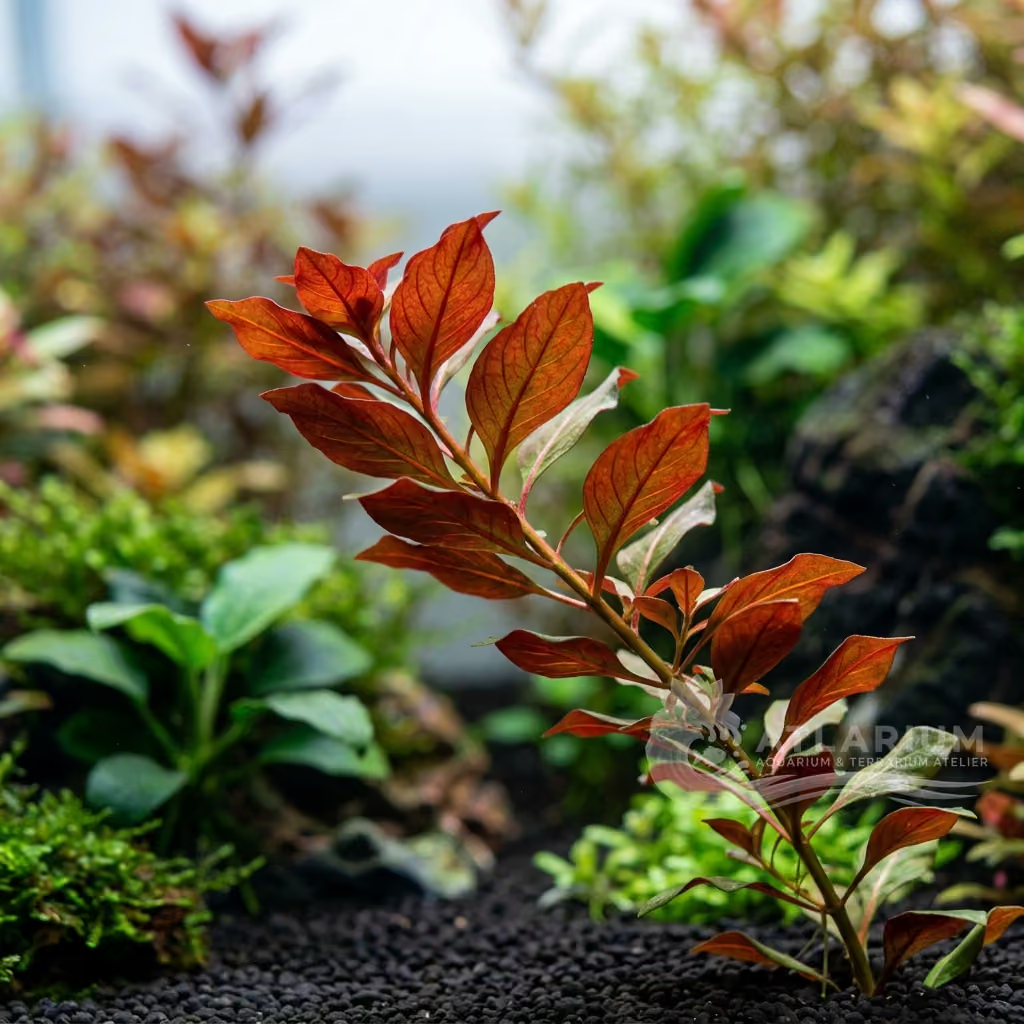
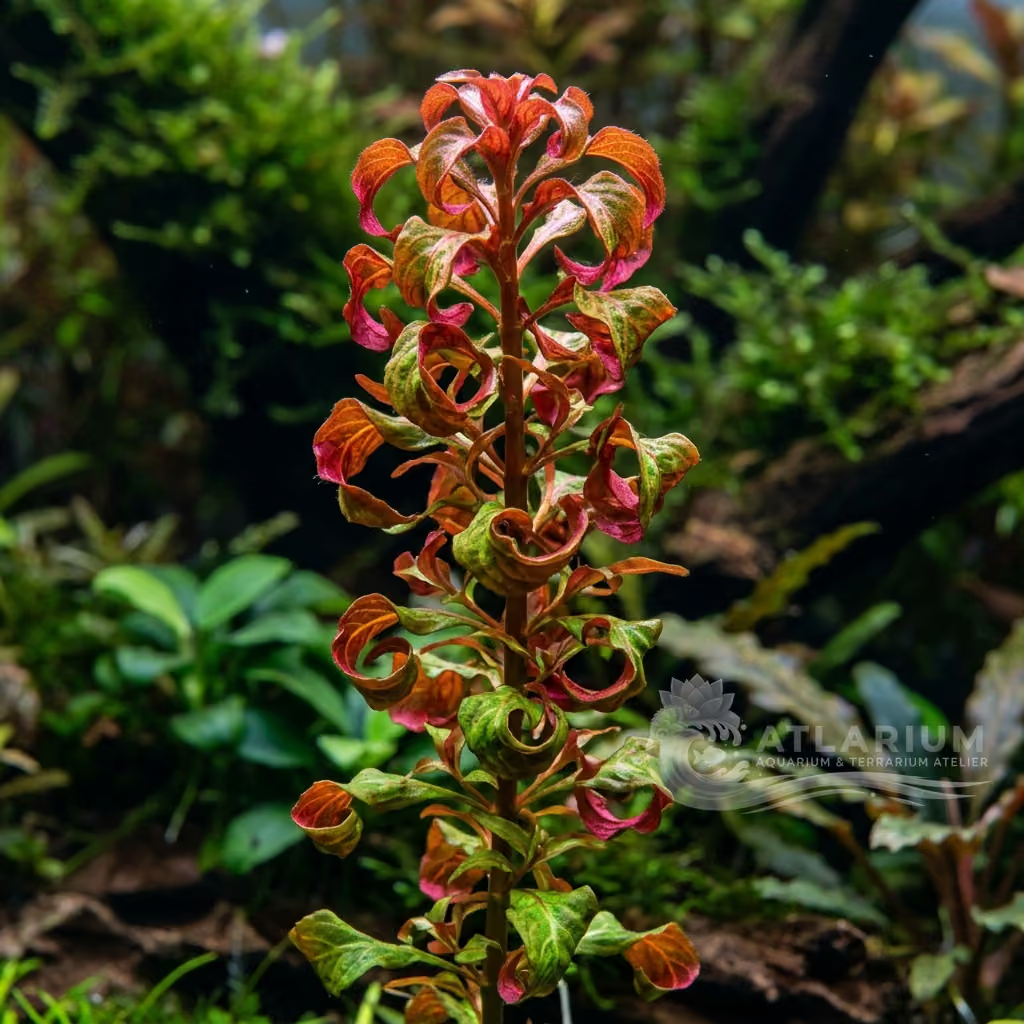
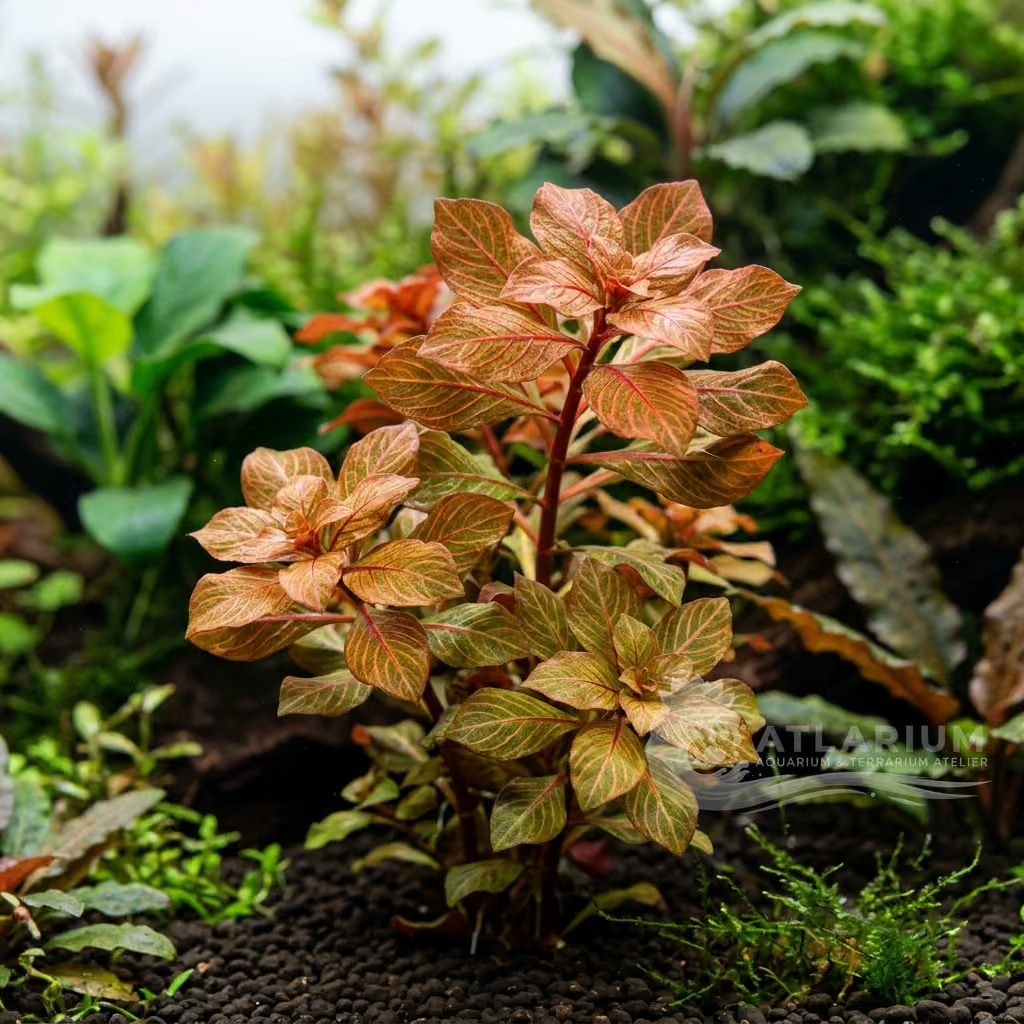
Physical Structure: Ludwigia "Rubin" exhibits a robust and elongated stem structure, capable of reaching considerable heights if not regularly pruned. Its leaves are typically arranged alternately or sub-oppositely along the stem, varying in shape from lanceolate to ovate depending on growth conditions and leaf age. Under intense lighting, the internodes tend to remain shorter, giving the plant a more compact and bushy appearance. Adventitious roots can emerge from the stem, particularly in nutrient-rich water columns or under stressful conditions, which can be an indicator of the plant's health and its ability to absorb nutrients directly from the water.
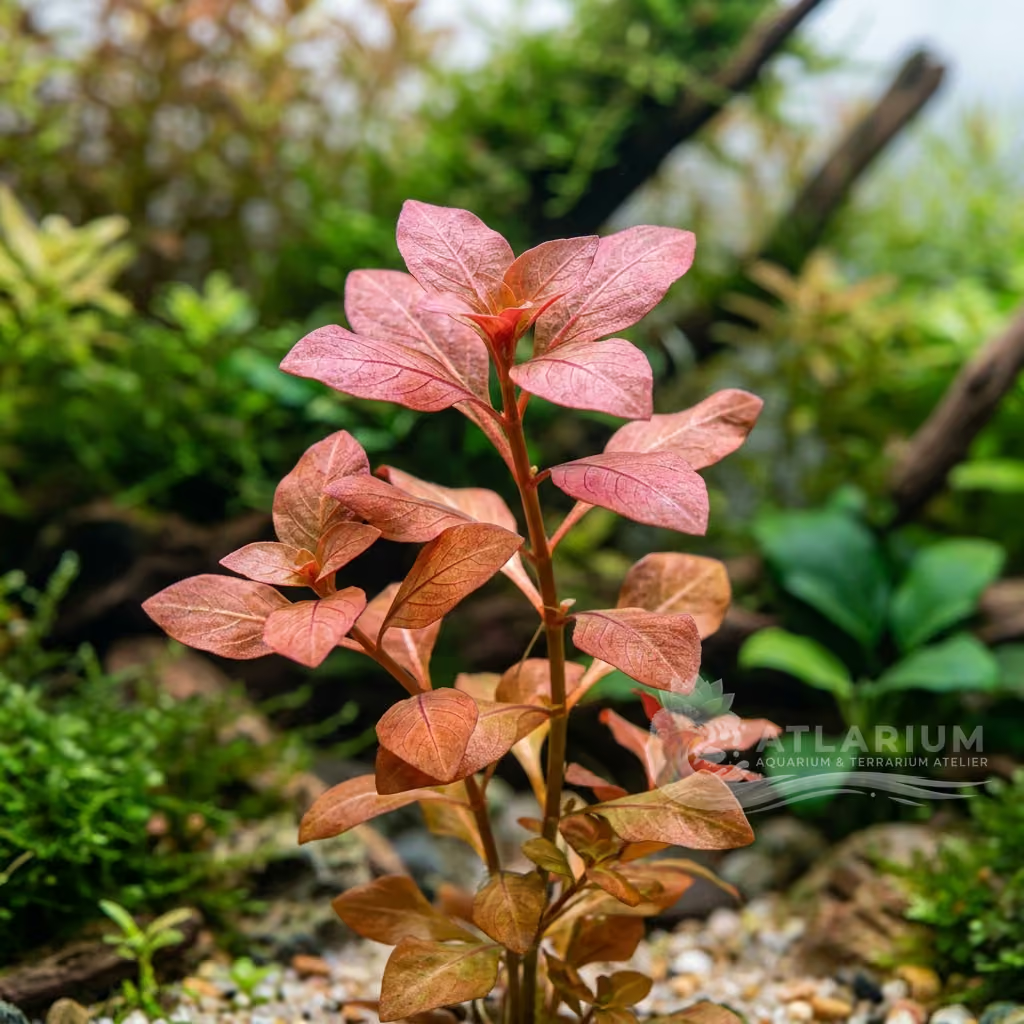
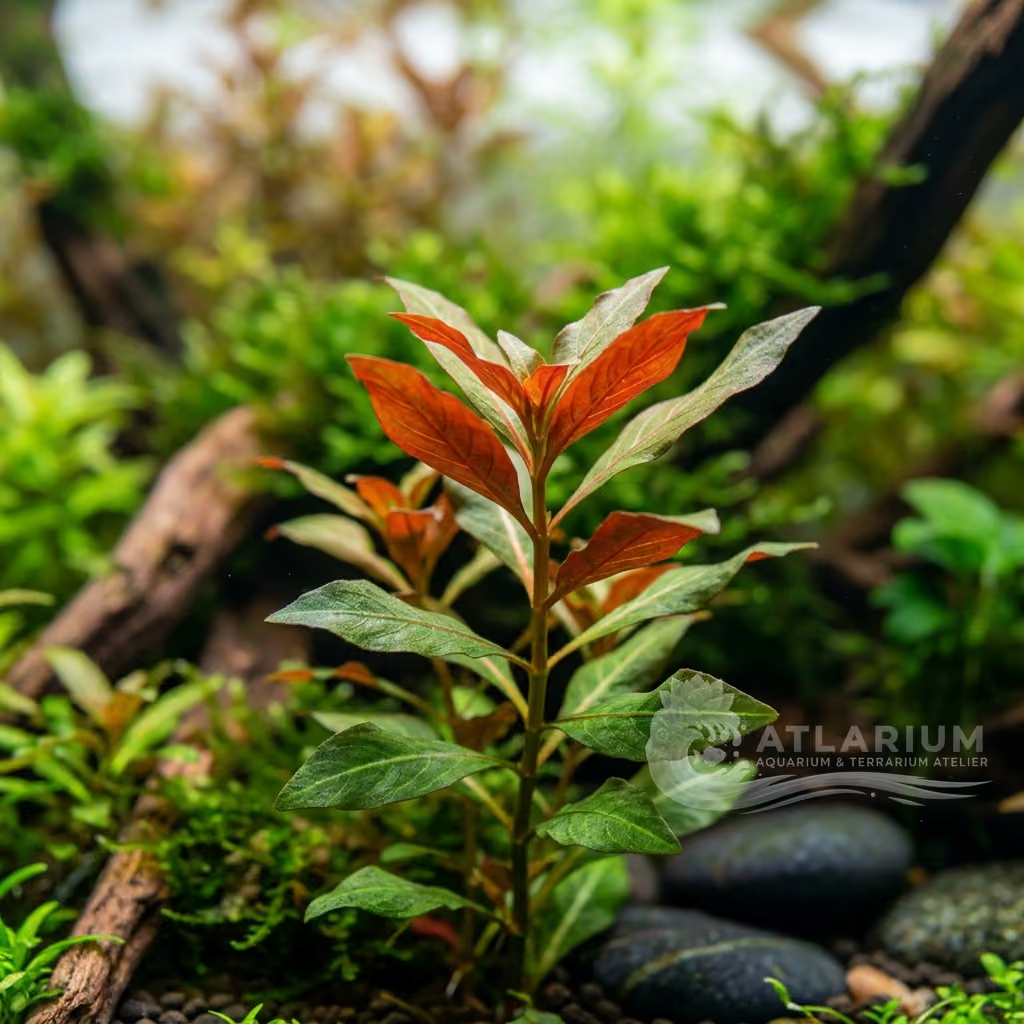
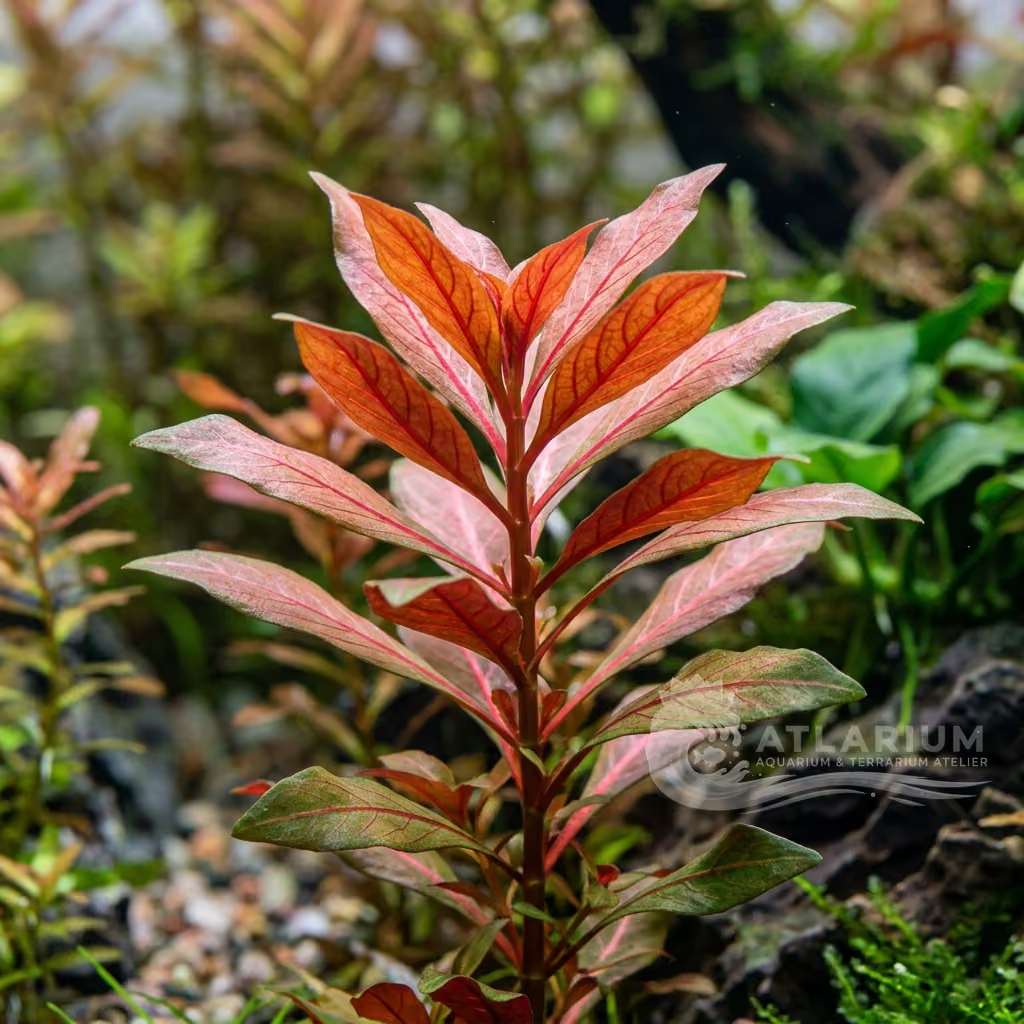
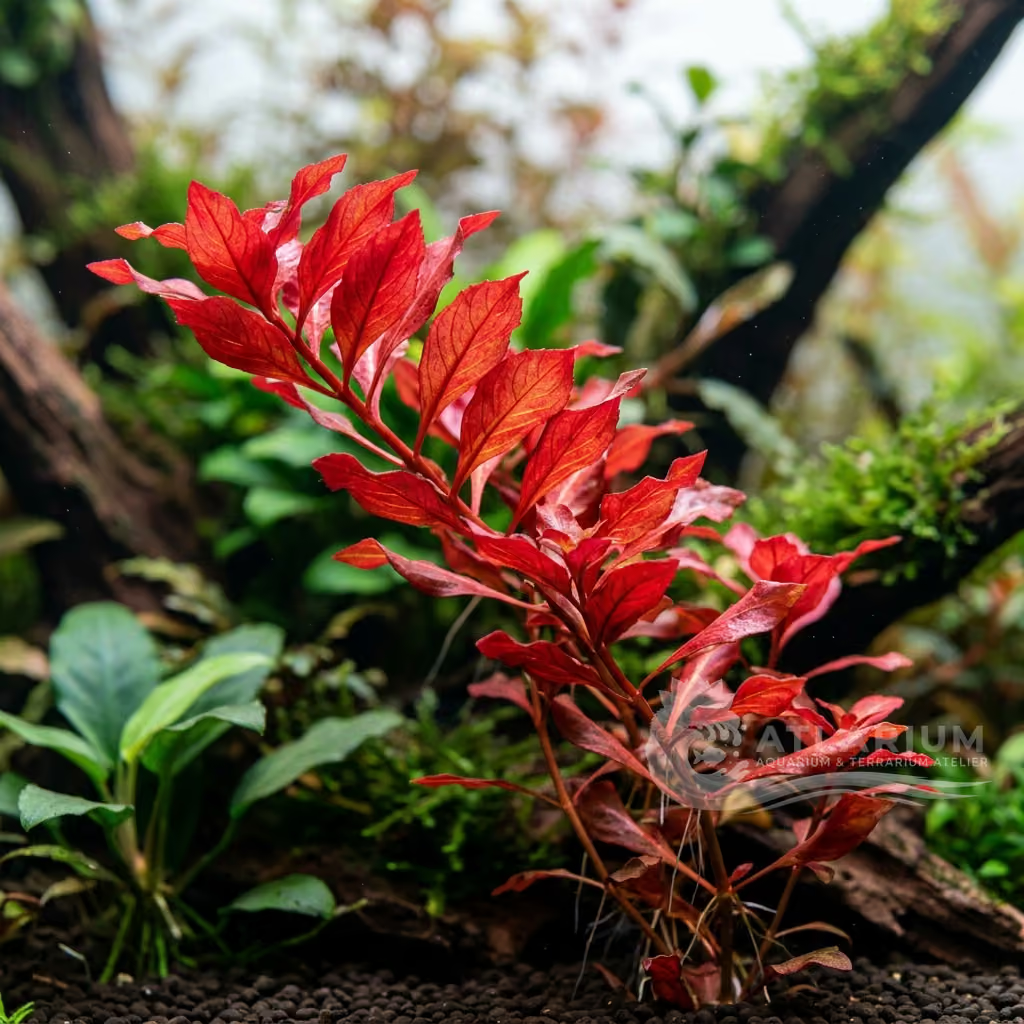
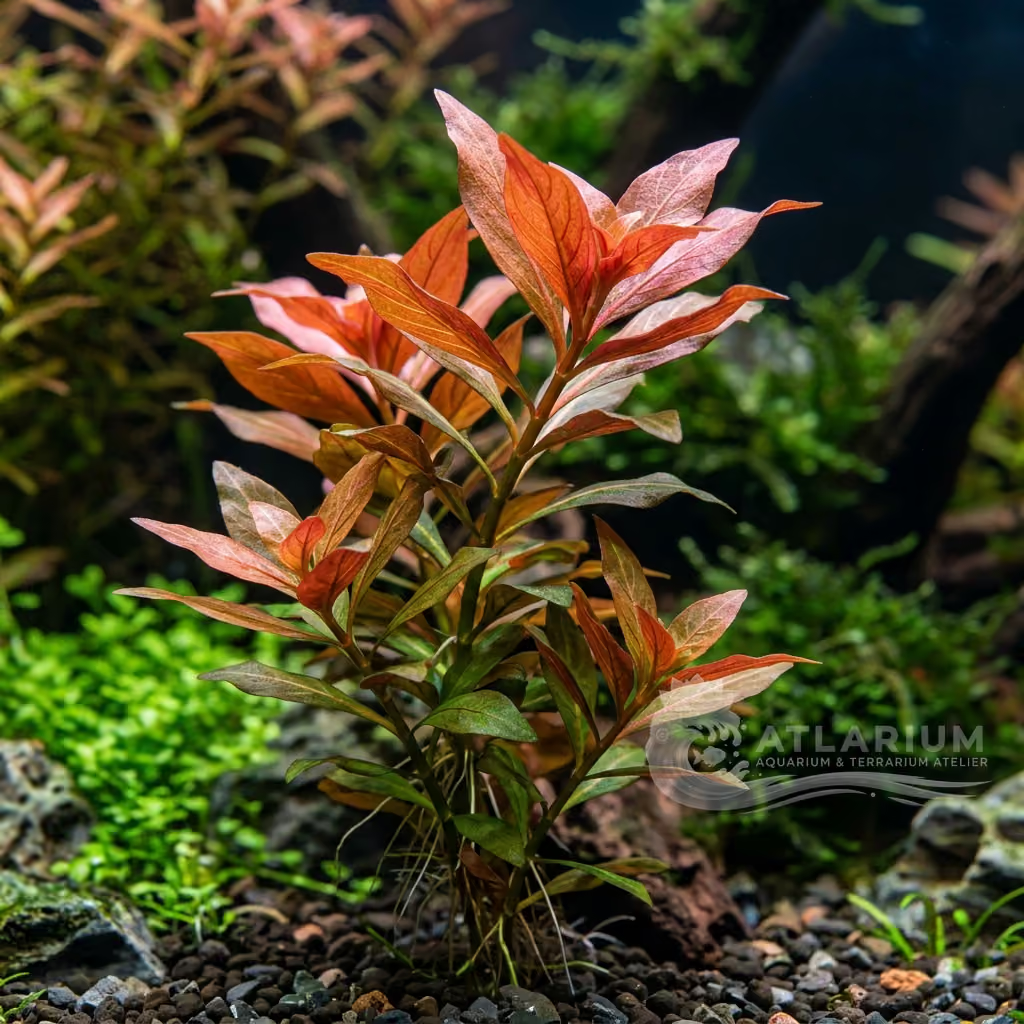
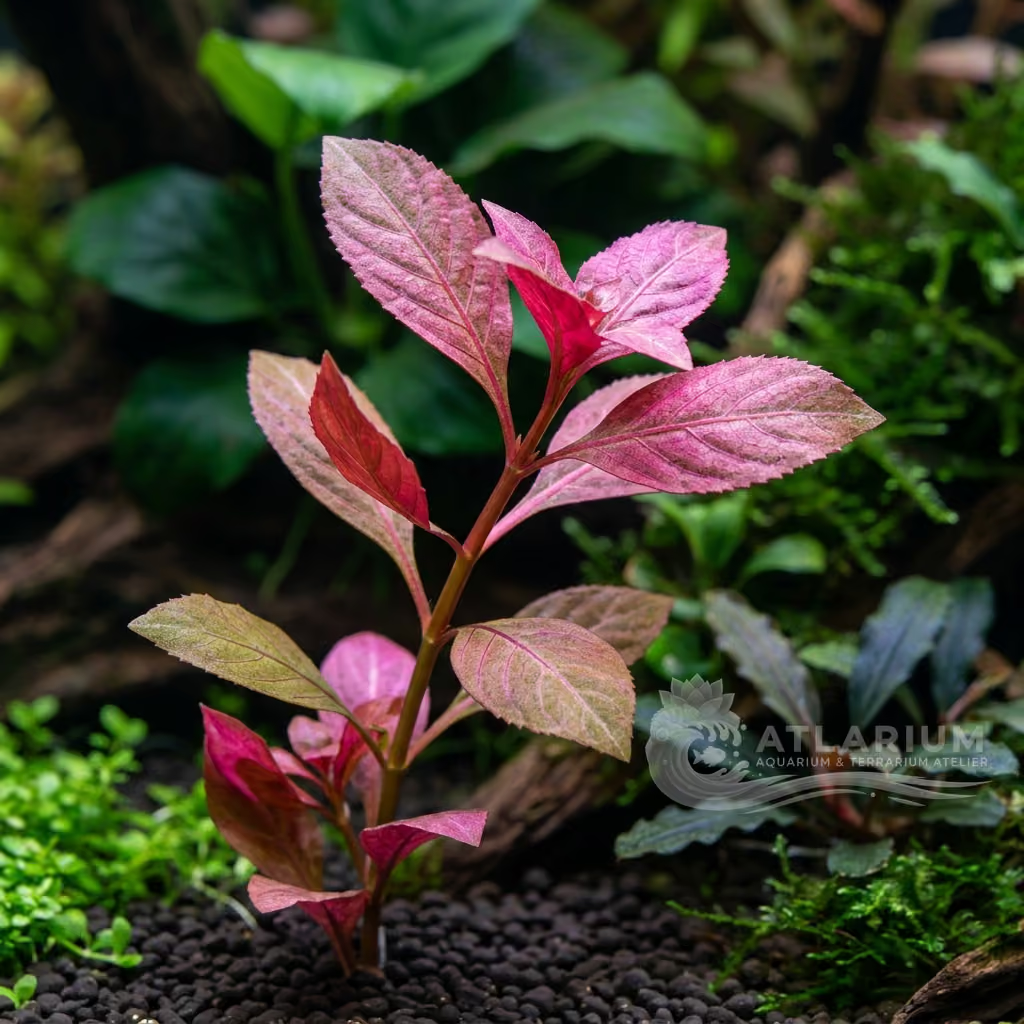
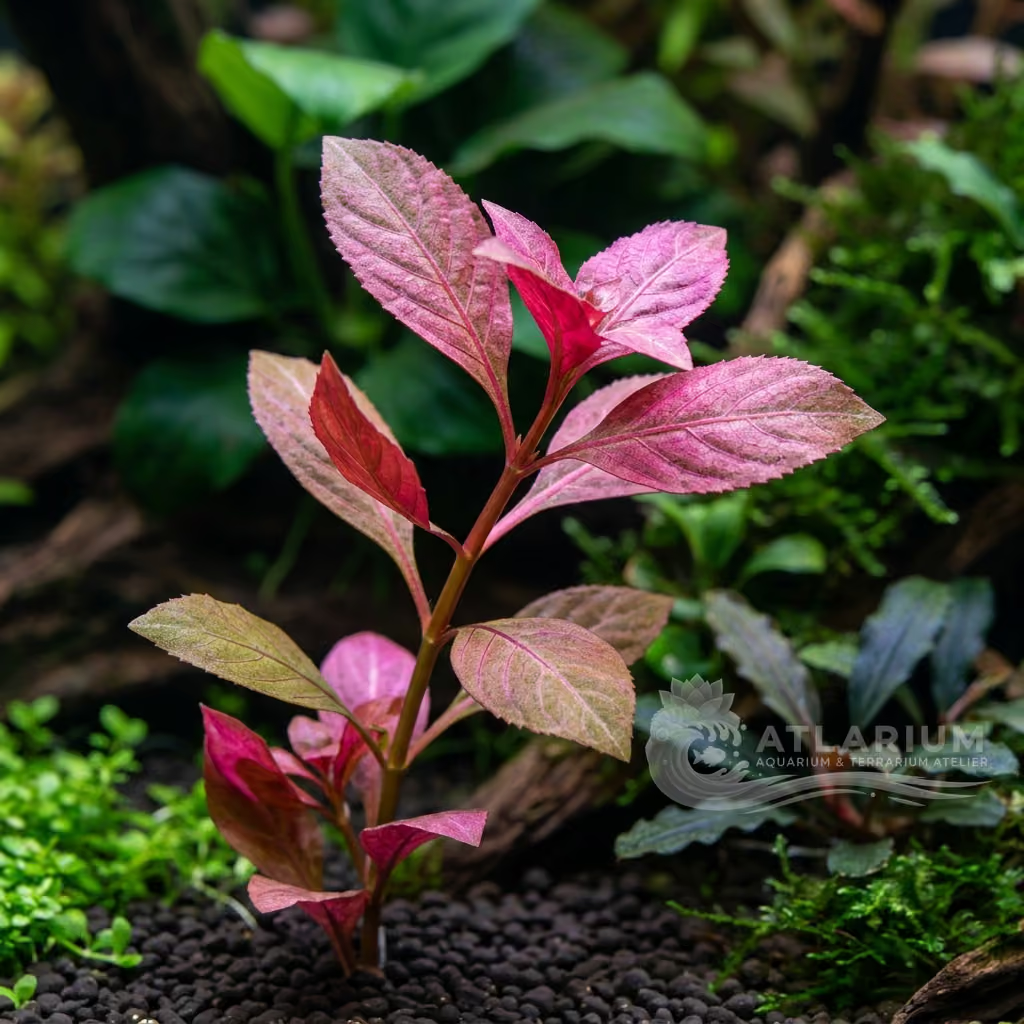
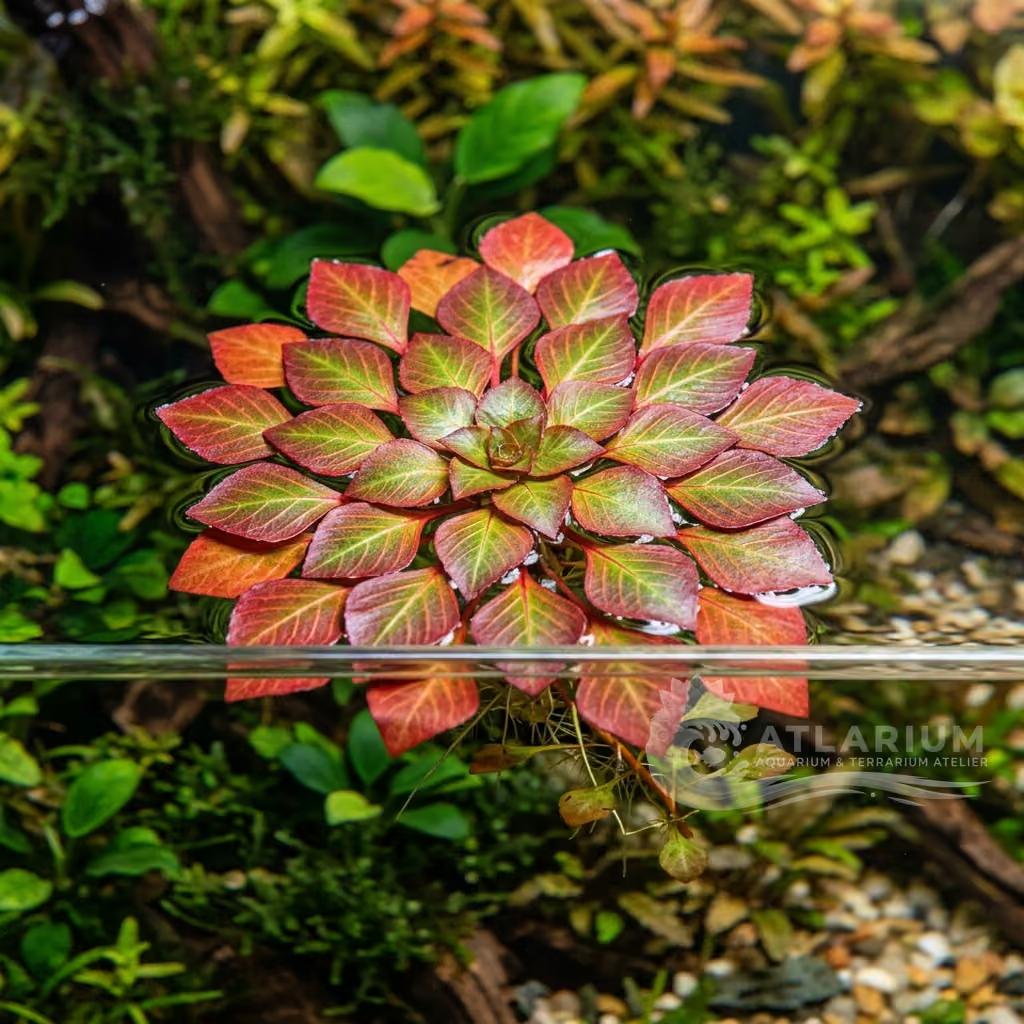
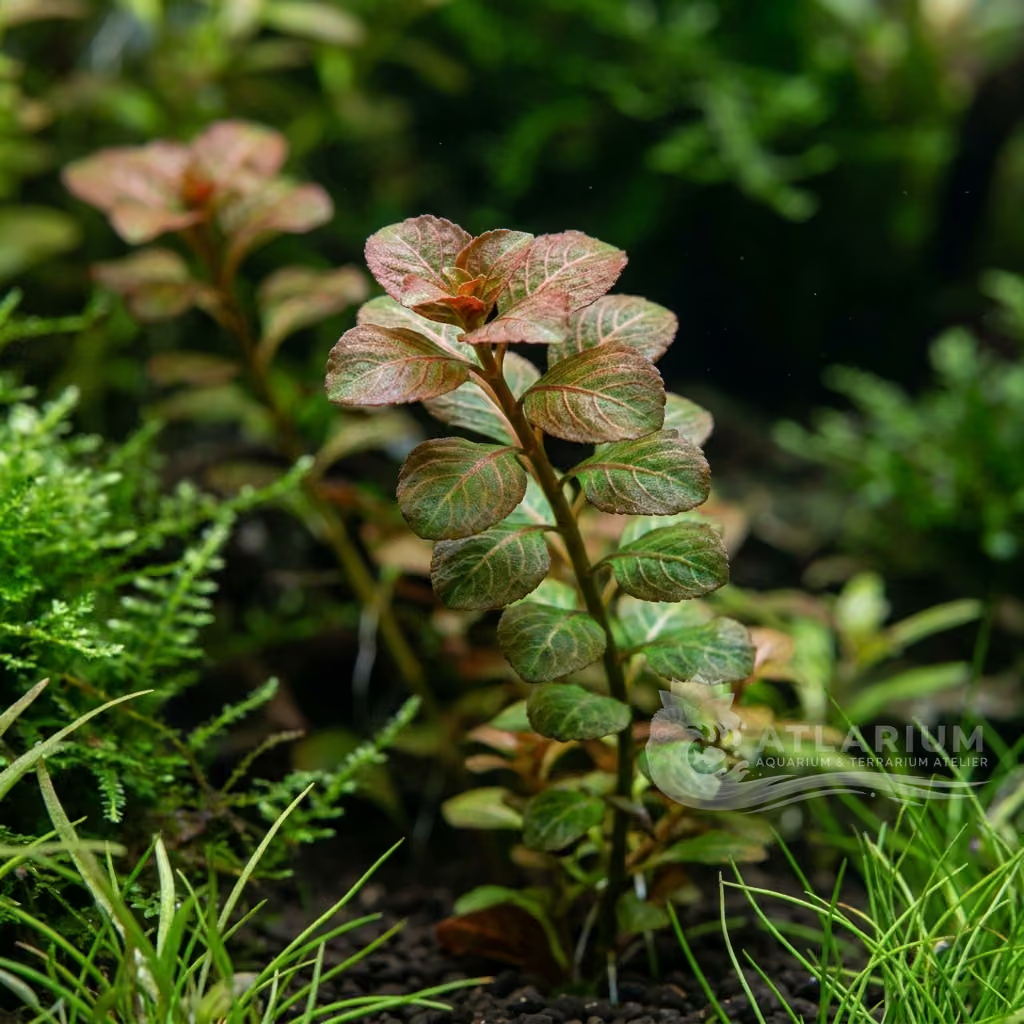
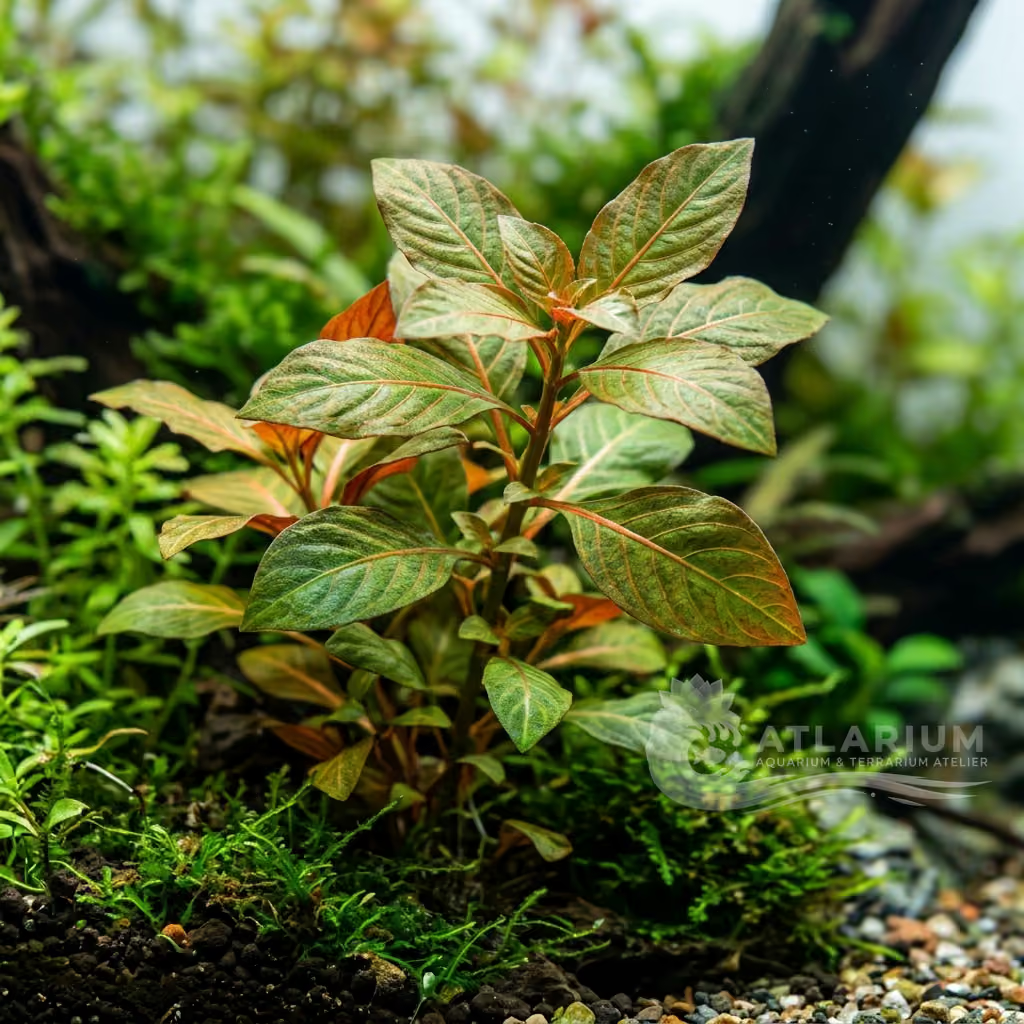
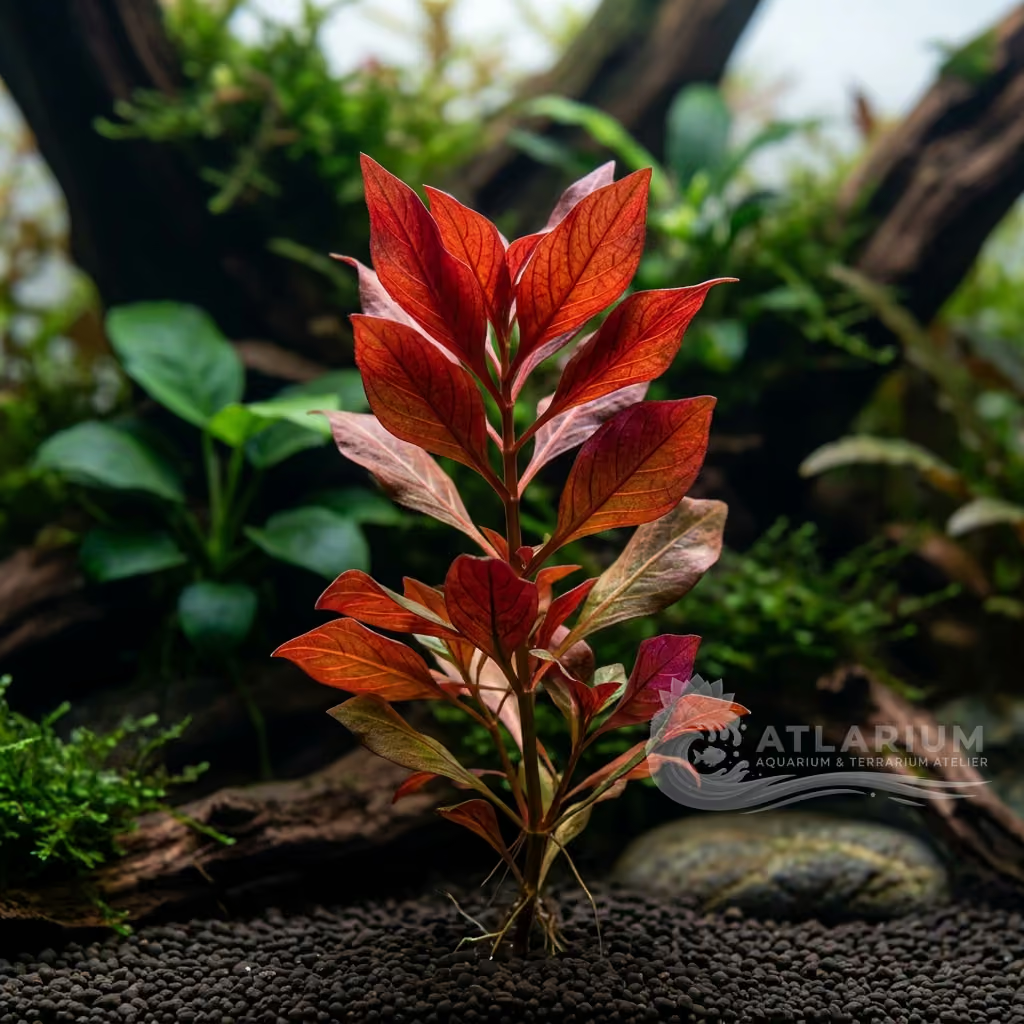
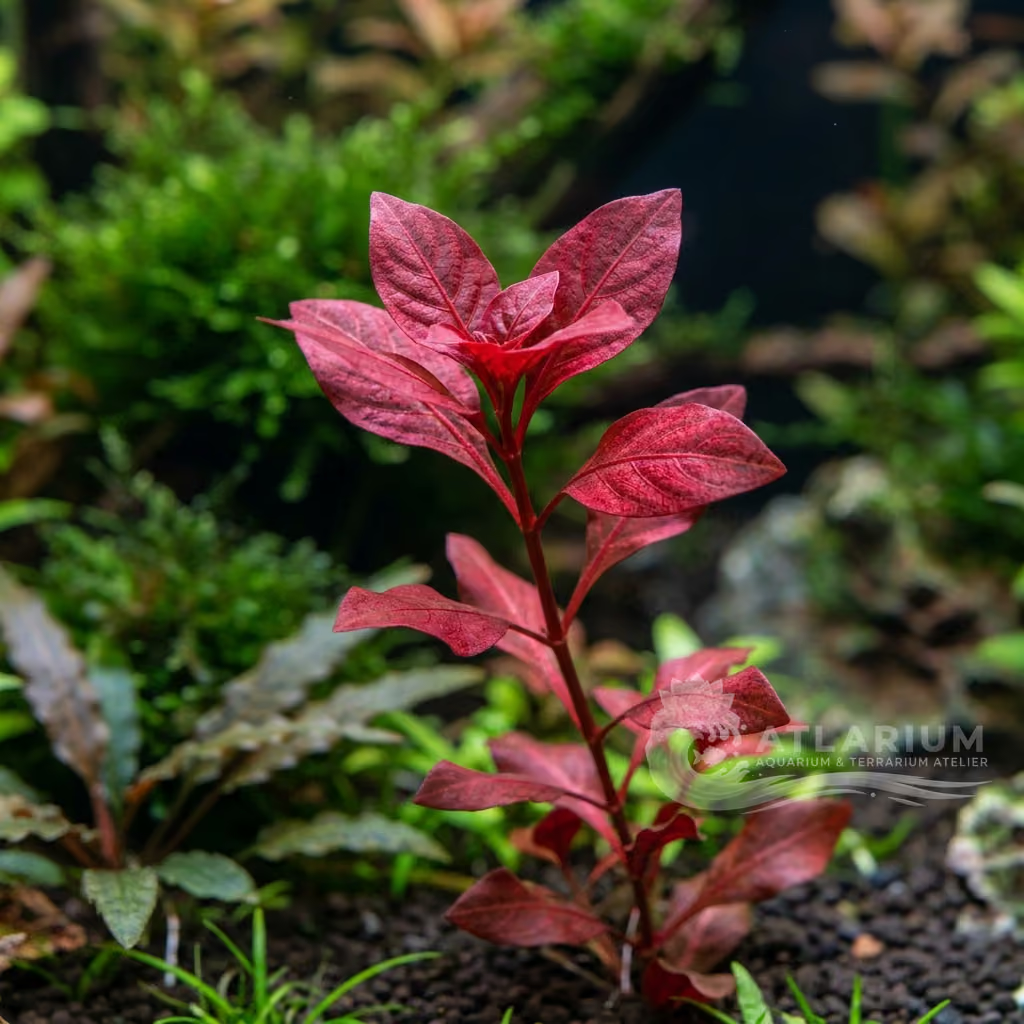
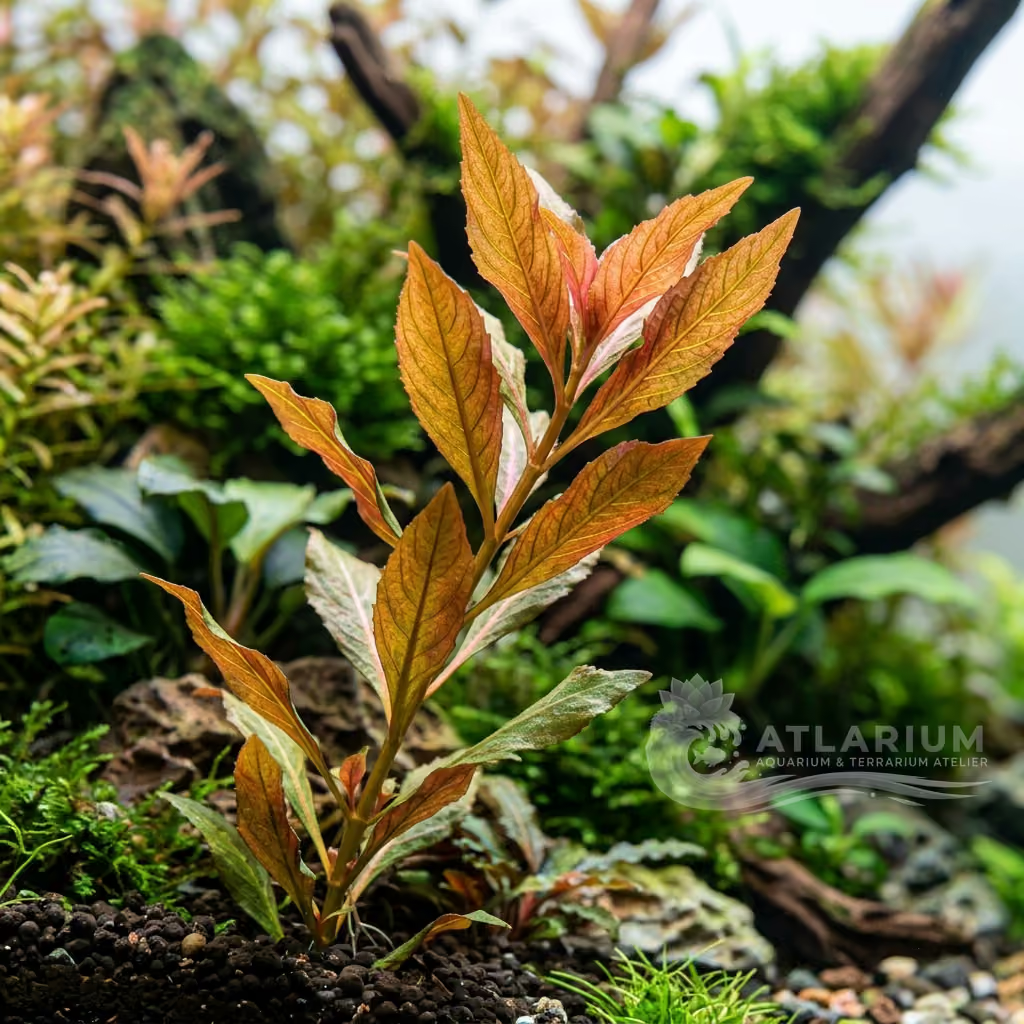
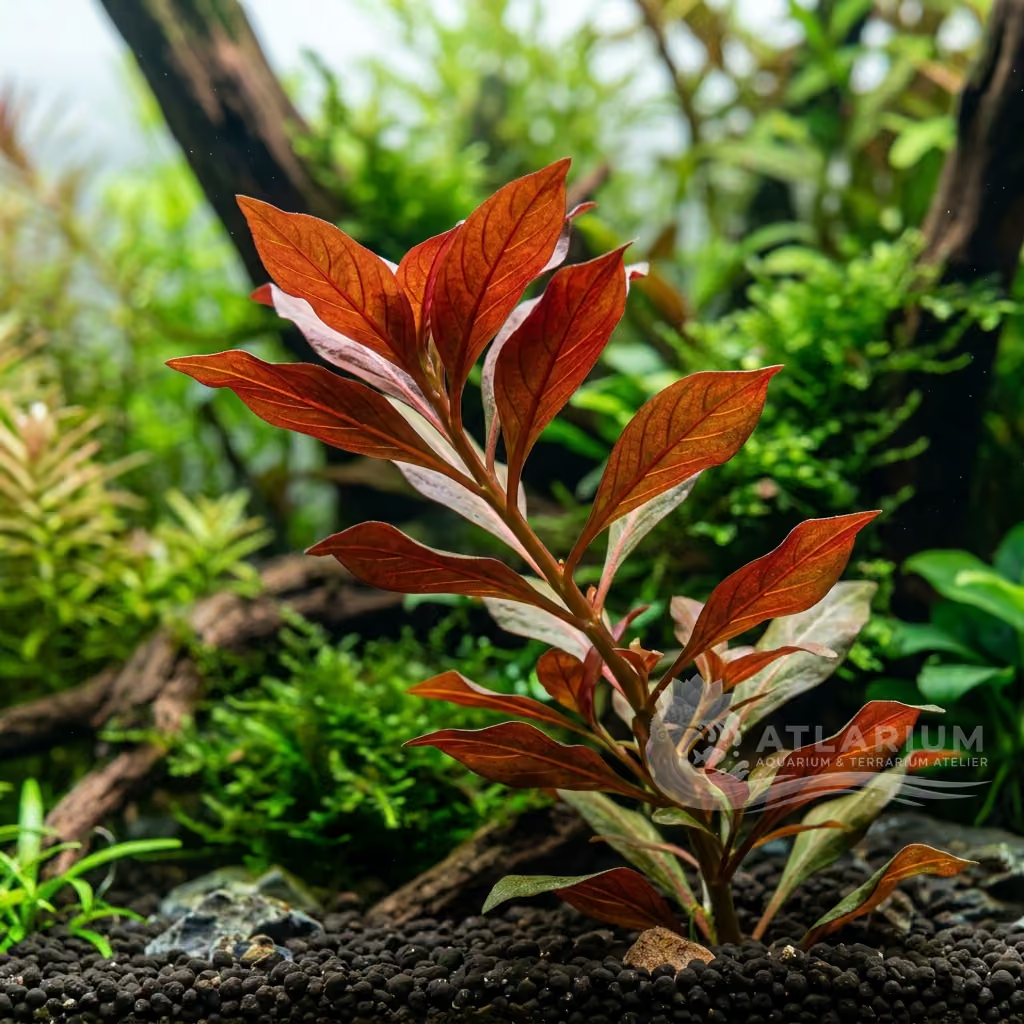
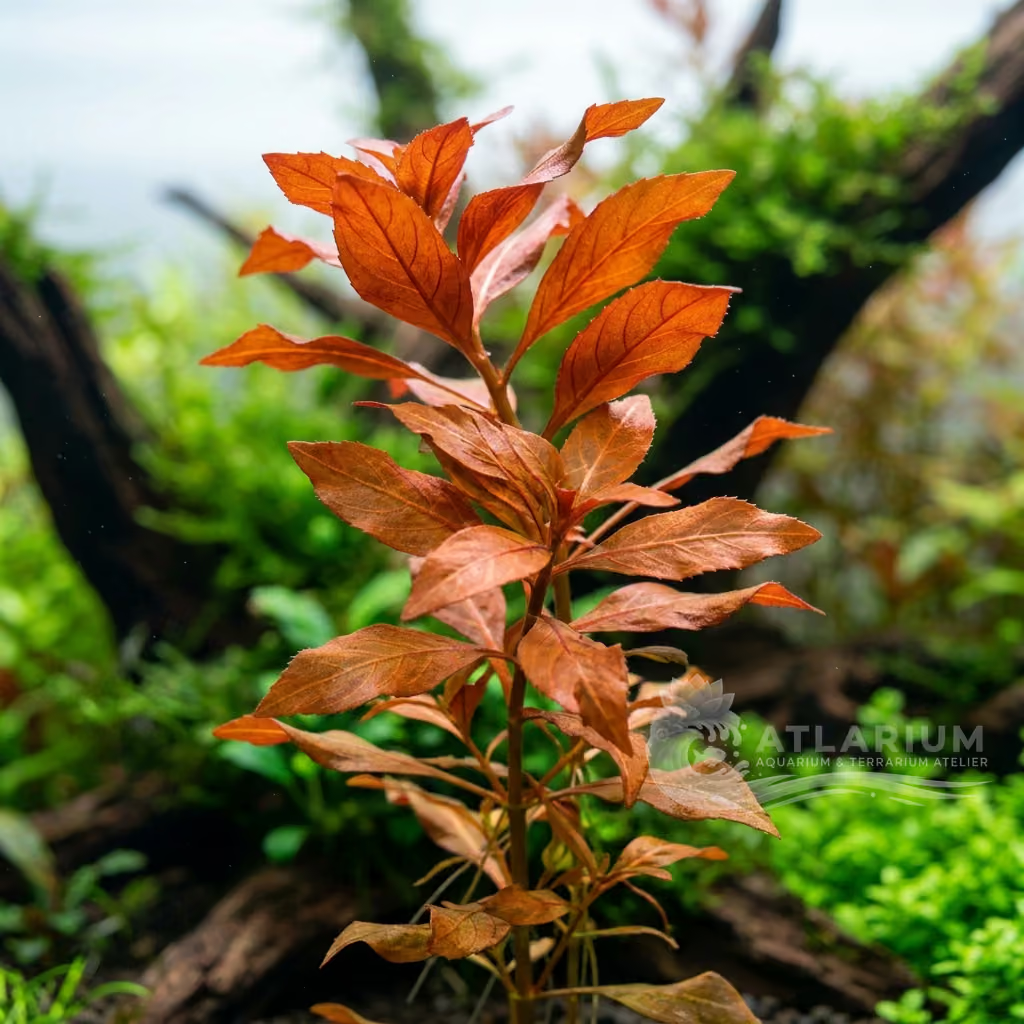
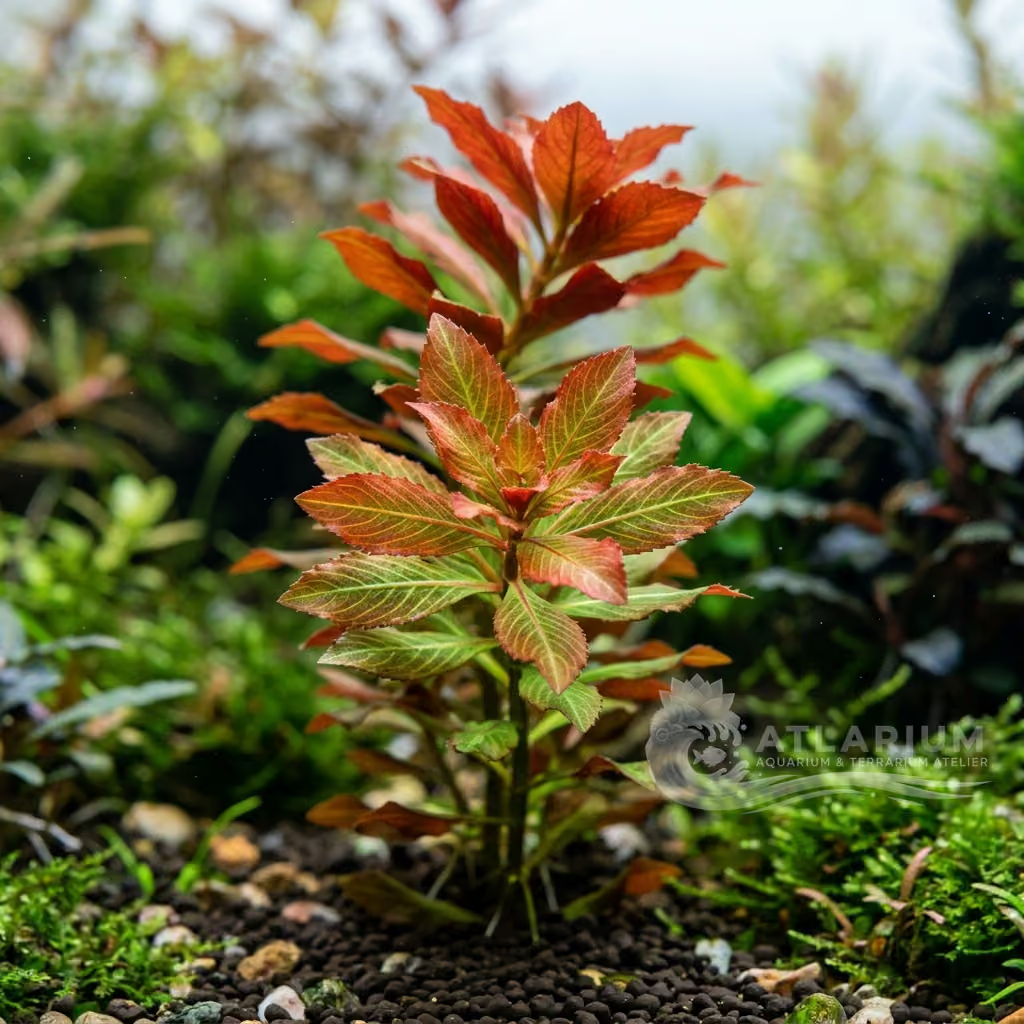
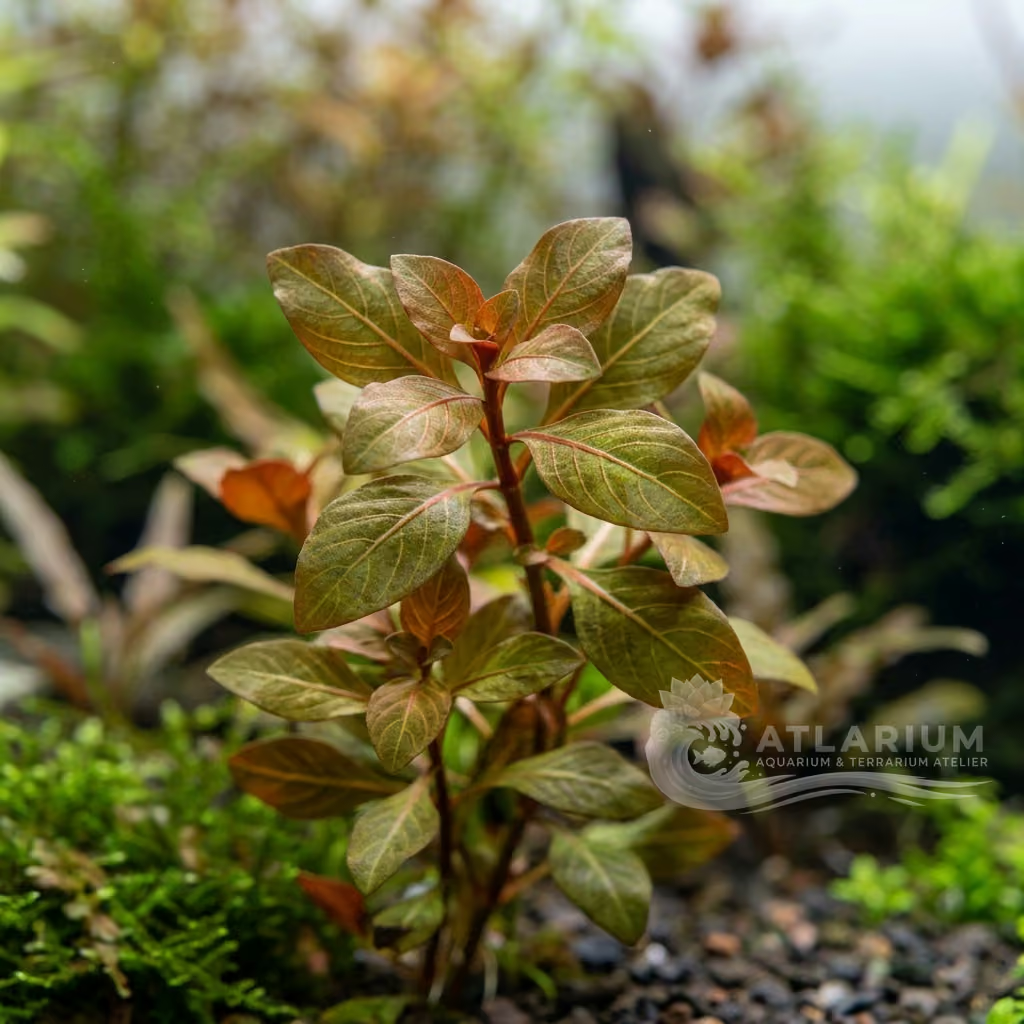
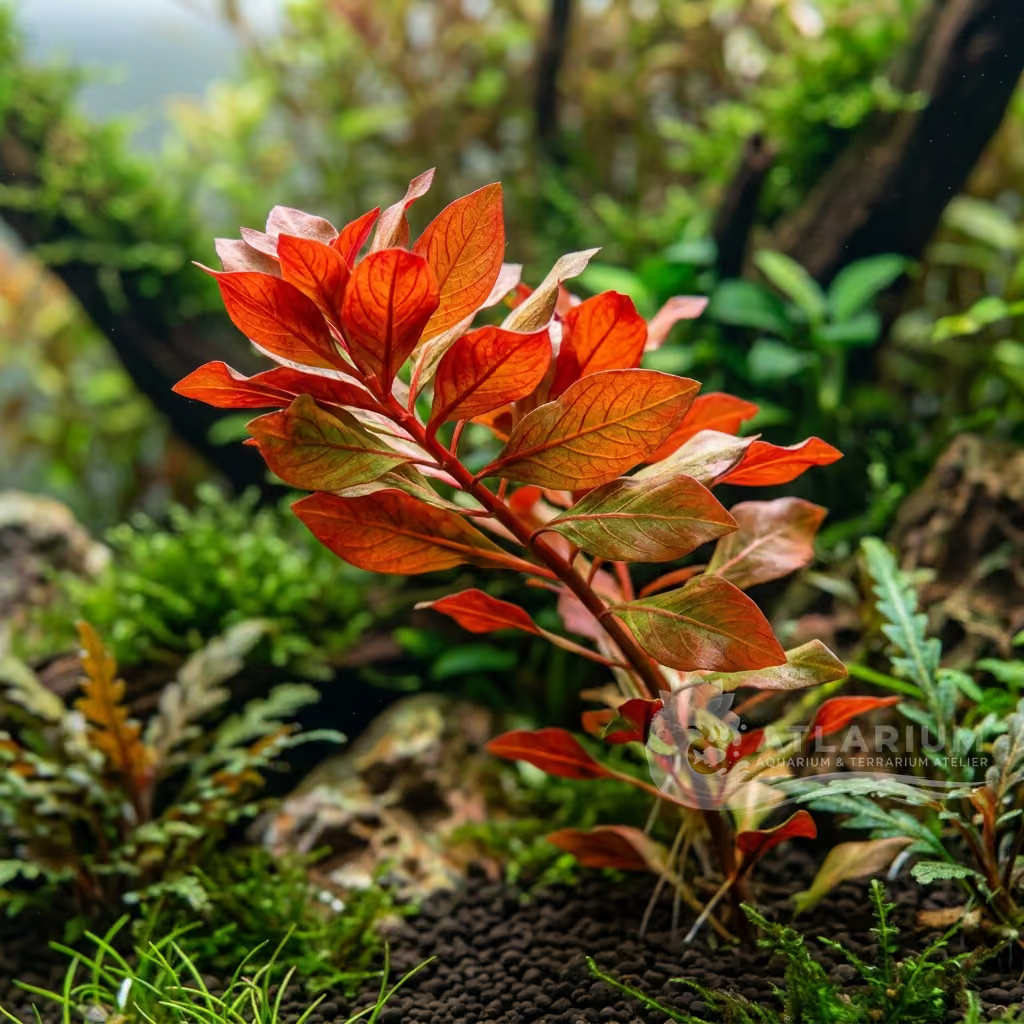
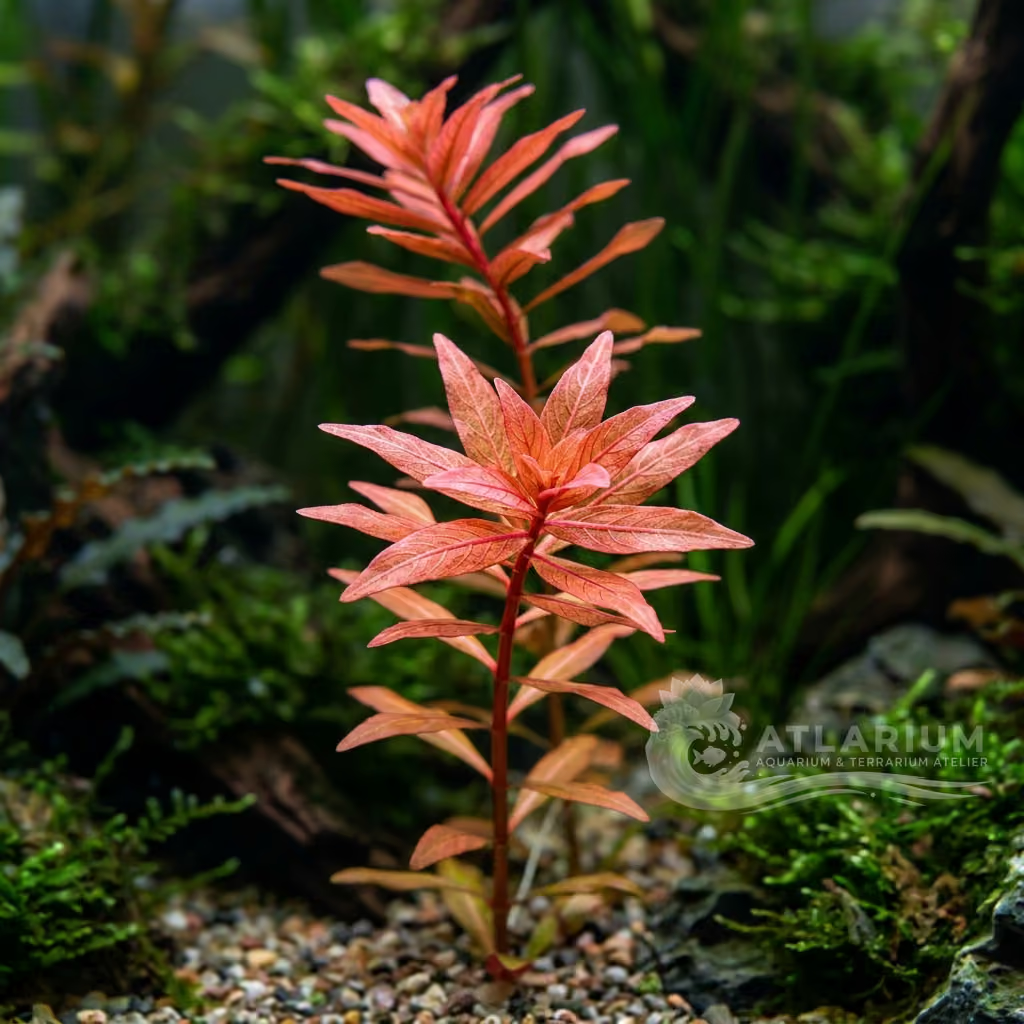
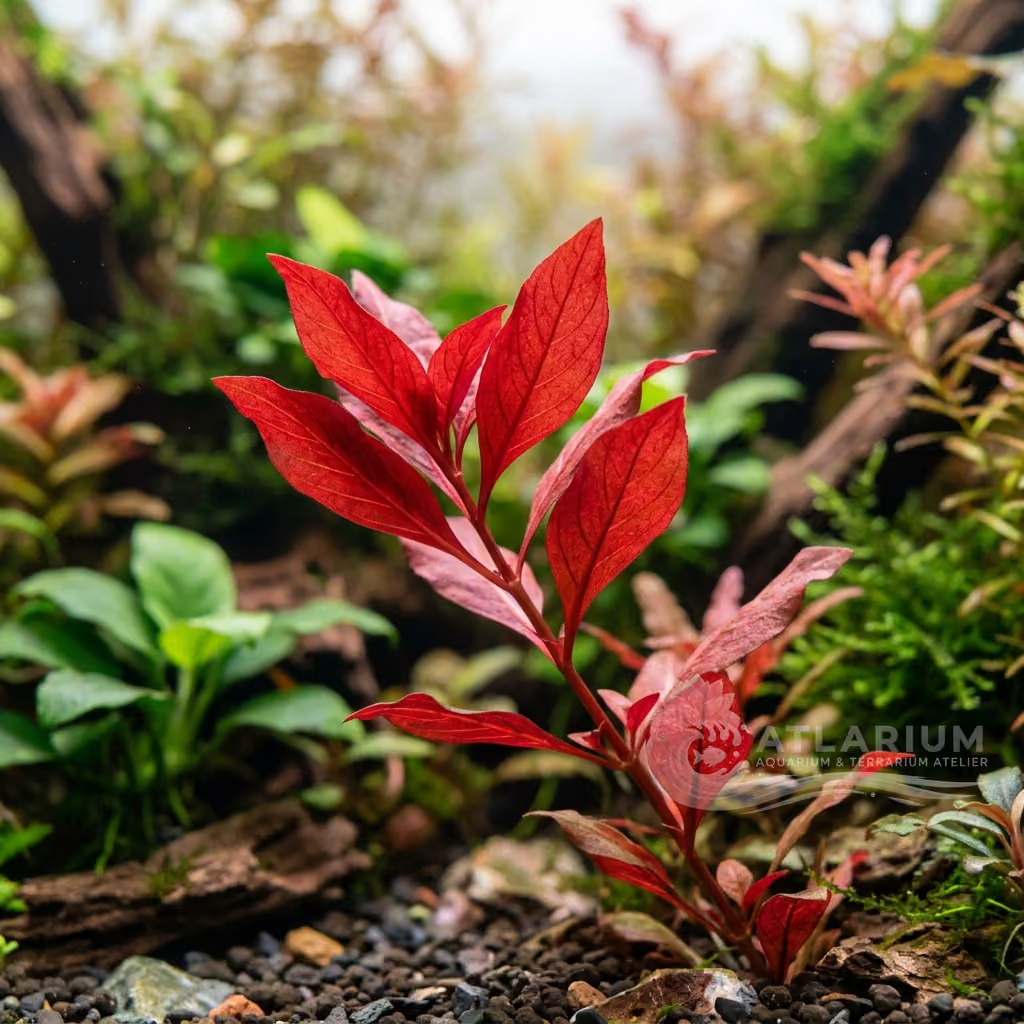
Color & Texture: The most striking feature of Ludwigia "Rubin" is its exceptional coloration, which ranges from a deep, dark red to a brilliant ruby, especially when grown under high light conditions. The leaves possess a smooth, slightly fleshy texture, which beautifully reflects light, adding depth and warmth to the aquarium landscape. Color intensity can also be influenced by nutrient availability, particularly iron, and the presence of CO2; suboptimal conditions may cause lower or new leaves to appear more greenish or dull. The tips of the leaves and new shoots typically display the most vibrant and intense coloration, providing a dynamic visual element.

Care, breeding and tankmates
Lighting & CO2: To achieve the most intense ruby-red coloration and ensure healthy growth for Ludwigia "Rubin", providing medium to high lighting, ideally with a spectrum optimized for aquatic plants, is crucial. Insufficient light will result in stunted growth and a greener coloration, while overly dim conditions might lead to the shedding of lower leaves. Carbon dioxide (CO2) injection is highly recommended; it not only accelerates the plant's already fast growth rate but also promotes more vibrant coloring and helps prevent calcium carbonate buildup on the leaves. An appropriate photoperiod, typically 8-10 hours per day, is ideal for balancing growth and minimizing algae growth.
Nutrition & Substrate: Ludwigia "Rubin" is a nutrient-demanding plant that requires a comprehensive fertilization regimen to thrive and maintain its stunning coloration. A rich, fertile substrate, supplemented with root tabs, is highly beneficial for delivering essential macronutrients and micronutrients directly to the root system. Liquid column fertilization is equally crucial, ensuring a consistent supply of potassium, nitrates, and phosphates. Iron, in particular, is a key element for the synthesis of anthocyanins, the pigments responsible for its red color; a deficiency will manifest as pale or yellowish leaves. Maintaining balanced levels of nitrates and phosphates, with a slight nitrate deficit (but not severe deficiency), can sometimes intensify red hues without compromising overall plant health.
Water Chemistry: This Ludwigia cultivar exhibits remarkable tolerance to a wide range of water parameters, making it suitable for many aquarium setups. The ideal water temperature spans from 6.0 to 32.0 C, though a more stable range between 22-28 C is optimal for vigorous growth. pH values can safely range from 5.0 to 7.5, and carbonate hardness (KH) is tolerated between 2.0 and 15.0. While adaptable, consistency in parameters is often more critical than adhering strictly to optimal values; large fluctuations can stress the plant and potentially lead to melting or slowed growth. Softer, slightly acidic water with good CO2 injection tends to promote the most vibrant coloration.
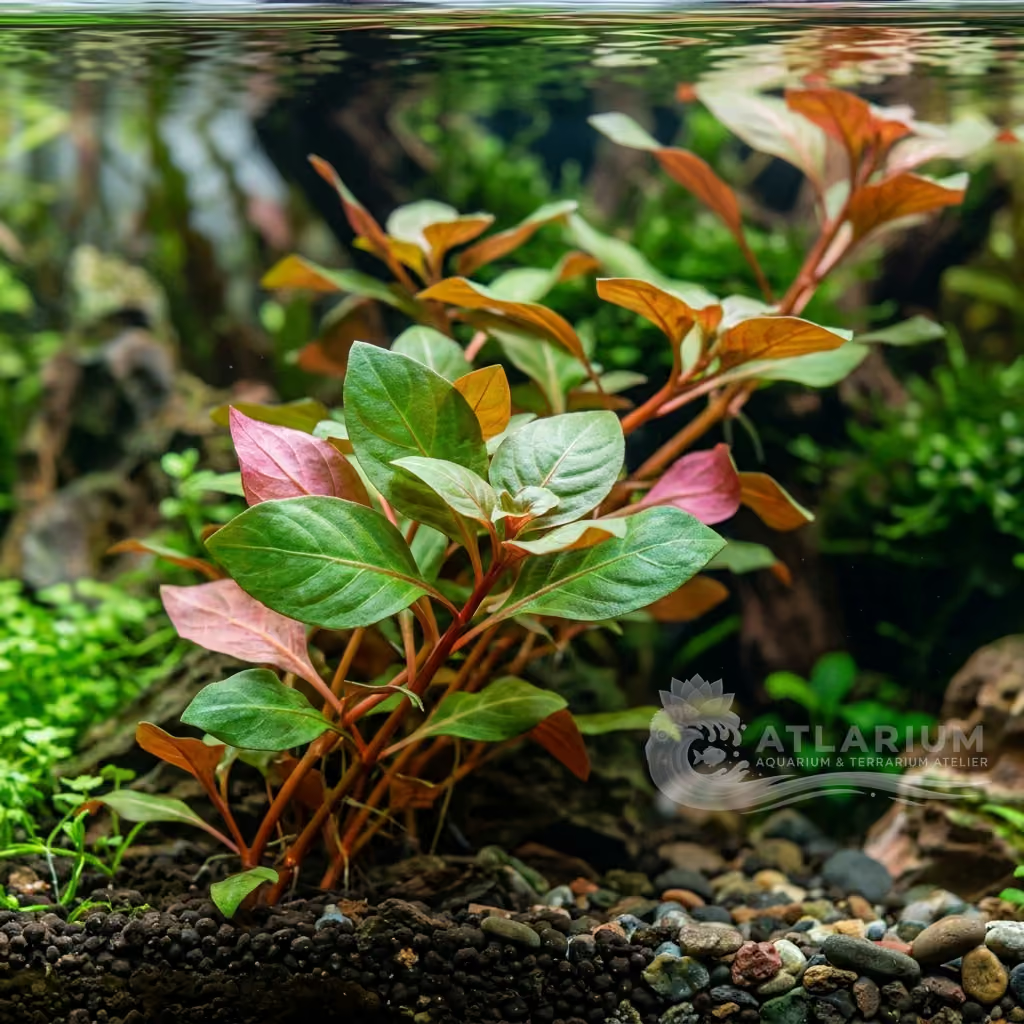
Space Management & Placement: Given its upright growth habit and rapid growth rate, Ludwigia "Rubin" is perfectly suited for midground placement, where its striking red foliage can create a strong contrast with greener plants. It is advisable to plant it in dense clusters of at least 5-7 stems to achieve a fuller, more impactful visual effect. Due to its accelerated growth, it's essential to consider the space it will occupy and plan for regular
Pruning: Regular pruning is essential to keep Ludwigia "Rubin" healthy and in a desirable form, especially given its fast growth. To encourage bushier, denser growth, it is recommended to perform "topping" by cutting the apical stems, which stimulates the production of new lateral shoots. The cuttings obtained can be easily replanted into the substrate to propagate the plant or to further thicken the existing cluster, ensuring they have at least 3-4 nodes to successfully root. It's also important to remove any yellowing or damaged lower leaves to maintain the plant's overall health and prevent the accumulation of detritus that can foster algae growth.
Risks & Diseases: Despite its robustness, Ludwigia "Rubin" can be susceptible to specific risks and issues if conditions are not optimal. Iron deficiency typically manifests as pale or yellowish leaves, particularly on new growth, while a lack of other macronutrients can lead to discolored leaves or holes. Insufficient lighting or an imbalance between light and nutrients can encourage algae growth on the leaves, compromising both the plant's aesthetics and health. Furthermore, drastic changes in water parameters or the introduction of aggressive chemicals can cause the leaves to "melt," a rapid deterioration process that requires immediate attention to aquarium conditions.

Geographic origin and distribution
Ludwigia "Rubin" is a specially cultivated variety, rather than a wild species with a specific natural habitat. It is believed to be a horticultural hybrid or selection, likely derived from various Ludwigia species native to North and South America, where many members of this genus thrive in diverse aquatic and semi-aquatic environments such as marshes, slow-moving rivers, and ditches. This specific cultivar has been selectively bred to enhance its production of red pigments, making it a highly sought-after plant in aquascaping. Despite its cultivated origin, it retains the robust nature and adaptability characteristic of wild Ludwigia species.
Origin
Selective breeding and cultivarsExtra-Amazon South AmericaNorth America

Plant profile
- Placement
- Midground
- Position this plant in the midground or background where it can receive maximum light. Planting it in a dense cluster creates a breathtaking, vibrant red focal point. It provides a striking visual contrast when placed next to light green, finely textured flora.
- Botanical form
- Stem
- The plant is characterized by its broad, ovate leaves that turn a spectacular, deep ruby-red under intense light. Both the upper and lower surfaces of the leaves, as well as the stem, display this intense coloration. The growth habit is generally upright.
- Growth
- Fast
- It exhibits a relatively fast growth rate under high-tech conditions. It quickly reaches toward the light, requiring regular maintenance to keep it compact. The fast growth helps absorb excess nutrients from the water column.
- Substrate
- High
- Ludwigia "Rubin" demands a fertile, nutrient-loaded substrate to reach its full potential and display its breathtaking dark red leaves. It rapidly establishes an extensive root network that securely binds to high-quality aquatic soils. Providing a thick substrate bed of 2 to 3 inches ensures sufficient room for nutrient foraging and excellent physical stability.
- Column fertilization
- Recommended
- Consistent daily or weekly dosing of a complete liquid fertilizer is highly recommended. Special attention should be given to iron levels, as a deficiency will quickly result in faded colors. Balanced nitrogen and phosphorus prevent stunted growth.
- Root fertilization
- Recommended
- A fertile substrate is very beneficial, supporting the plant's rapid growth and robust structure. Root tabs are an excellent way to supplement nutrients directly to the root zone. A healthy root system ensures the plant remains anchored and vigorous.
- Trimming
- Occasional
- Frequent pruning is necessary to maintain a bushy shape and prevent the lower portions from becoming shaded. Trimming the tops encourages lateral branching, resulting in a denser cluster. The cut portions can be easily replanted.
- Propagation
- Cuttings
- Propagation is simple and is done by taking cuttings from healthy stems. Plant the cuttings directly into the substrate, ensuring they receive plenty of light. They will quickly root and establish themselves as independent plants.
- Sensitivity
- Moderate
- It is highly dependent on high light; insufficient illumination will cause the lower leaves to drop and the color to turn dull green. It is generally hardy but prefers stable, clean water conditions. Avoid placing it in shaded areas of the tank.
- Layout role
- Midground, accent, Background
- Ludwigia 'Rubin' is an outstanding accent plant, perfect for drawing the viewer's eye. Its intense red color adds warmth and depth to any aquascape. It is frequently utilized to create bold, dramatic contrasts in heavily planted layouts.

Related species
Recommendations grouped by close relatives, companion choices, and similar care.