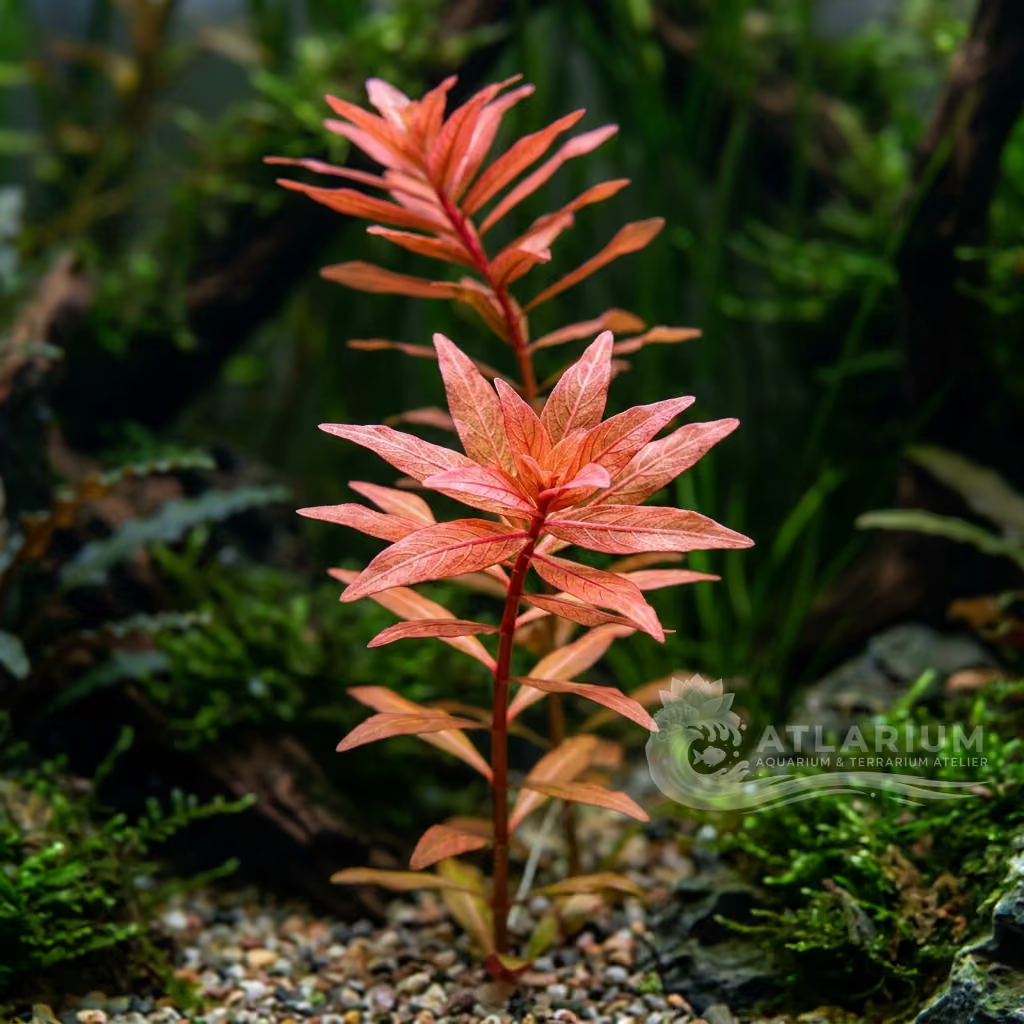
Ludwigia repens × arcuata
Ludwigia repens × arcuata
This Ludwigia hybrid is a versatile and attractive aquarium plant, valued for its rapid growth and its ability to develop intense colors ranging from green to vibrant red. Ideal for midground placement, it creates a dynamic focal point and actively contributes to the balance of the aquatic ecosystem.
Water Temperature
4 - 30 °C
pH Value
5 - 8
Water type
Freshwater
Light
Low to High
CO2
High
KH
2 - 22 dKH

Species description
Geographical Origin and Habitat: Ludwigia repens × arcuata does not possess a specific geographical origin in the traditional sense, as it is either a cultivated hybrid or potentially a spontaneous natural cross between its parent species. Both parent species, Ludwigia repens and Ludwigia arcuata, are native to the southeastern regions of North America, where they thrive in marshy environments, slow-moving waterways, and lake edges. This hybridization combines the best characteristics of robustness and intense
Color & Texture: ation, making it a versatile plant suitable for a wide range of aquatic conditions. Its adaptability and significant aesthetic impact have led to its widespread popularity in the aquarium trade.
Taxonomy & Genetics: This plant is an interspecific hybrid resulting from the cross between Ludwigia repens and Ludwigia arcuata, both belonging to the genus Ludwigia within the Onagraceae family. The hybridization was likely selected to combine the hardiness and vigorous growth of L. repens with the slender leaf form and intense red coloration of L. arcuata. Its scientific designation explicitly reflects this hybrid origin, indicating a fusion of the genetic characteristics from both parent species. The Onagraceae family includes many plants known for their showy flowers, although in aquariums, they are primarily cultivated for their foliage.
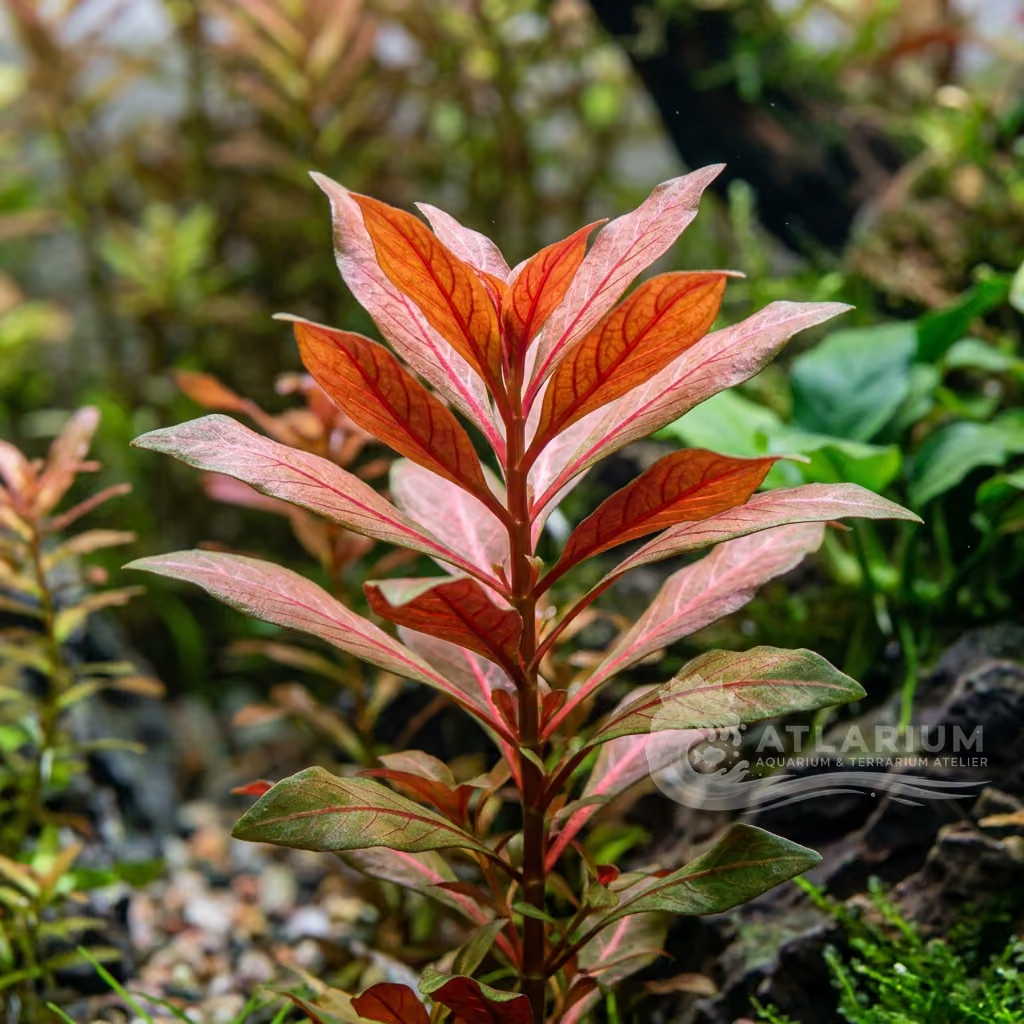
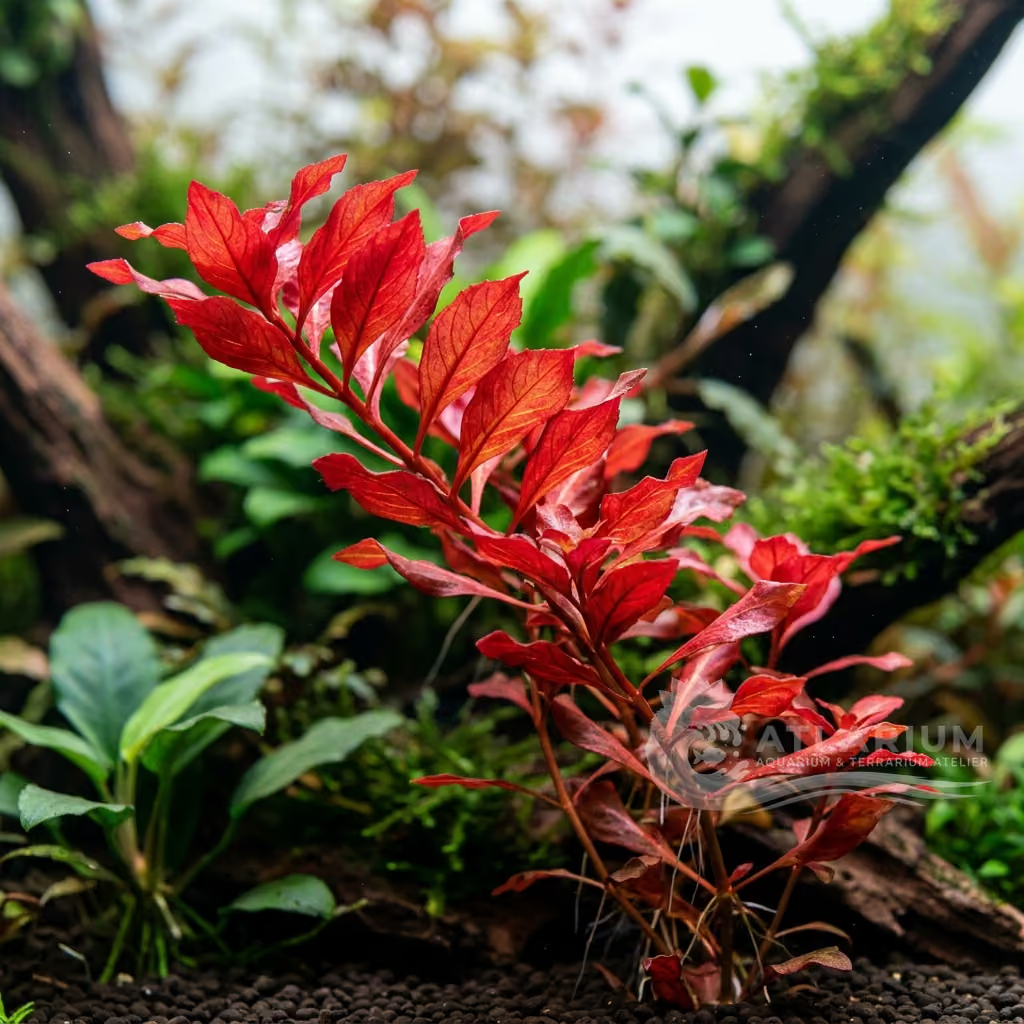
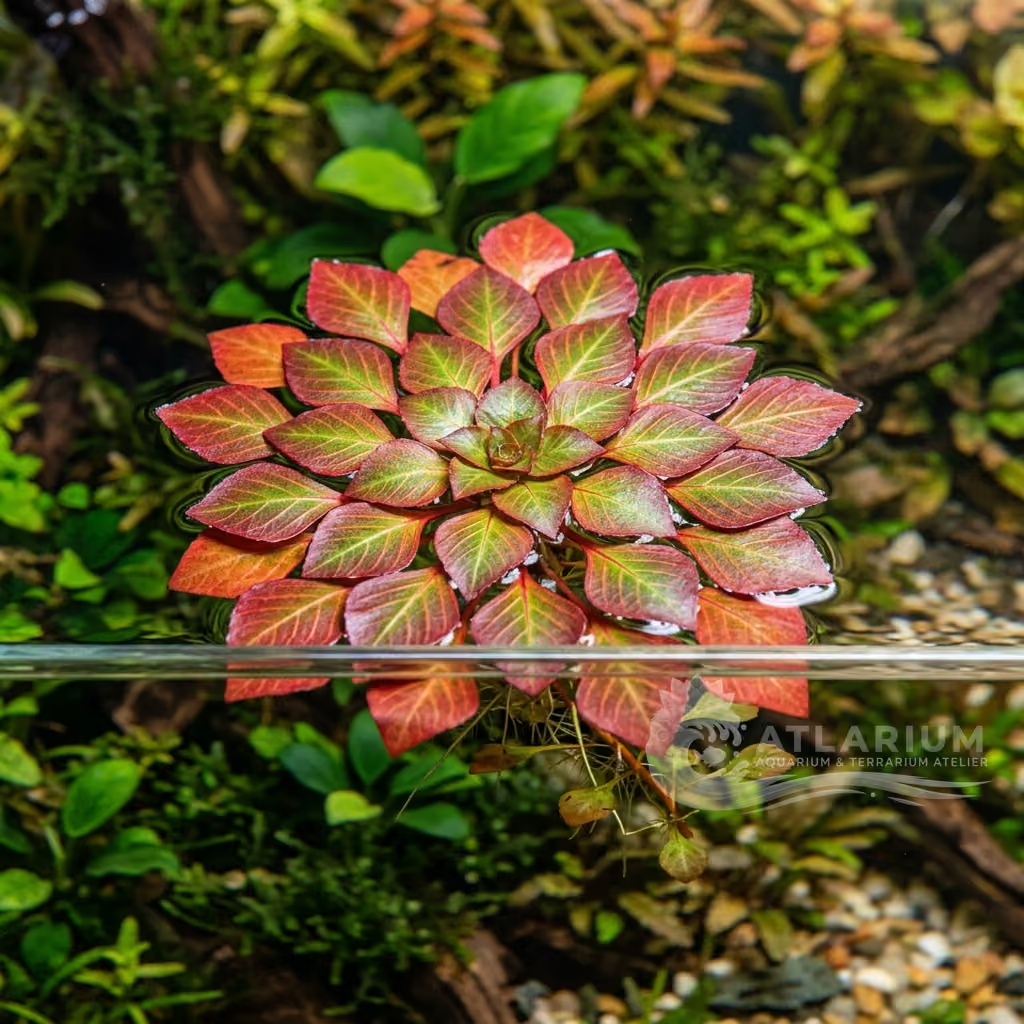
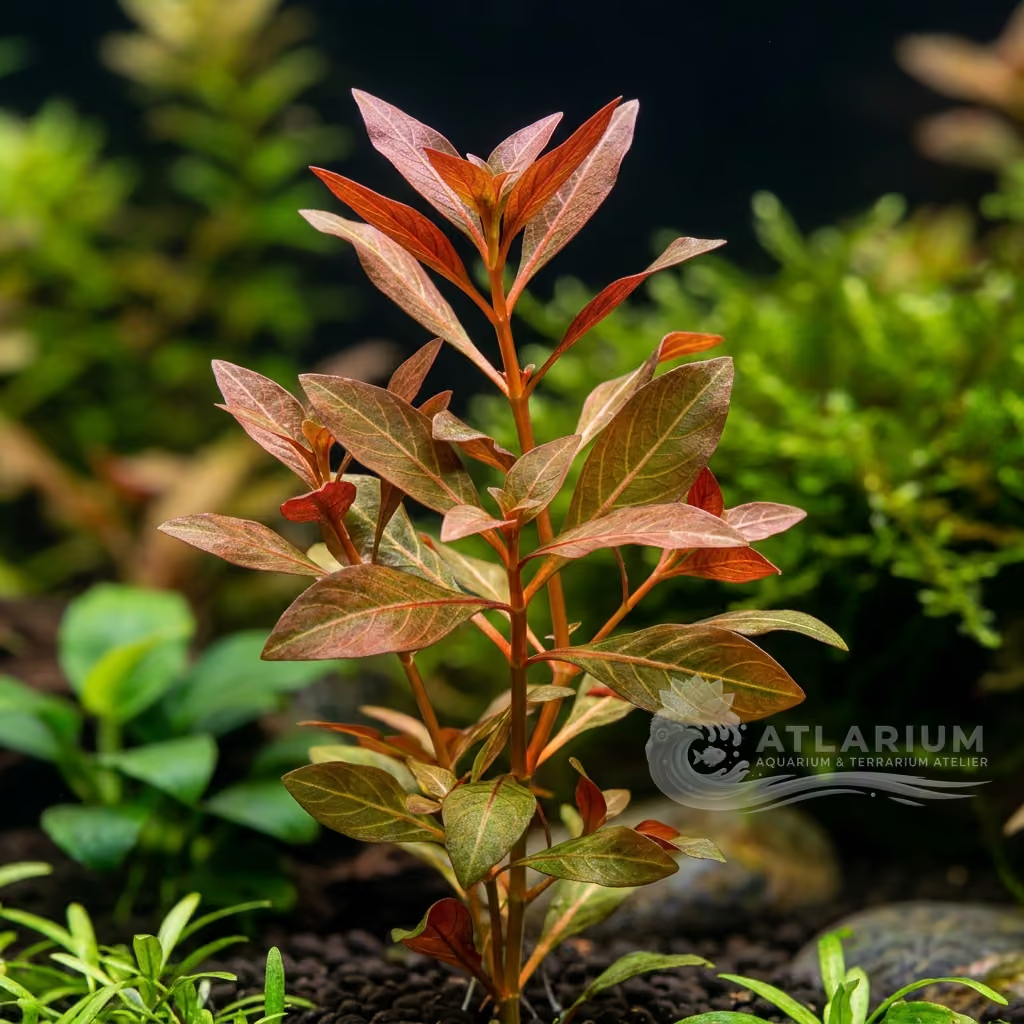
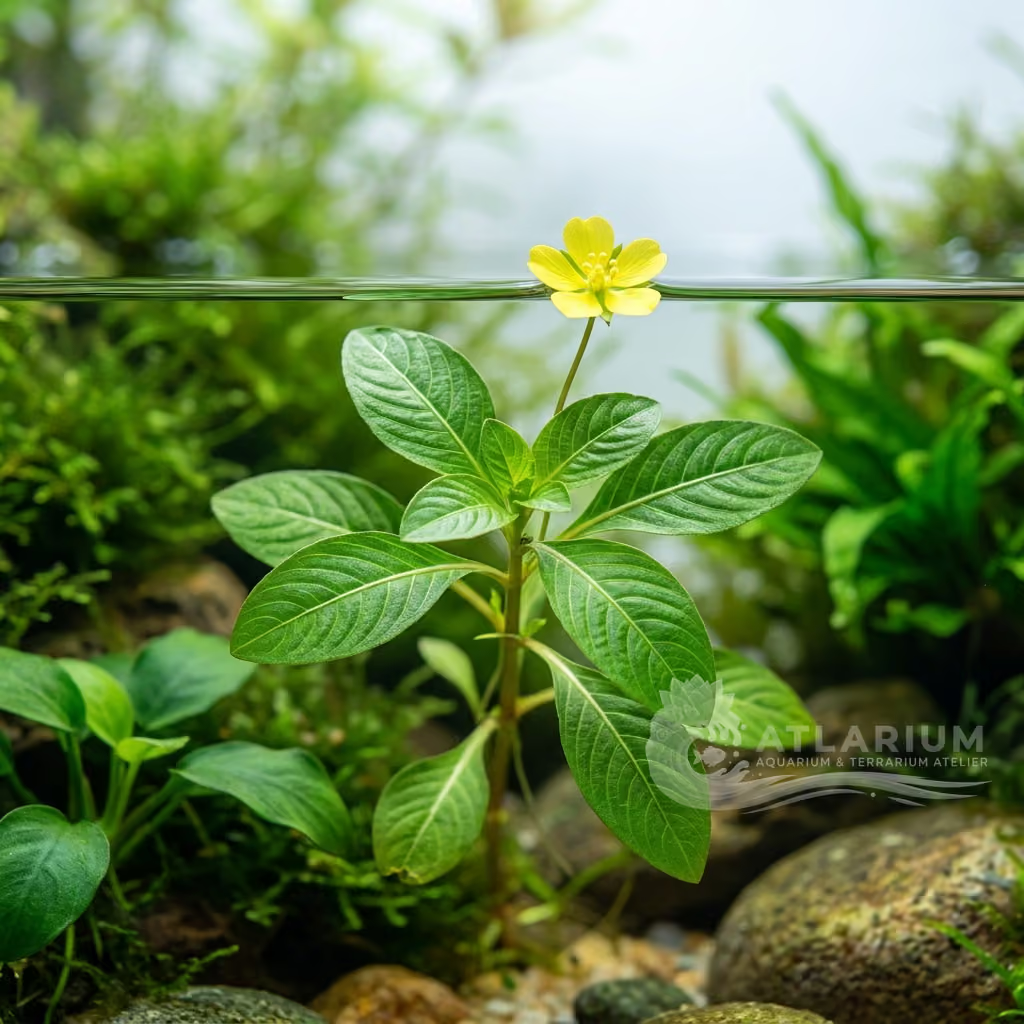
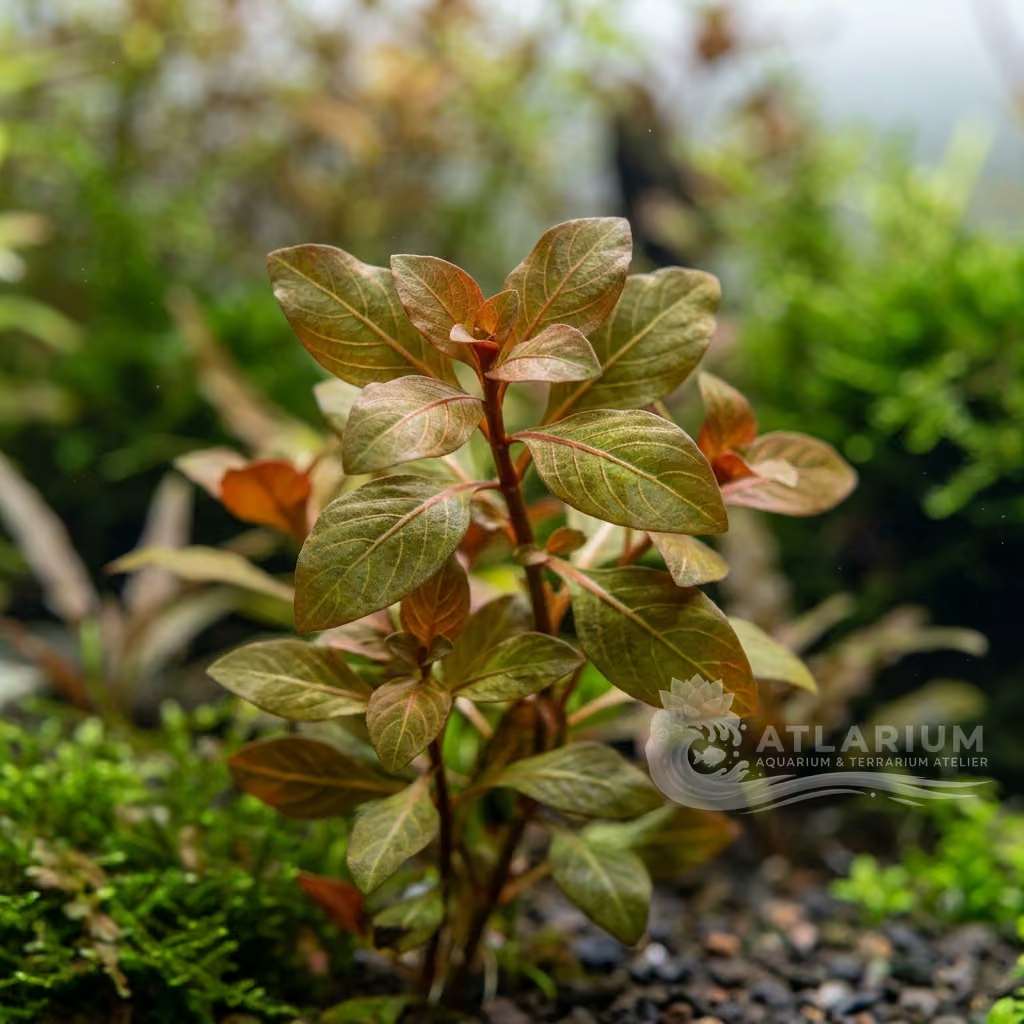
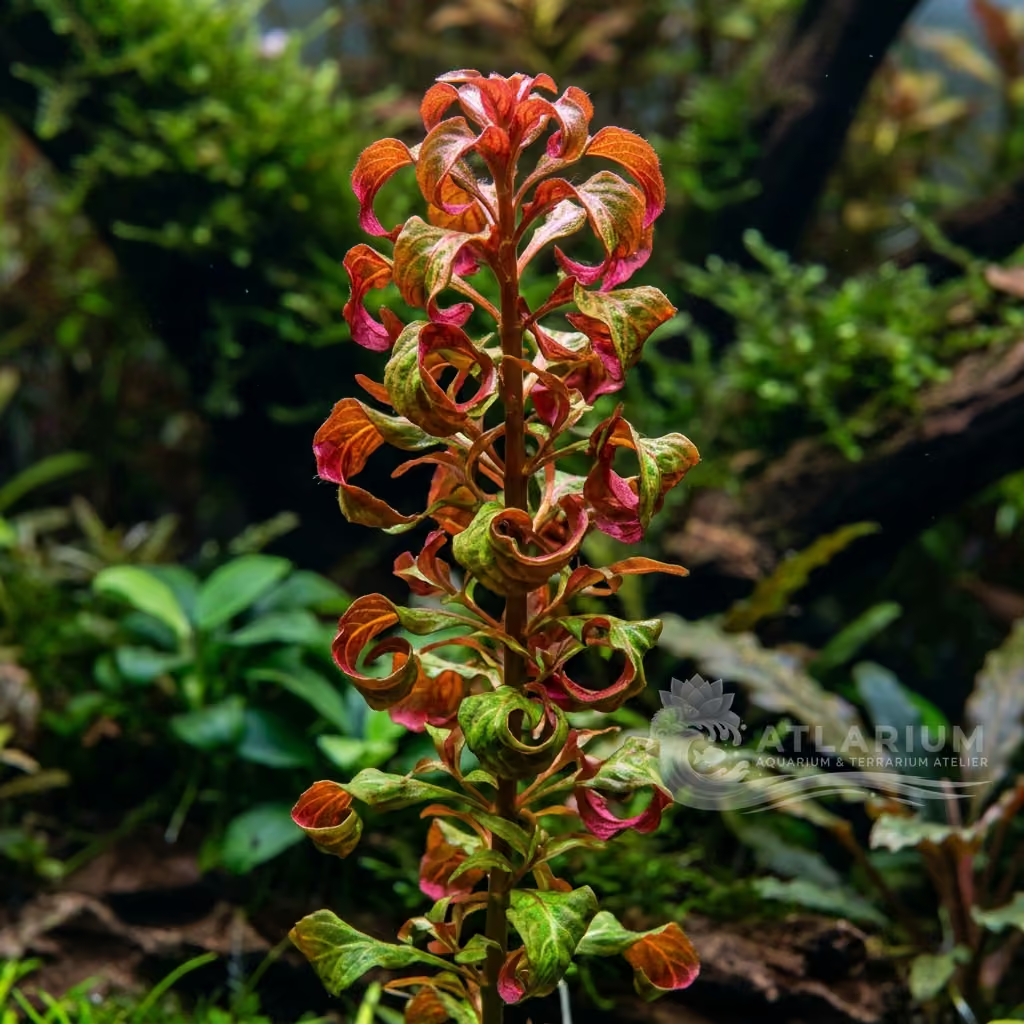
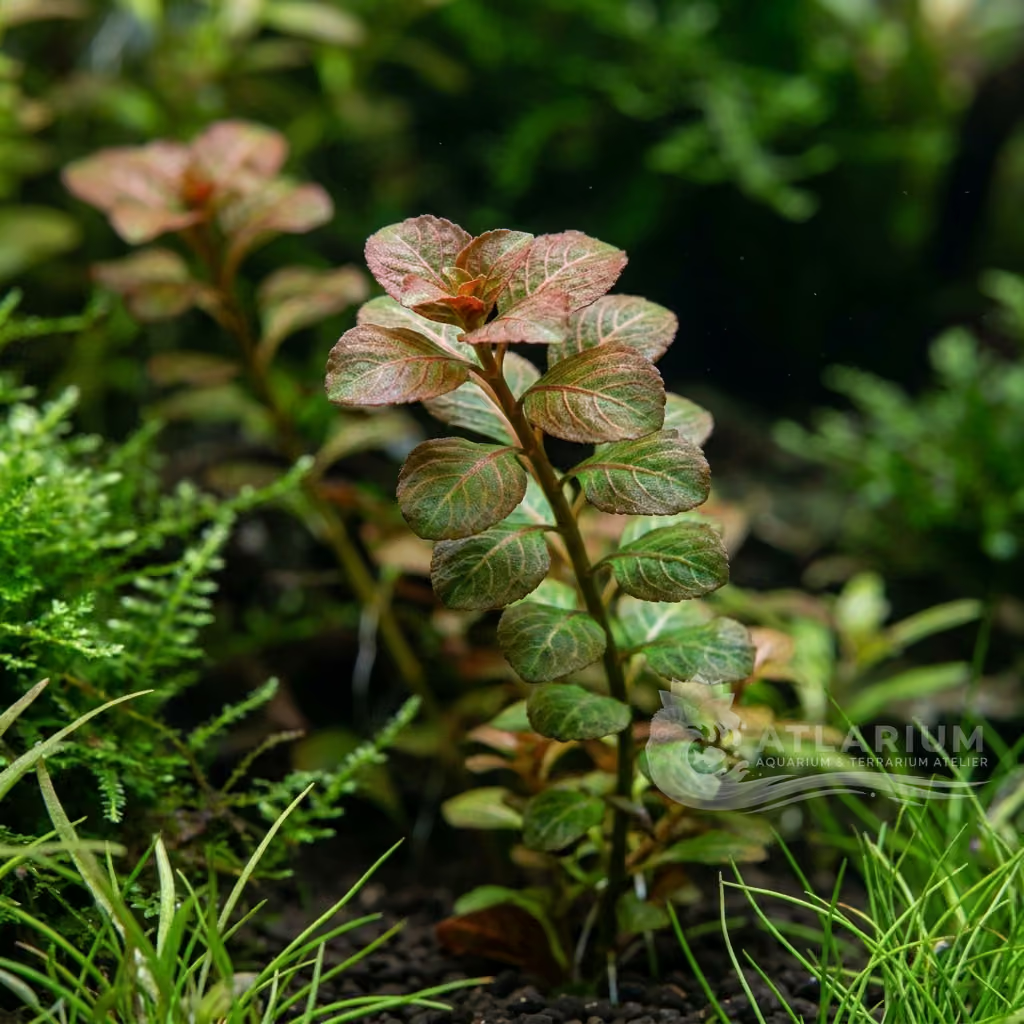
Physical Structure: Ludwigia repens × arcuata develops robust, upright stems that can branch profusely, reaching significant heights if not regularly pruned. The leaves are arranged alternately along the stem, displaying a shape intermediate between the broader, oval leaves of L. repens and the narrower, more linear leaves of L. arcuata. Submerged leaves tend to be more elongated and lanceolate compared to their emersed form. Its fibrous root system anchors firmly to the substrate, but the plant is also adept at absorbing nutrients directly from the water column through its stems and leaves.
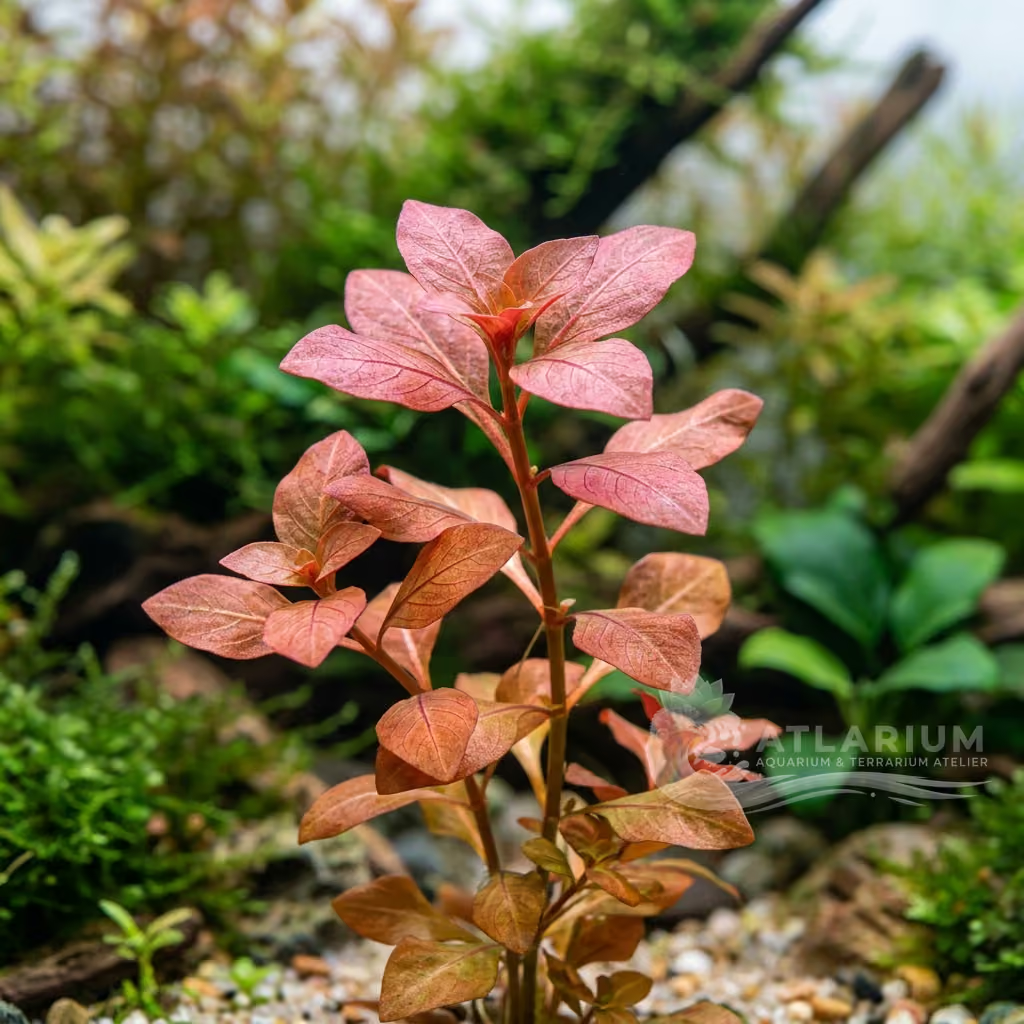
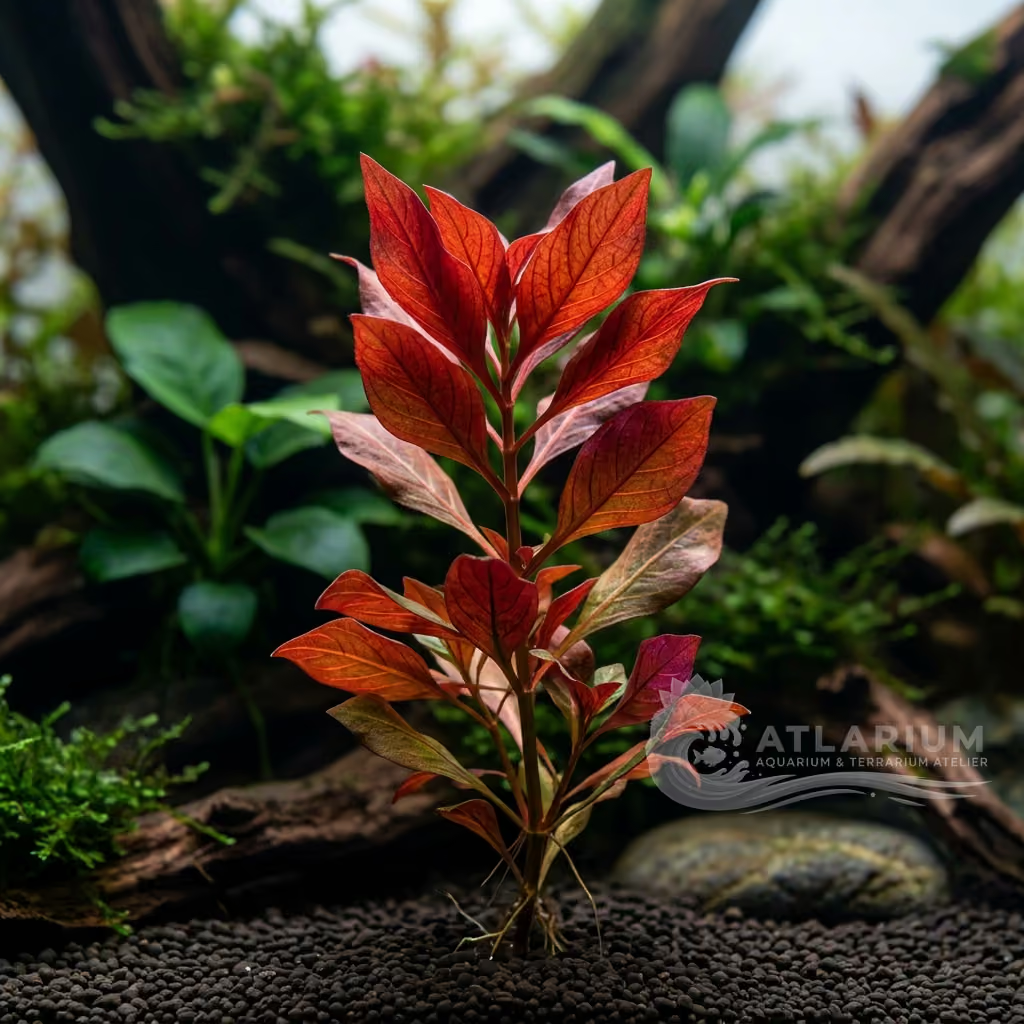
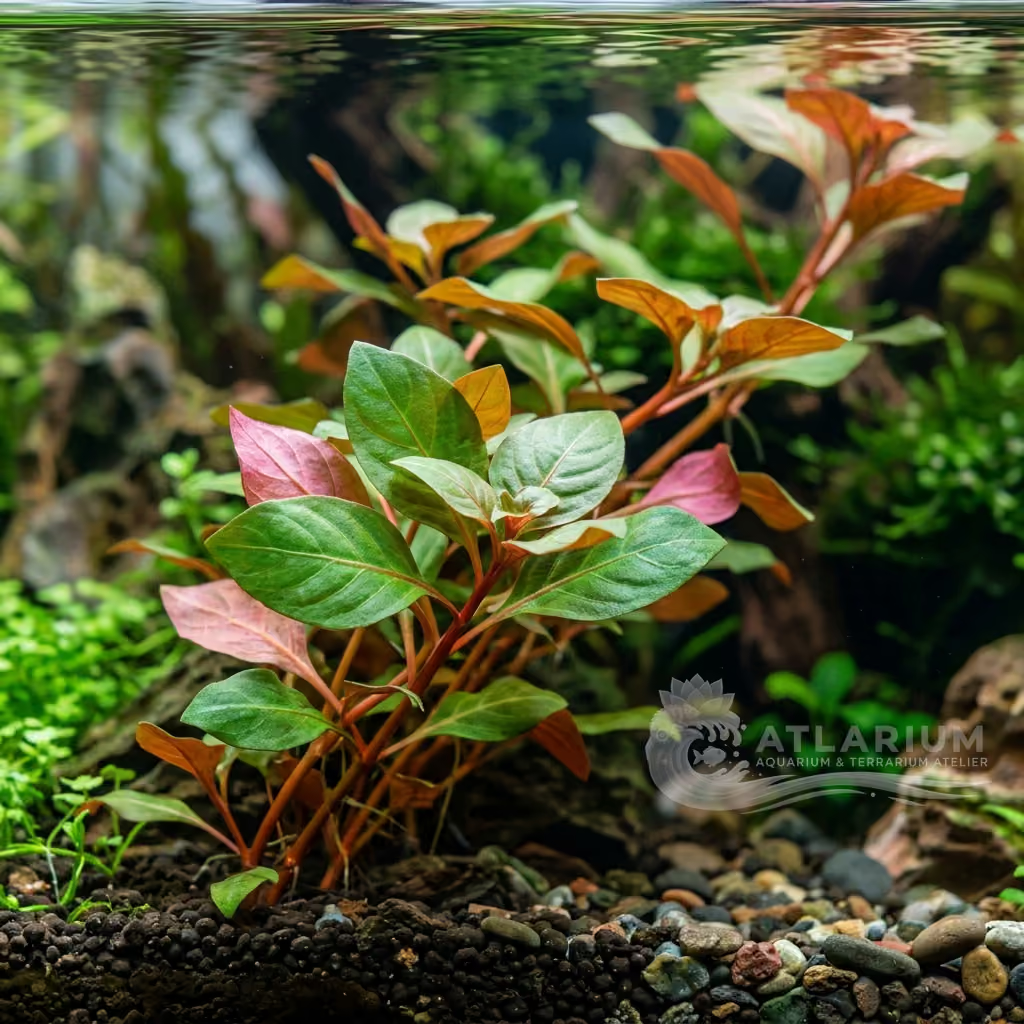
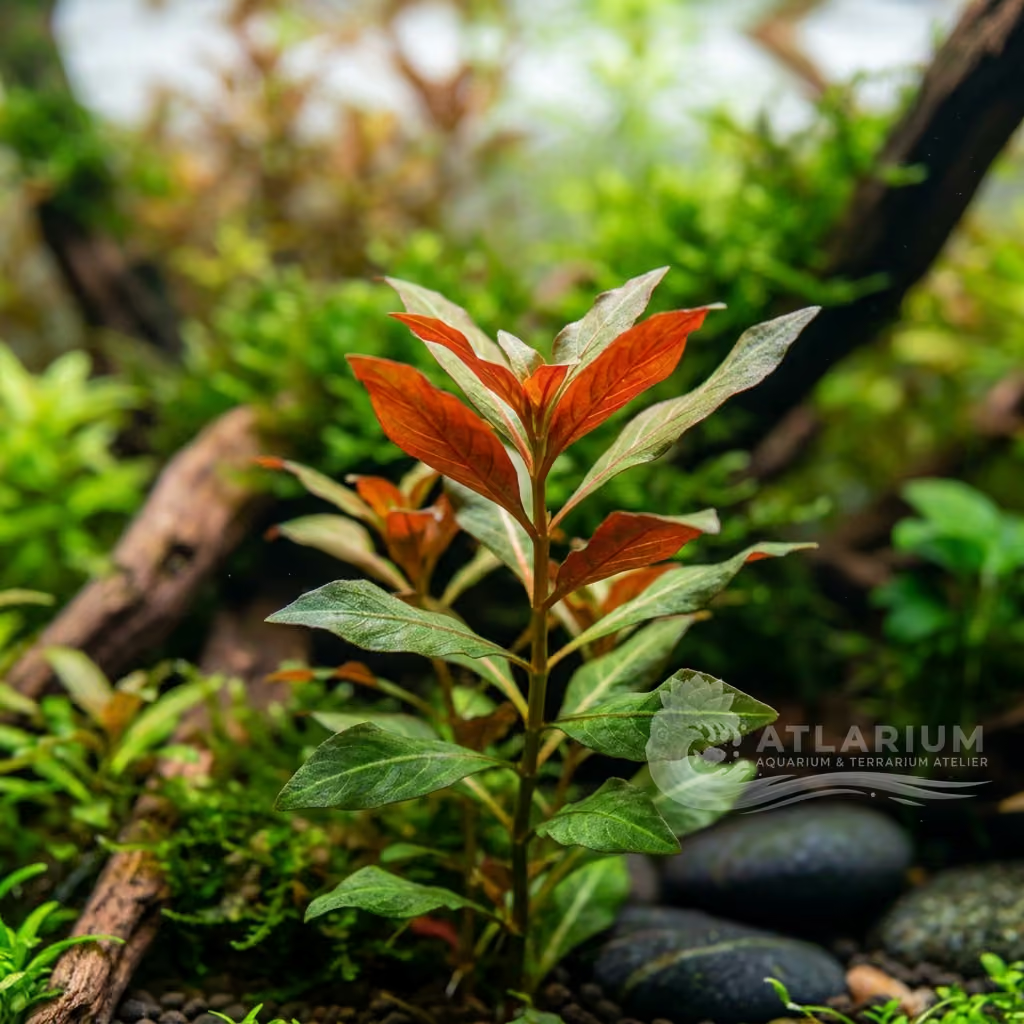
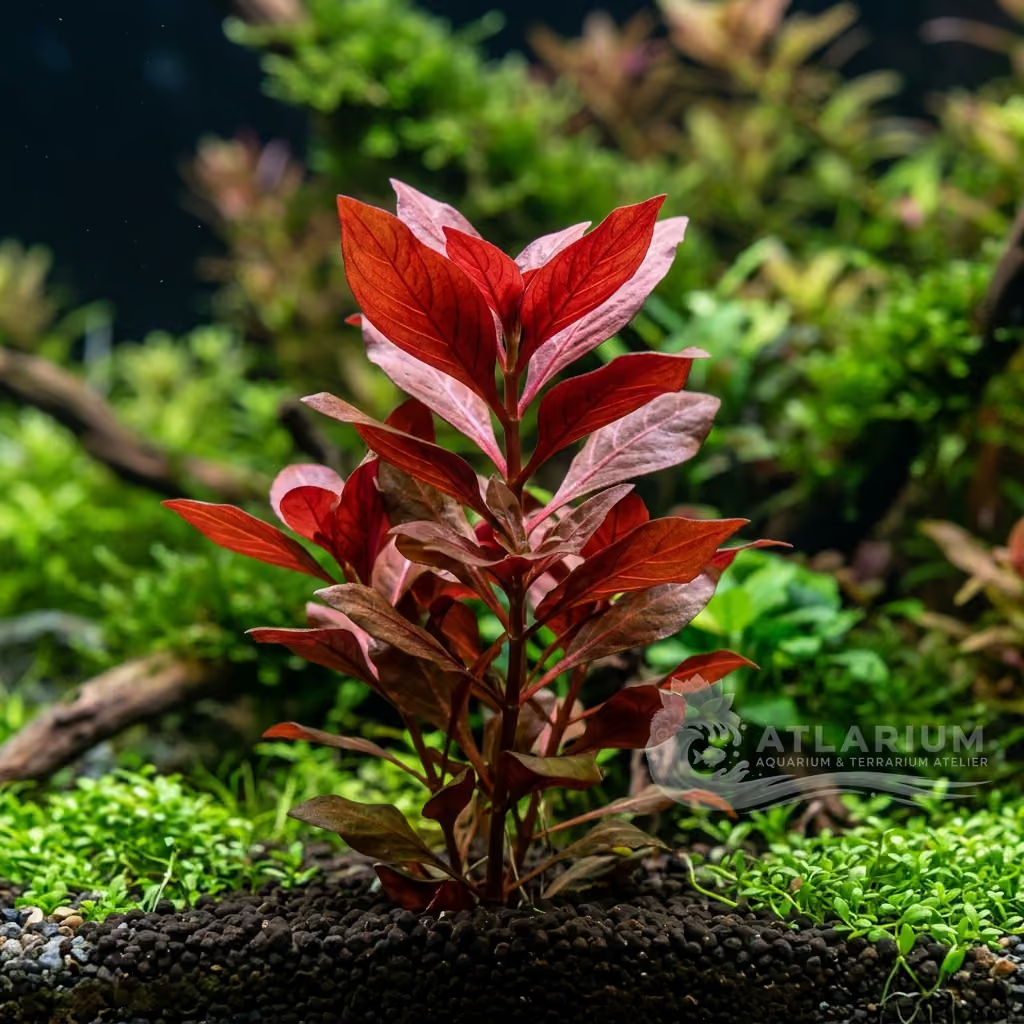
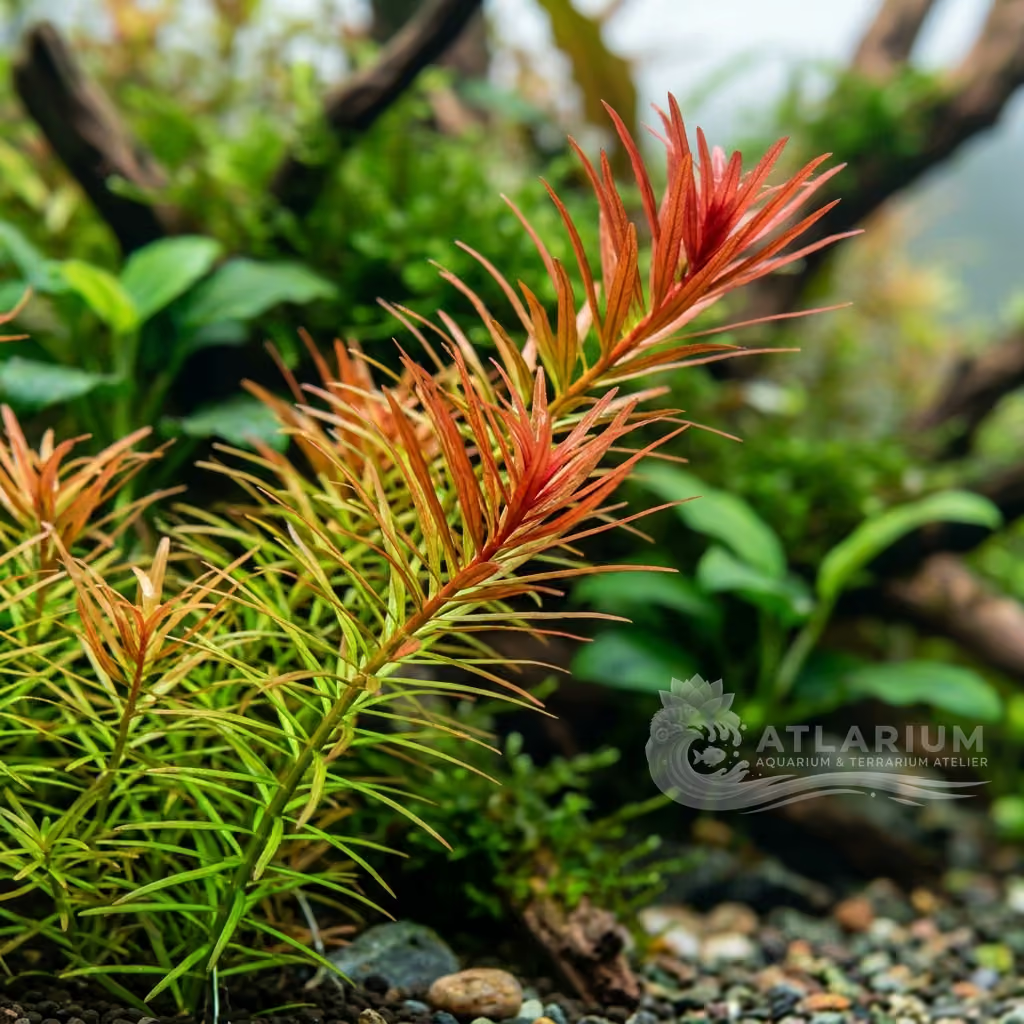
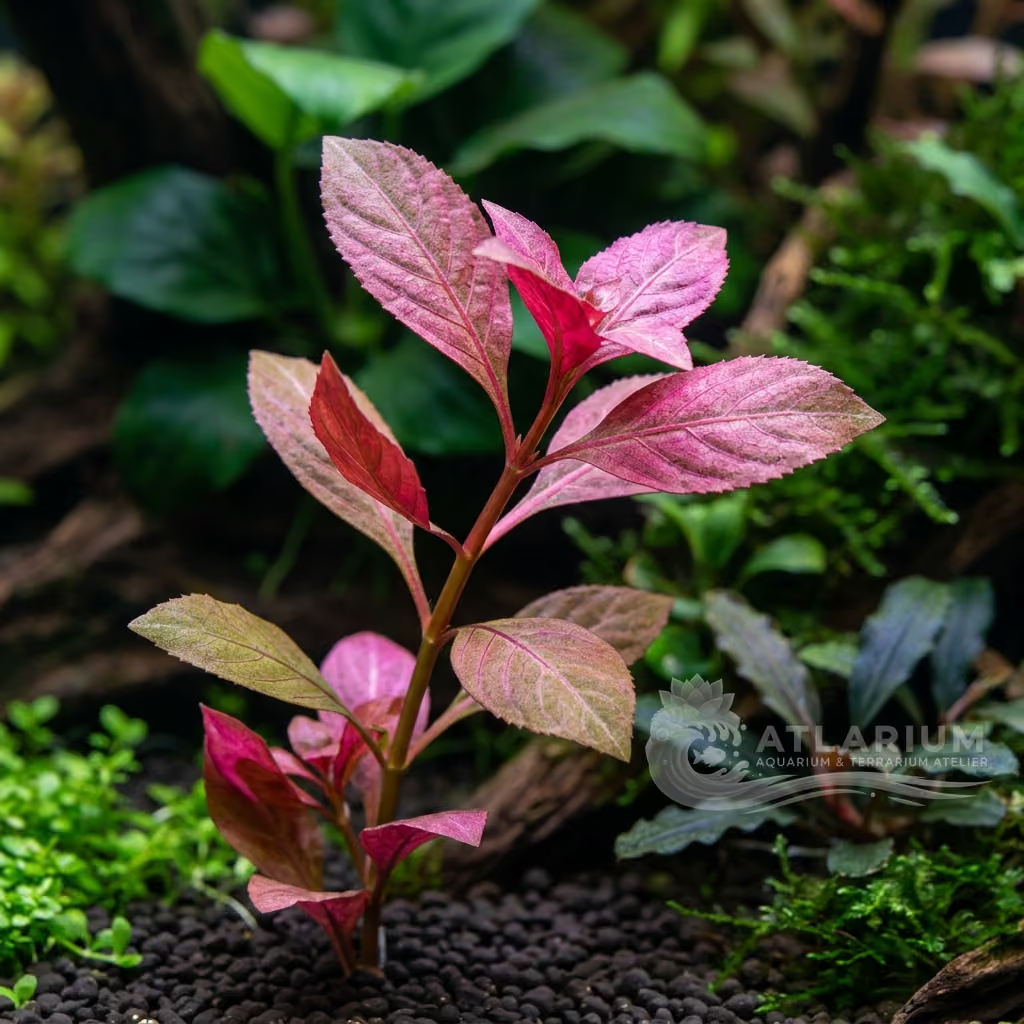
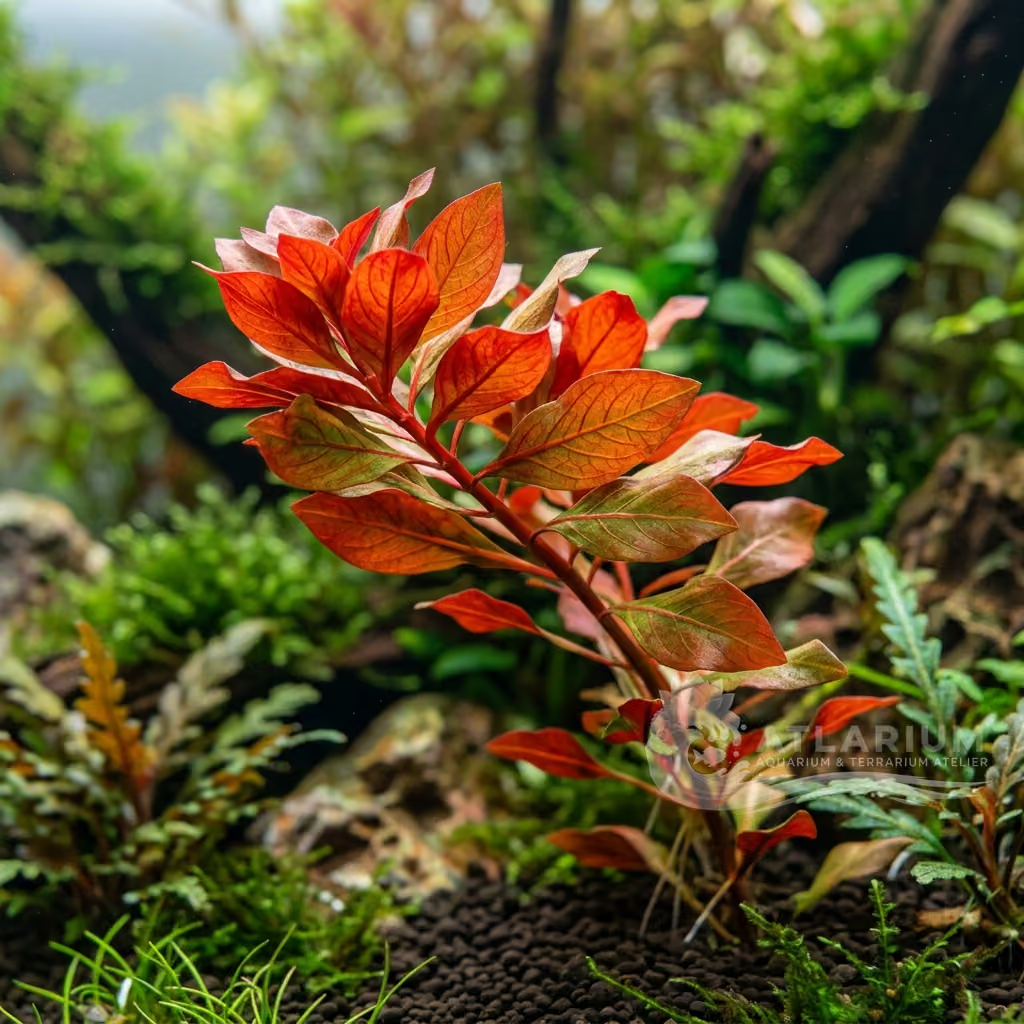
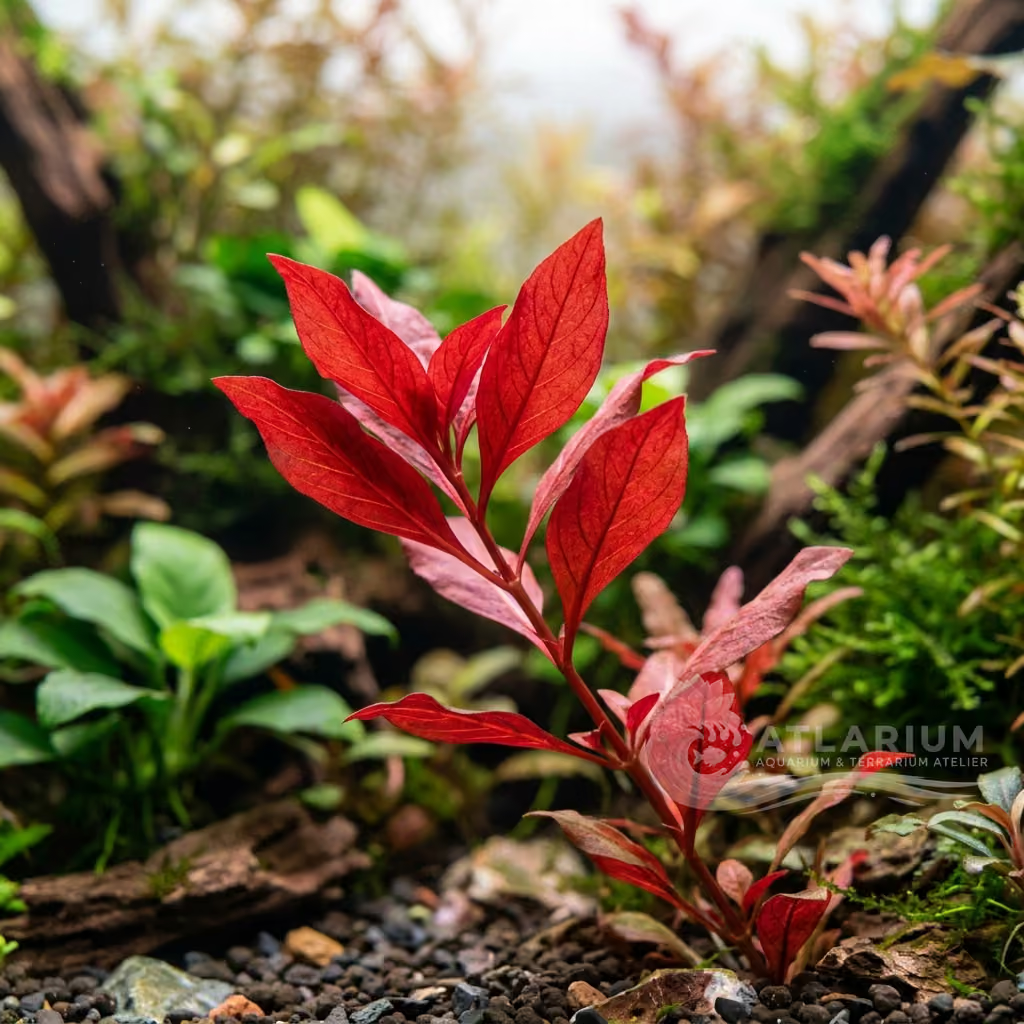
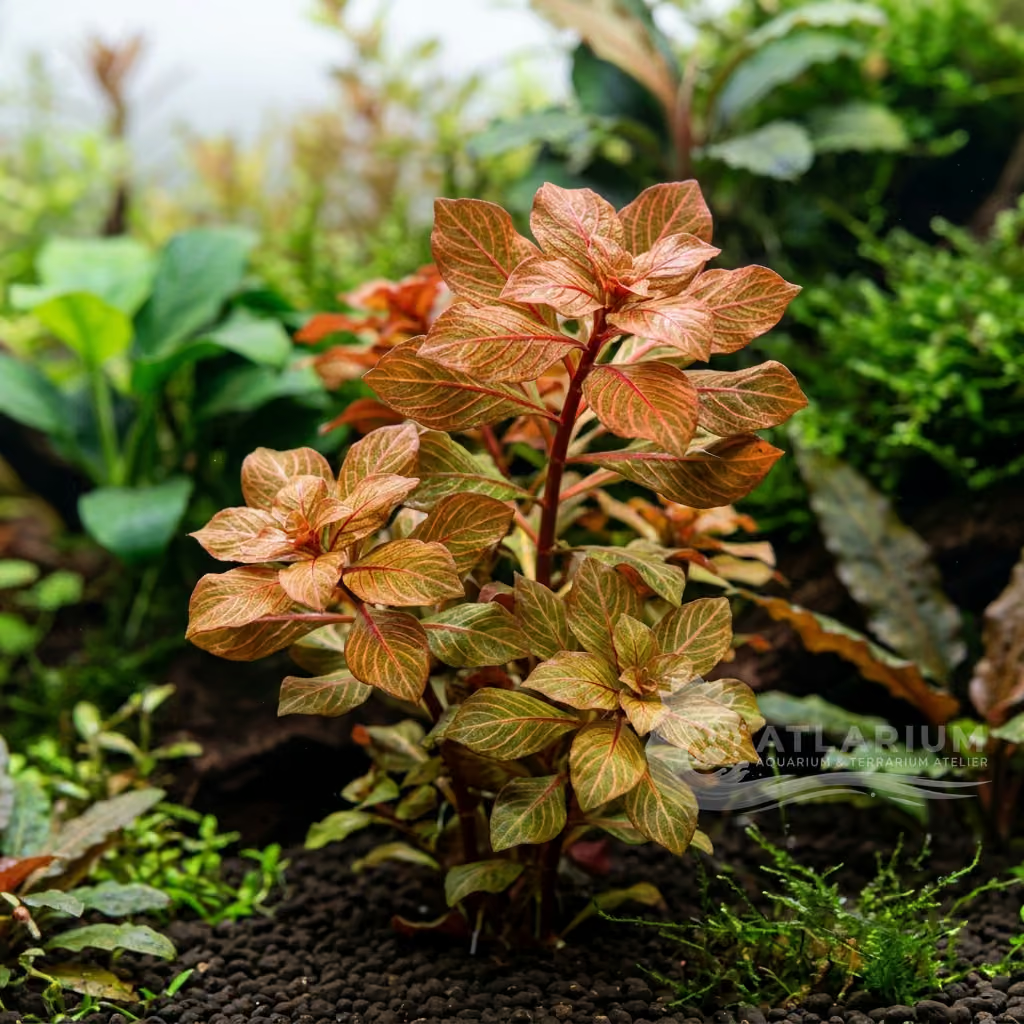
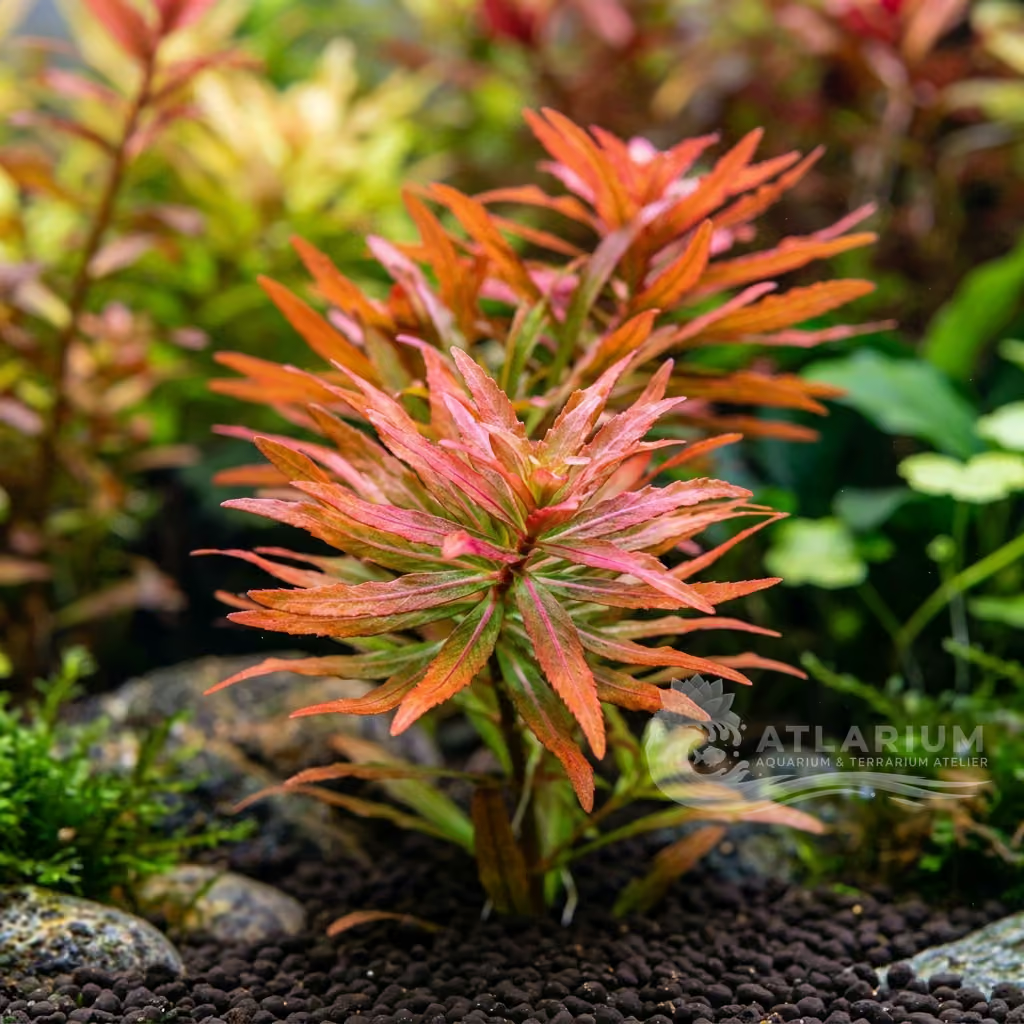
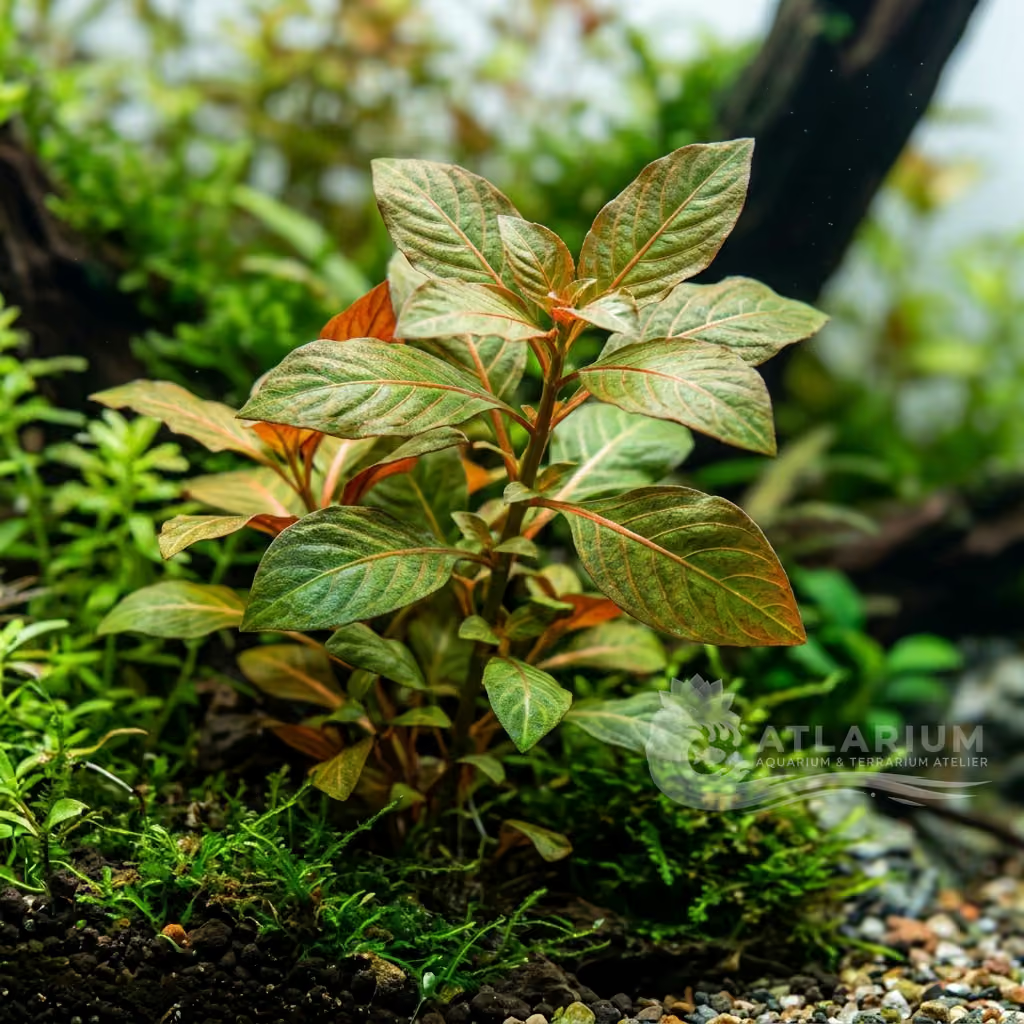
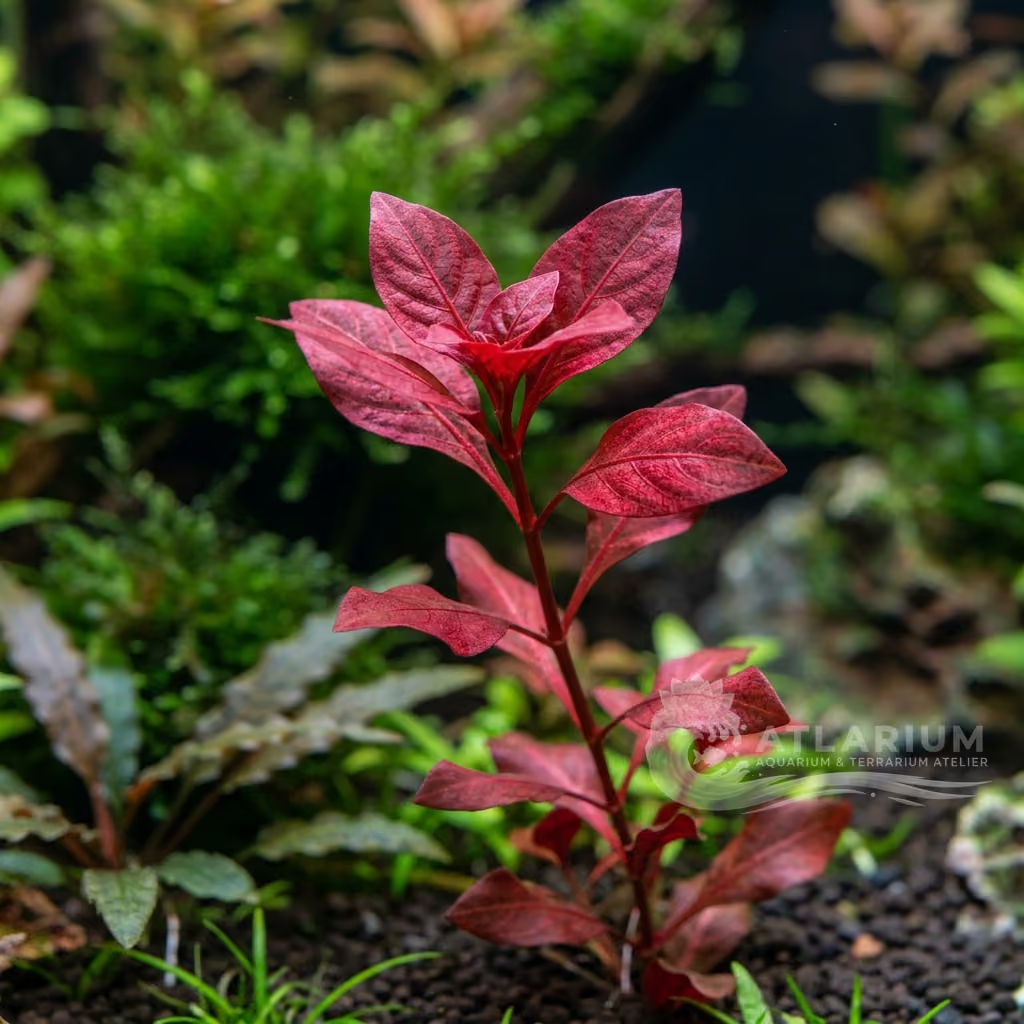
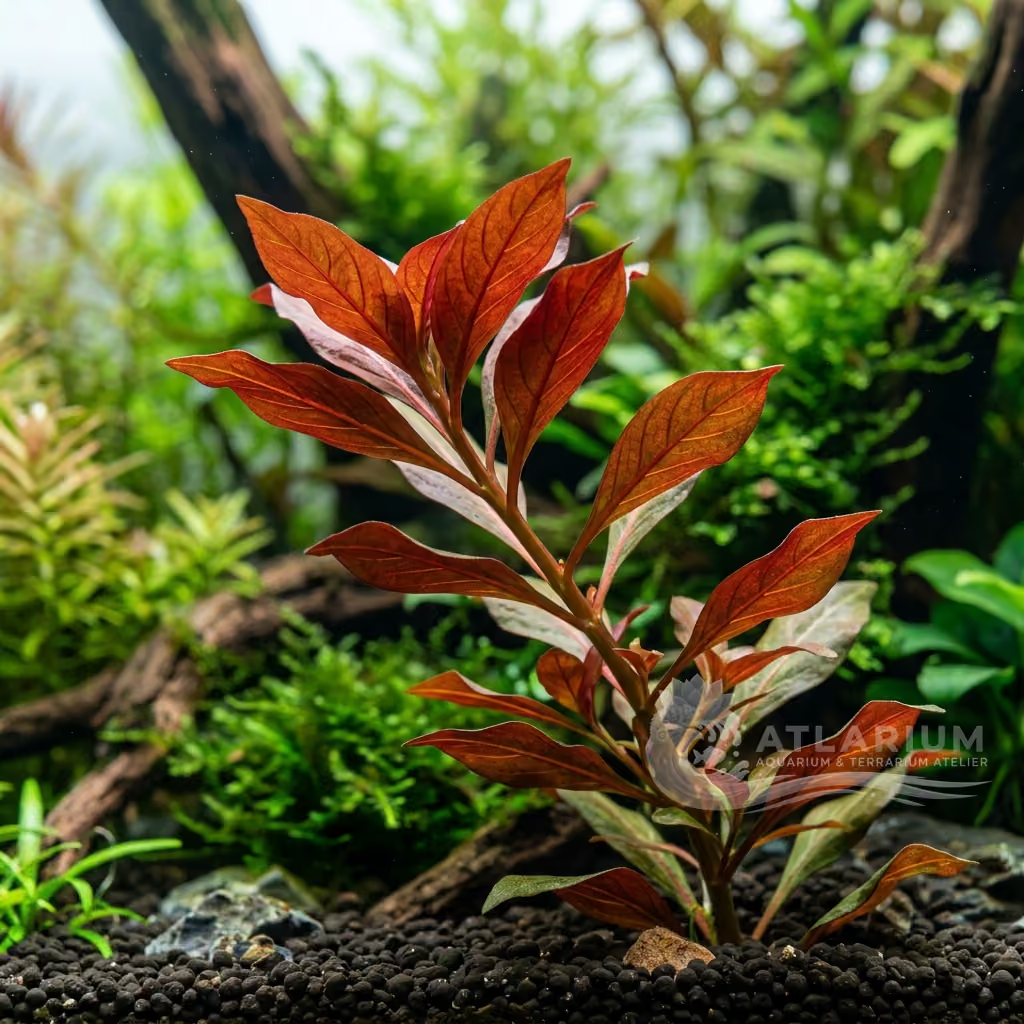
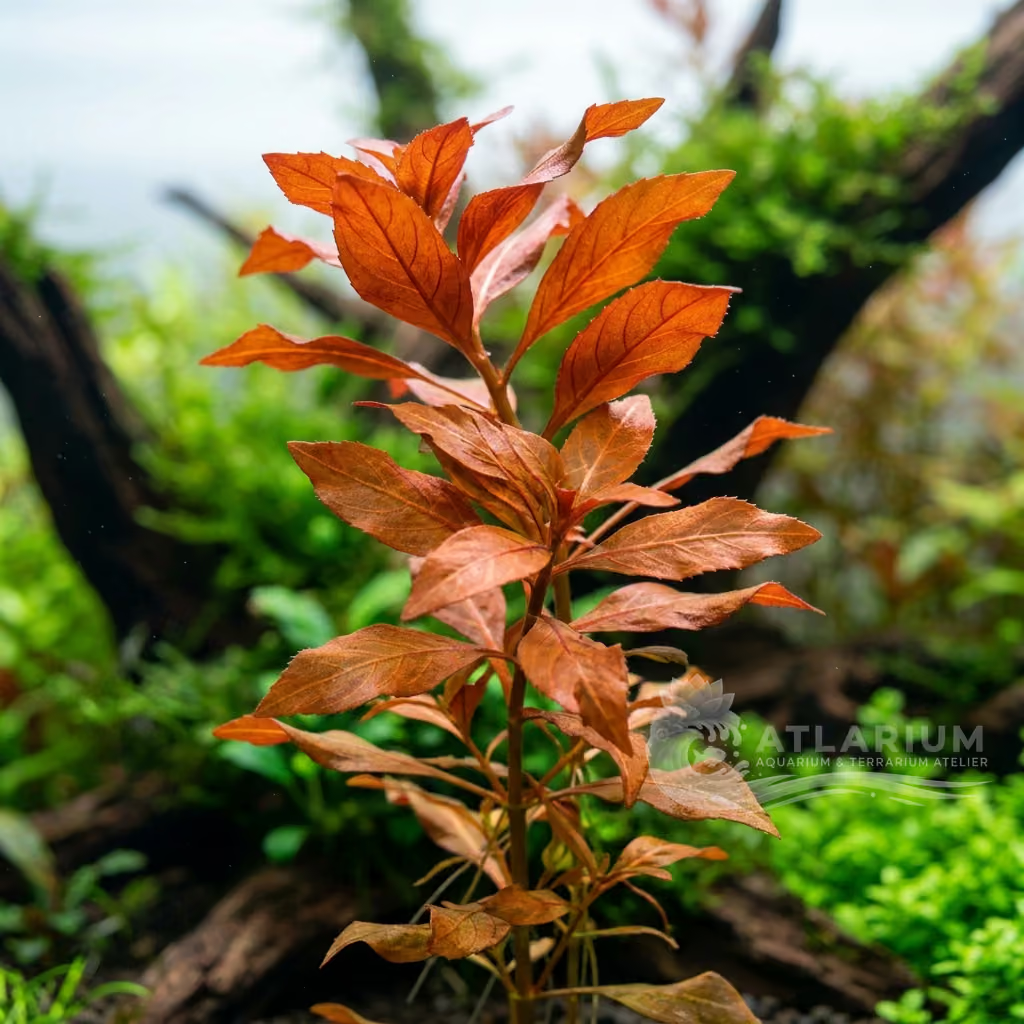
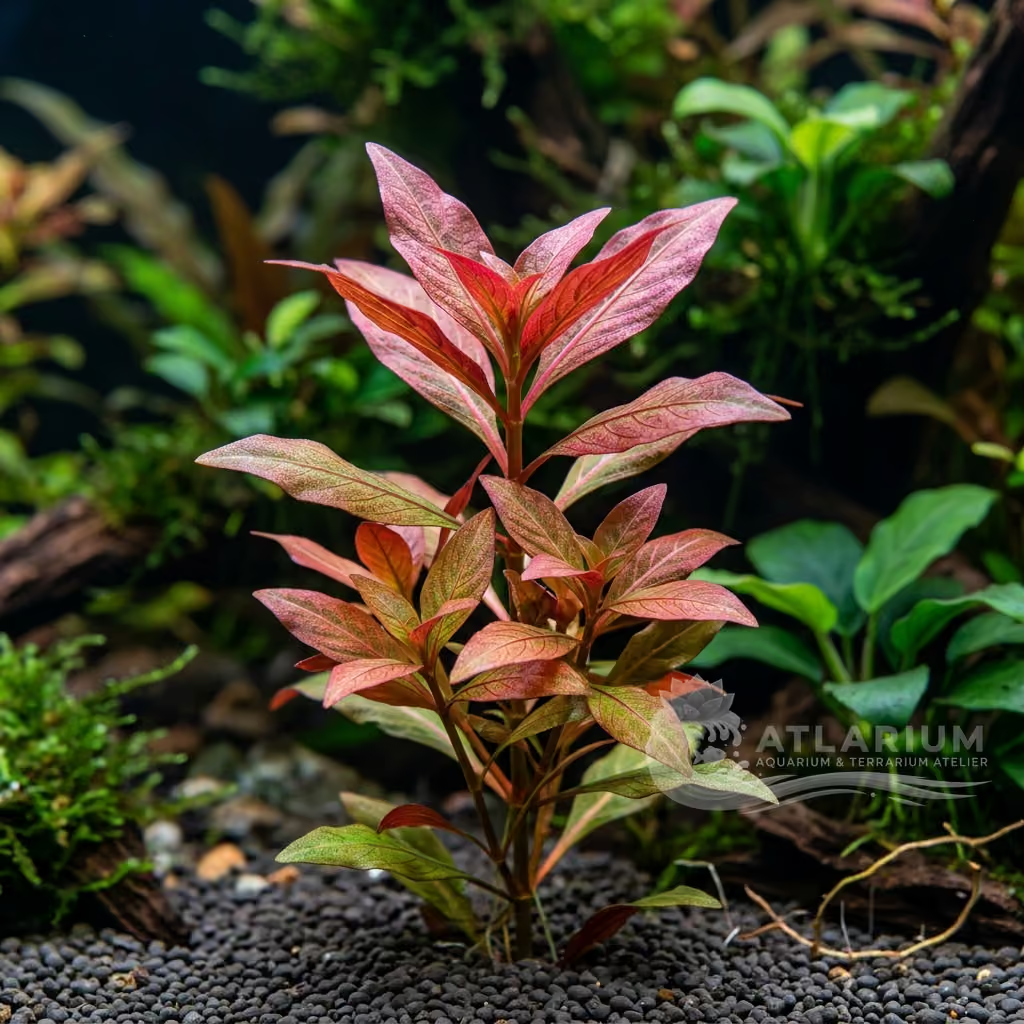
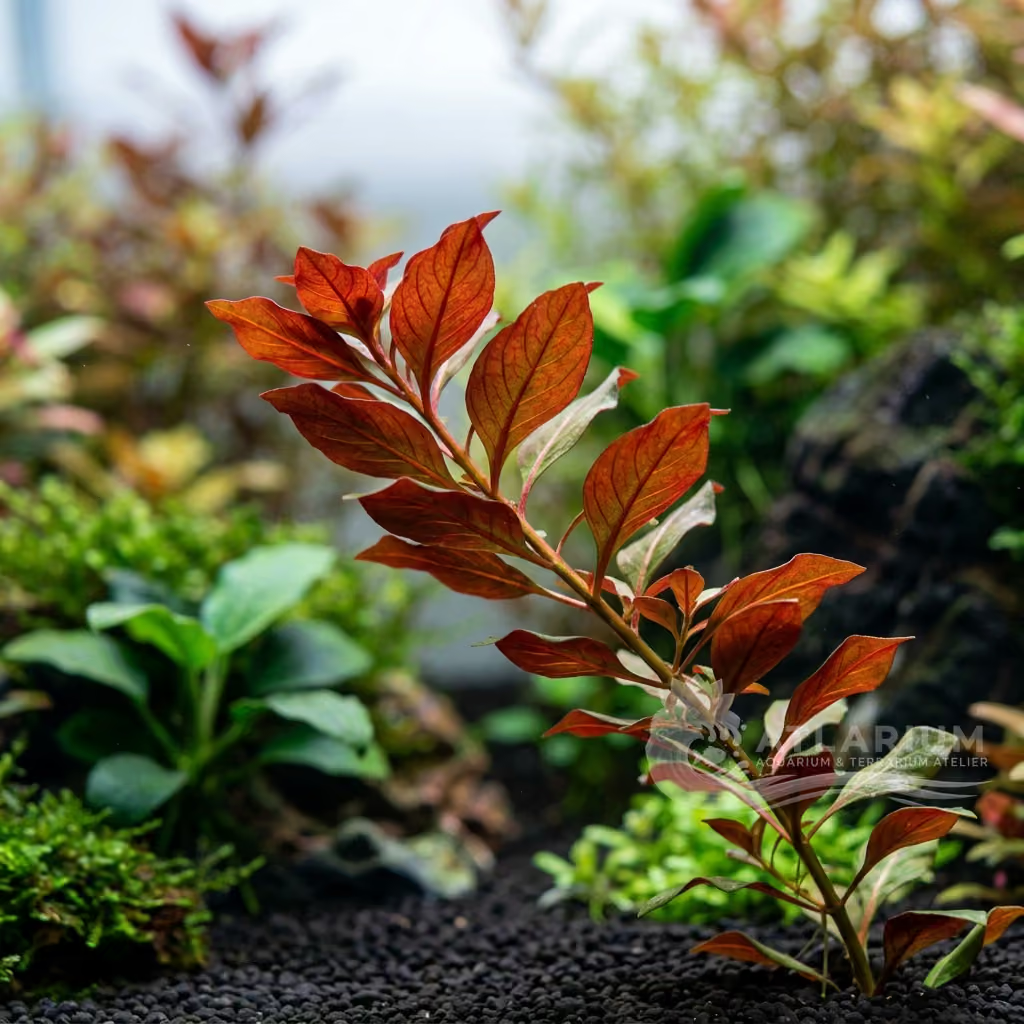
Color & Texture: The most captivating feature of this Ludwigia is its extraordinary color range, which shifts from bright green in lower light conditions to an intense, vibrant red under strong illumination. Leaves can exhibit orange and reddish hues, particularly at the tips and undersides, creating a stunning contrast with surrounding green plants. The texture of the leaves is smooth and slightly fleshy, imparting a velvety appearance underwater. The intensity of the red coloration is directly correlated with light intensity and the availability of iron and other micronutrients.

Care, breeding and tankmates
Lighting & CO2: Ludwigia repens × arcuata thrives under a wide range of light intensities, from low to high, but stronger light is crucial for enhancing its vivid red hues. In aquariums with moderate lighting, the plant will maintain a greener coloration with reddish undertones. CO2 supplementation is highly recommended to promote robust growth and optimal coloration, allowing the plant to photosynthesize more efficiently and reach its full aesthetic potential. Without CO2, growth will be slower and coloration less intense, but the plant will still remain healthy.
Nutrition & Substrate: For lush growth and brilliant coloration, this Ludwigia requires balanced fertilization that includes both macro- and micronutrients. A nutrient-rich substrate is beneficial for anchoring and root absorption, although the plant is also a strong
Water Chemistry: Ludwigia repens × arcuata is remarkably tolerant of a wide spectrum of water parameters, thriving in temperatures ranging from 4.0 to 30.0 C and a pH between 5.0 and 8.0. Carbonate hardness (KH) can also vary from 2.0 to 22.0, demonstrating its extraordinary adaptability. Despite this tolerance, maintaining stable parameters within ideal ranges (e.g., slightly acidic to neutral pH and moderate KH) will promote more consistent and vigorous growth. It is important to avoid sudden fluctuations that could stress the plant and slow its adaptation.
Space Management & Placement: Given its fast growth rate, Ludwigia repens × arcuata is ideally placed in the midground of the aquarium, where it can form a dense bush and create a strong visual impact. If left unchecked, it can quickly fill the available space, so regular management is essential. Its slender form and appealing coloration make it excellent for creating contrast with green-leaved plants or for delineating sections within the aquascape. It can be used in groupings to create a mass effect or as a single plant for a vertical accent.
Pruning: Regular pruning is essential to maintain Ludwigia repens × arcuata's shape and to encourage denser, bushier growth. Without pruning, stems can become excessively long, leaving the lower parts bare and less attractive. Apical cuttings removed during pruning can be easily replanted into the substrate to propagate the plant or to thicken existing areas. This practice not only maintains the desired aesthetic but also stimulates the plant to produce more lateral shoots, increasing the overall volume and density of the group.
Risks & Diseases: Although Ludwigia repens × arcuata is generally robust, it can be susceptible to common aquarium issues such as nutrient deficiencies, which manifest as pale leaves or stunted growth. Insufficient lighting or CO2 imbalances can promote algae growth on its stems and leaves, compromising its health and appearance. Rarely, the plant may experience initial "melting" after introduction to a new aquarium, especially if environmental conditions are very different from its previous setting. Careful monitoring of water parameters and fertilization is crucial to prevent most risks.

Geographic origin and distribution
Ludwigia repens × arcuata does not possess a specific geographical origin in the traditional sense, as it is either a cultivated hybrid or potentially a spontaneous natural cross between its parent species. Both parent species, Ludwigia repens and Ludwigia arcuata, are native to the southeastern regions of North America, where they thrive in marshy environments, slow-moving waterways, and lake edges. This hybridization combines the best characteristics of robustness and intense
Origin
North AmericaSelective breeding and cultivars

Plant profile
- Placement
- Midground
- It is ideal for the midground or background, depending on the tank's size and how it is pruned. Planting it in dense, tiered groups creates a striking visual effect. Its fine texture and warm colors contrast well with broad-leaved green plants.
- Botanical form
- Stem
- This plant exhibits intermediate characteristics between its parents, featuring narrow, lanceolate leaves that are slightly broader than L. arcuata. The leaves develop beautiful warm tones ranging from orange to red-brown. The stems are relatively thin but grow upright and branch easily.
- Growth
- Fast
- It has a moderate to fast growth rate, combining the vigor of L. repens with the delicate form of L. arcuata. It grows steadily towards the light and will branch readily when trimmed. Regular maintenance keeps it looking compact.
- Substrate
- Medium
- This hybrid, Ludwigia repens × arcuata, benefits greatly from an iron-rich aqua soil to highlight its reddish hues. The fine to medium-grained substrate allows its dense root system to penetrate easily and extract vital nutrients for rapid stem elongation. A planting depth of about 2 inches ensures the base of the stems remains stable against water currents.
- Column fertilization
- Recommended
- Regular dosing of liquid fertilizers is necessary to maintain its health and color. Iron and trace elements are particularly important for the red pigmentation. Maintain adequate nitrate and phosphate levels to prevent stunted growth and pale leaves.
- Root fertilization
- Optional
- A nutrient-rich substrate strongly benefits this plant, encouraging a robust root system. Root tabs can enhance growth in plain sand or gravel substrates. Healthy roots are essential for supporting its rapid top growth.
- Trimming
- Regular
- Trimming encourages the plant to branch out and form dense, colorful bushes. Cut the stems just above a node, and replant the tops if desired. Regular pruning prevents the lower stems from becoming shaded and shedding leaves.
- Propagation
- Cuttings
- Propagation is straightforward via stem cuttings. Snip healthy shoots and plant them into the substrate, where they will quickly root. Its tendency to produce side shoots makes propagation rapid.
- Sensitivity
- Moderate
- It is generally hardy but may lose its vibrant color and lower leaves if light is insufficient. It prefers stable water parameters and clean water conditions. Adequate flow prevents debris accumulation on its fine leaves.
- Layout role
- Midground, accent, Background, group
- It serves as a beautiful, warm-colored accent in the midground or background. Its fine texture adds intricate detail to the aquascape, bridging the gap between broad-leaved plants and fine-leaved flora. It is frequently used to add subtle color contrasts.

Related species
Recommendations grouped by close relatives, companion choices, and similar care.