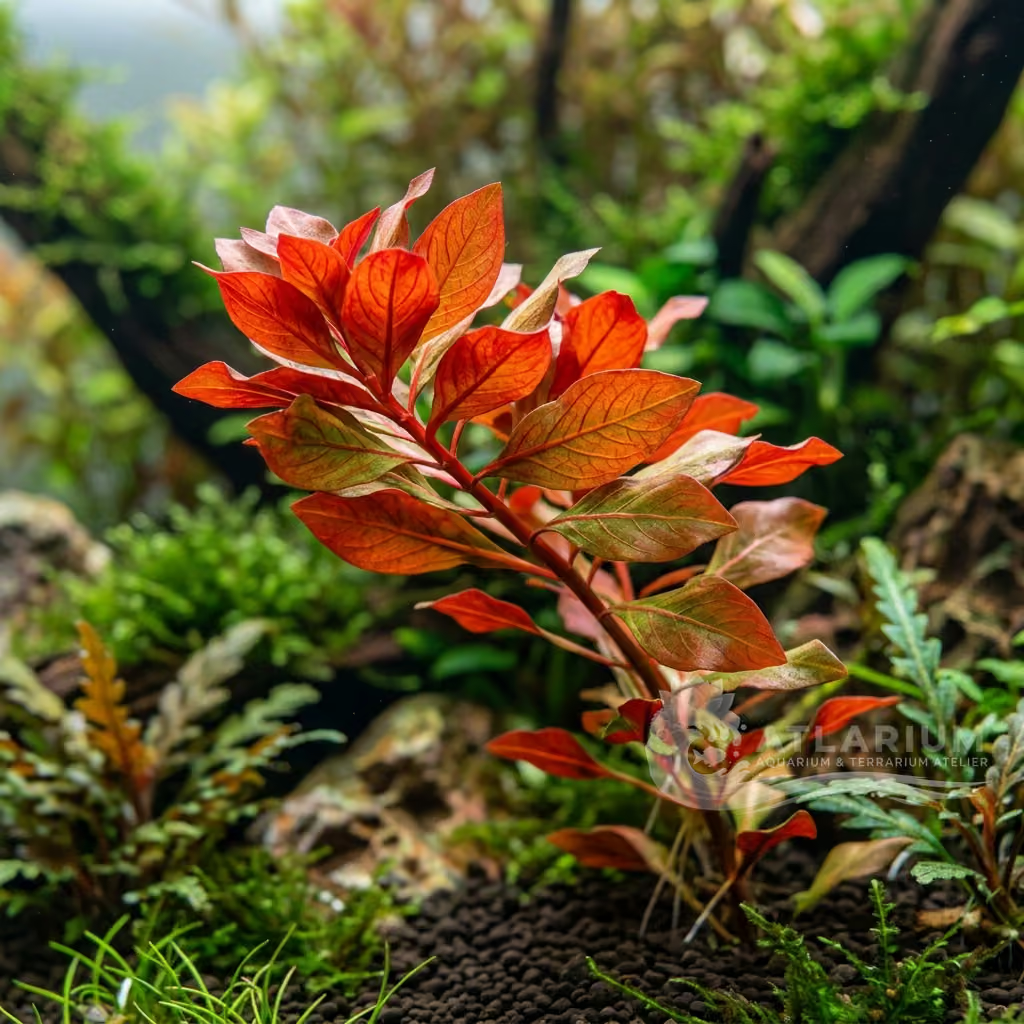
Water Primrose
Ludwigia adscendens
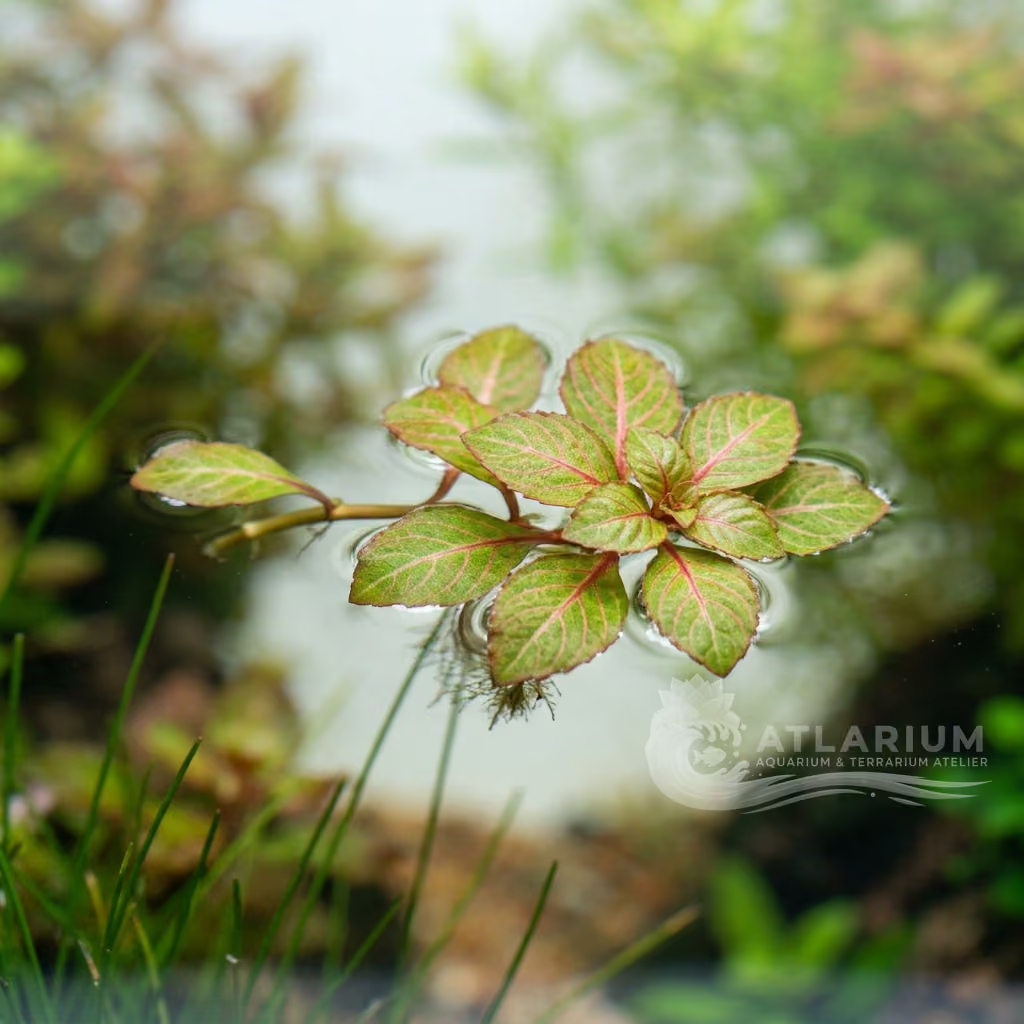
Ludwigia adscendens features white spongy roots that aid buoyancy. Widespread in tropical wetlands, it needs medium-high light to prevent leggy growth and leaf loss.
Water Temperature
18 - 30 °C
pH Value
5.5 - 8
Water type
Freshwater
Light
High
CO2
Medium
Expected height
50 cm
Expected width
20 cm
GH
4 - 12 dGH
KH
3 - 8 dKH

Species description
Geographical Origin and Habitat: This species is widely distributed throughout the tropical and subtropical regions of Asia (including India, southern China, and Southeast Asia), Africa, and Australia. It inhabits calm, shallow, nutrient-rich freshwaters such as ponds, lakes, ditches, rice paddies, and the slow-flowing margins of rivers. It grows either submerged and rooted in the muddy substrate or as a floating/creeping mat on wet, muddy banks.
Taxonomy & Genetics: Ludwigia adscendens belongs to the family Onagraceae, genus Ludwigia. Phylogenetically, it shares close evolutionary ties with other aquatic species in the genus, such as Ludwigia helminthorrhiza, which features similar gas-exchange structures. It displays significant phenotypic plasticity depending on water depth and light levels, with stable diploid and polyploid wild populations.
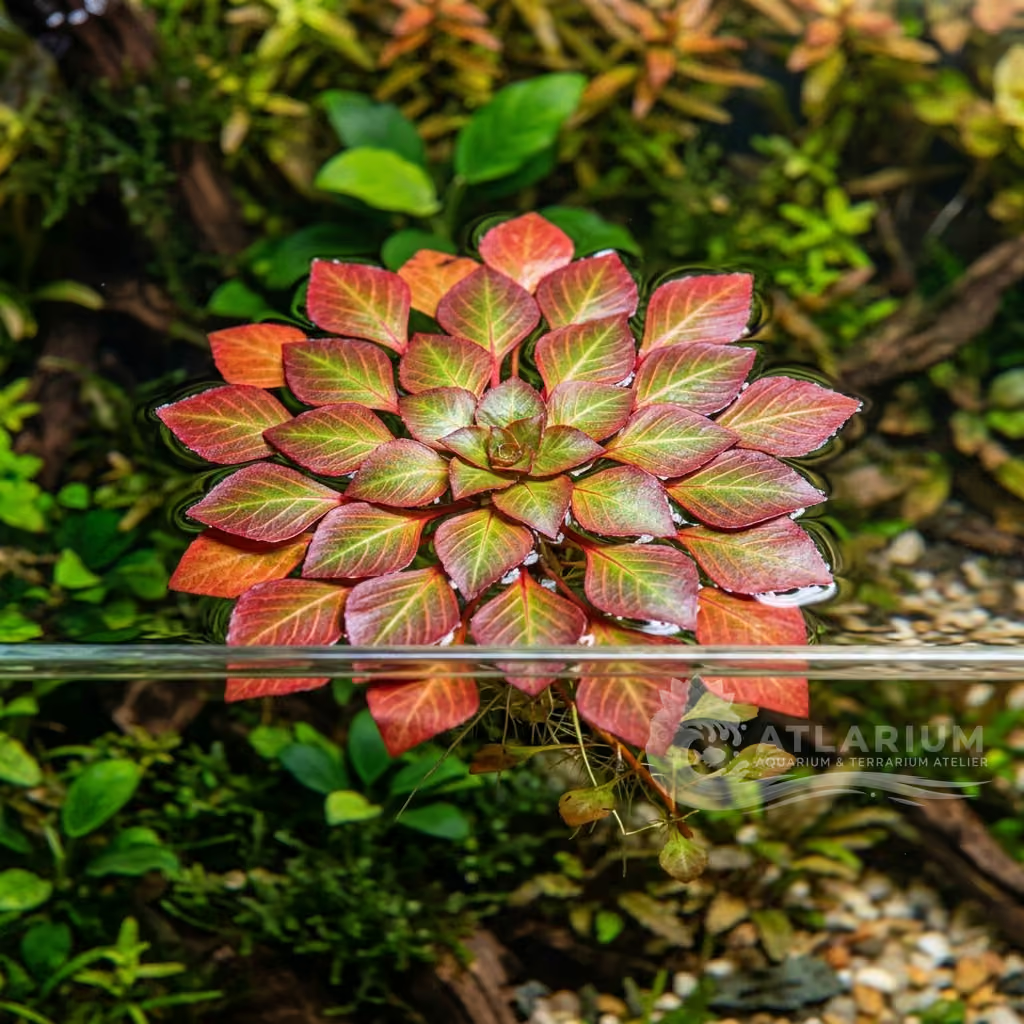
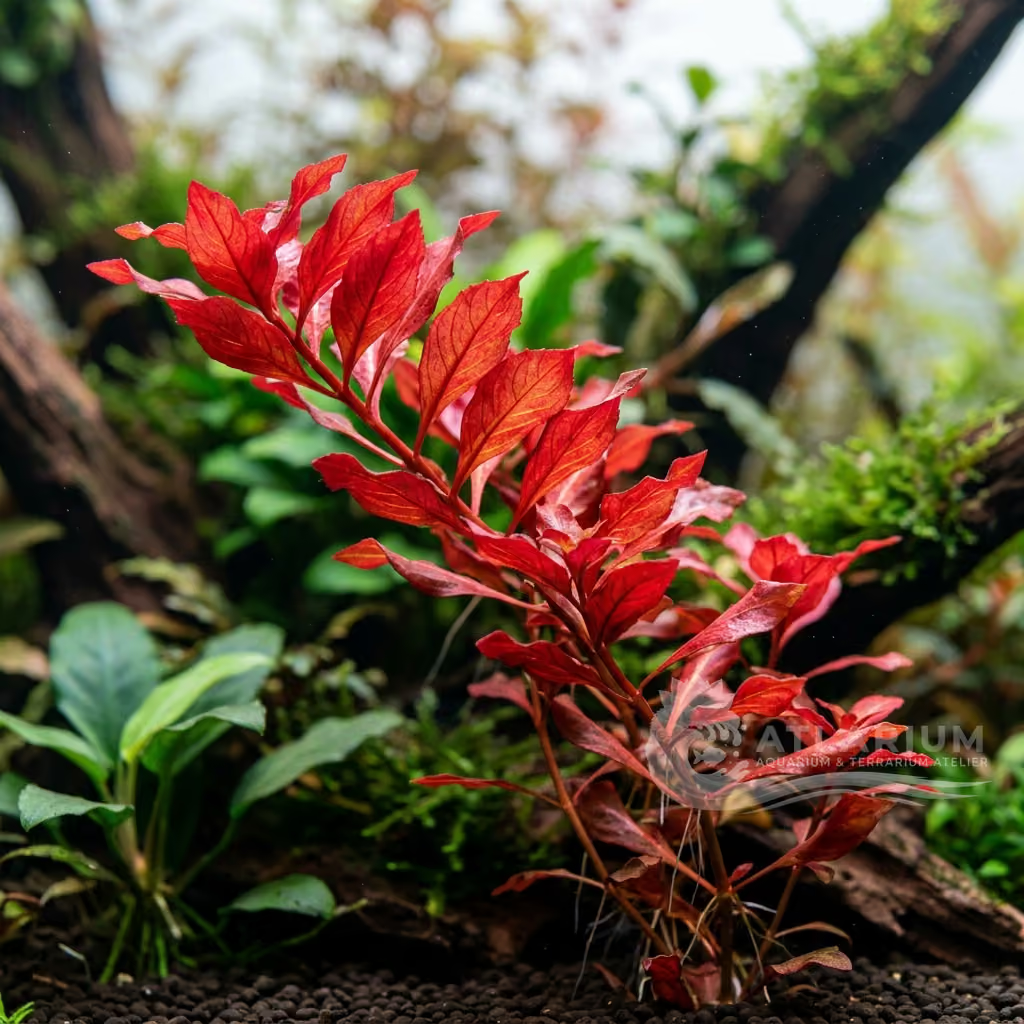
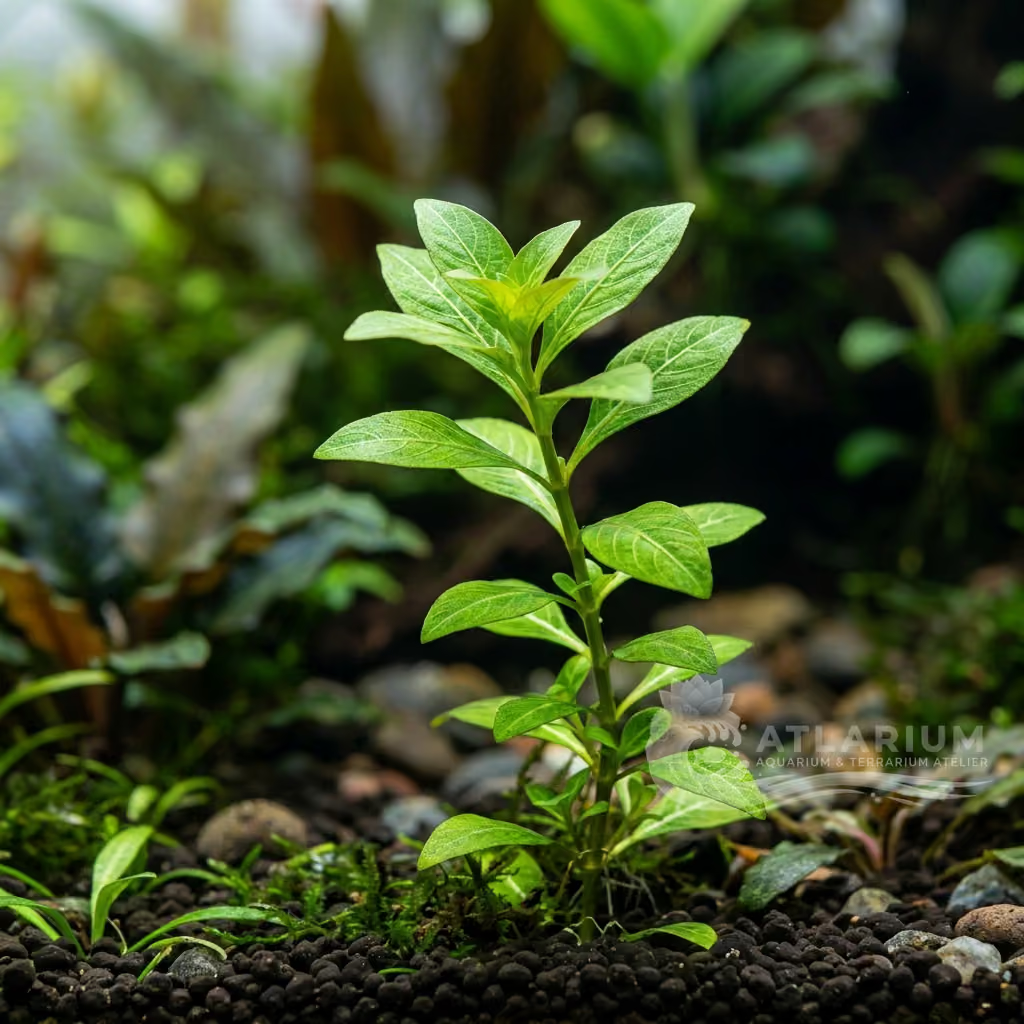
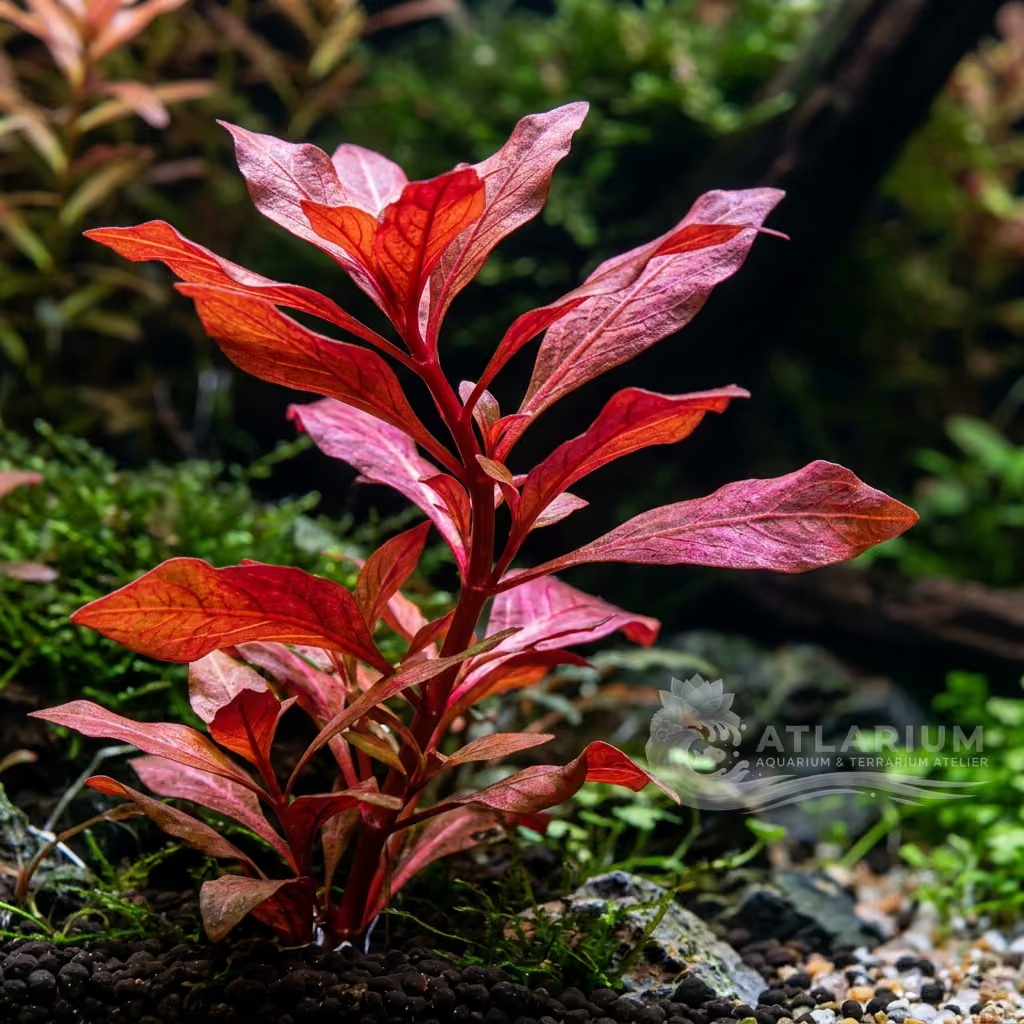
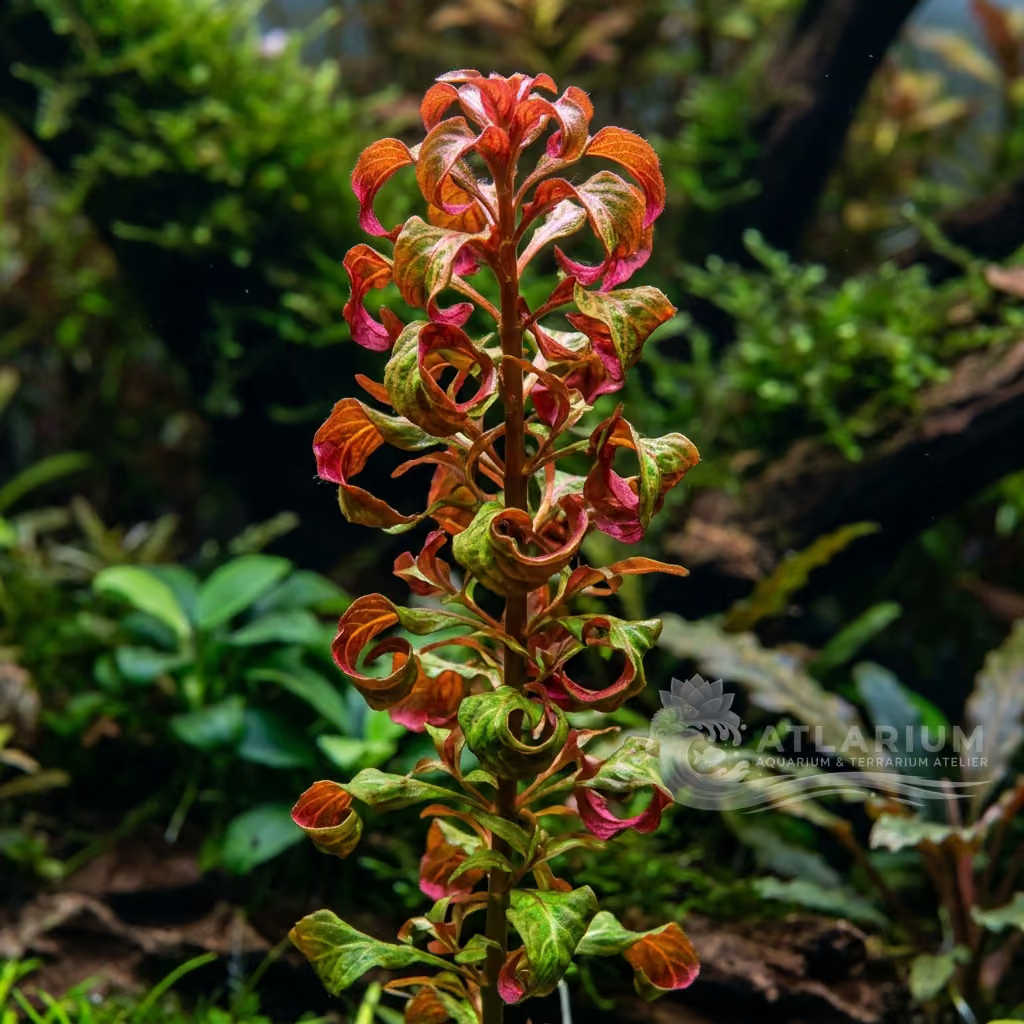
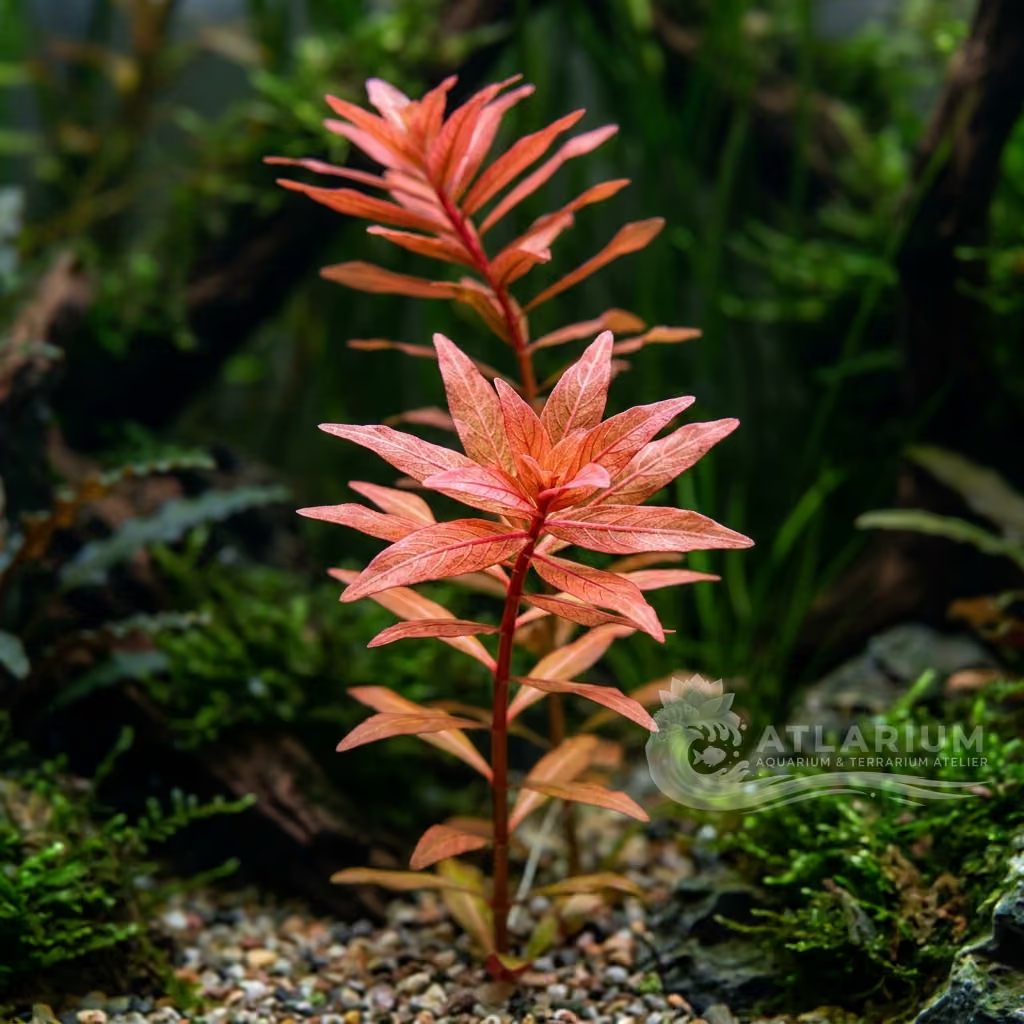
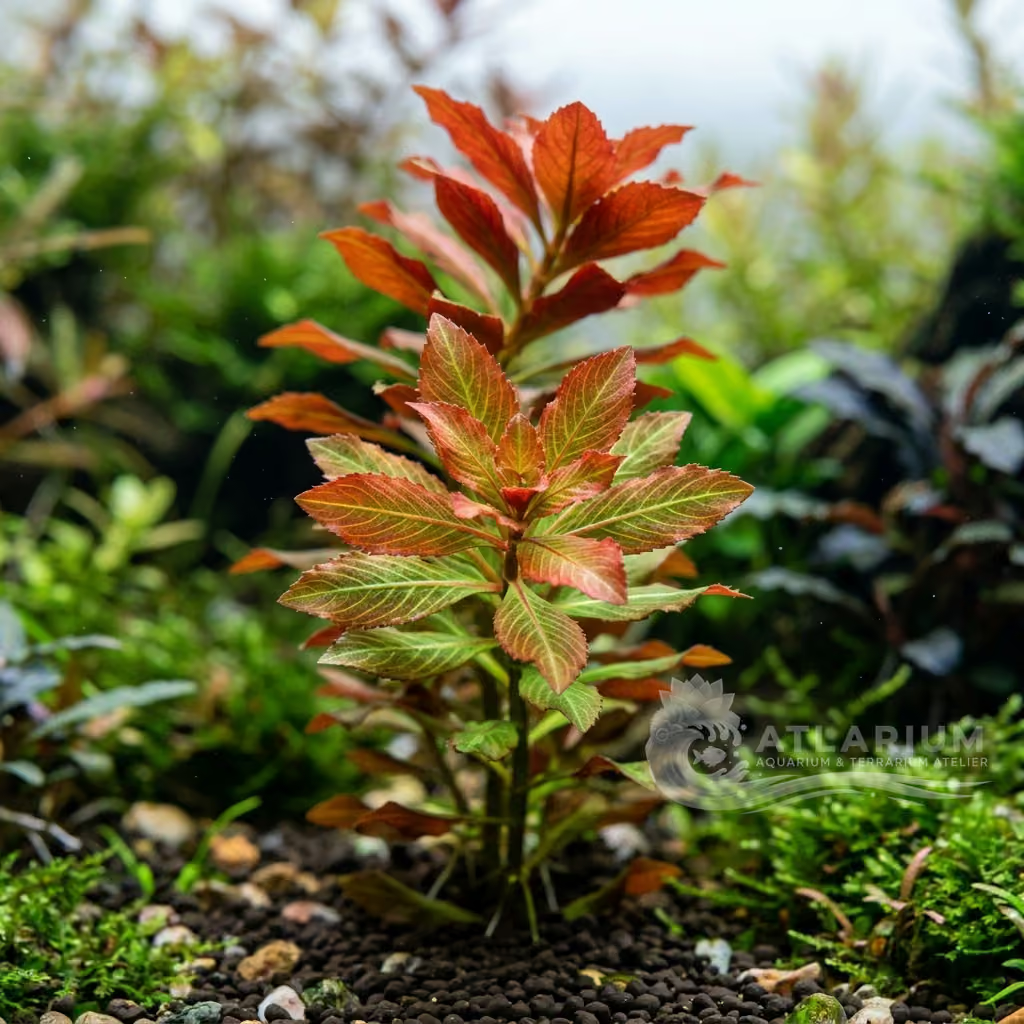
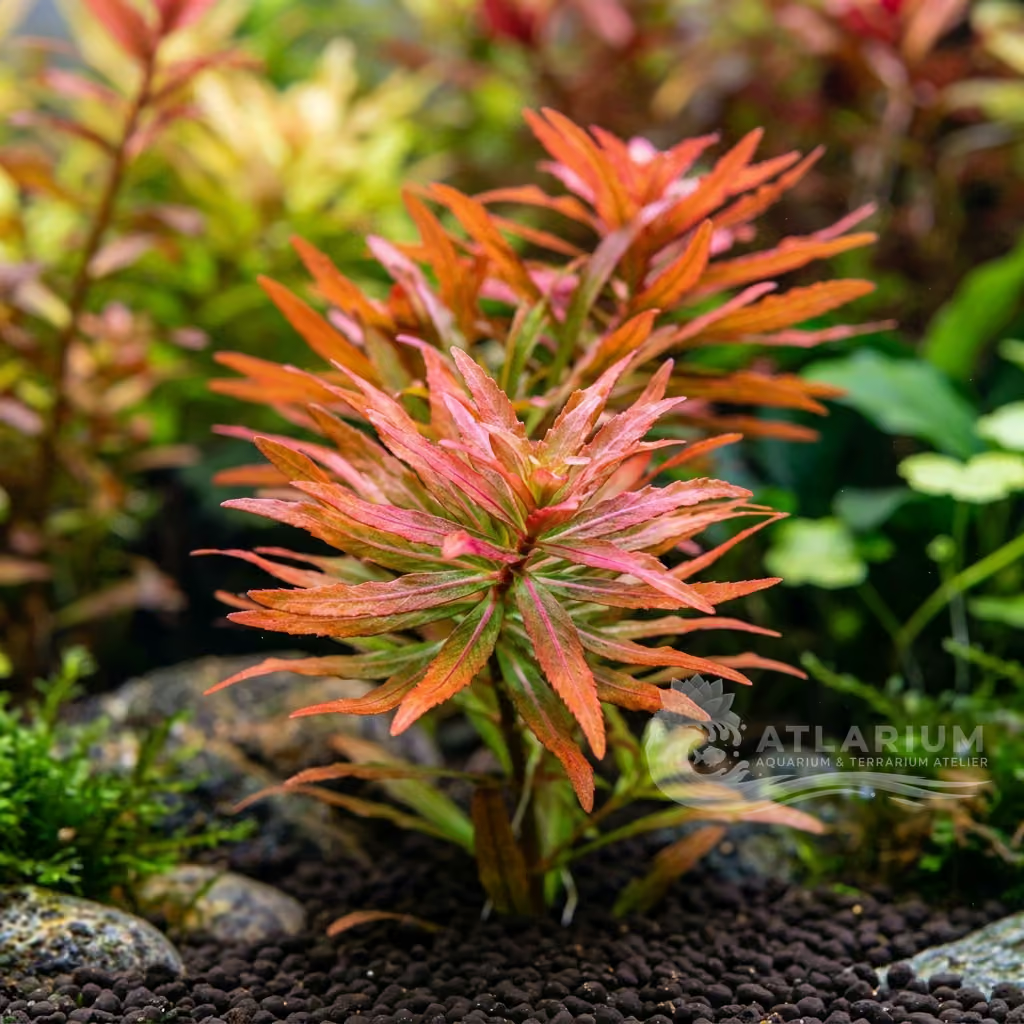
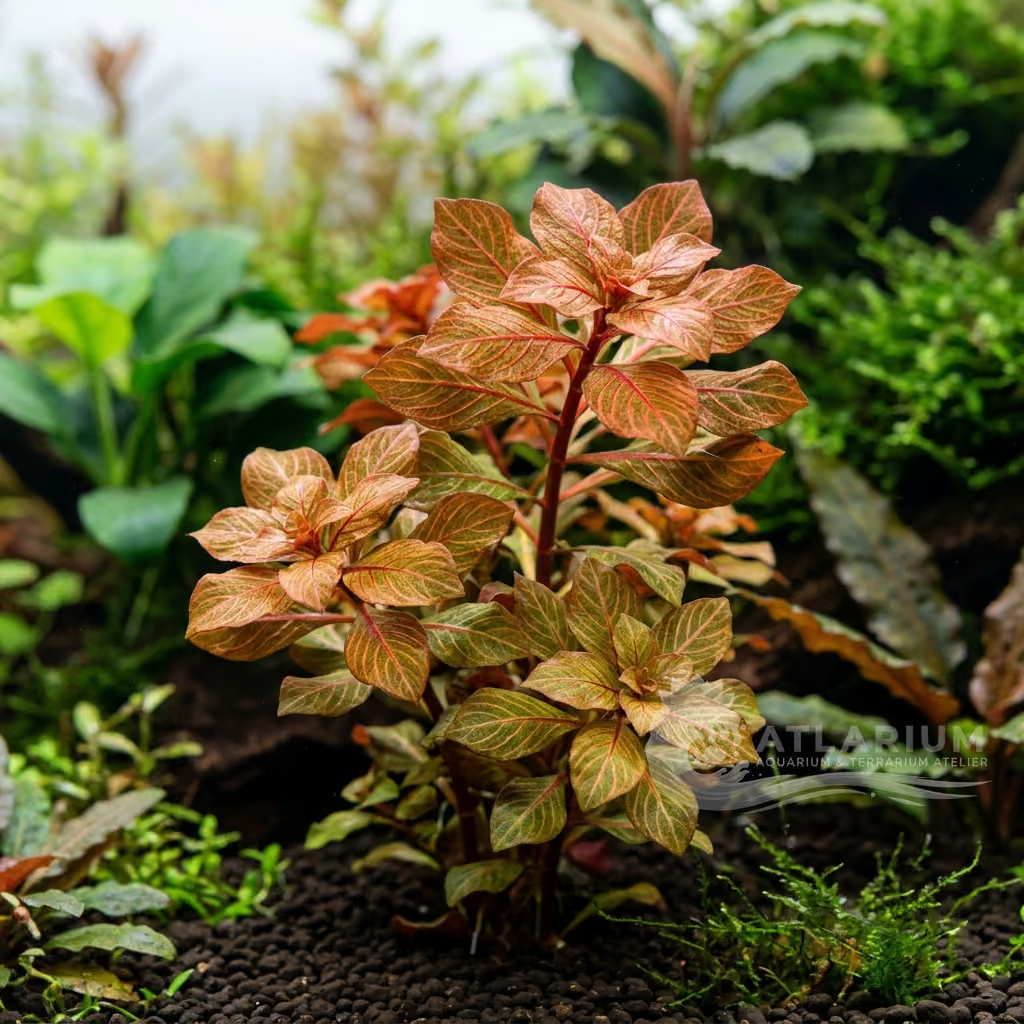
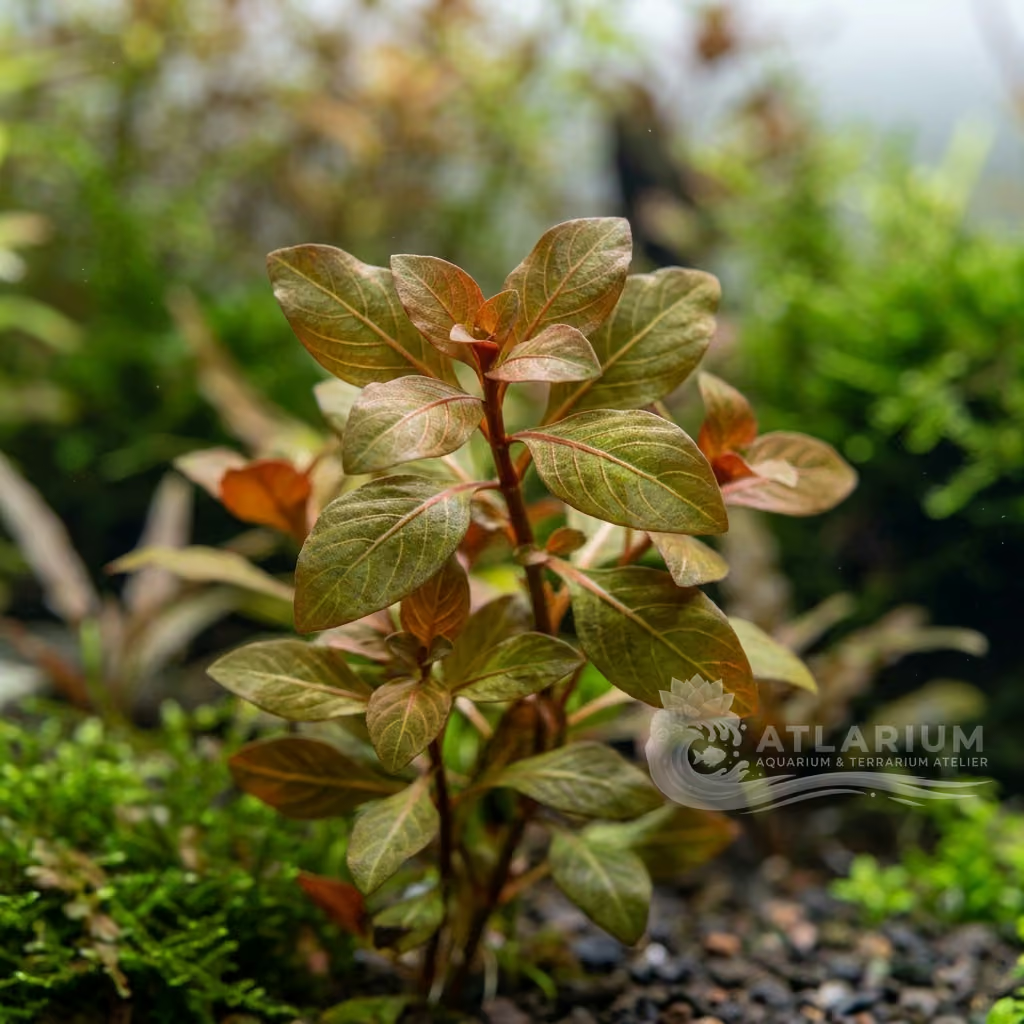
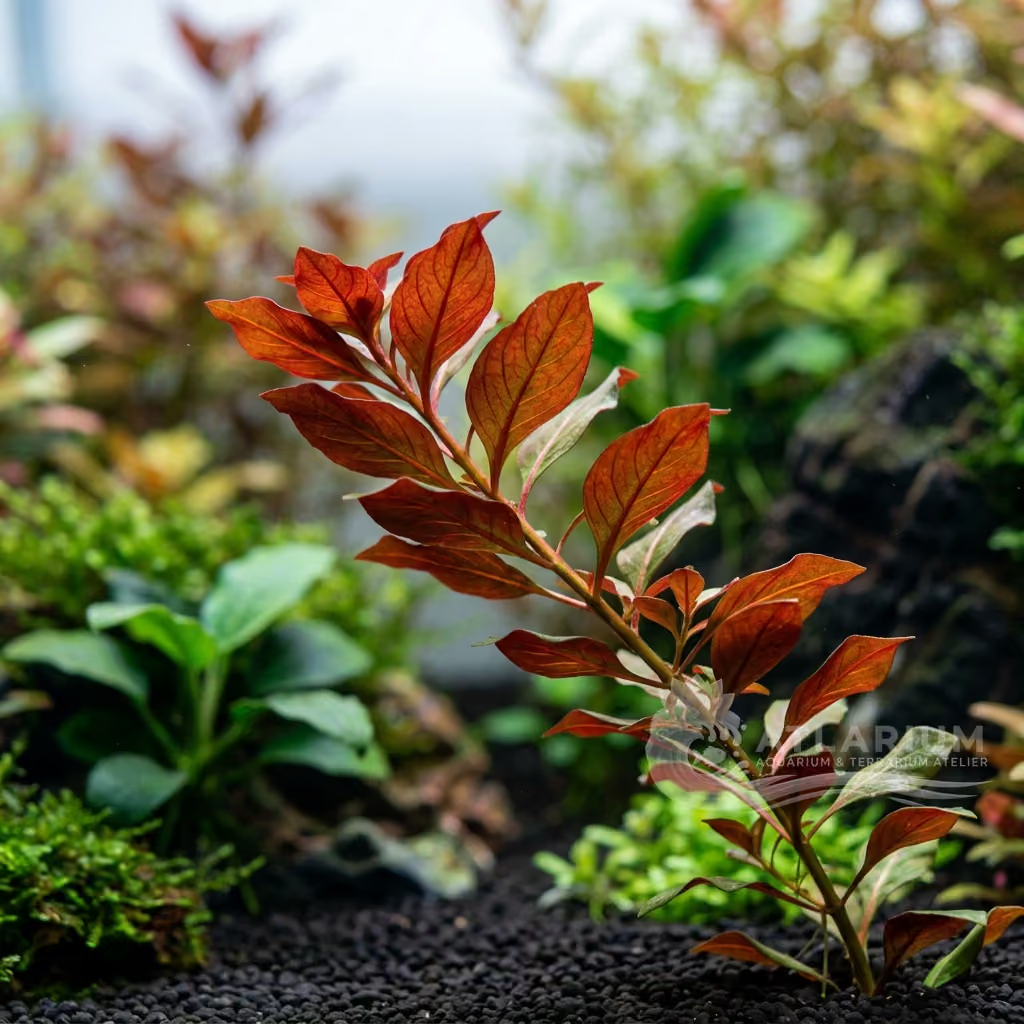
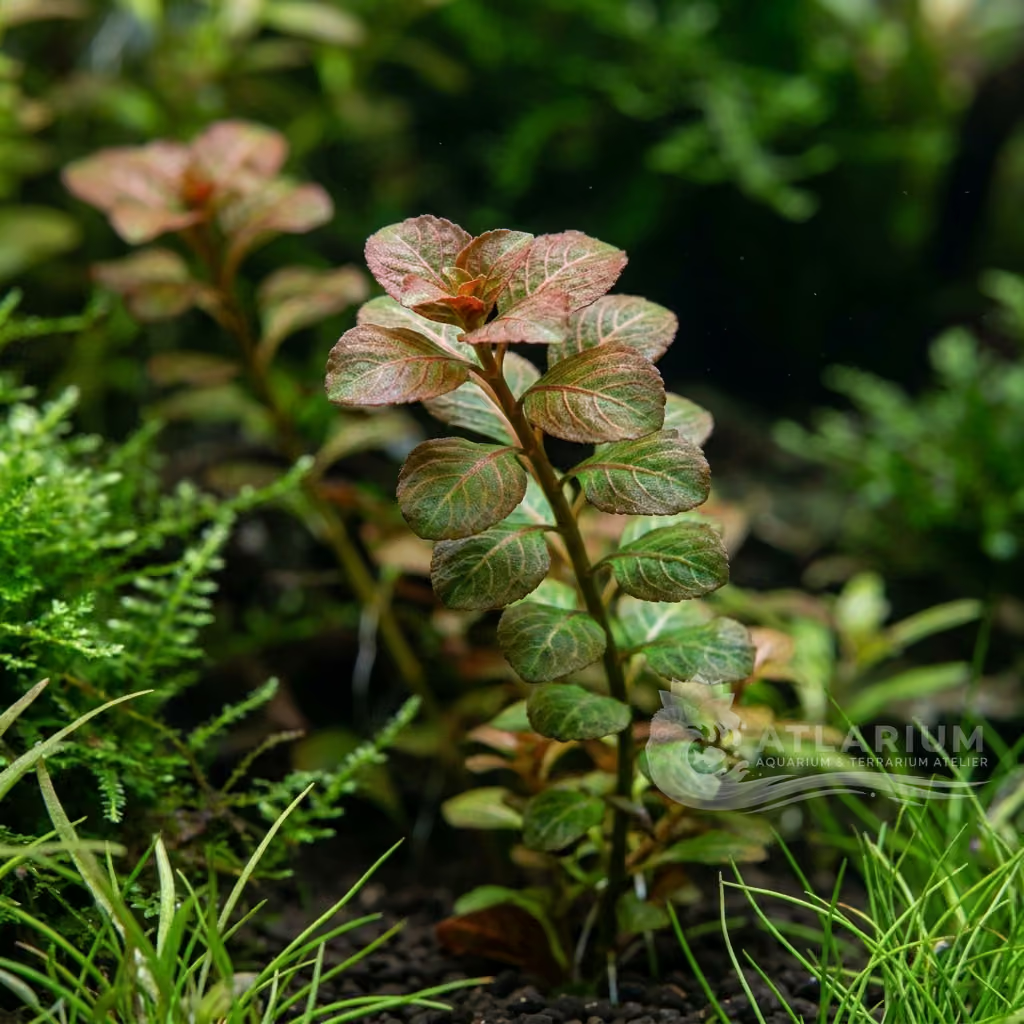
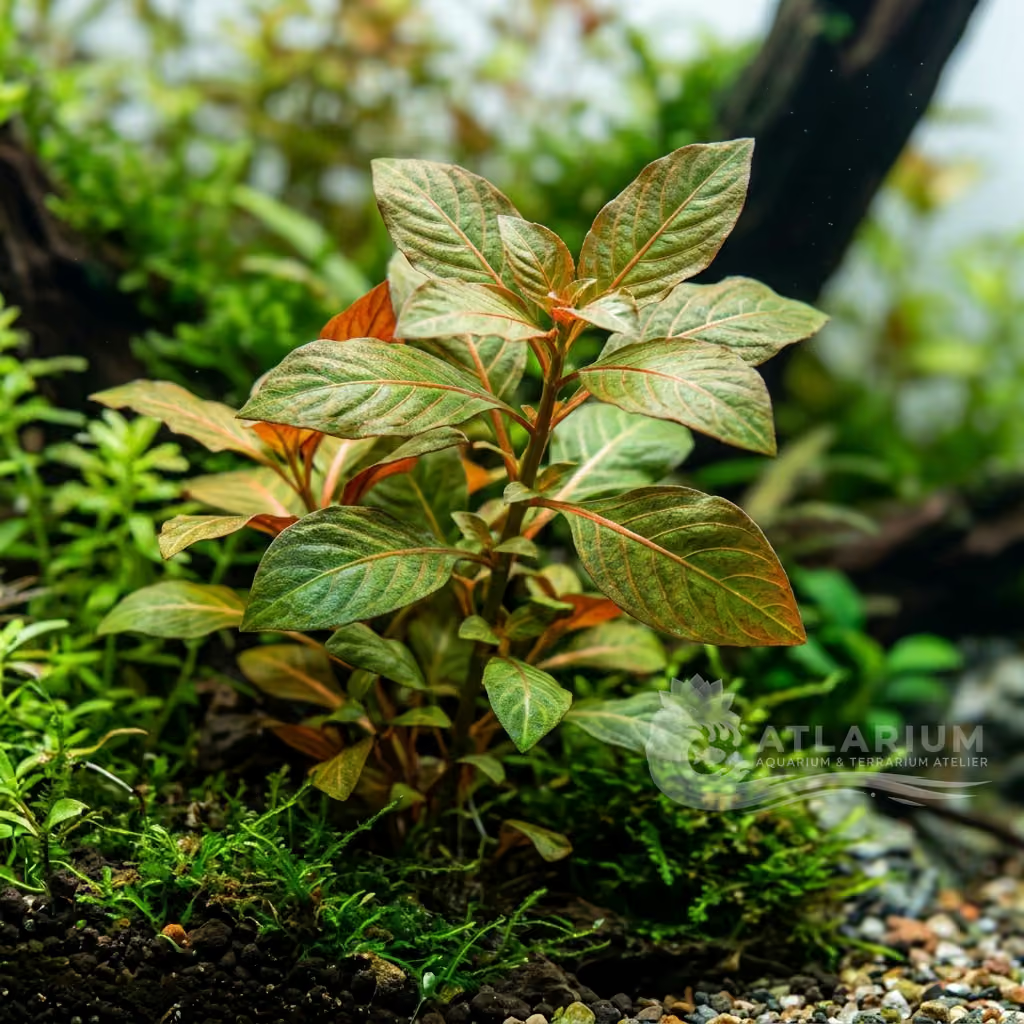
Physical Structure: Features creeping or floating stems that can grow several meters in length. The most distinctive anatomical feature is the presence of modified, white, spongy aerial roots (pneumatophores) that grow in clusters from the leaf nodes when floating. These structures contain large air spaces (aerenchyma) that assist in buoyancy and gas exchange in oxygen-depleted waters. Leaves are arranged alternately and are oblong to lanceolate.
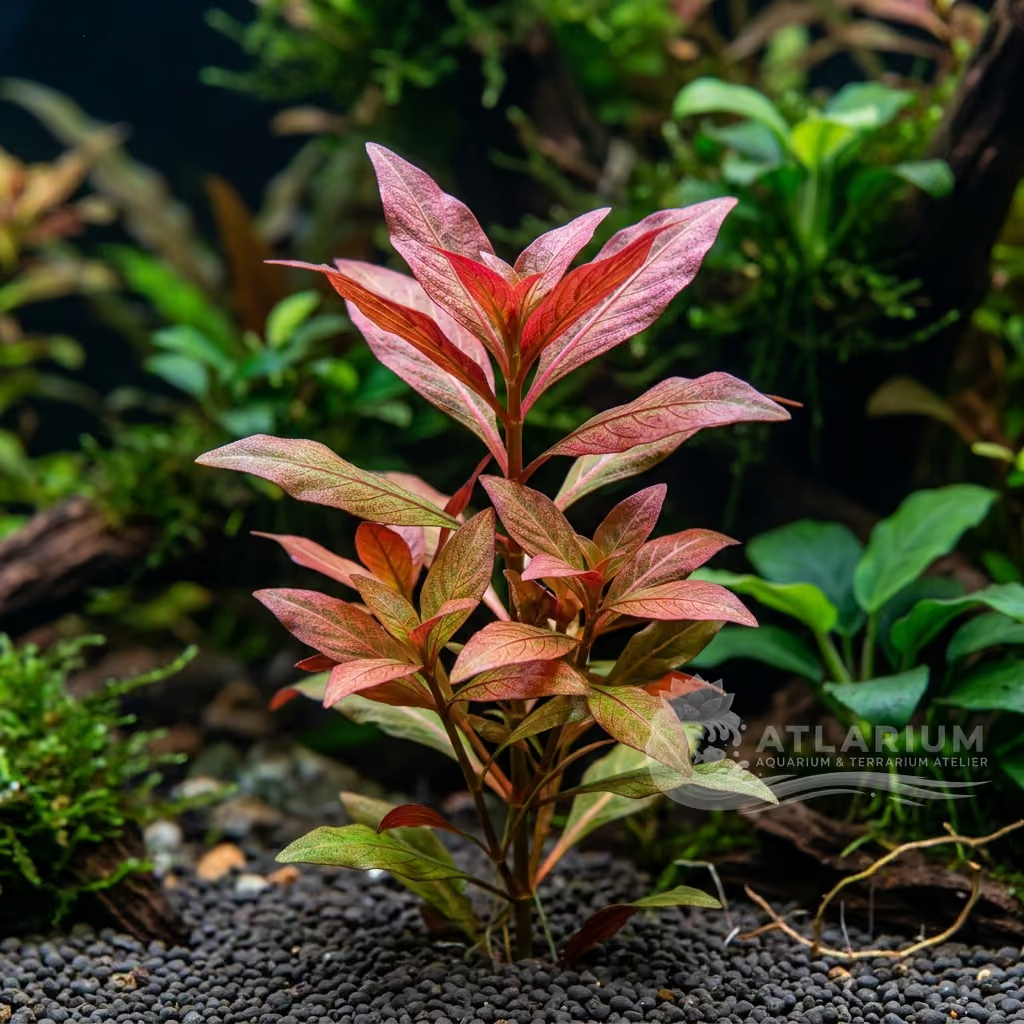
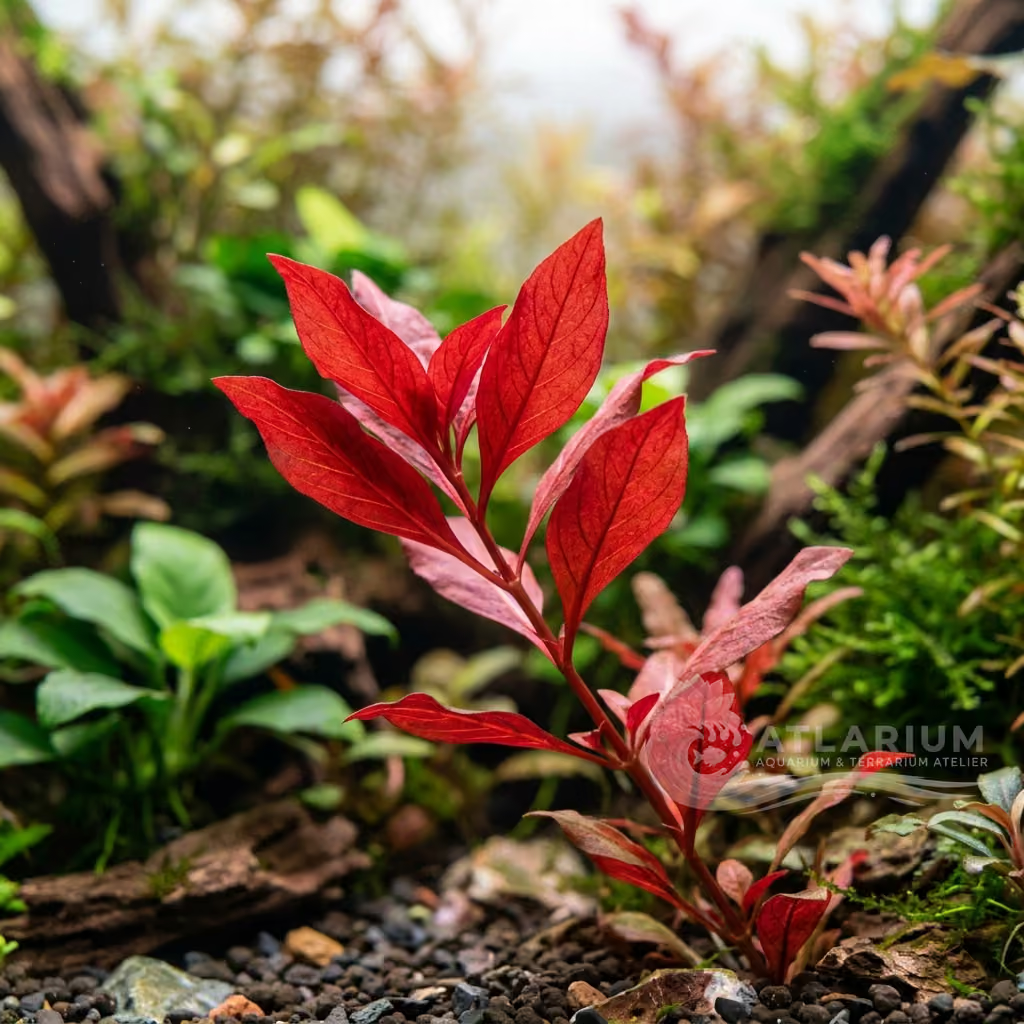
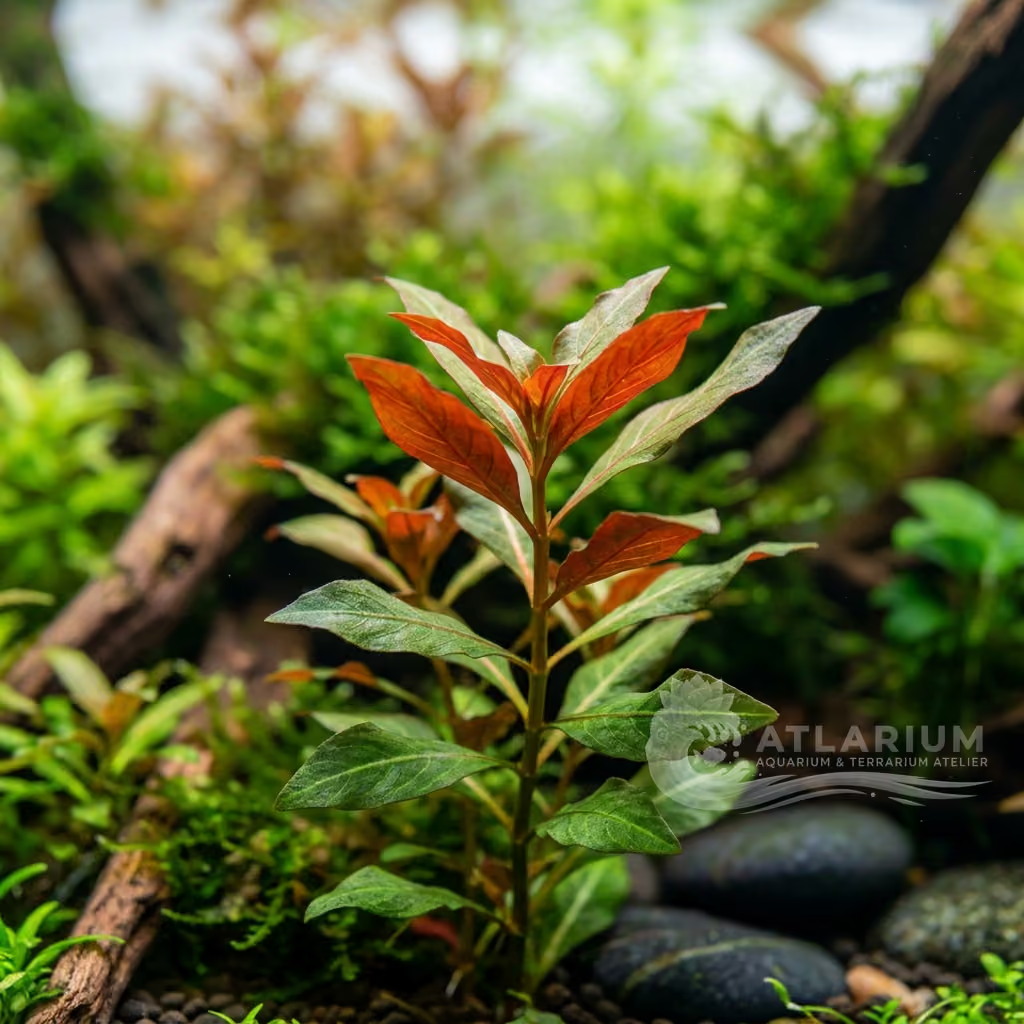
Color & Texture: Leaves are a bright green color on the upper surface, sometimes developing coppery or bronze edges under intense lighting. The lower leaf surface is pale green or whitish. Stems are fleshy and green to reddish. In its emersed form, the plant produces small, solitary five-petaled flowers that are pure white with a yellow base at the attachment point.

Care, breeding and tankmates
Lighting & CO2: Requires medium-high to intense lighting (at least 0.7 watts per liter) to prevent leggy growth and leaf loss near the base of the stems. Under low light, the stems become weak and fragile. CO2 injection is highly recommended for submerged cultivation to promote robust stems and faster growth, though floating stems can readily access atmospheric CO2.
Nutrition & Substrate: When grown rooted, it requires a nutrient-rich substrate containing iron and organic matter. Root fertilization tabs are helpful for establishing new plants. When allowed to float, it absorbs nutrients directly from the water column through its aquatic roots, requiring regular liquid fertilizer dosing with macro (NPK) and micronutrients to prevent yellowing.
Water Chemistry: Prefers soft to moderately hard water, with an optimal pH range of 6.0 to 7.5, GH of 4-12°dGH, and KH of 3-8°dKH. It tolerates a wide temperature range, from 18°C to 30°C (64-86°F), with an optimal range around 22-26°C. Ensure water is clean and free of suspended debris that could settle on the leaves.
Space Management & Placement: Can be kept as a floating plant, allowing the stems to drift on the surface to provide shade and shelter for fish, or planted in the background of the aquarium. Due to its rapid growth rate, it requires regular monitoring to prevent it from shading out slower-growing plants. Excellent for paludariums, ripariums, or warm outdoor ponds.
Pruning: Grows very rapidly under optimal conditions. Pruning involves cutting the stem tops (apical trimming) or removing excess side shoots. The cut portions can be replanted as cuttings; simply insert the lower nodes into the substrate to establish new roots within a few days. Regularly remove decaying leaves to maintain water quality.
Risks & Diseases: Vulnerable to lower leaf loss if light cannot penetrate to the base of the stems. In closed aquariums with stagnant surface air, floating leaves may develop fungal rot or attract pests like aphids. Nitrogen deficiency leads to stunted growth and pale leaves, while iron deficiency causes chlorosis in new leaves.

Geographic origin and distribution
This species is widely distributed throughout the tropical and subtropical regions of Asia (including India, southern China, and Southeast Asia), Africa, and Australia. It inhabits calm, shallow, nutrient-rich freshwaters such as ponds, lakes, ditches, rice paddies, and the slow-flowing margins of rivers. It grows either submerged and rooted in the muddy substrate or as a floating/creeping mat on wet, muddy banks.
Origin
South and Southeast AsiaAfrica and MadagascarEast AsiaAustralia, New Guinea, and Oceania

Plant profile
- Placement
- Background
- Optimal placement for Ludwigia adscendens is as a surface or background. Careful positioning allows it to receive adequate light and flow. This strategic placement ensures it does not overshadow smaller plants while exhibiting its best form.
- Botanical form
- Stem
- Botanically, Ludwigia adscendens is characterized as a stem/floating plant. Its unique physiological traits make it a fascinating addition to the ecosystem. The leaf structure and overall form adapt closely to its submerged environment.
- Growth
- Fast
- The growth rate of Ludwigia adscendens is generally considered fast. This steady development necessitates a well-planned maintenance schedule. Adjusting environmental factors can slightly speed up or slow down this rate.
- Substrate
- None
- Ludwigia adscendens is primarily a floating or sprawling marginal plant that does not strictly require a planted substrate to thrive. When grown floating on the water surface, it develops specialized, spongy white pneumatophores (air roots) that keep it buoyant and absorb oxygen and nutrients directly from the water. If grown in shallow water or along muddy banks, its root system can anchor into moist, nutrient-rich soil or fine sand. However, in typical aquariums, it is often kept free-floating, relying entirely on liquid fertilization.
- Column fertilization
- Recommended
- For column fertilization, Ludwigia adscendens prefers a rich dosing regimen. Liquid fertilizers are efficiently absorbed through its submerged surfaces. Consistent daily or weekly dosing ensures steady nutrient availability.
- Root fertilization
- None
- Regarding root fertilization, it is not strictly true that Ludwigia adscendens requires a nutrient-rich substrate. A quality aquasoil or root tabs can significantly boost its long-term health. The root system plays an active role in stabilizing the plant and absorbing minerals.
- Trimming
- Regular
- Maintenance for Ludwigia adscendens primarily involves frequent topping. Using sharp aquascaping scissors ensures clean cuts that heal quickly. Regular pruning encourages a more compact and aesthetically pleasing form.
- Propagation
- Cuttings
- Propagation of Ludwigia adscendens is typically achieved through cuttings. This method is straightforward and yields a high success rate. Newly propagated sections should be planted with sufficient space to establish themselves.
- Sensitivity
- LOW
- Ludwigia adscendens is particularly sensitive to low light dropping leaves. Sudden changes in water chemistry can trigger negative reactions or melting. Maintaining a stable environment is the best preventative measure against these issues.
- Layout role
- Floating, Background, paludarium, riparium
- In an aquascape, Ludwigia adscendens serves excellently as a surface cover. Its visual characteristics draw the eye and create depth within the layout. It pairs well with contrasting textures to enhance the overall composition.

Related species
Recommendations grouped by close relatives, companion choices, and similar care.