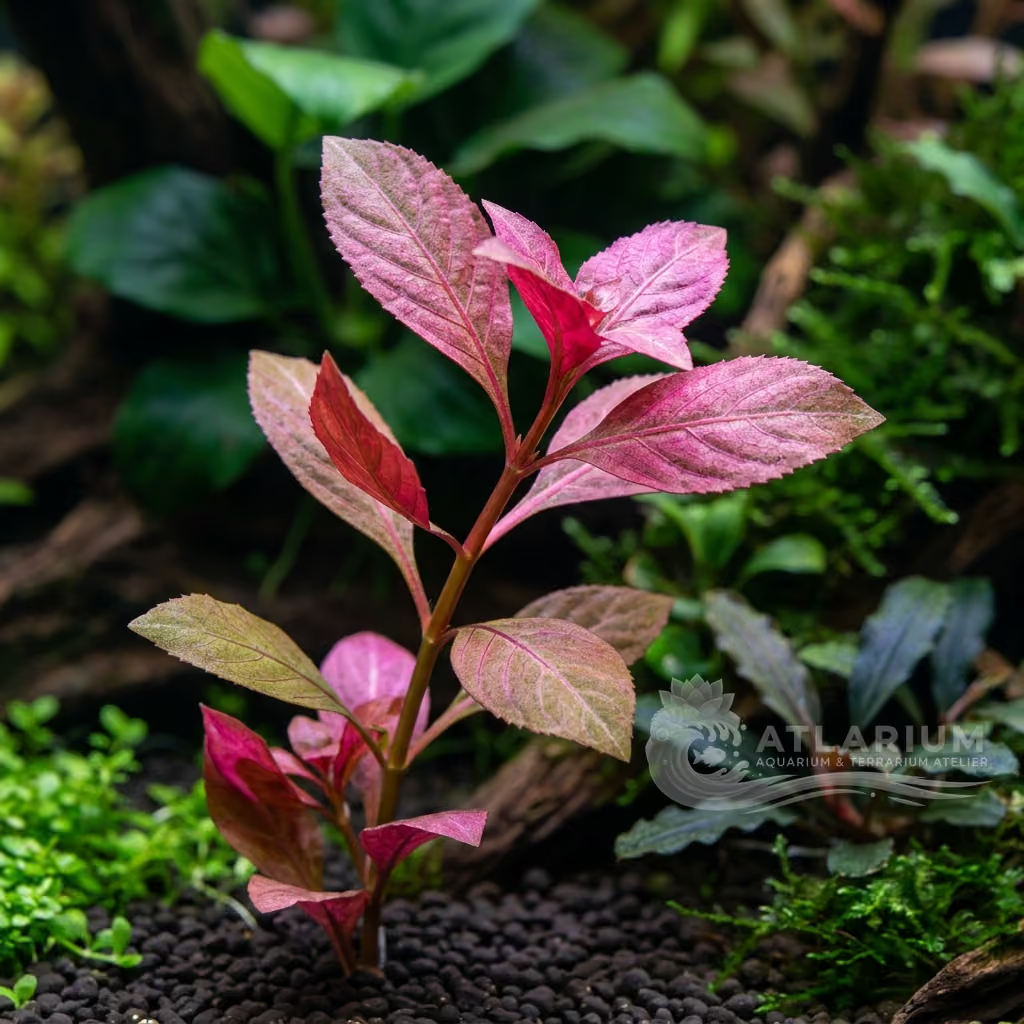
Ludwigia perennis
Ludwigia perennis
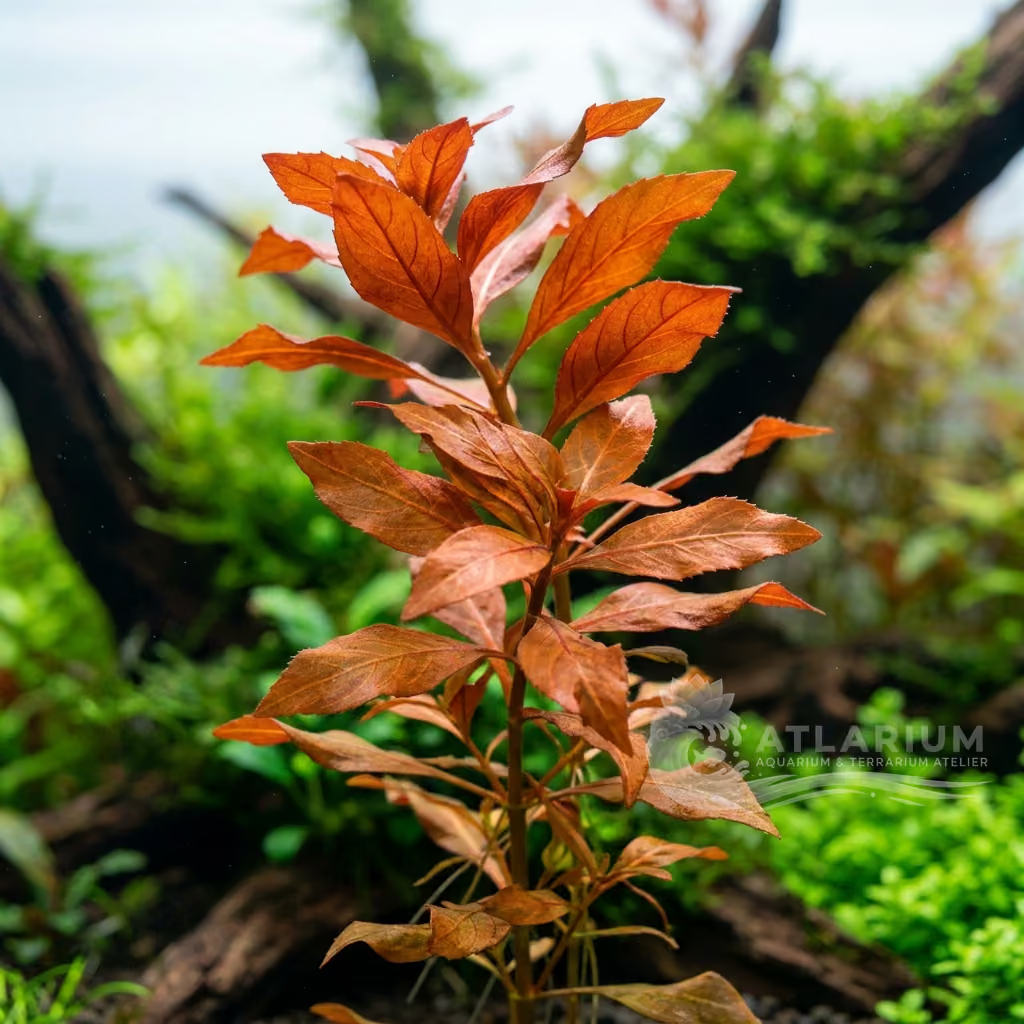
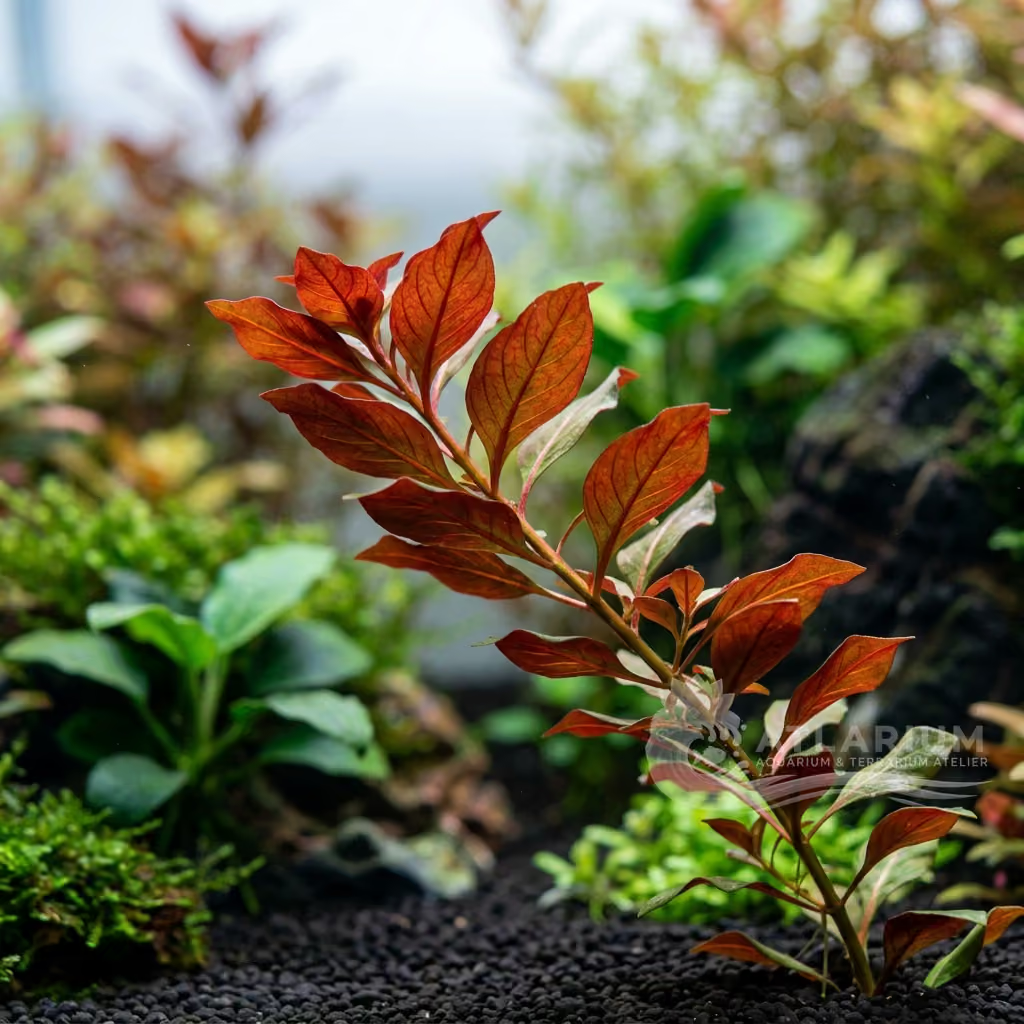
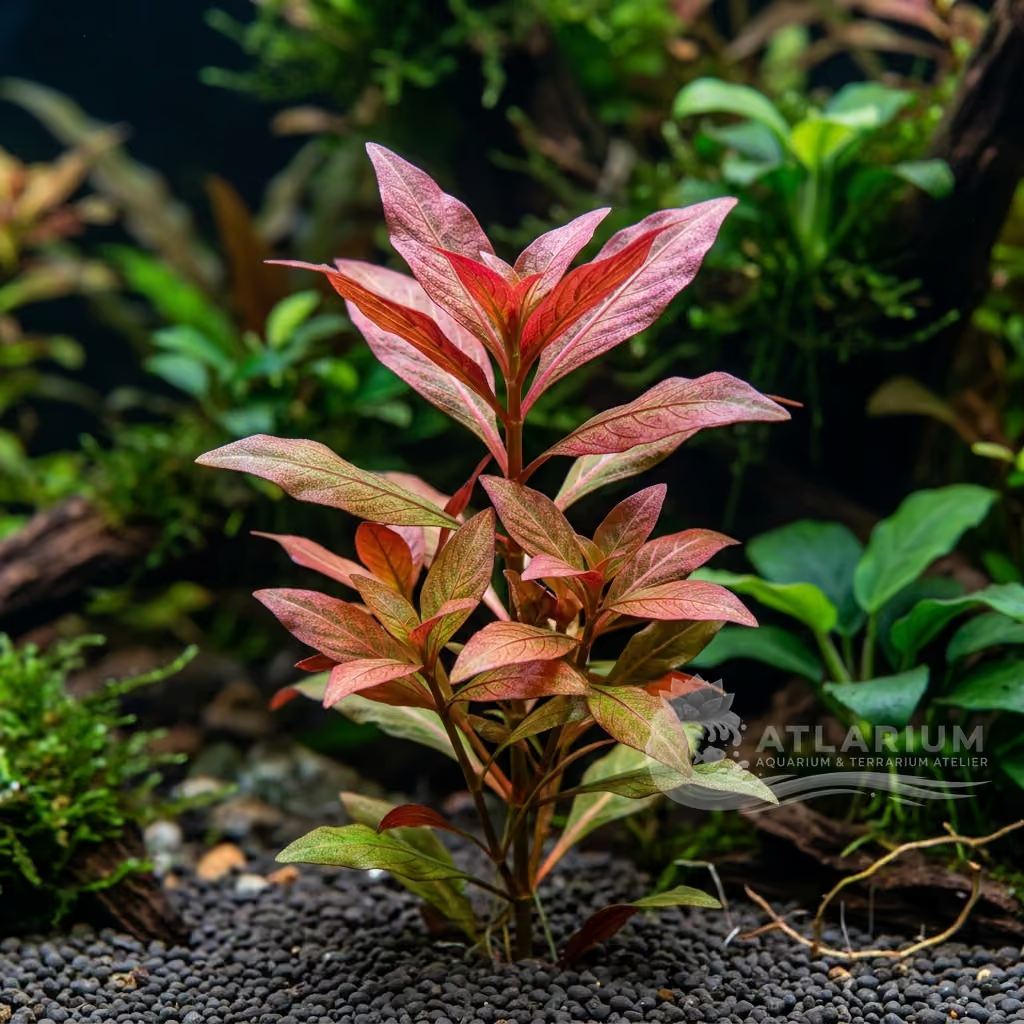
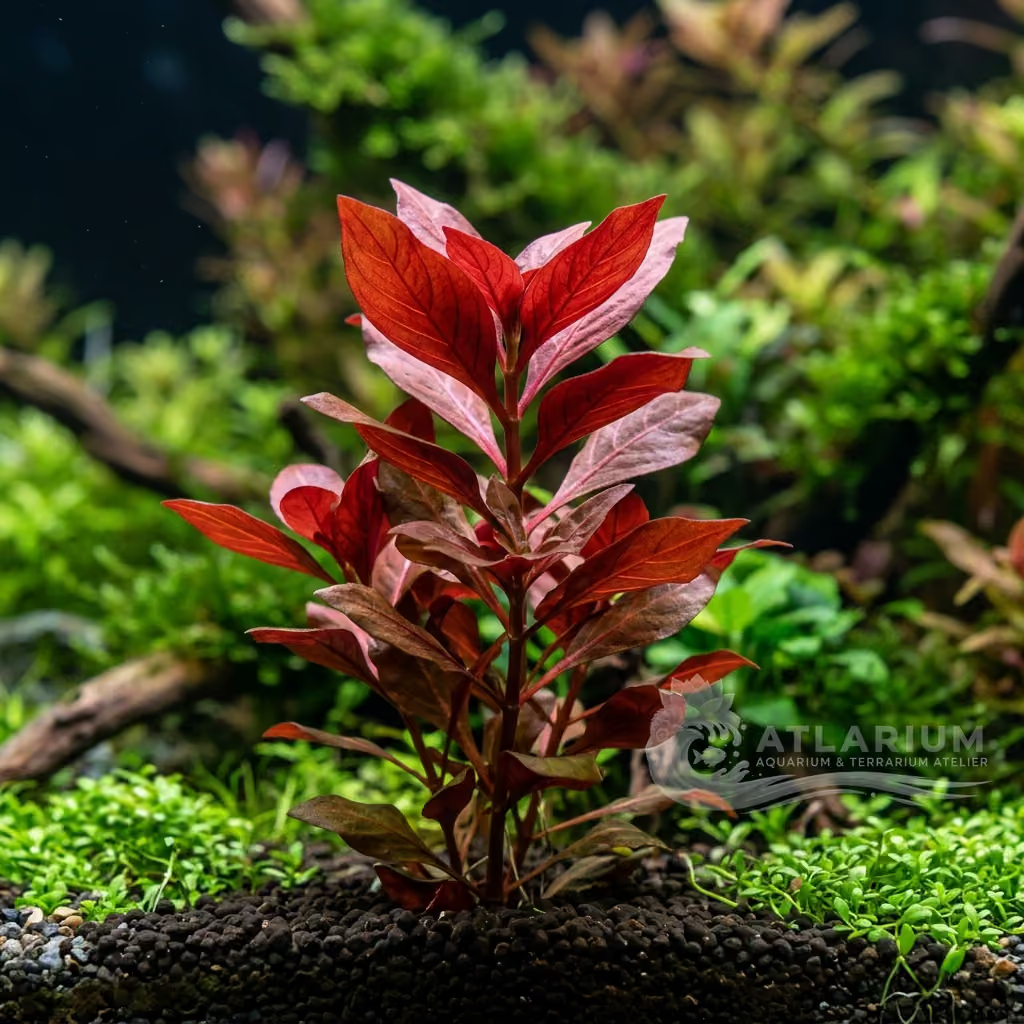
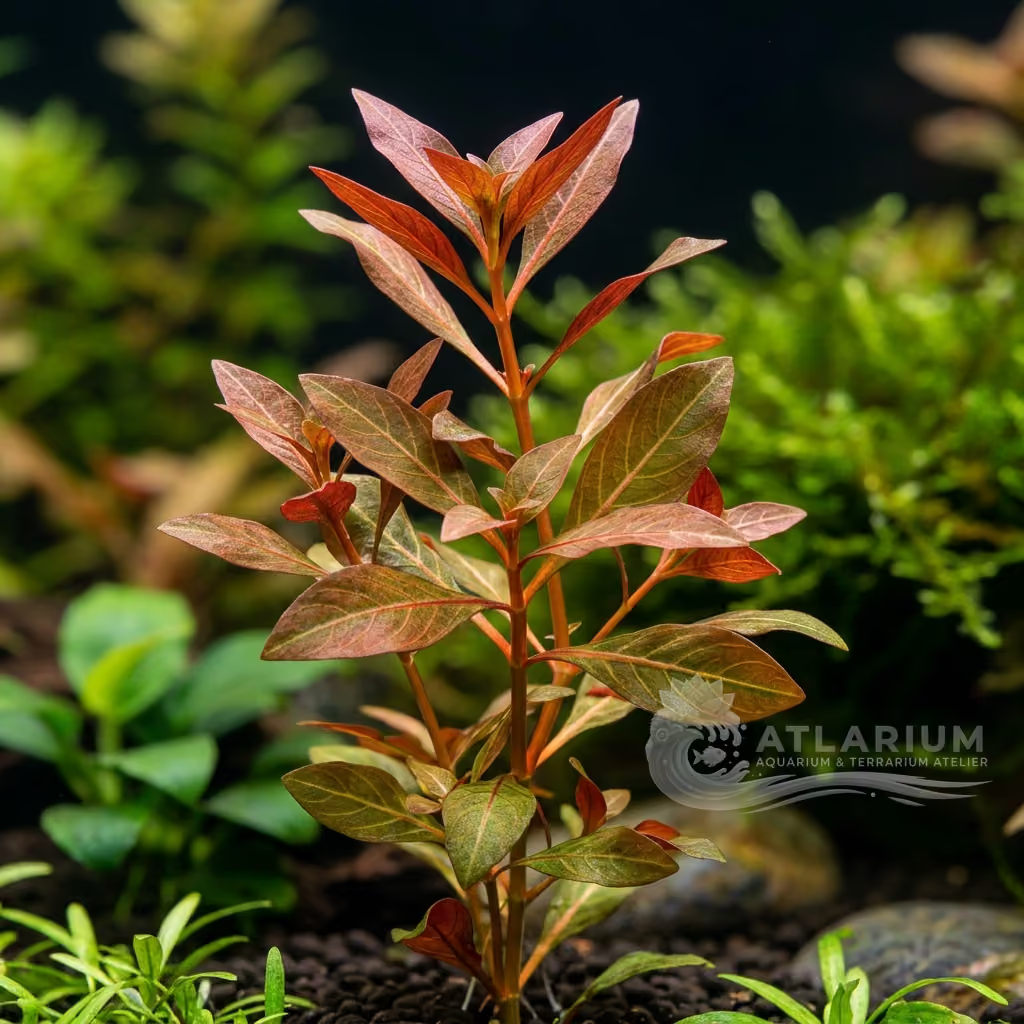
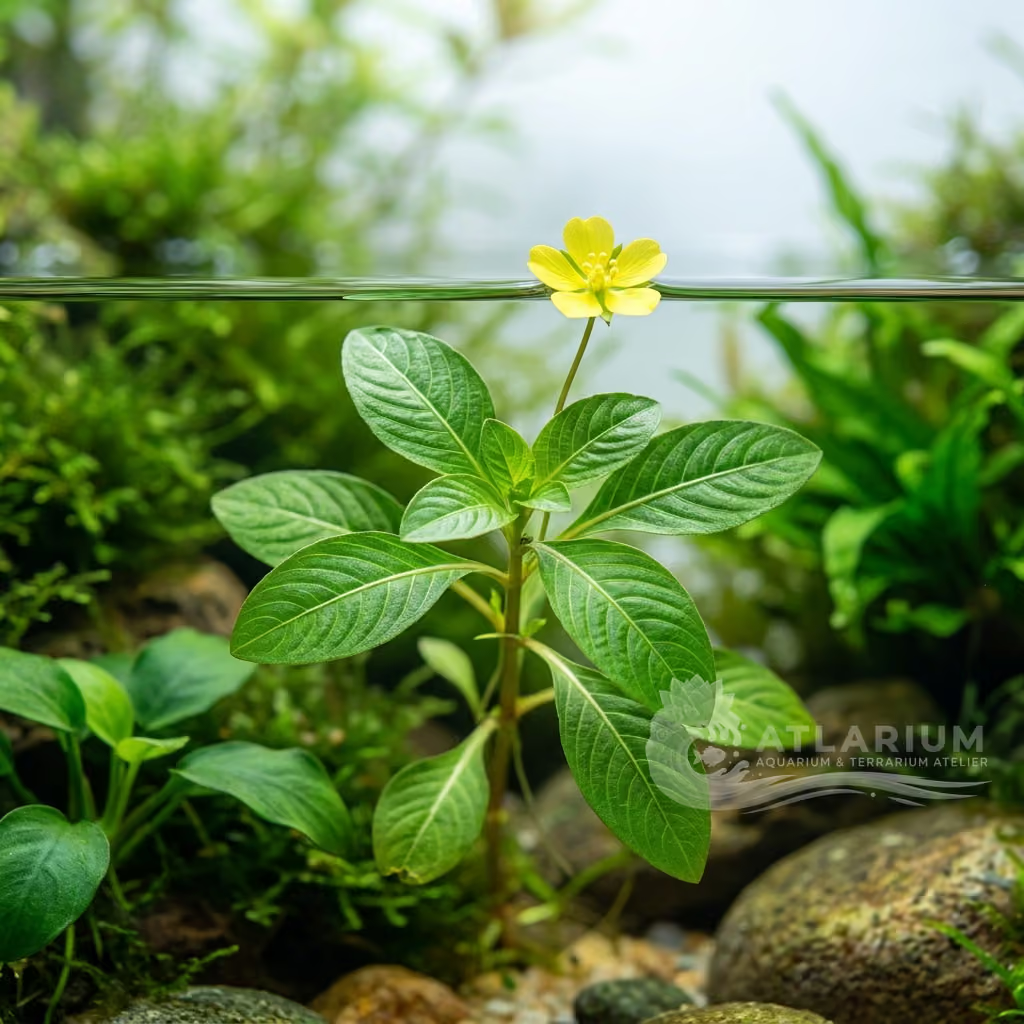
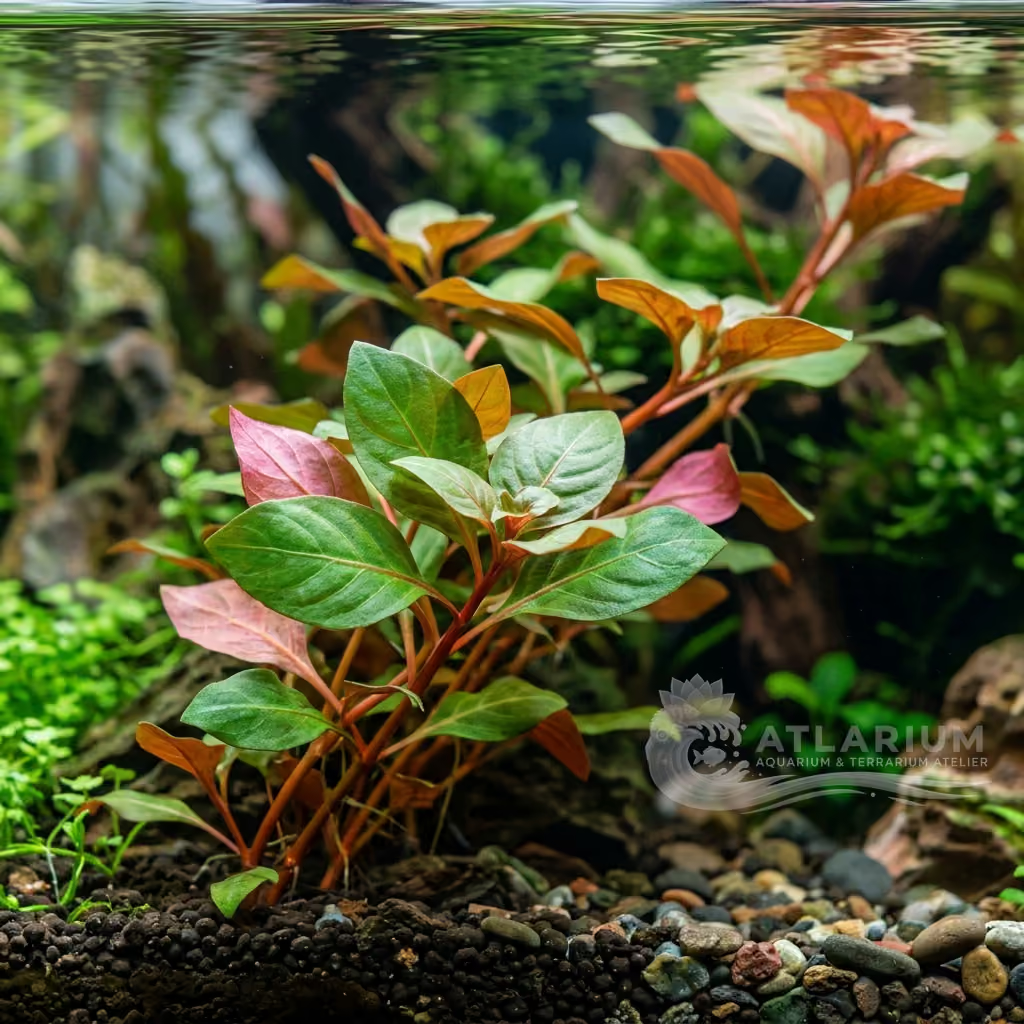
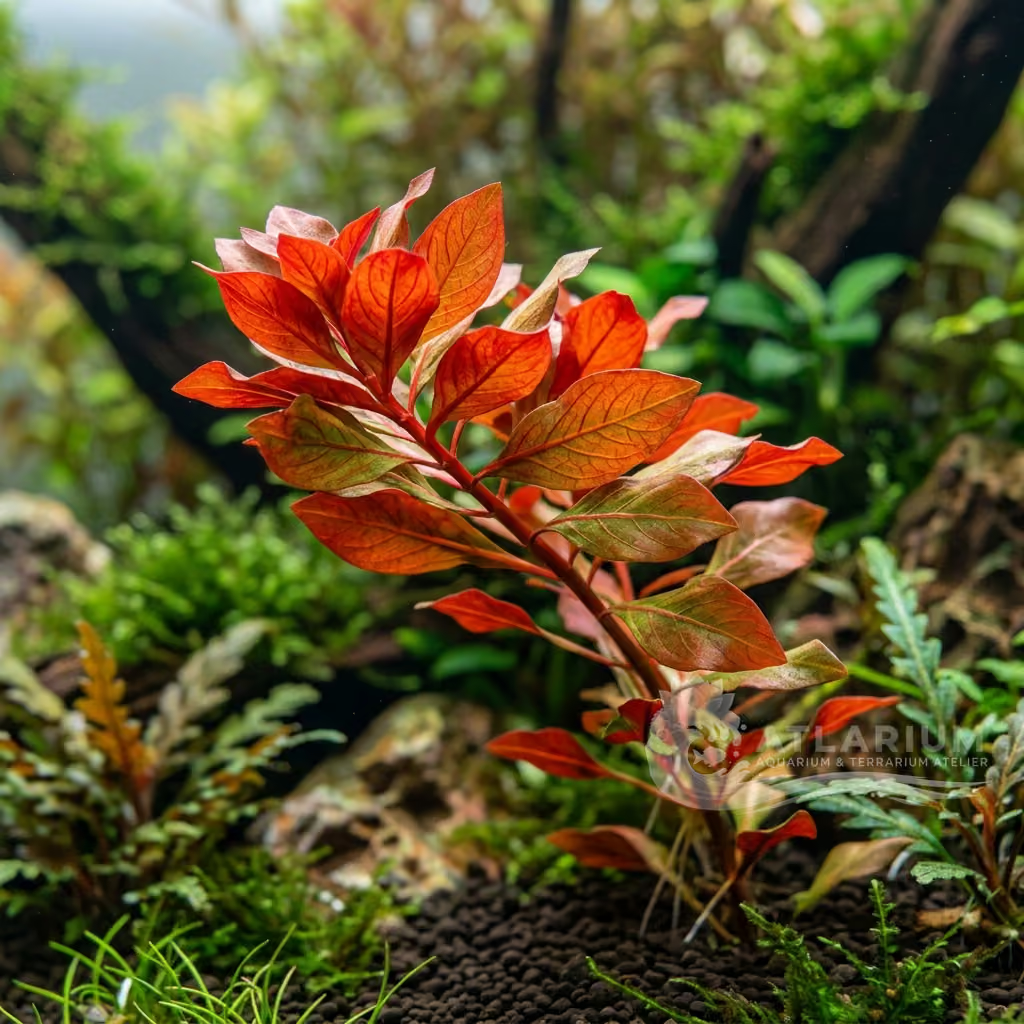
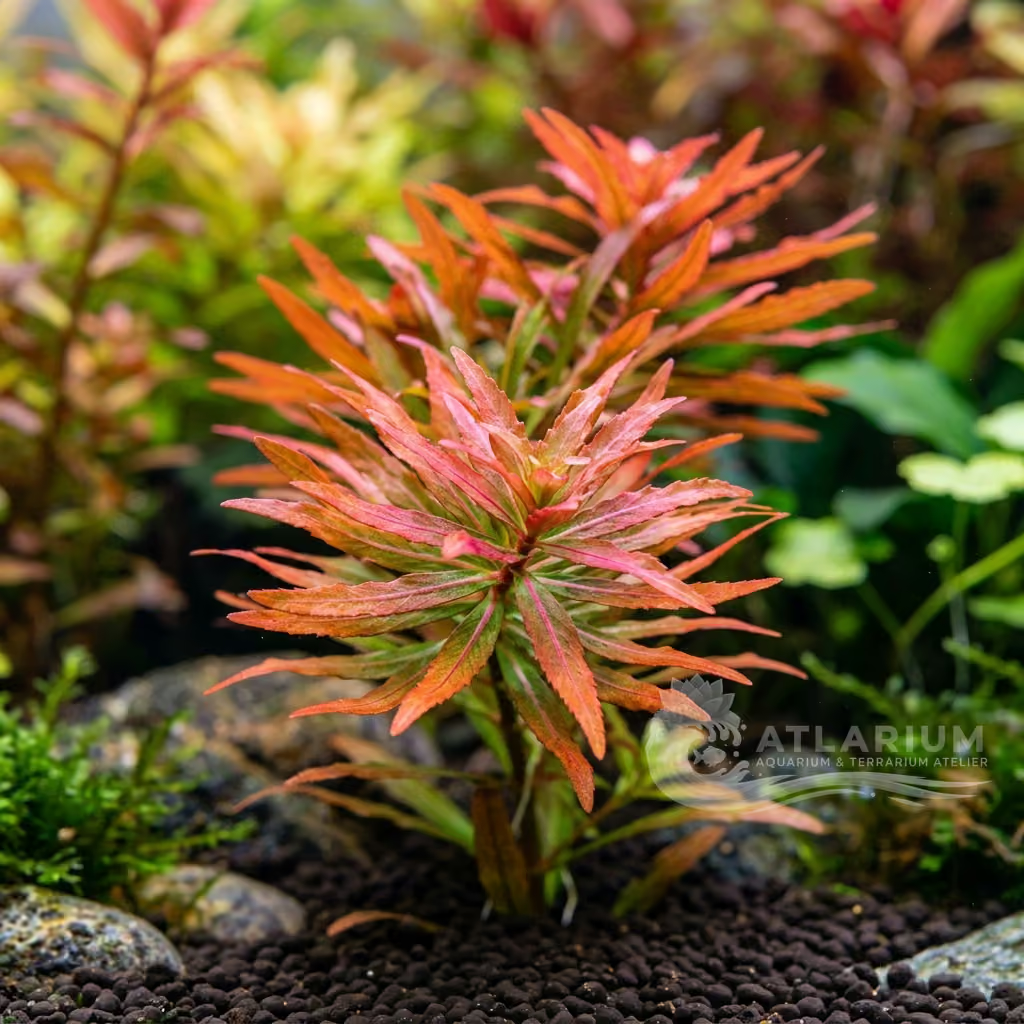
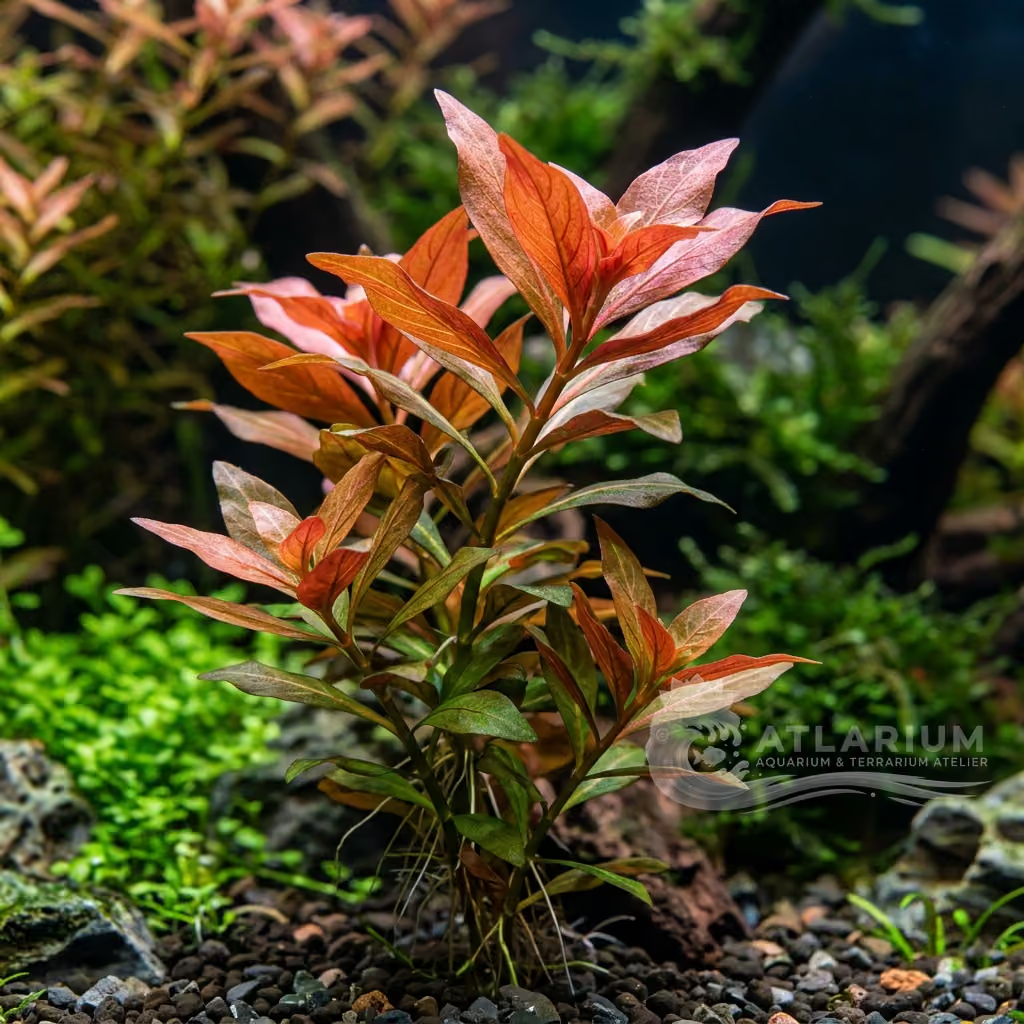
Ludwigia perennis is a medium-growing aquatic plant, perfectly suited for midground placement in the aquarium, where it can create a vibrant focal point with its dense and potentially reddish-tinged foliage.
Water Temperature
22 - 28 °C
pH Value
6 - 7.5
Water type
Freshwater
Light
Medium - High
CO2
Medium - High
KH
2 - 10 dKH

Species description
Geographical Origin and Habitat: Ludwigia perennis boasts a remarkably wide geographical distribution, originating from tropical and subtropical regions across Asia, Africa, America, and Australia. This extensive presence attests to its significant adaptability to diverse aquatic and semi-aquatic ecosystems. It thrives in humid habitats such as river margins, ponds, ditches, and rice fields, where it can prosper in both submerged and emersed forms. Its ability to colonize various wetlands makes it a resilient and globally widespread species, often considered a weed in some agricultural areas.
Taxonomy & Genetics: Belonging to the Onagraceae family, the genus Ludwigia is a vast and fascinating botanical group, comprising over 80 recognized species, many of which are utilized in aquascaping for their beauty and variety of forms. Ludwigia perennis, in particular, is classified within this genus due to its morphological and reproductive characteristics shared with its congeners, though it exhibits distinct traits that make it unique. Understanding its taxonomy helps us properly place it in the plant kingdom and infer some of its cultivation needs based on family membership, although each species has its unique peculiarities.
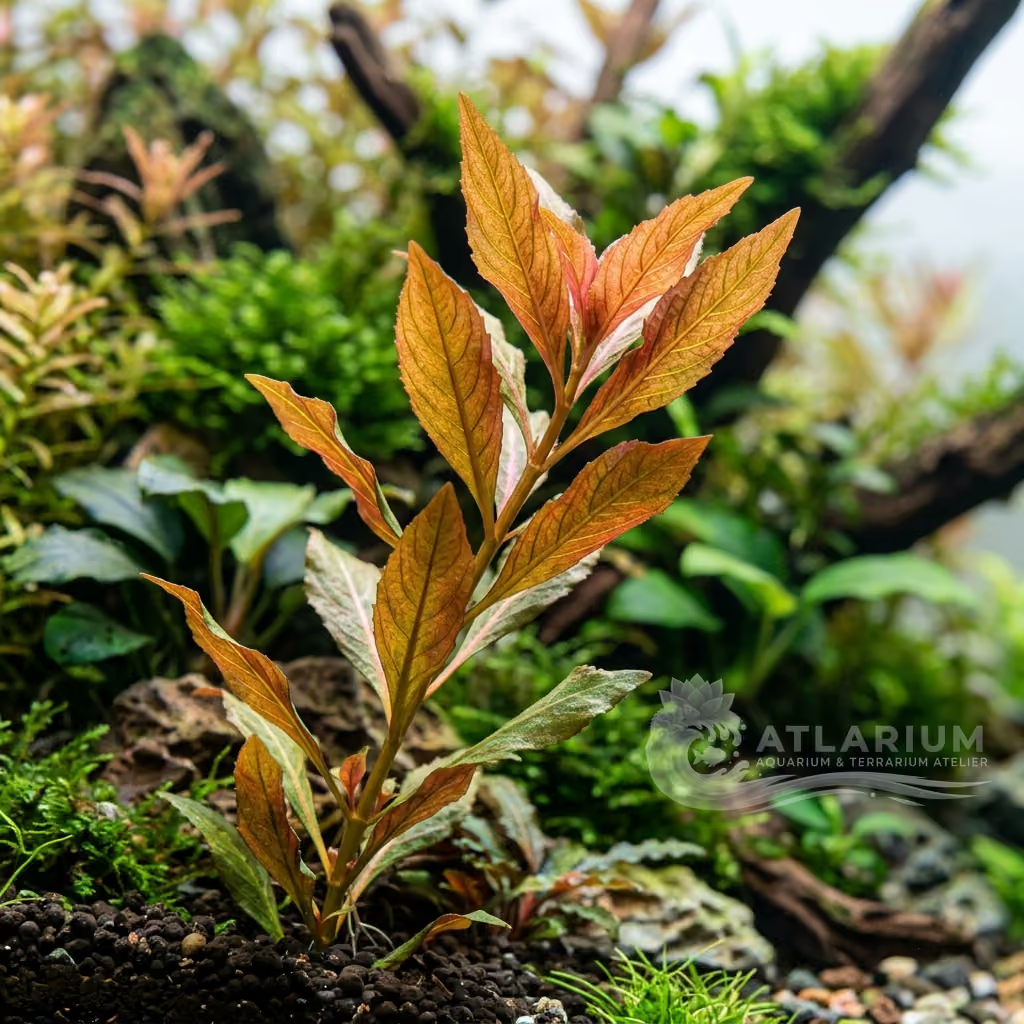
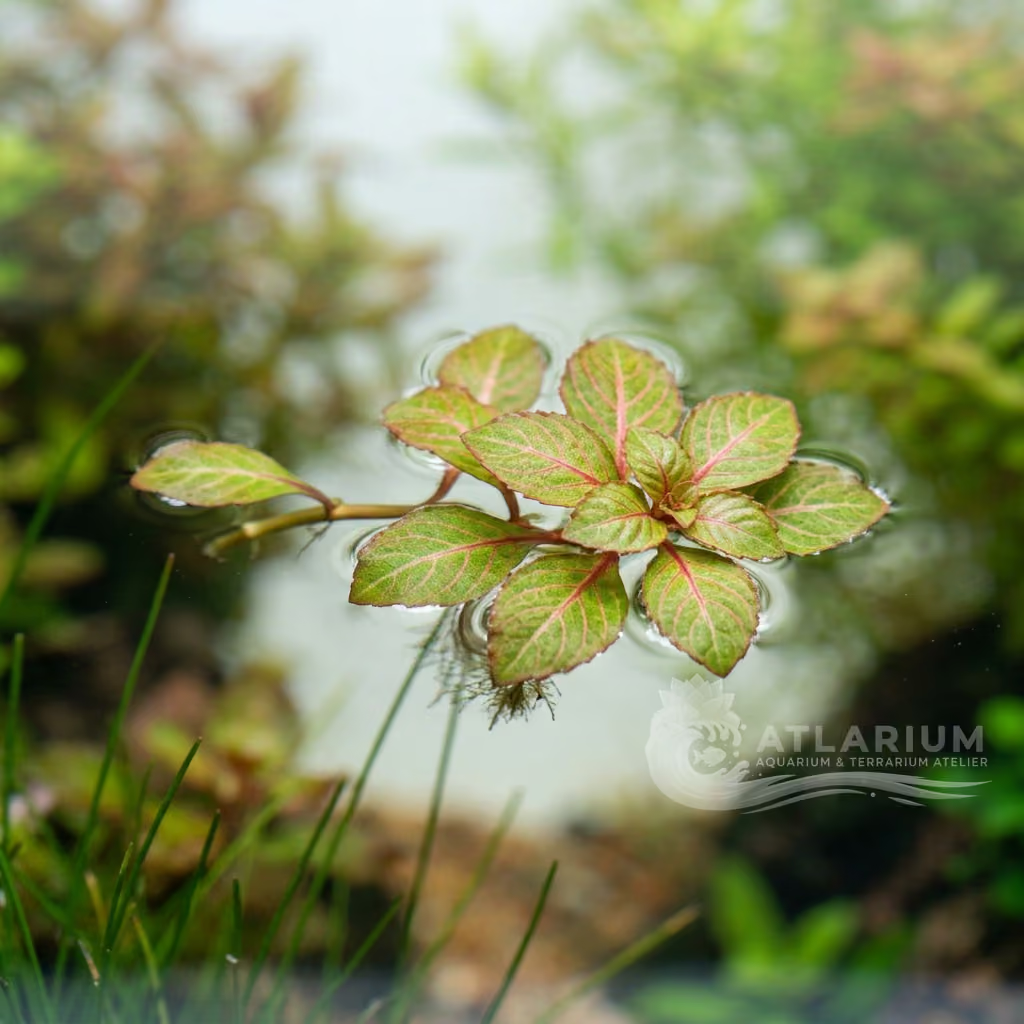
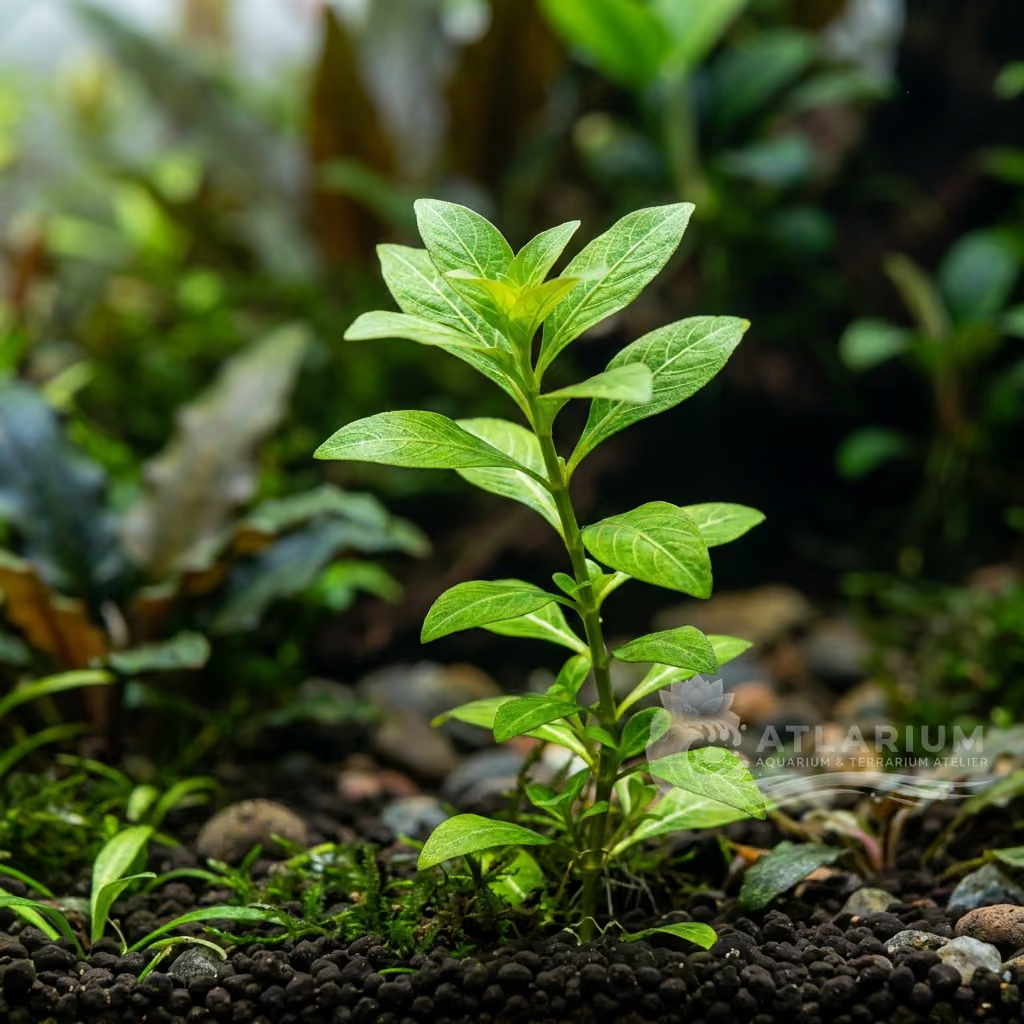
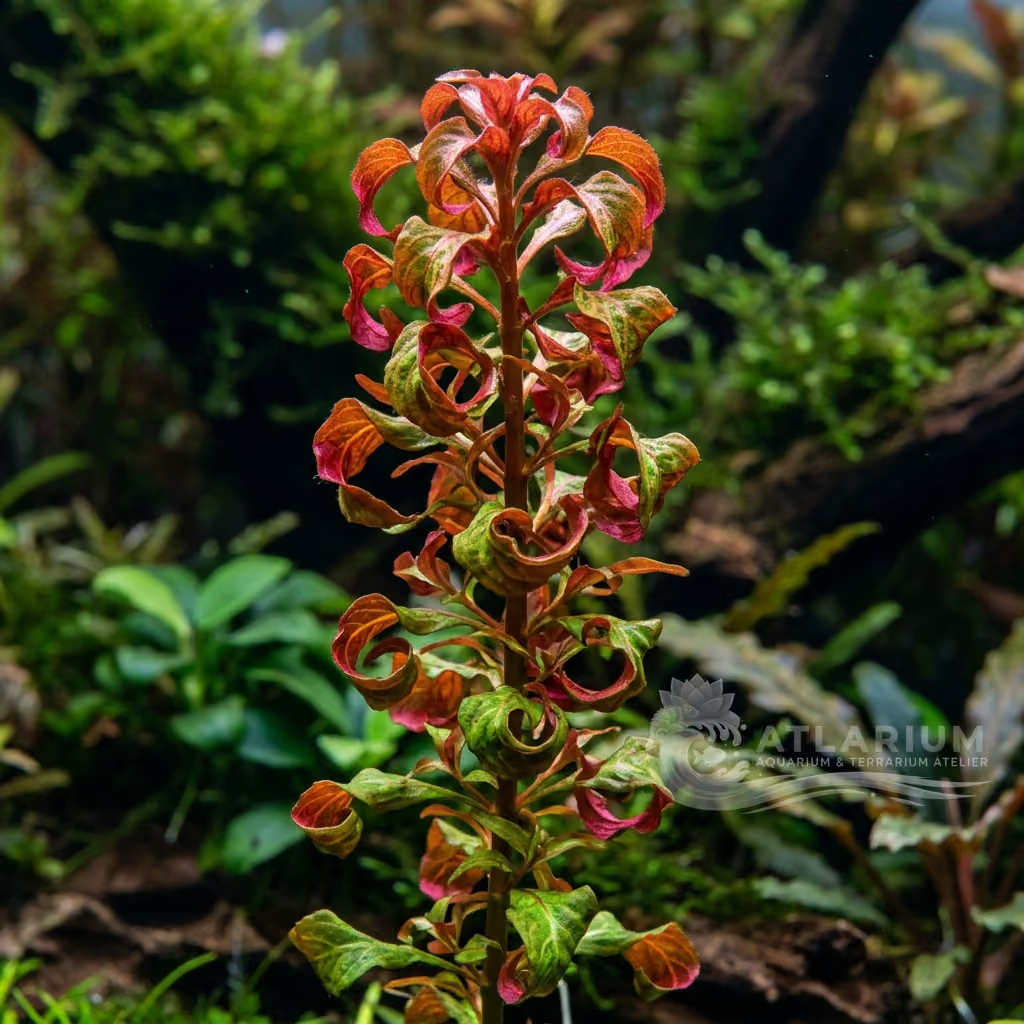
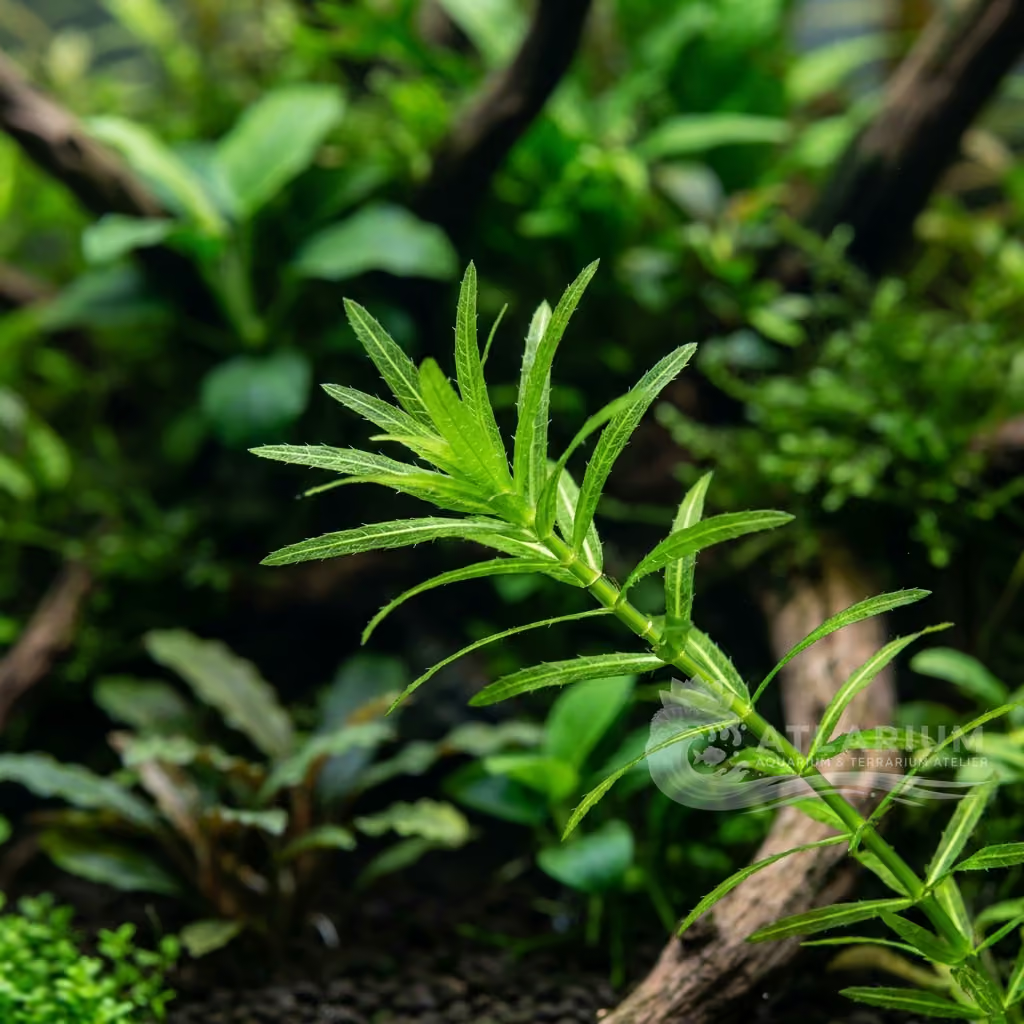
Physical Structure: The physical structure of Ludwigia perennis is characterized by robust yet flexible stems, which can grow erect towards the water surface or, under certain conditions, branch out horizontally, creating a bushier appearance. Leaves are arranged alternately along the stem, typically lanceolate or ovate, and their size can vary depending on light intensity and nutrient availability, featuring an entire margin. Submerged, the plant develops a fibrous root system that firmly anchors it to the substrate, while in emersed growth conditions, it can produce small, discreet yellow flowers in the leaf axils.
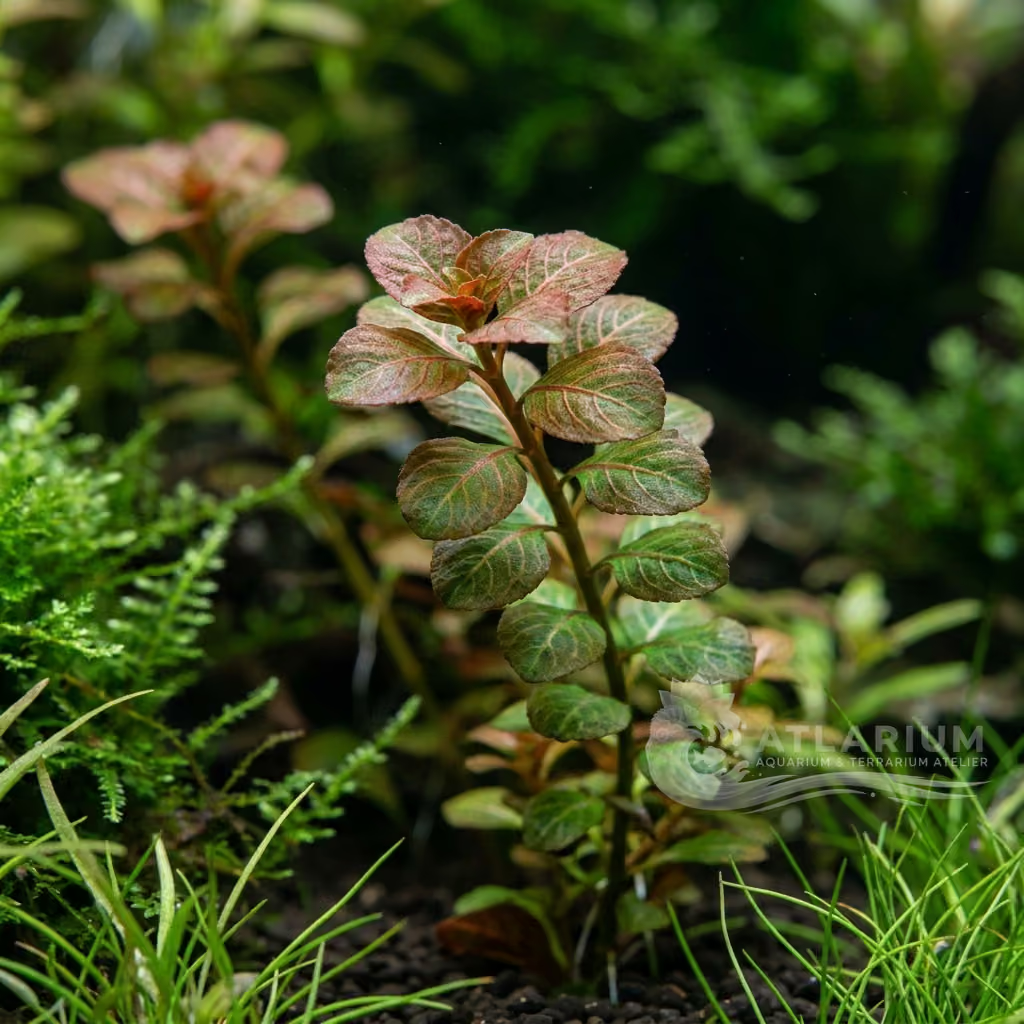
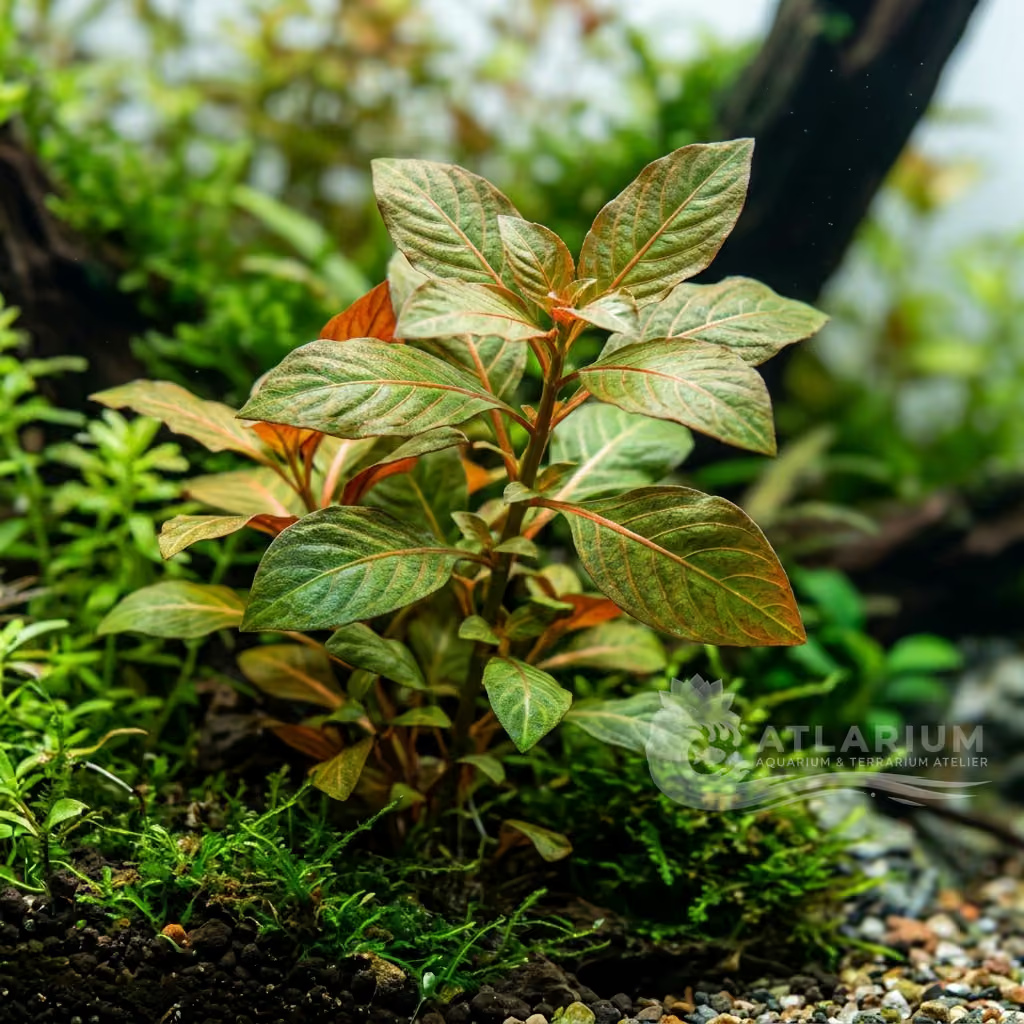
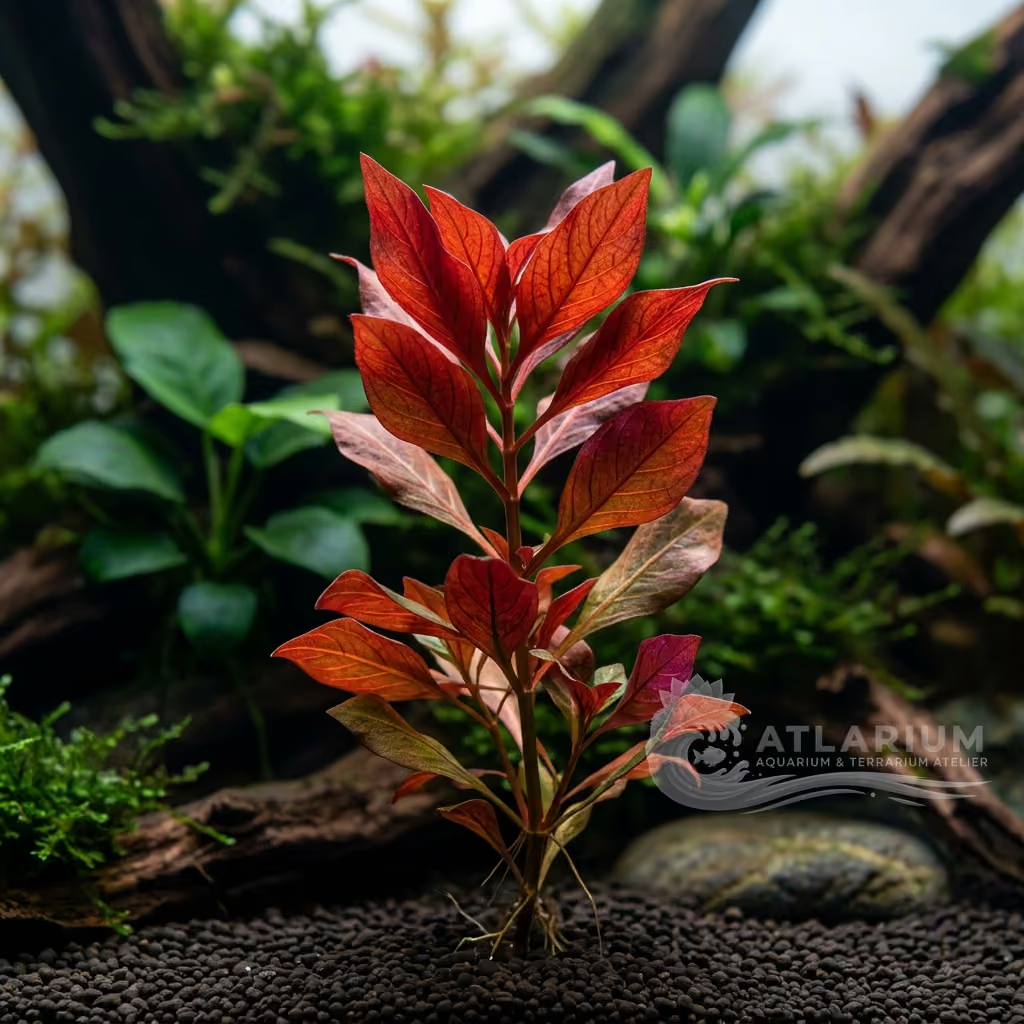
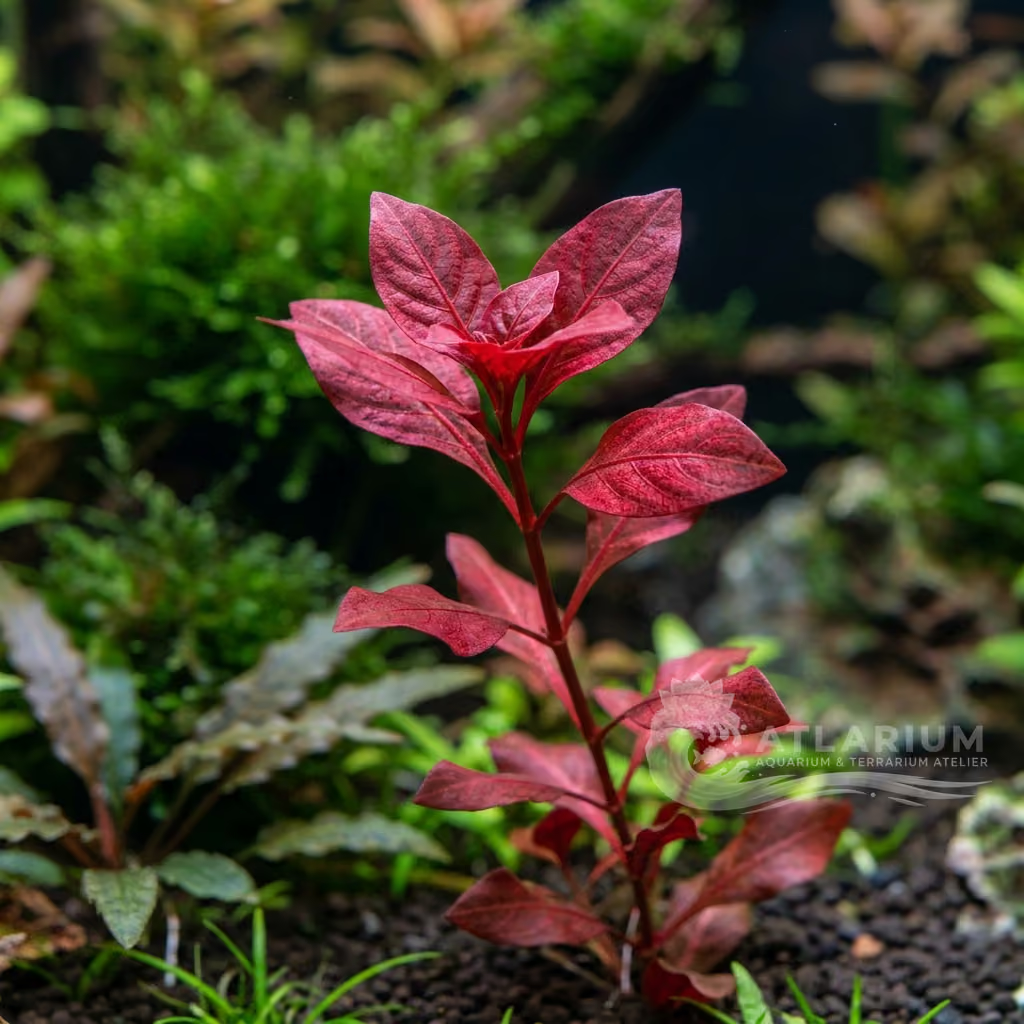
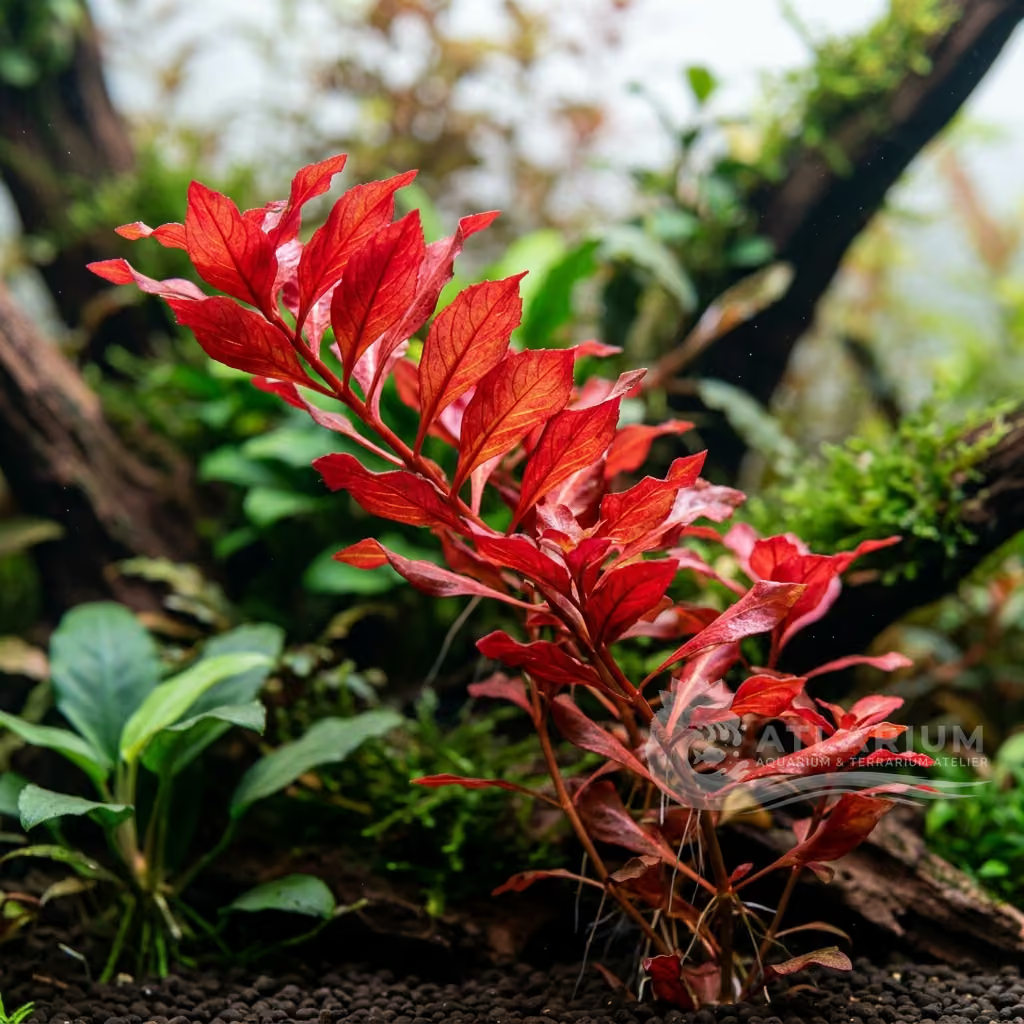
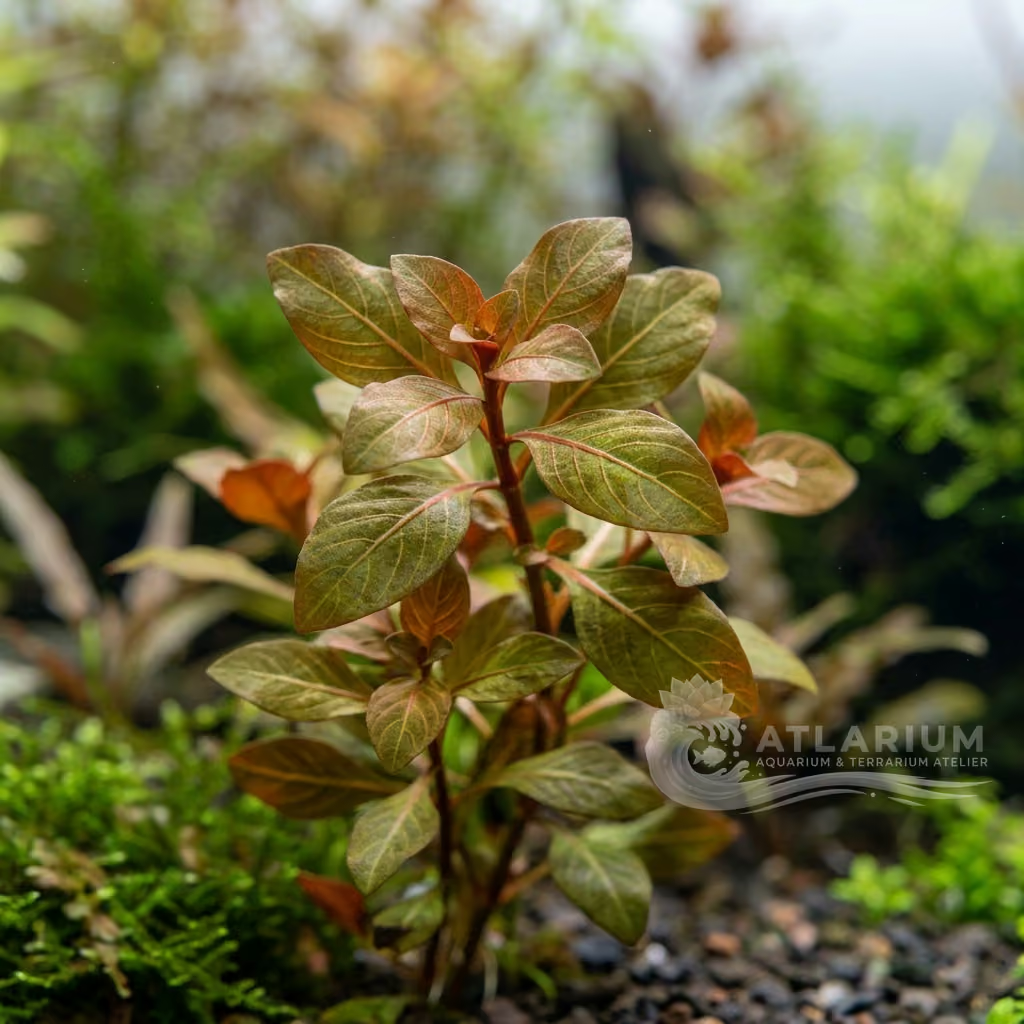
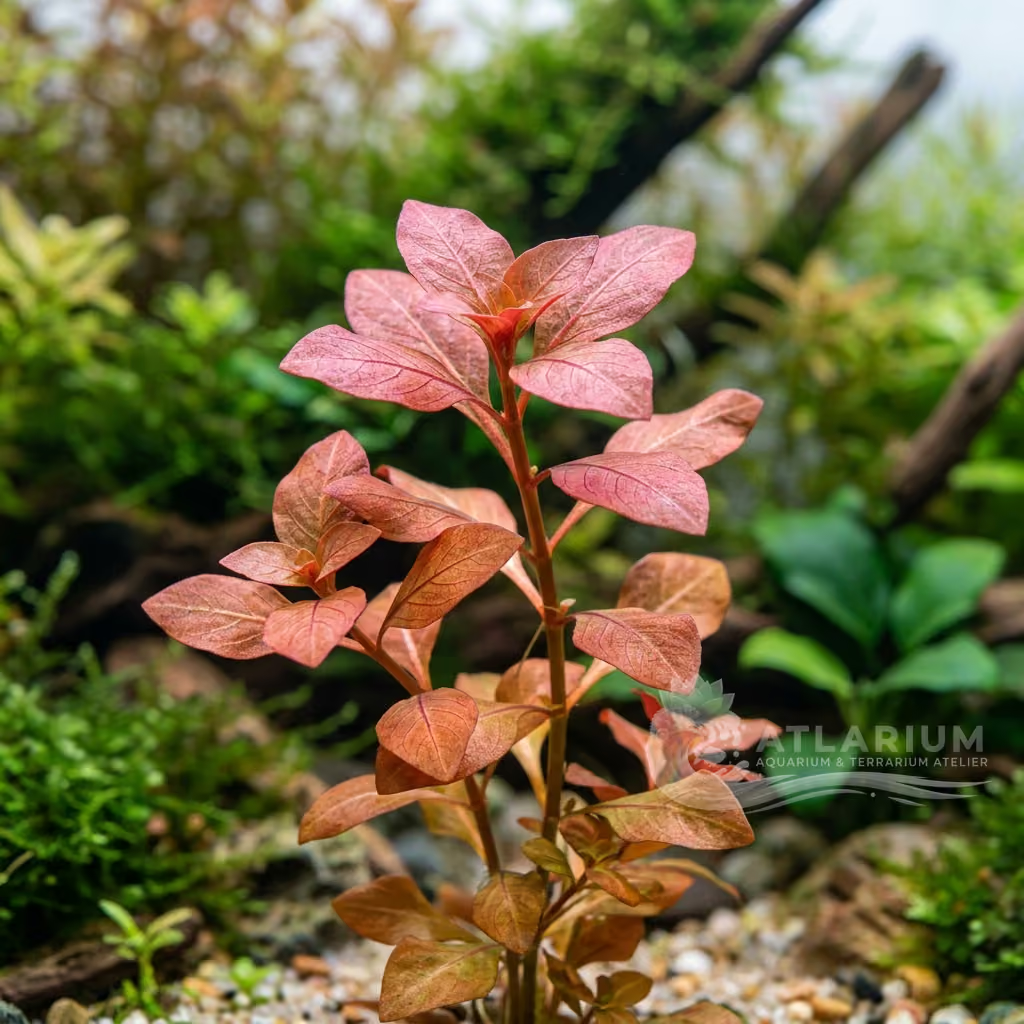
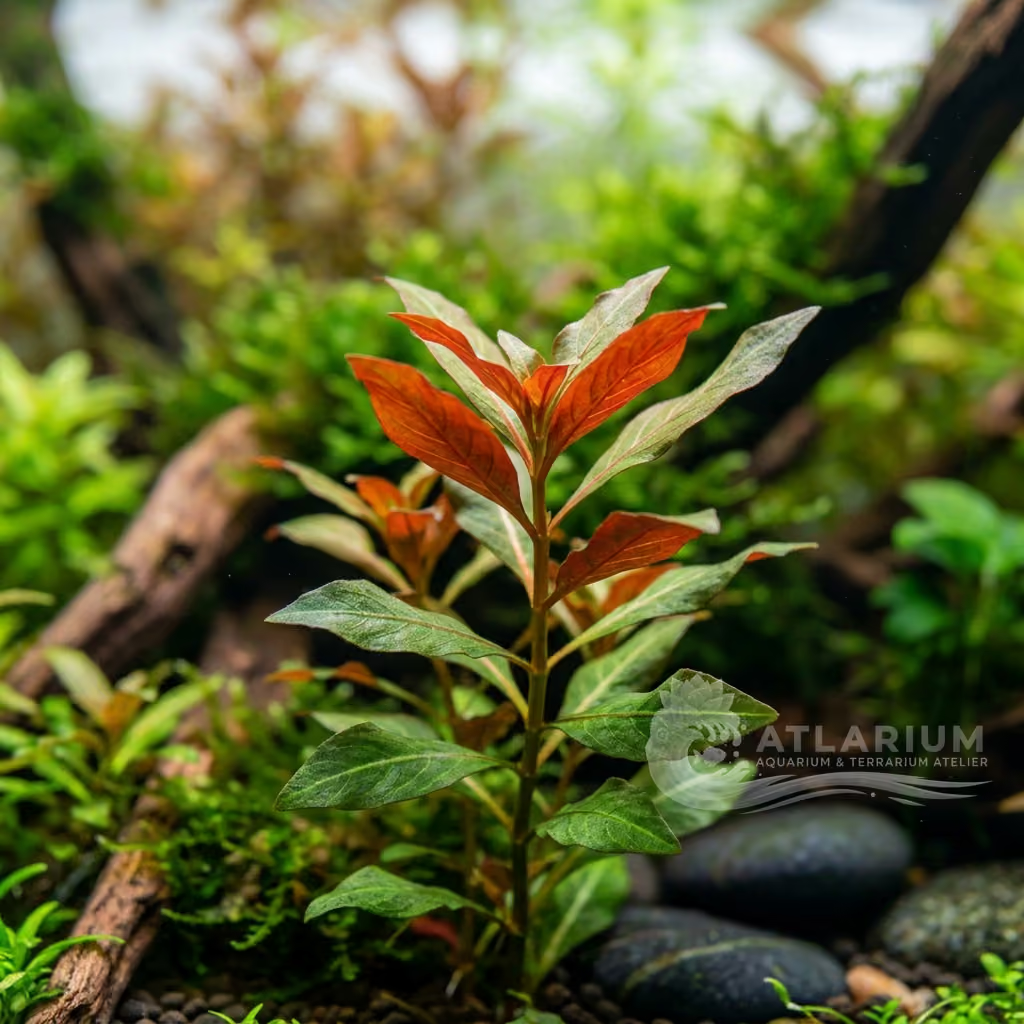
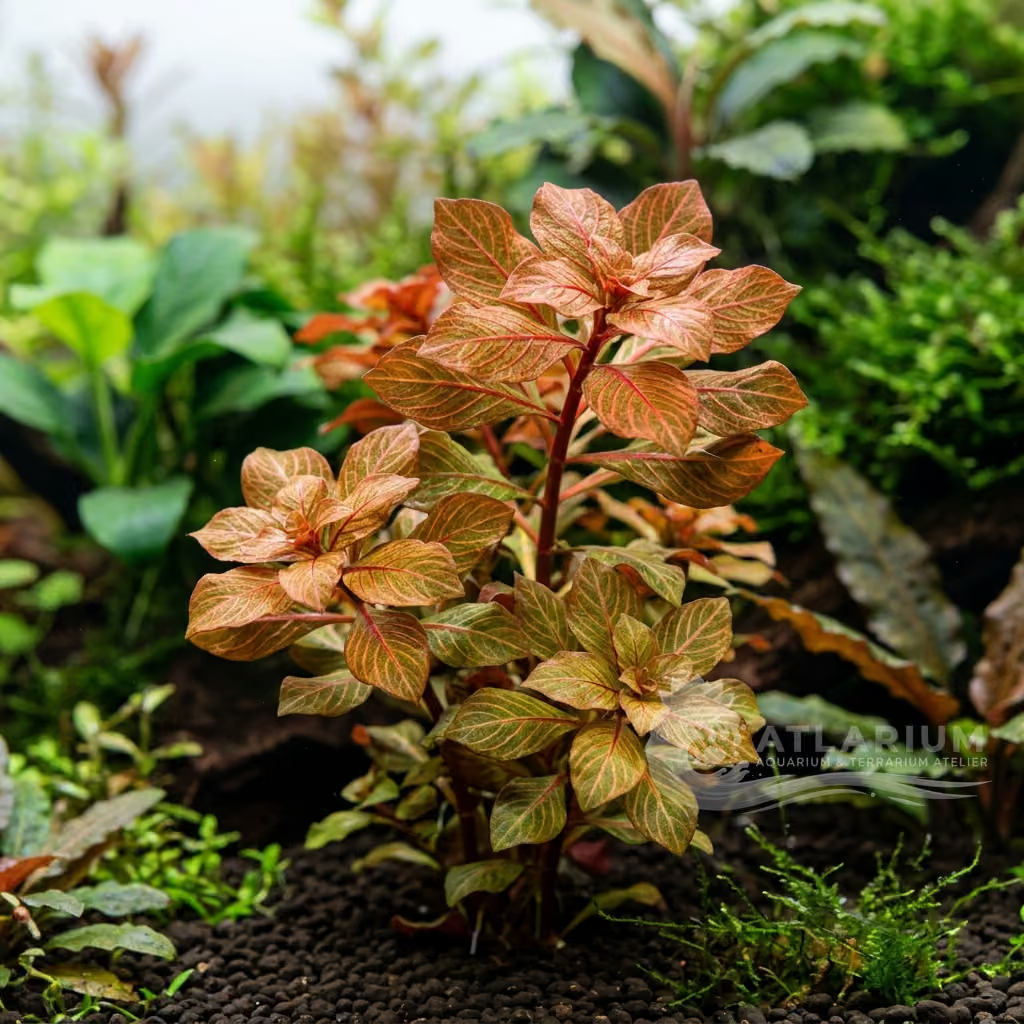
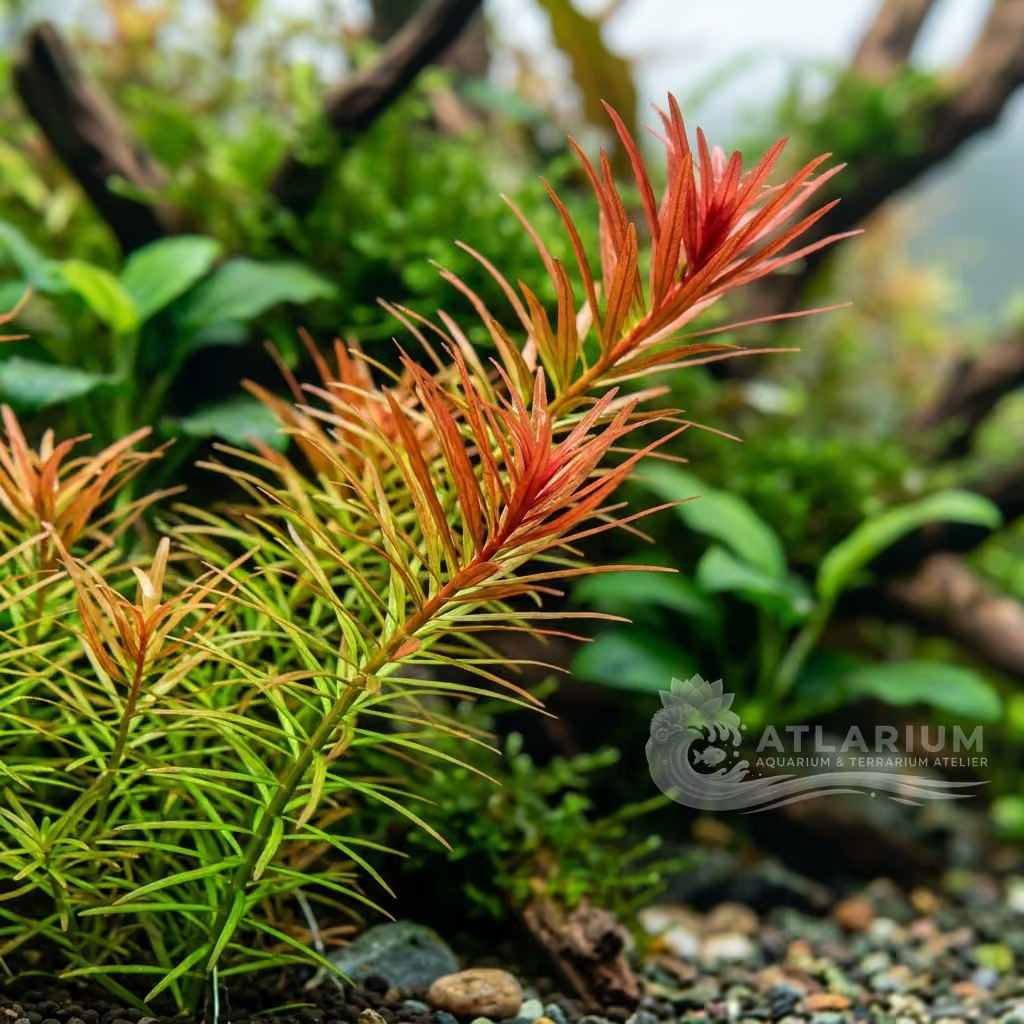
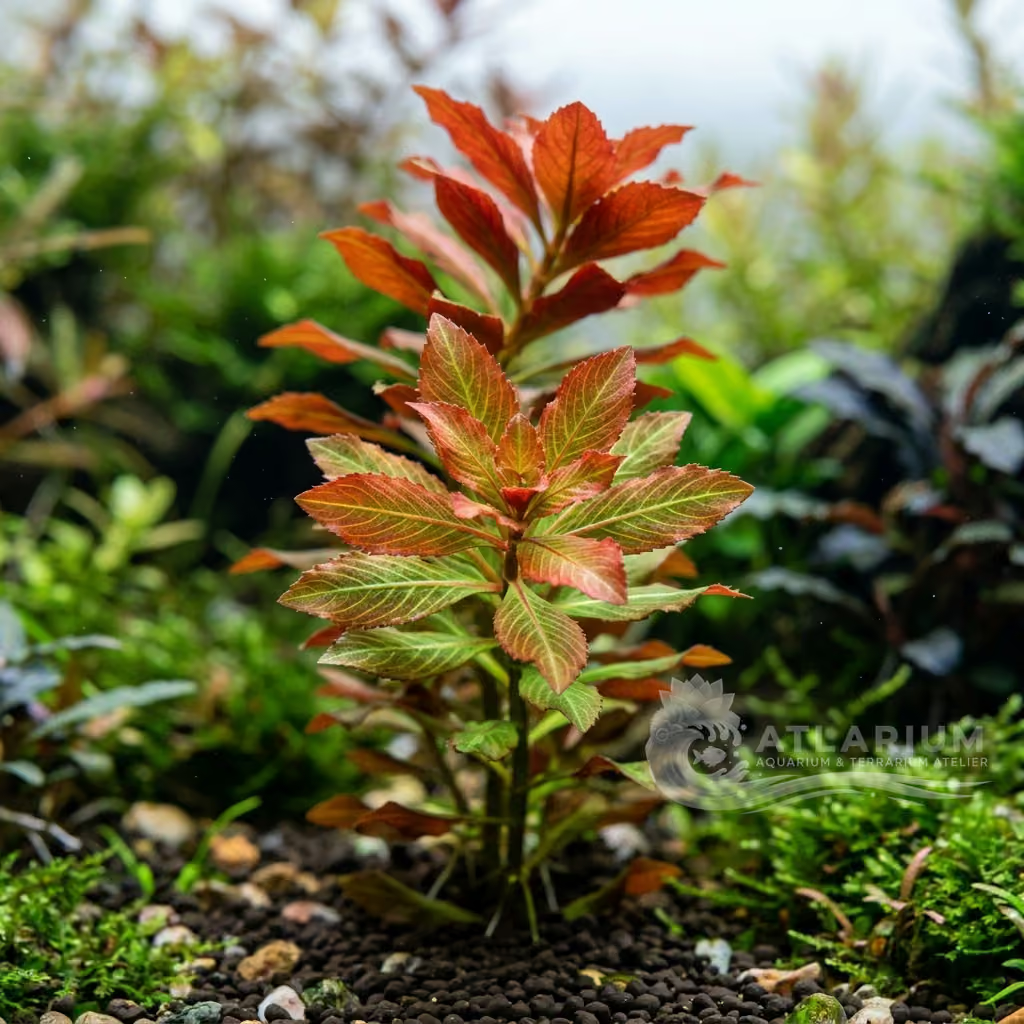
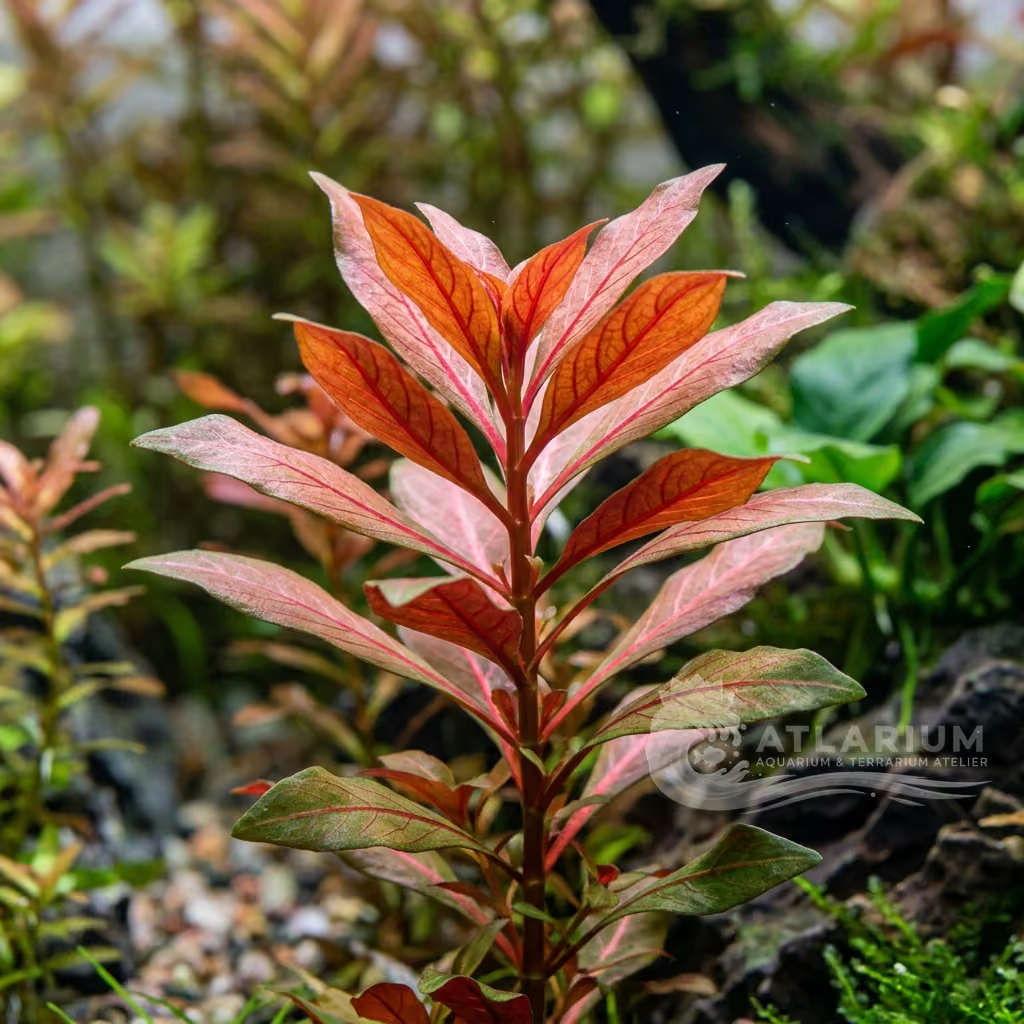
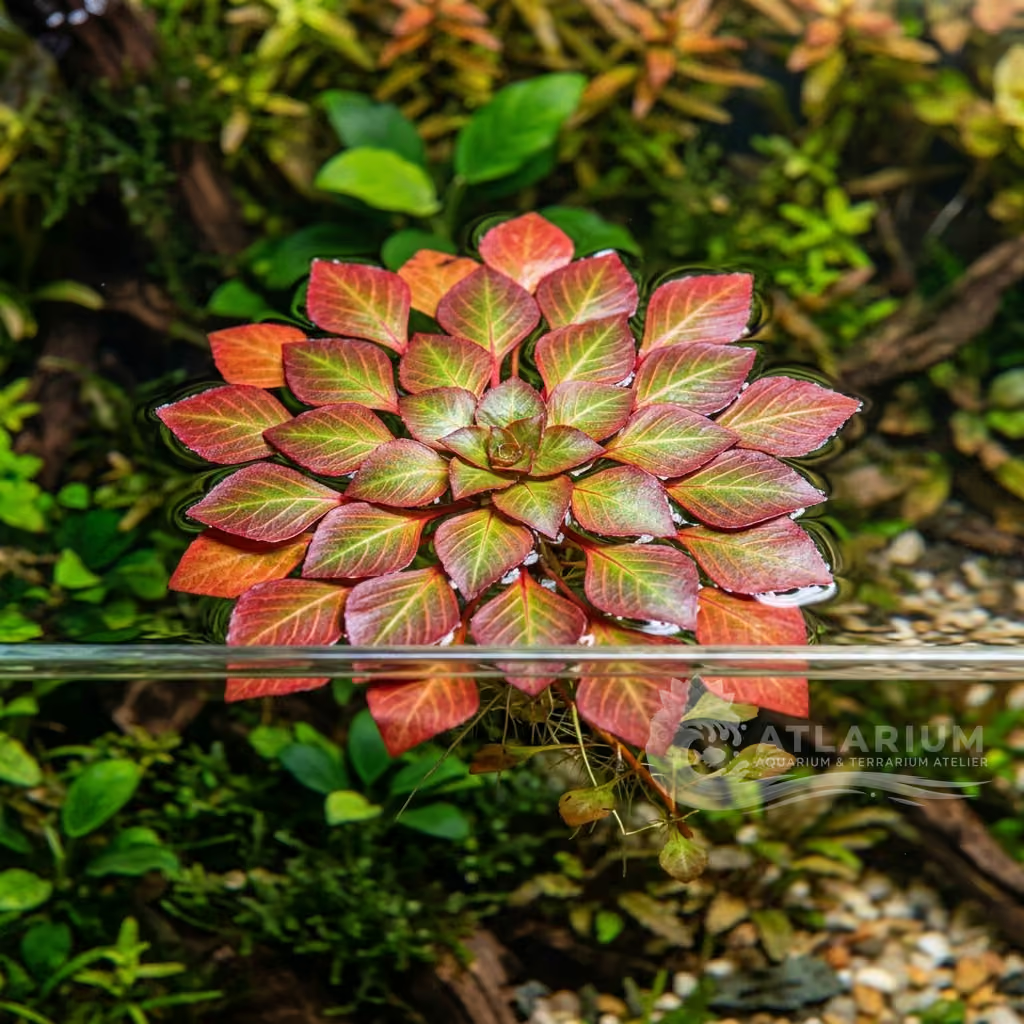
Color & Texture: The predominant color of Ludwigia perennis is a bright, vibrant green, adding a fresh and lively hue to the aquarium, creating a pleasant contrast with plants of other colorations. However, under intense lighting conditions and with adequate iron and other micronutrient supply, the foliage can develop fascinating shades ranging from bronze to reddish, especially in the upper parts of the plant and along the leaf margins, making it a dynamic decorative element. The texture of the leaves is smooth and slightly fleshy to the touch, imparting an elegant and tidy appearance that harmonizes well with other aquatic plants.

Care, breeding and tankmates
Lighting & CO2: Ludwigia perennis requires medium intensity lighting to thrive optimally, displaying healthy growth and a bright green color. While it can survive in lower light, intense light is crucial for stimulating the development of its reddish or bronze hues, making it an attractive focal point within the aquarium layout. CO2 injection is not strictly necessary for its survival or for basic growth, but it significantly accelerates its growth rate, promotes greater stem robustness, and markedly intensifies coloration, making it a recommended addition for those seeking superior aesthetic and botanical results.
Nutrition & Substrate: For comprehensive nutrition and to support its medium growth, Ludwigia perennis benefits from both substrate nutrients and those available in the
Water Chemistry: Ludwigia perennis thrives in a water temperature range of 20 to 28 degrees Celsius, making it suitable for most tropical community aquariums. Regarding chemical parameters, it prefers a slightly acidic to neutral pH, with ideal values between 6.0 and 7.5, and a carbonate hardness (KH) that can range between 2 and 12 dKH, indicating good tolerance. Maintaining these parameters relatively stable is more important than trying to achieve specific extreme values, as sudden fluctuations can stress the plant and negatively impact its overall health.
Space Management & Placement: Due to its medium growth rate and tendency to develop dense and branching stems, Ludwigia perennis is ideally placed in the midground of the aquarium, either as a mid-background plant or as a focal point. Arranged in compact groups of several stems, it creates a visual effect of volume and depth, serving as an excellent transition between lower foreground plants and taller background species. It is important to allow it sufficient space to branch out slightly and not position it too close to other plants, ensuring adequate water circulation and light penetration to all its stems and leaves.
Pruning: Regular pruning is essential to maintain the desired shape of Ludwigia perennis and to promote bushier, denser growth, preventing it from becoming too tall or leggy at the base. Without pruning, stems can become excessively long and spindly, shading underlying plants and reducing the overall aesthetic of the aquarium layout. Trimming the tops of the stems encourages the plant to produce new lateral shoots from the nodes below, transforming a single column into a dense, attractive bush. Pruned segments can be easily replanted into the substrate to propagate the species and increase planting volume.
Risks & Diseases: Generally robust and hardy, Ludwigia perennis is susceptible to few specific risks if aquarium conditions are kept stable and optimal. However, nutrient deficiencies, particularly iron, can manifest as yellowing of younger leaves (chlorosis) and a loss of red pigmentation. An excess of algae on the leaf surface, often indicative of an imbalance between light, CO2, and nutrients, can stifle plant growth. It is also important to monitor root health, as compacted or anaerobic substrate can lead to root rot and general plant deterioration, making it more vulnerable.

Geographic origin and distribution
Ludwigia perennis boasts a remarkably wide geographical distribution, originating from tropical and subtropical regions across Asia, Africa, America, and Australia. This extensive presence attests to its significant adaptability to diverse aquatic and semi-aquatic ecosystems. It thrives in humid habitats such as river margins, ponds, ditches, and rice fields, where it can prosper in both submerged and emersed forms. Its ability to colonize various wetlands makes it a resilient and globally widespread species, often considered a weed in some agricultural areas.
Origin
South and Southeast AsiaExtra-Amazon South AmericaCentral America and CaribbeanNorth AmericaAfrica and MadagascarAustralia, New Guinea, and Oceania

Plant profile
- Placement
- Midground
- It is best suited for the midground or background of the aquarium. When planted in groups, its striking color provides a strong focal point. It contrasts effectively with bright green, finely textured plants.
- Botanical form
- Stem
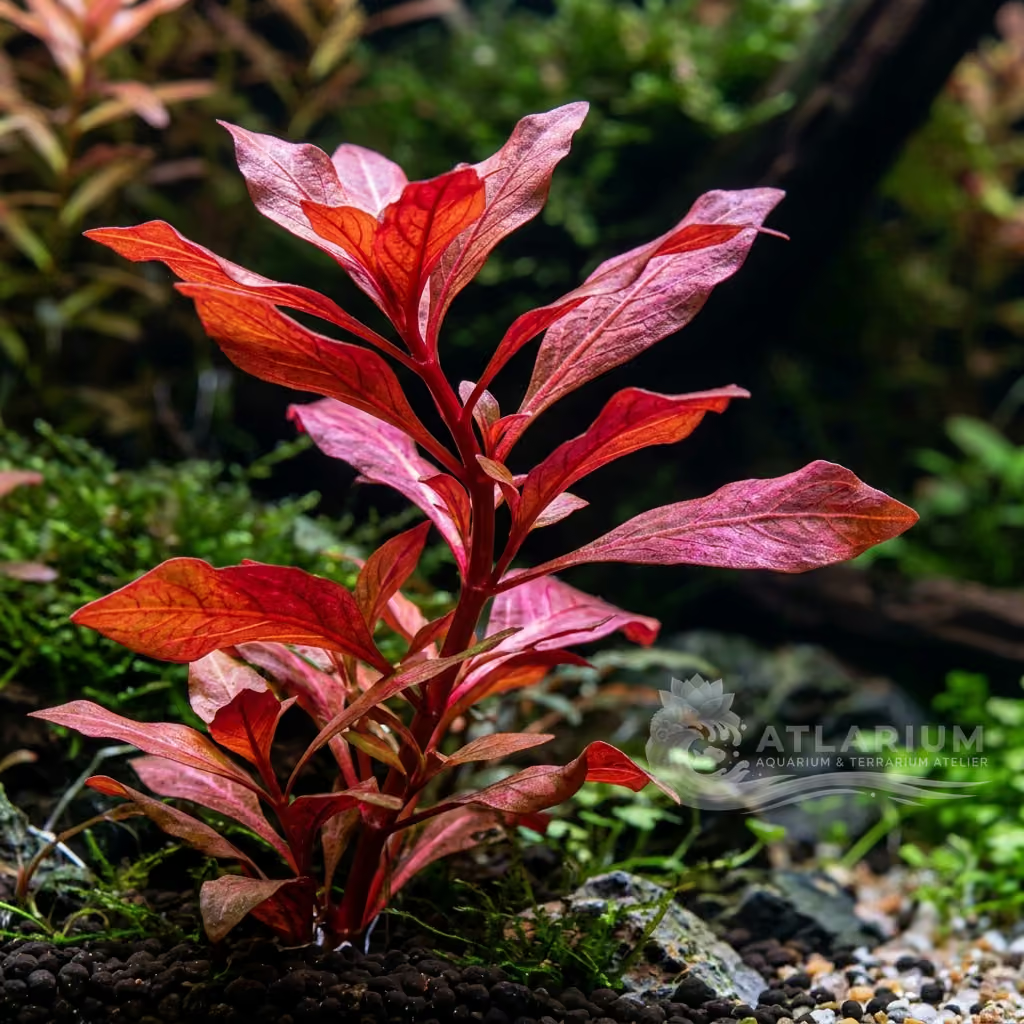
- It features thick, upright stems with alternate, lanceolate leaves. The leaves transition from olive green to a deep, wine red or purple depending on the light intensity. The stems are relatively rigid, giving the plant a strong vertical presence.
- Growth
- Medium
- Its growth rate is moderate compared to other Ludwigia species. Under high light and CO2, it grows steadily but rarely becomes unmanageable. This makes it easier to maintain in a structured aquascape.
- Substrate
- High
- Ludwigia perennis has a high demand for nutrients and requires a deeply enriched substrate, ideally a high-quality aqua soil. Its roots pull heavily from the substrate to fuel its striking foliage and thick stems, meaning iron and micronutrients in the soil are highly beneficial. A deeper substrate layer of around 2 to 3 inches provides the necessary structural support for its towering vertical growth.
- Column fertilization
- Recommended
- Consistent dosing of liquid fertilizers, particularly those rich in iron and trace elements, is essential. Adequate nitrate and phosphate levels must also be maintained to prevent stunted growth. A comprehensive fertilization routine is key to its vibrant appearance.
- Root fertilization
- Required
- A fertile, nutrient-rich substrate strongly supports its growth. The plant develops a substantial root system that benefits from root tabs or a high-quality aquasoil. Good root nutrition results in thicker stems and larger, more colorful leaves.
- Trimming
- Regular
- Trim the plant by cutting the stem above a node; this encourages side shoots and a bushier appearance. The severed tops can be replanted to create a denser grouping. Avoid shading the lower portions, as this can cause the lower leaves to drop off.
- Propagation
- Cuttings
- Propagation is achieved through stem cuttings. Snip a healthy shoot and plant it directly into the substrate. Provide adequate light and nutrients to ensure the cutting establishes a strong root system.
- Sensitivity
- Moderate
- It is sensitive to low light and inadequate CO2, which will cause it to lose its red color and drop its lower leaves. Sudden changes in water parameters can also trigger leaf melt. It requires stable, high-quality conditions to thrive.
- Layout role
- Midground, accent, group
- It acts as a dramatic color accent in the aquarium, drawing the eye with its deep red hues. It is often used in Dutch-style aquascapes to create strong visual impact. Its upright, structured form adds architectural interest to the layout.

Related species
Recommendations grouped by close relatives, companion choices, and similar care.