Ludwigia sp. 'Super Red'
Ludwigia sp. 'Super Red'
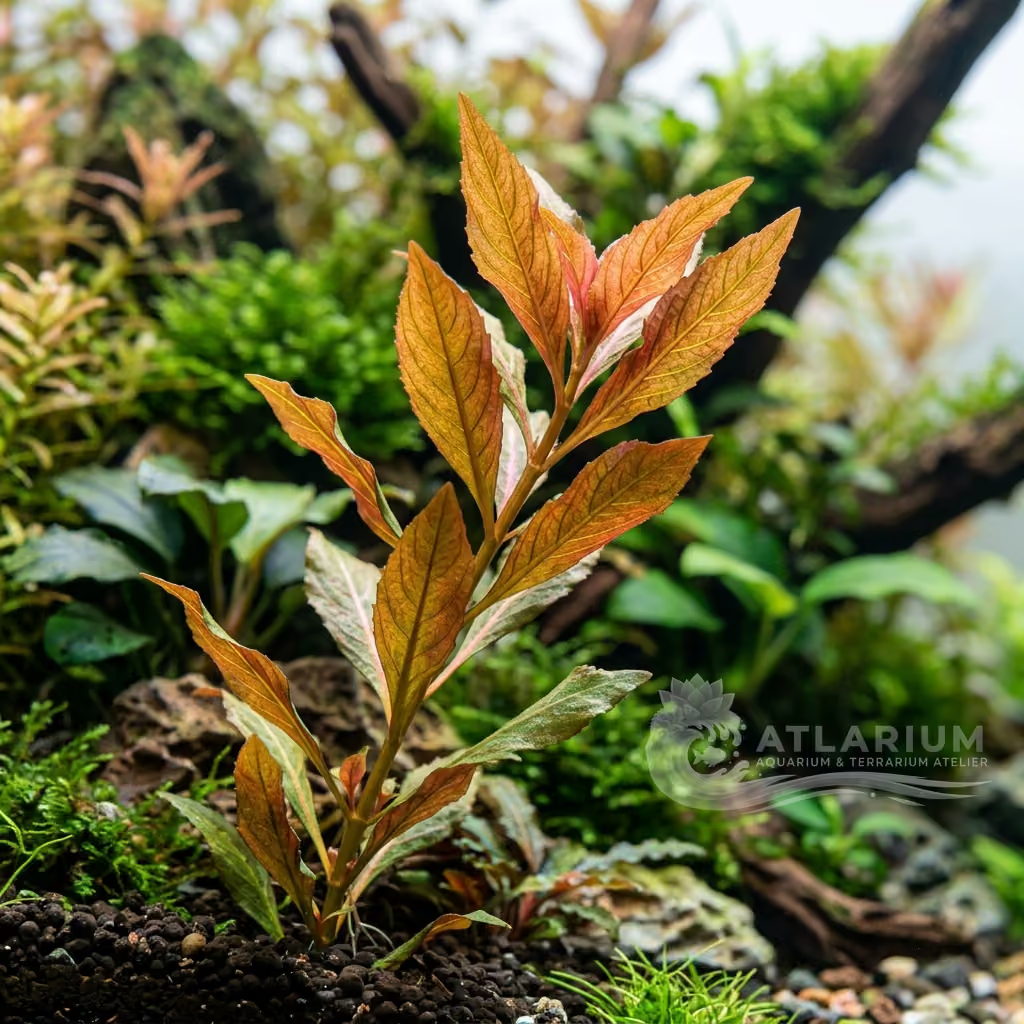
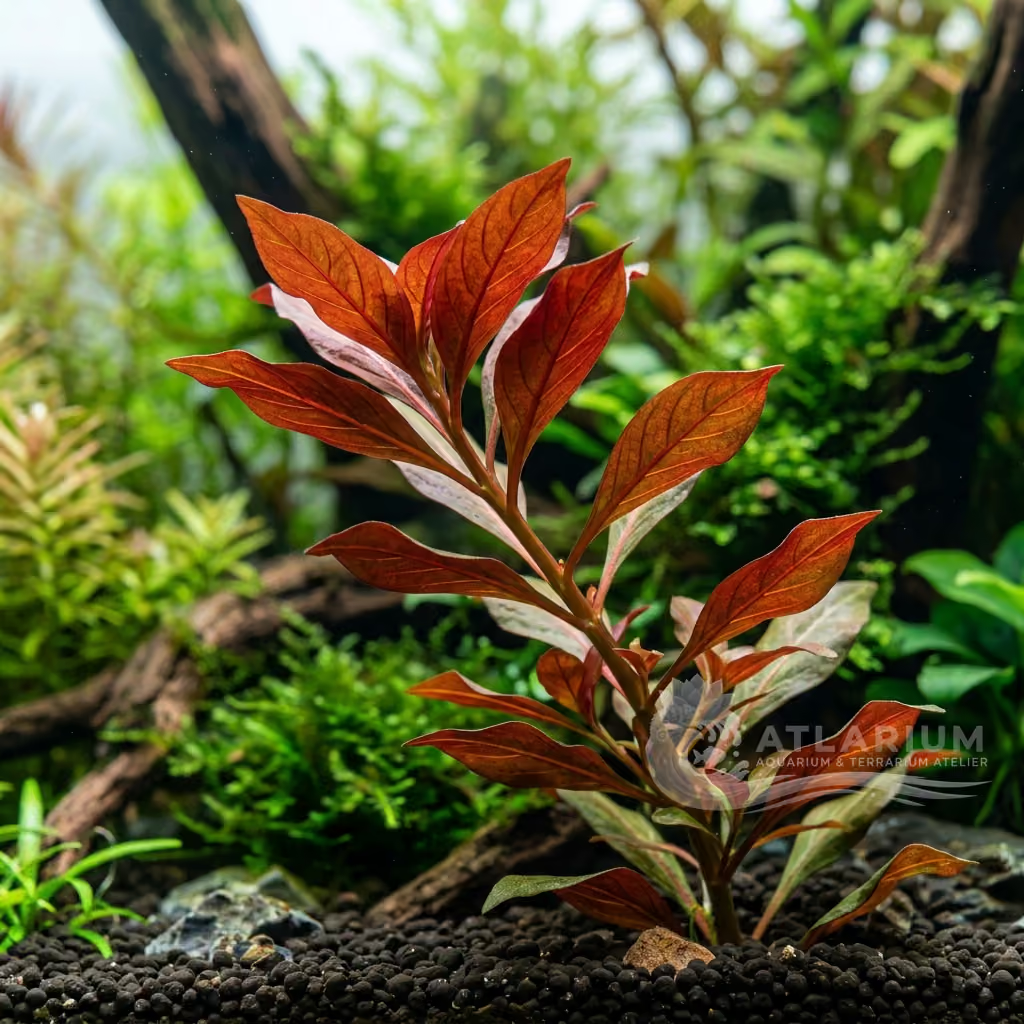
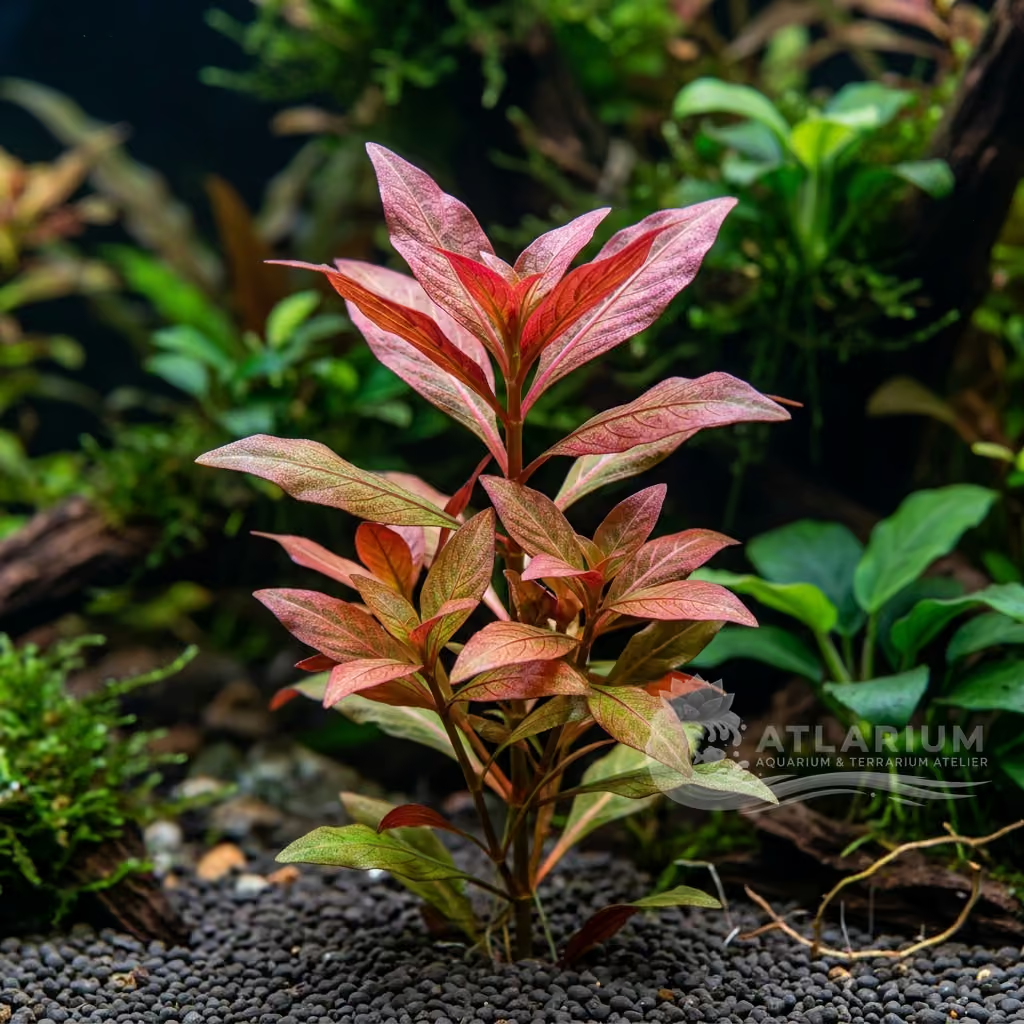
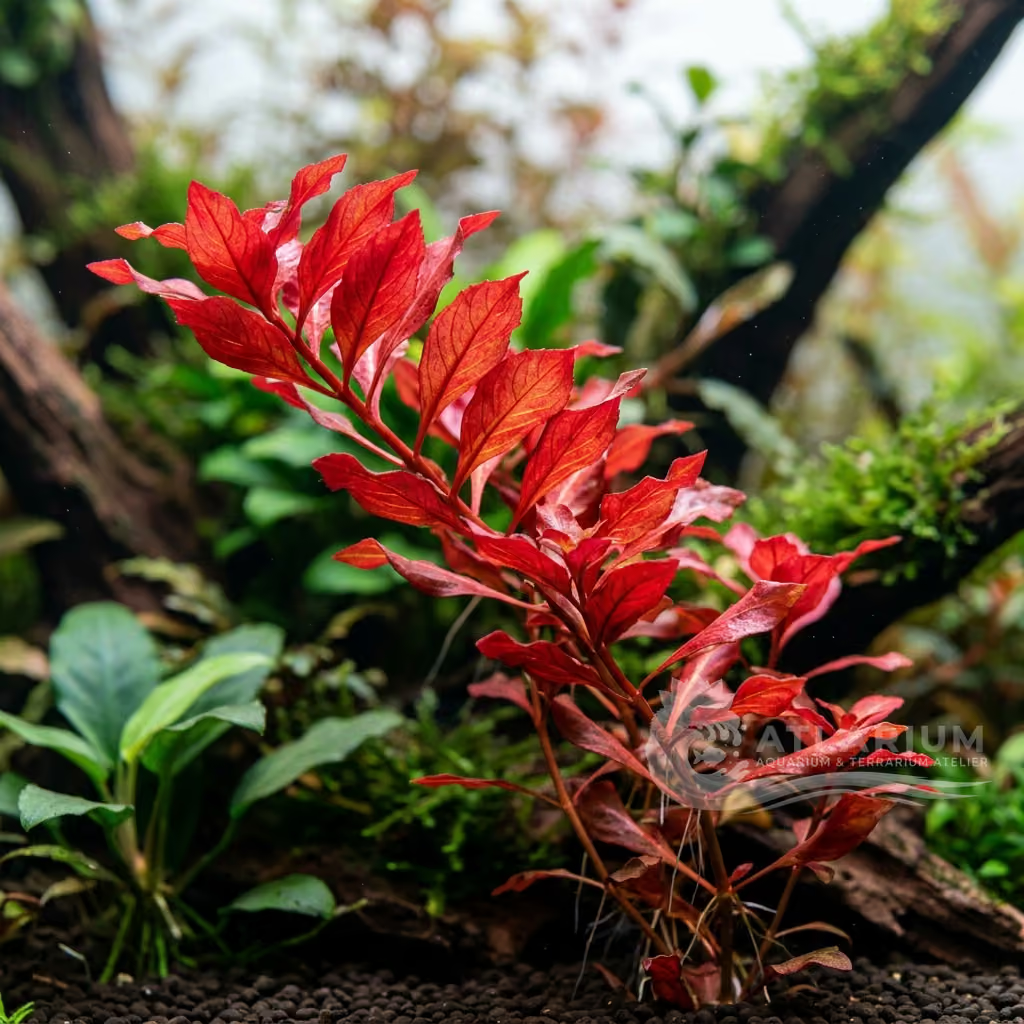
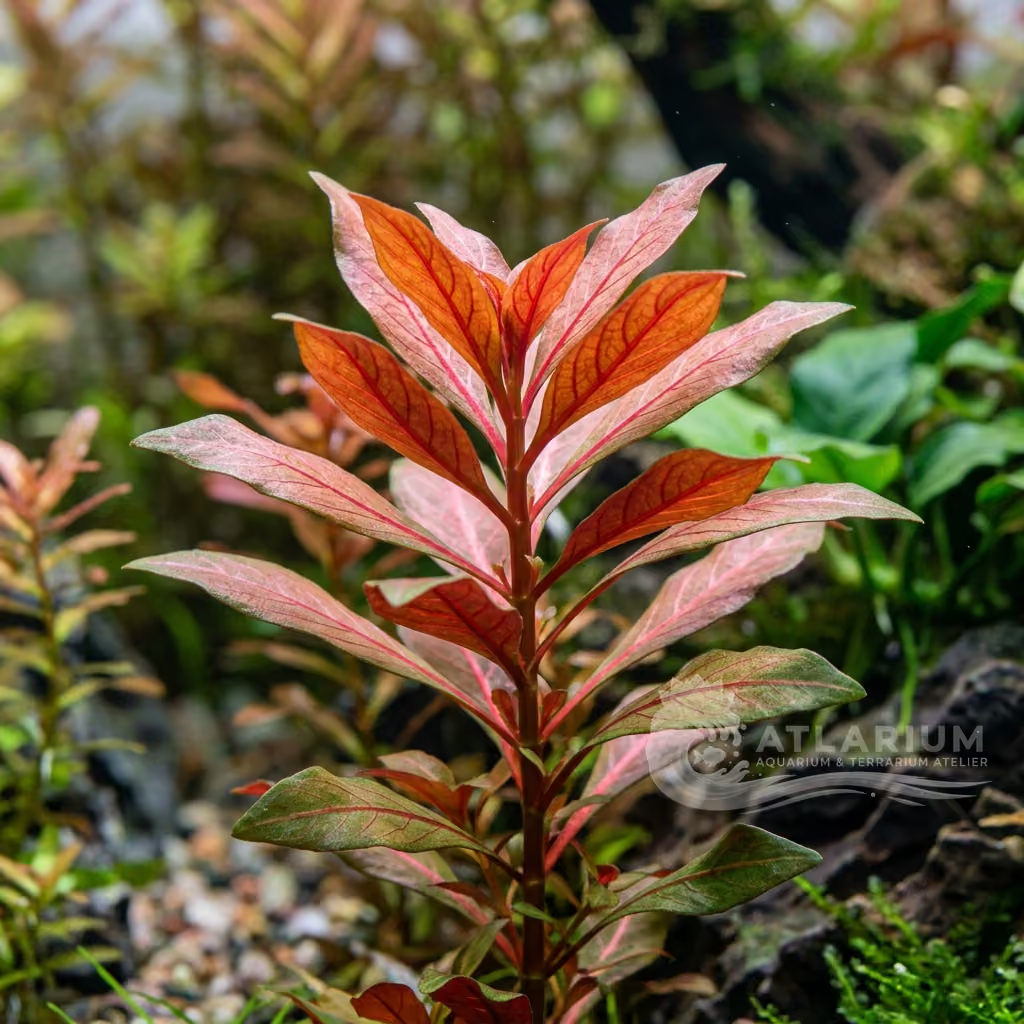
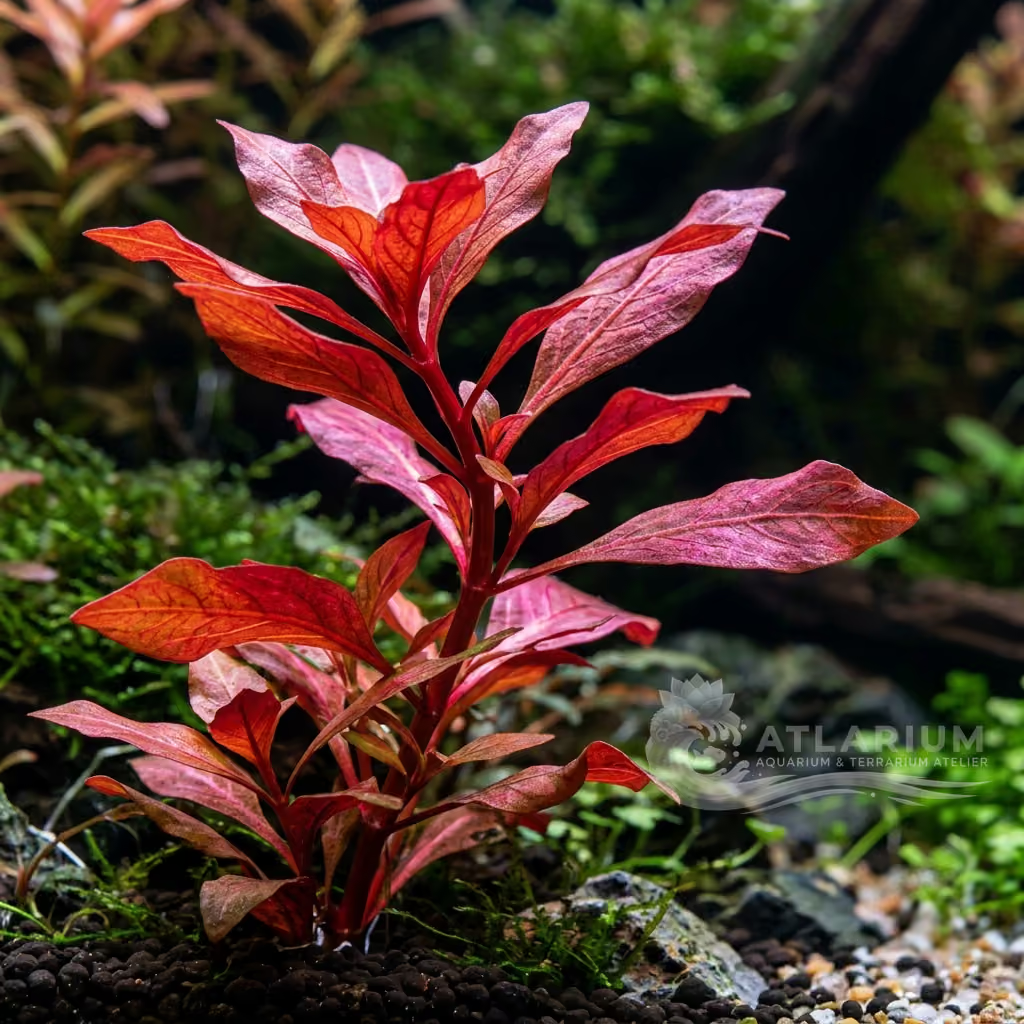
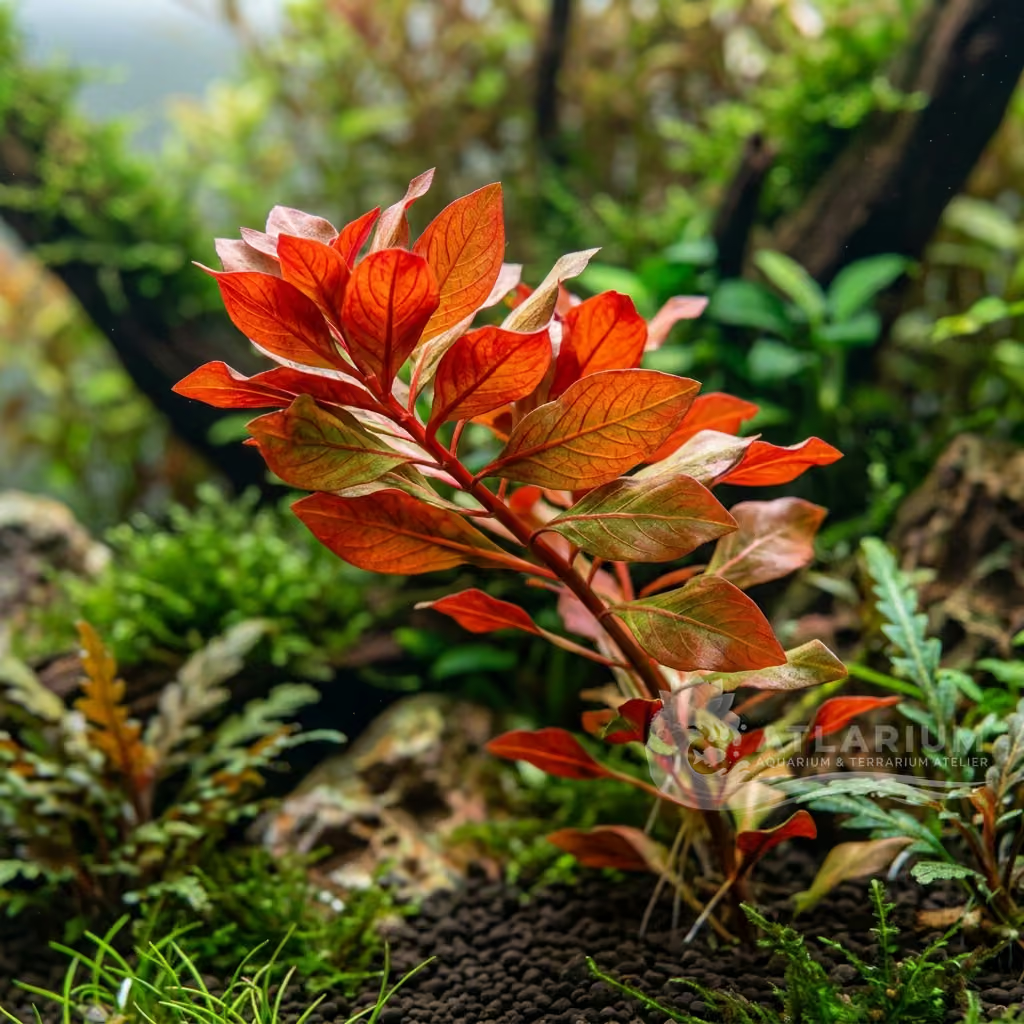
Ludwigia sp. 'Super Red' is a vibrant midground stem plant known for its medium growth rate, adding an intense red focal point to any aquascape. Its striking coloration makes it a highly sought-after species for enhancing visual depth and contrast.
Water Temperature
20 - 28 °C
pH Value
6 - 7.5
Water type
Freshwater
Light
Medium - High
CO2
Medium - High
KH
2 - 10 dKH

Species description
Geographical Origin and Habitat: While the 'sp.' designation implies an unspecified species, the genus Ludwigia is widely distributed across the tropical and subtropical regions of the Americas, where many species thrive in aquatic and semi-aquatic environments. The 'Super Red' variant is a horticultural selection, specifically developed to maximize its red pigmentation, distinguishing it from wild forms which may exhibit greener or bronze hues. Consequently, its habitat is not a specific geographical location, but rather the controlled environment of aquariums.
Taxonomy & Genetics: Belonging to the Onagraceae family, Ludwigia sp. 'Super Red' shares botanical characteristics with other popular aquatic plants of the Ludwigia genus, such as Ludwigia repens or Ludwigia arcuata. The 'sp.' designation stands for "species" and indicates that it is either a species not yet formally identified at the specific level, or more likely, a hybrid variety or cultivar selected for its aesthetic properties. The genetics of this particular selection have been aimed at maximizing the production of anthocyanins, the pigments responsible for the intense red
Color & Texture: ation under optimal conditions.
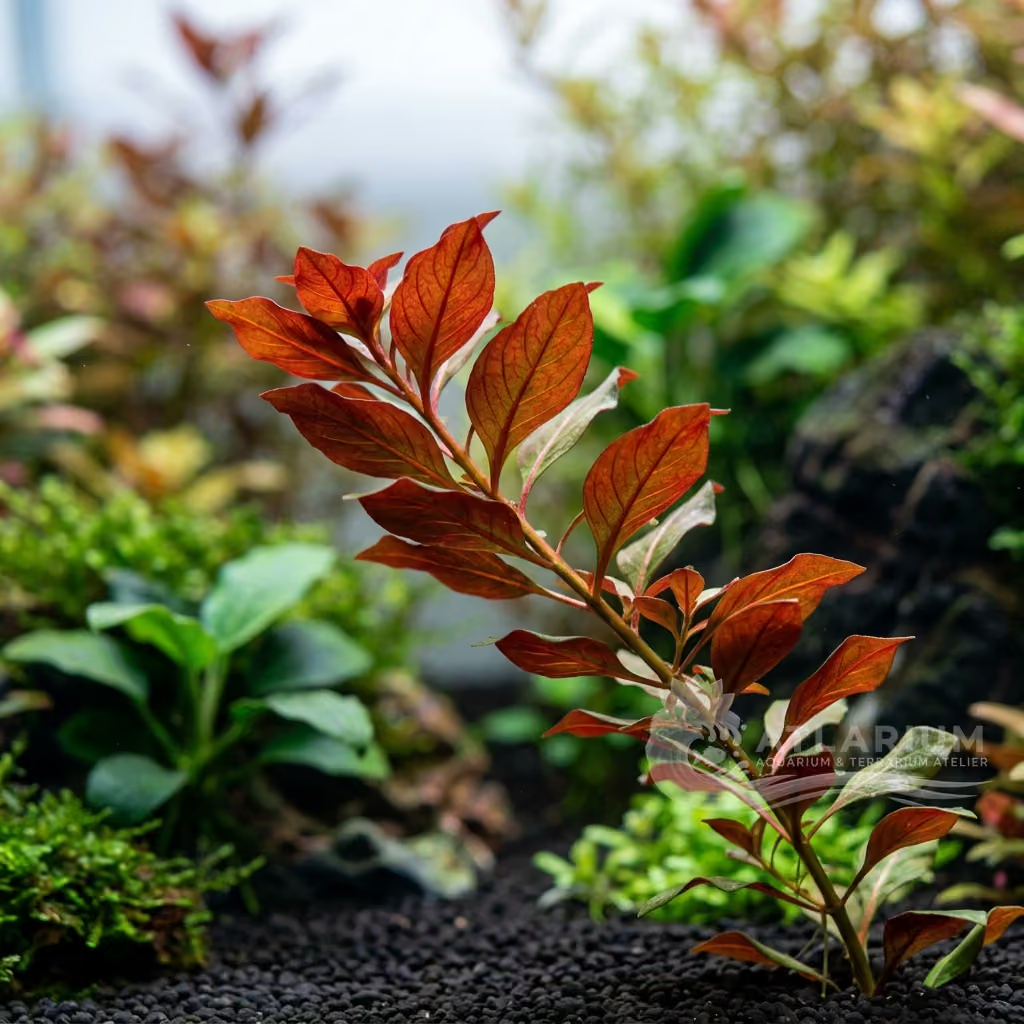
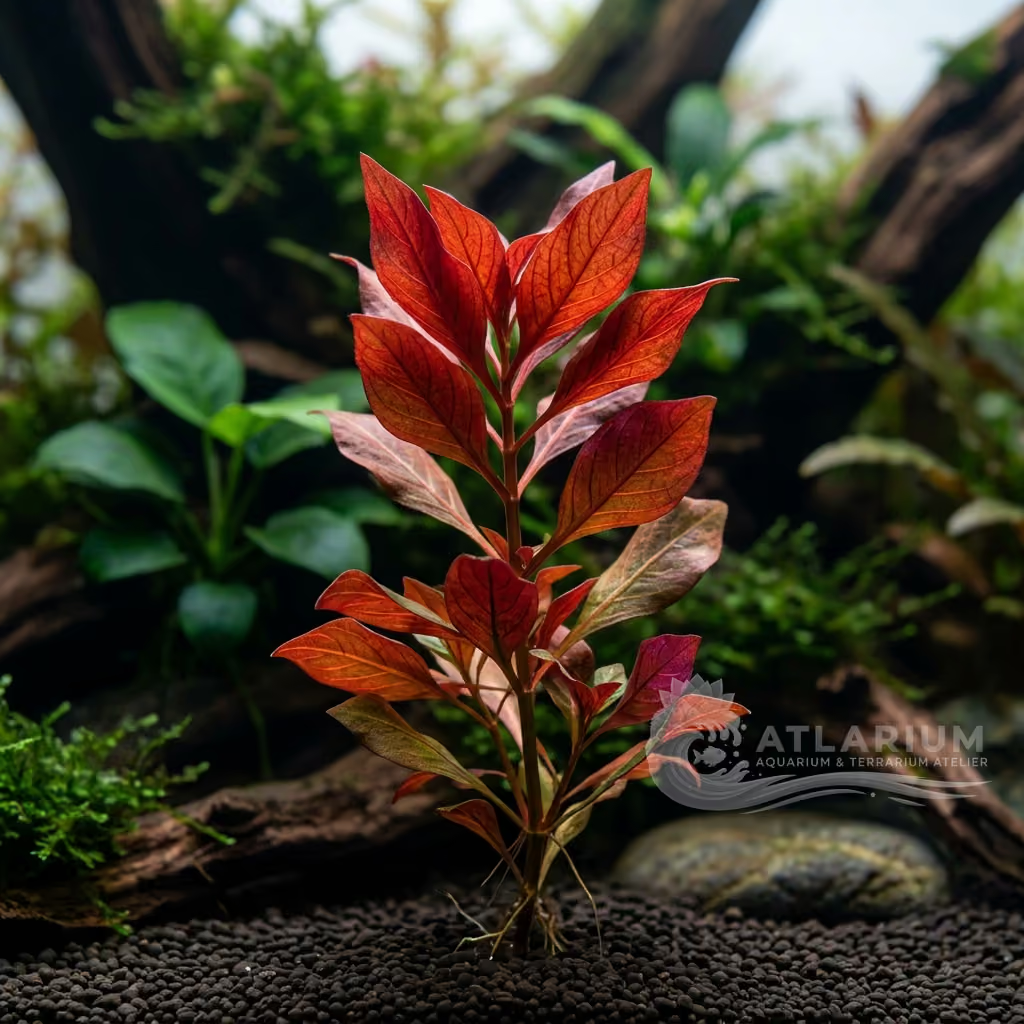
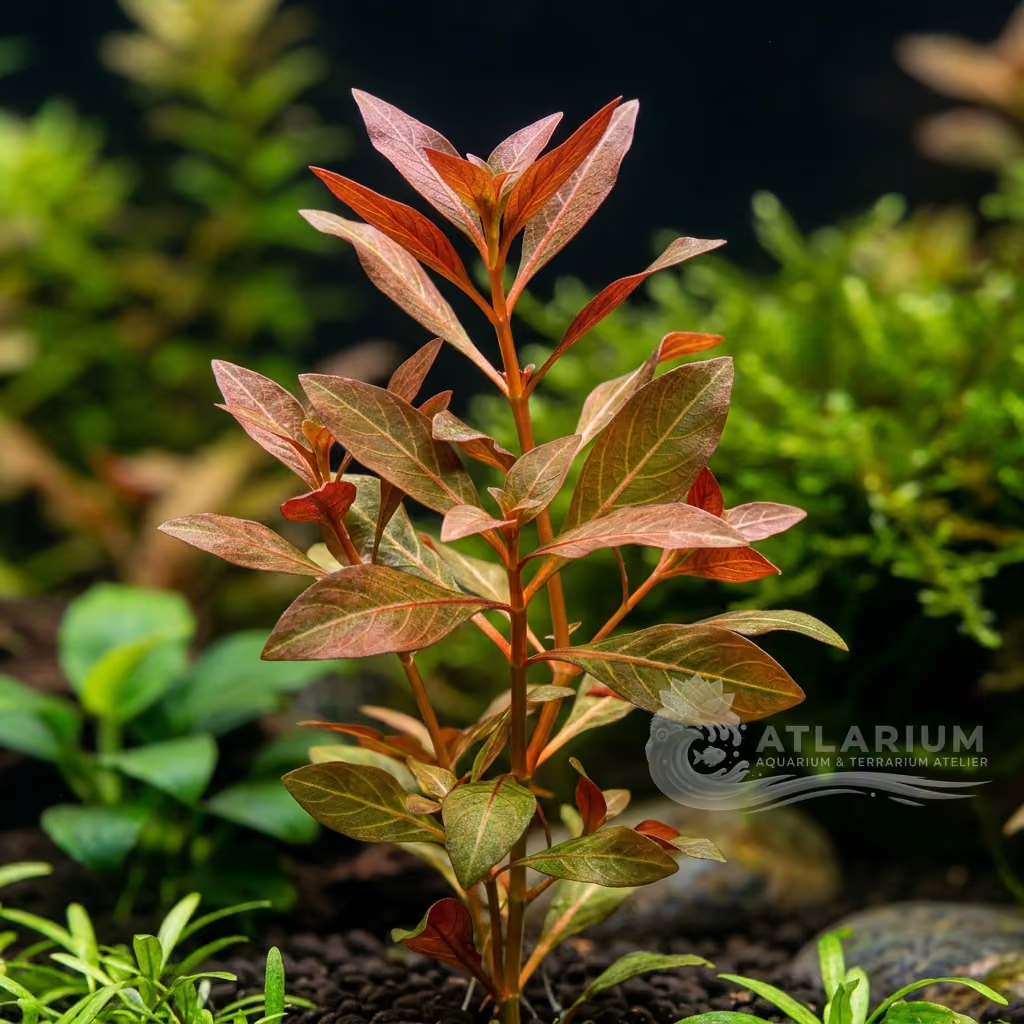
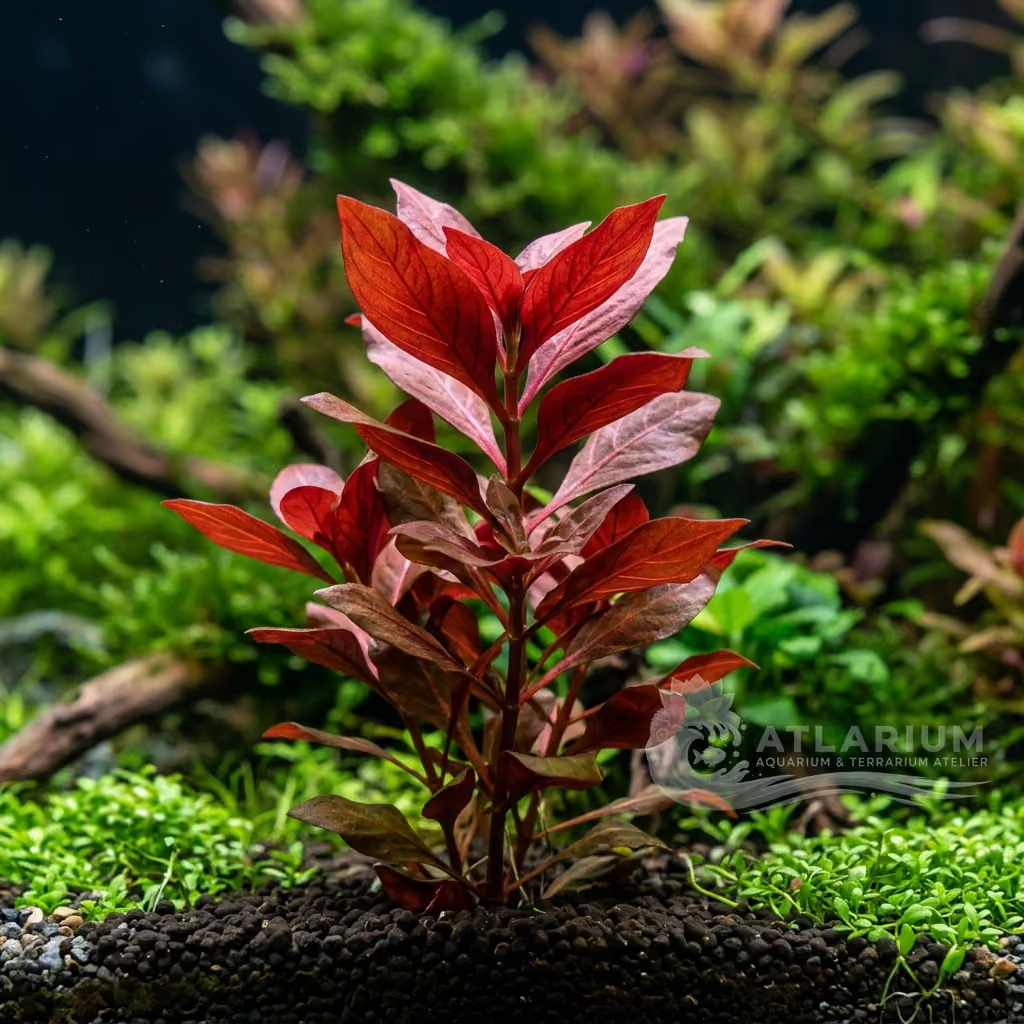
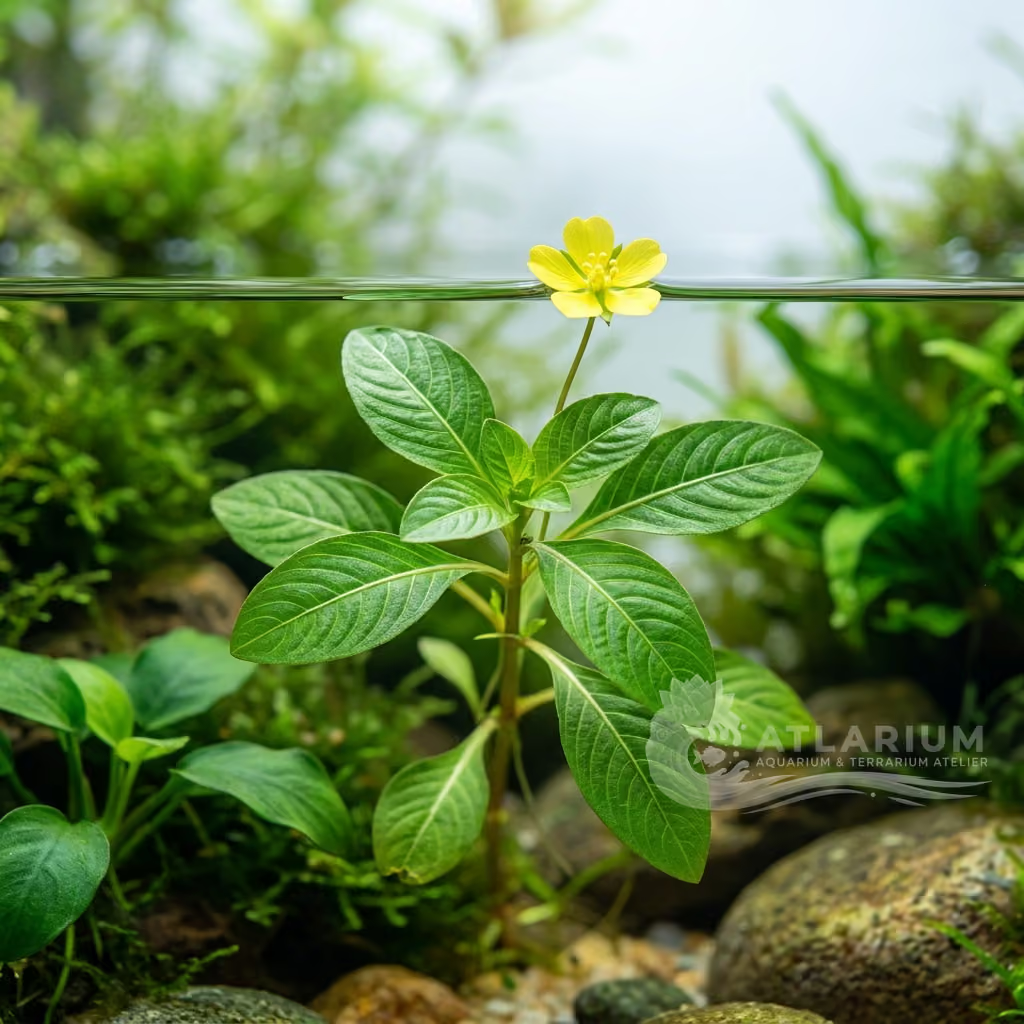
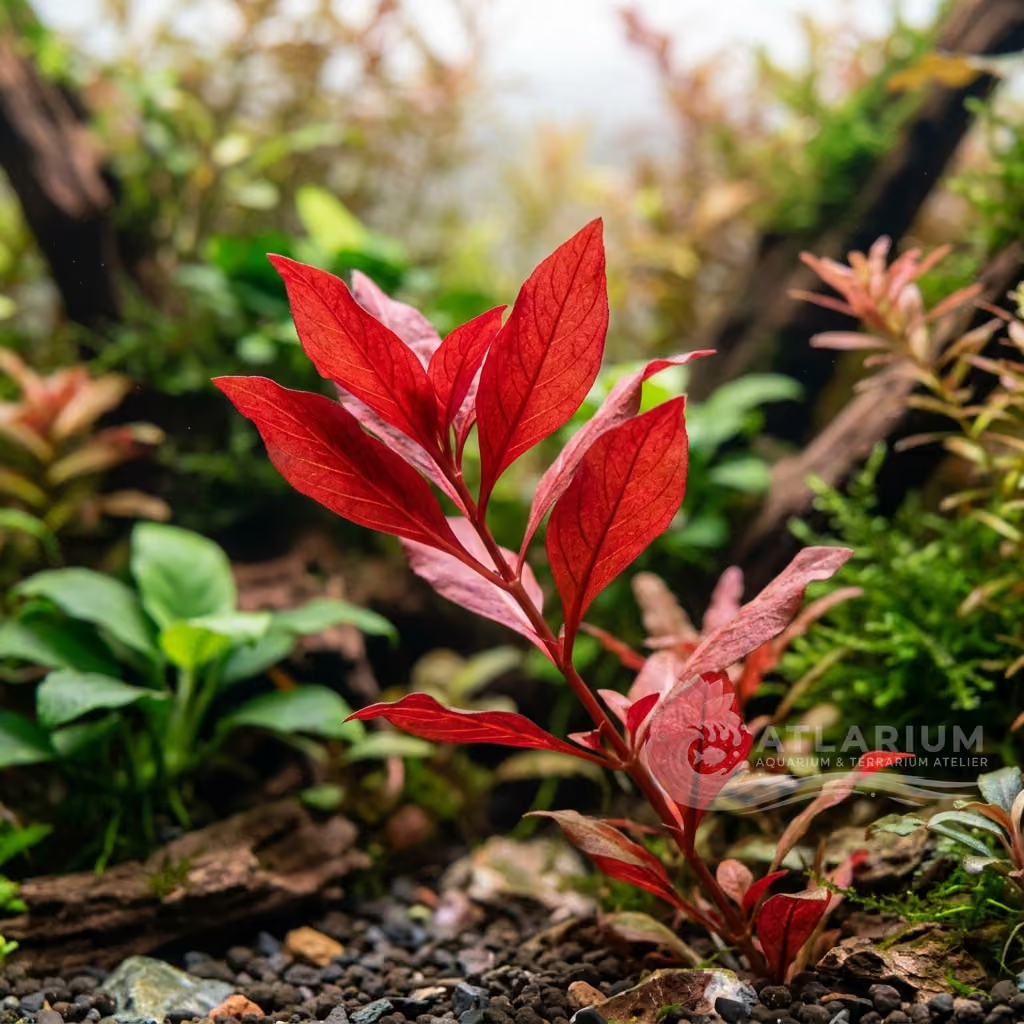
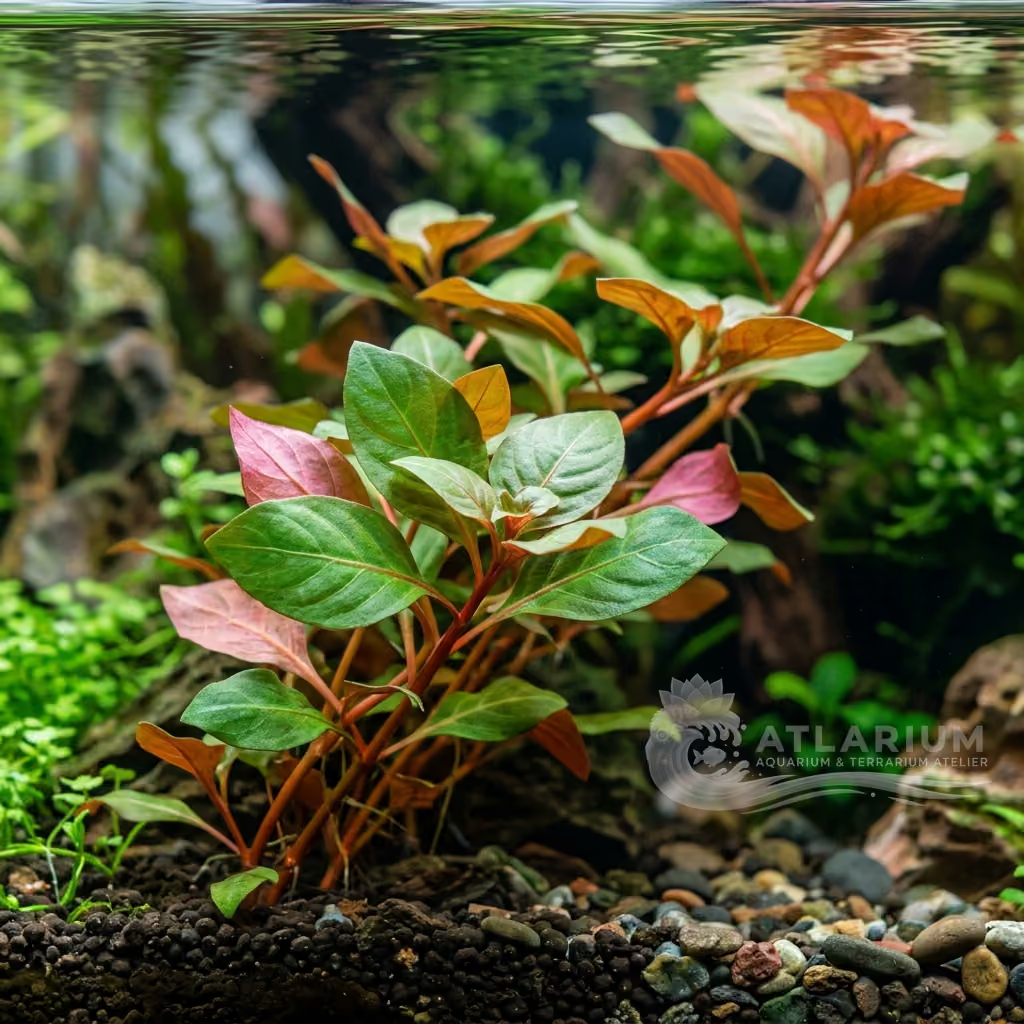
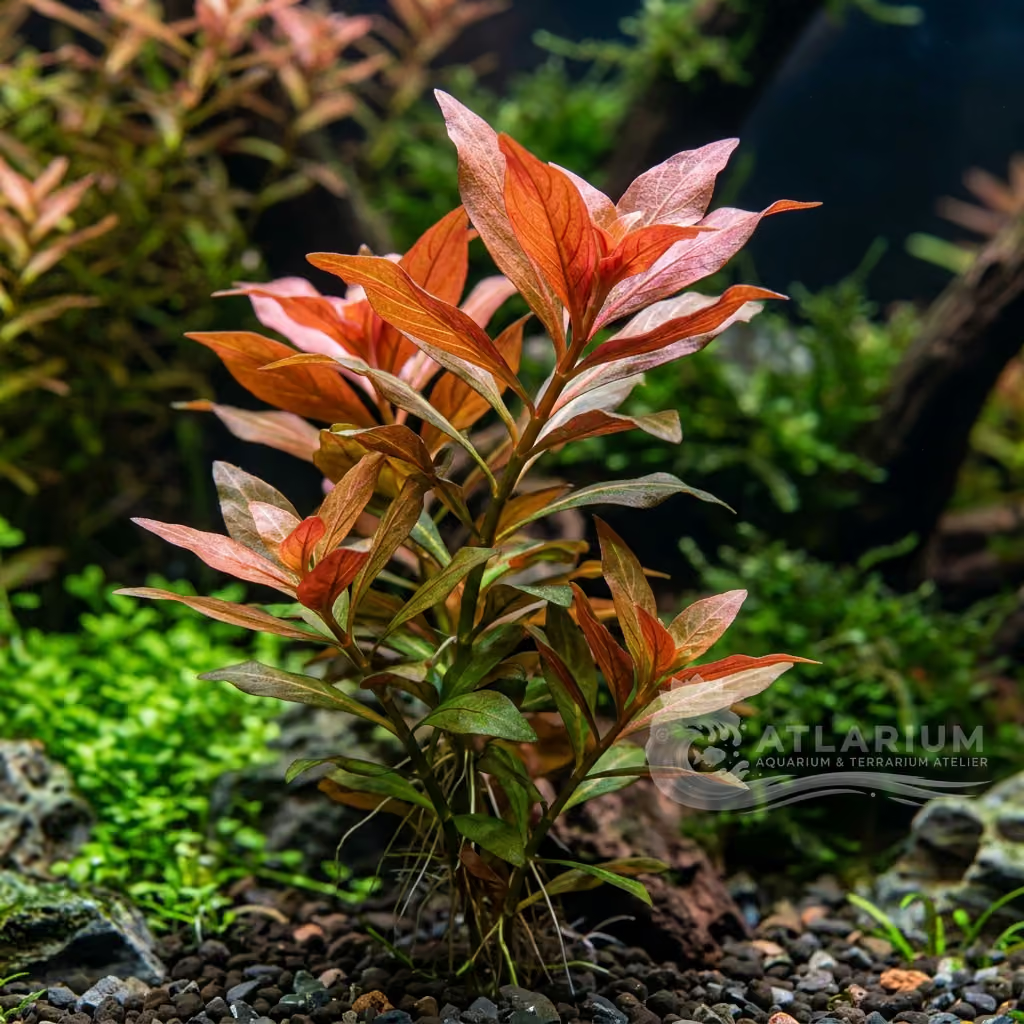
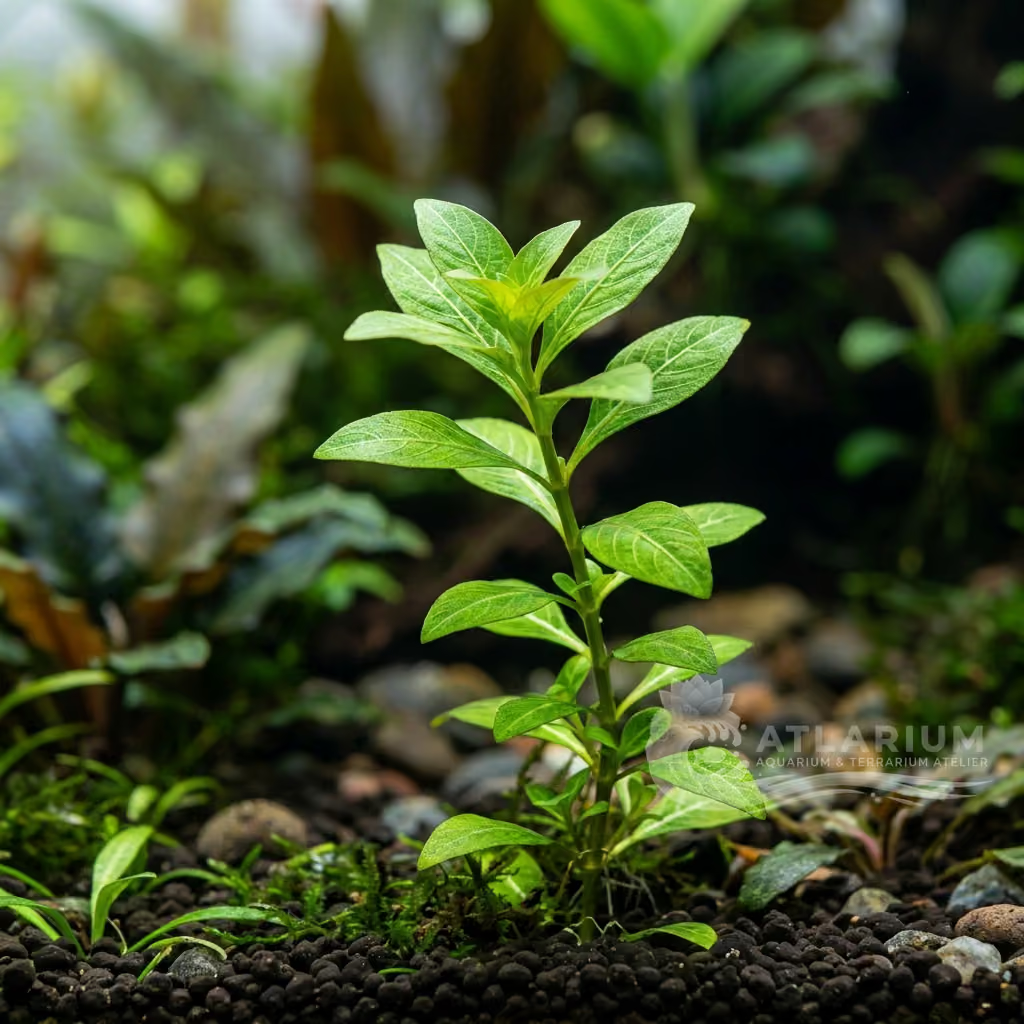
Physical Structure: This plant presents as an upright stem, capable of reaching significant heights in the aquarium if not regularly pruned, with leaves developing in opposite pairs along the stem. The leaves are typically lanceolate or obovate, featuring smooth margins and a relatively soft texture. Under ideal lighting and nutritional conditions, internodes can remain compact, giving the plant a dense, bushy appearance, whereas in less favorable conditions, they tend to elongate. Its fibrous root system anchors firmly into the substrate, absorbing nutrients while also contributing to the plant's stability.
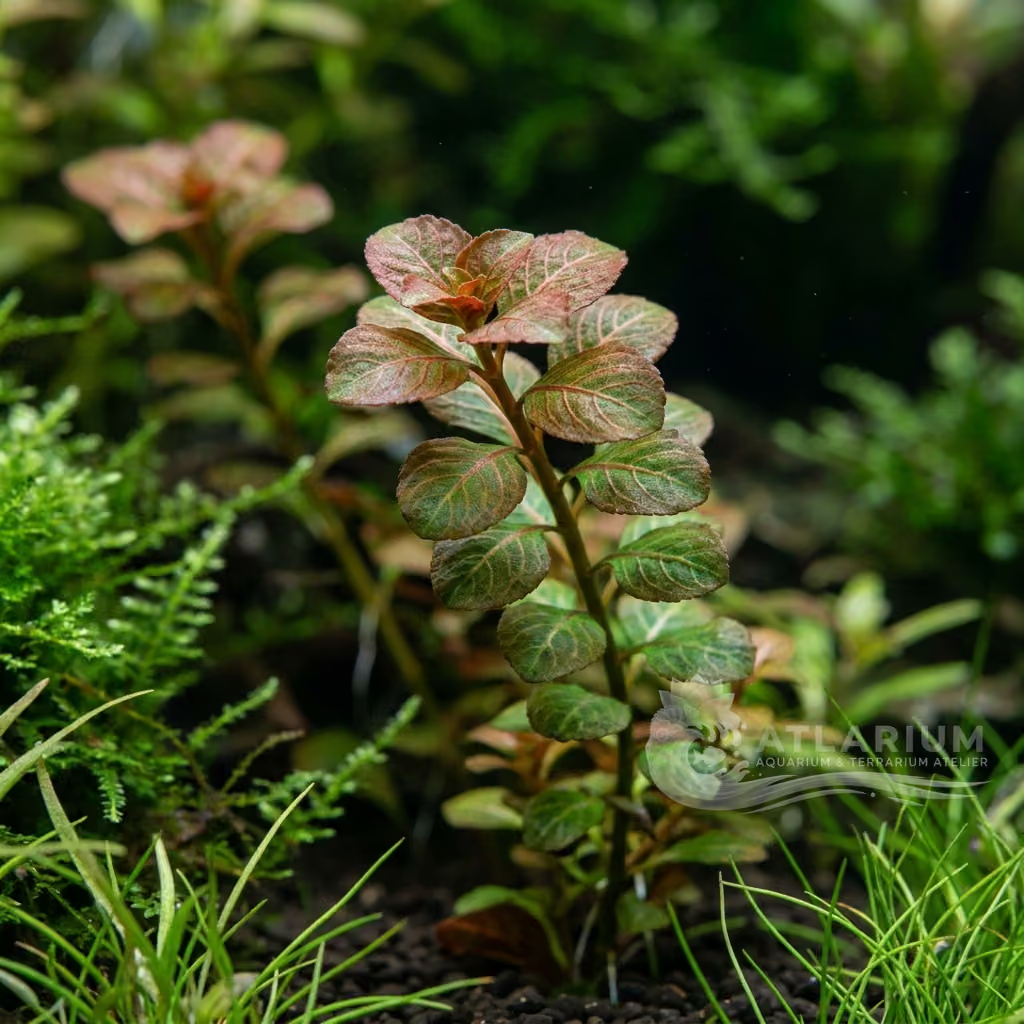
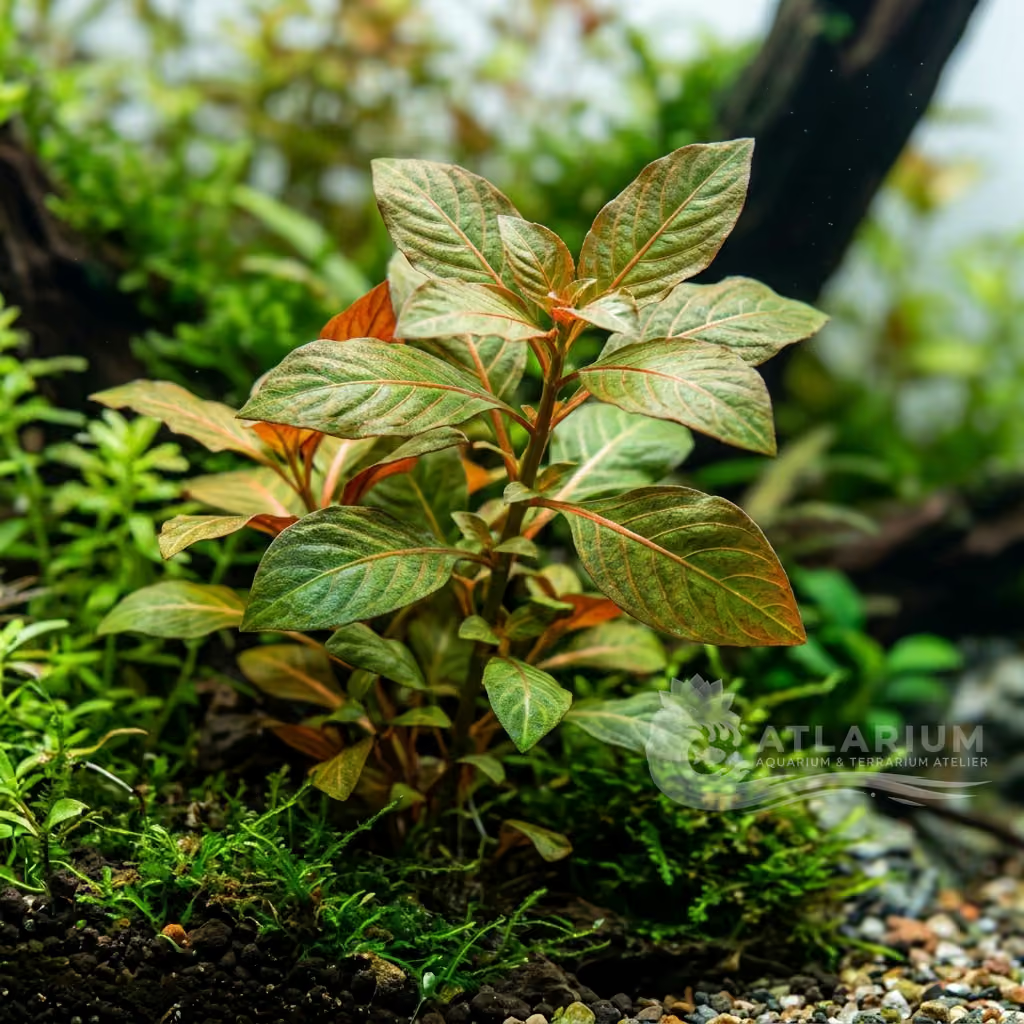
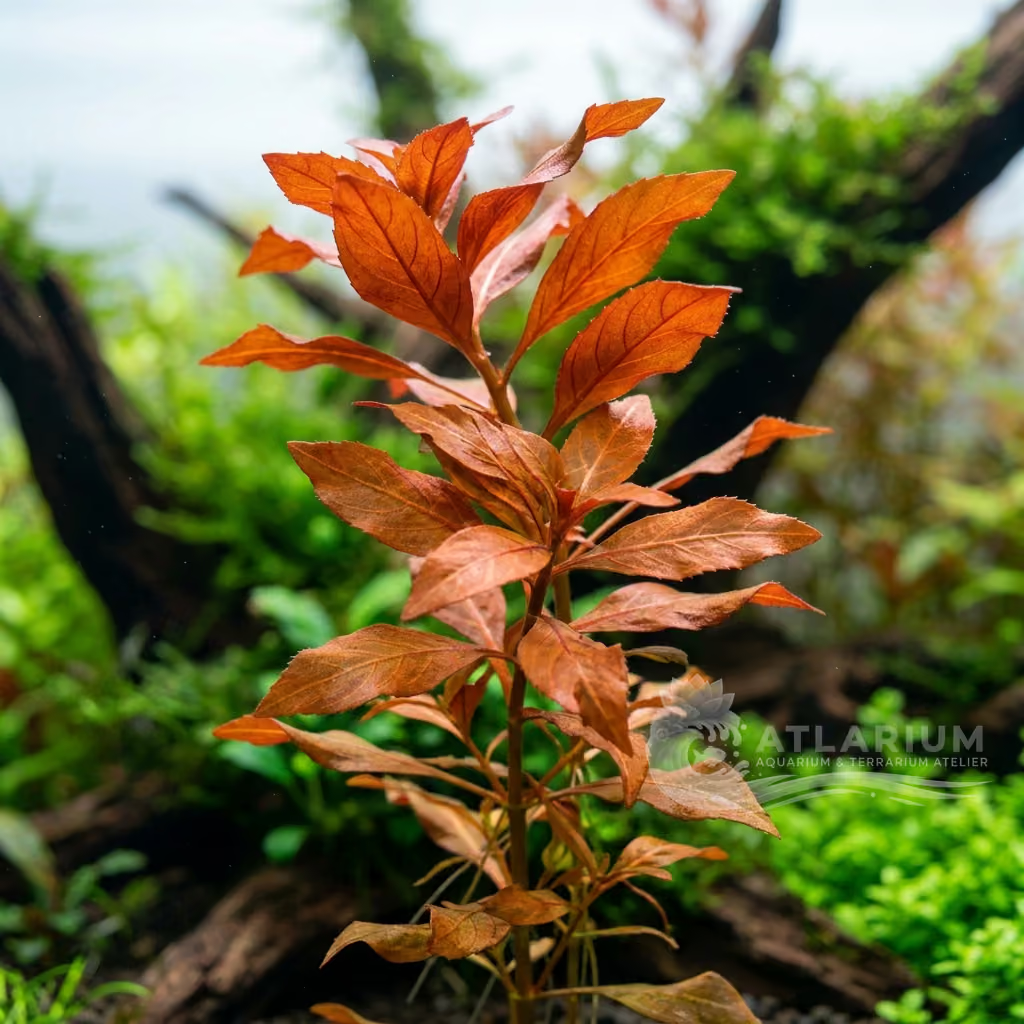
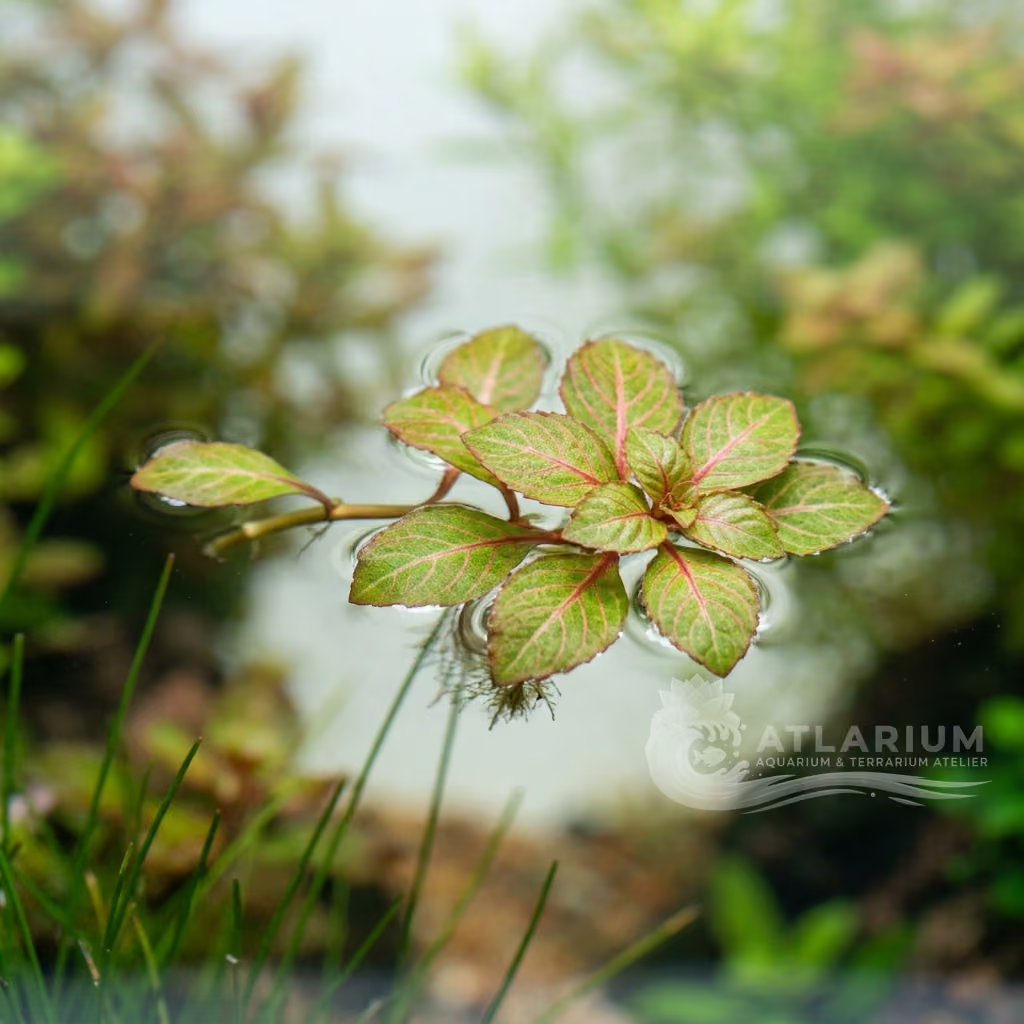
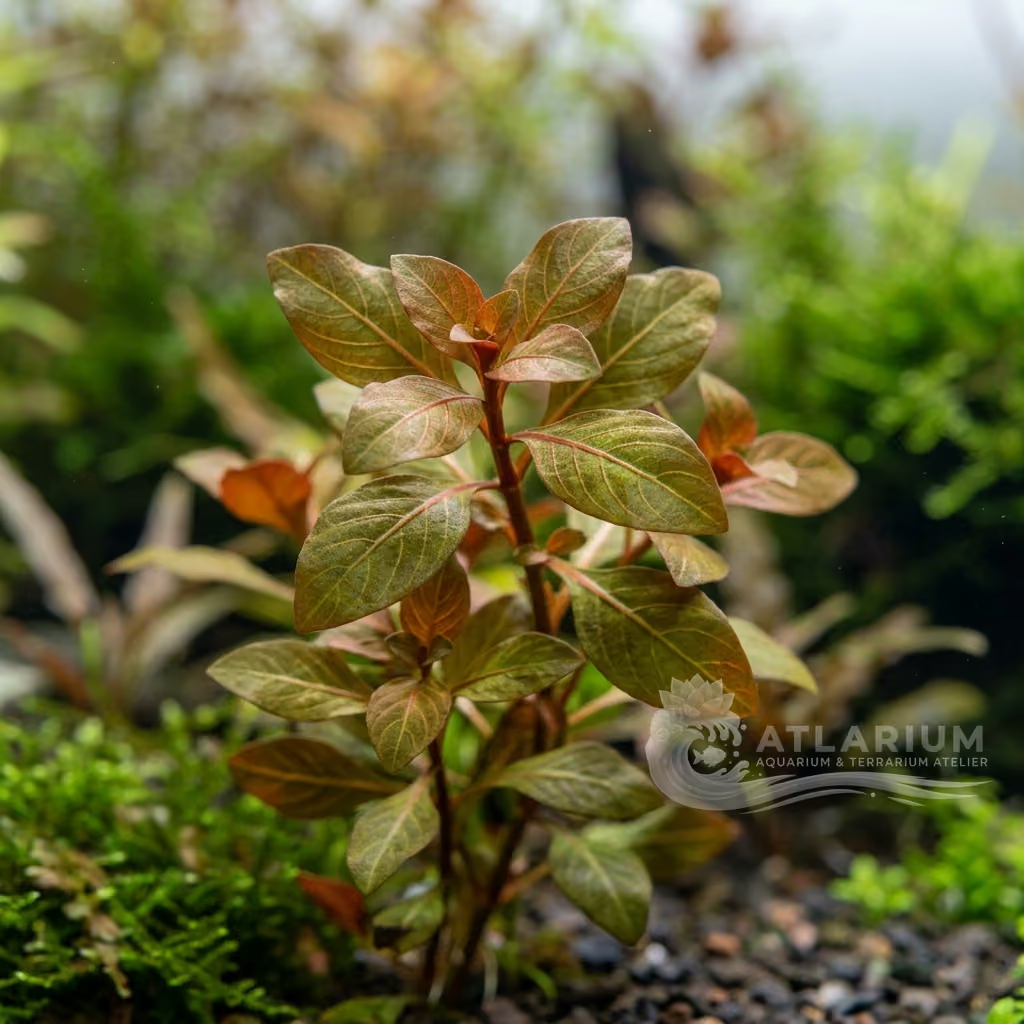
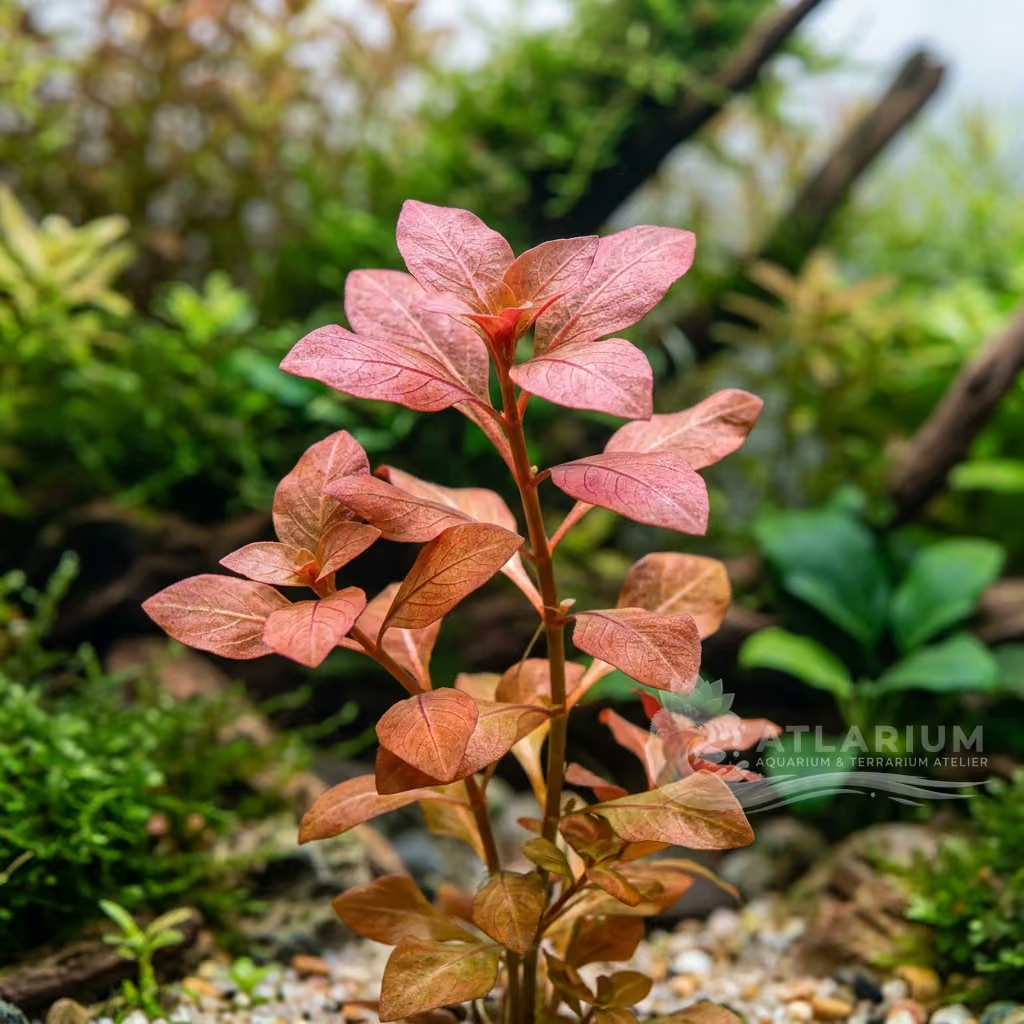
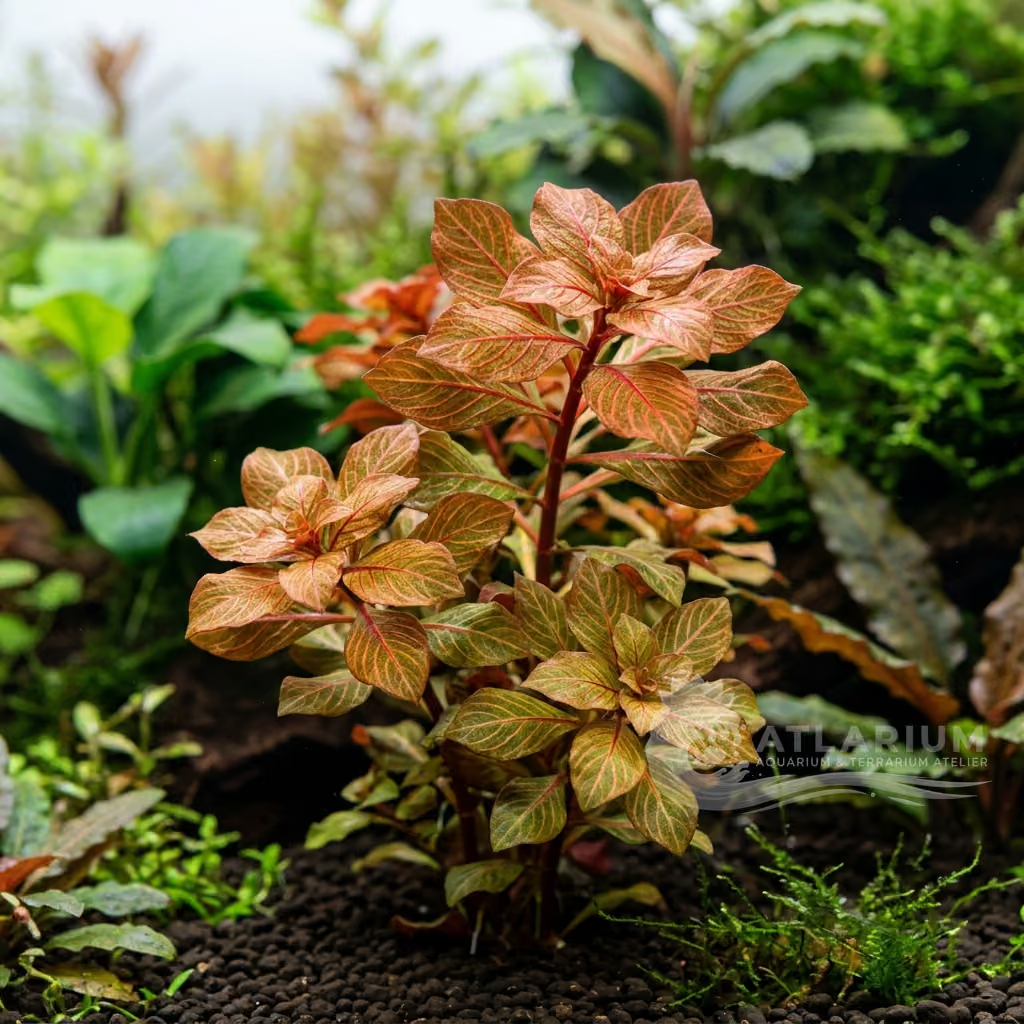
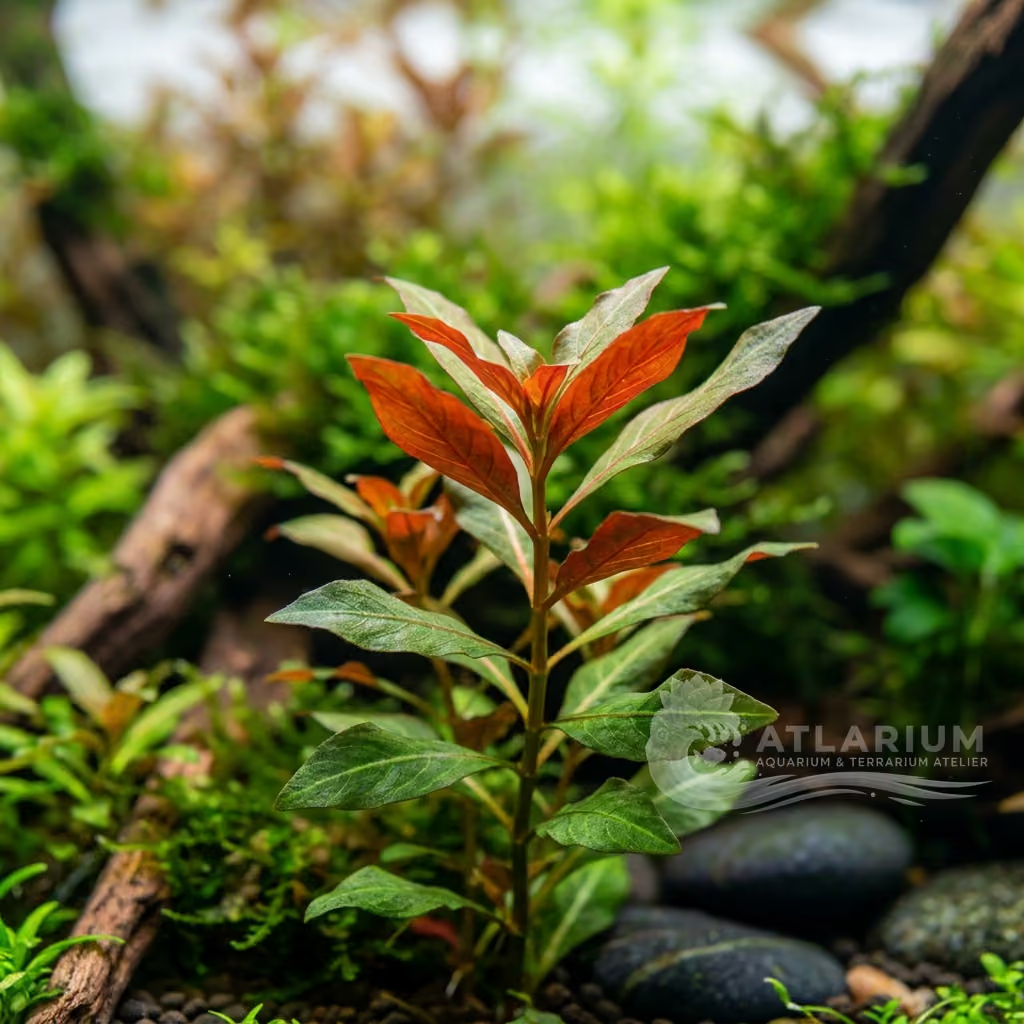
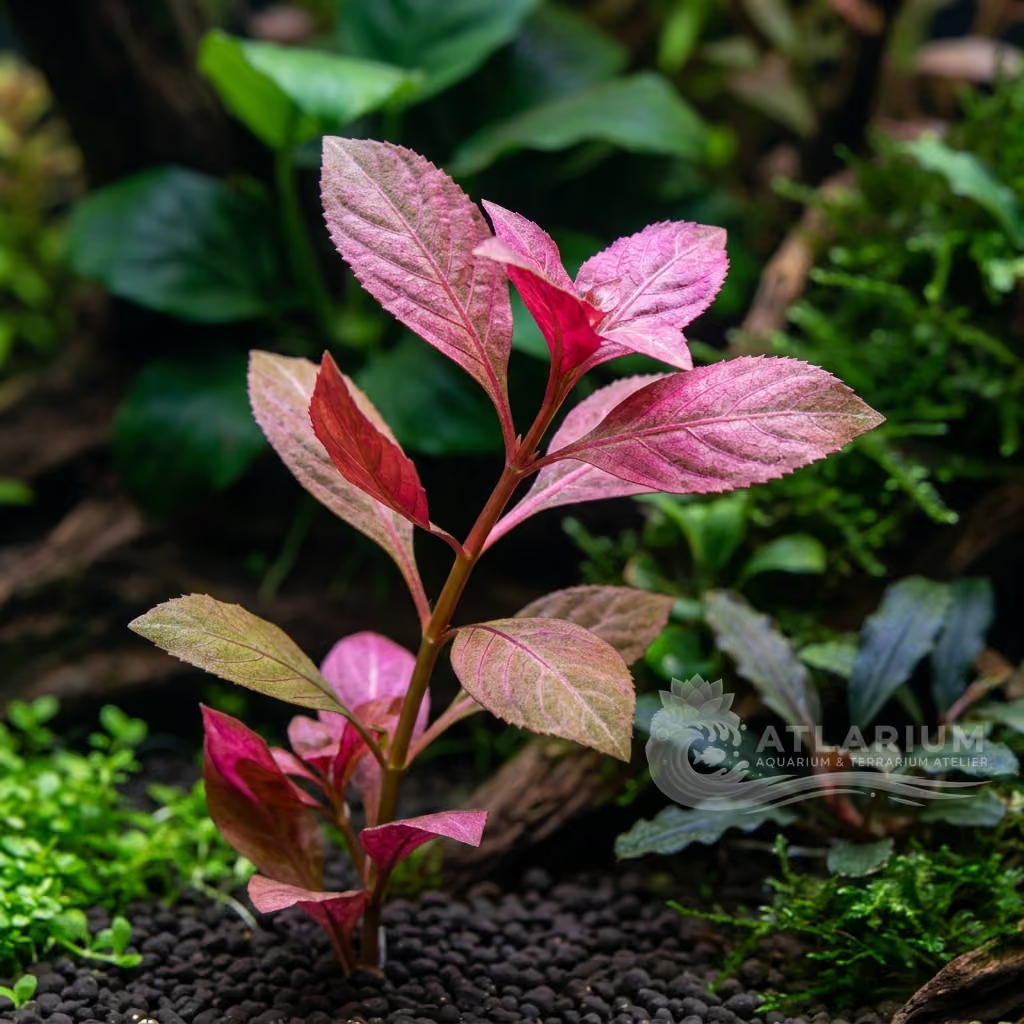
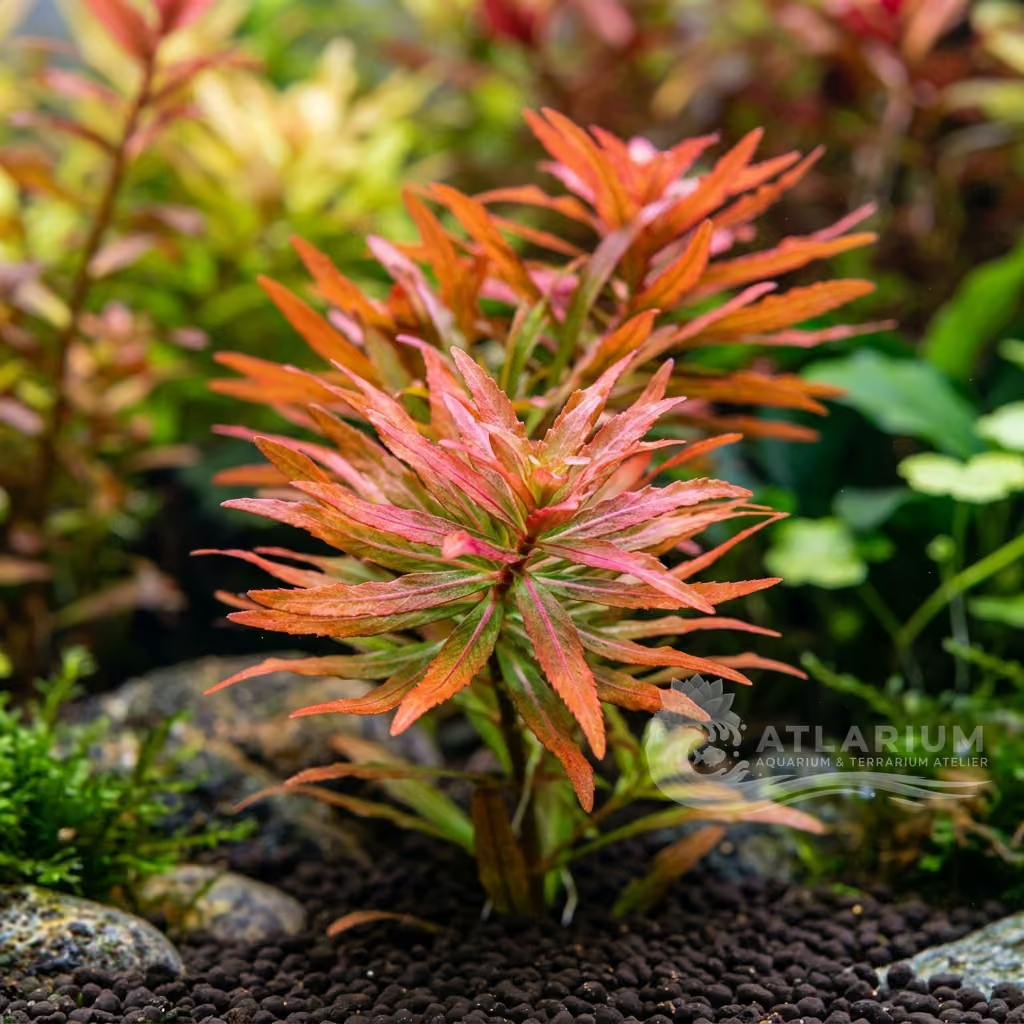
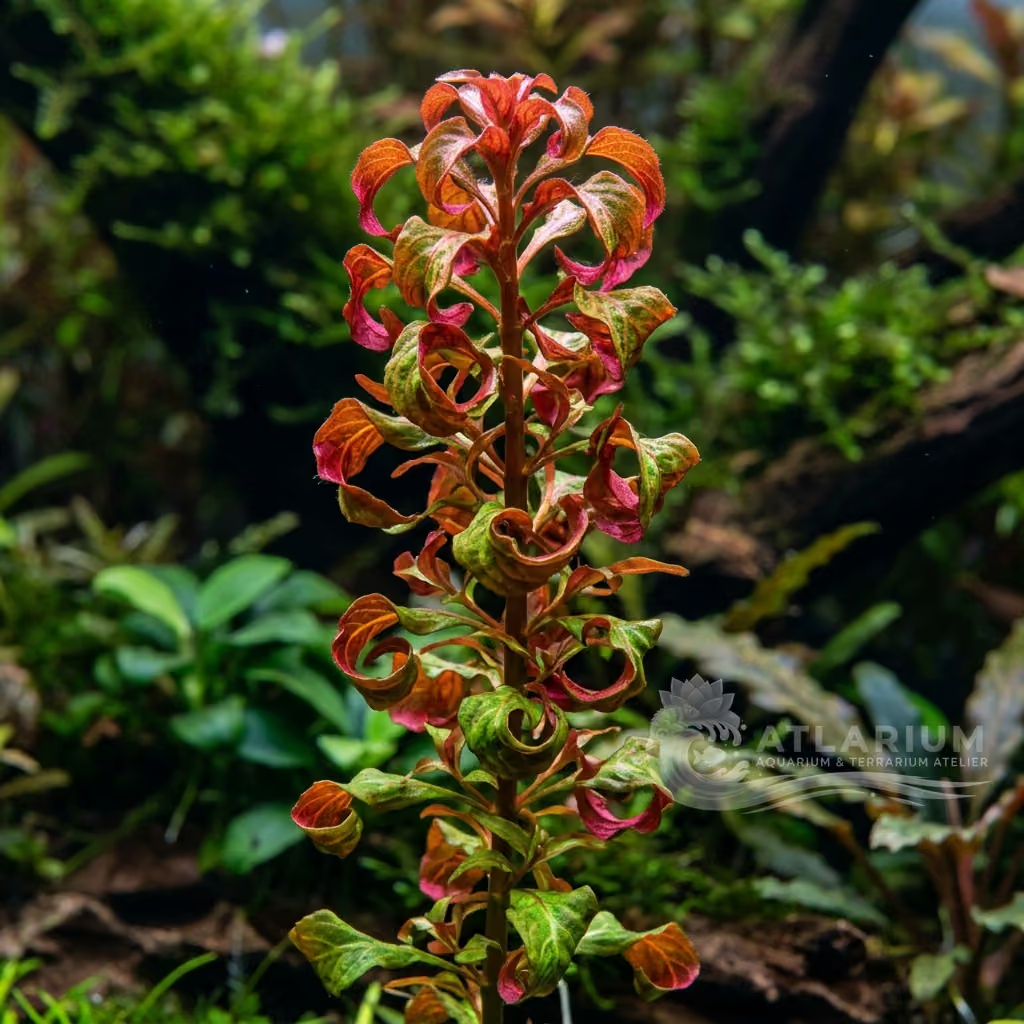
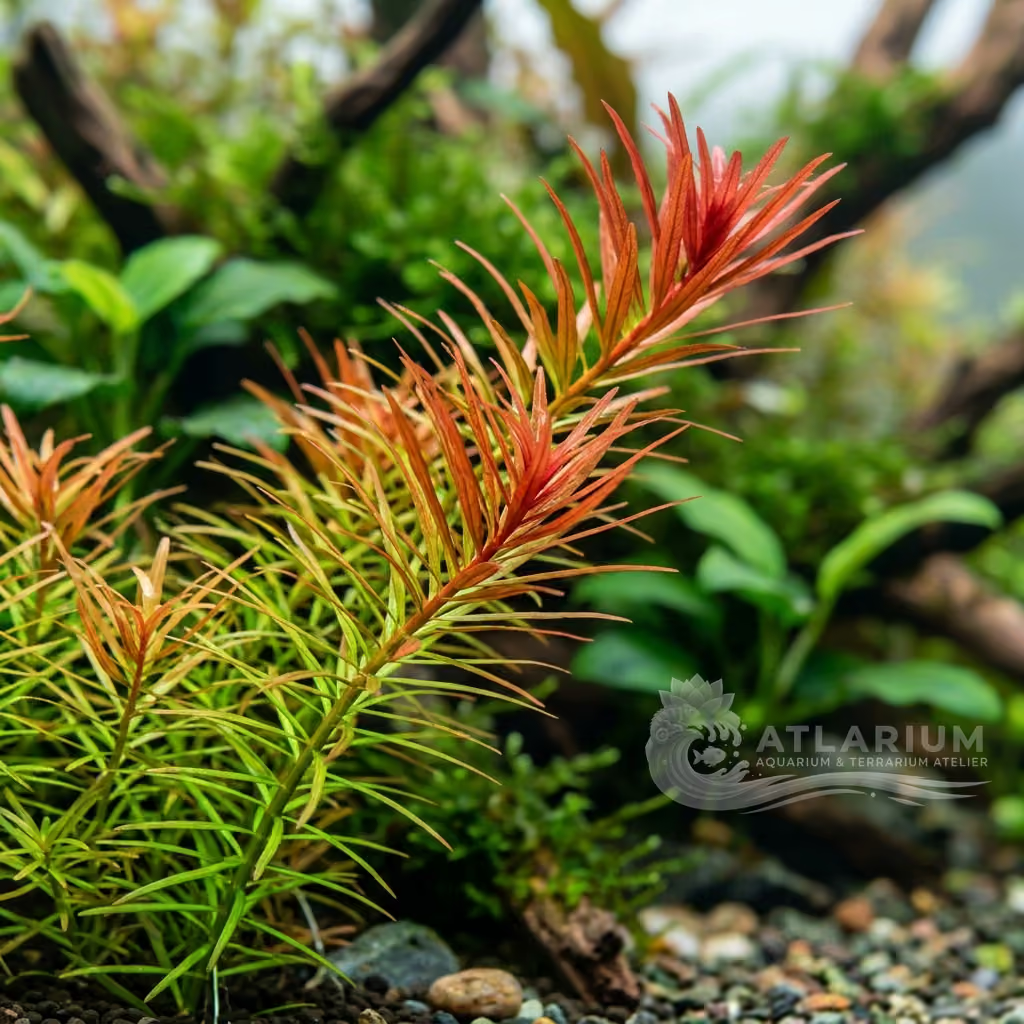
Color & Texture: The distinctive feature of Ludwigia sp. 'Super Red' is undoubtedly its coloration. Under medium-to-high intensity light and with adequate CO2 and nutrient supply, particularly iron, the leaves adopt a deep, vibrant crimson red hue, which can vary to a dark burgundy. The leaf surface is smooth and slightly glossy, reflecting light in a way that further enhances the vividness of the color. In conditions of insufficient light or nutritional deficiencies, the red may fade, taking on orange or even green shades, thereby losing some of its appeal.

Care, breeding and tankmates
Lighting & CO2: Ludwigia sp. 'Super Red' thrives with medium intensity lighting, but to achieve its most vibrant red coloration, moderate to strong light is recommended. A photoperiod of 8-10 hours is generally sufficient. CO2 supplementation is highly recommended and almost essential to promote robust growth and optimal pigmentation, while also preventing internode elongation and stunted growth. A stable supply of carbon dioxide, ideally around 20-30 ppm, will significantly boost the plant's overall health and intensify its color.
Nutrition & Substrate: To support the vigorous growth and intense coloration of Ludwigia sp. 'Super Red', a nutrient-rich substrate is highly beneficial, though it can also thrive in inert substrates with comprehensive liquid fertilization. A consistent supply of macronutrients (nitrates, phosphates, potassium) and micronutrients is crucial, with particular attention to iron. Iron deficiency quickly manifests as a fading of the red color and yellowing of new leaves, indicating the need for regular supplementation with chelated iron fertilizers. The use of root tabs can effectively deliver nutrients directly to the substrate, promoting healthy root development.
Water Chemistry: Ludwigia sp. 'Super Red' adapts well to a water temperature range of 20 to 28 °C (68-82 °F), making it compatible with most tropical aquariums. It requires slightly acidic to neutral pH, between 6.0 and 7.5, and carbonate hardness (KH) between 2 and 12 dKH. Maintaining stable water parameters is crucial, avoiding sudden fluctuations that could stress the plant and cause leaf deterioration. Regular monitoring and partial water changes contribute to keeping water quality within ideal parameters.
Space Management & Placement: Given its potential for height and striking coloration, Ludwigia sp. 'Super Red' is ideally suited for midground placement, where it can serve as a prominent focal point. To allow light to penetrate evenly and prevent shading of underlying plants, it is advisable to plant it in groups of stems, maintaining adequate spacing between them. Grouping creates a greater visual impact, enhancing the mass of red color. Ensure not to overcrowd, allowing good water circulation and light access for each stem.
Pruning: Regular pruning is essential to maintain the desired shape of Ludwigia sp. 'Super Red' and to promote bushier growth. You can trim the tops of the stems to encourage the growth of new lateral shoots, which will make the plant denser and more compact. These trimmed tops can be replanted into the substrate to easily propagate the plant. Alternatively, older stems can be cut near the substrate to encourage new growth from the base, maintaining the vitality of the cluster.
Risks & Diseases: Like many aquarium plants, Ludwigia sp. 'Super Red' can be susceptible to nutrient deficiencies, manifested by fading, shrinking, or holes in the leaves. Algae proliferation on the leaves is often an indicator of nutrient imbalances or excessive light. It is also sensitive to drastic water parameter changes or harsh chemical products, which can cause leaves to "melt." Careful monitoring of aquarium conditions and a balanced fertilization regimen are the best preventive measures against these issues.

Geographic origin and distribution
While the 'sp.' designation implies an unspecified species, the genus Ludwigia is widely distributed across the tropical and subtropical regions of the Americas, where many species thrive in aquatic and semi-aquatic environments. The 'Super Red' variant is a horticultural selection, specifically developed to maximize its red pigmentation, distinguishing it from wild forms which may exhibit greener or bronze hues. Consequently, its habitat is not a specific geographical location, but rather the controlled environment of aquariums.
Origin
Selective breeding and cultivars

Plant profile
- Placement
- Midground
- It is incredibly versatile and can be placed in the midground or background depending on how it is trimmed. It should be planted in areas with moderate to high lighting to ensure the deepest red colors. Grouping several stems together creates a visually striking crimson bush.
- Botanical form
- Stem
- The plant features relatively small, rounded to slightly elongated leaves that can turn entirely dark red or magenta under the right conditions. The stems are thin but strong, and it branches profusely when trimmed. Its compact size and bright color make it extremely popular.
- Growth
- Medium
- This plant grows very rapidly, especially when provided with CO2 injection and high light. It is one of the fastest-growing red plants available in the hobby. Because of its speed, it requires frequent pruning to keep it from overtaking the aquascape.
- Substrate
- High
- Ludwigia sp. 'Super Red' is a heavy root feeder that reaches its brightest, deepest crimson coloration when planted in a high-quality, nutrient-dense aqua soil. A substrate depth of 2 inches is sufficient to securely hold its relatively thin stems while giving roots room to spread. While it can absorb nutrients from the water column, root absorption of iron from the substrate is critical for maintaining its "super red" appearance.
- Column fertilization
- Recommended
- While not as demanding as other red plants, regular liquid fertilization ensures robust growth and maximum color intensity. A comprehensive fertilizer with trace elements is usually sufficient. Lean dosing can sometimes stress the plant into even deeper red hues, though growth may slow.
- Root fertilization
- Recommended
- It grows well in both inert and nutrient-rich substrates, but aquasoil promotes faster and healthier root development. If planted in plain sand or gravel, root tabs are recommended to provide essential nutrients. Good substrate fertility helps the plant recover quickly from severe trimming.
- Trimming
- Occasional
- It responds exceptionally well to trimming, quickly producing numerous side shoots from the cut stems. Trimming it low and letting it grow out results in a very dense, bushy appearance. The trimmed tops can be easily replanted to propagate the plant further.
- Propagation
- Cuttings
- Propagation is incredibly easy via stem cuttings. Simply cut the top portion of a stem and stick it into the substrate. It roots quickly and begins growing almost immediately.
- Sensitivity
- Moderate
- Ludwigia sp. 'Super Red' is quite hardy and adaptable, making it an excellent choice for beginners wanting a red plant. It can tolerate lower light levels, though its color will fade to a greenish-red or bronze. It is generally resistant to algae if healthy.
- Layout role
- Midground
- It is widely used to create vibrant red focal points or contrasting bushes in various aquascaping styles. Its intense color breaks up the monotony of green plants beautifully. It is a staple in both nature aquariums and Dutch-style layouts.

Related species
Recommendations grouped by close relatives, companion choices, and similar care.