Ludwigia sp. 'Atlantis'
Ludwigia sp. 'Atlantis'
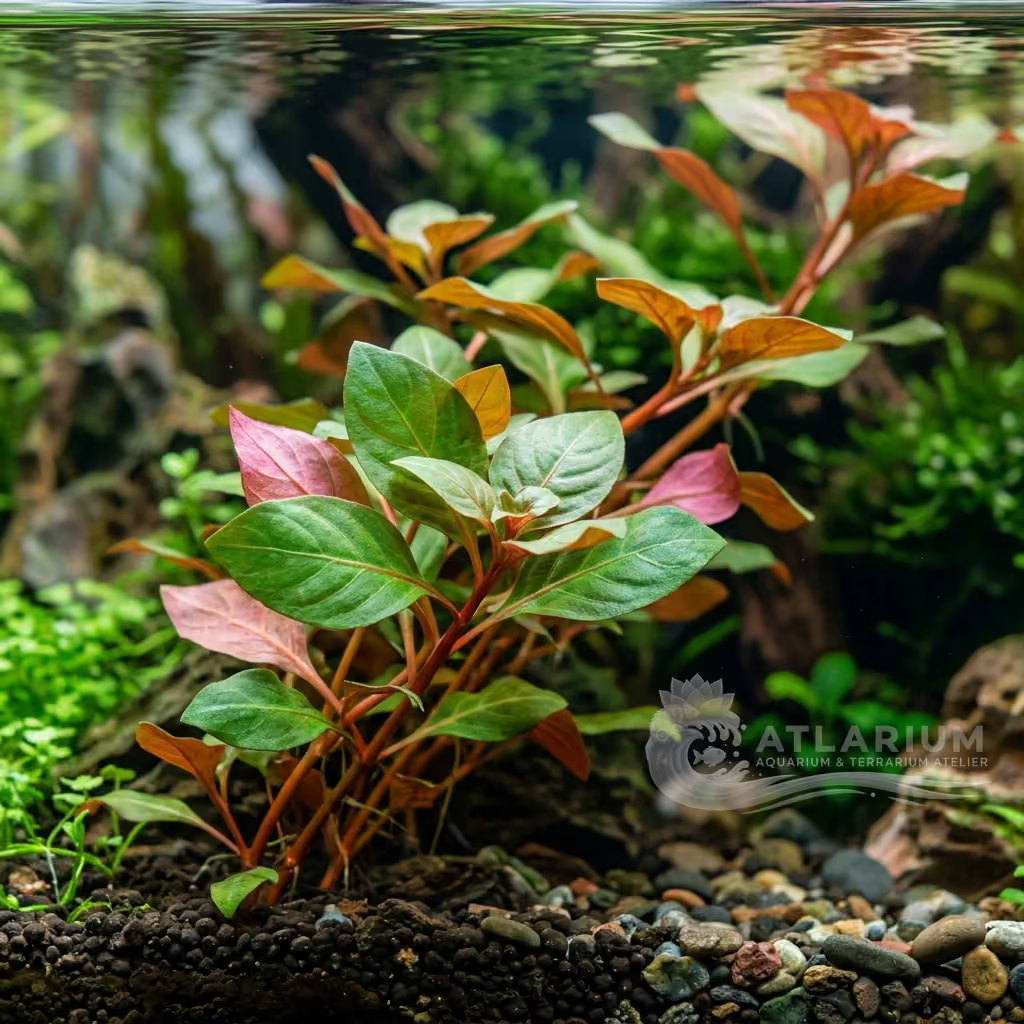
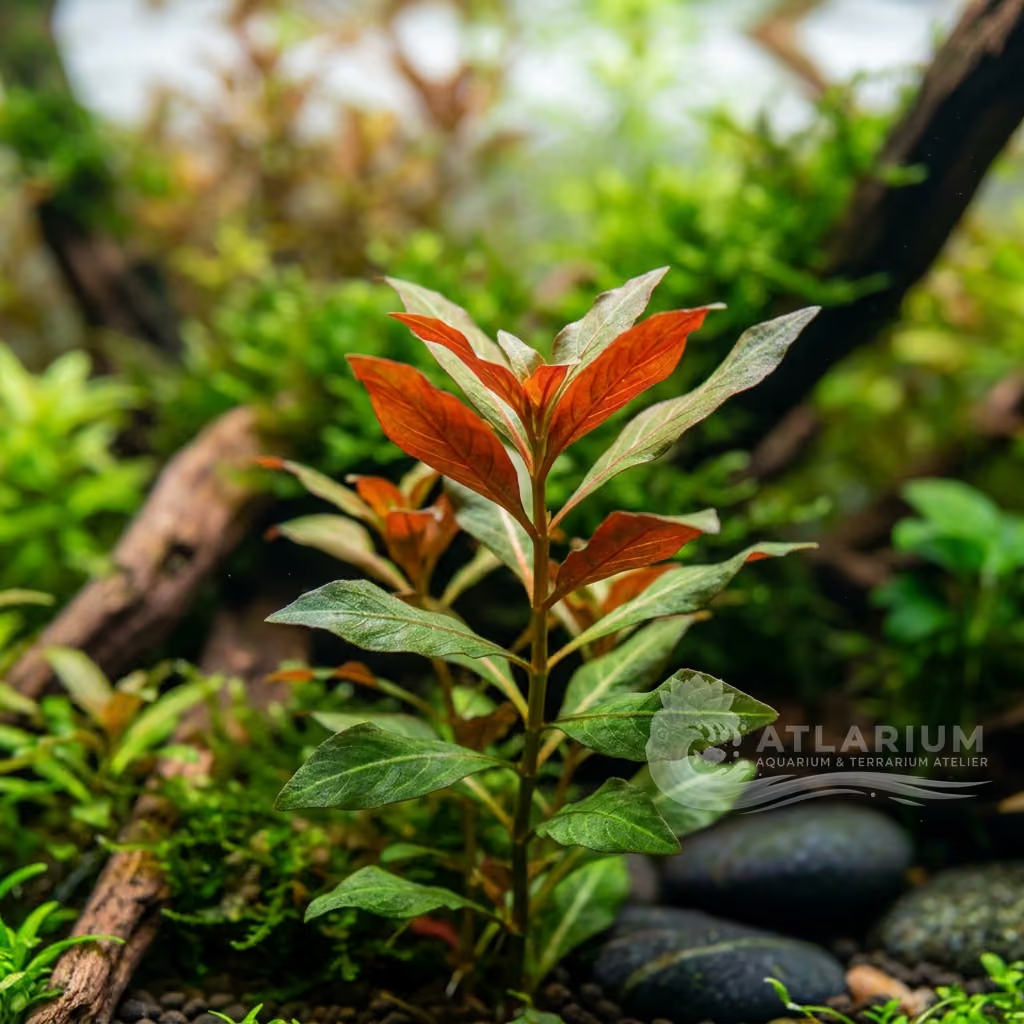
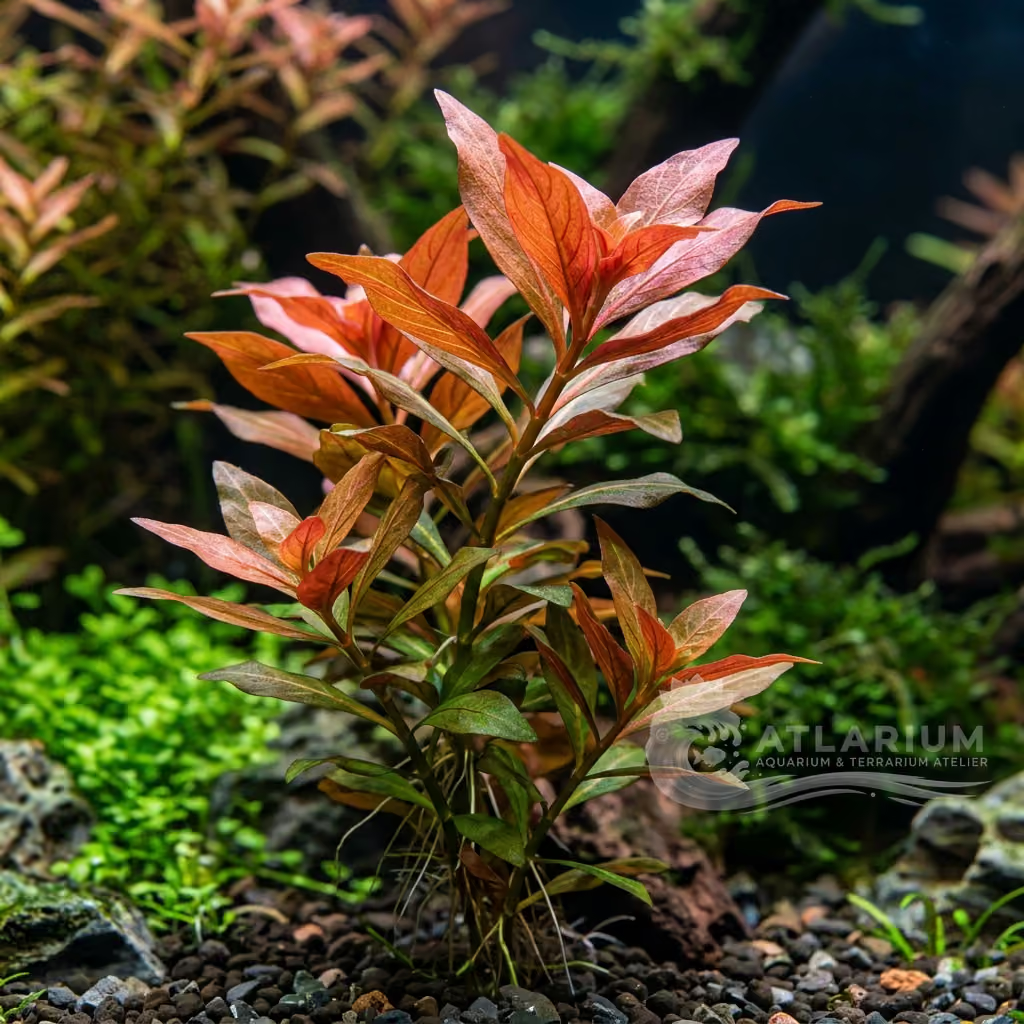
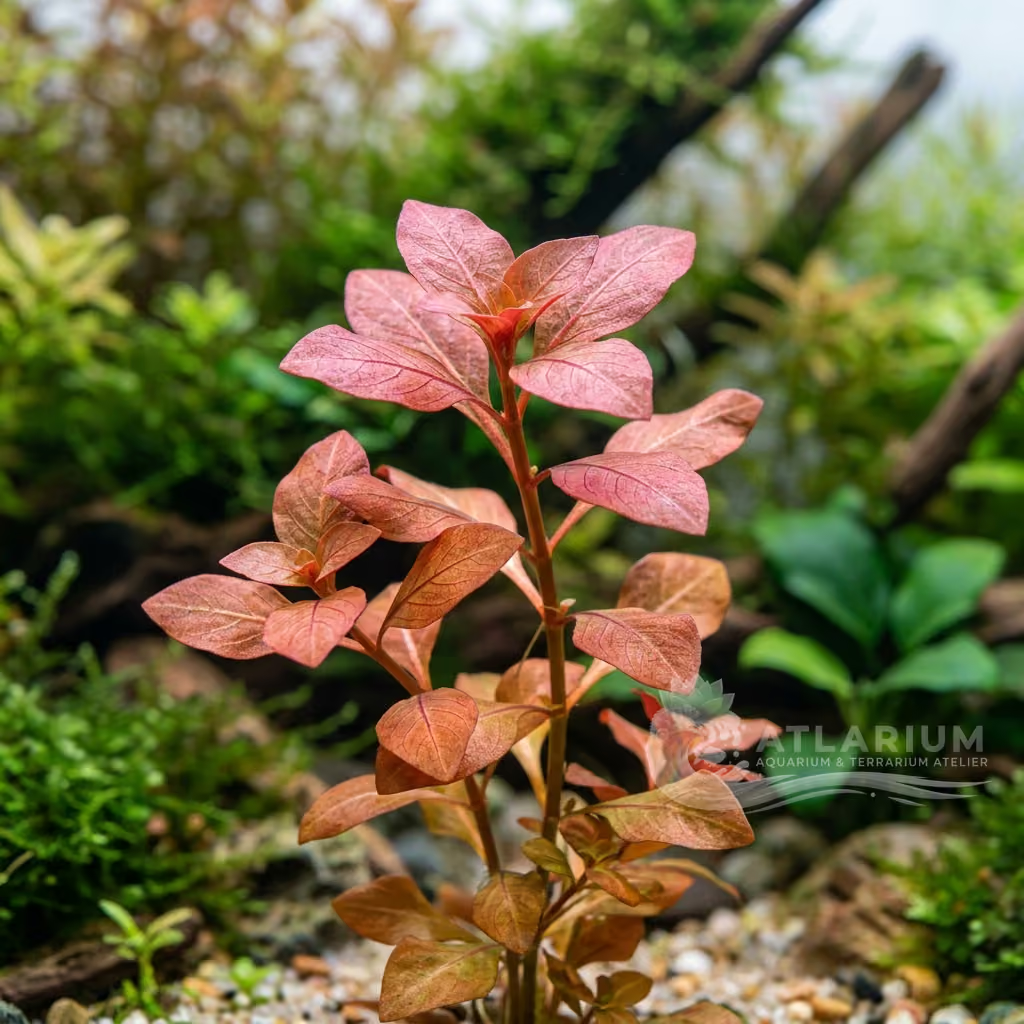
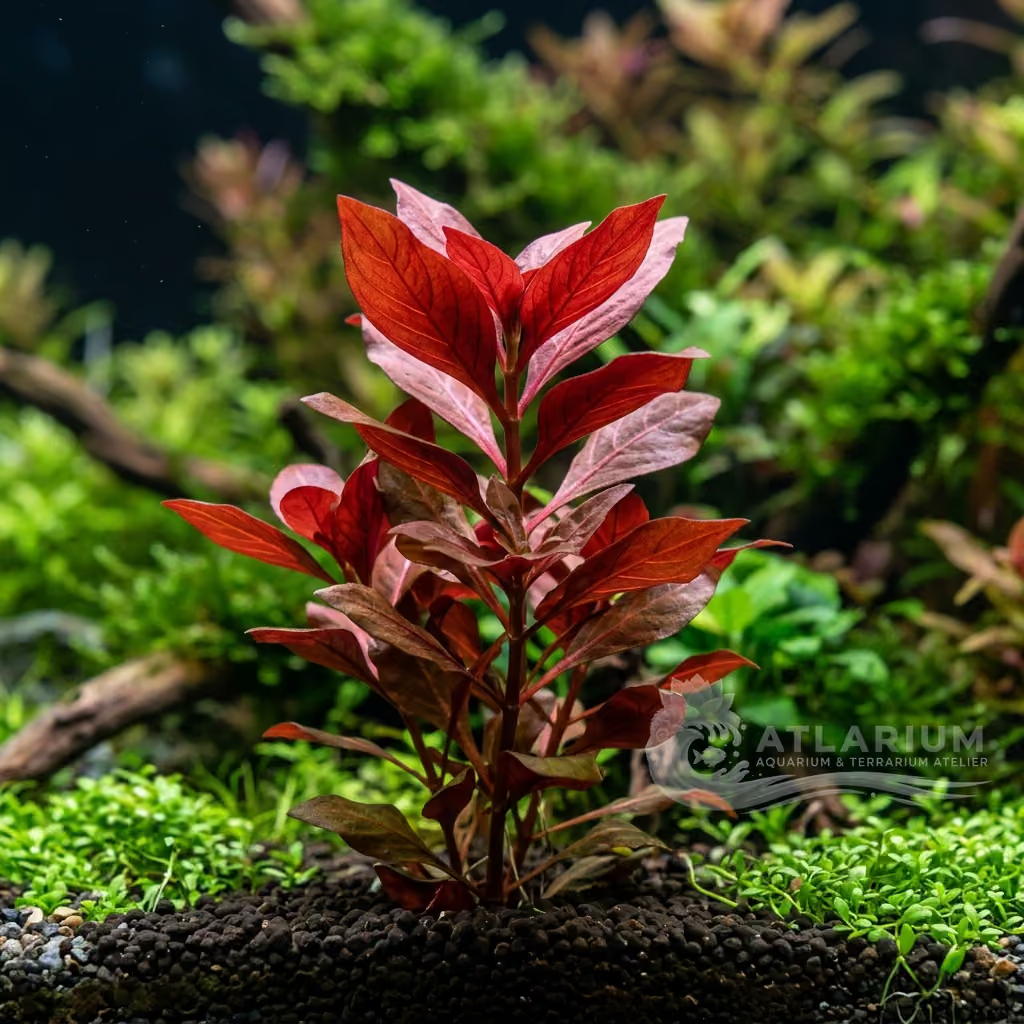
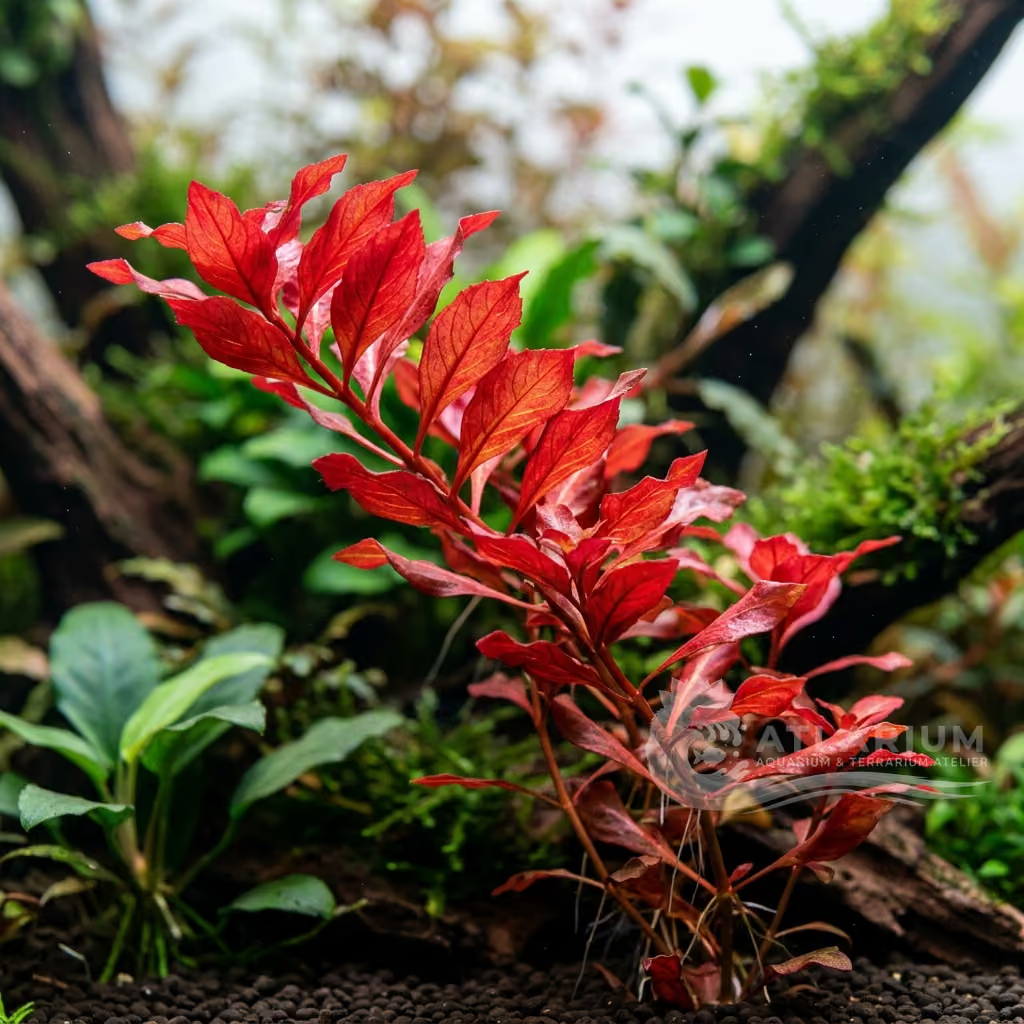
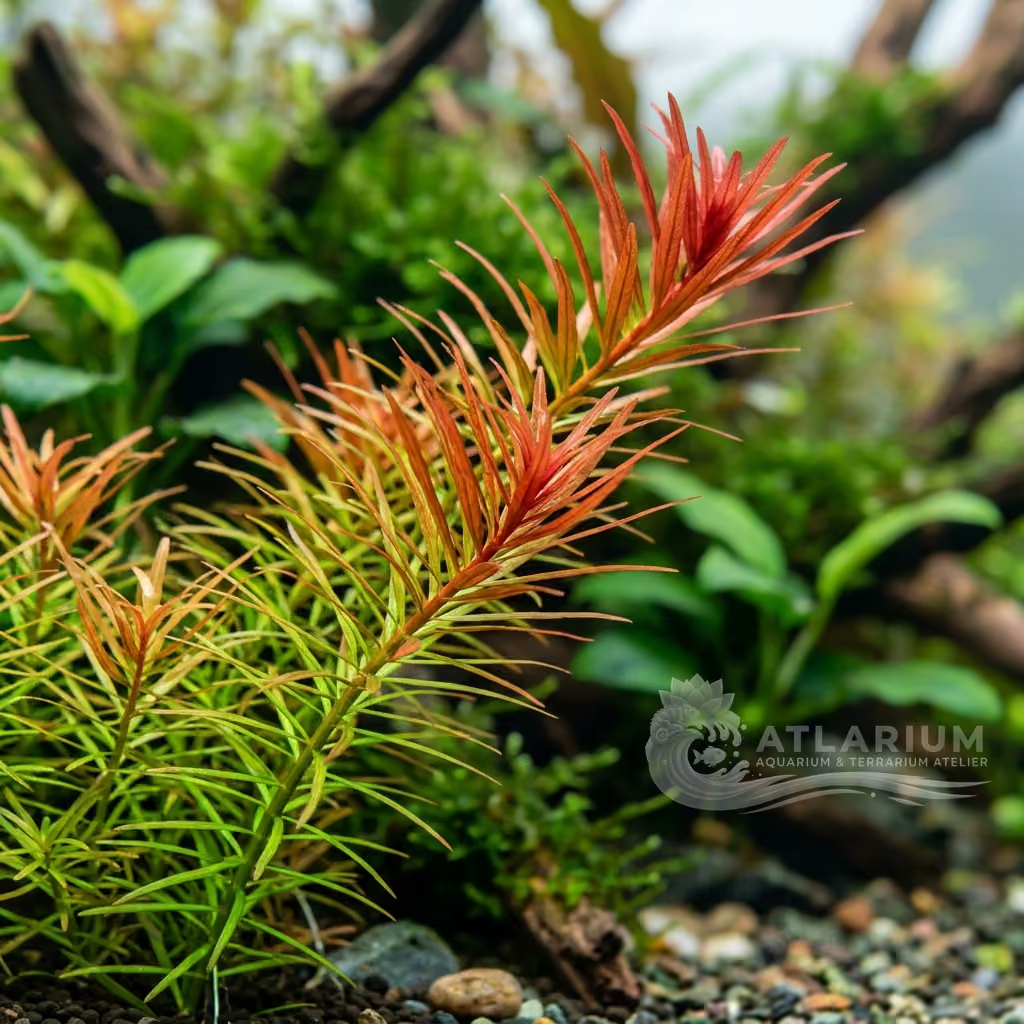
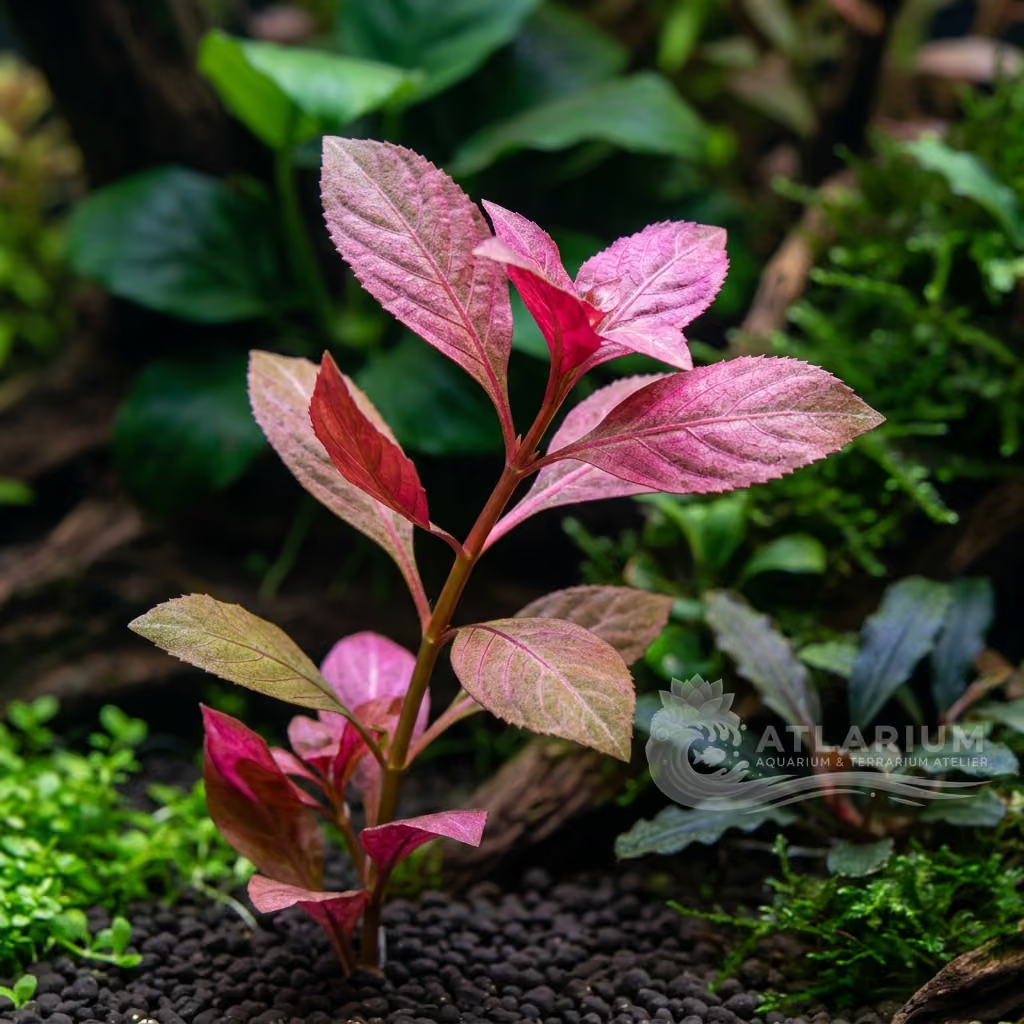
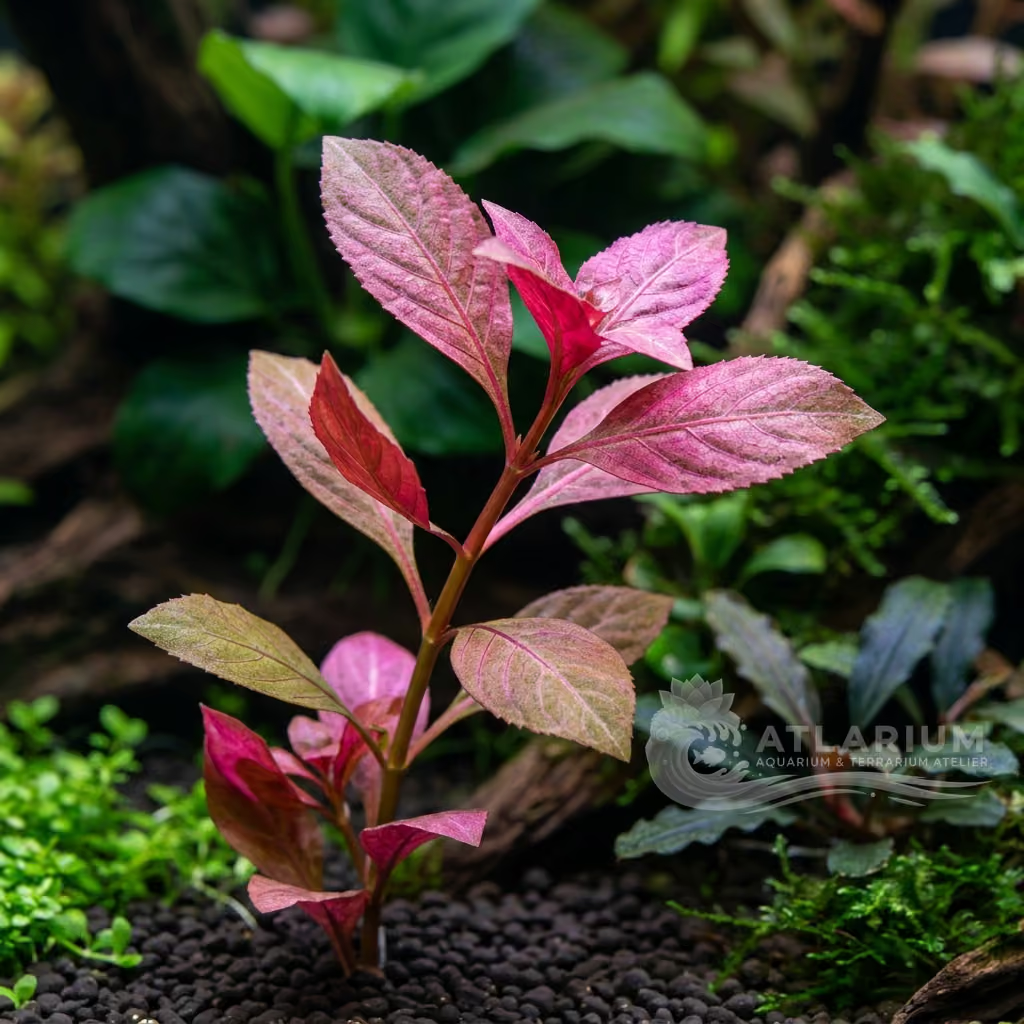
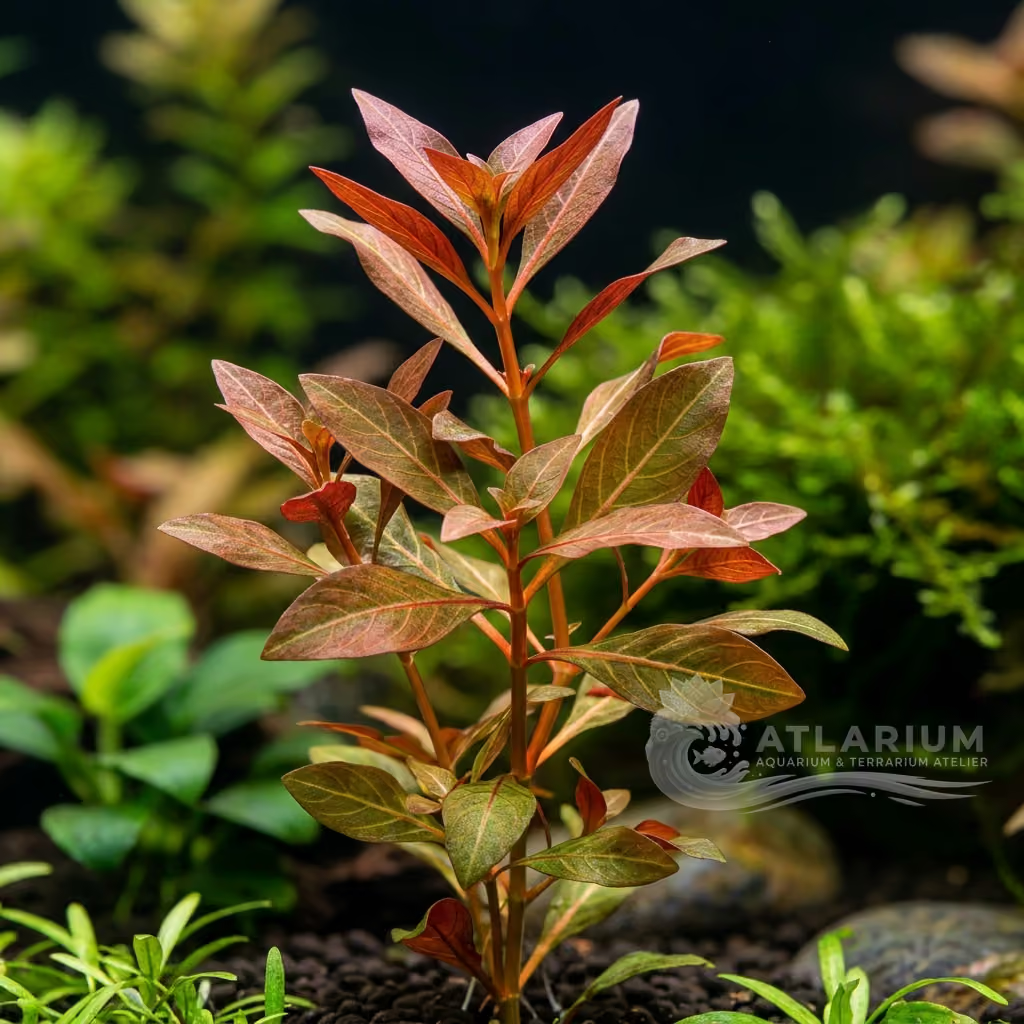
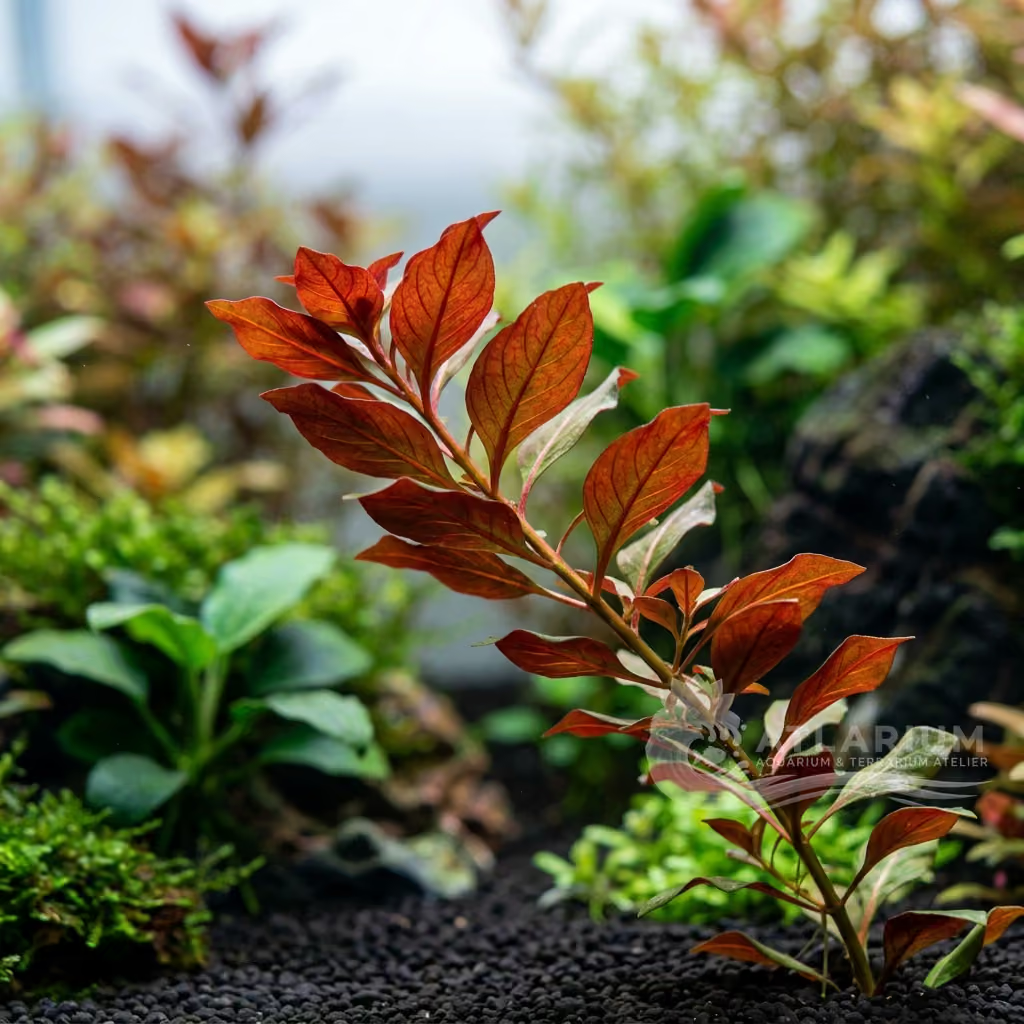
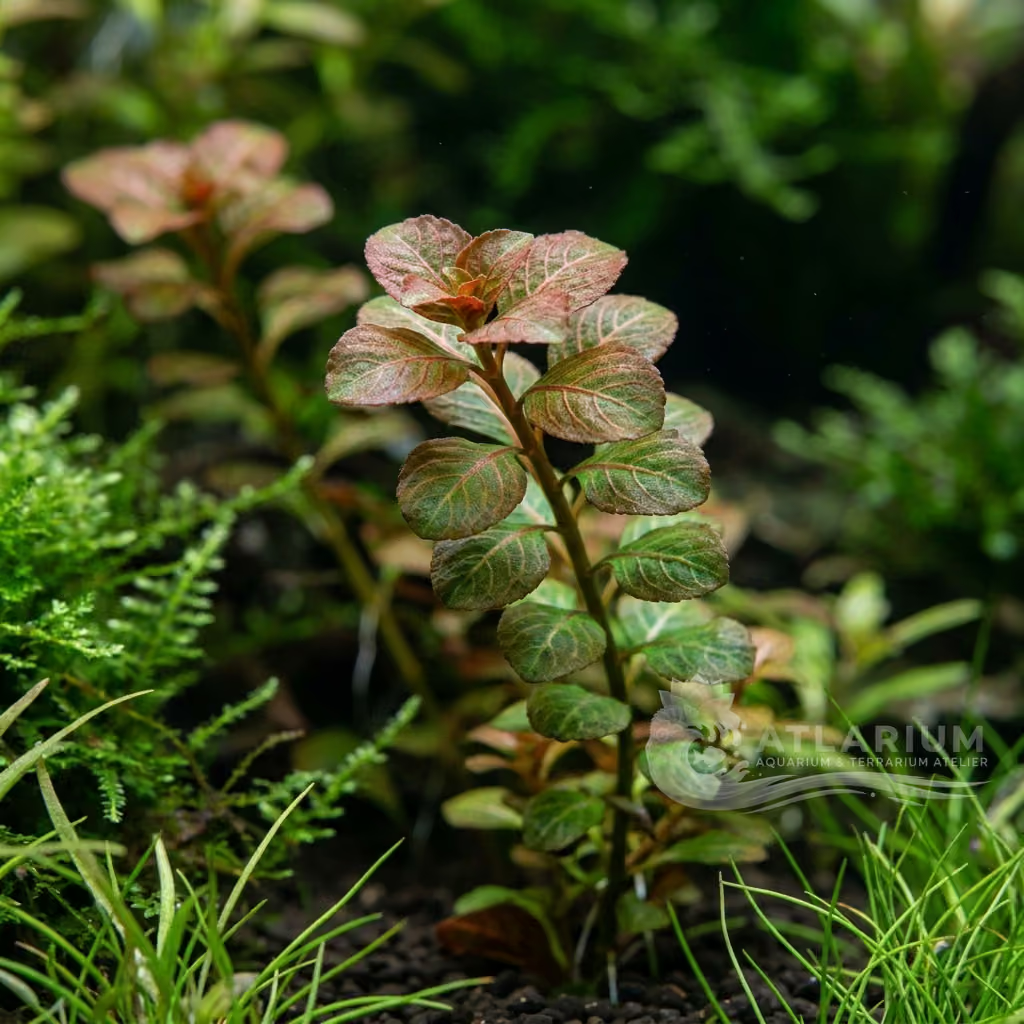
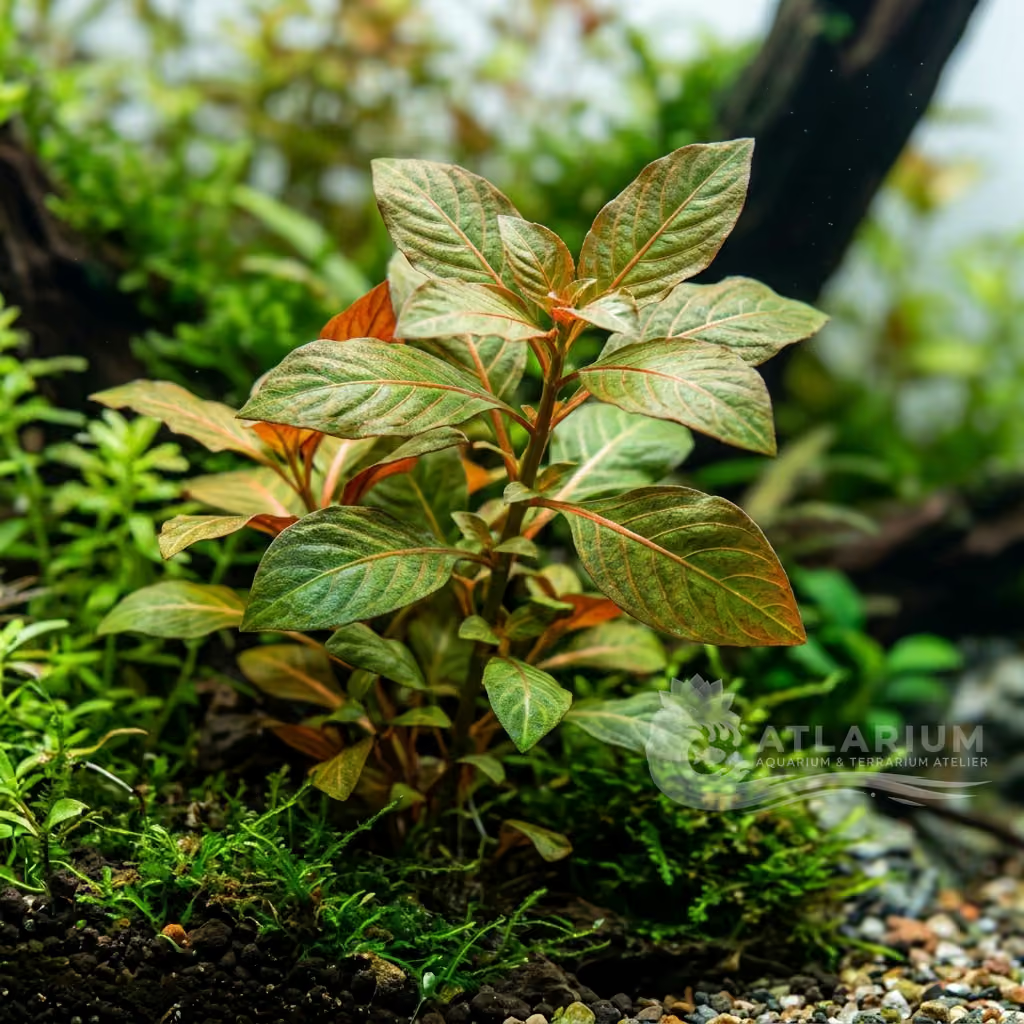
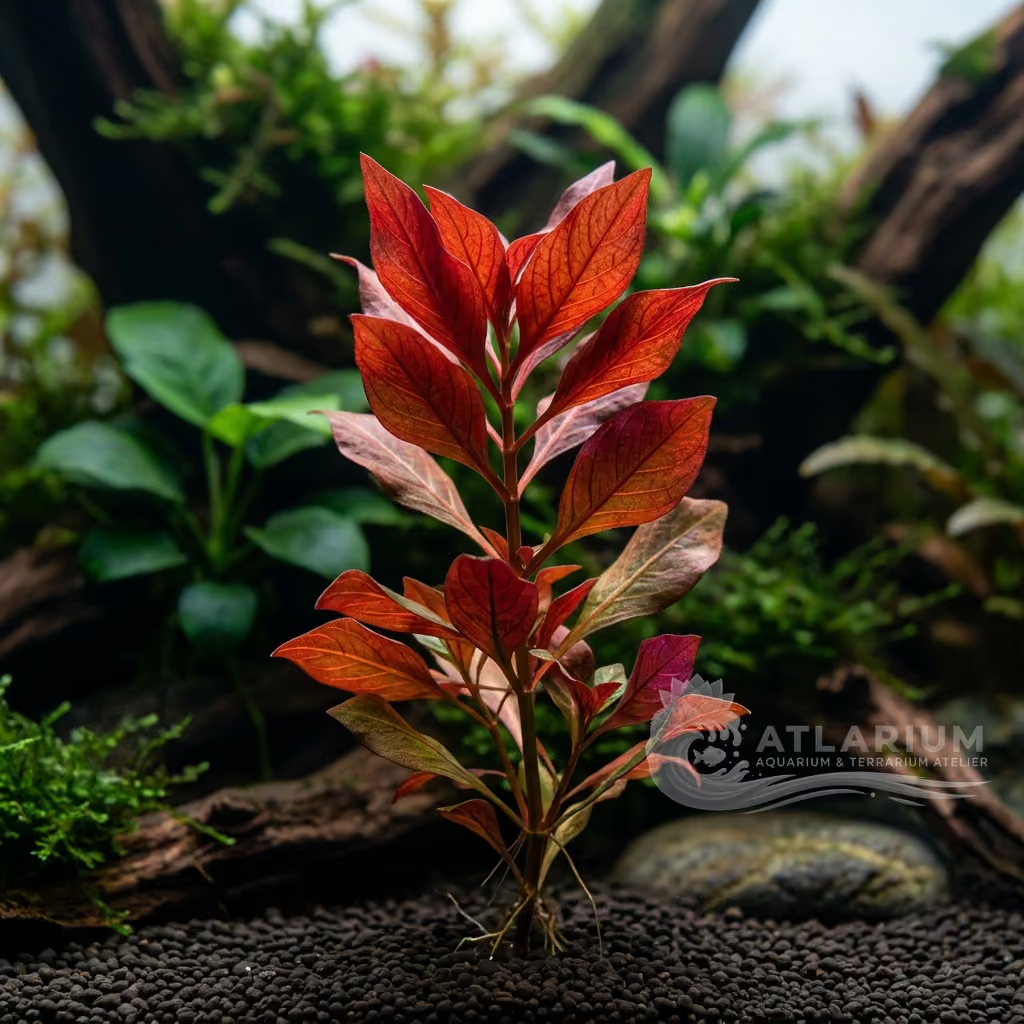
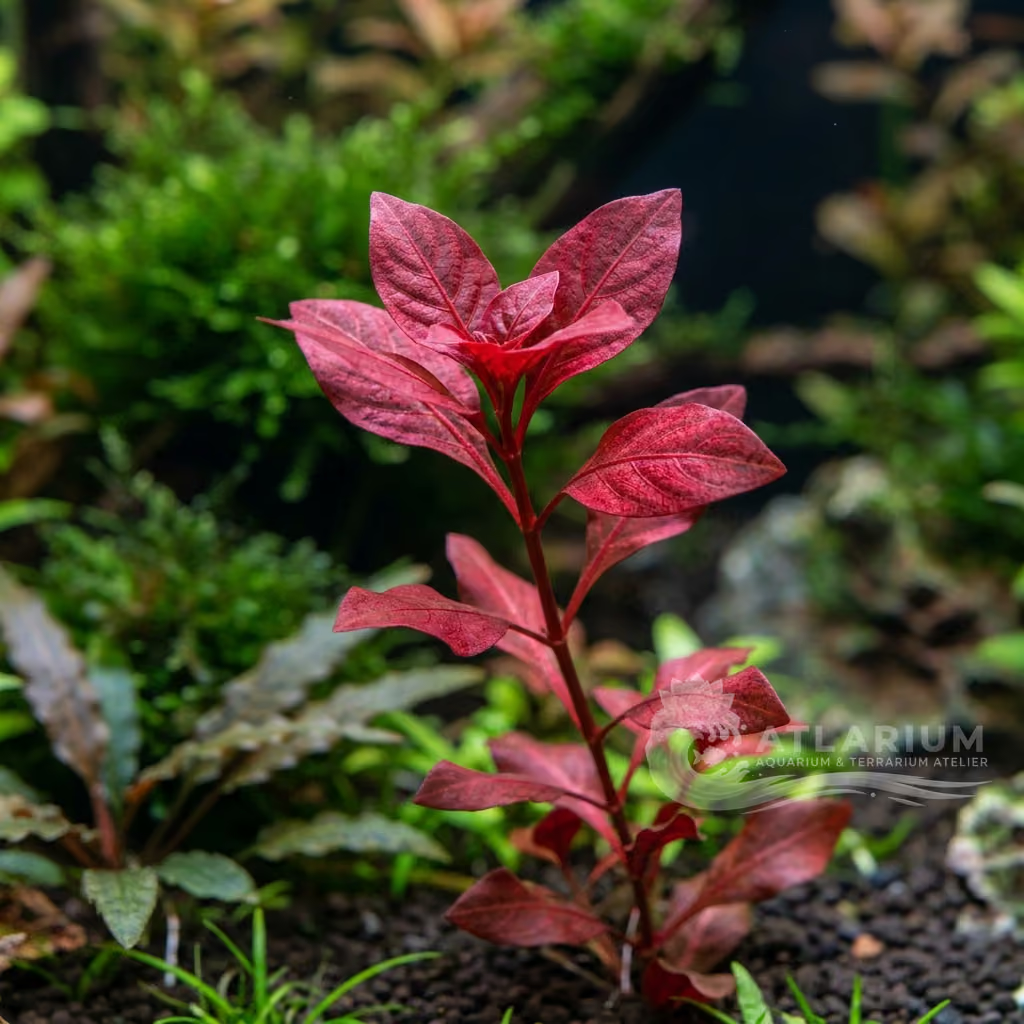
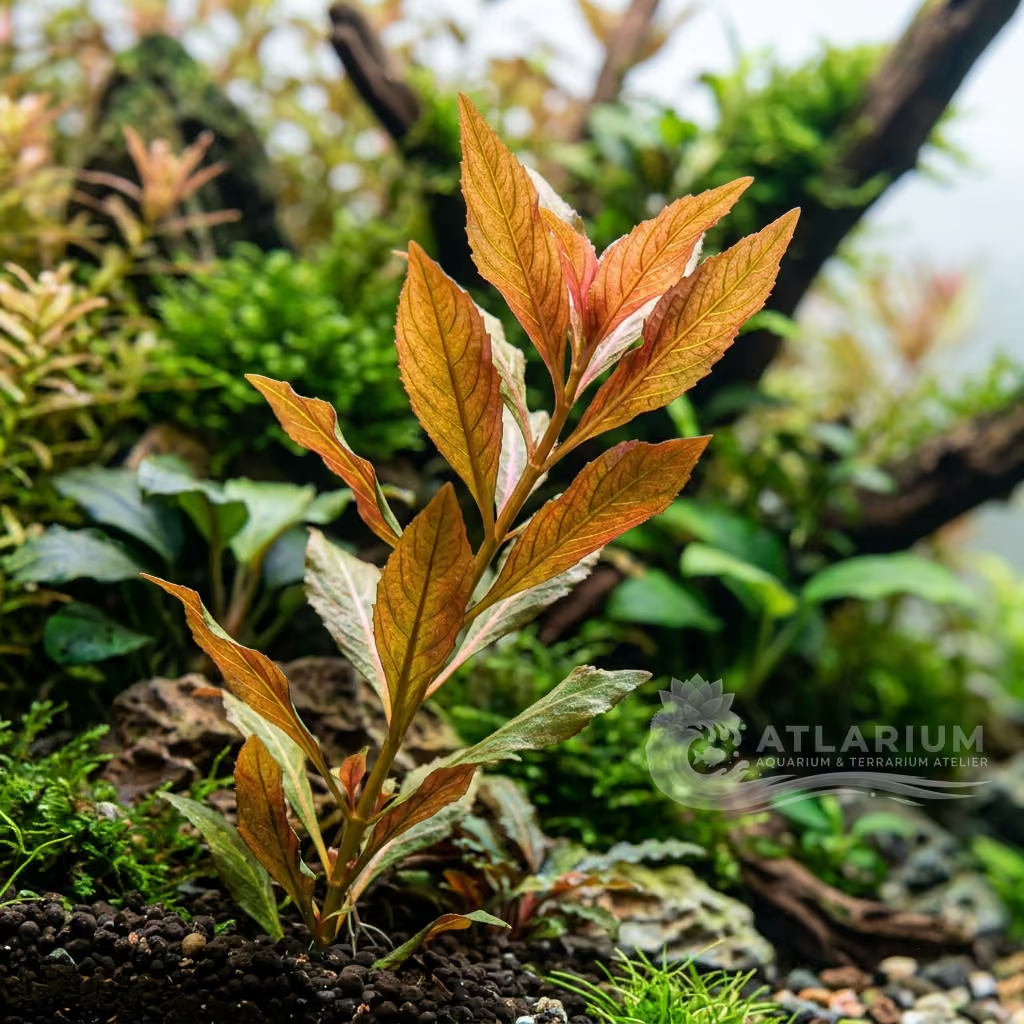
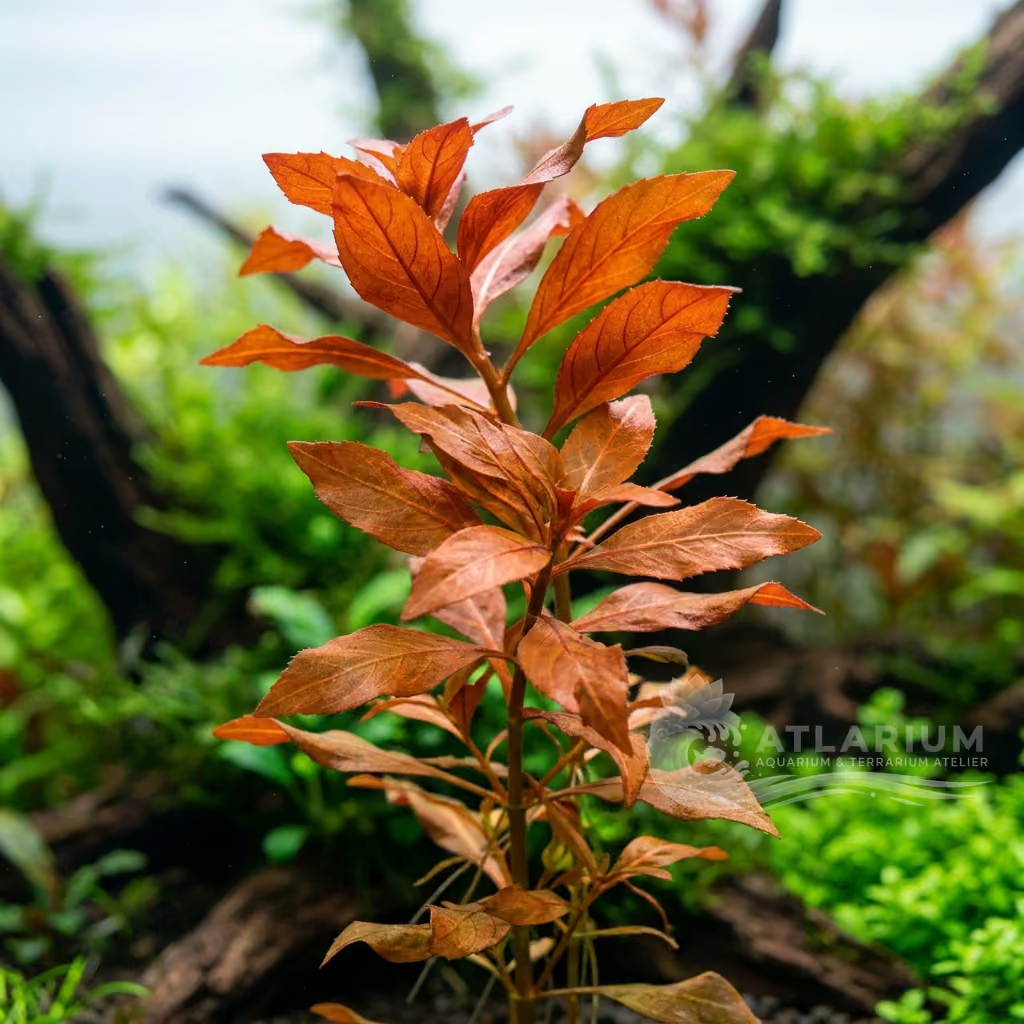
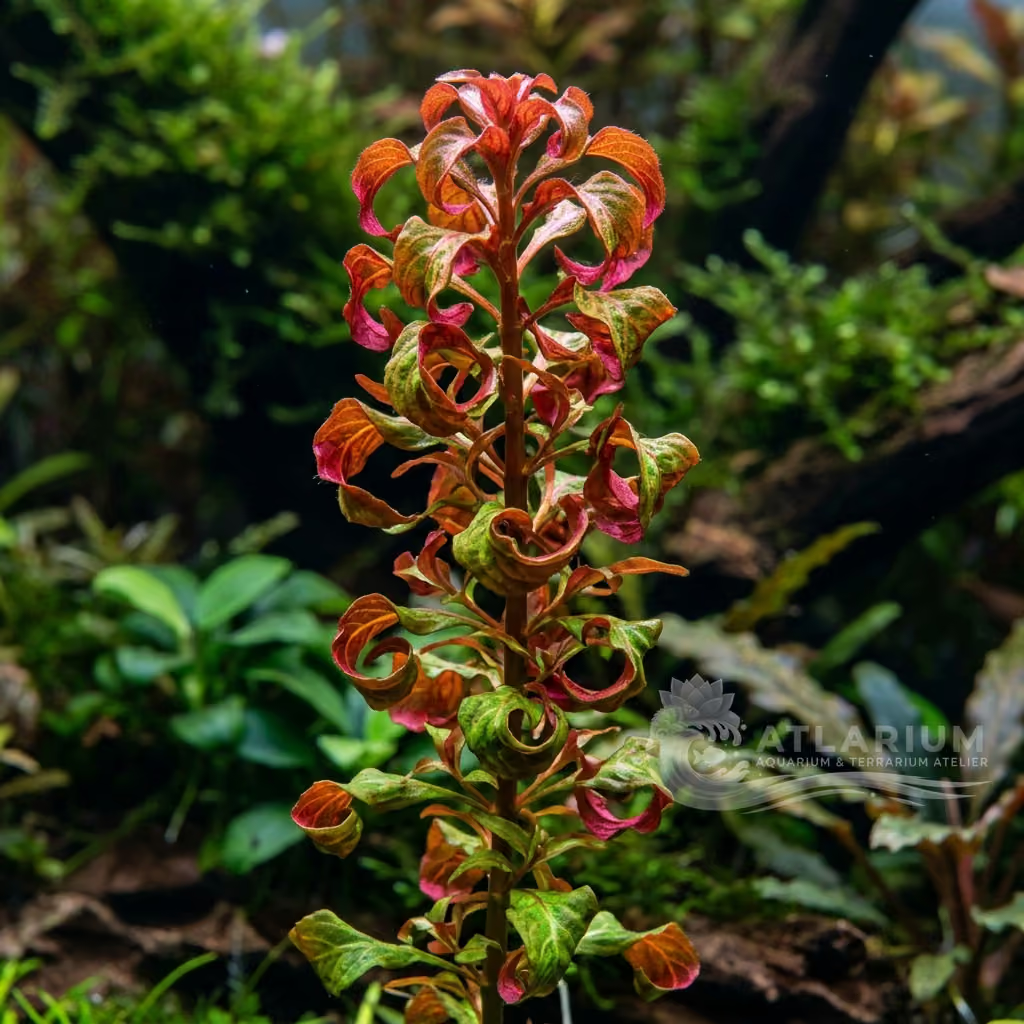
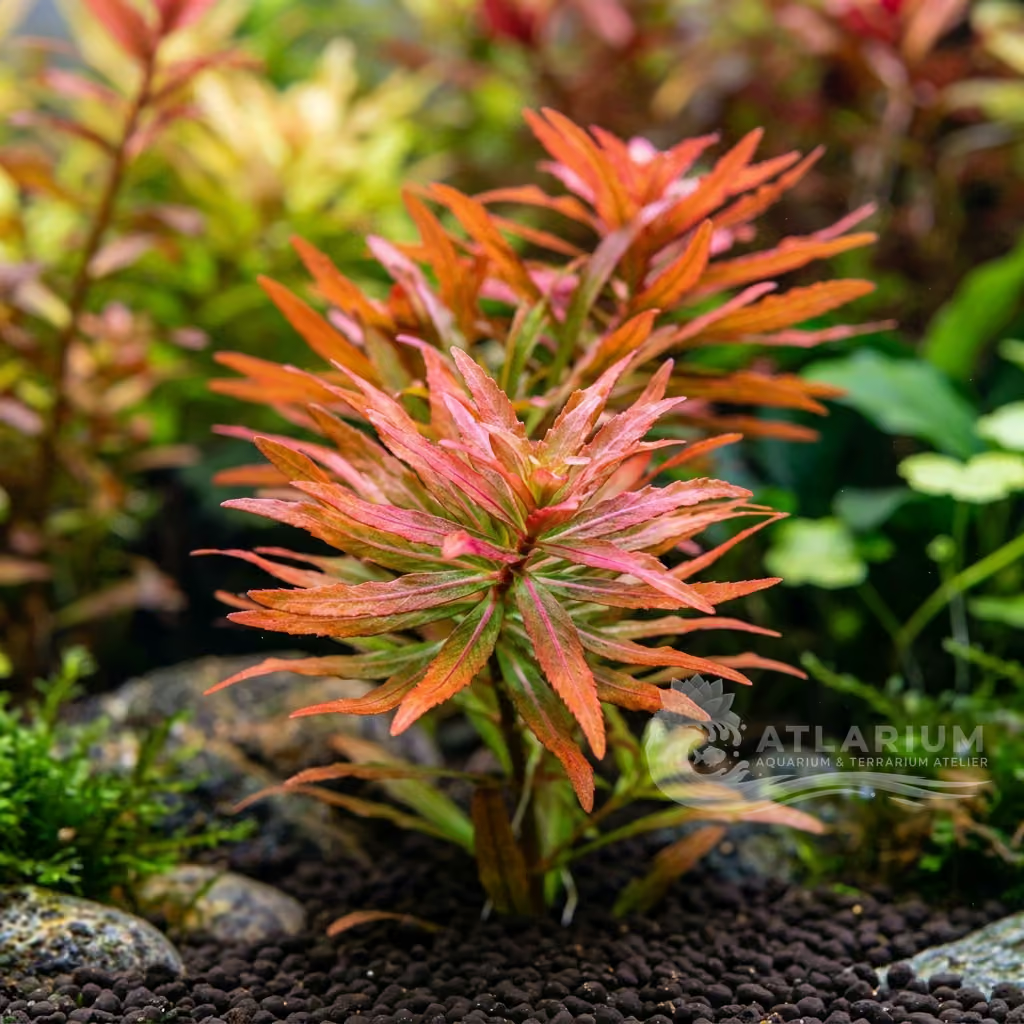
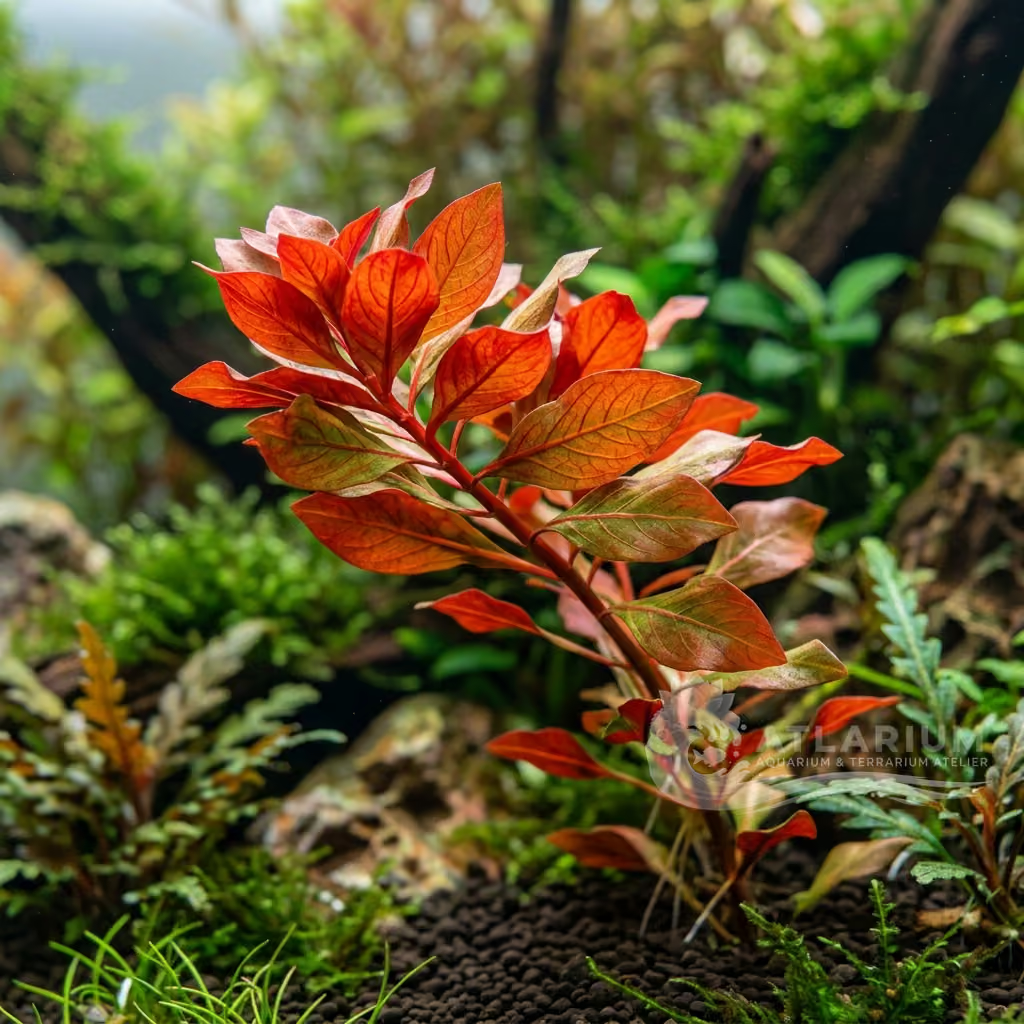
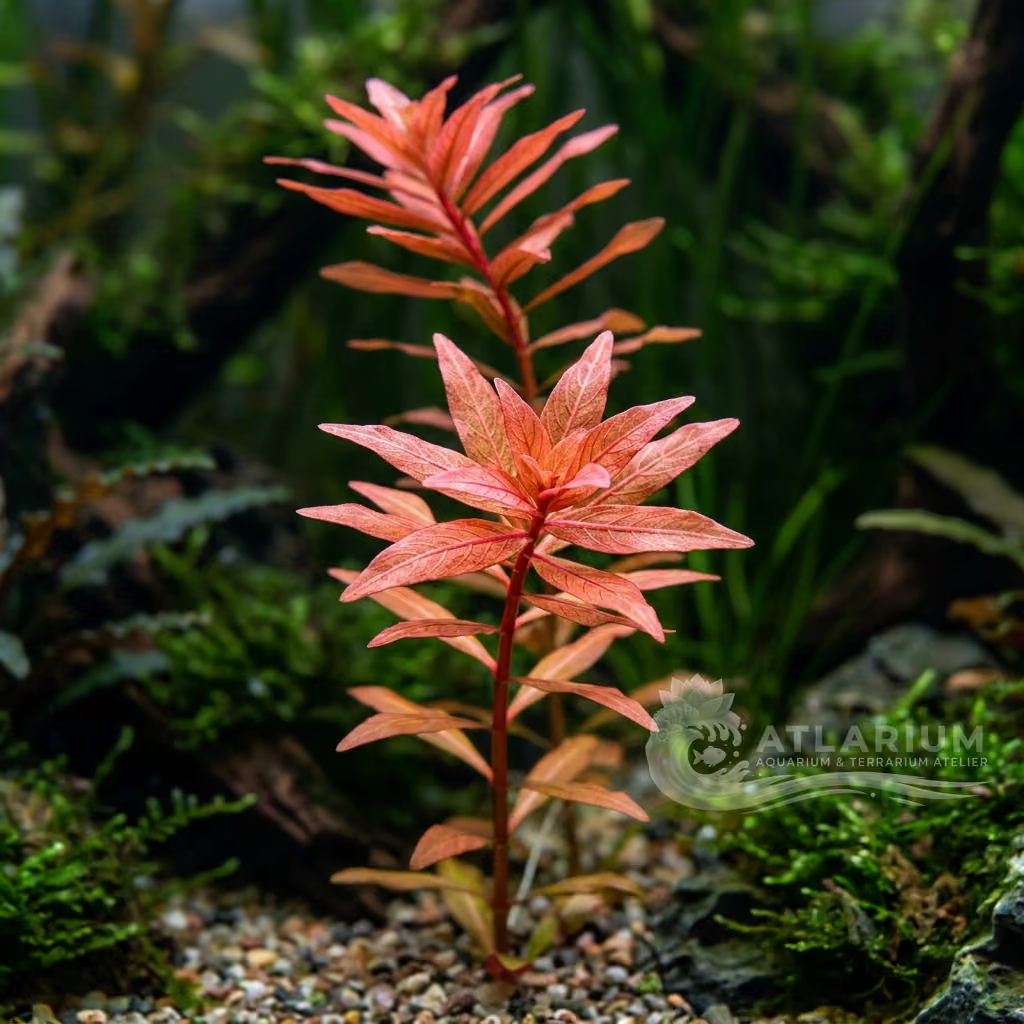
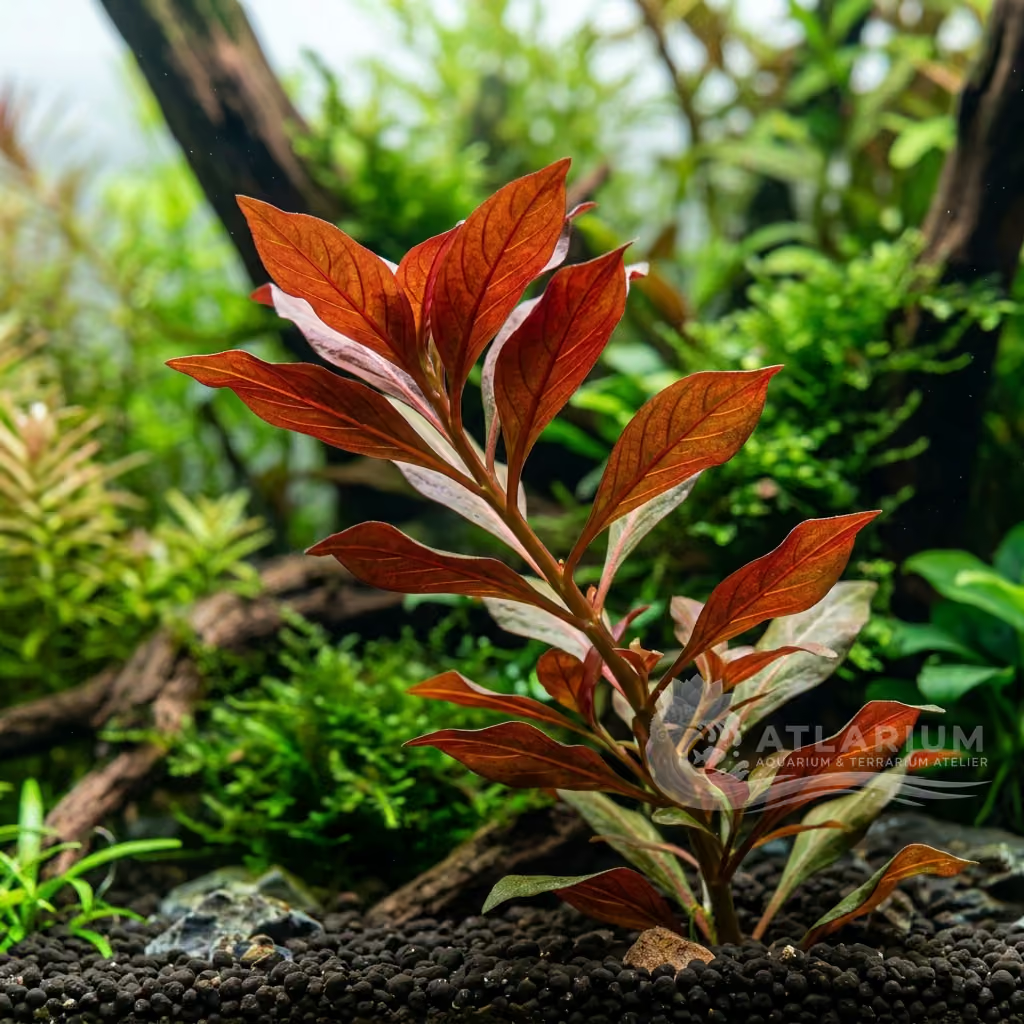
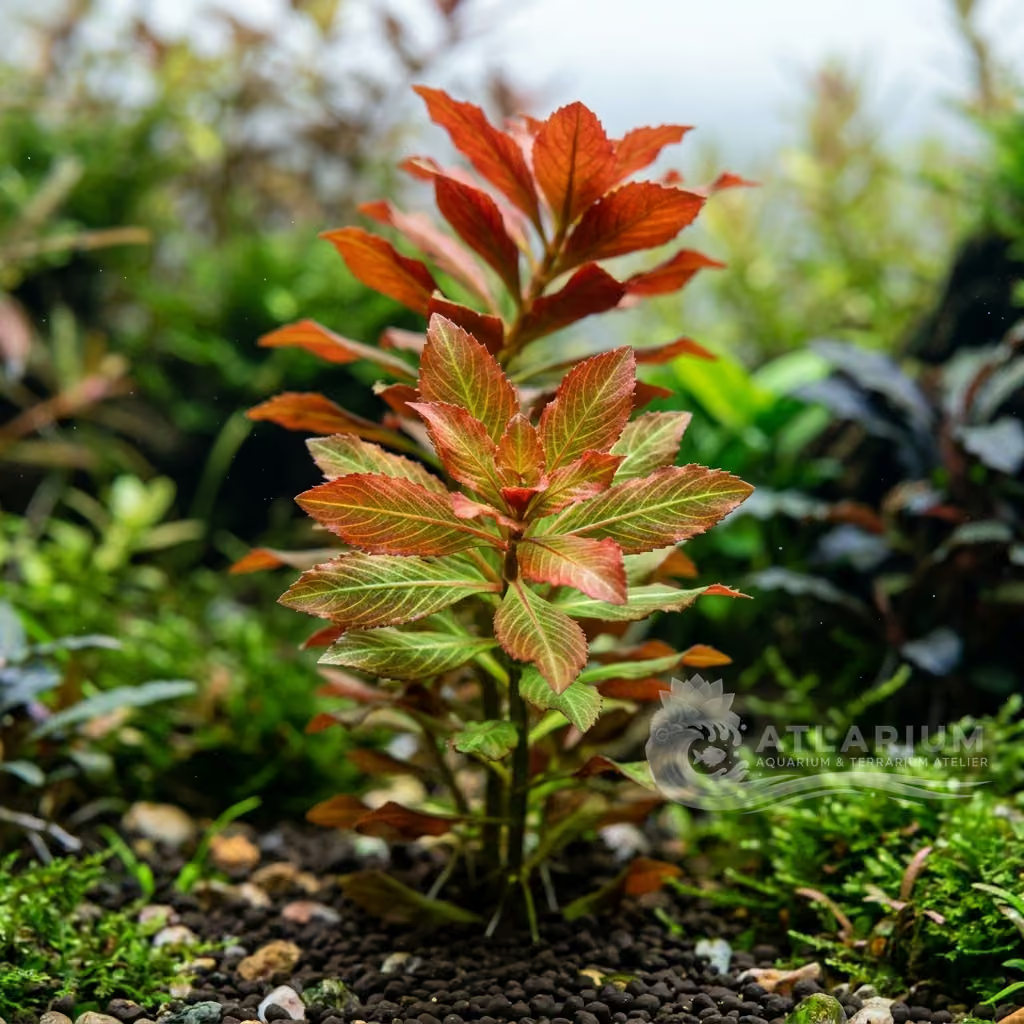
Ludwigia sp. 'Atlantis' is a fast-growing stem plant perfectly suited for the midground, where it forms dense and vibrant clusters. Its leaves display an extraordinary color palette ranging from bright green to golden yellow, with intense orange and red hues, making it a captivating focal point in any aquascape.
Water Temperature
4 - 30 °C
pH Value
5 - 8
Water type
Freshwater
Light
Medium to High
CO2
High
KH
2 - 22 dKH

Species description
Geographical Origin and Habitat: Ludwigia sp. 'Atlantis' is not a species found directly in nature, but rather a selected cultivar or horticultural variety, likely derived from forms of Ludwigia repens or closely related species. This selection was developed for its unique aesthetic characteristics, particularly its vibrant foliage
Color & Texture: ation. Consequently, it does not possess a specific natural geographical habitat but thrives in controlled aquatic environments where conditions are optimized for its growth and the full expression of its chromatic potential. Its origin as a cultivated variety makes it well-adapted to submerged life, unlike many Ludwigias that can have distinct emergent forms.
Taxonomy & Genetics: Ludwigia sp. 'Atlantis' belongs to the Onagraceae family, a botanical group that includes several aquatic and marsh plant species popular in aquascaping. The designation "sp. 'Atlantis'" indicates that it is an undescribed species or, more likely, a unique cultivar whose exact parentage may be subject to scientific debate or not publicly known. It is widely considered a cultivated variant or a complex hybrid, often associated with Ludwigia repens due to basic morphological similarities, but distinguished by its particular colorations and robustness. Its genetics have been specifically selected to enhance desirable phenotypic characteristics for the aquarium hobby.
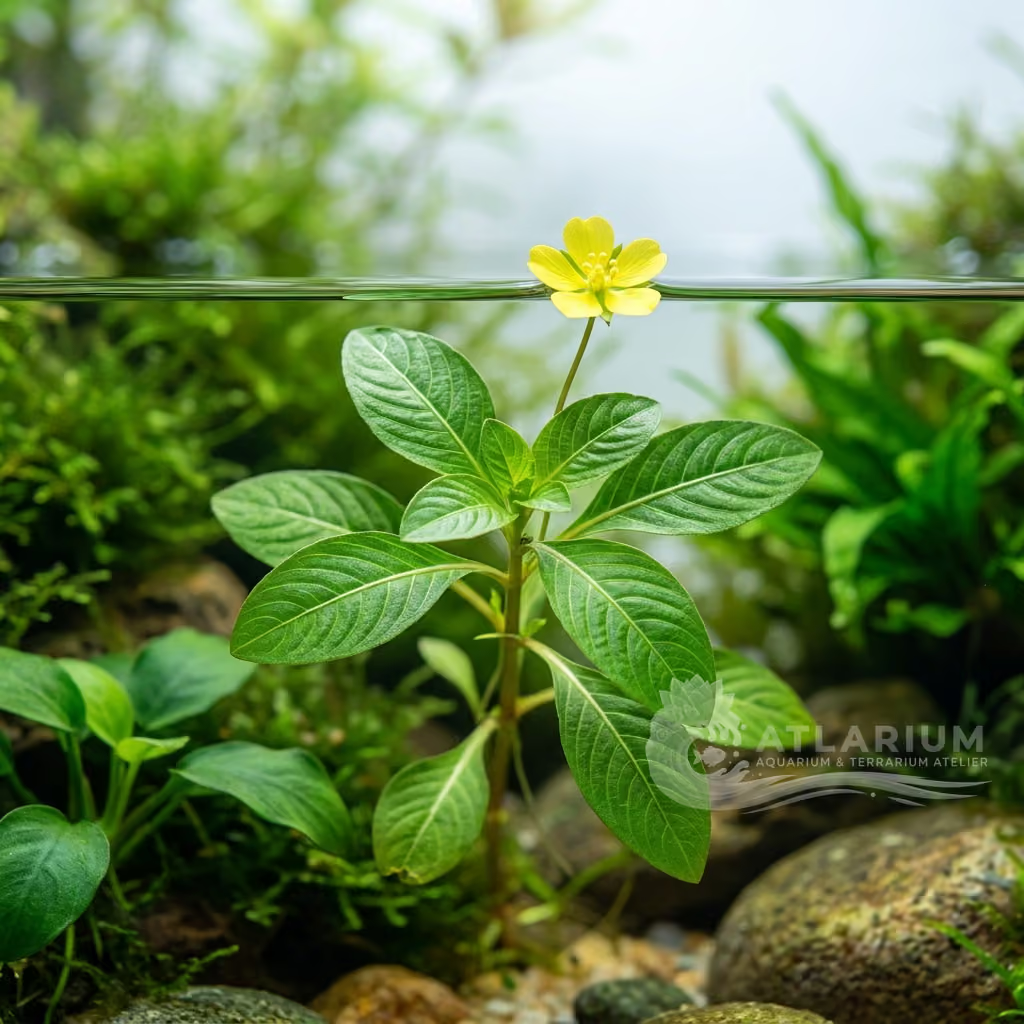
Physical Structure: Ludwigia sp. 'Atlantis' features an upright and robust stem, from which leaves are arranged oppositely or alternately, depending on growing conditions and the specific genetics of the cultivar. The leaves are typically oval or lanceolate, with smooth margins and a relatively fleshy texture, which contributes to their ability to maintain a defined shape even in current. Under optimal conditions, the plant develops a well-anchored root system in the substrate, essential for nutrient absorption, and can produce numerous lateral shoots, contributing to a bushy and lush appearance. Its fast growth allows it to quickly form dense, colorful groupings in the aquarium.
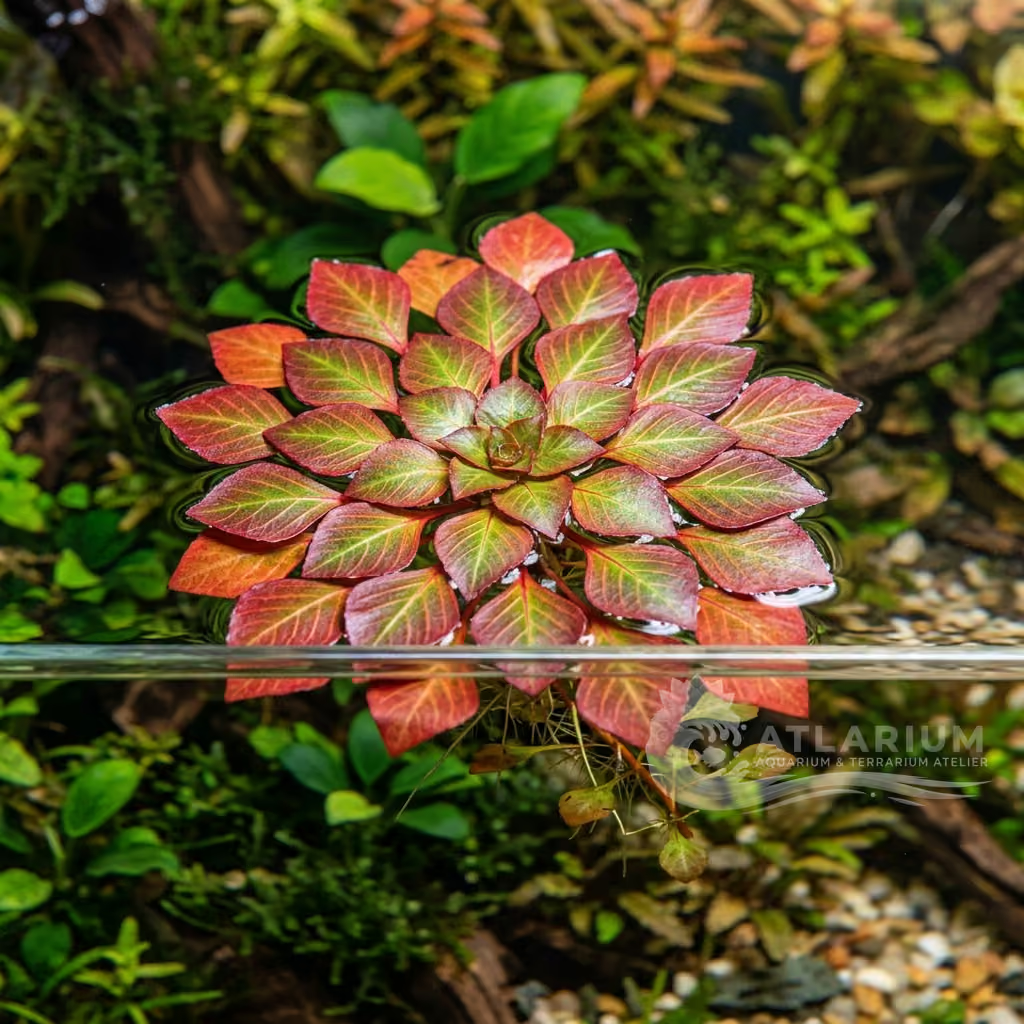
Color & Texture: The most distinctive characteristic of Ludwigia sp. 'Atlantis' is its extraordinary range of colors, spanning from bright green to golden yellow, with intense orange and red hues, especially on the underside of the leaves and new shoots. This vivid coloration is maximized under intense lighting and with adequate nutrient supply, particularly iron. The leaf texture is smooth and slightly glossy, lending a healthy and vigorous appearance. The contrast between the upper green and the warmer lower tones creates a dynamic and captivating visual effect, making it an excellent choice for adding depth and chromatic focal points to the aquascape.

Care, breeding and tankmates
Lighting & CO2: Ludwigia sp. 'Atlantis' demands medium to high lighting to best express its brilliant coloration and support its rapid growth rate. With insufficient light intensity, the leaves will tend to remain a duller green, and the plant may stretch (etiolate) in search of light. CO2 supplementation is highly recommended and almost essential to stimulate robust growth and intense pigmentation, accelerating the plant's photosynthetic processes. A consistent supply of carbon dioxide allows the plant to assimilate nutrients more efficiently, preventing deficiencies and promoting the development of strong stems and dense foliage.
Nutrition & Substrate: For healthy growth and optimal coloration, Ludwigia sp. 'Atlantis' benefits immensely from a nutrient-rich substrate that provides robust anchoring for the roots and a gradual release of essential elements. Although it absorbs nutrients from the
Water Chemistry: Ludwigia sp. 'Atlantis' adapts to a wide range of water parameters, making it a versatile plant for many aquatic setups. It prefers temperatures between 4.0 and 30.0 °C, although for optimal growth and to encourage the most intense colors, it is advisable to maintain it within a more stable range, generally between 20-26 °C. The ideal pH ranges from 5.0 to 8.0, while carbonate hardness (KH) can vary from 2.0 to 22.0. Despite its tolerance, maintaining parameters as stable as possible, with regular water changes to remove accumulated nitrates and replenish minerals, is crucial to prevent stress and promote lush, brilliantly colored growth.
Space Management & Placement: Due to its fast growth rate and potential for dramatic coloration, Ludwigia sp. 'Atlantis' is ideal for midground placement in medium to large aquariums, where it can form dense and striking bushes. It can also be used as a background plant in smaller tanks, providing a vibrant contrast to other green plants. It is advisable to plant it in groups of at least 5-7 stems to create a significant visual impact and allow for bushier growth. Ensure sufficient space between groups to guarantee good water circulation and light access to lower leaves, thereby preventing excessive shading and the deterioration of the lower parts of the stems.
Pruning: Given its rapid growth, Ludwigia sp. 'Atlantis' requires regular pruning to maintain a desired shape and to promote bushier, denser growth. Topping the stems encourages the plant to develop lateral shoots from the lower leaf axils, creating a more compact and full appearance. The trimmed sections can be replanted directly into the substrate to propagate the plant, forming new clusters and filling in gaps in the aquarium. Removing old or damaged leaves at the base of the plant not only improves aesthetics but also overall health, preventing the stagnation of decaying organic matter. Consistent and careful pruning is key to a well-maintained and dynamic aquascape with this species.
Risks & Diseases: Ludwigia sp. 'Atlantis' is generally robust, but can be susceptible to common aquarium issues if conditions are not optimal. Nutritional deficiencies manifest as yellowing (iron or other micronutrient deficiency) or stunted growth and small leaves (macronutrient deficiency like nitrogen or potassium). The presence of algae on leaves often indicates an imbalance between light, CO2, and nutrients, or an excess of organic pollutants. Poor water circulation or a compacted substrate can hinder root growth. Carefully monitoring the plant for signs of stress or illness and promptly intervening with parameter adjustments or fertilization is crucial to prevent more severe problems and maintain the plant's health.

Geographic origin and distribution
Ludwigia sp. 'Atlantis' is not a species found directly in nature, but rather a selected cultivar or horticultural variety, likely derived from forms of Ludwigia repens or closely related species. This selection was developed for its unique aesthetic characteristics, particularly its vibrant foliage
Origin
Selective breeding and cultivars

Plant profile
- Placement
- Midground
- It is ideally suited for the midground or background, depending on trimming habits. It should be planted where it receives unobstructed light to ensure vibrant coloration. Grouping several stems together creates a lush, colorful bush.
- Botanical form
- Stem
- The plant features somewhat broadly ovate leaves that develop a striking, distinct light-colored venation against an orange or red background. The stems are sturdy and grow upright, readily branching when trimmed. Its textured appearance adds significant depth to the aquascape.
- Growth
- Fast
- This plant exhibits a moderate to fast growth rate when provided with high light and CO2 injection. In lower tech setups, its growth slows significantly, and its colors remain more muted. Regular pruning is needed to keep it compact in high-tech tanks.
- Substrate
- High
- Ludwigia sp. 'Atlantis' develops a robust and extensive root system when planted in a fertile aqua soil, which helps fuel its unique variegated growth. A minimum depth of 2 inches is recommended to keep the buoyant stems firmly planted. It heavily relies on the substrate for iron and trace elements, making a nutrient-dense bottom layer crucial for achieving its distinctive yellow-veined, orange-red leaves.
- Column fertilization
- Recommended
- Liquid fertilization should be consistent, with a focus on providing adequate trace elements and iron. A lack of column nutrients will quickly result in pale, green leaves lacking the characteristic venation. Comprehensive dosing ensures the plant reaches its full potential.
- Root fertilization
- Recommended
- While it can absorb nutrients from the water, planting it in a nutrient-rich active soil significantly boosts its vigor. Root tabs can be added if using an inert substrate. A strong root system helps the plant recover quickly from extensive trimming.
- Trimming
- Occasional
- Trimming is best done by cutting the stems at the desired height; the lower portions will produce multiple side shoots. Replanting the tops helps maintain a dense, vibrant grouping. Regular trimming encourages a bushier, more compact growth habit.
- Propagation
- Cuttings
- Propagation is easily achieved through stem cuttings. Simply snip the top portion of a stem and plant it directly into the substrate. The cuttings root quickly and begin growing within a few days.
- Sensitivity
- Moderate
- It is relatively hardy but sensitive to shading and poor water circulation. Inadequate light will cause it to lose its unique venation and revert to a plain green color. Stable CO2 levels help prevent algae growth on its broad leaves.
- Layout role
- Midground, Background
- Ludwigia sp. 'Atlantis' is an excellent contrast plant, providing a pop of warm color and unique texture. It bridges the gap between bright green and deep red plants perfectly. It is highly valued in nature and Dutch aquascapes as a midground focal point.

Related species
Recommendations grouped by close relatives, companion choices, and similar care.