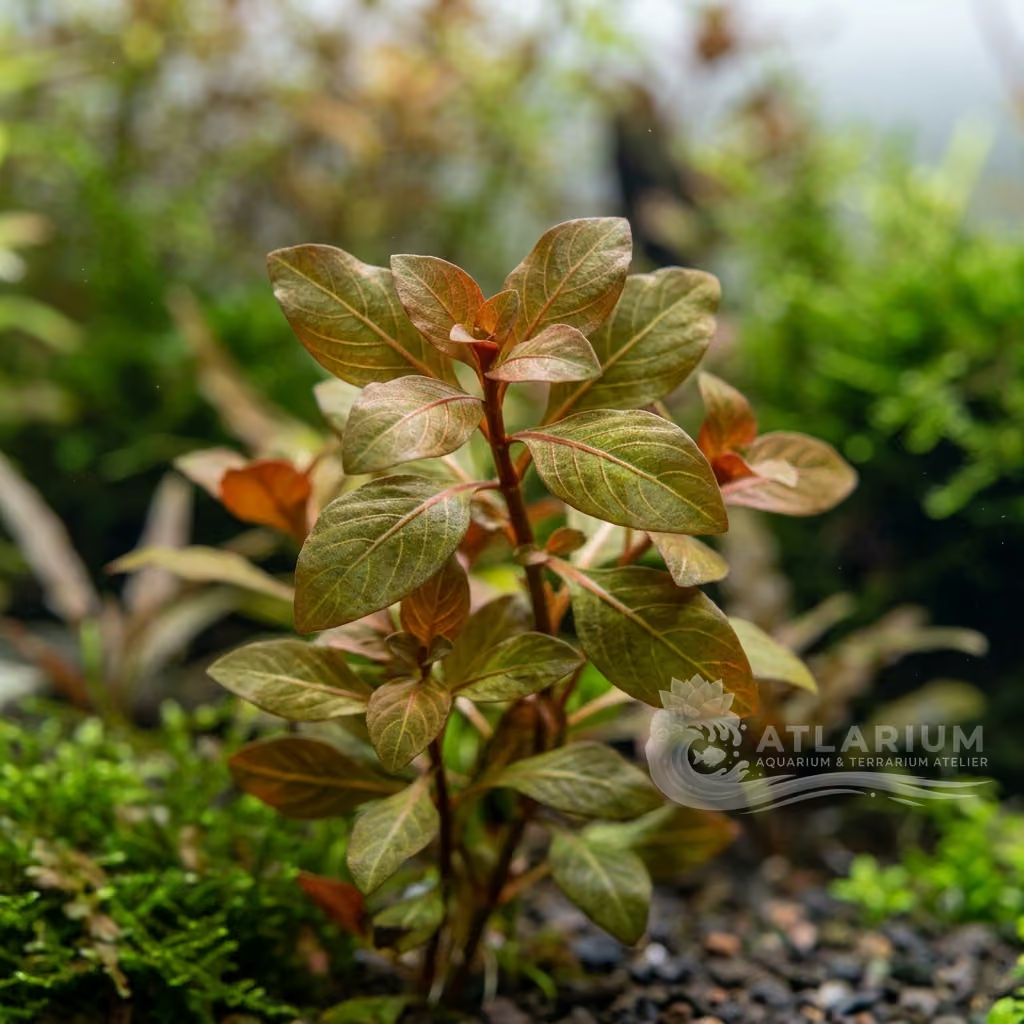
Ludwigia repens "Mesakana"
Ludwigia repens
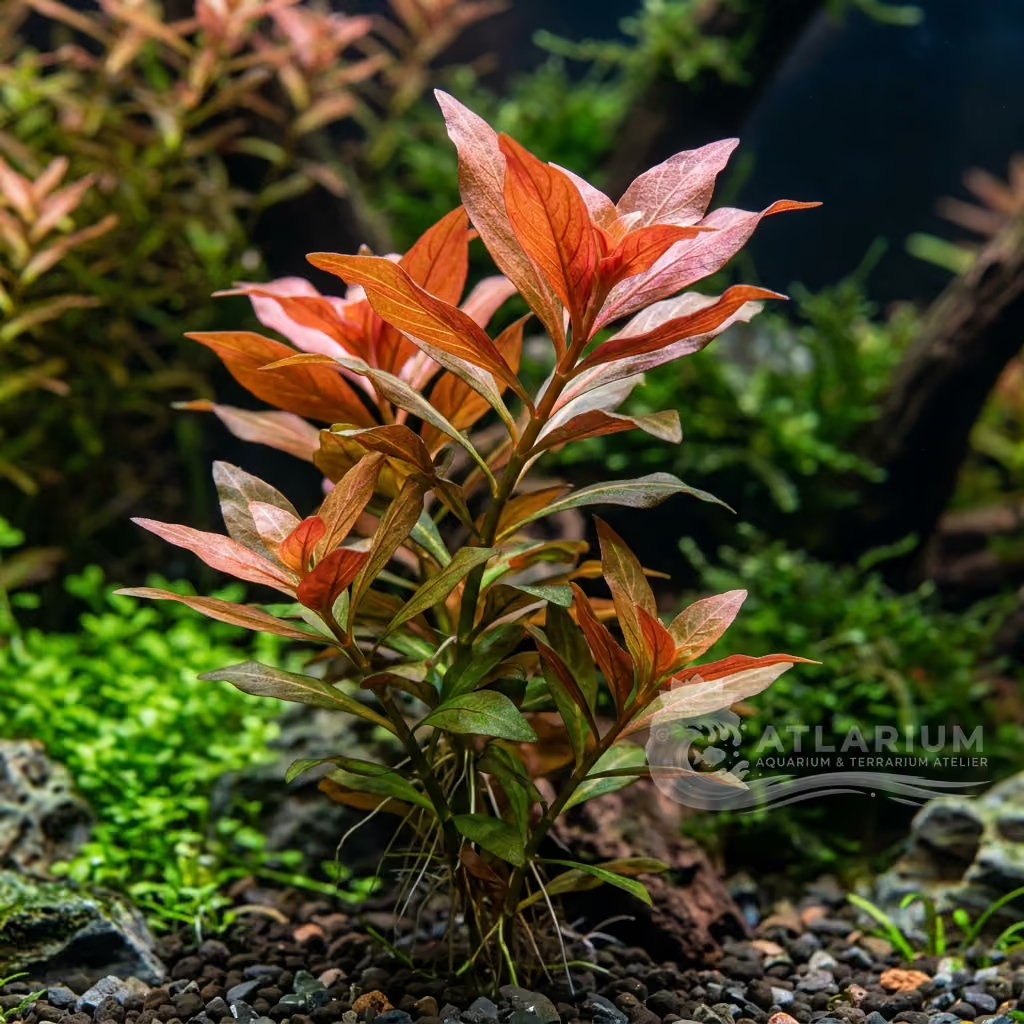
Ludwigia repens "Mesakana" is a vibrant, fast-growing midground aquatic plant, valued for its striking coloration and ability to add visual depth to an aquascape. This robust cultivar thrives with medium to high light, rewarding the aquarist with intense red and green hues.
Water Temperature
4 - 28 °C
pH Value
5 - 7.5
Water type
Freshwater
Light
Medium to High
CO2
High
KH
2 - 15 dKH

Species description
Geographical Origin and Habitat: Ludwigia repens is a widely distributed species primarily native to the Americas, ranging from North to South America, where it thrives in diverse aquatic and semi-aquatic habitats. While "Mesakana" is a specific cultivated variety, it retains the species' natural adaptability, typically found in slow-moving or stagnant waters such as ditches, ponds, and riverbanks. In its natural environment, it often forms dense stands, significantly contributing to the local plant biomass, indicating ample sunlight and a nutrient-rich substrate.
Taxonomy & Genetics: Belonging to the Onagraceae family, Ludwigia repens "Mesakana" is a cultivar derived from the species Ludwigia repens, distinguished by its unique morphological and chromatic characteristics. The taxonomy within the genus Ludwigia is intricate, with many species exhibiting phenotypic plasticity in response to environmental conditions, making precise identification challenging without detailed analysis. This selected variety is specifically recognized for its distinctive
Color & Texture: shades, making it highly attractive for aquascaping purposes and enhancing tank aesthetics.
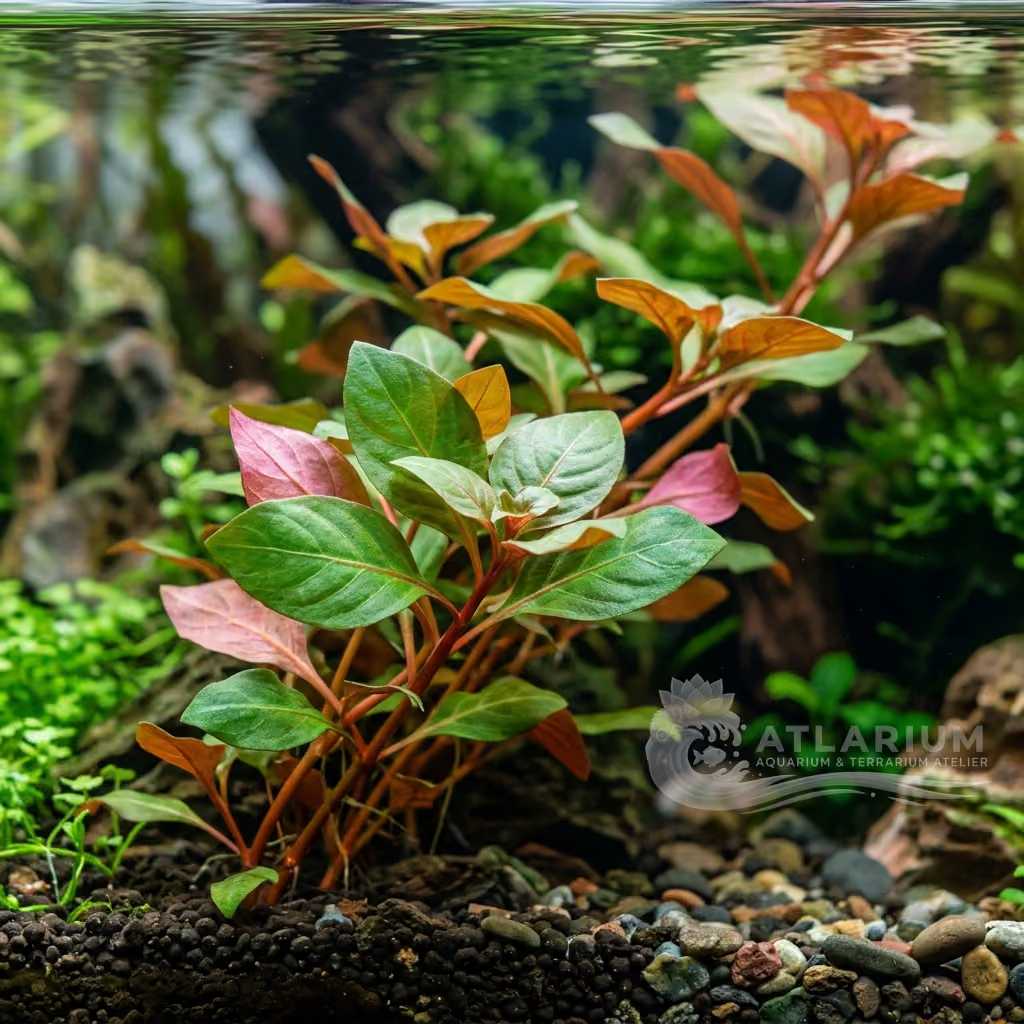
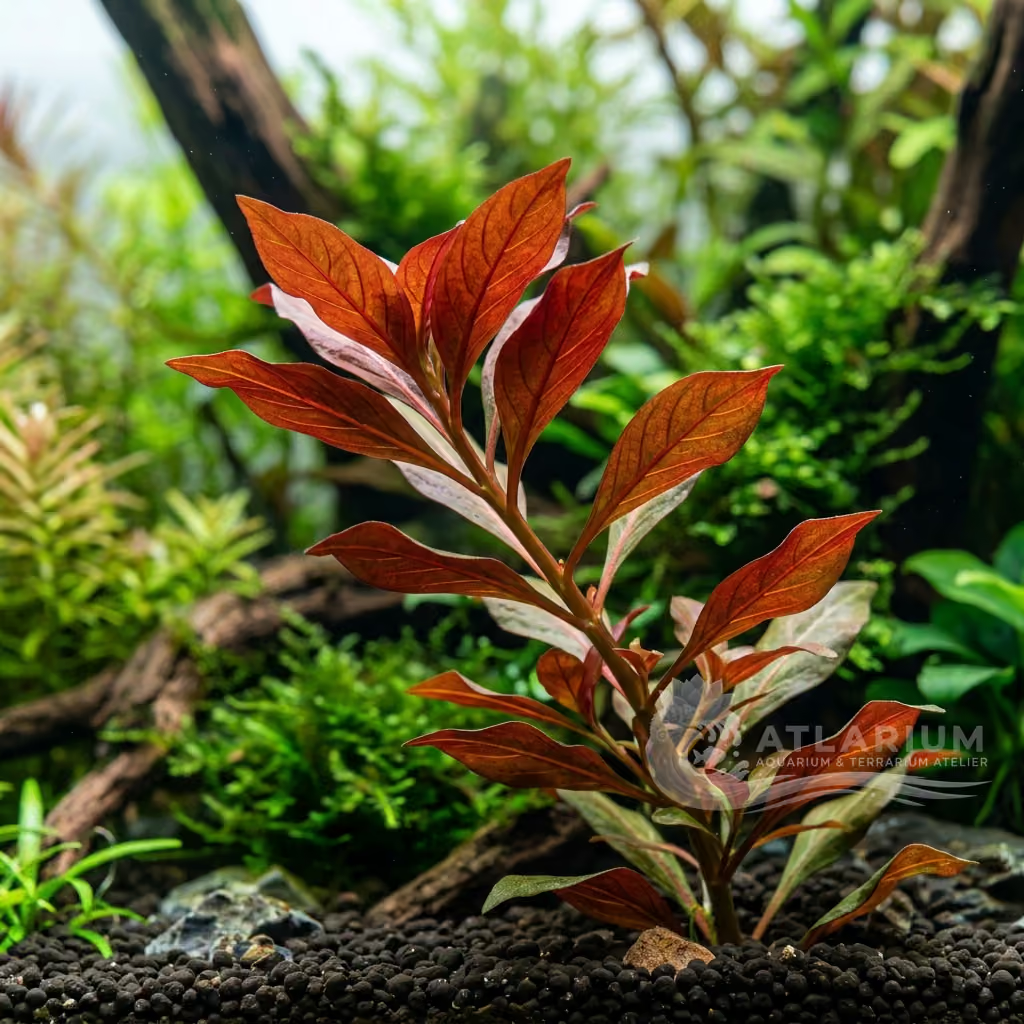
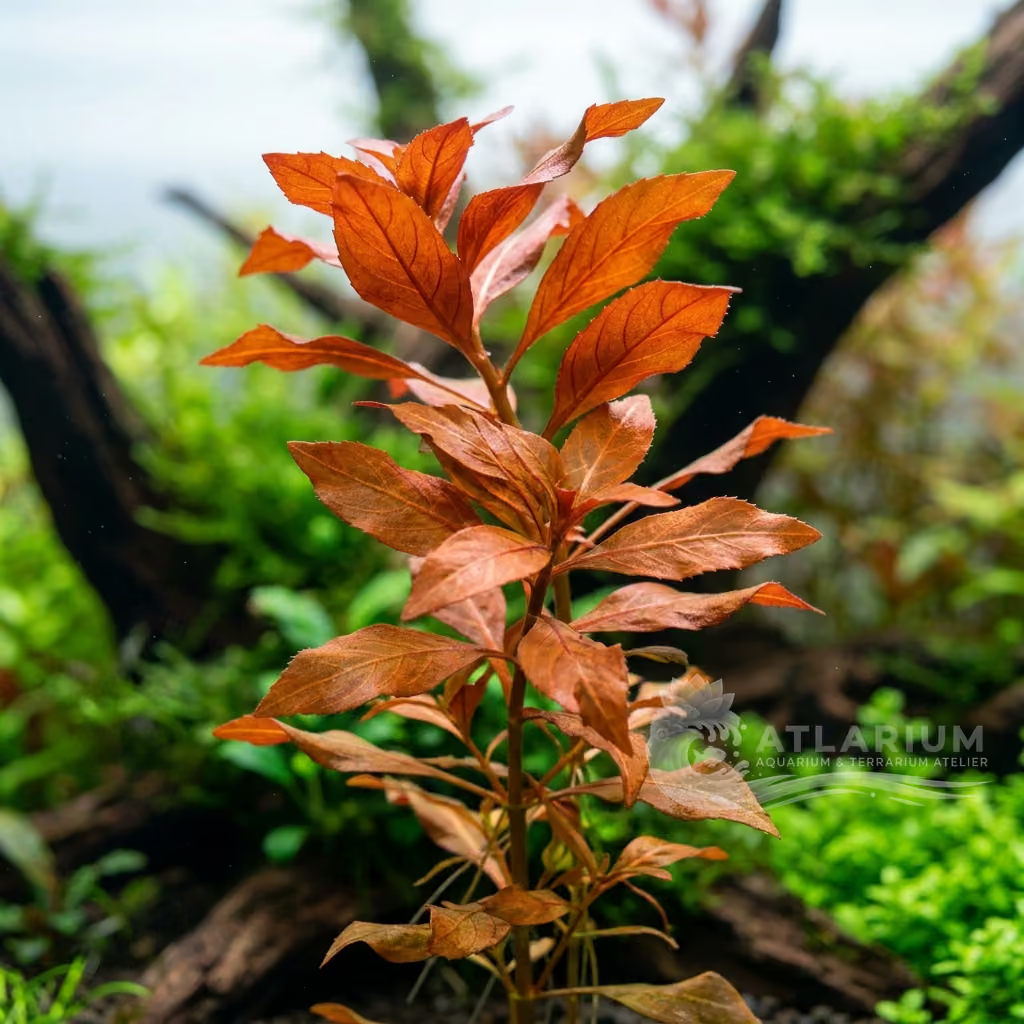
Physical Structure: Ludwigia repens "Mesakana" develops upright stems that can reach considerable heights in an aquarium if left untrimmed, featuring leaves arranged oppositely along the main axis. The leaves are typically oval to lanceolate, with a rounded or slightly pointed apex, and their size varies depending on growth conditions and plant age. Under optimal conditions, the plant establishes a robust root system that anchors it firmly to the substrate, while internodes remain relatively short, contributing to a dense and bushy appearance.
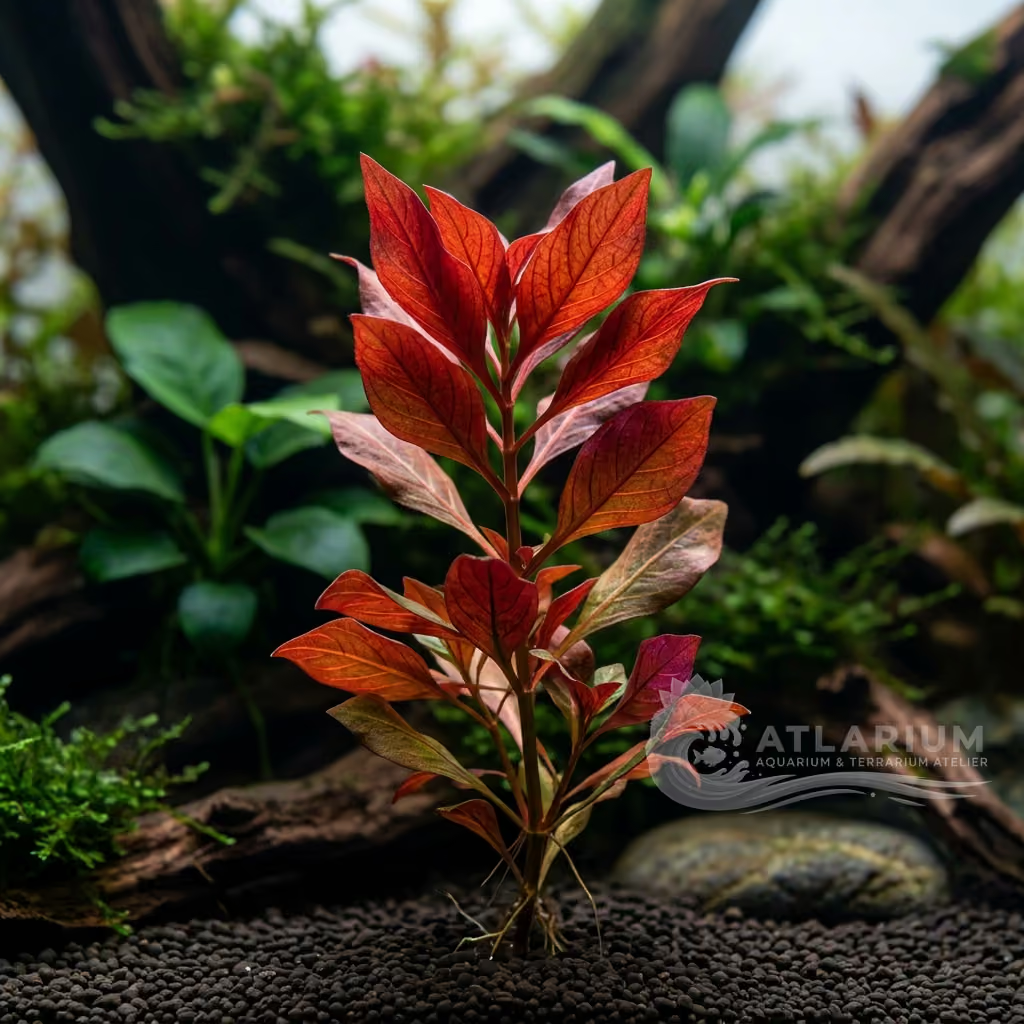
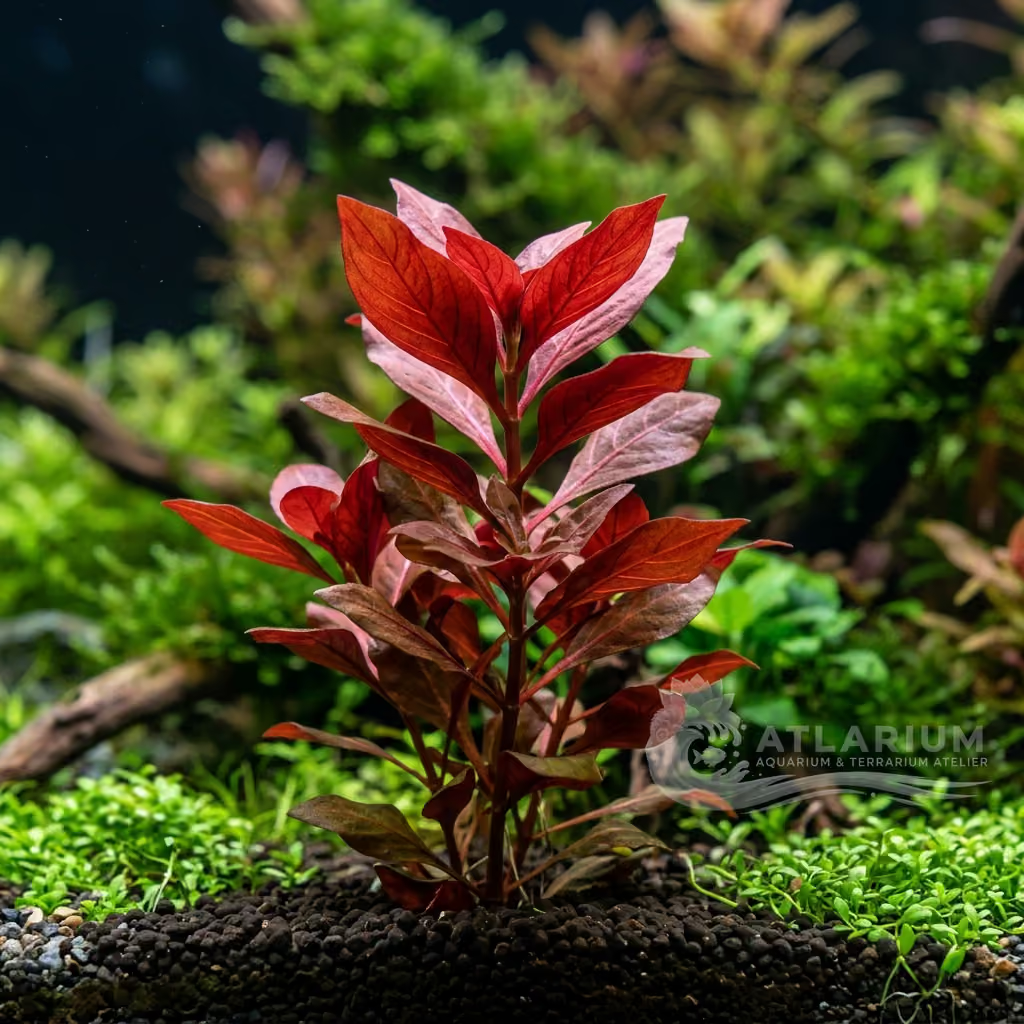
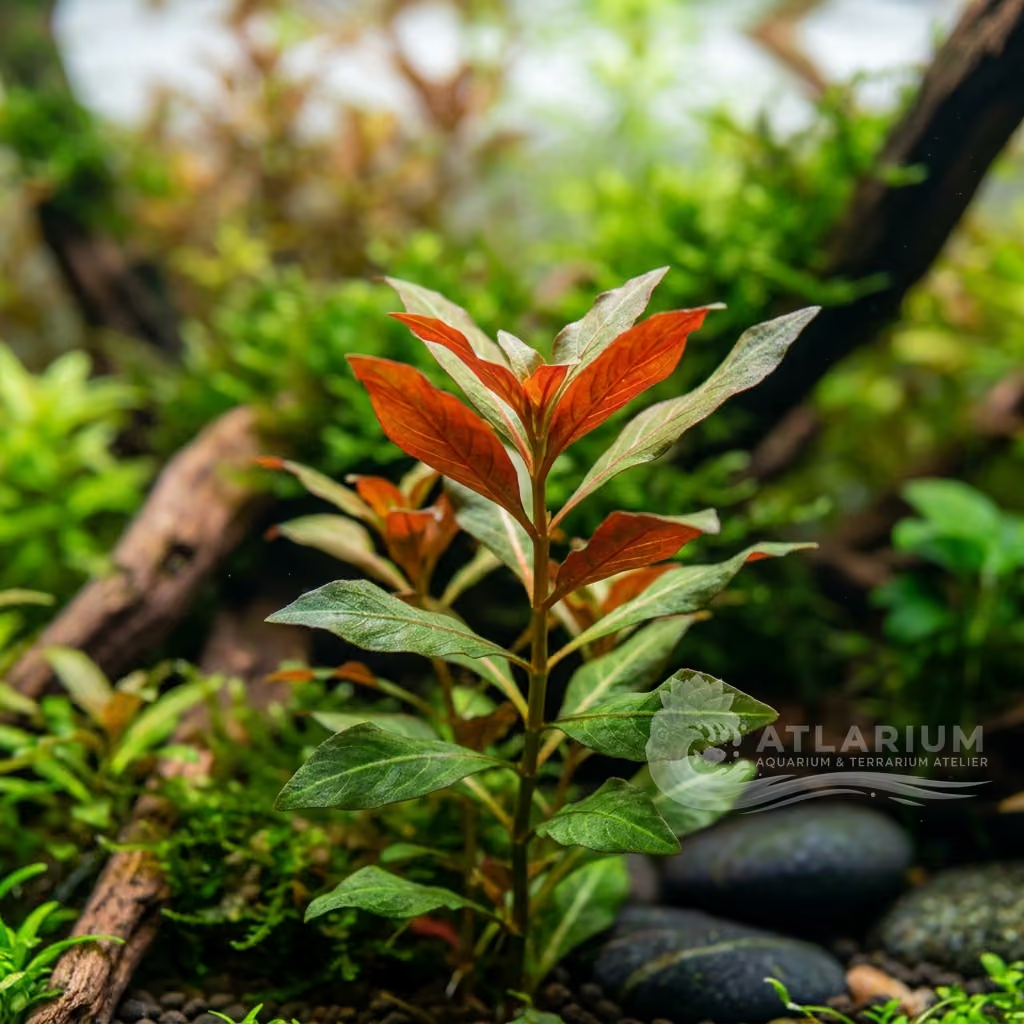
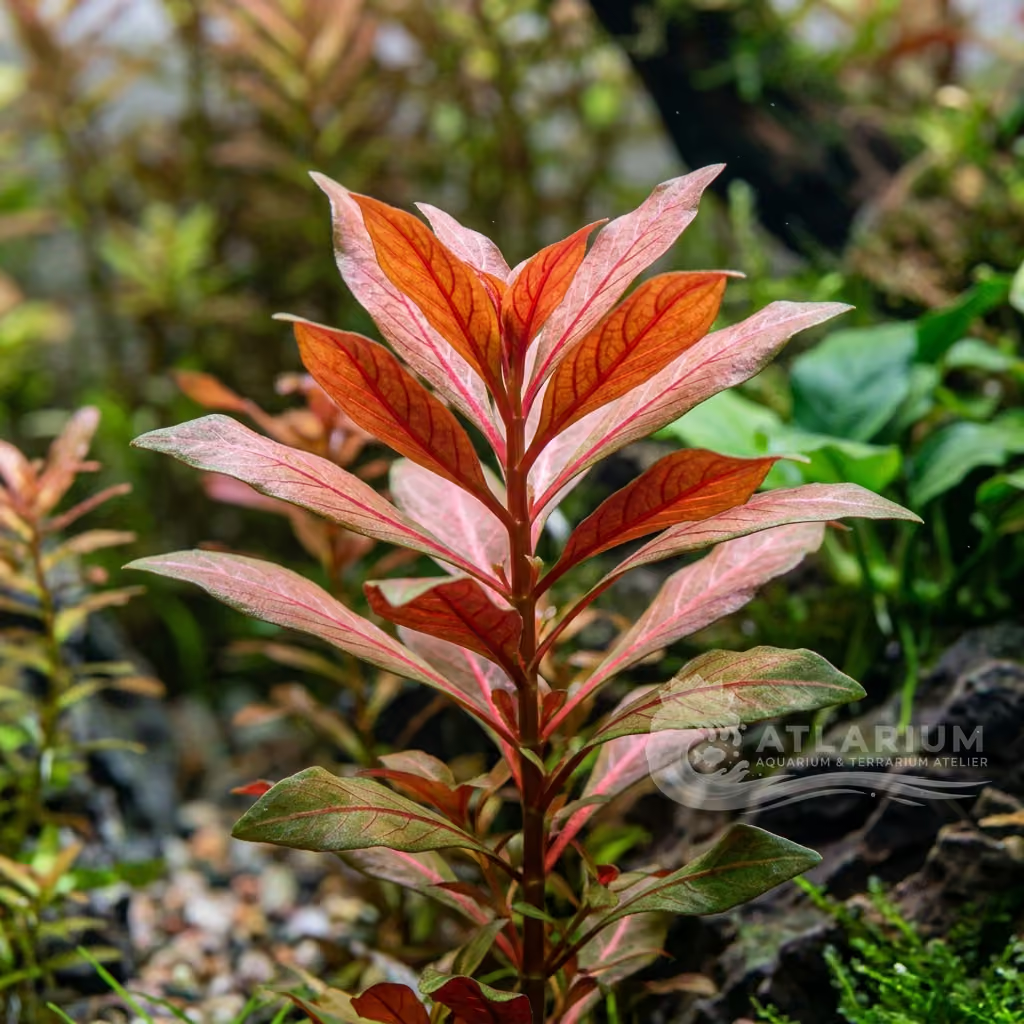
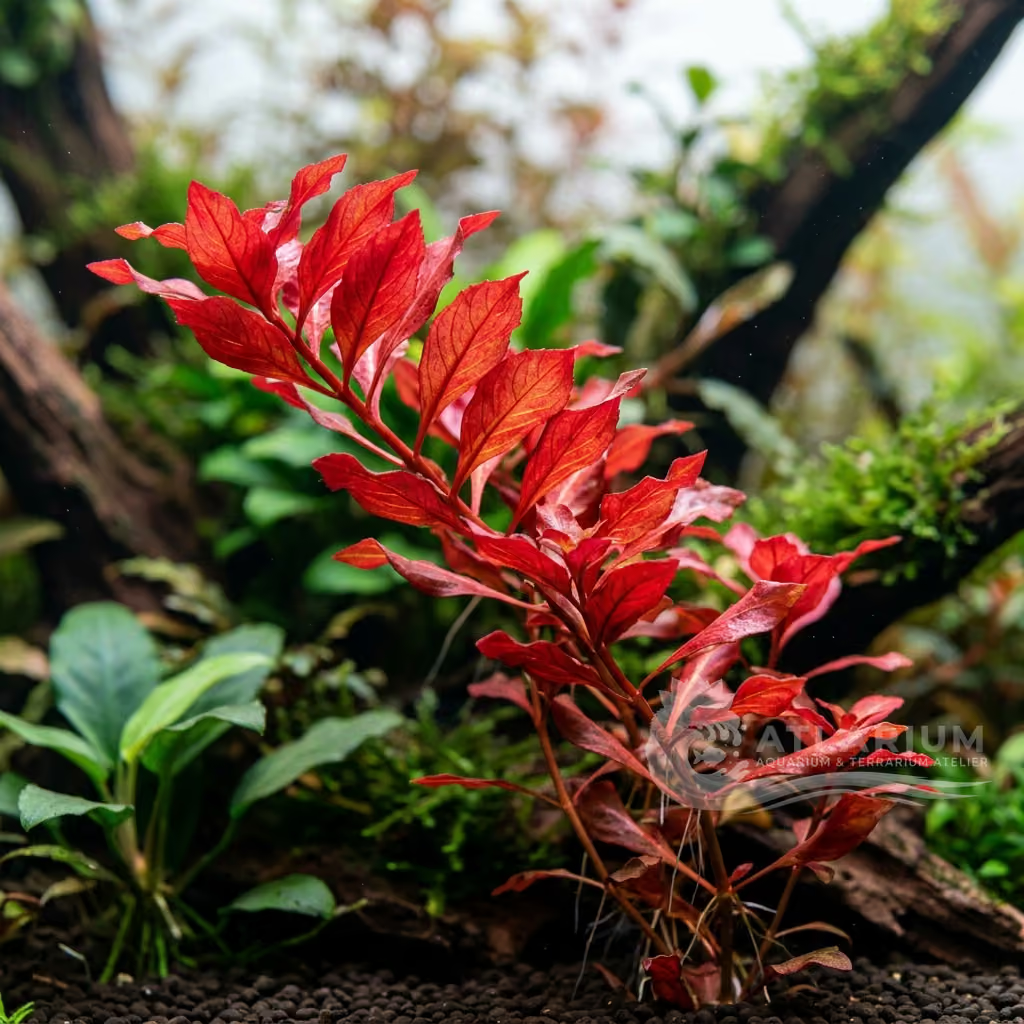
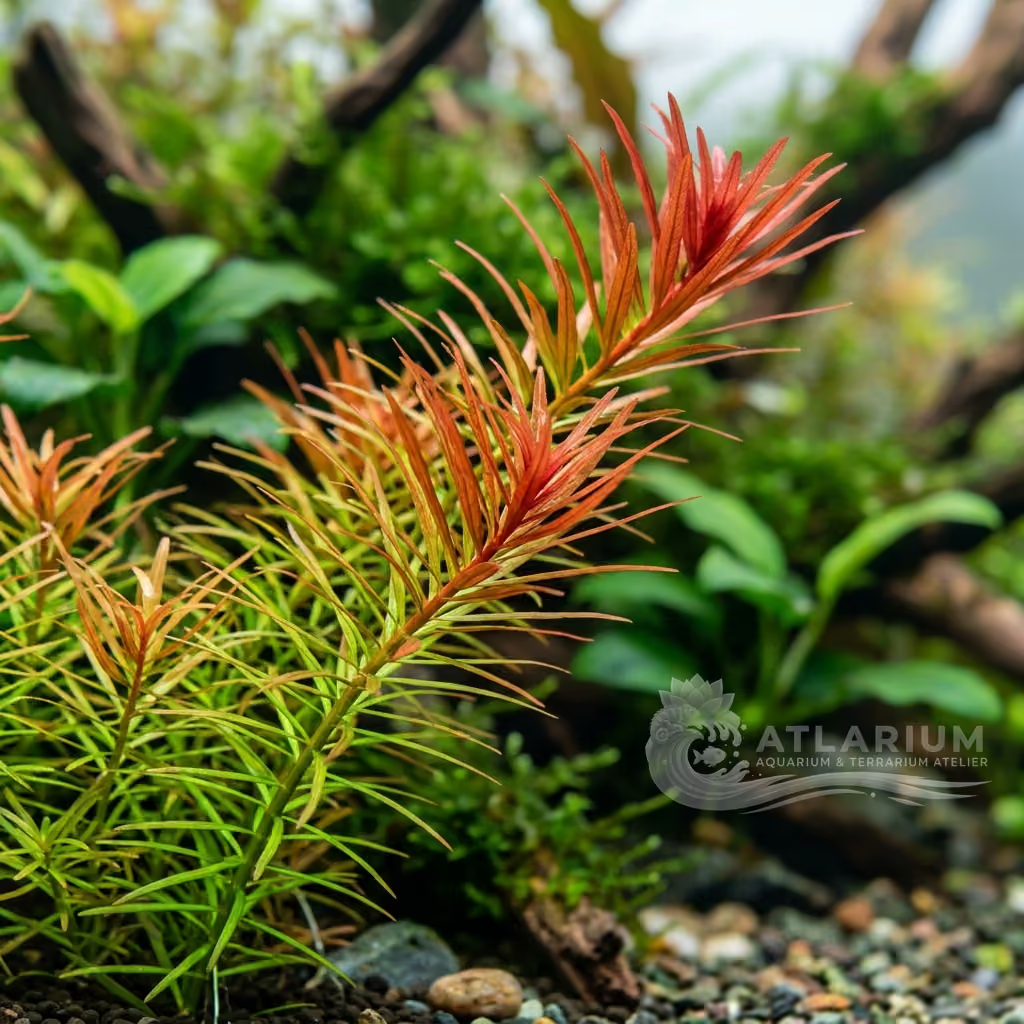
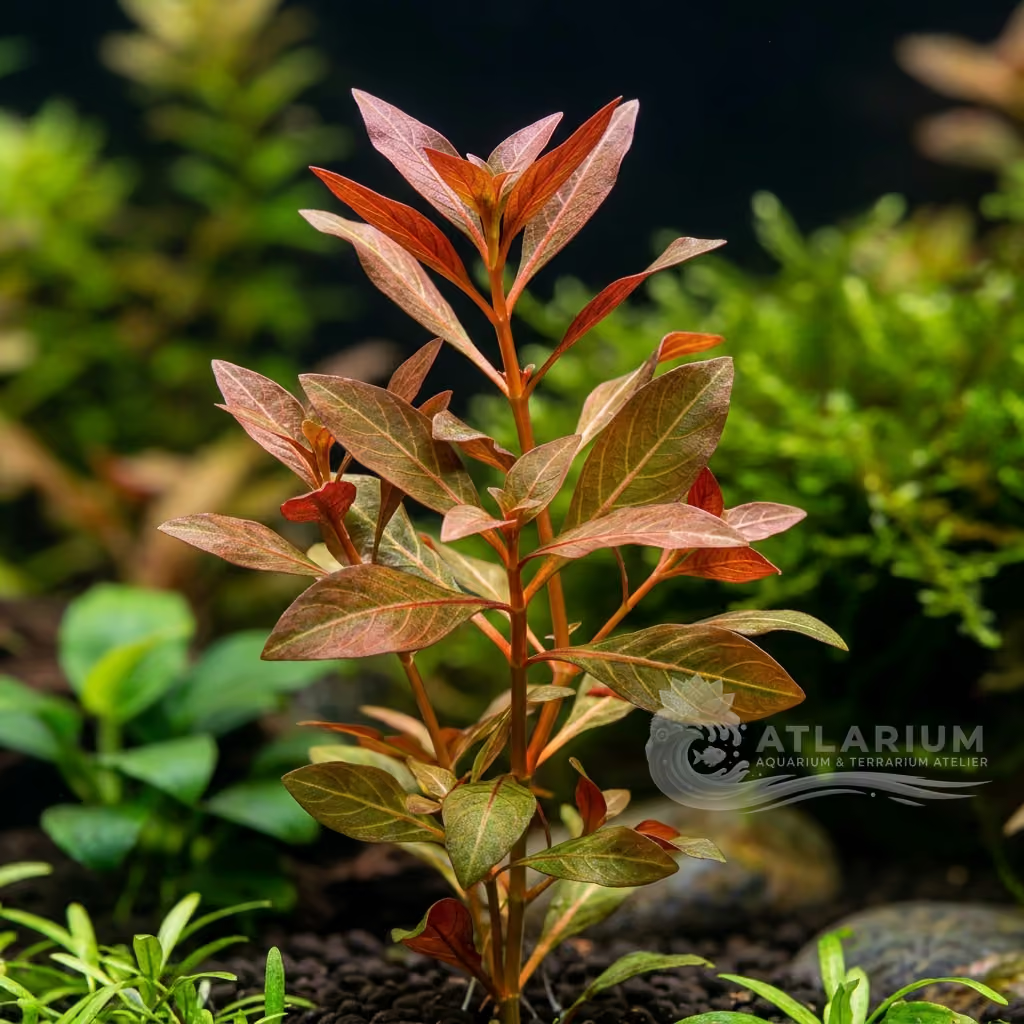
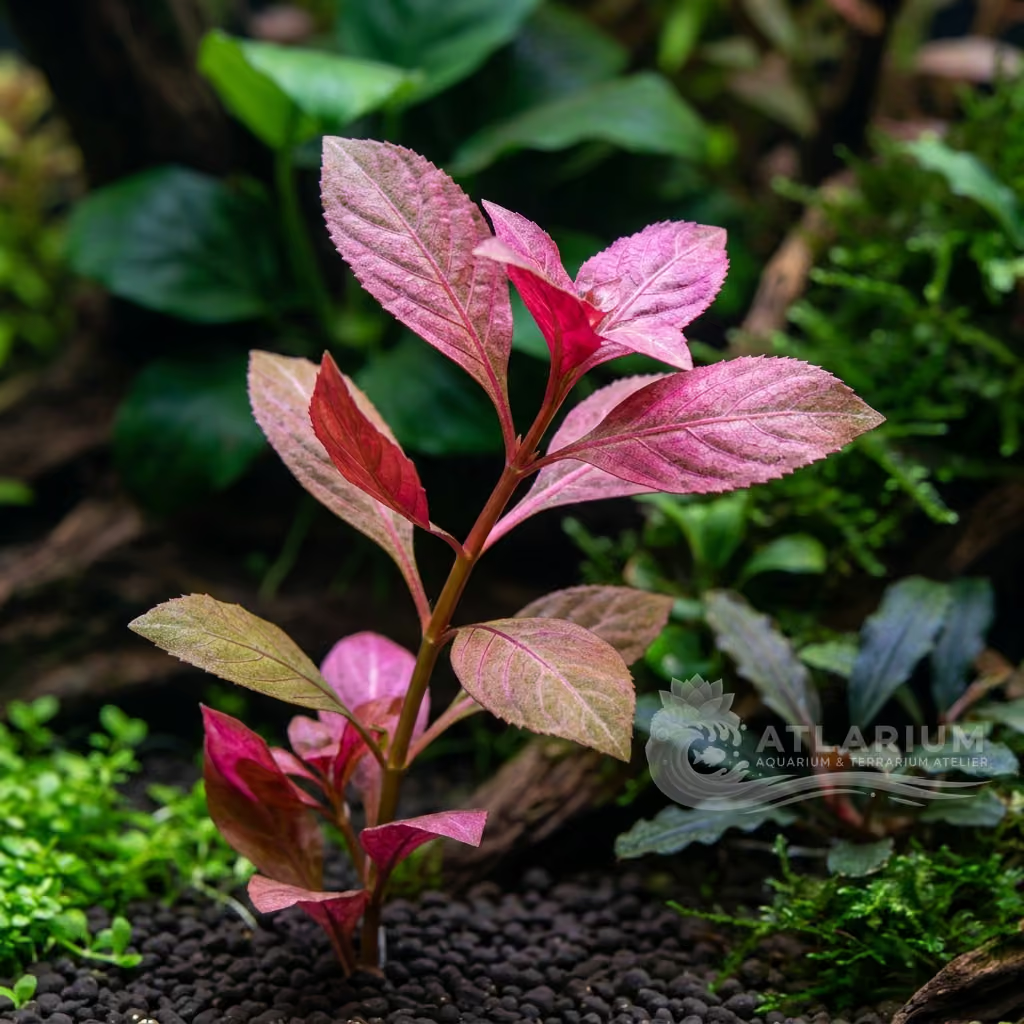
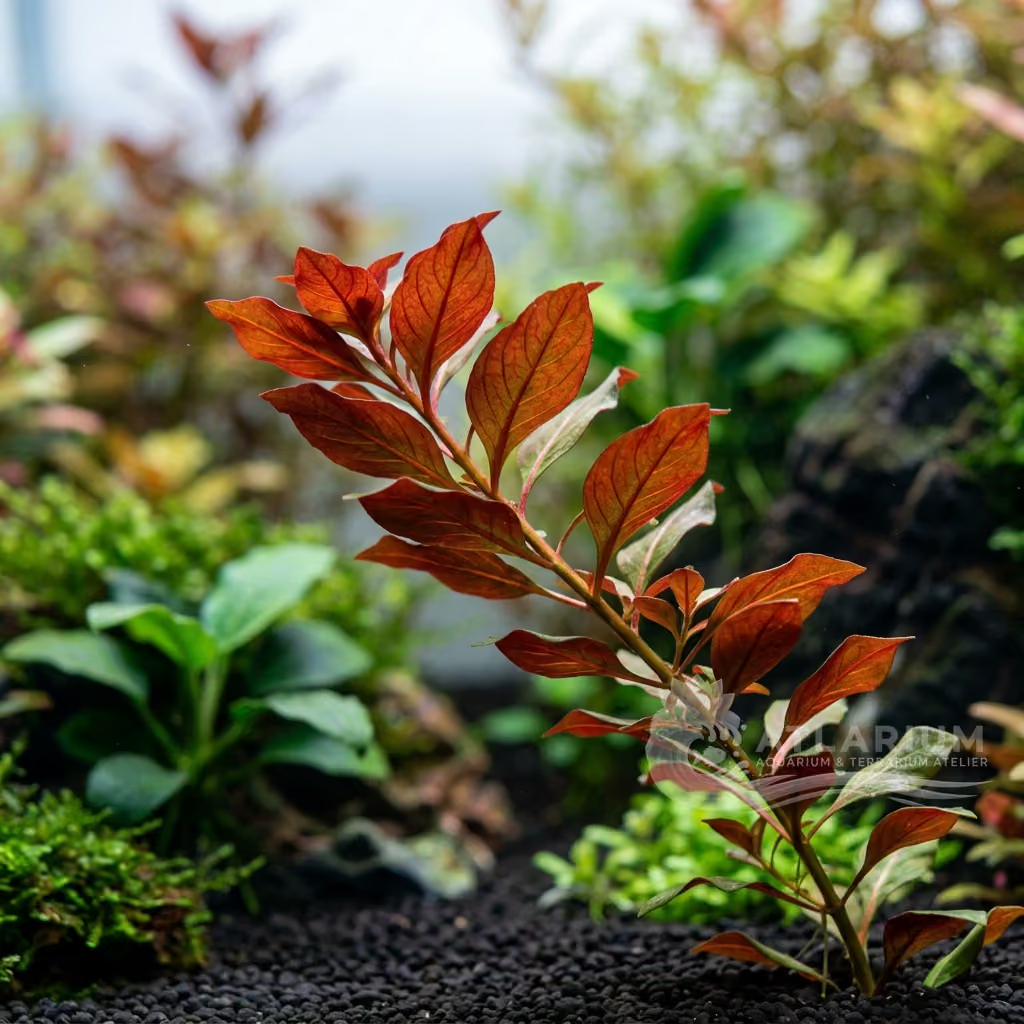
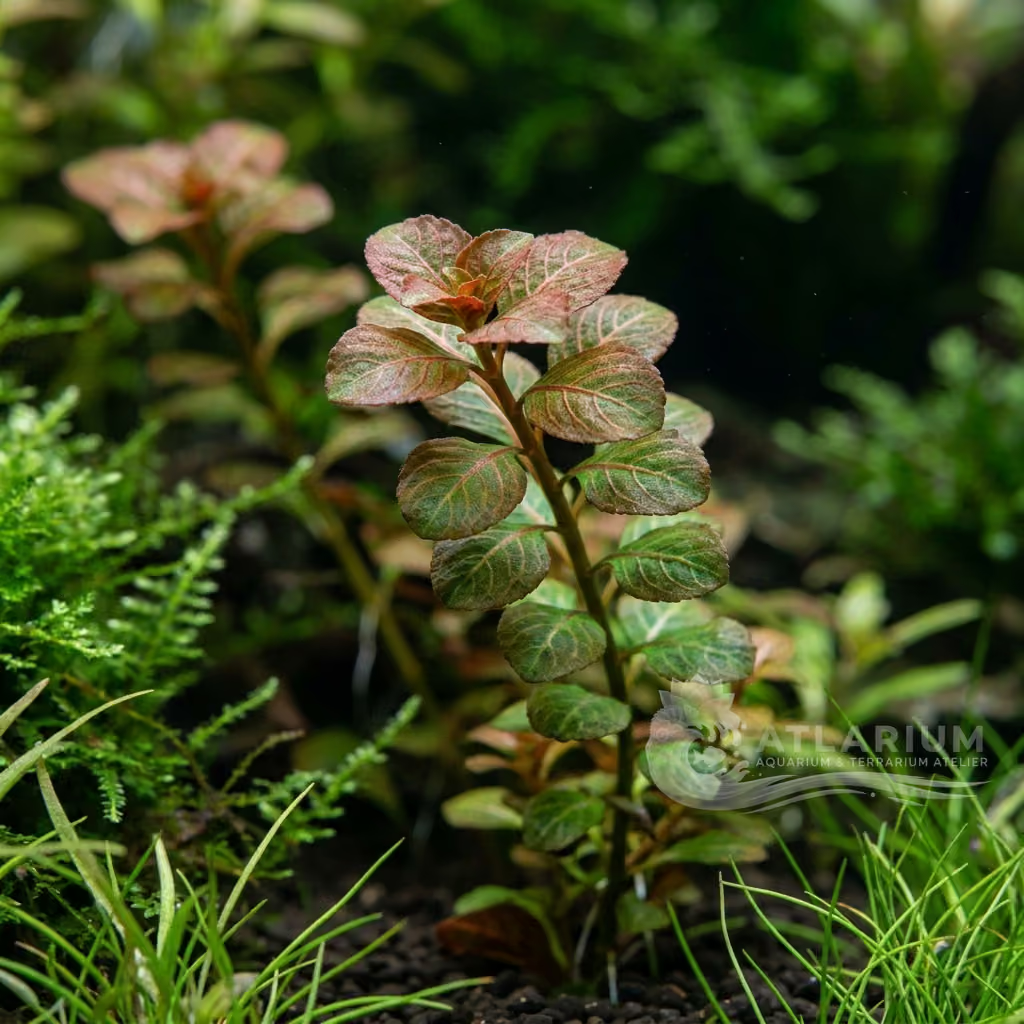
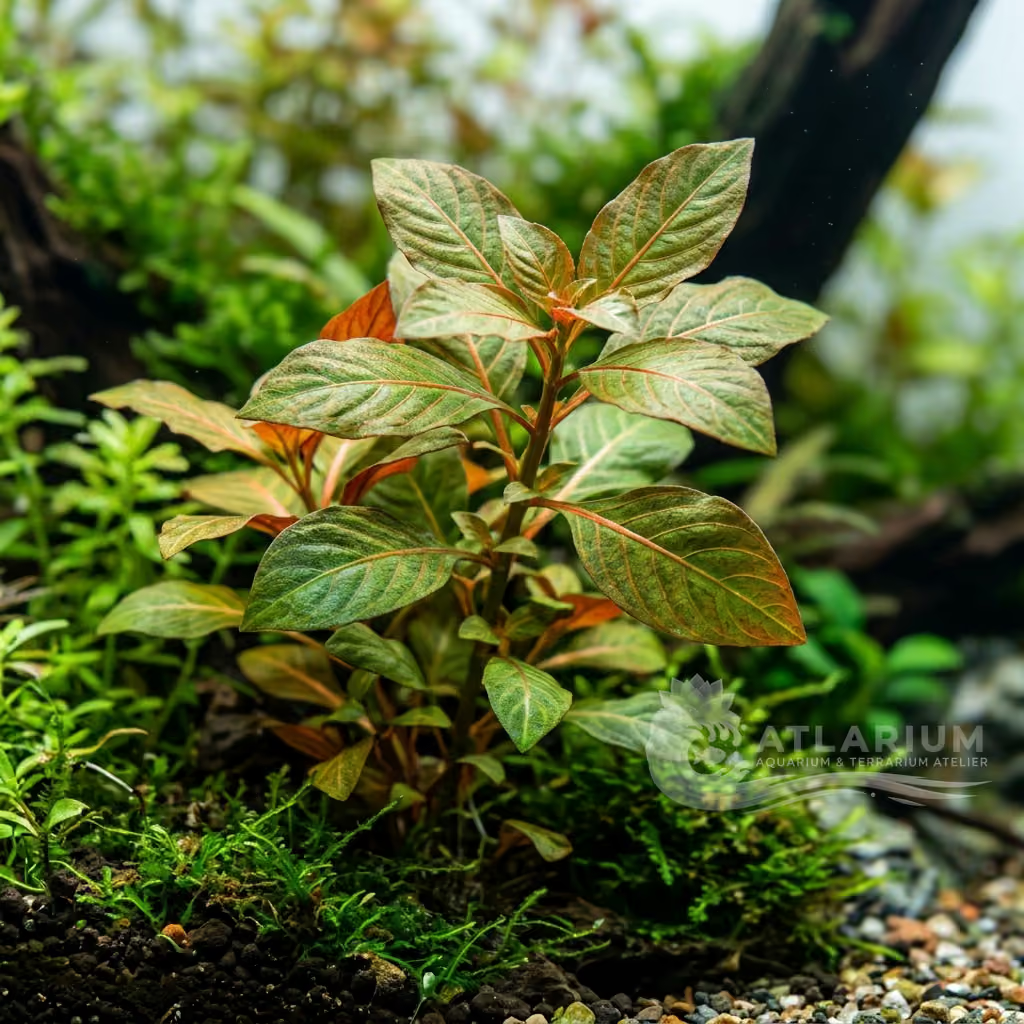
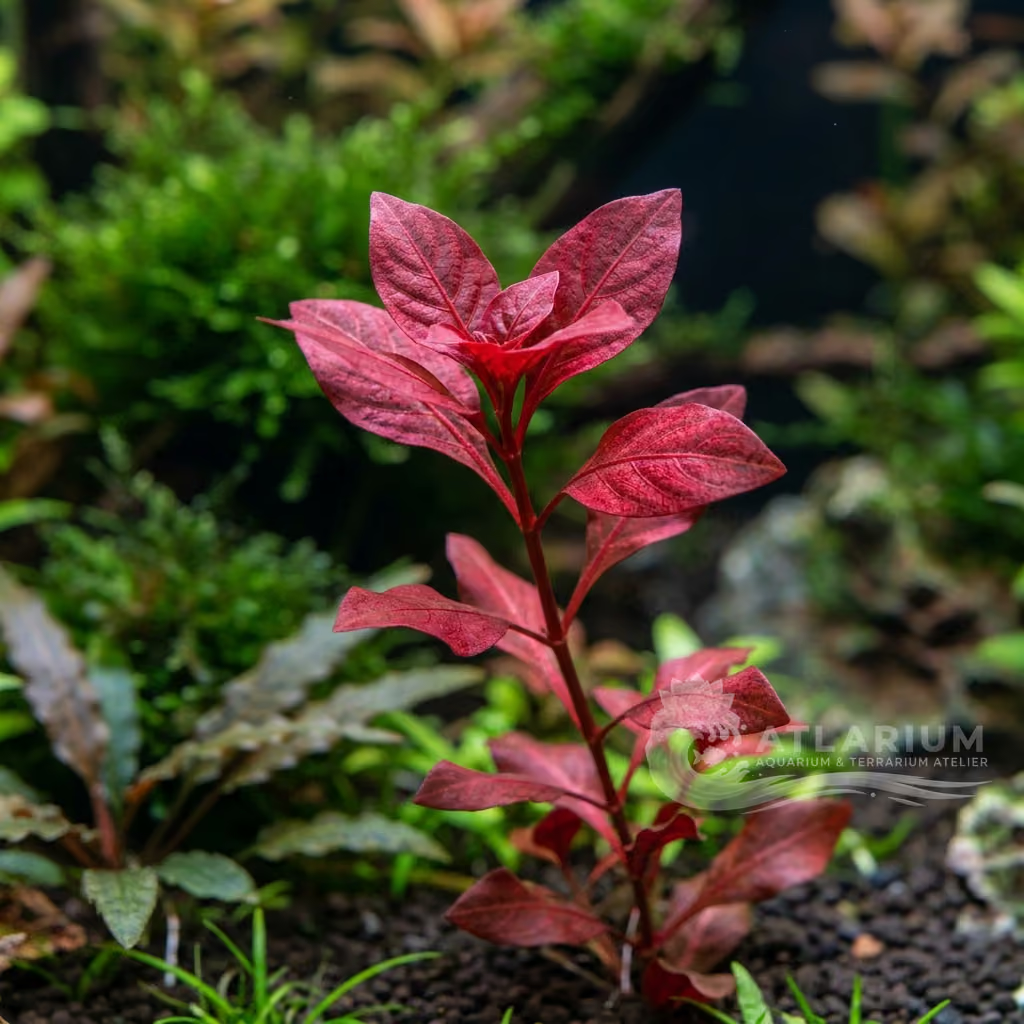
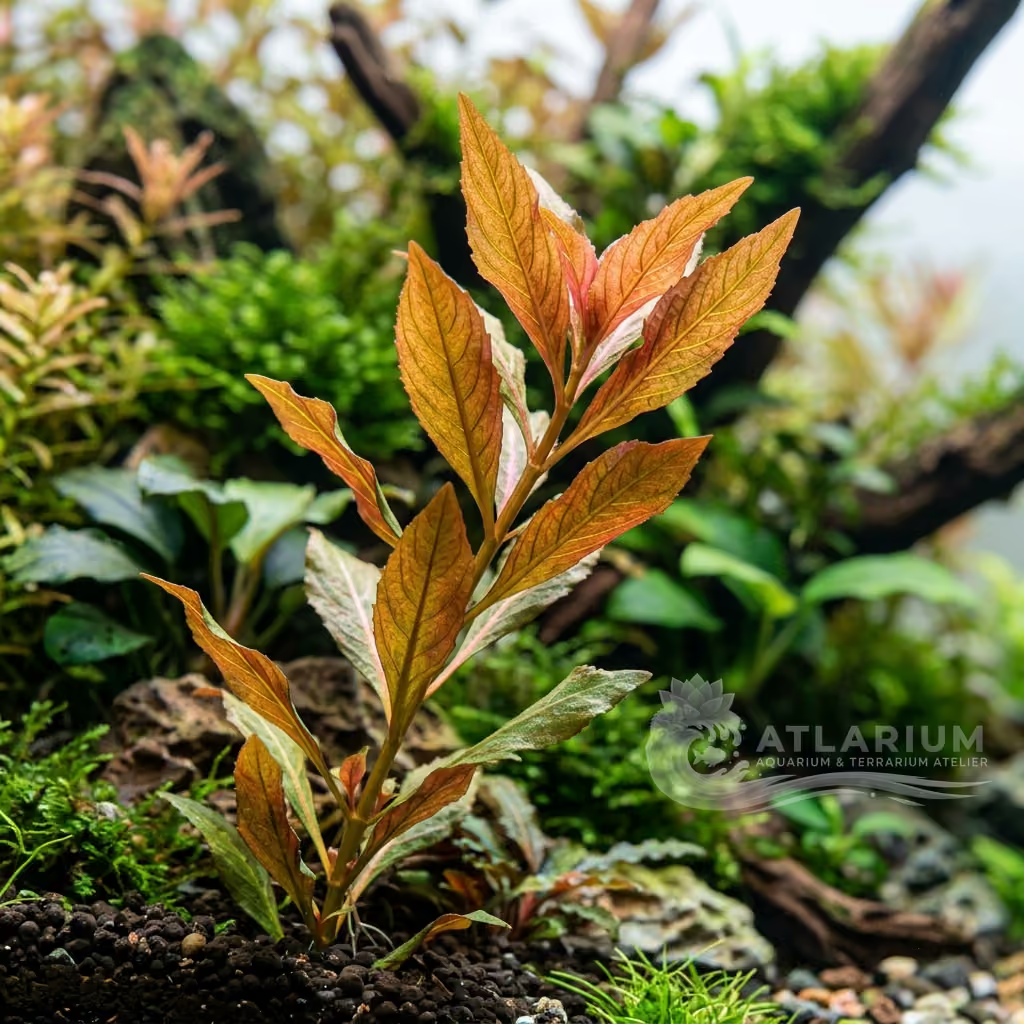
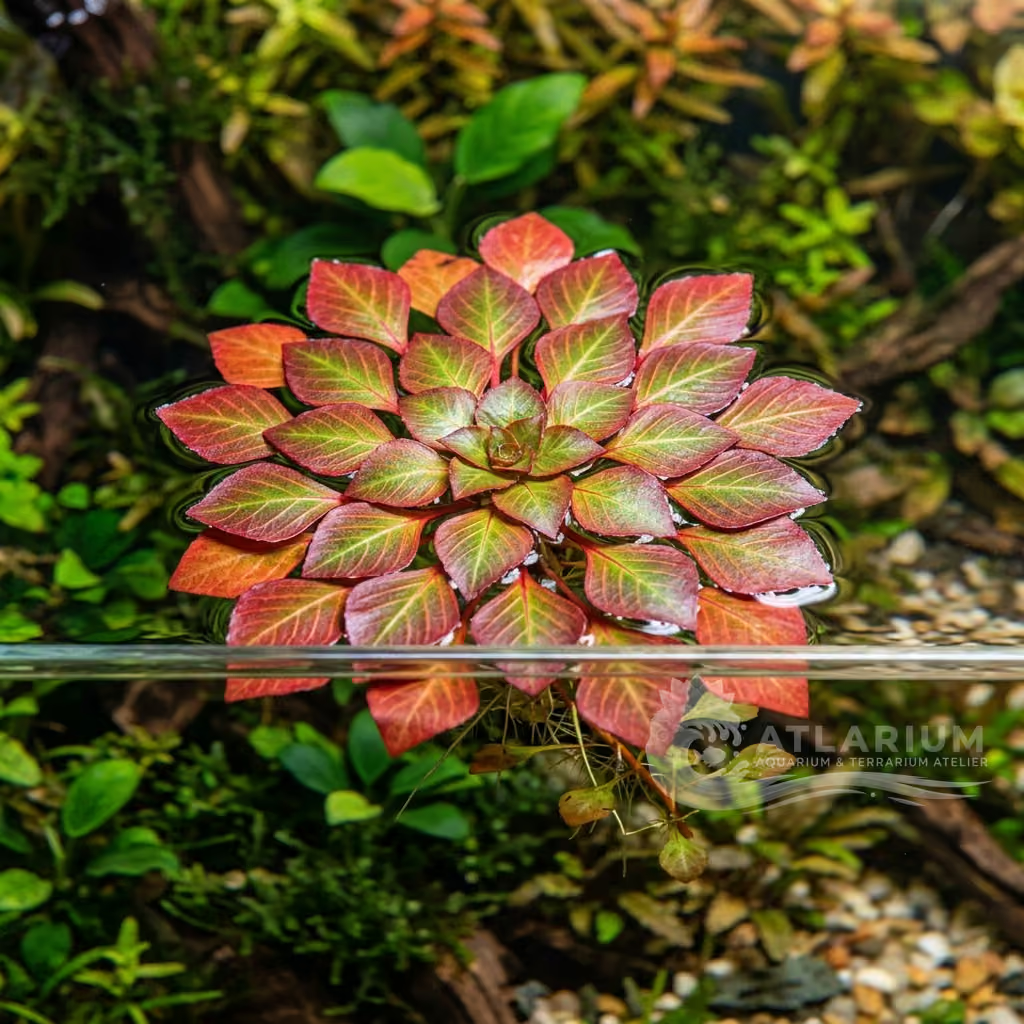
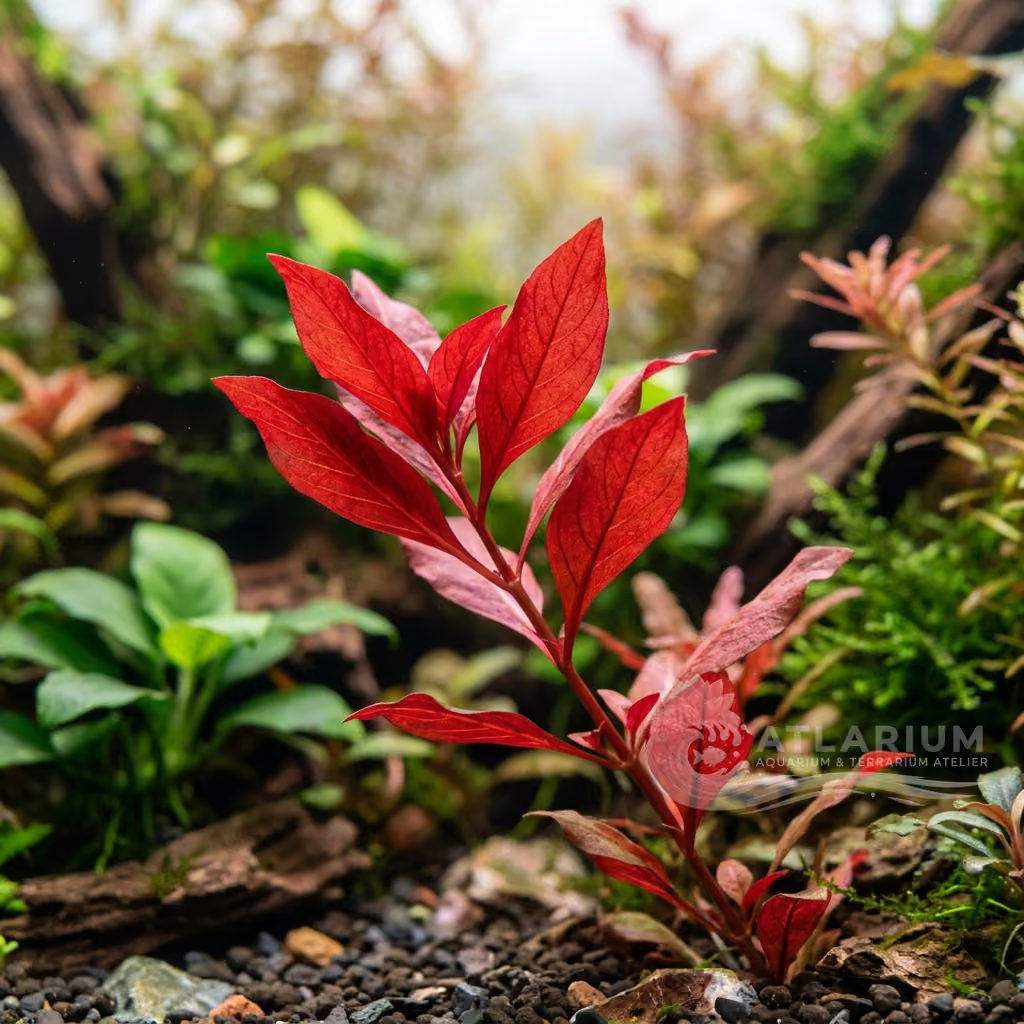
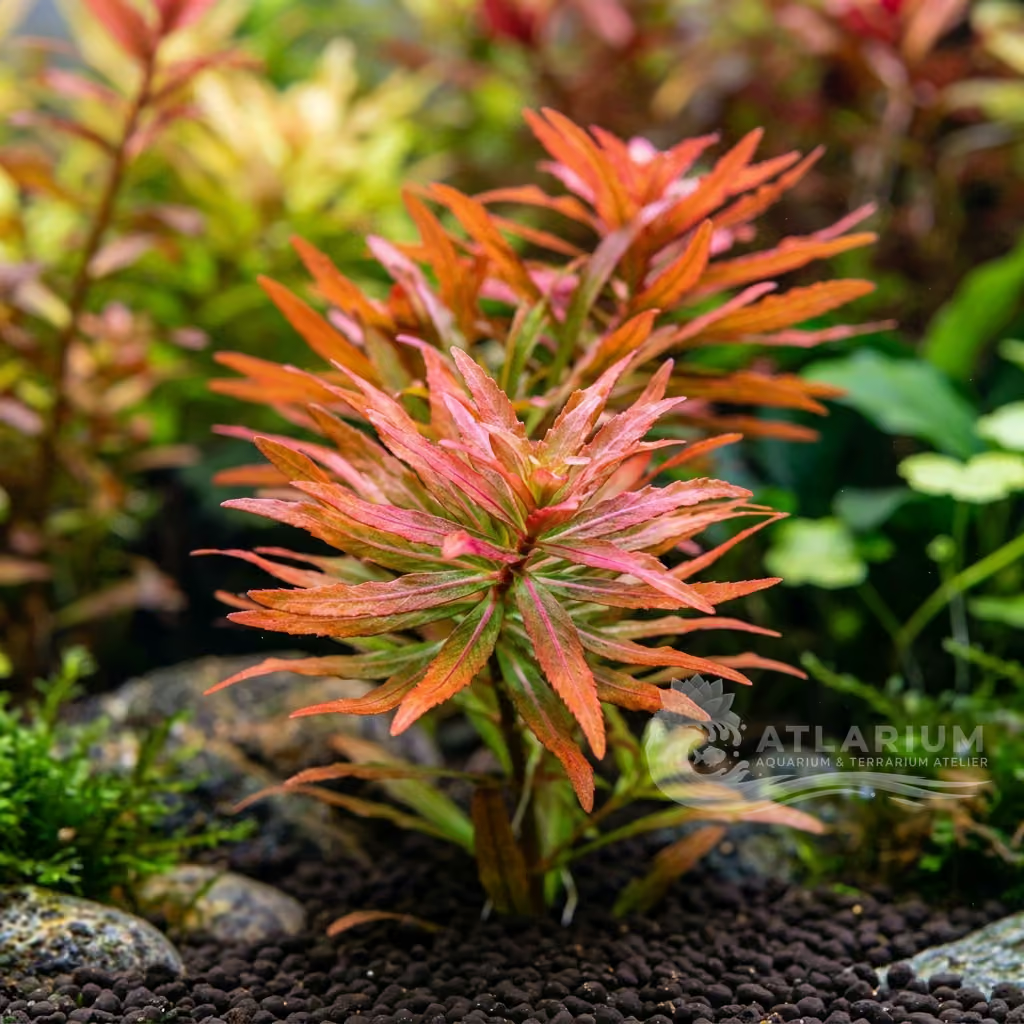
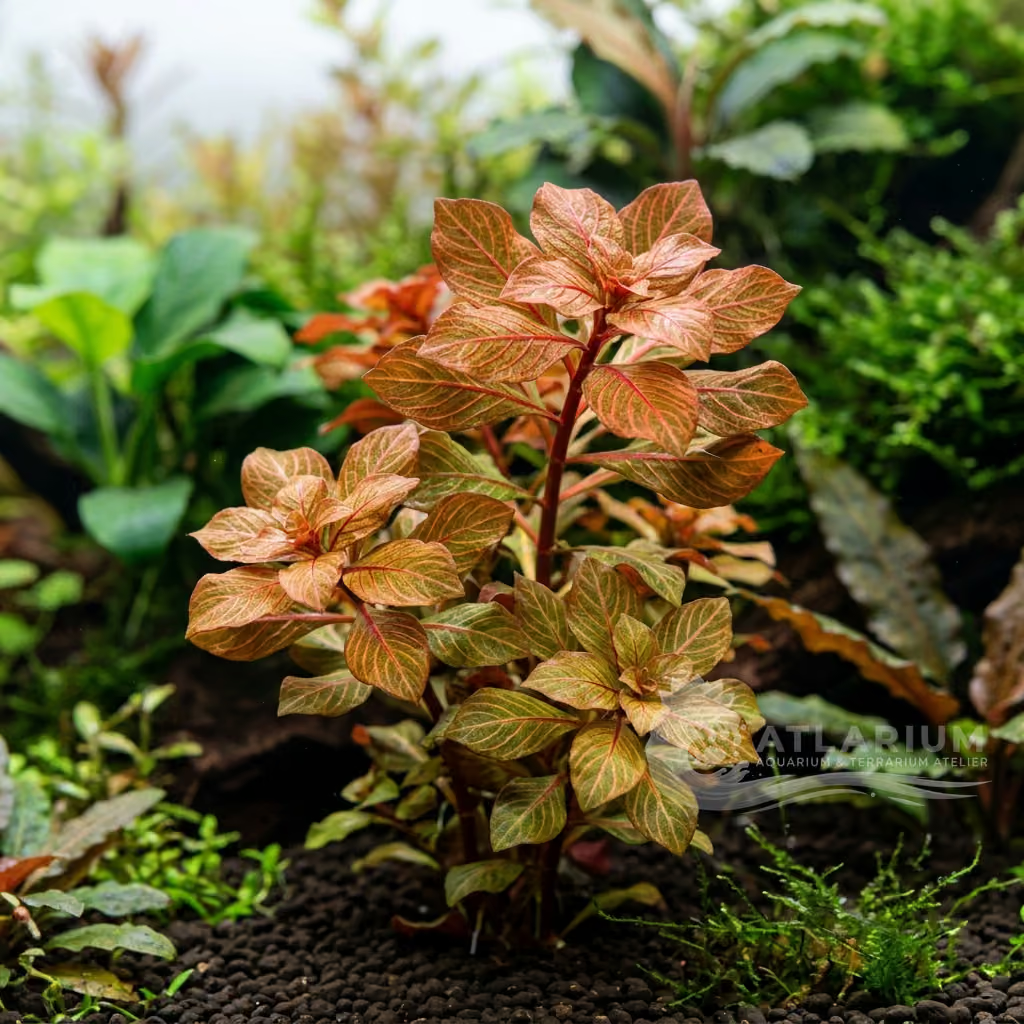
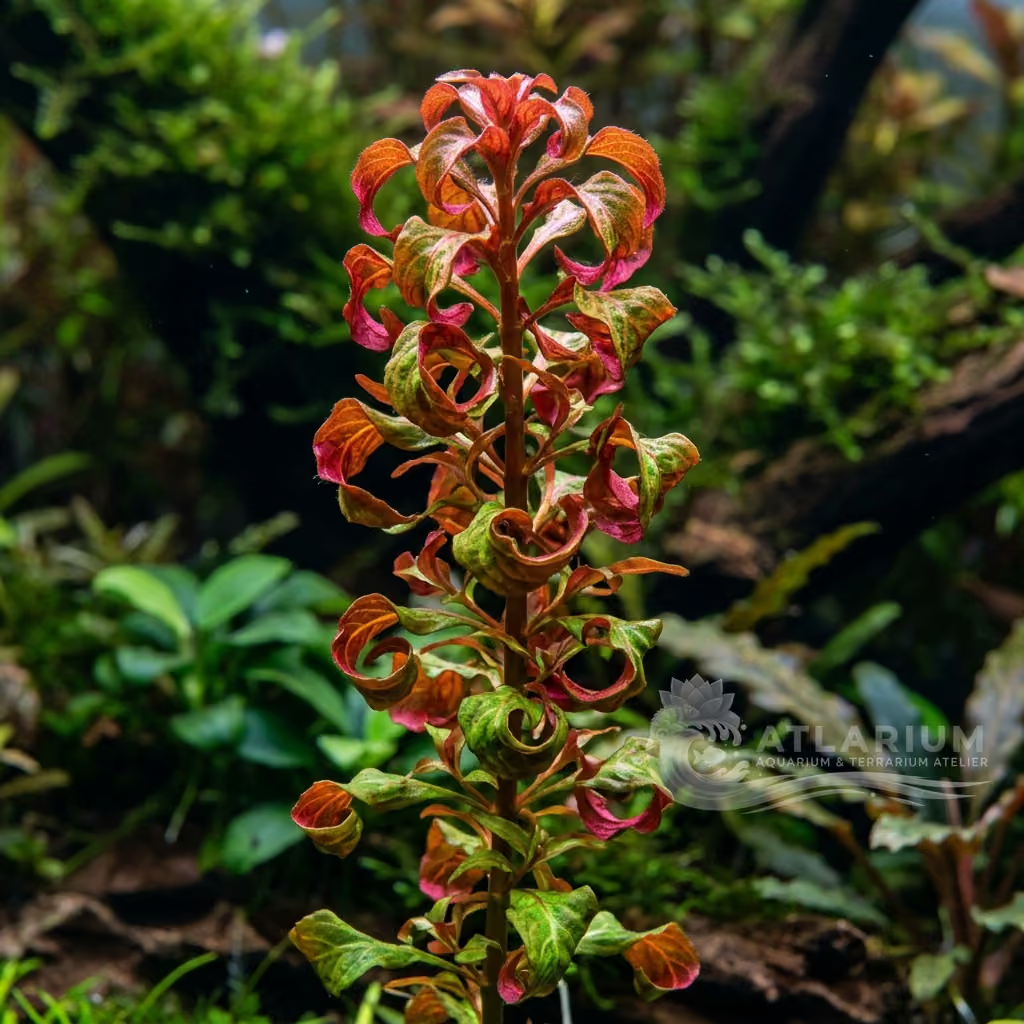
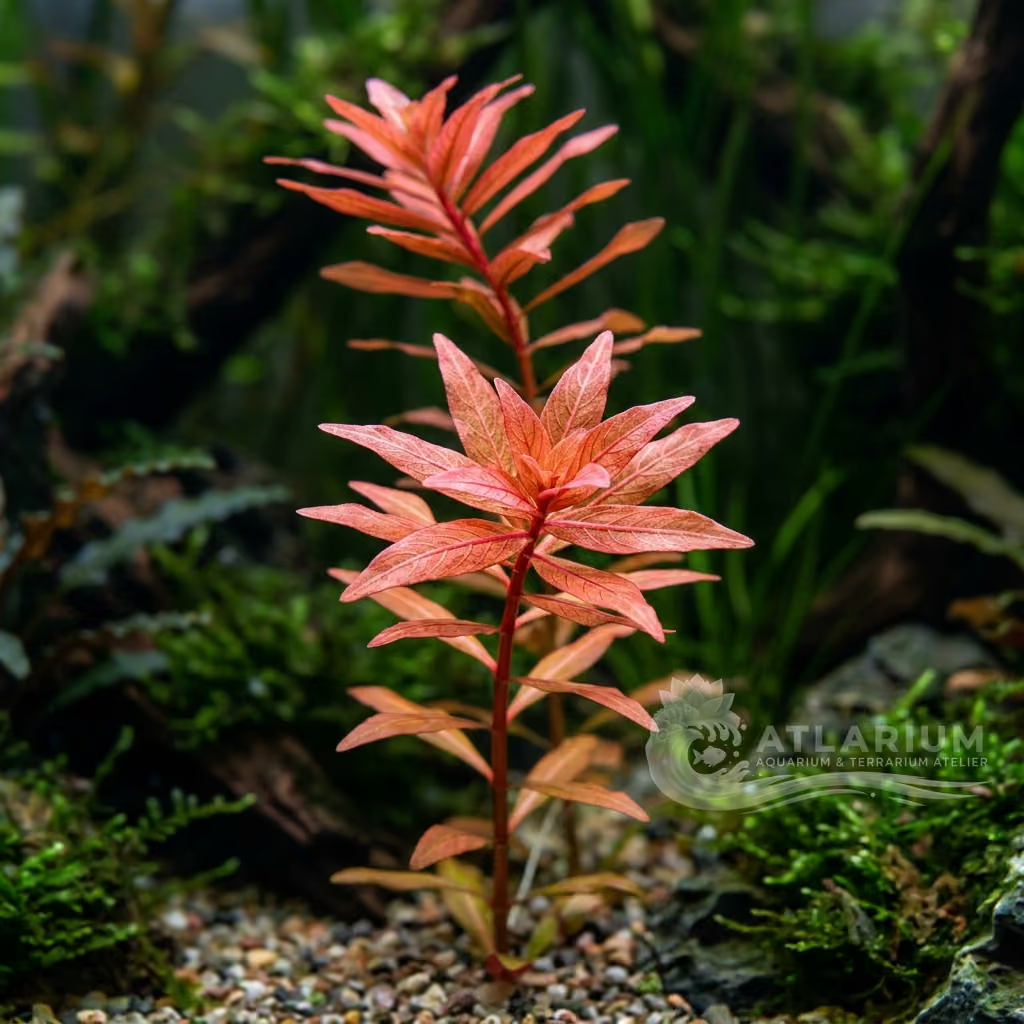
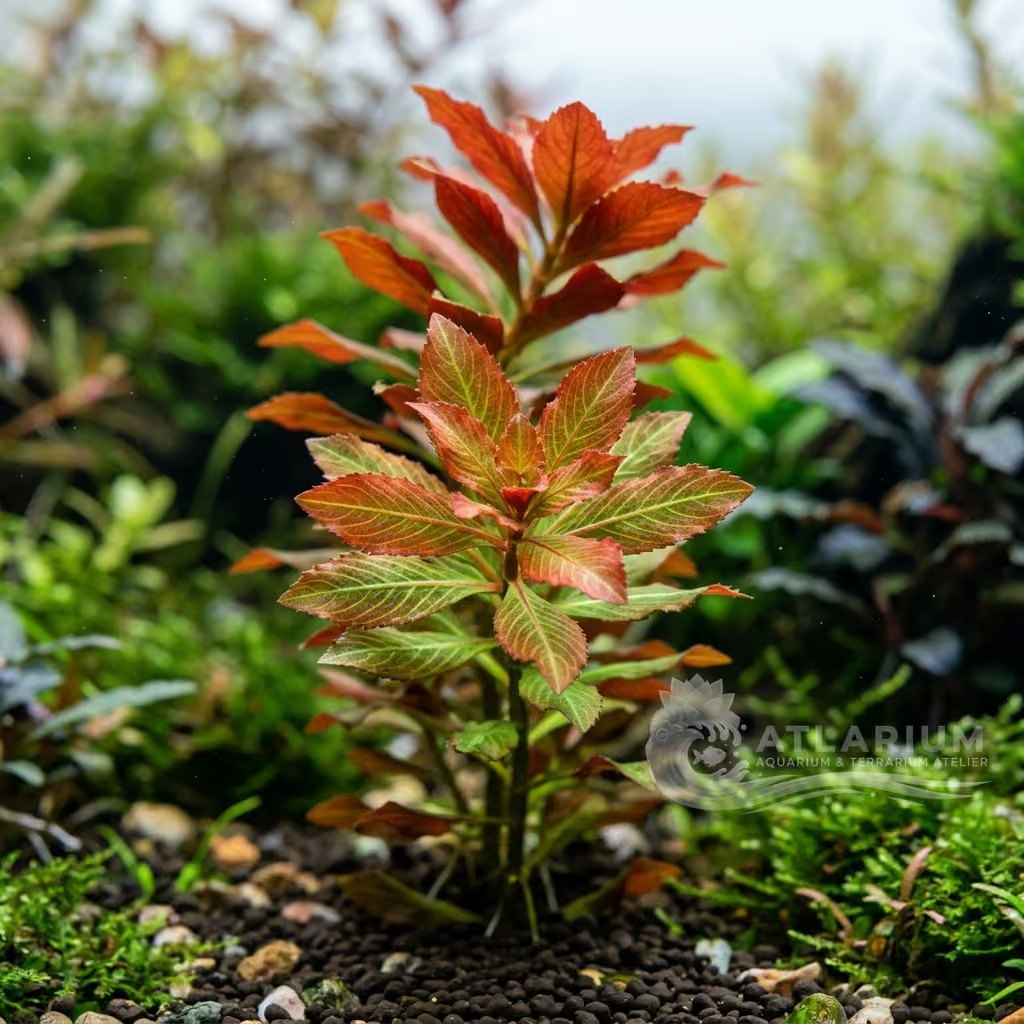
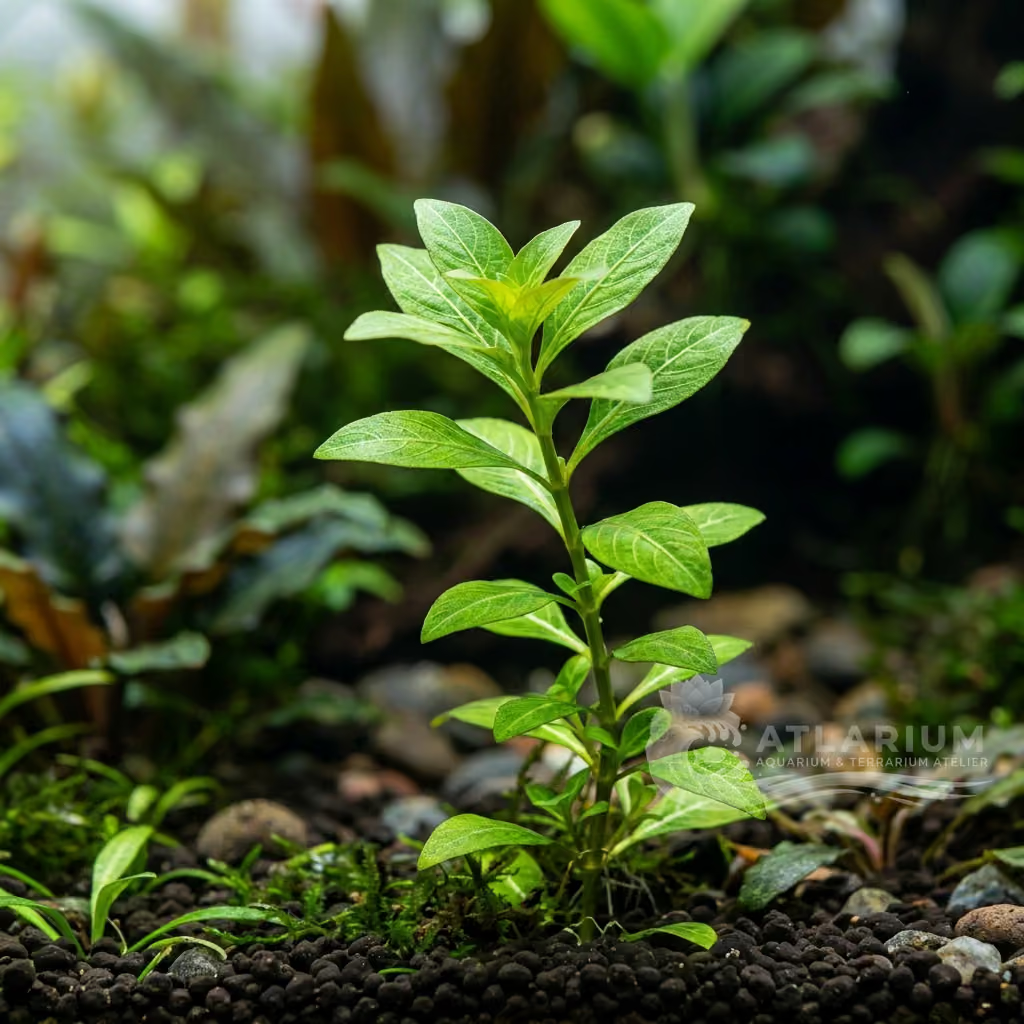
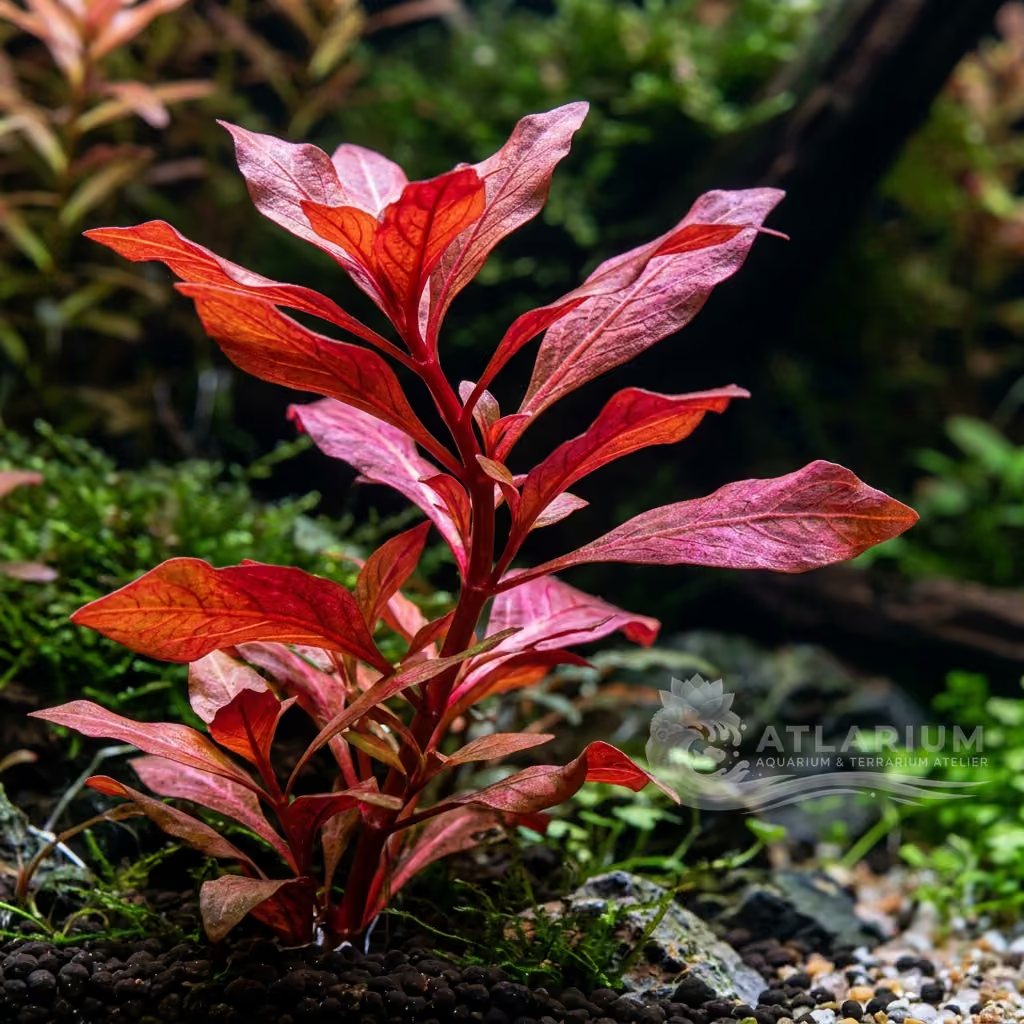
Color & Texture: The hallmark of Ludwigia repens "Mesakana" is its vibrant coloration, which transitions from bright green on the upper leaf surfaces to intense red or purplish hues on the undersides and new shoots. The vividness of the red coloration is directly influenced by light intensity and the availability of nutrients, particularly iron, which enhances the production of anthocyanin pigments. The leaves possess a smooth, slightly fleshy texture, which imparts a lush and healthy appearance to the plant. In low-light conditions, the red tones tend to fade, allowing the green to dominate, reducing its visual impact.

Care, breeding and tankmates
Lighting & CO2: Ludwigia repens "Mesakana" demands medium to high lighting to fully express its striking red coloration and maintain vigorous, compact growth. Insufficient light will result in less intense coloring, along with elongated stems and more widely
Space Management & Placement: d leaves, diminishing its aesthetic appeal and overall health. CO2 injection is highly recommended for this fast-growing species, as it optimizes photosynthesis, promotes healthy growth, and helps prevent algae buildup by giving the plant a competitive edge. A consistent CO2 level of 20-30 ppm is ideal to maximize its full potential for lush development.
Nutrition & Substrate: This plant significantly benefits from a nutrient-rich substrate, particularly one abundant in iron and other essential micronutrients, which are crucial for its vibrant coloration and rapid, healthy growth. Regular supplementation with liquid fertilizers containing iron and potassium is vital to prevent deficiencies, such as chlorosis, and encourage brilliant red hues that enhance its beauty. Balanced fertilization in both the
Water Chemistry: Ludwigia repens "Mesakana" is remarkably tolerant of a wide range of water parameters, with an ideal temperature range between 4.0 and 28.0°C, though it thrives best in milder temperatures for optimal growth and coloration. The pH should be maintained between 5.0 and 7.5, while carbonate hardness (KH) can comfortably range from 2.0 to 15.0, showcasing its inherent robustness and adaptability. Maintaining excellent water quality through regular water changes is essential to prevent the accumulation of nitrates and phosphates, supporting the plant's overall health and vitality and minimizing stress.
Space Management & Placement: Due to its fast growth rate and potential height, Ludwigia repens "Mesakana" is perfectly suited for the midground of an aquarium, where it can form dense, eye-catching bushes that create a strong visual impact and natural transition. It is crucial to provide ample space for its expansion to prevent it from overshadowing smaller plants or impeding water circulation, which is vital for overall tank health. Strategic placement in groups of 5-7 stems effectively accentuates its vibrant coloration and helps define distinct zones within the aquascape design, acting as a focal point.
Pruning: Regular pruning is essential for maintaining Ludwigia repens "Mesakana" compact and for encouraging denser, bushier lateral growth, preventing it from becoming leggy. Without consistent trimming, stems can become excessively elongated, losing their lower leaves and appearing sparse and less attractive. Aquarists can effectively remove the top sections of stems to stimulate branching, or alternatively, cut older stems near the substrate and replant the healthier upper portions to rejuvenate the entire plant group and promote fresh growth. This practice also aids in propagation.
Risks & Diseases: While generally robust, this plant can suffer from nutrient deficiencies, particularly iron, which manifests as yellowing leaves or a reduction in red coloration, indicating an imbalance. Insufficient lighting often leads to elongated internodes and the shedding of lower leaves, impacting its aesthetic and overall health. Like all aquatic plants, it can be susceptible to algal growth if nutrient and light levels are unbalanced or circulation is poor, but it is relatively hardy against specific plant diseases, showing resilience in well-maintained setups.

Geographic origin and distribution
Ludwigia repens is a widely distributed species primarily native to the Americas, ranging from North to South America, where it thrives in diverse aquatic and semi-aquatic habitats. While "Mesakana" is a specific cultivated variety, it retains the species' natural adaptability, typically found in slow-moving or stagnant waters such as ditches, ponds, and riverbanks. In its natural environment, it often forms dense stands, significantly contributing to the local plant biomass, indicating ample sunlight and a nutrient-rich substrate.
Origin
North AmericaAmazon, Orinoco, and GuianasExtra-Amazon South AmericaCentral America and CaribbeanSelective breeding and cultivars

Plant profile
- Placement
- Midground
- It is an excellent choice for the midground or background of the aquarium. When planted in groups, it creates a lush, colorful focal point. It pairs beautifully with bright green foreground and midground plants.
- Botanical form
- Stem
- It features relatively large, ovate leaves that develop a deep red to purple coloration under optimal conditions. The stems are sturdy and tend to grow upright, occasionally branching. The distinct leaf shape and intense color set it apart from other repens varieties.
- Growth
- Fast
- This variant has a moderate to fast growth rate, similar to the standard L. repens. It grows readily under good conditions and responds well to regular trimming. Its vigorous nature makes it a satisfying plant to cultivate.
- Substrate
- High
- Ludwigia repens "Mesakana" thrives when planted in a nutrient-abundant substrate, drawing heavily on soil-based iron to achieve its intense colors. The robust roots spread quickly through soft aqua soils, creating a strong anchor for its substantial vertical growth. A deeper substrate bed of at least 5 to 6 centimeters is highly recommended to support the weight of mature, healthy stems.
- Column fertilization
- Recommended
- Consistent liquid fertilization ensures the plant receives necessary micro and macronutrients. Iron is crucial for maintaining the deep red hues. Regular dosing prevents the leaves from becoming pale or developing pinholes.
- Root fertilization
- Recommended
- A fertile substrate, such as aquasoil, provides a strong foundation for its growth. The plant develops a healthy root system that utilizes nutrients from the substrate effectively. Root tabs can be added to older setups to boost vitality.
- Trimming
- Regular
- Regular pruning helps maintain a bushy and compact shape. By cutting the main stem, you encourage lateral shoots to develop. The pruned tops can be replanted to increase the density of the plant group.
- Propagation
- Cuttings
- Propagation is very simple; take stem cuttings and replant them directly into the substrate. The cuttings will root quickly and begin growing within a few days. It is an easy plant to multiply in the home aquarium.
- Sensitivity
- Moderate
- It is a robust plant, but low light levels will cause it to lose its red color and revert to green. It may shed lower leaves if they are heavily shaded. Providing adequate light penetration to the base of the plant is important.
- Layout role
- Midground, accent, Background, group
- It acts as a strong red accent plant, adding depth and color to the aquascape. Its larger leaves provide a distinct texture that contrasts well with fine-leaved species. It is highly effective in both Dutch and nature-style layouts.

Related species
Recommendations grouped by close relatives, companion choices, and similar care.