Ludwigia ovalis 'Pink'
Ludwigia ovalis
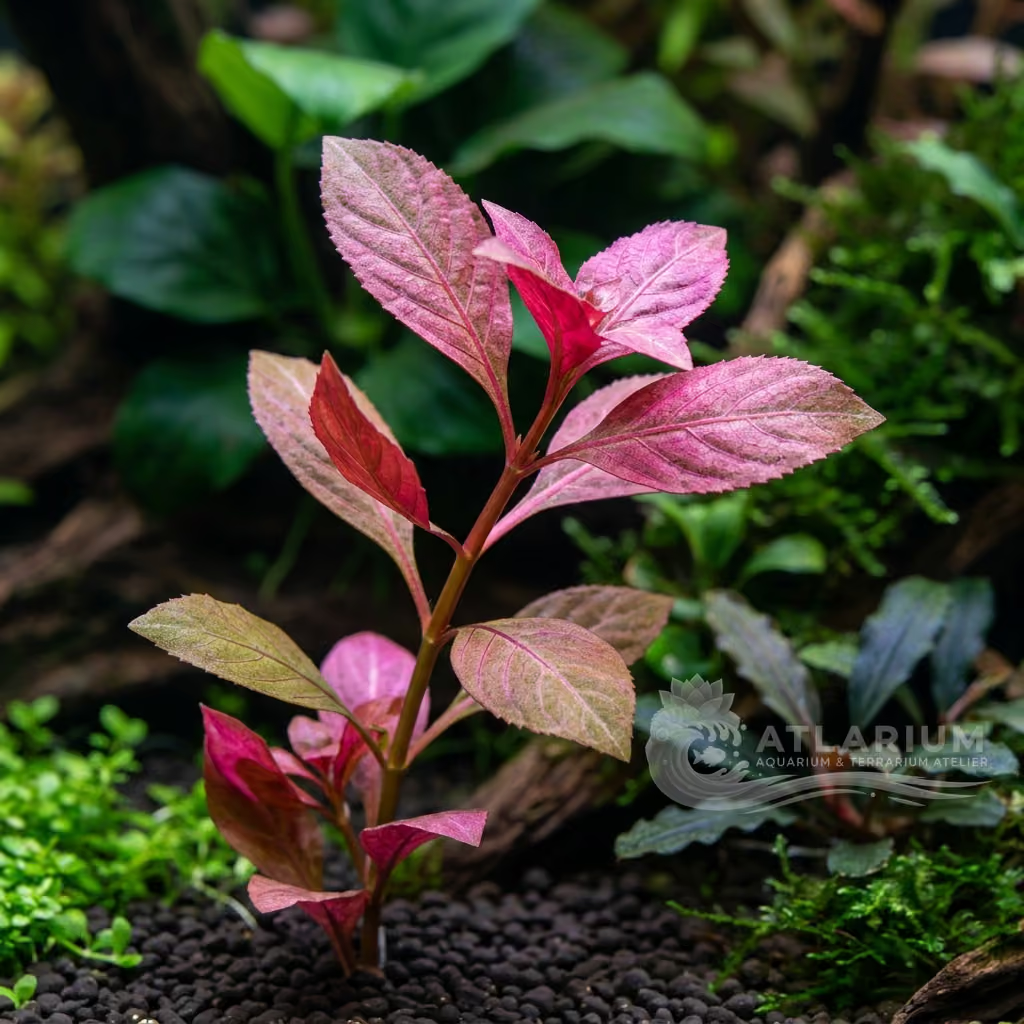
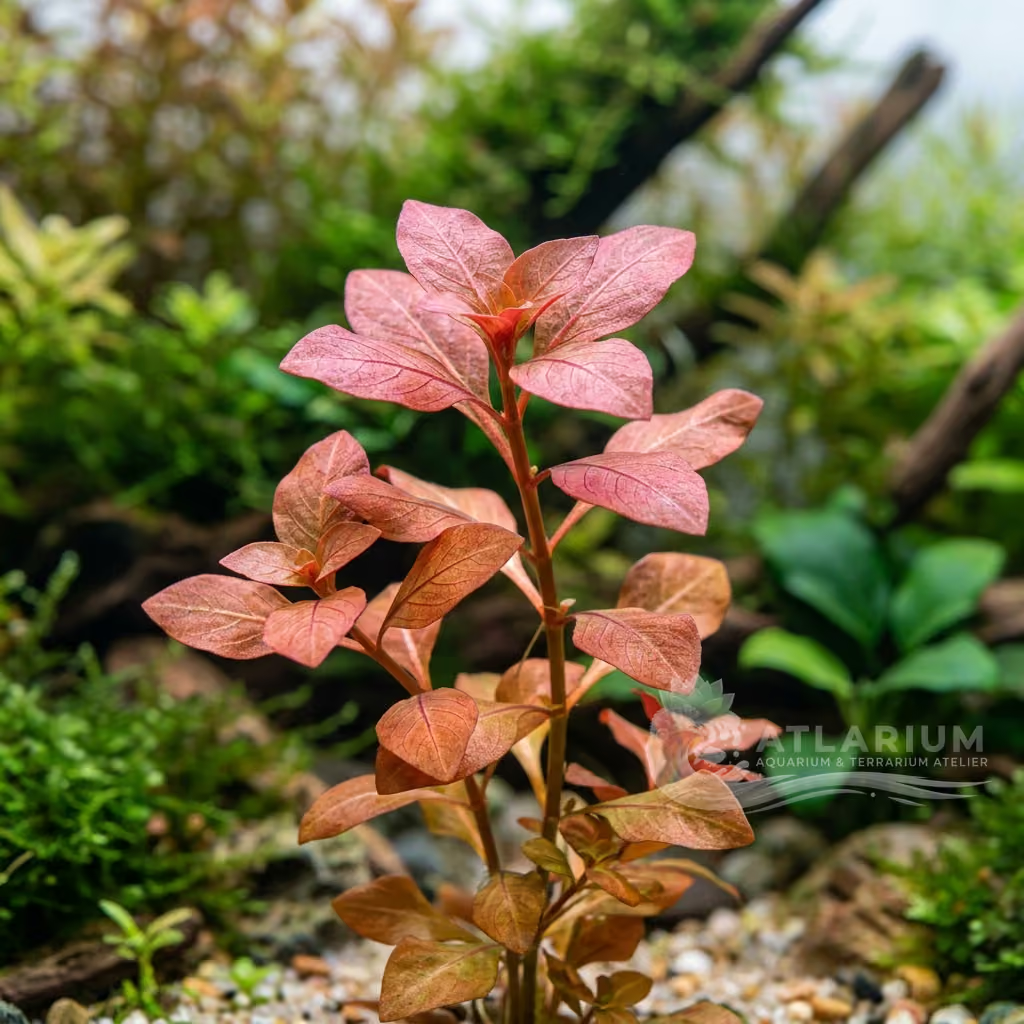
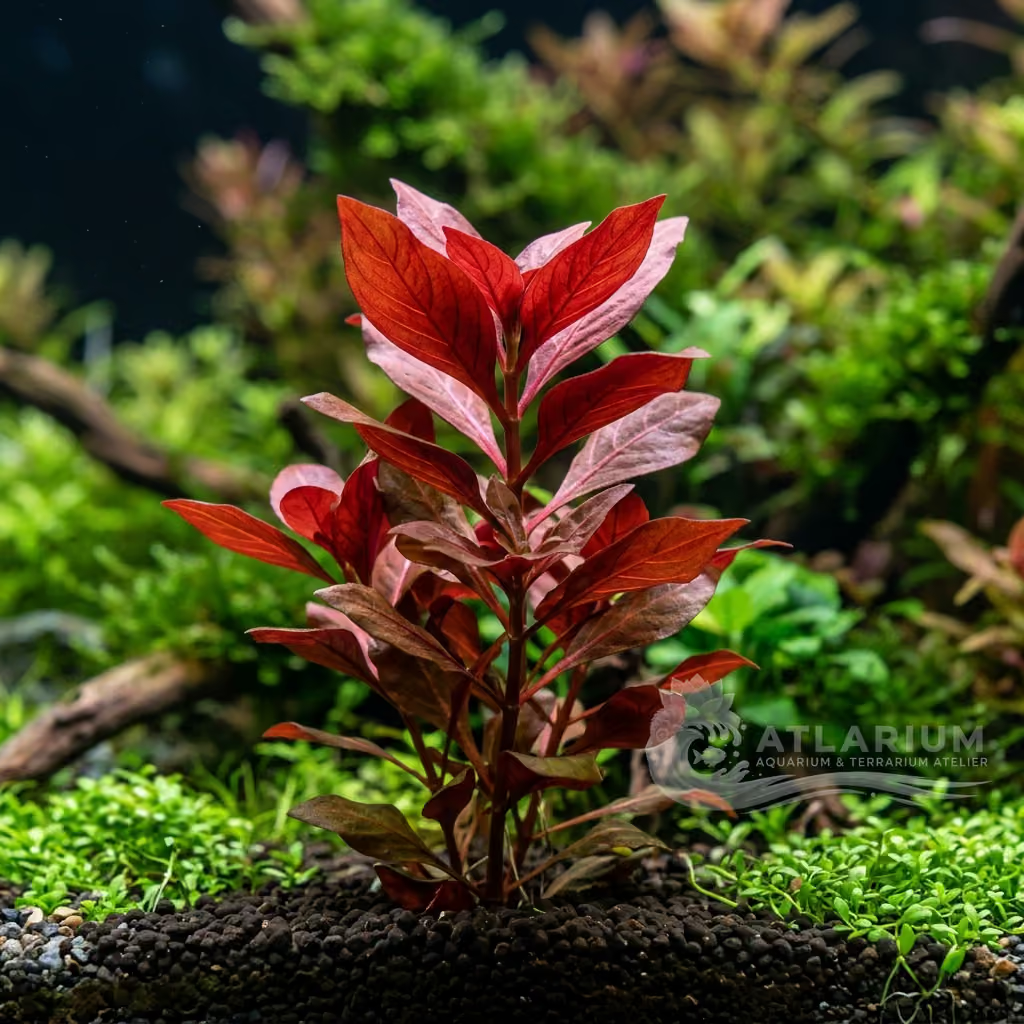
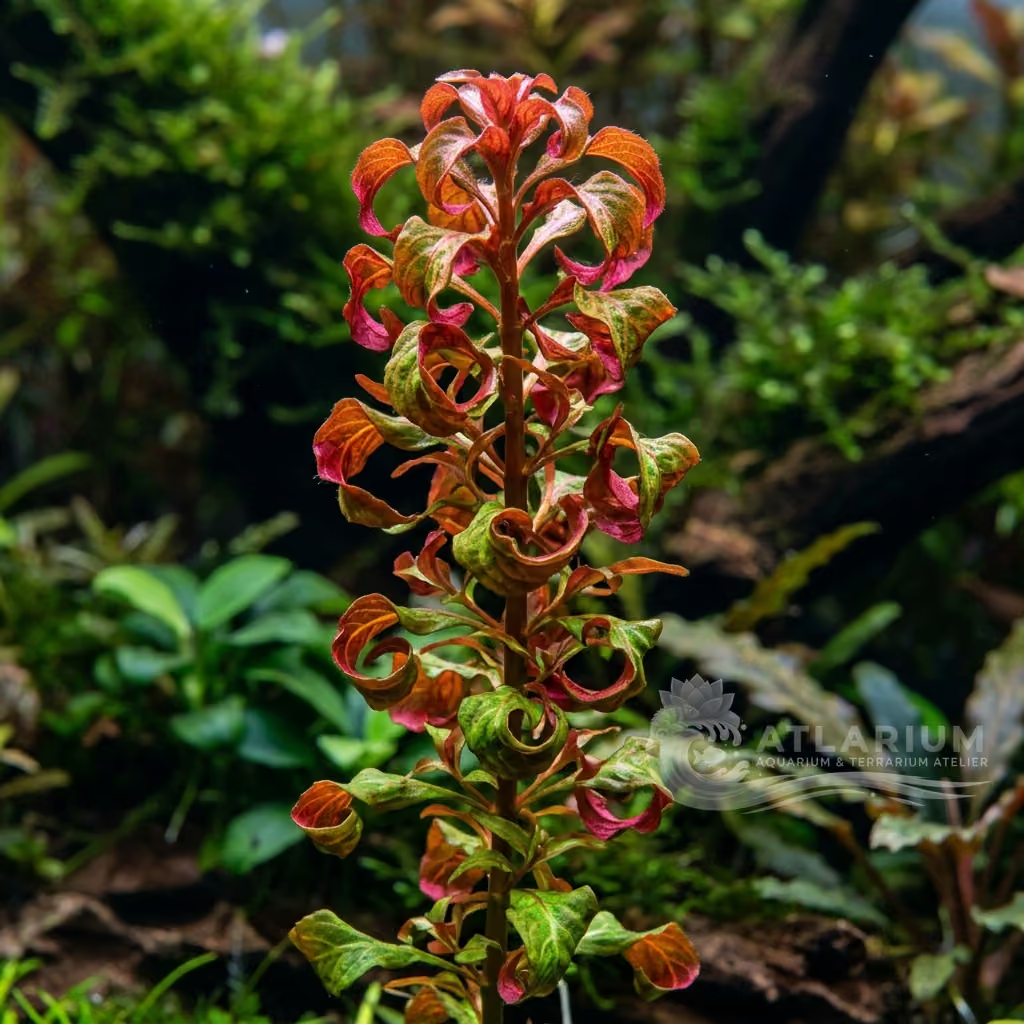
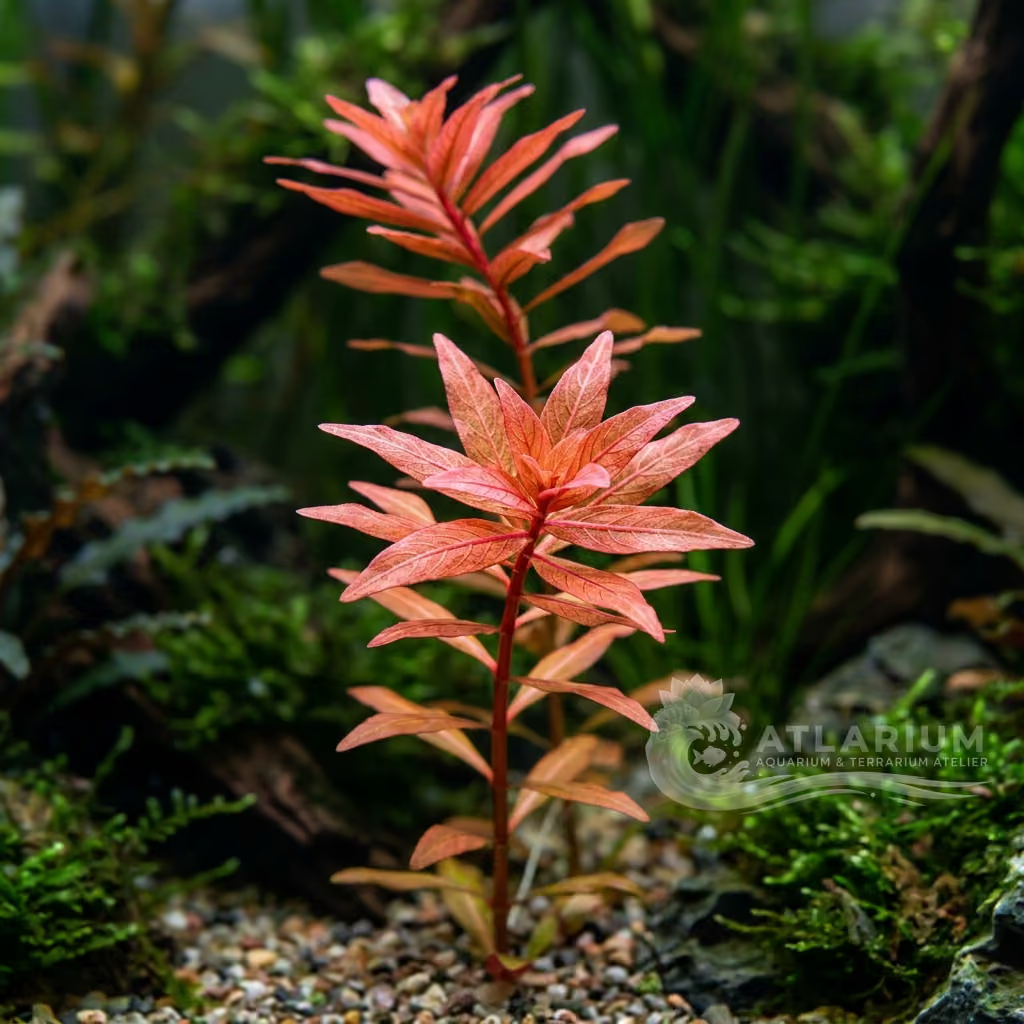
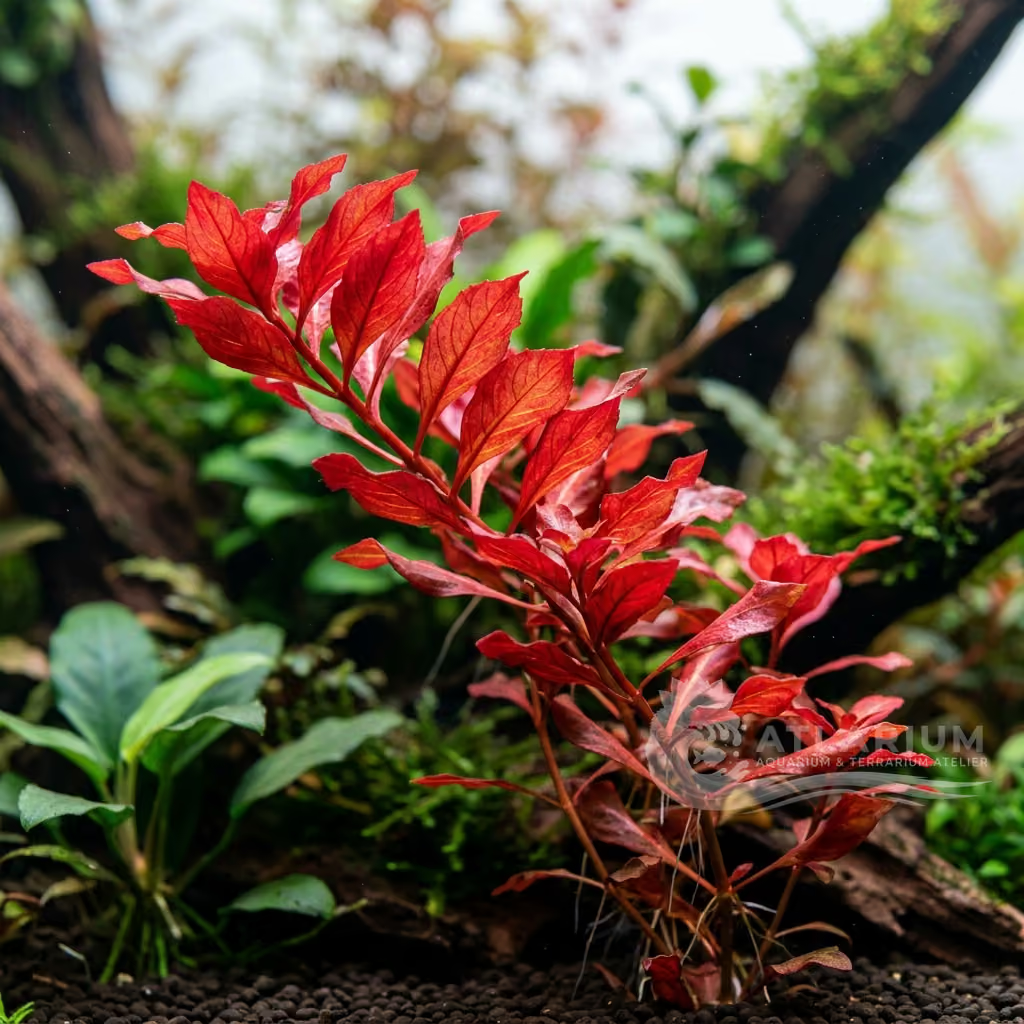
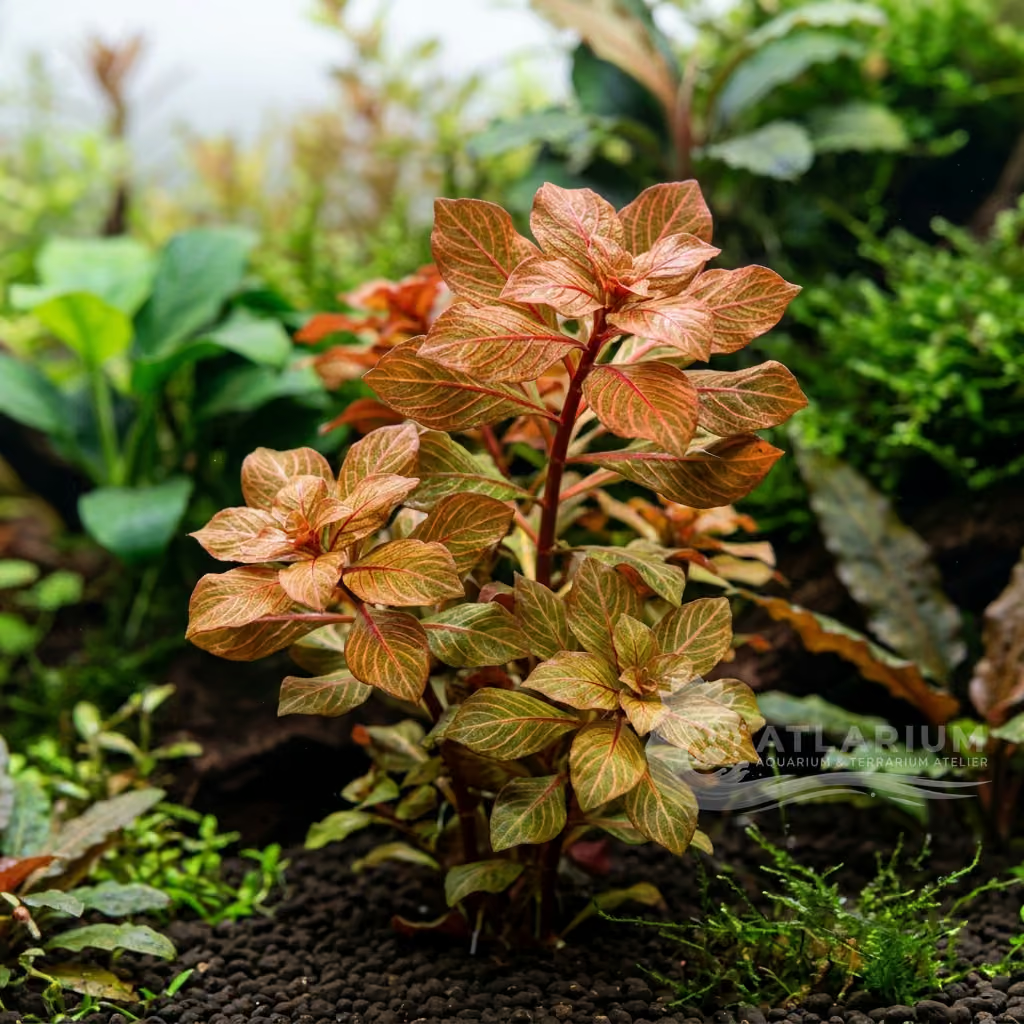
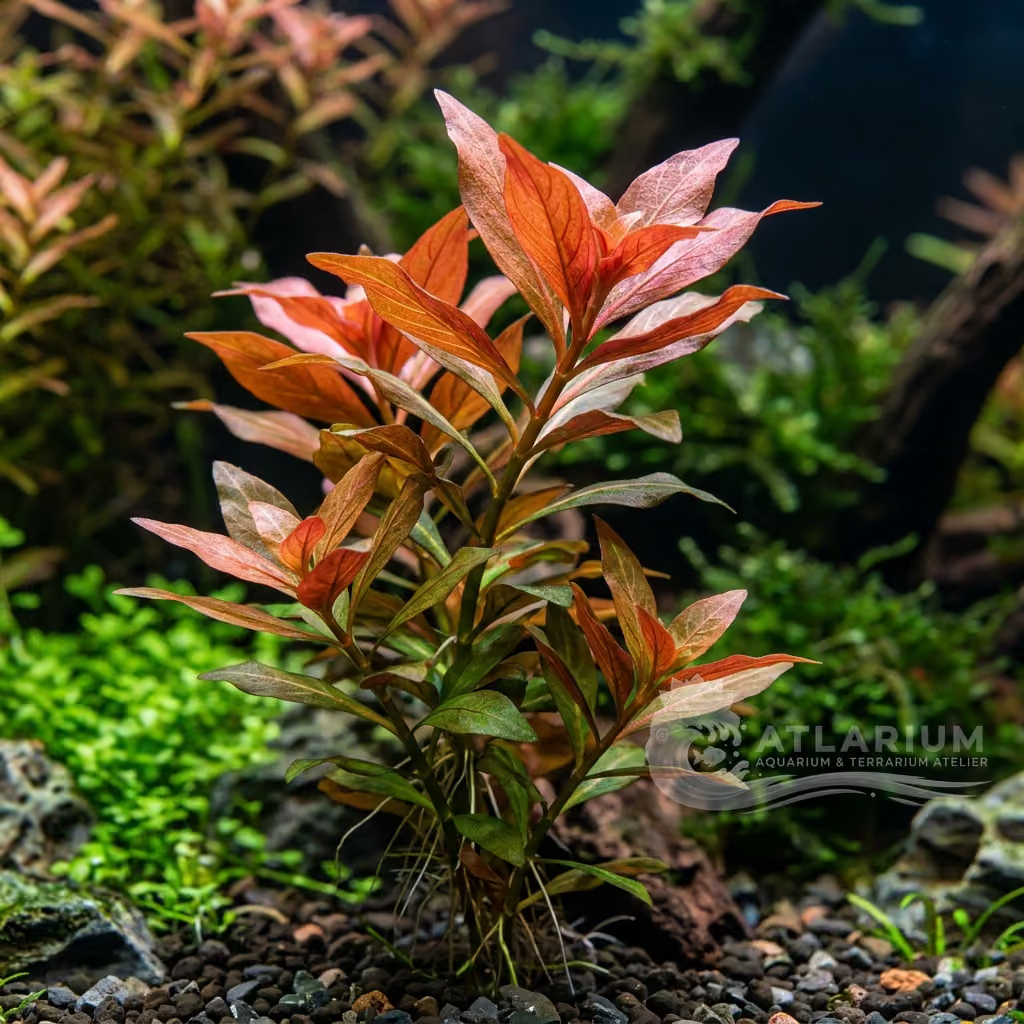
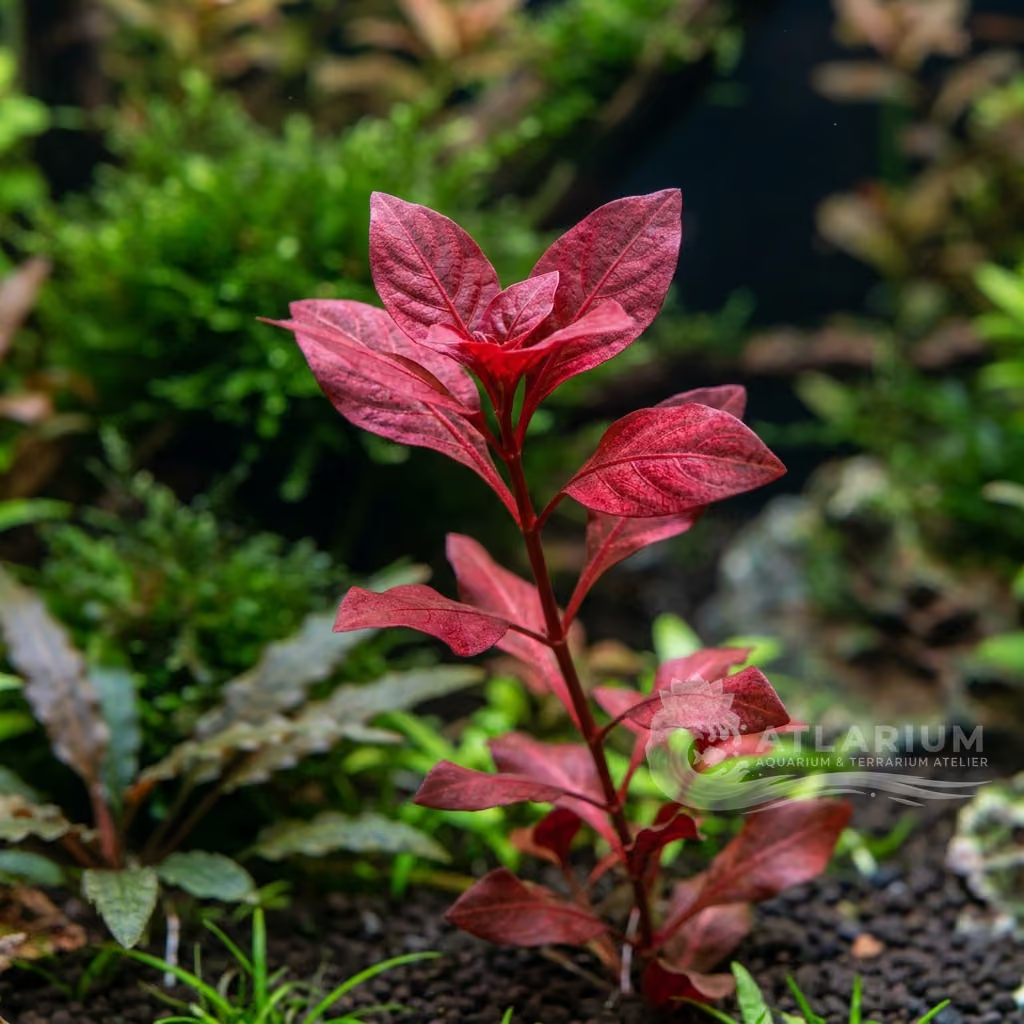
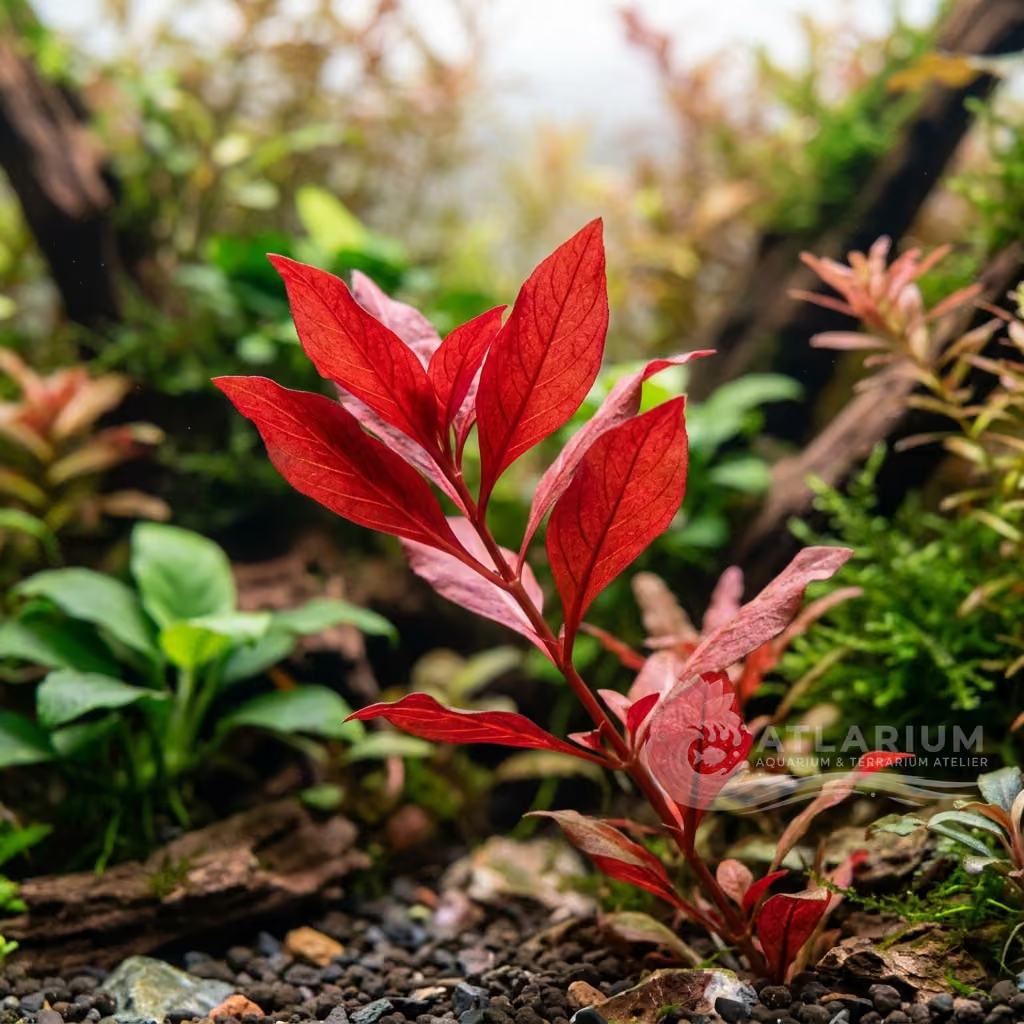
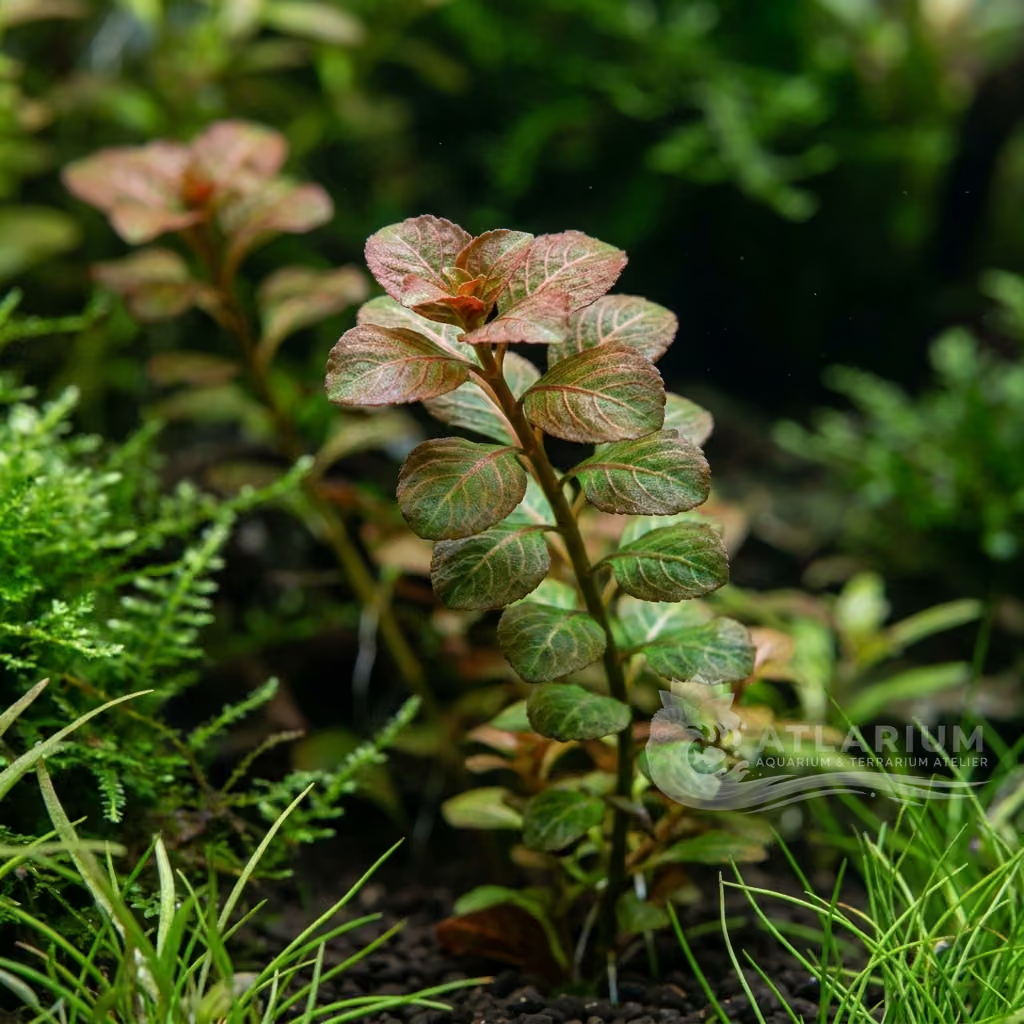
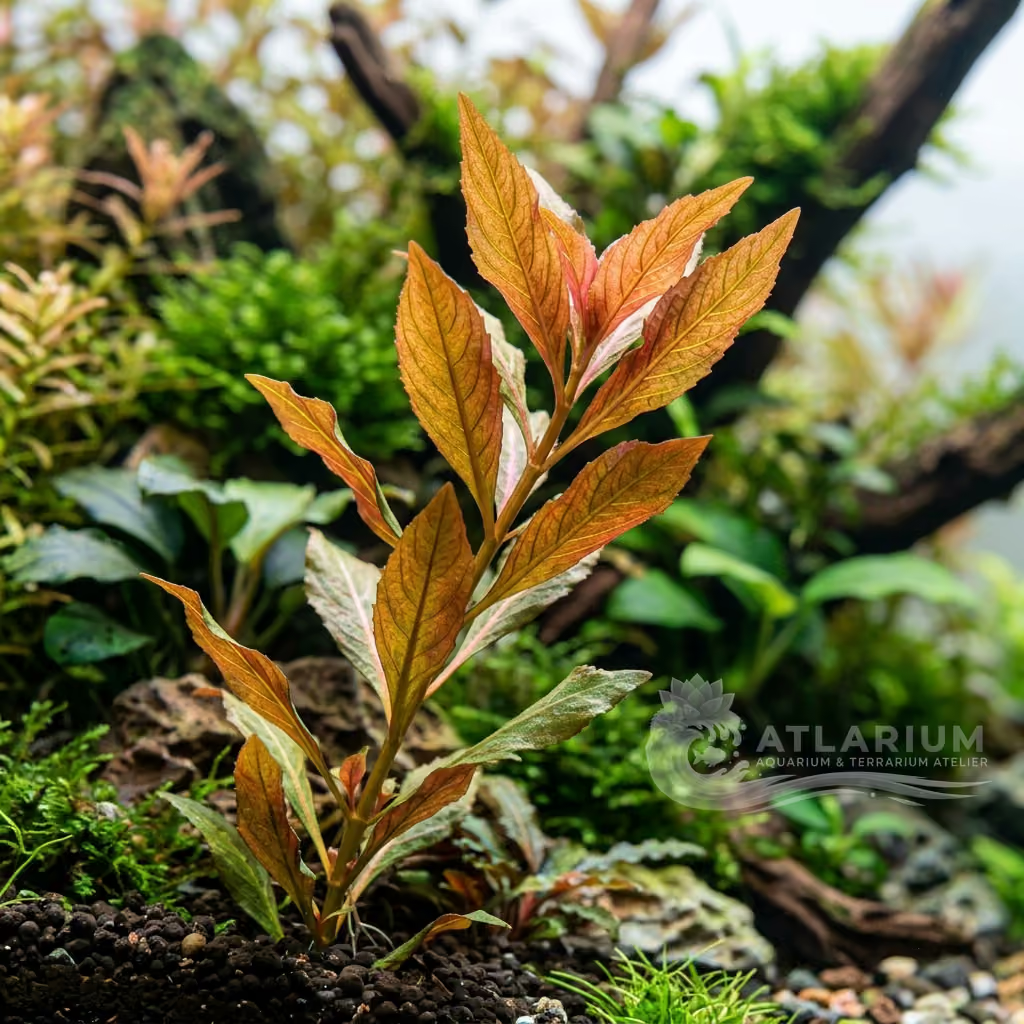
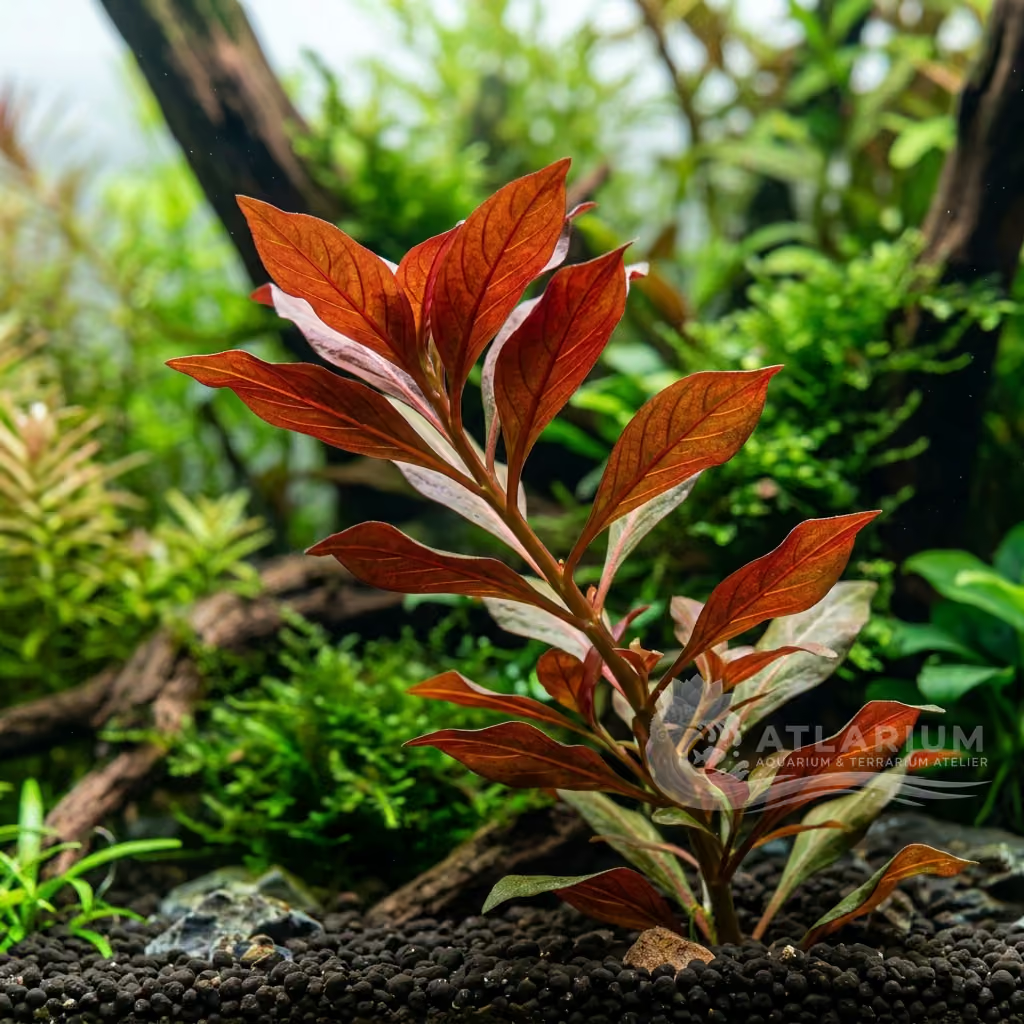
Ludwigia ovalis 'Pink' is a vibrant stem plant ideally suited for midground placement, characterized by a medium growth rate. It serves as an excellent focal point, adding striking pink hues to any aquascape.
Water Temperature
10 - 28 °C
pH Value
4.5 - 7
Water type
Freshwater
Light
Medium to High
CO2
High
Expected height
40 cm
KH
1 - 7 dKH

Species description
Geographical Origin and Habitat: The parent species *Ludwigia ovalis*, from which the 'Pink' cultivar originates, is native to extensive regions of East Asia, including countries like Japan, Korea, and Taiwan, where it thrives in freshwater, marshy environments with still or slow-moving waters. This specific 'Pink' cultivar, however, is a result of horticultural selection and does not occur in nature with its enhanced, intense coloration. Its adaptability to varying environmental conditions has facilitated its widespread adoption among aquarists.
Taxonomy & Genetics: Belonging to the Onagraceae family, the genus *Ludwigia* is widely recognized in the aquascaping world for its diversity and aesthetic appeal. 'Pink' is a cultivated variety selected from *Ludwigia ovalis*, meaning it has been specifically bred to enhance certain characteristics, in this case, its exceptional pinkish-red pigmentation. Its full scientific designation is *Ludwigia ovalis 'Pink'*, distinguishing it from the more common green wild type.
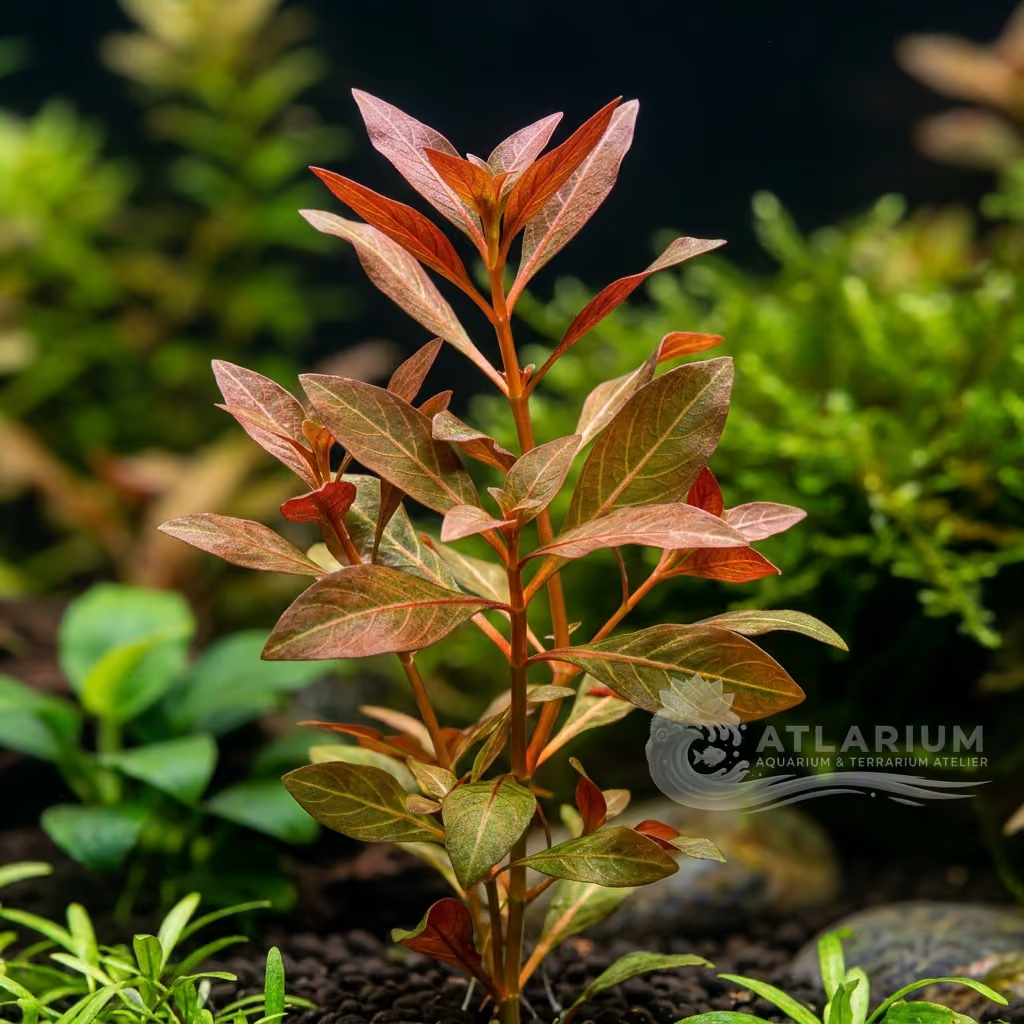
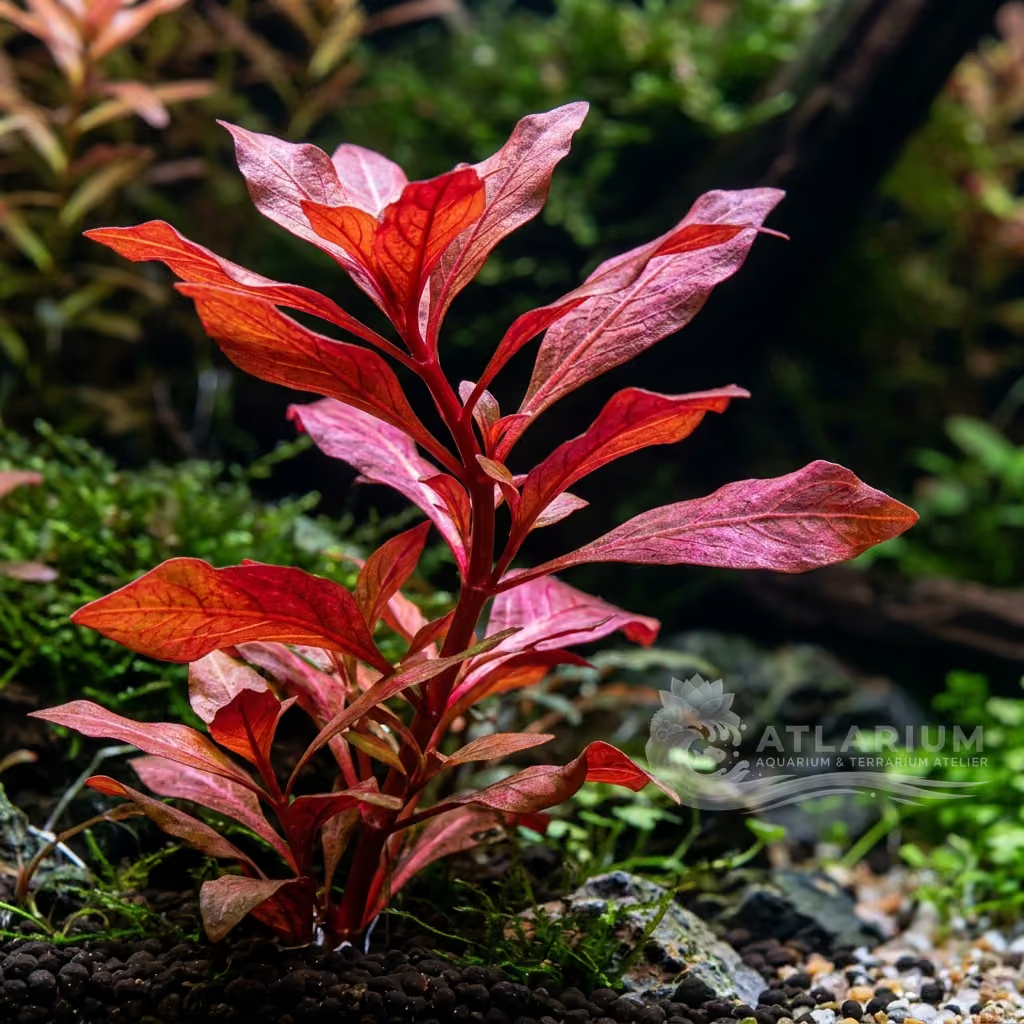
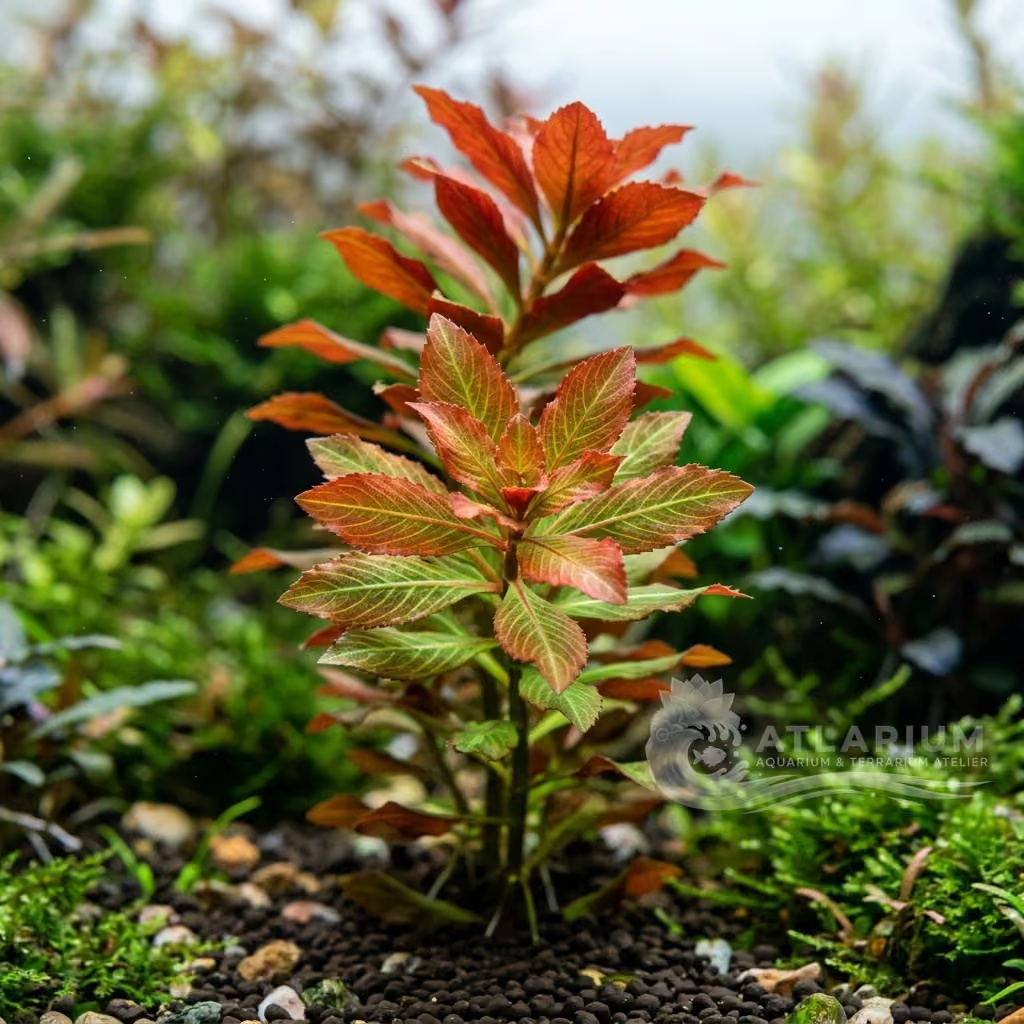
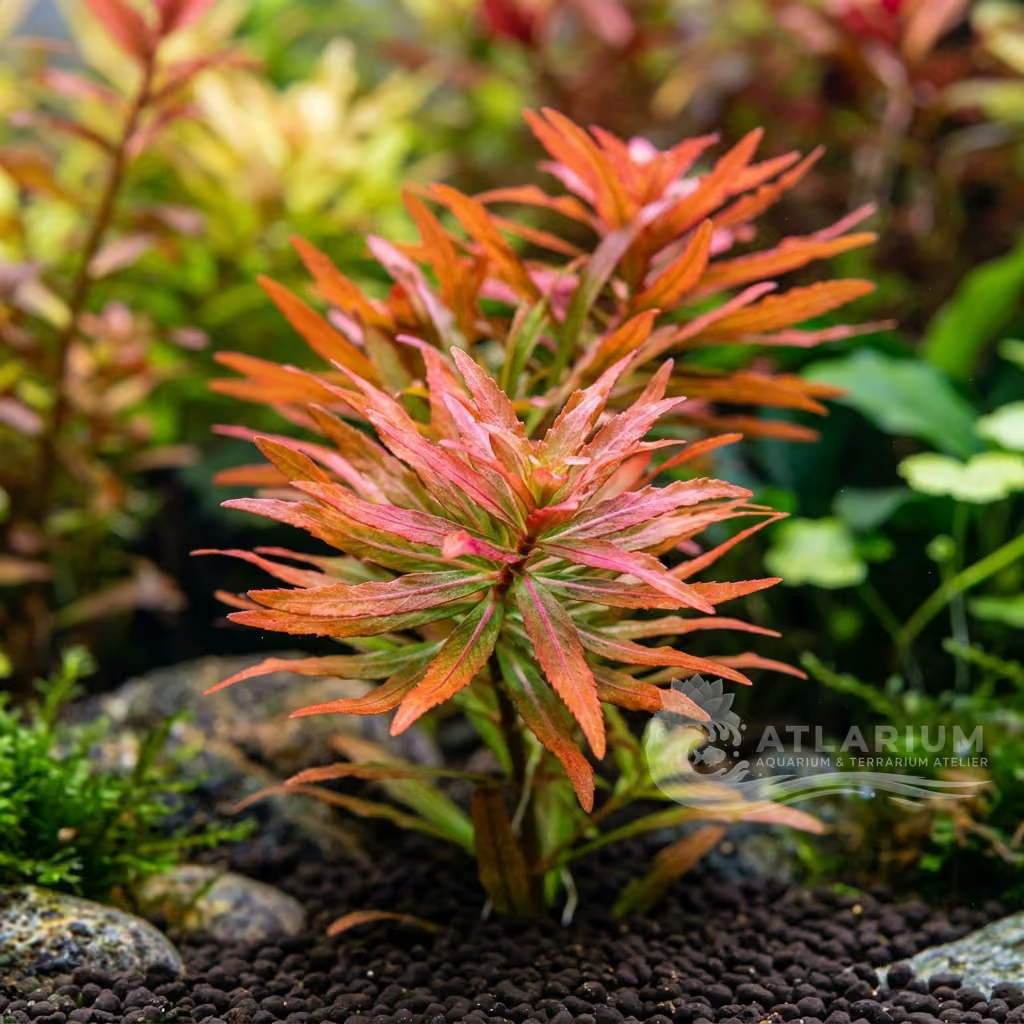
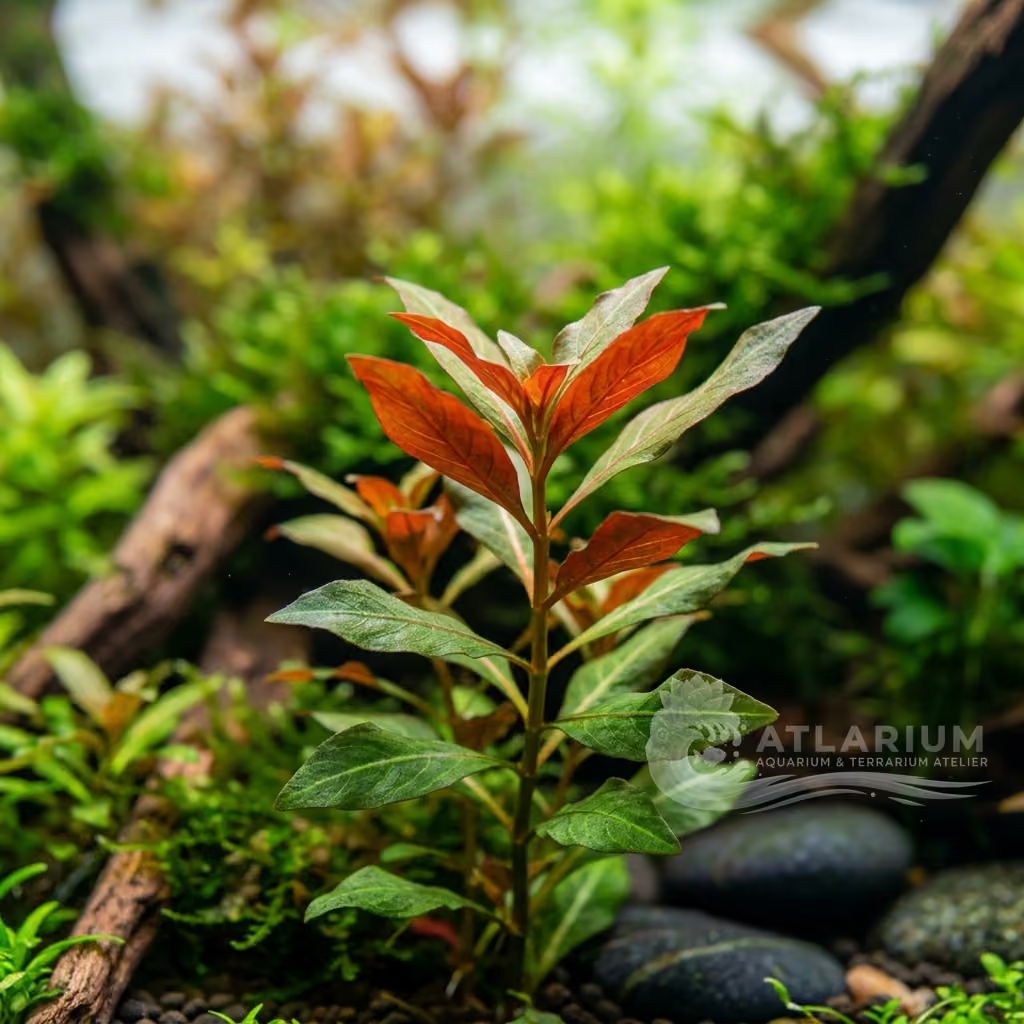
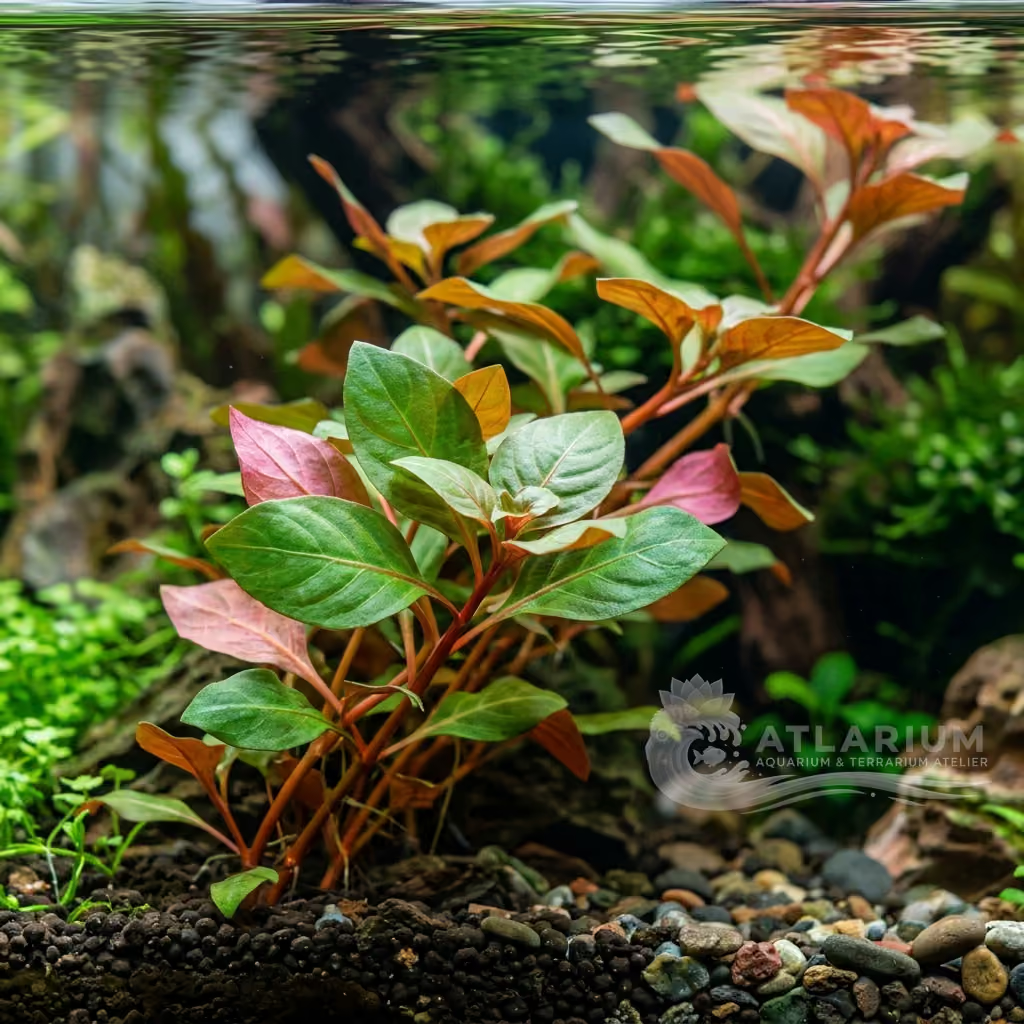
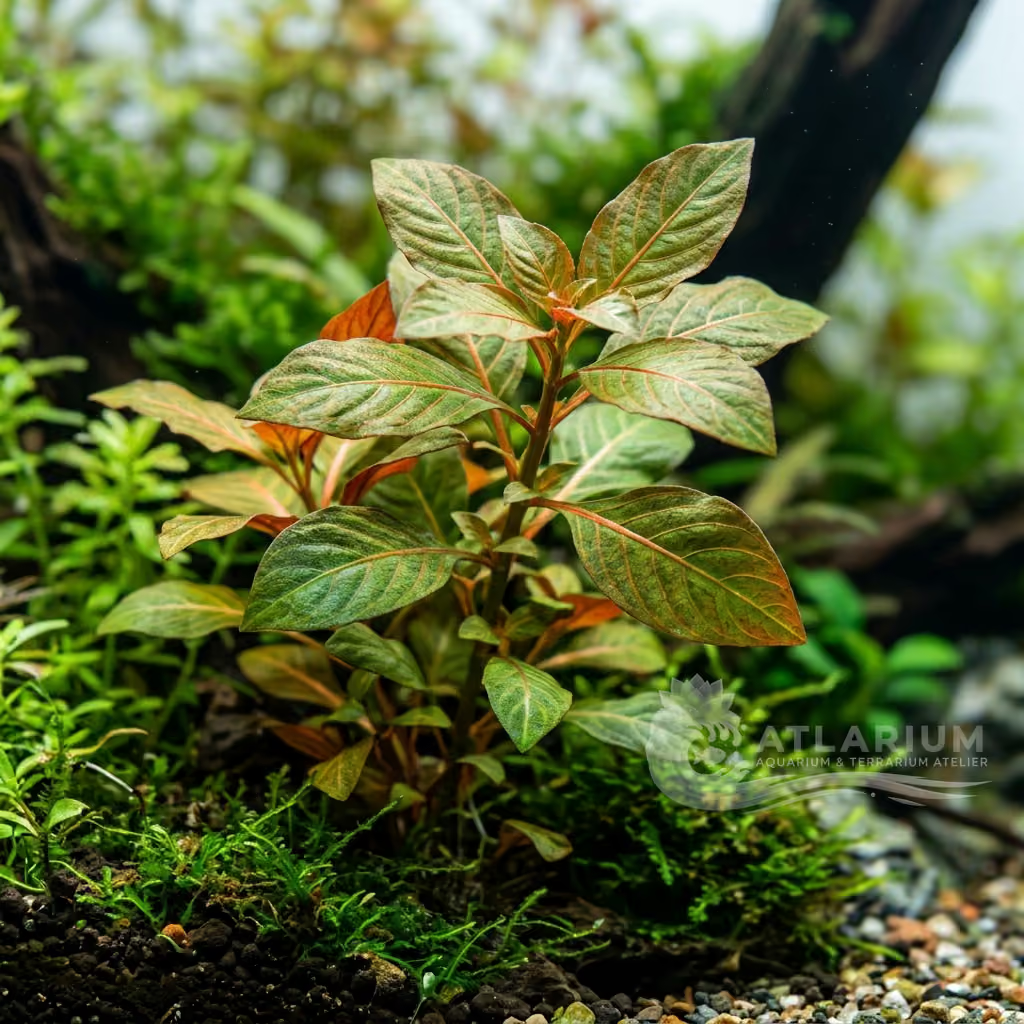
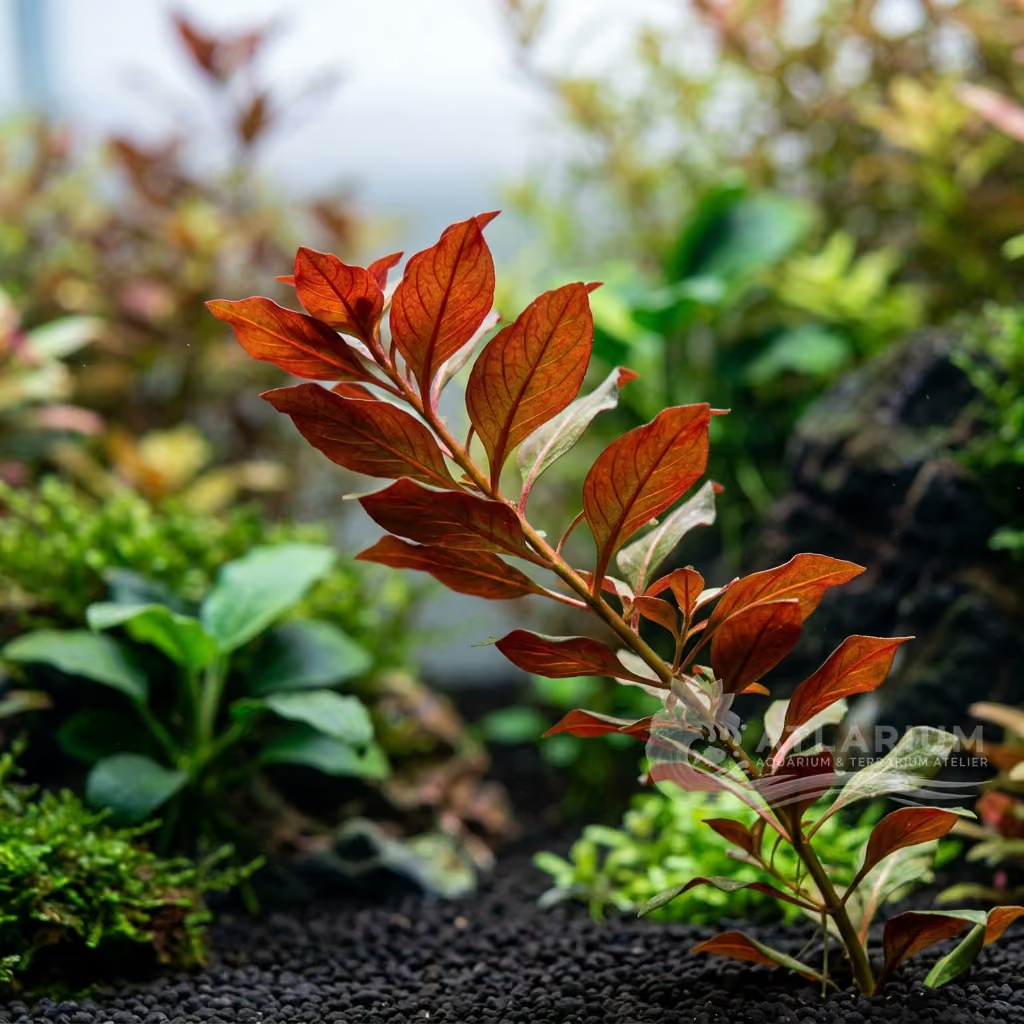
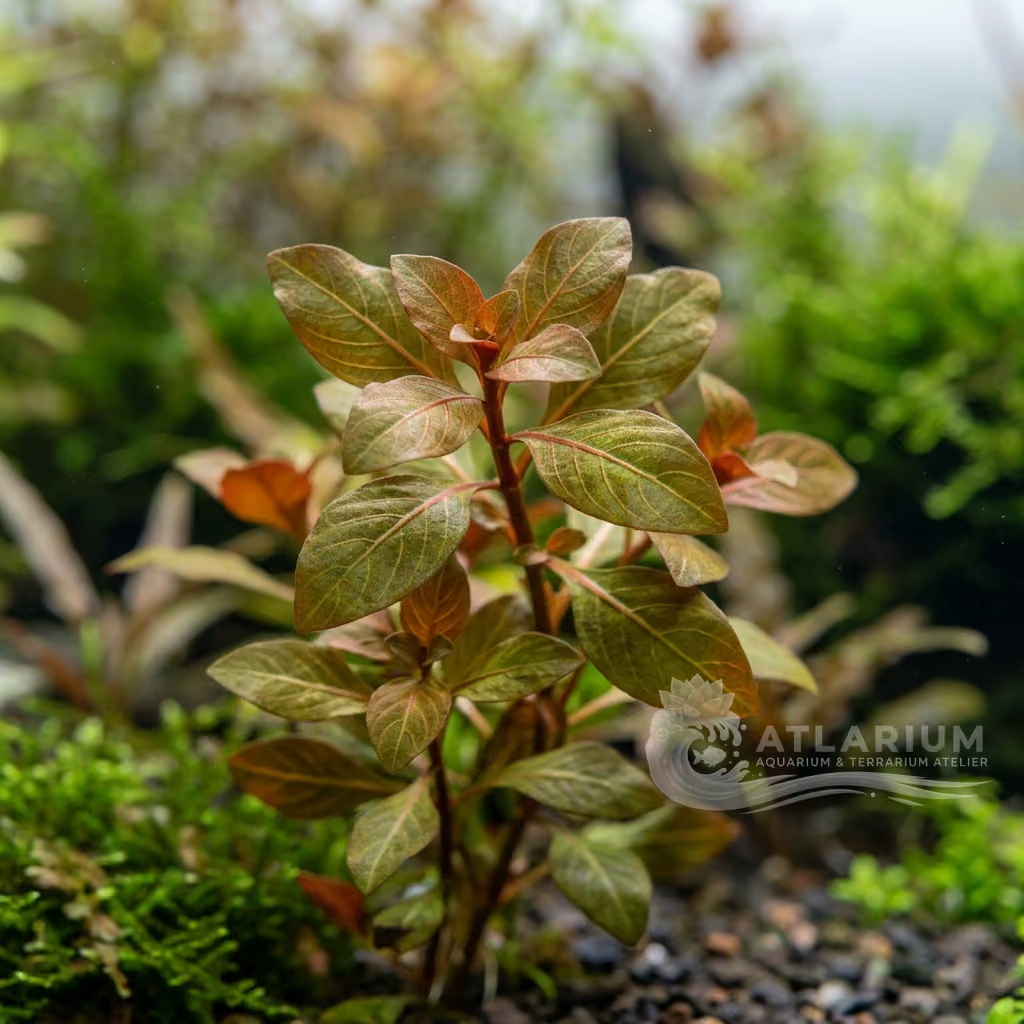
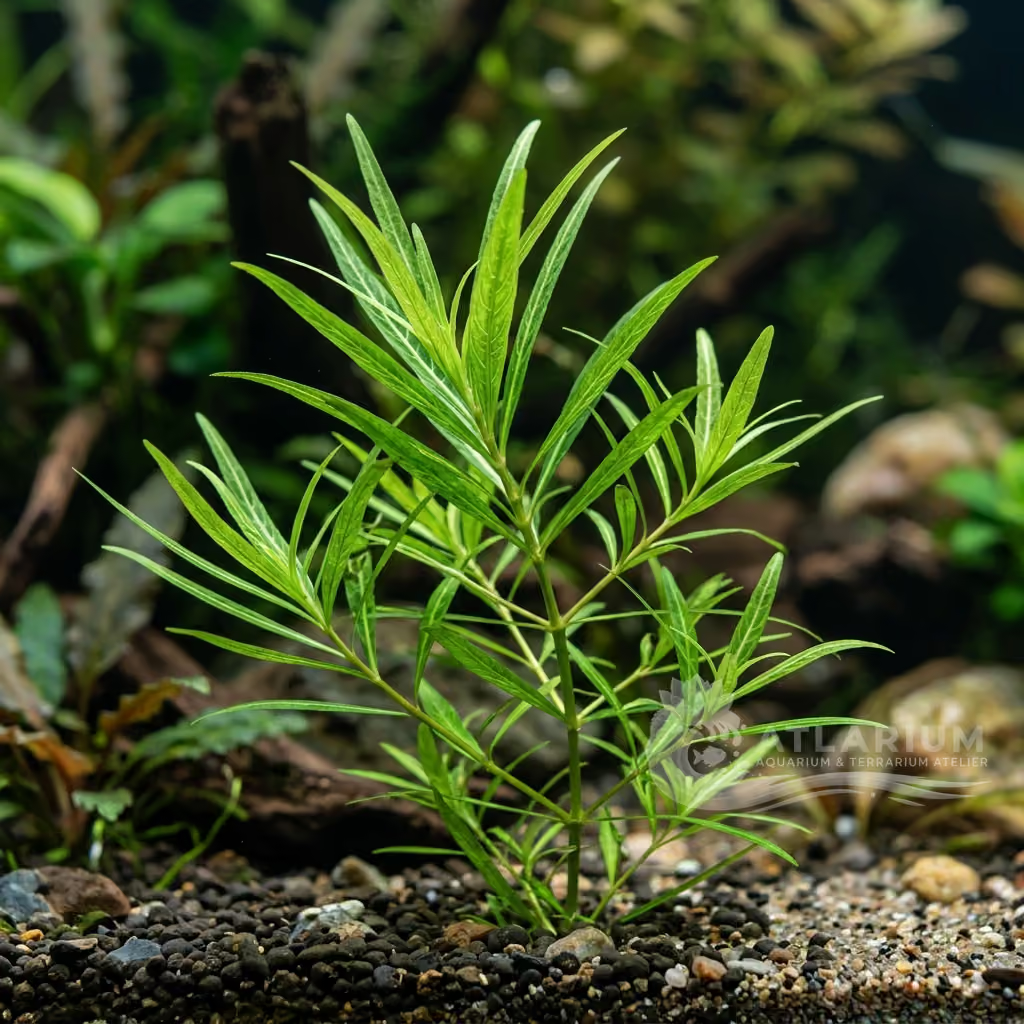
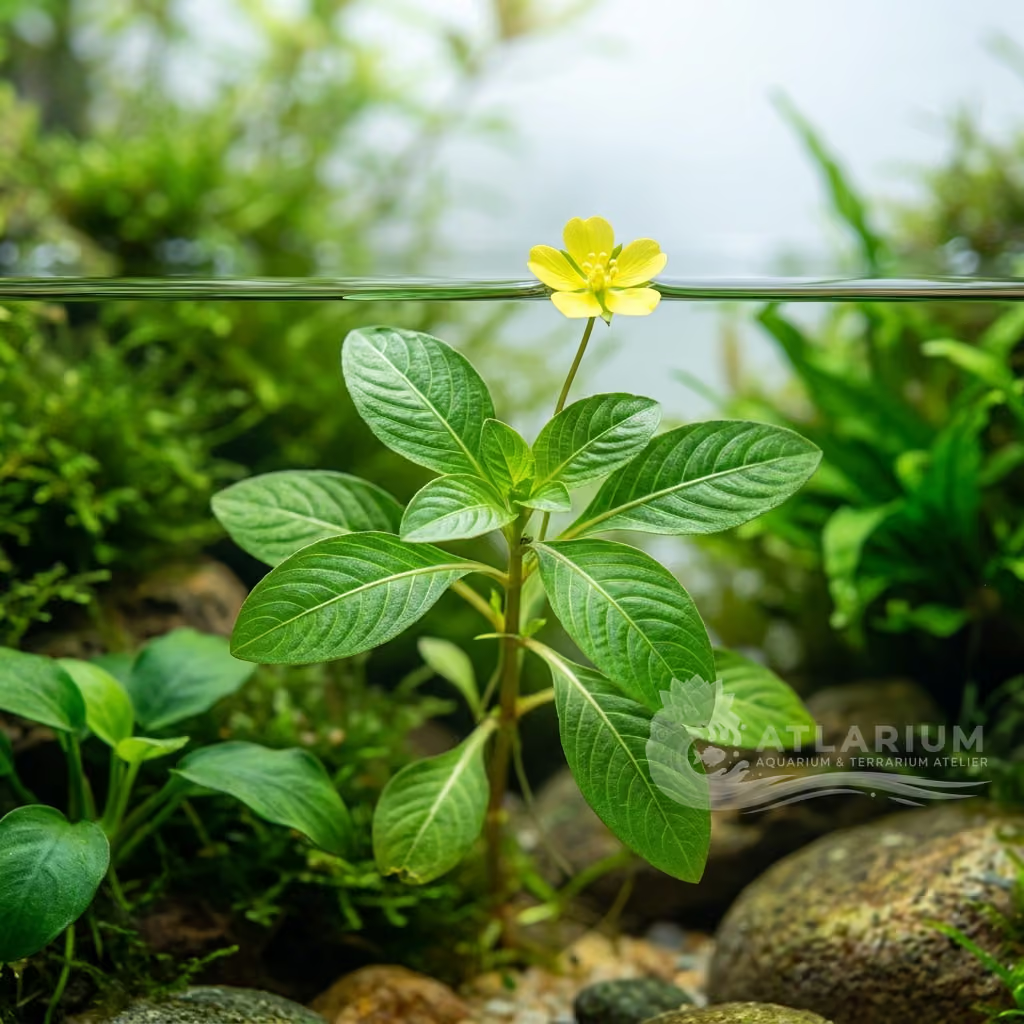
Physical Structure: Ludwigia ovalis 'Pink' features erect stems that can branch out, densely covered with oval or ovate leaves arranged alternately or sub-oppositely along the axis. Leaf size can vary depending on growing conditions, but generally remains compact, contributing to a bushy appearance. This structure makes it ideal for creating masses of color in the midground of the aquarium, adding depth and volume to the aquascape.
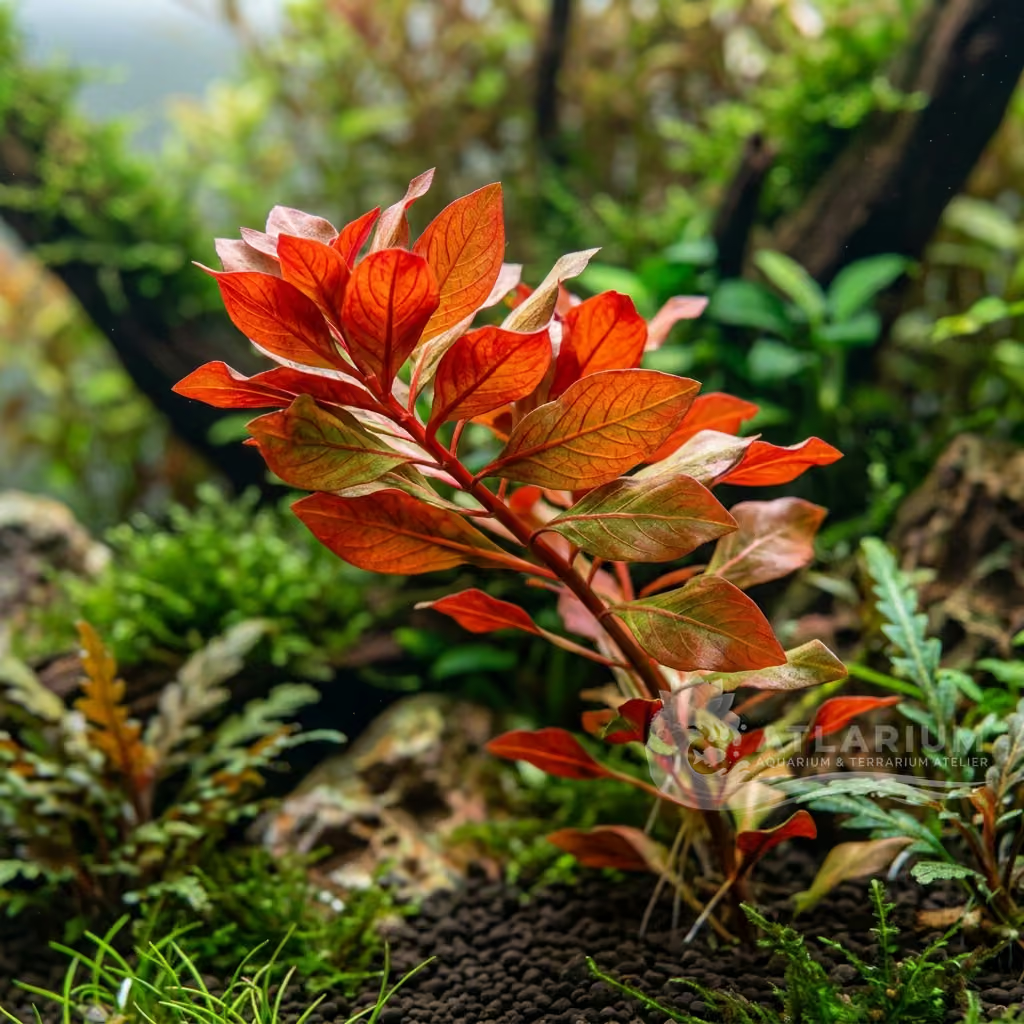
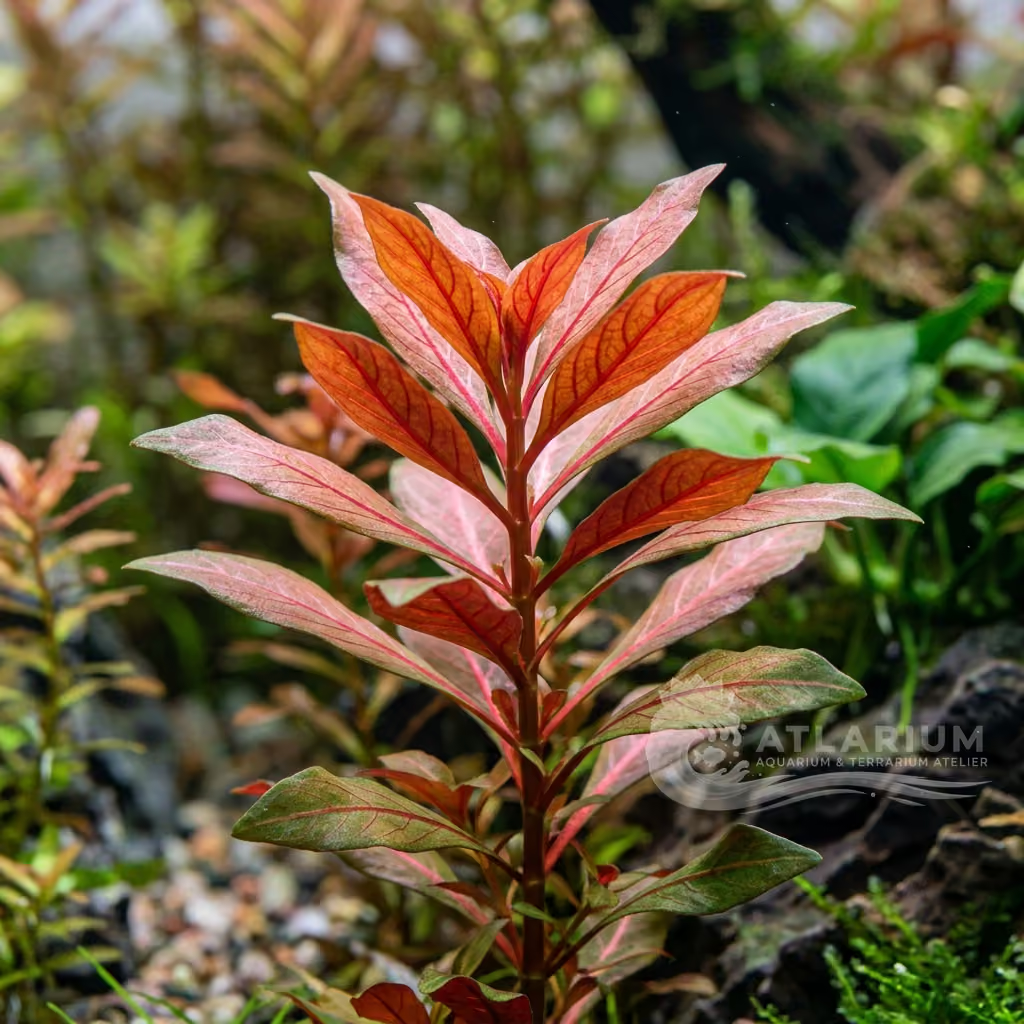
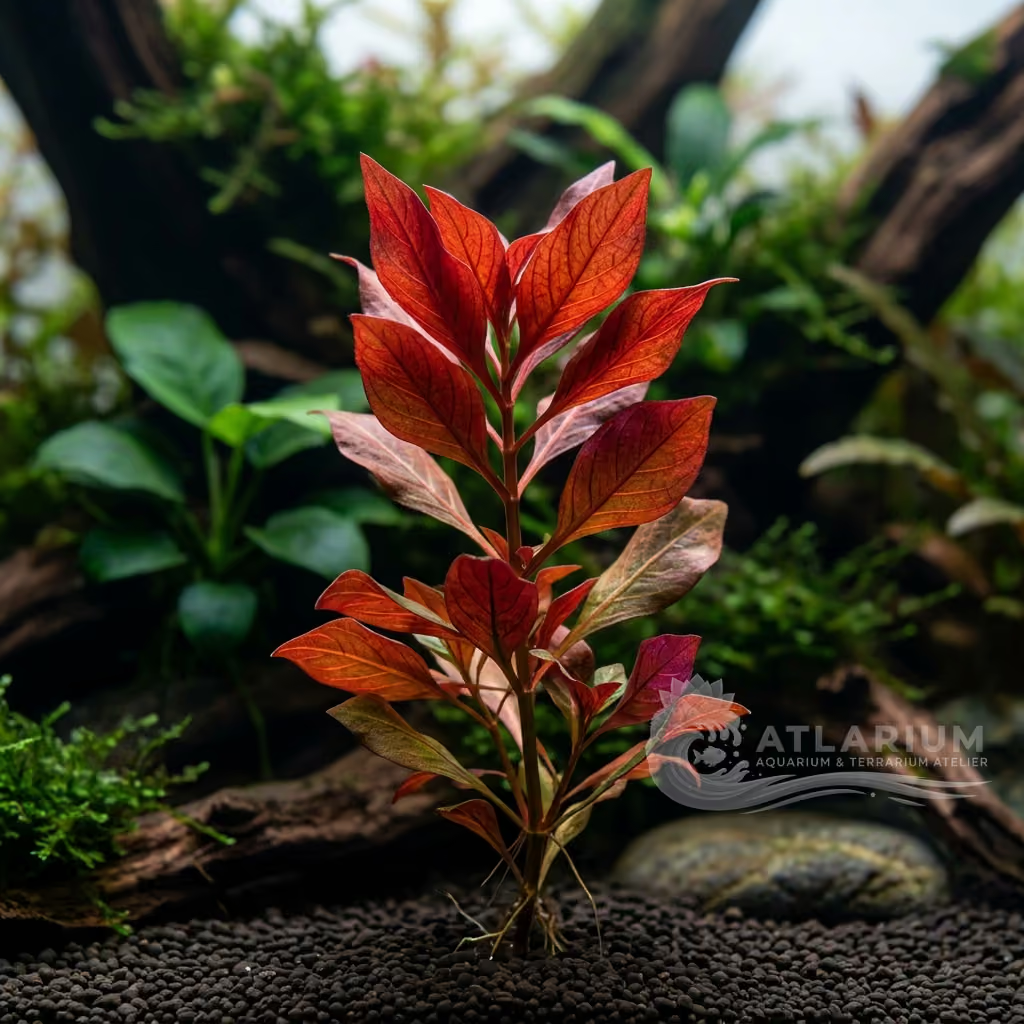
Color & Texture: The most distinguishing feature of Ludwigia ovalis 'Pink' is its extraordinary coloration, which ranges from a soft pink to a vibrant, intense red, especially under adequate lighting and optimal nutrition. The leaf surface is smooth and slightly fleshy to the touch, with a subtle sheen that enhances its rich hues. This chromatic richness makes it one of the most appreciated plants for creating visual contrasts and focal points in an aquascape design.

Care, breeding and tankmates
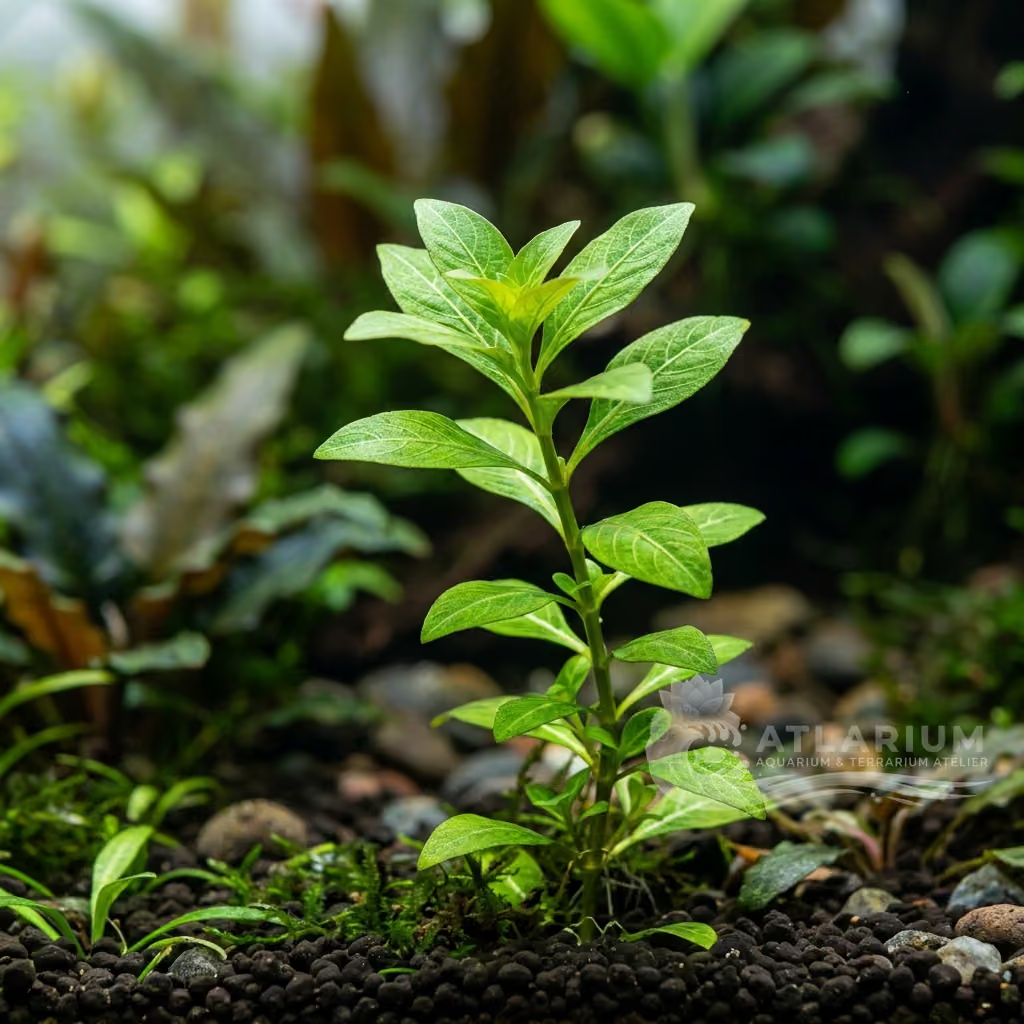
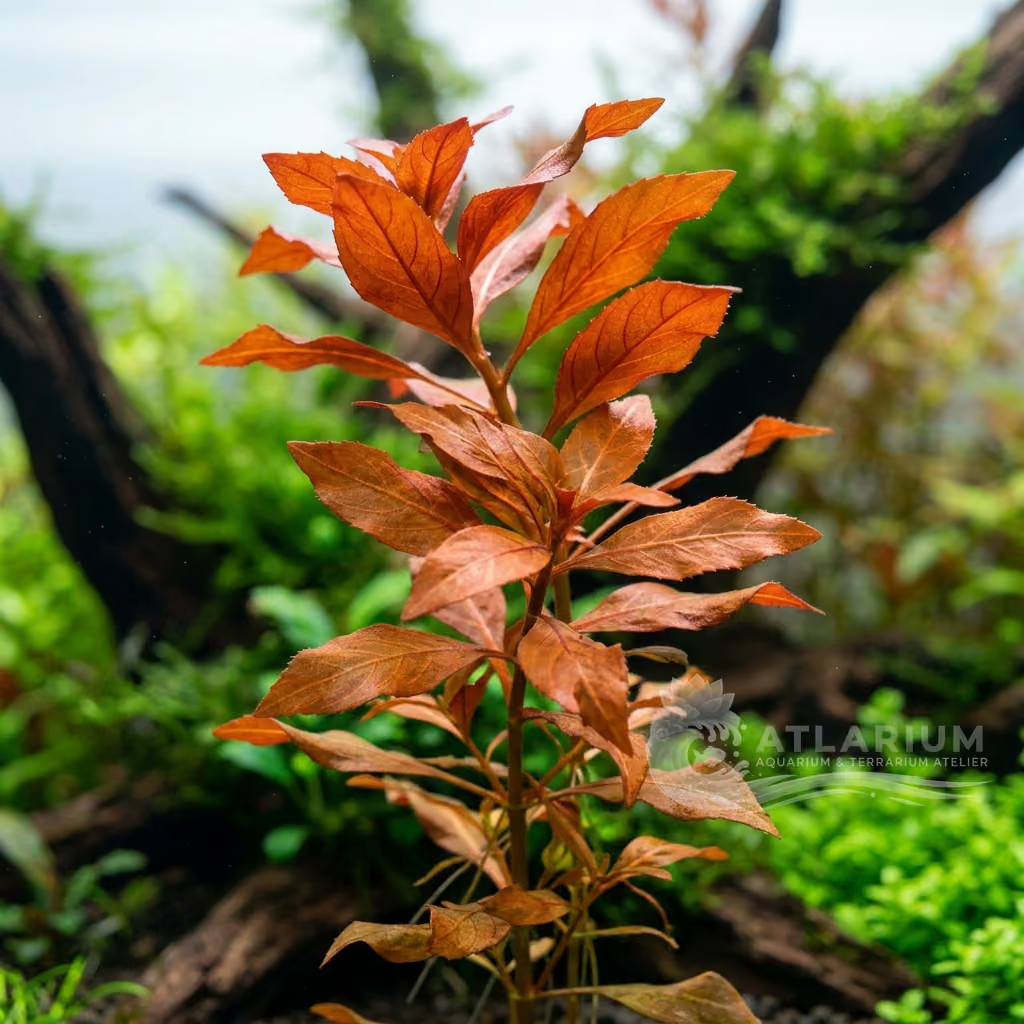
Lighting & CO2: To achieve the most intense pink coloration and robust growth, Ludwigia ovalis 'Pink' requires medium to high lighting, preferably with a spectrum rich in red and blue wavelengths. CO2 injection is highly recommended; it not only accelerates the growth rate but is also crucial for maximizing the production of red pigments, ensuring vibrant and healthy leaves. Without sufficient CO2, growth will be slower, and the coloration less pronounced, tending towards greener tones.
Nutrition & Substrate: As a stem plant that absorbs nutrients both through its roots and from the water column, Ludwigia ovalis 'Pink' greatly benefits from a nutrient-rich substrate. Supplementing with liquid fertilizers containing iron, potassium, nitrates, and phosphates is essential to support its growth and maintain the vibrancy of its color. A deficiency in micronutrients, particularly iron, can lead to pale or yellowish leaves, compromising its aesthetic appeal.
Water Chemistry: Ludwigia ovalis 'Pink' thrives in a water temperature range of 10°C to 28°C, although the optimal range for vigorous growth and brilliant colors is typically between 22-26°C. It prefers soft water with a carbonate hardness (KH) between 1 and 7 and a slightly acidic pH, from 4.5 to 7.0. Maintaining these parameters stably is crucial, as sudden fluctuations can cause stress to the plant, potentially leading to melting or decline.
Space Management & Placement: Due to its moderate height and tendency to form compact bushes, Ludwigia ovalis 'Pink' is ideally positioned in the midground of the aquarium. For optimal visual impact, it is recommended to plant it in dense groups, creating a vibrant contrast with greener plants or dark backgrounds. Ensure sufficient space between stems to allow light to penetrate to the lower leaves and encourage uniform growth throughout the bush.
Pruning: Regular pruning is essential to maintain the desired shape of Ludwigia ovalis 'Pink' and to promote bushier, more compact growth. Trimming the tips of the stems encourages lateral branching, making the plant fuller and preventing it from becoming too tall and leggy. The trimmed stems can be easily replanted into the substrate to propagate new plants, further densifying the planted area and creating lush landscapes.
Risks & Diseases: Despite being relatively robust, Ludwigia ovalis 'Pink' can be susceptible to melting if introduced into aquariums with significantly different water conditions than its cultivation environment or in cases of abrupt changes. Nutrient deficiencies manifest as discolored leaves, stunted growth, or general decline. Insufficient lighting or a lack of CO2 will result in greener coloration instead of pink, and diminished growth rates.

Geographic origin and distribution
The parent species *Ludwigia ovalis*, from which the 'Pink' cultivar originates, is native to extensive regions of East Asia, including countries like Japan, Korea, and Taiwan, where it thrives in freshwater, marshy environments with still or slow-moving waters. This specific 'Pink' cultivar, however, is a result of horticultural selection and does not occur in nature with its enhanced, intense coloration. Its adaptability to varying environmental conditions has facilitated its widespread adoption among aquarists.
Origin
East AsiaSelective breeding and cultivars

Plant profile
- Placement
- Midground
- Its brilliant pink coloring makes it an exceptional midground focal point in a planted aquarium. Like the standard form, it naturally grows at an angle, making it perfect for sweeping across the mid-level of the aquascape. Surrounding it with dark green or very light green plants will make its pink foliage pop.
- Botanical form
- Stem
- It retains the defining alternate leaf arrangement and oval leaf shape of L. ovalis. However, under optimal conditions, the foliage of the 'Pink' variant turns a stunning, uniform shade of pink to light red. The stems remain relatively delicate but are robust enough to form a self-supporting bush.
- Growth
- Medium
- This variant grows at a moderate pace, allowing aquascapers to easily maintain its shape without constant trimming. When provided with high light and CO2, its growth accelerates, but it rarely becomes invasive. This steady growth habit makes it a joy to work with in meticulously planned layouts.
- Substrate
- Medium
- Thrives in a moderately enriched substrate that provides the necessary nutrients to bring out its distinctive pink hues. An aqua soil or fertilized gravel bed of about 2 inches deep is ideal for allowing the roots to anchor and feed effectively. Regular substrate nourishment ensures the plant maintains its robust stem structure and vibrant coloration.
- Column fertilization
- Recommended
- Liquid dosing is crucial for this plant; iron and micronutrients must be consistently available in the water column. Deficiencies will quickly cause the new leaves to pale, losing their signature pink color and reverting to yellow or green. Adequate potassium ensures the leaves remain free of pinholes.
- Root fertilization
- None
- A nutrient-rich aquasoil provides an excellent foundation for this plant. While it draws nutrients through its leaves, strong root fertilization promotes thicker, healthier stems and larger leaves. Adding root tabs near established clusters can provide an extra boost of color and vitality.
- Trimming
- Occasional
- Trim the stems strategically to promote horizontal branching and create a dense, colorful thicket. Cutting just above a healthy leaf node encourages the stem to produce two or more new shoots. The vibrant pink tops should always be replanted to maintain the group's best appearance.
- Propagation
- Cuttings
- Propagation is simple and effective through stem cuttings. Carefully snip the tops of the stems and gently plant them into the substrate. The cuttings will root quickly, provided there is adequate light reaching the substrate level.
- Sensitivity
- Moderate
- It is somewhat more sensitive to shading and low light than the standard Ludwigia ovalis. If placed in a shaded area, it will rapidly lose its pink coloration and may begin to shed its lower leaves. Sudden swings in water parameters can cause the delicate new growth to become stunted.
- Layout role
- Midground, accent, Background
- The 'Pink' variant is primarily used to introduce a soft, yet striking, splash of color into the midground. Its unique creeping habit allows it to blend seamlessly into hardscape or transition zones. It is a favorite among aquascapers for adding a touch of elegance and warmth without overpowering the design.

Related species
Recommendations grouped by close relatives, companion choices, and similar care.