Ludwigia arcuata
Ludwigia arcuata
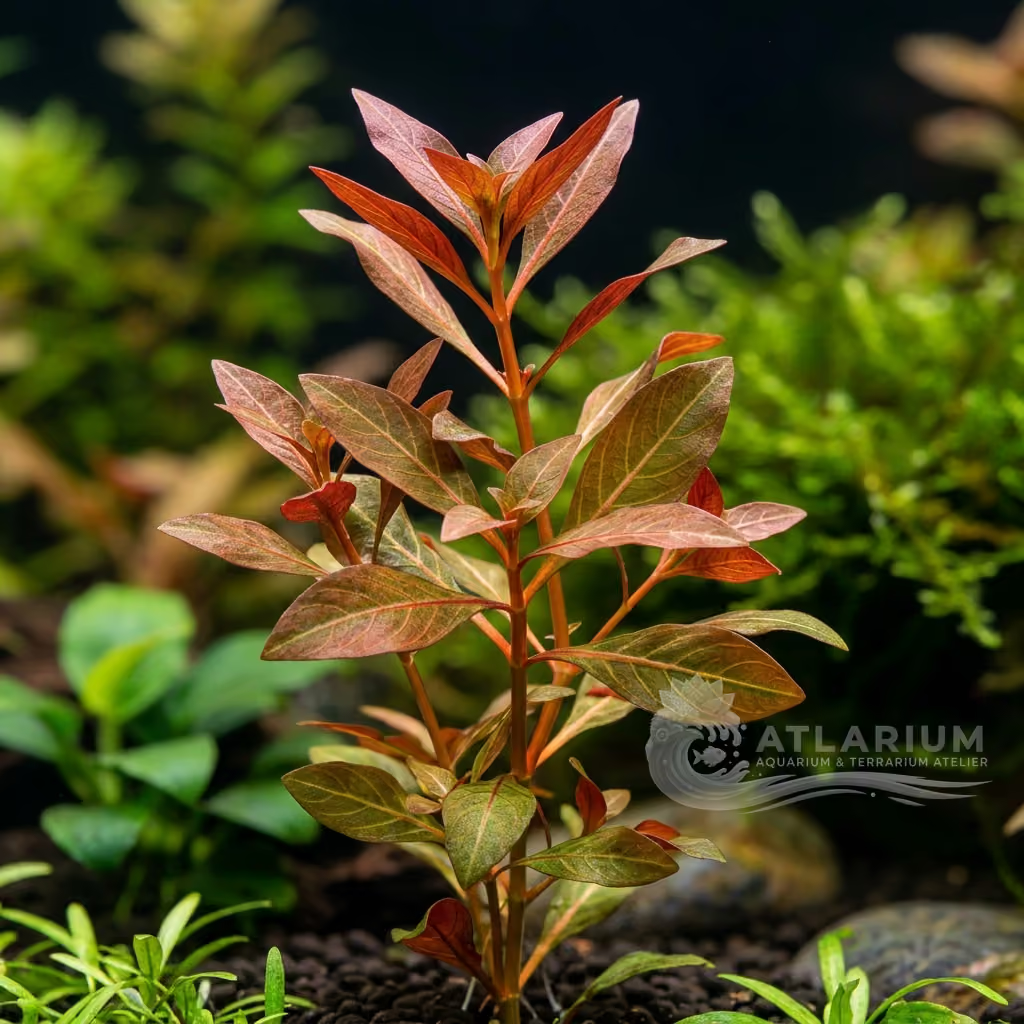
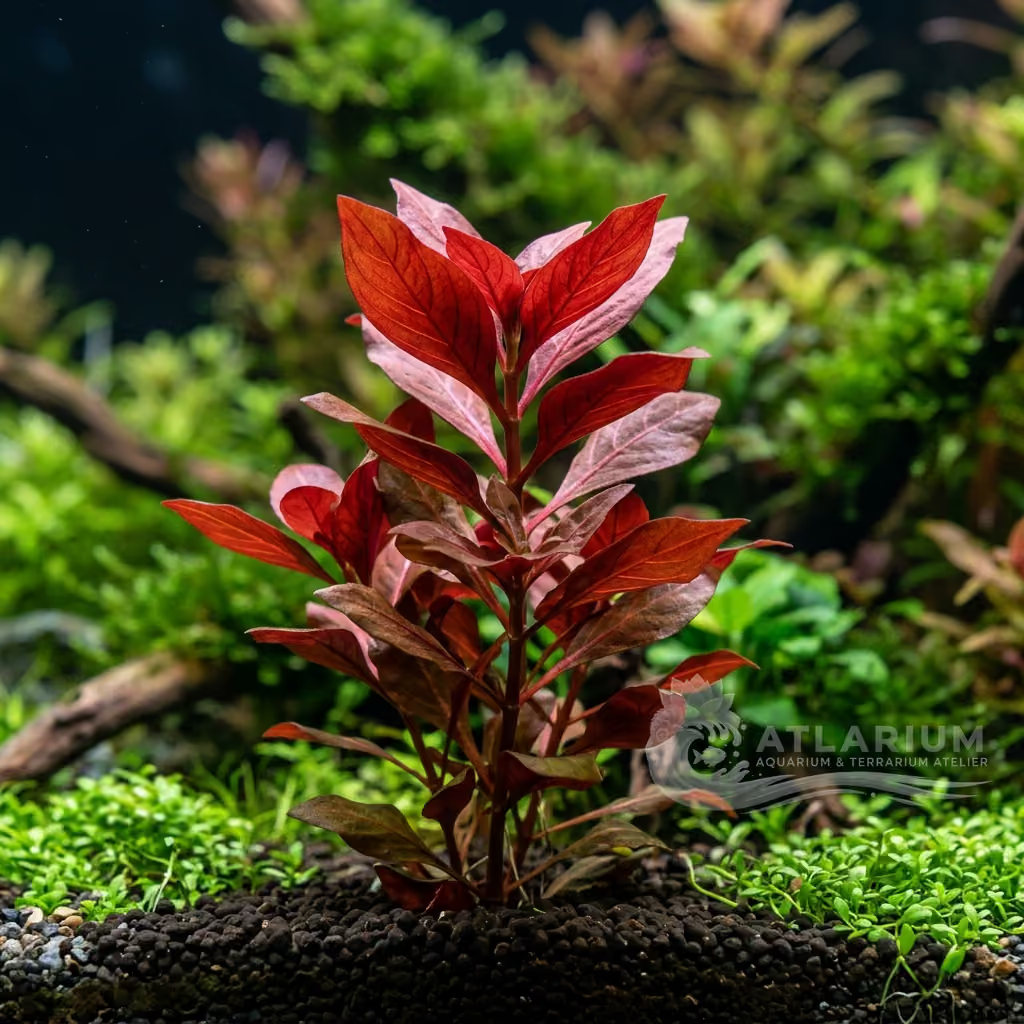
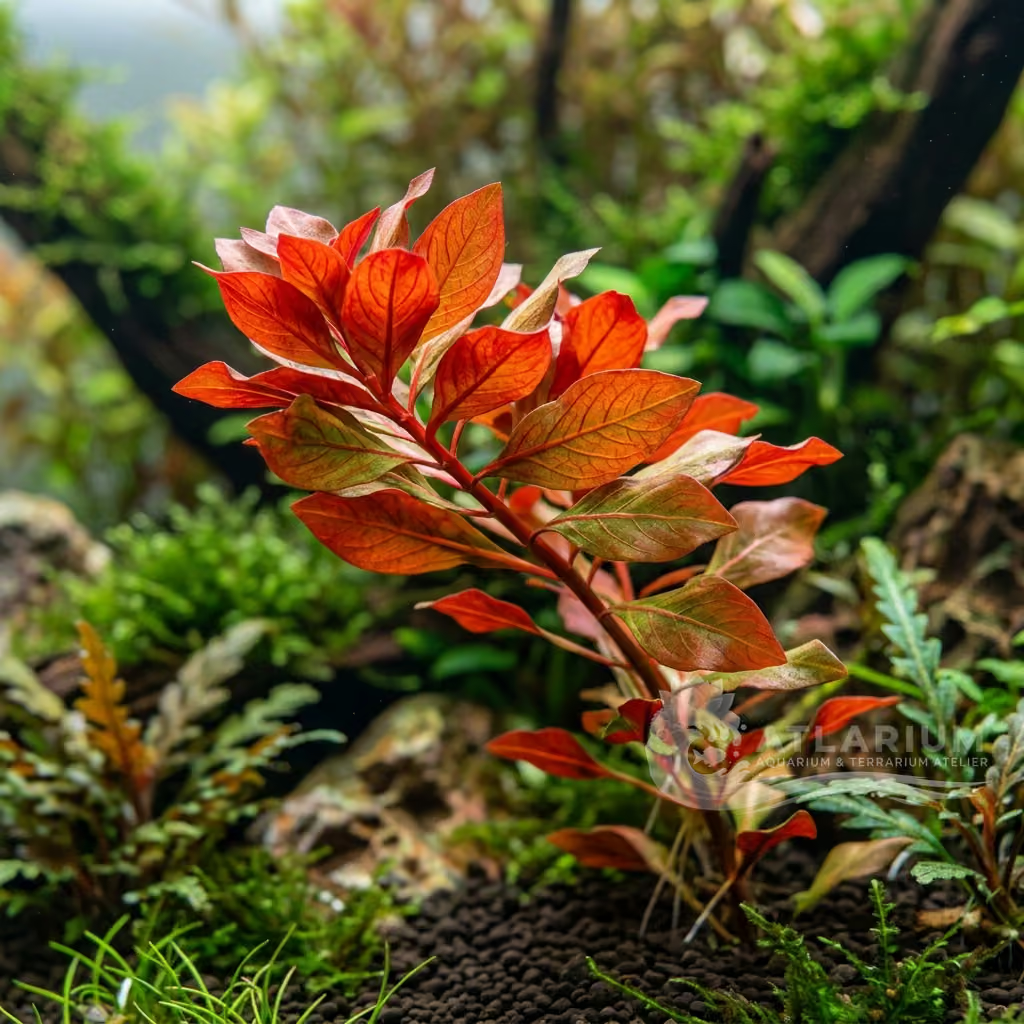
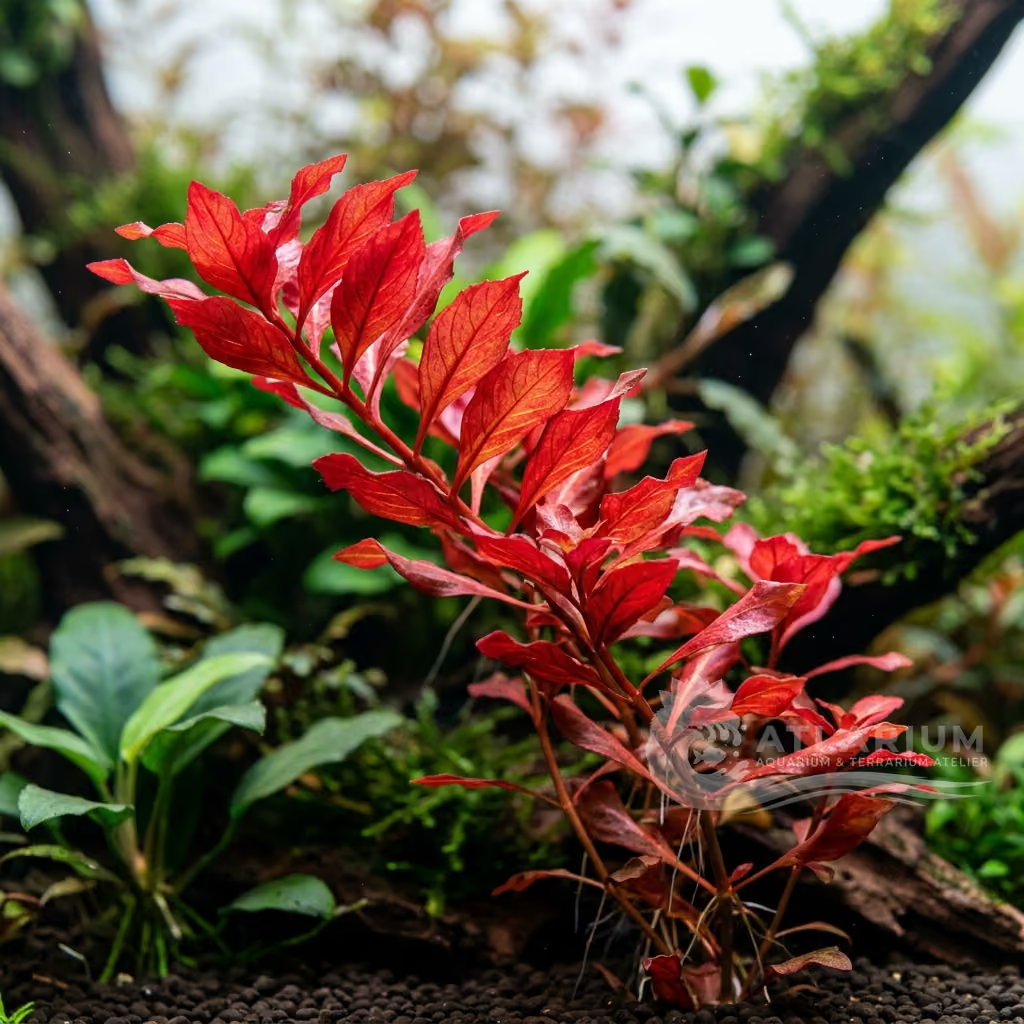
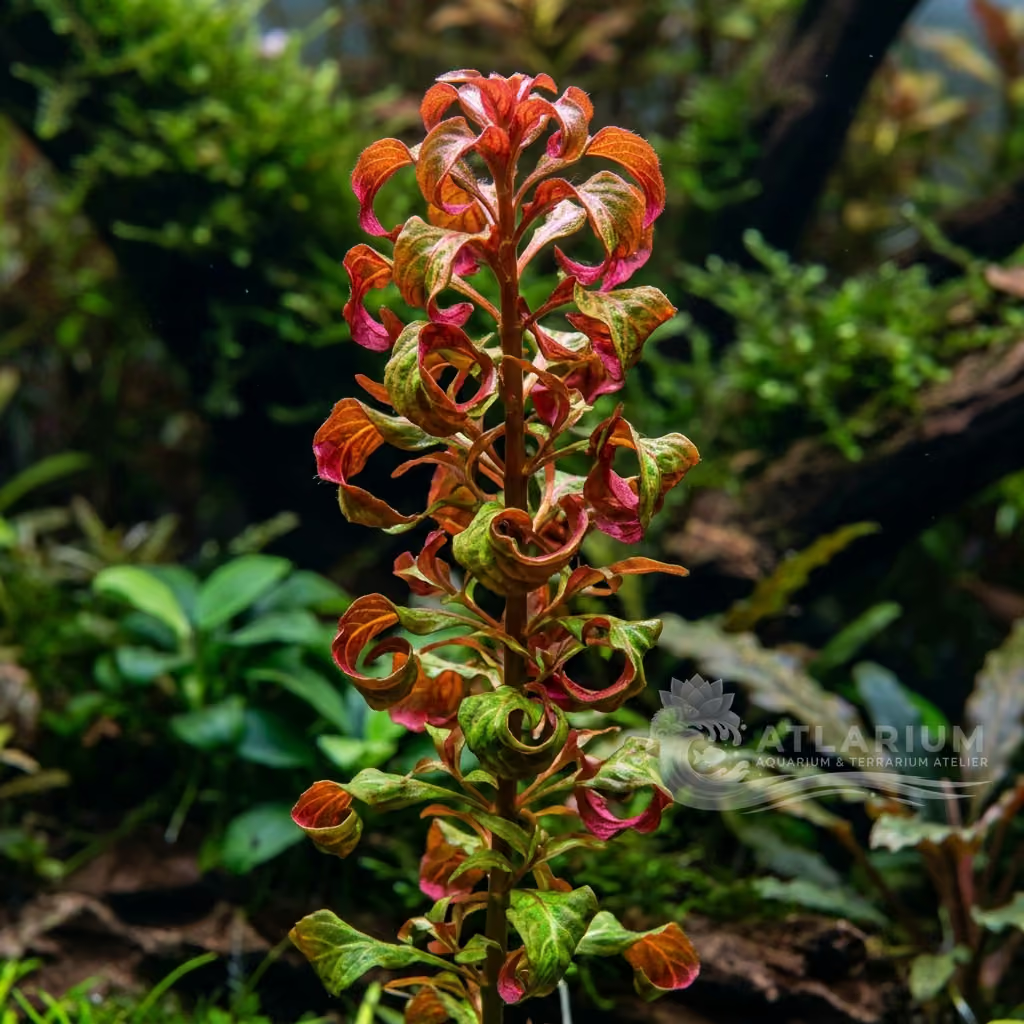
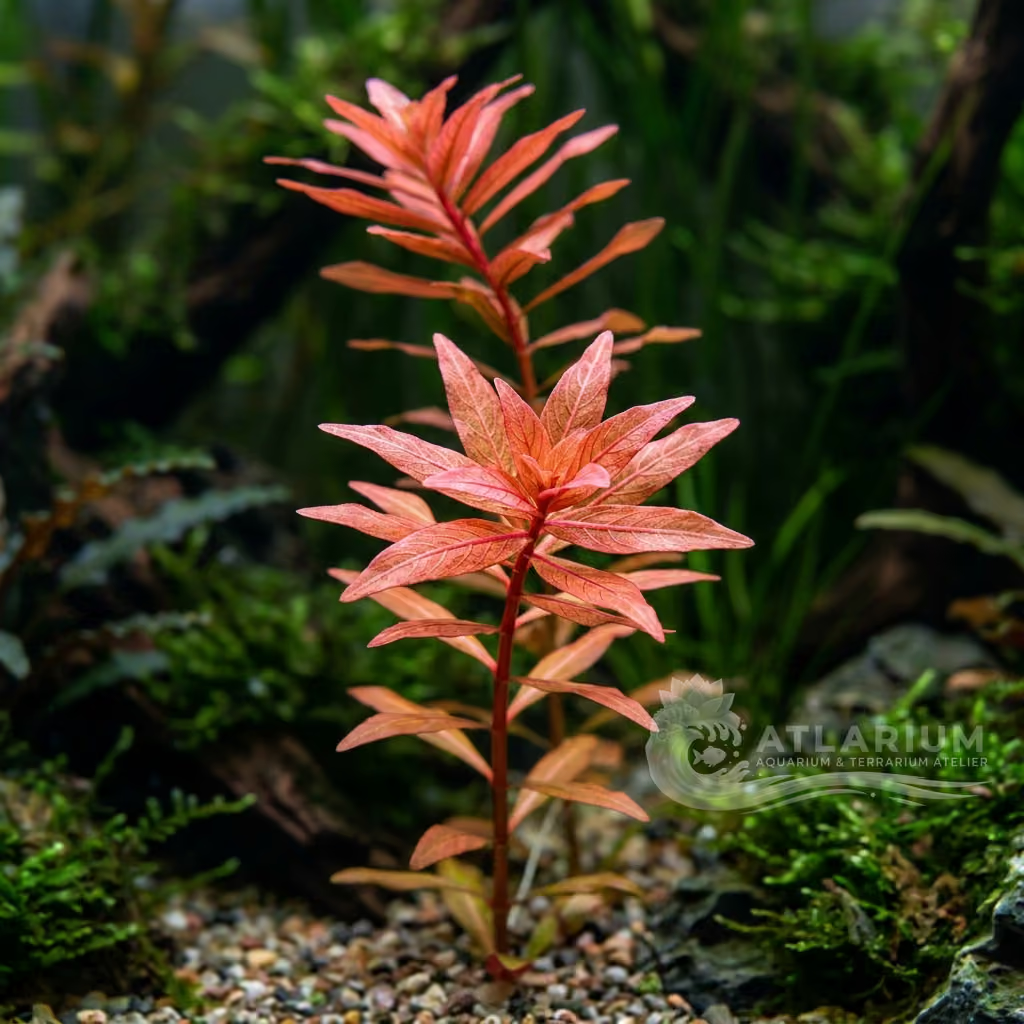
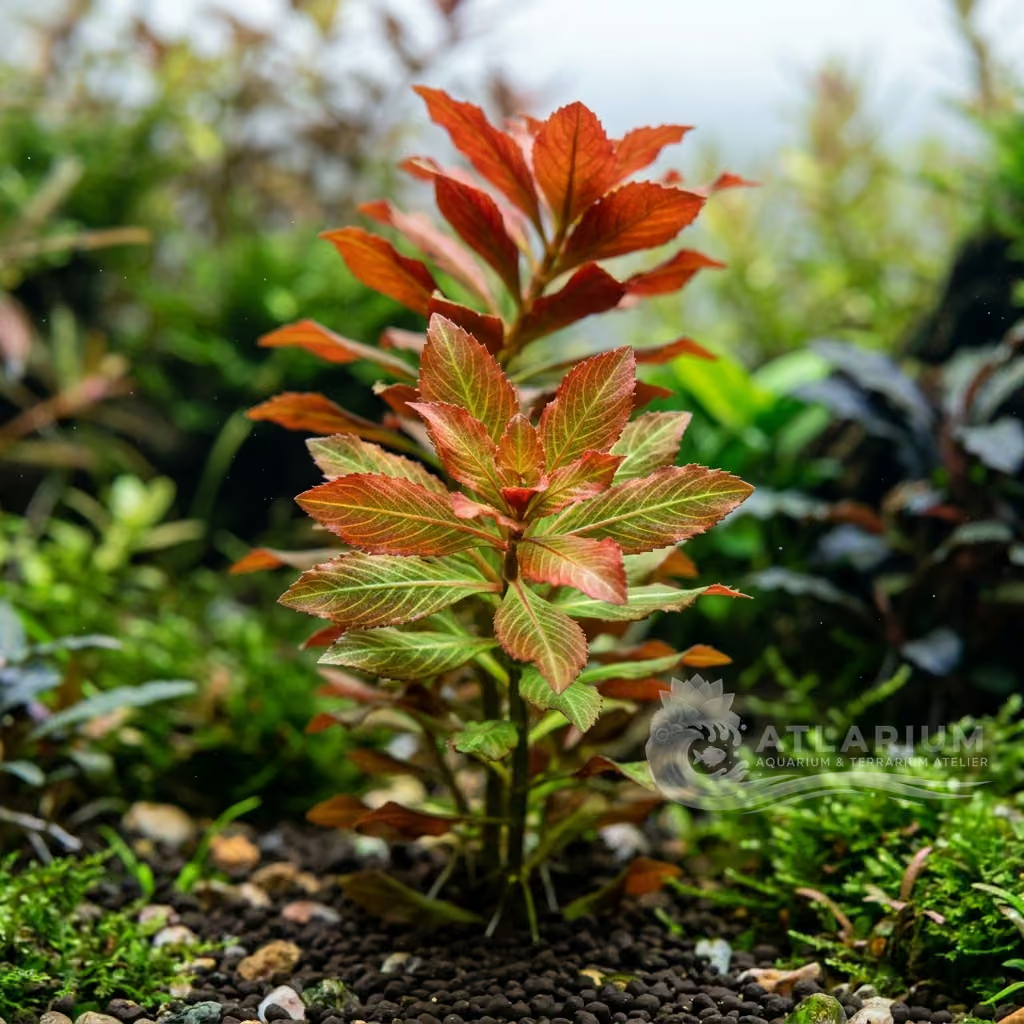
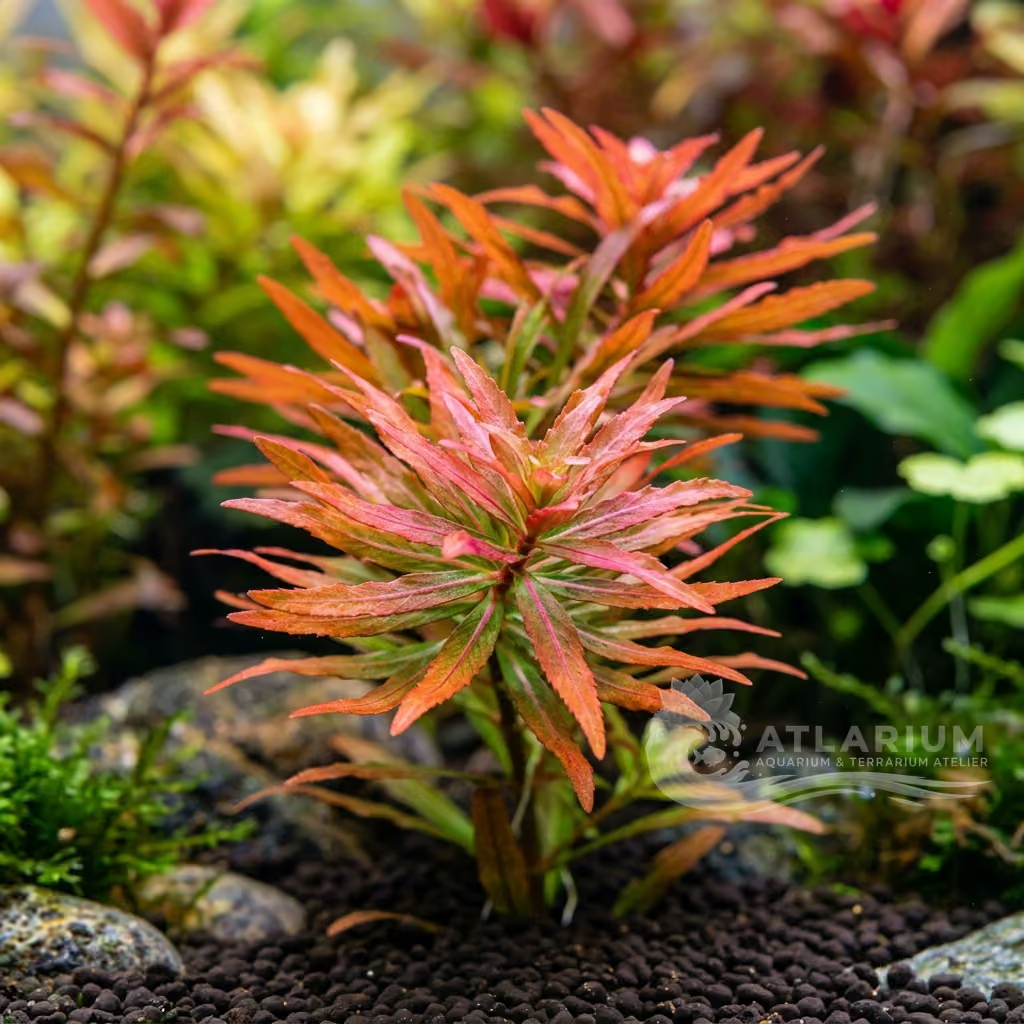
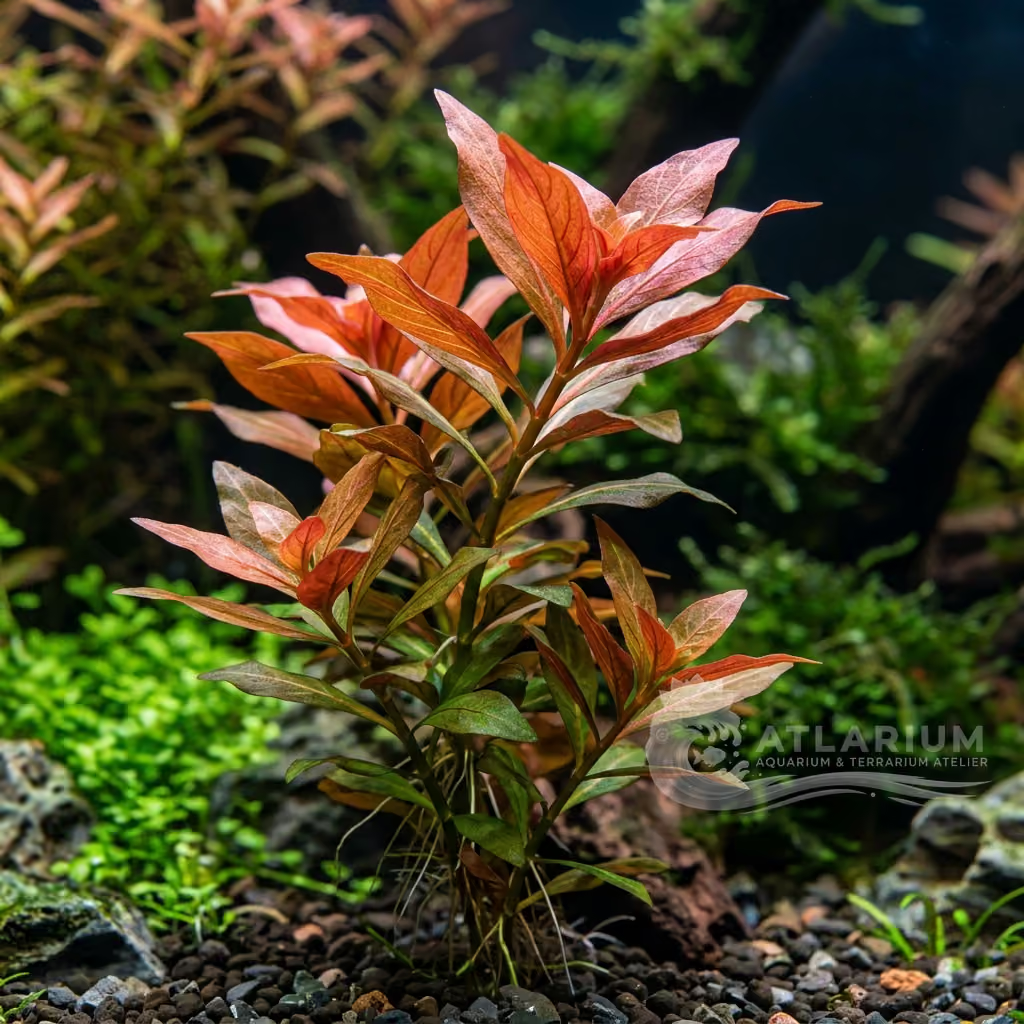
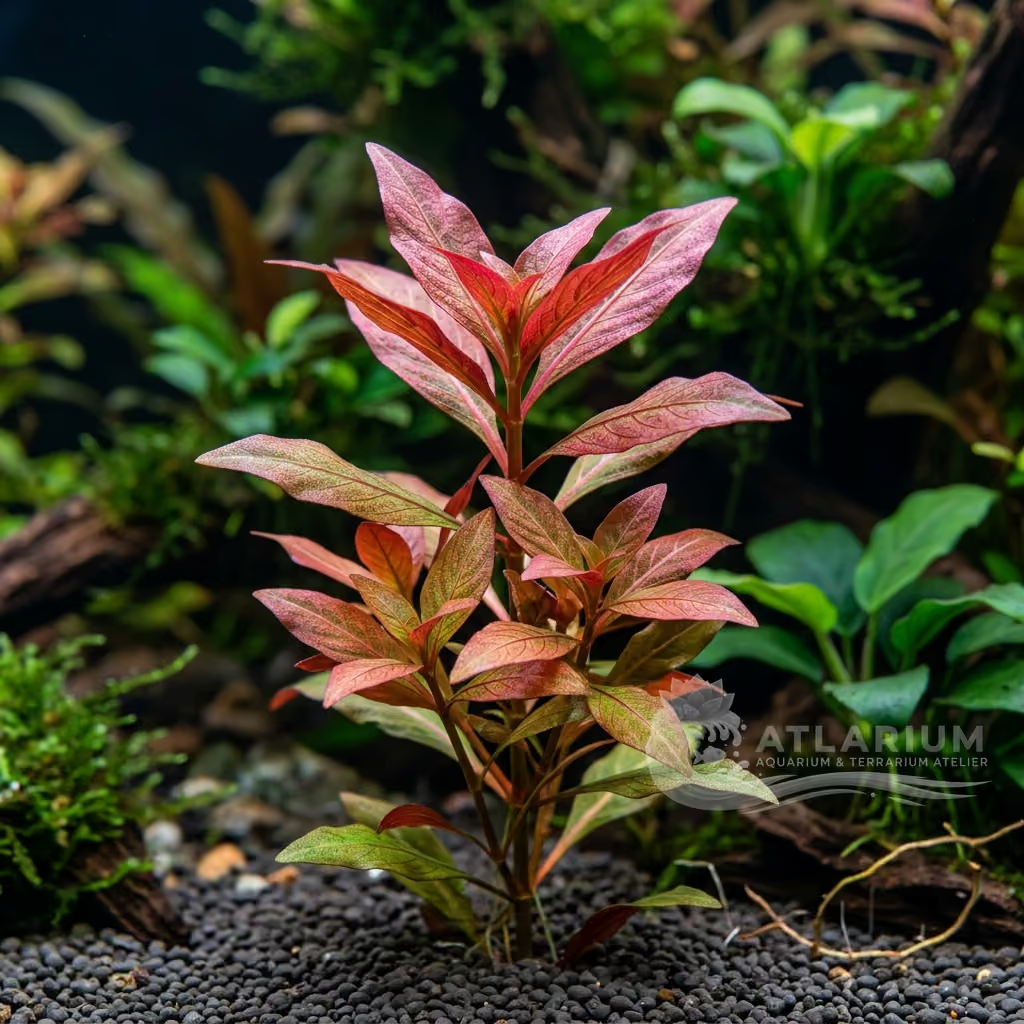
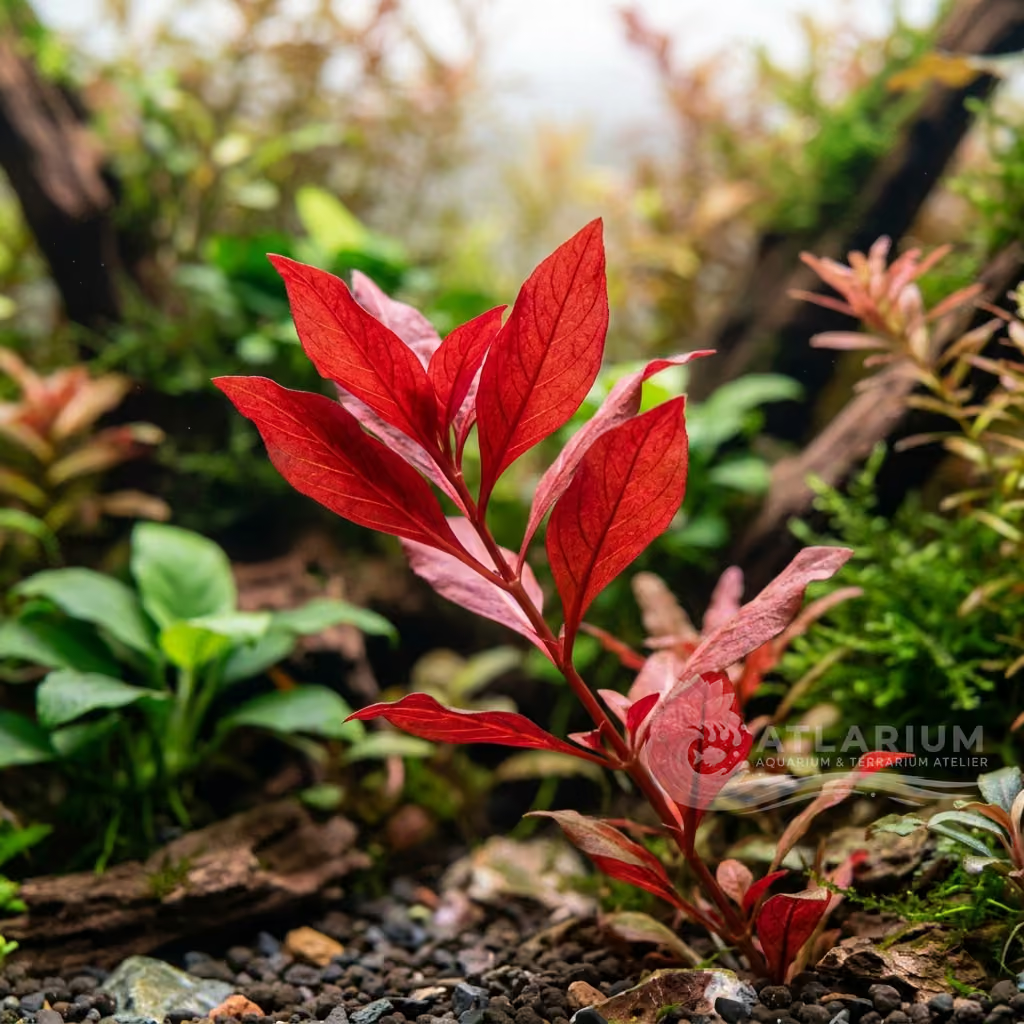
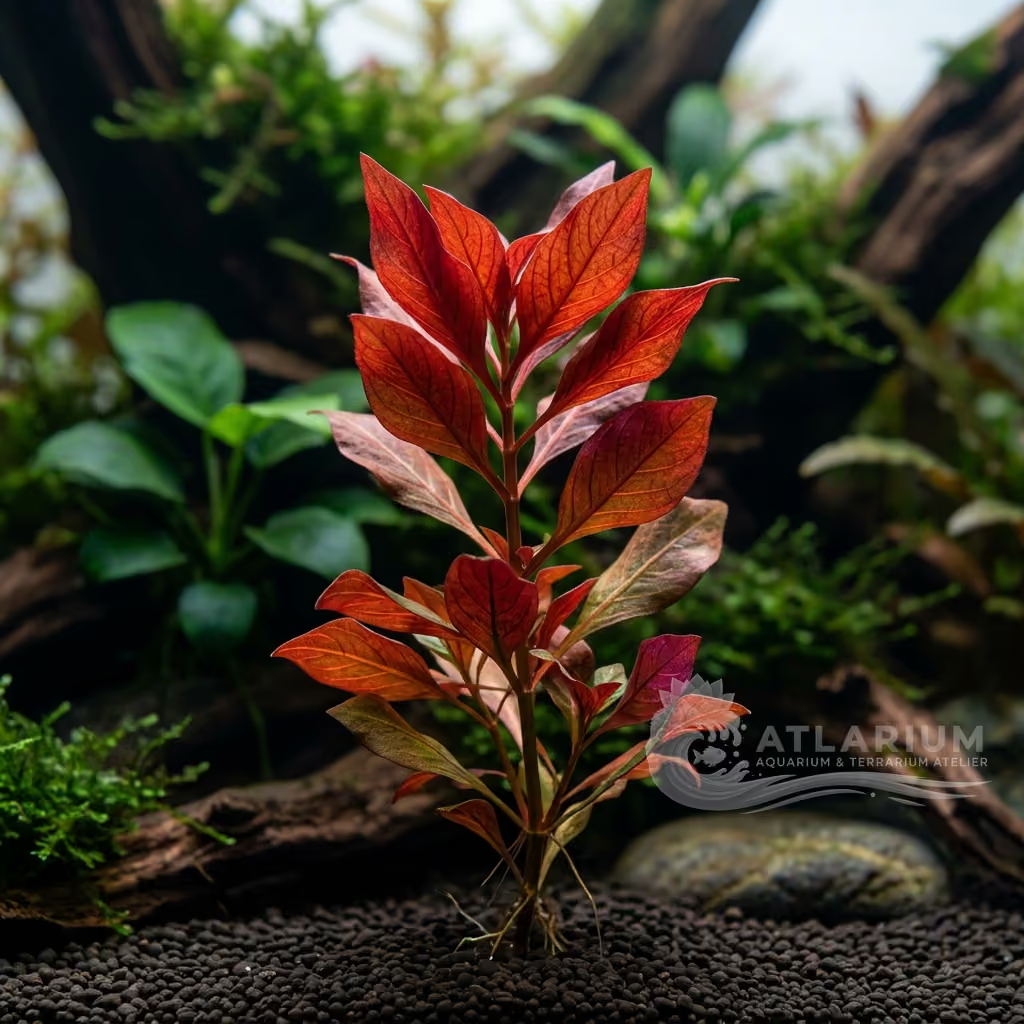
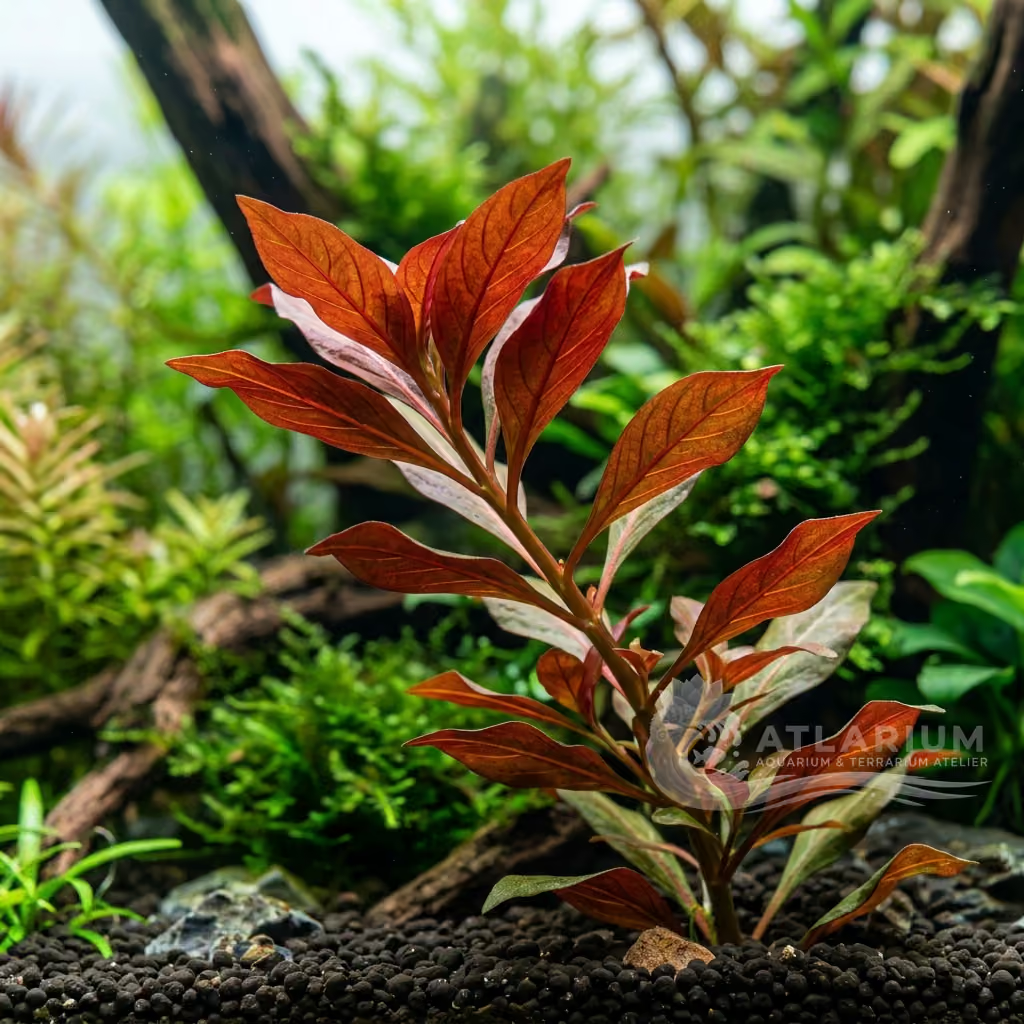
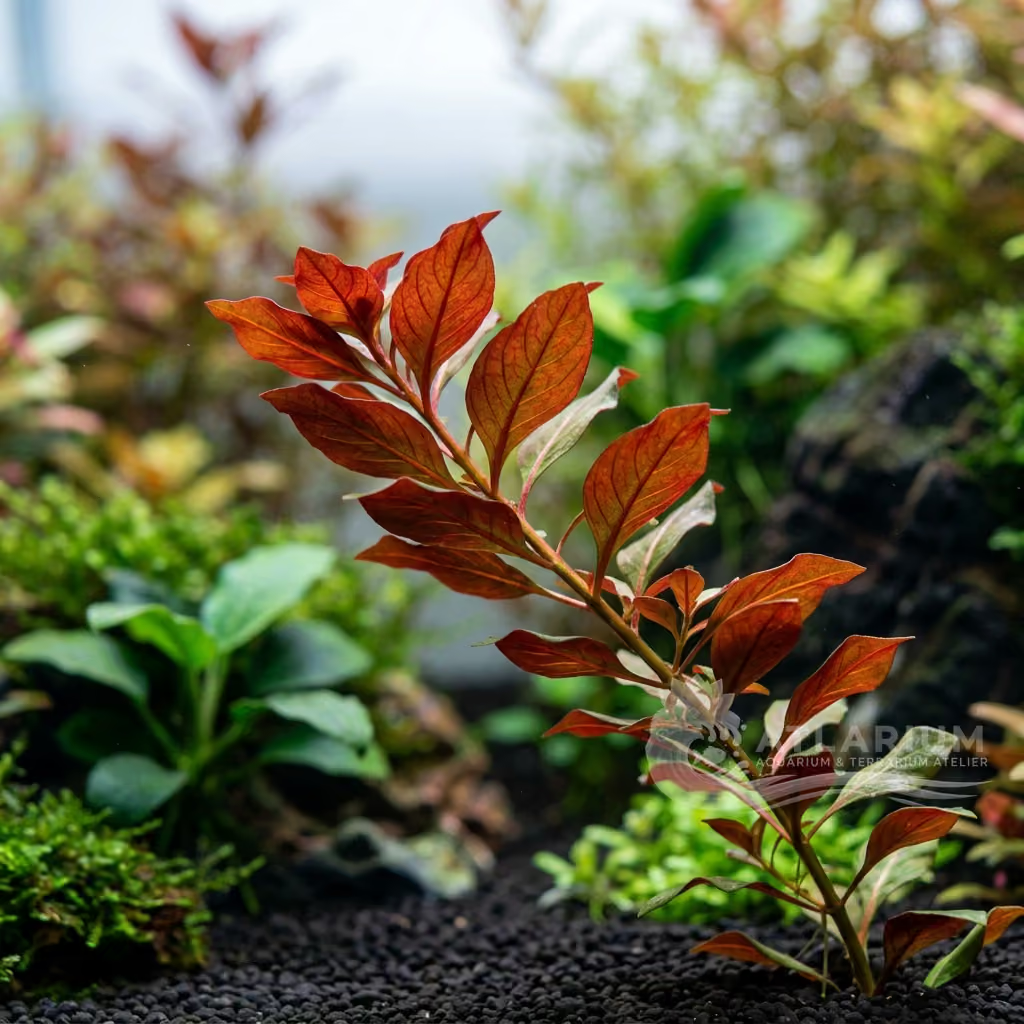
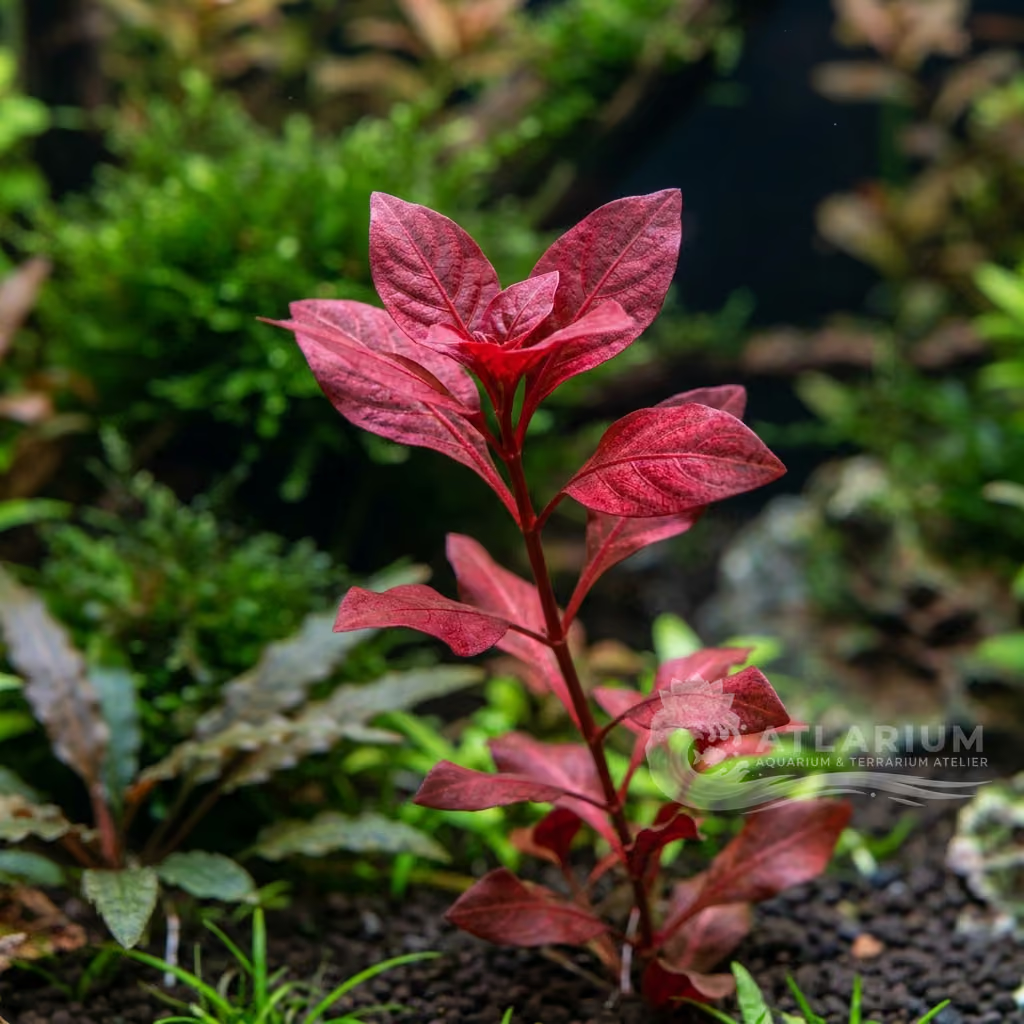
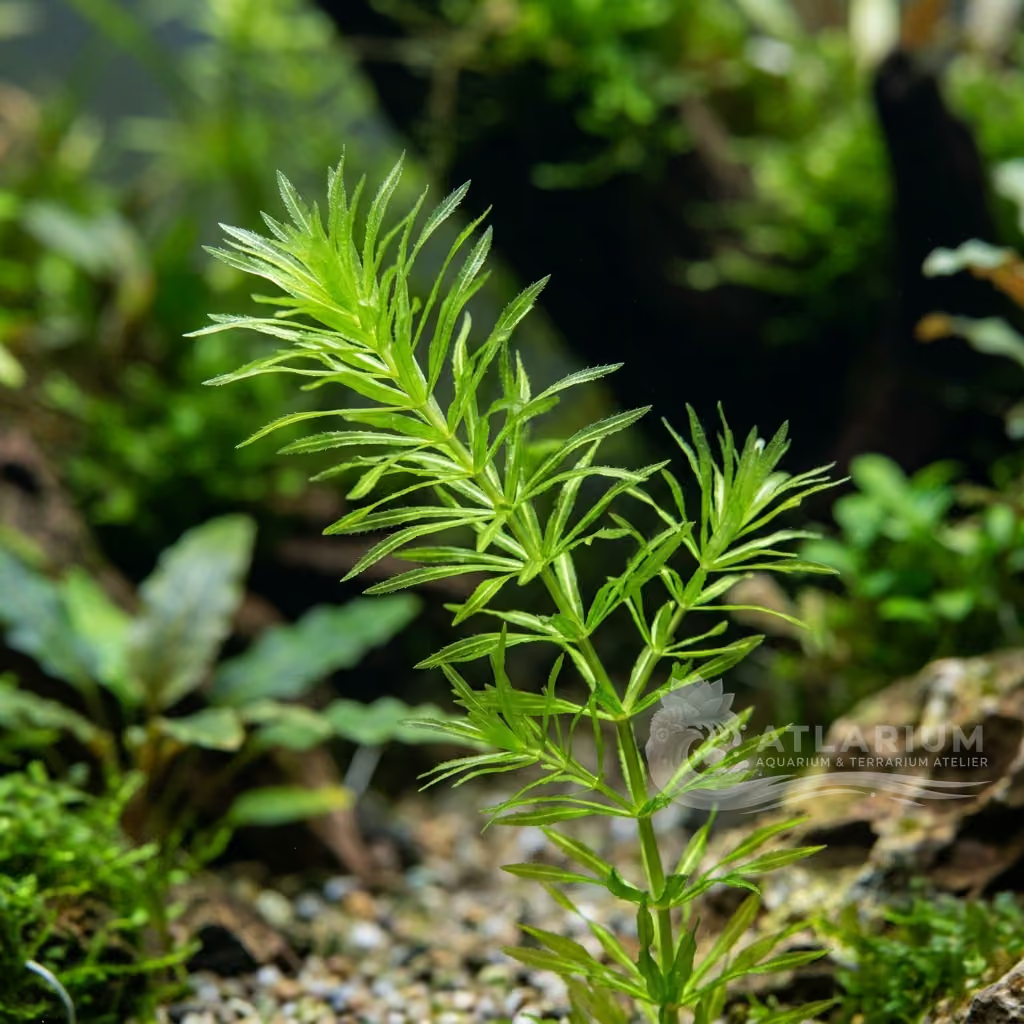
Ludwigia arcuata offers striking narrow leaves with fiery red tones. Native to the US East Coast, it requires intense lighting and CO2 to encourage compact branching.
Water Temperature
12 - 28 °C
pH Value
4.5 - 7
Water type
Freshwater
Light
Medium to High
CO2
High
Expected height
30 cm
Expected width
12 cm
KH
2 - 15 dKH

Species description
Geographical Origin and Habitat: Ludwigia arcuata is native to the wetland regions of the eastern coast of the United States, particularly in states like North Carolina, South Carolina, and Florida. In nature, it grows in damp ditches, boggy banks, shallow freshwater ponds, and slow-moving rivers. It is a flexible marsh plant that colonizes both emersed muddy soils and stagnant waters, adapting to seasonal water level fluctuations.
Taxonomy & Genetics: It belongs to the Onagraceae family, genus Ludwigia, which is rich in species of aquascaping interest. Genetically, L. arcuata shows high sensitivity to nutrients and light intensity, which regulate carotenoid and anthocyanin pigment production. It easily hybridizes in nature with Ludwigia brevipes, with which it shares many morphological characteristics, sometimes requiring molecular analysis for precise identification.
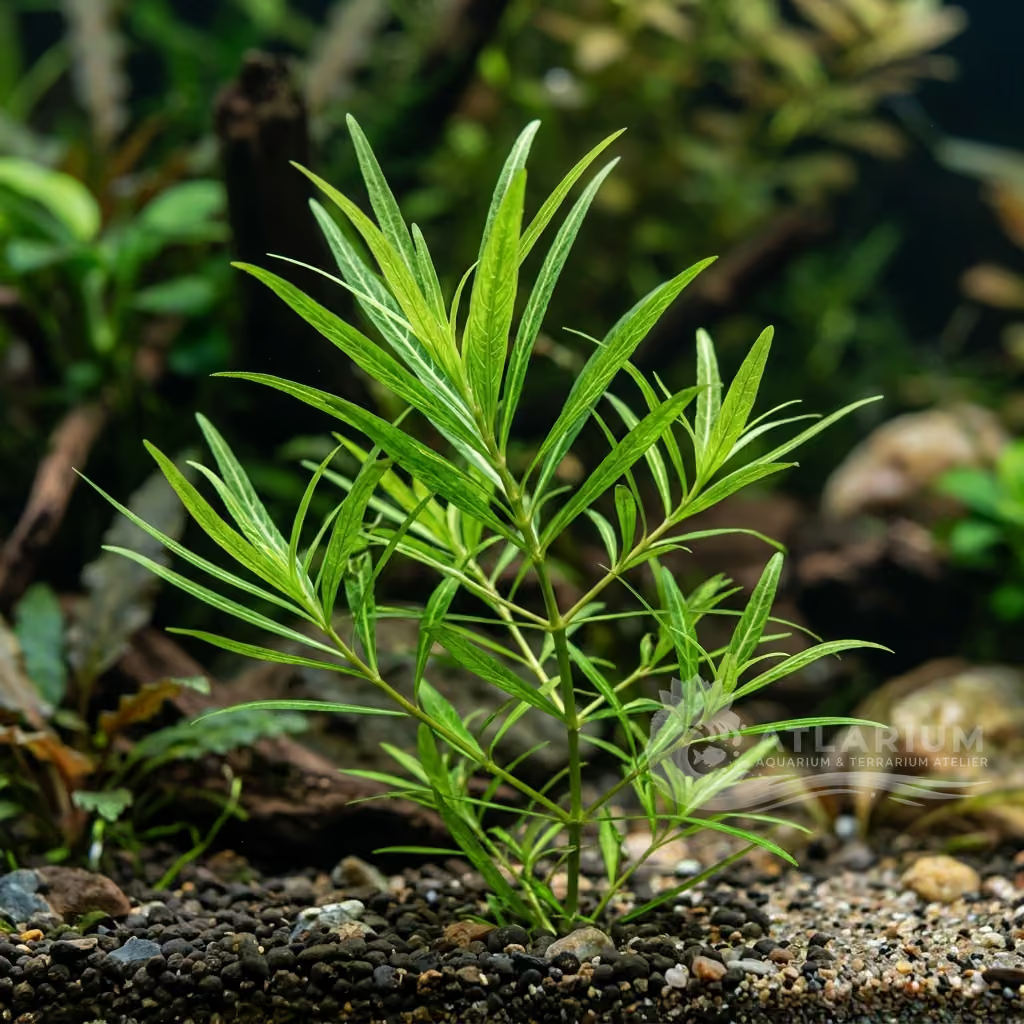
Physical Structure: In the aquarium, it develops erect, branched stems of tender consistency, about 20-40 cm tall, with relatively thin stems. Submerged leaves are sessile, opposite, and present a characteristic needle-like or linear-lanceolate shape, very thin (width of about 1-2 mm and length of 2-3 cm). It develops a fine, branched root system from the lower nodes to draw nutrients from the substrate.
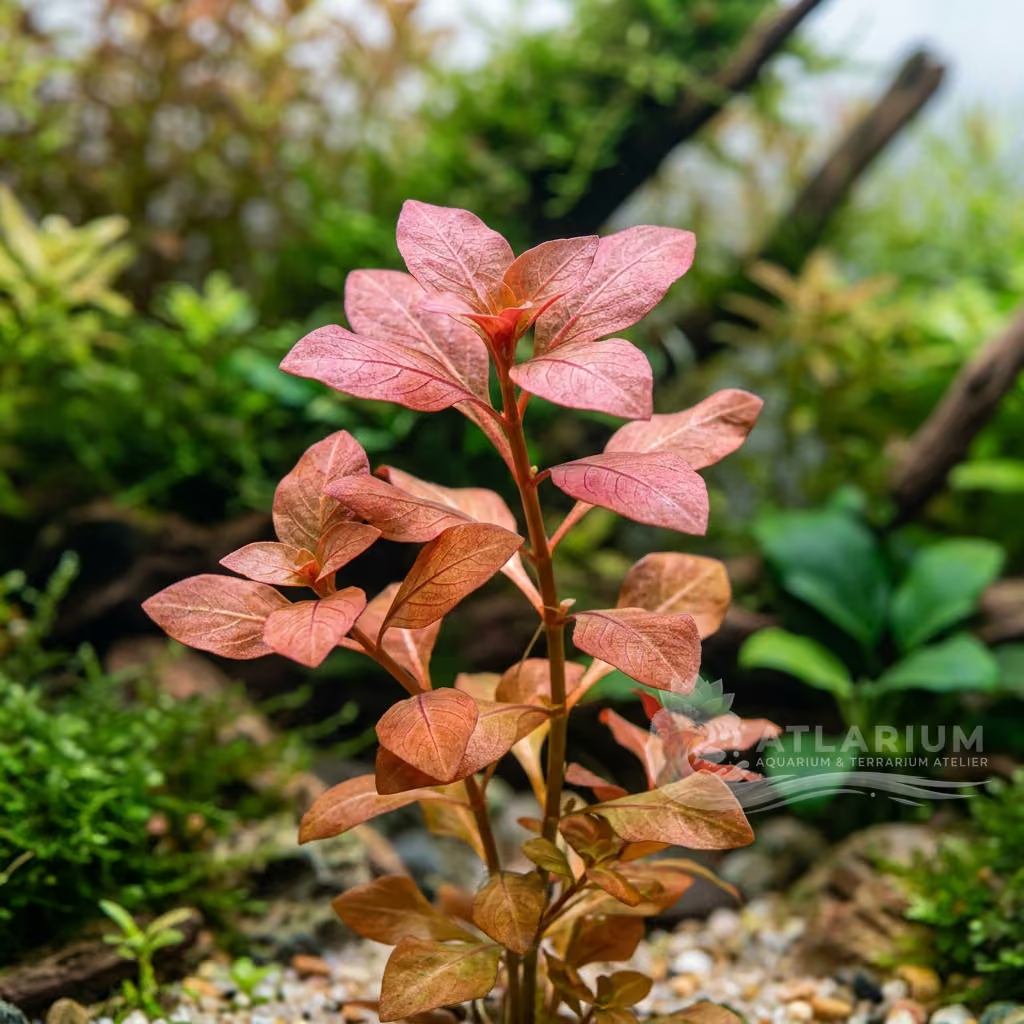
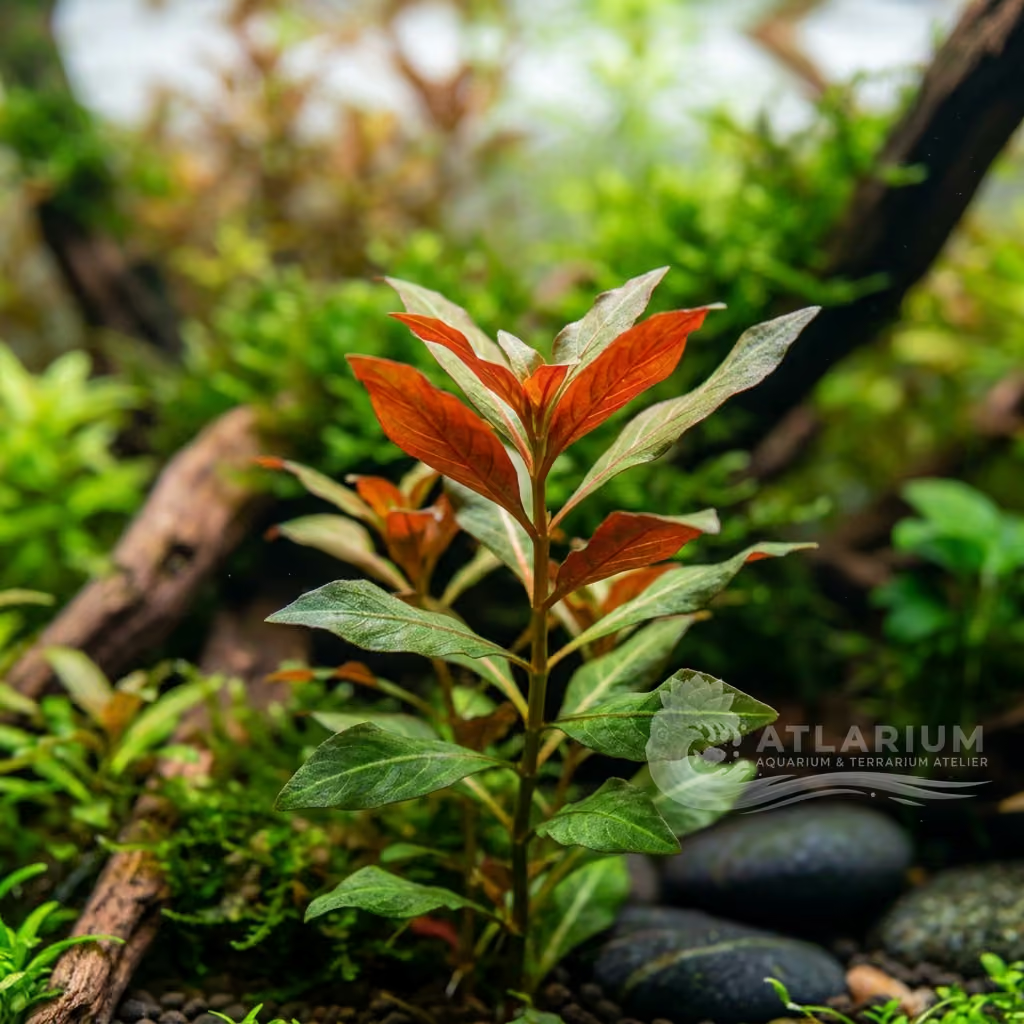
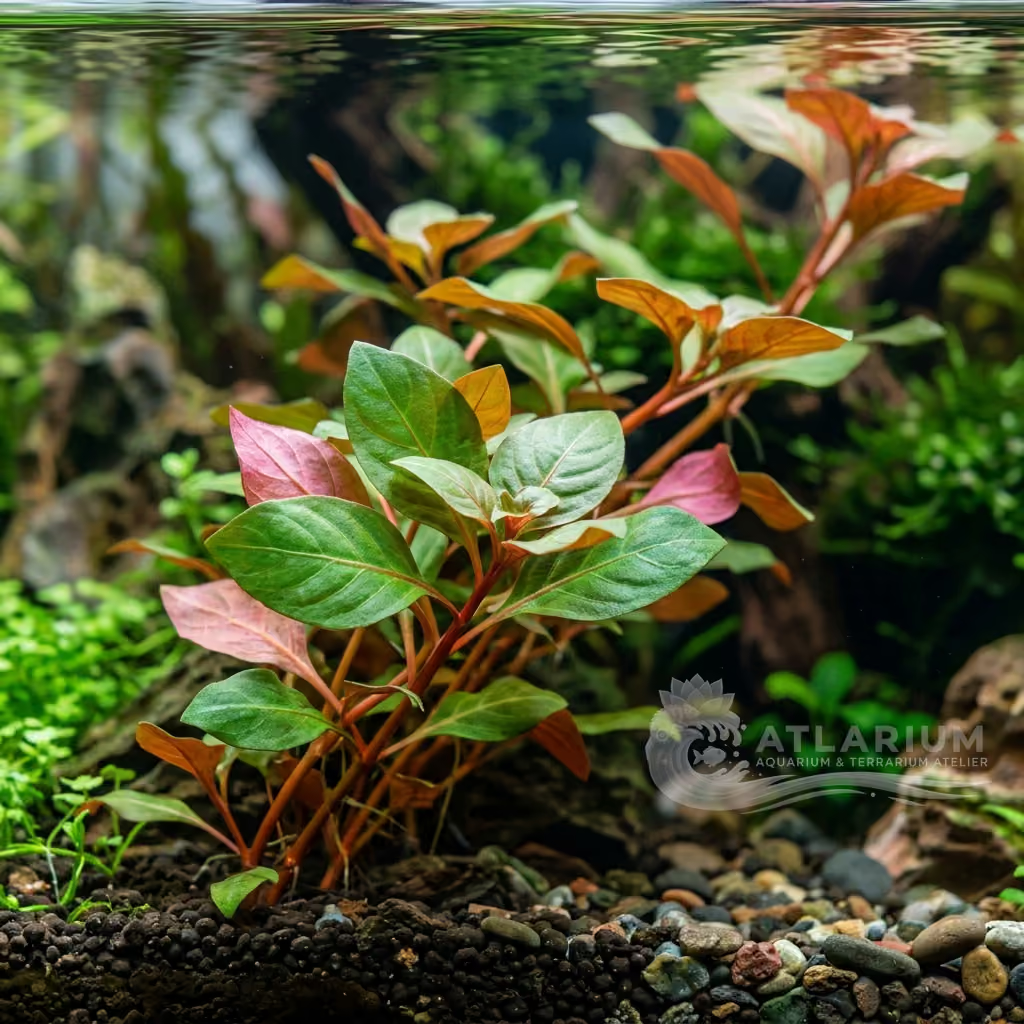
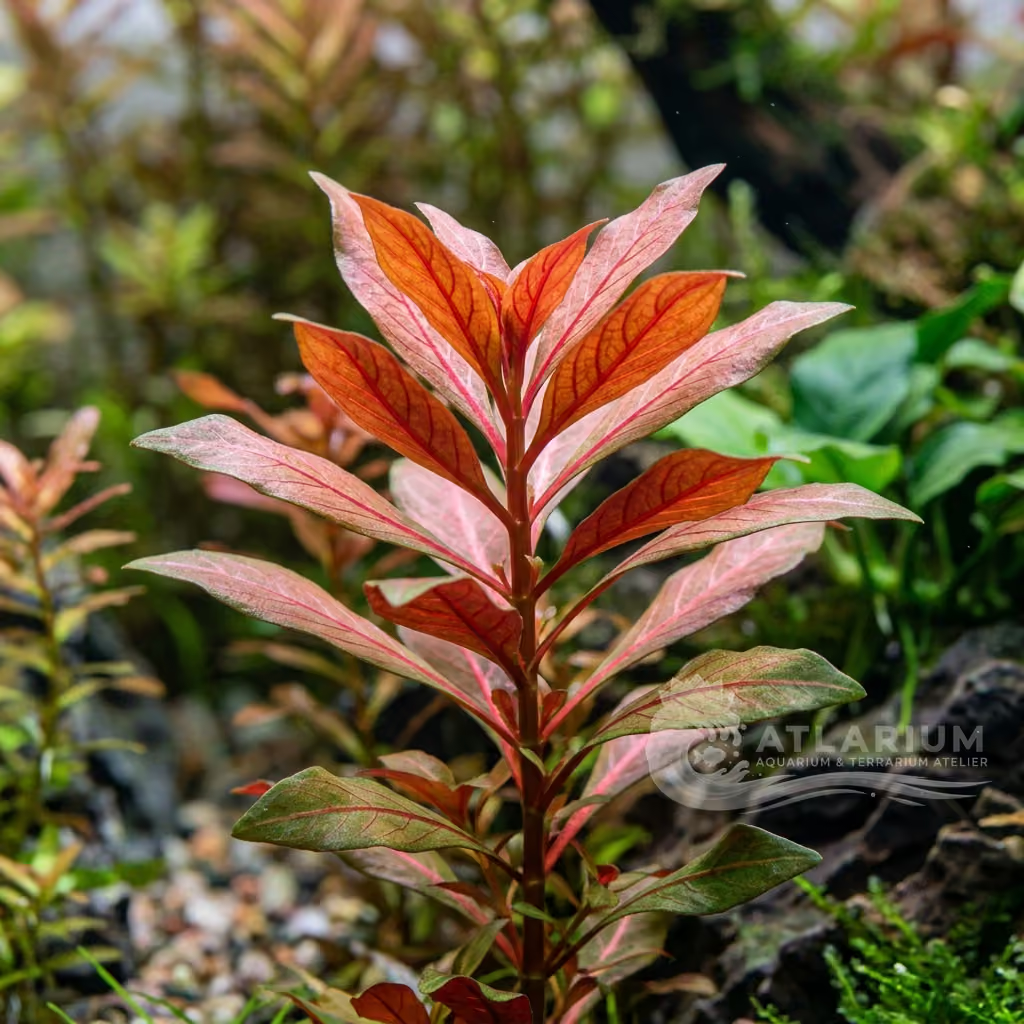
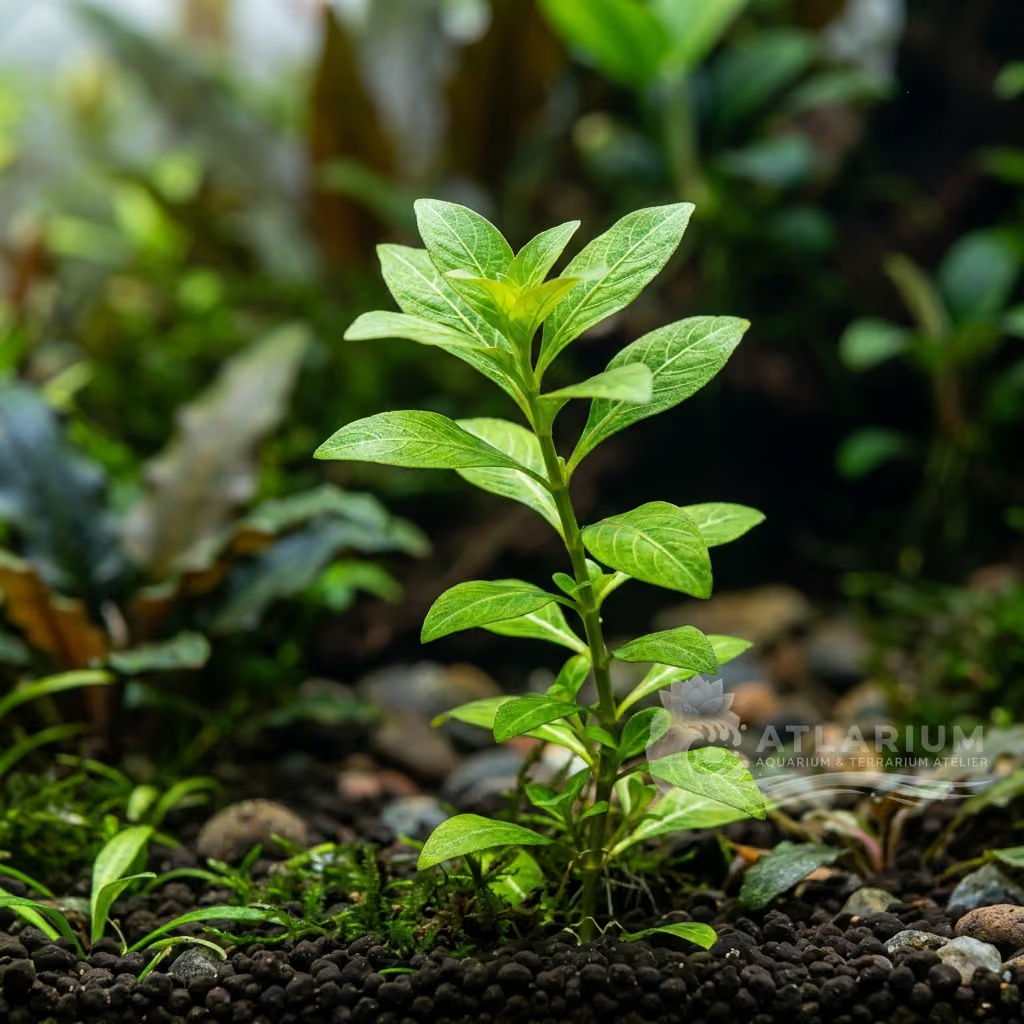
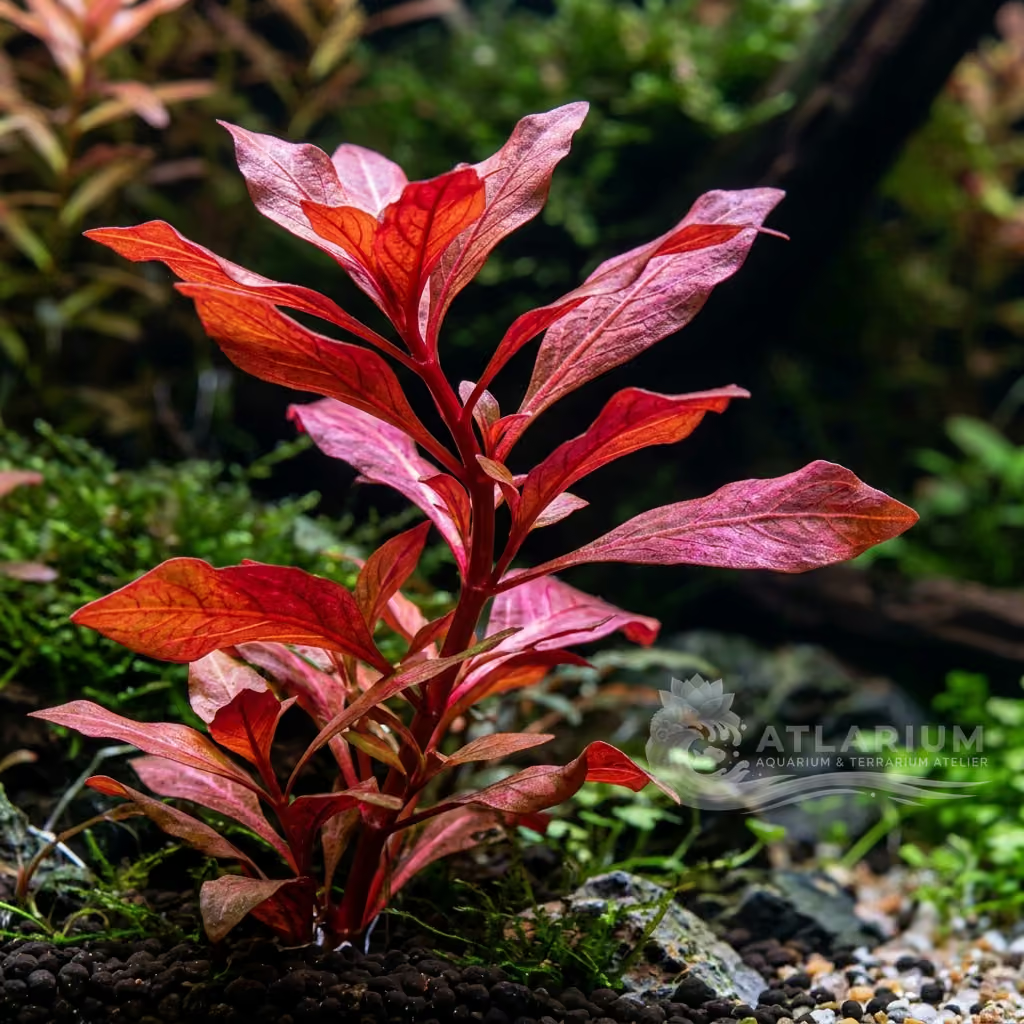
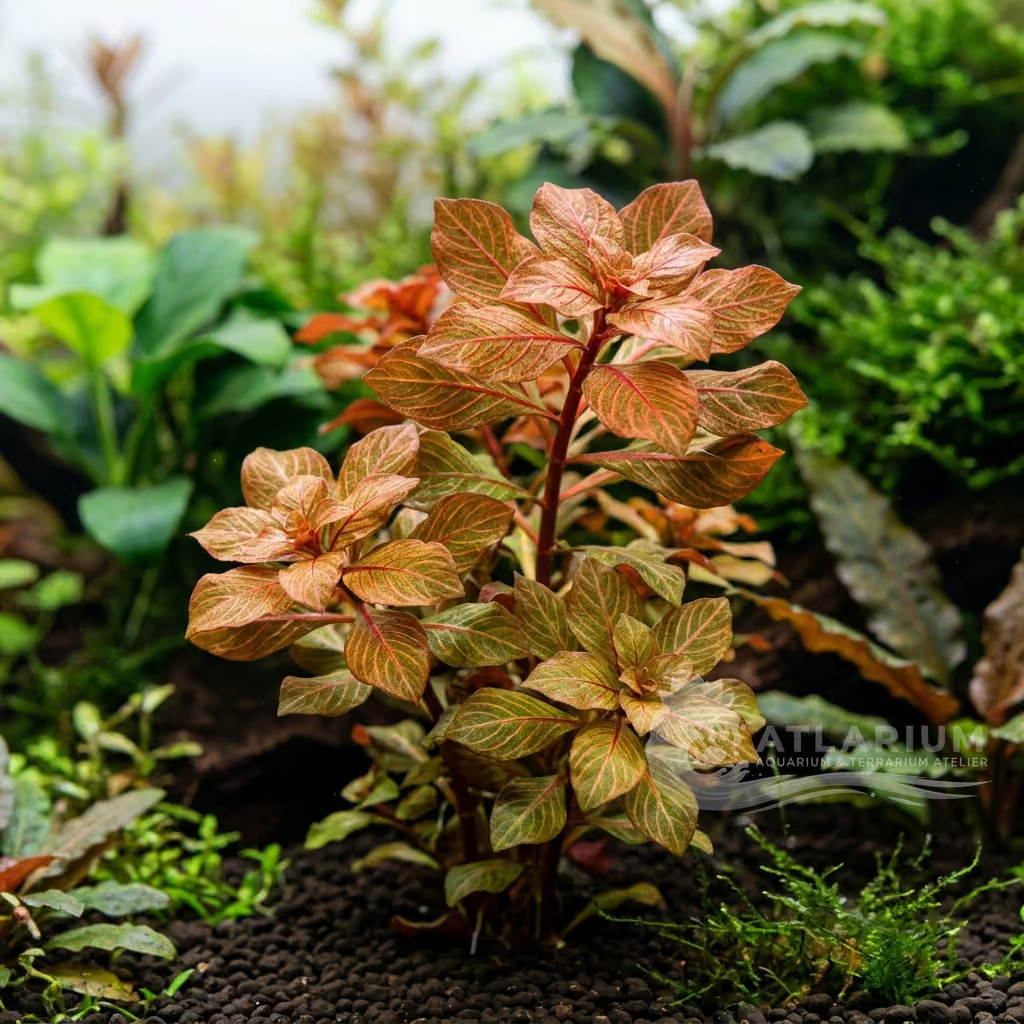
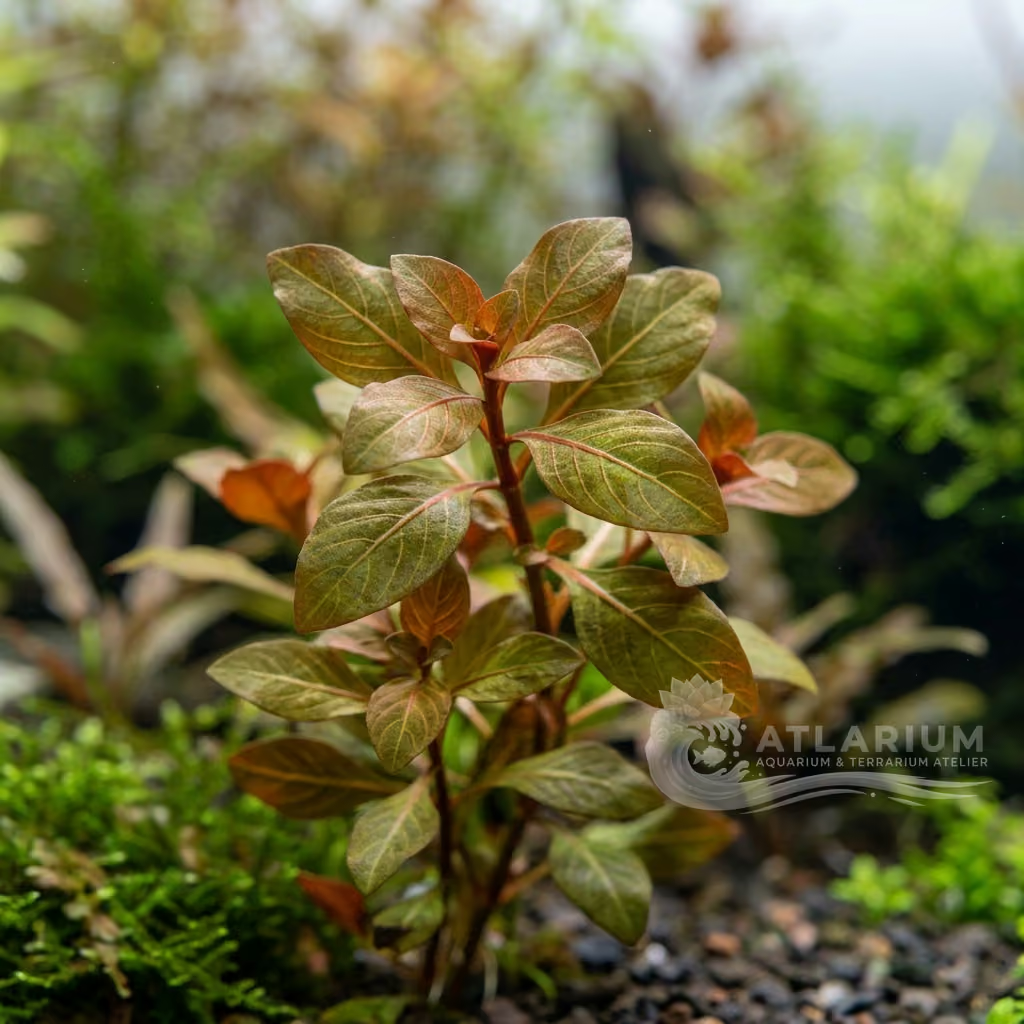
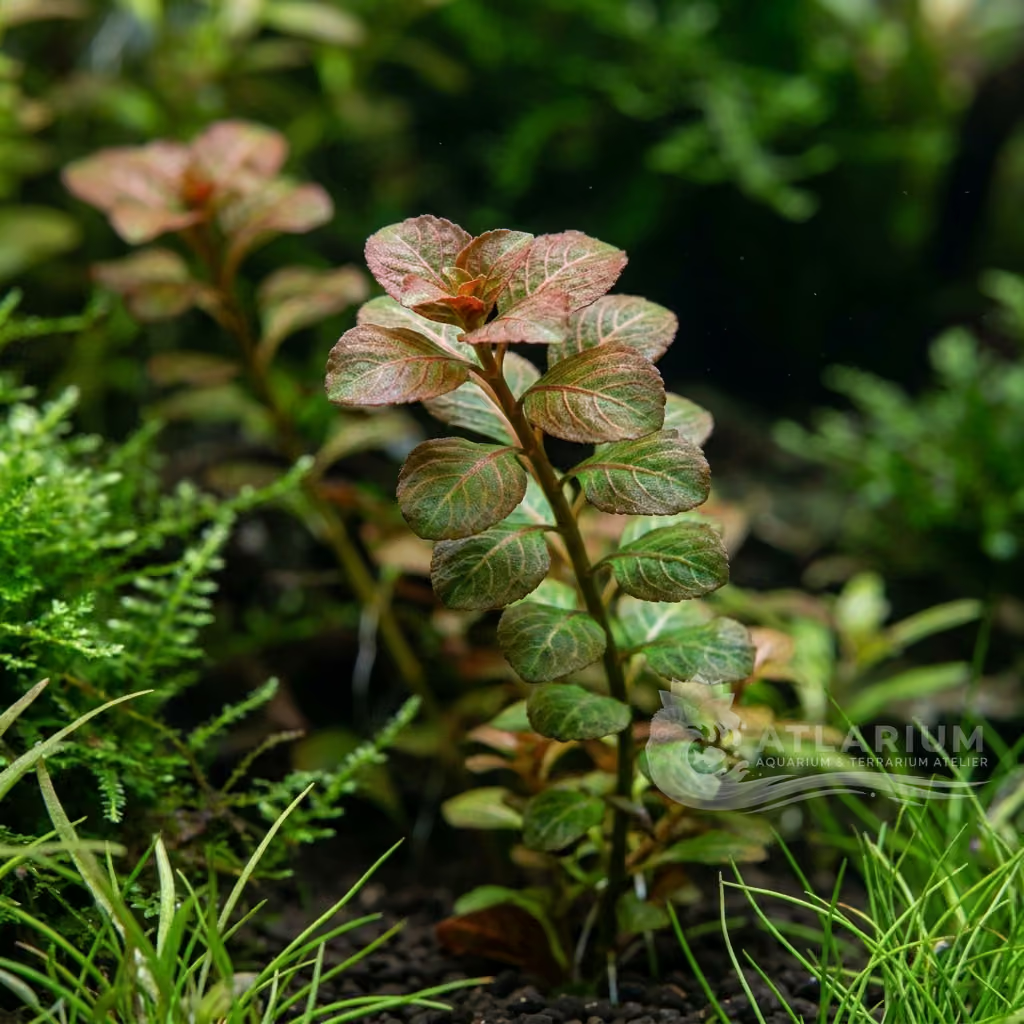
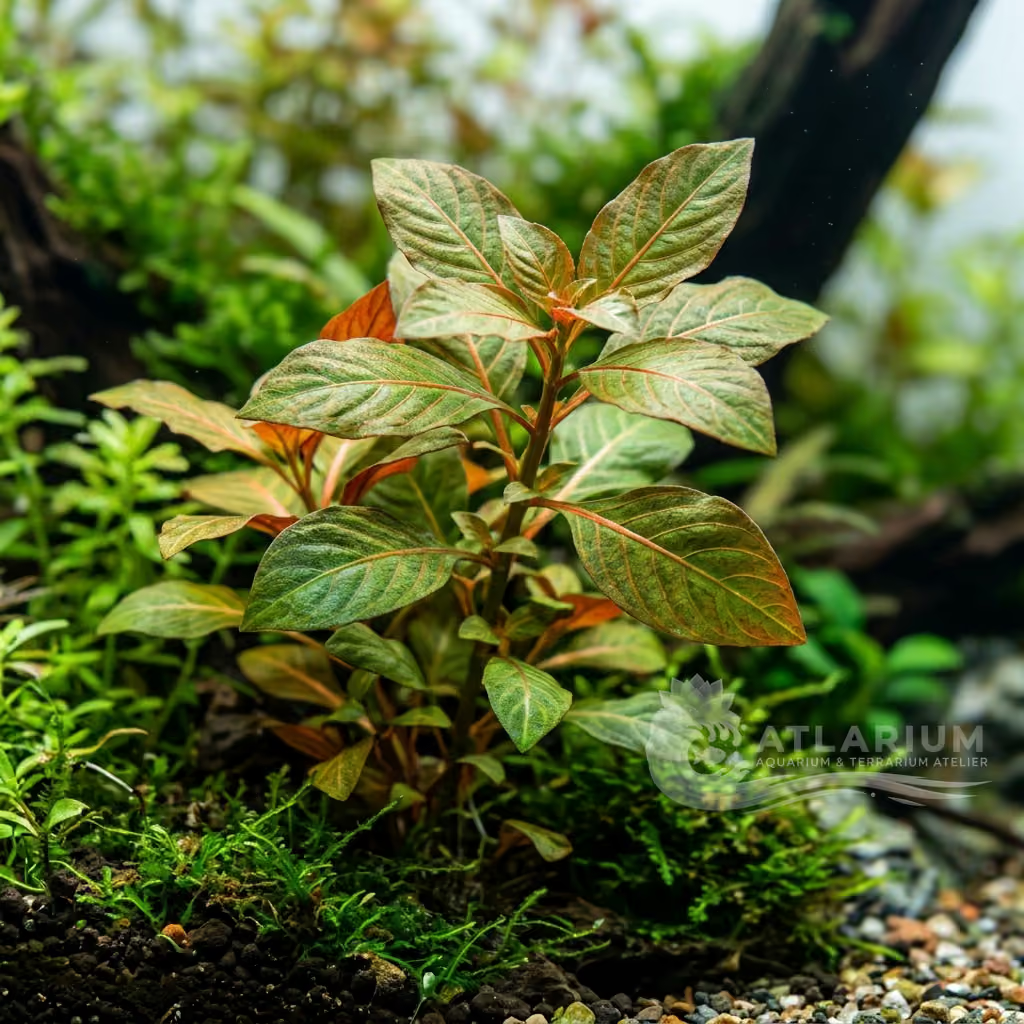
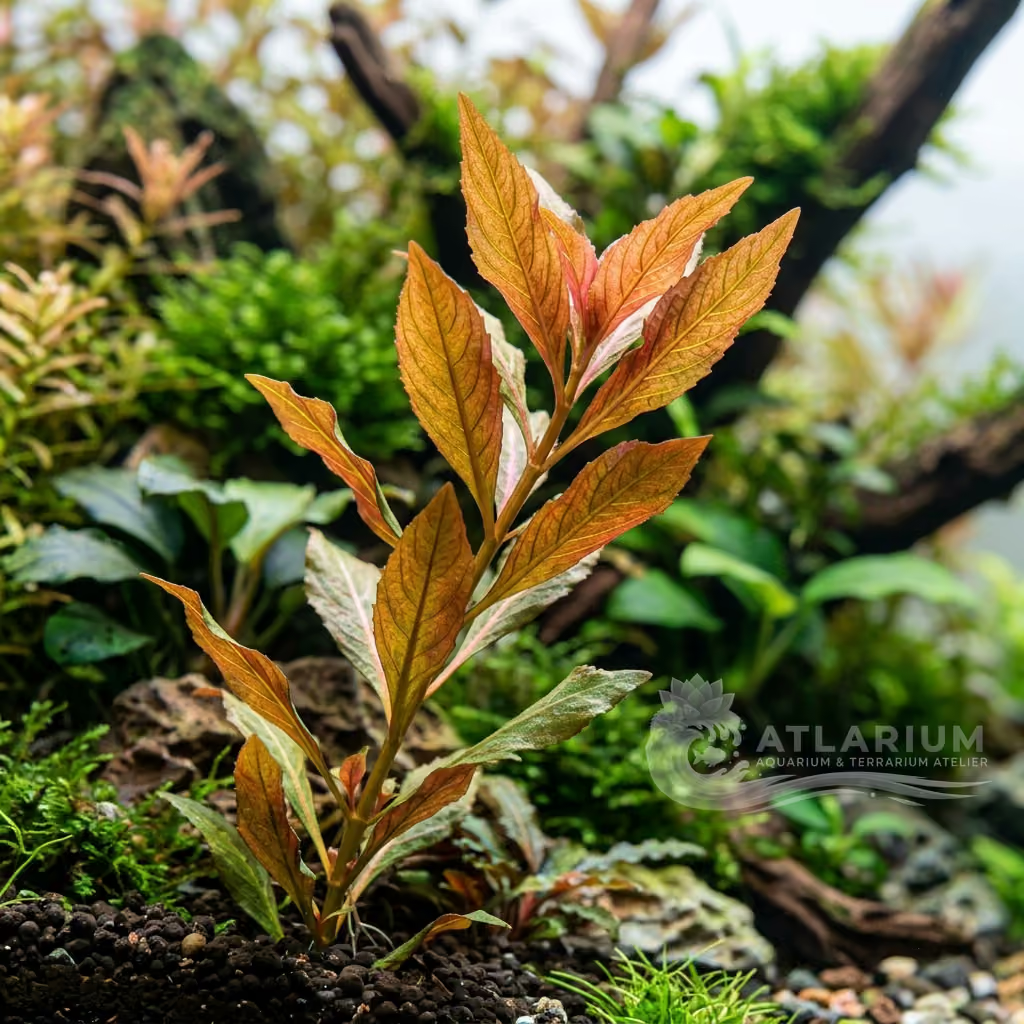
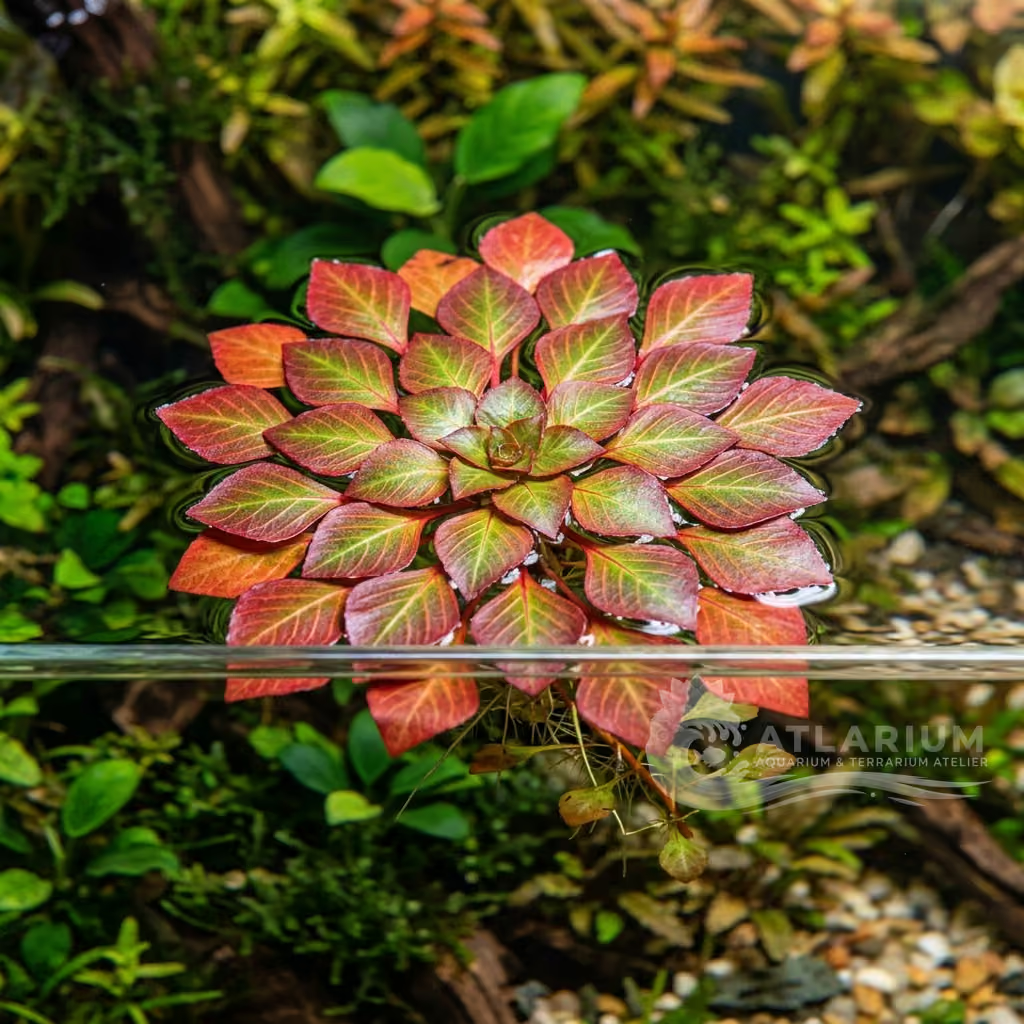
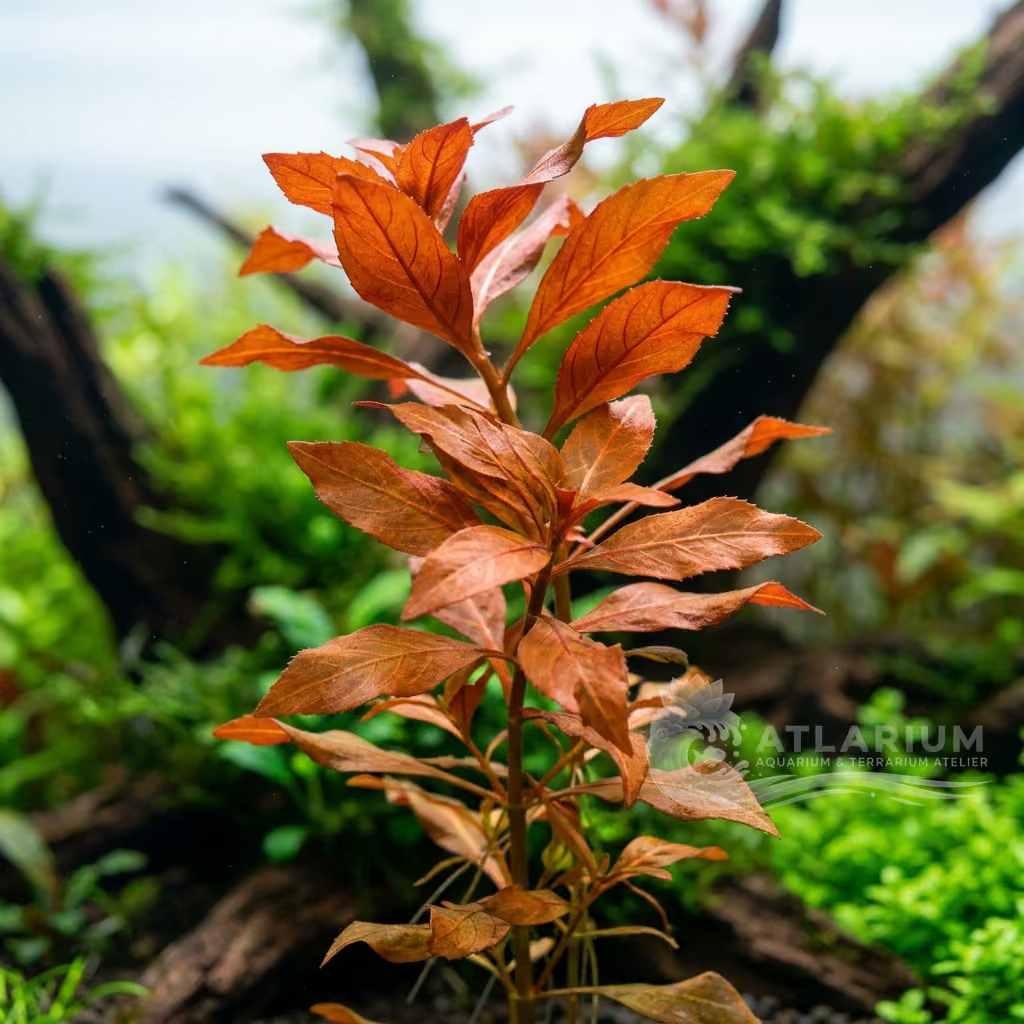
Color & Texture: It is considered one of the most spectacular red plants: submerged leaves change from olive-green or yellow-orange under moderate light to fiery red or intense orange under very strong light combined with low nitrates. The leaf texture is smooth, thin, and almost translucent, creating light, airy, and finely textured bushes that capture light beautifully.

Care, breeding and tankmates
Lighting & CO2: Requires intense lighting (high LED output) to encourage branching and bring out red pigments. Stable CO2 injection (20-30 mg/L) is critical to support the plant's rapid growth rate and prevent internodes from stretching excessively, which would weaken the stem.
Nutrition & Substrate: Benefits from both a fertile substrate and balanced liquid fertilization. To obtain optimal red coloration, it is necessary to limit nitrate (NO3) levels while maintaining stable levels of phosphates (PO4), chelated iron, and micronutrients in the
Water Chemistry: Prefers soft to moderately soft water (KH 2-10 dKH, ideally below 6 dKH) and slightly acidic conditions (pH 4.5-7.0, ideally below 6.8). The optimal cultivation temperature is between 12°C and 28°C; it tolerates cool winter temperatures but dislikes extreme summer heat.
Space Management & Placement: Ideally placed in the midground, or in the background of nano aquariums. It should be planted in small groups, spacing stems 1-2 cm apart to ensure that light filters down to the lower leaves, preventing lower leaf loss.
Pruning: Pruned by regularly trimming the upper sections with sharp scissors. This promotes the development of numerous lateral shoots, making the bush very dense. Cut tops (about 10 cm long) root easily when inserted into the substrate, making propagation simple.
Risks & Diseases: The primary risk is loss of color and stem weakening if light or CO2 is insufficient. Lower leaves fall off if shaded by neighboring stems. It is susceptible to hair algae infestations if there are severe imbalances between light and nutrients.

Geographic origin and distribution
Ludwigia arcuata is native to the wetland regions of the eastern coast of the United States, particularly in states like North Carolina, South Carolina, and Florida. In nature, it grows in damp ditches, boggy banks, shallow freshwater ponds, and slow-moving rivers. It is a flexible marsh plant that colonizes both emersed muddy soils and stagnant waters, adapting to seasonal water level fluctuations.
Origin
North America

Plant profile
- Placement
- Midground
- Optimal placement for Ludwigia arcuata is as a midground to background. Careful positioning allows it to receive adequate light and flow. This strategic placement ensures it does not overshadow smaller plants while exhibiting its best form.
- Botanical form
- Stem
- Botanically, Ludwigia arcuata is characterized as a stem plant. Its unique physiological traits make it a fascinating addition to the ecosystem. The leaf structure and overall form adapt closely to its submerged environment.
- Growth
- Fast
- The growth rate of Ludwigia arcuata is generally considered moderate to fast. This steady development necessitates a well-planned maintenance schedule. Adjusting environmental factors can slightly speed up or slow down this rate.
- Substrate
- Medium
- Ludwigia arcuata benefits significantly from a nutrient-rich aquarium soil, which encourages robust root development and supports its fast growth. The plant establishes a deep and extensive root system, so a substrate depth of at least 4 to 5 centimeters is recommended to securely anchor the stems. While it can extract nutrients from the water column via adventitious roots, a fertile substrate rich in iron and essential macronutrients will maximize its vibrant red coloration and stem thickness. Fine to medium-grained aquasoil is ideal, as it allows the delicate roots to penetrate easily without being crushed.
- Column fertilization
- Recommended
- For column fertilization, Ludwigia arcuata prefers a rich dosing regimen. Liquid fertilizers are efficiently absorbed through its submerged surfaces. Consistent daily or weekly dosing ensures steady nutrient availability.
- Root fertilization
- None
- Regarding root fertilization, it is absolutely true that Ludwigia arcuata requires a nutrient-rich substrate. A quality aquasoil or root tabs can significantly boost its long-term health. The root system plays an active role in stabilizing the plant and absorbing minerals.
- Trimming
- Occasional
- Maintenance for Ludwigia arcuata primarily involves bushy trimming. Using sharp aquascaping scissors ensures clean cuts that heal quickly. Regular pruning encourages a more compact and aesthetically pleasing form.
- Propagation
- Cuttings
- Propagation of Ludwigia arcuata is typically achieved through cuttings. This method is straightforward and yields a high success rate. Newly propagated sections should be planted with sufficient space to establish themselves.
- Sensitivity
- Moderate
- Ludwigia arcuata is particularly sensitive to shading of lower leaves. Sudden changes in water chemistry can trigger negative reactions or melting. Maintaining a stable environment is the best preventative measure against these issues.
- Layout role
- Midground, accent, Nano
- In an aquascape, Ludwigia arcuata serves excellently as a red focal point. Its visual characteristics draw the eye and create depth within the layout. It pairs well with contrasting textures to enhance the overall composition.

Related species
Recommendations grouped by close relatives, companion choices, and similar care.