Glandular Ludwigia
Ludwigia glandulosa
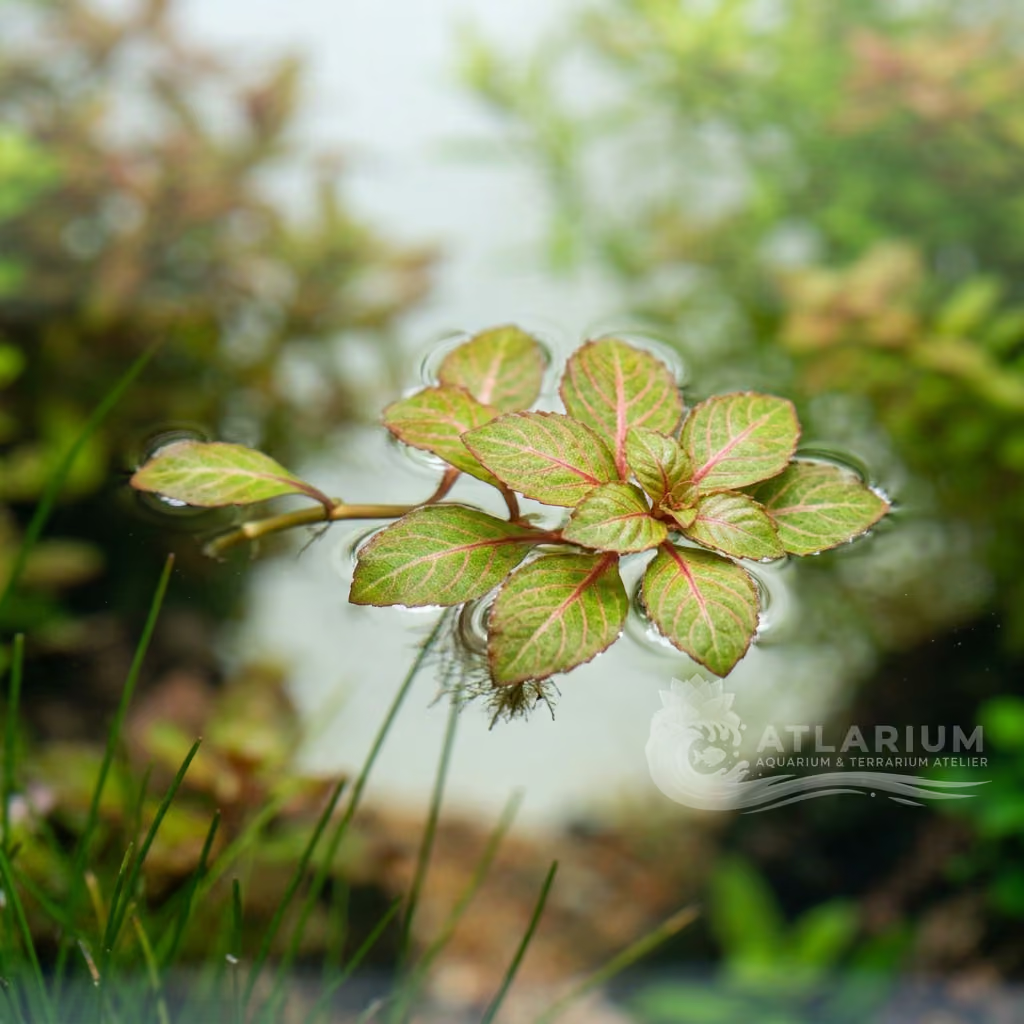
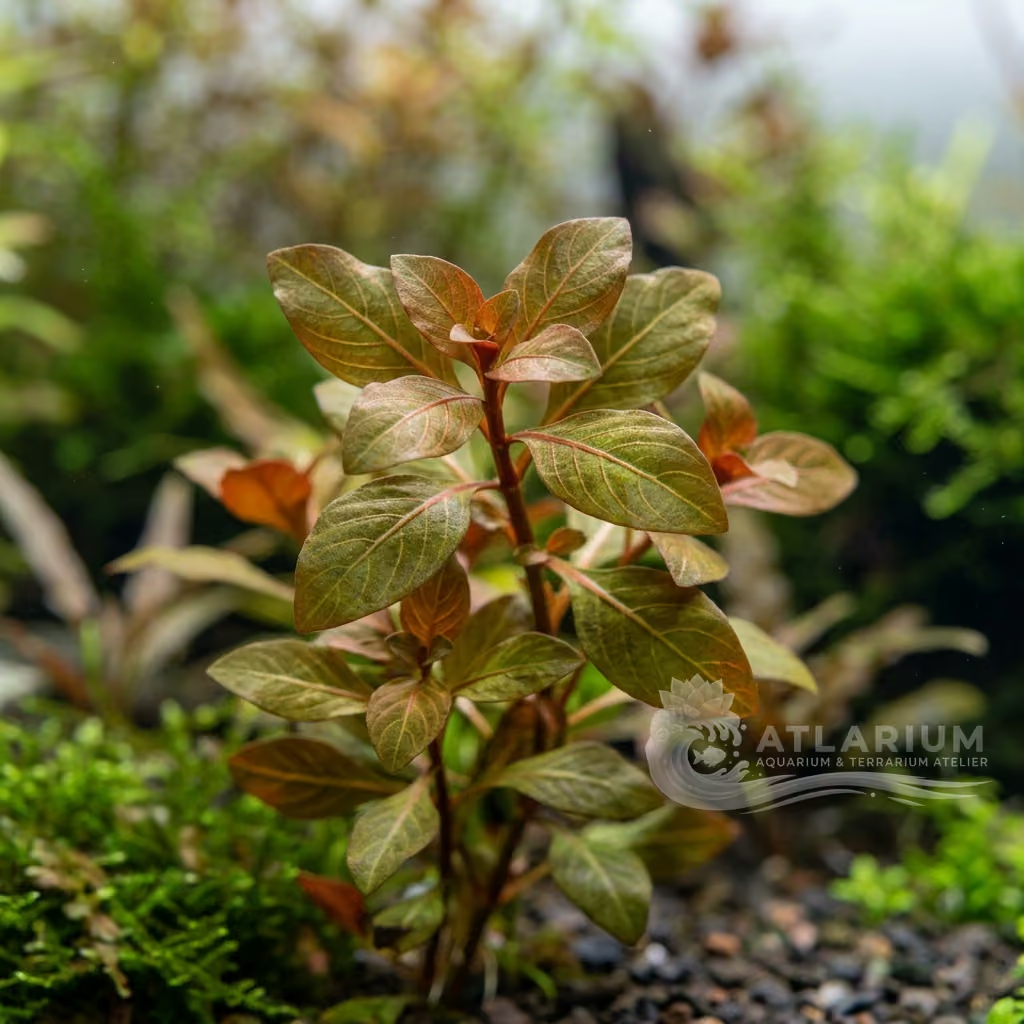
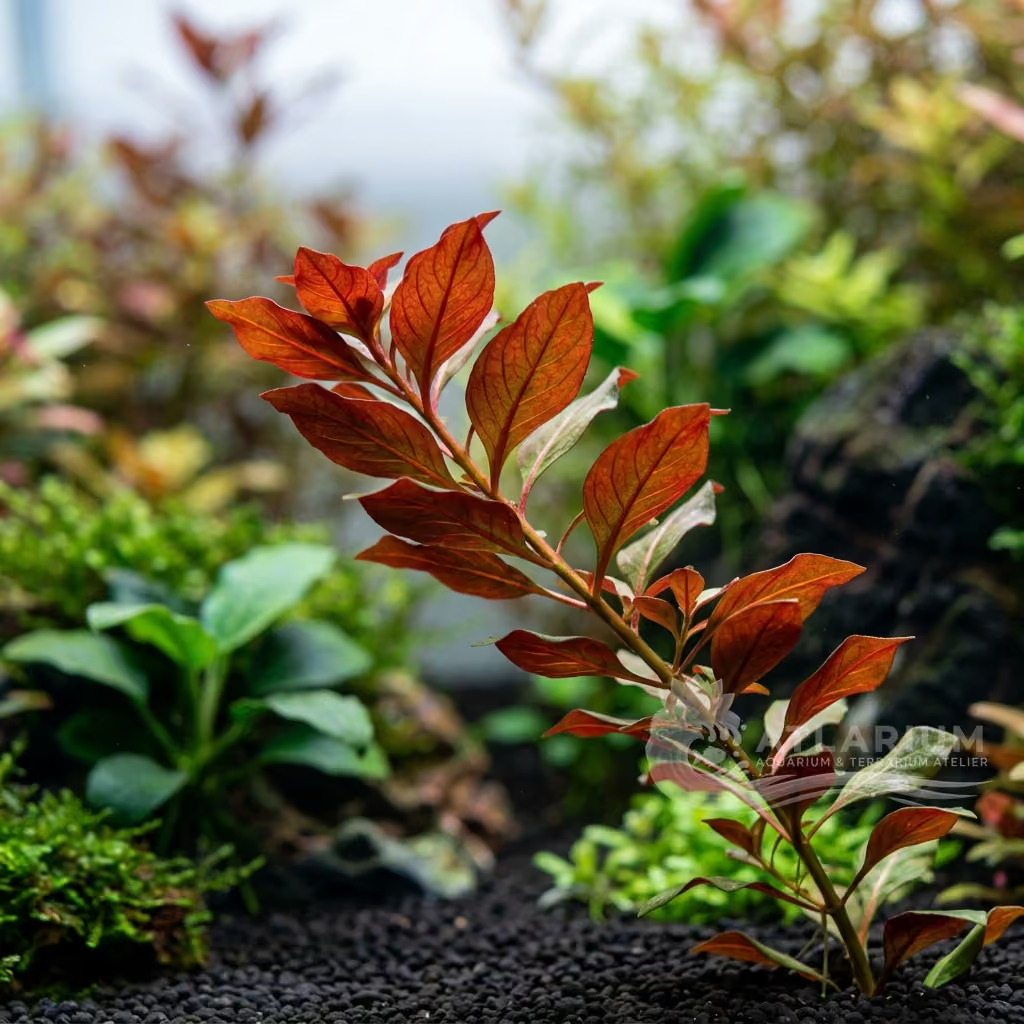
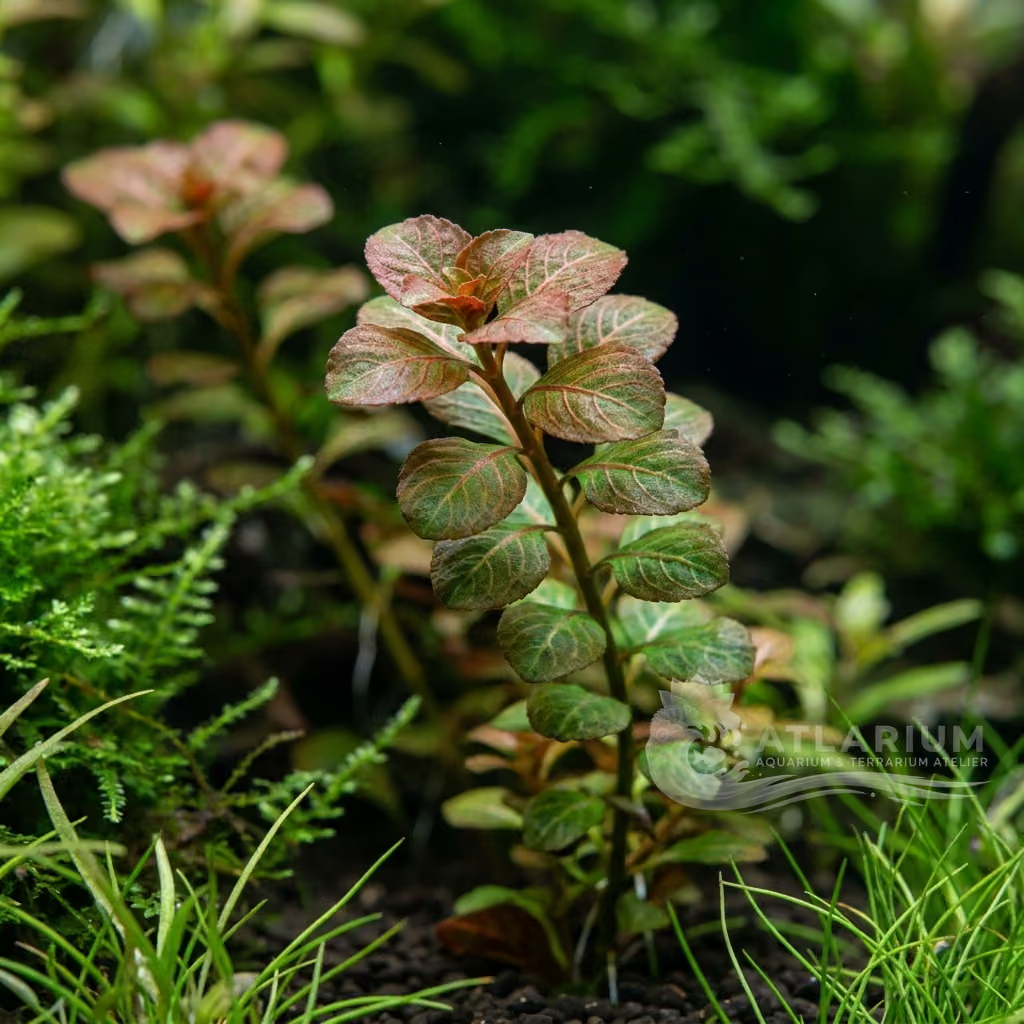
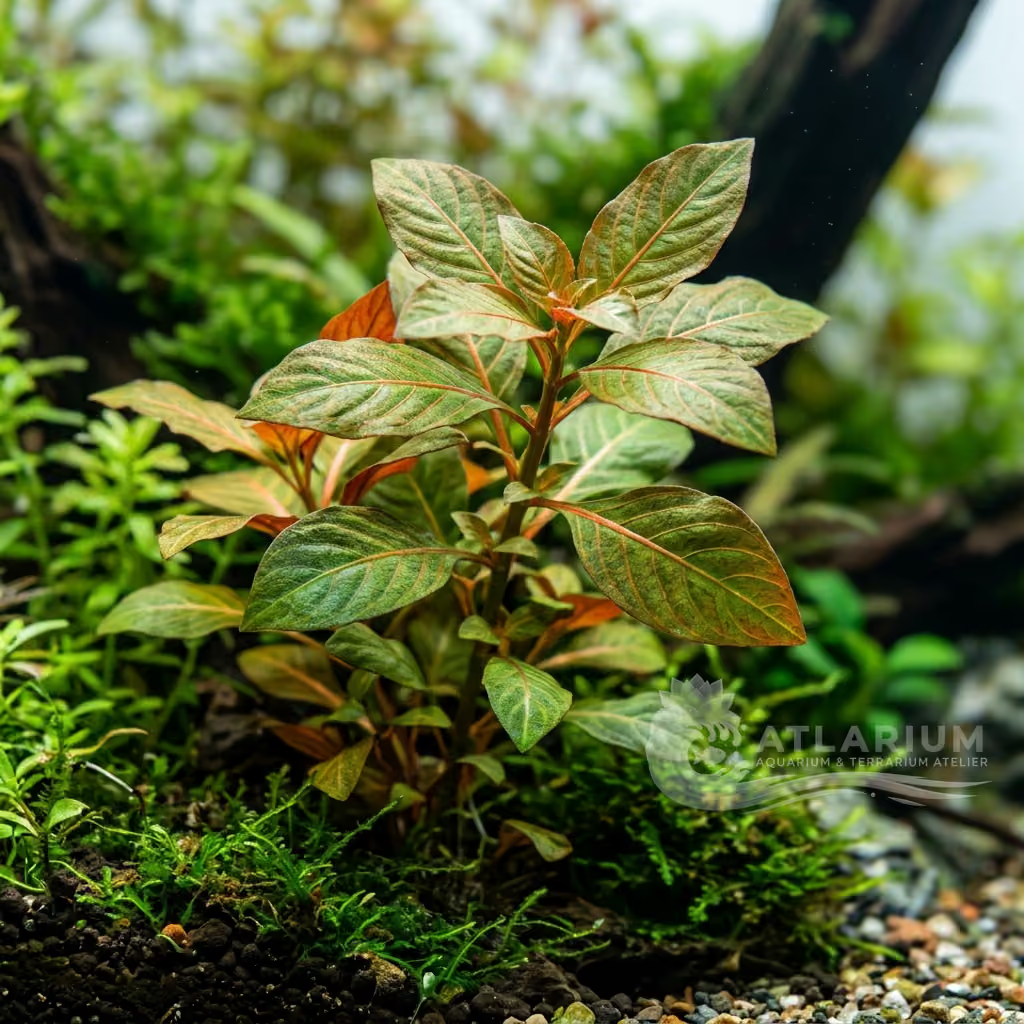
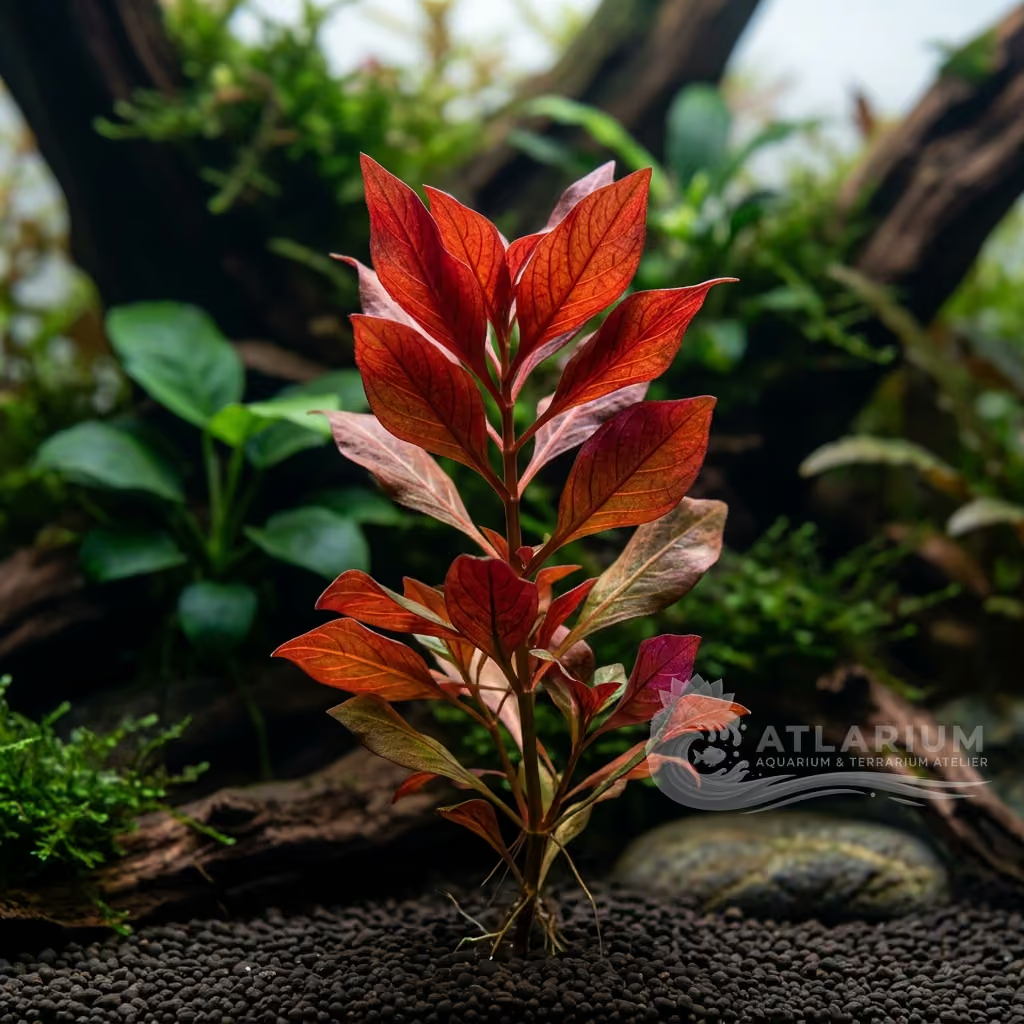
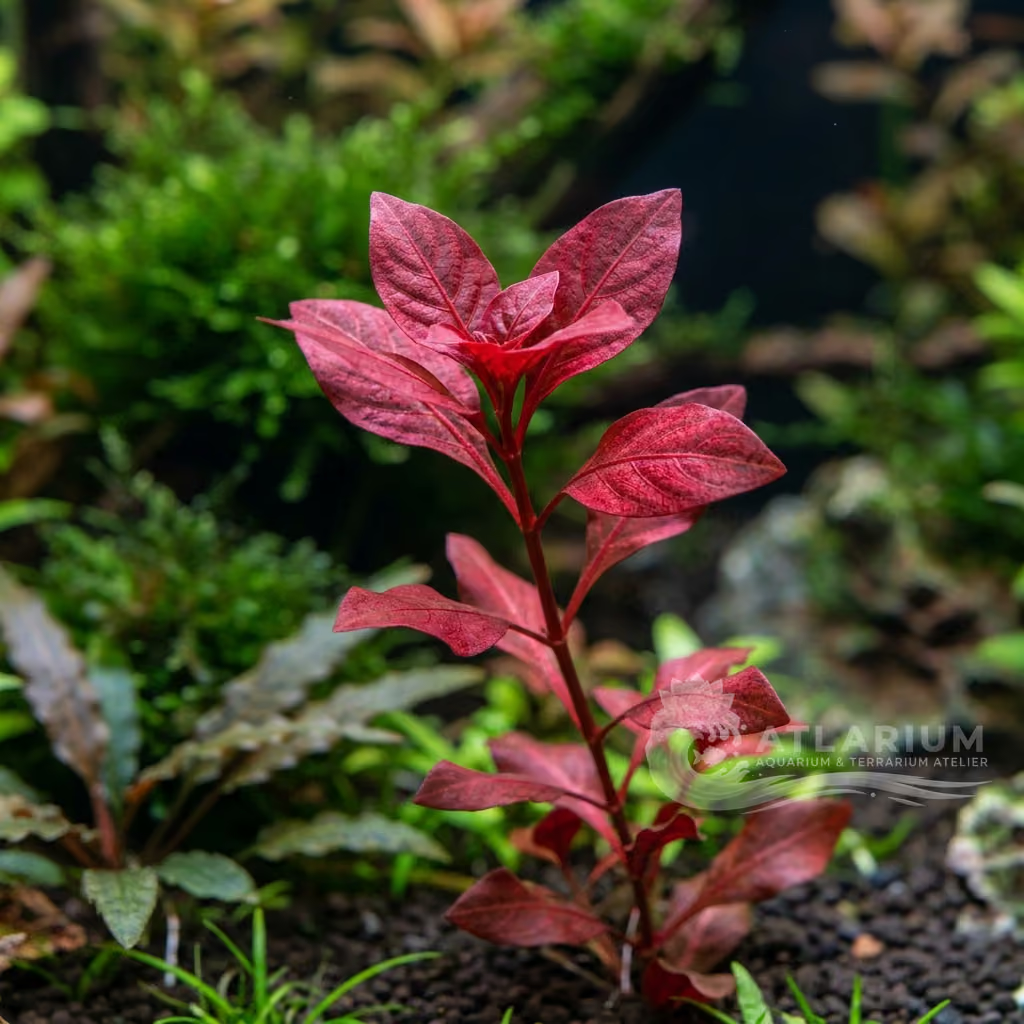
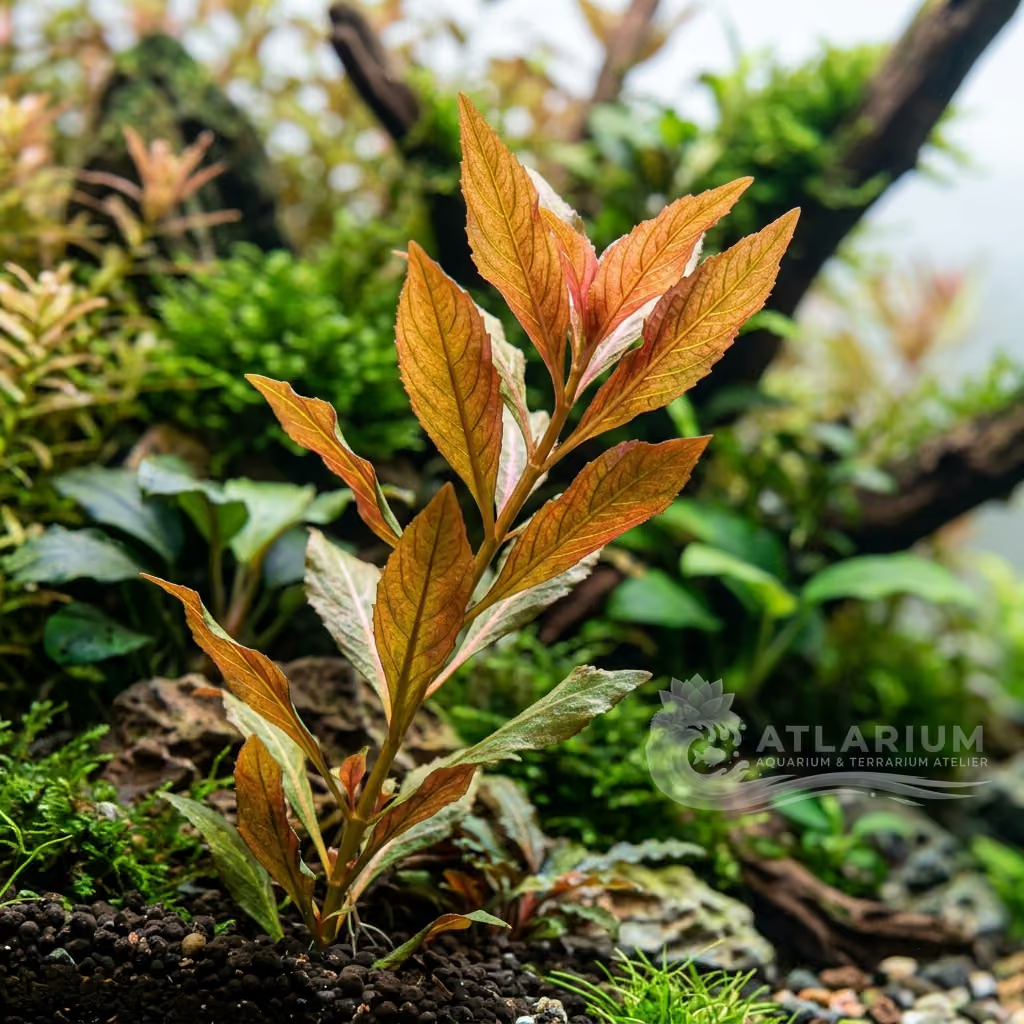
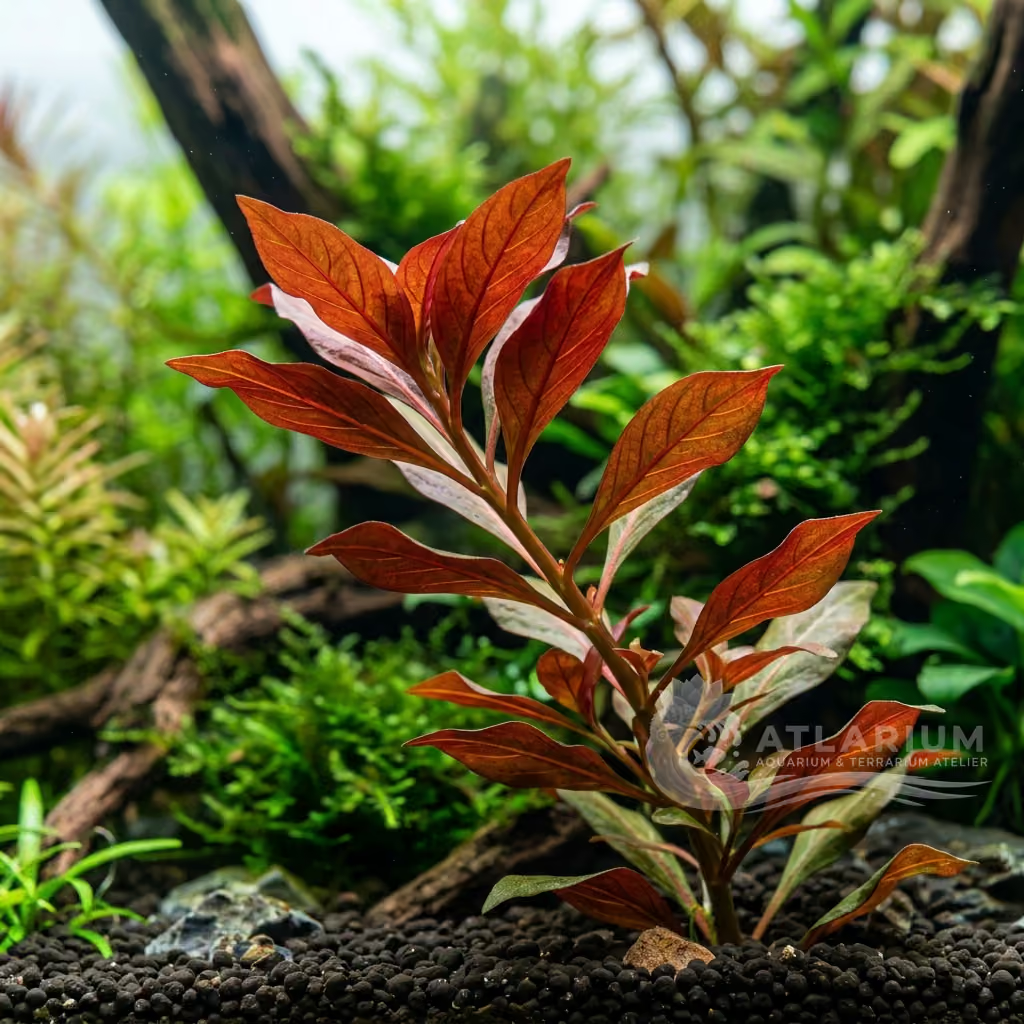
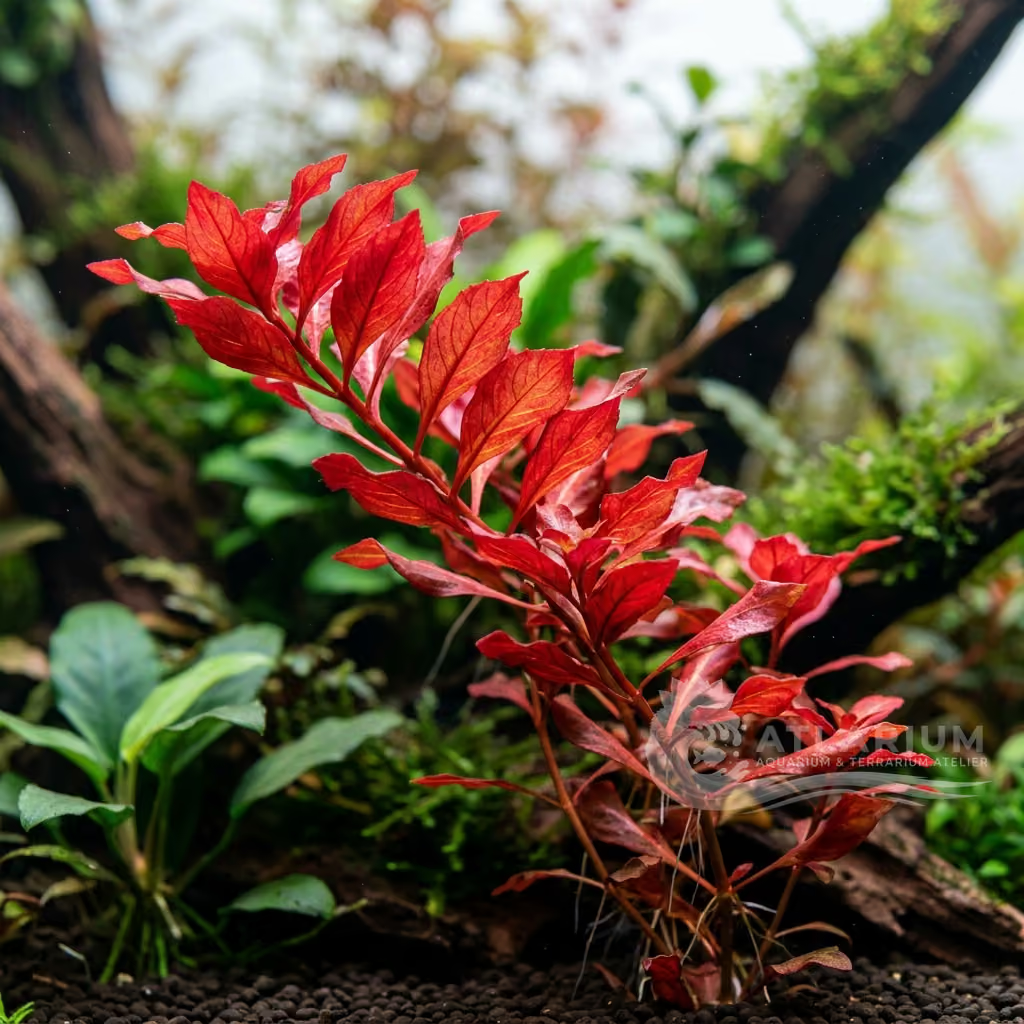
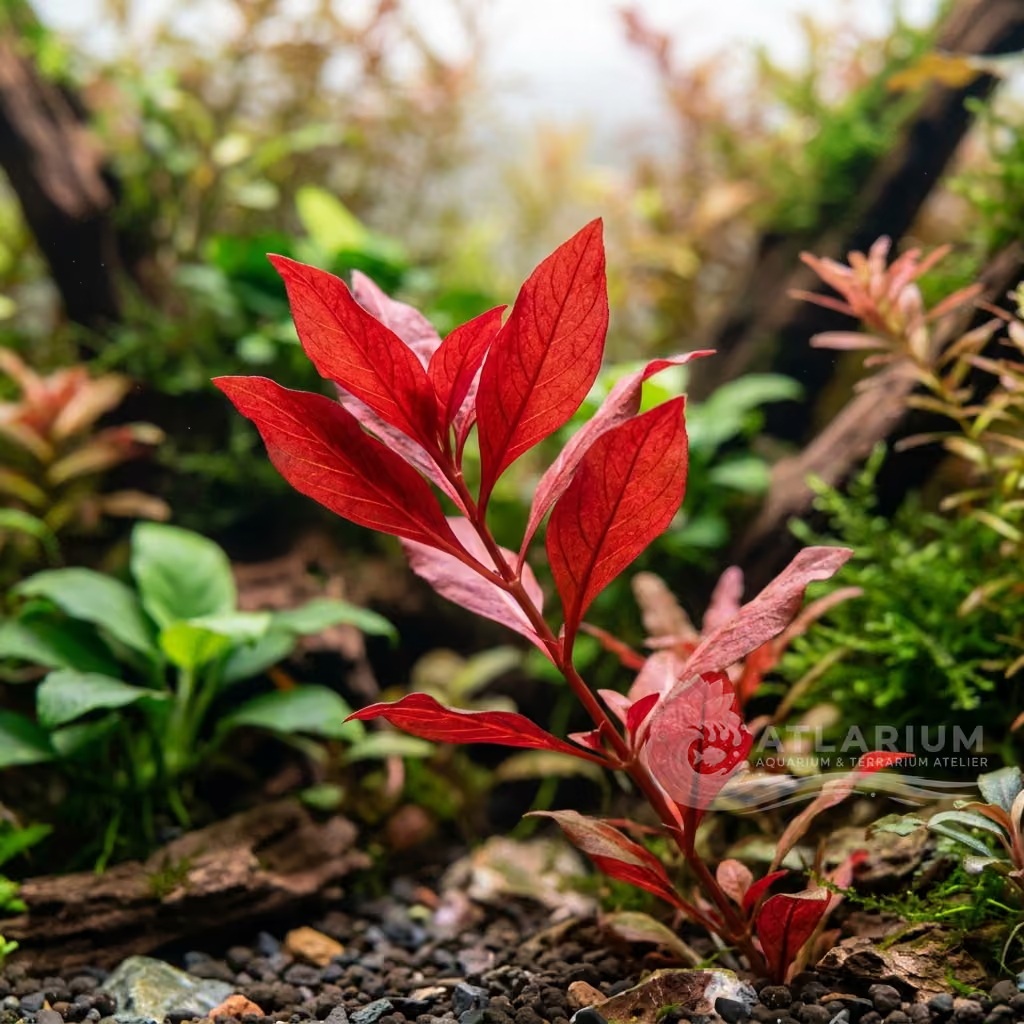
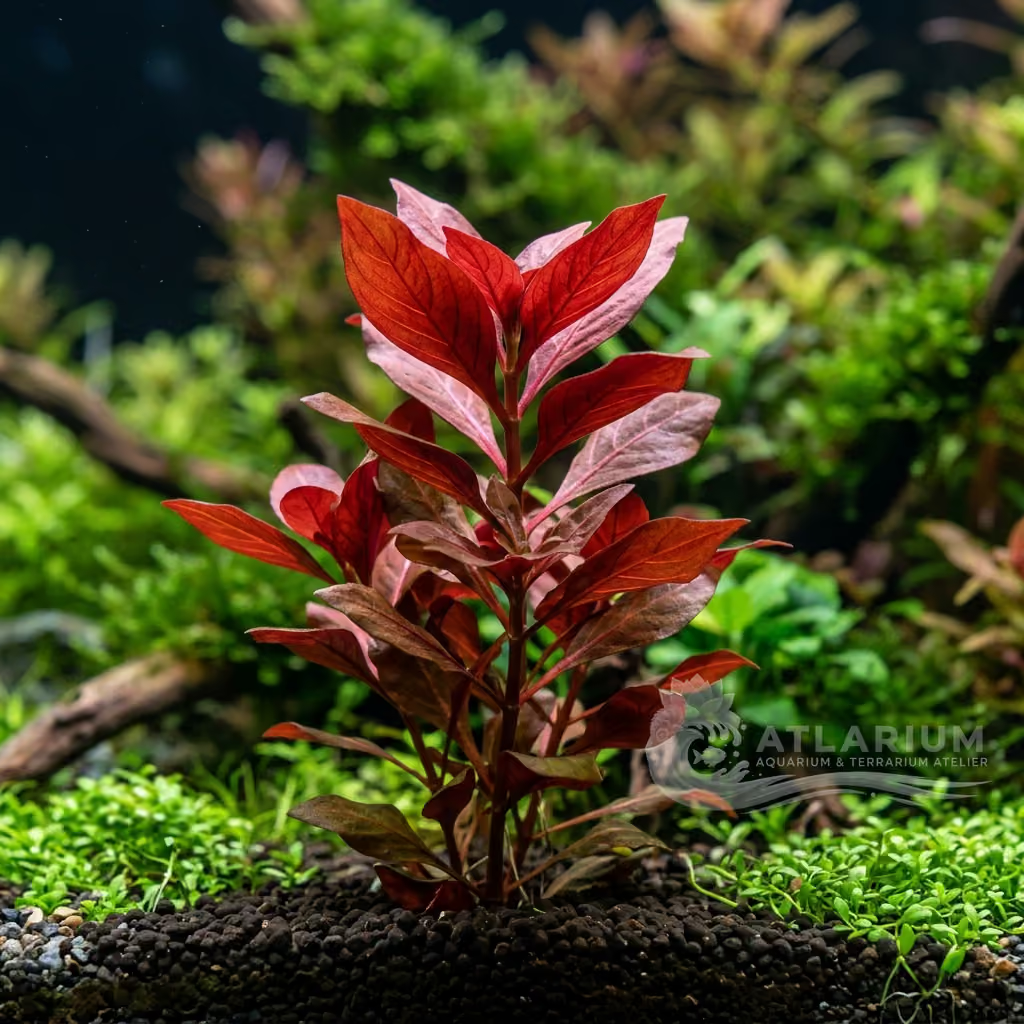
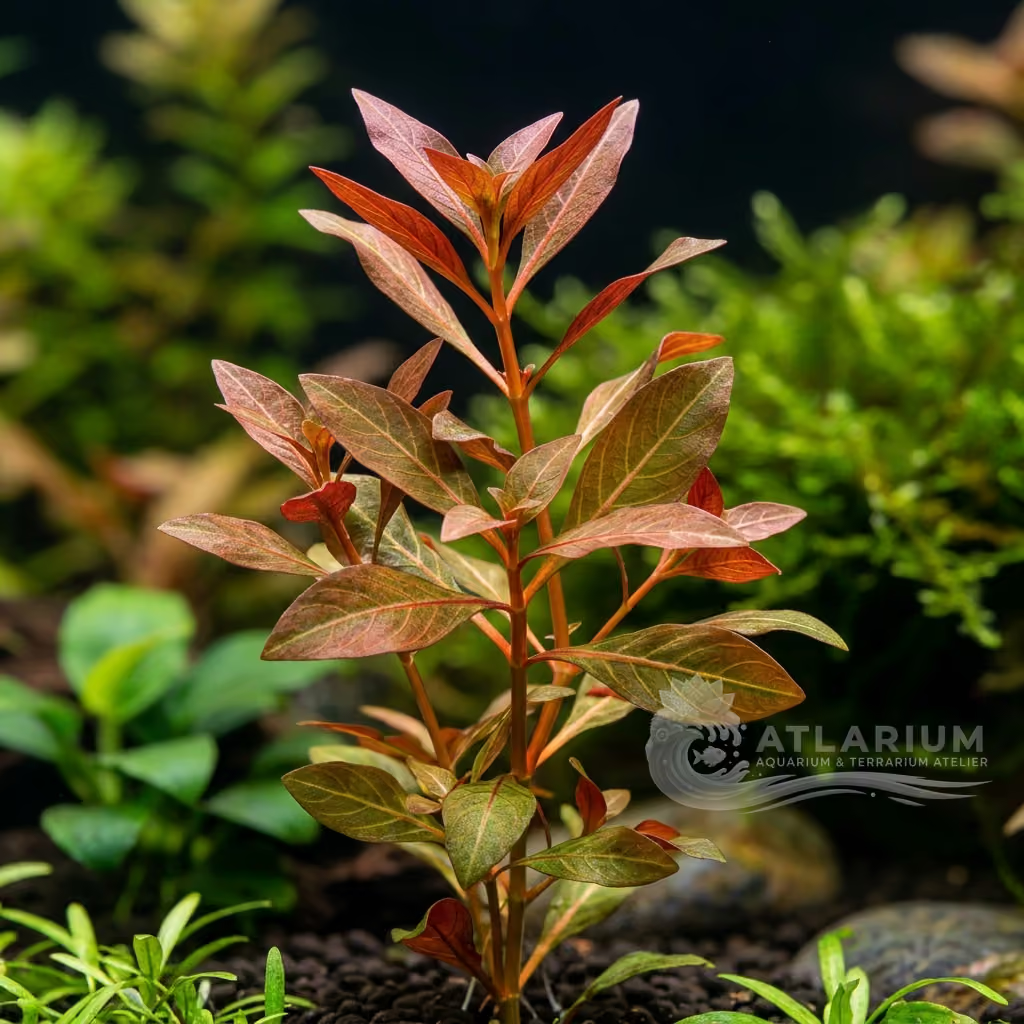
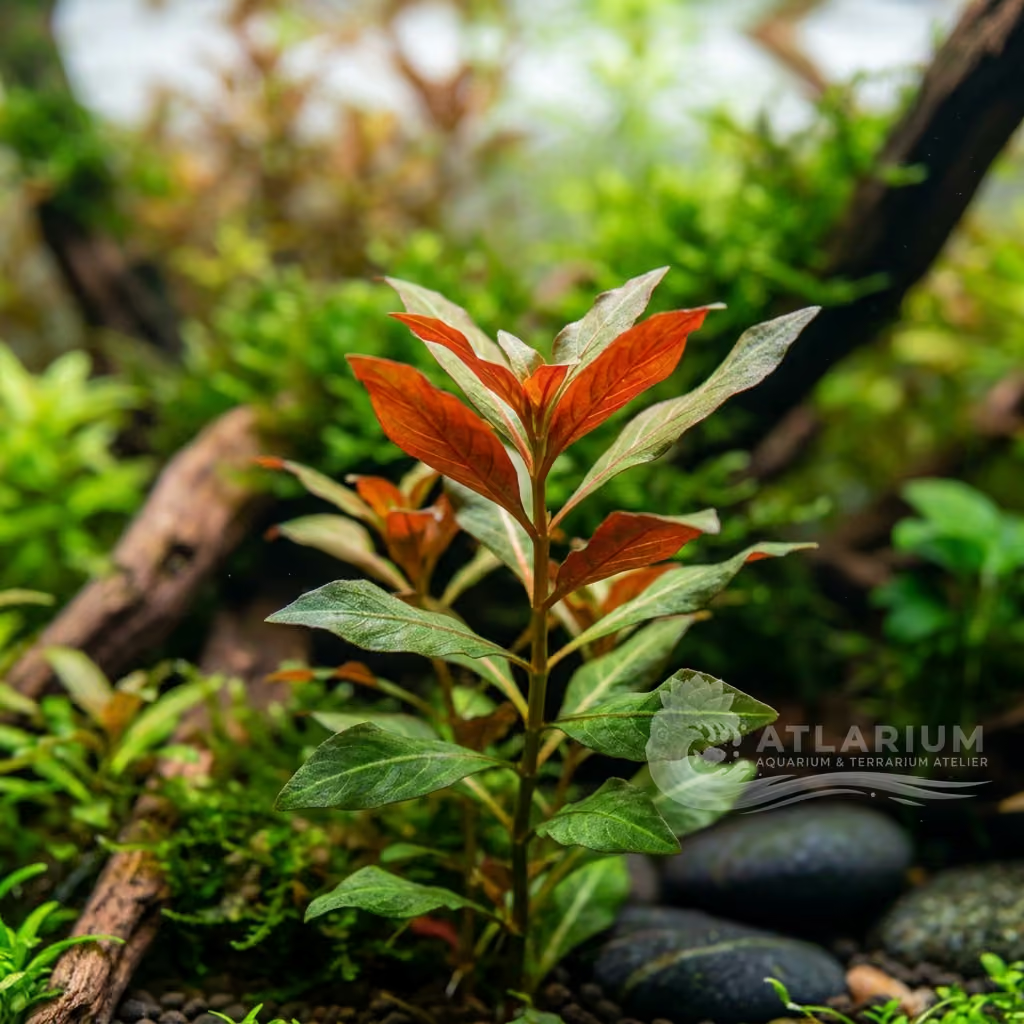
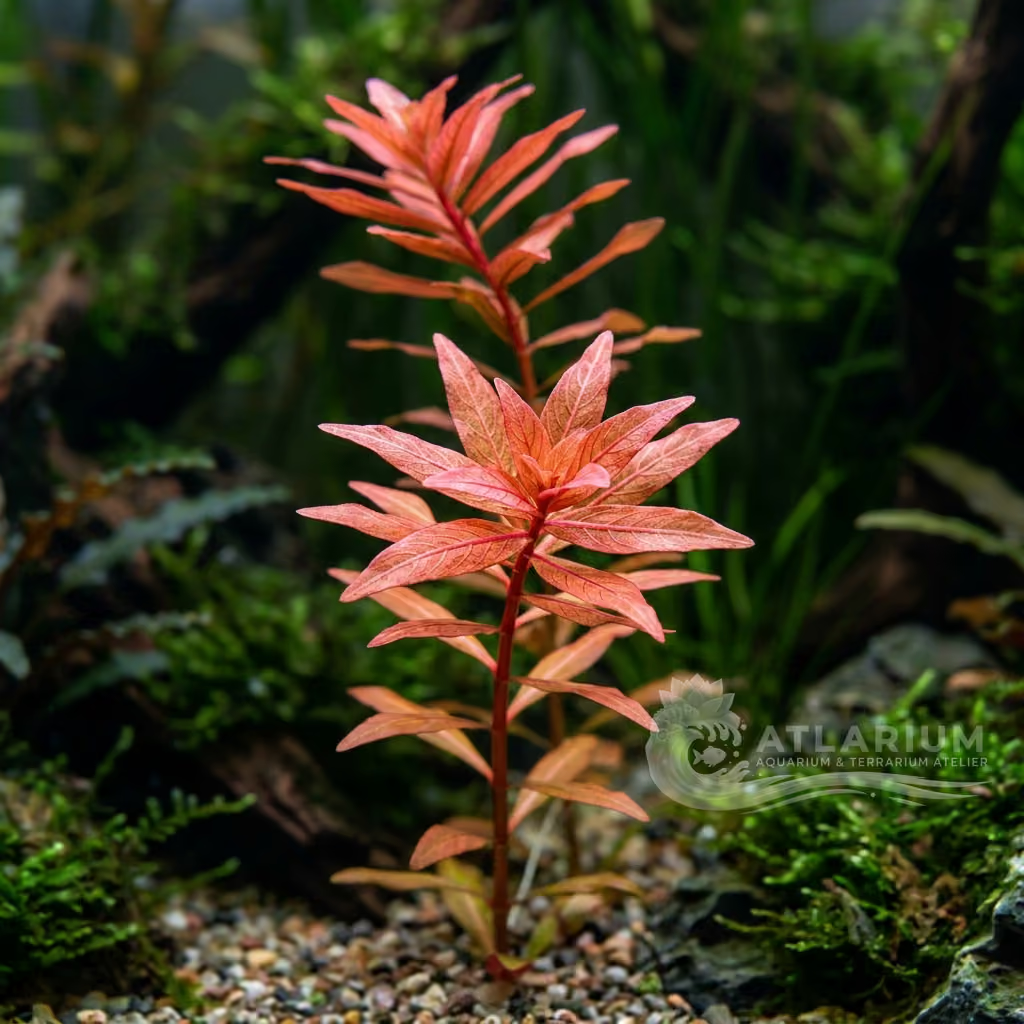
Ludwigia glandulosa boasts deep reddish-purple leaves. Widespread in the US South, it needs extremely high lighting and steady CO2 to keep its brilliant pigmentation.
Water Temperature
20 - 28 °C
pH Value
6 - 7.5
Water type
Freshwater
Light
High
CO2
Medium
Expected height
30 cm
Expected width
10 cm
GH
4 - 20 dGH
KH
2 - 15 dKH

Species description
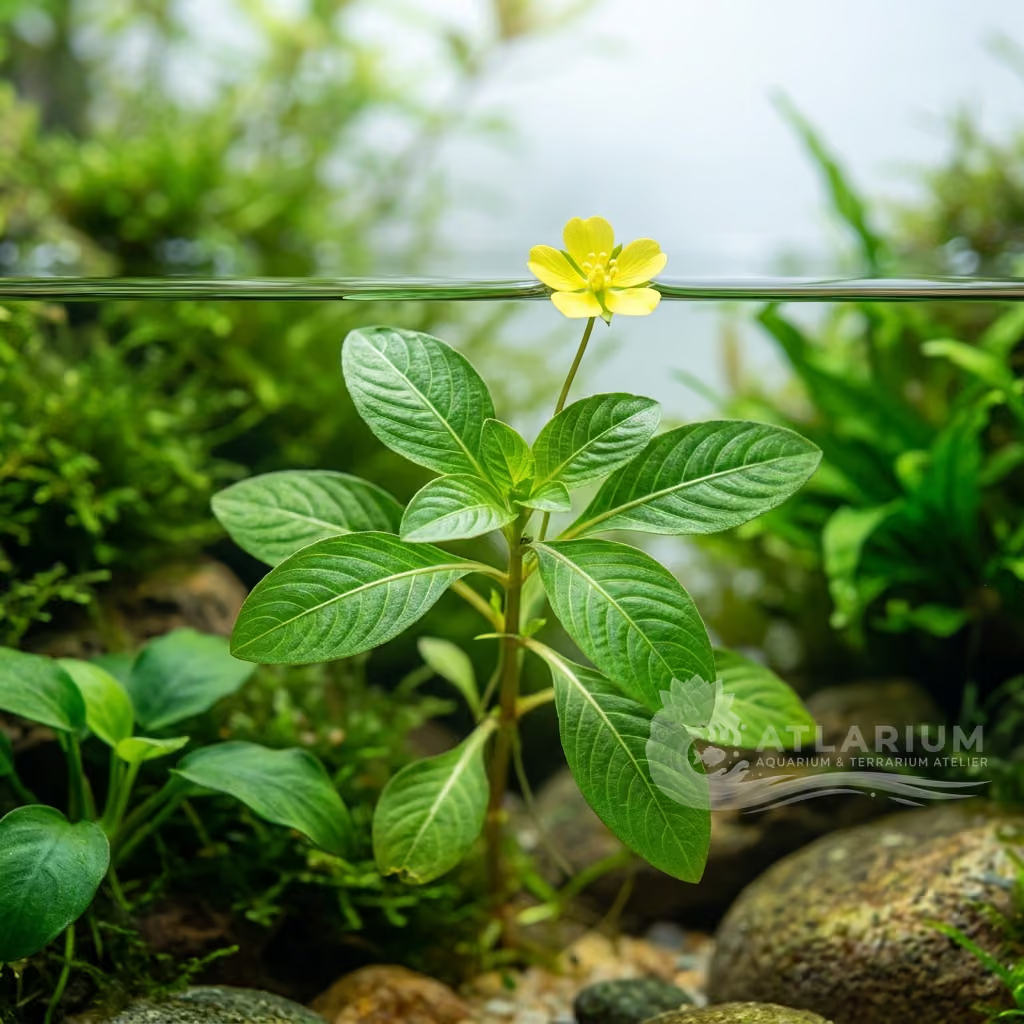
Geographical Origin and Habitat: Ludwigia glandulosa is native to the wetlands of southeastern North America, widely distributed in the southern United States (from eastern Texas to Florida and north to Illinois). In the wild, it grows both submerged and emerged in warm, muddy marshlands, ditches, swamps, and along the banks of slow-flowing or stagnant waters.
Taxonomy & Genetics: This stem plant belongs to the Onagraceae family and the Ludwigia genus. It has a stable genetic profile, but its aesthetic features are highly dependent on external environmental conditions, particularly light exposure, which regulates the concentration of red-producing anthocyanin pigments in its leaf cells.
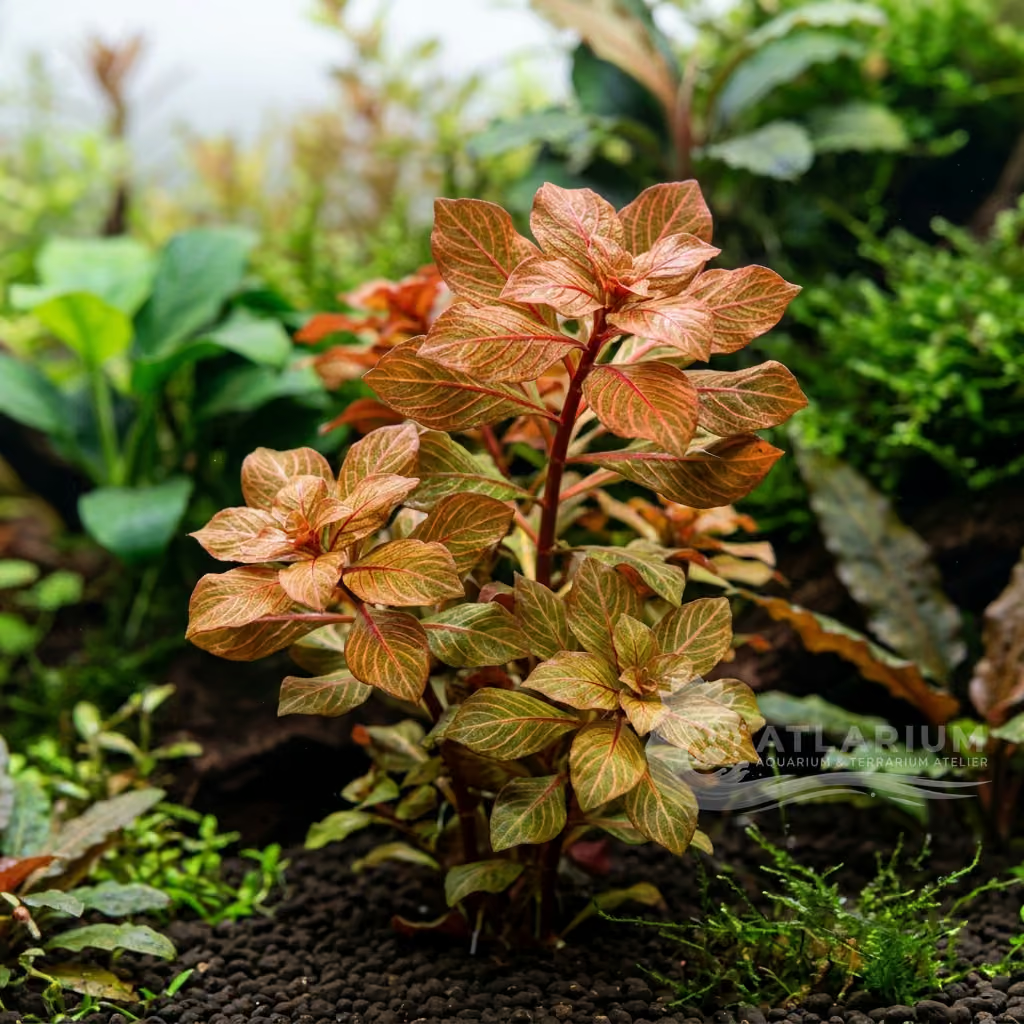
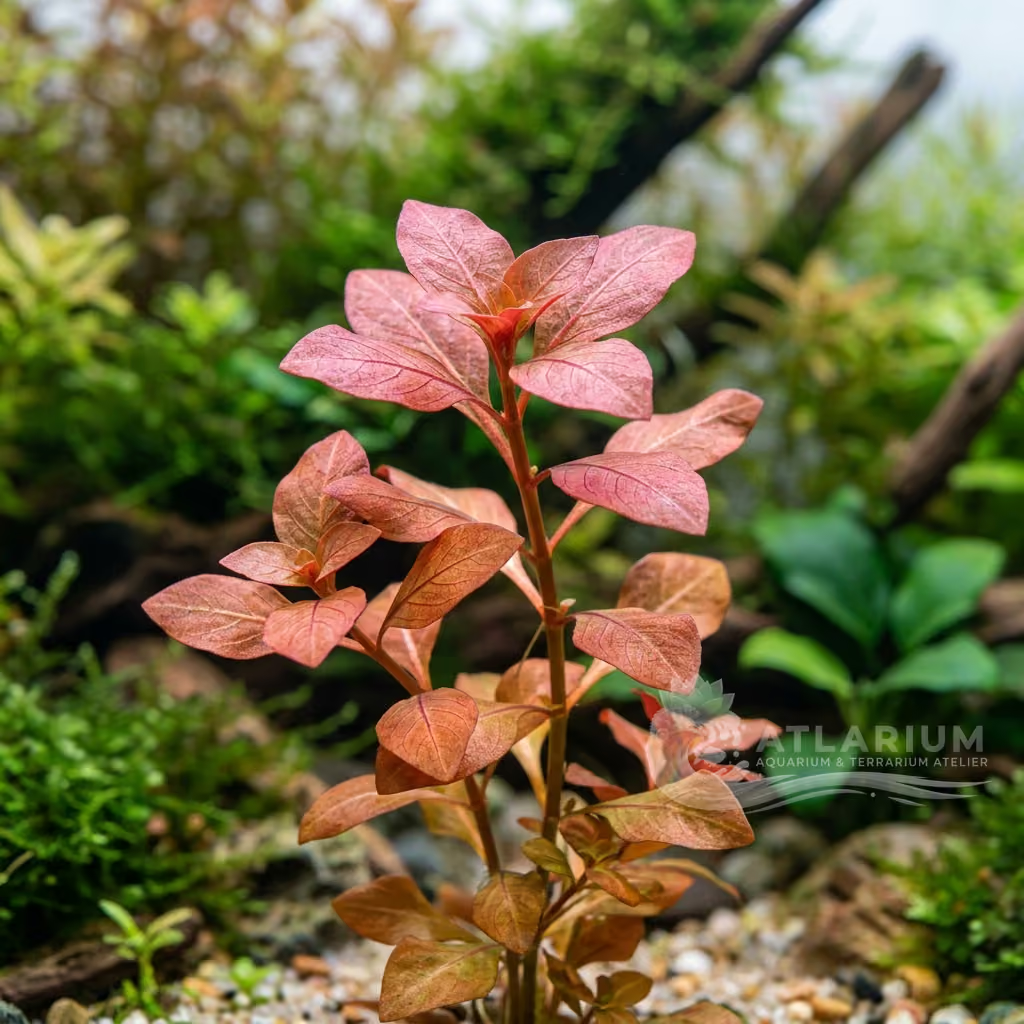
Physical Structure: It develops erect and sturdy stems that can reach 15 to 40 cm in height in aquariums. The leaves are arranged alternately or oppositely along the stem, featuring a lanceolate to narrow-elliptical shape. The root system is compact but robust, anchoring the plant firmly and pulling nutrients directly from the muddy substrate.
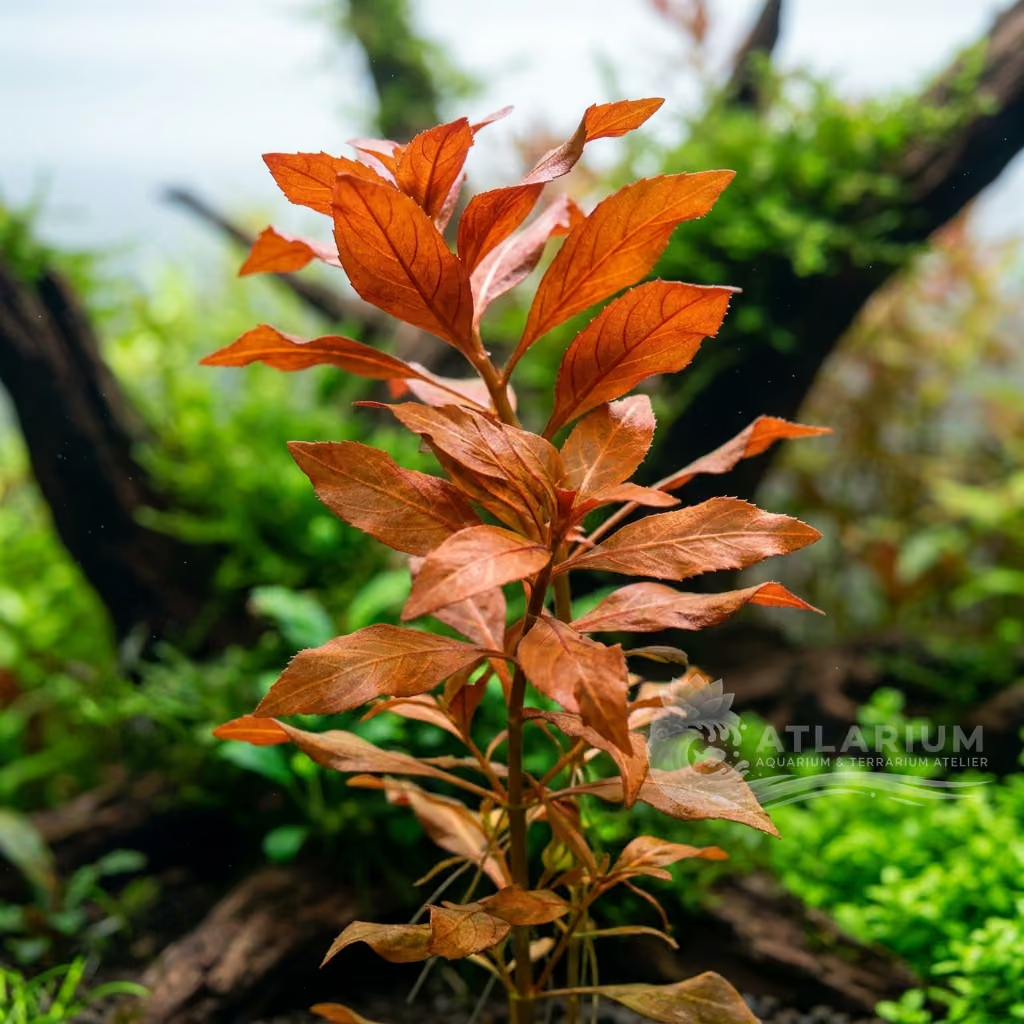
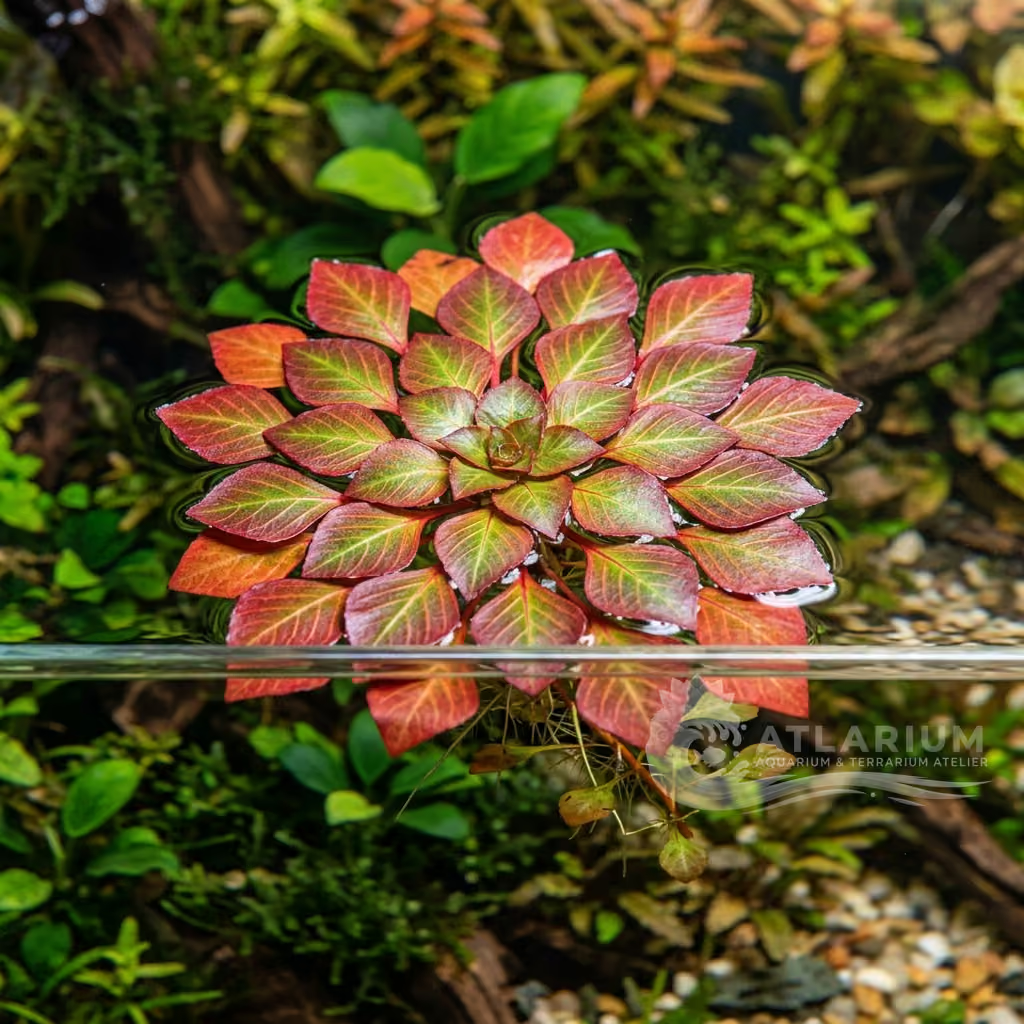
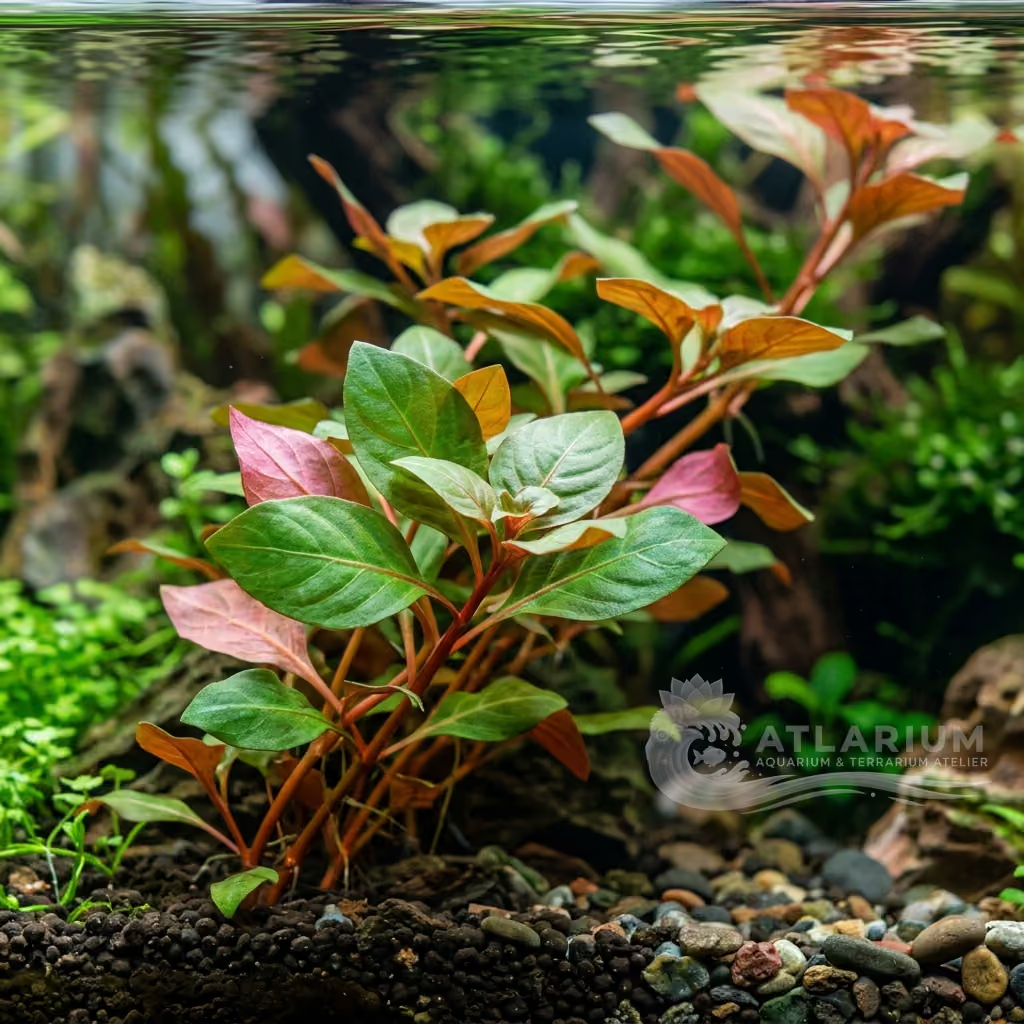
Color & Texture: The leaf blades have a distinct waxy and glossy texture. Under optimal growing conditions, the plant displays a stunning deep red-purple or cherry-red color on both the upper and lower leaf surfaces. Under insufficient lighting, the coloration rapidly fades to a dull olive-green or brownish tone.

Care, breeding and tankmates
Lighting & CO2: Requires extremely high lighting (at least 0.8-1 watt per liter or high PAR levels) to maintain its red pigment and prevent the lower leaves from shedding. Consistent carbon dioxide (CO2) injection (at least 20-30 mg/L) is strongly recommended to support its slow growth rate and prevent stem rot.
Nutrition & Substrate: Needs a nutrient-rich substrate (such as aquasoil or fertile base layer) and regular fertilization both through the roots and the water column. Supplemental chelated iron is critical for promoting and sustaining its vibrant red coloration, alongside a balanced supply of macro and micronutrients.
Water Chemistry: Prefers water temperatures between 22 and 25°C (though it tolerates a broader range of 10 to 27°C, optimal growth occurs in the cooler range), a slightly acidic to neutral pH (6.0-7.2), and soft to moderately soft water. Maintaining stable parameters is crucial to prevent growth stunting.
Space Management & Placement: Due to its slow growth and compact structure, it is best suited for the midground or background of medium-sized aquariums. Individual stems must be planted a few centimeters apart to ensure light reaches the lower leaves and to prevent them from shading one another.
Pruning: Prune by cutting the stem just above a leaf node using sharp aquascaping scissors. The cut tops can be replanted into the substrate to propagate the plant. If the lower part of the stem loses its leaves and becomes woody or bare, pull it out and replace it by replanting the healthy top cutting.
Risks & Diseases: The primary risk is the loss of lower leaves and subsequent stem melting if light levels are insufficient at the base. It is highly susceptible to algae colonization (such as green dust or hair algae) if plant growth stalls due to nutrient imbalances or unstable CO2 levels.

Geographic origin and distribution
Ludwigia glandulosa is native to the wetlands of southeastern North America, widely distributed in the southern United States (from eastern Texas to Florida and north to Illinois). In the wild, it grows both submerged and emerged in warm, muddy marshlands, ditches, swamps, and along the banks of slow-flowing or stagnant waters.
Origin
North America

Plant profile
- Placement
- Midground
- Optimal placement for Ludwigia glandulosa is as a background. Careful positioning allows it to receive adequate light and flow. This strategic placement ensures it does not overshadow smaller plants while exhibiting its best form.
- Botanical form
- Stem
- Botanically, Ludwigia glandulosa is characterized as a stem plant. Its unique physiological traits make it a fascinating addition to the ecosystem. The leaf structure and overall form adapt closely to its submerged environment.
- Growth
- Slow
- The growth rate of Ludwigia glandulosa is generally considered moderate. This steady development necessitates a well-planned maintenance schedule. Adjusting environmental factors can slightly speed up or slow down this rate.
- Substrate
- Medium
- Ludwigia glandulosa requires a highly nutritious substrate to thrive, as it heavily relies on its roots to absorb iron and macronutrients necessary for its deep purple-red foliage. A nutrient-rich aquasoil or a dirted substrate capped with fine gravel is highly recommended to support its relatively thick and strong root system. A minimum substrate depth of 5 to 6 centimeters is required to anchor the stout stems firmly in place. Consistent nutrient availability at the root zone is crucial, as depletion will quickly lead to faded leaf colors and stunted growth.
- Column fertilization
- Required
- For column fertilization, Ludwigia glandulosa prefers a rich dosing regimen. Liquid fertilizers are efficiently absorbed through its submerged surfaces. Consistent daily or weekly dosing ensures steady nutrient availability.
- Root fertilization
- Optional
- Regarding root fertilization, it is absolutely true that Ludwigia glandulosa requires a nutrient-rich substrate. A quality aquasoil or root tabs can significantly boost its long-term health. The root system plays an active role in stabilizing the plant and absorbing minerals.
- Trimming
- Occasional
- Maintenance for Ludwigia glandulosa primarily involves careful topping. Using sharp aquascaping scissors ensures clean cuts that heal quickly. Regular pruning encourages a more compact and aesthetically pleasing form.
- Propagation
- Cuttings
- Propagation of Ludwigia glandulosa is typically achieved through cuttings. This method is straightforward and yields a high success rate. Newly propagated sections should be planted with sufficient space to establish themselves.
- Sensitivity
- Moderate
- Ludwigia glandulosa is particularly sensitive to fragile stems and low CO2. Sudden changes in water chemistry can trigger negative reactions or melting. Maintaining a stable environment is the best preventative measure against these issues.
- Layout role
- Midground, Background
- In an aquascape, Ludwigia glandulosa serves excellently as a deep red contrast. Its visual characteristics draw the eye and create depth within the layout. It pairs well with contrasting textures to enhance the overall composition.

Related species
Recommendations grouped by close relatives, companion choices, and similar care.