Ludwigia sp. 'Dark Orange'
Ludwigia sp. 'Dark Orange'
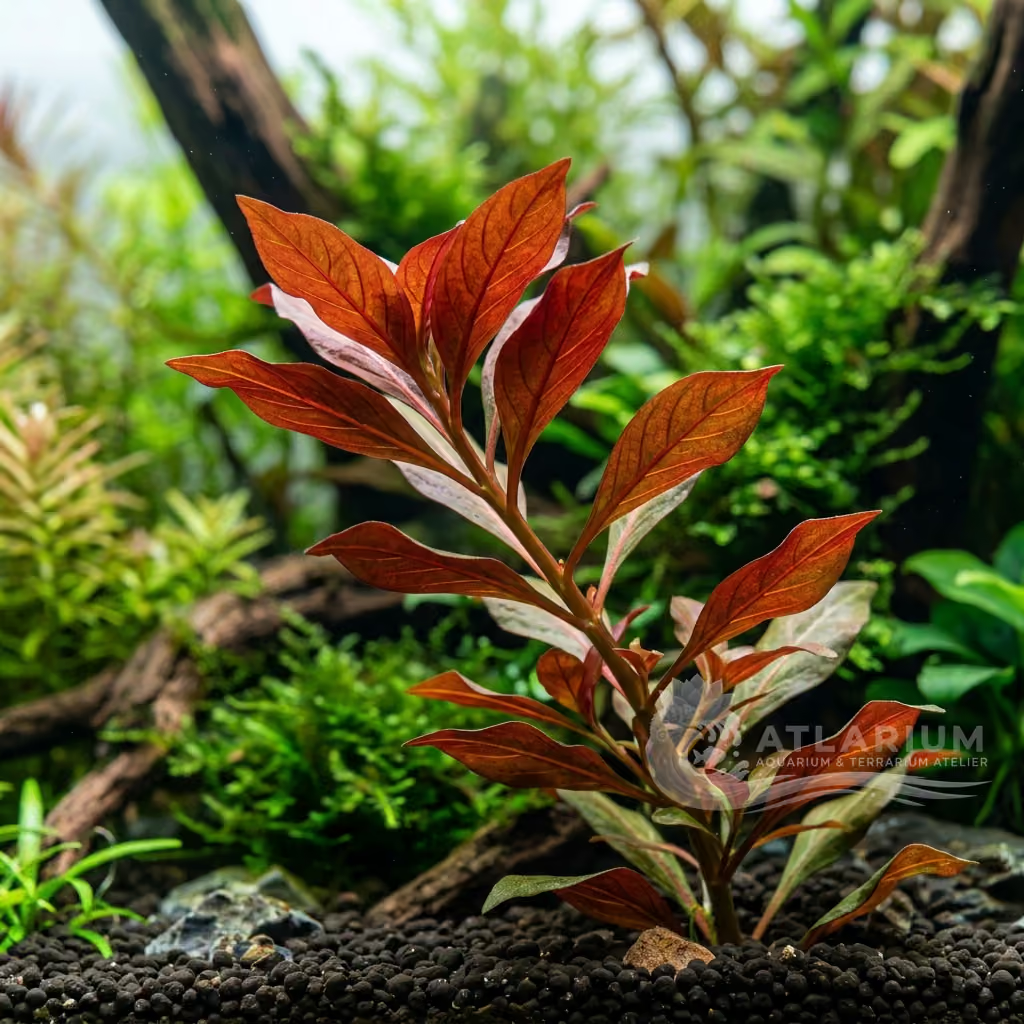
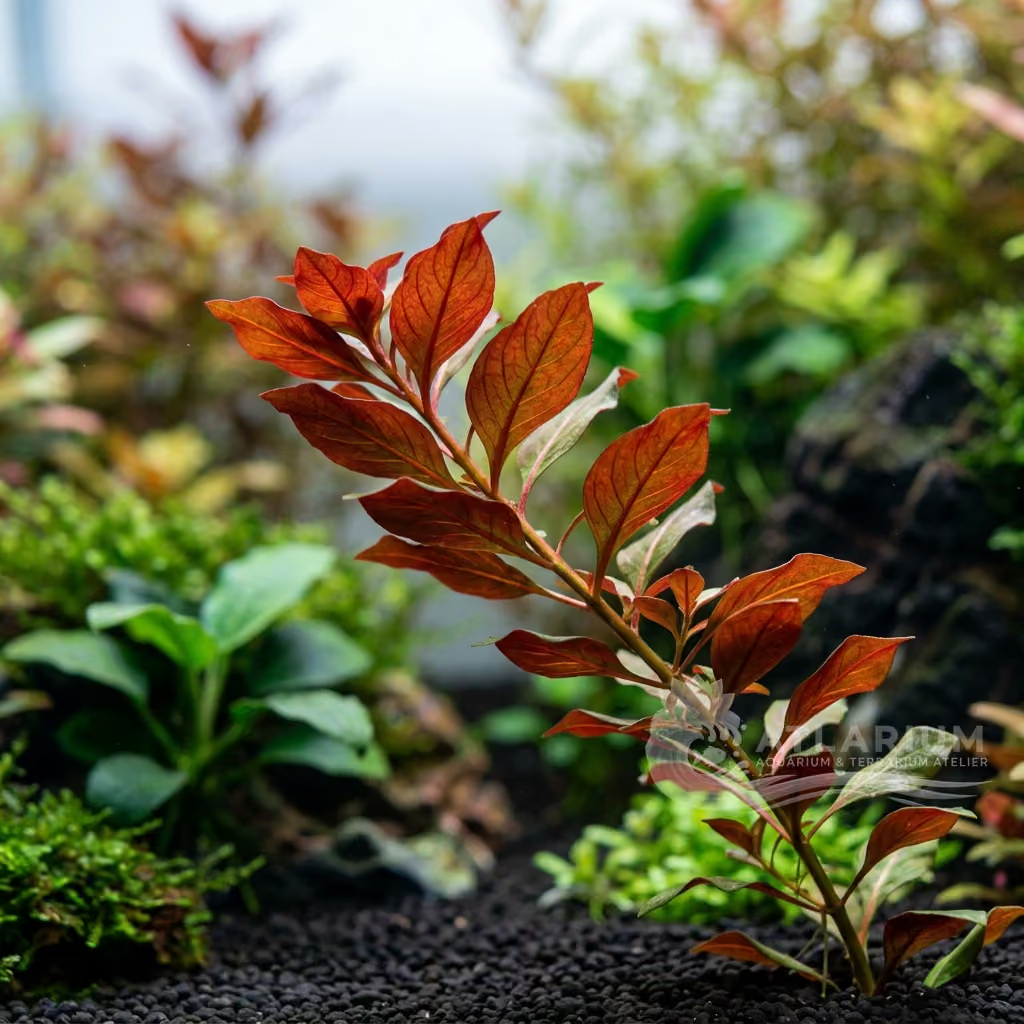
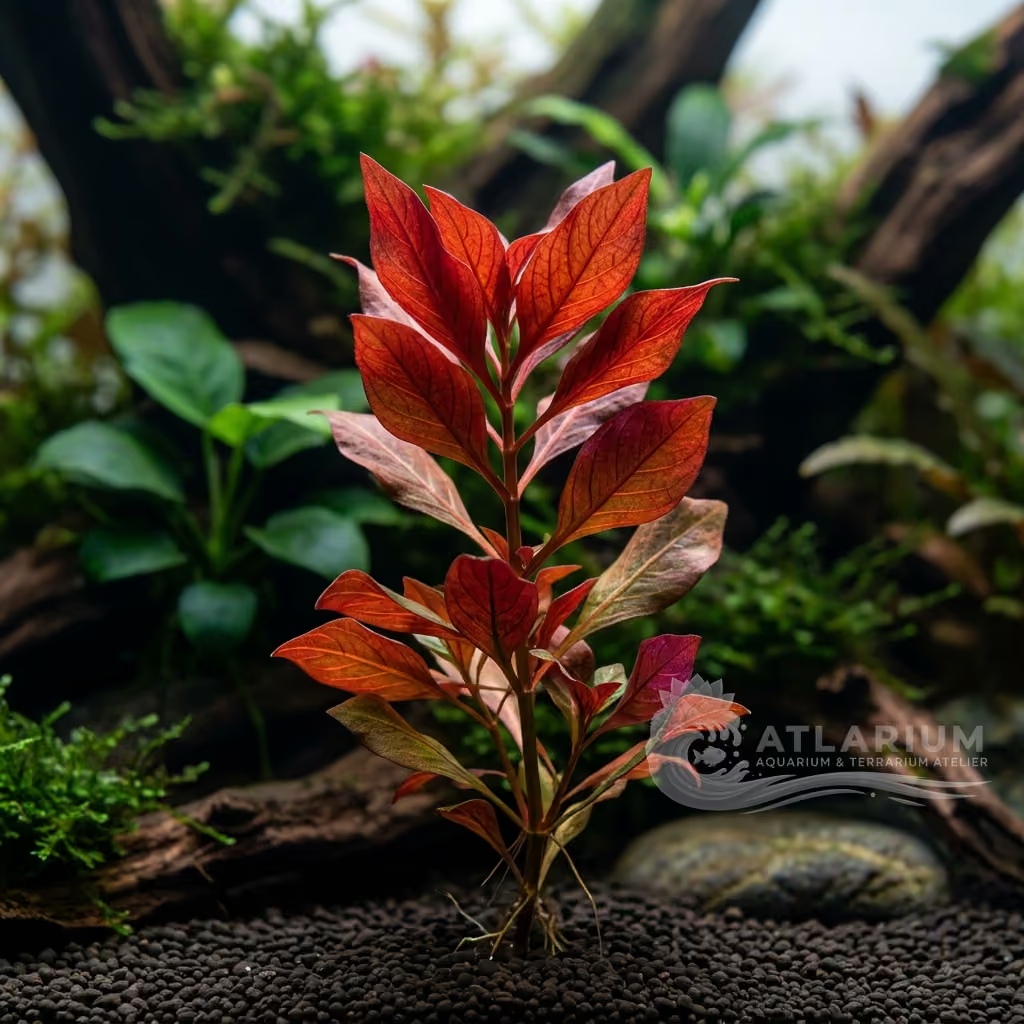
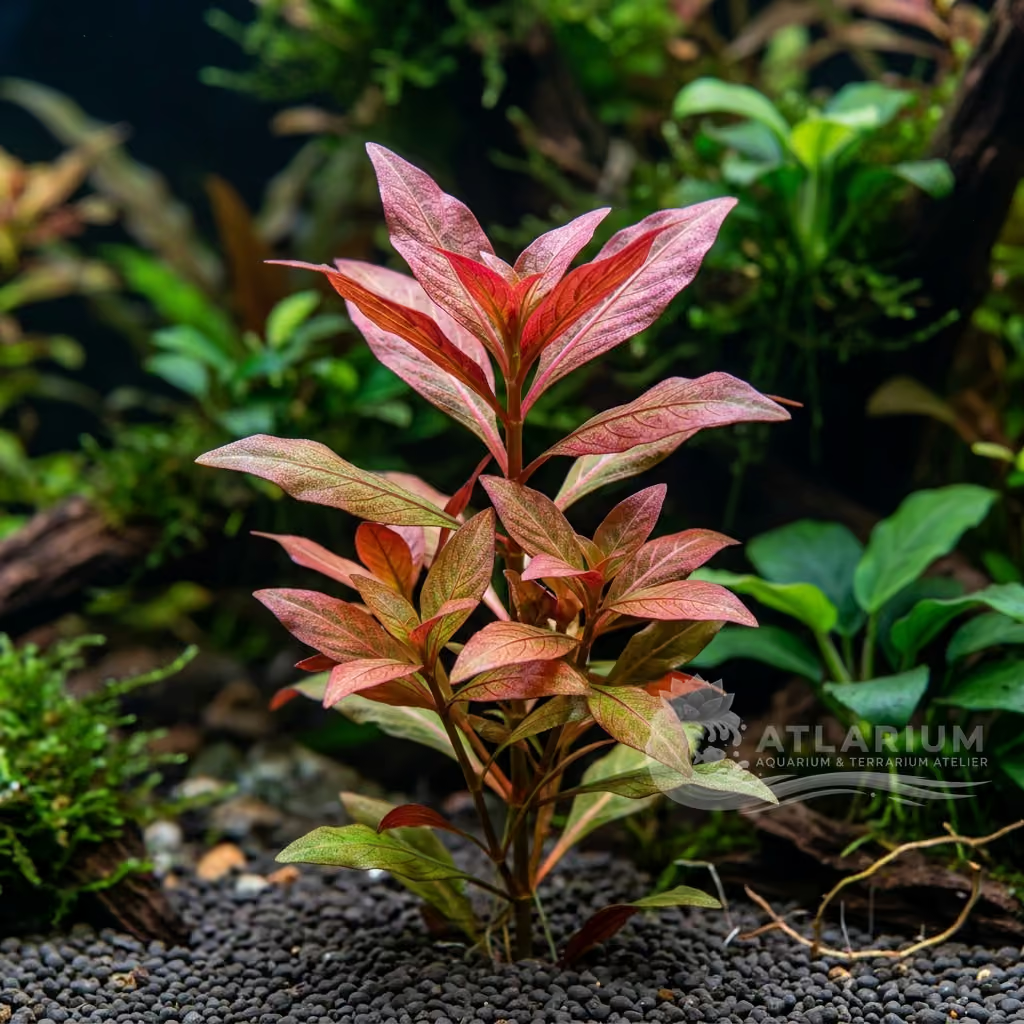
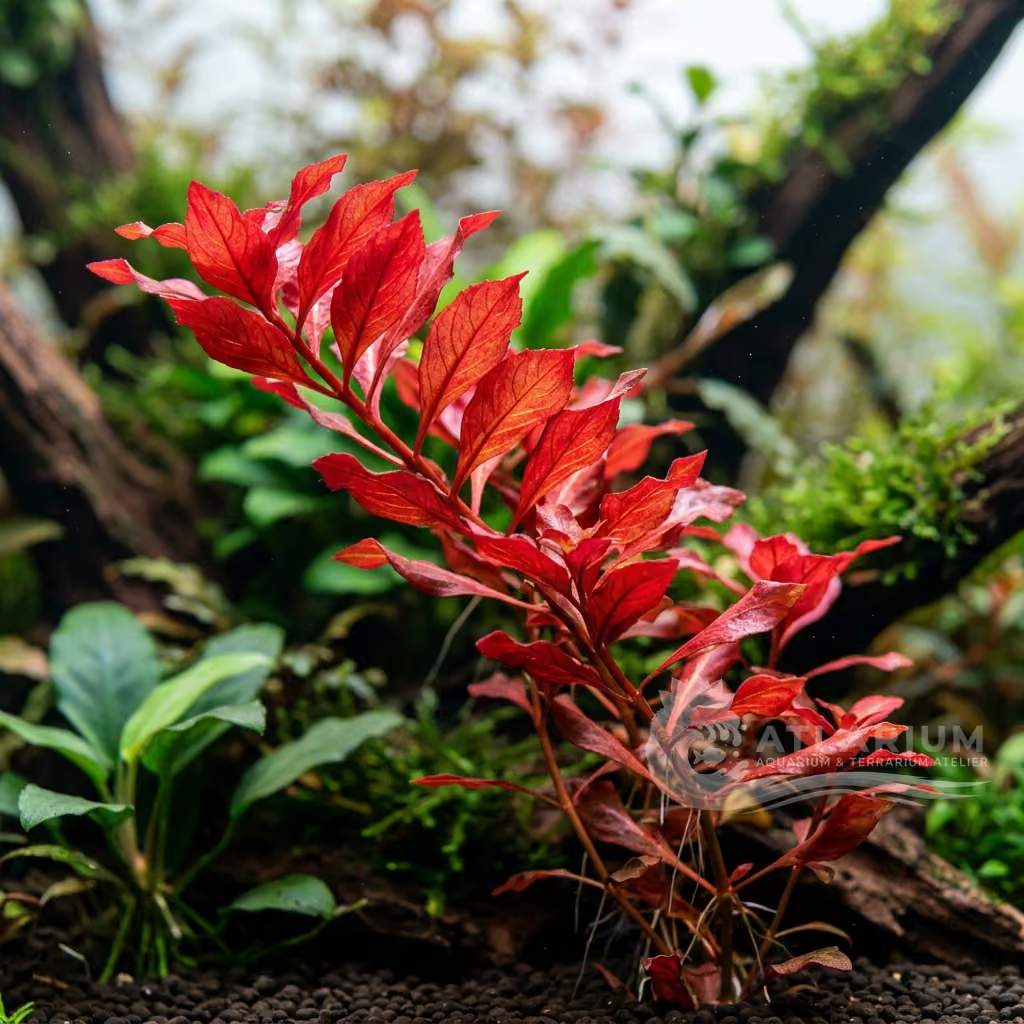
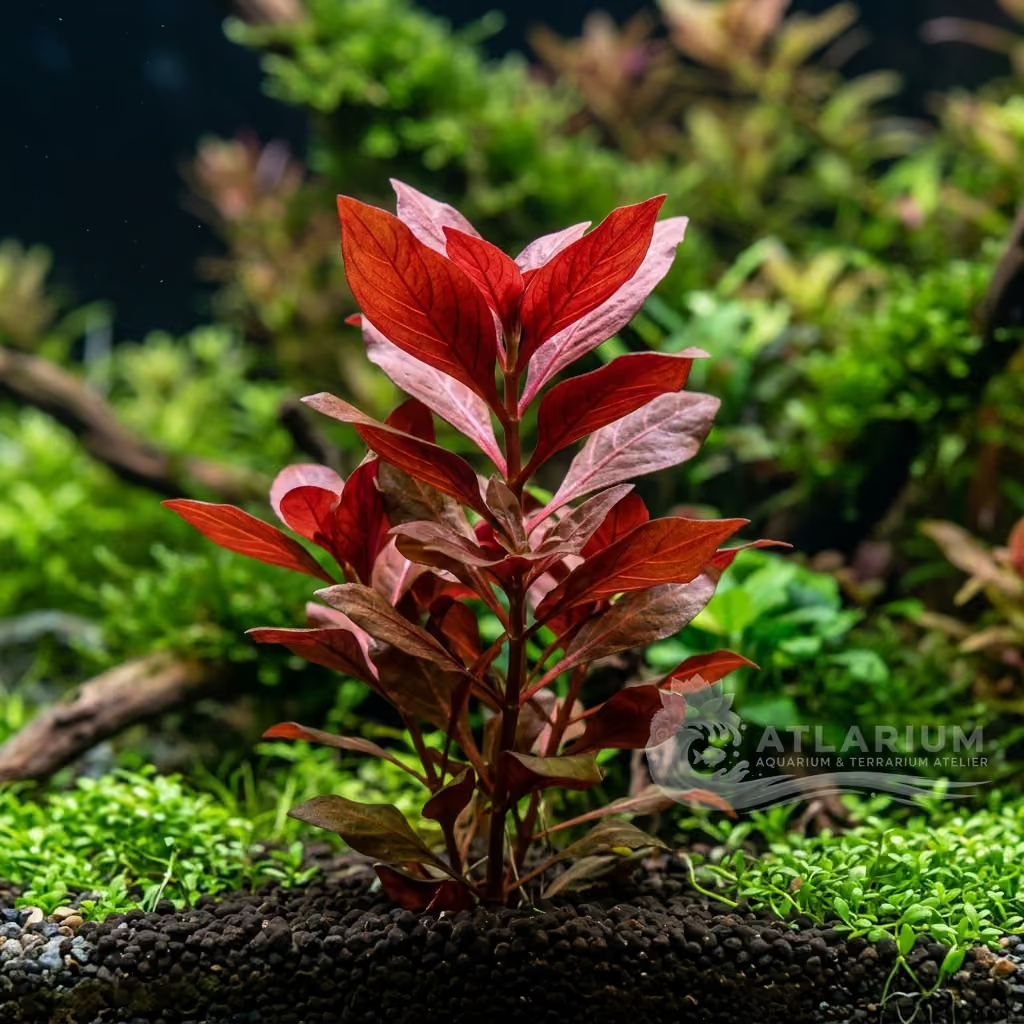
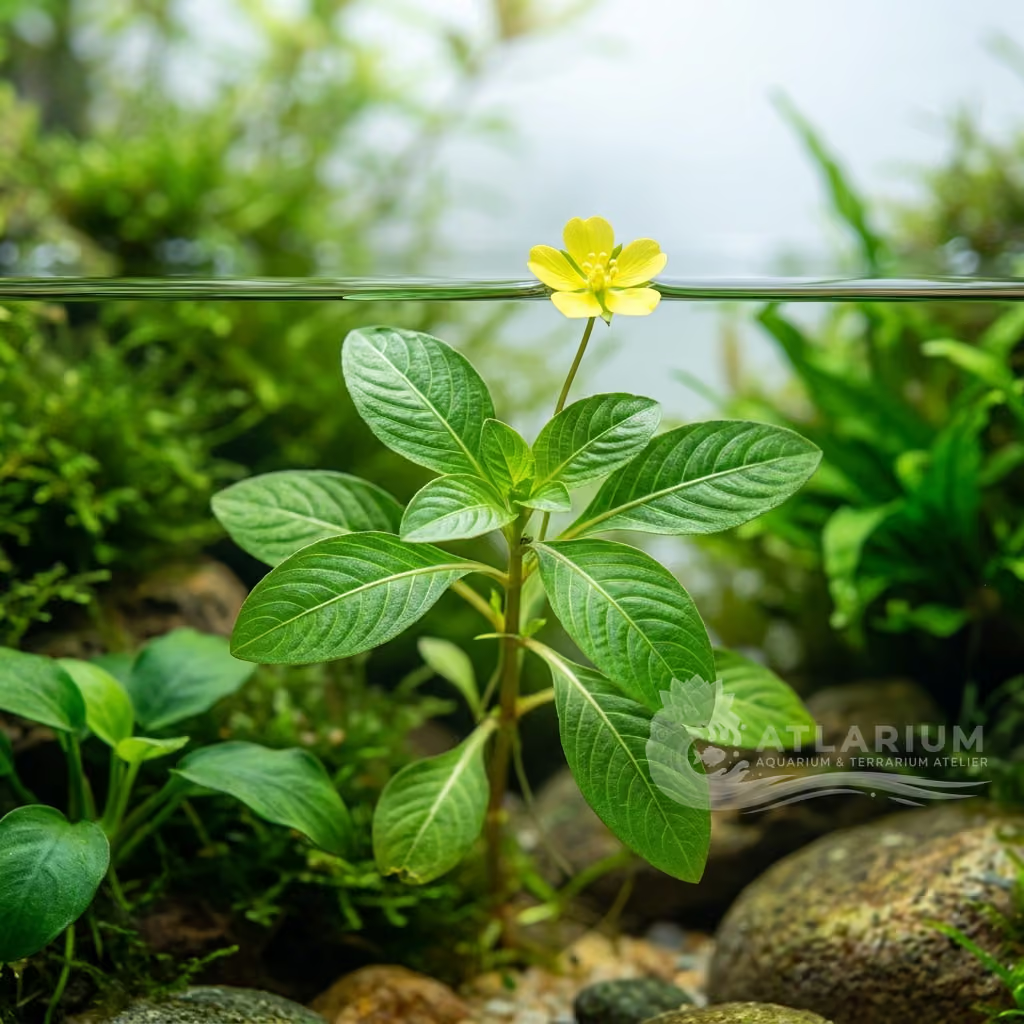
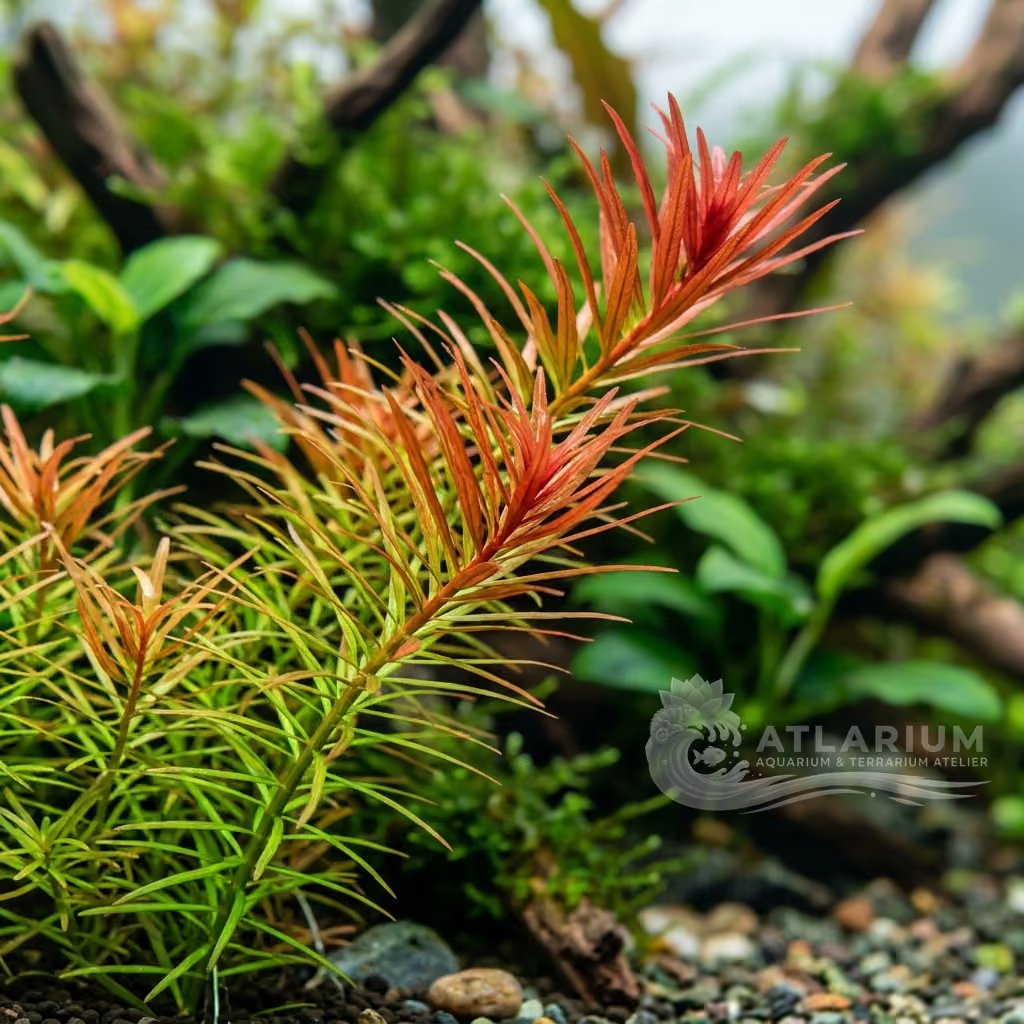
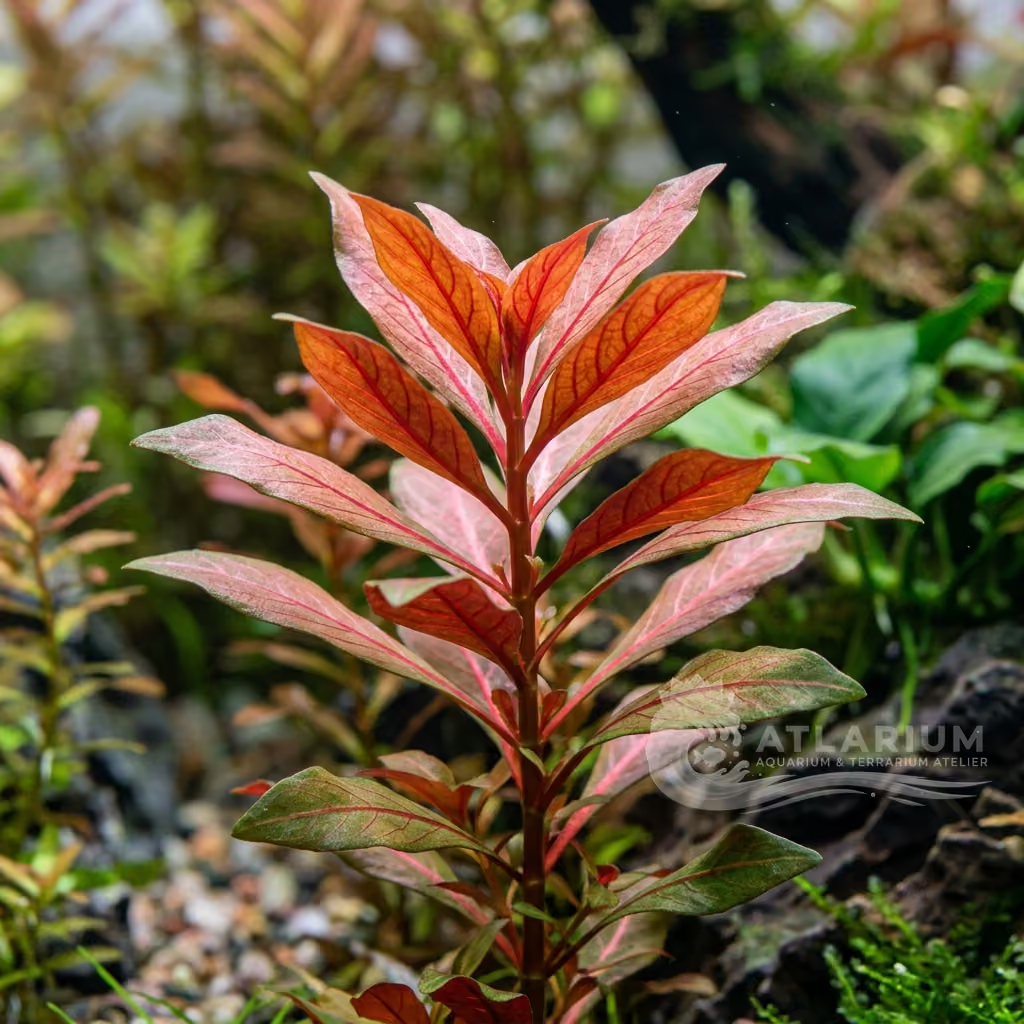
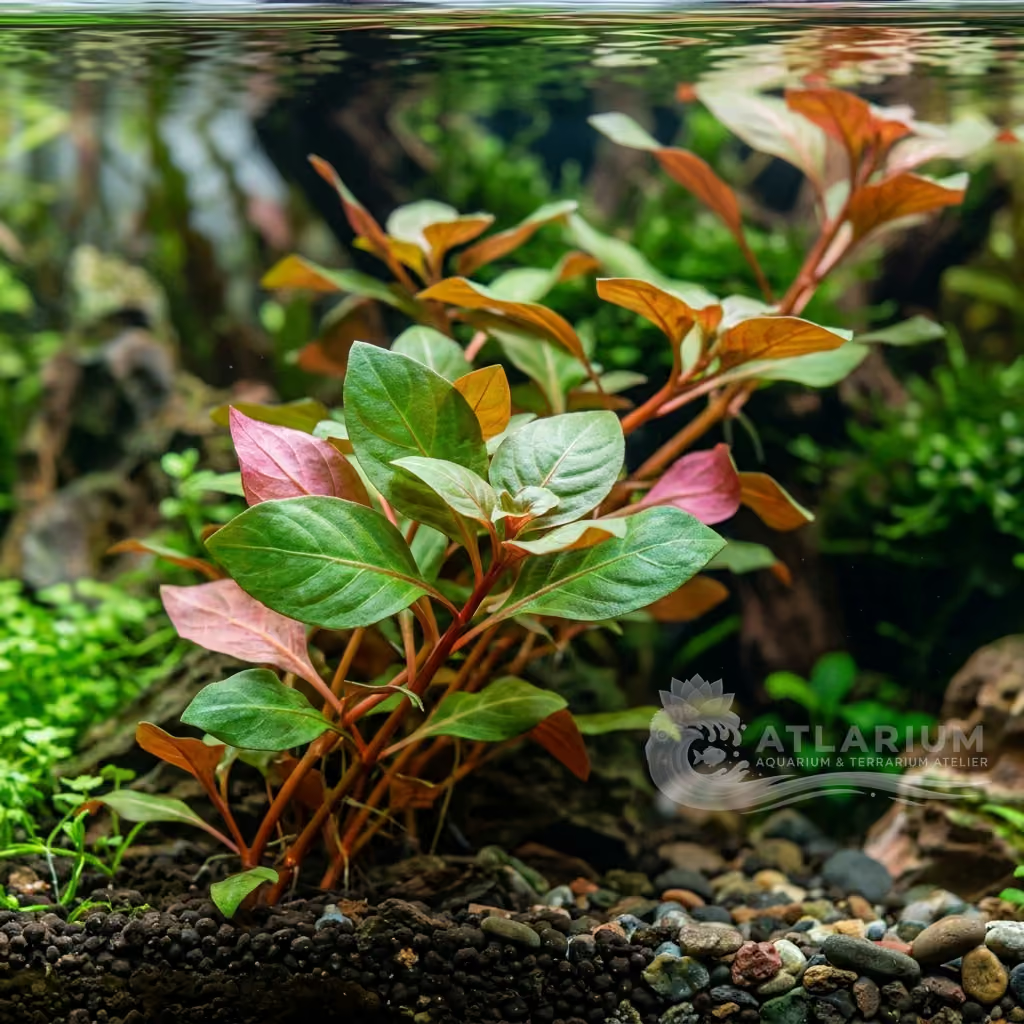
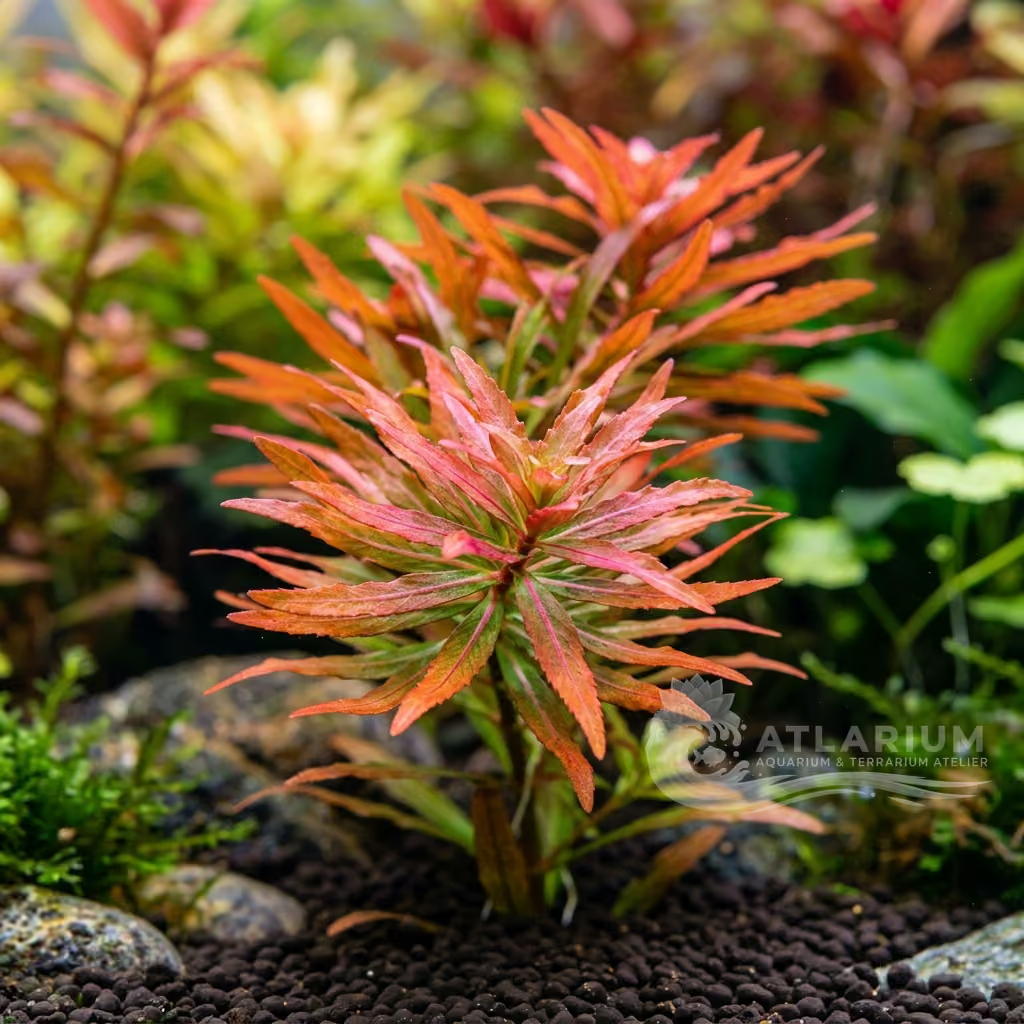
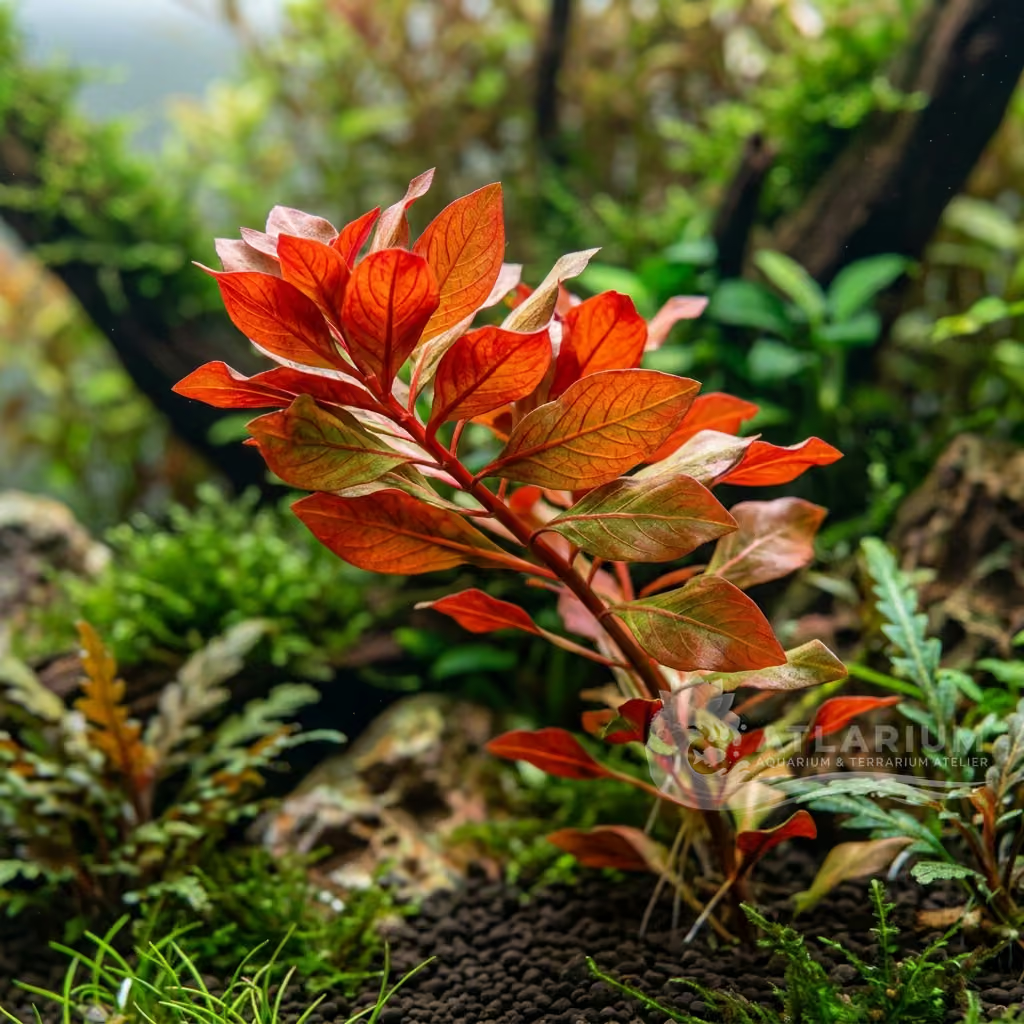
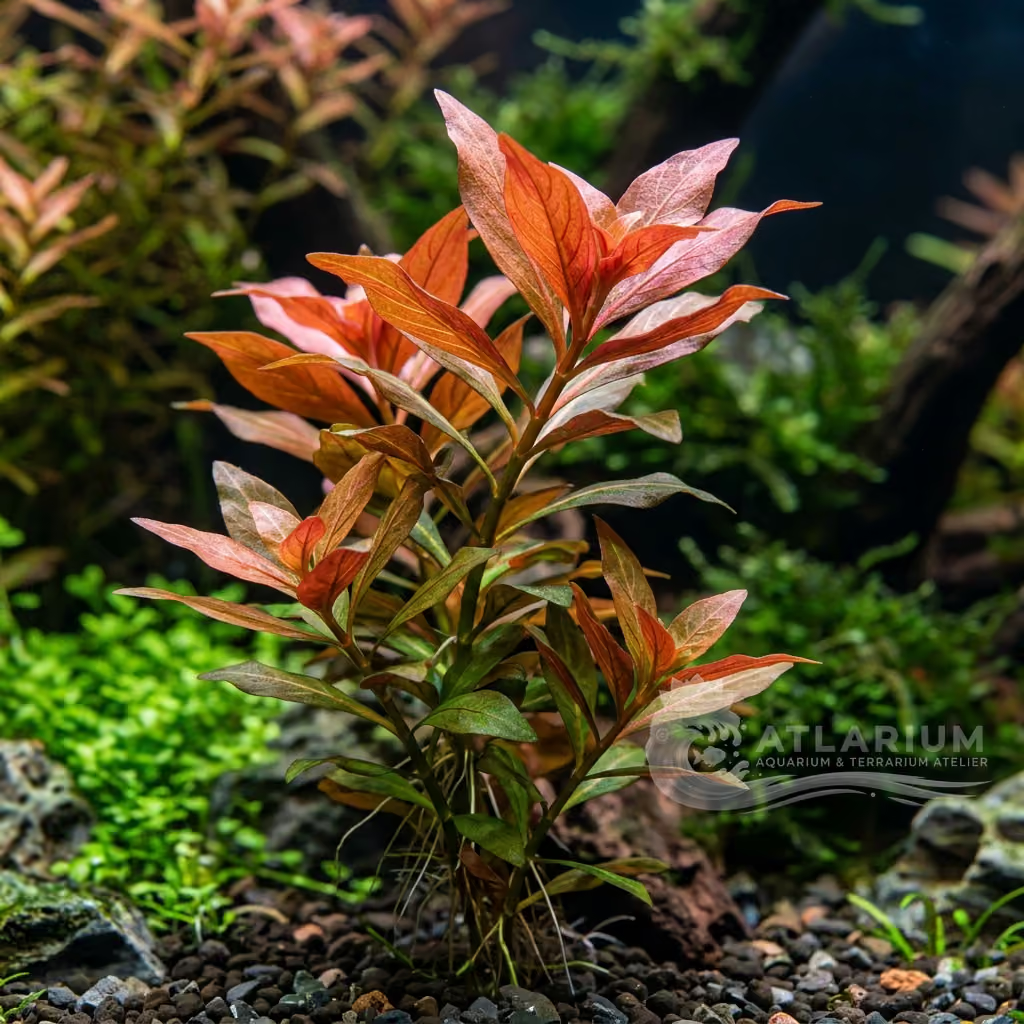
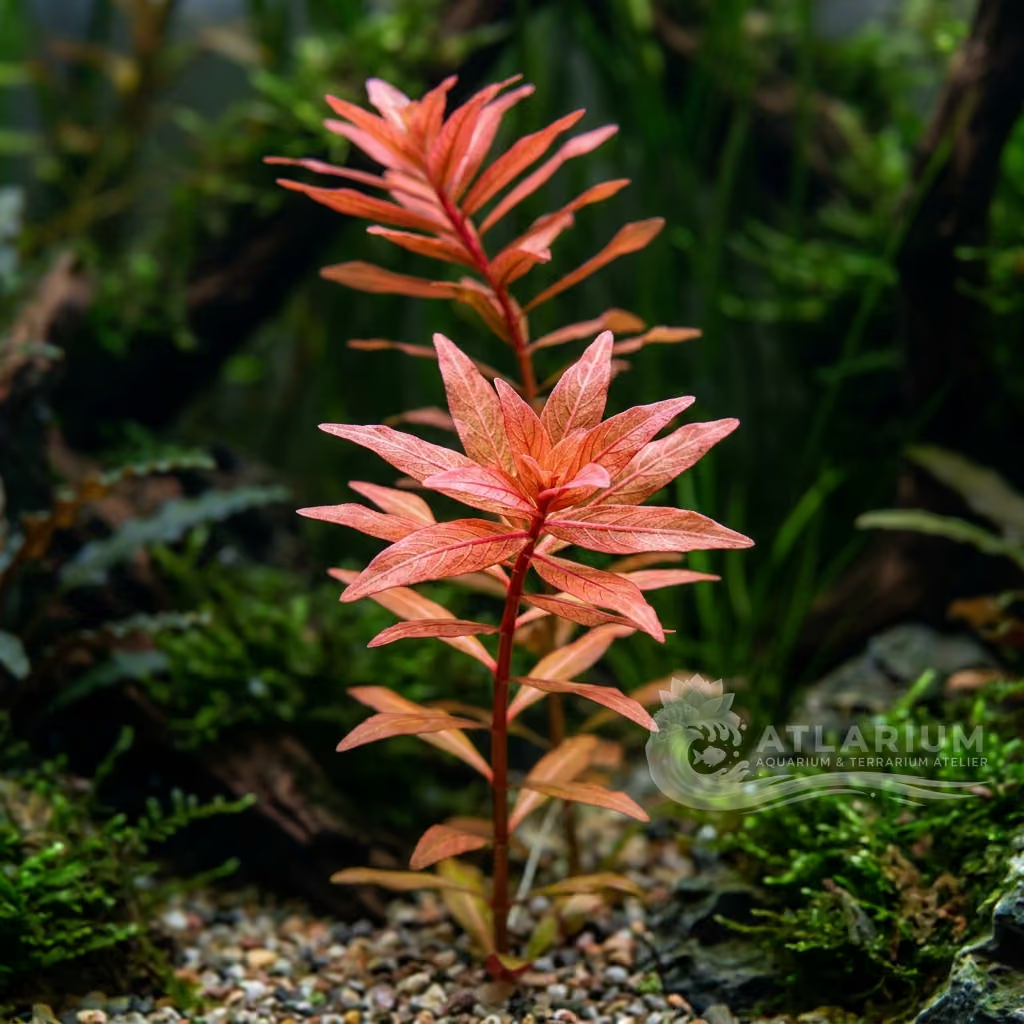
Ludwigia sp. 'Dark Orange' is a medium-growing stem plant perfectly suited for midground placement, offering a striking color contrast in any aquascape. Its ability to develop deep dark orange hues makes it a captivating focal point in a planted aquarium.
Water Temperature
22 - 28 °C
pH Value
6 - 7.5
Water type
Freshwater
Light
Medium - High
CO2
Medium - High
KH
2 - 10 dKH

Species description
Geographical Origin and Habitat: Ludwigia sp. 'Dark Orange' does not have a precisely documented specific natural habitat, as the 'sp.' designation and
Color & Texture: specific name suggest it is likely a cultivated variety or an artificially selected cultivar. However, species within the Ludwigia genus are largely cosmopolitan, typically thriving in wetlands, swamps, and slow-moving bodies of water across tropical and subtropical regions worldwide. This particular form has likely been developed to exhibit its intense dark orange coloration in aquarium settings, making the controlled environment of the aquarium its primary "habitat." Therefore, its cultivation is key to maintaining its distinct characteristics.
Taxonomy & Genetics: Ludwigia sp. 'Dark Orange' belongs to the Onagraceae family, a botanical group encompassing numerous aquatic and terrestrial plants. The Ludwigia genus is extensive, comprising several hundred species, many of which are popular in aquascaping due to their versatility and wide color range. The 'sp.' in its scientific name indicates that the exact species has not been formally identified, or it refers to a specific hybrid or cultivar with distinct characteristics. This particular clone has been selected for its remarkable intense orange pigmentation, distinguishing it from other Ludwigia species by its deeper, darker hue.
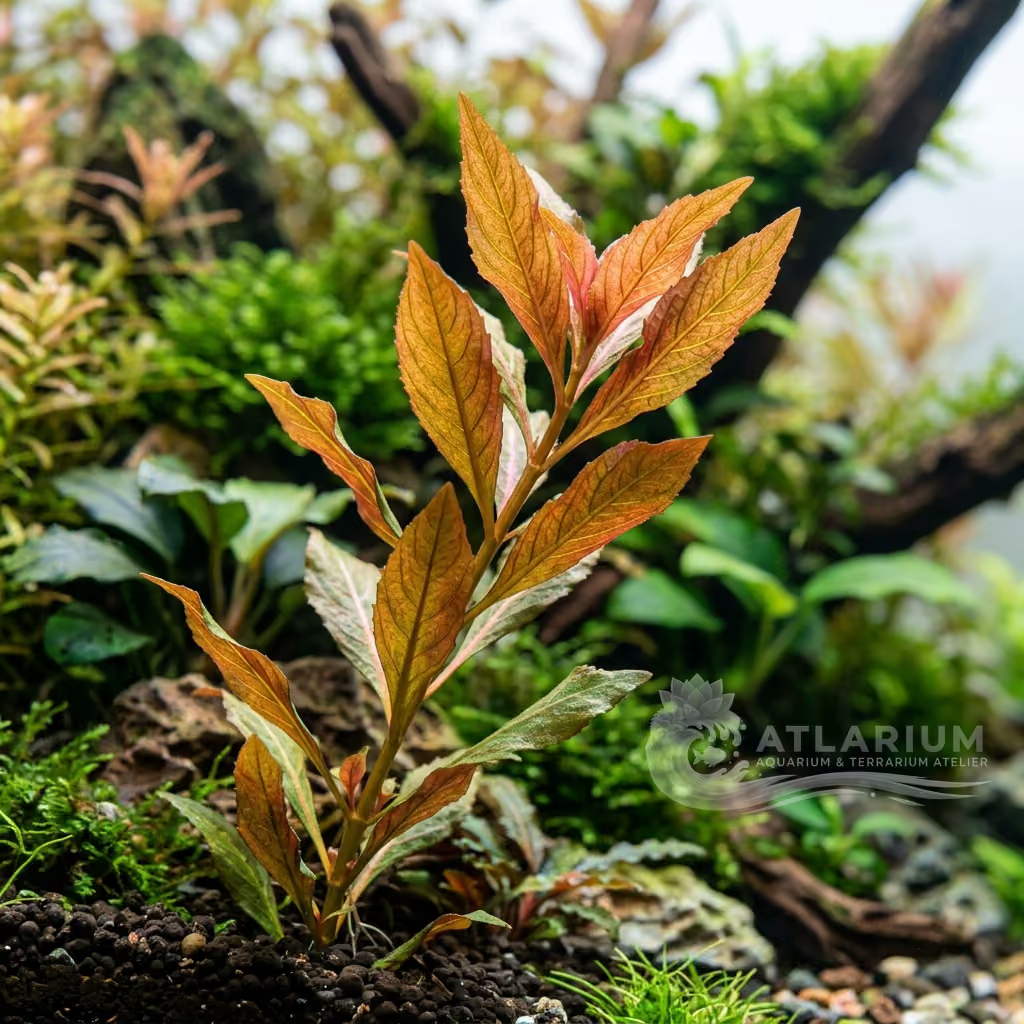
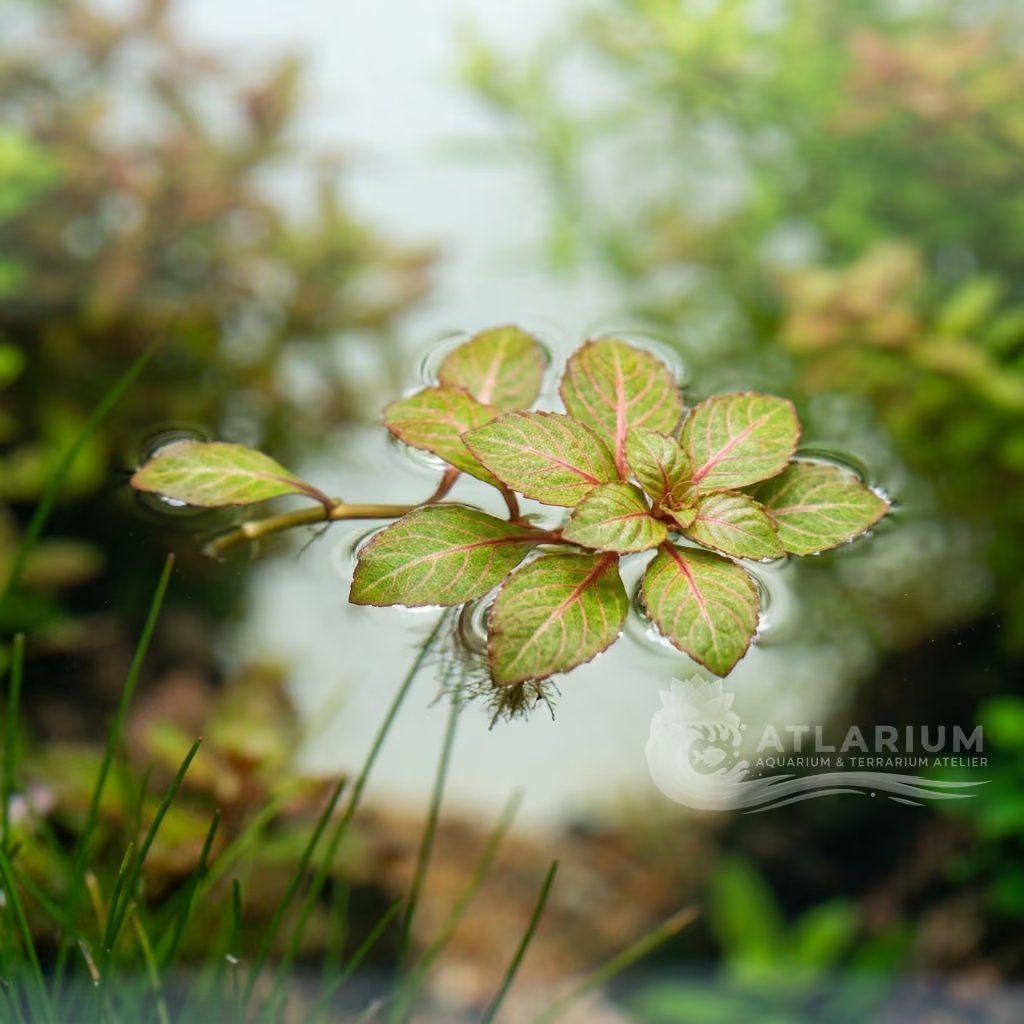
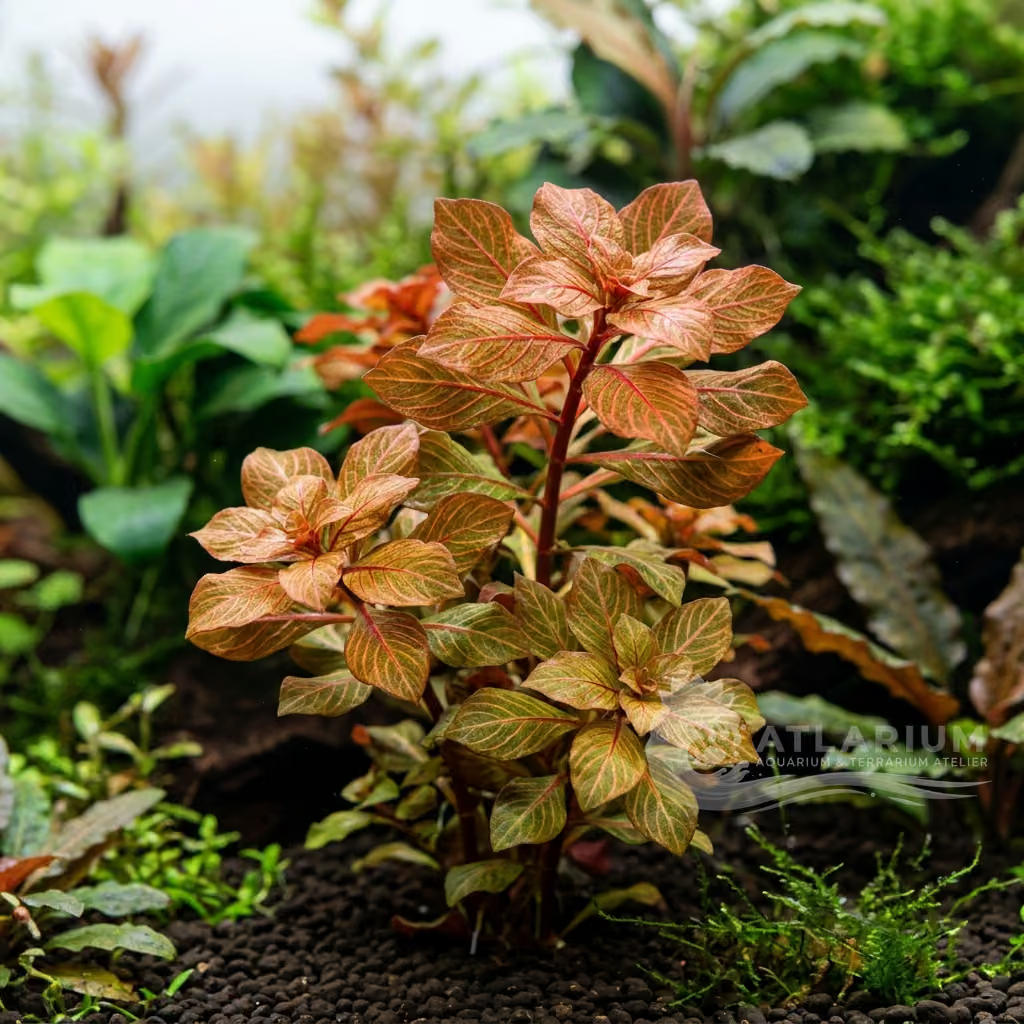
Physical Structure: This variety of Ludwigia presents as a classic stem plant, characterized by upright stems and leaves that grow in opposite pairs along the stalk. The stems are relatively robust, capable of reaching considerable heights if not regularly pruned, forming a dense, bushy mass. Adventitious roots can develop from the nodes along the stem, especially under conditions of high humidity or when the plant is submerged for extended periods. The stem structure allows for easy propagation through cuttings, making it ideal for creating lush and vibrant clusters within the aquascape.
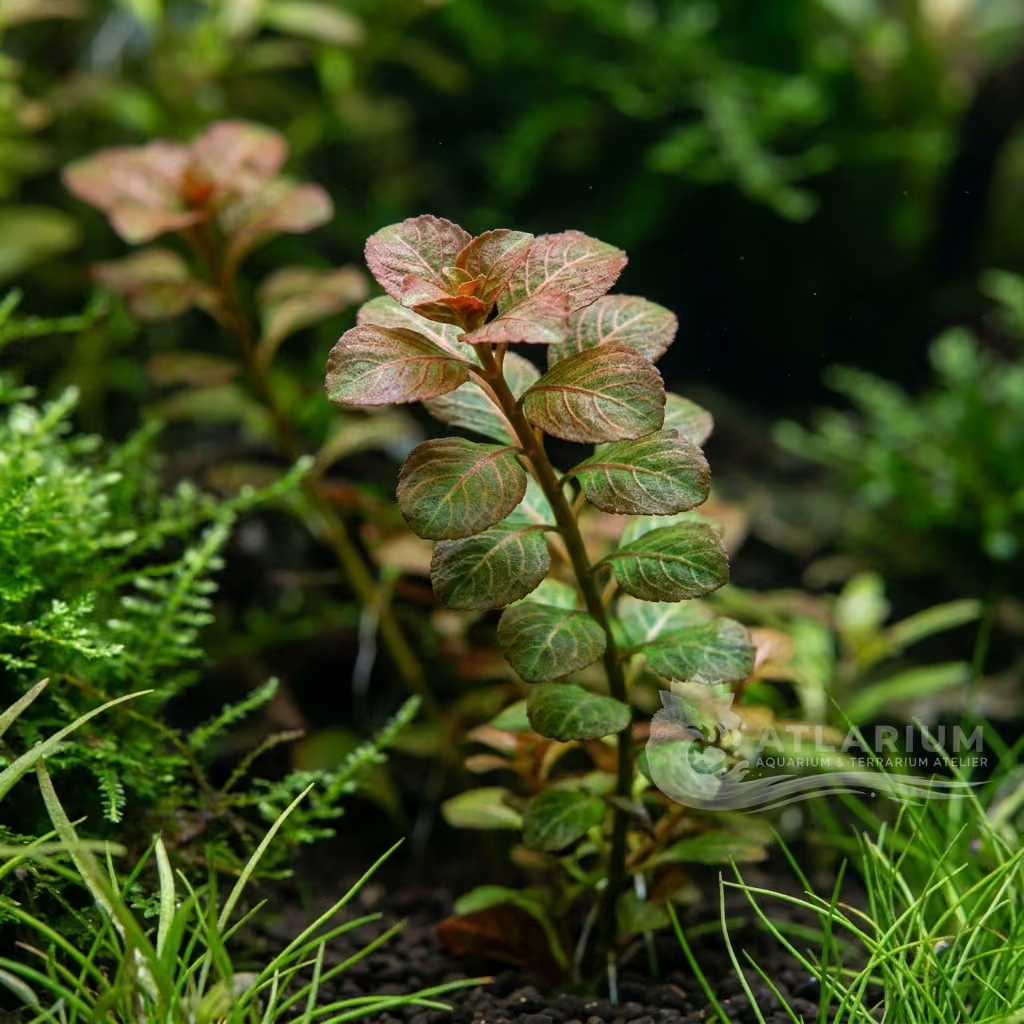
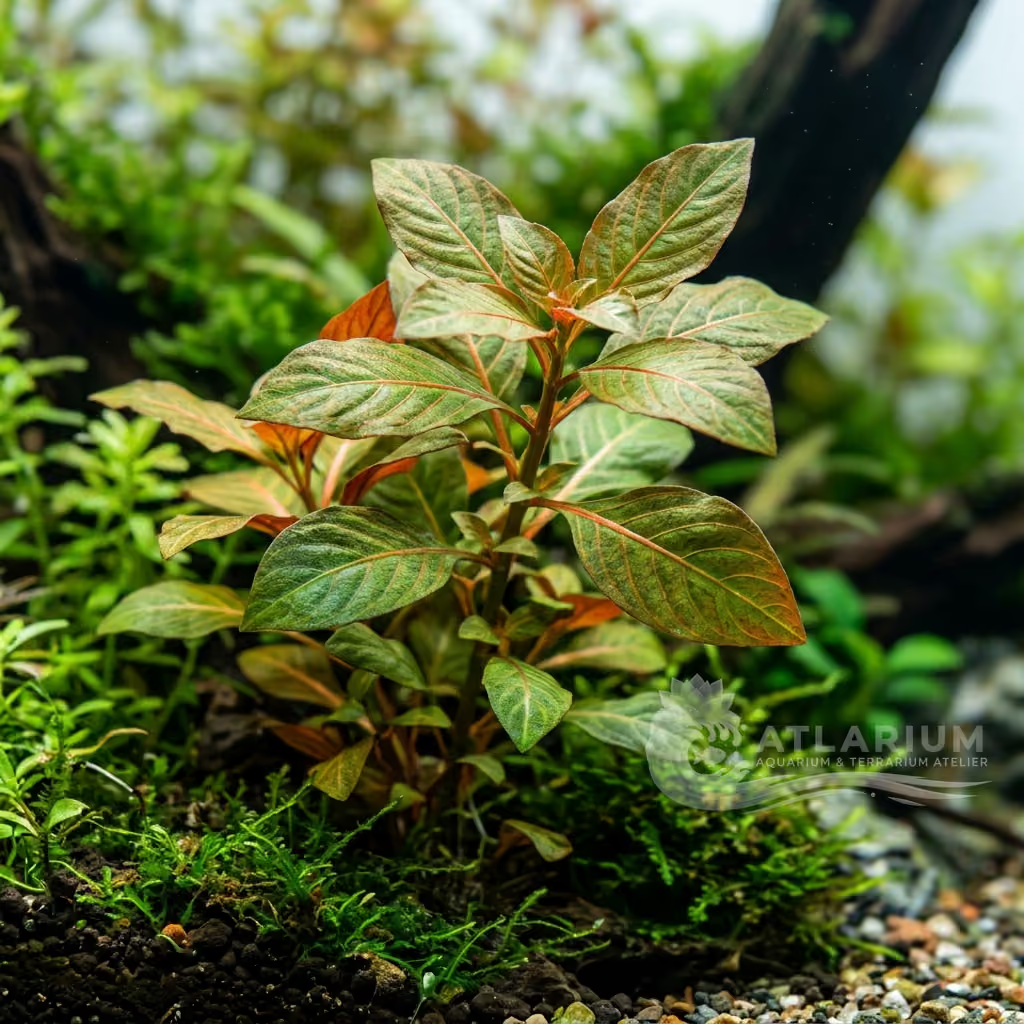
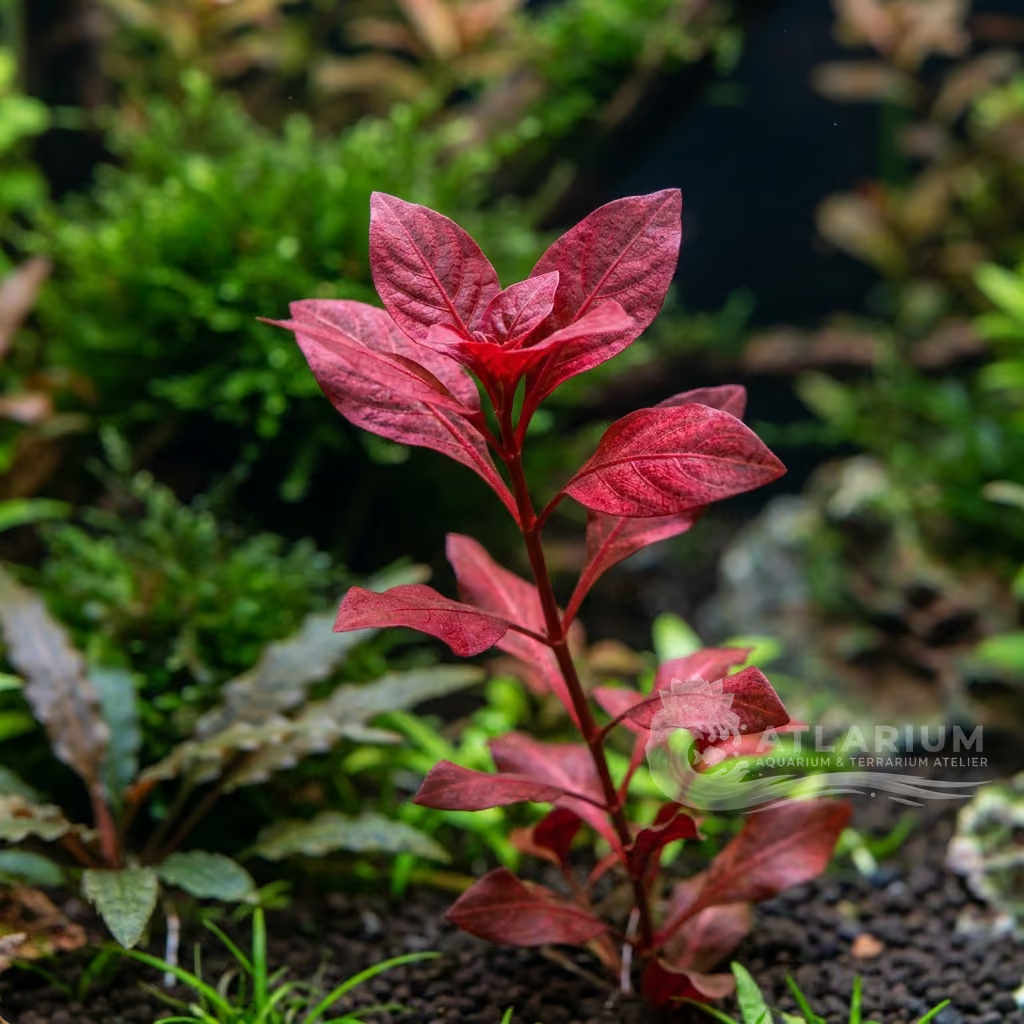
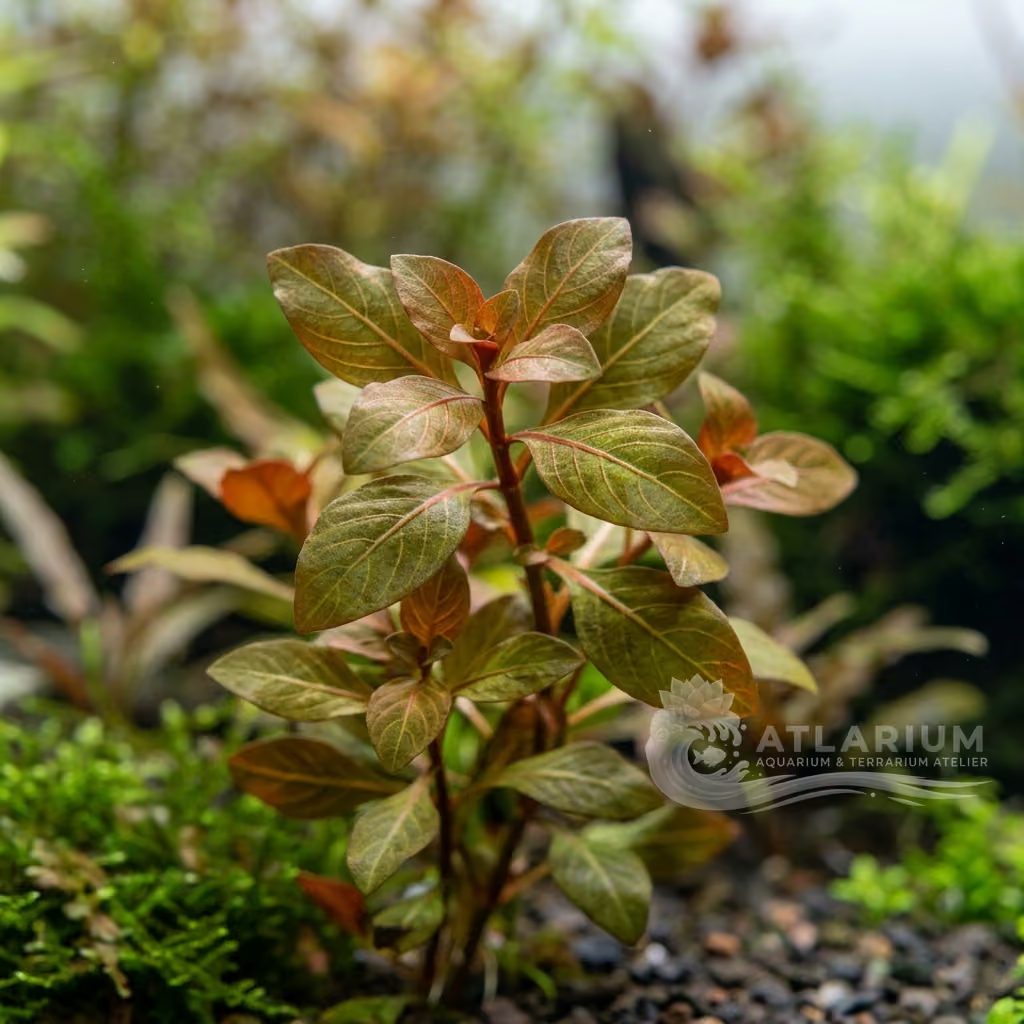
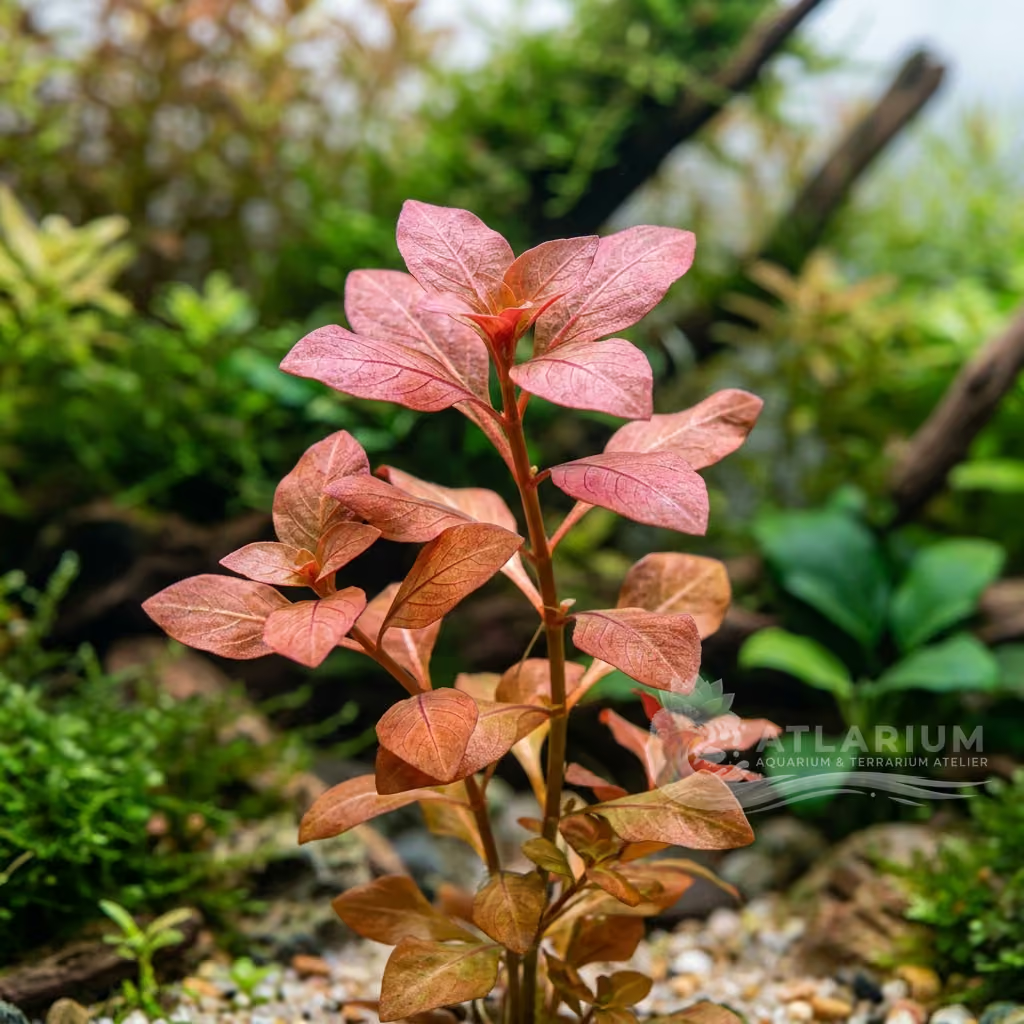
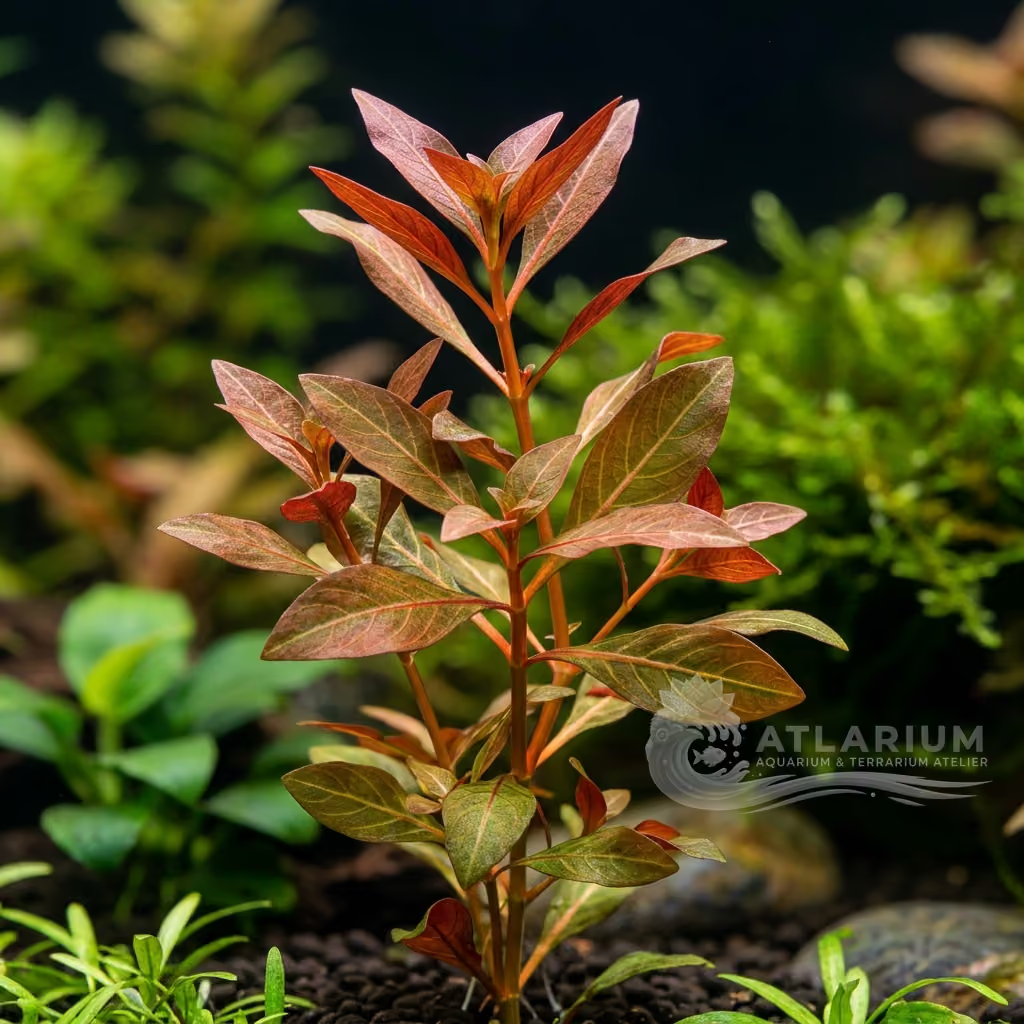
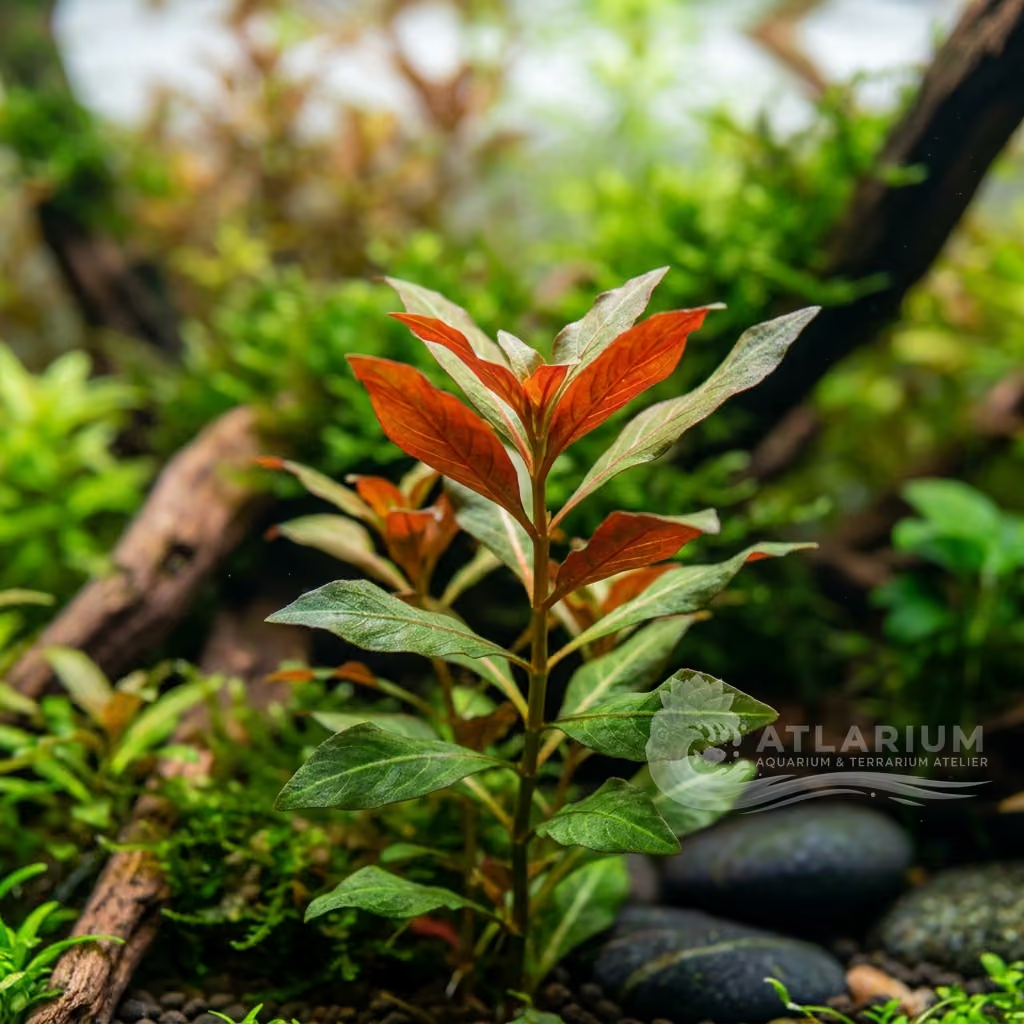
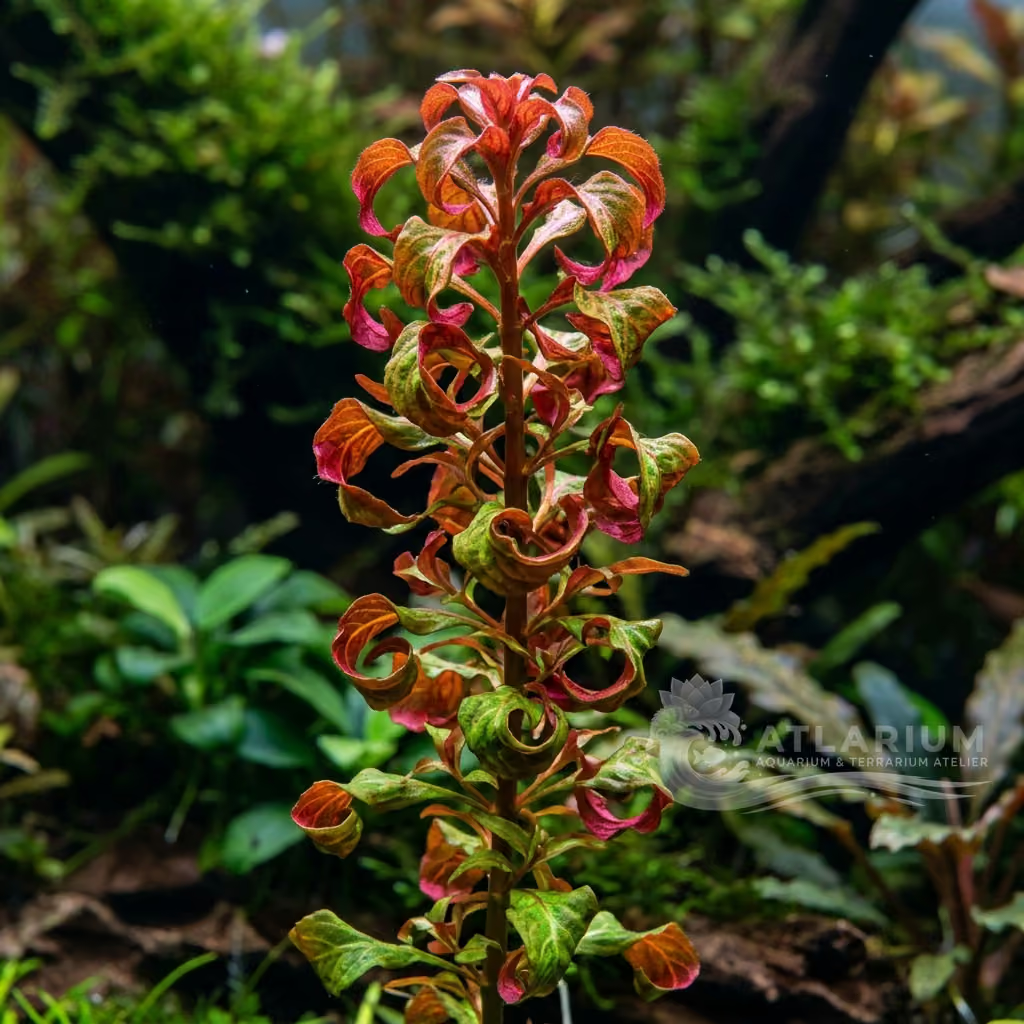
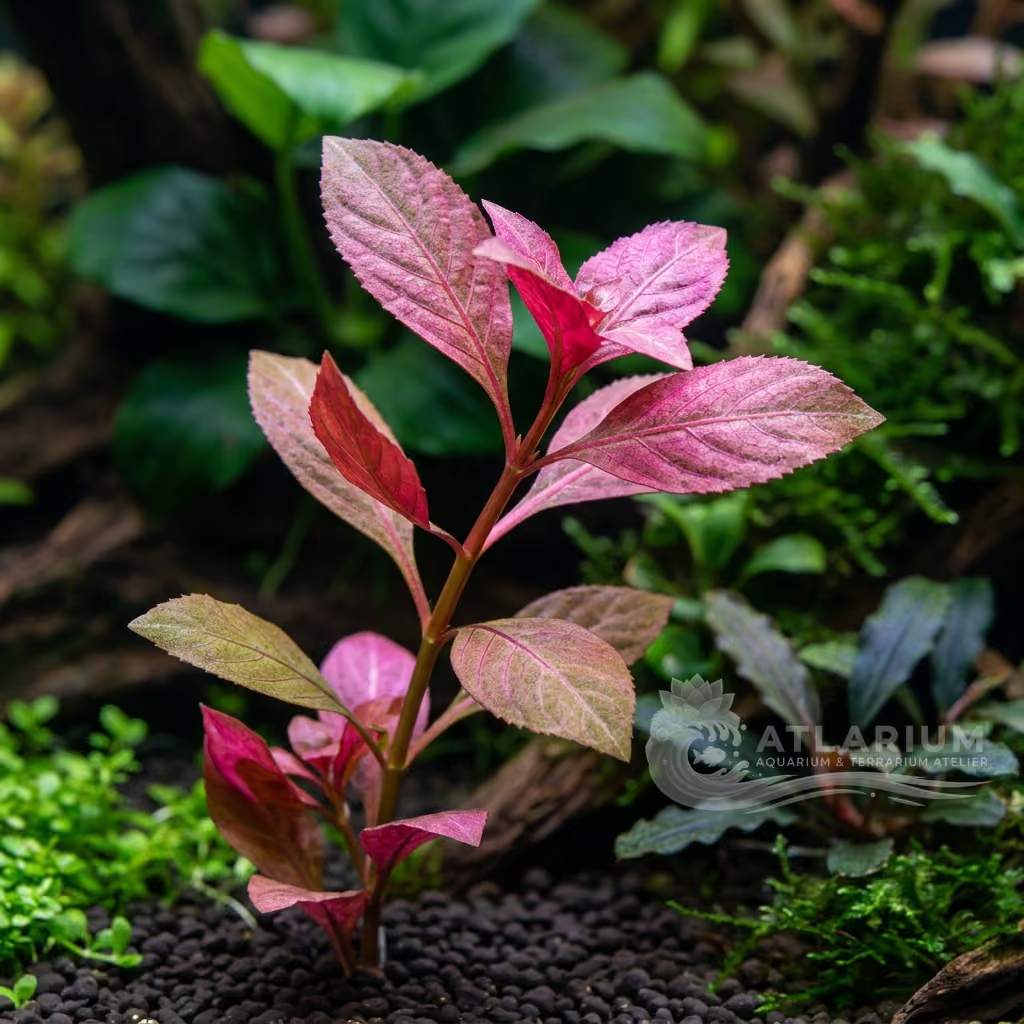
Color & Texture: The defining characteristic of Ludwigia sp. 'Dark Orange' is its extraordinary coloration, which ranges from orange-green to an intense, almost reddish-brown, dark orange under optimal light and nutrient conditions. The leaves are generally lanceolate to ovate, with a smooth surface and a relatively fleshy texture. The leaf tips are often rounded or slightly pointed. The color intensifies significantly with increased light intensity and proper iron supplementation, making this plant a magnificent chromatic focal point in any aquarium.

Care, breeding and tankmates
Lighting & CO2: Ludwigia sp. 'Dark Orange' thrives under medium intensity lighting for healthy and vigorous growth, but to achieve its characteristic dark orange coloration, higher light intensity is recommended. Insufficient lighting will result in greener, less vibrant leaves, along with slower and more elongated growth. CO2 injection is highly recommended; it not only accelerates the growth rate but is crucial for stimulating the production of red and orange pigments in the leaves, ensuring a deeper, more saturated color. Adequate
Water Chemistry: circulation is also essential to uniformly distribute CO2 and nutrients throughout the plant canopy.
Nutrition & Substrate: This stem plant benefits from both substrate nutrients and those dissolved in the water column. A nutrient-rich substrate, fortified with micro and macronutrients, will provide a solid foundation for root development and vigorous growth. Regular supplementation with liquid fertilizers, balanced with an emphasis on iron (Fe) and other micronutrients, is crucial to maintain intense coloration and prevent deficiencies. Specifically, iron is a key element for chlorophyll and carotenoid pigment synthesis, responsible for the orange and red hues; its deficiency manifests as yellowing of younger leaves or less intense coloration.
Water Chemistry: Maintaining stable water parameters is paramount for Ludwigia sp. 'Dark Orange'. The ideal water temperature ranges between 20 and 28°C (68-82°F), an optimal range supporting its metabolic processes. The pH should be kept between 6.0 and 7.5, tending slightly acidic to favor nutrient absorption and overall plant health. The ideal carbonate hardness (KH) ranges from 2 to 12, indicating good adaptability to various conditions, though a lower KH (2-6) can facilitate greater CO2 availability for plants. Regular weekly water changes of 20-30% are essential to replenish minerals and prevent the accumulation of harmful substances.
Space Management & Placement: Ludwigia sp. 'Dark Orange' is perfectly suited for midground placement in the aquarium, where it can form dense, colorful clumps that attract attention. Planting several stems close together, approximately 2-3 cm apart, helps create a lush "bush" effect and maximizes the visual impact of its vibrant coloration. If allowed to grow taller, it can also serve as a background plant in smaller aquariums. It is important to ensure that each stem receives sufficient light and is not overshadowed by faster-growing plants to maintain its vitality and desired color.
Pruning: Regular pruning is essential to keep Ludwigia sp. 'Dark Orange' healthy, compact, and vibrant. By trimming the tips of the stems, the growth of new lateral shoots is promoted, making the plant bushier rather than tall and bare at the base. This process, known as tip pruning, also helps prevent excessive shading of underlying plants and competition for light. The trimmed apical sections can be replanted directly into the substrate, where they will easily root and grow into new plants, allowing for easy propagation and filling out the aquascape.
Risks & Diseases: This Ludwigia, while robust, can be susceptible to nutrient deficiencies, manifested by yellowing (chlorosis) or stunted growth, particularly if iron or other macronutrients are lacking. Imbalances in light or CO2 can also lead to abnormal growth or the development of algae on the leaves, compromising the plant's aesthetics and health. It is crucial to closely monitor water parameters to prevent leaf "melting," which can occur due to drastic environmental changes or during the acclimatization period in a new aquarium. Regular maintenance and a stable environment are the best defenses against most issues.

Geographic origin and distribution
Ludwigia sp. 'Dark Orange' does not have a precisely documented specific natural habitat, as the 'sp.' designation and
Origin
Selective breeding and cultivars

Plant profile
- Placement
- Midground
- This species is best placed in the midground or background of the aquarium. It requires intense lighting, so it should not be shadowed by hardscape or taller plants. It looks best when planted in a dense, staggered group.
- Botanical form
- Stem
- It features narrow, lanceolate leaves that take on a rich, dark orange to rusty red hue when grown in ideal conditions. The growth is upright, with stems that can become quite thick and sturdy. The underside of the leaves often displays a deeper red or magenta tone.
- Growth
- Medium
- With high light and CO2, it grows at a moderately fast pace, quickly reaching the water surface. In less intense conditions, its growth is slower and its leaves tend to stay more green than orange. Frequent trimming is required to maintain its shape in optimal conditions.
- Substrate
- High
- Ludwigia sp. 'Dark Orange' requires a nutrient-rich substrate to maximize its intense orange and red hues and support rapid stem growth. Planting in at least 2 inches of fine aqua soil allows its fine root hairs to quickly establish and stabilize the plant. The roots are highly efficient at drawing up iron and micronutrients from the base, making active soils or supplemented gravel ideal for its long-term health.
- Column fertilization
- Recommended
- A comprehensive liquid fertilizer dosing regime is necessary to maintain its striking coloration. It responds very well to regular doses of iron and micronutrients. Consistent nitrate and phosphate availability ensures the leaves remain large and healthy.
- Root fertilization
- Recommended
- A nutrient-rich substrate such as aquasoil is highly recommended for optimal growth. Providing root tabs can also be beneficial, especially in mature tanks where substrate nutrients may be depleted. Strong roots contribute to the overall thickness and health of the stems.
- Trimming
- Occasional
- To shape the plant, cut the stems mid-way; the rooted bases will quickly push out new side branches. Replant the healthy tops to expand the bush or replace older, woody bases. Trimming slightly lower each time helps maintain a dense, bushy appearance.
- Propagation
- Cuttings
- Propagation is straightforward via stem cuttings. Cut a healthy portion of the stem and gently push it into the substrate. It will quickly develop new roots and continue growing upward.
- Sensitivity
- Moderate
- It is susceptible to losing its vibrant color if light levels drop or if overshadowed by other plants. It is generally hardy but prefers stable, clean water with good flow. Drastic changes in water parameters can lead to temporary stunting or algae issues.
- Layout role
- Midground, Background
- Ludwigia sp. 'Dark Orange' is a superb choice for adding warm, fiery tones to the aquascape. It contrasts beautifully with bright green plants and complements dark hardscape materials. It is often used to create vibrant background thickets or midground color accents.

Related species
Recommendations grouped by close relatives, companion choices, and similar care.