Ludwigia inclinata var. verticillata "Pantanal"
Ludwigia inclinata var. verticillata "Pantanal"
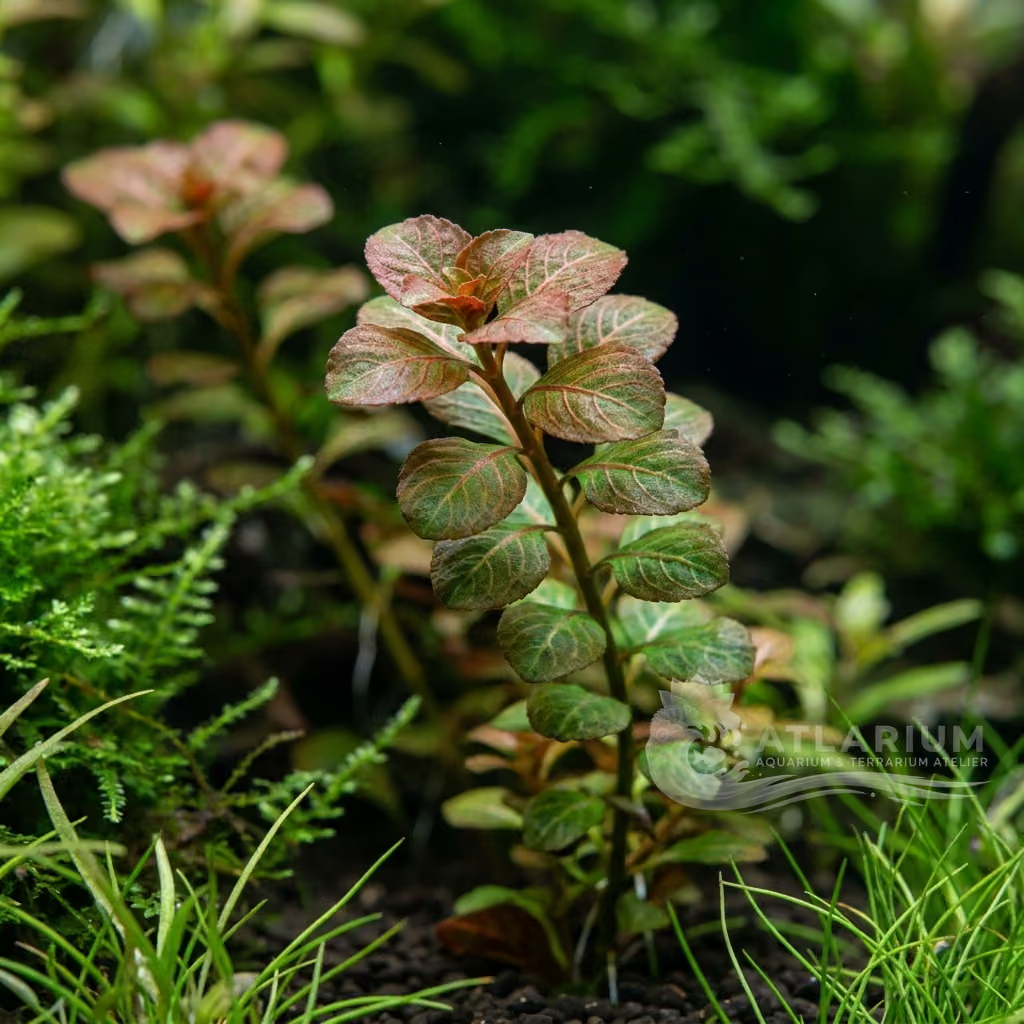
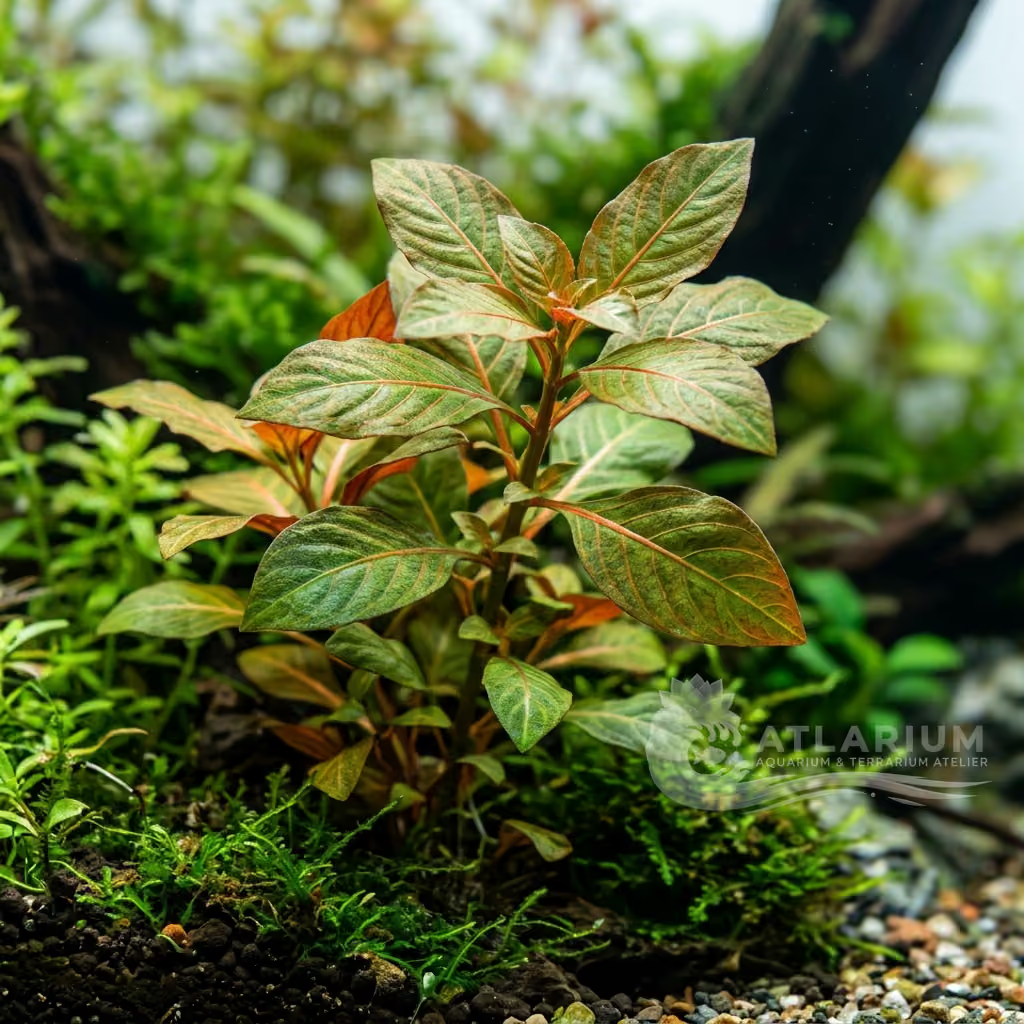
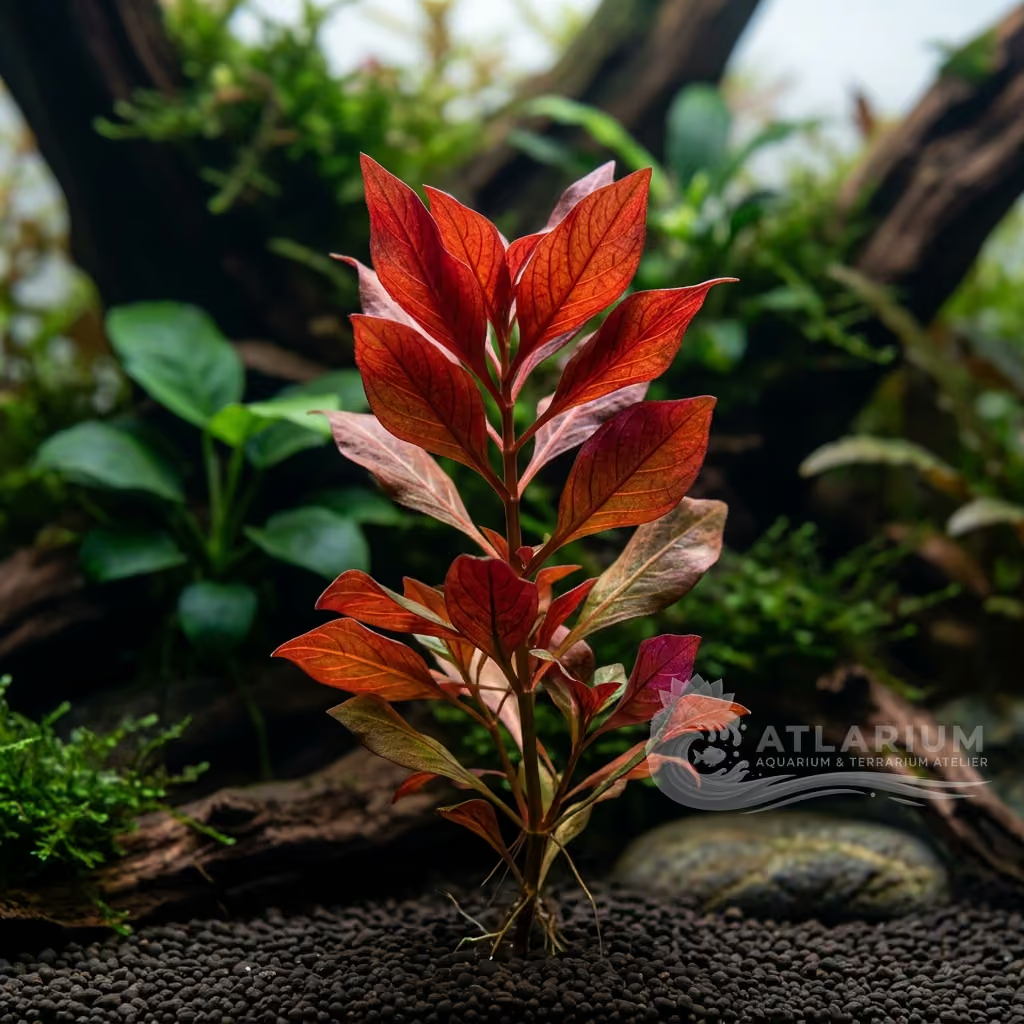
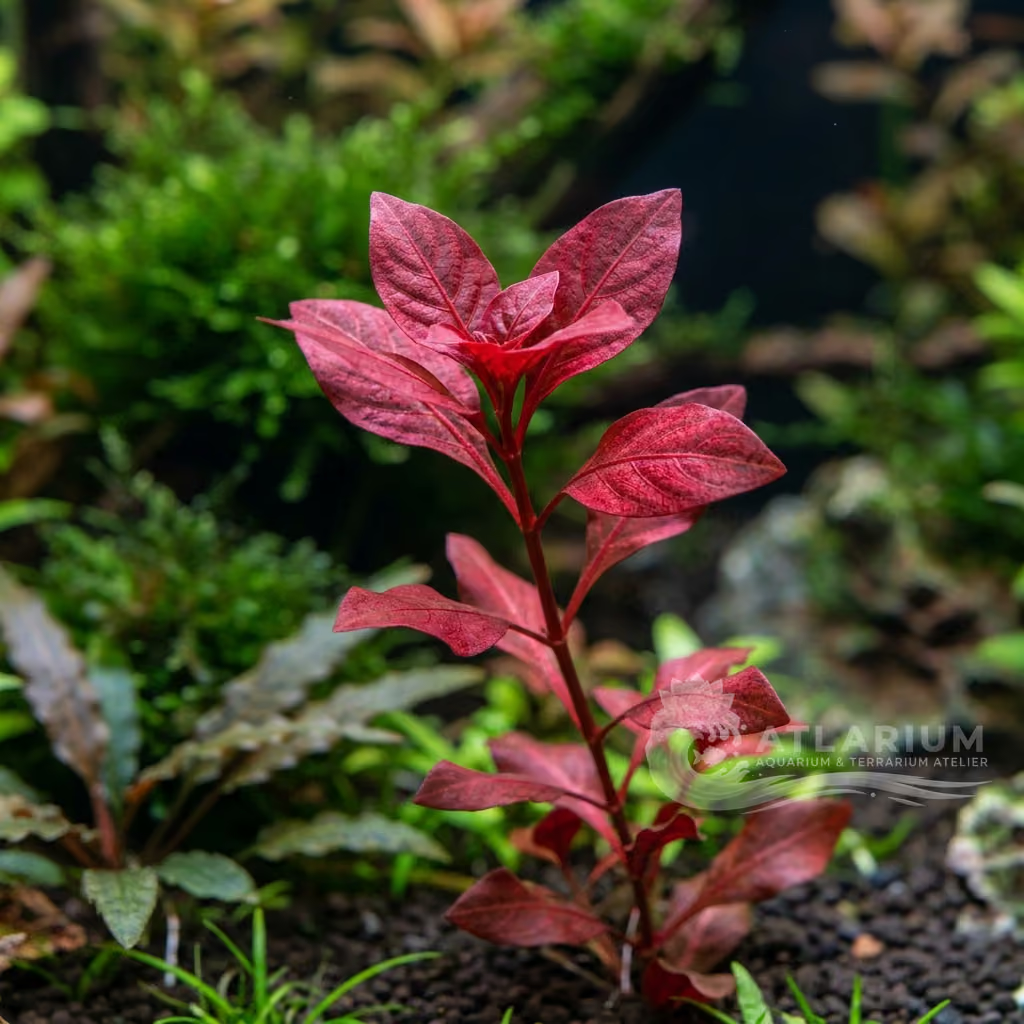
Ludwigia inclinata var. verticillata "Pantanal" is a rapidly growing, vibrant stem plant ideal for midground placement, where it forms dense, brilliantly colored bushes.
Water Temperature
18 - 30 °C
pH Value
4.5 - 7
Water type
Freshwater
Light
High
CO2
High
KH
0 - 8 dKH

Species description
Geographical Origin and Habitat: The "Pantanal" variety of Ludwigia inclinata var. verticillata is believed to originate from the Pantanal region, the world's largest tropical wetland primarily located in Brazil. In its natural habitat, it thrives in shallow, slow-moving waters, often rich in nutrients and exposed to abundant sunlight. Replicating these native conditions, characterized by soft and acidic water, is crucial for achieving optimal
Color & Texture: ation and vigorous growth in an aquarium setting.
Taxonomy & Genetics: Ludwigia inclinata var. verticillata is a specific variety within the Ludwigia genus, belonging to the Onagraceae family, distinguished by its unique verticillate leaf arrangement. The "Pantanal" designation refers to a particular cultivar renowned for its exceptionally vivid colorations and compact growth structure. This plant has undergone selection to enhance desirable traits, making it a distinctive and highly sought-after specimen in aquascaping. Its genetic makeup predisposes it to rapid growth and notable adaptability, albeit with specific requirements.
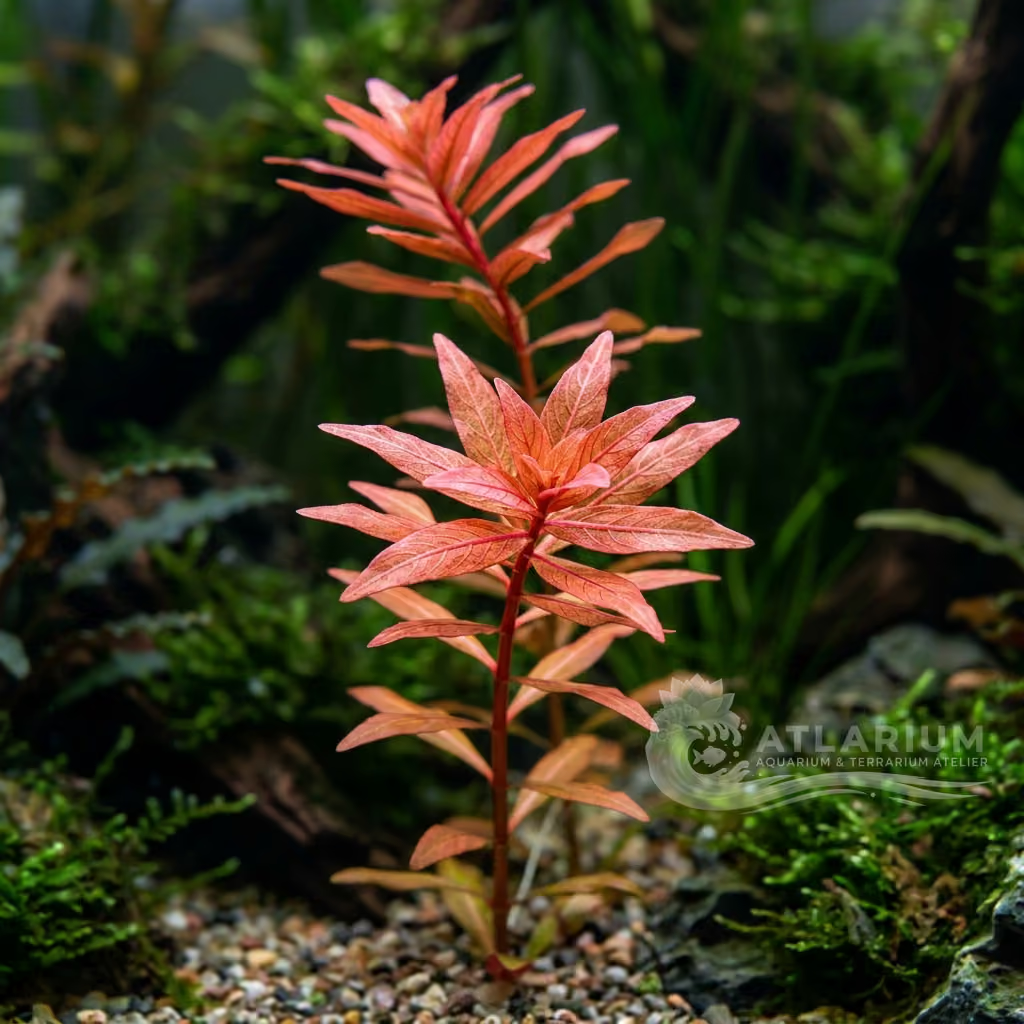
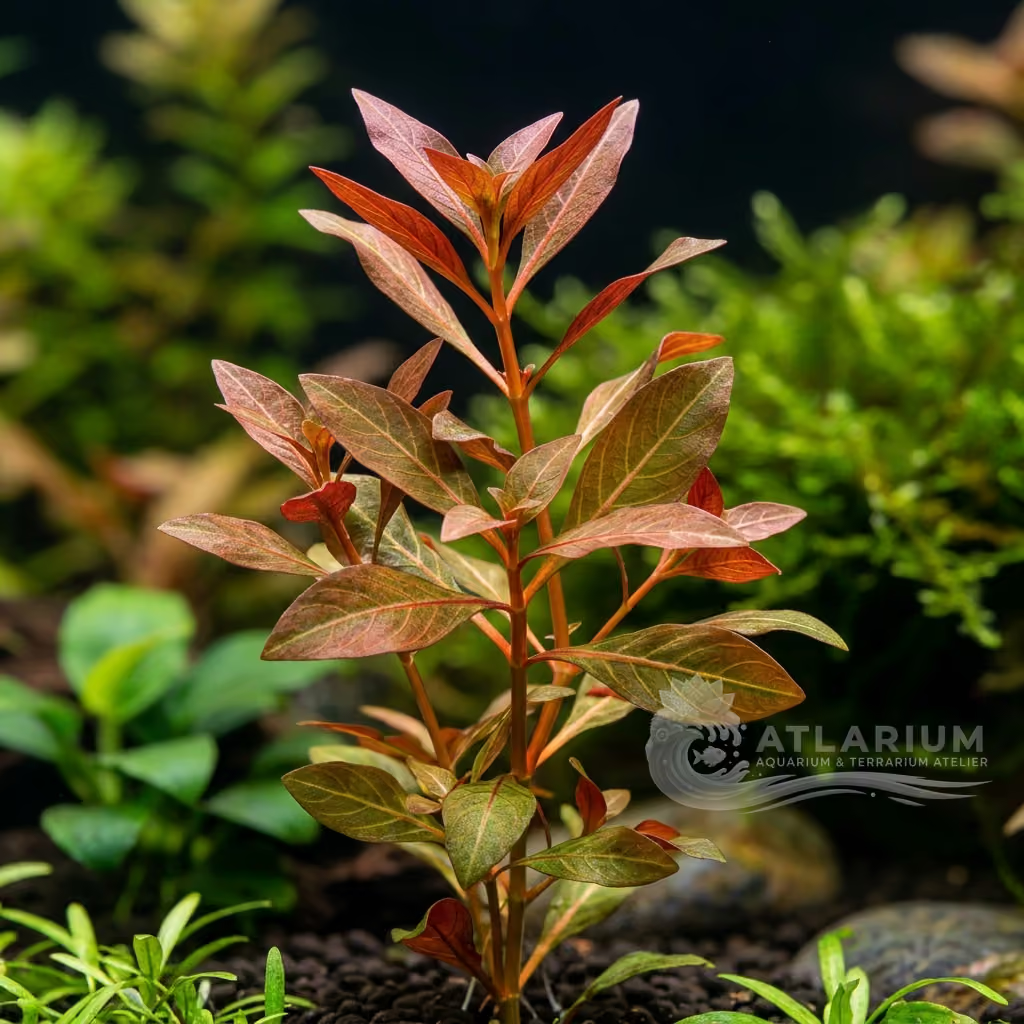
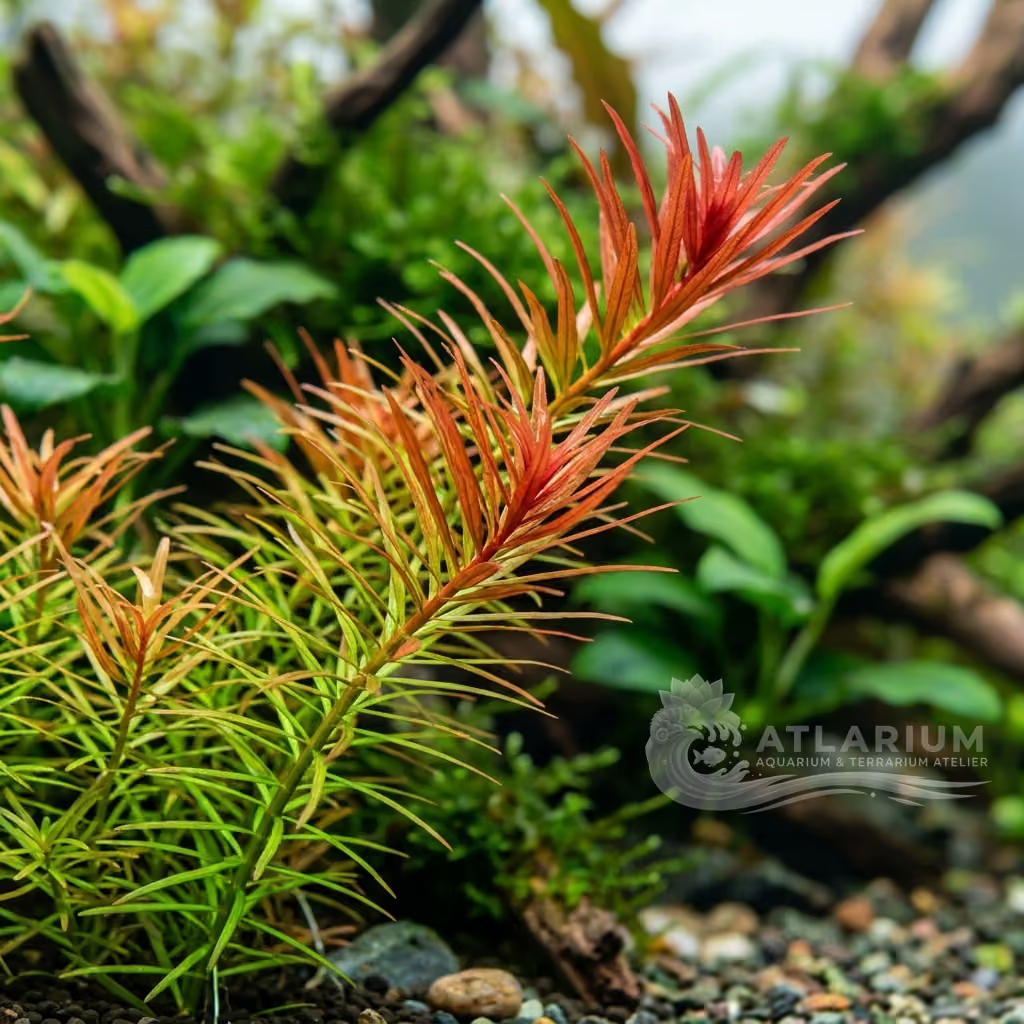
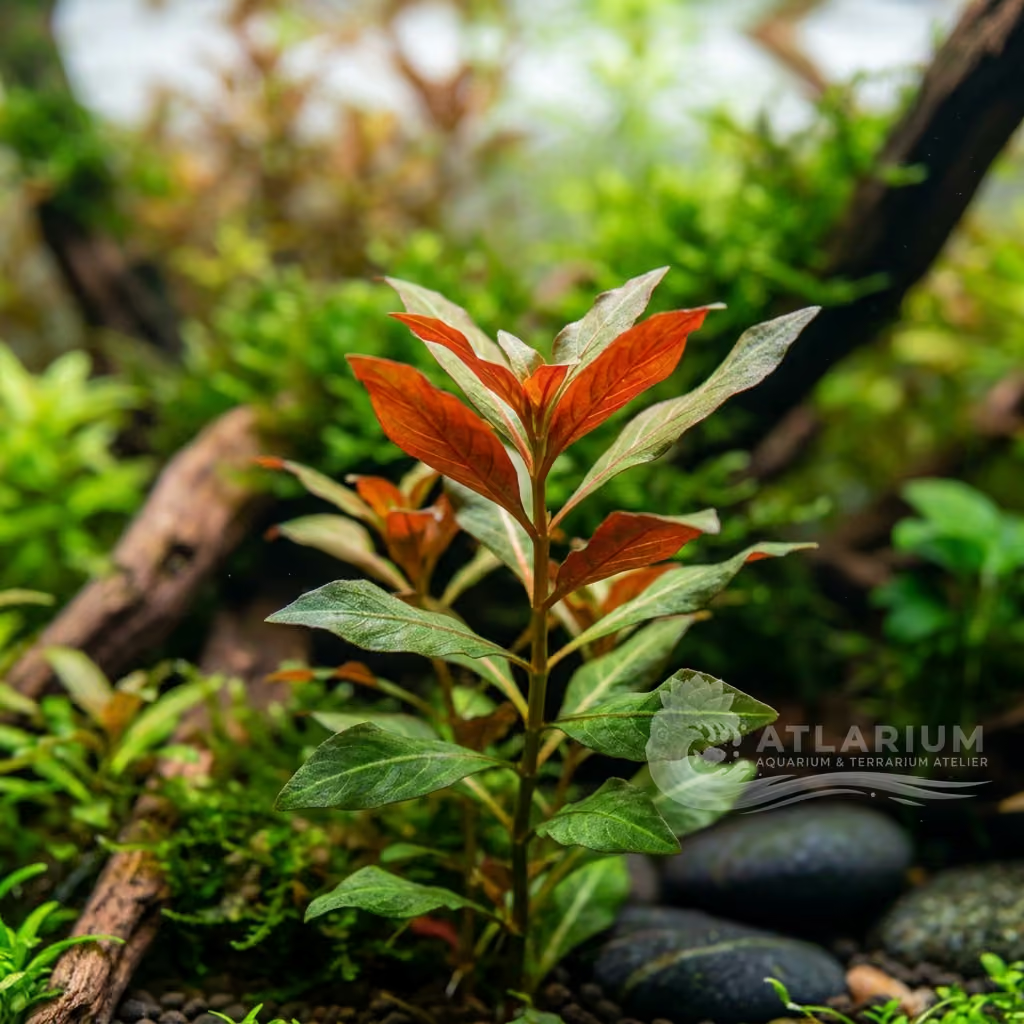
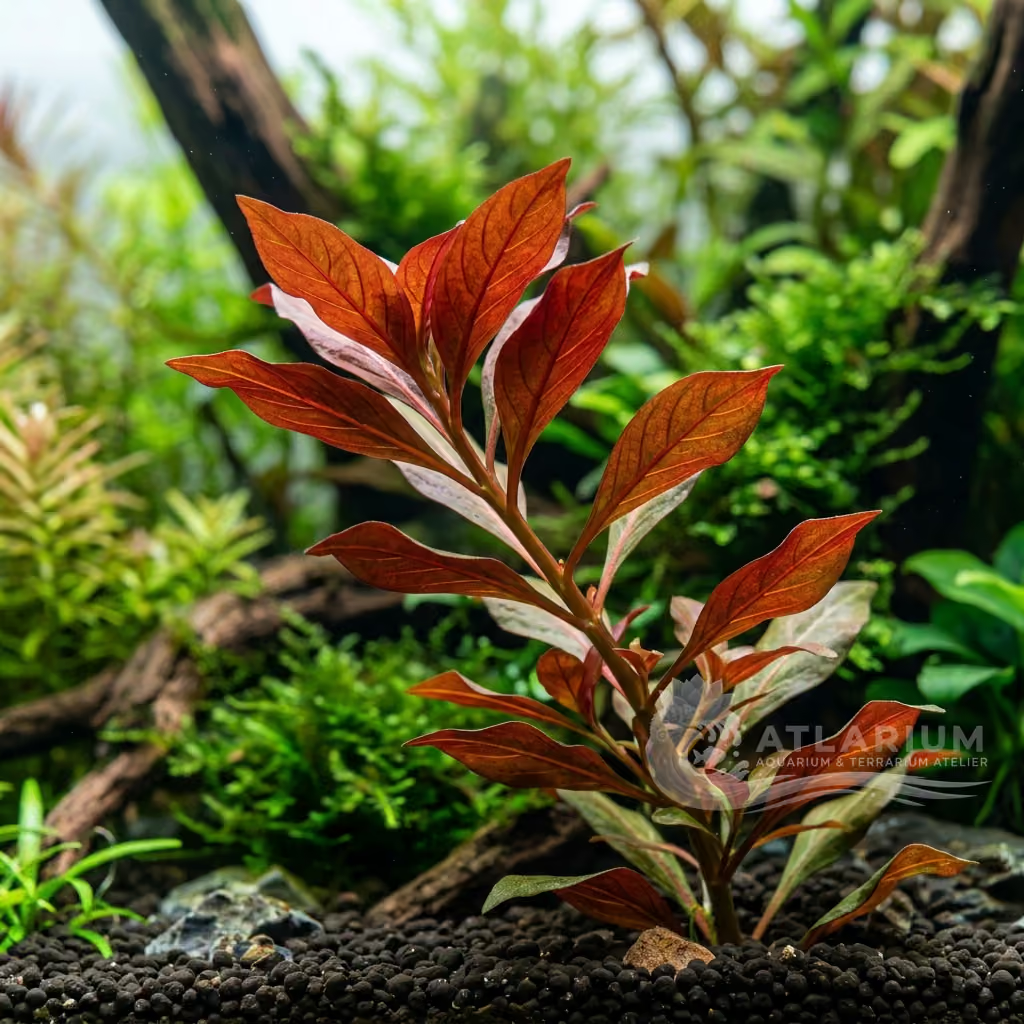
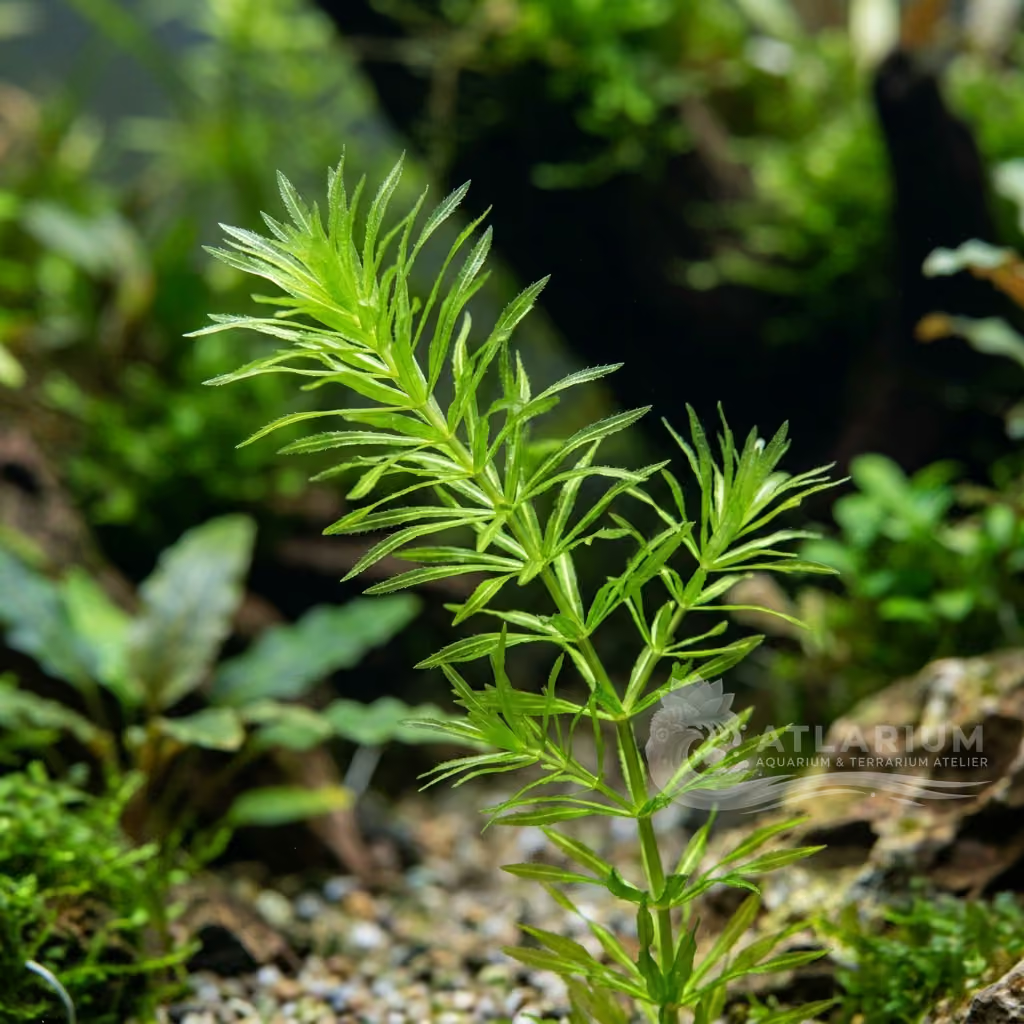
Physical Structure: This Ludwigia features a robust yet flexible stem from which narrow, lanceolate leaves emerge in regular whorls (verticils) along its entire length. This characteristic verticillate arrangement gives the plant a dense, bushy appearance, highly valued in aquascaping layouts. Under optimal conditions, the stems can reach considerable heights, forming a compact mass of foliage that significantly contributes to the visual structure of the aquarium. Adventitious roots can develop from the nodes along the stem, providing additional stability and nutrient absorption capabilities.
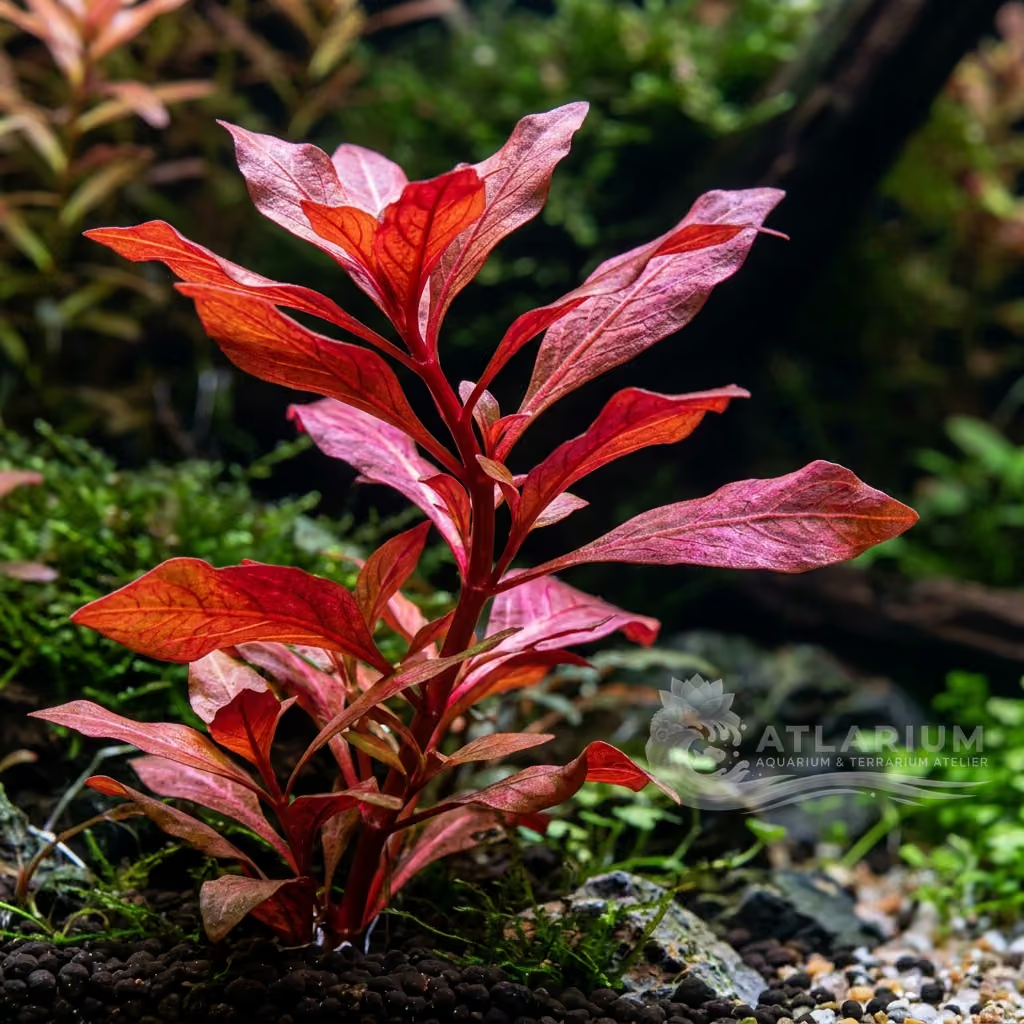
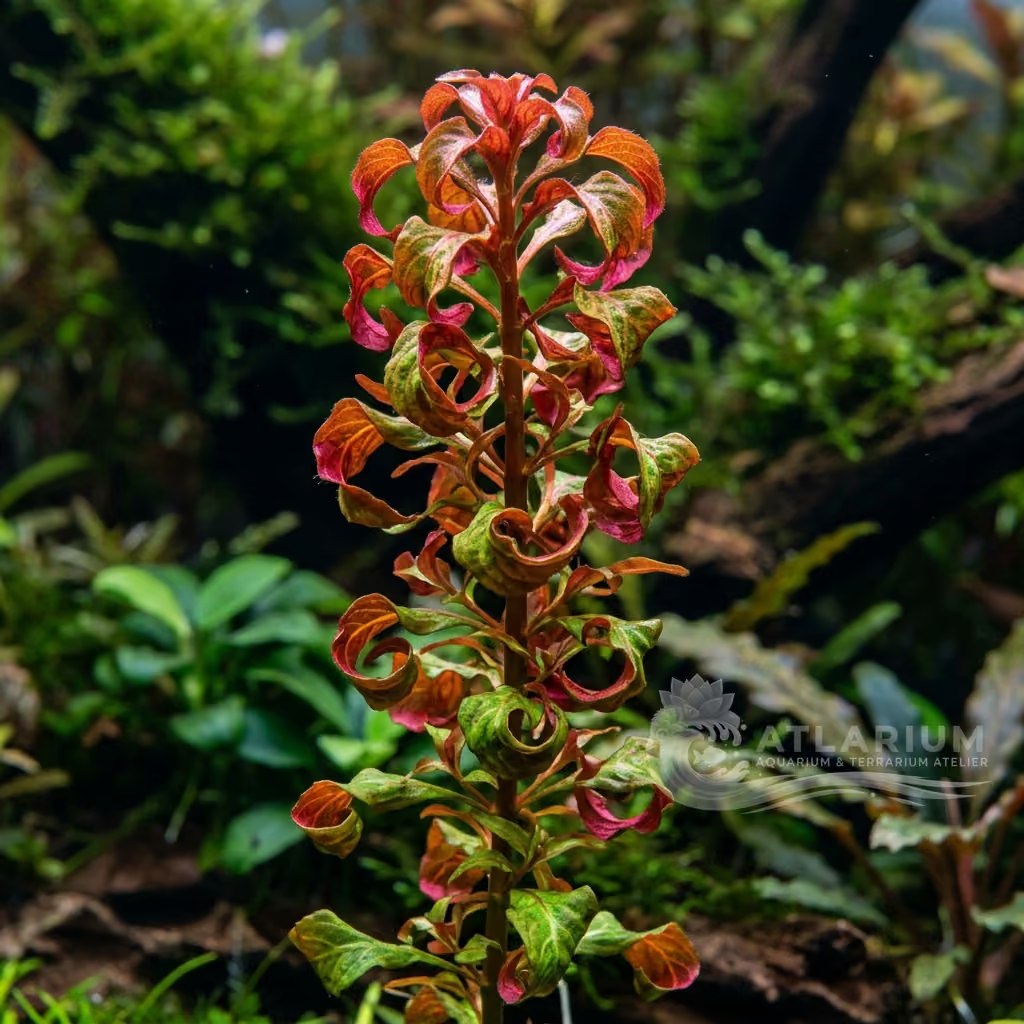
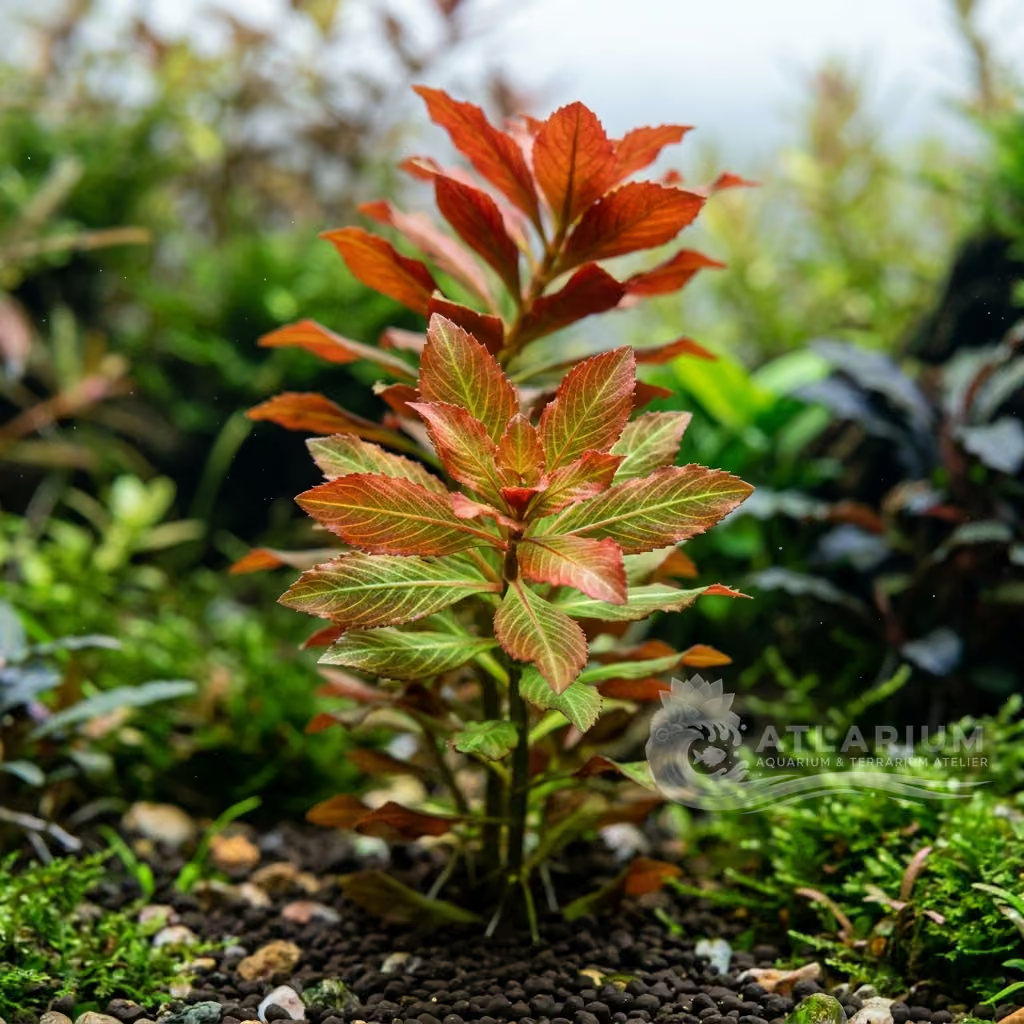
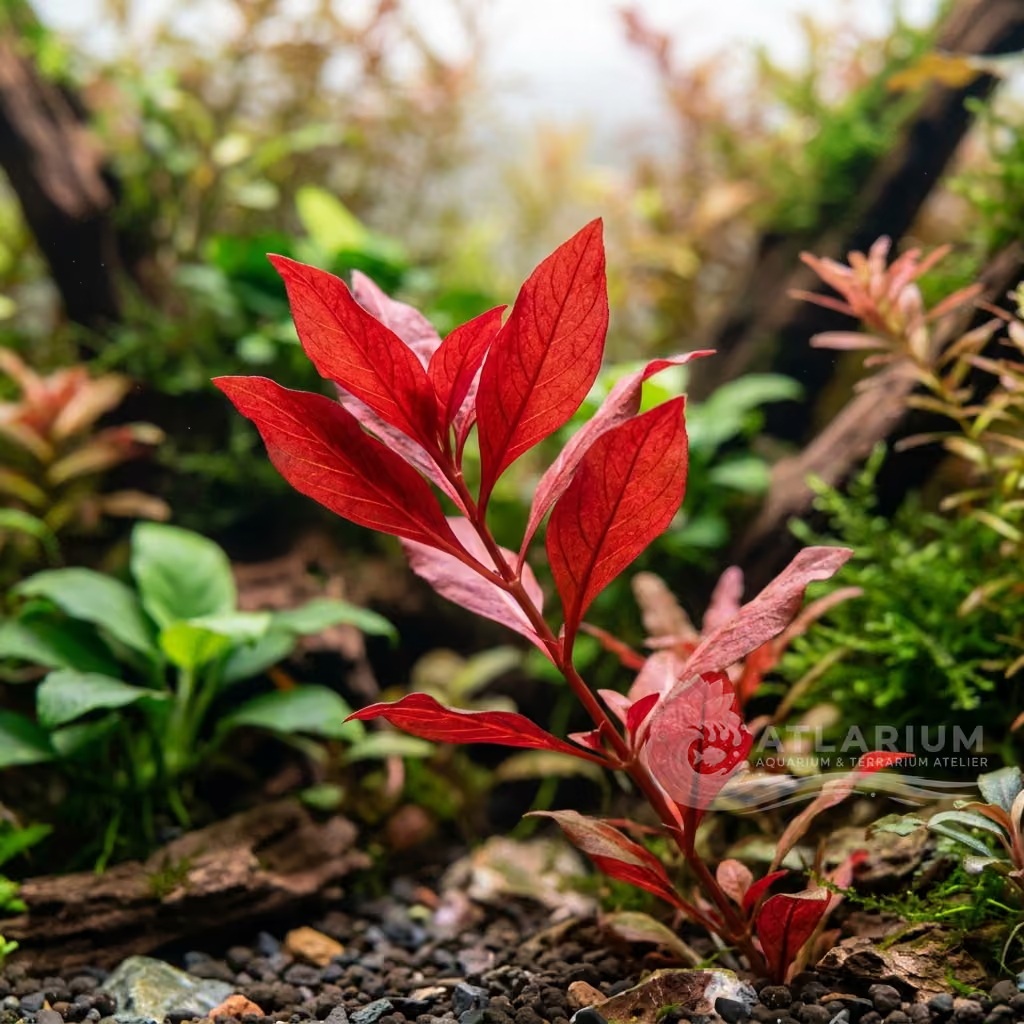
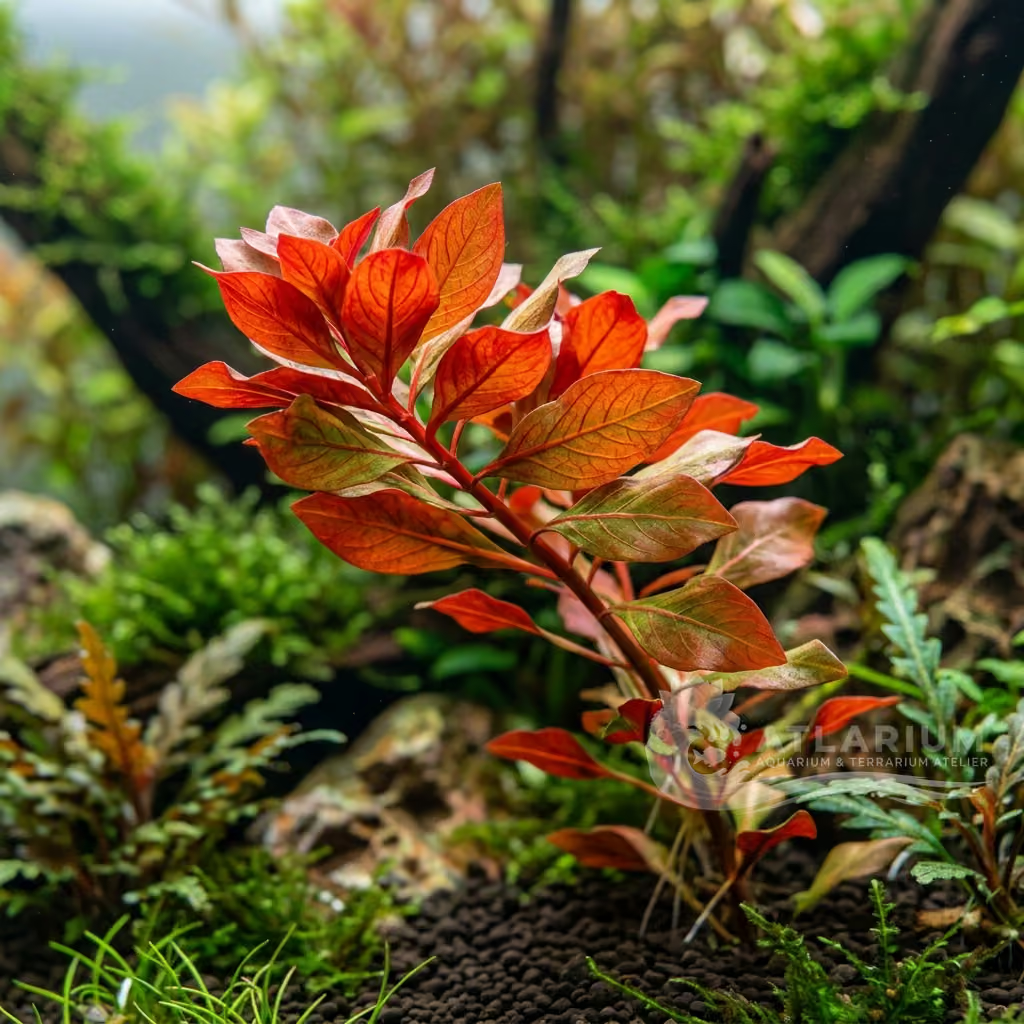
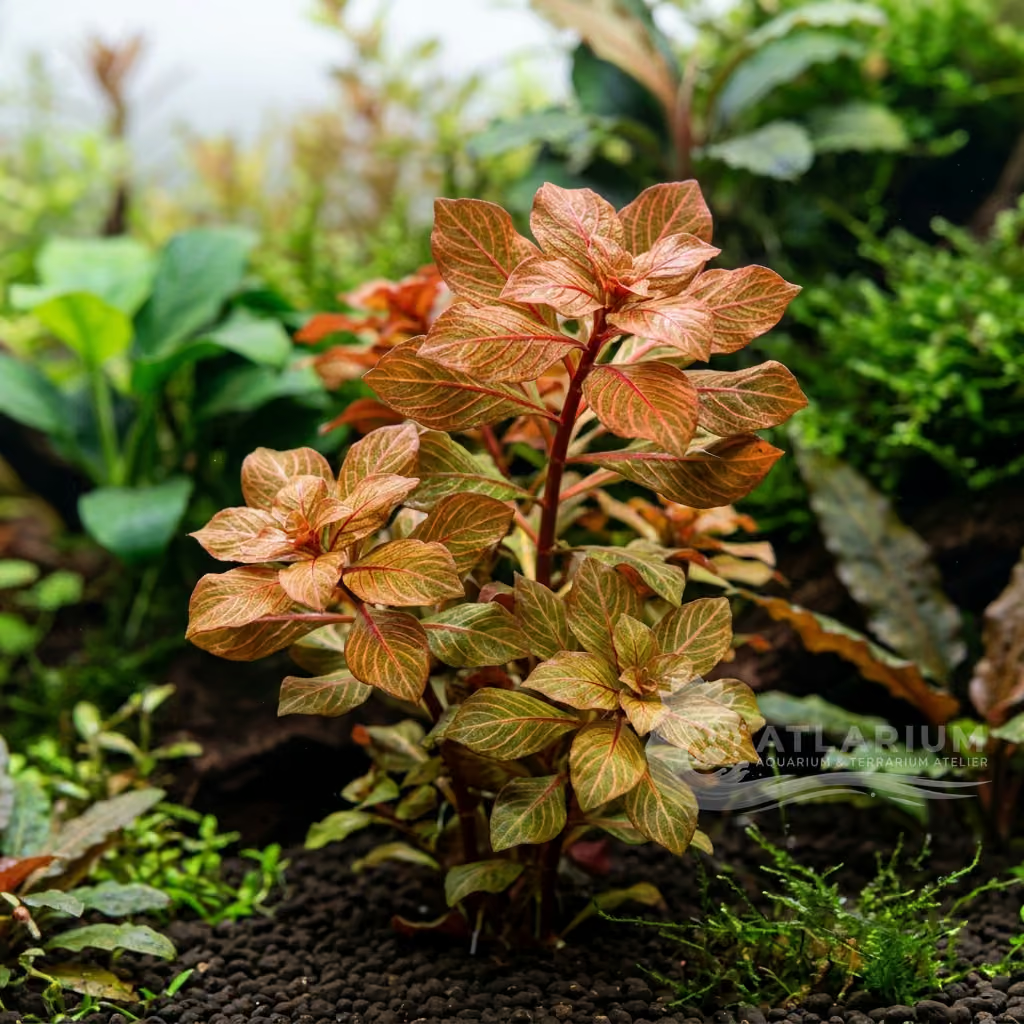
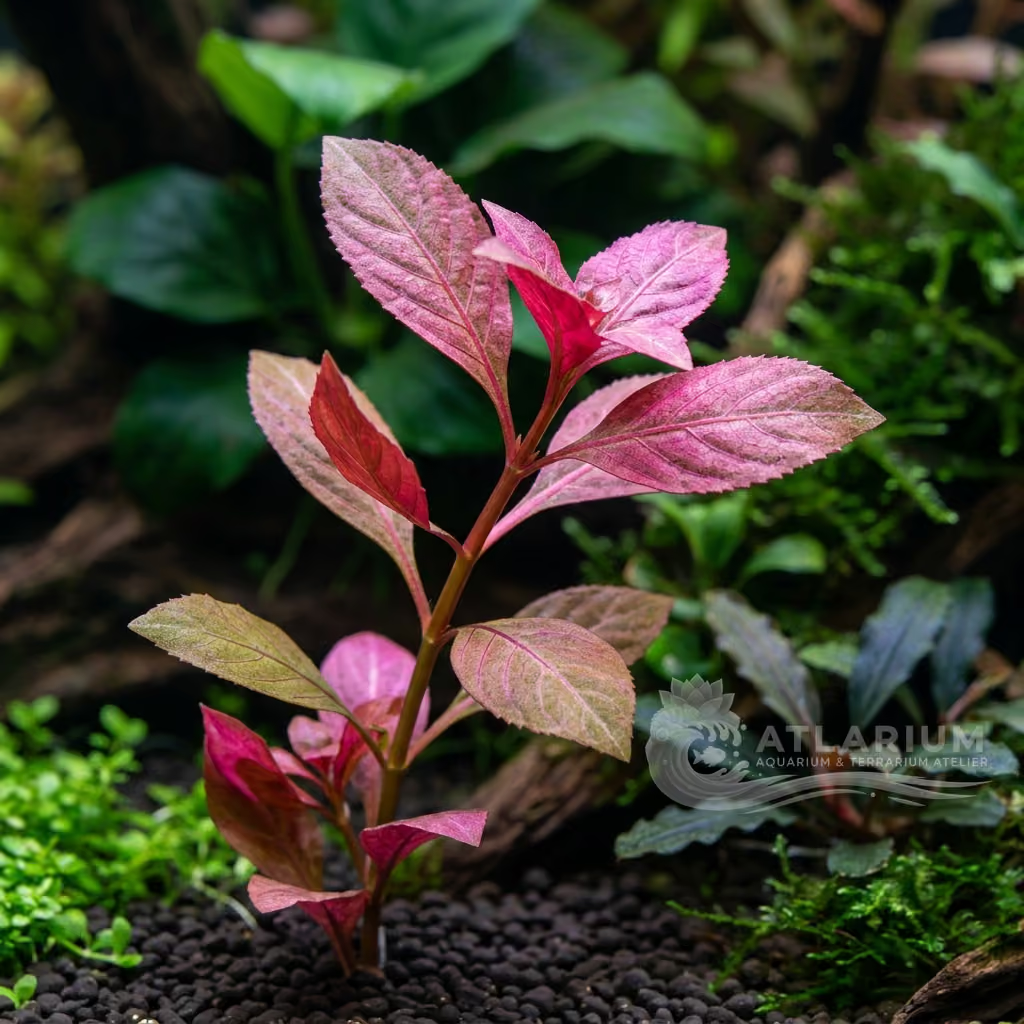
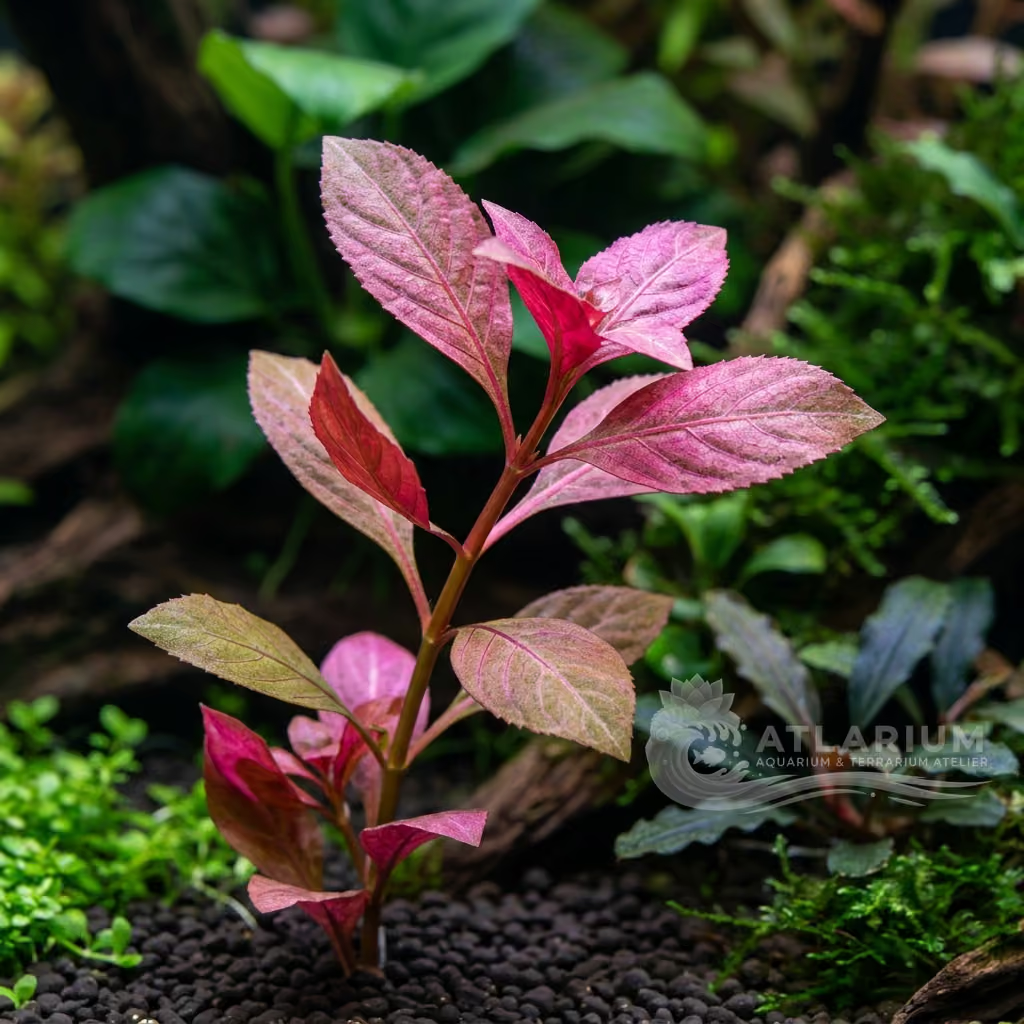
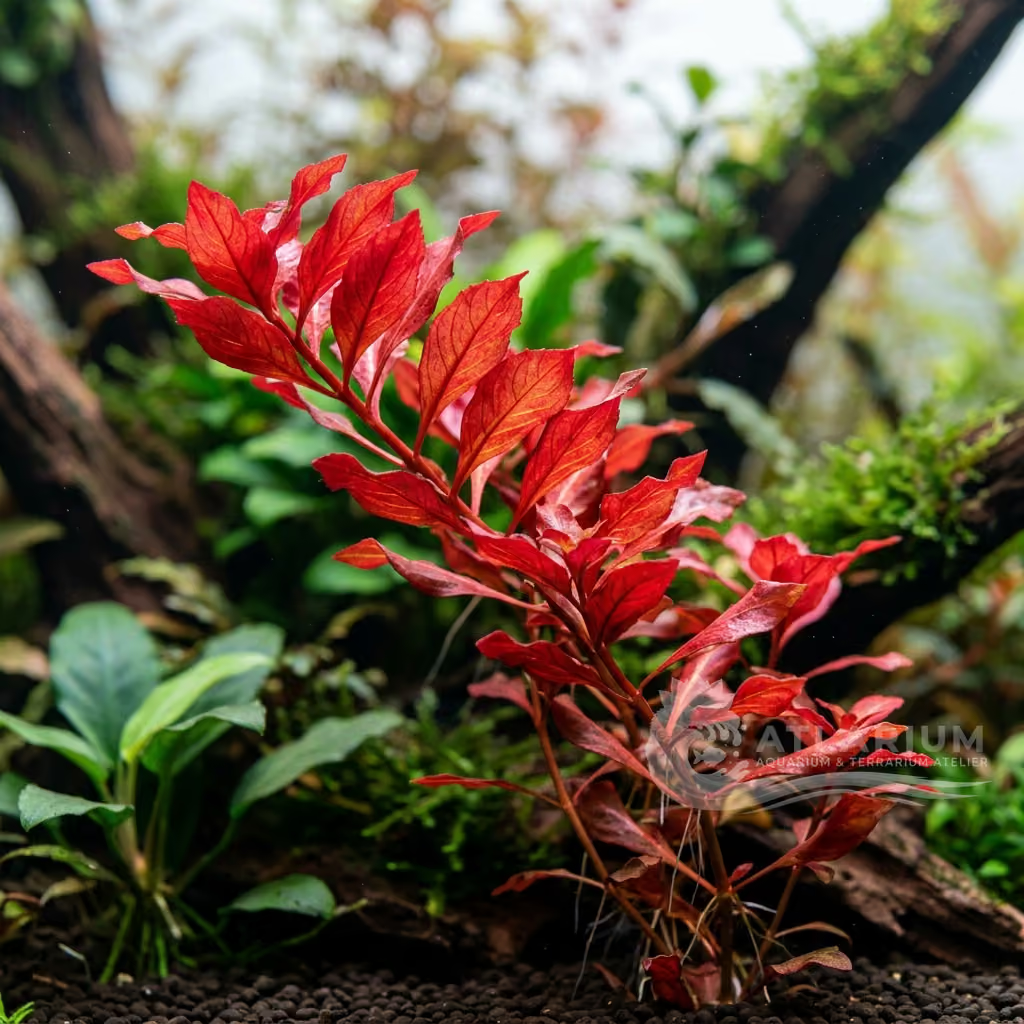
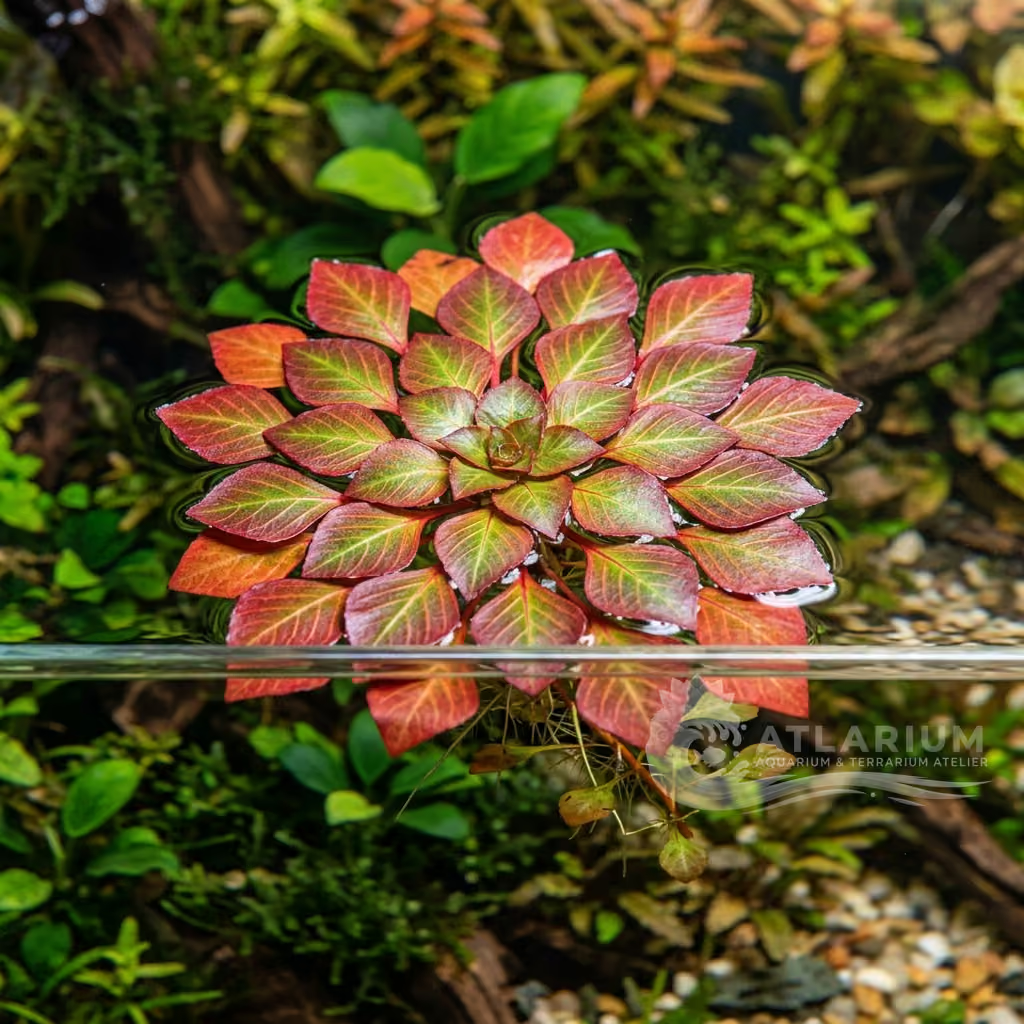
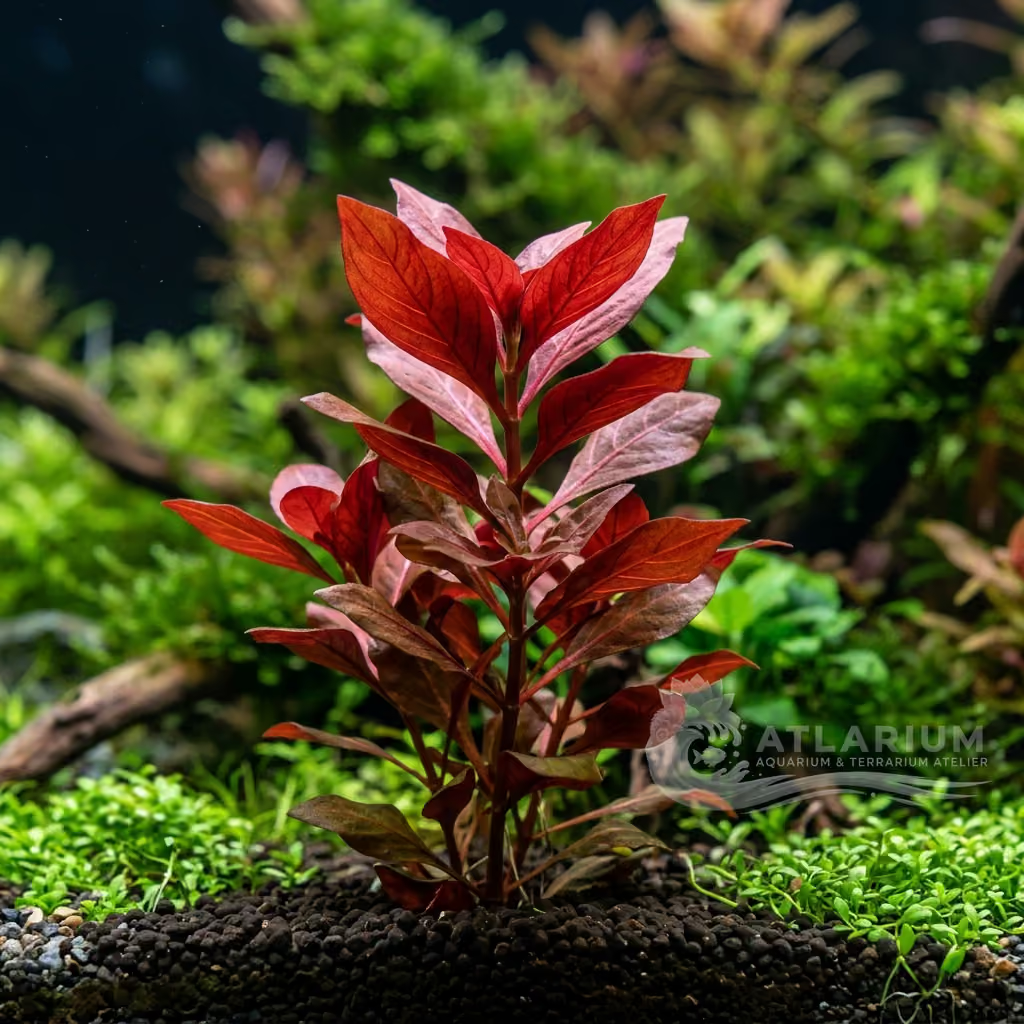
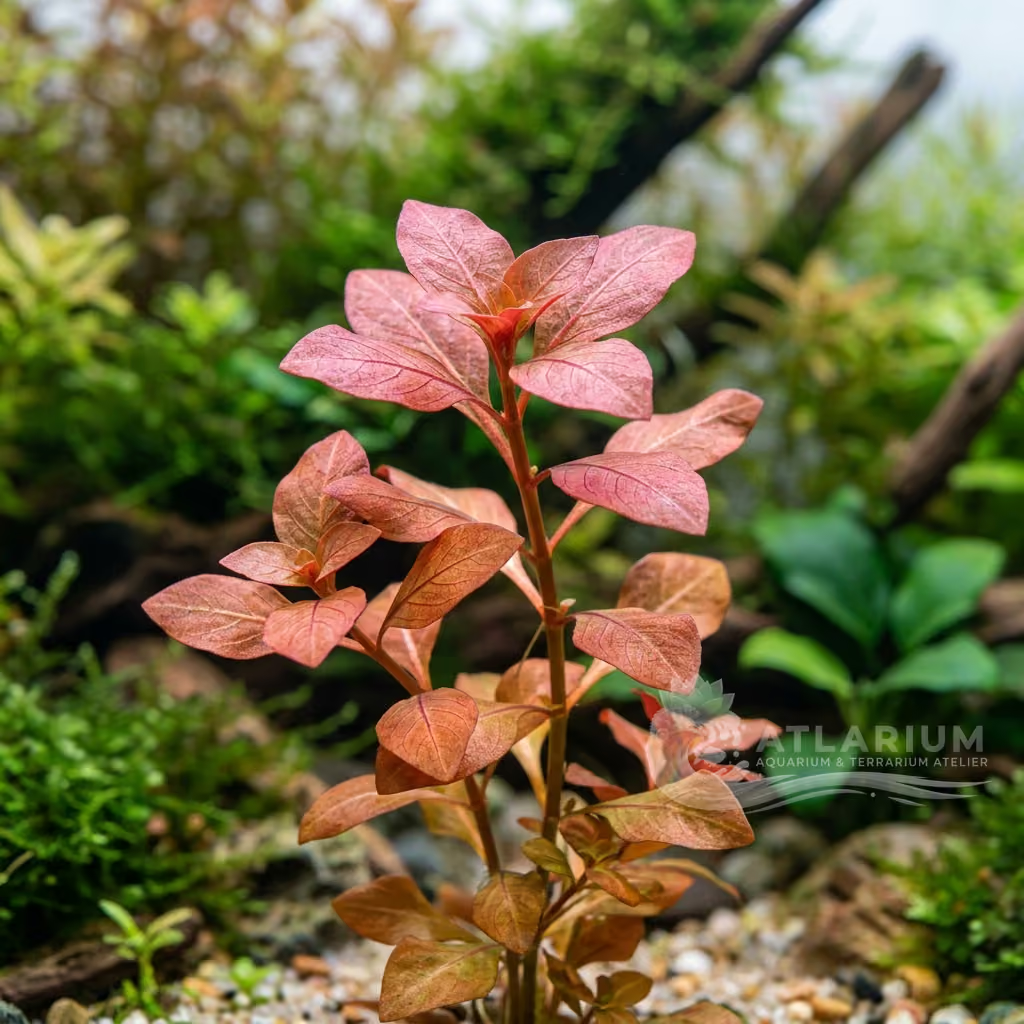
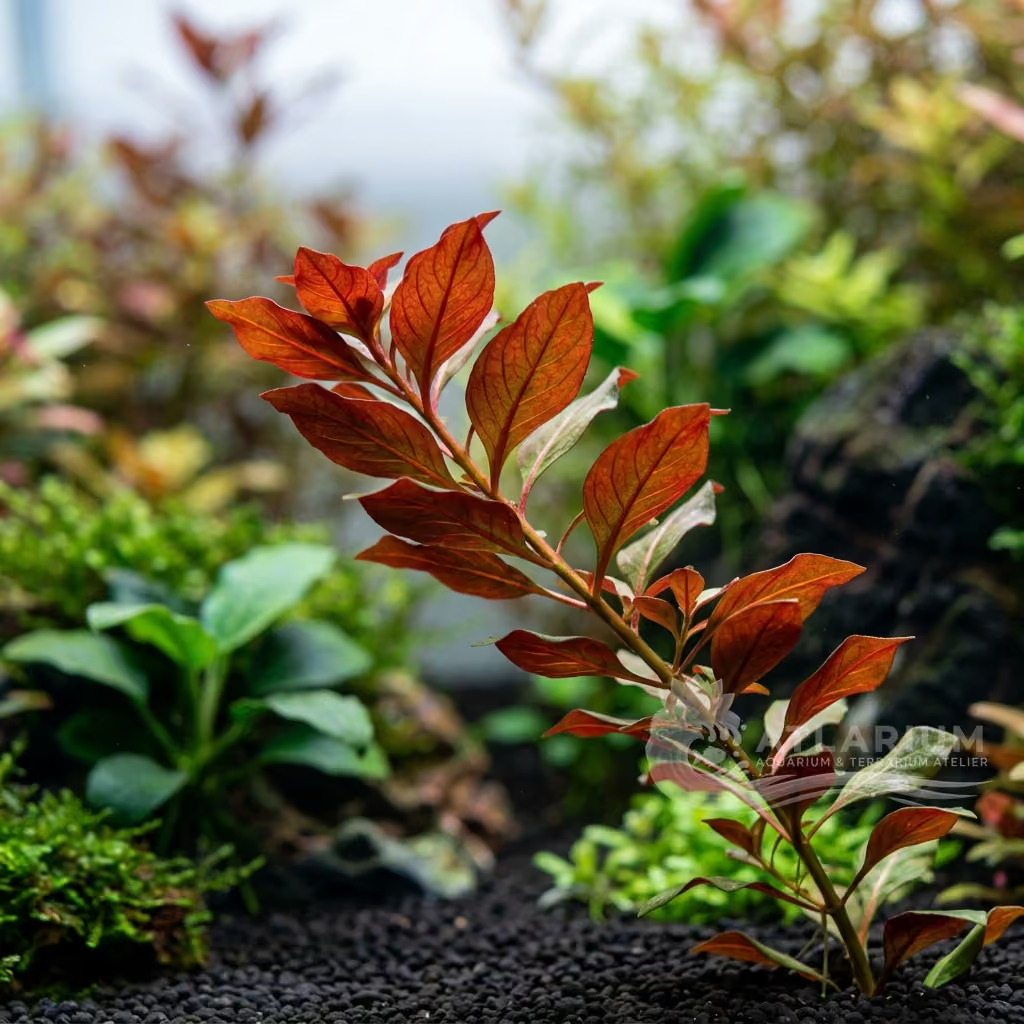
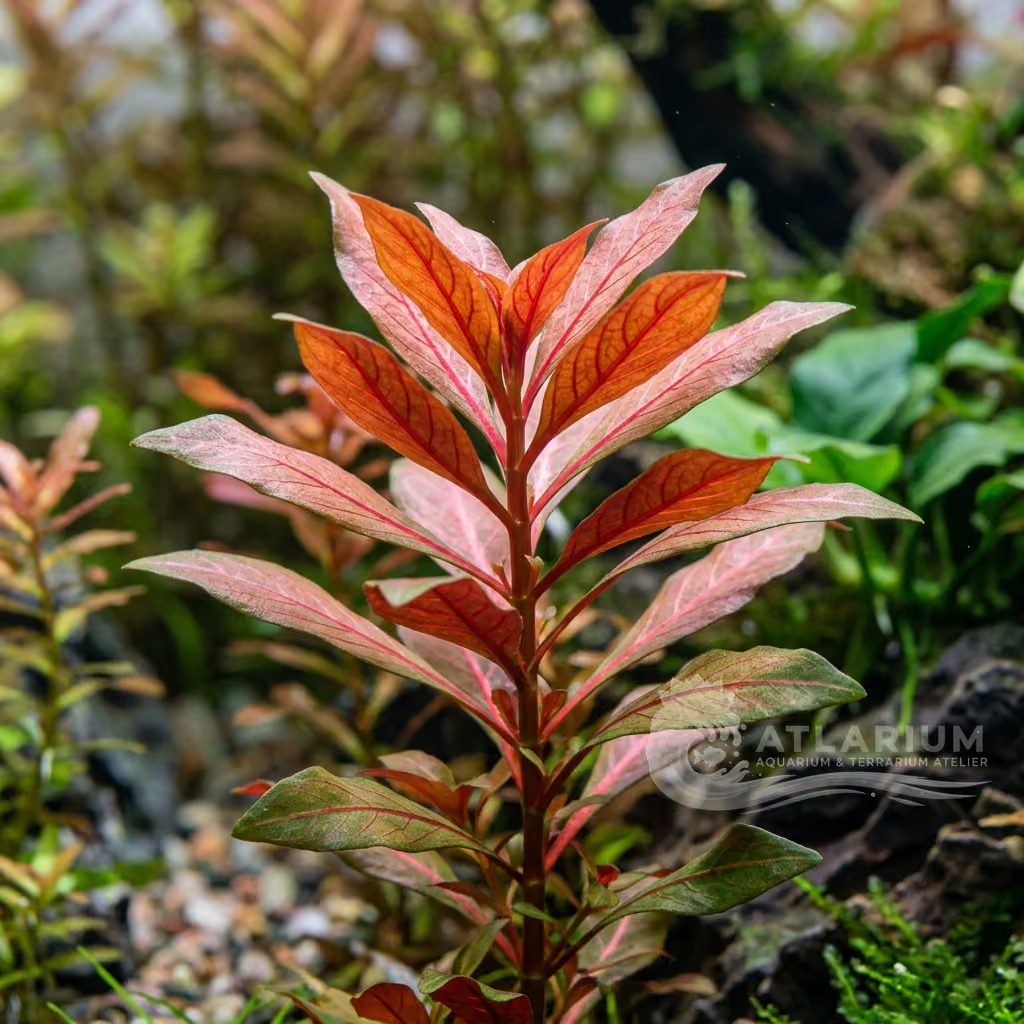
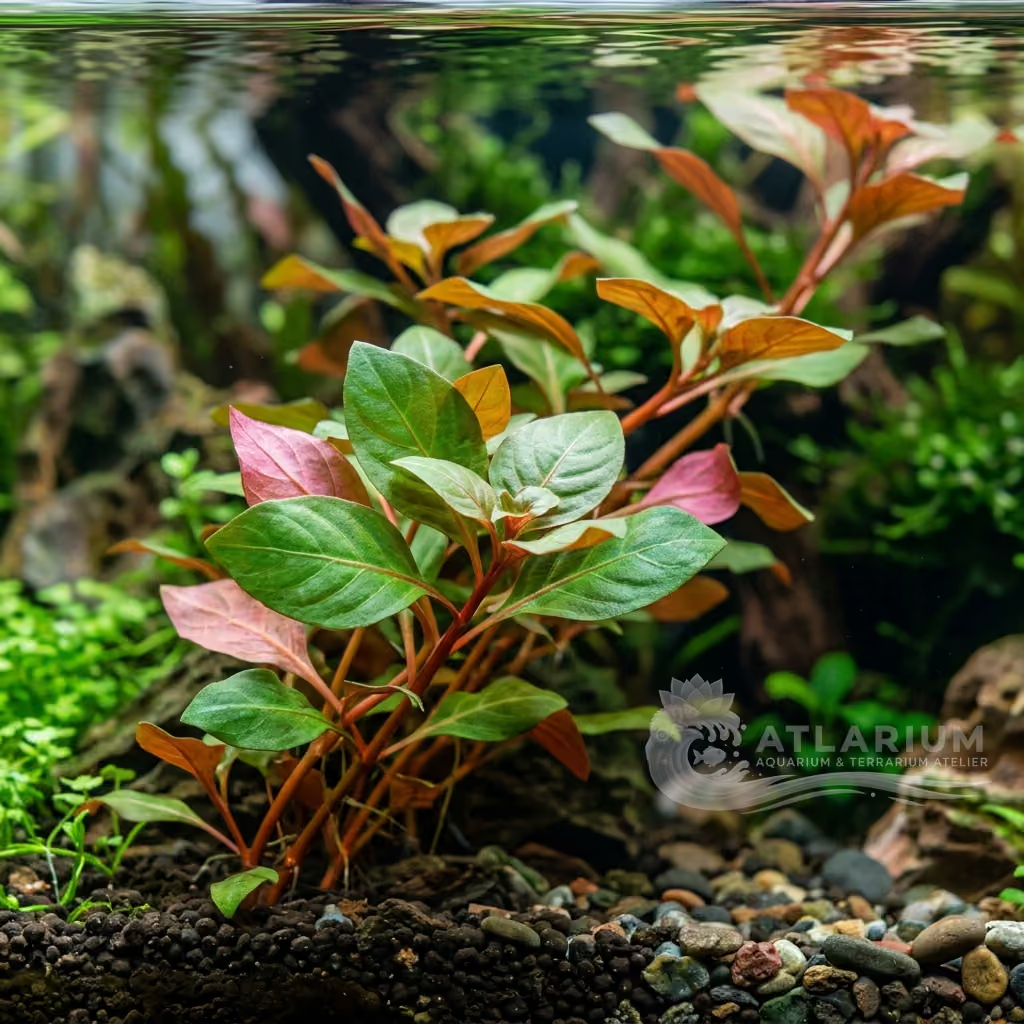
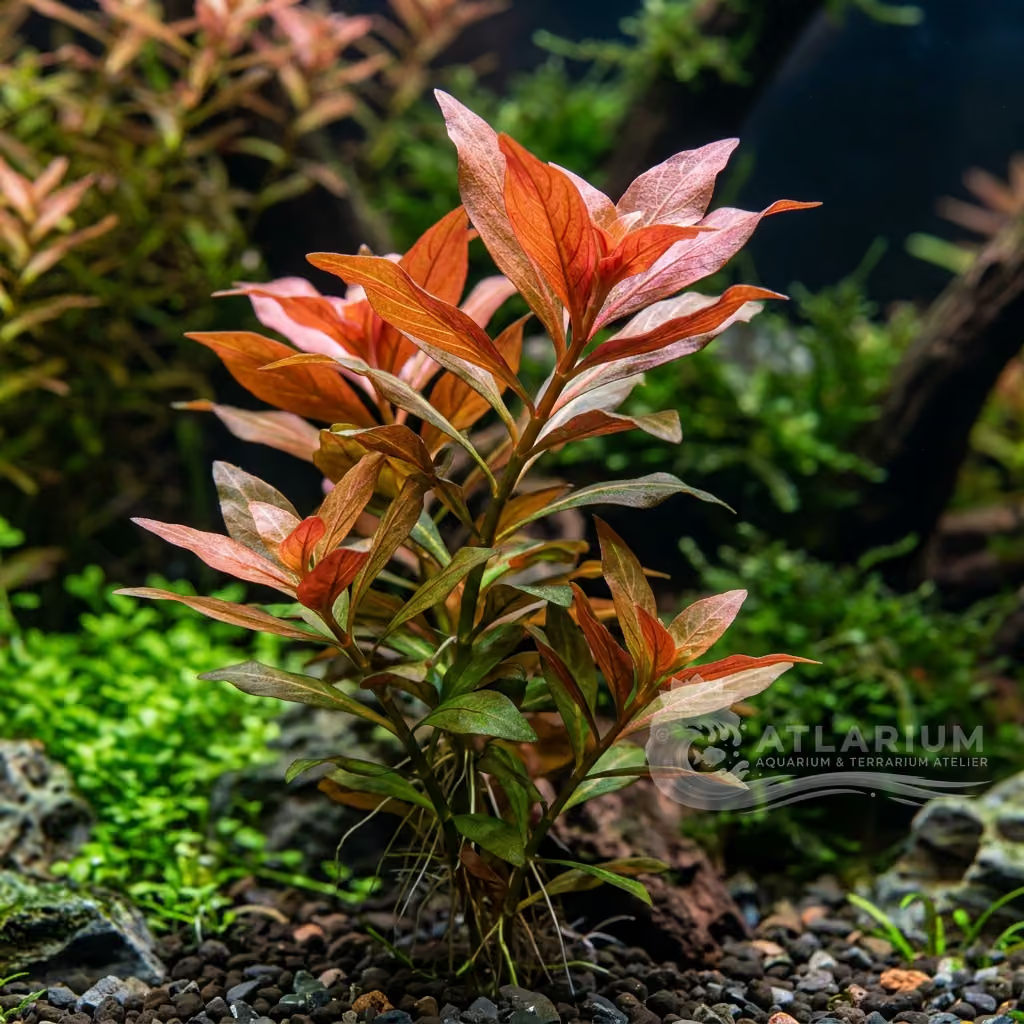
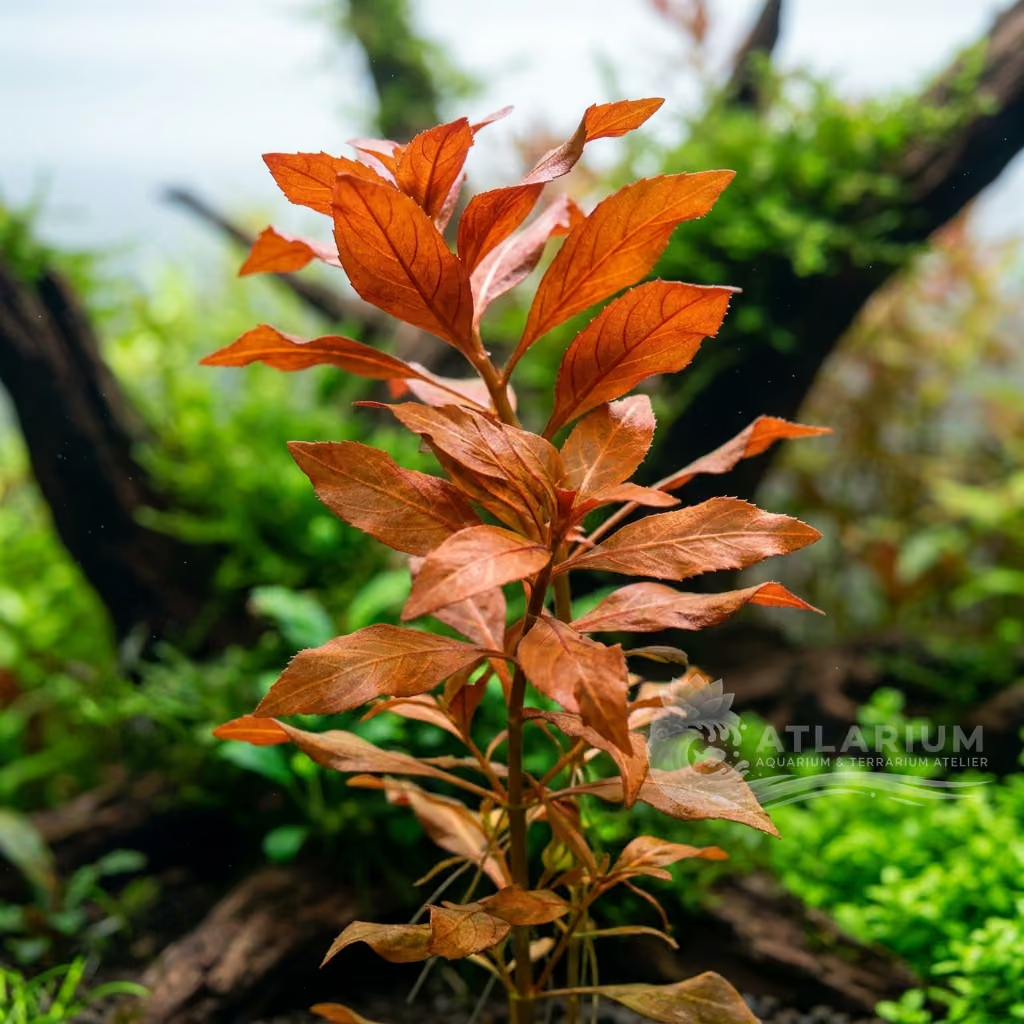
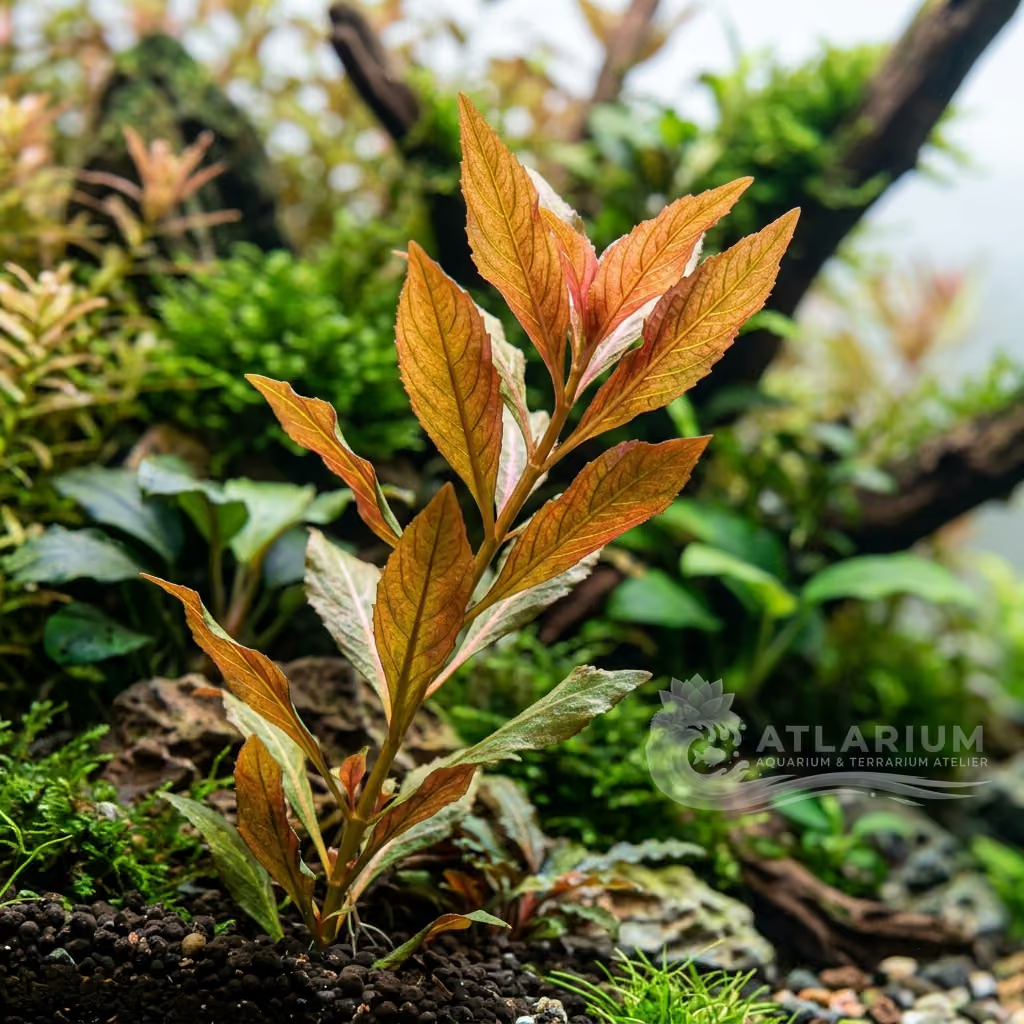
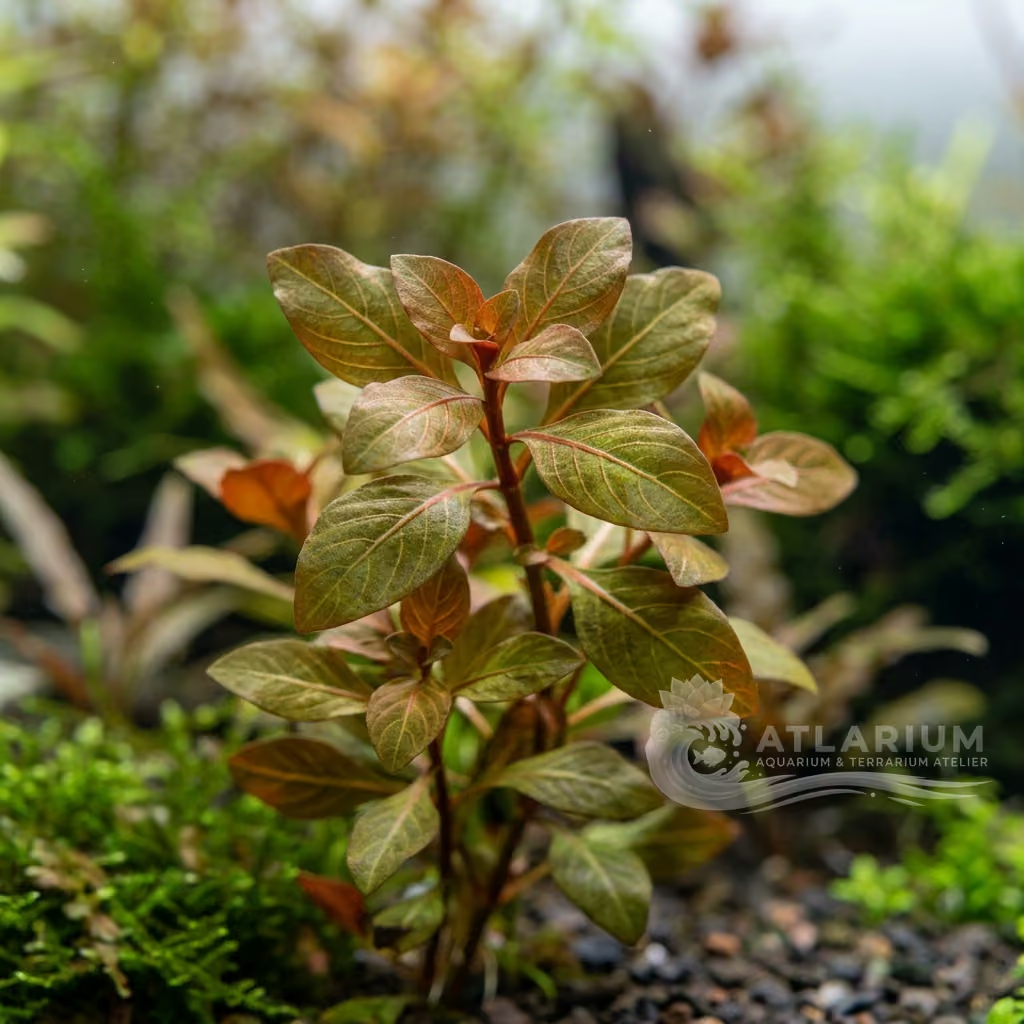
Color & Texture: Under intense lighting and adequate nutrient supply, especially iron and micronutrients, Ludwigia inclinata var. verticillata "Pantanal" displays spectacular colors ranging from brilliant orange-red to intense magenta. The most vivid hues are typically found on younger leaves and growth tips, creating a captivating contrast with the darker green of more mature foliage. The leaves possess a delicate and finely structured texture, contributing to a lush and refined appearance. The intensity of its coloration serves as a direct indicator of the plant's health and well-being, reacting promptly to environmental variations.

Care, breeding and tankmates
Lighting & CO2: Ludwigia inclinata var. verticillata "Pantanal" demands very high lighting to fully express its stunning coloration and maintain compact growth, with high PAR values being highly recommended. Insufficient light leads to stretched stems, wide internodal spacing, and dull or green coloration. A constant and generous supply of carbon dioxide (CO2) is absolutely essential for this species, promoting efficient photosynthesis and preventing stunted growth or melting of the plant. Without supplemental CO2, achieving satisfactory vigor and vibrant color is nearly impossible.
Nutrition & Substrate: For optimal growth, "Pantanal" requires a rich, nutritious substrate and a comprehensive liquid fertilization regimen that includes both macro and micronutrients. Nutrient absorption primarily occurs through the leaves, making
Water Chemistry: This Ludwigia thrives in soft, slightly acidic water, with an ideal pH range between 4.5 and 7.0 and a carbonate hardness (KH) between 0.0 and 8.0. Maintaining stable parameters within these ranges is crucial for its health and ability to retain vibrant colors. The recommended water temperature range is between 18.0 and 30.0 °C, though it often prefers cooler temperatures for optimal growth. Water that is too hard or alkaline can inhibit nutrient uptake and lead to stress or leaf melt.
Space Management & Placement: Given its rapid growth potential and tendency to form dense bushes, Ludwigia inclinata var. verticillata "Pantanal" is ideally suited for midground placement, where it can serve as a focal point or create a transition between the foreground and background. It is important to provide sufficient space for it to expand, preventing it from excessively shading other plants below. If allowed to grow freely, it can reach considerable heights, also making it suitable for background placement in smaller aquariums. Its bushy nature makes it excellent for creating depth and natural hiding spots.
Pruning: Regular pruning is essential to maintain the desired shape, promote denser growth, and prevent excessive stem elongation. Without intervention, the plant will tend to grow vertically, losing its lower foliage due to shading. Trimming the tips stimulates lateral branching, contributing to a bushier and more compact appearance. Cuttings obtained can be easily replanted into the substrate, facilitating propagation and thickening of existing clusters or the creation of new groups.
Risks & Diseases: Like many demanding plants, "Pantanal" is susceptible to various problems if its ideal conditions are not maintained. CO2 or nutrient deficiencies lead to stunted growth, discoloration, and leaf melt. Imbalances between light and nutrients can promote algae growth on the leaves, compromising their health and aesthetic. Sudden shifts in water parameters or significant changes can cause stress and rapid degeneration of the plant, manifesting as the shedding of lower leaves.

Geographic origin and distribution
The "Pantanal" variety of Ludwigia inclinata var. verticillata is believed to originate from the Pantanal region, the world's largest tropical wetland primarily located in Brazil. In its natural habitat, it thrives in shallow, slow-moving waters, often rich in nutrients and exposed to abundant sunlight. Replicating these native conditions, characterized by soft and acidic water, is crucial for achieving optimal
Origin
Extra-Amazon South AmericaSelective breeding and cultivars

Plant profile
- Placement
- Midground
- It is best utilized as an accent plant in the midground or background, where its striking color can break up green monotony. Because of its intense coloration, placing it alongside light green plants enhances its visual impact. Avoid placing it in the shadows, as it requires unobstructed access to intense light.
- Botanical form
- Stem
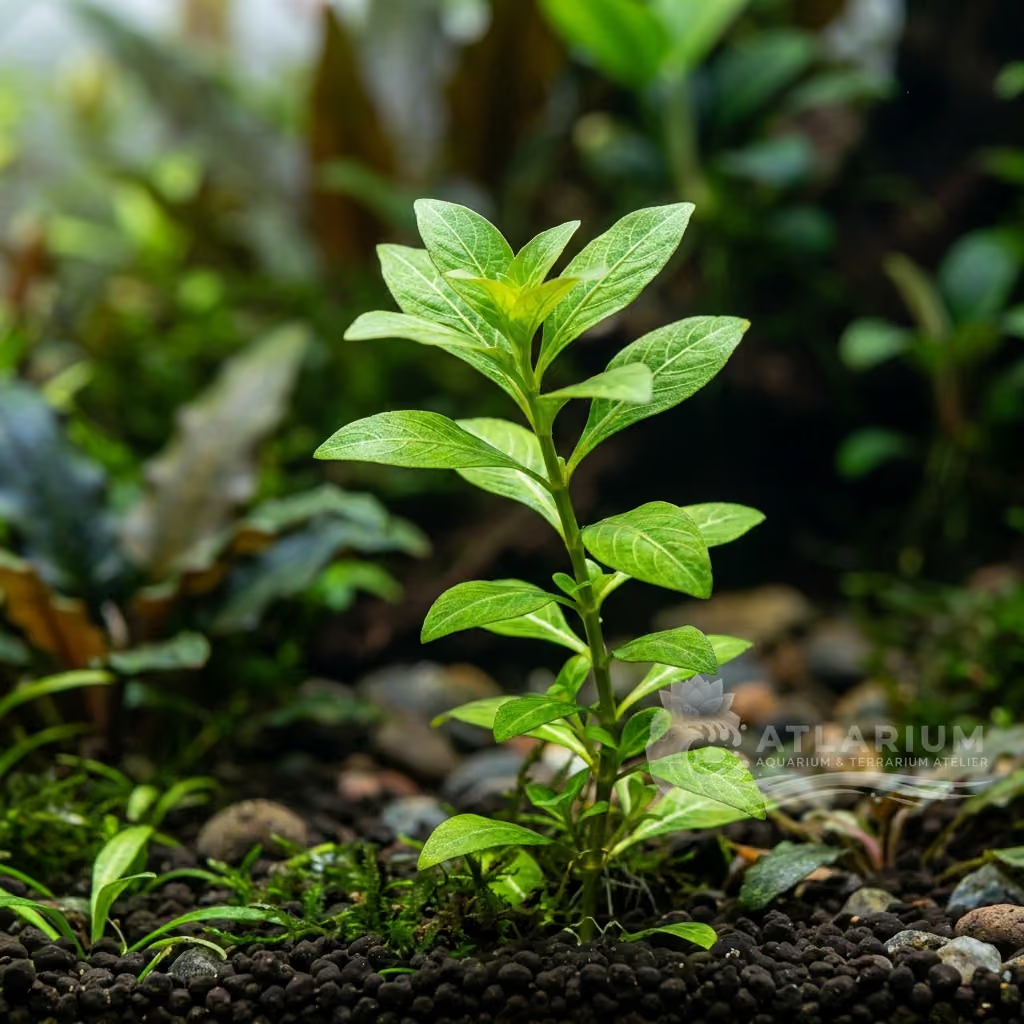
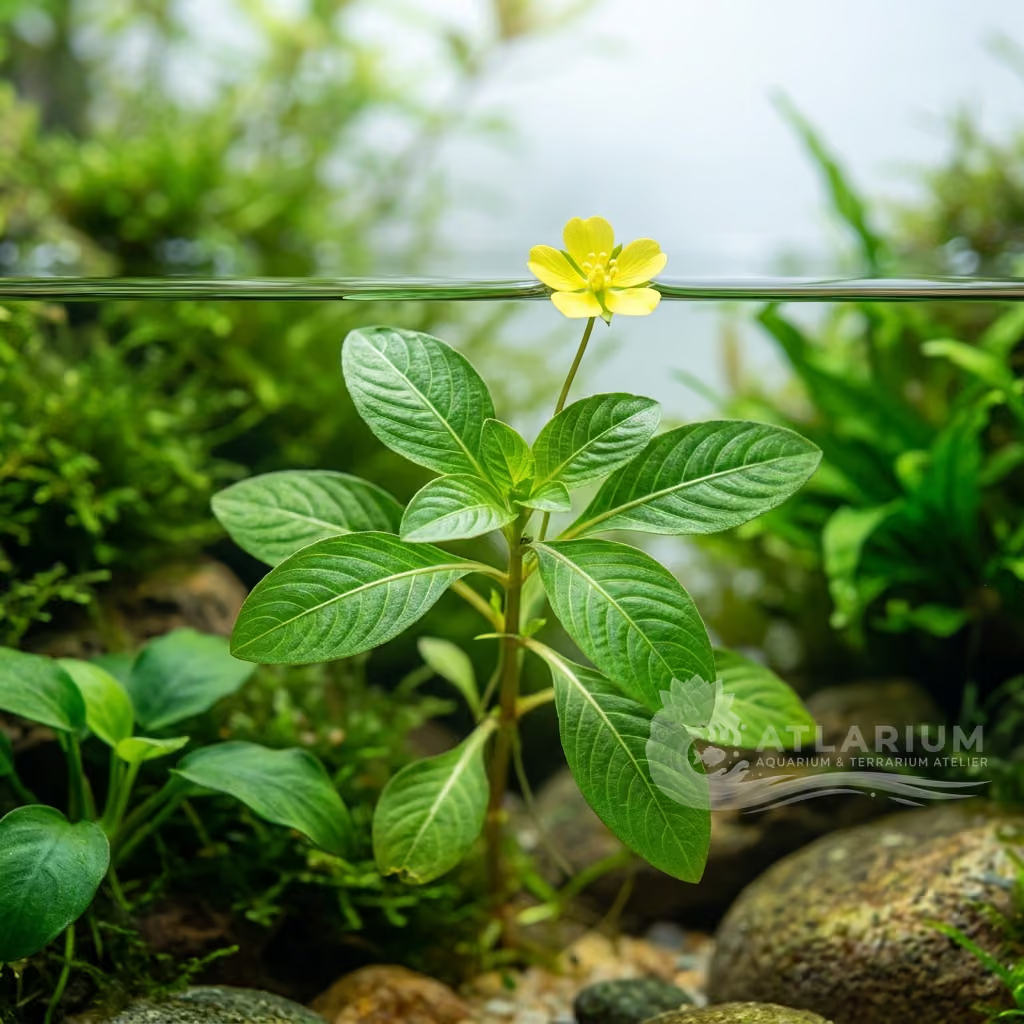
- This stunning variety features very fine, needle-like leaves arranged in a tight whorl around a central stem. The submerged form is famously known for its brilliant pinkish-red to magenta crown, which is larger and more colorful than the 'Cuba' variant. Its emersed form is unassuming, with simple green, oval leaves.
- Growth
- Fast
- When its exact environmental demands are met, it grows incredibly fast, shooting straight up toward the light source. This rapid vertical growth necessitates frequent topping to prevent it from outgrowing the aquarium. However, if conditions dip even slightly, its growth will stall immediately.
- Substrate
- High
- This highly demanding species requires a premium, nutrient-packed aqua soil to sustain its rapid growth and vivid coloration. The root system is delicate but expansive, necessitating a fine-grained substrate layer of at least 2-3 inches to prevent uprooting. To achieve its full potential, the substrate must be consistently enriched with iron and trace elements.
- Column fertilization
- Recommended
- Aggressive liquid fertilization is required, especially daily dosing of iron and micronutrients. It also consumes high amounts of macronutrients (NPK) due to its rapid metabolism. Any deficiency in the water column will quickly lead to pale, stunted new growth and eventual necrosis of the stem.
- Root fertilization
- None
- While water column dosing is critical, a nutrient-rich aquasoil substrate is highly recommended to support its demanding nature. Root tabs can be beneficial for providing a constant source of iron directly to the root zone. A healthy root system ensures the plant remains anchored and robust as it grows rapidly upwards.
- Trimming
- Occasional
- Trimming should be done by carefully cutting the brightly colored tops and replanting them to maintain the healthiest specimens. The remaining bottom portions often struggle to produce new shoots and are frequently discarded by aquascapers. Regular maintenance is required to keep a group looking neat and to prevent shading of neighboring plants.
- Propagation
- Cuttings
- Propagation is straightforward through top cuttings. Snipping a healthy, brightly colored top and pushing it gently into the substrate will yield a new plant. To ensure the cutting takes hold, verify that both lighting and CO2 are at peak levels during the replanting phase.
- Sensitivity
- Moderate
- It is notoriously intolerant of hard water, low CO2, or inadequate lighting, melting away quickly under suboptimal conditions. It will immediately show signs of stress, such as greening of the crown or twisting of new leaves, if nutrients fluctuate. It is also sensitive to certain algaecides and chemical treatments.
- Layout role
- Midground, accent, Background
- The 'Pantanal' variant serves as a premier, high-impact focal point in advanced planted aquariums. Its dazzling pink-magenta starburst tops draw the eye instantly. It is typically used in small, meticulously maintained groups to showcase the aquascaper's skill and dedication.

Related species
Recommendations grouped by close relatives, companion choices, and similar care.