Ludwigia ovalis
Ludwigia ovalis
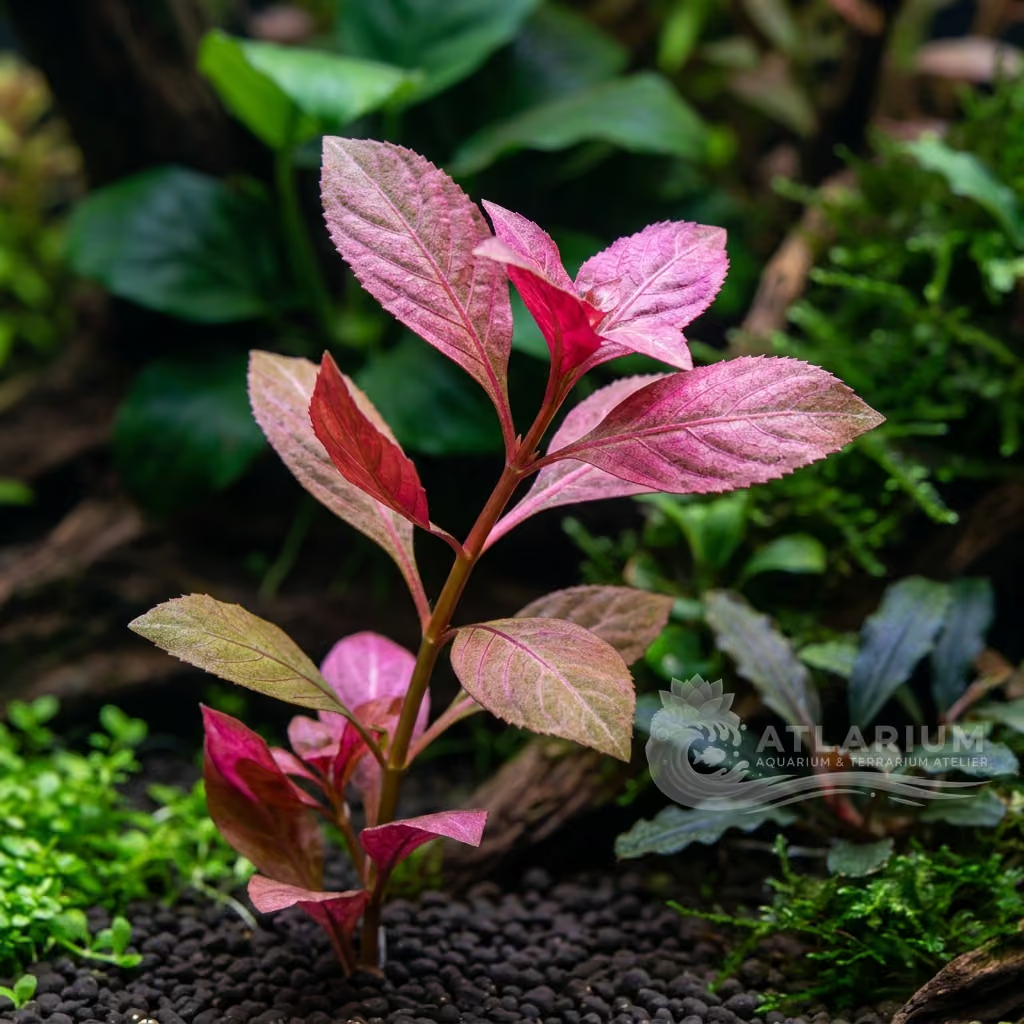
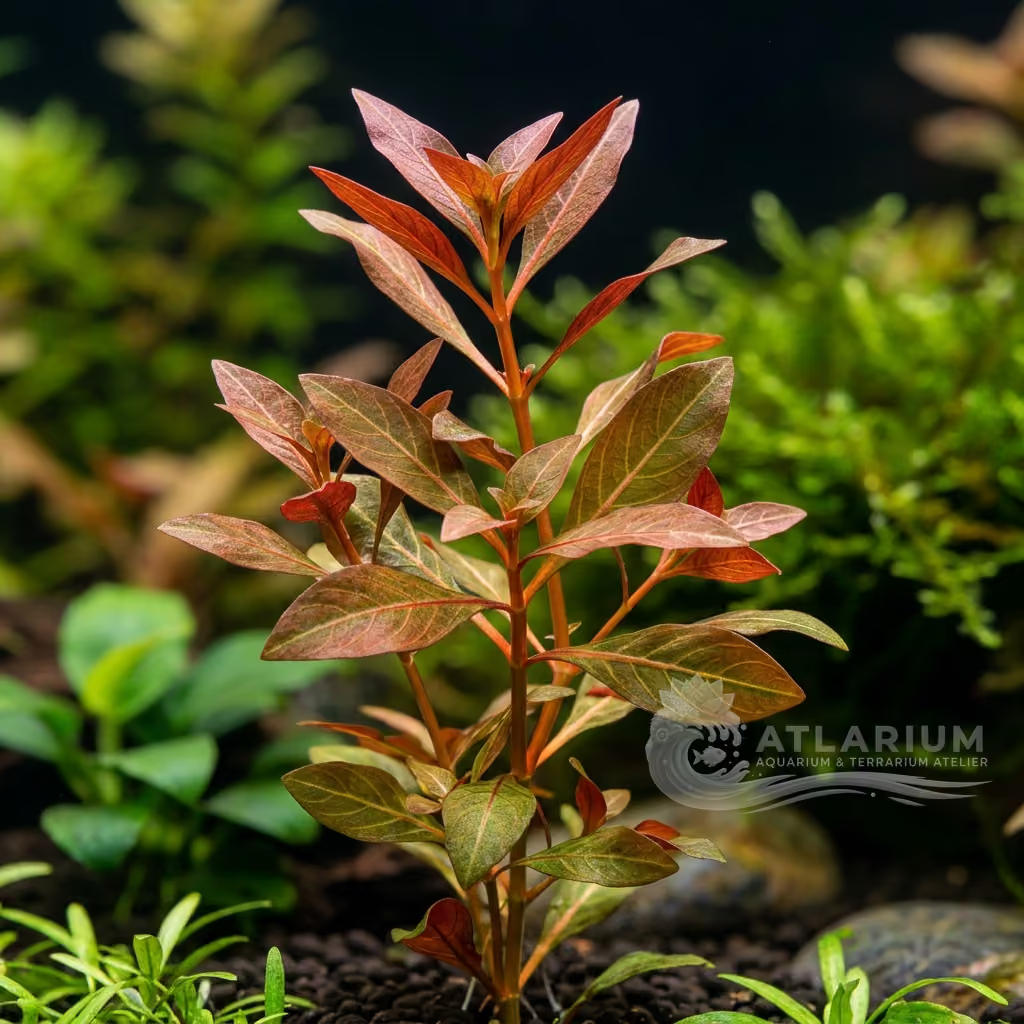
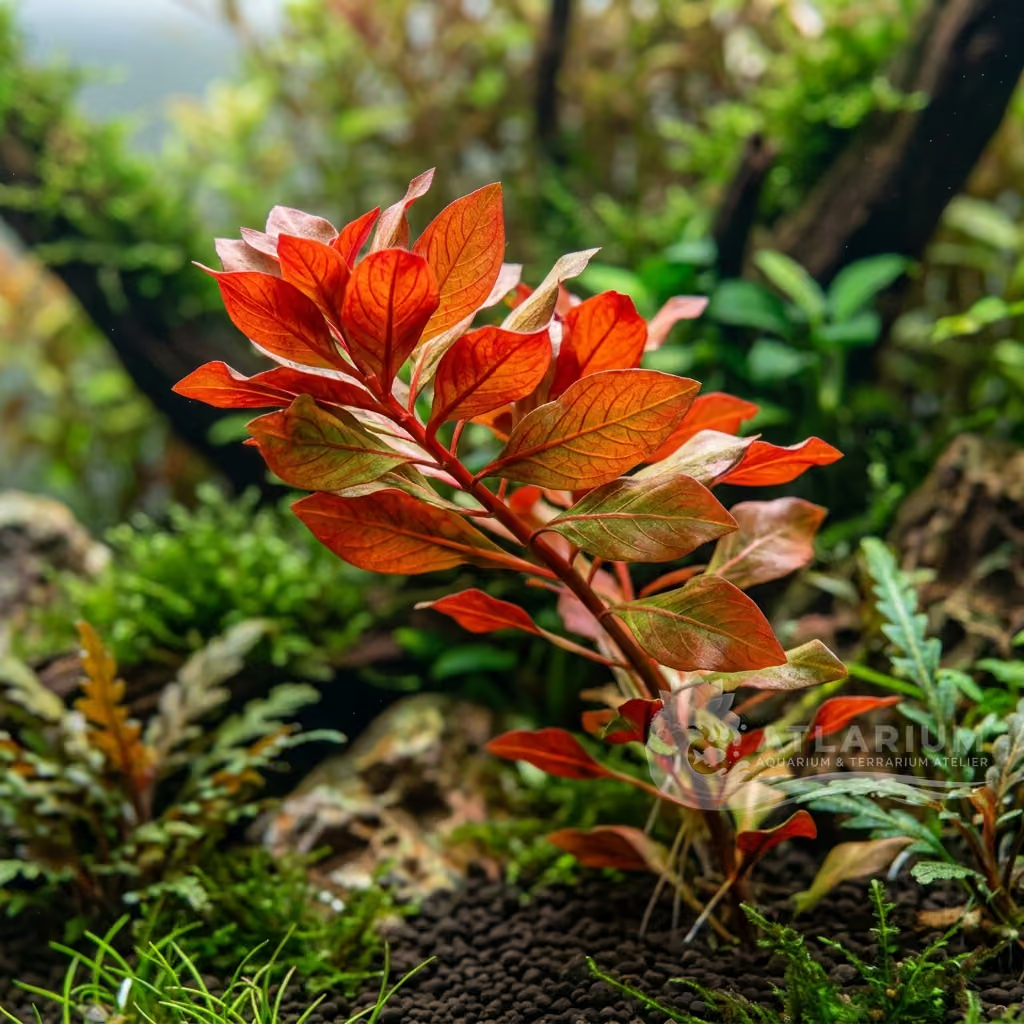
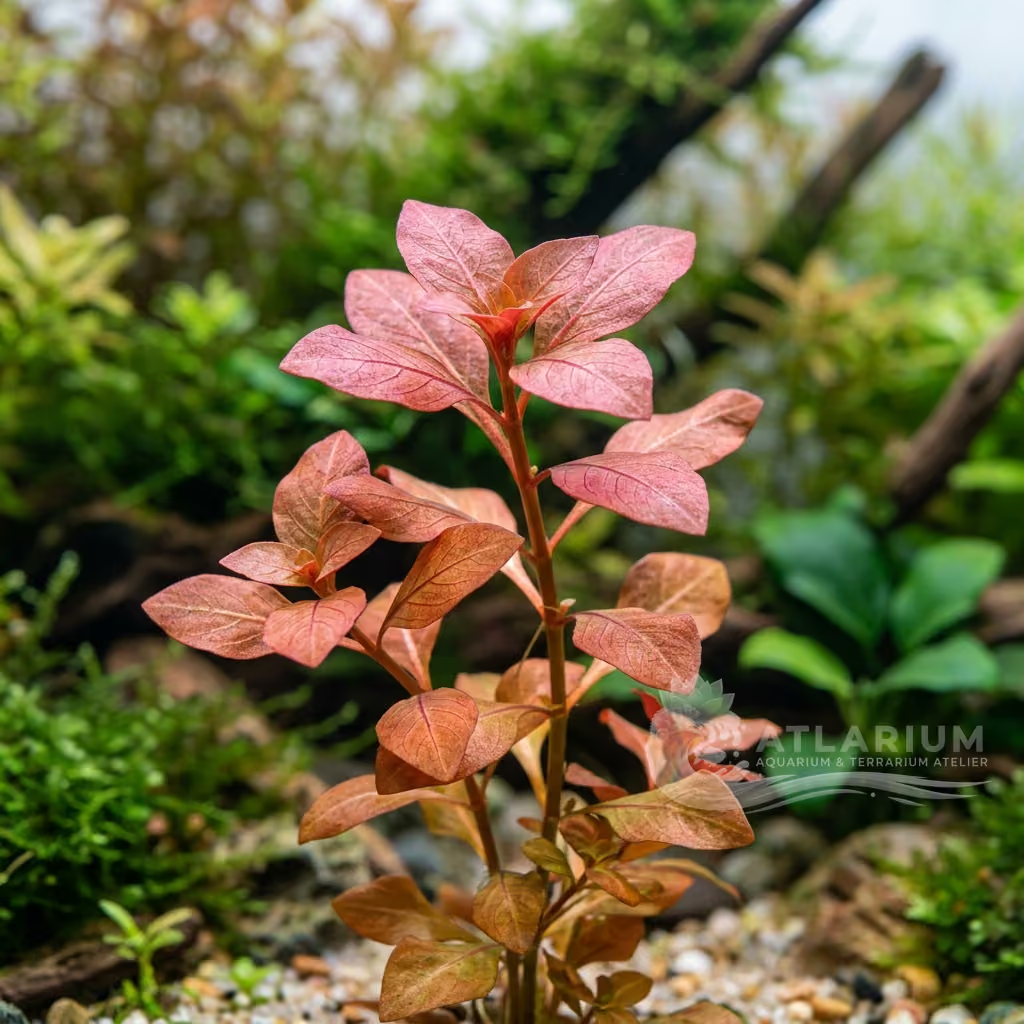
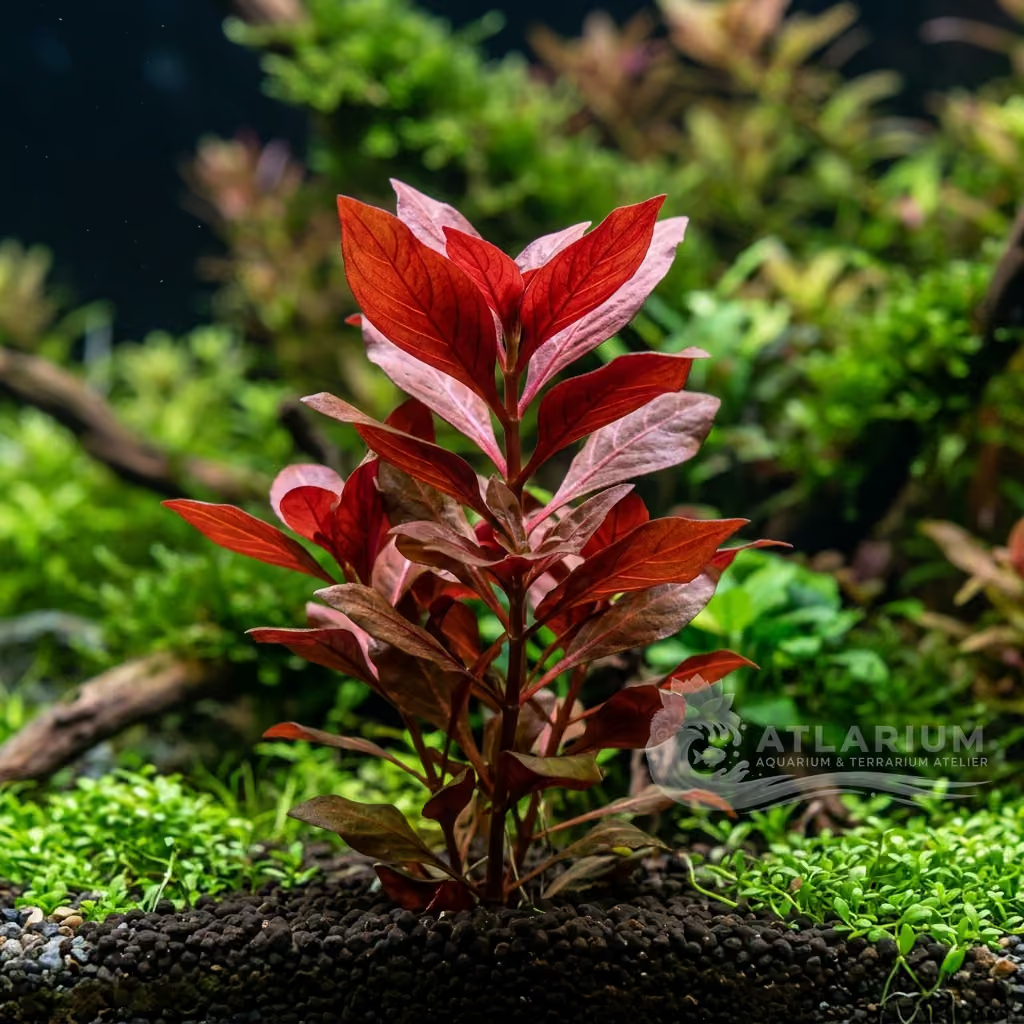
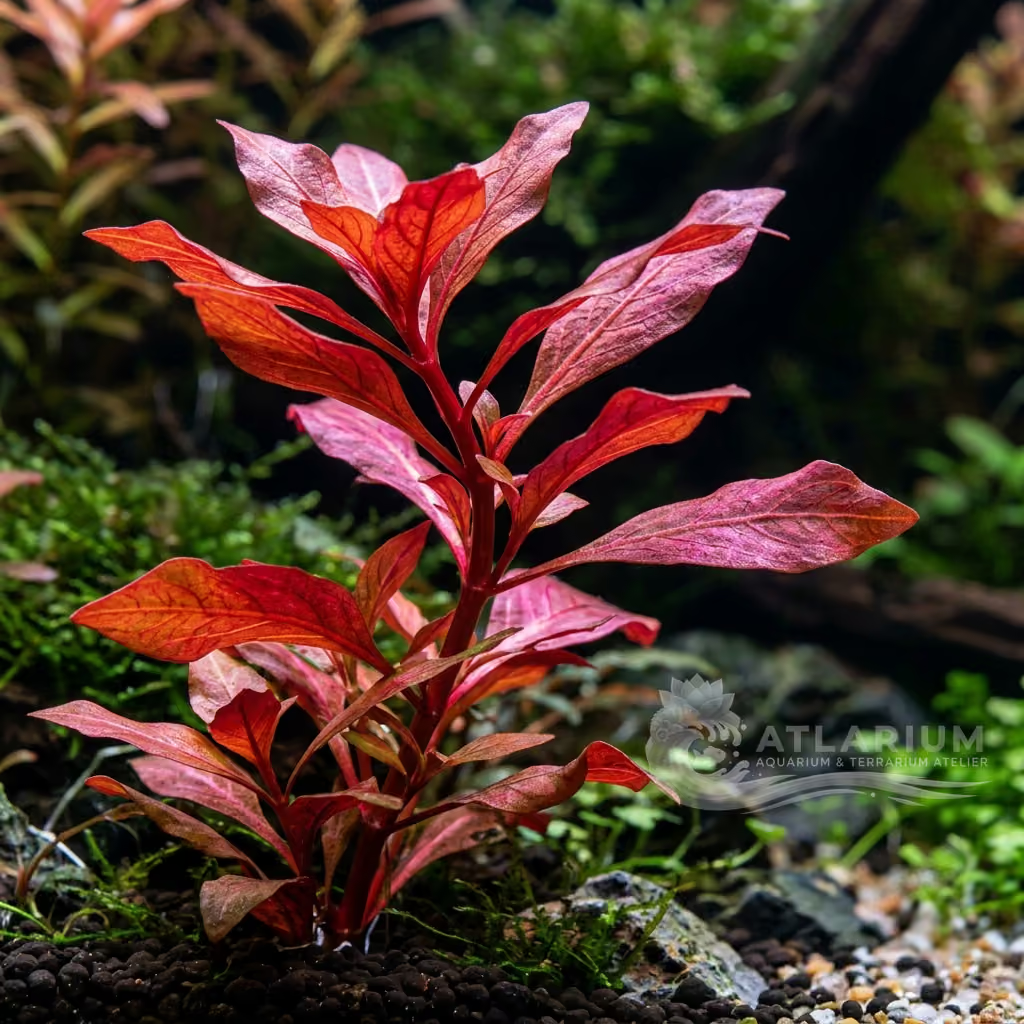
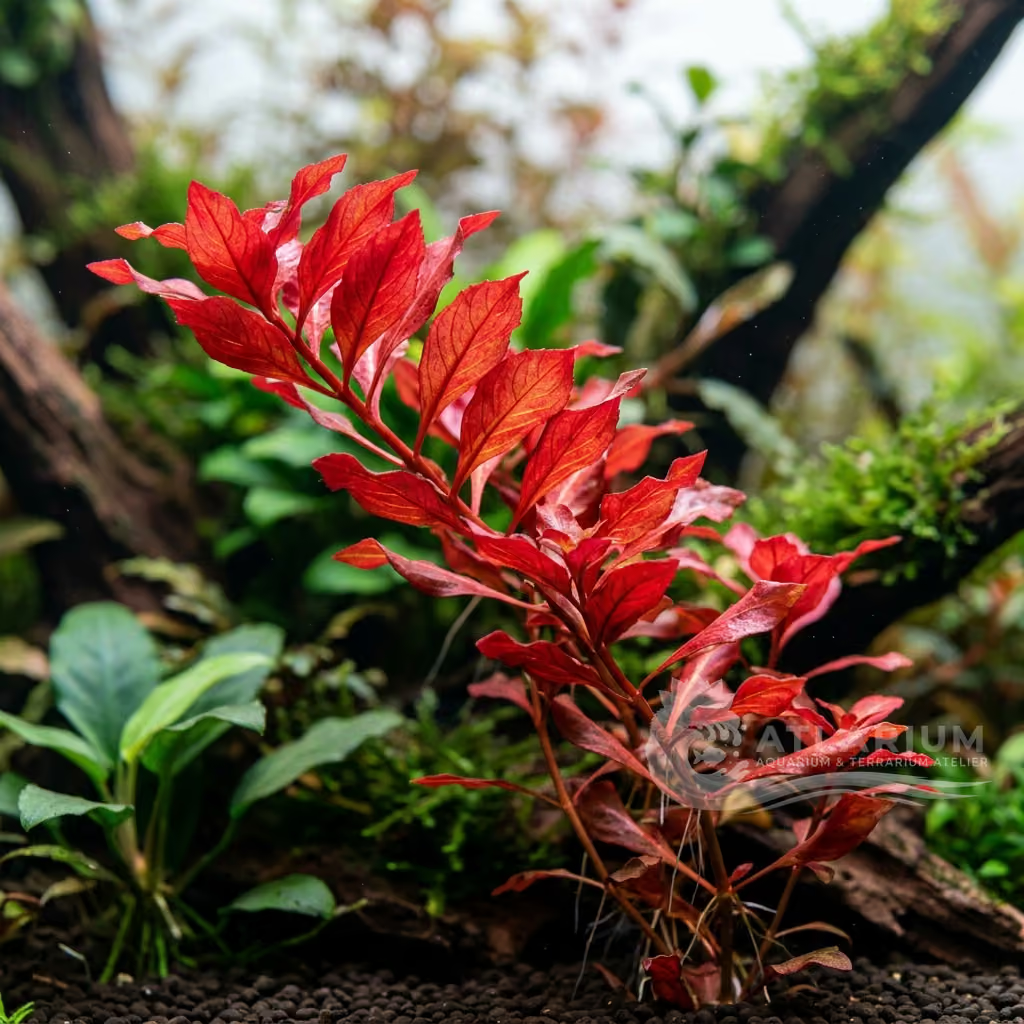
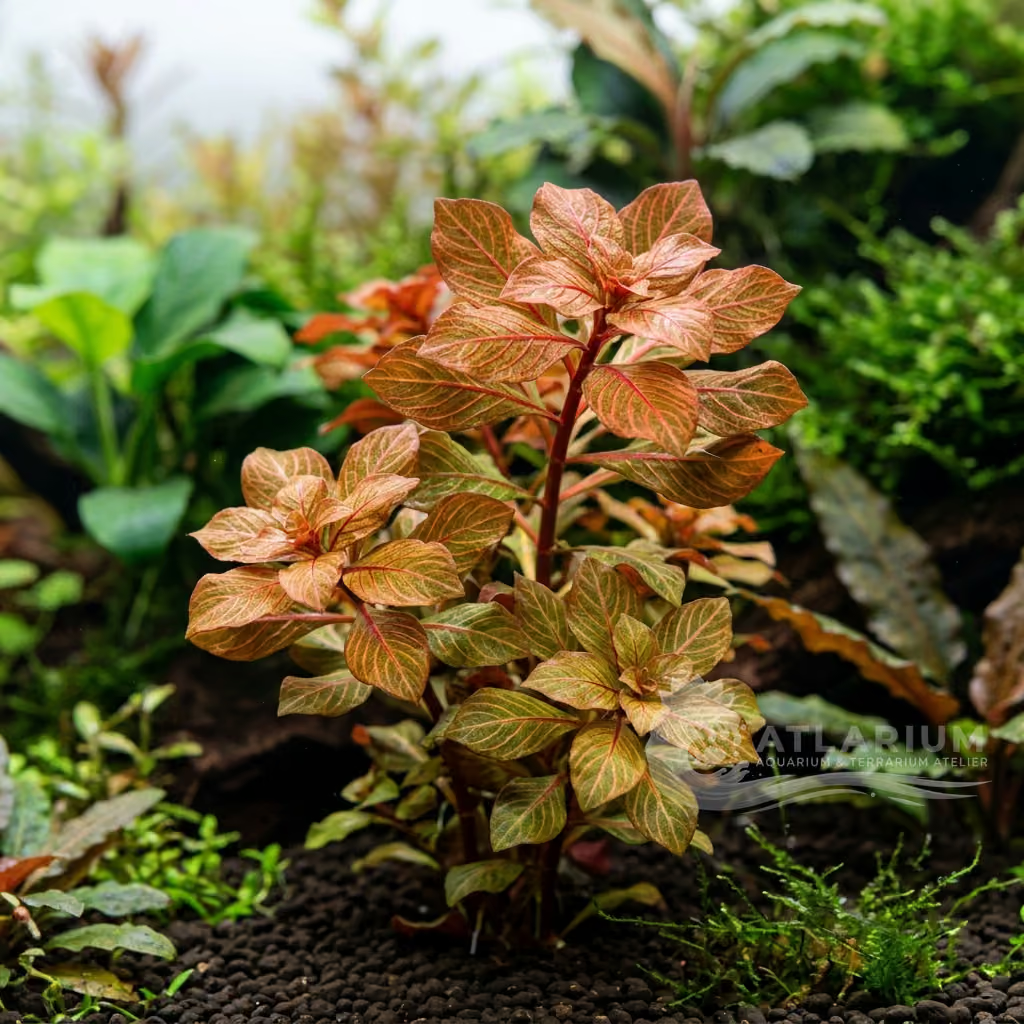
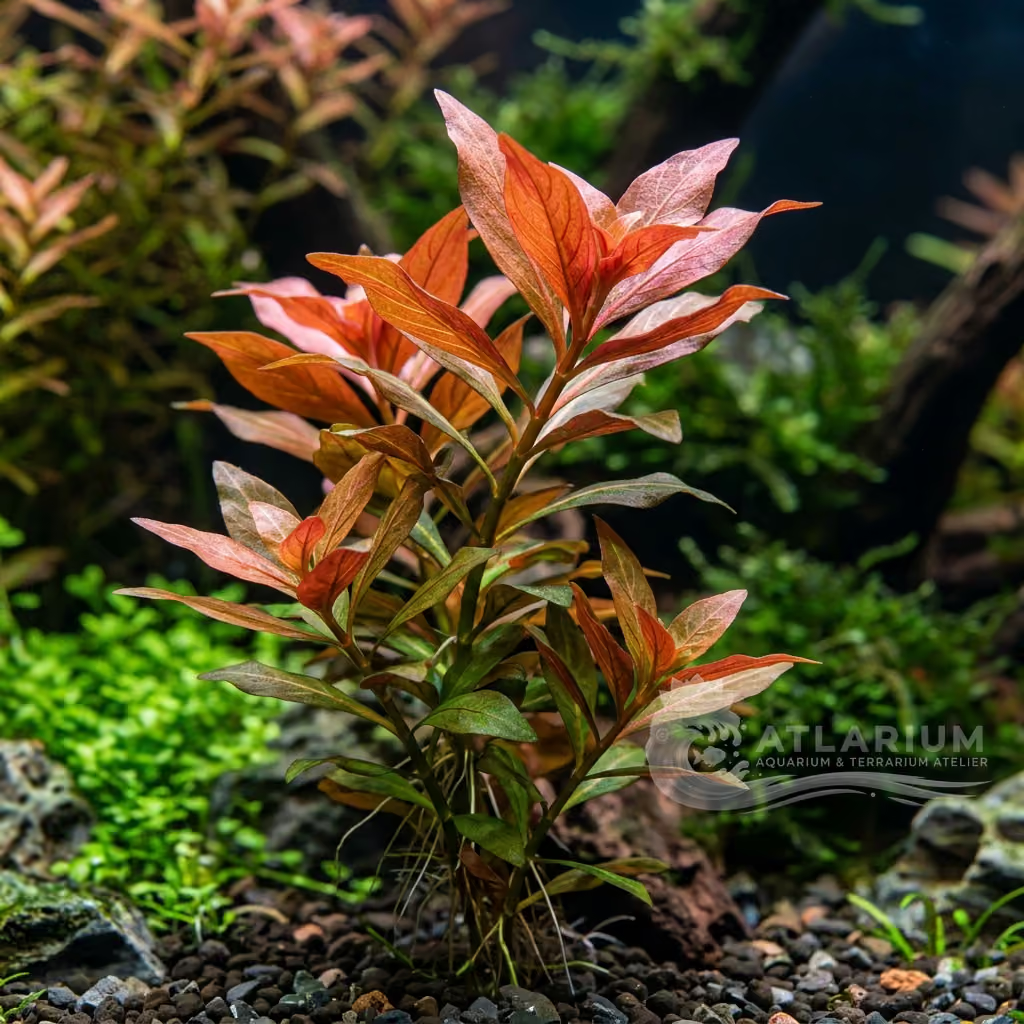
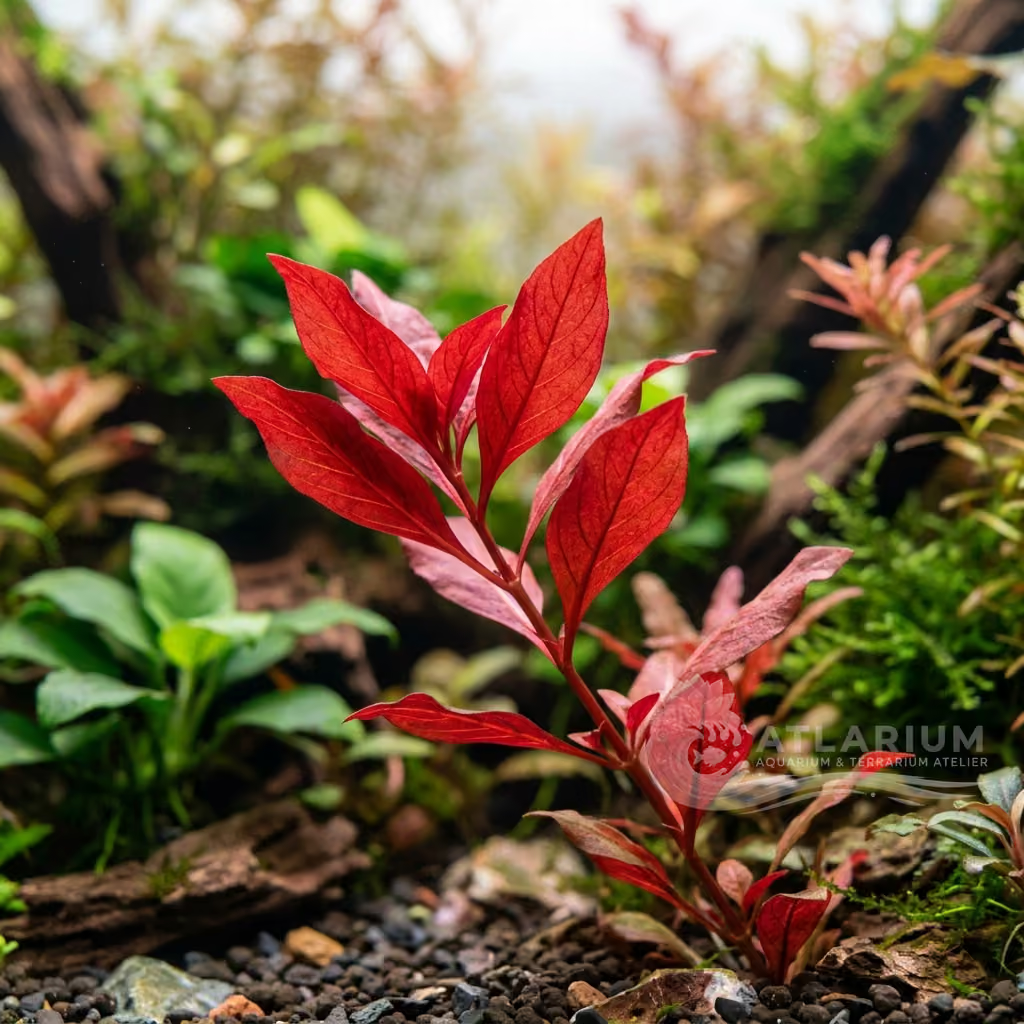
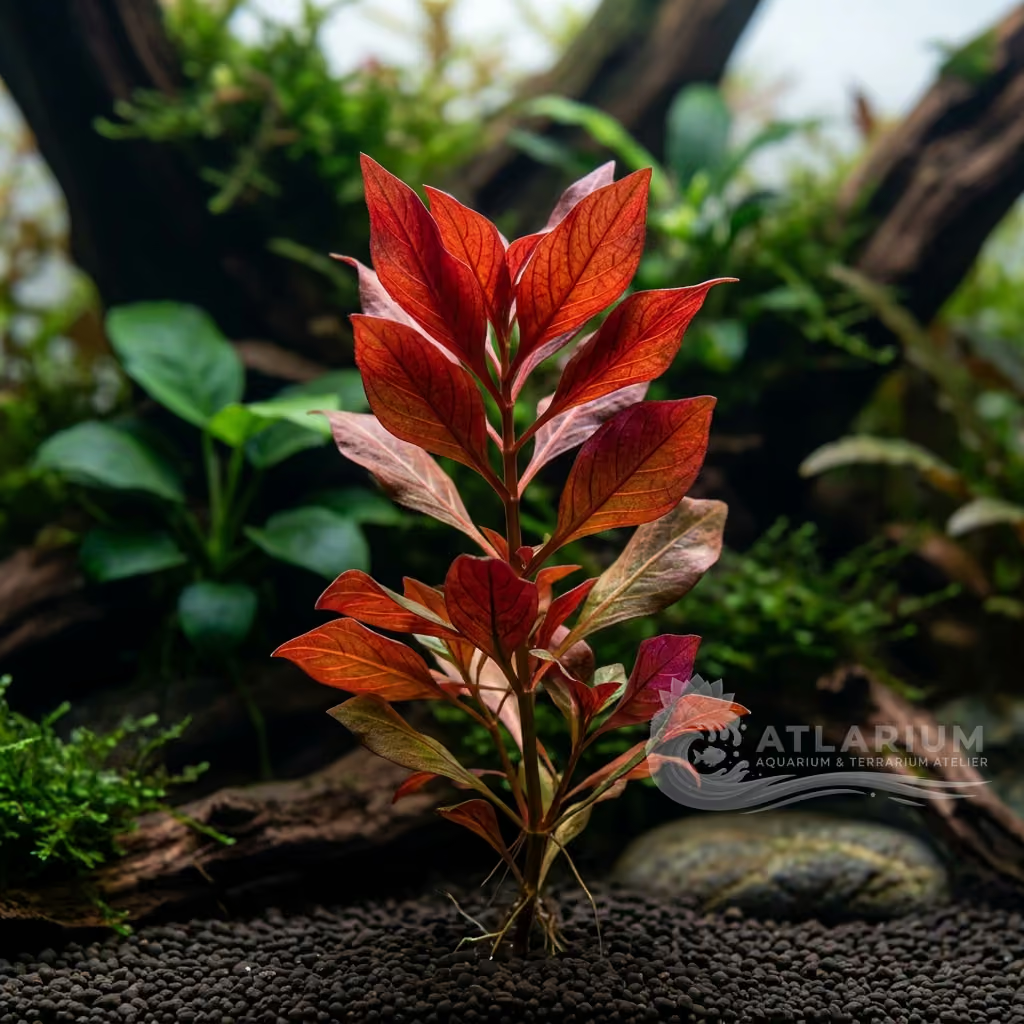
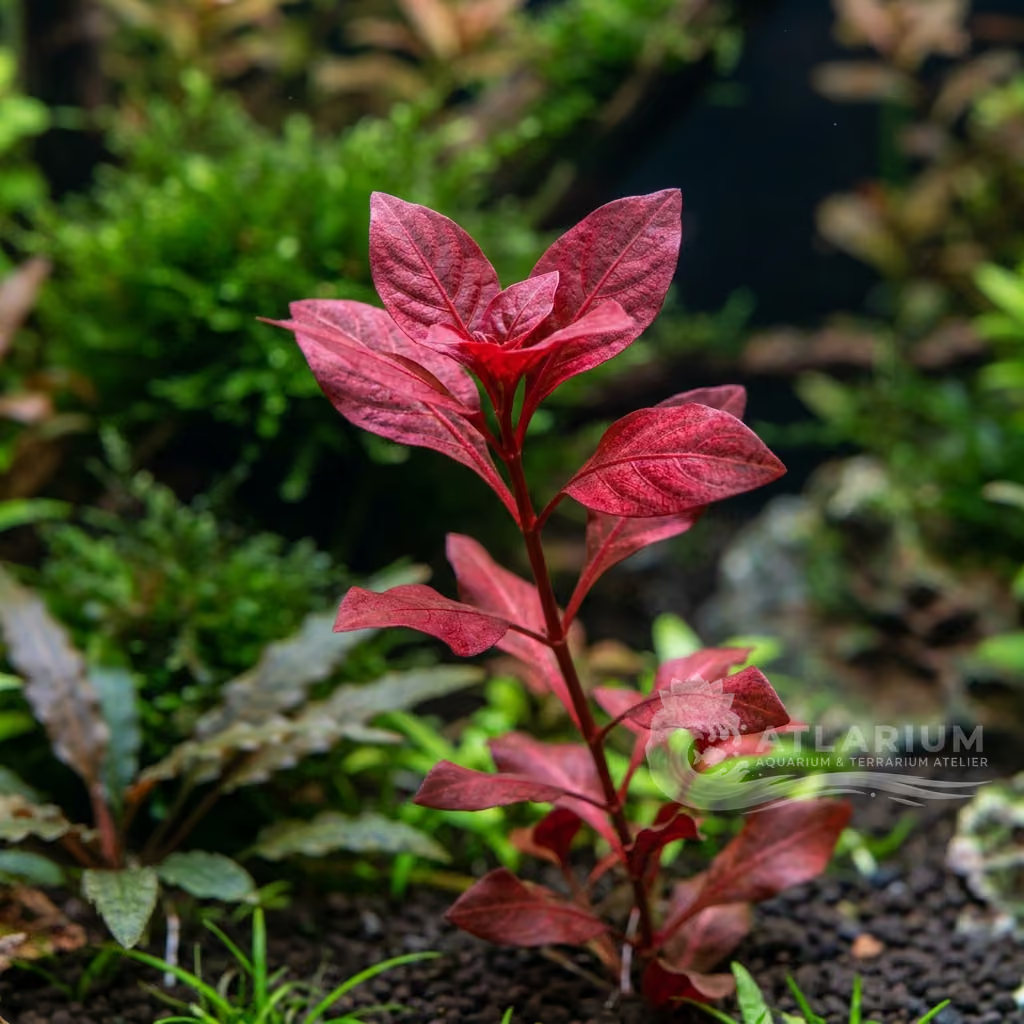
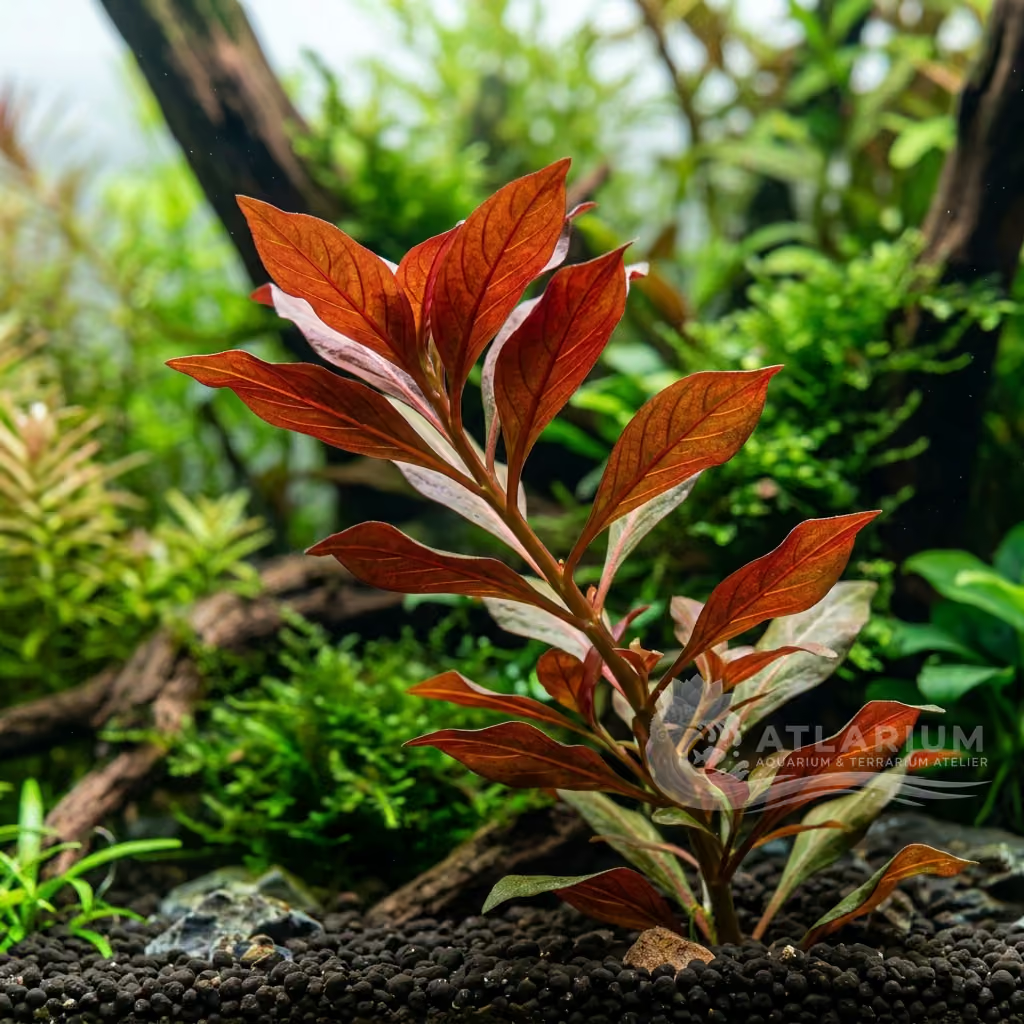
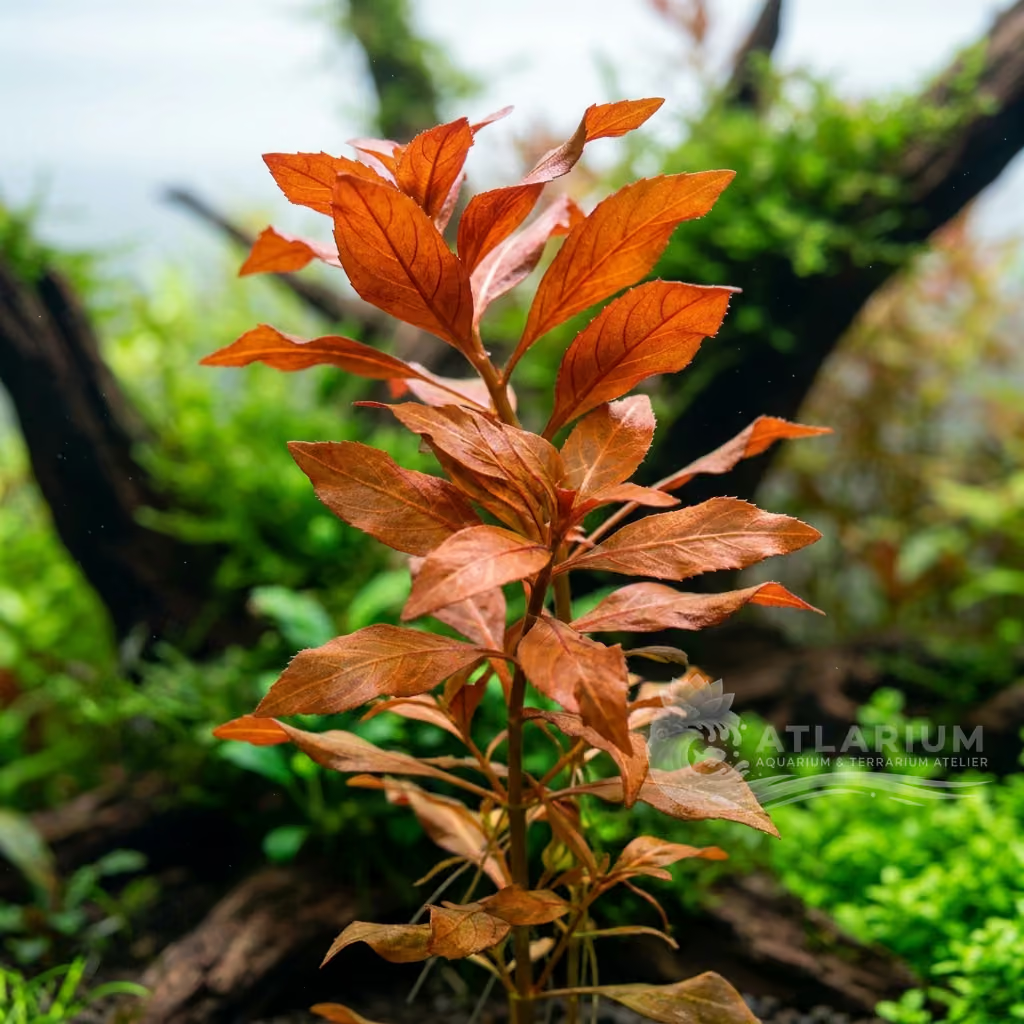
Ludwigia ovalis is a fast-growing stem plant ideal for midground placement, capable of developing intense red-orange hues under proper lighting. Its oval leaves and upright growth habit make it an attractive focal point, adding depth and vibrant color to the aquarium.
Water Temperature
10 - 28 °C
pH Value
4.5 - 7
Water type
Freshwater
Light
Medium to High
CO2
High
KH
1 - 7 dKH

Species description
Geographical Origin and Habitat: Ludwigia ovalis originates from East Asian regions, specifically found in Japan, Korea, and parts of China, where it thrives in various aquatic environments such as marshes, ditches, and the margins of slow-moving water bodies. This species is typically encountered in both submerged and emergent forms, adapting to variable conditions of moisture and water availability. In its natural habitat, it often colonizes sunny areas, which explains its preference for good light intensity in the aquarium.
Taxonomy & Genetics: Belonging to the Onagraceae family, Ludwigia ovalis is a member of the extensive Ludwigia genus, renowned for its diversity and numerous species utilized in aquascaping. Its classification highlights its relationship with other popular aquatic plants, sharing morphological traits and cultivation requirements. Genetically, this species exhibits considerable plasticity, allowing it to adapt to various environmental conditions and express phenotypic variations based on light intensity and nutrient availability. Despite the existence of several varieties and cultivars within the genus, Ludwigia ovalis maintains its distinct morphological identity.
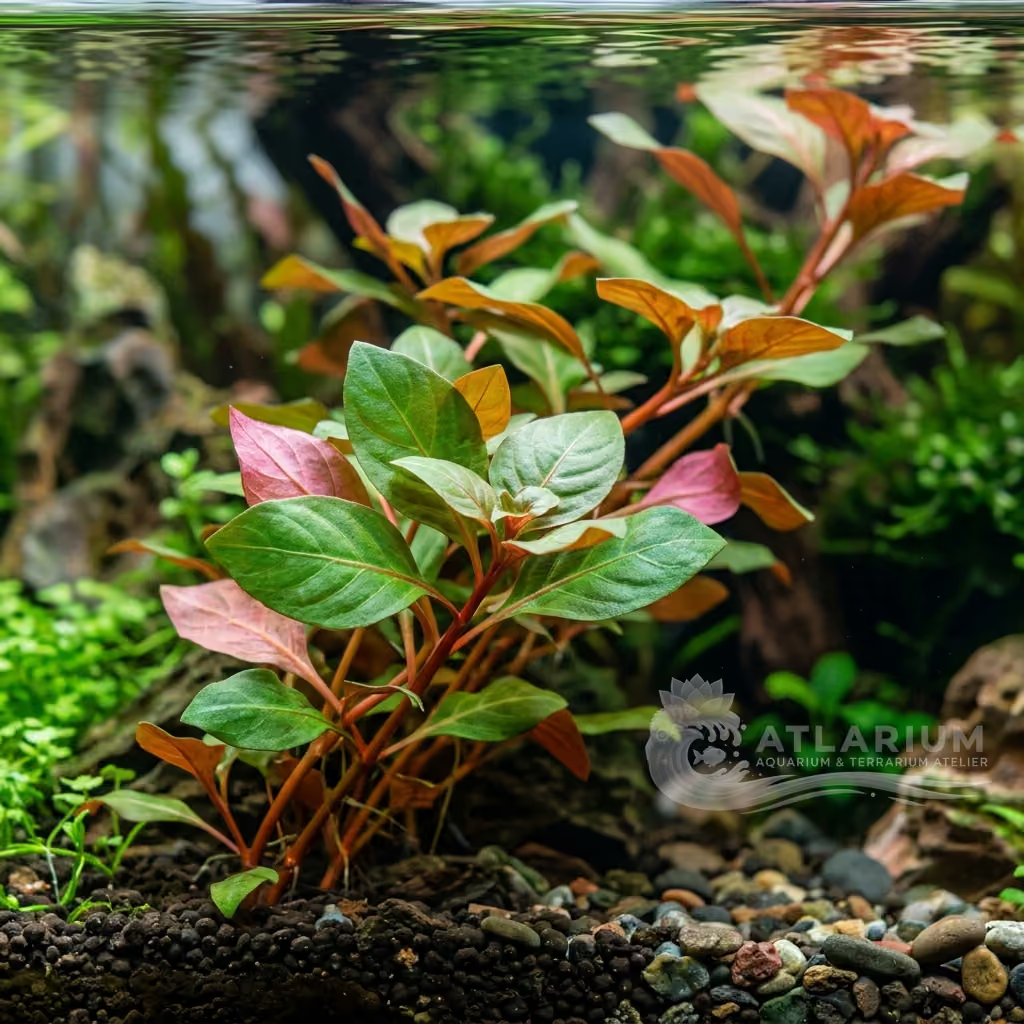
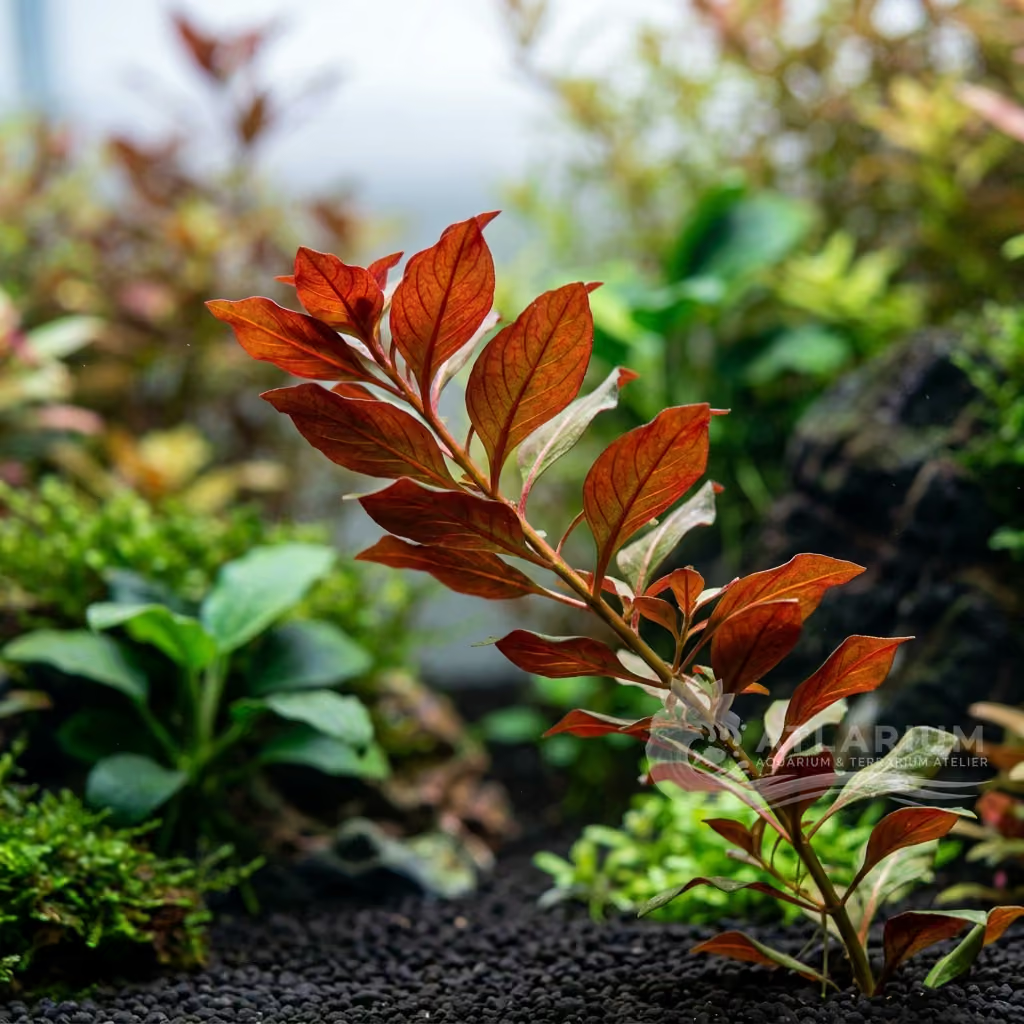
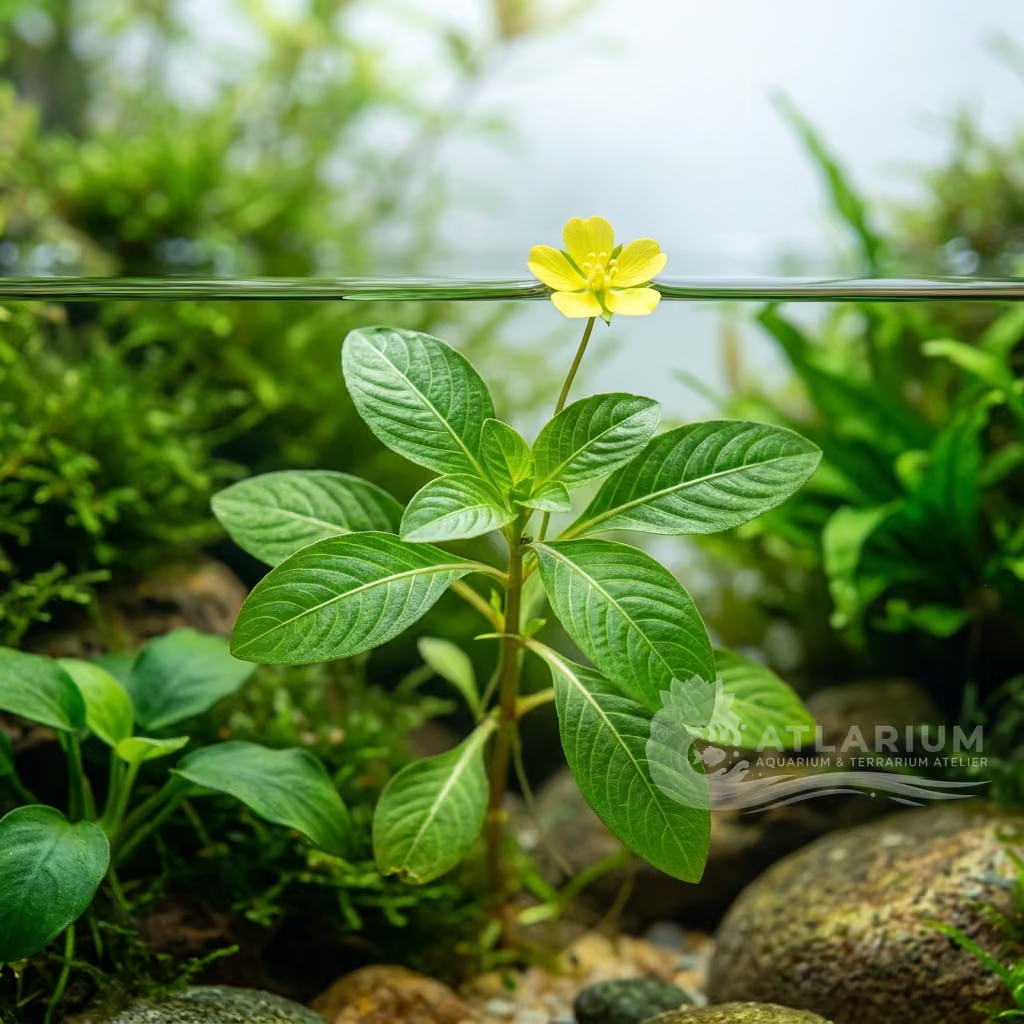
Physical Structure: Ludwigia ovalis is characterized by its upright and robust stem, which can reach considerable heights in the aquarium if not regularly pruned. The leaves are alternately arranged along the stem, adopting an elliptical or oval shape that gives it its specific name. Under optimal conditions, the plant develops a well-branched root system that firmly anchors it to the substrate, contributing to its stability and nutrient absorption. Although less common in an aquarium setting, the plant is capable of producing small yellow flowers when grown in its emergent form above the water surface.
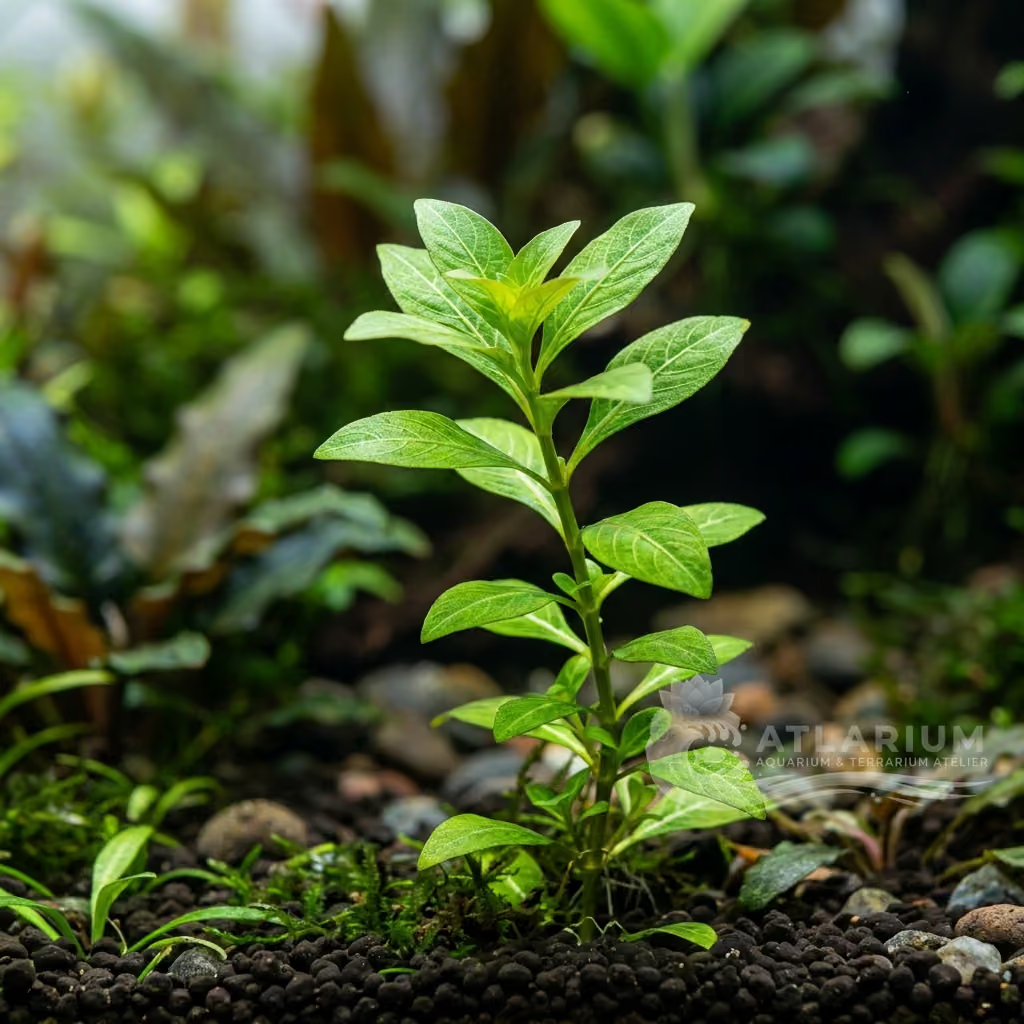
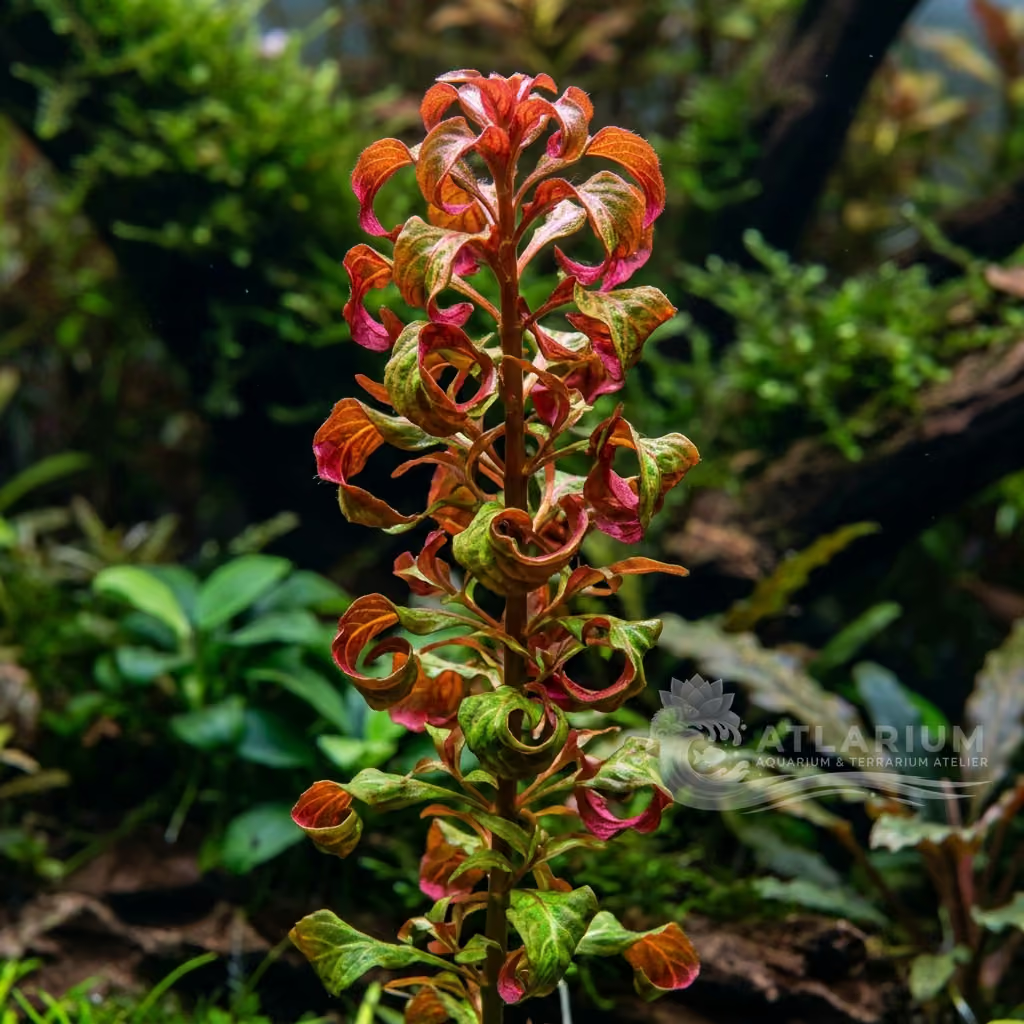
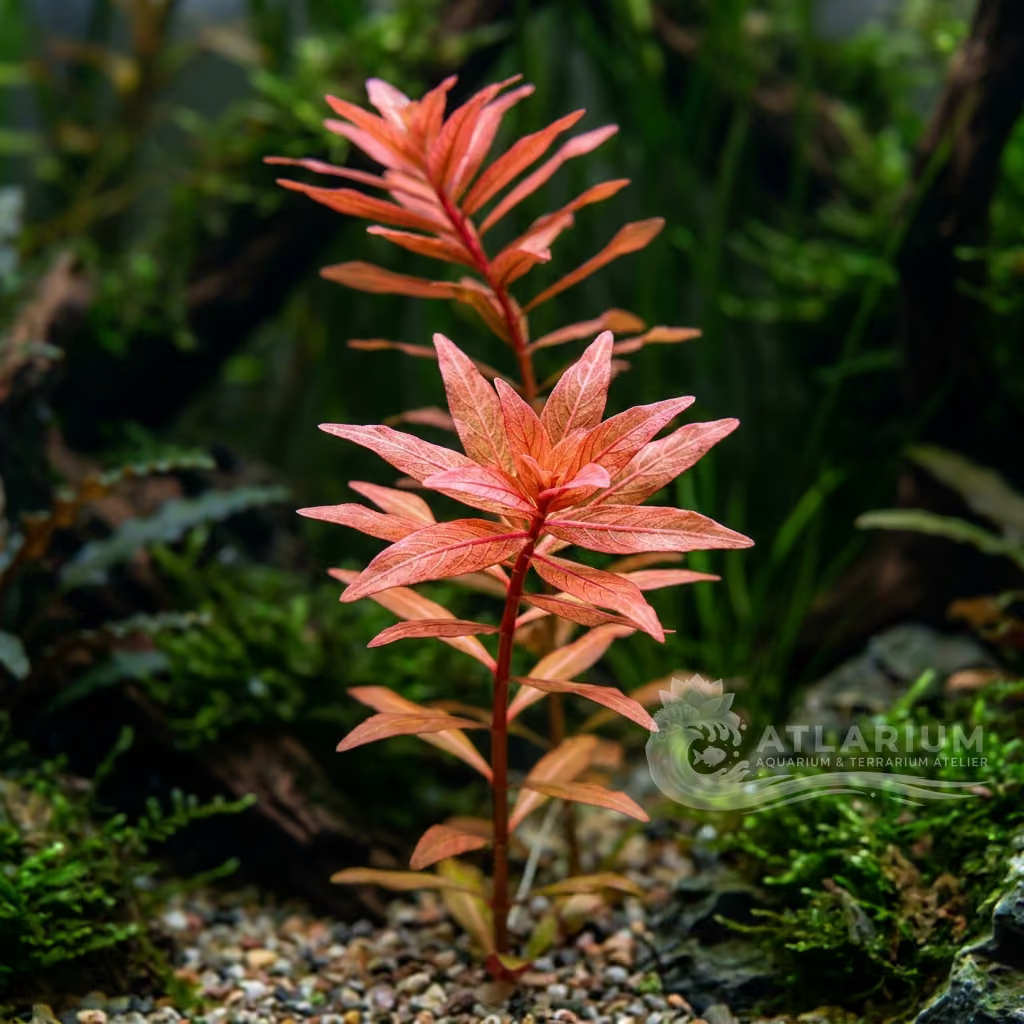
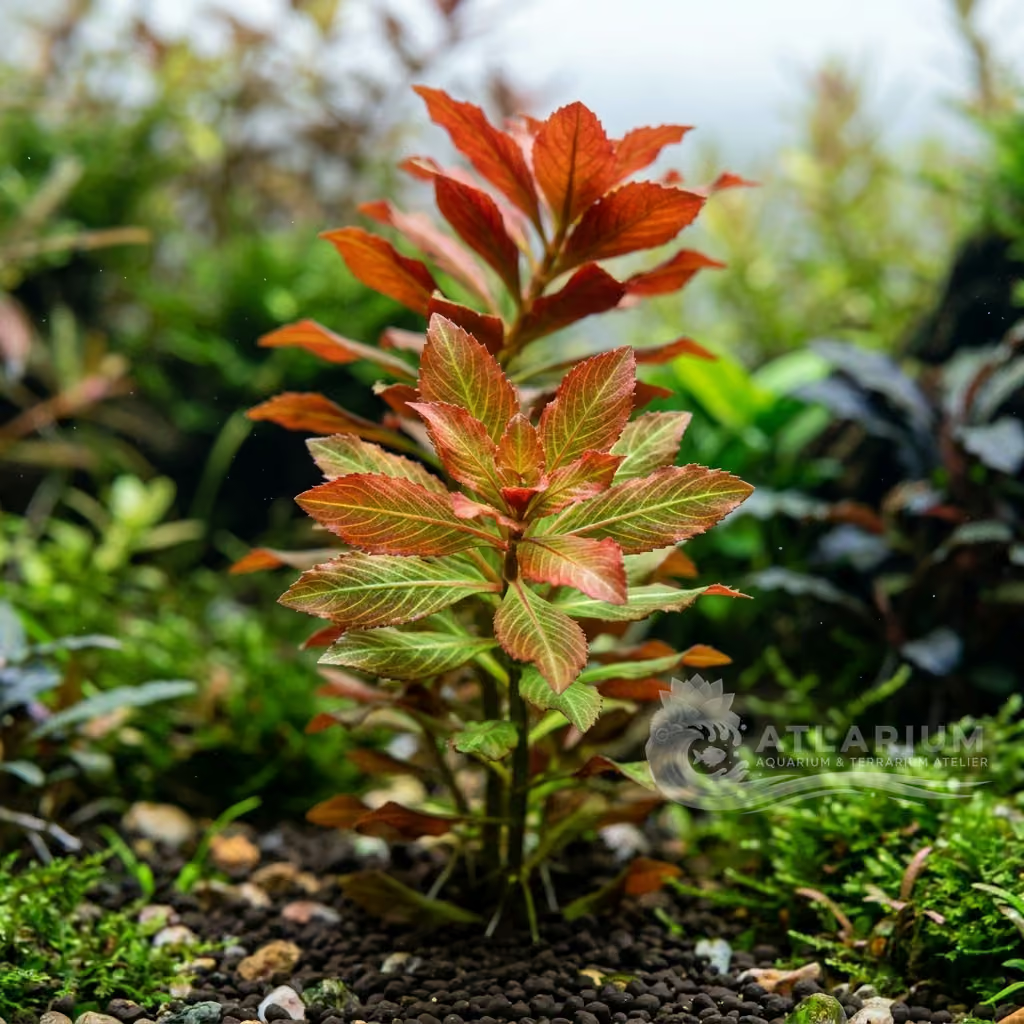
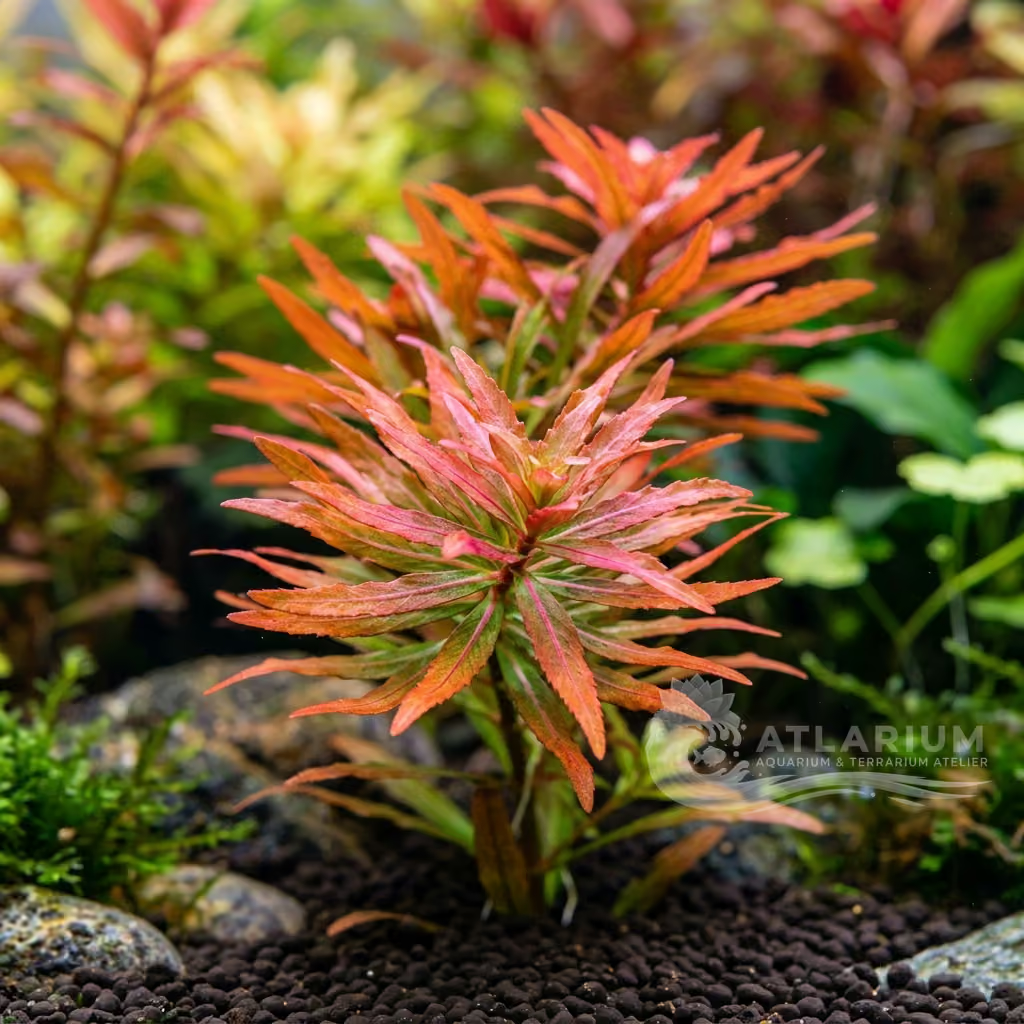
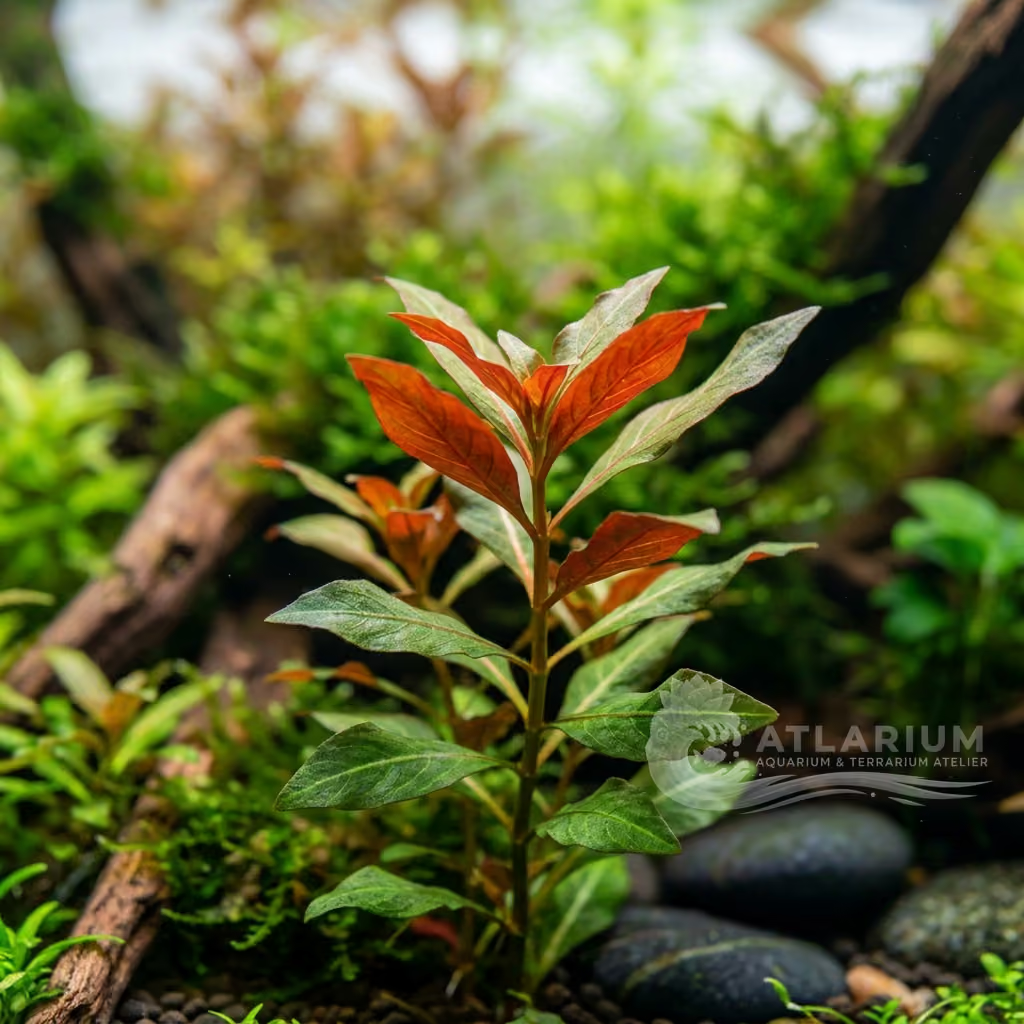
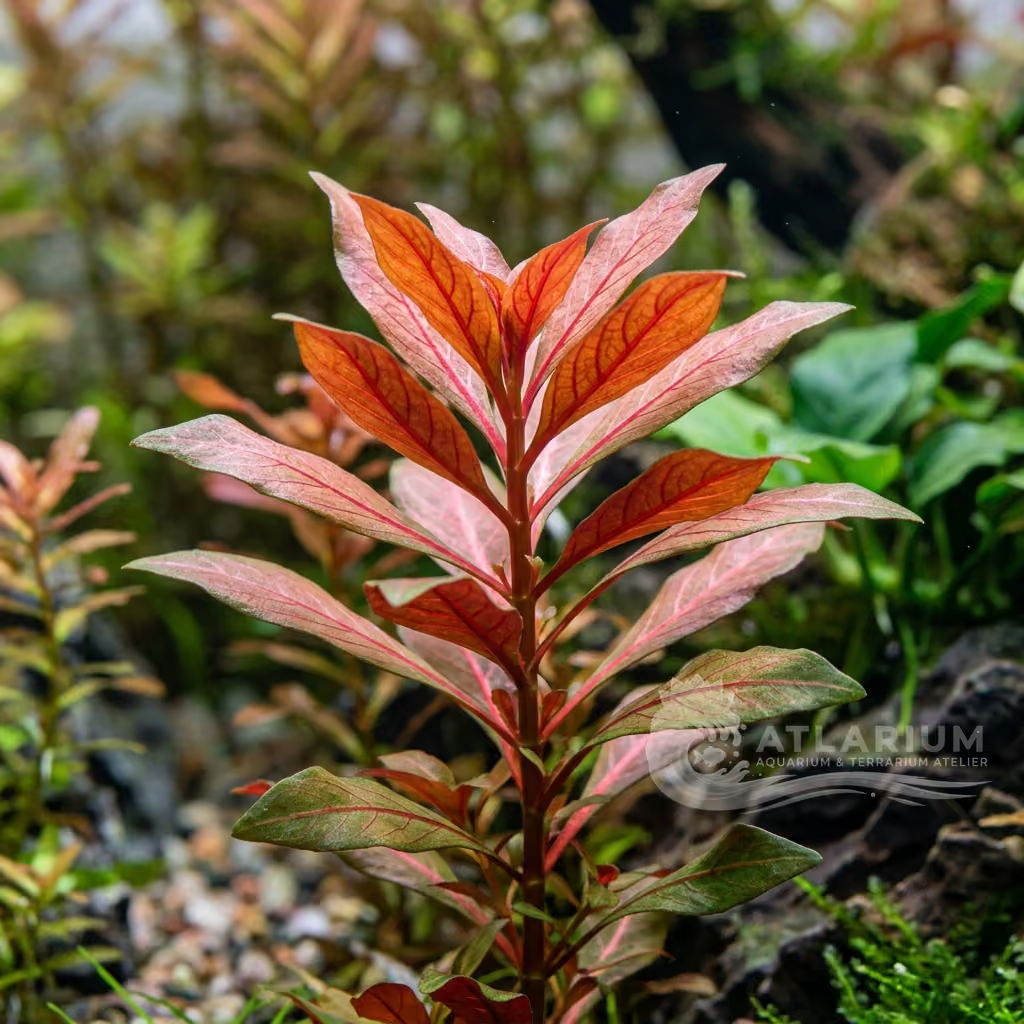
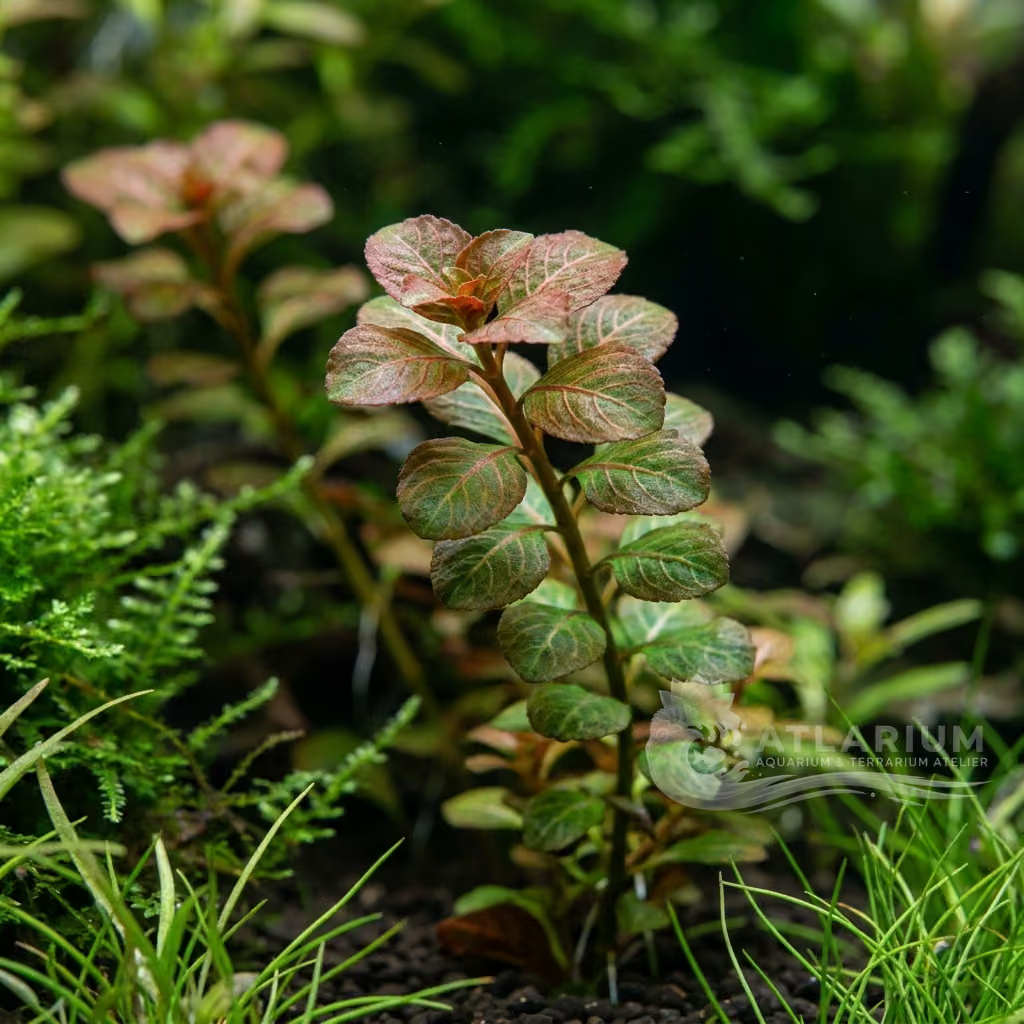
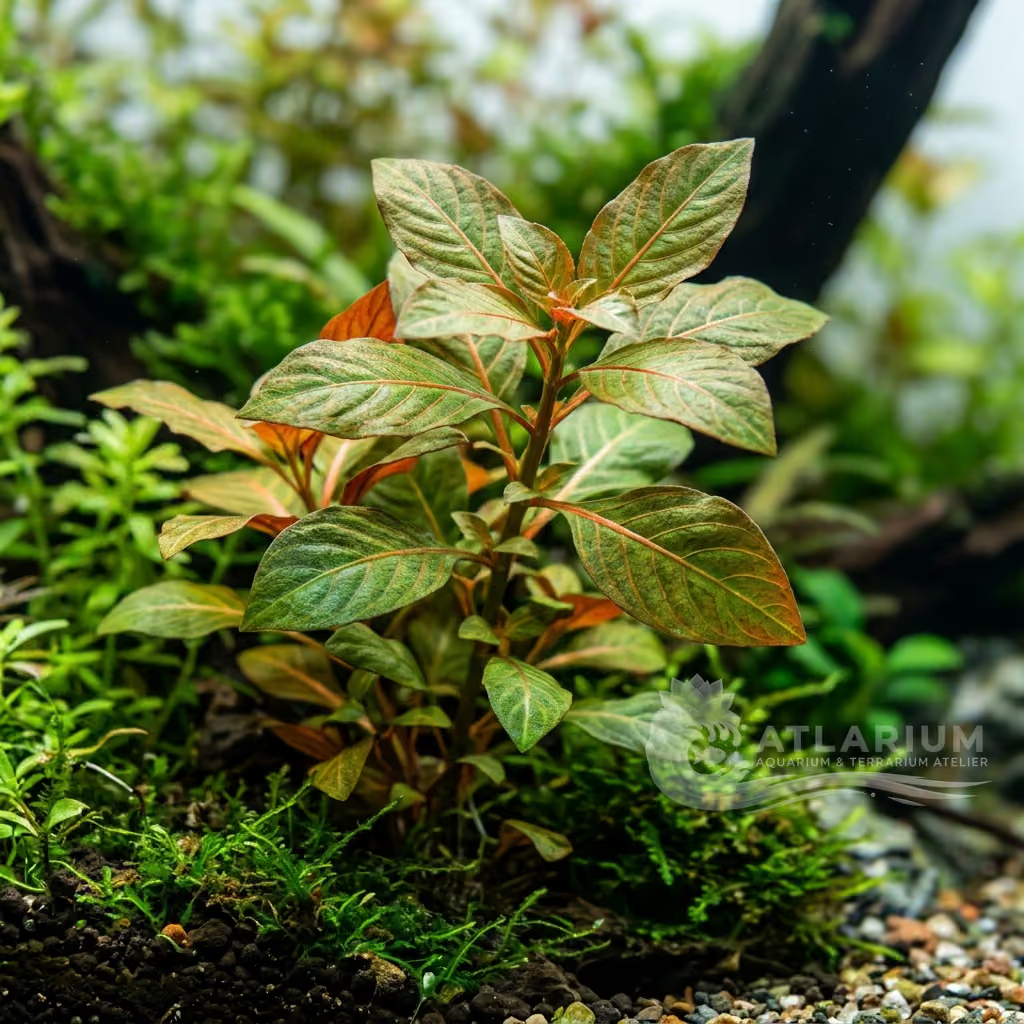
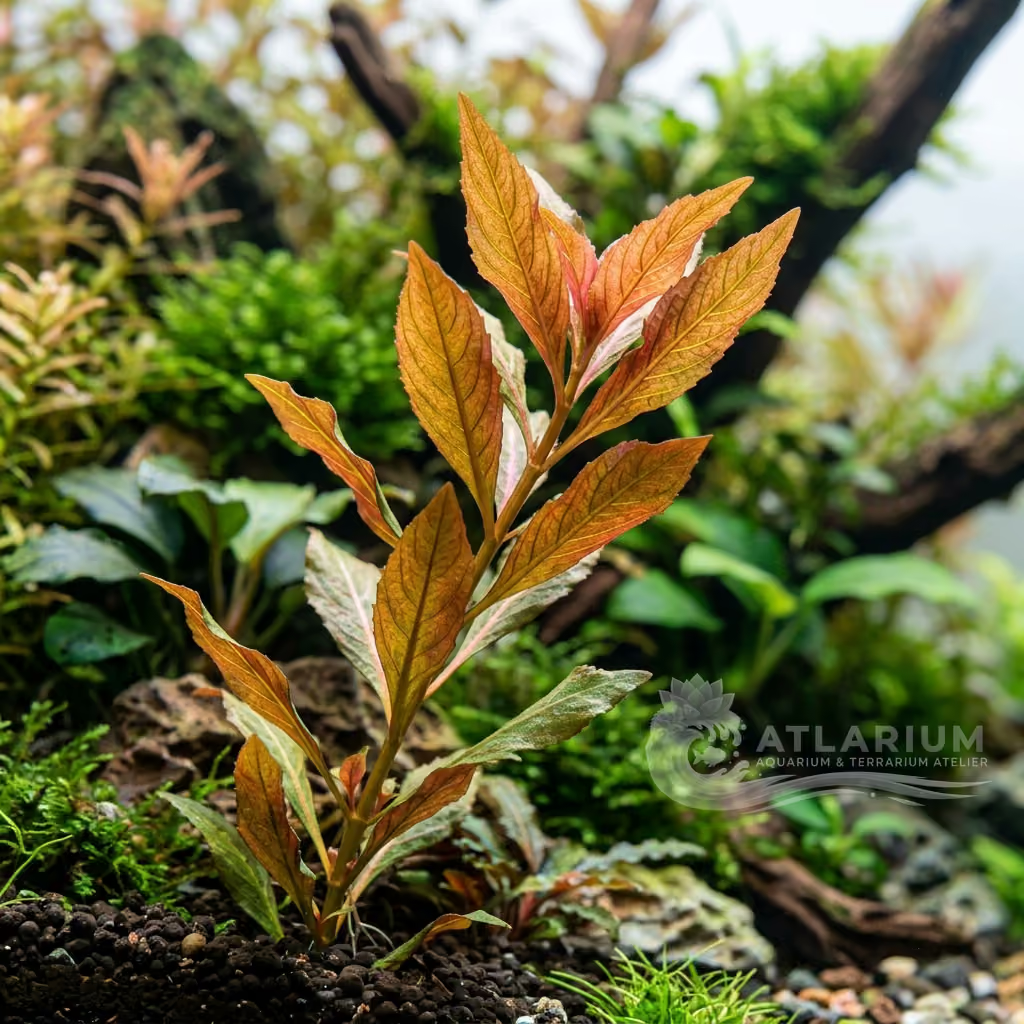
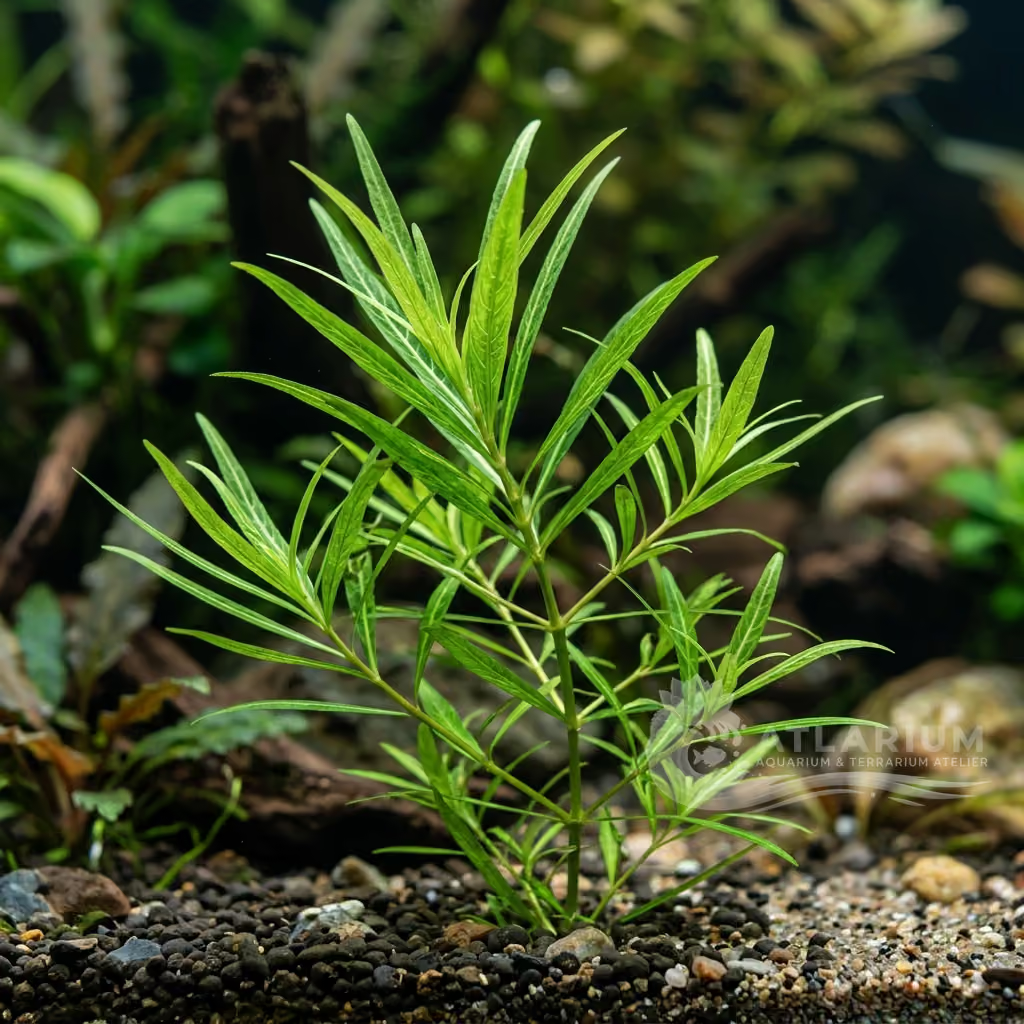
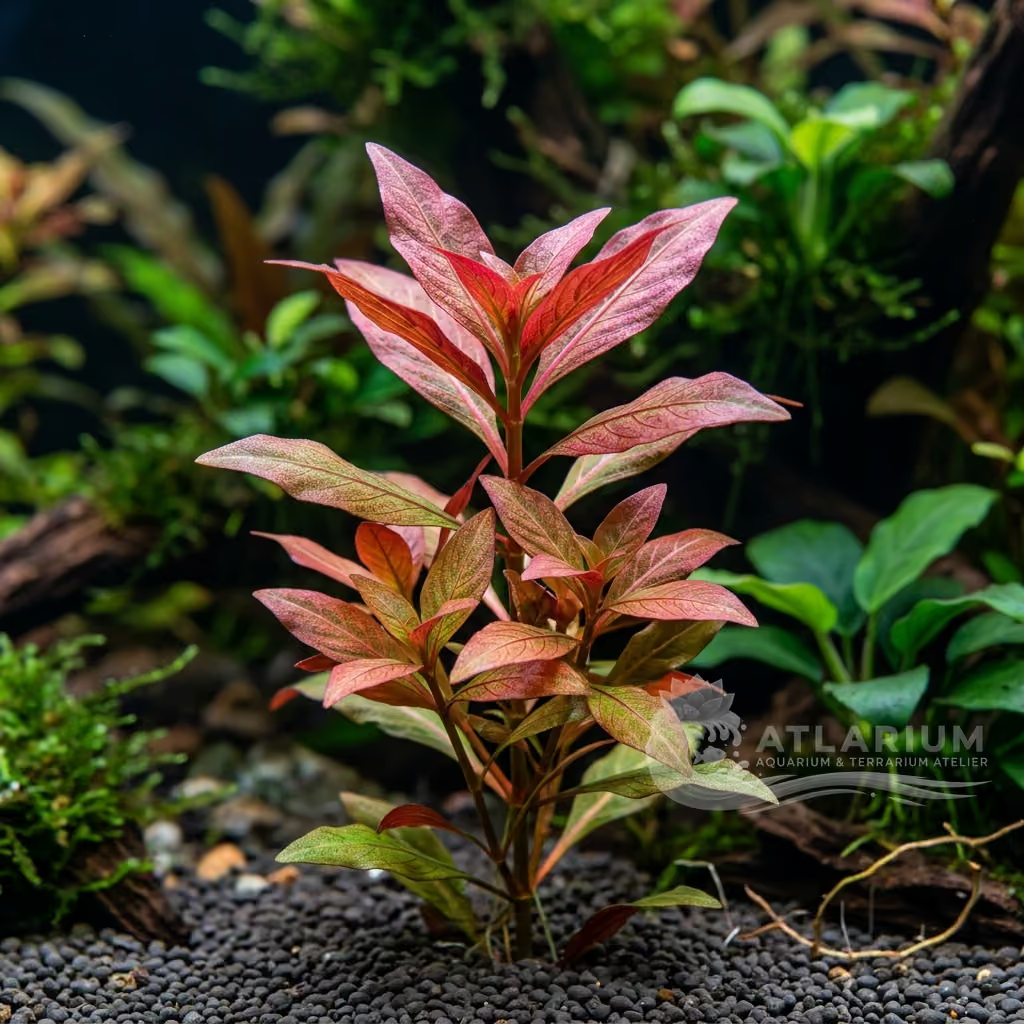
Color & Texture: The color of Ludwigia ovalis leaves is one of its most captivating features, ranging from bright olive green in moderate light conditions to an intense red-orange or even burgundy under high illumination and adequate fertilization. This chromatic transition makes it a popular choice for adding visual contrast in a planted aquarium. The texture of the leaves is smooth and slightly fleshy to the touch, lending a velvety appearance underwater. The stems can also take on a reddish hue, complementing the vibrant coloration of the foliage.

Care, breeding and tankmates
Lighting & CO2: For Ludwigia ovalis, medium to high lighting is crucial for vigorous growth and, more importantly, to intensify its beautiful reddish coloration. With insufficient light, the plant tends to remain a paler green and may become leggy, losing density in its lower foliage. CO2 injection is highly recommended for this fast-growing species, as it supports a high metabolic rate, prevents
Nutrition & Substrate: As a fast-growing plant, Ludwigia ovalis requires a constant and balanced supply of nutrients to thrive. A fertile substrate enriched with clay and peat or the use of root tabs at the base of the stems are highly beneficial, providing direct access to essential micronutrients. Supplementation with liquid fertilizers in the
Water Chemistry: Ludwigia ovalis adapts to a water temperature range between 10.0 and 28.0 C, but optimal conditions for vigorous growth and intense coloration are found between 22 and 26 C. Regarding water chemistry, it prefers an acidic to neutral pH, with an ideal range between 4.5 and 7.0, and a carbonate hardness (KH) from 1.0 to 7.0. Maintaining stable parameters is crucial, as sudden fluctuations can stress the plant, leading to yellowing or leaf loss. A clean and well-filtered aquatic environment promotes its overall health.
Space Management & Placement: Due to its fast growth and upright habit, Ludwigia ovalis is an excellent choice for midground placement, where it can serve as a focal point or create a dense bush of color. While it can also be planted in the background in smaller aquariums, its tendency to branch and develop good leaf mass makes it ideal for filling intermediate spaces. To prevent the plant from overly dominating the aquarium, it is advisable to give it enough space to expand without excessively shading neighboring plants. Space management is crucial for maintaining a balanced and harmonious layout.
Pruning: Regular pruning is essential to keep Ludwigia ovalis in good shape, promote denser growth, and prevent it from becoming too tall and sparse at the base. Trimming the apical stems encourages the growth of new lateral shoots, making the plant bushier and more compact. It is also advisable to remove any yellowed or damaged leaves to maintain the plant's aesthetic appeal and overall health. The trimmed tops can be replanted directly into the substrate to propagate the plant, creating new colonies and increasing the green mass.
Risks & Diseases: While Ludwigia ovalis is generally robust, it can be susceptible to some issues if conditions are not optimal. Iron deficiency manifests as yellowing of new leaves, while a lack of nitrates can slow growth and fade red coloration. Filamentous algae can colonize the leaves if there is a nutrient imbalance or excessive light without adequate CO2. Health problems can also arise from sudden shifts in water parameters or insufficient CO2 supply, which can lead to stunted growth or "melting" of the lower leaves.

Geographic origin and distribution
Ludwigia ovalis originates from East Asian regions, specifically found in Japan, Korea, and parts of China, where it thrives in various aquatic environments such as marshes, ditches, and the margins of slow-moving water bodies. This species is typically encountered in both submerged and emergent forms, adapting to variable conditions of moisture and water availability. In its natural habitat, it often colonizes sunny areas, which explains its preference for good light intensity in the aquarium.
Origin
East Asia

Plant profile
- Placement
- Midground
- Its unique growth habit, which tends to be more creeping or diagonally ascending rather than strictly vertical, makes it ideal for the midground. It can be trained to bush out horizontally, filling in empty spaces effectively. Placing it against dark hardscape or bright green plants highlights its subtle colors.
- Botanical form
- Stem
- True to its name, this species features perfectly oval, smooth-edged leaves that grow in an alternate arrangement along the stem, a rare trait among aquarium Ludwigias. The foliage is typically a soft, muted pinkish-orange or pale green, depending on the environment. Its stems are thin but relatively sturdy.
- Growth
- Fast
- It exhibits a moderate growth rate, making it much easier to manage than many of its faster-growing relatives. This steady pace means it requires less frequent pruning, which is beneficial for lower-maintenance aquariums. With added CO2 and high light, its growth accelerates but remains controllable.
- Substrate
- Medium
- Grows optimally in a moderately nutrient-dense substrate, such as a quality aqua soil, which helps fuel its unique round-leaved growth. A substrate bed of 1.5 to 2 inches allows its root system to spread out and firmly secure the plant. Supplementing an inert substrate with root fertilizers can also yield excellent results and richer colors.
- Column fertilization
- Recommended
- Liquid fertilization is very helpful in maintaining its delicate pinkish hues. Regular dosing of iron and a balanced micronutrient mix prevents the leaves from becoming pale or translucent. It does not have heavy macronutrient demands but benefits from a consistent baseline of NPK.
- Root fertilization
- None
- It will develop a healthy root system when planted in an active aquasoil or a substrate supplemented with root tabs. Good root nutrition promotes thicker stems that are less likely to snap during maintenance. While it can survive in plain sand, its growth and coloration will be noticeably diminished.
- Trimming
- Occasional
- Trimming should be done by snipping the stems just above a node to encourage branching. Because of its diagonal growth pattern, strategic pruning can guide the plant to form a dense, low-lying bush. The top cuttings are perfect for replanting to expand the cluster.
- Propagation
- Cuttings
- Propagation is very easy via stem cuttings. Simply cut a healthy stem and plant the top portion directly into the substrate. The cutting will root quickly, and the parent stem will often produce a new side shoot near the cut.
- Sensitivity
- Moderate
- It is quite forgiving and adapts well to a variety of water parameters, making it suitable for many setups. It is not prone to sudden melting unless subjected to extreme and rapid changes in water chemistry. However, very low light will cause it to drop its lower leaves and lose its characteristic oval shape.
- Layout role
- Midground, accent
- Ludwigia ovalis is an excellent choice for adding a subtle splash of pastel color and unique texture to the midground. Its creeping growth habit helps to soften the transition between foreground carpeting plants and tall background stems. Its alternate leaf arrangement provides a visually interesting contrast to the typical whorled or opposite patterns of other plants.

Related species
Recommendations grouped by close relatives, companion choices, and similar care.