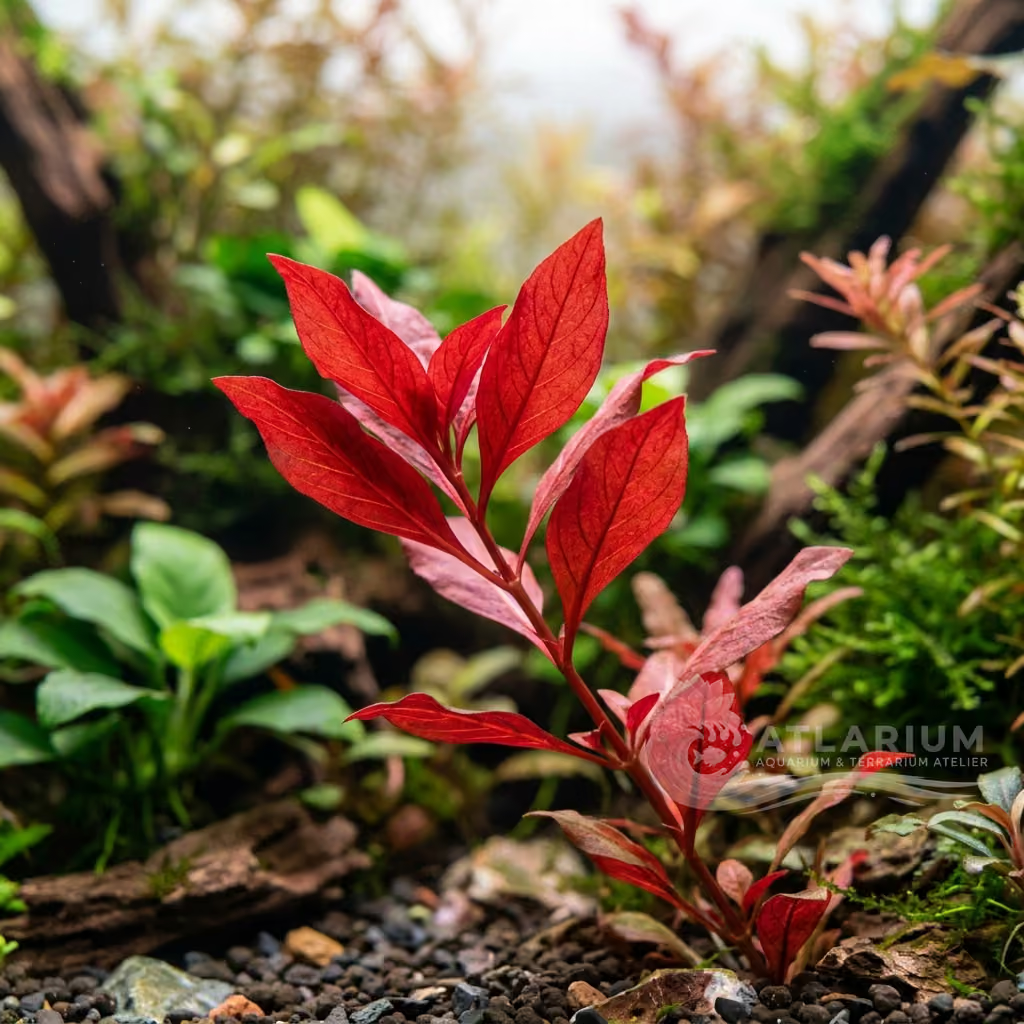
Ludwigia × lacustris
Ludwigia × lacustris
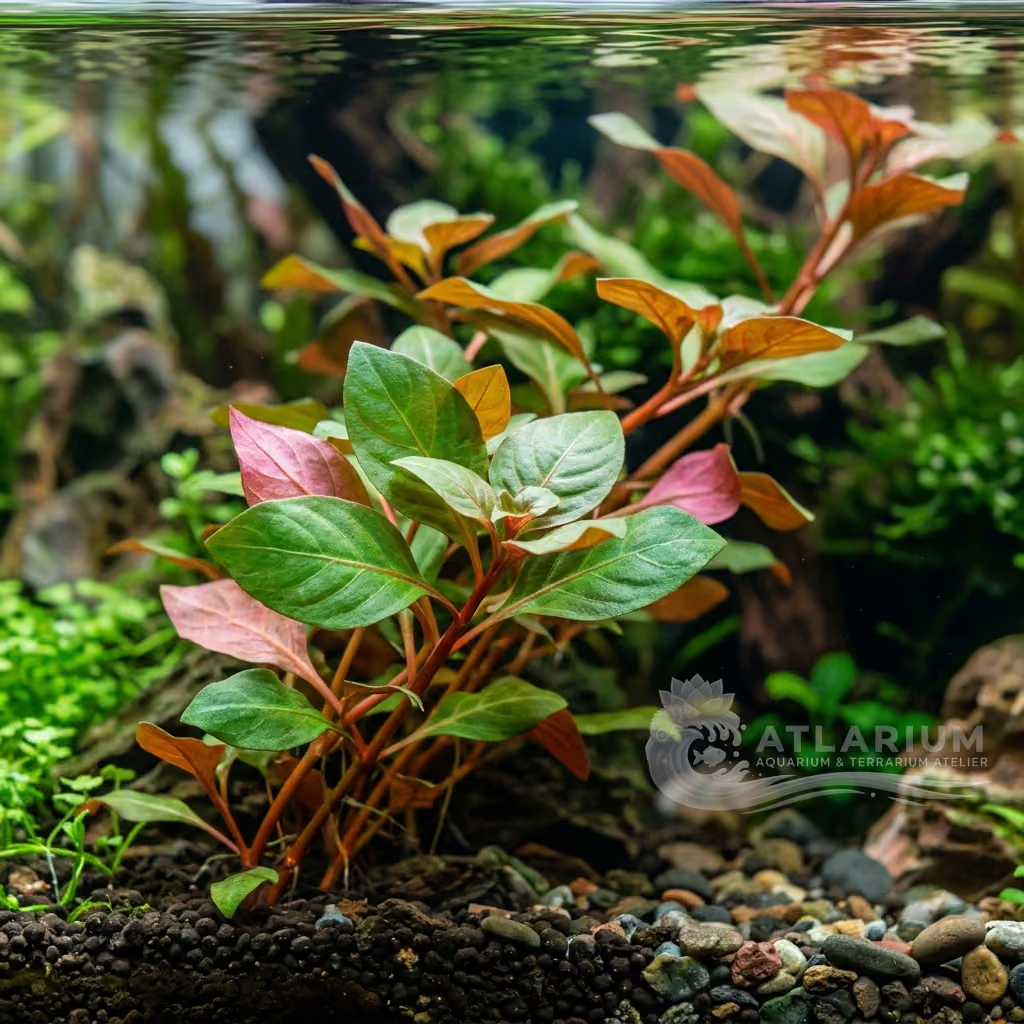
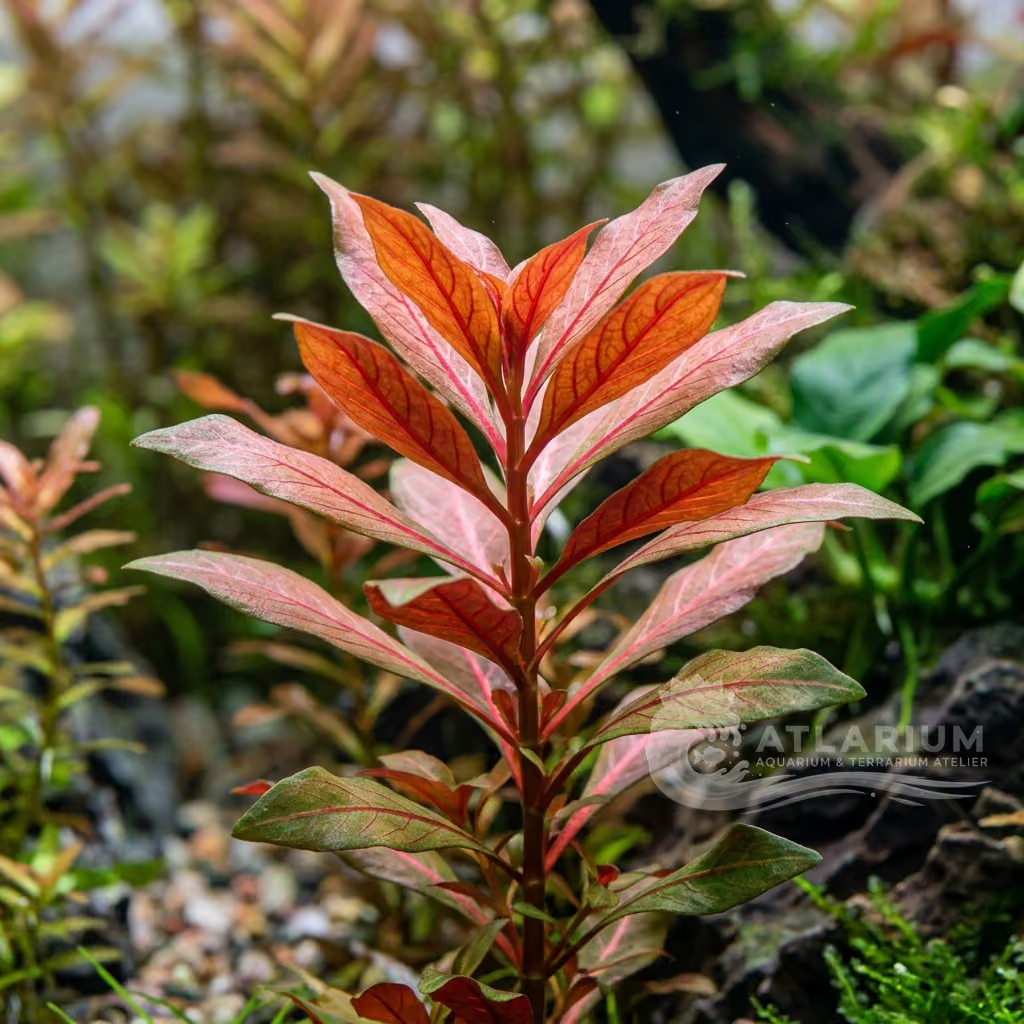
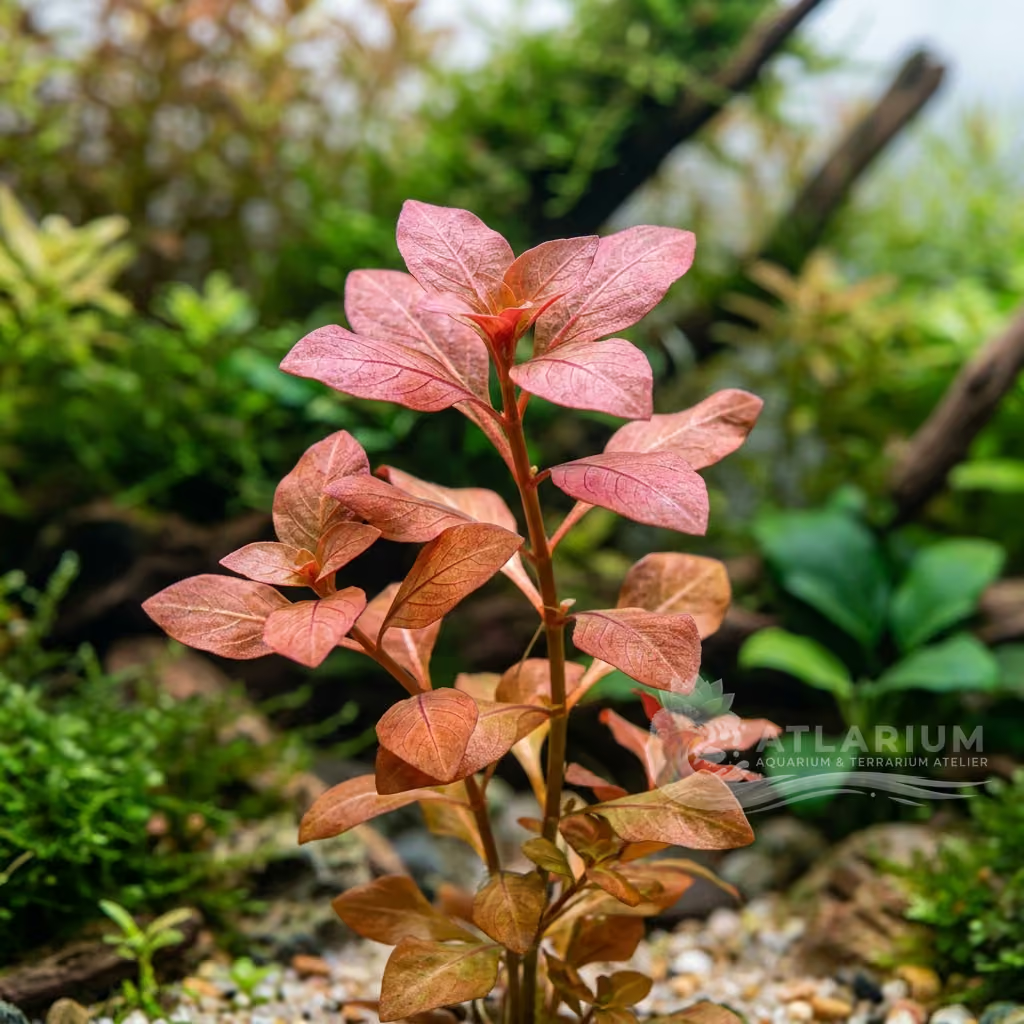
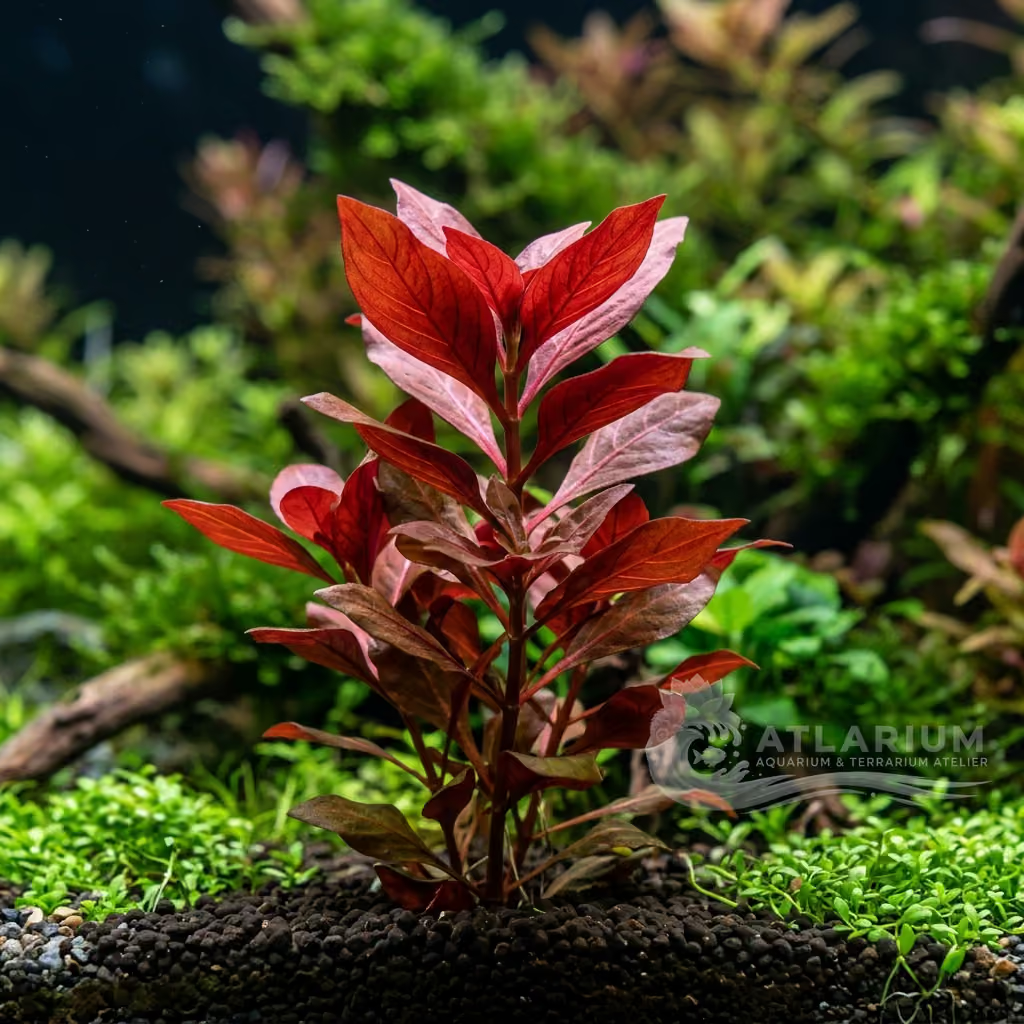
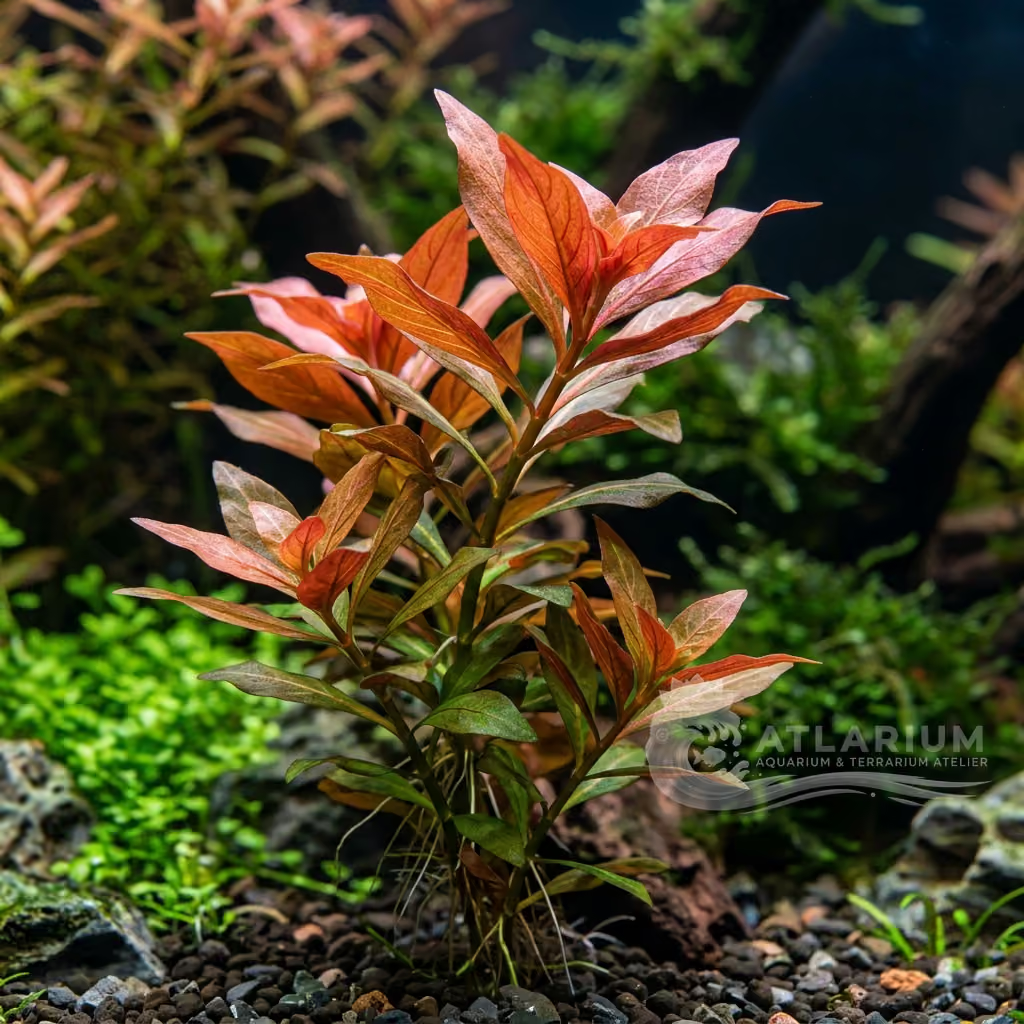
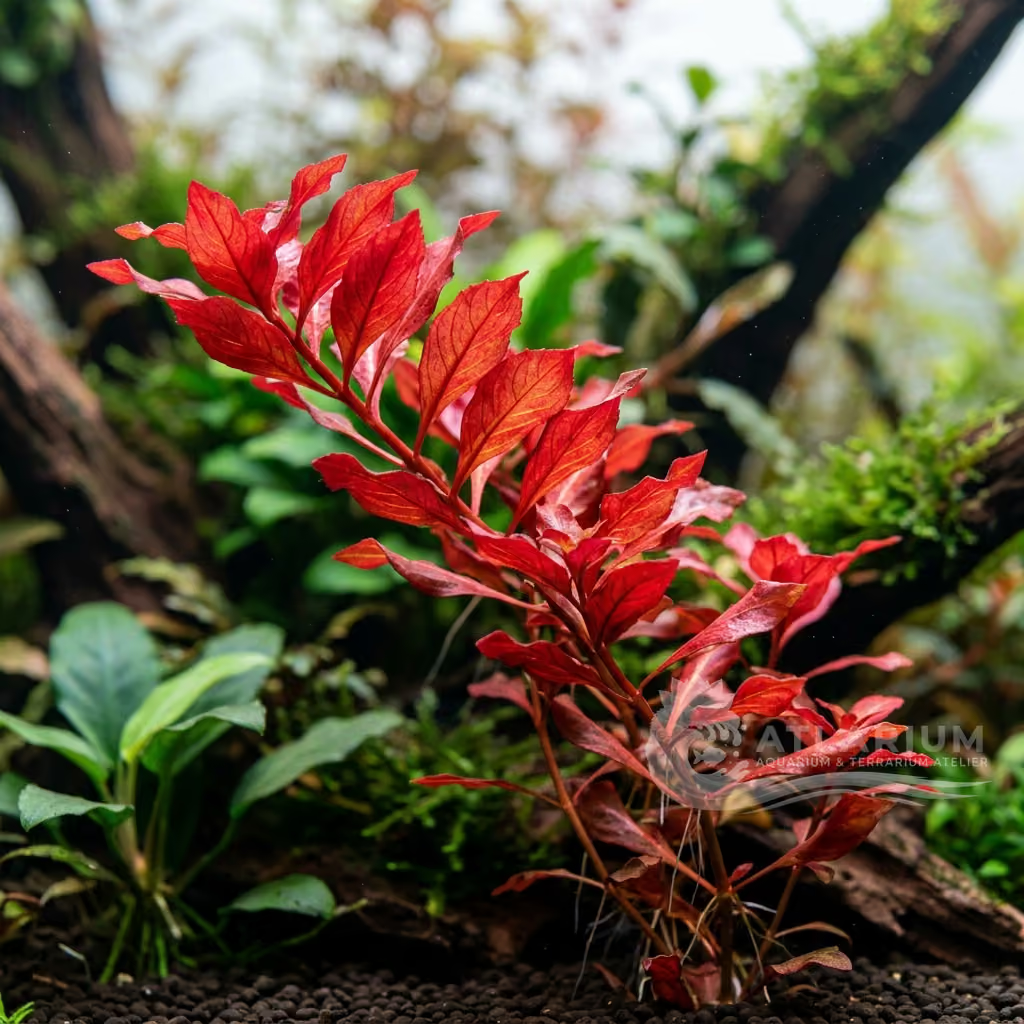
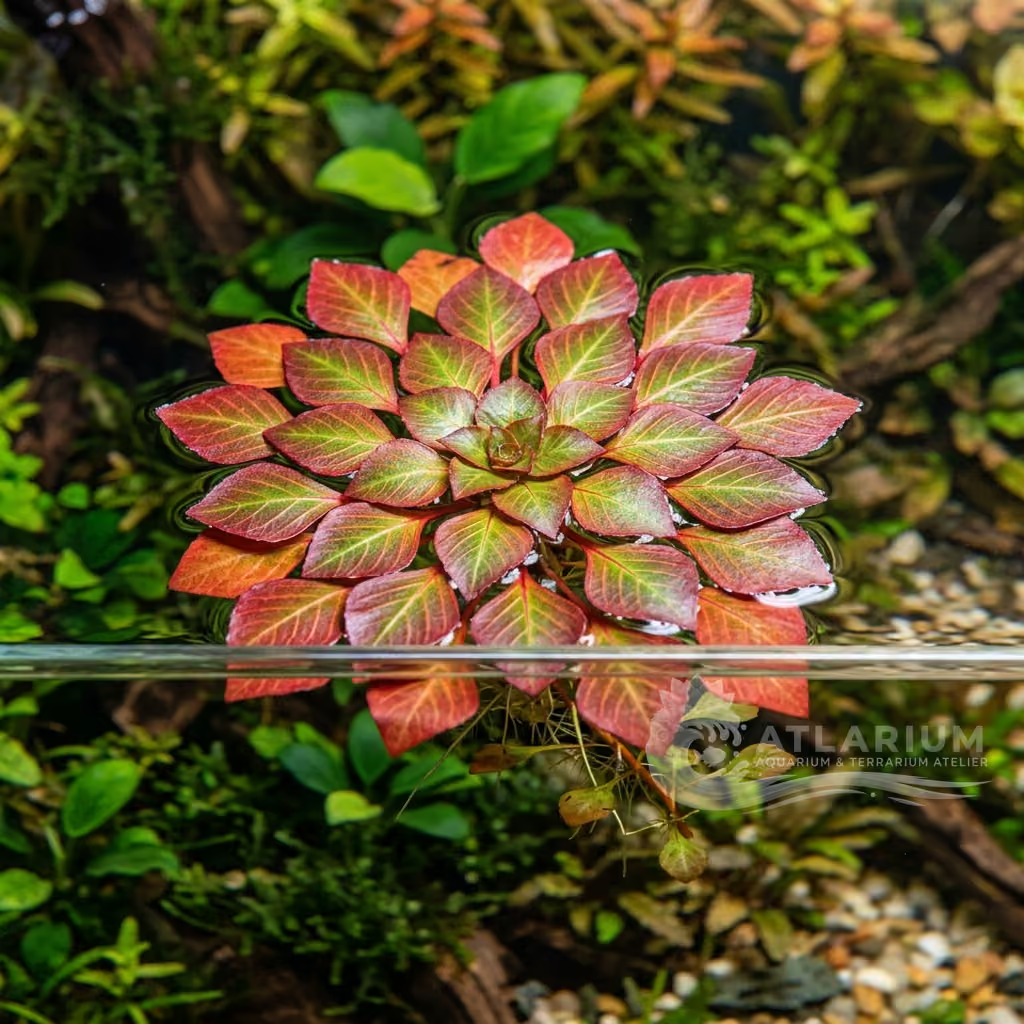
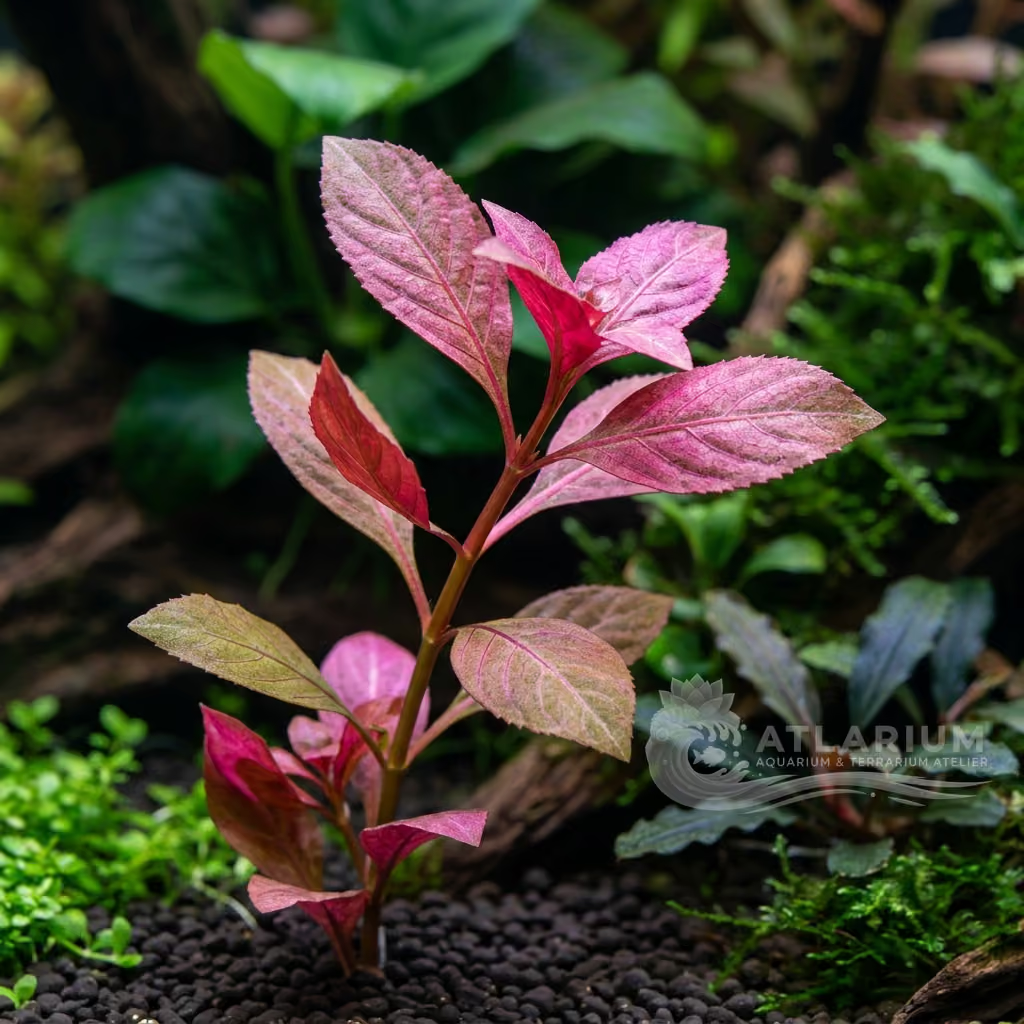
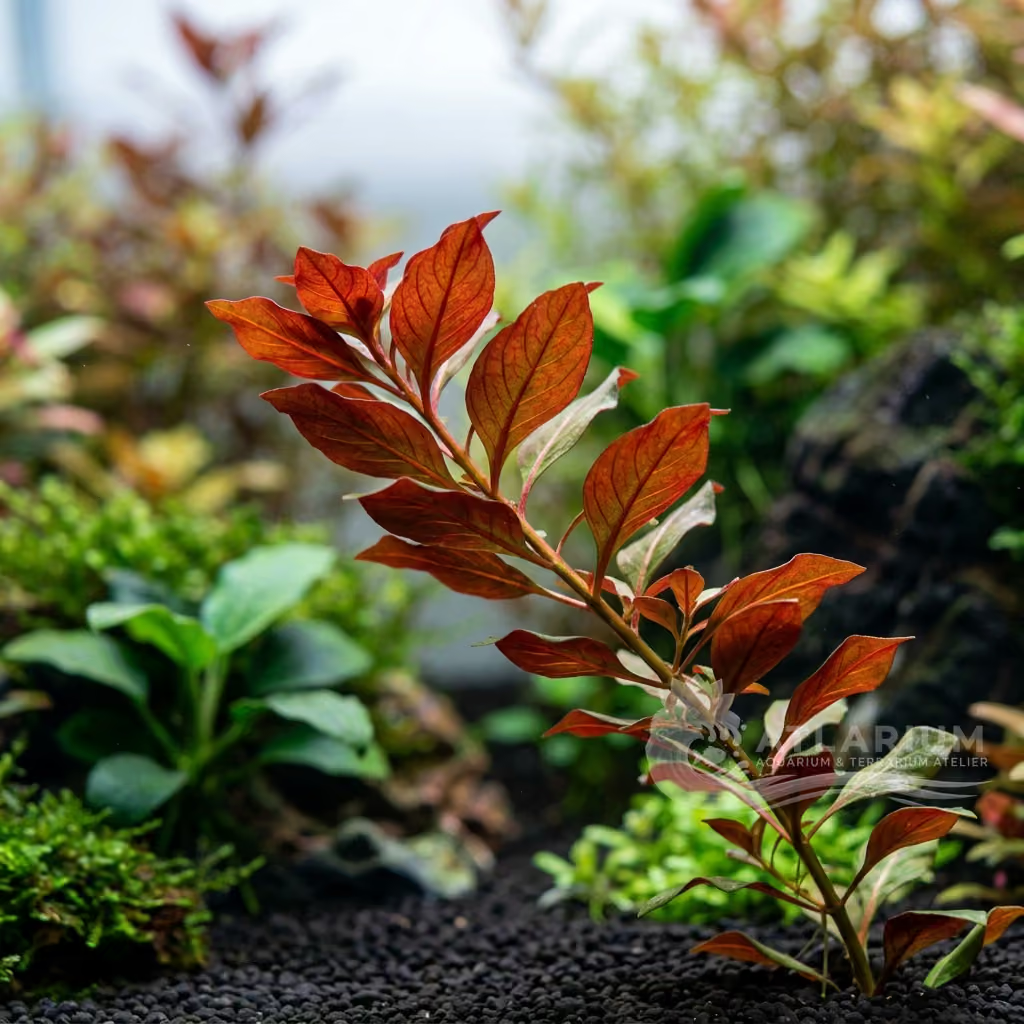
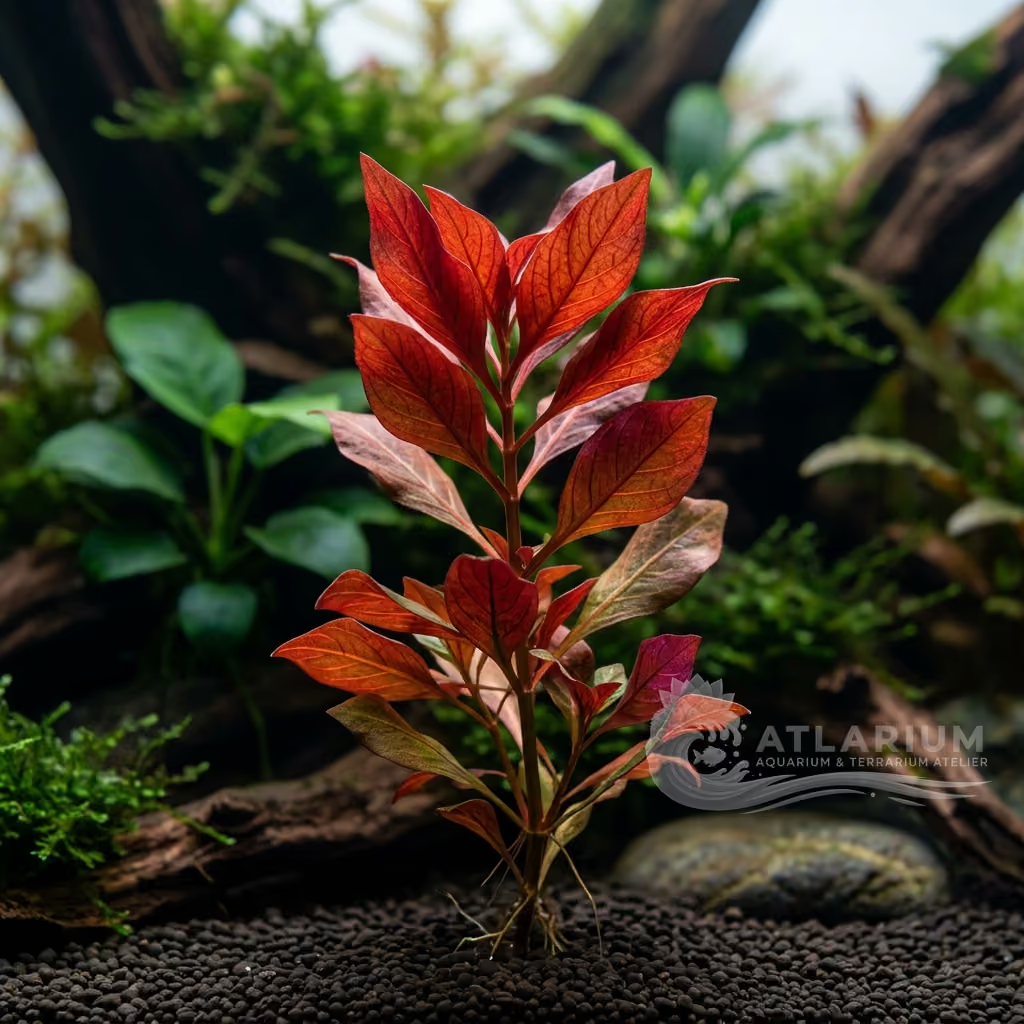
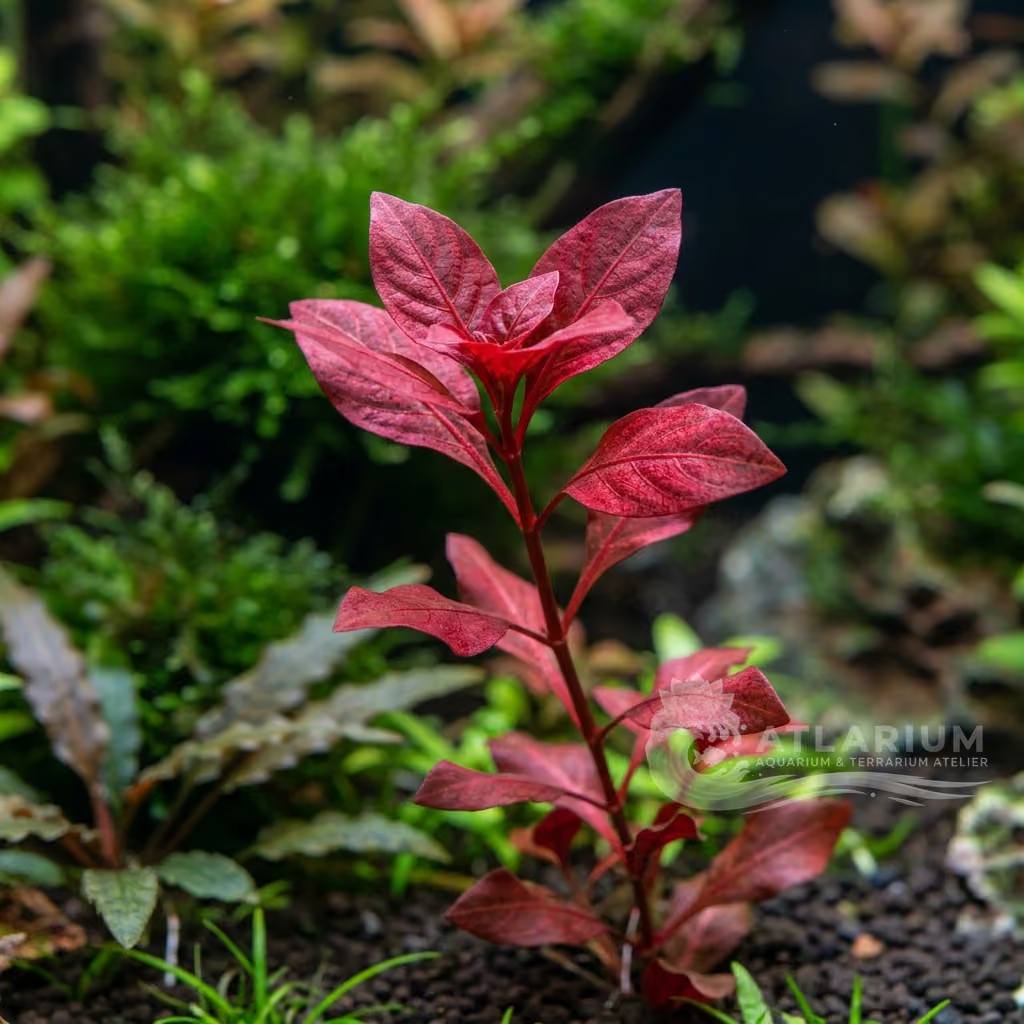
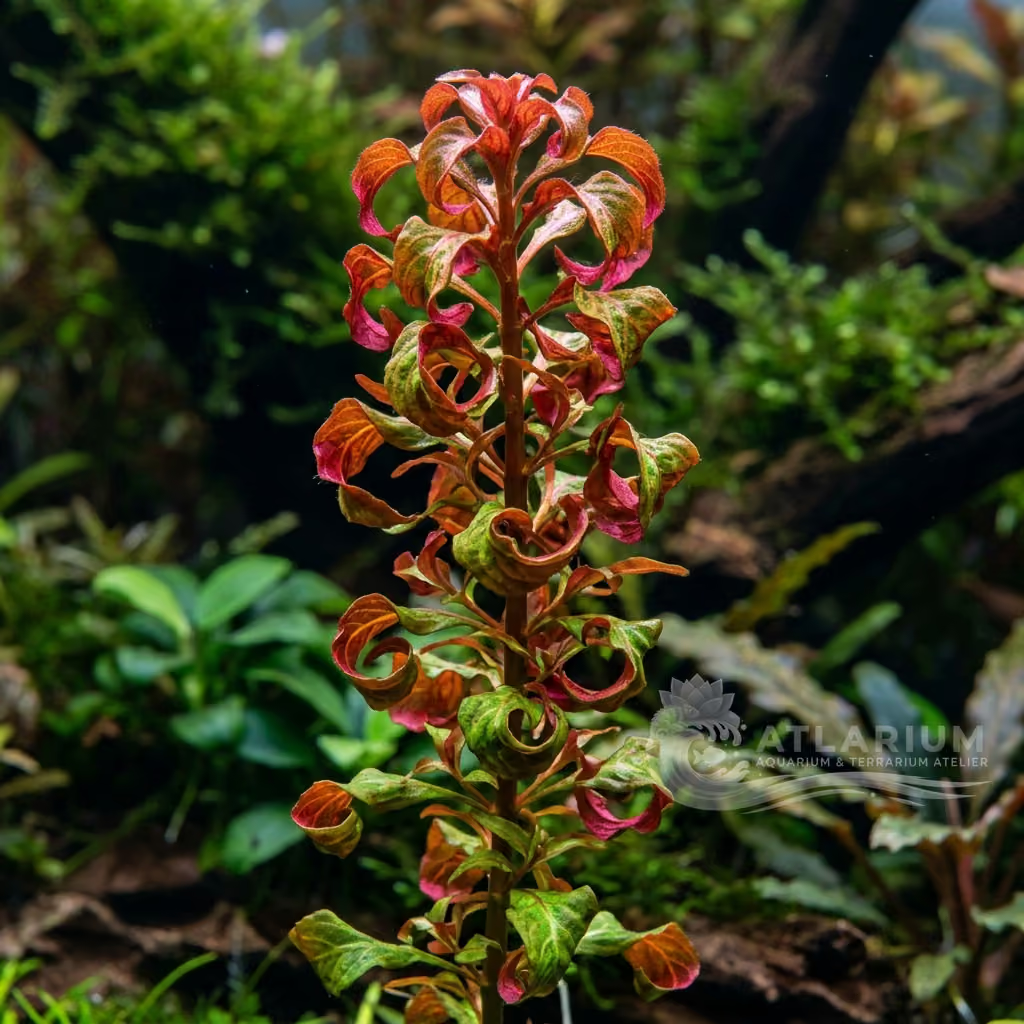
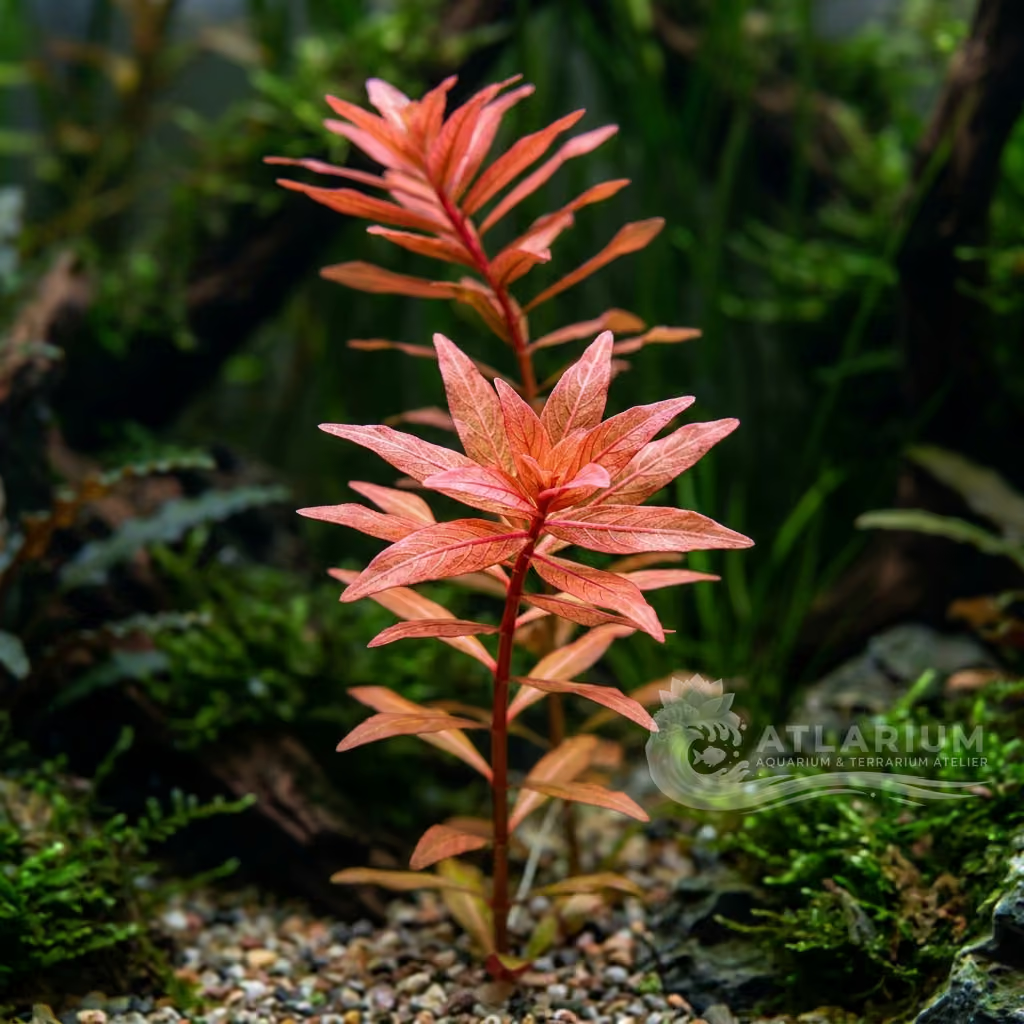
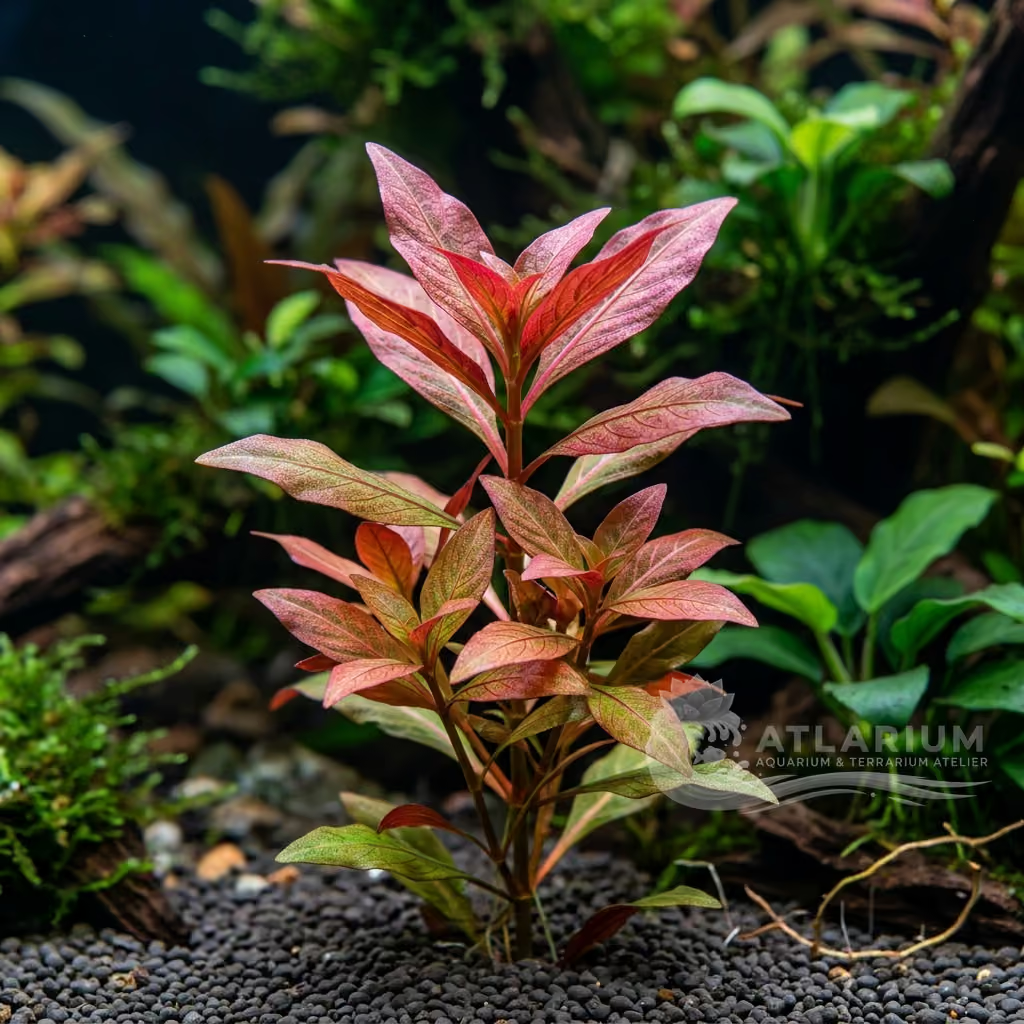
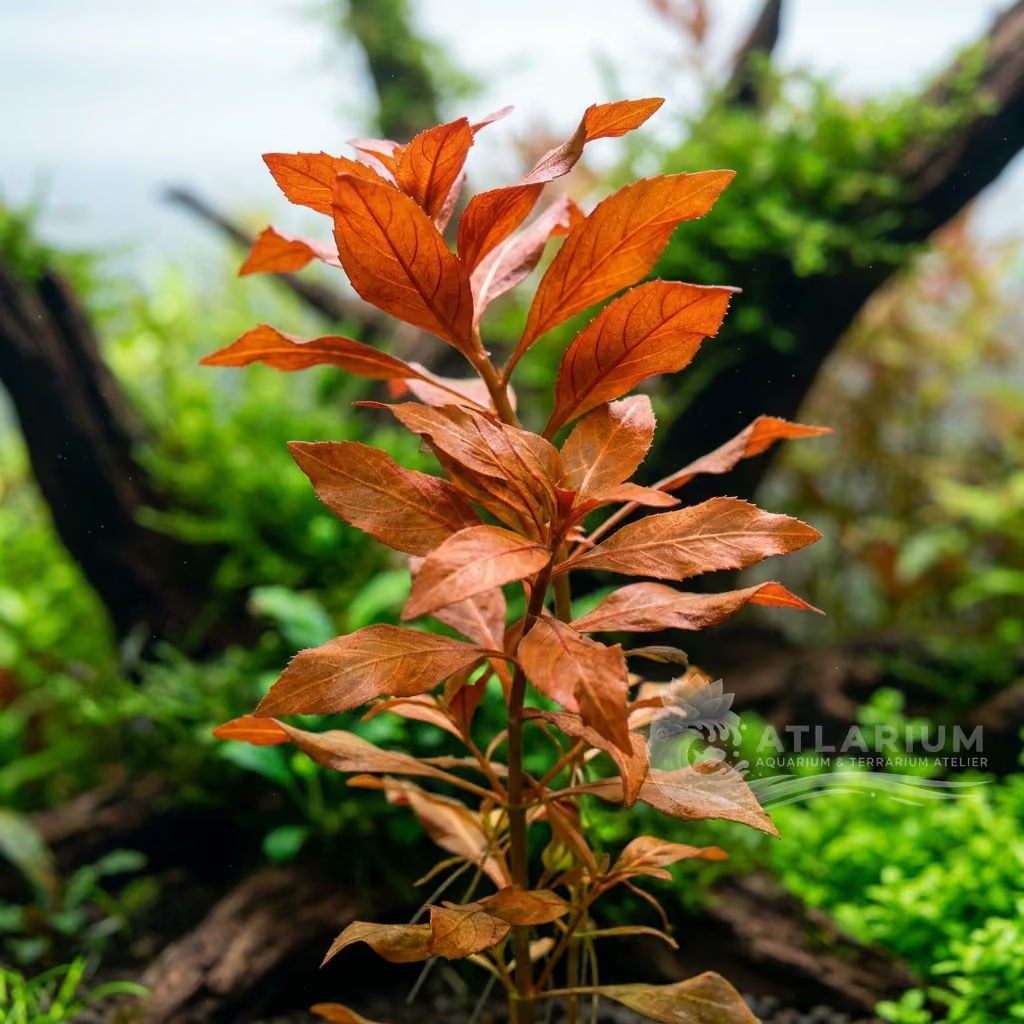
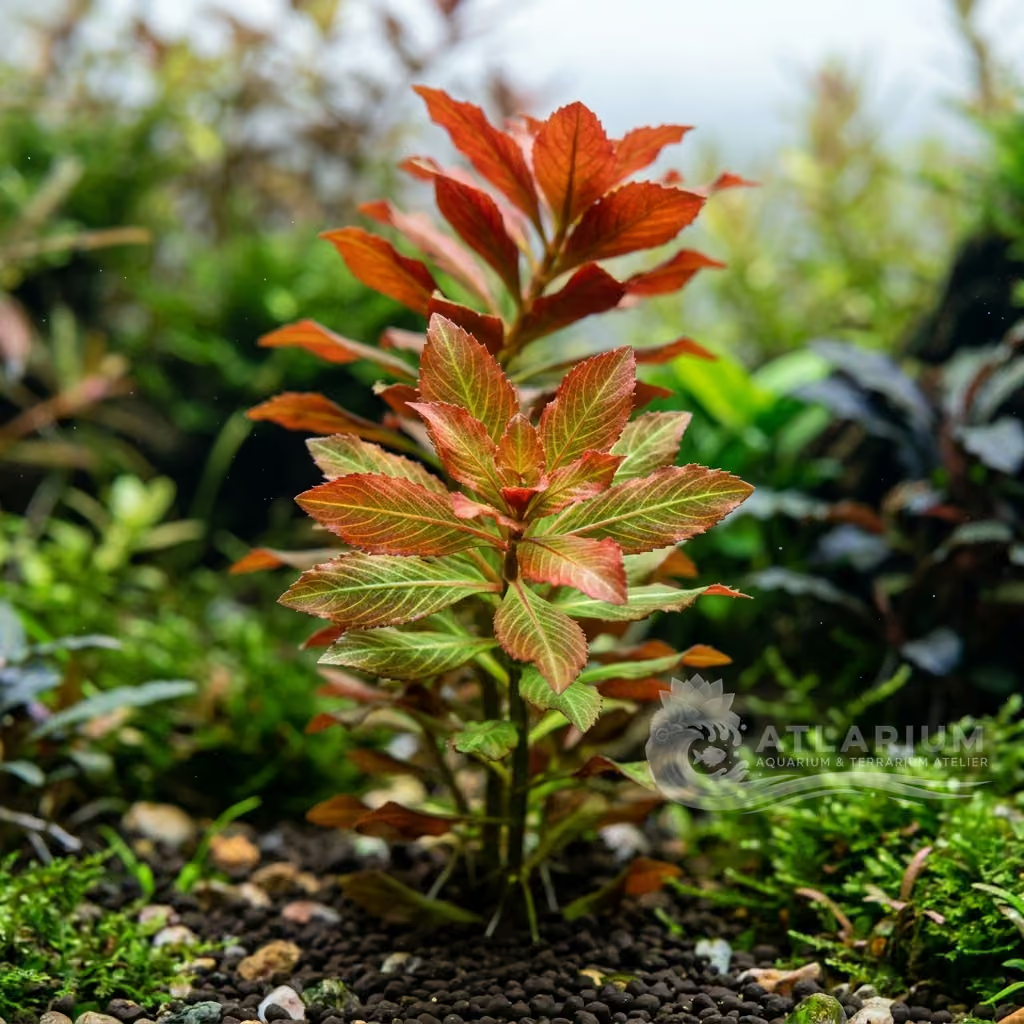
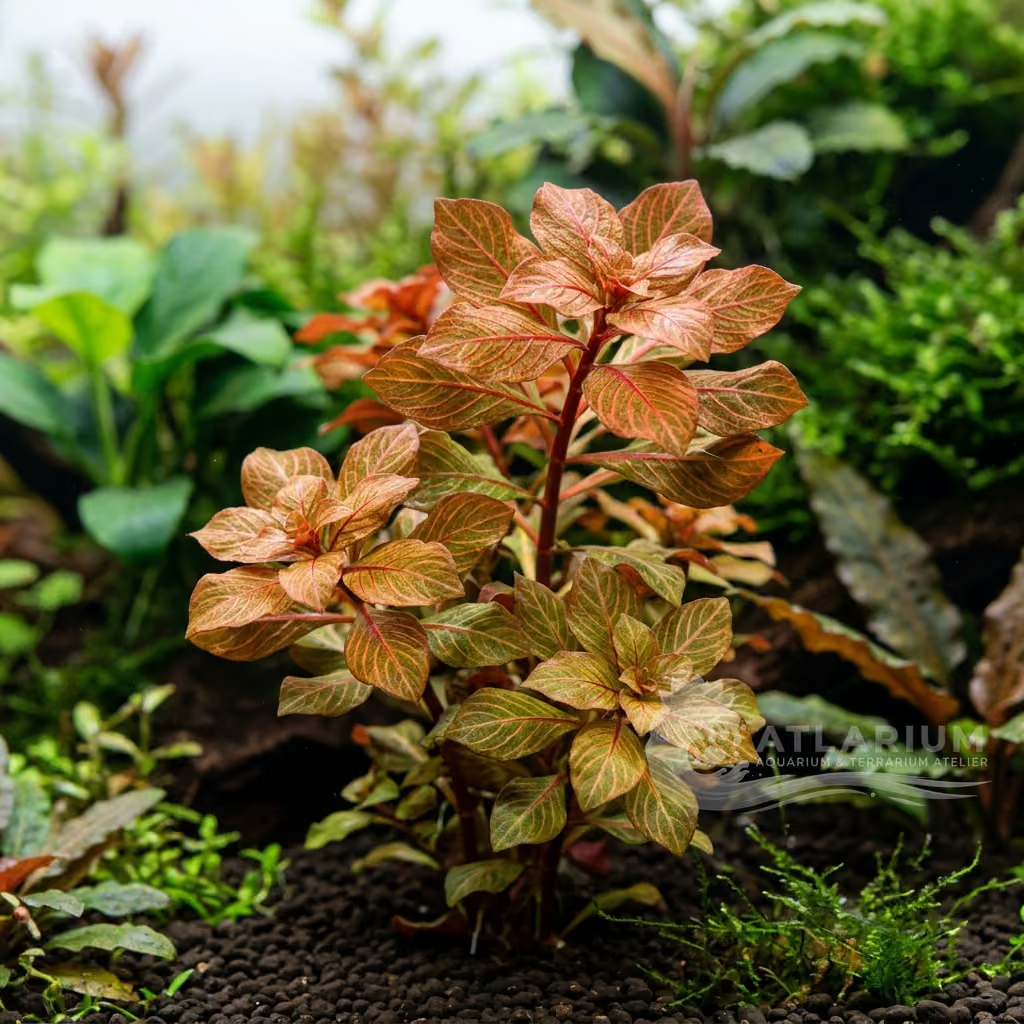
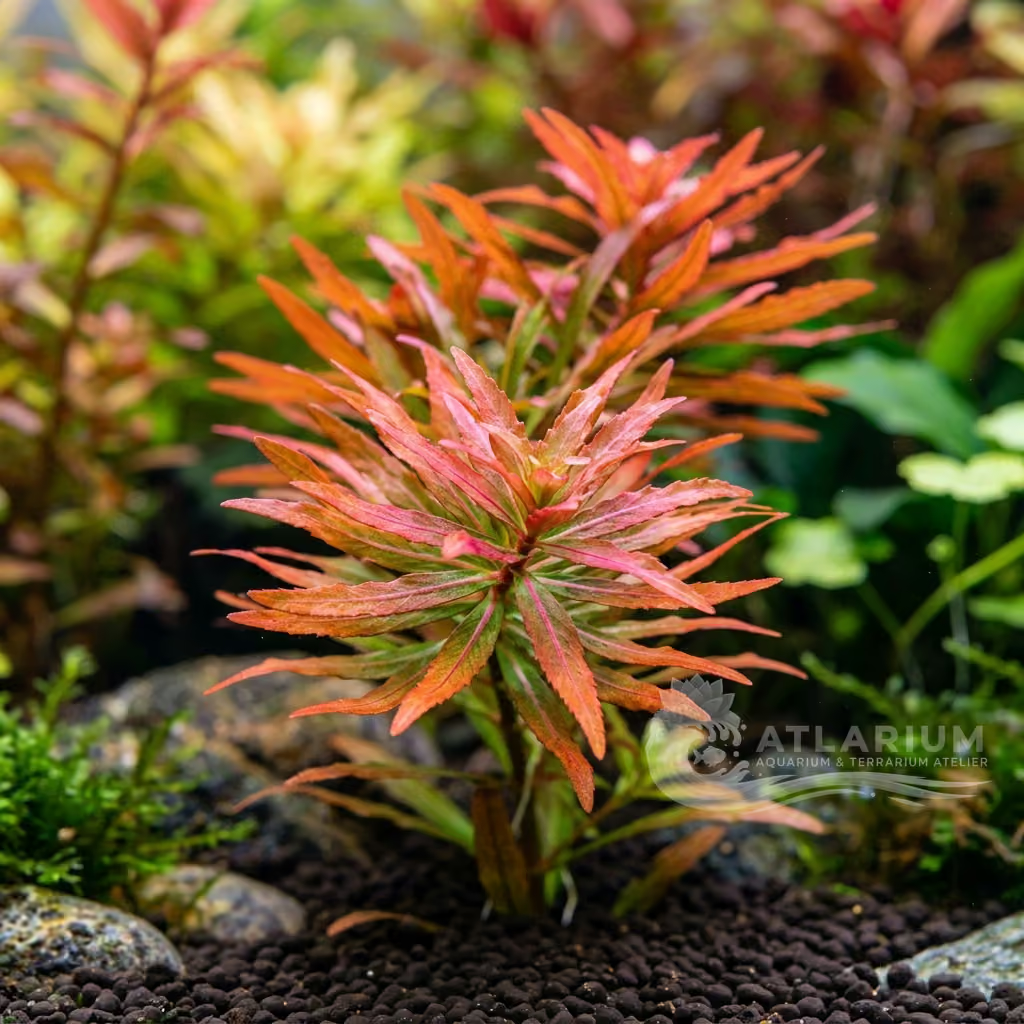
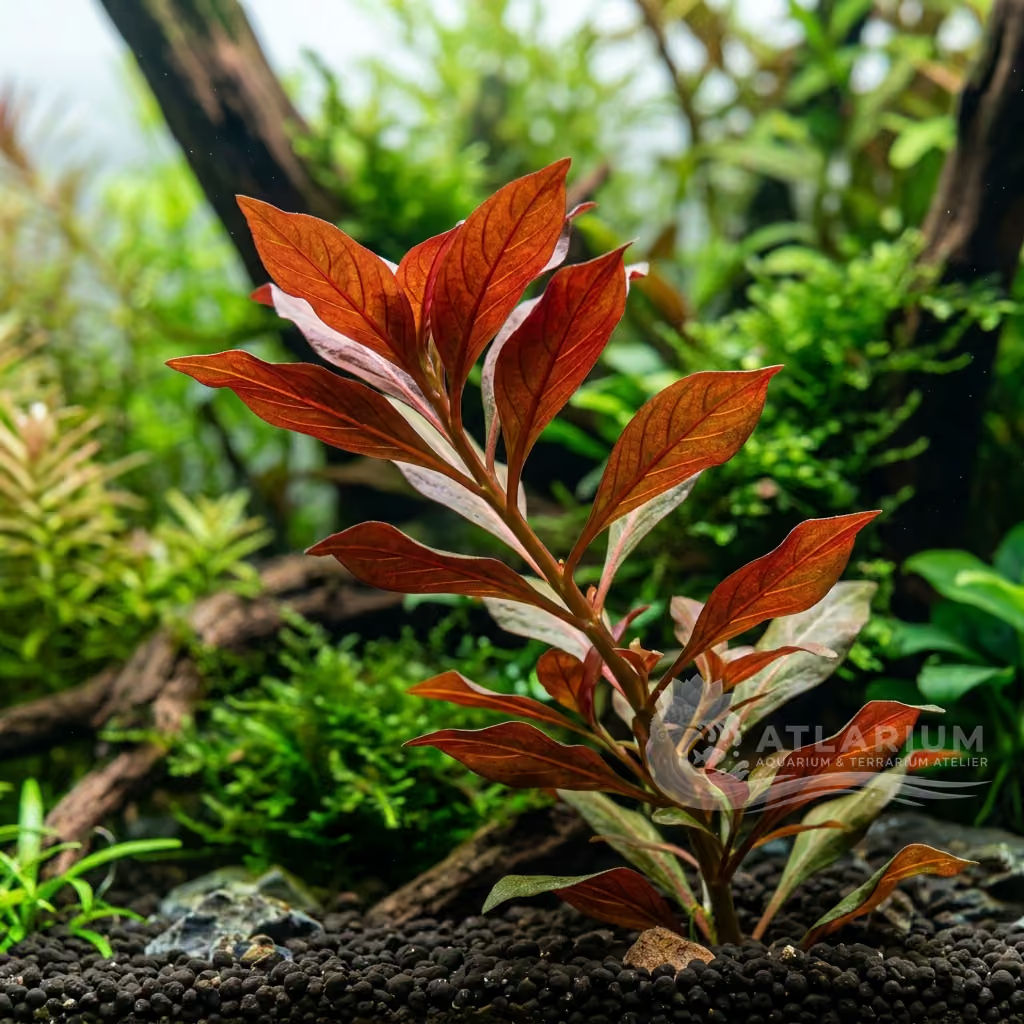
Ludwigia × lacustris is a vibrant, fast-growing stem plant prized for its ability to develop warm, rich hues. It serves as an excellent midground specimen, creating an attractive focal point with its leaves transitioning from green to striking orange-red tones.
Water Temperature
4 - 30 °C
pH Value
5 - 8
Water type
Freshwater
Light
Medium to High
CO2
High
KH
2 - 15 dKH

Species description
Geographical Origin and Habitat: The exact geographical origin of Ludwigia × lacustris, being a hybrid, cannot be traced to a single natural region, but rather to the genetic heritage of its parent species within the Ludwigia genus, which are often native to the Americas, particularly in wetlands and semi-aquatic zones. These hybrids tend to colonize slow-moving water bodies, ponds, and lake margins where light and nutrient conditions can vary significantly. Its ability to adapt to a wide range of conditions reflects the typical resilience of aquatic species found in dynamic environments.
Taxonomy & Genetics: Ludwigia × lacustris belongs to the Onagraceae family, which encompasses numerous aquatic and palustrine plants, and is identified by the '×' symbol denoting its hybrid nature. While the precise identity of its parental species may vary or not always be thoroughly documented, it is the result of a cross between two or more Ludwigia species, bestowing upon it unique characteristics. This genetic makeup allows it to exhibit a combination of aesthetic traits and hardiness that make it particularly valued in aquascaping, distinguishing it from its parent species.
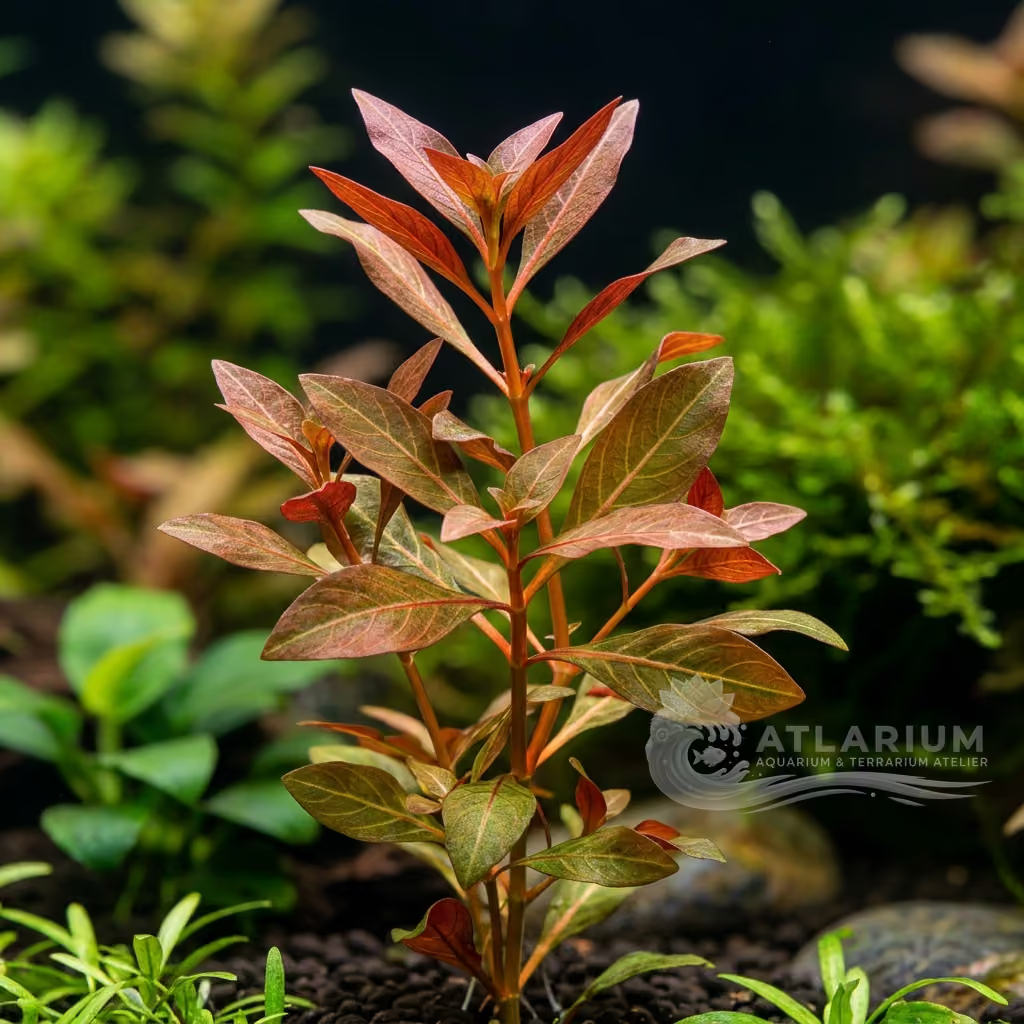
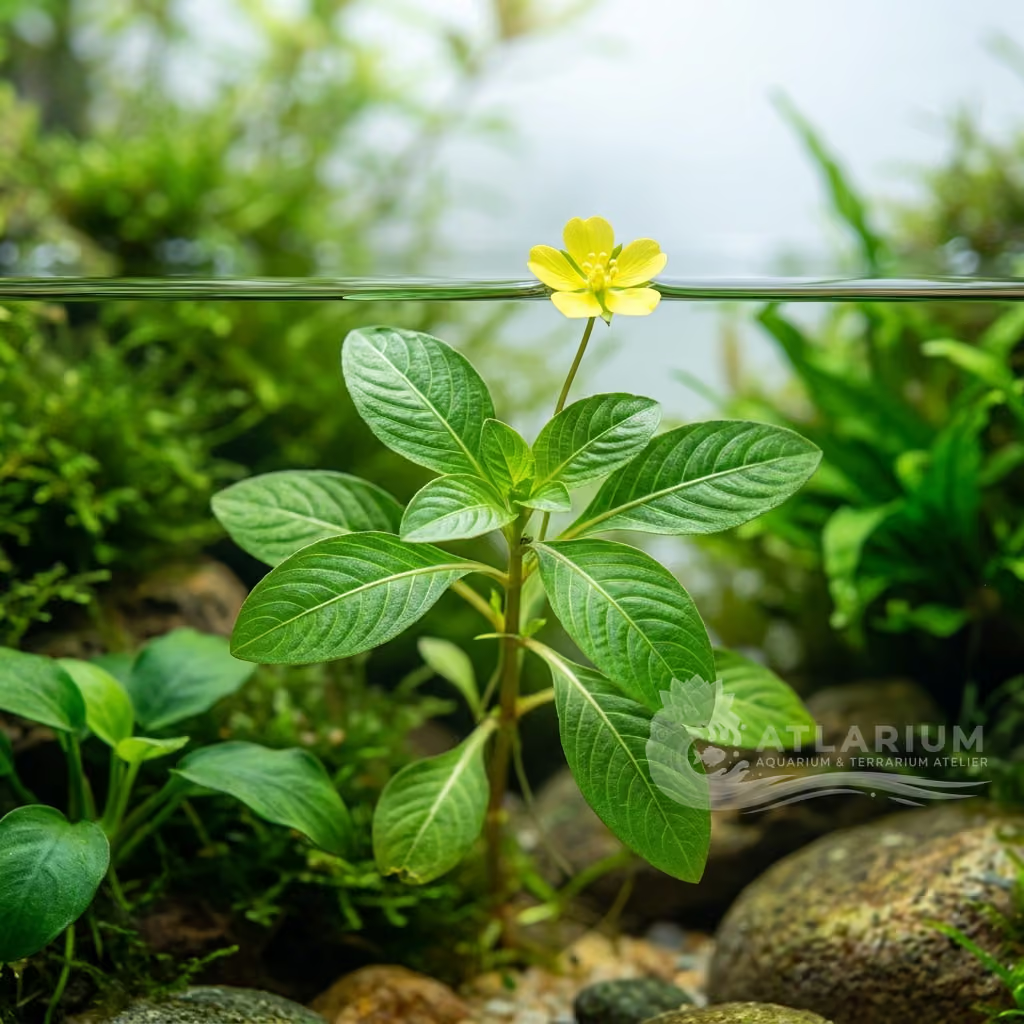
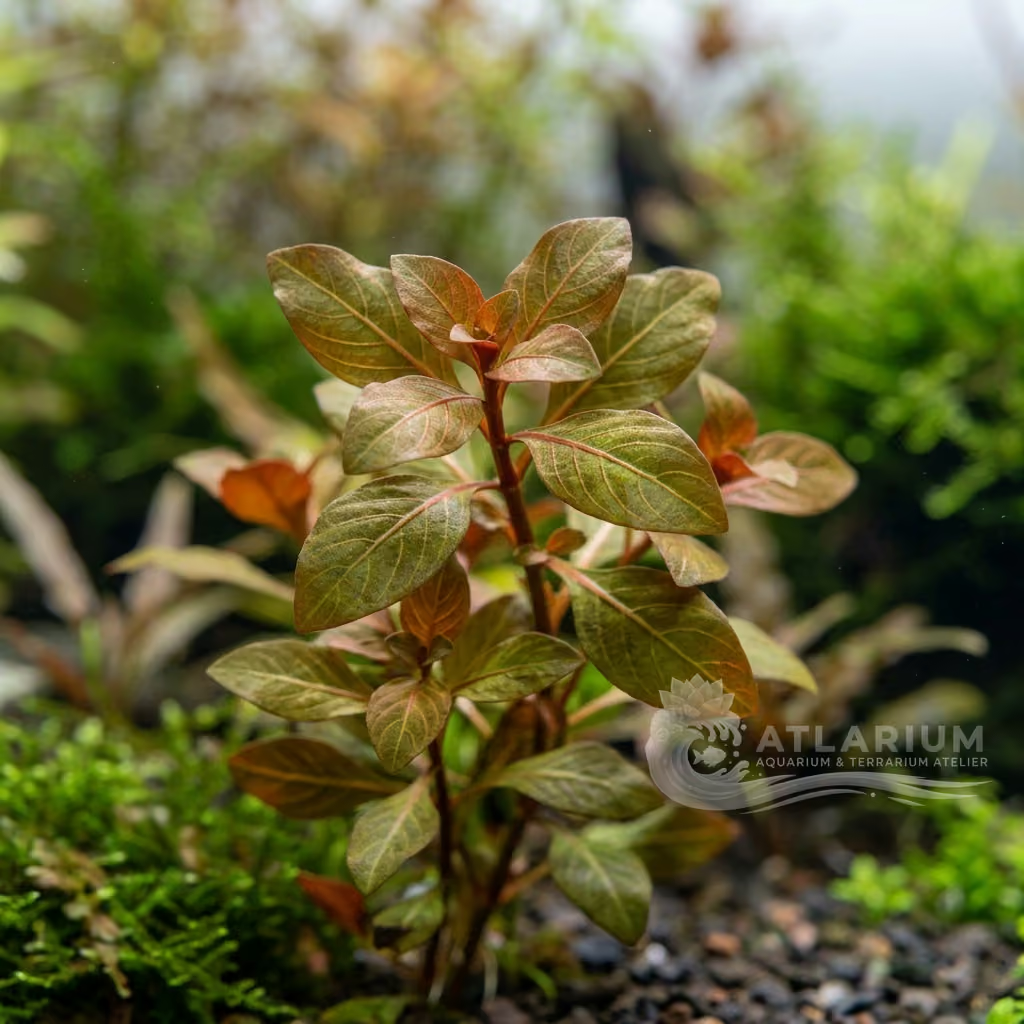
Physical Structure: The physical structure of Ludwigia × lacustris is typical of a stem plant, characterized by an upright stem that can branch profusely, offering a dense and bushy appearance. Leaves develop alternately or oppositely along the stem, with a shape that can vary from lanceolate to spatulate, depending on growth conditions and the specific hybrid line. Under strong lighting, internodes tend to remain compact, making the plant more bushy and visually appealing for the midground of the aquarium.
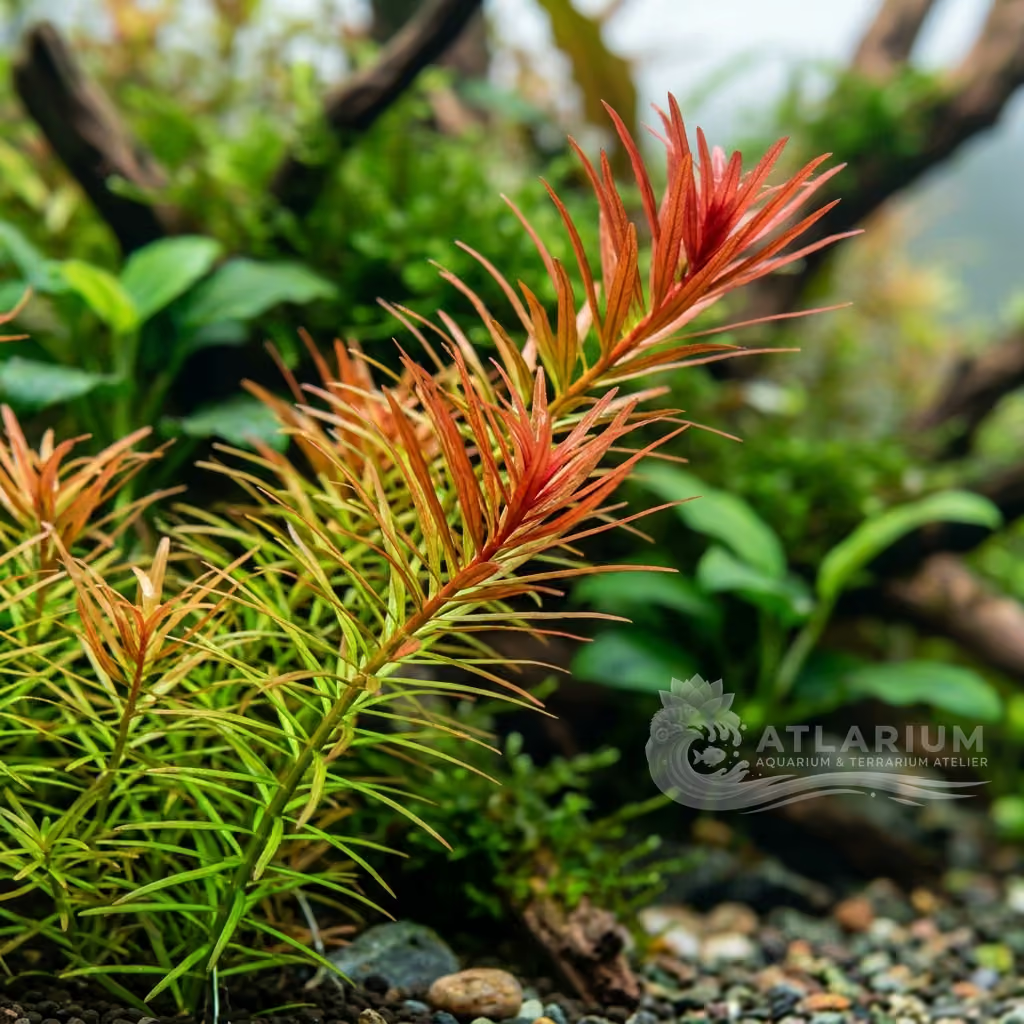
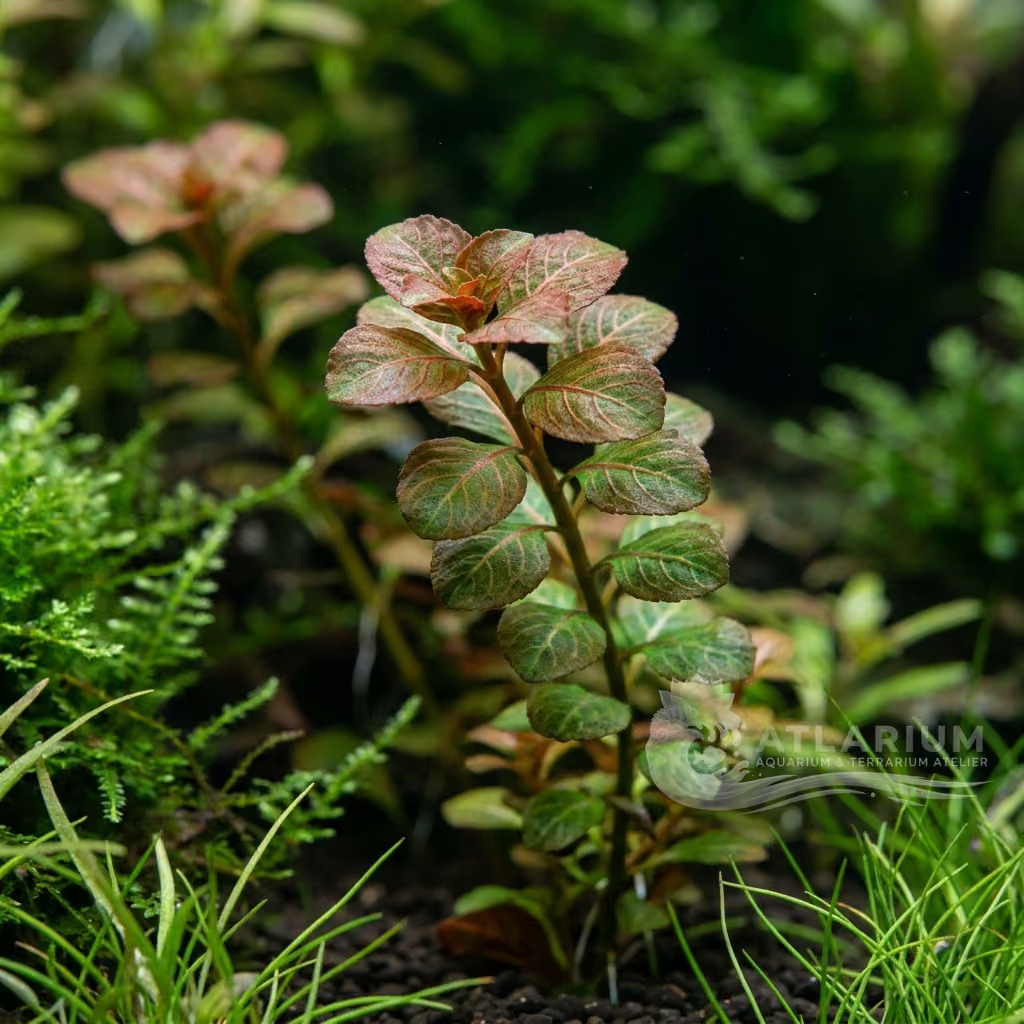
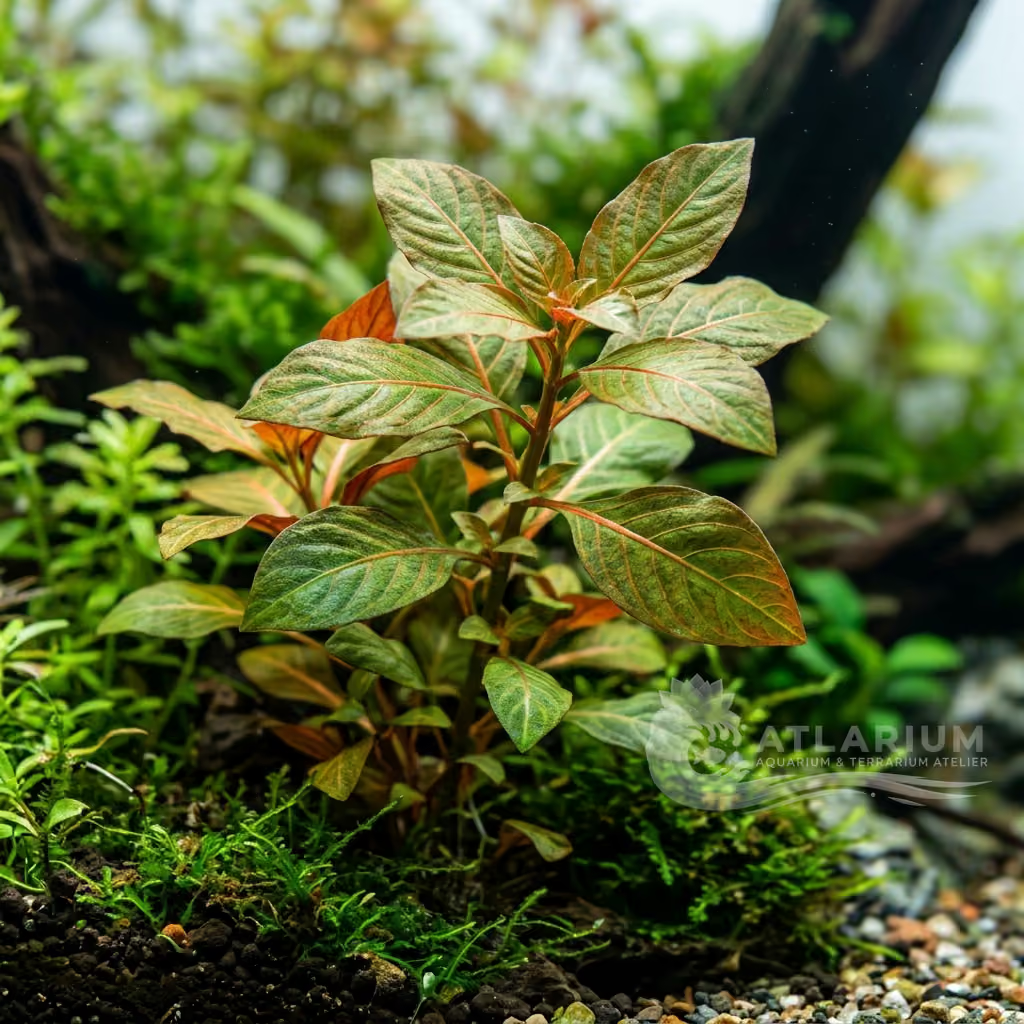
Color & Texture: The coloration of Ludwigia × lacustris is one of its distinguishing features, ranging from bright green in moderate light conditions to intense shades of orange, pink, and red under high illumination and with adequate CO2 and nutrient supplementation. The leaf surface is generally smooth, with a texture that can appear slightly waxy, contributing to a charming reflection of light. This chromatic variation allows it to create vibrant contrasts within the aquarium, especially when placed alongside deep green plants.

Care, breeding and tankmates
Lighting & CO2: Ludwigia × lacustris thrives with medium to high light demands; strong illumination is crucial for enhancing its vivid red and orange colorations. CO2 injection is highly recommended and almost indispensable for achieving vigorous growth and optimal pigmentation, while also preventing stunted growth and leaf yellowing. Good
Water Chemistry: flow is equally important to evenly distribute CO2 and nutrients to all parts of the plant.
Nutrition & Substrate: As a fast-growing plant, Ludwigia × lacustris has a high nutritional requirement, demanding both macro and micronutrients to maintain its vitality and coloration. A fertile substrate rich in nutrients is beneficial, but regular liquid fertilization is essential to supplement what is absorbed from the water column. In particular, adequate iron availability is crucial for the intensity of red hues, and deficiency can manifest as pale or chlorotic leaves.
Water Chemistry: Ludwigia × lacustris is quite tolerant of a wide range of water parameters, thriving in temperatures between 4.0 and 30.0 °C, pH between 5.0 and 8.0, and KH between 2.0 and 15.0. However, maintaining stable parameters within the optimal values for other species in the aquarium will promote healthy growth and brighter colors. Regular water changes are important for replenishing nutrients and removing waste compounds, contributing to the overall stability of the aquatic ecosystem.
Space Management & Placement: Due to its vigorous growth and tendency to branch, Ludwigia × lacustris is ideal for midground placement, where it can create a dense, bushy effect. It is advisable to plant it in groups to achieve a greater visual impact and to form natural backgrounds or dividers within the aquarium. Given its potential height, it is important to consider the available space and its arrangement relative to other plants to prevent shading and ensure all plants receive sufficient light.
Pruning: Regular pruning is essential to manage the rapid growth of Ludwigia × lacustris and maintain its desired shape, encouraging lateral branching and making it bushier. You can cut the tops of the stems and replant them into the substrate to propagate the plant or simply remove the upper portion to encourage new shoots from the base. This process not only helps control size but also promotes more robust growth and a more compact, dense appearance, preventing the lower parts of the plants from becoming leggy.
Risks & Diseases: Like many fast-growing plants, Ludwigia × lacustris can be susceptible to nutrient deficiencies if not adequately fertilized, manifesting as pale leaves, stunted growth, or holes. Insufficient CO2 and light can also compromise its health and coloration. It is important to carefully monitor water parameters and plant health to prevent problems such as algae growth on its delicate foliage, which can be a sign of imbalance in the aquatic system.

Geographic origin and distribution
The exact geographical origin of Ludwigia × lacustris, being a hybrid, cannot be traced to a single natural region, but rather to the genetic heritage of its parent species within the Ludwigia genus, which are often native to the Americas, particularly in wetlands and semi-aquatic zones. These hybrids tend to colonize slow-moving water bodies, ponds, and lake margins where light and nutrient conditions can vary significantly. Its ability to adapt to a wide range of conditions reflects the typical resilience of aquatic species found in dynamic environments.
Origin
North AmericaAmazon, Orinoco, and GuianasExtra-Amazon South AmericaCentral America and CaribbeanSelective breeding and cultivars

Plant profile
- Placement
- Midground
- Its moderate size and attractive coloration make it well-suited for the midground or background of the aquarium. Planting it in dense, staggered groups creates a beautiful, bushy thicket. It serves as an excellent transitional plant between bright green foreground species and taller background stems.
- Botanical form
- Stem
- This plant is a naturally occurring hybrid, displaying lanceolate leaves that are wider than those of L. arcuata but narrower than L. repens. The foliage features a pleasant mix of olive green, copper, and reddish tones depending on the lighting intensity. Its stems grow upright but tend to branch out more readily than other stem plants.
- Growth
- Fast
- Under favorable conditions of medium to high light and sufficient nutrients, it exhibits a moderate to fast growth rate. It requires periodic pruning to keep it from taking over its designated space. Without CO2, its growth slows down to a more manageable, steady pace.
- Substrate
- Medium
- Performs well in a moderately nutrient-rich substrate, such as aqua soil or enriched gravel, which provides adequate nourishment for its root system. A substrate depth of 1.5 to 2 inches is sufficient for the roots to establish a strong hold. While it can draw nutrients from the water column, adding root tabs periodically will promote thicker stems and healthier growth.
- Column fertilization
- Recommended
- Consistent liquid fertilization is important to prevent the lower leaves from yellowing and dropping off. A complete fertilizer containing nitrogen, phosphorus, potassium, and trace elements will keep the plant robust. Iron supplements are particularly useful for bringing out the deeper red and orange pigments in the upper foliage.
- Root fertilization
- None
- While it draws nutrients well from the water column, a nutrient-rich substrate promotes stronger, thicker stems. Using a quality aquasoil or placing root tabs near its base encourages a vigorous root system. Strong roots help it better withstand the flow in heavily filtered tanks.
- Trimming
- Occasional
- Regular pruning encourages the plant to develop lateral side shoots, leading to a denser, bushier appearance. You can top the plant and replant the healthy cuttings to expand your group. If the lower stems become bare due to shading, they should be removed and replaced with fresh top cuttings.
- Propagation
- Cuttings
- Propagation is very straightforward; simply cut a healthy stem and plant it directly into the substrate. The cuttings will rapidly develop new roots and continue growing. It is one of the easier stem plants to multiply quickly through regular trimming.
- Sensitivity
- Moderate
- It is generally a robust plant but will shed its lower leaves if deprived of adequate light. Drastic fluctuations in water parameters may temporarily halt its growth or cause minor leaf melt. It is reasonably tolerant of varied water hardness but prefers slightly acidic conditions.
- Layout role
- Midground, Background
- It adds warmth and texture to the aquascape, bridging the gap between green and intense red plants. Its slightly muted copper-red tones provide a natural, harmonious look in nature-style aquariums. It works exceptionally well in creating a dense, colorful midground bush.

Related species
Recommendations grouped by close relatives, companion choices, and similar care.