

Encyclopaedia
Willow-leaf hygrophila
Hygrophila ringens
A robust Asian marsh plant with elongated, willow-like leaves that form dense green backdrops. Highly adaptable, it grows rapidly and can take on bronze tints under more intense lighting.
Share
Check out Willow-leaf hygrophila on Atlarium
20 - 28 °C
6 - 7.5
Freshwater
Medium
Low
40 cm
20 cm
4 - 20 dGH
2 - 15 dKH
Species description
Care, breeding and tankmates
Geographic Origin and Distribution
Origin
Plant profile
- Placement
- Background
- Botanical form
- Stem
- Growth
- Fast
- Substrate
- Medium
- Column fertilization
- Optional
- Root fertilization
- Optional
- Trimming
- Occasional
- Propagation
- Cuttings
- Sensitivity
- Sensitive
- Layout role
- Background
Image gallery
Licensed images linked to the species or, when marked, to the closest representative taxon.
Related species
Recommendations grouped by close relatives, companion choices, and similar care.
Variants and close relatives
Same atlas type, nearby scientific identity, genus, or family.

Hygrophila lacustris
Hygrophila lacustris

Hygrophila stricta
Hygrophila stricta

Pinnate Hygrophila
Hygrophila pinnatifida

Hygrophila corymbosa 'Stricta'
Hygrophila corymbosa "Stricta"
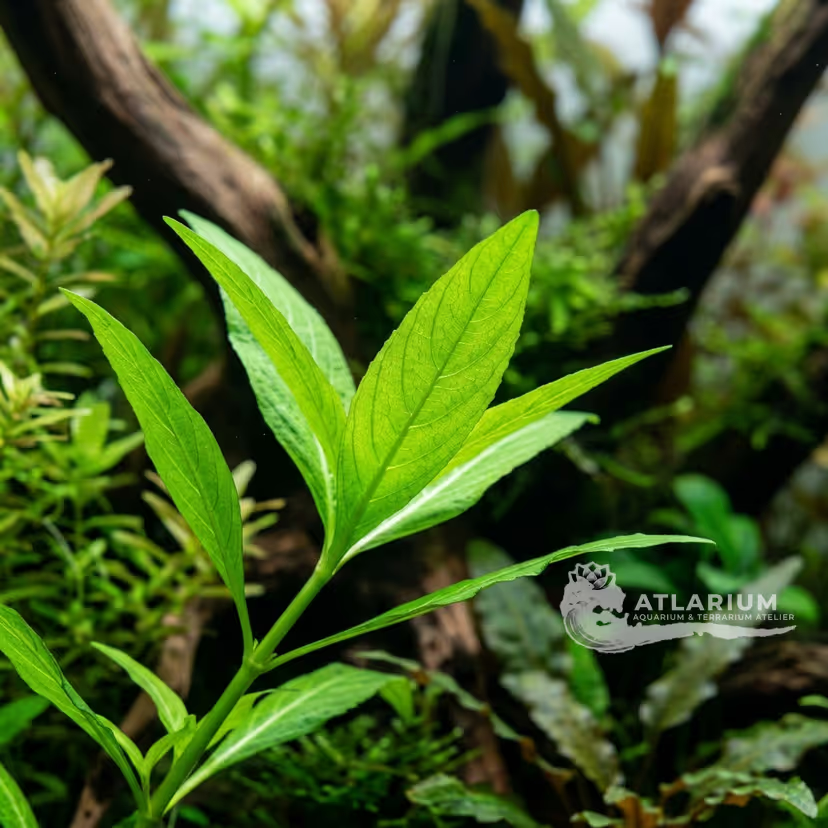
Hygrophila guianensis
Hygrophila guianensis

Hygrophila angustifolia
Hygrophila angustifolia

Hygrophila sp. 'Bihar'
Hygrophila sp. "Bihar"

Hygrophila corymbosa
Hygrophila corymbosa

Hygrophila corymbosa ''Angustifolia''
Hygrophila corymbosa ''Angustifolia''

Hygrophila corymbosa ''Red''
Hygrophila corymbosa ''Red''

Hygrophila corymbosa "Siamensis"
Hygrophila corymbosa "Siamensis"

Hygrophila difformis 'Weiß-Grün'
Hygrophila difformis 'Weiß-Grün'
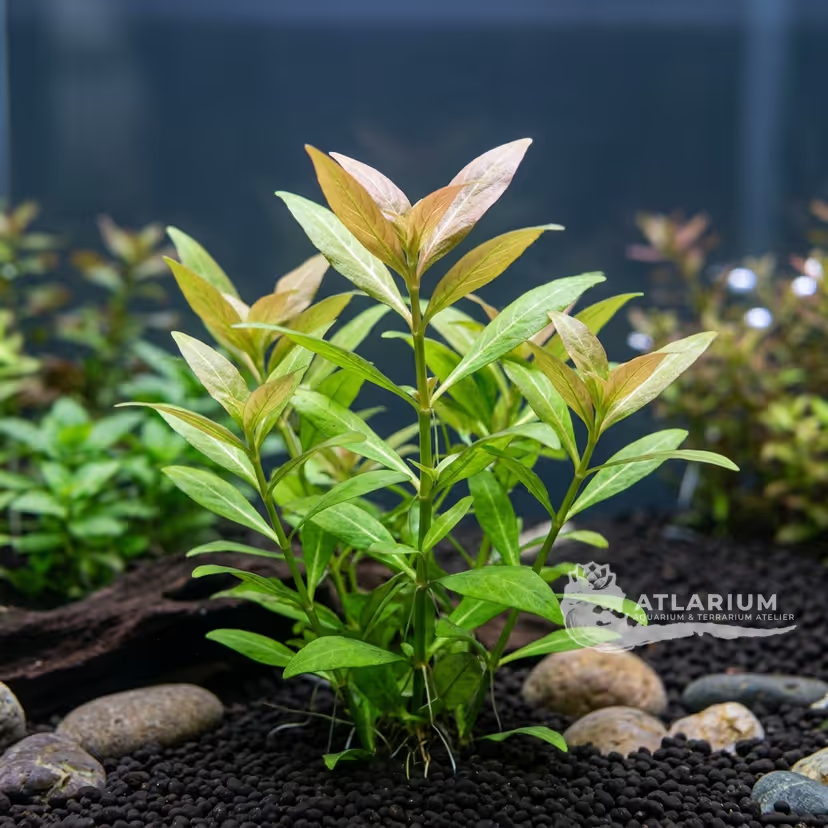
Hygrophila polysperma
Hygrophila polysperma

Hygrophila polysperma ''Ceylon''
Hygrophila polysperma ''Ceylon''

Hygrophila polysperma 'Big leaf'
Hygrophila polysperma 'Big leaf'

Hygrophila polysperma 'Sunset' ('Rosanervig')
Hygrophila polysperma 'Sunset'
Recommended companions
Compatible cards from coherent ecosystems with matching parameters.

Blackline Tetra
Hyphessobrycon scholzei

Amano Shrimp
Caridina multidentata
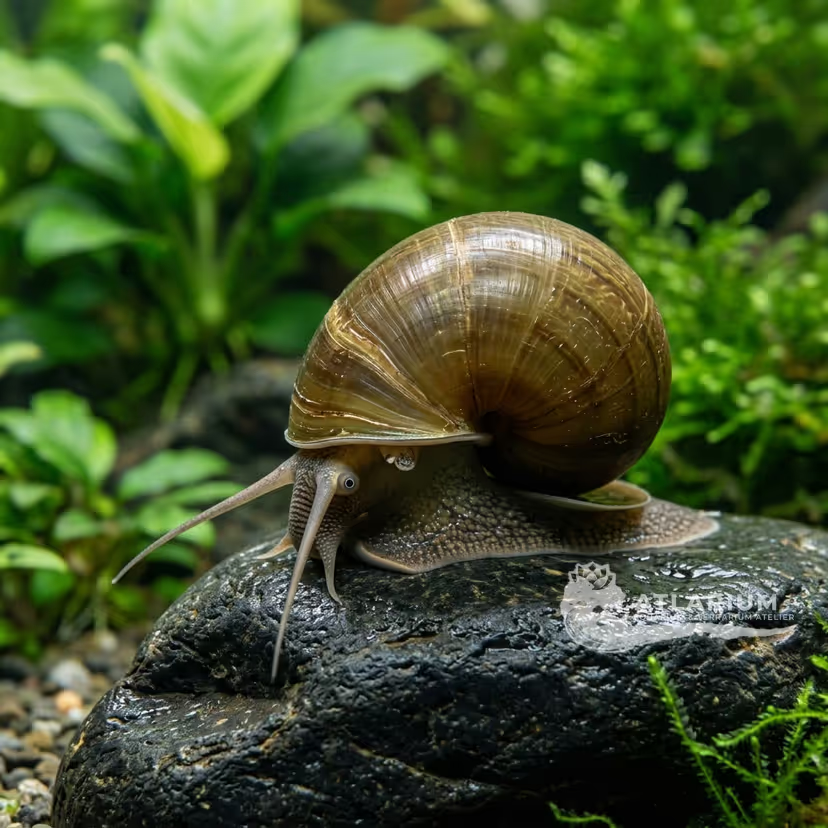
Asian apple snail
Pila ampullacea

Bladder snail
Physella acuta
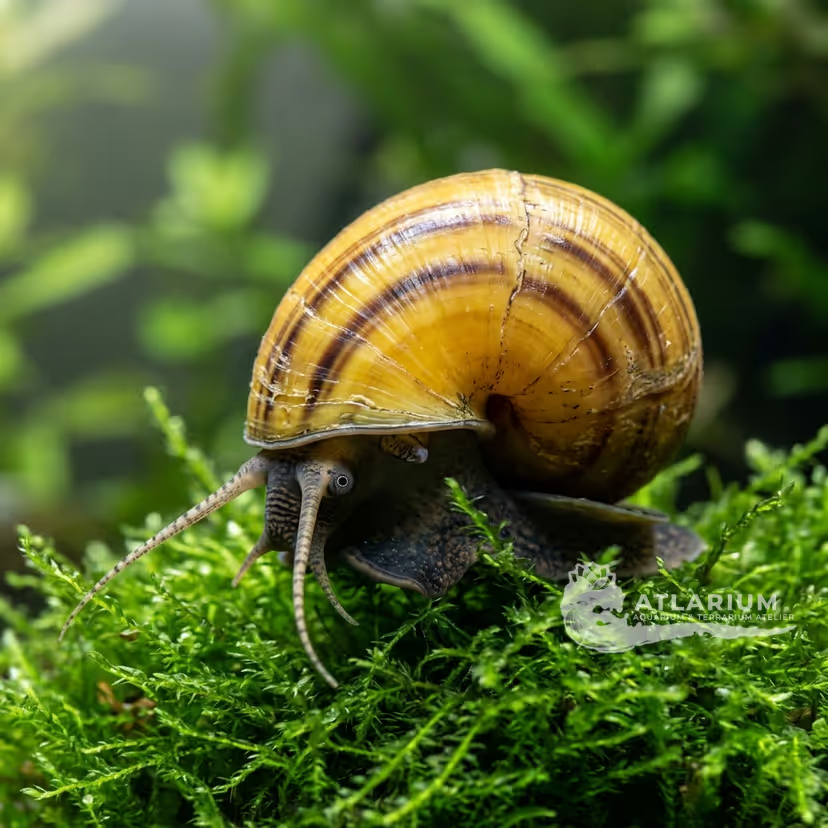
Channelled apple snail
Pomacea canaliculata

Chinese mystery snail
Cipangopaludina chinensis

Ear pond snail
Radix auricularia

European river snail
Viviparus viviparus

Florida apple snail
Pomacea paludosa

Giant ramshorn snail
Marisa cornuarietis

Great pond snail
Lymnaea stagnalis

Hercules snail
Brotia herculea

Indian apple snail
Pila globosa

Mystery apple snail
Pomacea diffusa

Orange rabbit snail
Tylomelania gemmifera
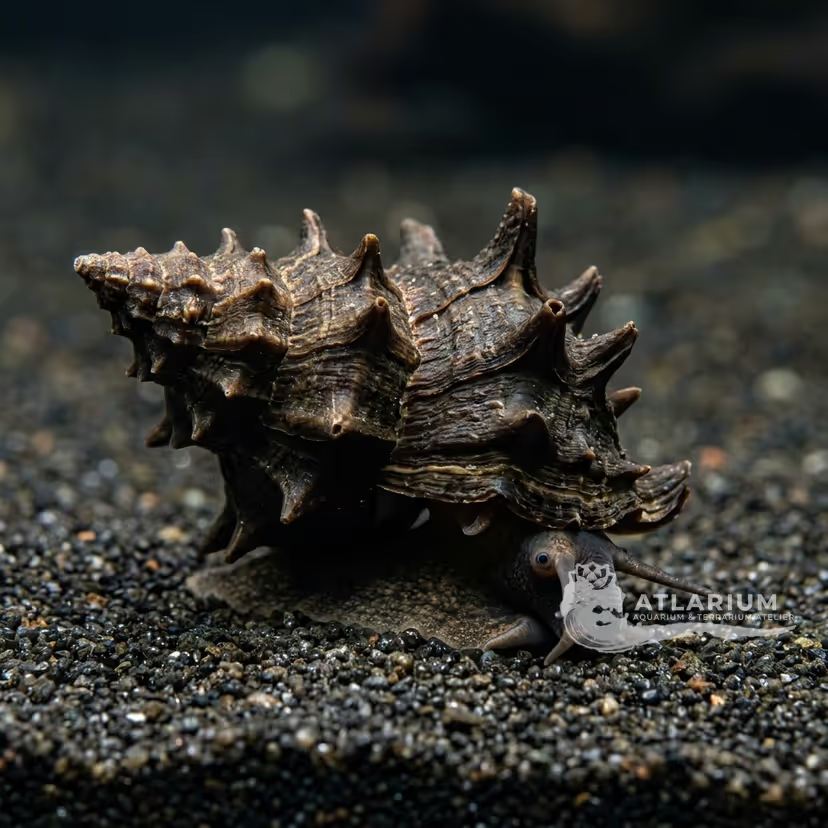
Pagoda snail
Brotia pagodula
Similar care
Cards with similar requirements, difficulty, habitat, and husbandry profile.

Hygrophila difformis
Hygrophila difformis

Hygrophila balsamica
Hygrophila balsamica

Hemigraphis colorata
Hemigraphis colorata

Hemigraphis traian
Hemigraphis traian

Fittonia verschaffeltii
Fittonia verschaffeltii

Hemigraphis repanda
Hemigraphis repanda

Hygrophila costata
Hygrophila costata
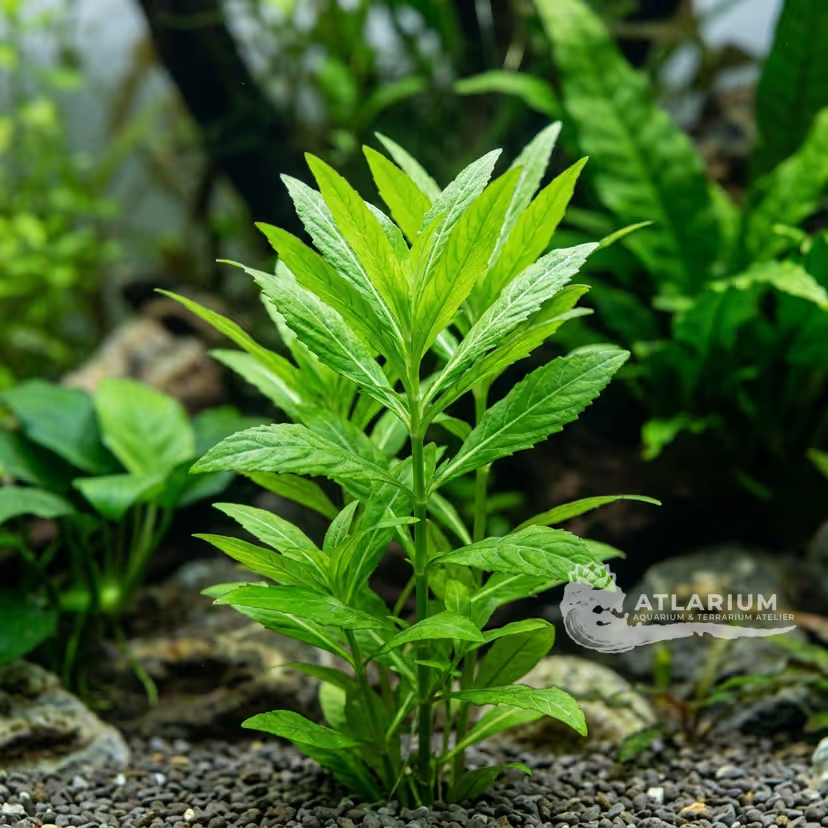
Hygrophila sp. ("aufrechte Staurogyne sp.")
Hygrophila sp. ("aufrechte Staurogyne sp.")

Hygrophila corymbosa 'Aroma'
Hygrophila corymbosa ''Aroma''

Nomaphila stricta
Nomaphila stricta

Staurogyne 'Bihar'
Staurogyne sp. 'Bihar'
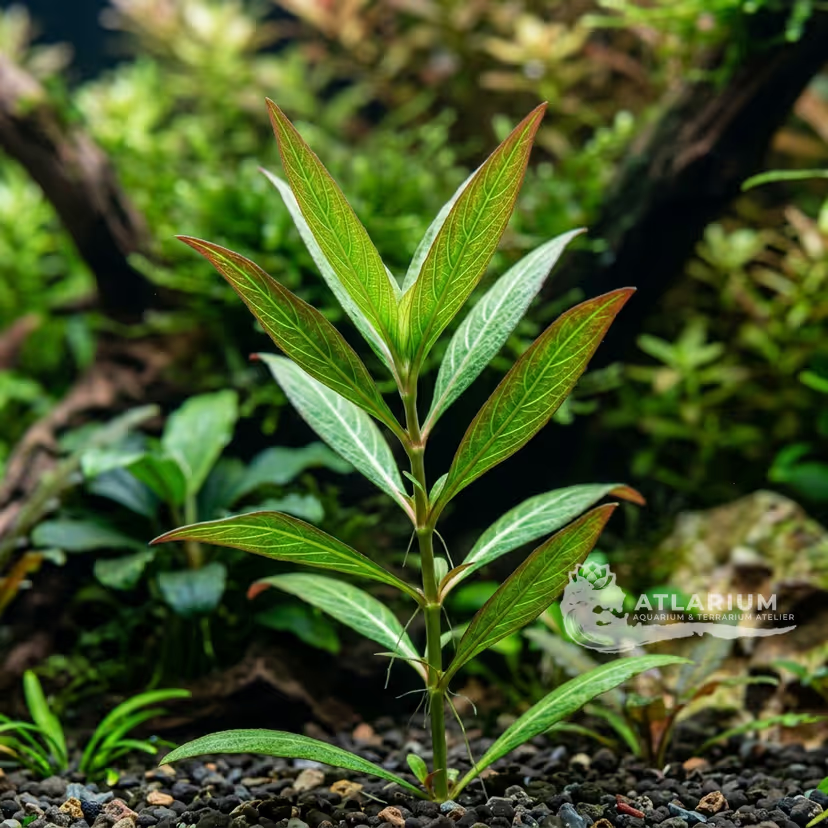
Hygrophila sp. 'Sarawak'
Hygrophila sp. 'Sarawak'

Hygrophila corymbosa 'Kompakt'
Hygrophila corymbosa 'Kompakt'

Synnema triflorum
Synnema triflorum

Nomaphila corymbosa
Nomaphila corymbosa
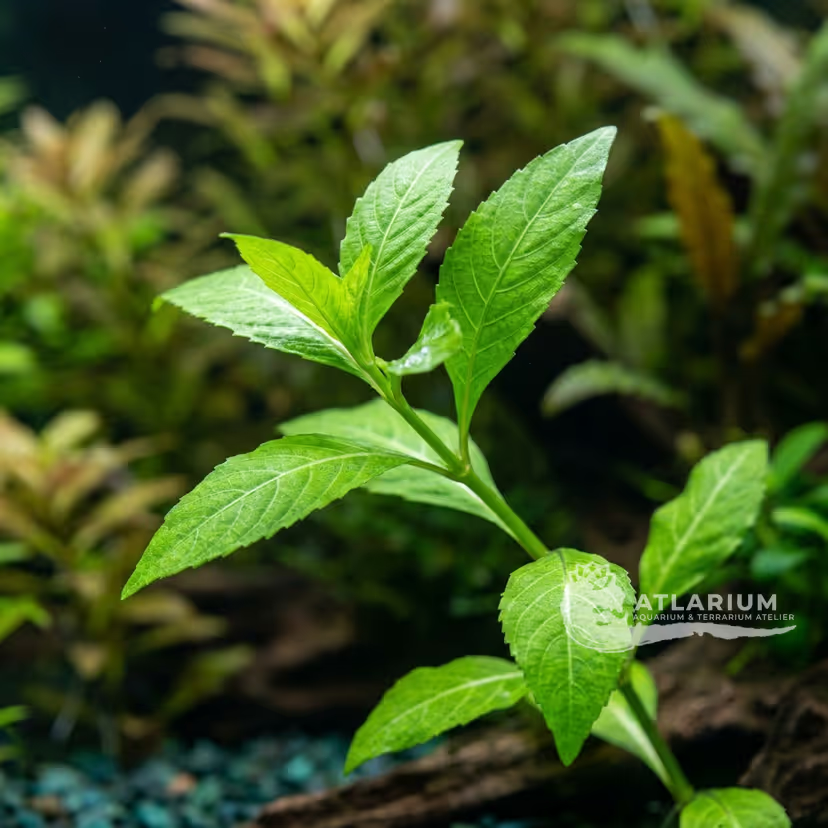
Nomaphila siamensis
Nomaphila siamensis