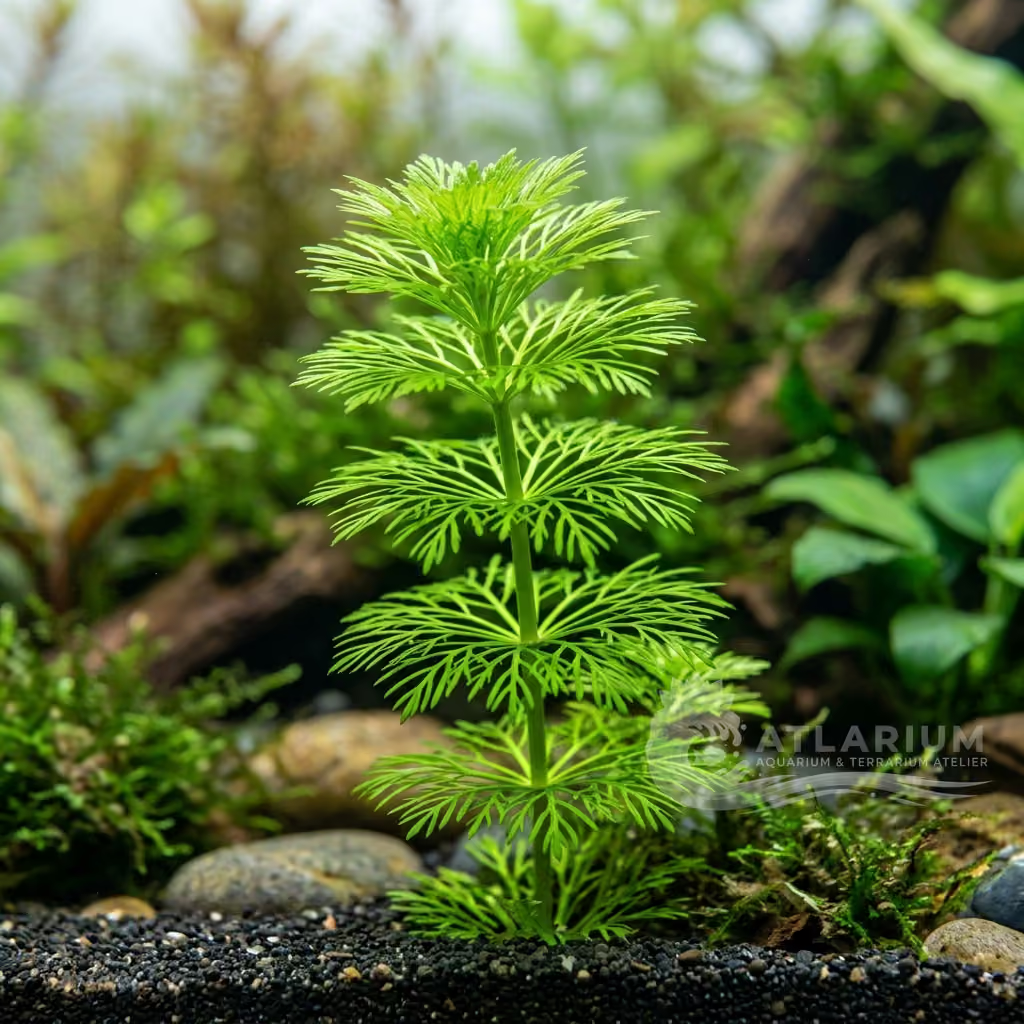
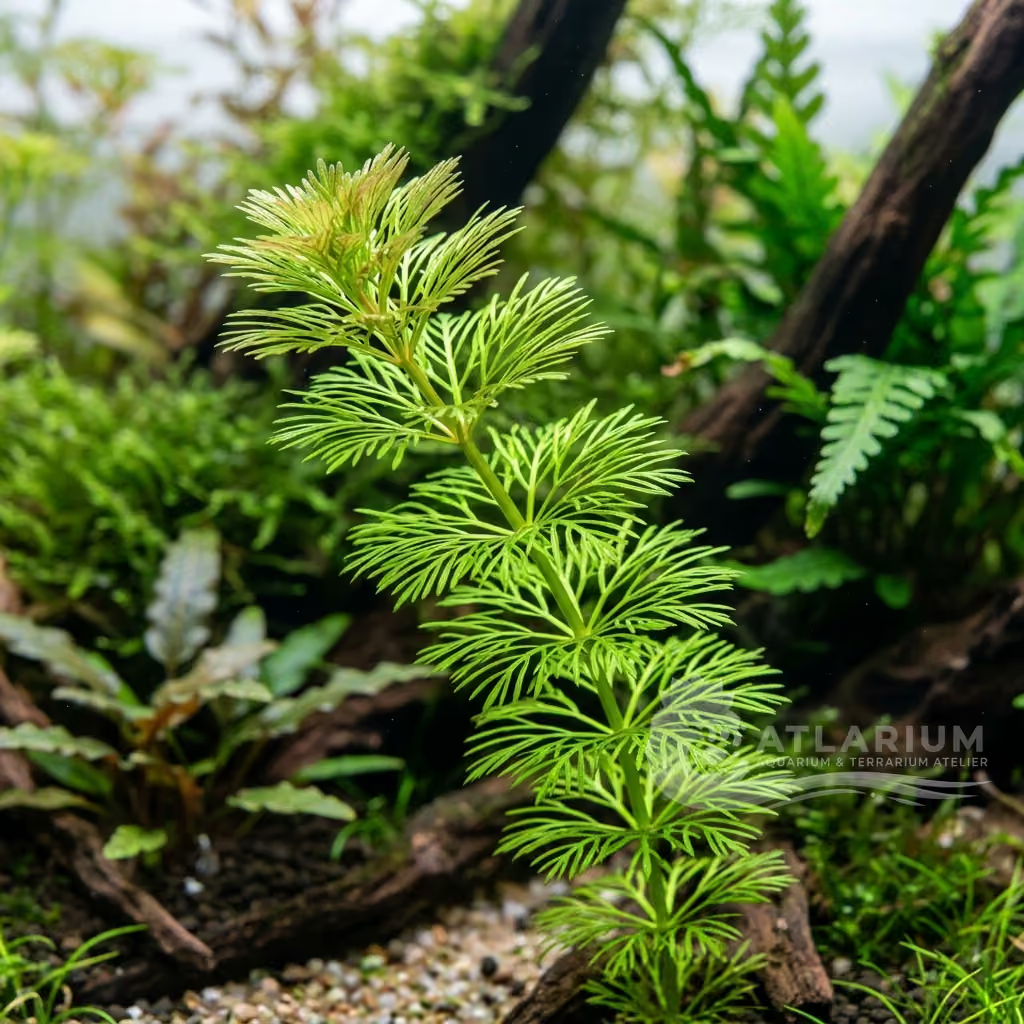
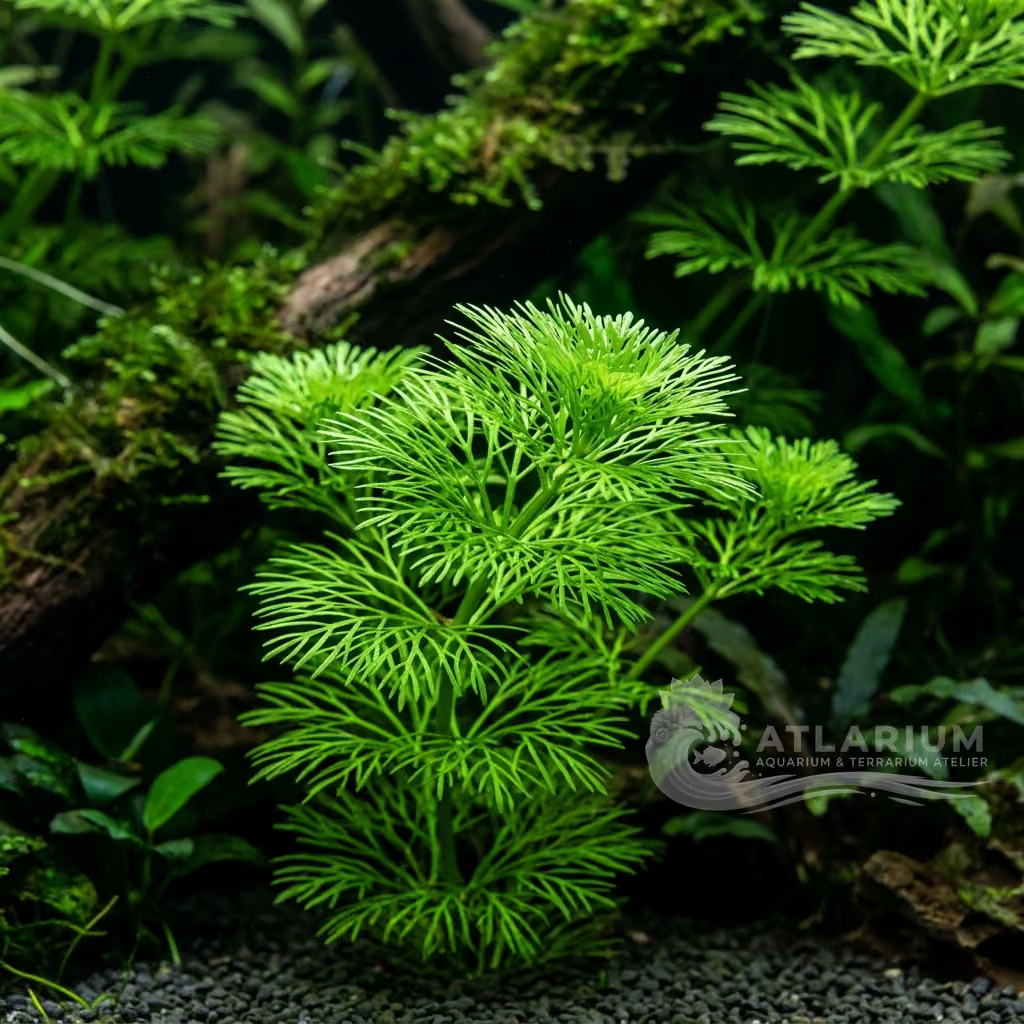
Hygrophila corymbosa 'Kompakt'
Hygrophila corymbosa
Genetically selected dwarf cultivar perfect for midgrounds. Maintains tight leaf nodes and a lush bushy appearance under medium-high light and good nutrition.
Water Temperature
18 - 30 °C
pH Value
5.5 - 7.5
Water type
Freshwater
Light
Medium - High
CO2
Low to Medium
Expected height
20 cm
GH
4 - 20 dGH
KH
2 - 18 dKH

Species description
Geographical Origin and Habitat: A cultivar selected from parent plants native to Southeast Asia, where Hygrophila corymbosa grows along riverbanks and in warm tropical marshes, adapting to seasonal flooding.
Taxonomy & Genetics: Belonging to the family Acanthaceae. The 'Kompakt' variety is genetically selected for its dwarf habit and very short distances between leaf nodes, keeping it low-growing.
Physical Structure: Develops thick but short stems with very densely packed leaves, forming a compact rosette-like bush. It develops a strong and extensive root system.
Color & Texture: Leaves are dark green to olive green. Under high light, the crown can take on bronze or reddish-brown highlights. The texture is thick and dense.

Care, breeding and tankmates
Lighting & CO2: Requires medium to high lighting. In low light, the internodes will stretch, and it will lose its compact form. CO2 injection is beneficial for maintaining thick, healthy foliage.
Nutrition & Substrate: Benefits greatly from a nutrient-rich substrate or root tabs. It has a high demand for potassium and iron; potassium deficiencies present as tiny pinholes in older leaves.
Water Chemistry: Adaptable to a wide range of water parameters. pH of 5.5 to 7.5, soft to hard water. Temperature should range between 18°C and 30°C (64°F - 86°F).
Space Management & Placement: Ideal for the foreground or midground due to its low height (usually 15-20 cm). Well-suited for medium and nano aquariums.
Pruning: Cut back the tallest stems to encourage lateral bushiness. Pruning also helps open up the center of the plant to light.
Risks & Diseases: Vulnerable to potassium deficiency. If the bush becomes too dense, the innermost leaves may drop due to lack of light penetration.

Geographic origin and distribution
A cultivar selected from parent plants native to Southeast Asia, where Hygrophila corymbosa grows along riverbanks and in warm tropical marshes, adapting to seasonal flooding.
Origin
South and Southeast AsiaSelective breeding and cultivars

Plant profile
- Placement
- Foreground
- Unlike the standard species, 'Kompakt' is an excellent foreground to midground plant due to its intentionally stunted growth. It forms dense, low bushes that are perfect for creating transitions between carpeting plants and taller background stems. It should not be shaded by taller plants, as it requires good light to maintain its compact form. It is frequently used as a prominent focal point in smaller aquariums.
- Botanical form
- Stem
- This cultivar is defined by its extremely short internodal spacing and dense, bushy growth habit. The leaves are broad, large, and tightly packed along the short, sturdy stems, giving it a cabbage-like appearance. The foliage is a bright, vivid green, and the plant rarely grows taller than 10-15 cm (4-6 inches) under good lighting. It is a striking, structural plant that looks completely different from its tall, leggy relatives.
- Growth
- Slow
- As the name suggests, its growth rate is significantly slower and much more compact than the regular H. corymbosa. It tends to spread horizontally and bush out rather than shoot straight up to the surface. While it does grow slowly, occasional trimming is still required to shape the bush and remove any older, deteriorating leaves. Under high light, its growth remains incredibly dense and low to the substrate.
- Substrate
- High
- It develops a strong root system and thrives when planted in a nutrient-rich active soil. Because of its dense, low-growing nature, it benefits greatly from extracting nutrients directly from the substrate. It can be grown in sand or gravel, provided that root tabs are placed beneath its root zone. A good substrate ensures the plant remains firmly anchored despite its heavy, leafy top.
- Column fertilization
- Recommended
- Liquid fertilization is important to prevent nutrient deficiencies in its numerous, densely packed leaves. Dosing a potassium supplement is crucial to avoid holes forming in the older foliage hidden near the base of the plant. A comprehensive liquid fertilizer applied regularly will keep the leaves looking fresh and vibrant. Due to its slow growth, it does not deplete water column nutrients as rapidly as the standard form.
- Root fertilization
- Recommended
- Root feeding is highly recommended for this cultivar, as its compact growth allows it to draw heavily from the soil beneath it. Using a rich aquasoil or providing root tabs ensures it has a steady supply of nutrients for its thick stems and large leaves. Strong root nutrition helps prevent the lower leaves from melting away, a common issue in dense bushes where light penetration is poor.
- Trimming
- Regular
- Trimming is rarely needed for height control, but thinning out the center is occasionally required. Carefully snipping out older, shaded leaves improves water flow and prevents rot. You can also separate the thick clumps to propagate it.
- Propagation
- Cuttings
- Propagation is done by taking side shoots or cutting the main stem and replanting. Because the internodes are so short, taking cuttings can be slightly more difficult than with standard stem plants. Carefully snipping a lateral branch and planting it with tweezers in the substrate will yield a new bush. Rooting is generally quick, and the mother plant will slowly produce new shoots to replace the cut.
- Sensitivity
- Moderate
- It is very hardy but its dense growth can trap detritus, leading to localized algae or rot. Good water circulation around the bush is crucial. It is highly resistant to variations in pH and temperature.
- Layout role
- Midground, Foreground, group, Nano
- It is an invaluable plant for creating dense midground transitions or as a large foreground accent. Its broad leaves contrast perfectly with carpeting plants like Monte Carlo or Hairgrass. It gives a solid, bushy structure to the lower levels of the aquascape.

Related species
Recommendations grouped by close relatives, companion choices, and similar care.