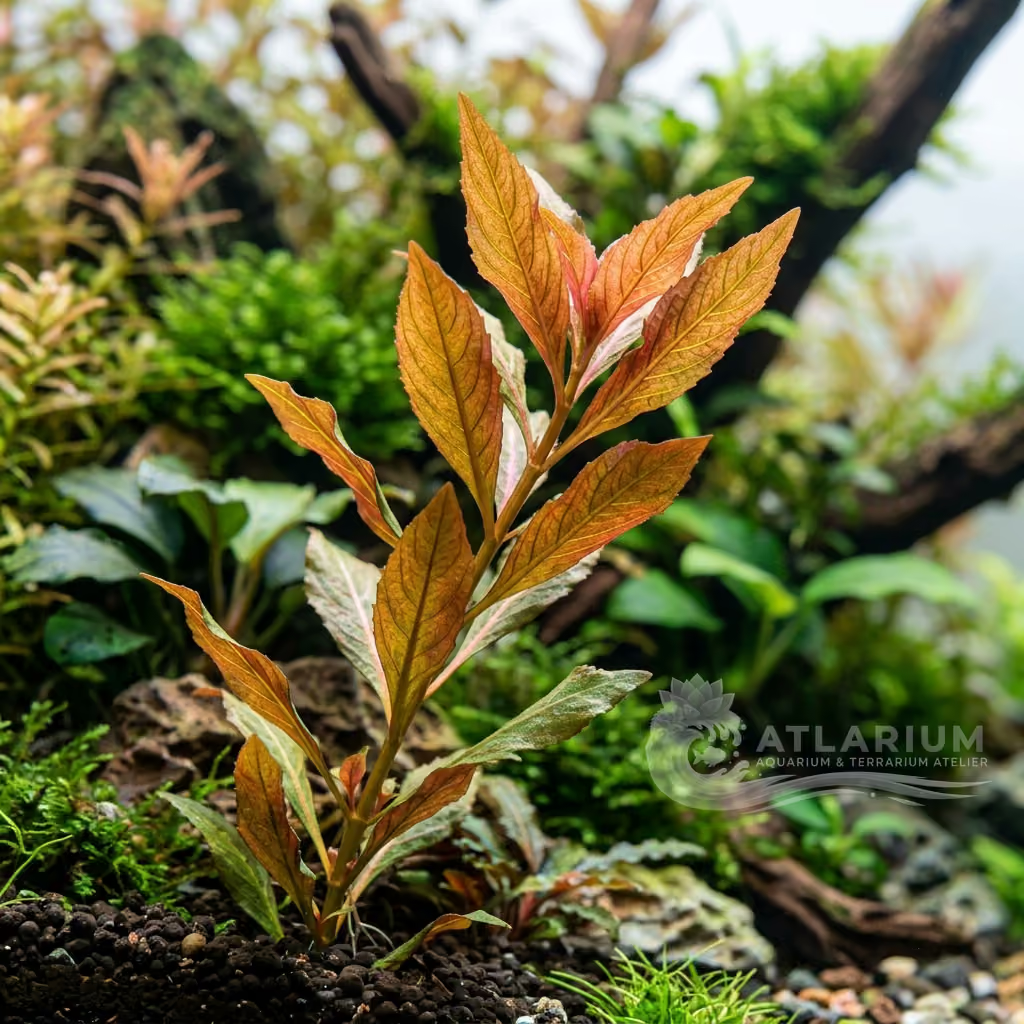
Hygrophila sp. 'Sarawak'
Hygrophila sp. 'Sarawak'
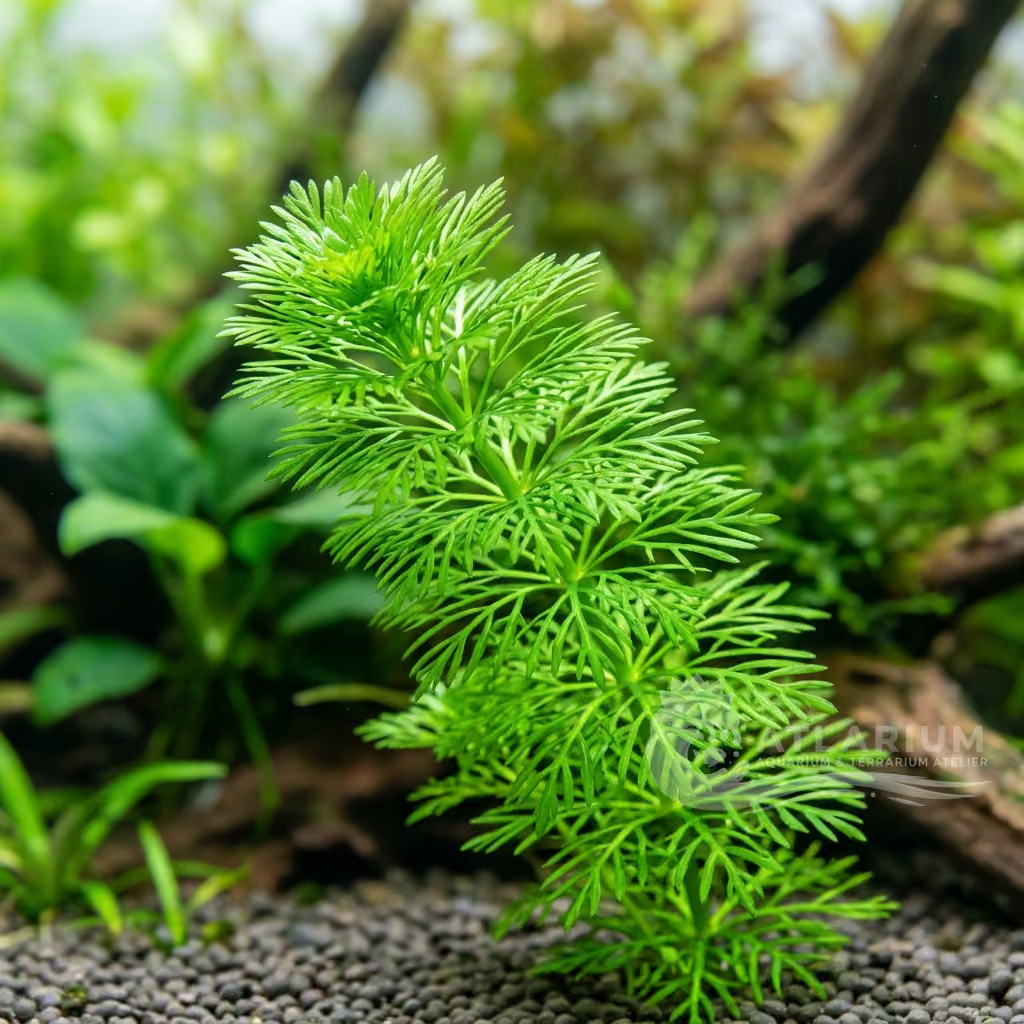
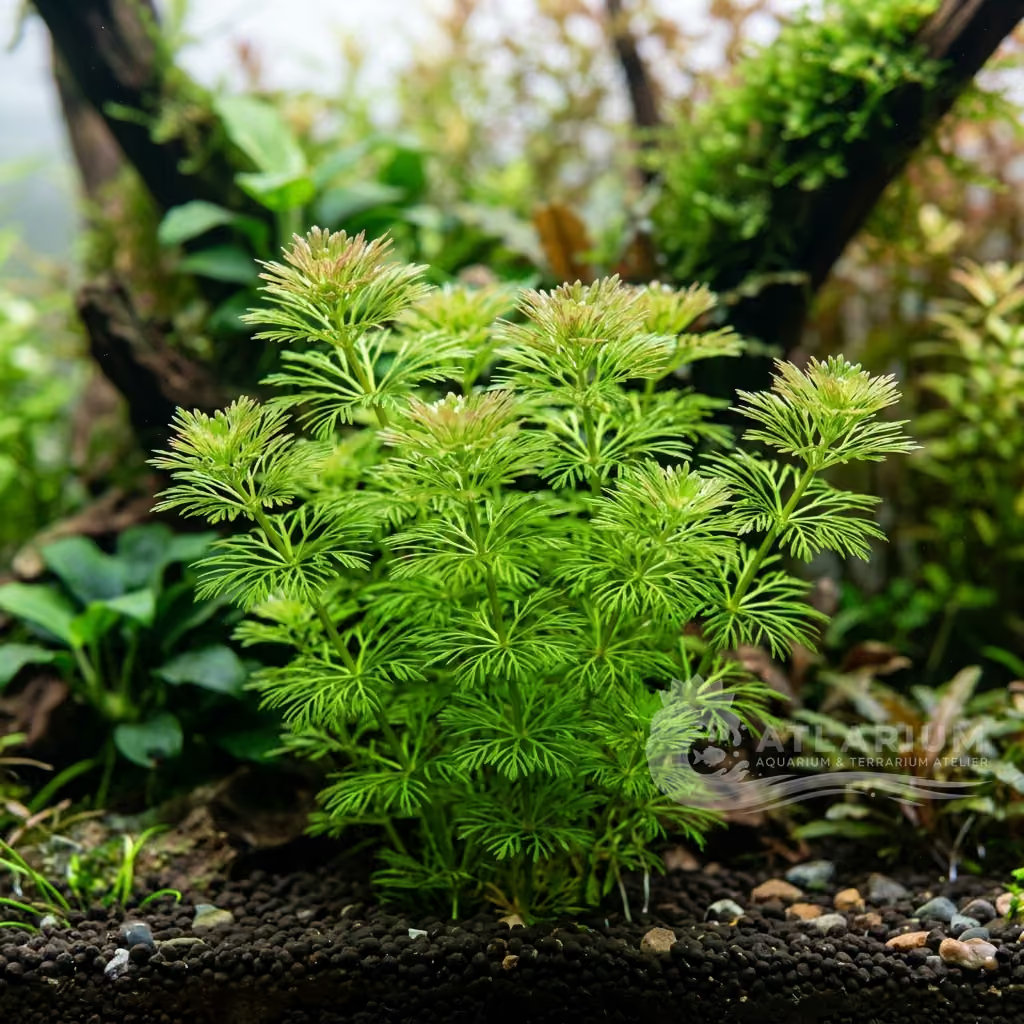
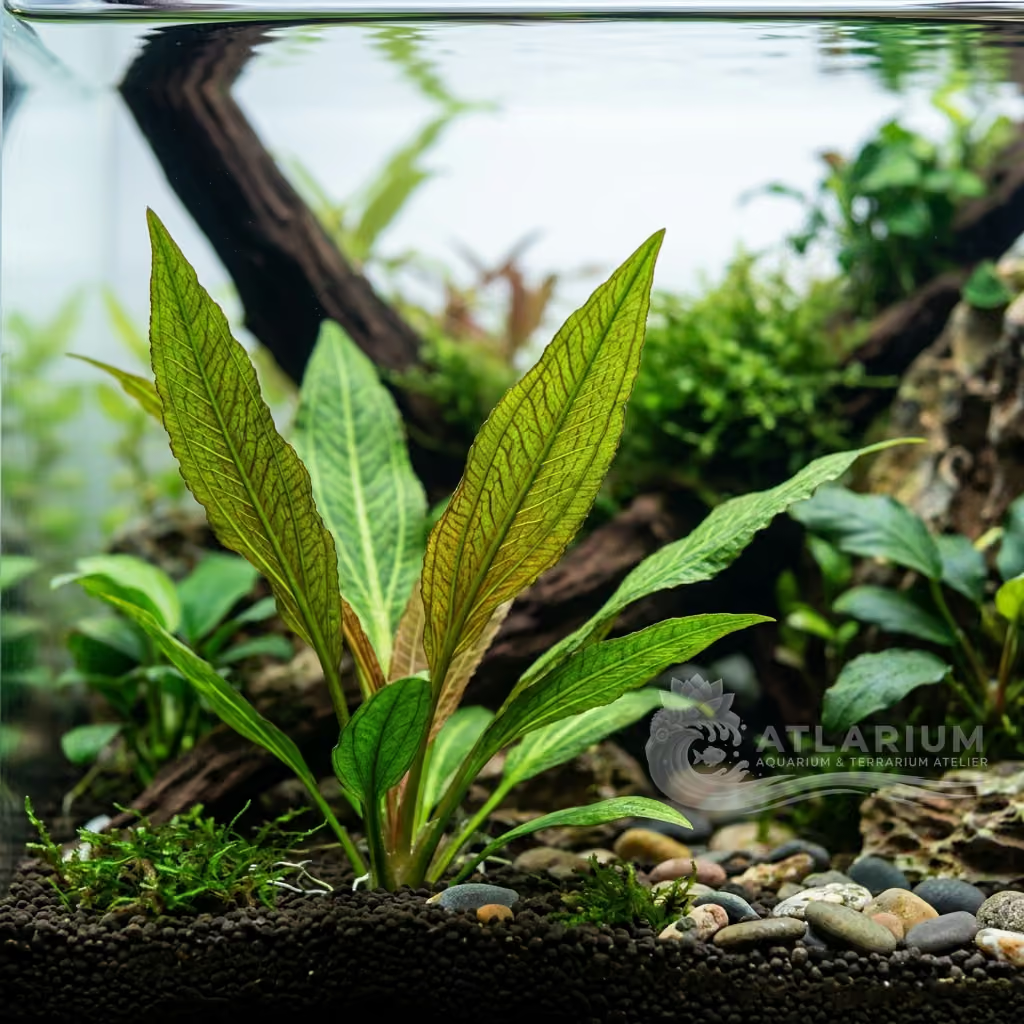
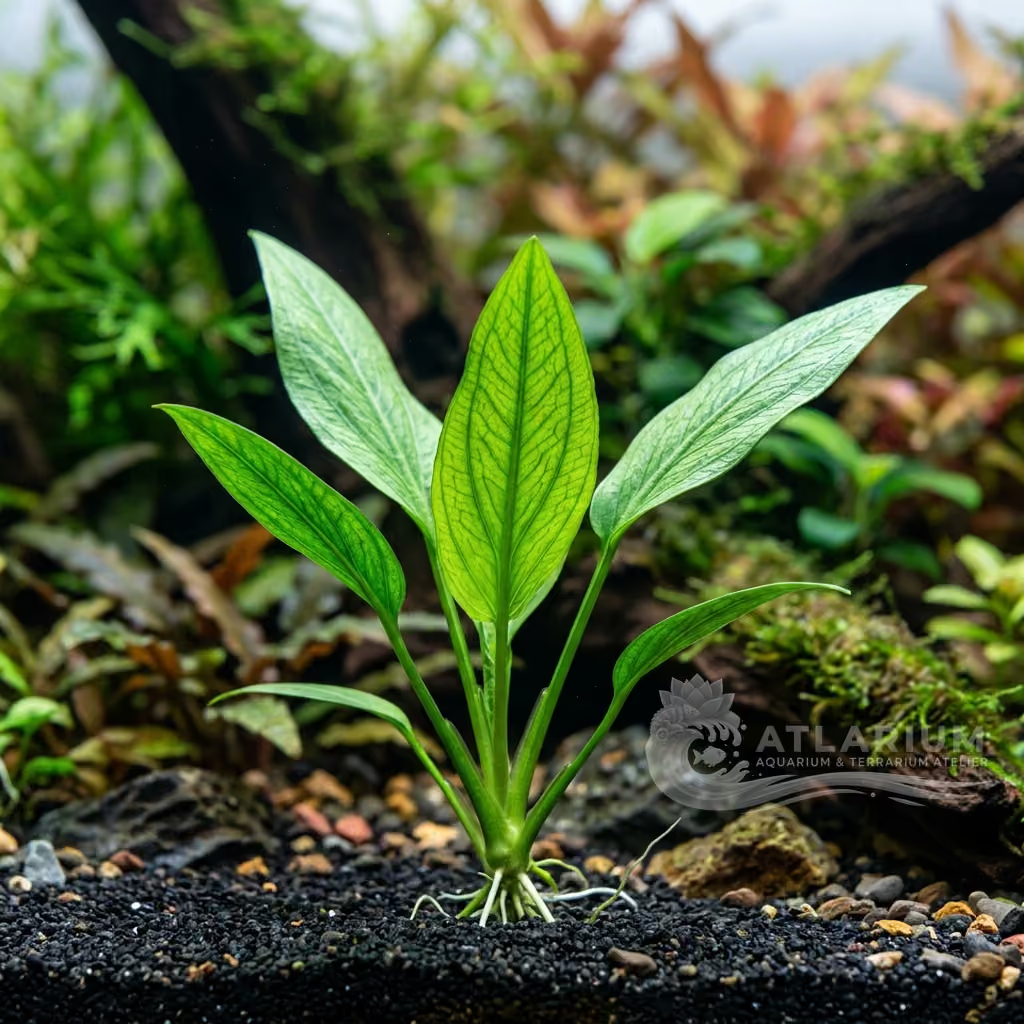
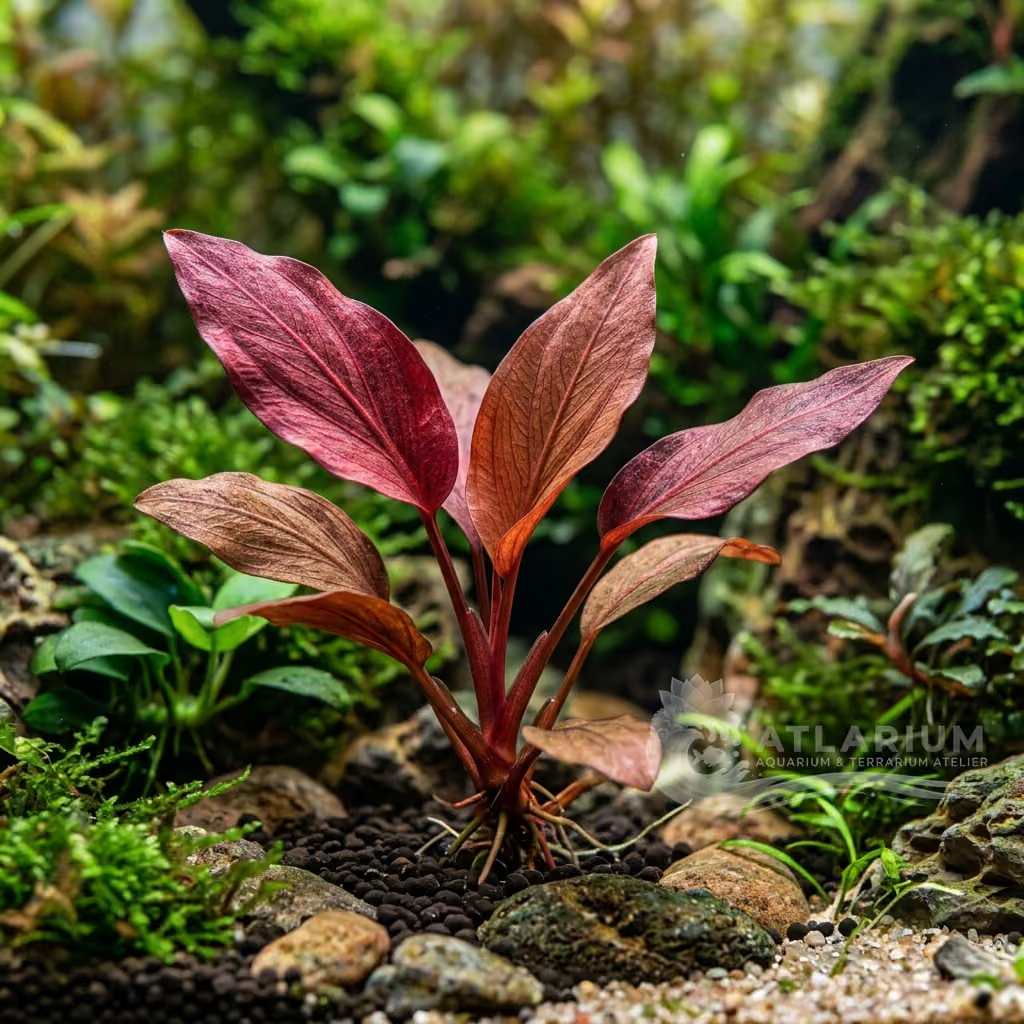
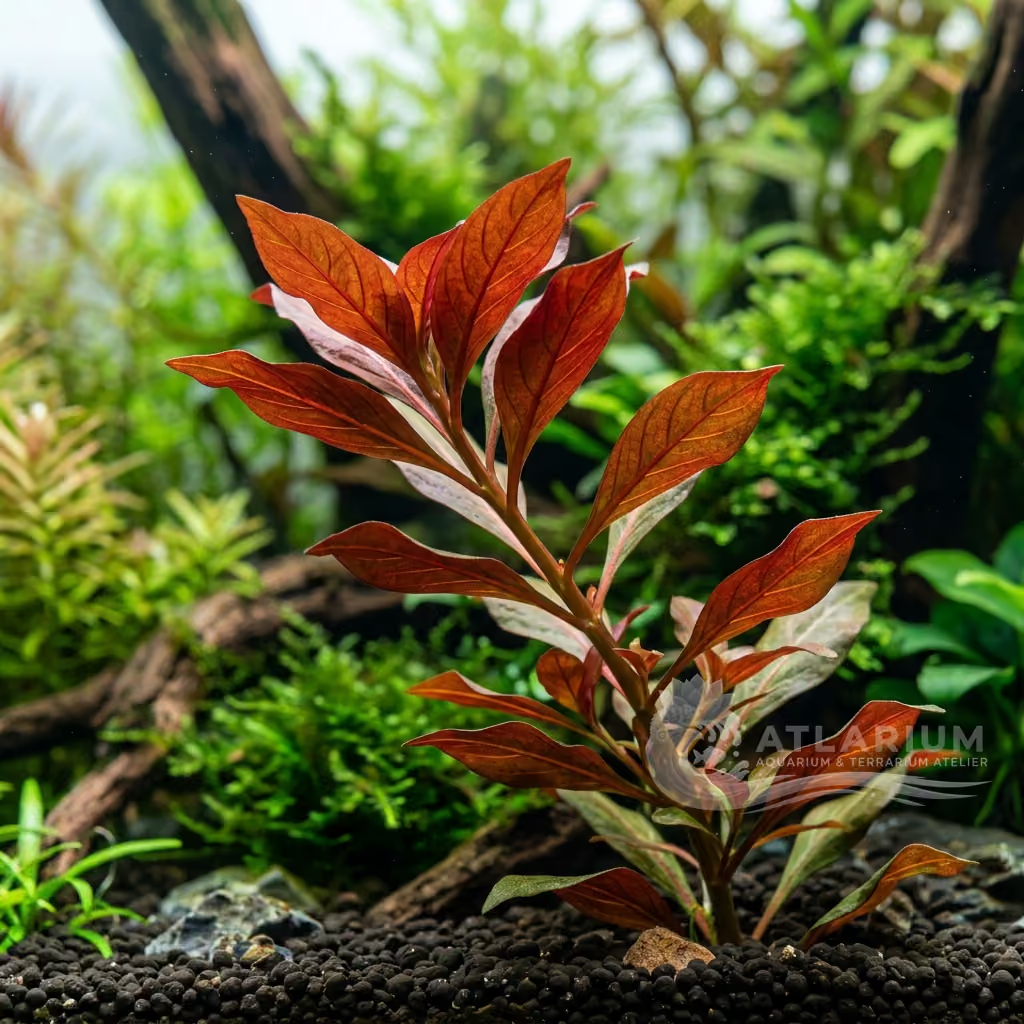
Similar to 'Araguaia' but with slightly broader leaves and more upright growth, this Bornean variant develops a wonderful purplish-brown hue under intense lighting and CO2 supplementation.
Water Temperature
22 - 28 °C
pH Value
6 - 7
Water type
Freshwater
Light
Medium - High
CO2
Low - High
Expected height
20 cm
GH
4 - 15 dGH
KH
0 - 10 dKH

Species description
Geographical Origin and Habitat: This undescribed form of the genus Hygrophila comes from the Malaysian state of Sarawak, on the island of Borneo. In nature, it populates the muddy and wet rocky banks of shallow forest streams. It is adapted to live both exposed to aerial humidity and completely submerged, a characteristic it shares with many other riverine species of Borneo's rich flora.
Taxonomy & Genetics: Commercially referred to as Hygrophila sp. 'Sarawak', it belongs to the Acanthaceae family. This form differs slightly from described variants of Hygrophila lancea in an even more bushy habit and shorter internodes. Genetically stable, it guarantees the maintenance of the brown
Color & Texture: ation and branched style if grown under ideal conditions.
Physical Structure: It develops highly branched stems that tend to form small compact bushes rather than growing only vertically. The leaves are arranged oppositely, are lanceolate in shape, and grow slightly arched downwards. The maximum height is usually between 15 and 20 centimeters, making it ideal for creating soft transitions in the layout.
Color & Texture: The color ranges from olive green to dark purplish-brown under strong light and in the presence of trace microelements. The leaf texture is smooth and slightly leathery to the touch. The combination of dark stems and bronze-purplish leaves offers a spectacular contrast when paired with light green plants such as ferns or mosses.

Care, breeding and tankmates
Lighting & CO2: Requires intense lighting to maintain short internodes and the characteristic brownish-purplish coloration. If light is weak, the plant tends to stretch vertically, losing its basal leaves. Constant CO2 injection (15-25 mg/l) is essential to support healthy bushy growth.
Nutrition & Substrate: A nutrient-rich substrate supports rapid rooting. It benefits greatly from constant liquid fertilization of the
Water Chemistry: Prefers soft and slightly acidic water (pH 5.0 - 7.0, KH 2-12 dKH), with water temperature between 18°C and 30°C. It is important to carry out regular water changes to remove suspended debris that could settle on the medium-growing leaves, blocking photosynthesis.
Space Management & Placement: Its perfect placement is in the midground of the aquarium. As a bushy plant, it should be positioned leaving some free space around it to prevent it from shading neighboring species or being shaded itself by taller background stems.
Pruning: Pruning must be done regularly by cutting the tops of the stems to stimulate lateral branching. The removed tops can be replanted directly in the substrate to expand the existing group. It is advisable to periodically thin the center of the bush to allow water circulation.
Risks & Diseases: It is sensitive to iron and potassium deficiencies, which manifest as holes on the leaves or yellowing of the new tops. The leathery leaves can accumulate brush or green spot algae if nutrients in the column are not stable or if water flow is insufficient.

Geographic origin and distribution
This undescribed form of the genus Hygrophila comes from the Malaysian state of Sarawak, on the island of Borneo. In nature, it populates the muddy and wet rocky banks of shallow forest streams. It is adapted to live both exposed to aerial humidity and completely submerged, a characteristic it shares with many other riverine species of Borneo's rich flora.
Origin
South and Southeast Asia

Plant profile
- Placement
- Midground
- This plant is best suited for the midground to background of the aquarium. Its relatively fast growth and larger leaf size make it a great focal point. It should be planted in small groups to create a dense, bushy appearance. Ensure it has enough space so lower leaves receive adequate light.
- Botanical form
- Stem
- It features elongated, lanceolate leaves with a somewhat rugged texture. The stems are robust and grow upright towards the surface, seeking light. Its overall form adds a very natural, wild look to the aquascape. Under strong light, the upper leaves may display subtle color changes.
- Growth
- Medium
- It exhibits a fast growth rate, especially under optimal conditions. High light and CO2 injection will significantly accelerate its vertical growth. In lower tech setups, the growth is more subdued but remains steady. Regular maintenance is required to keep its size in check.
- Substrate
- Medium
- Hygrophila sp. 'Sarawak' thrives in a moderately rich substrate, where its robust root system can anchor deeply and absorb essential nutrients. While it can grow in inert sands or gravels supplemented with root tabs, it shows optimal coloration and denser growth when planted in active aqua soil. A substrate depth of at least 4 to 5 centimeters is recommended to provide adequate room for its expanding roots and to ensure the stems remain securely seated against water flow.
- Column fertilization
- Recommended
- Liquid column fertilization is highly recommended for this stem plant. It absorbs a majority of its nutrients directly from the water column through its leaves. A comprehensive liquid fertilizer applied regularly will yield the best results. Watch for signs of nutrient deficiencies on new growth.
- Root fertilization
- None
- While it feeds heavily from the water column, a nutrient-rich substrate provides an excellent secondary nutrient source. Root tabs help establish a strong root system quickly. The roots help anchor the sturdy stems firmly in place. However, root feeding is not strictly mandatory if column dosing is high.
- Trimming
- Occasional
- Regular trimming is essential to encourage lateral branching and a bushier shape. Cut the stem right above a node to promote new shoots. The trimmed tops can be easily replanted to propagate the plant. Avoid letting it overgrow and block light from shorter foreground plants.
- Propagation
- Cuttings
- Propagation is straightforward and typical of most stem plants. Simply cut a healthy top portion and replant it directly into the substrate. The cutting will quickly develop new roots and continue growing. Leaving the bottom rooted portion will also result in new side shoots.
- Sensitivity
- Moderate
- This species is generally hardy but can be sensitive to sudden changes in water parameters. It may melt if transitioned too quickly from emersed to submersed growth. It can also be susceptible to algae growth on its older leaves if flow is poor. Ensure good water circulation around the plant.
- Layout role
- Midground
- It serves excellently as a contrasting background or midground accent. Its unique texture breaks up monotonous green areas effectively. It pairs well with fine-leaved plants or different textures. It can also be used to hide aquarium equipment effortlessly.

Related species
Recommendations grouped by close relatives, companion choices, and similar care.