Staurogyne sp. "Bihar"
Staurogyne sp. "Bihar"
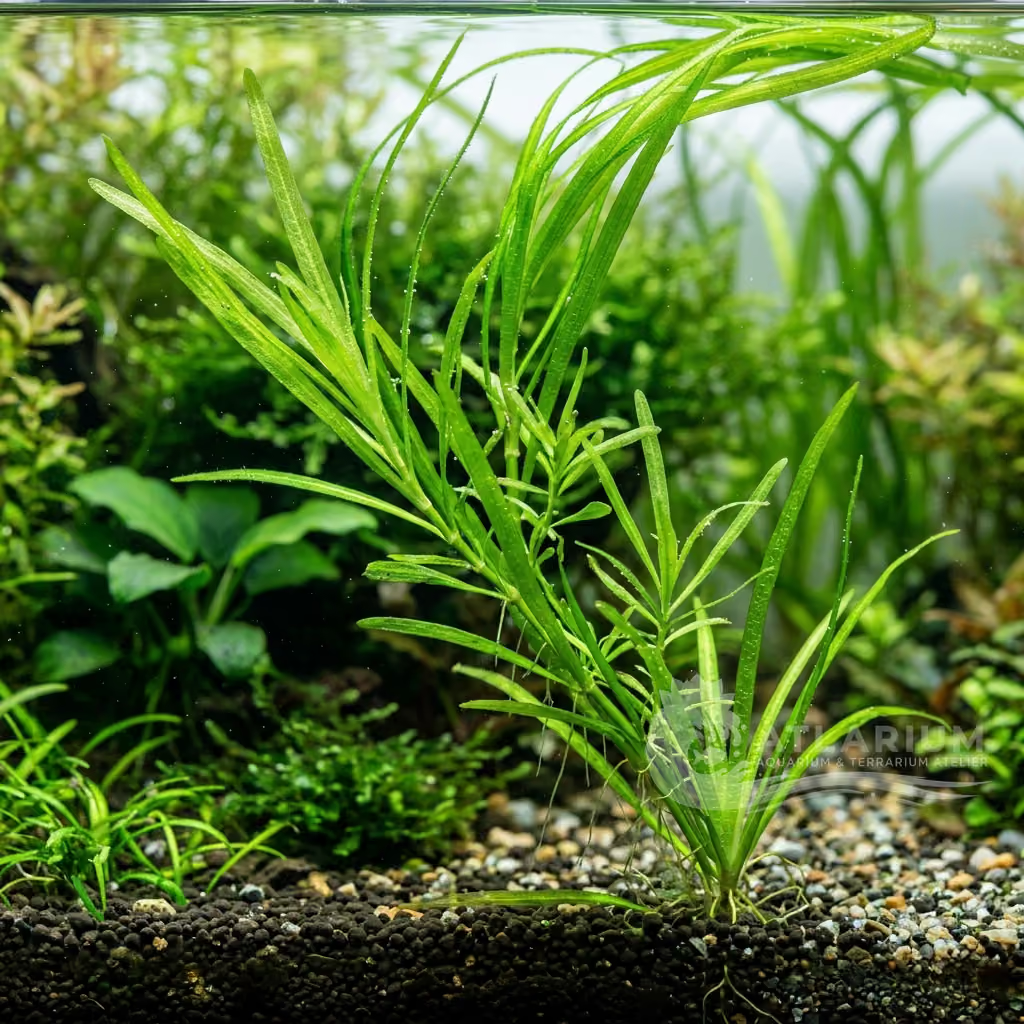
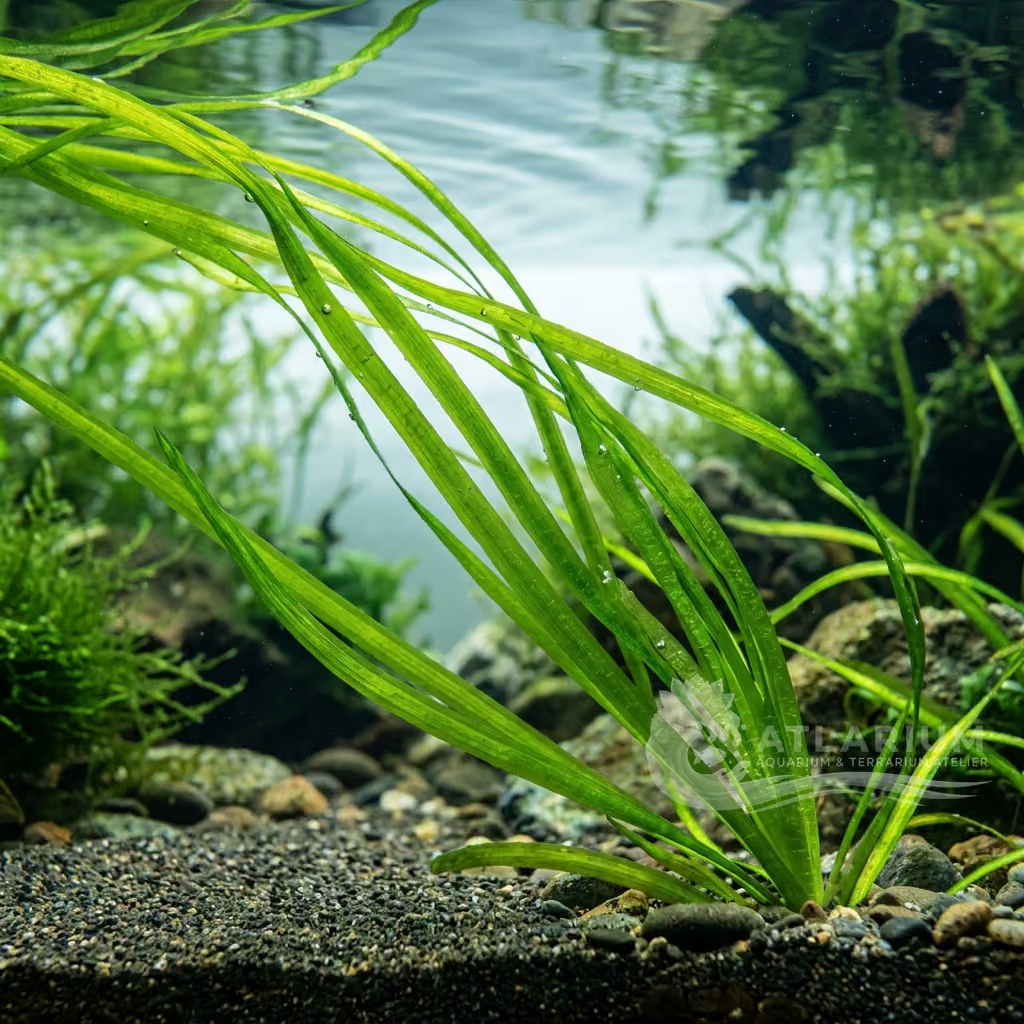
Staurogyne sp. 'Bihar' features deeply lobed leaves that take on warm copper tones. Native to India, it needs medium-high light and CO2 for robust, colorful growth.
Water Temperature
20 - 30 °C
pH Value
5 - 7.5
Water type
Freshwater
Light
Medium to High
CO2
Low - High
Expected height
20 cm
Expected width
18 cm
KH
0 - 12 dKH

Species description
Geographical Origin and Habitat: Native to northeastern India (Bihar state), where it grows in tropical wetlands, floodplains, and river margins, adapting to seasonal water level variations.
Taxonomy & Genetics: Originally introduced as a Staurogyne species, it is closely related to the genus Hygrophila. It is genetically robust and exhibits strong heterophylly between emersed and submerged states.
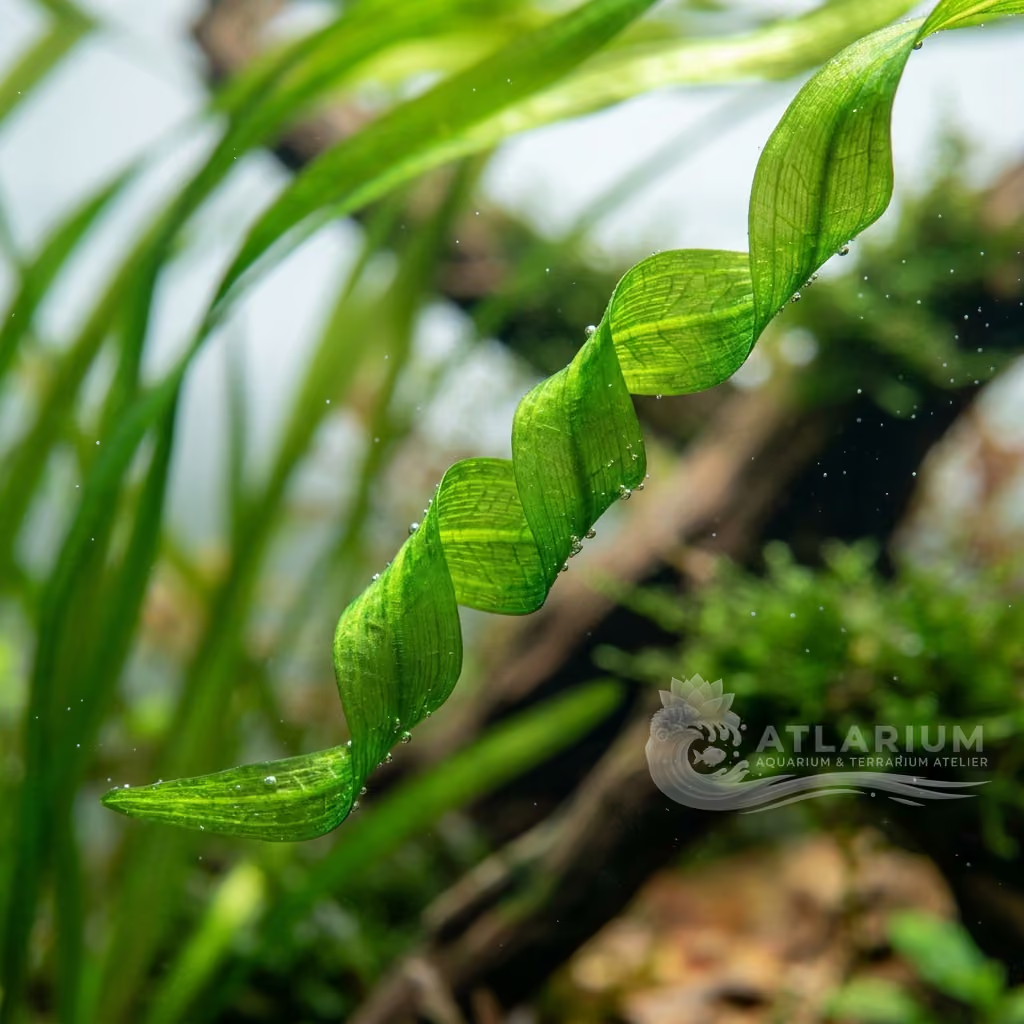
Physical Structure: Develops thick, sturdy stems that can become woody at the base. Submerged leaves are large and deeply pinnatifid (serrated), while emersed leaves are simpler and lanceolate.
Color & Texture: Olive green with bronze, brown, or orange highlights under intense light. The deeply cut leaf structure provides a highly architectural, bold texture that contrasts well with round-leaved plants.

Care, breeding and tankmates
Lighting & CO2: Requires medium to high lighting. Strong light keeps the leaves deeply lobed and promotes warm copper tones. CO2 injection is highly recommended to support its fast growth and density.
Nutrition & Substrate: A heavy nutrient feeder. Prefers a fertile substrate and regular
Water Chemistry: Very adaptable. Tolerates pH values of 5.0 to 7.5 and soft to hard water. Keep the temperature between 20°C and 30°C (68°F - 86°F).
Space Management & Placement: Best suited for the midground or background of medium to large aquariums. Each stem can spread up to 15-20 cm wide, so allow ample room. Not suitable for nano tanks.
Pruning: Trim the stems regularly with sharp scissors. Replant the cut tops in the substrate to propagate the plant. It handles heavy pruning very well.
Risks & Diseases: Vulnerable to potassium deficiency. In low light, the leaves remain green and lose their distinct serrated lobes, and the lower stems may lose leaves.

Geographic origin and distribution
Native to northeastern India (Bihar state), where it grows in tropical wetlands, floodplains, and river margins, adapting to seasonal water level variations.
Origin
South and Southeast Asia

Plant profile
- Placement
- Midground
- Given its impressive leaf size and vertical growth potential, it is best utilized in the background or as a focal point in the midground of large tanks. It should be planted where its broad foliage will not overshadow smaller foreground species. Proper spacing is needed for adequate light penetration.
- Botanical form
- Stem
- The plant displays a highly unique botanical form with deeply lobed, almost fern-like leaves when grown submersed, a rarity in the Staurogyne genus. The stem is thick and fleshy, supporting a dense arrangement of these distinctively shaped leaves. The coloration can range from deep green to a beautiful bronze or reddish-brown under strong light.
- Growth
- Fast
- It grows at a moderately fast pace, especially when provided with CO2 and high light intensity. The rapid stem elongation and large leaf production mean it can quickly fill empty spaces. Regular pruning is necessary to prevent it from reaching the water surface too quickly.
- Substrate
- High
- Similar to its variants, Staurogyne sp. "Bihar" thrives when planted in a highly fertile aqua soil. It develops a robust root network that heavily relies on substrate nutrients for vigorous growth. A deep, soft substrate layer of 5-6 cm is recommended to accommodate its roots and allow it to establish securely.
- Column fertilization
- Recommended
- Liquid fertilization is vital to keep the plant vigorous and ensure the large leaves develop fully. A comprehensive fertilizer with trace elements helps maintain the complex leaf structure without deformities. Consistent nutrient availability in the water column prevents the lower leaves from melting.
- Root fertilization
- Recommended
- A nutrient-rich substrate strongly benefits Staurogyne sp. 'Bihar'. Deeply burying root tabs or planting it in quality aquasoil encourages the development of a massive root system. This strong root base supports its thick stems and large foliage.
- Trimming
- Occasional
- Trimming involves cutting the top portion of the stem above a healthy internode. This practice not only manages its height but also encourages the plant to branch out, creating a bushier appearance. The robust cuttings can be replanted to quickly multiply the group.
- Propagation
- Cuttings
- Propagation is easily accomplished through stem cuttings. Snip off a healthy top shoot, at least a few inches long, and push it directly into the substrate. The cutting will root quickly, and the original stem will sprout new side shoots.
- Sensitivity
- Moderate
- It is generally a robust plant but is sensitive to prolonged nutrient deficiencies, which will cause its lower leaves to deteriorate and fall off. It prefers stable water parameters and can suffer if subjected to sudden, massive swings in pH or hardness. Good water circulation is important to deliver nutrients to its dense foliage.
- Layout role
- Midground, Background, group
- Its striking, lobed leaves provide a phenomenal contrast in texture when placed next to plants with simple, oval leaves or fine, needle-like foliage. It serves as an excellent structural background plant or a bold midground statement in large aquascapes. Its color variations add warmth to the layout.

Related species
Recommendations grouped by close relatives, companion choices, and similar care.