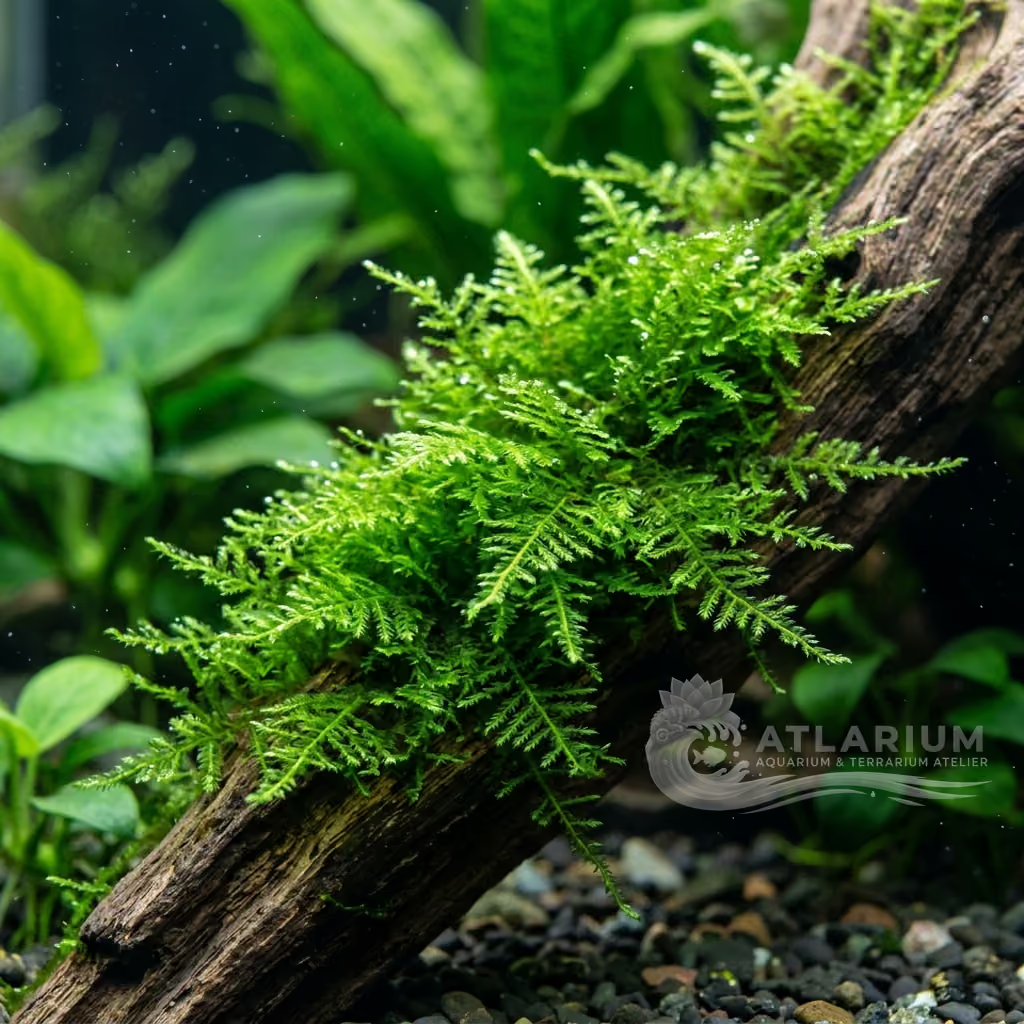
Staurogyne repens
Staurogyne repens
Staurogyne repens is a robust and versatile foreground plant, perfect for creating dense, attractive carpets in the aquarium with its creeping growth habit.
Water Temperature
20 - 30 °C
pH Value
5 - 7.5
Water type
Freshwater
Light
Medium to High
CO2
Low - High
Expected height
10 cm
Expected width
10 cm
KH
0 - 10 dKH

Species description
Geographical Origin and Habitat: Staurogyne repens originates from Brazil, specifically the Rio Cristalino region in the state of Mato Grosso. Here, it thrives on the rocky and sandy banks of rivers and streams, often in amphibious conditions, either fully submerged or semi-submerged. This natural habitat, characterized by clear, nutrient-rich waters, grants it remarkable adaptability to various aquatic conditions, provided they remain stable.
Taxonomy & Genetics: Belonging to the Acanthaceae family, Staurogyne repens was initially misidentified as a species of Hygrophila or even Lythrum. Its correct classification within the genus Staurogyne was only confirmed more recently, highlighting its unique characteristics. This genus includes several species, but Staurogyne repens stands out for its compact growth habit and specific requirements for submerged cultivation, making it a particularly interesting botanical specimen for aquascaping.
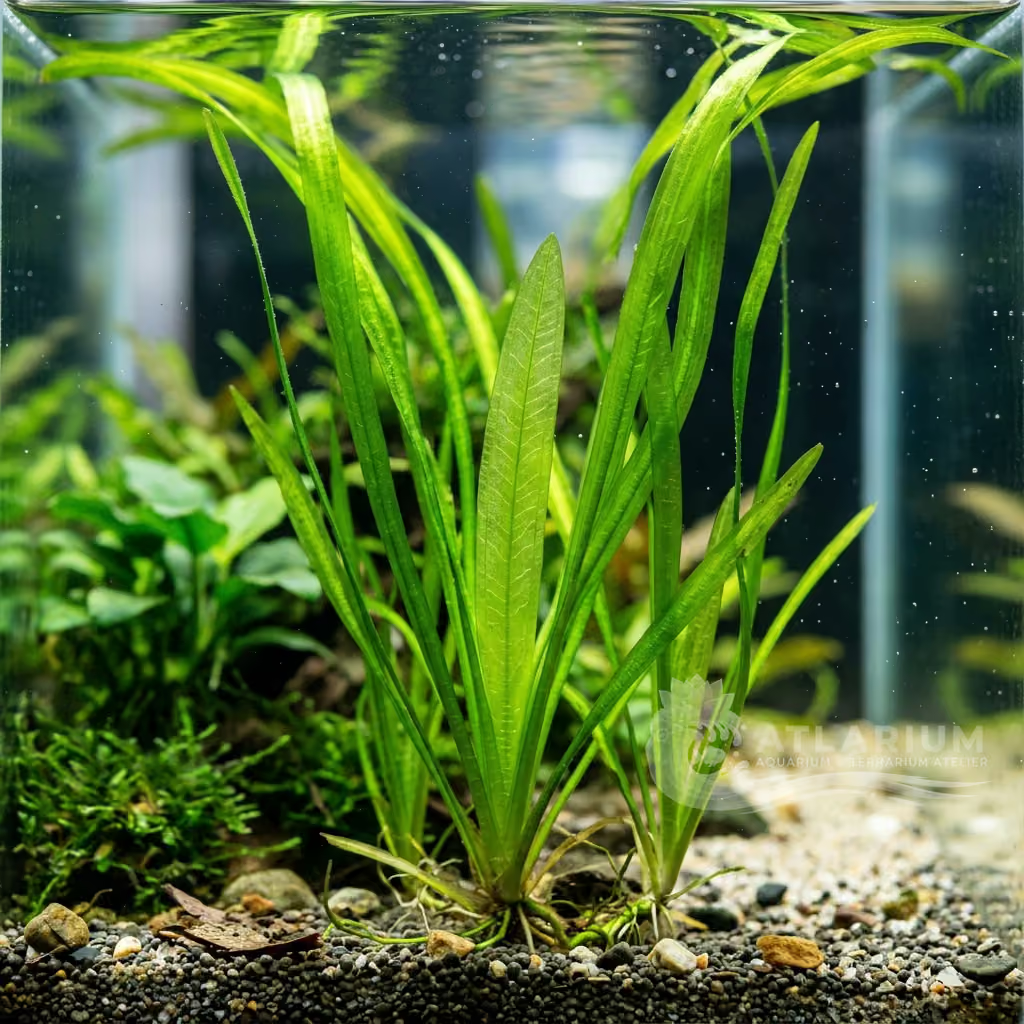
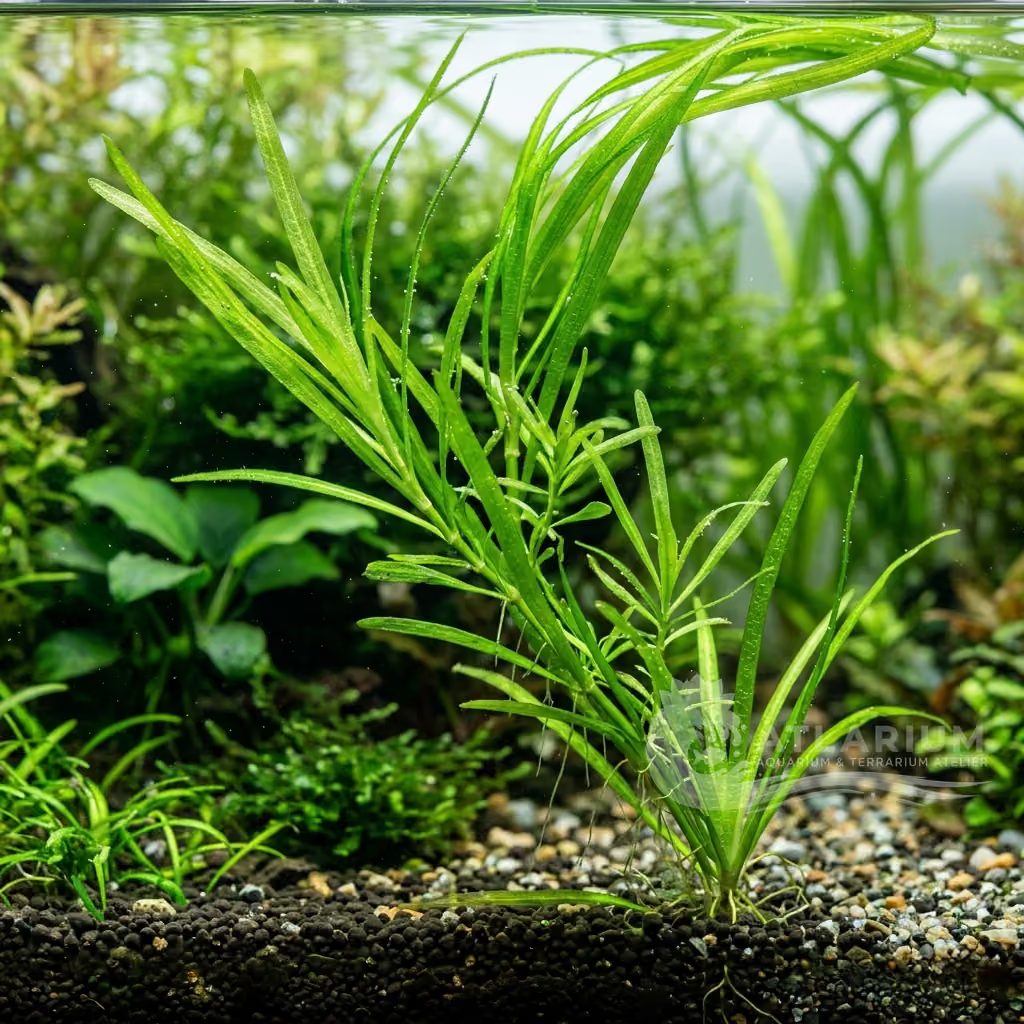
Physical Structure: Physically, Staurogyne repens presents as a low-growing, creeping stem plant with short internodes, allowing it to form a compact carpet. Its stems are robust and tend to root easily into the substrate, promoting horizontal growth. The leaves are arranged oppositely, providing dense coverage that makes it ideal for the aquarium foreground. Under optimal conditions, it can reach modest heights, but its natural tendency is to spread laterally.
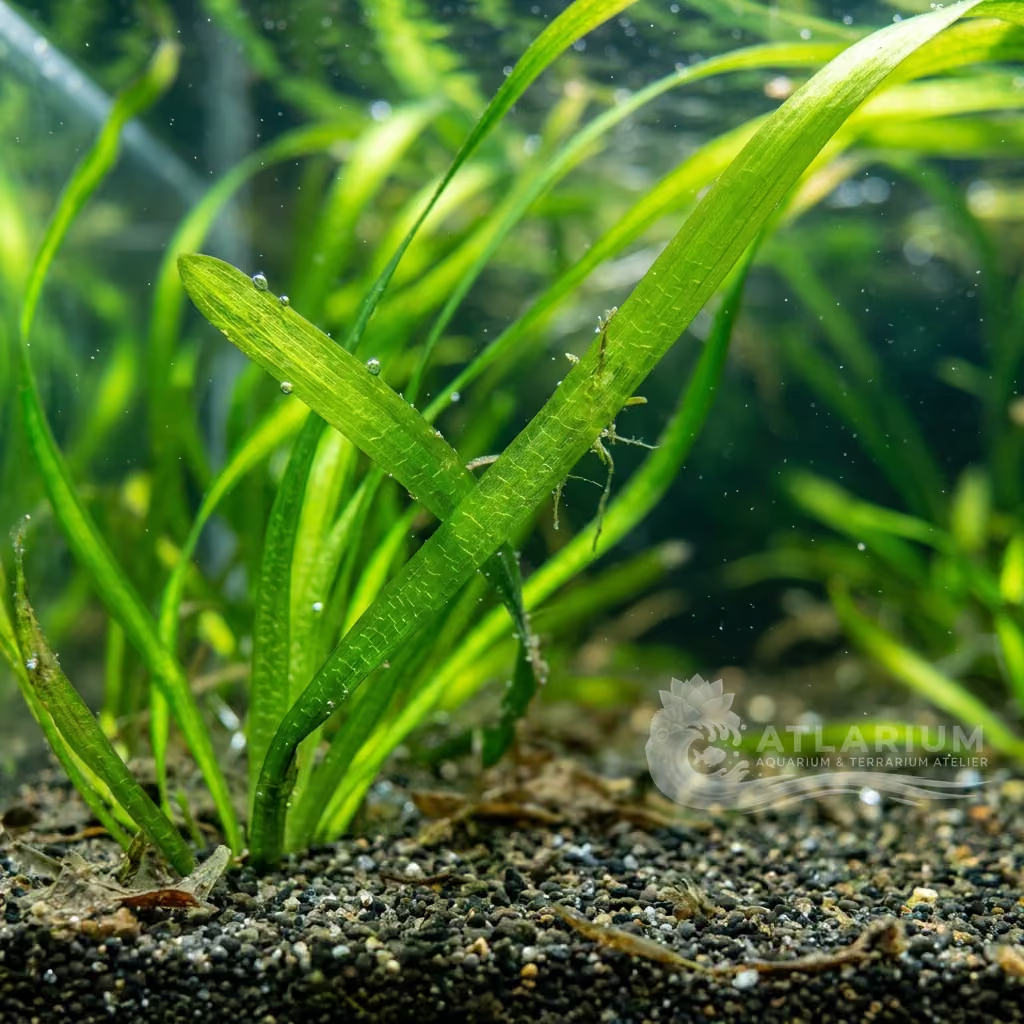
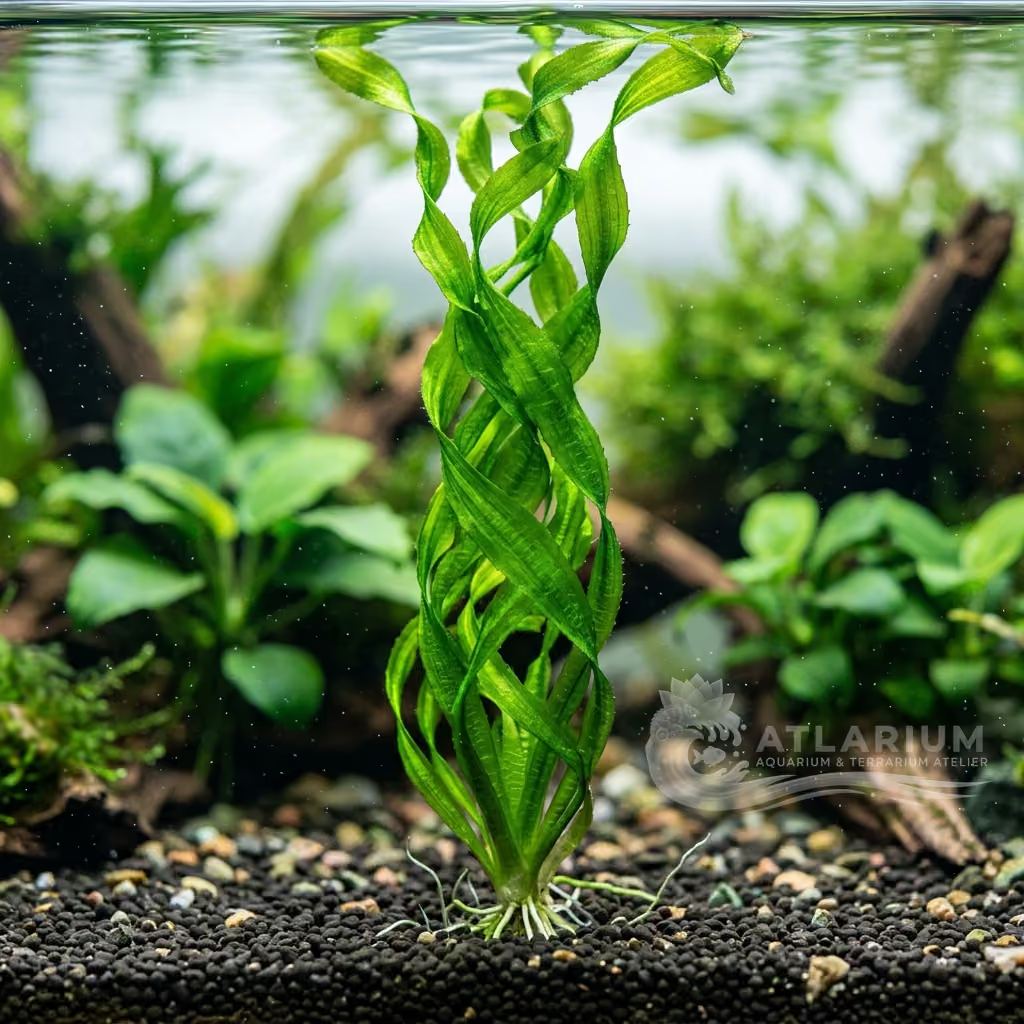
Color & Texture: The leaves of Staurogyne repens exhibit a vibrant light green or bright green color, which can acquire slightly darker or brownish hues under intense lighting. Their shape is lanceolate, with a rounded tip, and the surface feels slightly rough or leathery to the touch. This combination of color and texture contributes to creating an appealing visual contrast, adding depth and aesthetic interest to the aquatic landscape.

Care, breeding and tankmates
Lighting & CO2: Staurogyne repens requires medium to high lighting to fully thrive and maintain a compact growth habit. Under insufficient light, internodes will lengthen, and the plant may become leggy and less attractive, losing its ability to form a dense carpet. CO2 injection is highly recommended; it stimulates robust growth, more vibrant color, and increased resilience to stress, significantly accelerating the carpeting process.
Nutrition & Substrate: A nutrient-rich substrate is crucial for Staurogyne repens, as it is a plant that absorbs a large portion of its nutrients through its roots. The use of a fertile aquatic plant substrate or supplementation with fertilizer tabs placed near the roots is advised. A comprehensive liquid fertilization, including macro and micronutrients, is also beneficial to support leaf growth and overall plant health. Regular nutrient supply prevents deficiencies that could manifest as yellowing or stunted growth.
Water Chemistry: Maintaining stable water parameters is crucial for Staurogyne repens, which thrives within a temperature range of 20.0 to 30.0 C. The ideal pH is between 5.0 and 7.5, while carbonate hardness (KH) should be maintained between 0.0 and 10.0. Sudden fluctuations in these values can stress the plant, leading to melt or deterioration of leaves. It is advisable to regularly monitor water parameters to ensure an optimal and constant environment.
Space Management & Placement: Thanks to its low and creeping habit, Staurogyne repens is perfect for the aquarium foreground, where it can create a lush and natural carpet. It can also be used in the midground, if allowed to grow a bit taller, to provide a transition point between shorter and taller plants. To encourage dense growth and lateral expansion, it is important to plant cuttings individually or in small spaced groups, allowing them to root and spread horizontally.
Pruning: Regular pruning is essential to keep Staurogyne repens dense and compact, preventing it from becoming too tall or woody. By trimming the apical tips or the upper parts of the plant, new lateral shoots are stimulated, promoting bushiness and the formation of the desired carpet. This practice not only enhances aesthetic appeal but also contributes to the overall health of the plant, preventing shading of lower parts and subsequent deterioration.
Risks & Diseases: Staurogyne repens is generally resilient, but it can be susceptible to common aquarium problems if conditions are not optimal. Nutrient deficiencies or insufficient light can lead to yellowing leaves or stunted growth. Fluctuations in water parameters or an excessive presence of algae can stress the plant, making it more vulnerable. Adequate fertilization, lighting, and stability of the aquatic environment are crucial for preventing most risks.

Geographic origin and distribution
Staurogyne repens originates from Brazil, specifically the Rio Cristalino region in the state of Mato Grosso. Here, it thrives on the rocky and sandy banks of rivers and streams, often in amphibious conditions, either fully submerged or semi-submerged. This natural habitat, characterized by clear, nutrient-rich waters, grants it remarkable adaptability to various aquatic conditions, provided they remain stable.
Origin
Extra-Amazon South America

Plant profile
- Placement
- Foreground
- It is ideally suited for the foreground or front-midground, forming a dense, low-growing bush or carpet. It works beautifully when planted along hardscape edges, gracefully softening the transition between rock or wood and the substrate. Ensure it is planted in an area with unobstructed light.
- Botanical form
- Stem
- This species features small, bright green, slightly textured oval leaves that grow densely along creeping stems. The stems have a strong tendency to grow horizontally rather than vertically when lighting is sufficient. Its robust root system strongly anchors it to the substrate.
- Growth
- Medium
- The growth rate is generally moderate, allowing it to slowly spread laterally and form a dense mat. With CO2 injection and high light, growth is noticeably faster and more compact. Under low light, it tends to grow slower and stretch upwards, losing its carpeting effect.
- Substrate
- High
- This popular carpeting plant requires a fine-grained, nutrient-rich aqua soil to support its extensive root system and promote dense, lateral growth. It readily sends out runners and roots deeply to absorb essential nutrients. A substrate depth of at least 4-5 cm provides the ideal environment for stable anchoring and steady development.
- Column fertilization
- Recommended
- Liquid fertilization is crucial to supply trace elements and readily available macronutrients. Regular dosing of a comprehensive liquid fertilizer will ensure lush, vibrant green foliage. Without sufficient column nutrients, the oldest leaves may begin to decay or attract algae.
- Root fertilization
- Recommended
- Root fertilization is highly recommended and extremely beneficial for S. repens. A nutrient-rich aquasoil or the addition of root tabs will encourage aggressive horizontal runner development and deeper rooting. The roots easily absorb nutrients, contributing to robust, thick stems.
- Trimming
- Occasional
- Trimming is essential to maintain a low carpet; cut off vertical shoots to encourage the plant to spread horizontally. Frequent pruning makes the bush denser and prevents the lower layers from dying off due to lack of light. Discard or replant the trimmed tops.
- Propagation
- Cuttings
- Propagation is straightforward via stem cuttings or by dividing established clumps. Snip the longest creeping stems or upright shoots and plant them directly into the soil a few centimeters apart. They will root quickly and begin producing their own lateral shoots.
- Sensitivity
- Moderate
- S. repens is infamous for occasionally 'melting' if water parameters fluctuate wildly or if it is suddenly shaded. It requires stable conditions, particularly steady CO2 levels and good flow, to remain healthy. It is also sensitive to severe nutrient deficiencies, which manifest quickly.
- Layout role
- group, Foreground, Midground, Nano
- It is a highly prized transitional plant, excellent for bridging the gap between fine carpeting plants and taller midground species. Its bright green color and textured leaves provide excellent contrast against dark rocks like Dragon Stone or Seiryu. It is a staple in modern nature aquariums.

Related species
Recommendations grouped by close relatives, companion choices, and similar care.