Hygrophila guianensis
Hygrophila guianensis
Hardy species from the northern Amazon basin. Easily tolerates moderate light but rewards intense lighting and CO2 with fast growth and fleshier, robust leaves.
Water Temperature
20 - 28 °C
pH Value
6 - 7.5
Water type
Freshwater
Light
Medium - High
CO2
Low to Medium
Expected height
40 cm
Expected width
20 cm
GH
4 - 20 dGH
KH
2 - 14 dKH

Species description
Geographical Origin and Habitat: As the name suggests, Hygrophila guianensis is native to northern South America, particularly the Guiana region and the northern Amazon basin. In nature, it populates the muddy shores of slow-flowing rivers, marshes, and channels, growing mainly in emersed form during the dry season and completely submerged during floods. Its rustic nature allows it to tolerate temporary changes in water levels and strong seasonal currents.
Taxonomy & Genetics: Belongs to the Acanthaceae family. Within the genus Hygrophila, it is distinguished by the robustness of its stems and the significant size of its foliage. From a genetic point of view, it is an extremely robust plant that shares biological traits with other American Hygrophila species such as Hygrophila costata, showing a remarkable tolerance to pH and hardness fluctuations.
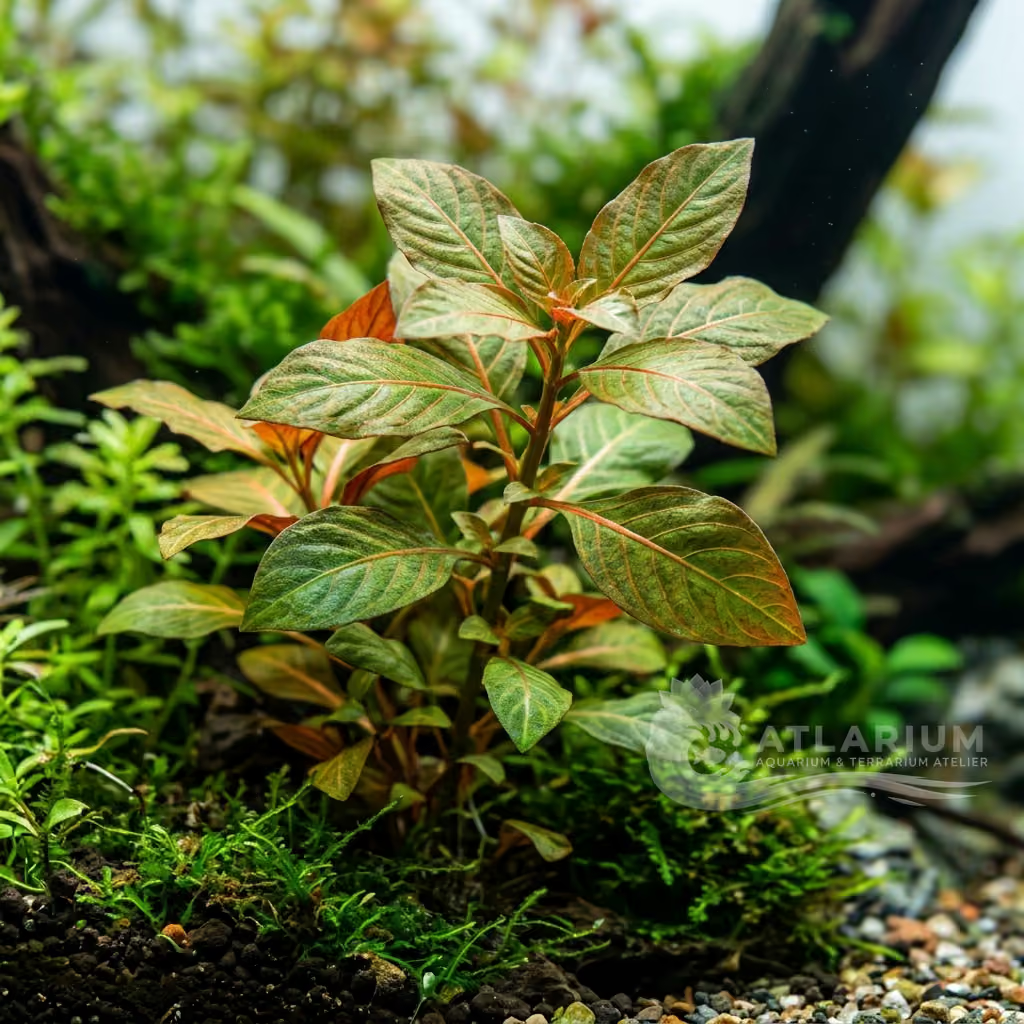
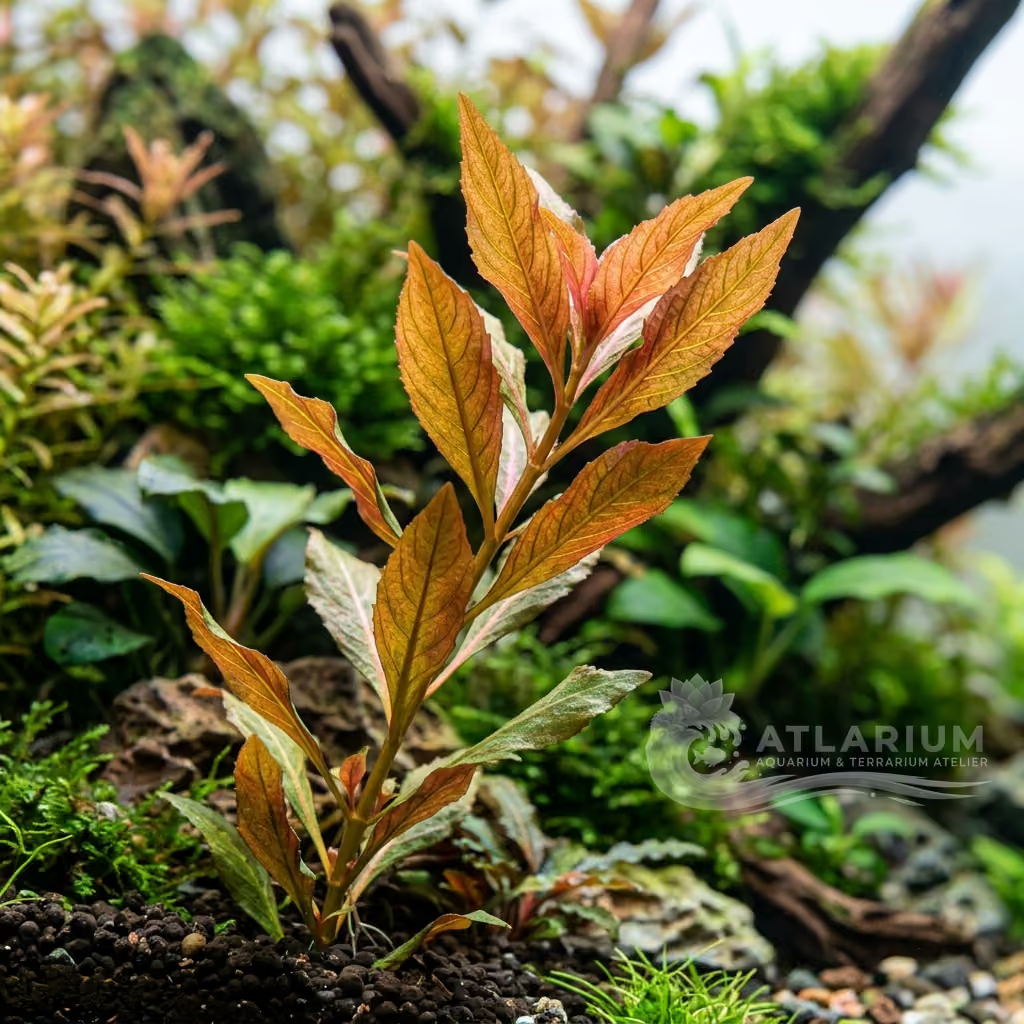
Physical Structure: It features thick vertical stems, woody at the base in more mature specimens, which grow erect and robust. The leaves are arranged oppositely, have an elongated, lanceolate shape, and can reach considerable size, up to 15-20 cm in nutrient-rich aquariums. The overall structure is imposing and massive, suitable for large aquariums.
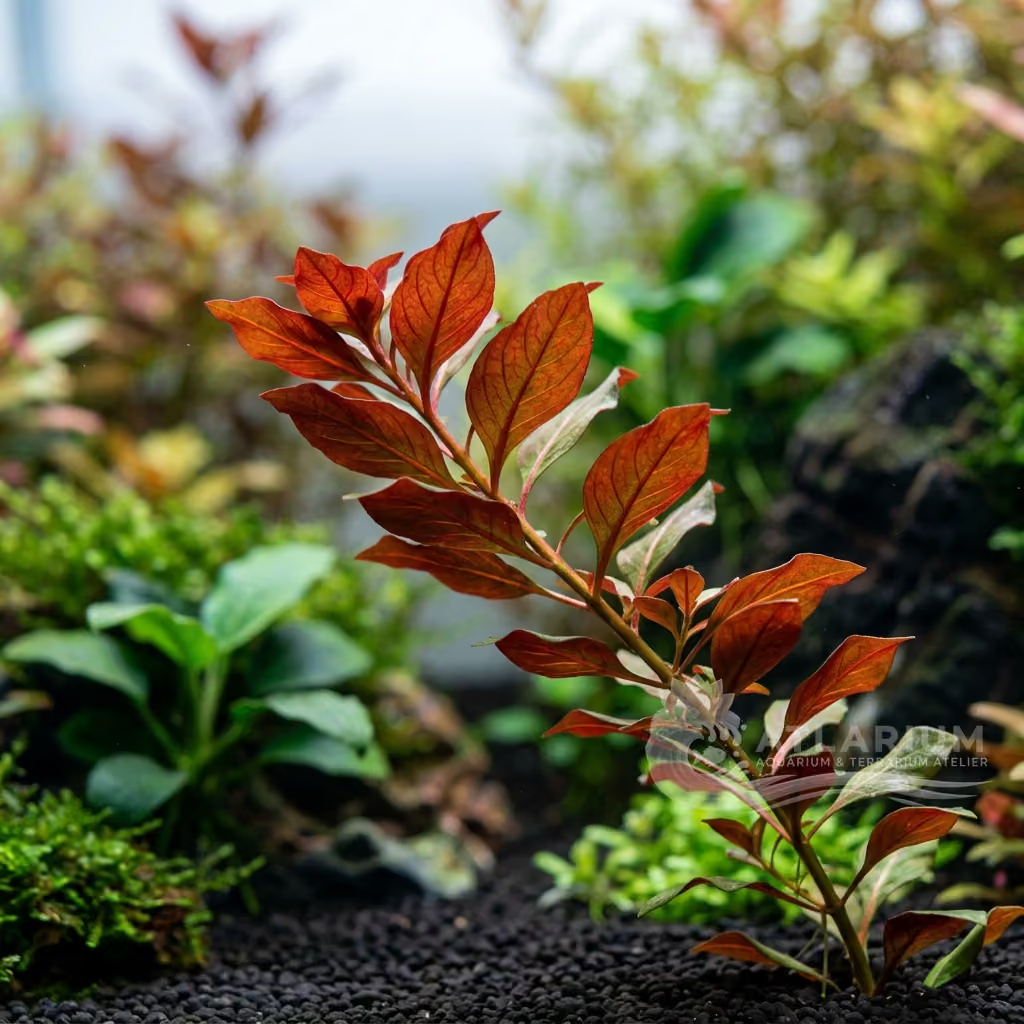
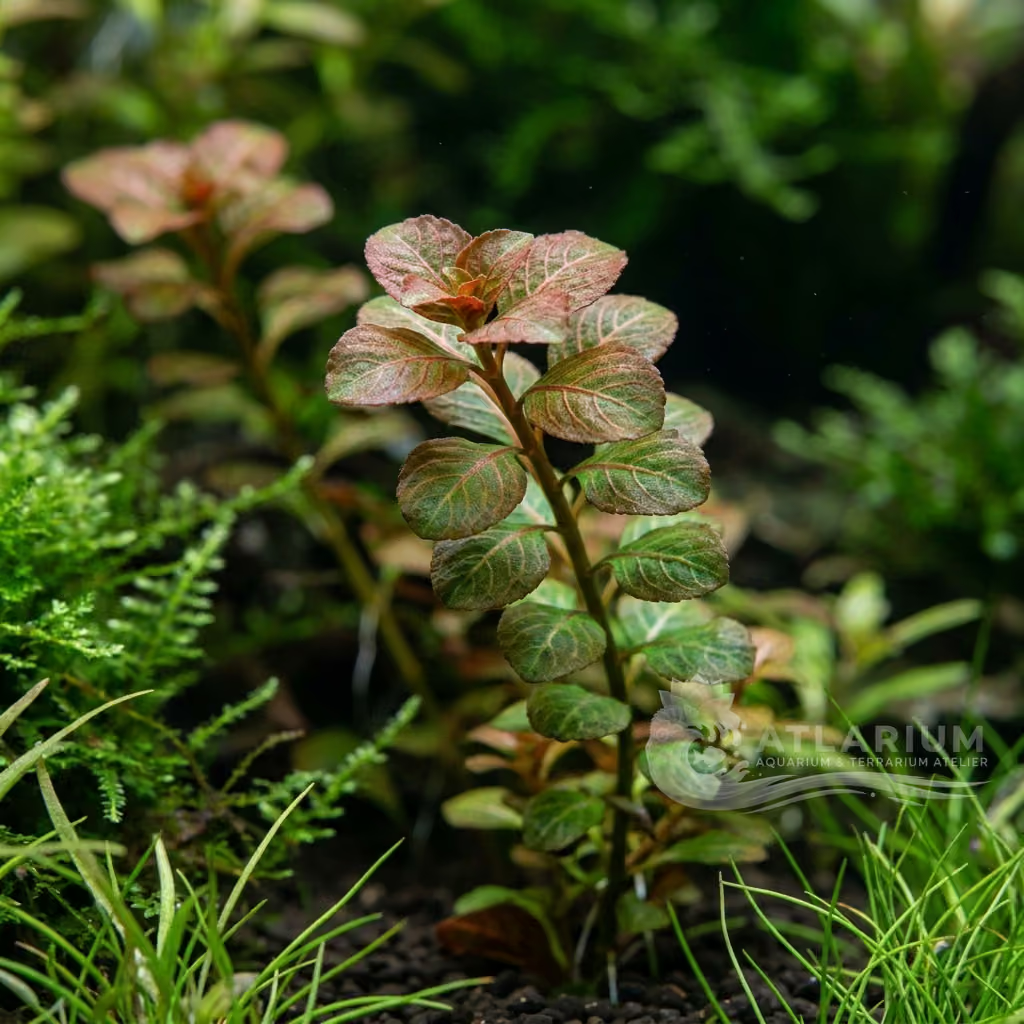
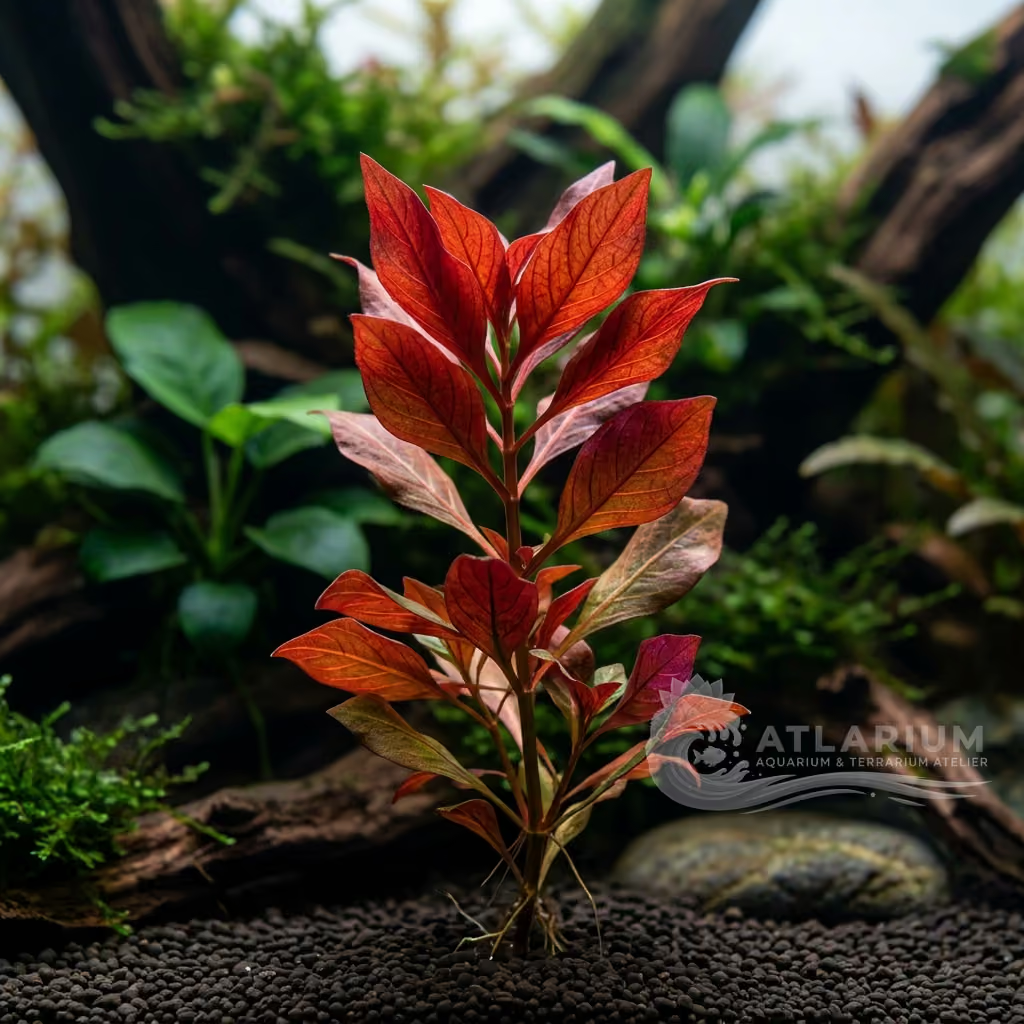
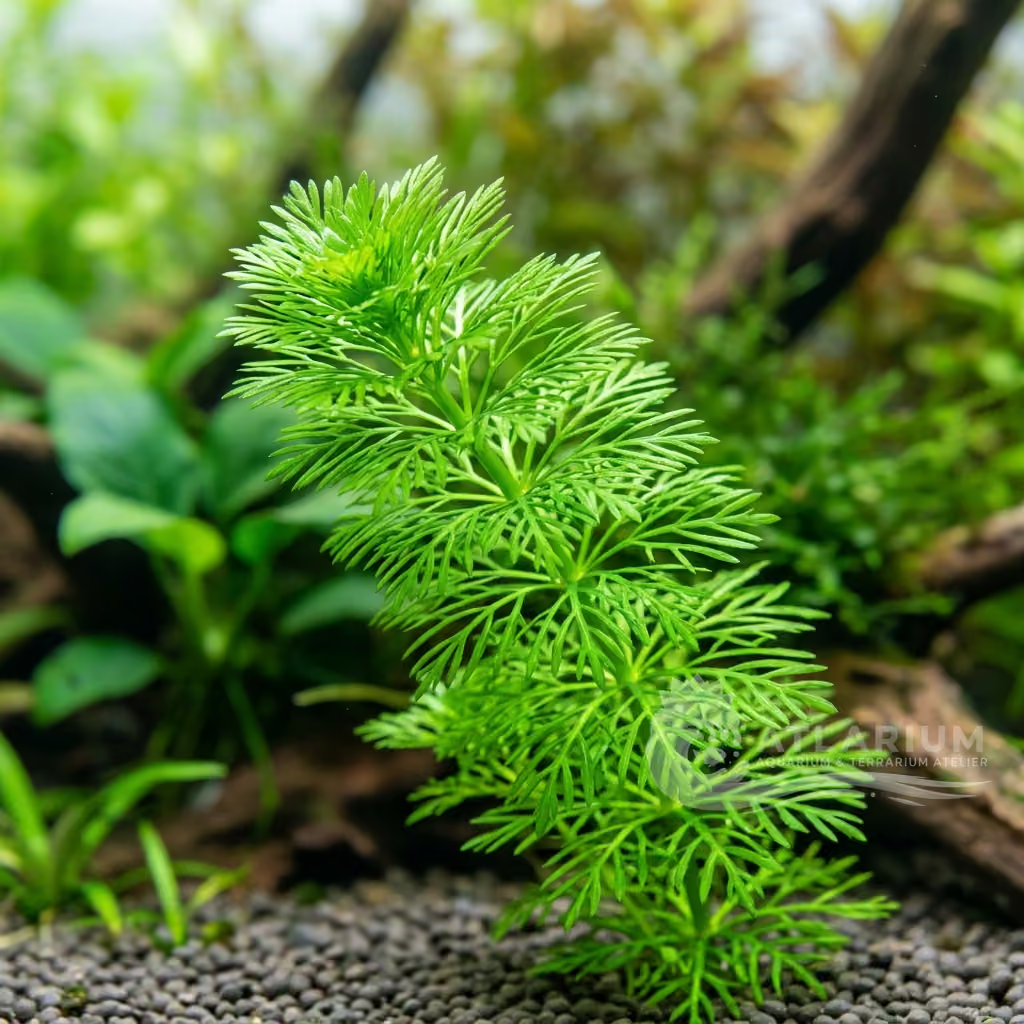
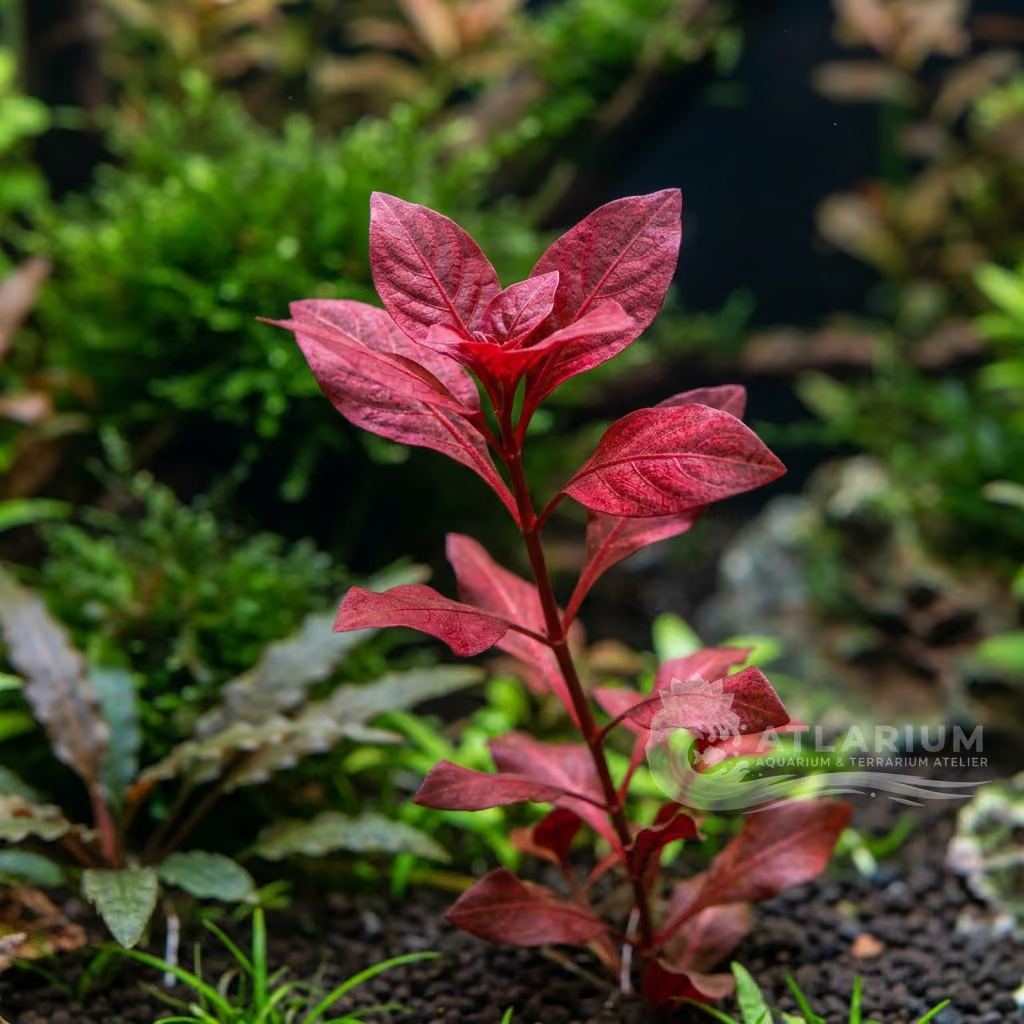
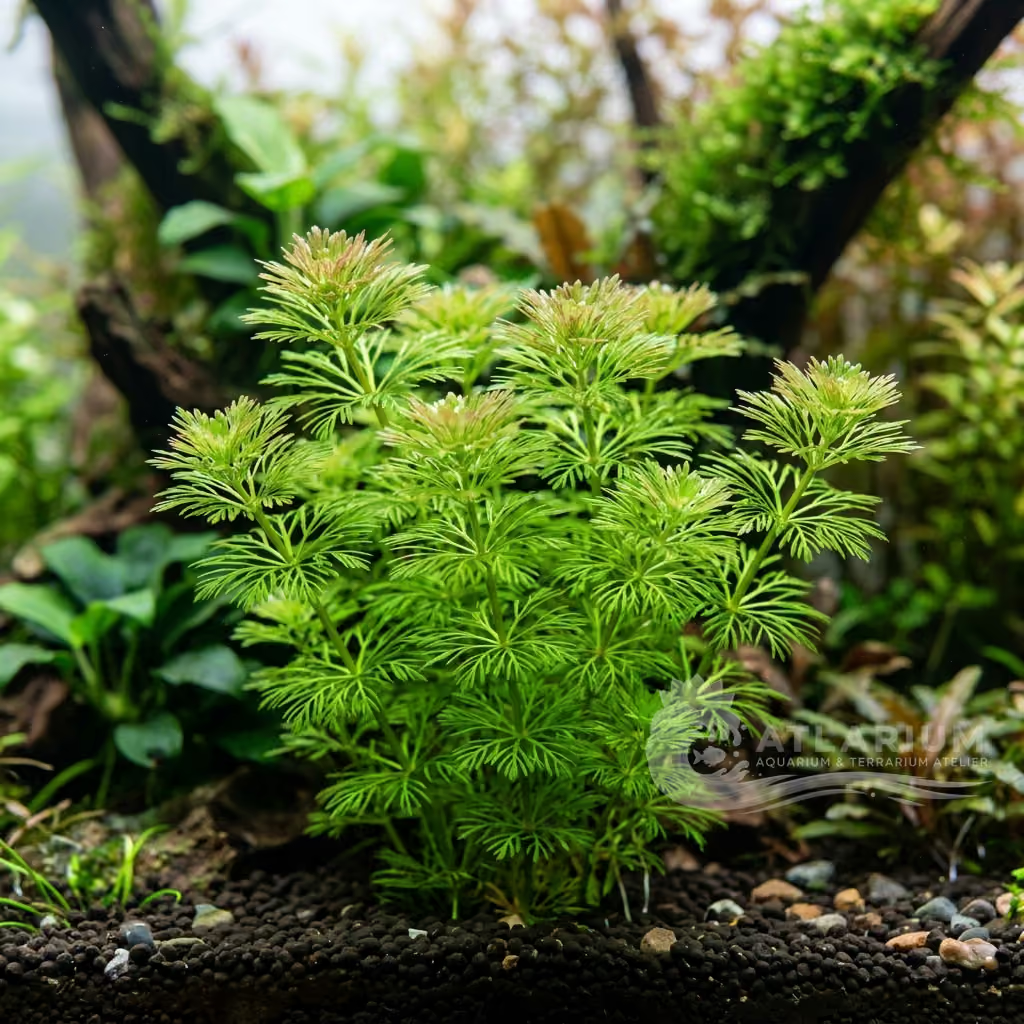
Color & Texture: The coloration is a characteristic light green or pale apple green, very uniform and devoid of reddish hues even under strong light. This light green offers an exceptional color contrast when placed near dark or red-leaved plants. The leaf texture is smooth, soft but durable, with parallel secondary veins running towards the leaf margin.

Care, breeding and tankmates
Lighting & CO2: It is not a particularly demanding plant in terms of lighting, growing well even under moderate light. However, intense lighting promotes shorter internodes and more compact development. CO2 injection is optional but recommended to accelerate growth and stimulate the production of larger, fleshier leaves.
Nutrition & Substrate: Benefits from both a fertile substrate and regular liquid fertilization. As a medium-fast growing plant that produces a lot of biomass, it absorbs large amounts of nitrates, potassium, and iron directly from the
Water Chemistry: Tolerates soft to moderately hard water, with an ideal pH range between 6.0 and 7.5. The optimal water temperature is between 18°C and 28°C. Regular water changes help maintain nutrient balance and prevent organic accumulation that could encourage parasitic algae on older leaves.
Space Management & Placement: Its ideal placement is in the background of the aquarium or the rear part of the midground, due to its imposing size. It must be planted in individual stems spaced a few centimeters apart to allow light to reach the lowest leaves and prevent them from rotting prematurely.
Pruning: Pruning is done by cutting the upper part of the stem at the desired height. The plant responds by producing new lateral shoots from the node below the cut. Cut tops can be replanted directly in the substrate to propagate the species or thicken the decorative group.
Risks & Diseases: It is a robust plant with few associated risks. The main vulnerability is related to iron and potassium deficiencies, which manifest as leaf yellowing (chlorosis) or small holes. If allowed to grow out of the water, the emersed leaves will become darker and more leathery, and the plant may flower, producing small white or purplish flowers in the leaf axils.

Geographic origin and distribution
As the name suggests, Hygrophila guianensis is native to northern South America, particularly the Guiana region and the northern Amazon basin. In nature, it populates the muddy shores of slow-flowing rivers, marshes, and channels, growing mainly in emersed form during the dry season and completely submerged during floods. Its rustic nature allows it to tolerate temporary changes in water levels and strong seasonal currents.
Origin
Amazon, Orinoco, and Guianas

Plant profile
- Placement
- Midground
- Given its impressive size and potential to grow quite tall, it belongs squarely in the background of the aquarium. It looks best planted in small, dense groups to create a solid, texturally rich backdrop. It can serve as an imposing structural element in large, deep tanks.
- Botanical form
- Stem
- This species features strong, thick vertical stems supporting large, opposite, ovate-lanceolate leaves. The leaves are typically a bright, crisp green, occasionally showing a slight bronze tint on the newest growth under high light. The sheer size of its leaves gives it a very bold and commanding presence.
- Growth
- Medium
- Under ideal conditions with high light and CO2 injection, Hygrophila guianensis exhibits a fast growth rate. It rapidly reaches the water surface and can quickly dominate the rear portion of a layout. In setups lacking CO2 or strong light, its growth slows considerably and leaves may become smaller.
- Substrate
- Medium
- Hygrophila guianensis performs well when planted in a moderately nutritious substrate that balances root support with steady nutrient availability. A substrate depth of 4 to 6 centimeters is recommended to give its root system a stable foundation for the plant's upright growth habit. Although it draws a fair amount of nutrition directly from the surrounding water, providing root tabs in inert setups or using aquasoil will ensure a stronger structure and healthier leaves.
- Column fertilization
- Recommended
- Liquid column fertilization is highly effective for delivering necessary macro and micronutrients. The plant readily absorbs dissolved nutrients through its large leaf surfaces. A strict dosing regimen is important to keep this fast grower healthy and prevent it from stripping the water column of nutrients.
- Root fertilization
- Optional
- While it draws heavily from the water, providing a nutrient-dense substrate is highly beneficial. A strong root system anchors the large stems and supports the massive nutrient intake required. Substrate fertilizers or root tabs ensure the plant has a steady reserve of nutrients, promoting thicker stems.
- Trimming
- Occasional
- Frequent trimming is required as it quickly grows toward the light and shades surrounding areas. Topping the plant and replanting the tops is standard practice. The original stems can be left in place to develop side shoots, although older stems may become woody over time.
- Propagation
- Cuttings
- Propagation is easily accomplished via simple stem cuttings. Snipping a healthy top portion and planting it in the substrate will yield a new, independent plant. Lateral shoots can also be carefully separated and replanted.
- Sensitivity
- Moderate
- Hygrophila guianensis is relatively adaptable but can suffer if nutrient levels plummet or if lighting is insufficient. It is susceptible to lower leaf loss if shaded or starved of macronutrients. Generally, it bounces back well from environmental stress once optimal conditions are restored.
- Layout role
- Background, Midground
- It acts as a dominant background presence, providing a dense, green wall that anchors the entire aquascape. Its large, bold texture creates a strong contrast against fine-leaved stem plants or delicate carpeting species. It is excellent for concealing heaters, filter intakes, and other bulky equipment.

Related species
Recommendations grouped by close relatives, companion choices, and similar care.