Hygrophila sp. ("aufrechte Staurogyne sp.")
Hygrophila sp. ("aufrechte Staurogyne sp.")
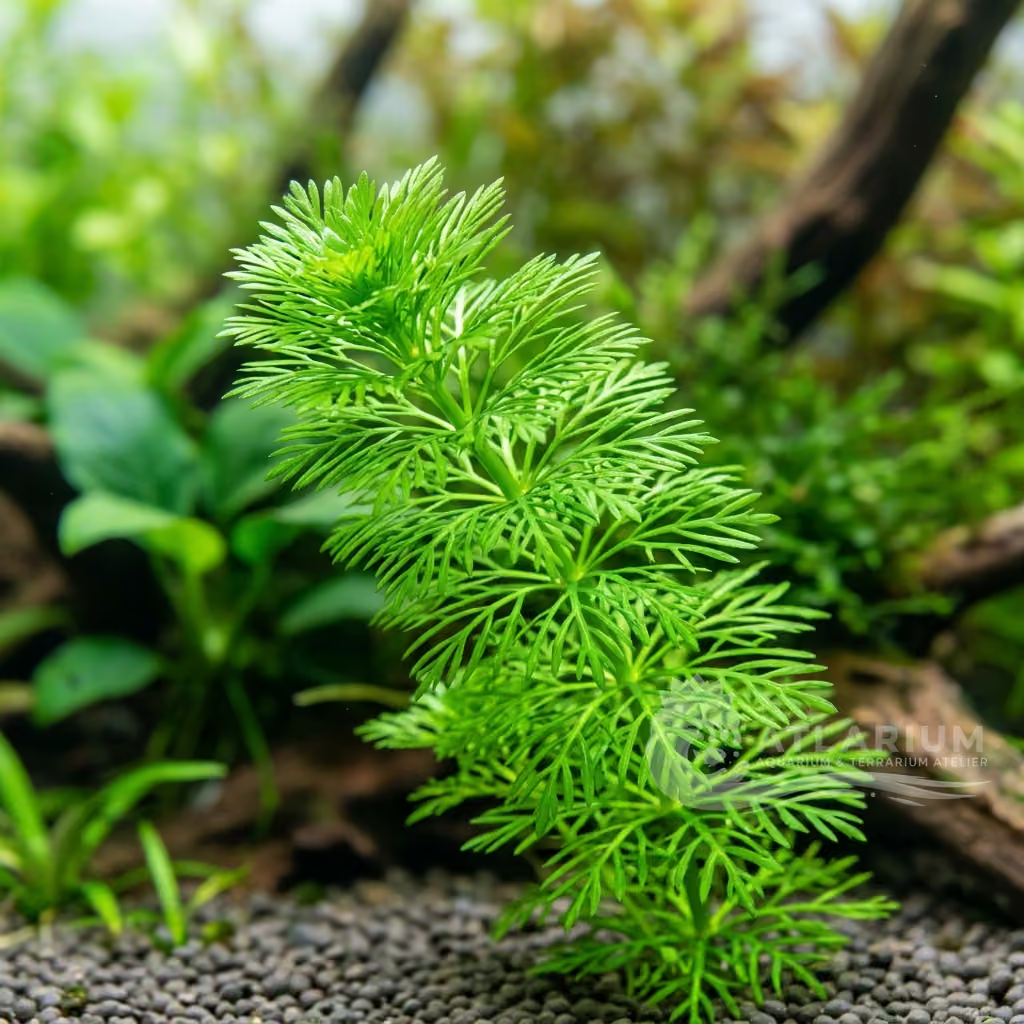
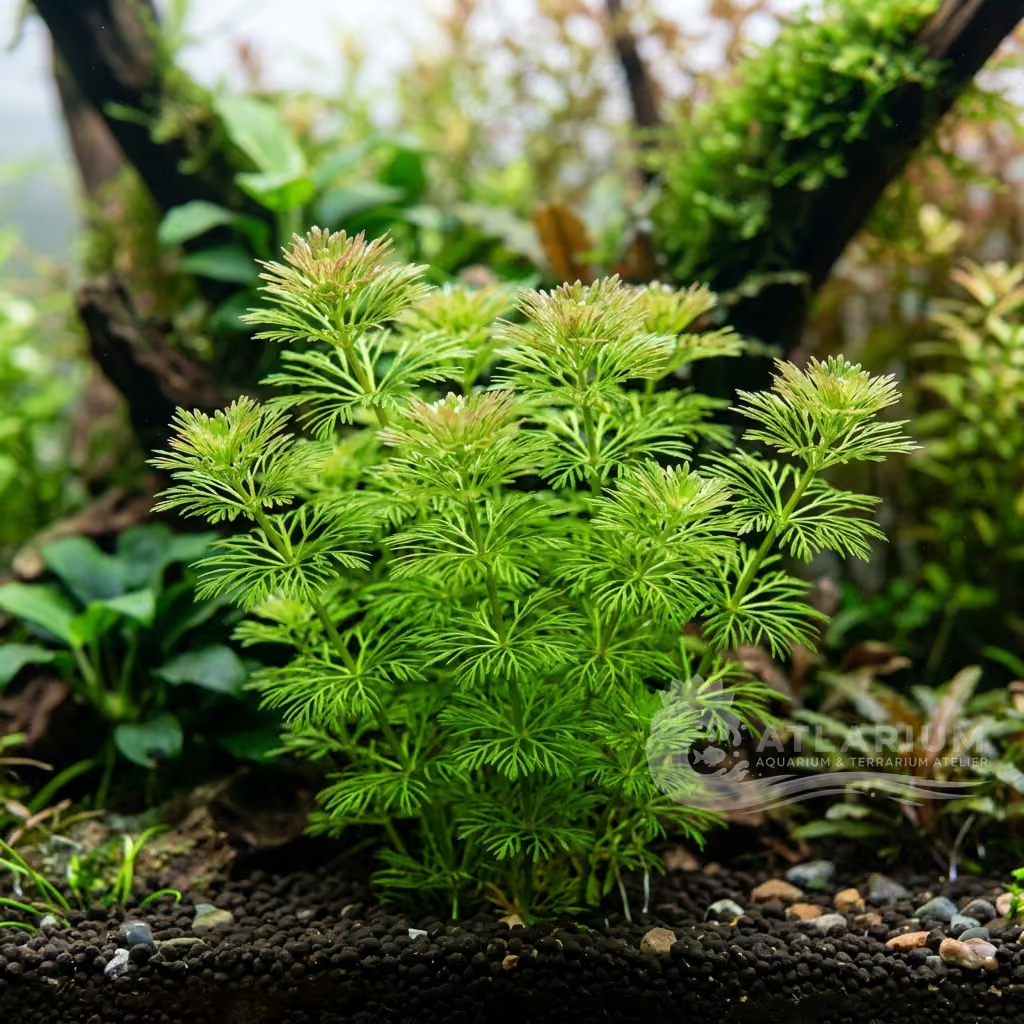
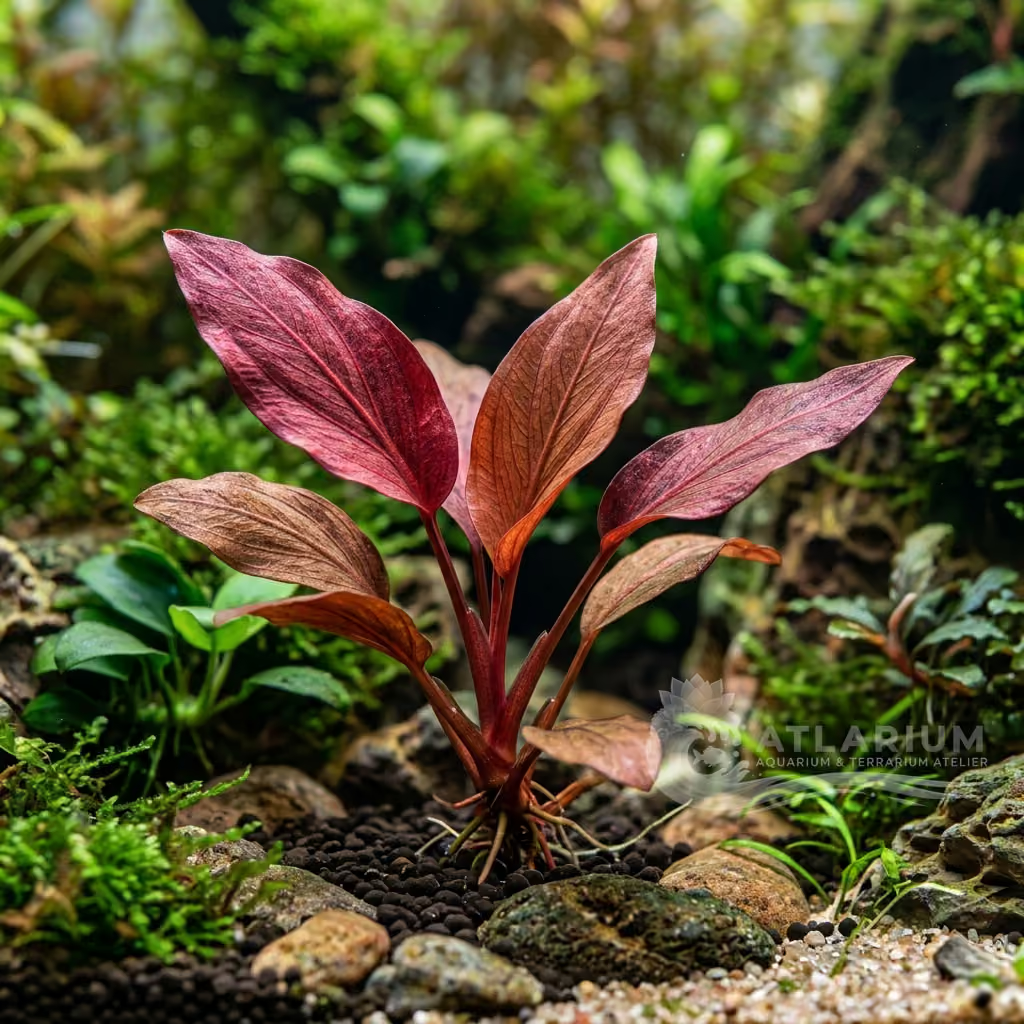
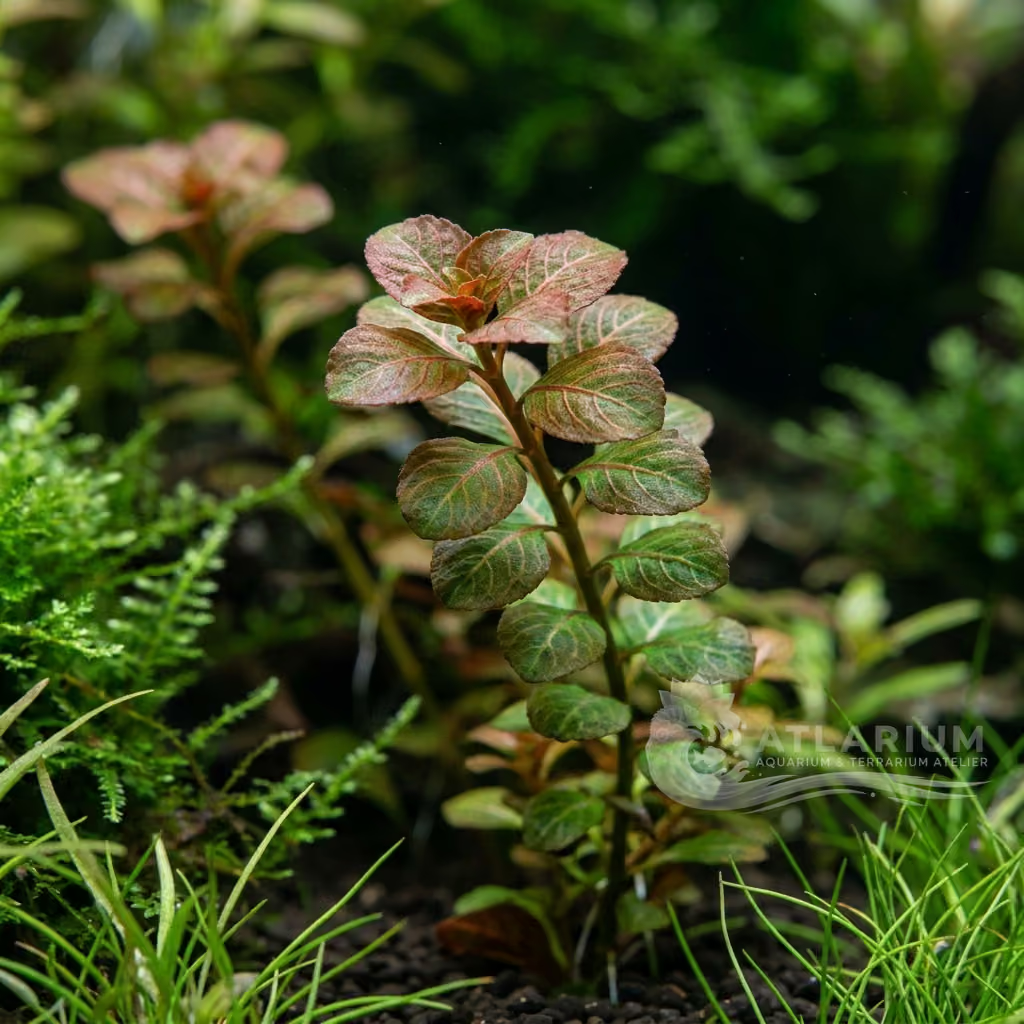
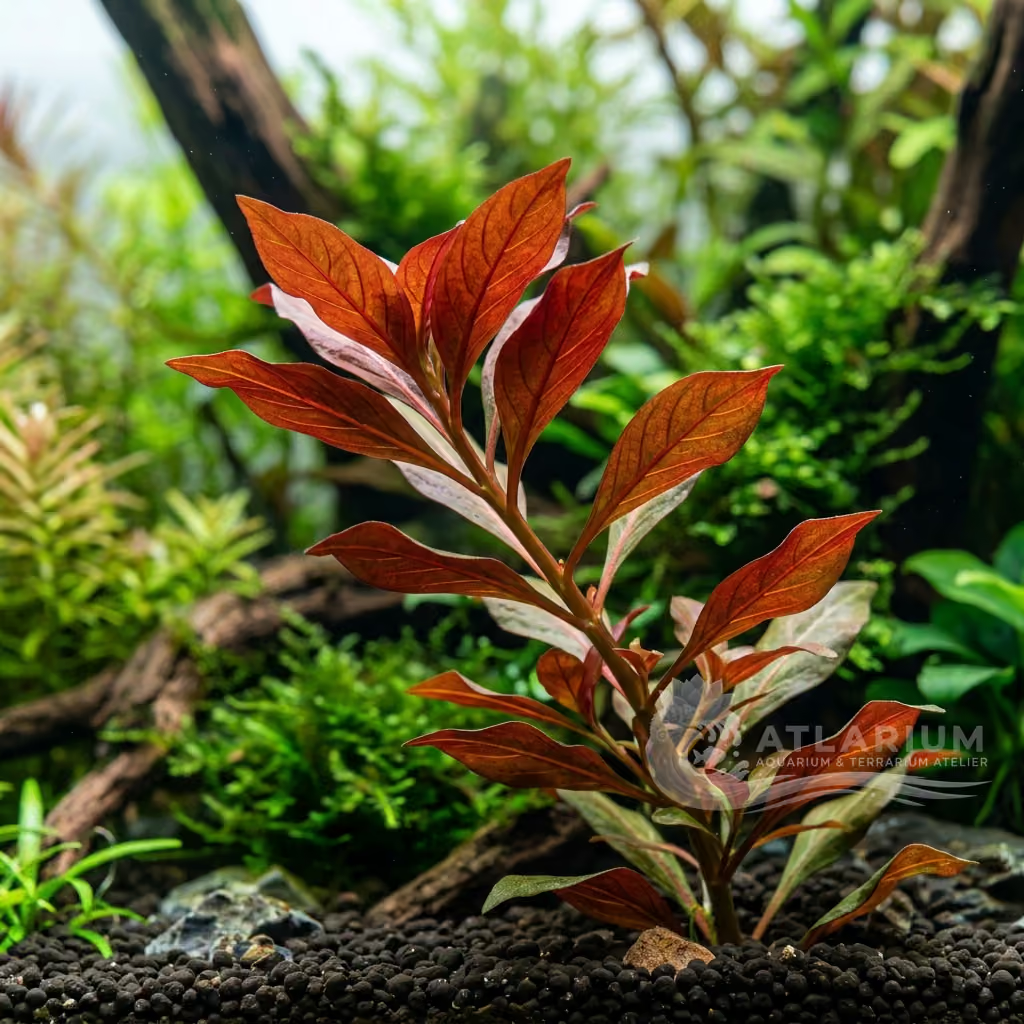
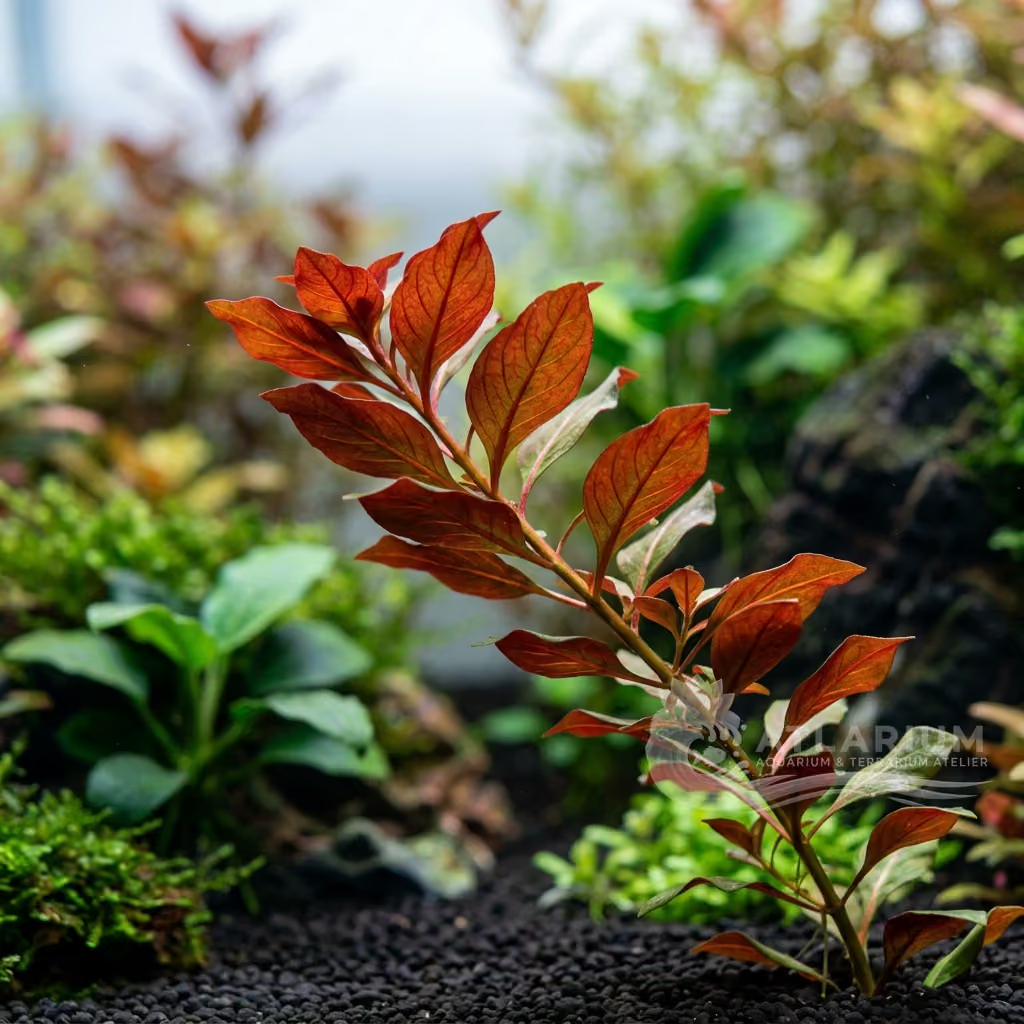
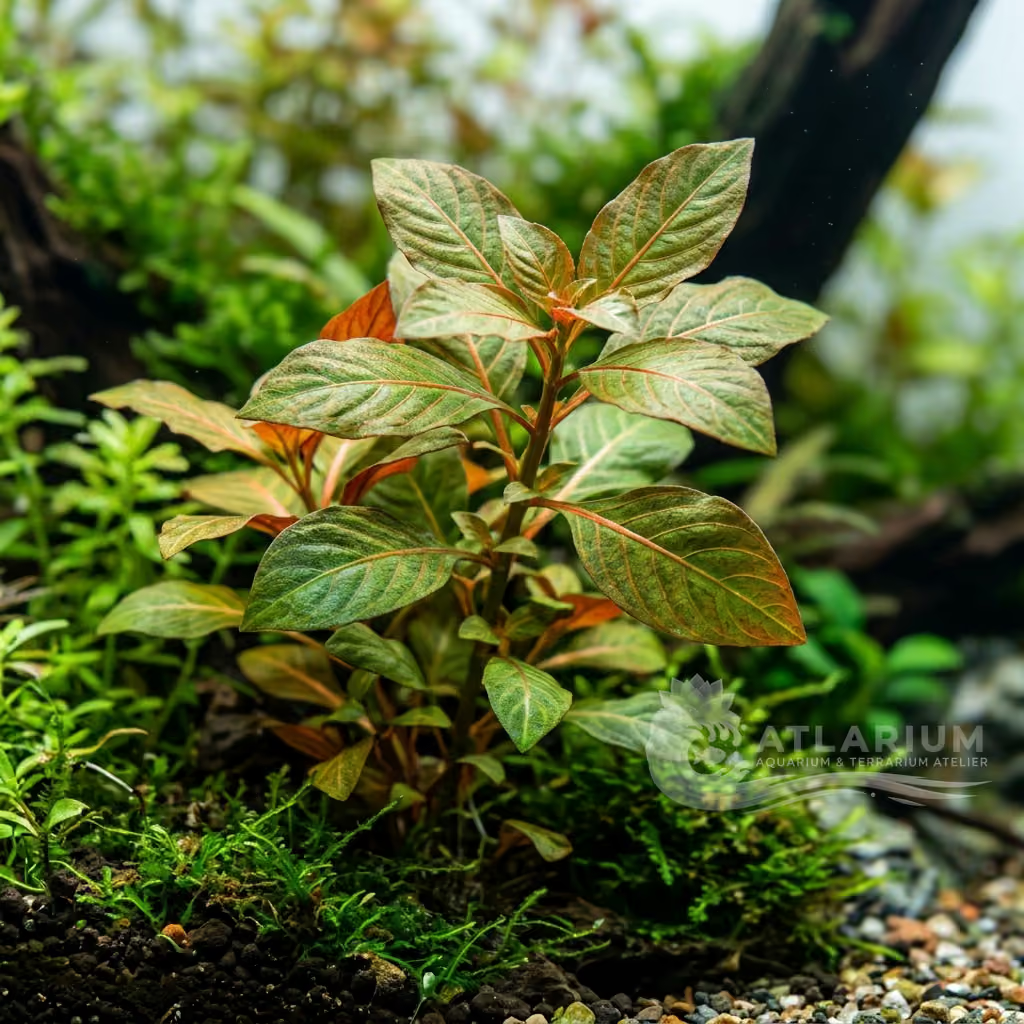
Known for its upright and compact habit, this bright grass-green midground plant creates dense hedges. It prefers moderate to intense lighting and regular fertilization to maintain its geometric look.
Water Temperature
22 - 28 °C
pH Value
6 - 7
Water type
Freshwater
Light
Medium - High
CO2
Low - High
GH
4 - 15 dGH
KH
2 - 12 dKH

Species description
Geographical Origin and Habitat: This specific selection of Hygrophila, known in German aquascaping circles as 'aufrechte Staurogyne' (upright Staurogyne), has an exact geographical origin that is not fully documented, but it belongs to a genus widely distributed in the tropical areas of Asia and South America. In nature, related plants populate marshy environments or the wet banks of forest rivers and streams. It adapts to both emersed and submerged conditions, a transition typical of riparian plants that face seasonal variations in water level.
Taxonomy & Genetics: From a taxonomic point of view, the exact scientific classification is still being defined, which is why it is indicated as 'sp.'. The commercial name refers to the upright habit that resembles species of the genus Staurogyne, but with morphological characteristics that link it firmly to the genus Hygrophila. Its genetic stability in culture allows it to maintain leaf shape and vertical growth style under different light conditions.
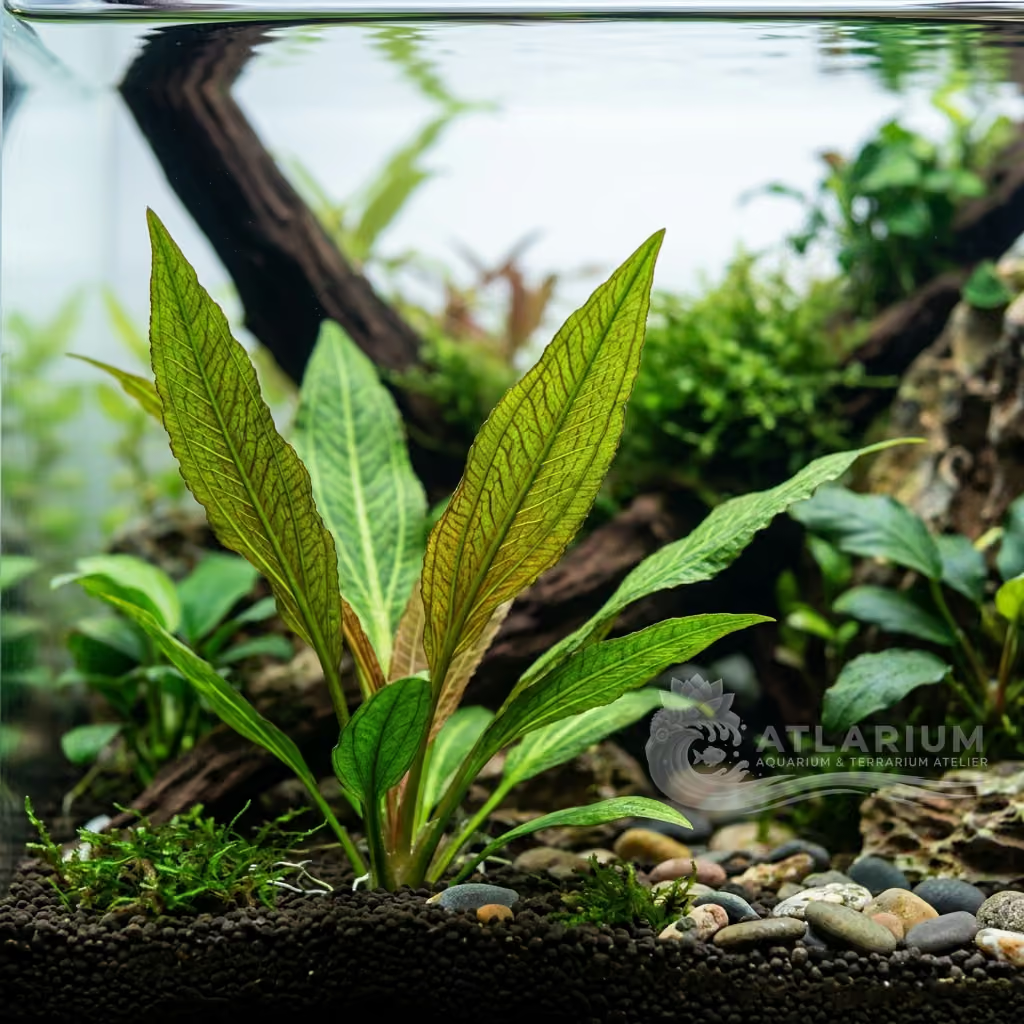
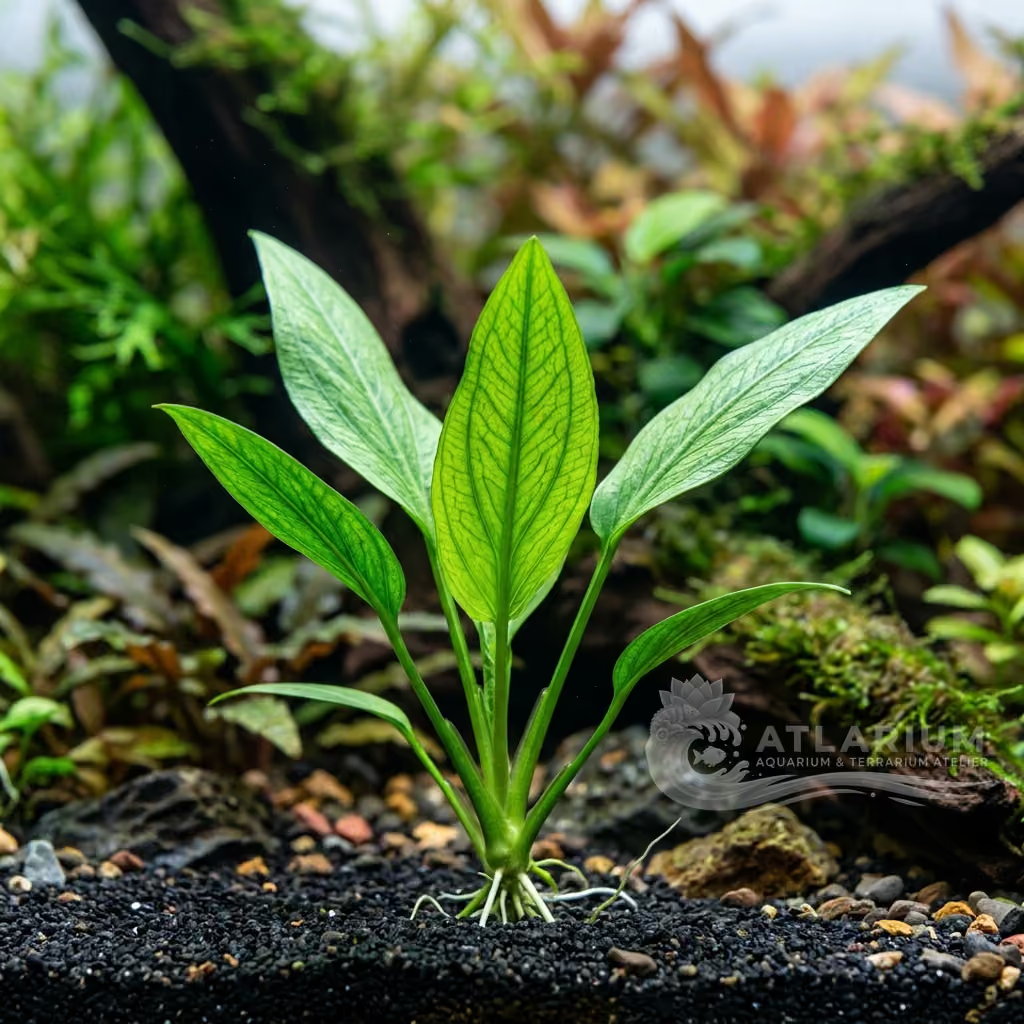
Physical Structure: The plant develops with rigid and robust vertical stems, equipped with relatively short internodes that contribute to a dense and compact appearance. The leaves are arranged in an opposite and decussate manner along the stem; they have a lanceolate or narrowly oval shape, with entire margins and smooth surfaces. Compared to classic Hygrophila, it shows a much more rigid and orderly structure, ideal for geometric layouts.
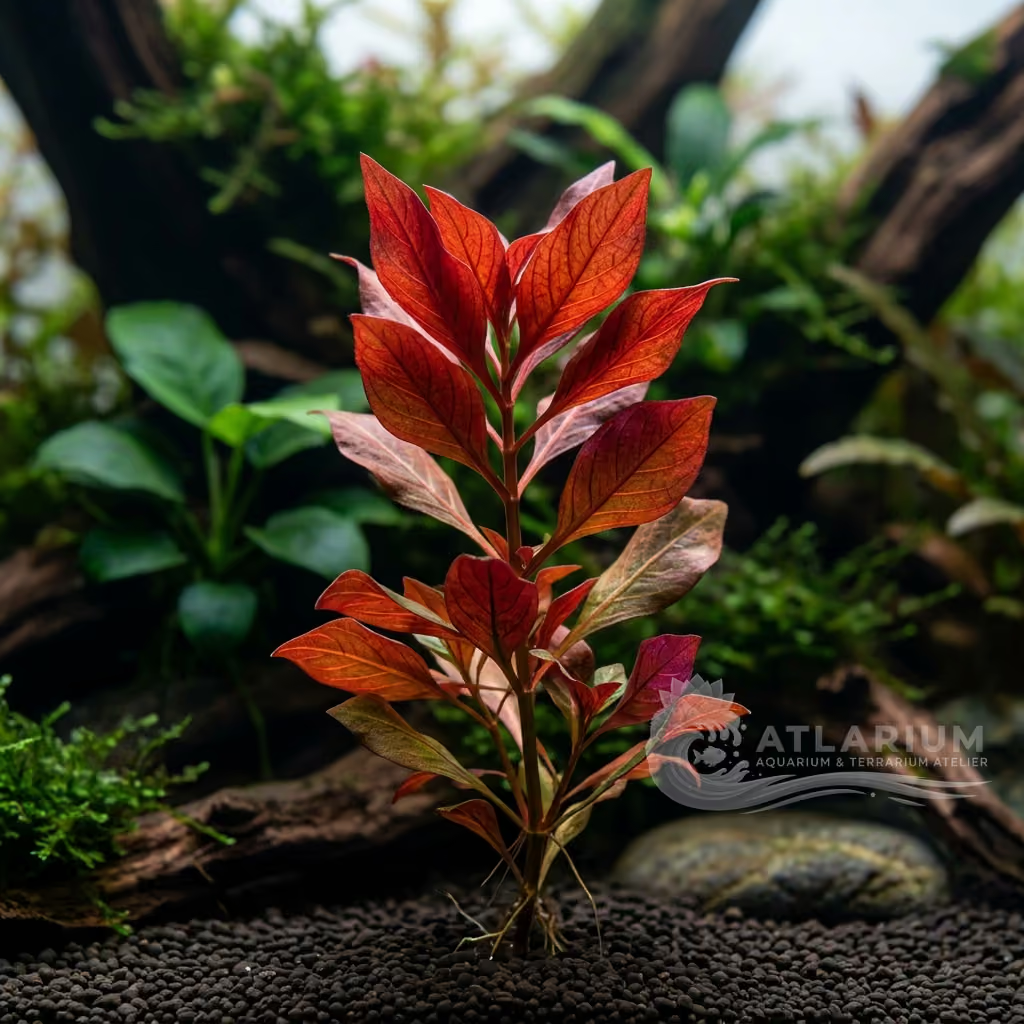
Color & Texture: The dominant color is a bright and extremely vivid grass green, which remains constant even in the lower parts of the stems if light is adequate. The texture of the leaves is slightly thick, with subtle but visible secondary veins. The consistency of the leaf blade is semi-leathery, making it less appetizing for herbivorous fish and more resistant to moderate or strong water currents.

Care, breeding and tankmates
Lighting & CO2: Prefers moderate to intense lighting. With high light levels, the plant responds by producing very short internodes and lateral branches that increase the compactness of the bush. The input of CO2 is not strictly mandatory for survival, but it is highly recommended to stimulate vigorous growth and keep the lower leaves healthy, preventing them from rotting.
Nutrition & Substrate: Requires a fertile substrate to develop a healthy root system and anchor firmly. Nutrition should be supplemented with balanced liquid fertilization containing microelements and potassium. While not as demanding as the 'Araguaia' variant, it benefits greatly from periodic additions of iron and nitrogen to maintain its bright green color.
Water Chemistry: Adapts to a wide range of chemical parameters, tolerating both soft and moderately hard water. The ideal pH is between 6.0 and 7.5, with a water temperature between 18°C and 28°C. Regular water changes help keep suspended organic substances low, preventing the appearance of algae on the leaves.
Space Management & Placement: Its perfect placement is in the midground of the aquarium. Thanks to its upright but compact habit, it can be used to create a gradual transition between creeping foreground plants and taller background species. It lends itself excellently to creating dense small groups or decorative hedges.
Pruning: It is pruned by cutting the stems to the desired height with sharp scissors. The plant reacts by rapidly producing two or more lateral shoots from the node below the cut, increasing the density of the group. Removed tops can be replanted directly into the substrate to give rise to new plants.
Risks & Diseases: The main risk is related to shading: if surrounding plants grow too tall and tower over this Hygrophila, the lower leaves will quickly turn yellow and drop. Potassium deficiencies can manifest as small holes on older leaves, while a lack of iron reduces the brilliance of the green on new leaves.

Geographic origin and distribution
This specific selection of Hygrophila, known in German aquascaping circles as 'aufrechte Staurogyne' (upright Staurogyne), has an exact geographical origin that is not fully documented, but it belongs to a genus widely distributed in the tropical areas of Asia and South America. In nature, related plants populate marshy environments or the wet banks of forest rivers and streams. It adapts to both emersed and submerged conditions, a transition typical of riparian plants that face seasonal variations in water level.
Origin
South and Southeast AsiaAmazon, Orinoco, and GuianasExtra-Amazon South AmericaEast Asia

Plant profile
- Placement
- Midground
- Ideal for the midground or background, depending on the size of the aquarium. Its rigid, upright stems make it excellent for creating structured, architectural groups. It should be placed where its distinct, sturdy form can be fully appreciated.
- Botanical form
- Stem
- Features thick, rigid, strictly upright stems bearing densely packed, bright green leaves. The leaves are somewhat lanceolate and robust, similar in texture to Staurogyne. Its strong vertical growth habit sets it apart from many other stem plants.
- Growth
- Medium
- Has a moderate to fast growth rate, requiring periodic trimming to maintain its shape and height. Its growth is generally steady and predictable, making it easy to manage in a layout. It is less likely to quickly overrun a tank compared to other, faster Hygrophila species.
- Substrate
- Medium
- This specific upright Hygrophila variety benefits from a medium-rich substrate to support its sturdy stems and compact growth habit. A fine to medium-grained aqua soil of 4 to 6 cm depth allows its creeping roots to securely anchor the plant. Access to substrate-bound nutrients encourages healthier basal growth and prevents the lower stem from deteriorating prematurely.
- Column fertilization
- Recommended
- Effectively takes up nutrients from the water column, so regular liquid fertilization is highly beneficial. It relies on a steady supply of nutrients to support its dense leaf structure and thick stems. Ensuring adequate potassium helps prevent pinholes in older leaves.
- Root fertilization
- Recommended
- Benefits greatly from a nutrient-rich substrate, which helps support its sturdy structure and healthy root system. Root tabs are a helpful addition in plain substrates to ensure long-term vitality. Strong roots are necessary to anchor the thick, upright stems securely.
- Trimming
- Occasional
- Tolerates trimming very well; cutting the stems encourages lateral branching, creating a denser bush. The trimmed tops are robust and very easy to replant. Regular pruning is the best way to manage its height and encourage a compact appearance.
- Propagation
- Cuttings
- Easily propagated through stem cuttings; simply snip the tops and insert them into the substrate. It readily forms new roots and establishes itself quickly. It is an excellent plant for easily creating large, uniform groups.
- Sensitivity
- Moderate
- A hardy and adaptable plant that adjusts well to various water conditions. It is generally resistant to common plant issues and does not easily melt. It performs best under moderate to high lighting, which keeps the internodes short.
- Layout role
- Midground, group
- Provides strong structural elements in the midground or background due to its rigid vertical growth. It forms excellent, dense thickets that contrast well with softer, finer-leaved plants. It brings a bold, architectural quality to the aquascape.

Related species
Recommendations grouped by close relatives, companion choices, and similar care.