Hygrophila sp. 'Bold'
Hygrophila sp. 'Bold'
An extremely fast-growing pioneer plant with large, olive-green leaves. Highly adaptable to various conditions, it acts as a nutrient vacuum but requires frequent pruning to avoid shading the tank.
Water Temperature
4 - 35 °C
pH Value
5 - 8
Water type
Freshwater
Light
Medium - High
CO2
Low - High
GH
4 - 20 dGH
KH
2 - 21 dKH

Species description
Geographical Origin and Habitat: Hygrophila sp. 'Bold' is a robust species whose exact geographical origin is uncertain, although it is closely related to Southeast Asian Hygrophila populations. In nature, these plants grow in tropical and subtropical humid areas, colonizing ditches, rice paddies, marshes, and the margins of slow-flowing water bodies. They are highly adaptable pioneer plants, capable of surviving in environments subject to severe water fluctuations and extreme temperature changes.
Taxonomy & Genetics: Temporarily classified as 'sp.' due to the lack of definitive botanical species identification, it belongs to the Acanthaceae family. The cultivar name 'Bold' reflects its vegetative vigor and the large size of its leaves compared to other fine-stemmed Hygrophila. Genetically, it is predisposed to a very high photosynthetic rate and rapid cell division, characteristics that drive its accelerated growth.
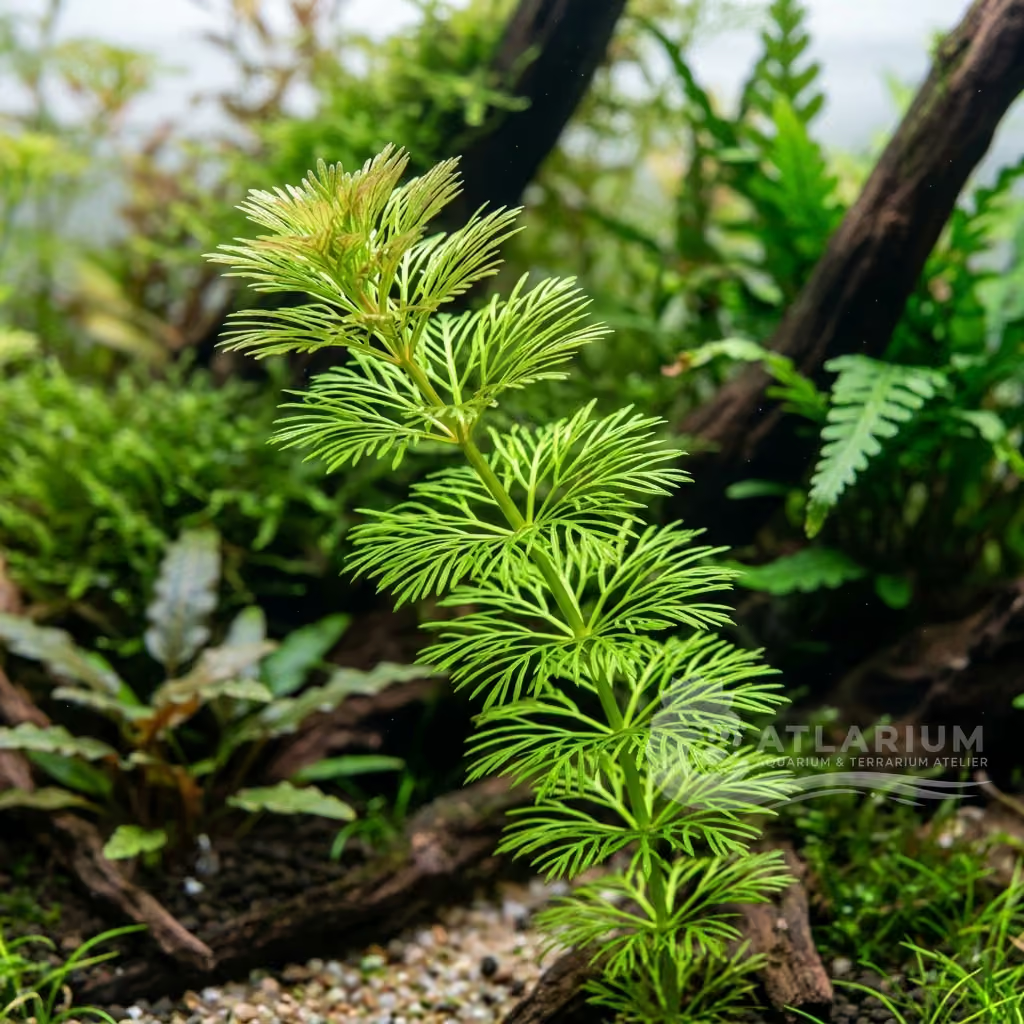
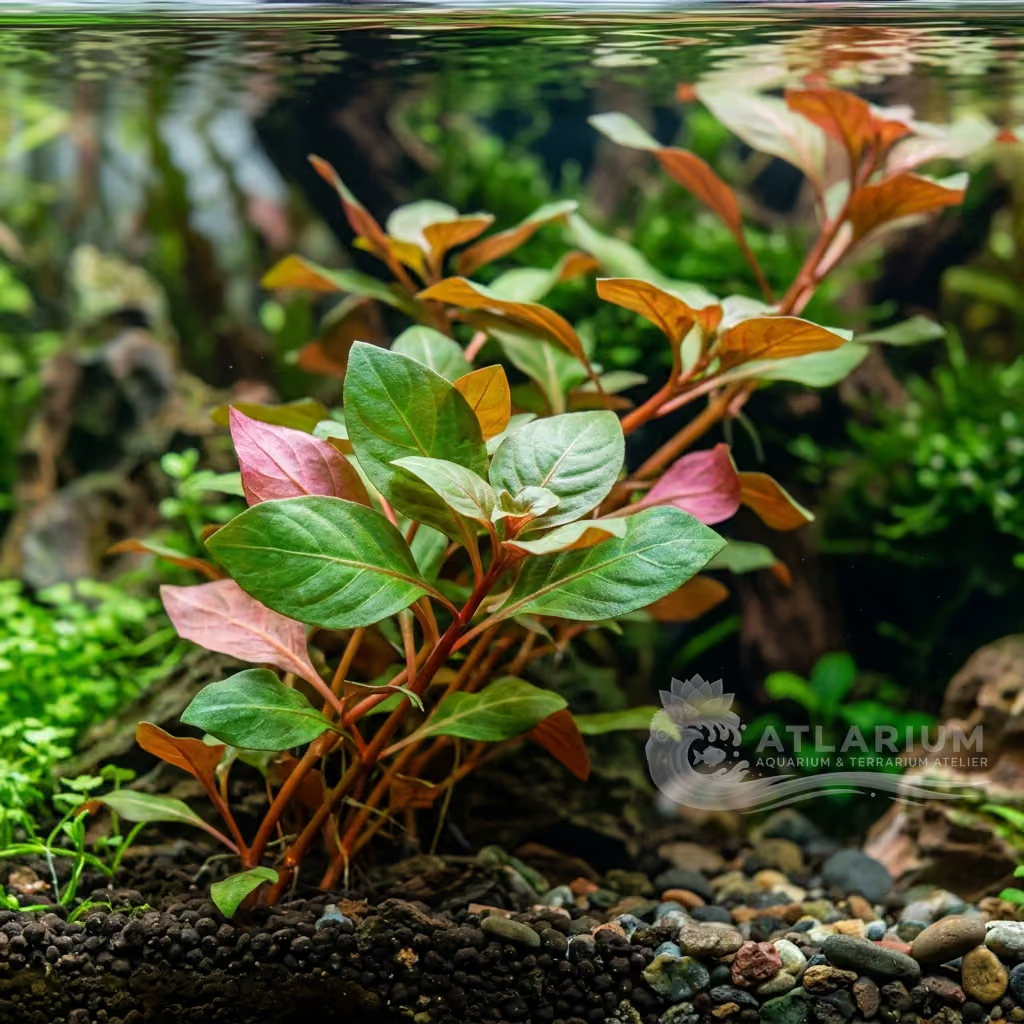
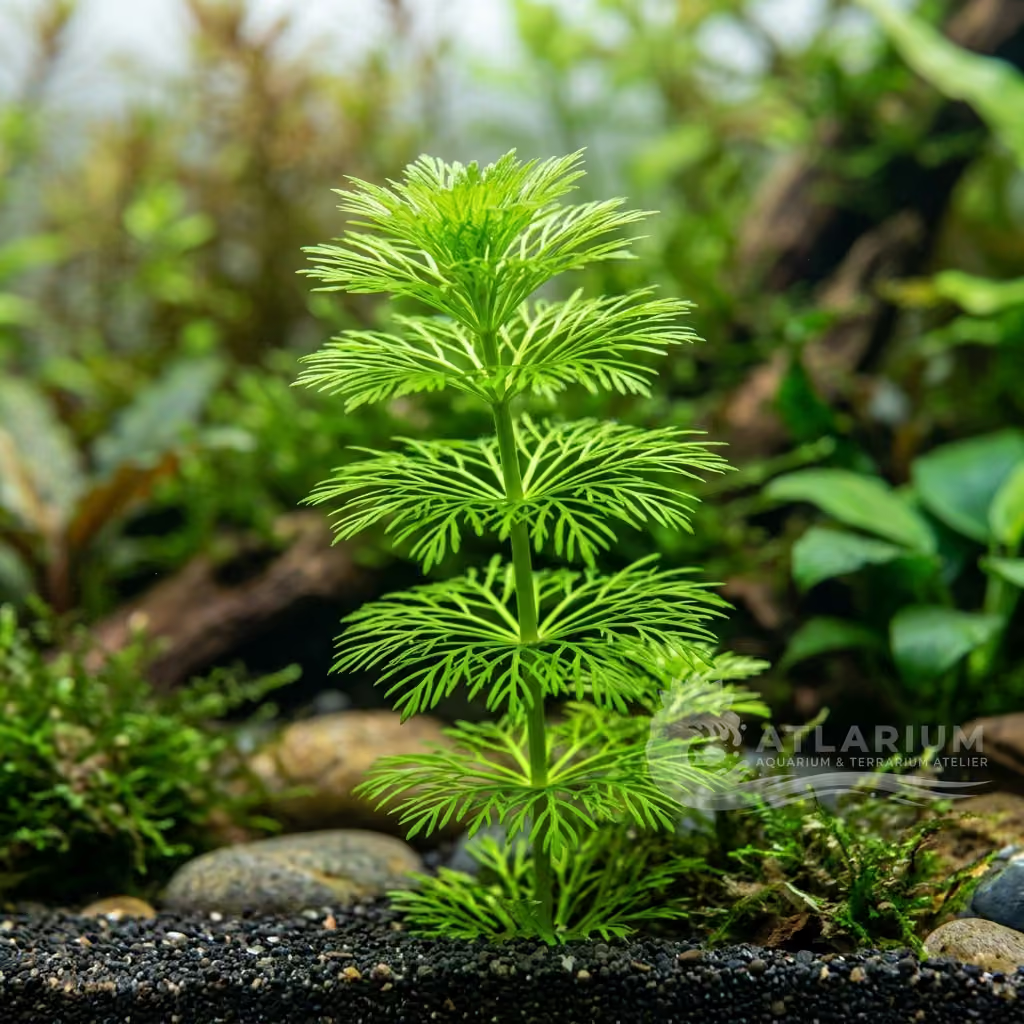
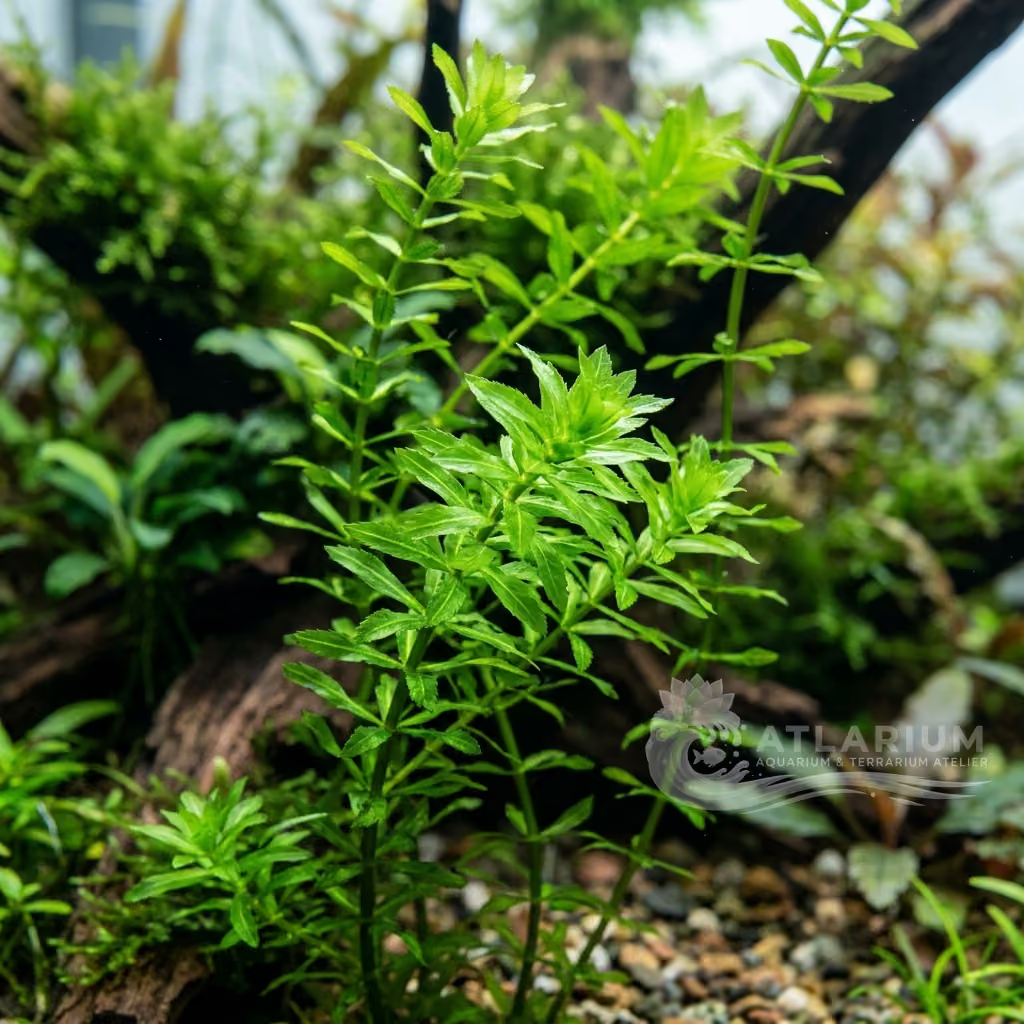
Physical Structure: It features robust and fleshy stems that grow vertically and can reach considerable size in height. The leaves are arranged in opposite pairs along the stem and are large, lanceolate, or slightly elliptical, with sometimes wavy margins. The overall structure is imposing and vigorous, requiring sufficient space to allow the plant to develop without suffocating surrounding vegetation.
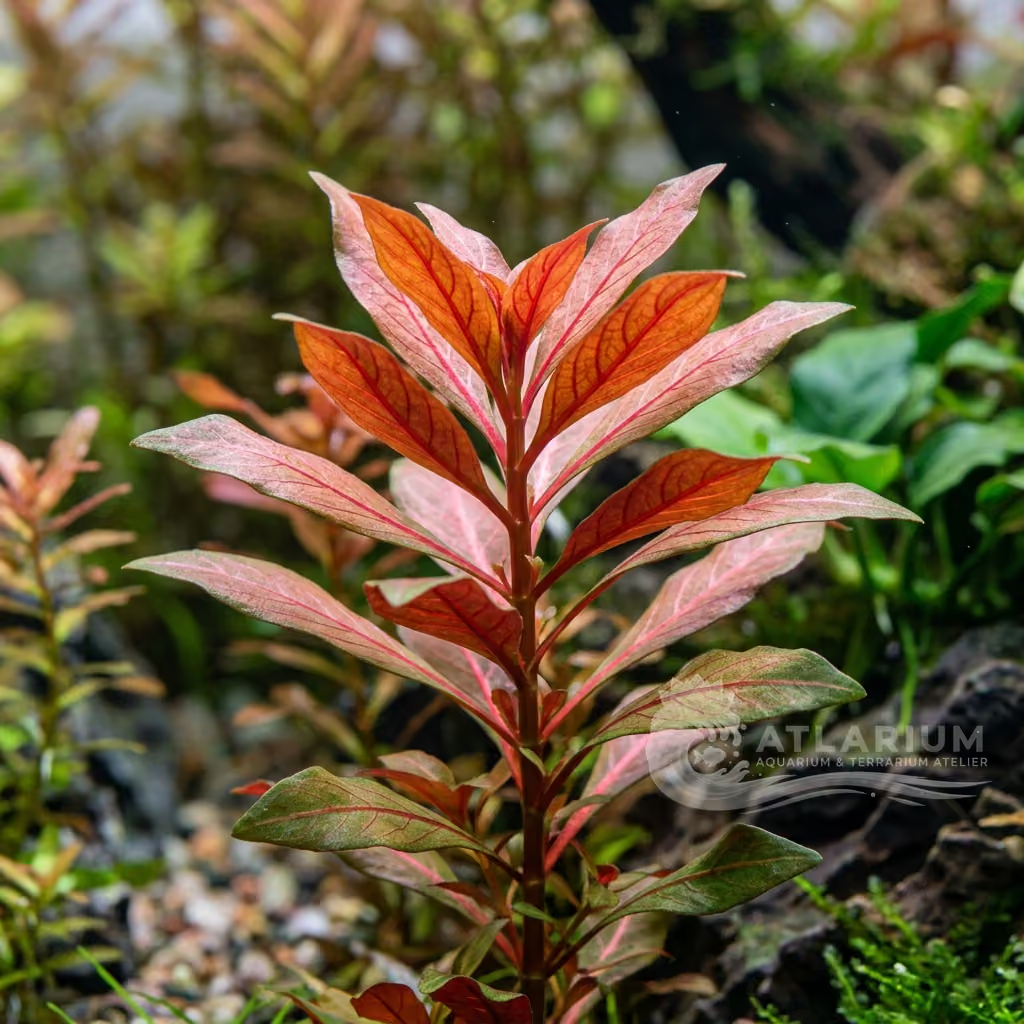
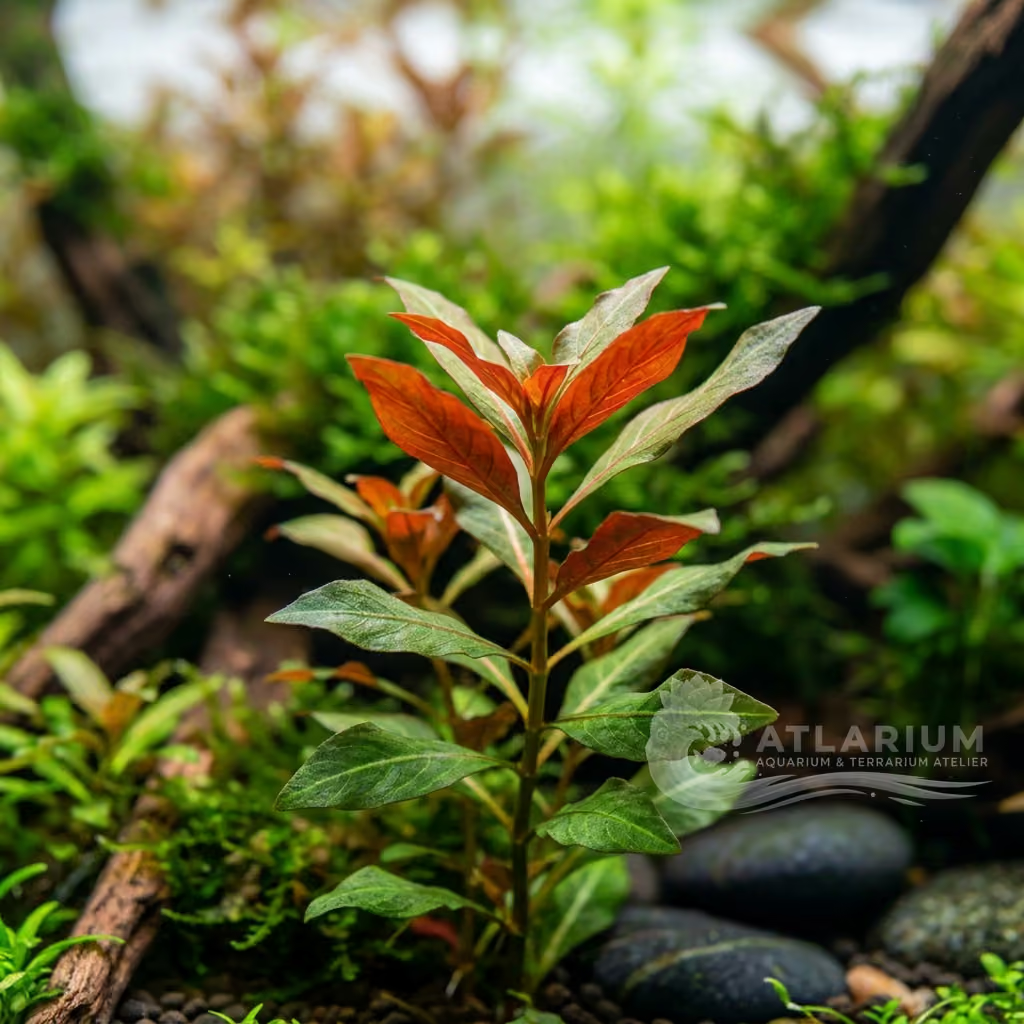
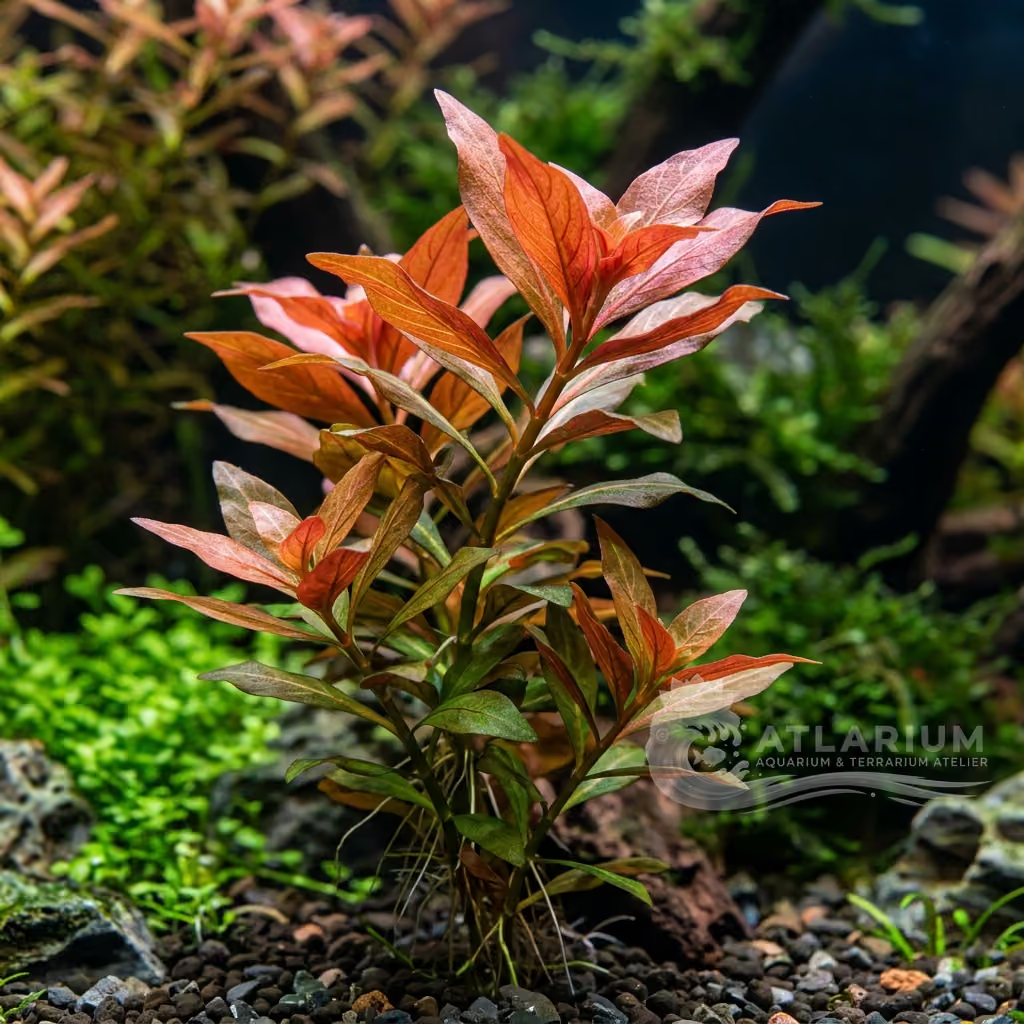
Color & Texture: The foliage displays a predominantly olive green or bright green coloration, which under very intense lighting and proper iron fertilization can take on warm bronze or reddish hues on the tips. The leaves have a soft, flexible yet durable texture, with well-defined main and secondary veins that create a slight relief on the blade surface.

Care, breeding and tankmates
Lighting & CO2: Requires moderate to intense lighting to prevent the stems from emptying at the bottom. CO2 injection is not essential for its survival, given the plant's robustness, but it actively supports its already high growth rate and prevents stunted or deformed leaves.
Nutrition & Substrate: It is a nutrient vacuum. It absorbs massive amounts of nitrates, phosphates, and potassium directly from the
Water Chemistry: Shows exceptional tolerance to chemical parameters. It can grow in an incredibly wide temperature range, from 4°C to 35°C, with a pH between 5.0 and 8.0 and carbon hardness (KH) of 2 to 21 dKH. This extraordinary adaptability makes it suitable even for cold-water tanks or outdoor summer ponds.
Space Management & Placement: Due to its very fast growth and large leaves, it must be placed in the background or rear midground of the aquarium. If unchecked, it can easily shade the entire tank, so it should be positioned where ample vertical space is available.
Pruning: Pruning must be performed frequently by cutting the stems at half height. The plant responds by branching vigorously from the cut point. Apical shoots can be replanted to thicken the group or create new colonies. Due to the rate of growth, this operation may be necessary every week.
Risks & Diseases: The main risk is potassium and micronutrient deficiency, which manifests rapidly as chlorosis and holes on the lower leaves due to the high consumption rate. Also, if allowed to grow to the surface, the emersed leaves will modify their shape, becoming stiffer and darker, shading the submerged parts entirely.

Geographic origin and distribution
Hygrophila sp. 'Bold' is a robust species whose exact geographical origin is uncertain, although it is closely related to Southeast Asian Hygrophila populations. In nature, these plants grow in tropical and subtropical humid areas, colonizing ditches, rice paddies, marshes, and the margins of slow-flowing water bodies. They are highly adaptable pioneer plants, capable of surviving in environments subject to severe water fluctuations and extreme temperature changes.
Origin
South and Southeast Asia

Plant profile
- Placement
- Midground
- Ideal as a strong focal point in the midground or background where its bold colors can stand out. Planting it adjacent to light green, finely textured plants creates a stunning visual contrast. It requires an unobstructed location to receive the intense light it needs for coloration.
- Botanical form
- Stem
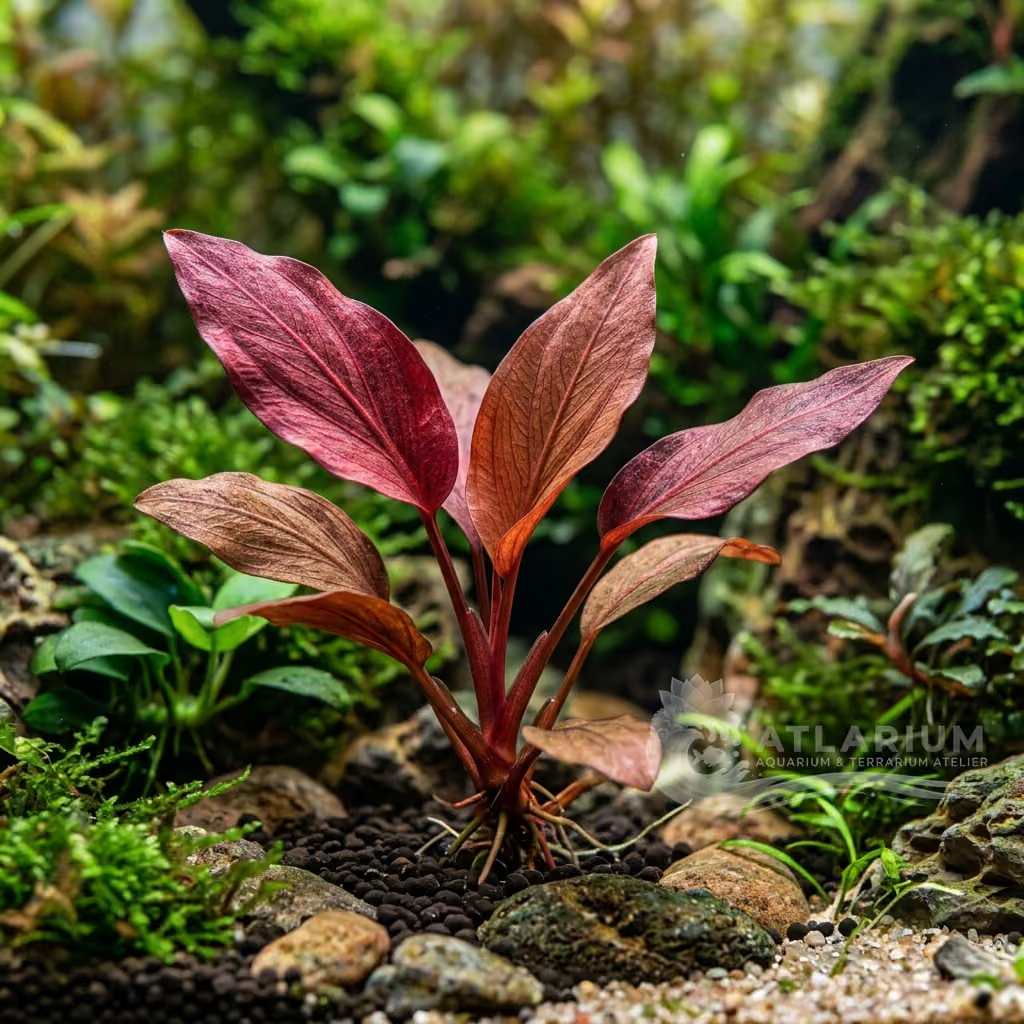
- Features moderately sized leaves that can develop intense reddish, purplish, or bronze coloration under optimal conditions. The stems are relatively sturdy and grow upright. The coloration is usually most intense near the top of the plant closest to the light.
- Growth
- VERY_FAST
- Has a moderate to fast growth rate, especially when provided with CO2 and high light. Its growth is somewhat more manageable than the fastest Hygrophila species, allowing for easier aquascaping. Regular trimming helps maintain a neat, bushy appearance.
- Substrate
- Low
- Hygrophila sp. 'Bold' is a relatively undemanding plant that easily adapts to low-nutrient substrates such as standard aquarium gravel or sand. It develops a widespread root structure primarily focused on securing its stems to the bottom, requiring a substrate depth of 3 to 5 cm. Since it draws most of its required nutrients directly from the water column, a nutrient-rich substrate is beneficial but not strictly required.
- Column fertilization
- Recommended
- Relies significantly on water column fertilization to maintain its vibrant hues. A comprehensive liquid fertilizer with extra iron is crucial for best results. It will quickly show signs of deficiency, such as pale leaves, if nutrients are lacking.
- Root fertilization
- None
- Benefits from a nutrient-rich substrate, which helps support strong root development and overall plant health. Root tabs can provide a good backup source of nutrients. However, water column feeding is generally more important for achieving intense leaf color.
- Trimming
- Occasional
- Responds excellently to trimming, which is necessary to encourage lateral branching and a denser form. Trimming the tops off will force the plant to become bushier, creating a solid block of color. The colorful cuttings are easily replanted to expand the group.
- Propagation
- Cuttings
- Easily propagated by taking stem cuttings and replanting them in the substrate. The cuttings usually root quickly and begin growing within a few days. It is a rewarding plant to propagate due to its beautiful coloration.
- Sensitivity
- Moderate
- Somewhat more demanding than plain green Hygrophila species, requiring good light and nutrients to look its best. It can lose its vibrant coloration and become leggy if light or nutrients are insufficient. However, it is still relatively hardy once established.
- Layout role
- Midground, Background
- Functions perfectly as a striking color accent to break up the monotonous green of a typical aquascape. Its deep reddish hues provide dramatic contrast and draw the eye. It is excellent for creating a vibrant, structural midground bush.

Related species
Recommendations grouped by close relatives, companion choices, and similar care.