Hygrophila angustifolia
Hygrophila angustifolia
Robust stem plant from Australasia featuring long, narrow leaves. Enjoys medium to high lighting and nutrient-rich substrates for dense, vibrant growth.
Water Temperature
20 - 30 °C
pH Value
6 - 7.5
Water type
Freshwater
Light
Medium - High
CO2
Low to High
GH
4 - 20 dGH
KH
2 - 14 dKH

Species description
Geographical Origin and Habitat: Native to northern Australia and parts of southern Asia. It inhabits tropical riverbanks, slow streams, and marshy wetlands, thriving in areas subject to seasonal water fluctuations.
Taxonomy & Genetics: Belonging to the family Acanthaceae. It is sometimes classified as a narrow-leaved variety of Hygrophila corymbosa. It is a genetically robust and adaptable species, popular for its ease of care.
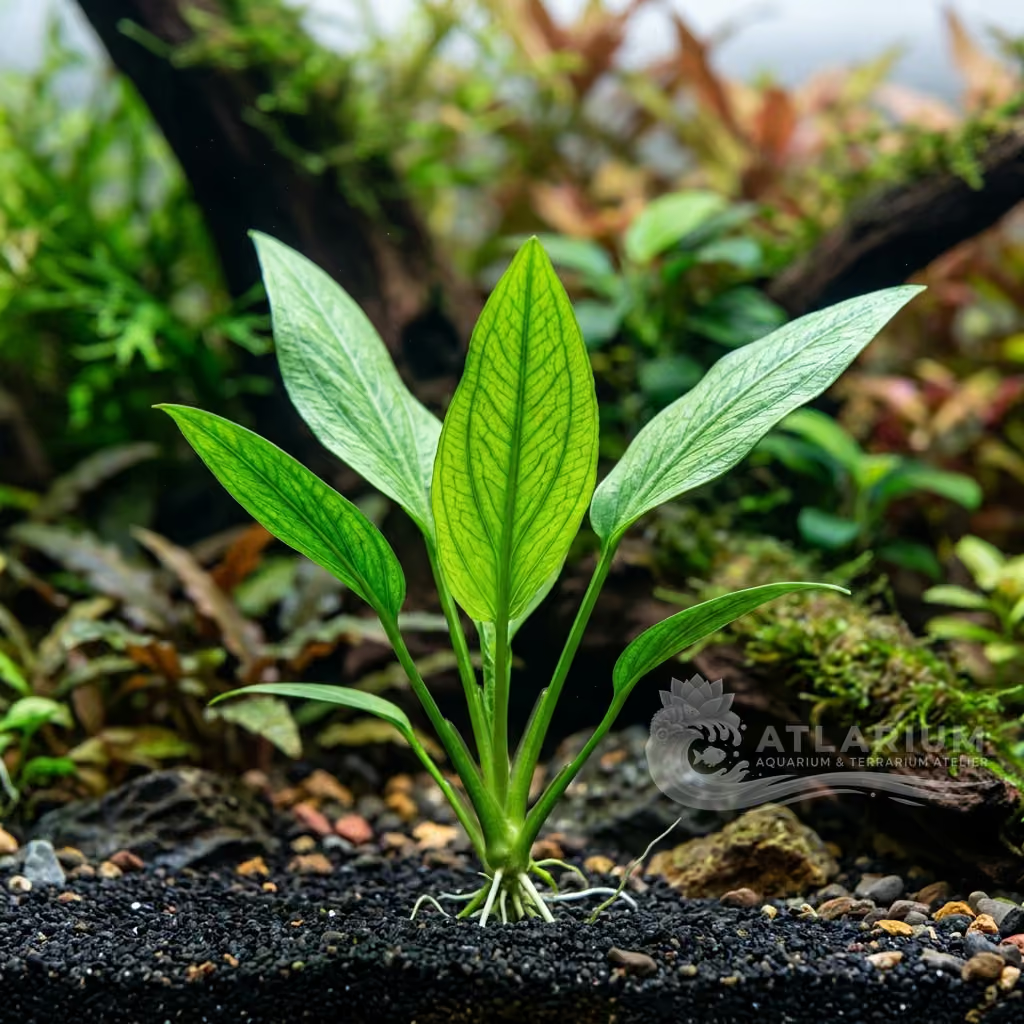
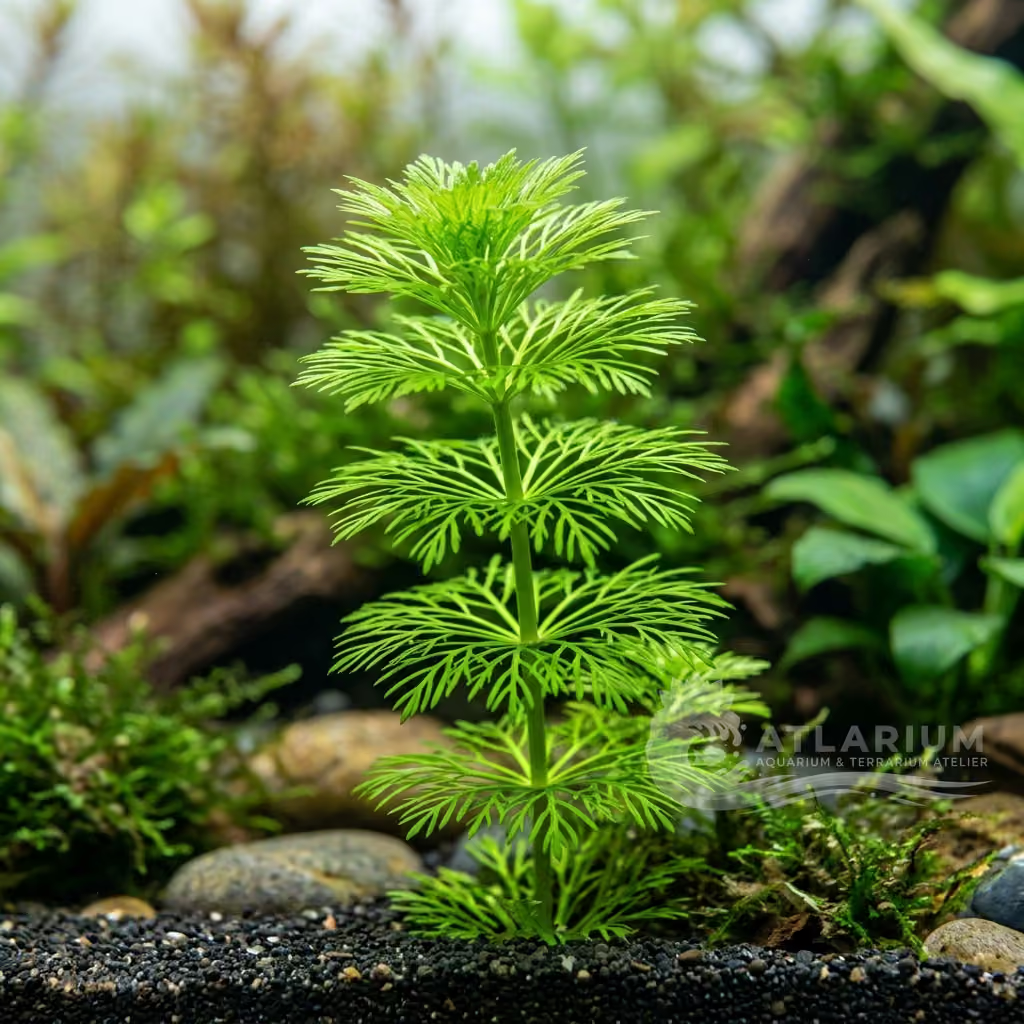
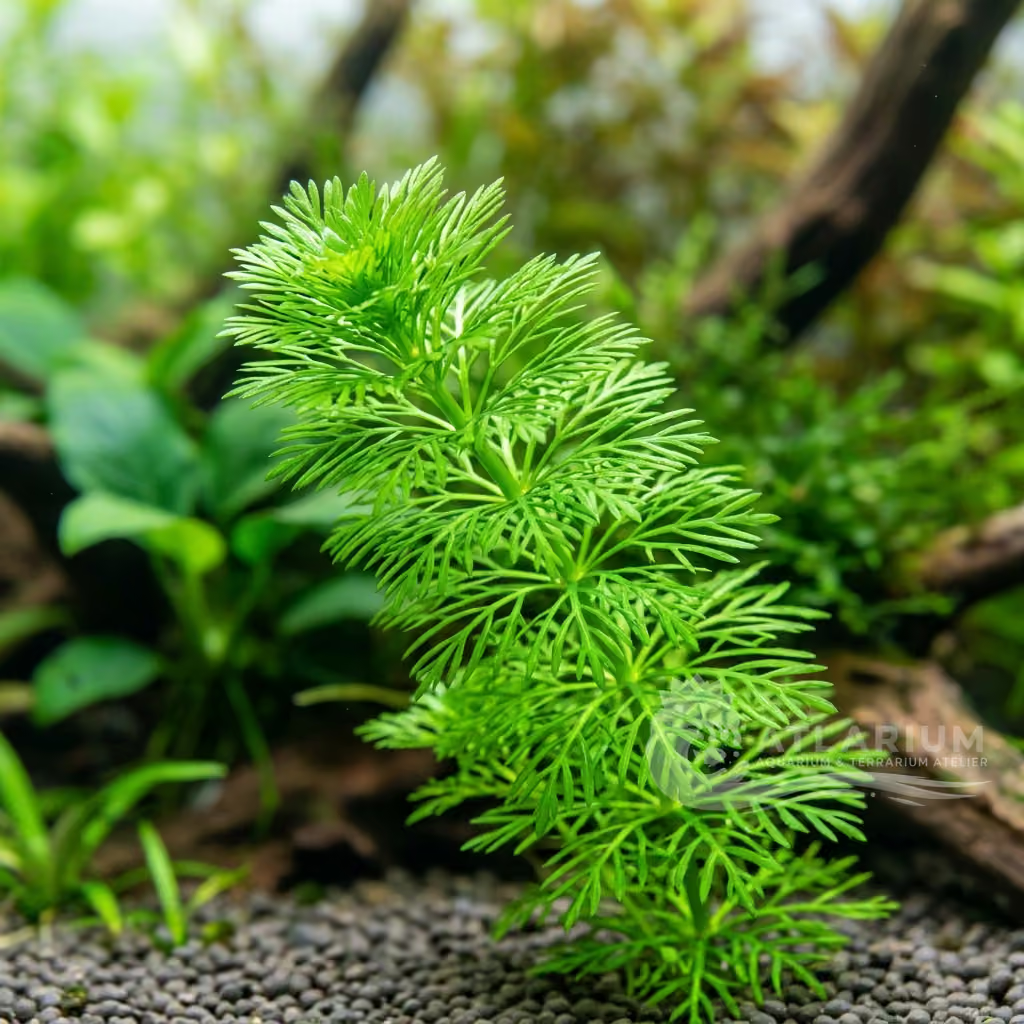
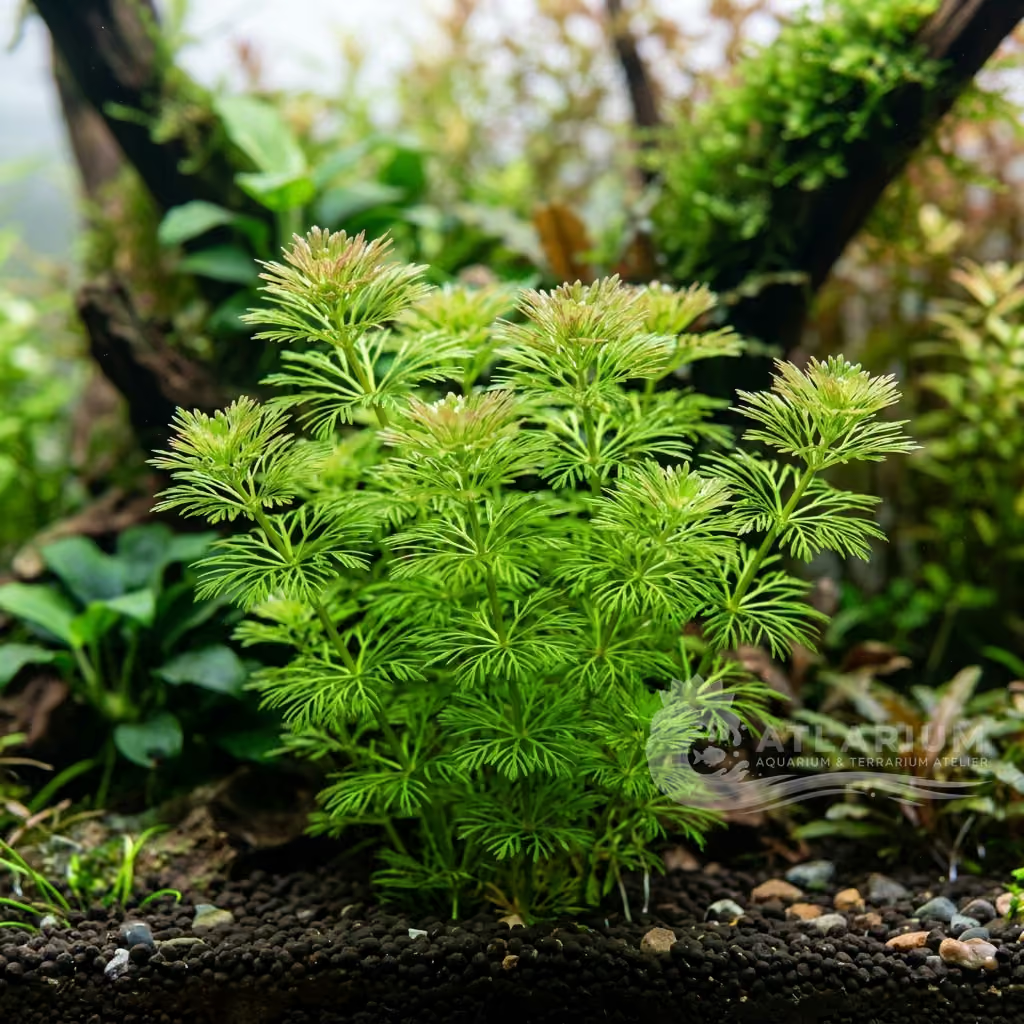
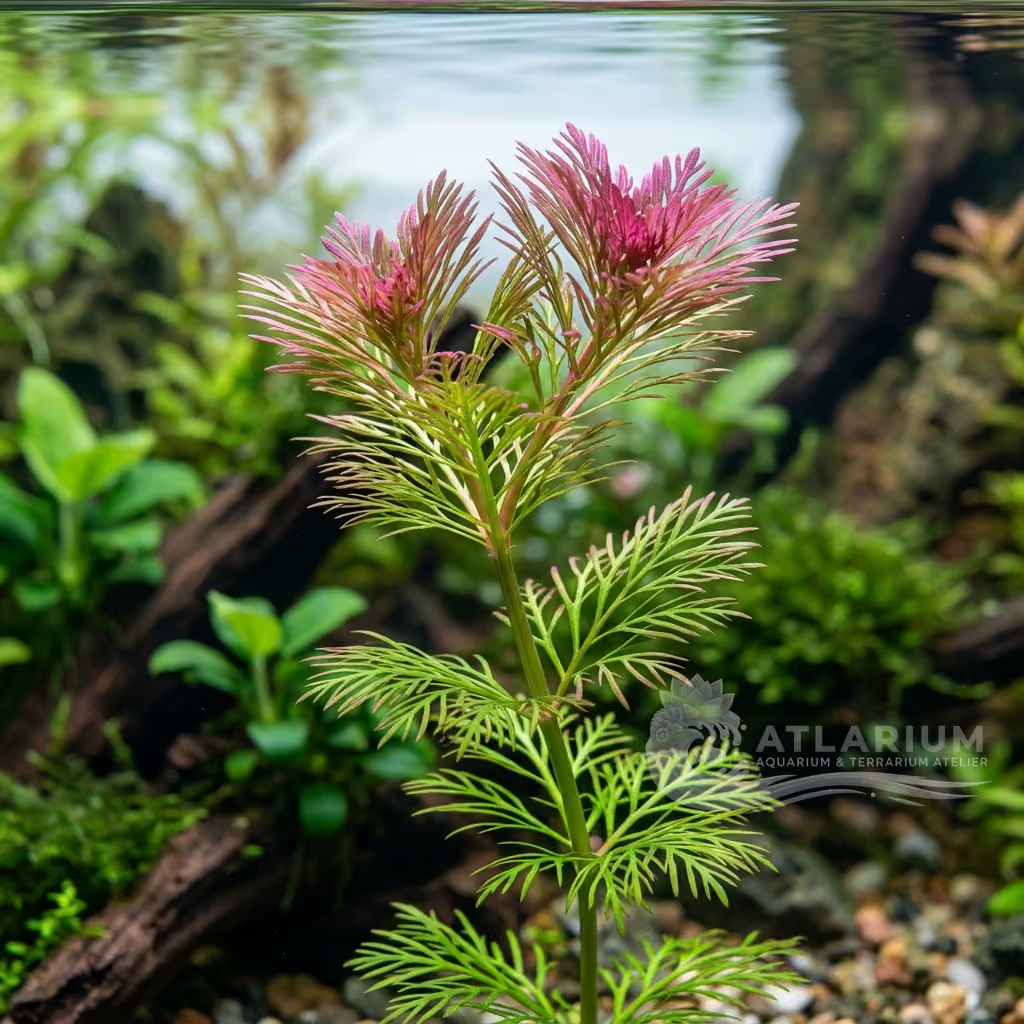
Physical Structure: Develops tall, flexible stems with oppositely arranged leaves that are extremely elongated and narrow (angustifolia translates to 'narrow-leaved'). It forms a strong, fibrous root system.
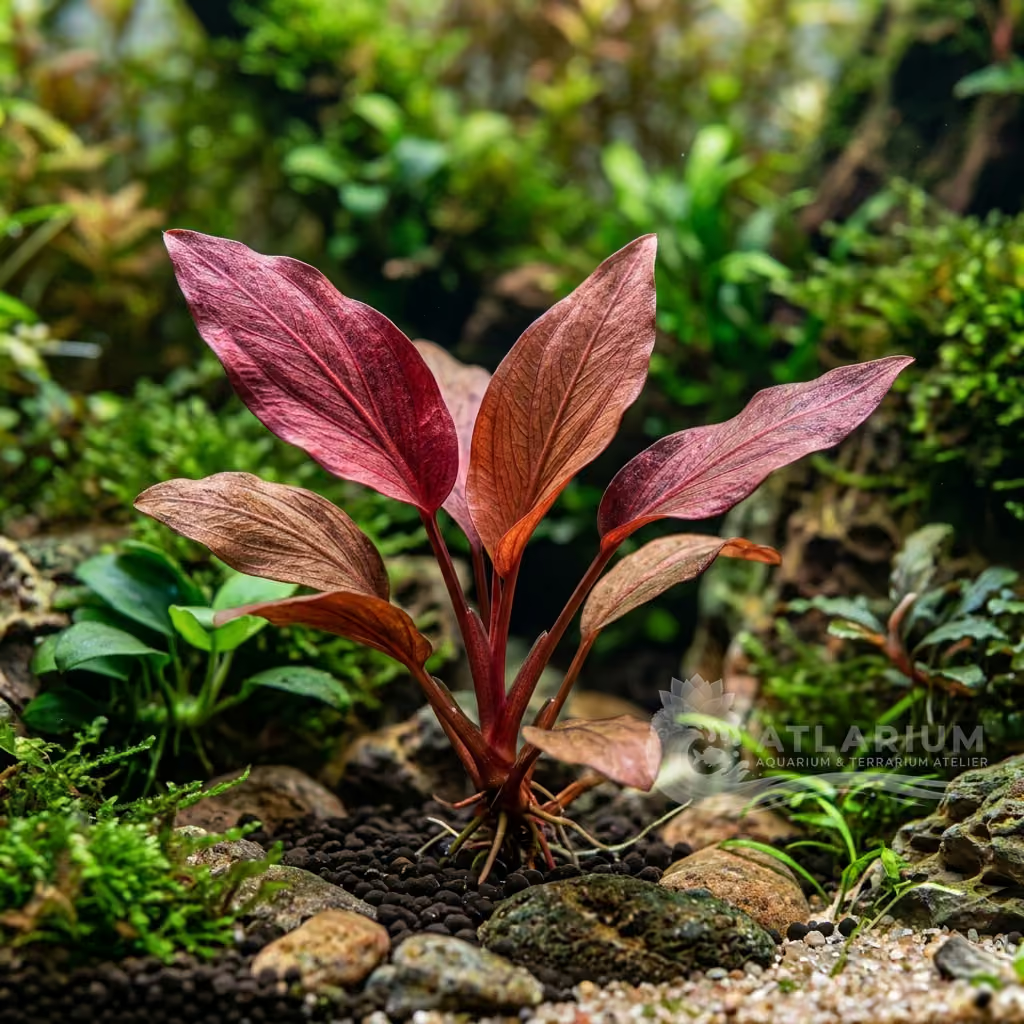
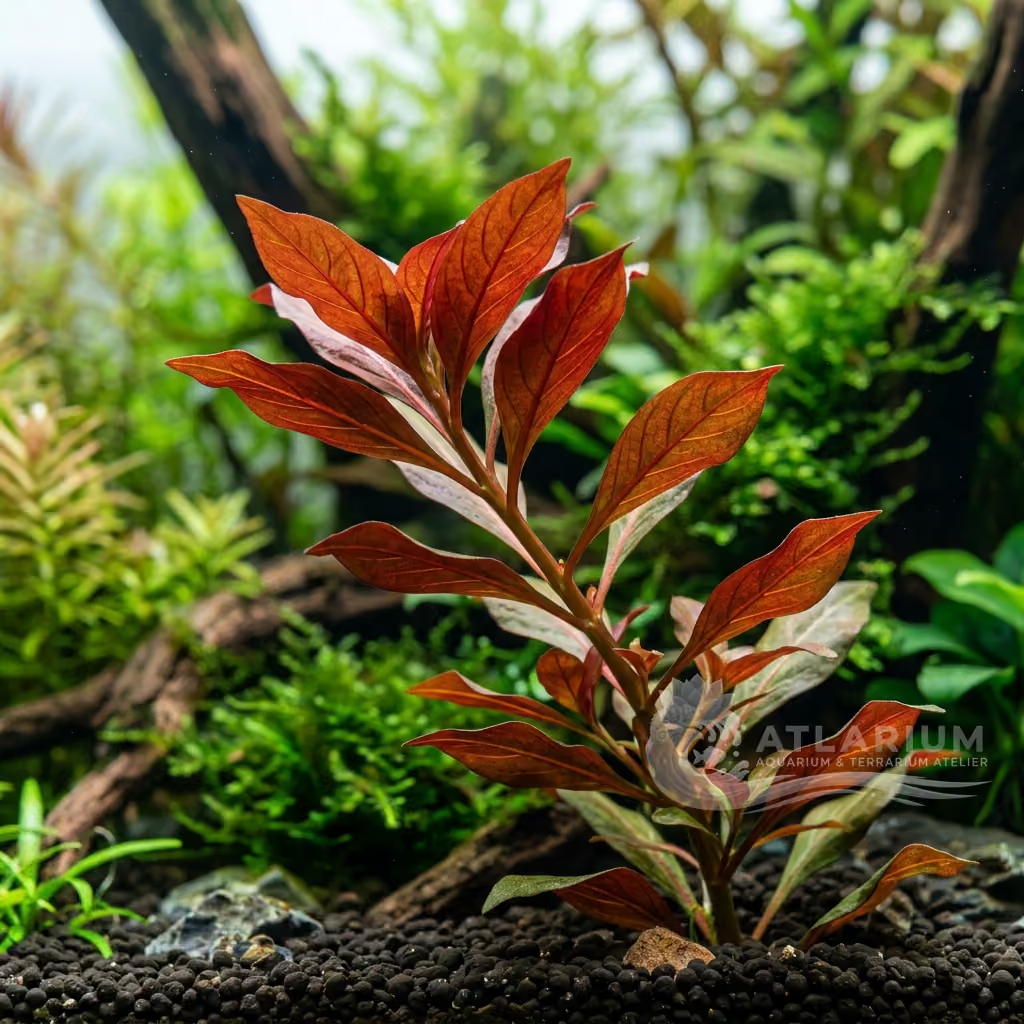
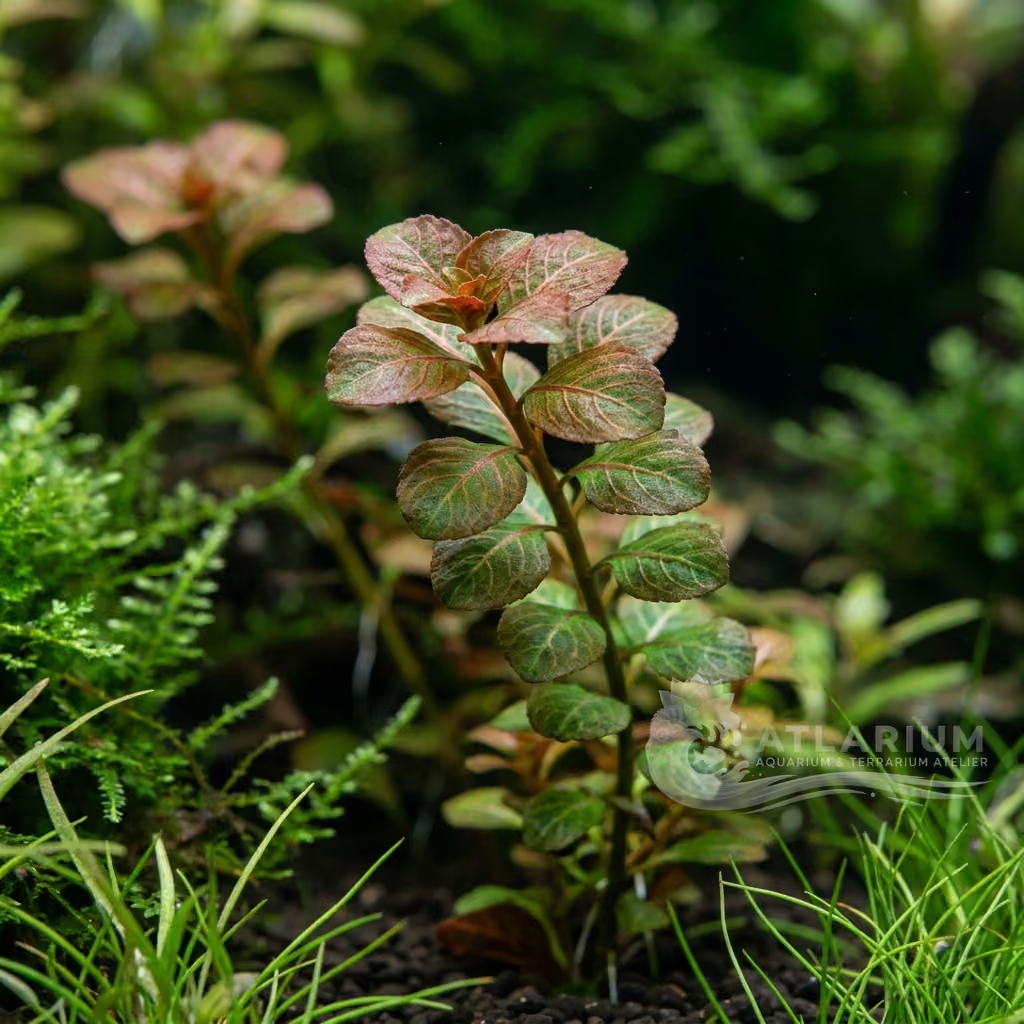
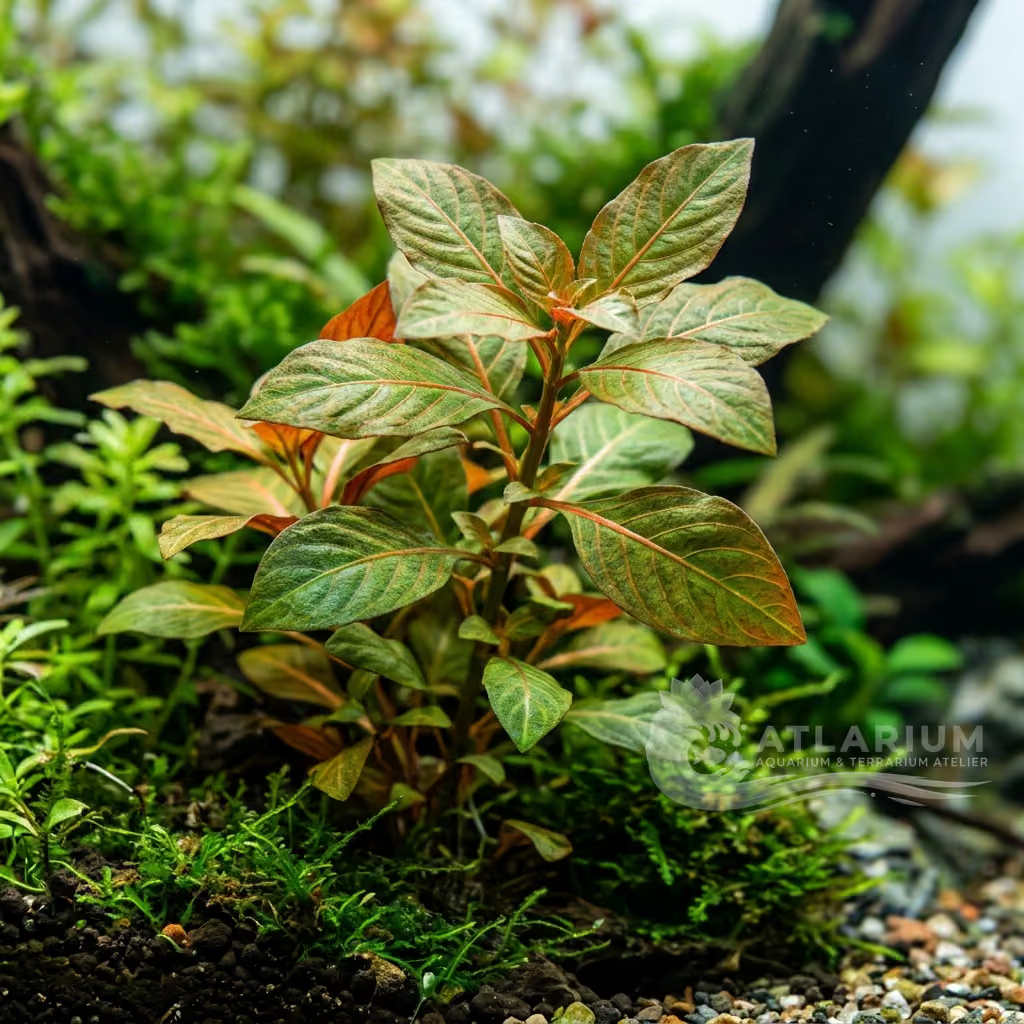
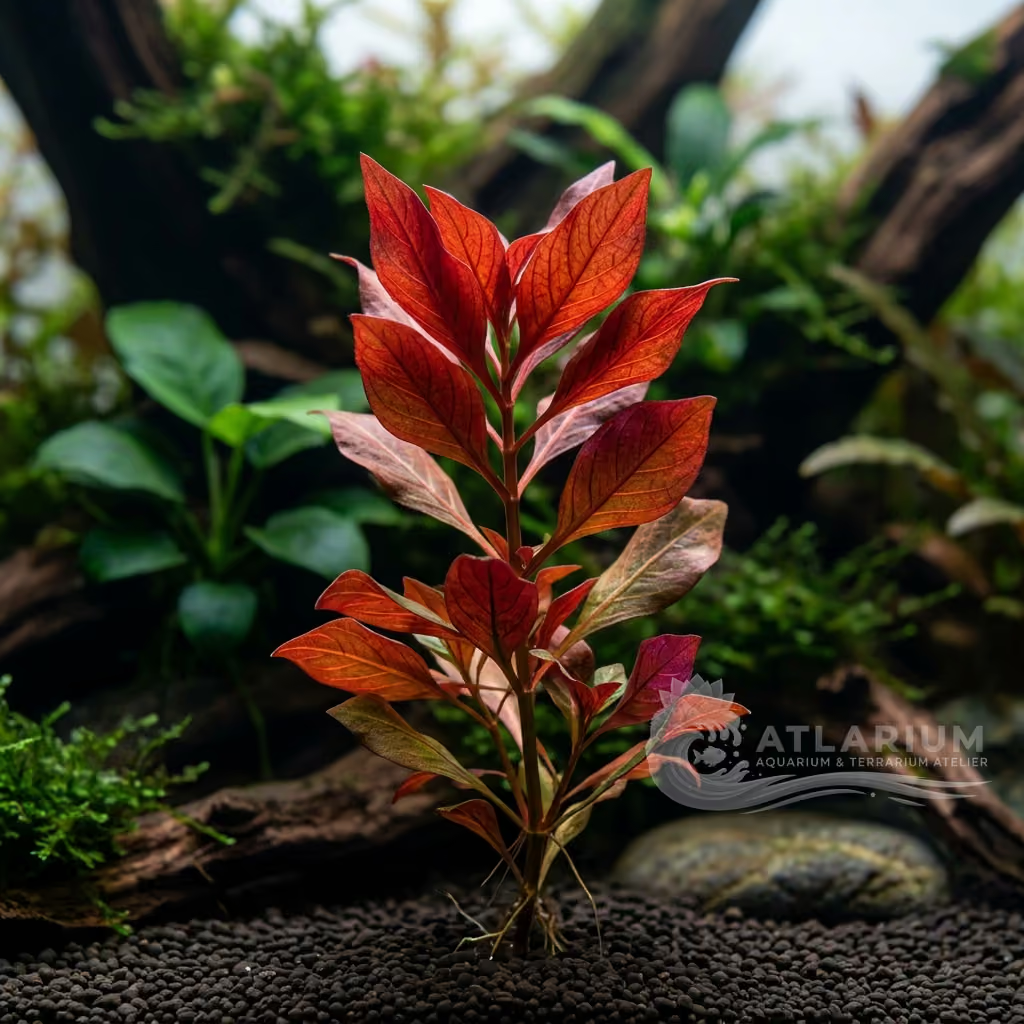
Color & Texture: Leaves are bright light green. Under high light, the apical tips can develop warm bronze or reddish hues. The long, slender leaves create a flowing, waving vertical texture in the water column.

Care, breeding and tankmates
Lighting & CO2: Requires medium to high lighting. Good light helps keep the nodes closer together and prevents leggy growth. CO2 is not strictly required but promotes faster, denser growth.
Nutrition & Substrate: Prefers a nutrient-rich substrate to feed its extensive root system. Dosing of iron and potassium is essential to prevent leaf yellowing and premature dropping of the lower foliage.
Water Chemistry: Highly adaptable. Thrives in pH values from 5.5 to 7.5 and tolerates soft to hard water. Keep the water temperature between 18°C and 28°C (64°F - 82°F).
Space Management & Placement: Best suited for the background of the aquarium. It grows tall rapidly and will easily grow out of open aquariums, producing small blue-violet flowers along the emersed stems.
Pruning: Cut the tops of the stems at the desired height to encourage lateral branching and create a bushier appearance. Replant the cuttings into the substrate to easily expand the group.
Risks & Diseases: Vulnerable to potassium deficiency, which causes small holes to appear in older leaves, followed by leaf drop. Shading of lower leaves due to dense growth can also cause leaf loss.

Geographic origin and distribution
Native to northern Australia and parts of southern Asia. It inhabits tropical riverbanks, slow streams, and marshy wetlands, thriving in areas subject to seasonal water fluctuations.
Origin
Australia, New Guinea, and OceaniaSouth and Southeast Asia

Plant profile
- Placement
- Midground
- Due to its potential to reach massive proportions and its rapid vertical growth, it is strictly a background plant in all but the largest of aquariums. It forms dense, bushy thickets that are perfect for hiding aquarium equipment or creating a natural backdrop. It should be placed where its fast growth will not shadow smaller, light-demanding foreground plants. Regular, aggressive trimming is necessary to keep it from taking over the tank.
- Botanical form
- Stem
- The plant features sturdy, upright stems with long, remarkably narrow, willow-like leaves. The foliage is typically a vibrant, light to medium green, though high light can sometimes induce a slight bronze tint on the uppermost leaves. When grown emersed, the leaves become shorter, darker, and it frequently produces small, purplish flowers at the nodes. Submerged, it has a flowing, graceful appearance despite its robust structure.
- Growth
- Medium
- The growth rate is extremely fast, especially when provided with strong light and abundant nutrients. It can easily grow several inches a week, quickly breaking the water surface and continuing to grow emersed if allowed. Frequent pruning is almost mandatory to keep it manageable and to encourage lateral branching for a bushier look. Its rapid growth makes it an excellent plant for absorbing excess nutrients and outcompeting algae.
- Substrate
- High
- This plant develops an extensive and powerful root system that can easily penetrate most aquarium substrates. It performs exceptionally well in nutrient-rich active soils, which fuel its rapid growth and result in thick, robust stems. However, it is highly adaptable and will grow perfectly fine in plain gravel or sand, provided there are some nutrients in the water column. Root tabs can be used in inert substrates to give the plant a significant growth boost.
- Column fertilization
- Recommended
- Liquid fertilization is highly effective, as the plant rapidly absorbs nutrients through its massive leaf surface area. Dosing a comprehensive liquid fertilizer ensures the plant has access to the potassium and iron it needs to maintain flawless foliage. It is very forgiving of missed doses but will clearly display potassium deficiency (pinholes) if neglected for too long. It is a fantastic 'indicator plant' for overall aquarium nutrient levels.
- Root fertilization
- None
- While not strictly necessary if column dosing is adequate, root fertilization yields explosive growth results. Placing root tabs beneath the plant in an inert substrate will result in thicker stems and larger, healthier leaves. In a mature, dirted, or aquasoil tank, the roots will quickly find and utilize the available nutrients, requiring little extra root supplementation. A strong root base helps the plant recover quickly from aggressive pruning.
- Trimming
- Occasional
- Trimming is straightforward; simply cut the stem at the desired height. The lower portion will quickly sprout new side shoots, increasing the plant's density. The cut tops can be replanted to propagate the group.
- Propagation
- Cuttings
- Propagation is incredibly simple and nearly foolproof; any cut stem planted in the substrate will quickly develop roots. You can cut the tops off and replant them, and the remaining bottom stem will aggressively produce multiple side shoots. Even a single leaf left floating can sometimes develop roots and a new stem. It is one of the easiest aquatic plants to multiply rapidly.
- Sensitivity
- Moderate
- It is highly resilient and tolerates a wide range of water parameters without issue. Potassium deficiency is the most common problem, manifesting as small holes in older leaves. It is generally resistant to algae if healthy growth is maintained.
- Layout role
- Background, Midground
- Its primary role is to provide a flowing, vertical background element. The narrow leaves offer a pleasing contrast to broad-leaved species like Echinodorus. It is ideal for creating natural, jungle-style aquascapes.

Related species
Recommendations grouped by close relatives, companion choices, and similar care.