Nomaphila stricta
Justicia stricta
Nomaphila stricta is a robust stem plant ideal for the midground, characterized by its medium growth rate and its ability to thrive under moderate light. Its vigorous nature and attractive foliage make it a popular choice for adding vertical interest and lushness to aquascapes.
Water Temperature
20 - 28 °C
pH Value
6 - 7.5
Water type
Freshwater
Light
Medium - High
CO2
Medium - High
Expected height
50 cm
Expected width
20 cm
KH
2 - 10 dKH

Species description
Geographical Origin and Habitat: Nomaphila stricta is native to Southeast Asia, where it is commonly found growing along the banks of rivers, streams, and in marshy areas, often in shallow waters. This plant thrives in both submerged and emergent conditions, adapting its form to suit its environment by developing different leaf structures. Its natural habitat typically features soft to moderately hard water and rich, often silty, substrates that provide ample nutrients for its robust growth.
Taxonomy & Genetics: While often referred to as Nomaphila stricta, this plant is taxonomically recognized as a cultivar or variety of Hygrophila corymbosa, belonging to the family Acanthaceae. Its classification highlights a close genetic relationship with other robust stem plants within the Hygrophila genus, sharing many growth habits and morphological traits. The robust growth and characteristic lanceolate leaf shape are distinguishing features, though it shares many traits with its botanical relatives, leading to occasional confusion in common nomenclature.
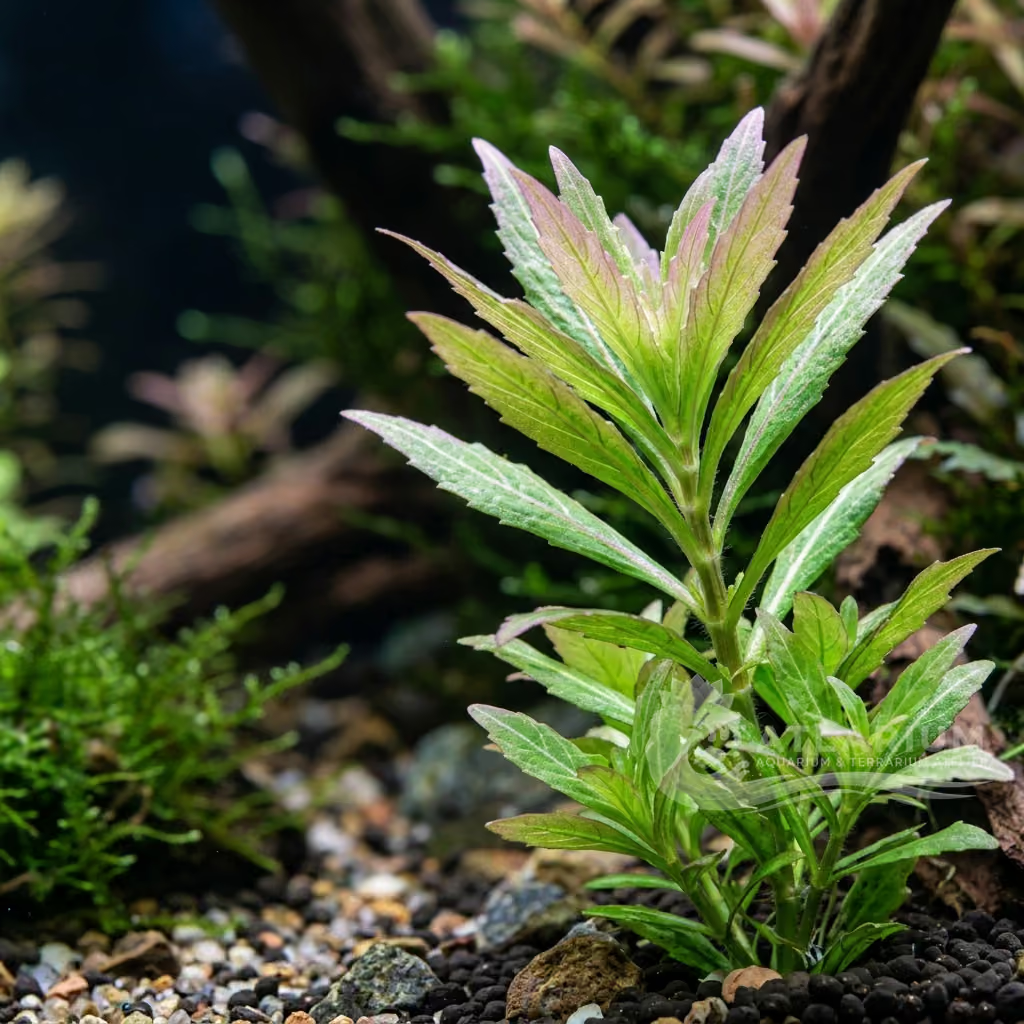
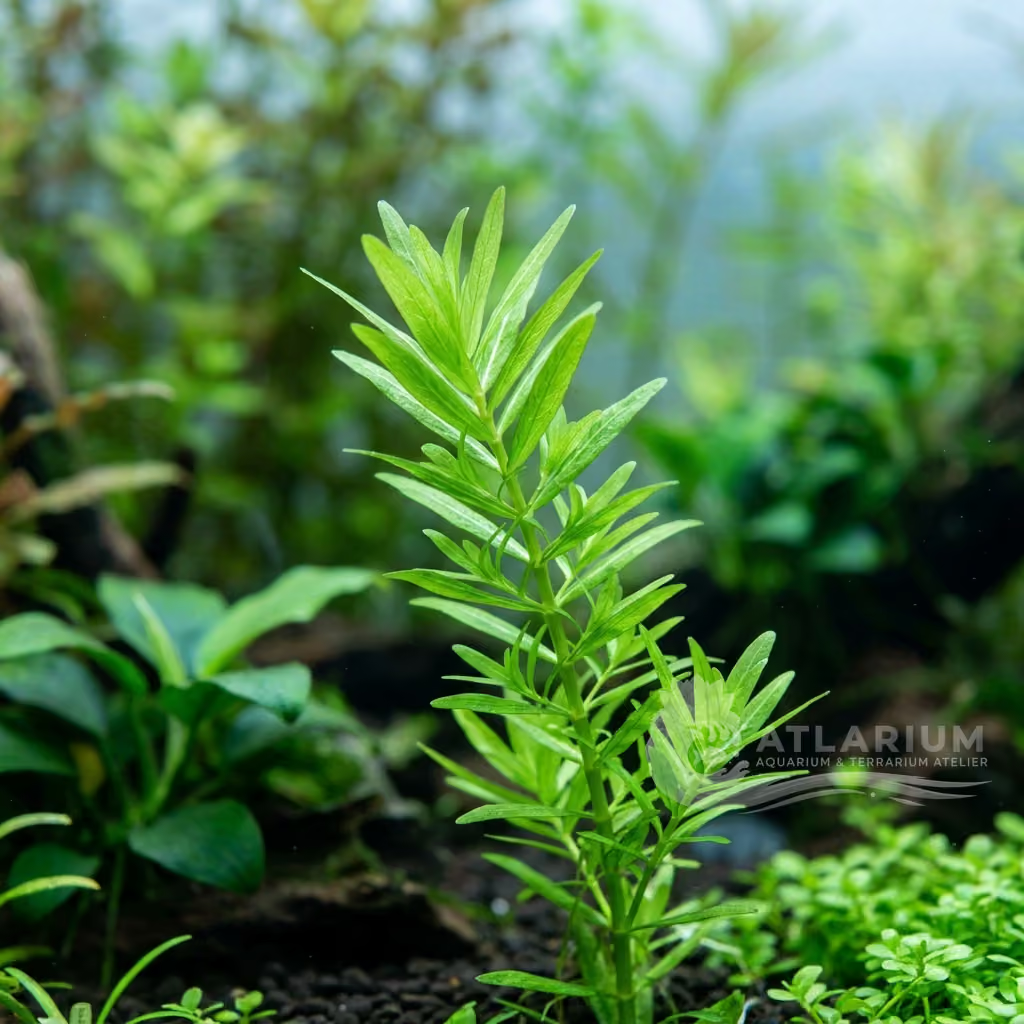
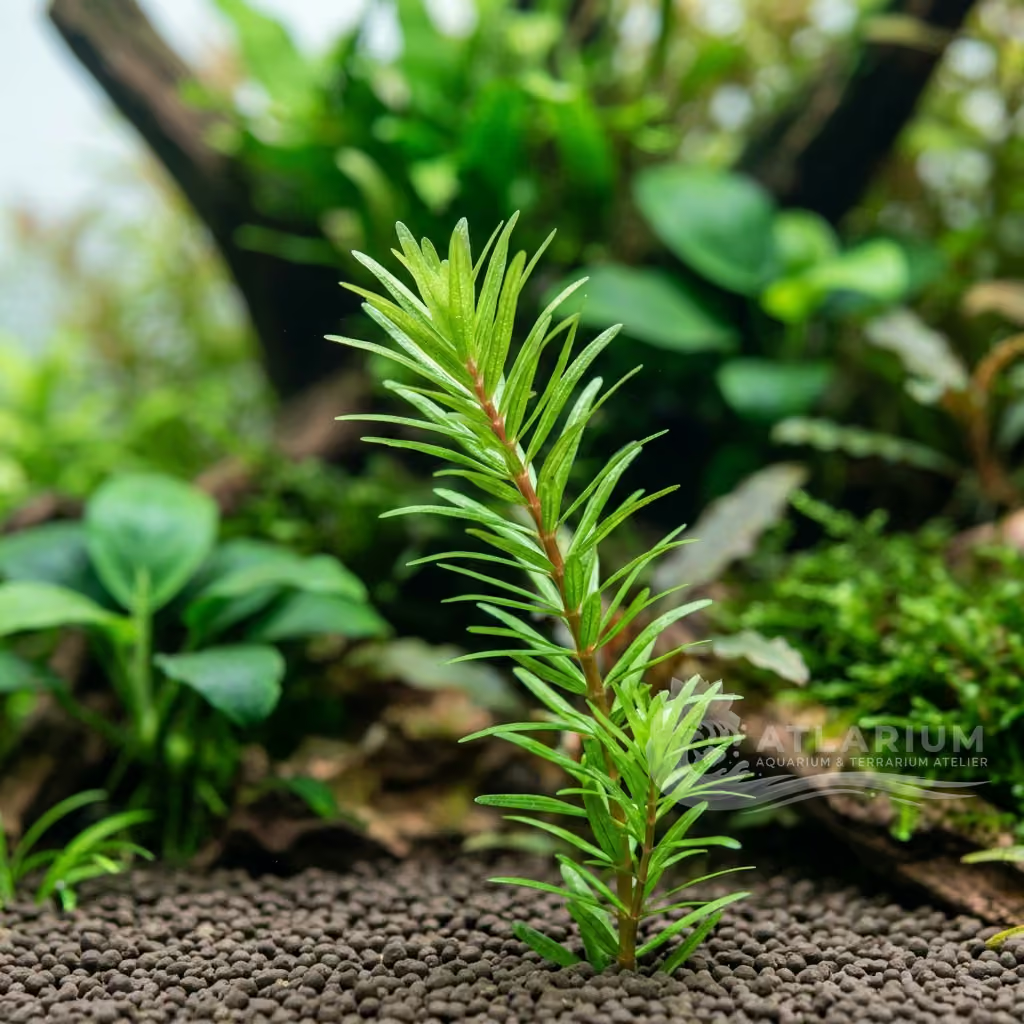
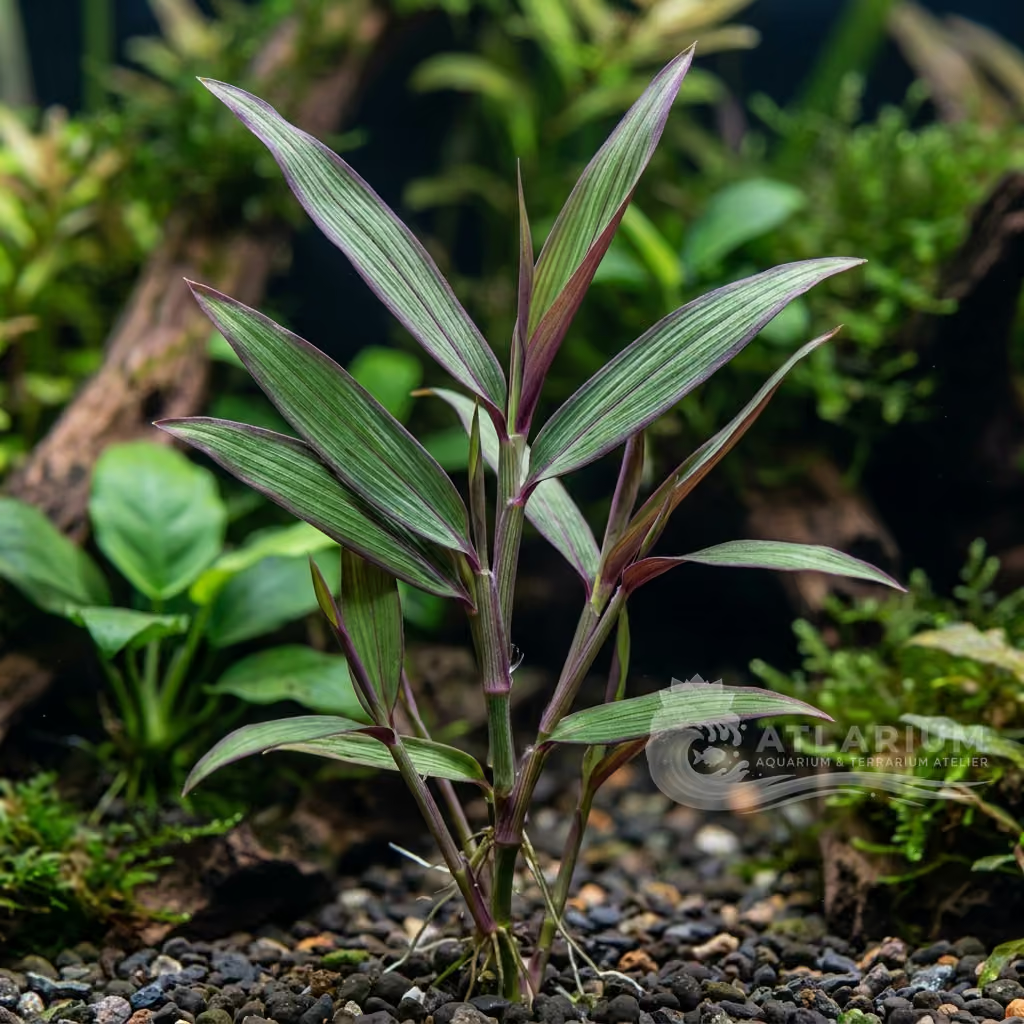
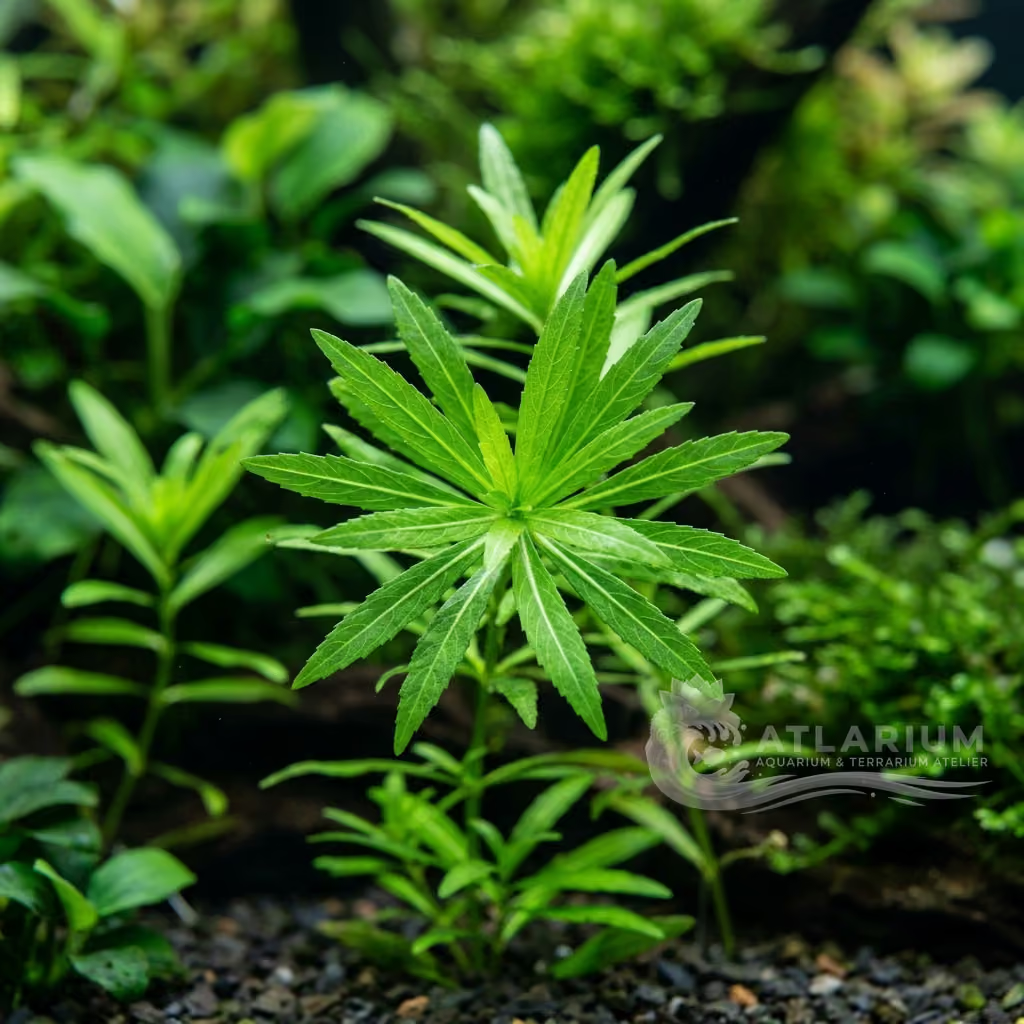
Physical Structure: Nomaphila stricta is a classic stem plant characterized by its thick, upright stems that can grow quite tall, reaching heights of 30-50 cm or more under optimal conditions, providing a strong vertical element. Leaves are arranged oppositely along the stem, featuring a lanceolate to elliptical shape with pointed tips, creating a dense and orderly appearance. The plant develops a strong, fibrous root system, anchoring it firmly in the substrate and efficiently absorbing nutrients from it.
Color & Texture: The leaves of Nomaphila stricta typically present a vibrant medium-green coloration, which can intensify significantly under good lighting and adequate nutrient availability, developing richer and deeper hues. Their texture is generally smooth and somewhat leathery, providing a robust and healthy feel that withstands water flow and minor disturbances well. Under very strong light or specific nutrient conditions, some variations might display subtle reddish or bronzed tips on the upper leaves, adding visual complexity and an extra layer of aesthetic appeal to its overall appearance.

Care, breeding and tankmates
Lighting & CO2: Nomaphila stricta performs best under medium lighting conditions, where it exhibits a steady growth rate and maintains healthy, vibrant leaf coloration, while minimizing undesirable algae growth. While it can tolerate lower light, growth will be slower, leaves may become smaller, and internodes may lengthen, leading to a leggy and less attractive appearance. CO2 supplementation is not strictly necessary for its survival but significantly enhances growth, promotes denser foliage, and can lead to more vigorous and lush development, allowing the plant to reach its full potential.
Nutrition & Substrate: This plant is a moderate feeder, benefiting greatly from a nutrient-rich substrate, especially if fortified with clay or laterite, and regular dosing of a comprehensive liquid fertilizer that supplies both macro and micronutrients. Iron and potassium are particularly important for maintaining vibrant green leaves and preventing chlorosis or holes, as well as for supporting strong, vigorous stems. Root tabs placed near the base of the plant can provide sustained and targeted nutrition to its developing root system, ensuring a continuous supply of essential elements.
Water Chemistry: Nomaphila stricta is quite adaptable regarding water parameters, tolerating a temperature range of 20-28°C, making it compatible with most tropical fish and invertebrate species. It thrives in soft to moderately hard water, with a KH between 2-12 and a pH range of 6.0-7.5, showing good tolerance to moderate fluctuations. Consistent water parameters and clean water are more crucial than hitting exact numbers within its accepted range, as sudden shifts can cause stress to the plant.
Space Management & Placement: Given its medium growth rate and potential for significant height, Nomaphila stricta is ideally suited for the midground to background of an aquarium, where it can serve as a focal point or create a natural barrier. It should be planted in groups of at least 3-5 stems to create a lush, dense effect, contributing to a harmonious and full aesthetic. Enough space between individual stems and groups is crucial for adequate light penetration and good water flow, preventing excessive shadowing and stagnation. Regular trimming is essential to prevent it from overshadowing smaller plants and to maintain its desired shape, controlling its spread.
Pruning: Regular pruning is vital for maintaining the desired height and promoting bushier, more branched growth in Nomaphila stricta, encouraging the formation of new lateral shoots. Stems can be cut back to any desired height, always above a leaf node, and the severed top portions (cuttings) can often be replanted directly into the substrate to propagate new individuals, provided they have at least 3-4 leaves. Removing older, lower leaves, which may yellow or deteriorate, can also help improve light penetration to the lower parts of the plant and surrounding flora, fostering healthier growth and preventing debris accumulation.
Risks & Diseases: Nomaphila stricta is generally robust but can suffer from common aquatic plant issues if conditions are not optimal or stable. Nutrient deficiencies, particularly iron, can lead to yellowing leaves (chlorosis) and stunted growth, while insufficient light or temperature fluctuations can cause lower leaves to drop or tissues to dissolve. Algae can settle on leaves if CO2, nutrients, or light are imbalanced, signaling underlying environmental stress and the need to correct system parameters.

Geographic origin and distribution
Nomaphila stricta is native to Southeast Asia, where it is commonly found growing along the banks of rivers, streams, and in marshy areas, often in shallow waters. This plant thrives in both submerged and emergent conditions, adapting its form to suit its environment by developing different leaf structures. Its natural habitat typically features soft to moderately hard water and rich, often silty, substrates that provide ample nutrients for its robust growth.
Origin
South and Southeast Asia

Plant profile
- Placement
- Midground
- Because of its broad, commanding leaves and thick stems, it is best placed in the background of the aquarium. It can quickly overshadow smaller foreground or midground plants, so giving it ample space is important. In very large tanks, it can be used to create a striking midground focal point.
- Botanical form
- Stem
- It features very sturdy, thick stems and exceptionally large, bright green leaves that are broadly lanceolate. The leaves grow in opposite pairs and can reach several inches in length. When it reaches the water's surface, it readily adapts to emersed growth and may produce attractive purple flowers.
- Growth
- Medium
- The growth rate is very fast, especially under good lighting and nutrient-rich conditions. It will quickly grow toward the surface, often requiring weekly trimming to keep it from blocking light to the rest of the tank. It grows well even without CO2 injection, though the leaves will be slightly smaller.
- Substrate
- High
- Nomaphila stricta is a robust, fast-growing plant that thrives in a rich, deeply layered substrate capable of supporting its massive root system. The roots play a vital role in stabilizing its tall, rigid stems and absorbing the heavy amounts of macronutrients needed to grow large leaves. A substrate bed of at least 3 to 4 inches made of an active aquasoil or nutrient-enhanced gravel is essential for long-term success. Providing additional fertilization at the roots via capsules or tabs ensures the plant does not experience nutrient deficiencies as it matures.
- Column fertilization
- Recommended
- Liquid fertilization is highly effective and recommended for this fast-growing plant. Regular dosing of a complete fertilizer ensures that the water column has sufficient potassium to prevent leaf degradation. It is a robust plant that can handle and utilize high nutrient loads, making it great for newer setups.
- Root fertilization
- Recommended
- 'Stricta' develops a massive, deep root system that helps anchor its large structure. Providing a nutrient-rich substrate or adding root tabs will result in significantly thicker stems and larger, healthier leaves. The strong root system also means that uprooting the plant can disturb a large area of the substrate.
- Trimming
- Occasional
- Frequent pruning is a necessity. You can simply cut the stem at the desired height; the lower portion will usually develop multiple new side shoots, creating a bushier plant. Because the stems are quite thick and tough, use sharp aquascaping scissors to make clean cuts and avoid crushing the tissue.
- Propagation
- Cuttings
- Propagation is extremely simple: just take a stem cutting and replant it in the substrate. The cutting will quickly root and begin growing within a matter of days. You can also replant the tops that you remove during regular maintenance to expand your stand.
- Sensitivity
- Moderate
- This is an incredibly robust and adaptable plant that easily forgives beginner mistakes. It tolerates a wide range of water hardness and pH levels without issue. Its only real vulnerability is a lack of basic macronutrients, which it clearly signals through the deterioration of its older leaves.
- Layout role
- Midground, Background, accent
- It serves as a fantastic, fast-growing background plant that provides dense coverage and a lush, jungle-like aesthetic. Its broad leaves offer excellent hiding places for fish and help break up the sightlines in the tank. It is also a very effective nutrient sponge, helping to keep the water clean and algae-free.

Related species
Recommendations grouped by close relatives, companion choices, and similar care.