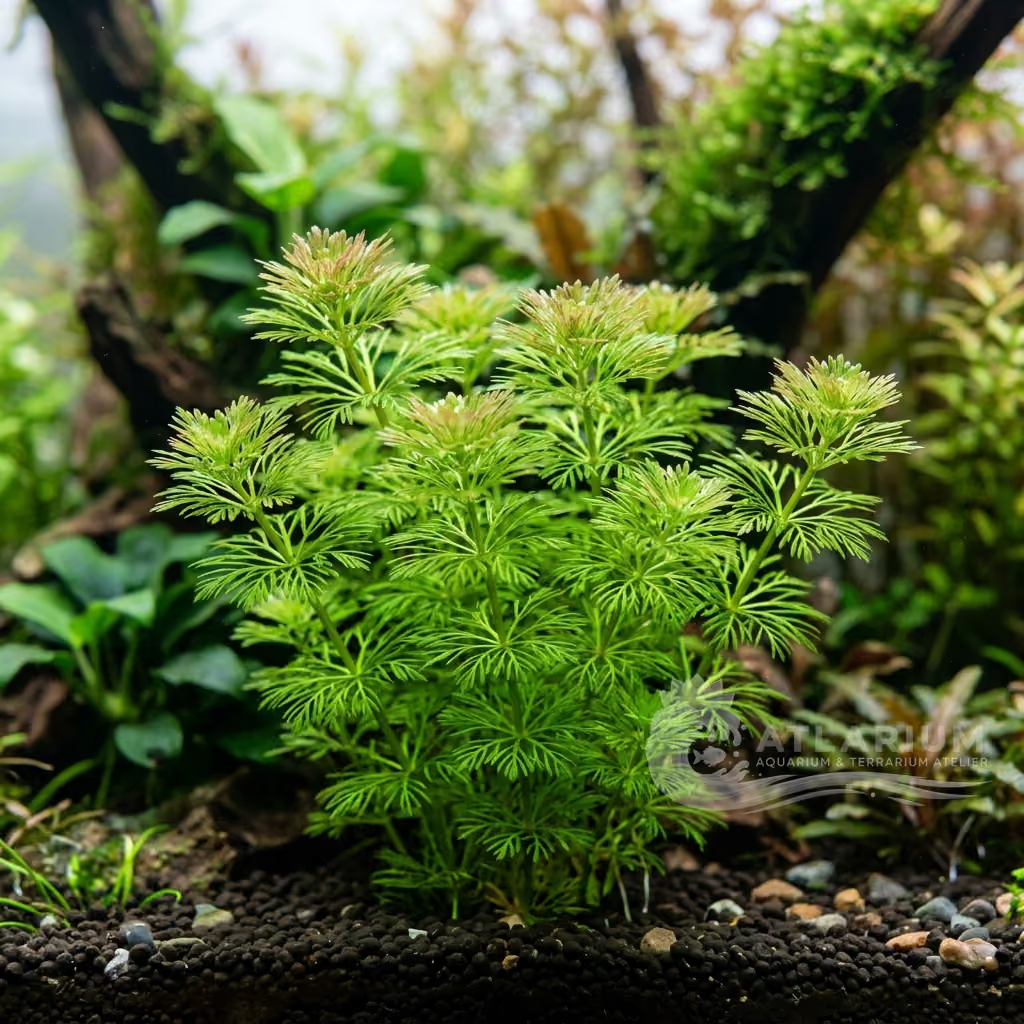
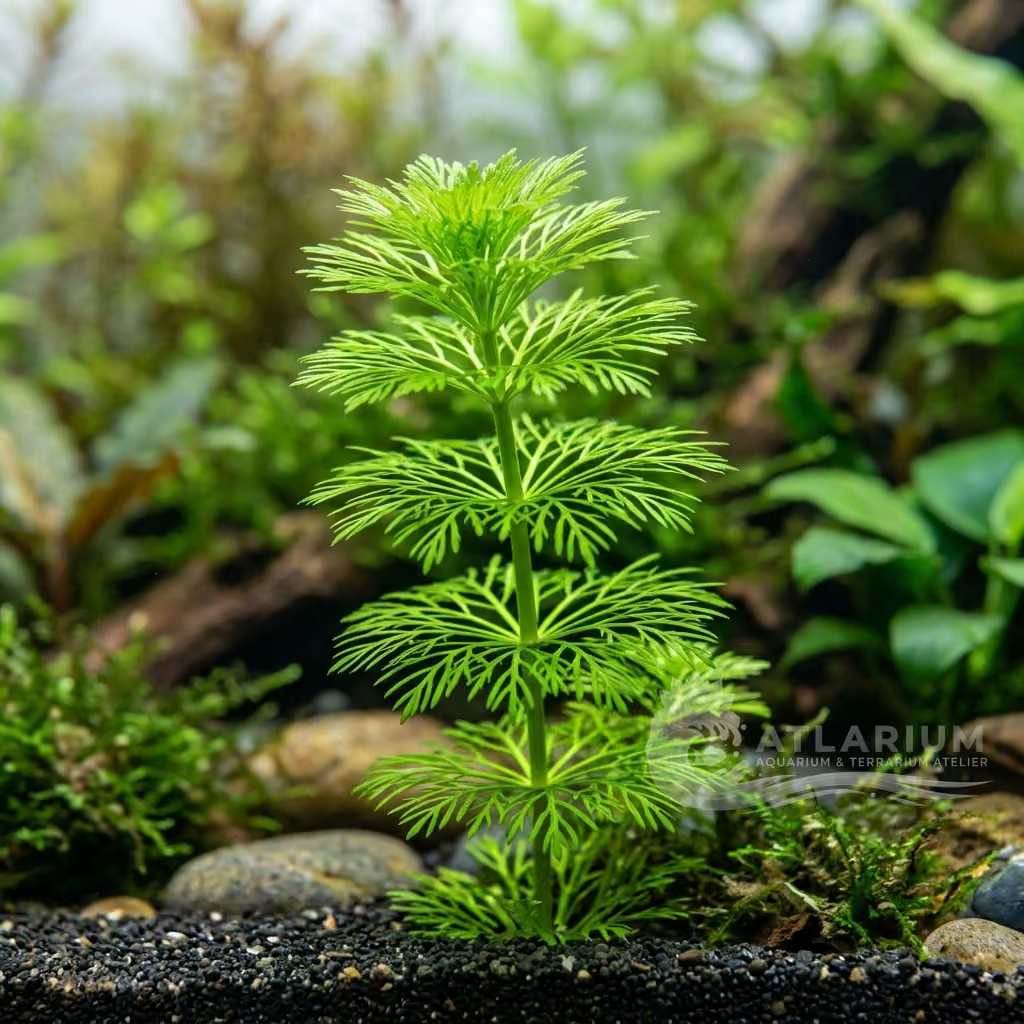
Hygrophila difformis 'Weiß-Grün'
Hygrophila difformis
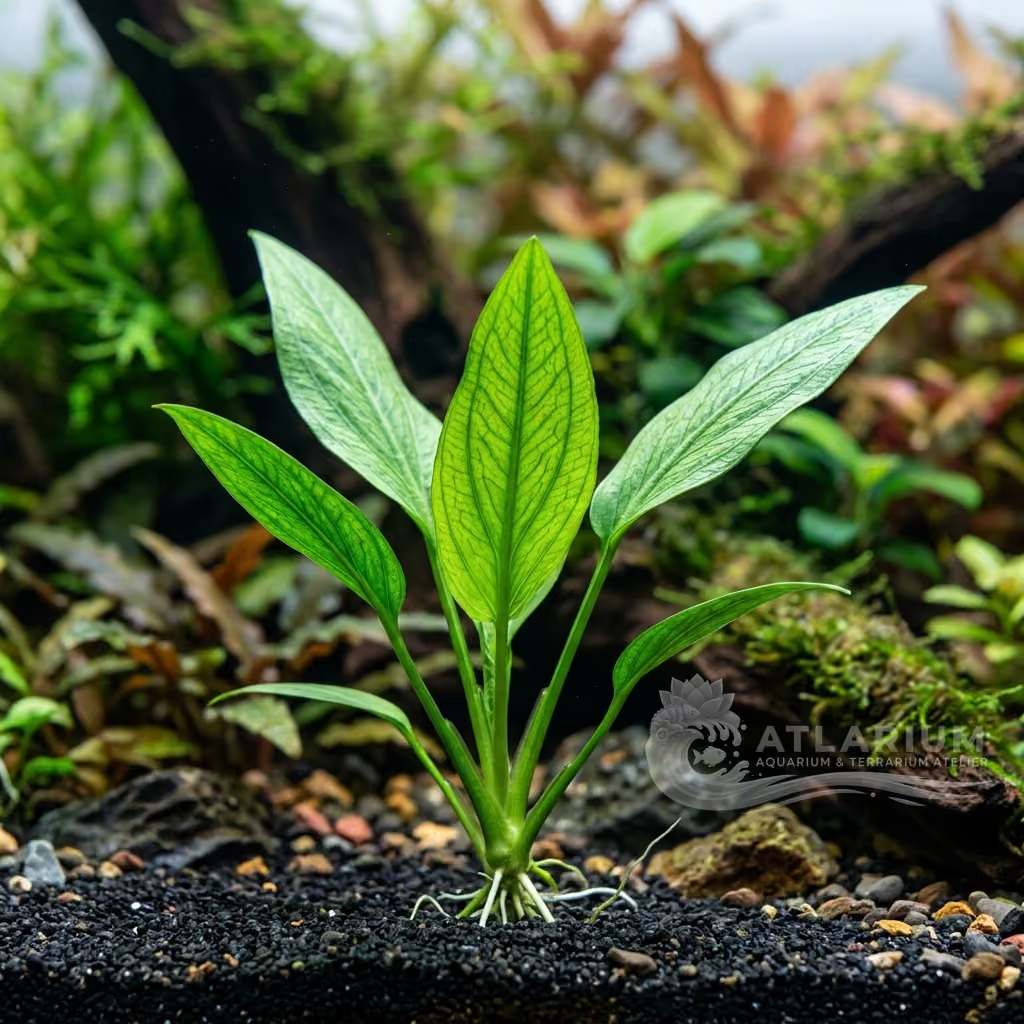
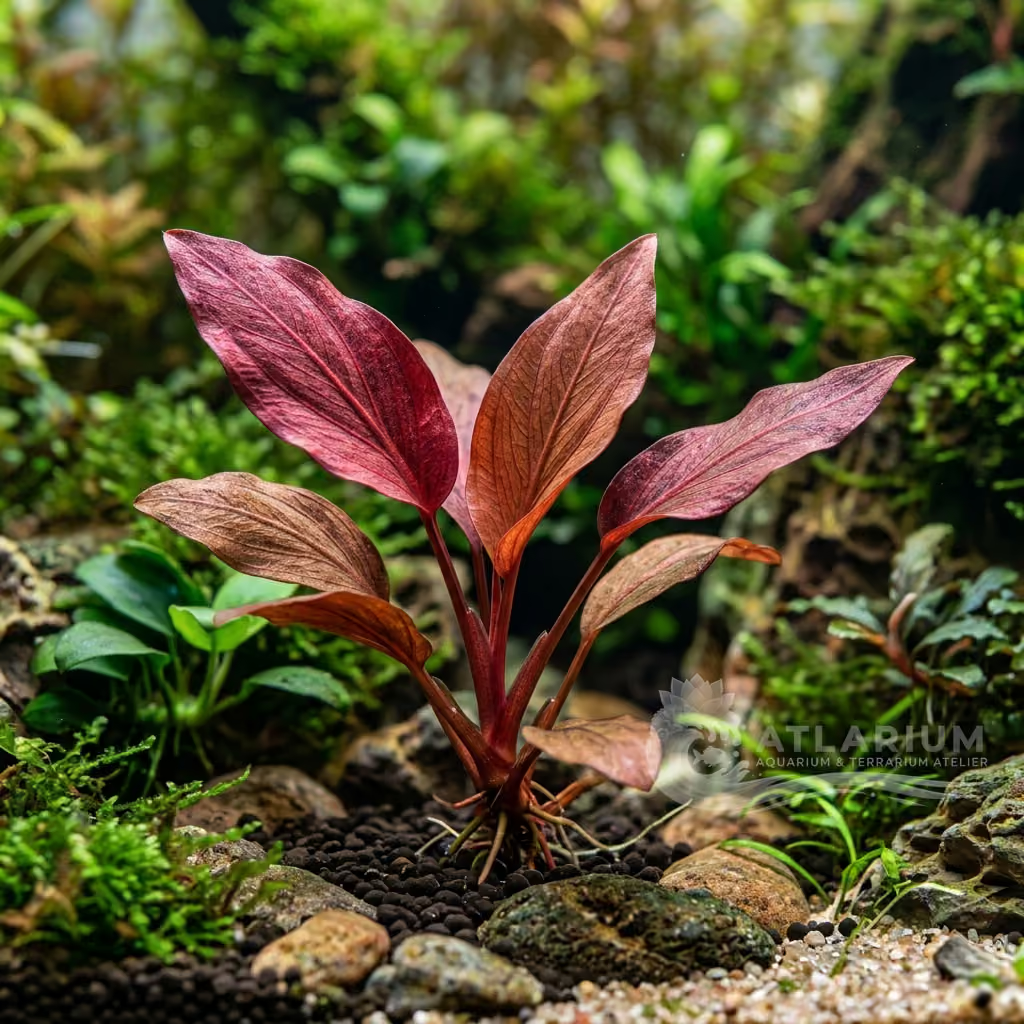
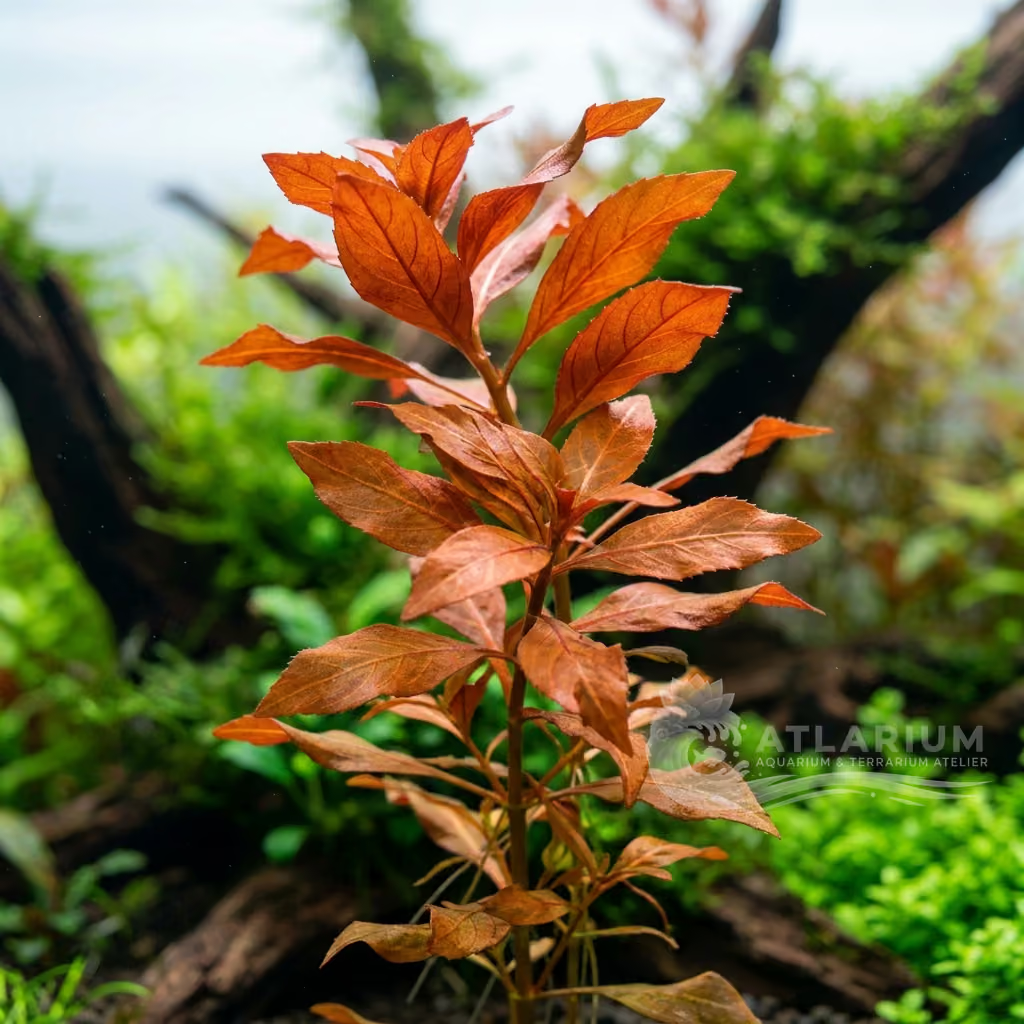
Variegated cultivar of Water Wisteria showcasing striking white leaf veins. Requires high light and micronutrients to preserve its unique white-green patterning.
Water Temperature
18 - 30 °C
pH Value
6 - 7.5
Water type
Freshwater
Light
Medium - High
CO2
Low to High
Expected height
35 cm
Expected width
20 cm
GH
4 - 20 dGH
KH
2 - 21 dKH

Species description
Geographical Origin and Habitat: A cultivated variety derived from Hygrophila difformis, which is native to tropical Asia, including India and Bangladesh. The parent species grows in marshes, ditches, and slow rivers, adapting to seasonal flooding.
Taxonomy & Genetics: Belonging to the family Acanthaceae. The name 'Weiß-Grün' (white-green) describes its leaf variegation, caused by a stable genetic mutation that prevents chlorophyll production along the main veins.
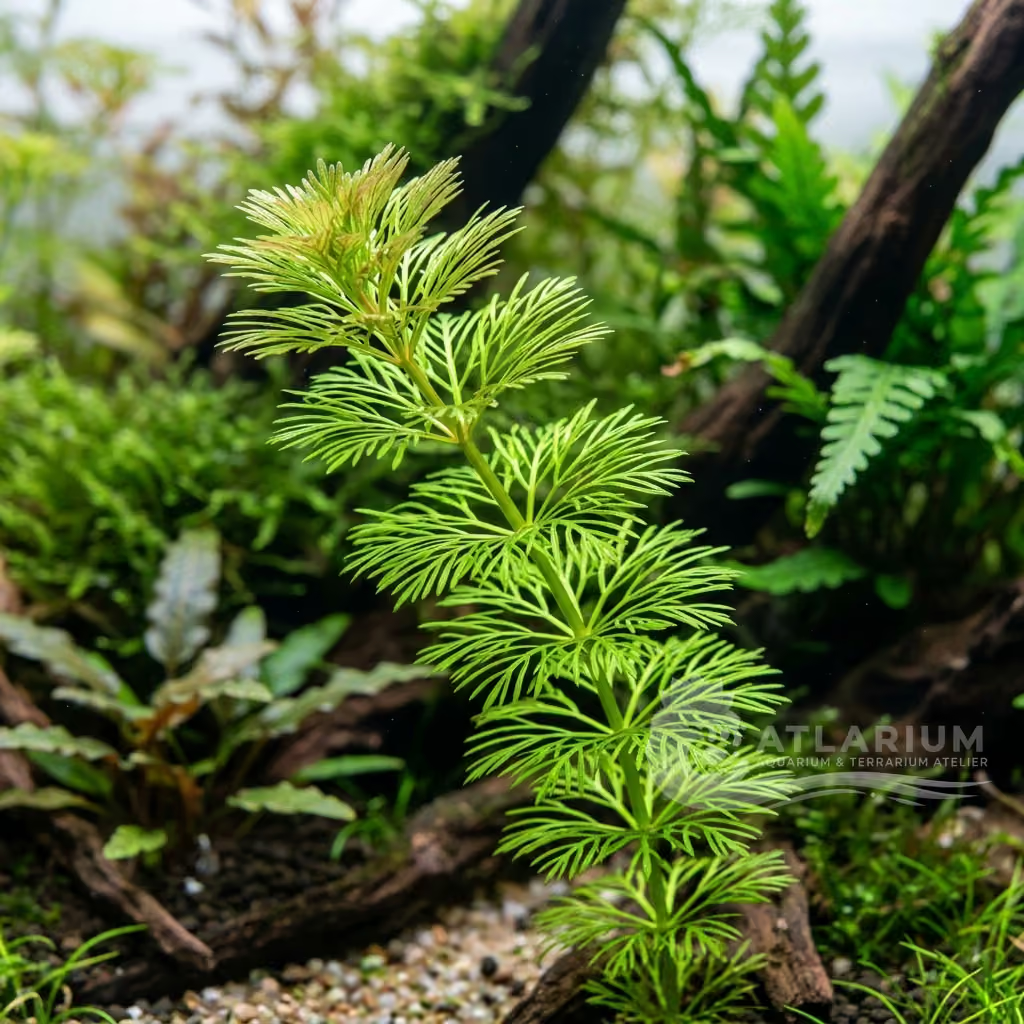
Physical Structure: Features robust stems growing vertically and producing roots at the nodes. Submerged leaves are deeply divided and pinnatifid, giving it a feathered appearance. Emersed leaves are simpler and oval.
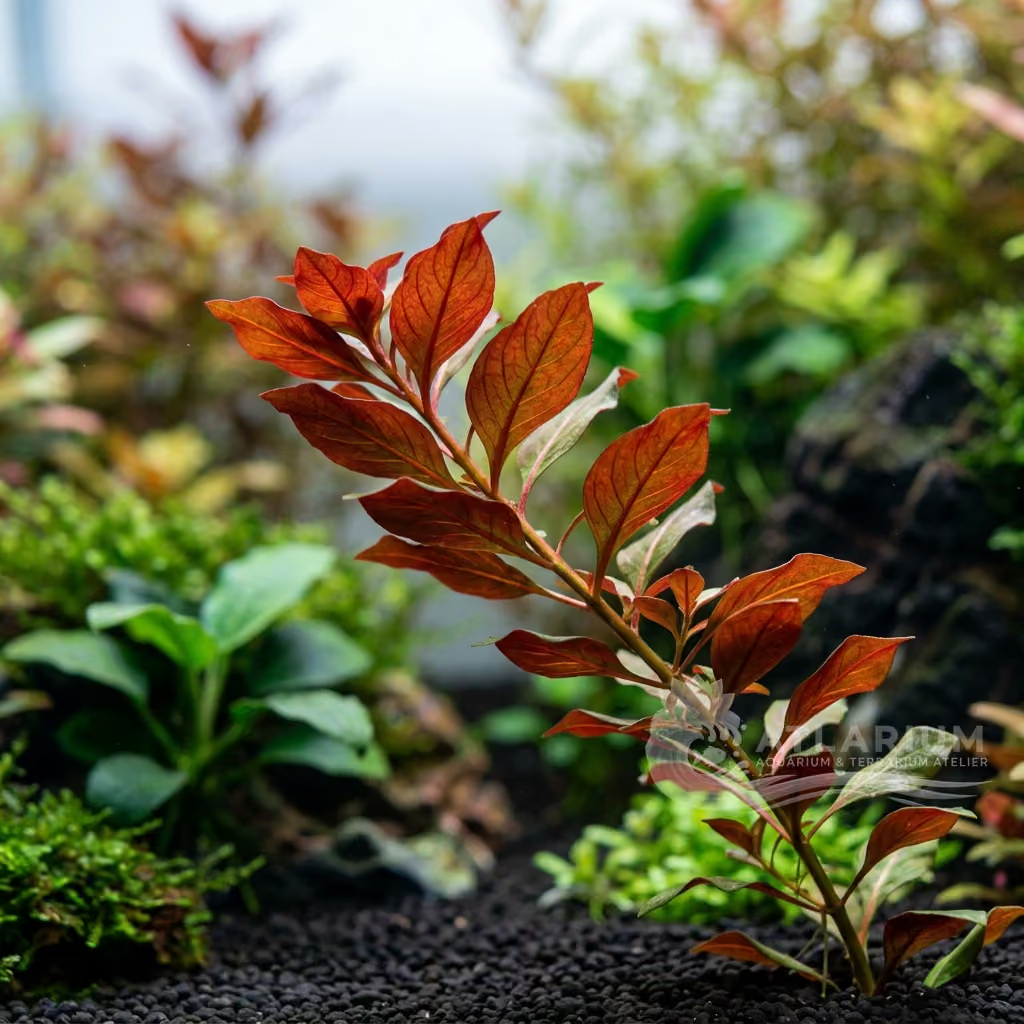
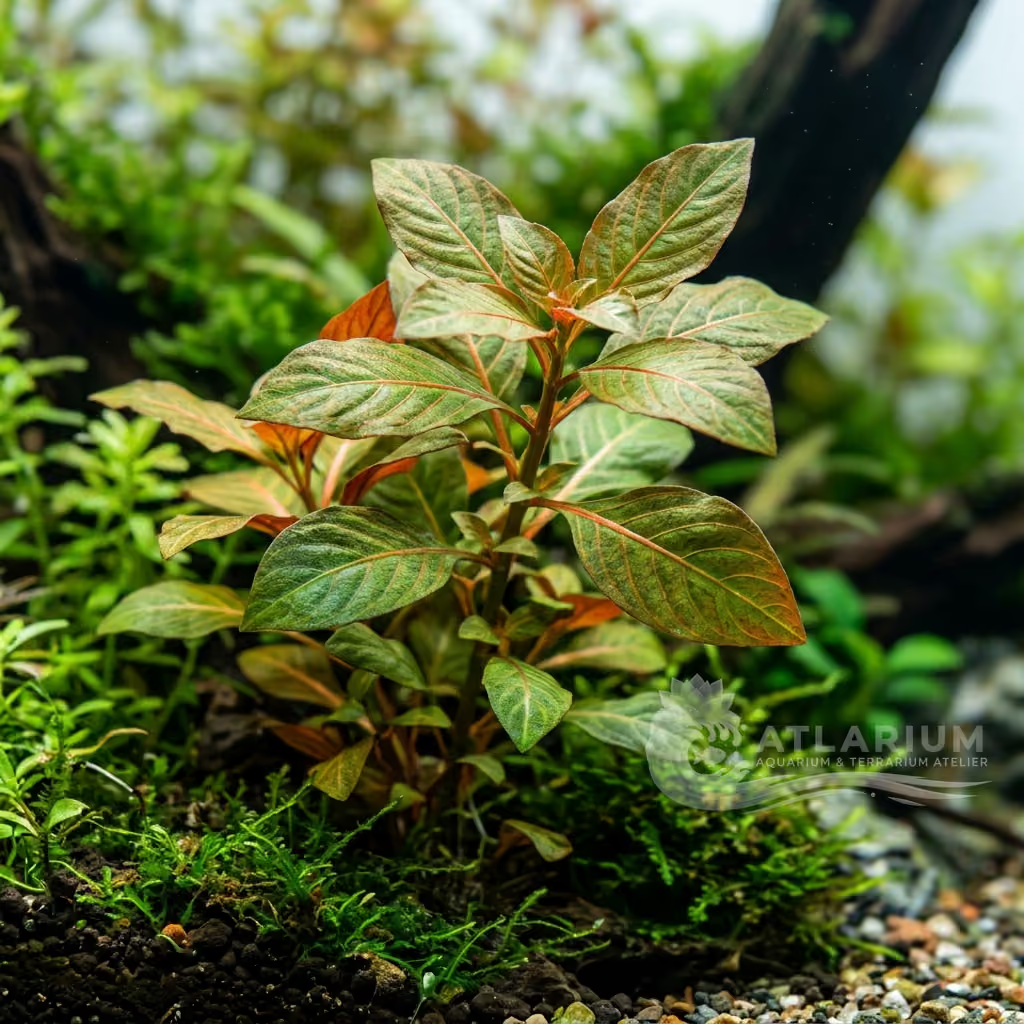
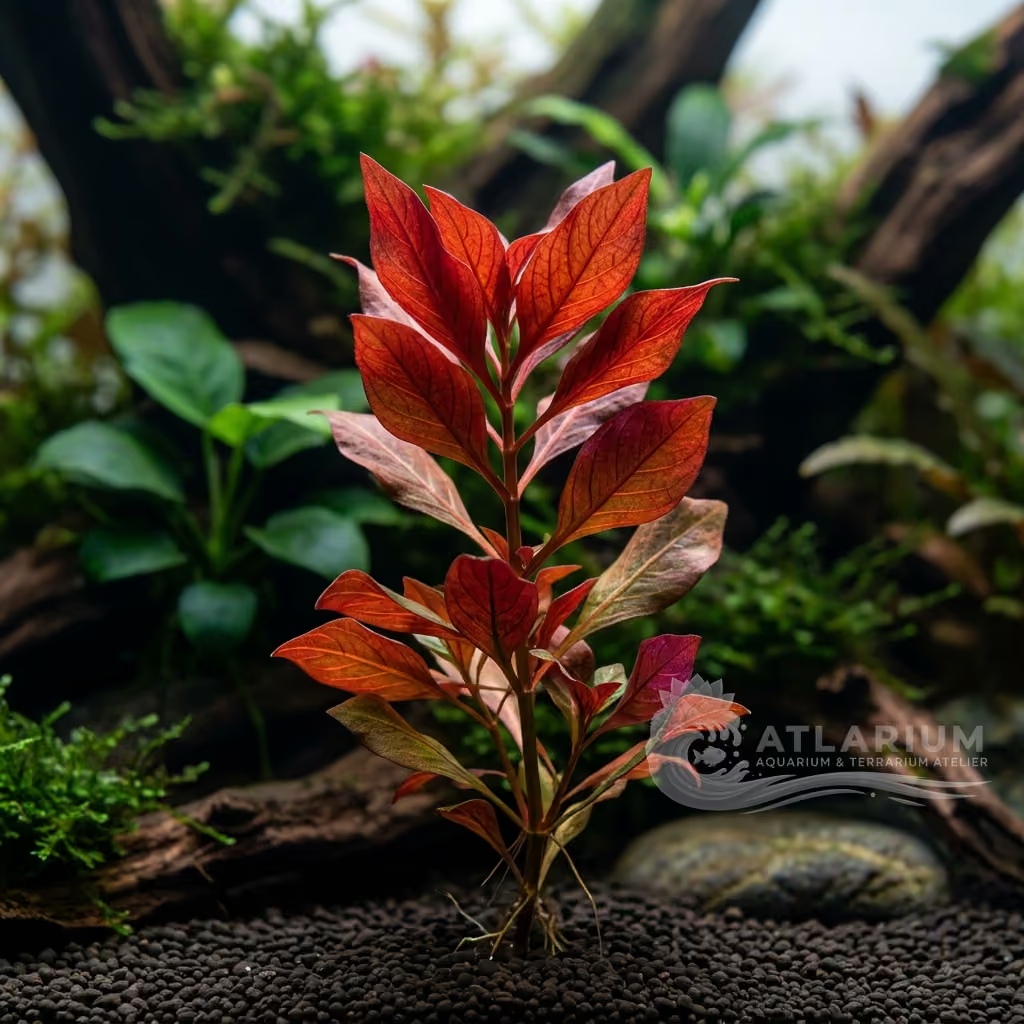
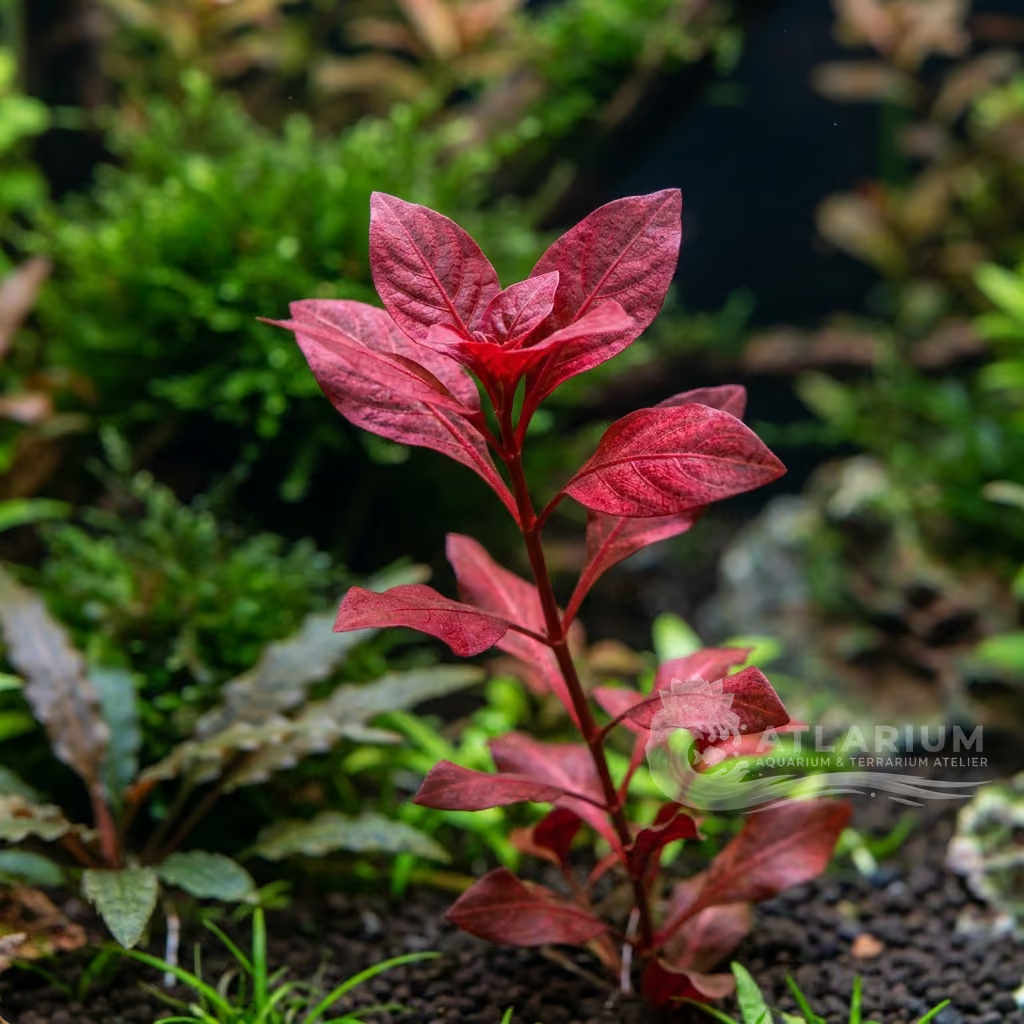
Color & Texture: The bright green leaves feature distinct, creamy-white or ivory veins. This variegation creates a fine, striking pattern that stands out and adds high contrast to the aquascape.

Care, breeding and tankmates
Lighting & CO2: Requires high light levels to preserve the white vein pattern. Under low light, new leaves may lose their variegation and grow fully green. CO2 injection is recommended to support steady growth and large leaf development.
Nutrition & Substrate: Demands high nutrient levels, particularly iron and micronutrients. A fertile substrate is beneficial, although it also absorbs nutrients through the
Water Chemistry: Adaptable to soft or hard water with a pH of 6.0 to 7.5. Ideal water temperature ranges from 18°C to 30°C (64°F - 86°F). Prefers moderate water flow to keep the fine leaves clear of debris.
Space Management & Placement: Best suited for the midground or background of the aquarium. It can reach a height of 30-40 cm, so ensure it has ample space to avoid blocking light to smaller neighboring plants.
Pruning: Trim the stems at the desired height. Lateral shoots will develop near the cut site. The pruned tops can be replanted in the substrate to propagate the plant.
Risks & Diseases: Variegation can fade under low light or iron deficiency. The delicate, divided leaves can easily trap hair algae if nitrate or phosphate ratios are unbalanced.

Geographic origin and distribution
A cultivated variety derived from Hygrophila difformis, which is native to tropical Asia, including India and Bangladesh. The parent species grows in marshes, ditches, and slow rivers, adapting to seasonal flooding.
Origin
Selective breeding and cultivars

Plant profile
- Placement
- Midground
- This plant is an excellent candidate for the midground or background, depending on the tank size. Grouping a few stems together accentuates the dramatic contrast between the white veins and green tissue. It naturally draws the eye and functions perfectly as a focal point in the aquascape.
- Botanical form
- Stem
- It features deeply lobed, feather-like submerged leaves characteristic of Water Wisteria, but with a unique twist: striking white to cream-colored variegation along the leaf veins. The leaves appear incredibly intricate and lacy. This mutation is relatively stable but can fluctuate based on environmental conditions.
- Growth
- Medium
- Its growth rate is moderately fast, though generally slightly slower than the common green H. difformis due to less chlorophyll in the variegated leaves. With strong lighting and CO2, it grows quite vigorously and requires regular maintenance. In lower light, its growth slows and its variegation may become less pronounced.
- Substrate
- Medium
- The variegated Hygrophila difformis 'Weiß-Grün' benefits from a moderately enriched substrate to support its unique coloration and steady growth rate. A base layer of 4 to 6 centimeters using either aquasoil or gravel supplemented with root fertilizers will properly secure its root system. While it maintains the species' ability to feed from the water column, consistent substrate nutrition helps prevent the distinctive white and green leaves from becoming deficient or stunted.
- Column fertilization
- Recommended
- Liquid fertilization is essential as the finely divided leaves offer a massive surface area for nutrient absorption. Routine dosing of a complete liquid fertilizer ensures the white areas remain bright and the green margins stay vibrant. It is particularly responsive to iron and micronutrient additions in the water column.
- Root fertilization
- Optional
- A nutrient-rich substrate or root tabs provide a strong foundation for this plant, promoting vigorous overall health. Good root nutrition helps sustain larger leaves and thicker stems, which better display the variegated pattern. A healthy root system is crucial to support the plant's demanding nutrient needs.
- Trimming
- Occasional
- Regular pruning is needed to maintain a tidy, bushy appearance and prevent it from overshadowing adjacent plants. Trimming the top shoots and replanting them is the most effective way to manage height. The cut stems quickly produce multiple side shoots, increasing the density of the variegated foliage.
- Propagation
- Cuttings
- Propagation is straightforward through stem cuttings. Simply take a healthy cutting with a few nodes and insert it into the substrate. Additionally, lateral side shoots can be removed and grown as independent plants, quickly expanding your variegated cluster.
- Sensitivity
- Moderate
- The variegation makes it slightly more sensitive to poor lighting and low nutrients than the standard green form. If light or nutrients fall below optimal levels, the plant may lose its white patterning or shed lower leaves. However, it remains highly adaptable to various water parameters if its basic needs are met.
- Layout role
- Midground, Background
- Its striking white and green coloration makes it a standout accent plant in any aquascape. It provides a stunning visual break from solid green or red plants, drawing immediate attention. It is ideal for breaking up monotonous textures and adding a delicate, airy feel to the background.

Related species
Recommendations grouped by close relatives, companion choices, and similar care.