Hygrophila odora
Hygrophila odora
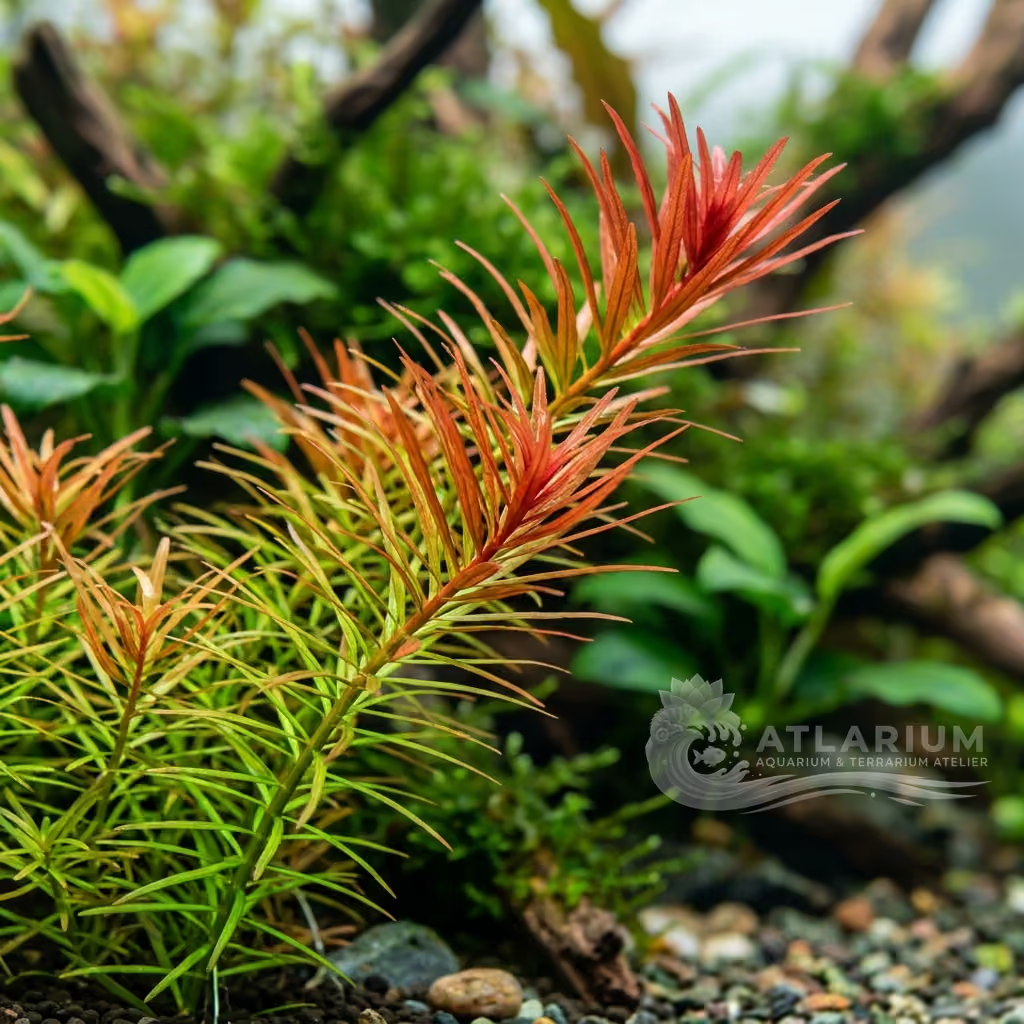
A rare West African stem plant with deeply incised, fern-like leaves. Emersed growth yields a pleasant fragrance. It demands soft, acidic water, rich substrates, high light, and heavy CO2 injection.
Water Temperature
18 - 30 °C
pH Value
4.5 - 7
Water type
Freshwater
Light
Medium - High
CO2
Medium - High
GH
4 - 15 dGH
KH
0 - 7 dKH

Species description
Geographical Origin and Habitat: Native to tropical West Africa, where it grows in wet forest areas, along shaded riverbanks, and in temporary pools. It is adapted to soft, acidic waters rich in humic substances.
Taxonomy & Genetics: Belonging to the family Acanthaceae. The species name 'odora' refers to the pleasant fragrance emitted by its leaves and stems when grown emersed. It displays strong heterophylly.
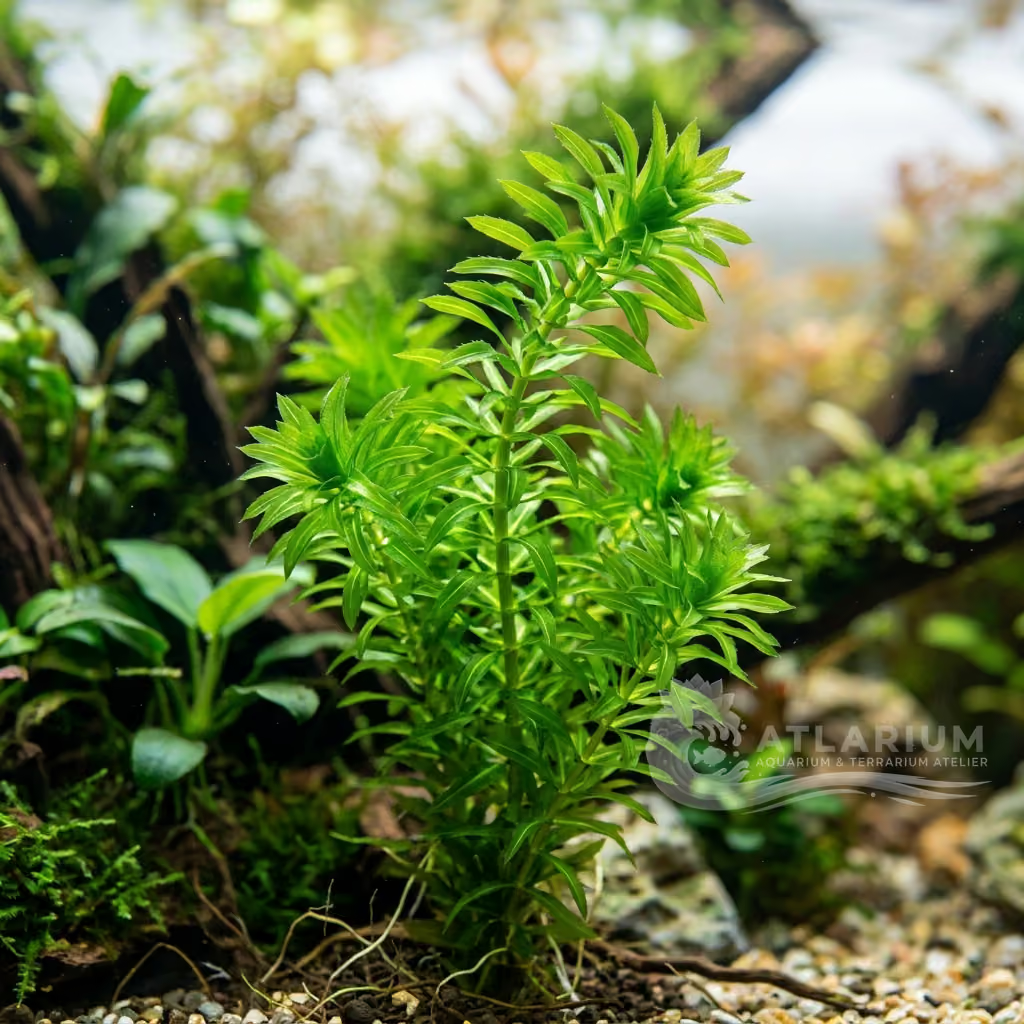
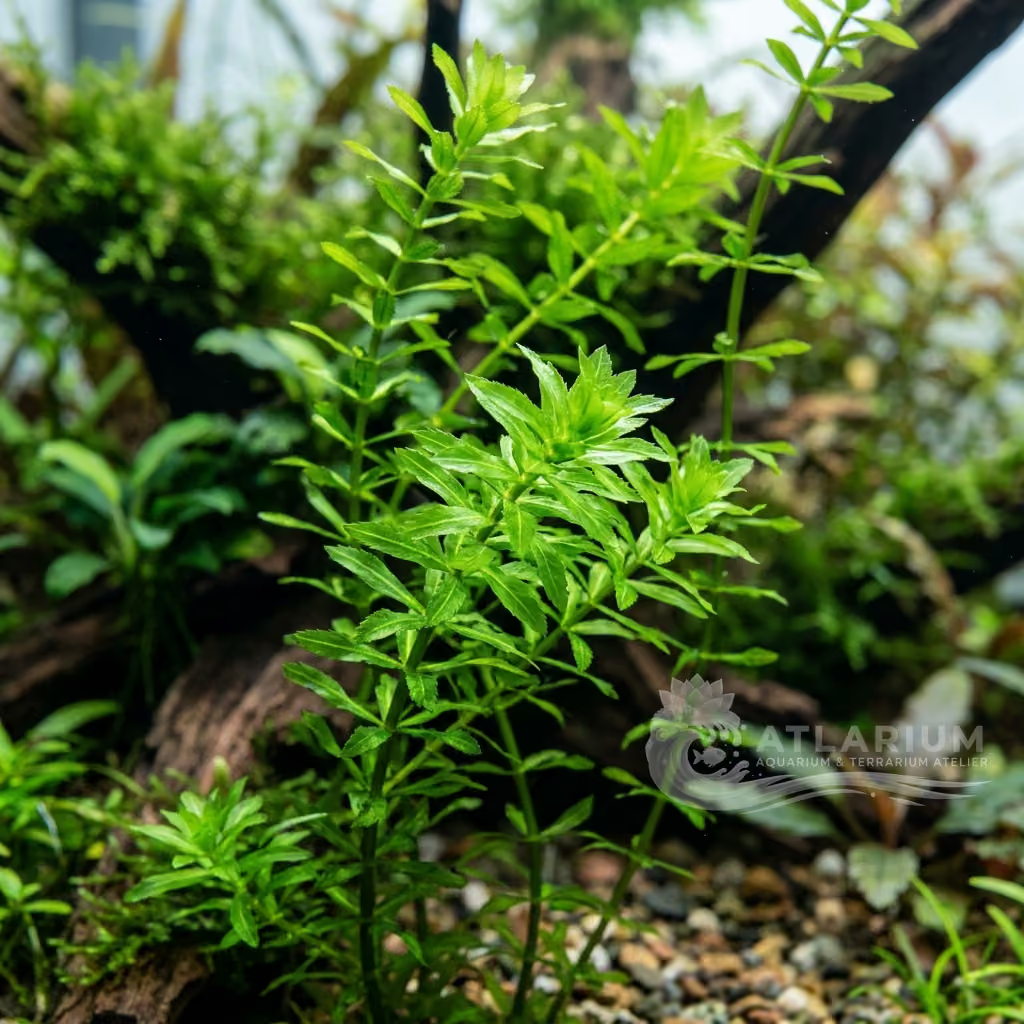
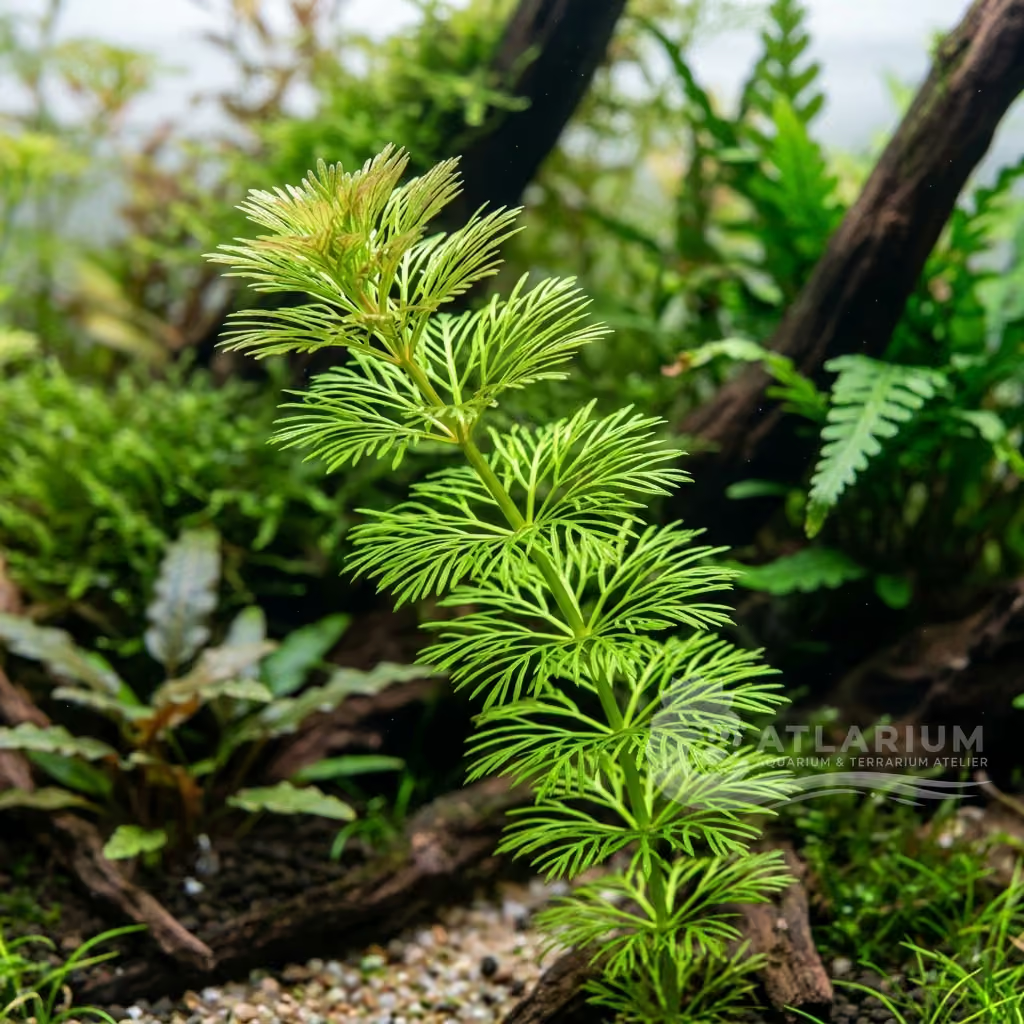
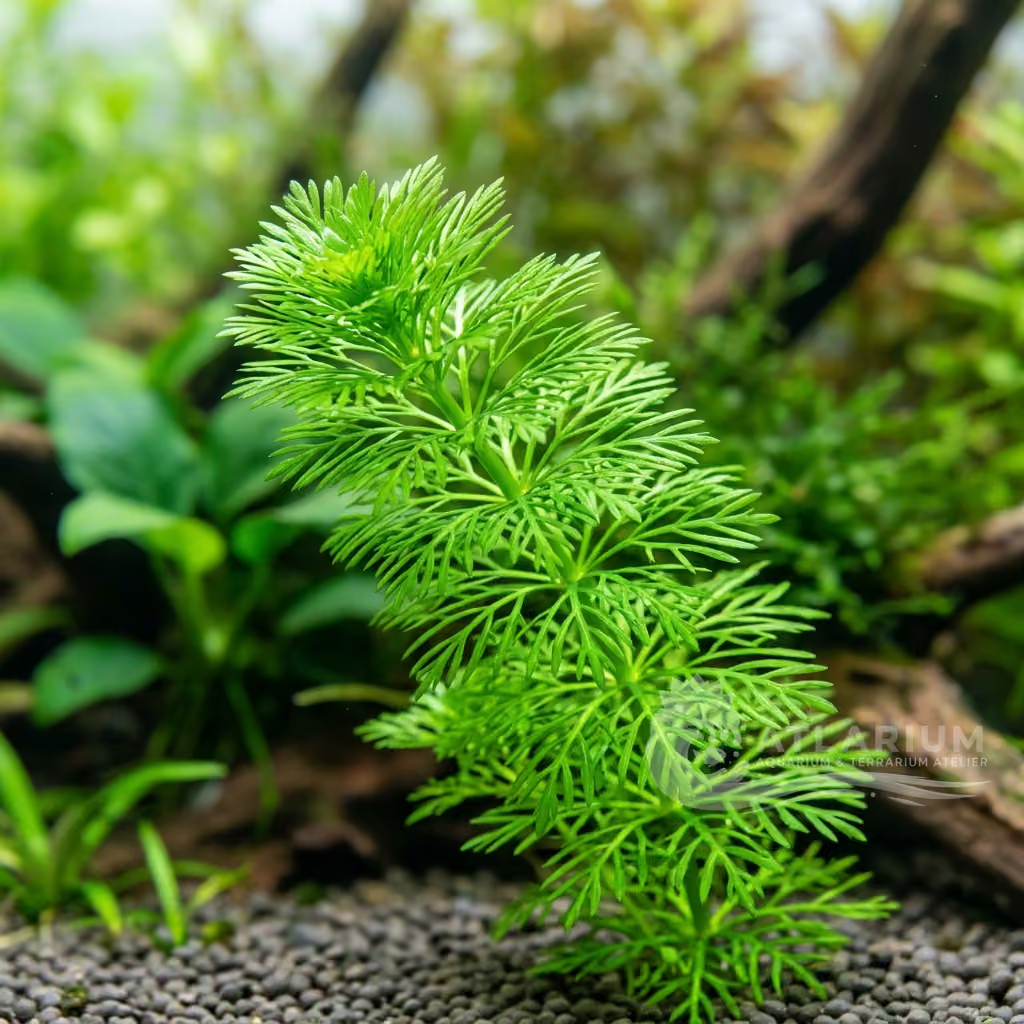
Physical Structure: Develops thick stems but grows relatively slowly. Submerged leaves are oppositely arranged and deeply incised, almost bipinnatifid, resembling fine ferns.
Color & Texture: Submerged leaves are a delicate light green to olive green. The finely cut leaf pattern creates a highly detailed, wild, and natural texture in the aquascape.

Care, breeding and tankmates
Lighting & CO2: Requires medium to high lighting. High CO2 levels (20-30 mg/L) are highly recommended and essential to maintain its submerged form and prevent the stems from deteriorating.
Nutrition & Substrate: Demanding. Requires a rich substrate and a complete, regular liquid fertilization program. Dosing of iron and micronutrients in the
Water Chemistry: Strictly prefers soft, acidic water (GH < 6, KH < 4) and a pH of 4.5 to 7.0. Ideal temperatures range from 18°C to 30°C (64°F - 86°F). It does not tolerate hard, alkaline water.
Space Management & Placement: Best suited for the midground or background. Due to its slow growth rate, place it where it will not be shaded by faster-growing neighboring plants.
Pruning: Cut the tops of the stems with sharp scissors. Cuttings can be replanted but take longer to root and establish compared to other Hygrophila species.
Risks & Diseases: Sensitive to water parameters. Hard water, high pH, or lack of CO2 will quickly cause stunted growth, leaf melt, and stem rot.

Geographic origin and distribution
Native to tropical West Africa, where it grows in wet forest areas, along shaded riverbanks, and in temporary pools. It is adapted to soft, acidic waters rich in humic substances.
Origin
Africa and Madagascar

Plant profile
- Placement
- Midground
- Given its impressive size and somewhat coarse texture, it is best placed in the background or as a large feature plant in the rear-midground of large aquariums. It needs plenty of room to expand both horizontally and vertically. Planting it too close to the front will obscure other plants and ruin the sense of depth.
- Botanical form
- Stem
- This species features remarkably unique, large, deeply pinnatifid leaves that resemble ferns or certain terrestrial weeds. The stems are very thick and sturdy to support the massive, highly textured foliage. When crushed or grown emersed, it emits a distinct, somewhat minty or spicy odor, giving it its name.
- Growth
- Slow
- It boasts a fast growth rate, especially when conditions are optimal with strong light and CO2 injection. Its vigorous metabolism means it will rapidly consume available nutrients and quickly reach the water's surface. In lower-tech tanks, growth slows but remains substantial compared to other species.
- Substrate
- Medium
- Hygrophila odora performs well when its roots are established in a moderately fertile substrate, such as a high-quality aquasoil or supplemented sand. It should be planted at a depth of 4 to 6 centimeters, providing enough stability for its textured leaves and vertical stem growth. Access to root-zone nutrients ensures that the plant avoids deficiencies, maintaining the lush green appearance and distinctive structure of its foliage.
- Column fertilization
- Recommended
- Liquid column fertilization is highly effective, as the large, divided leaves offer immense surface area for absorbing dissolved nutrients. A complete liquid fertilizer should be dosed regularly to keep pace with its rapid growth. It is very responsive to changes in water column nutrition.
- Root fertilization
- None
- Because of its large size and fast growth, a nutrient-dense substrate is highly recommended. It develops an extensive, thick root system that anchors the heavy stems and scavenges for nutrients deep in the soil. Using root tabs near the base of the stems will significantly boost its long-term health and size.
- Trimming
- Occasional
- Frequent and sometimes heavy pruning is necessary to prevent it from overtaking the tank and shading smaller plants. Trimming the top and replanting it is standard, while the bottom section will sprout aggressively. Careful thinning of side shoots is often required to maintain a tidy appearance.
- Propagation
- Cuttings
- Propagation is exceedingly simple via stem cuttings. Any cut portion of the stem containing a node will easily root when planted in the substrate. Lateral branches can also be pinched off and replanted, quickly forming new, independent plants.
- Sensitivity
- Moderate
- Hygrophila odora is a generally robust and forgiving plant, adapting well to a range of water conditions. It is, however, sensitive to shading; lower leaves will quickly yellow and melt if deprived of light by the plant's own top canopy. It also reacts poorly to sudden, severe nutrient crashes.
- Layout role
- Midground, Background
- It acts as a dramatic, textural focal point or a dominant background element in large aquascapes. The deeply cut, fern-like leaves provide a wild, jungle-like aesthetic that contrasts beautifully with simple, round-leaved plants. It is excellent for adding complex structure and a sense of untamed nature to the layout.

Related species
Recommendations grouped by close relatives, companion choices, and similar care.