Hygrophila sp. "Pantanal"
Hygrophila sp. "Pantanal"
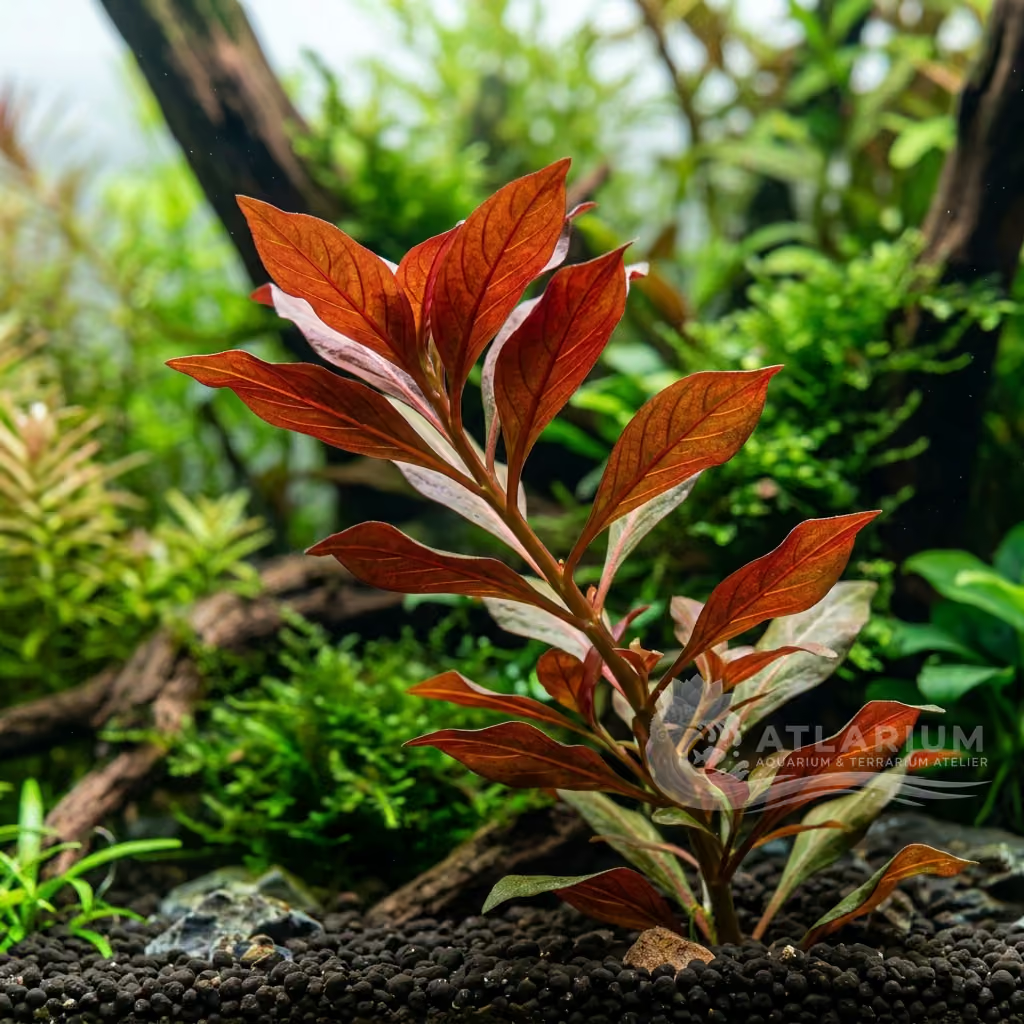
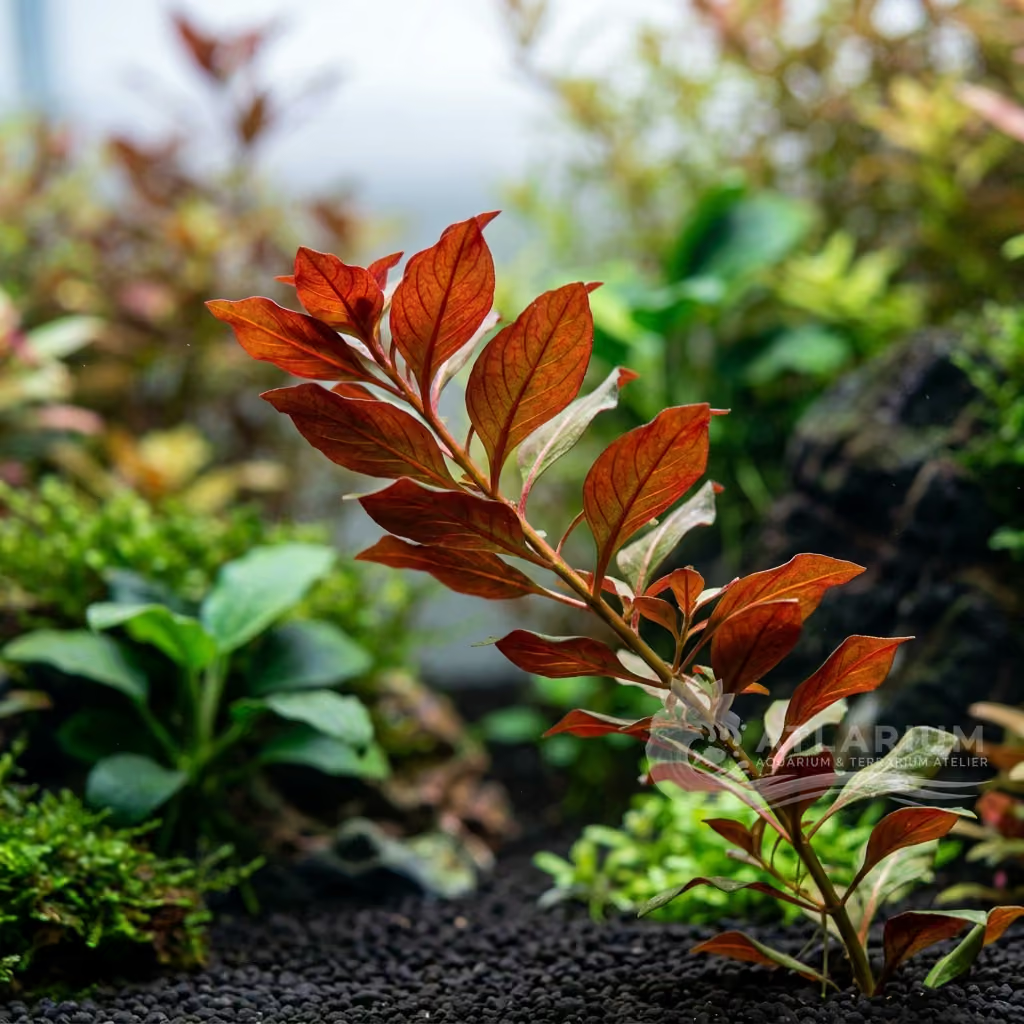
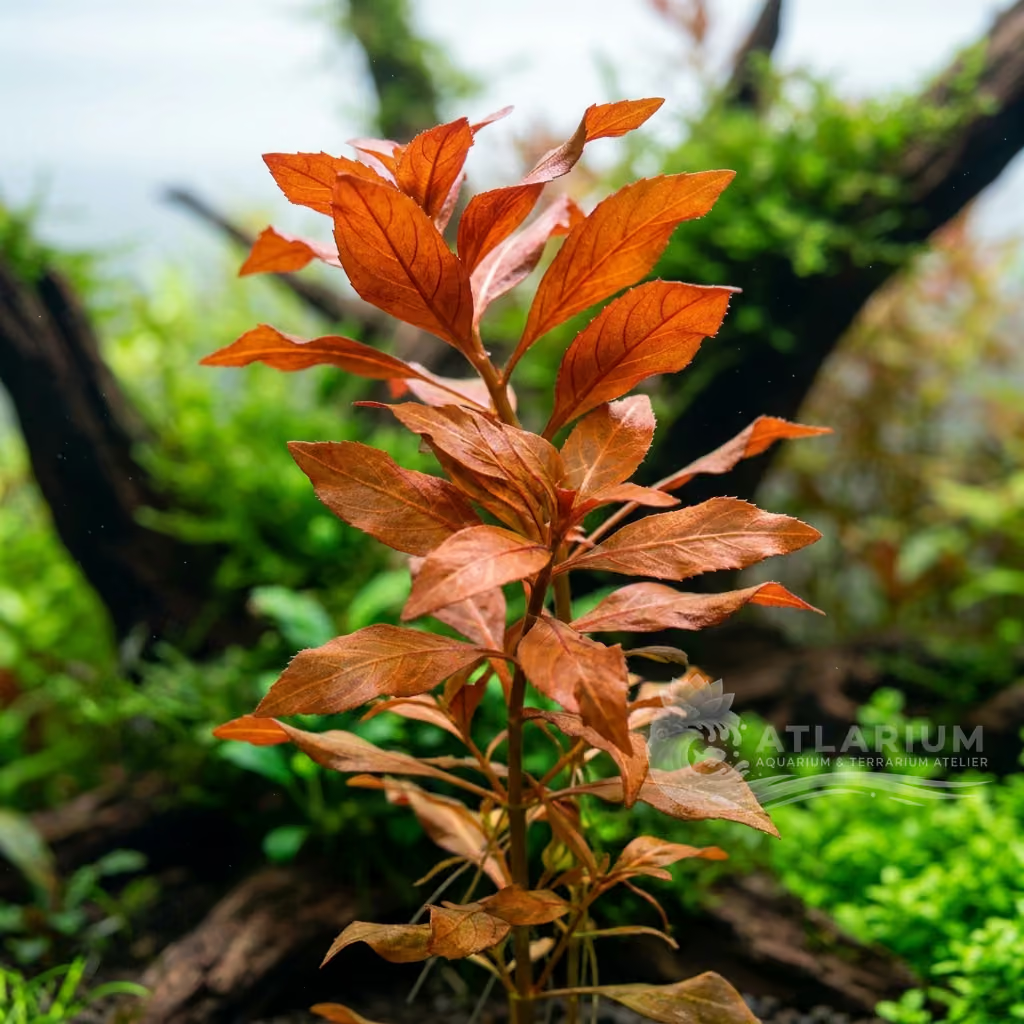
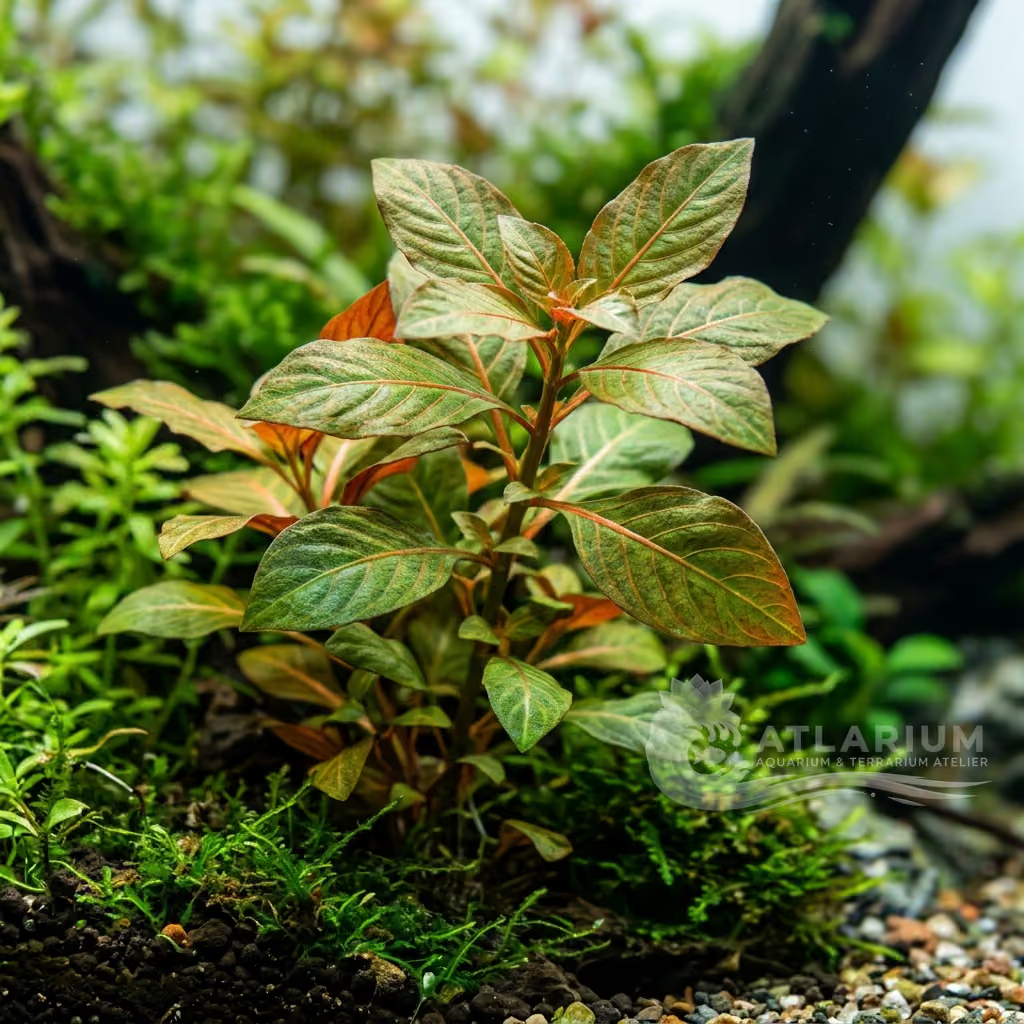
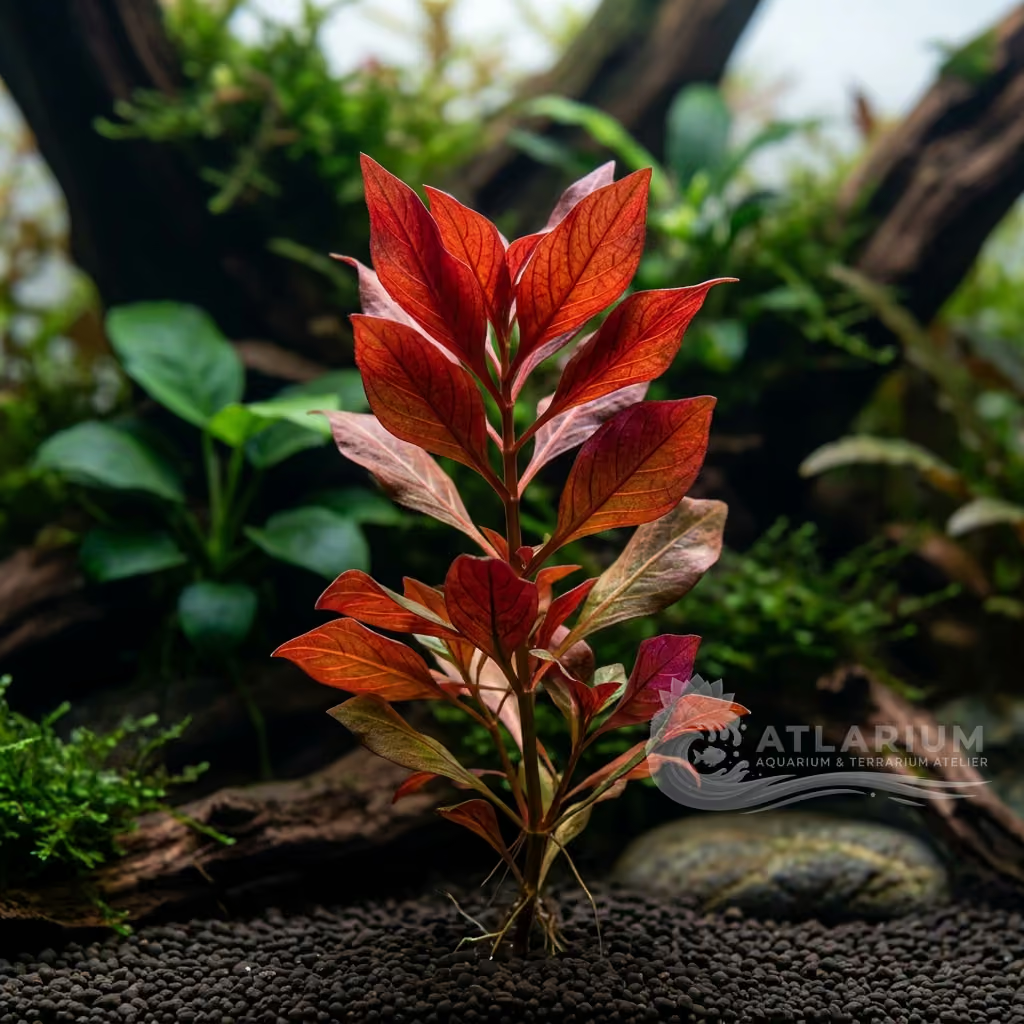
Hailing from Brazil, this delicate stem plant develops a stunning orange, pinkish-red, or copper crown under intense lighting. It demands high CO2, iron, and soft, acidic water to prevent decay.
Water Temperature
22 - 28 °C
pH Value
5.5 - 6.5
Water type
Freshwater
Light
High
CO2
High
GH
2 - 12 dGH
KH
0 - 8 dKH

Species description
Geographical Origin and Habitat: Native to the Pantanal wetland region in South America, primarily in Brazil. It thrives in crystal-clear rivers, marshy areas, and sun-lit floodplains, adapting to seasonal water level shifts.
Taxonomy & Genetics: Belonging to the family Acanthaceae and genus Hygrophila. It remains undescribed at the species level, hence sp. 'Pantanal'. Its genetics respond strongly to iron and light to synthesize anthocyanin pigments.
Physical Structure: Develops straight, vertical, and somewhat delicate stems with oppositely arranged lanceolate leaves. It produces a moderate root system that anchors securely in sandy or muddy substrates.
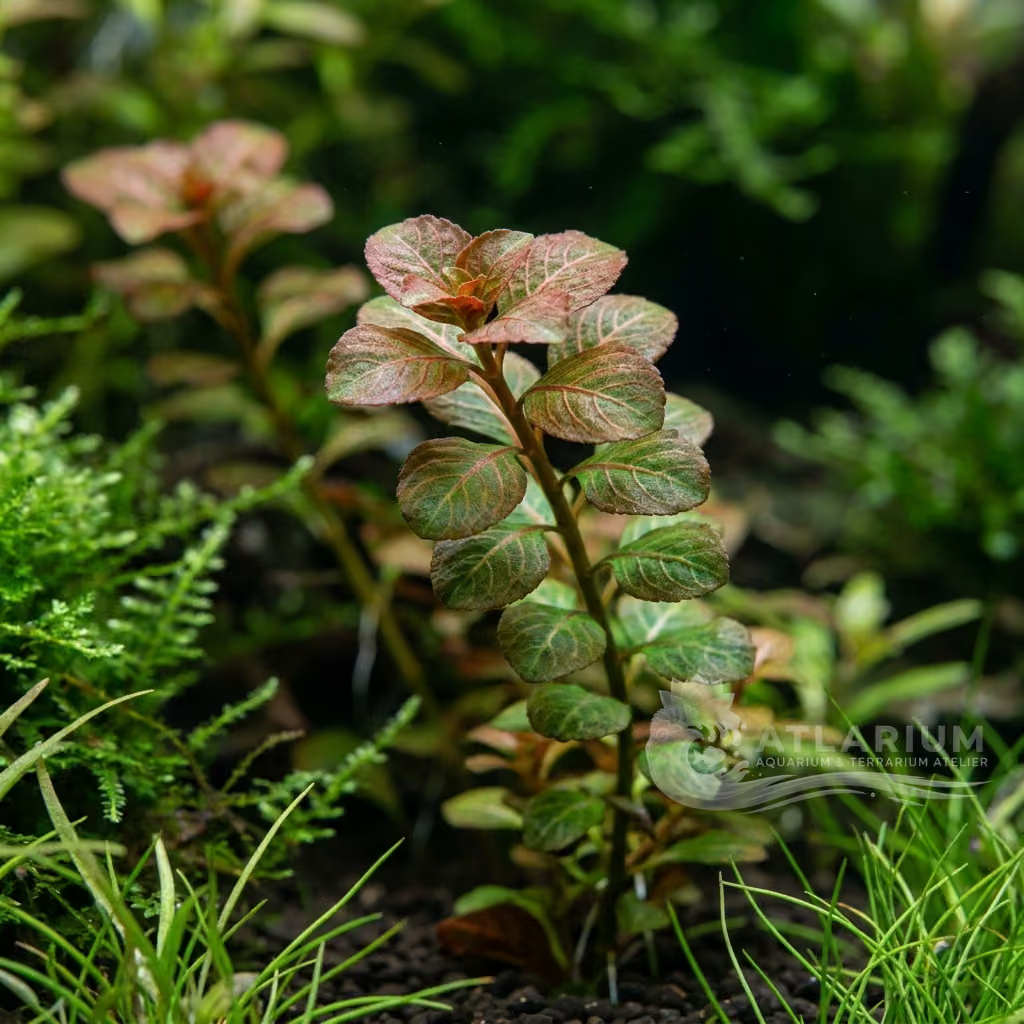
Color & Texture: Under intense light, the crown turns vibrant orange, pinkish-red, or copper, while the lower leaves remain a contrasting light green. The leafy vertical habit adds a fine color accent to the aquascape.

Care, breeding and tankmates
Lighting & CO2: Requires high to very high lighting. Without intense light, the warm colors will fade, and the lower stem parts will rot. Constant CO2 injection (20-30 mg/L) is vital to support healthy growth and prevent decay.
Nutrition & Substrate: Thrives in a rich substrate and requires steady liquid fertilization. It is demanding of iron and micronutrients to maintain its red hues, and needs regular potassium dosing to prevent leaf pinholes.
Water Chemistry: Prefers soft, slightly acidic water with a low KH and pH of 5.5 to 7.0. Keep the temperature between 18°C and 28°C (64°F - 82°F). Sensitive to organic pollutants.
Space Management & Placement: Best suited for the midground or background. Plant in small groups, leaving a few centimeters of space between stems to ensure light reaches the lower foliage.
Pruning: Trim the tops of the stems with sharp scissors. Replant the cuttings in the substrate to propagate the plant. The remaining stem will quickly produce new side branches.
Risks & Diseases: Highly sensitive to unstable water conditions and iron deficiency. Lack of nutrients will lead to leaf melt and stem rot. Hair algae can colonize the stems during phosphate imbalances.

Geographic origin and distribution
Native to the Pantanal wetland region in South America, primarily in Brazil. It thrives in crystal-clear rivers, marshy areas, and sun-lit floodplains, adapting to seasonal water level shifts.
Origin
Extra-Amazon South America

Plant profile
- Placement
- Midground
- Best utilized in the midground or background, where its fine texture can contrast nicely with broader-leaved plants. It forms beautiful, graceful groups that add a delicate touch to the aquascape. It should be placed where it receives ample light to maintain its color and compact growth.
- Botanical form
- Stem
- Characterized by slender stems and very narrow, elongated leaves. Under high light, the leaves can take on attractive bronze, orange, or reddish hues, particularly near the top. The plant has a somewhat delicate, airy appearance compared to other Hygrophila species.
- Growth
- Medium
- Exhibits a moderate to fast growth rate under good conditions. It grows steadily upward, requiring periodic trimming to maintain its shape and encourage bushiness. Its growth rate is highly dependent on light intensity and CO2 availability.
- Substrate
- High
- The demanding Hygrophila sp. "Pantanal" requires a highly fertile, fine-grained aqua soil to fuel its rapid growth and delicate appearance. A substantial substrate depth of 5 to 8 cm is crucial, as the plant develops an extensive root system to aggressively absorb macro and micronutrients. Insufficient substrate fertility often leads to stunted growth and pale foliage, making rich soil and supplemental root tabs essential.
- Column fertilization
- Recommended
- Readily utilizes nutrients from the water column, making regular liquid fertilization important. A comprehensive fertilizer ensures the delicate leaves remain healthy and colorful. It is somewhat sensitive to nutrient deficiencies, which can cause stunted growth or pale leaves.
- Root fertilization
- None
- Greatly benefits from a nutrient-rich active soil, which supports its root system and overall vitality. Root tabs can be helpful, but a quality aquasoil is preferred for optimal results. Strong root development is necessary for the plant to thrive.
- Trimming
- Occasional
- Tolerates trimming well, which is essential to encourage lateral shoots and a denser appearance. Cutting the stems promotes a bushier growth habit, making the group look fuller. The fine cuttings can be replanted to increase the size of the stand.
- Propagation
- Cuttings
- Propagation is straightforward via stem cuttings; replant the healthy tops into the substrate. The cuttings typically root easily in a nutrient-rich environment. It is a rewarding plant to multiply once optimal conditions are met.
- Sensitivity
- HIGH
- Moderately demanding; it requires good lighting, CO2, and consistent nutrients to truly thrive and show its best colors. It can be prone to lower leaf loss if light is blocked or nutrients are insufficient. It is best suited for aquarists with some experience managing high-tech setups.
- Layout role
- Midground, Background
- Adds a graceful, fine-textured element and warm coloration to the midground or background. Its delicate appearance contrasts beautifully with heavier, solid green plants. It is excellent for creating a soft, colorful transition zone in the aquascape.

Related species
Recommendations grouped by close relatives, companion choices, and similar care.