Hygrophila sp. 'Red'
Hygrophila sp. 'Red'
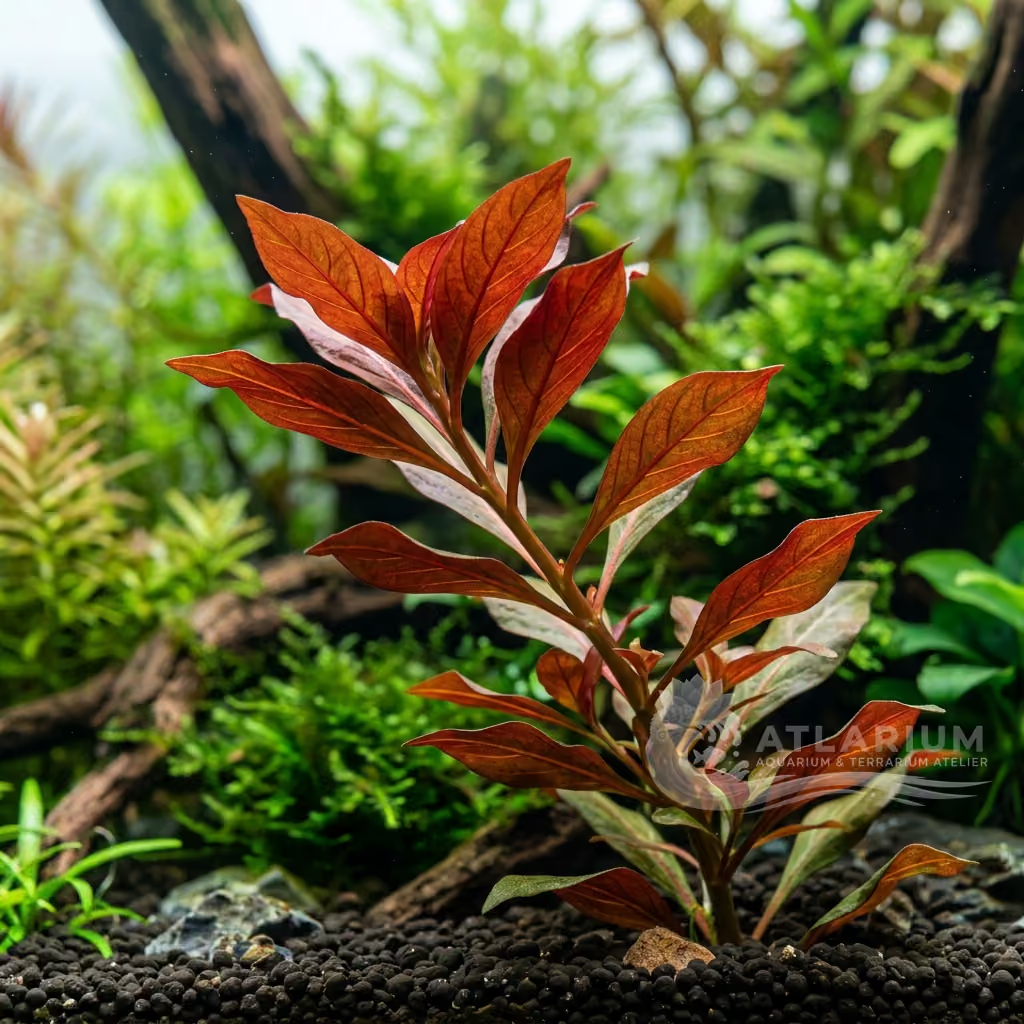
A beautiful, slower-growing red cultivar perfect for midground accents. With robust, rigid stems, its leaves display rich dark green to purplish-red shades under strong light and iron dosing.
Water Temperature
22 - 28 °C
pH Value
6 - 7
Water type
Freshwater
Light
High
CO2
Medium - High
GH
4 - 15 dGH
KH
2 - 12 dKH

Species description
Geographical Origin and Habitat: Hygrophila sp. 'Red' is a horticultural selection or geographical variant originating from the tropical regions of Southeast Asia. In its natural environment, Hygrophila species typically grow as marginal plants along riverbanks, streams, rice paddies, and temporary wetlands. They are adapted to tolerate both emersed growth during the dry season and completely submerged growth during the monsoon season, demonstrating remarkable morphological adaptability.
Taxonomy & Genetics: This plant belongs to the family Acanthaceae and the genus Hygrophila, which is well-known for its ease of cultivation and rapid adaptation to aquarium life. The designation 'sp.' indicates that the species has not yet been formally described or classified, or is a commercial cultivar whose precise taxonomic classification is still being studied by botanists and aquatic plant specialists.
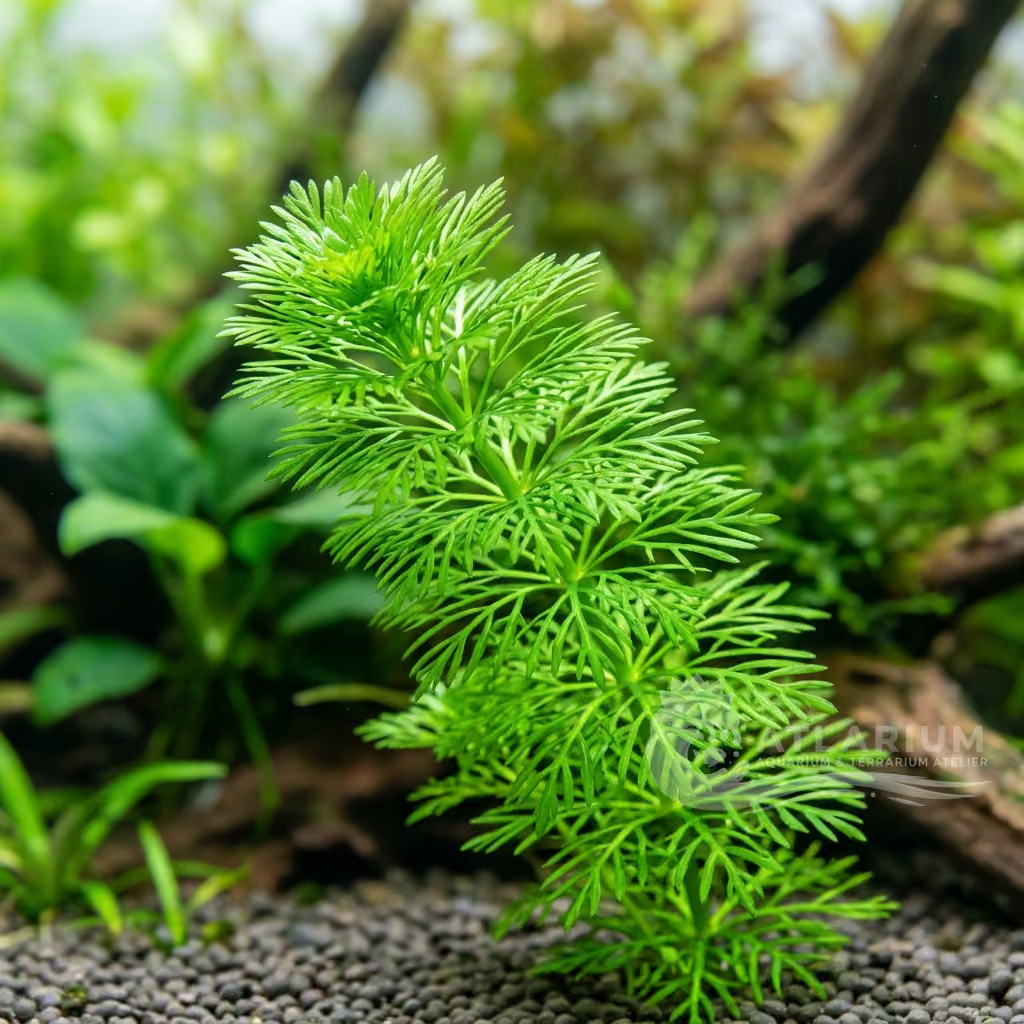
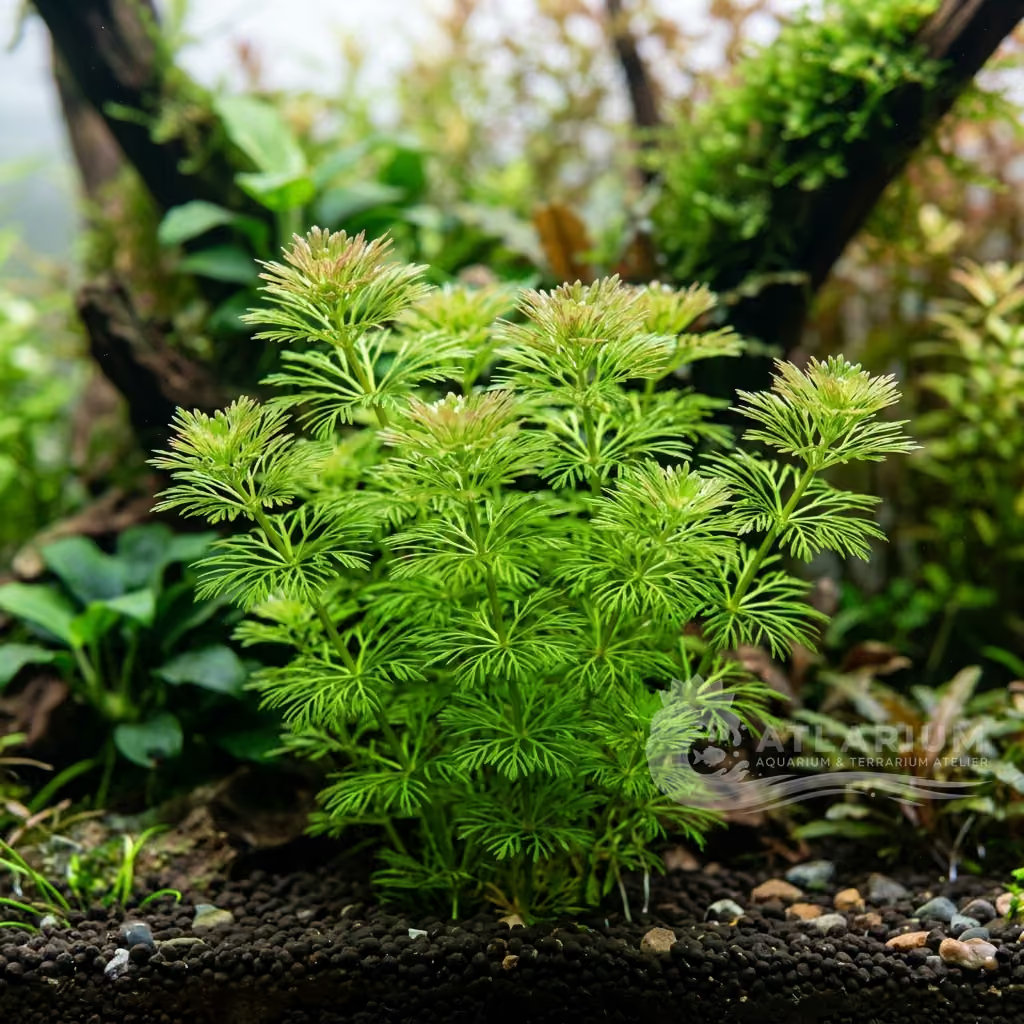
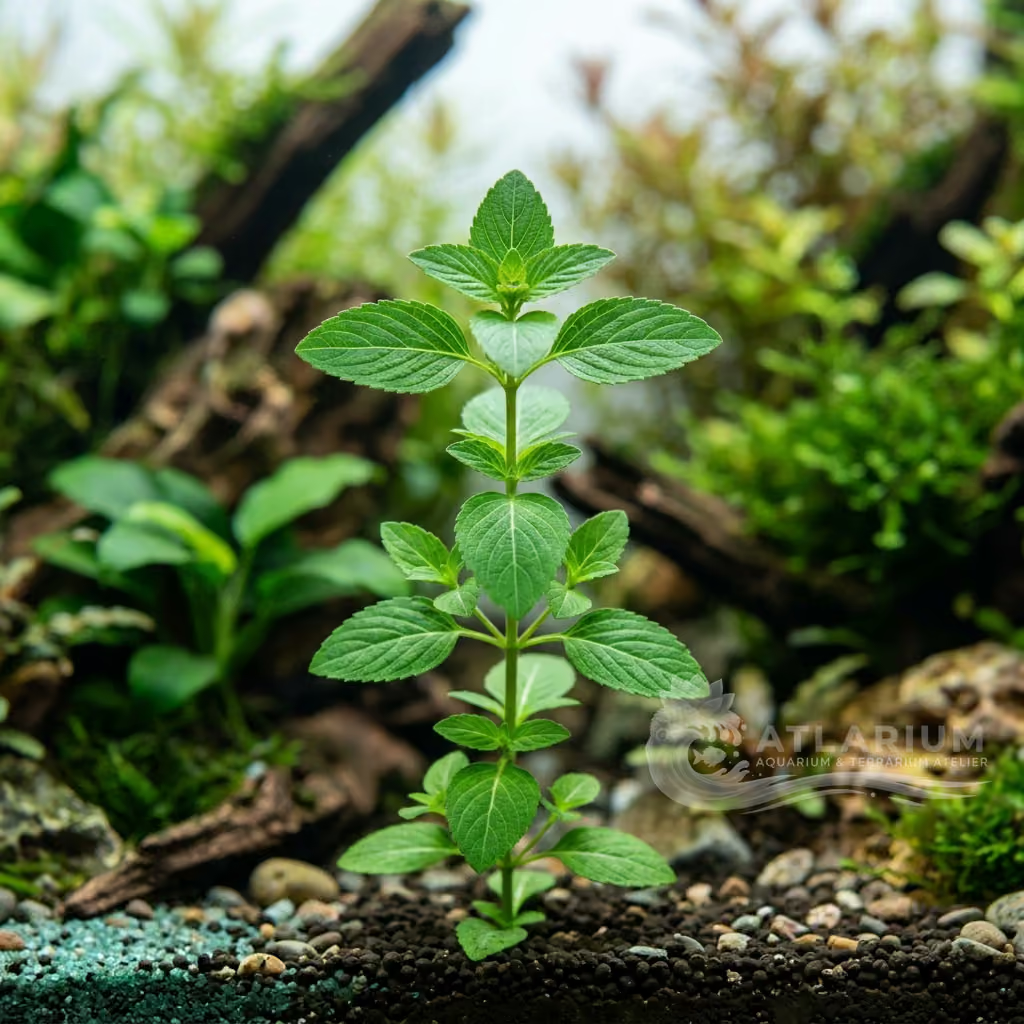
Physical Structure: It features a typical stem plant structure, but with closely spaced nodes from which opposite, lanceolate leaves emerge. Under high light intensity, the plant exhibits a creeping and compact growth pattern, producing numerous lateral shoots that form dense, low-growing bushes. This makes it one of the few Hygrophila species suitable for foreground placement in the aquarium.
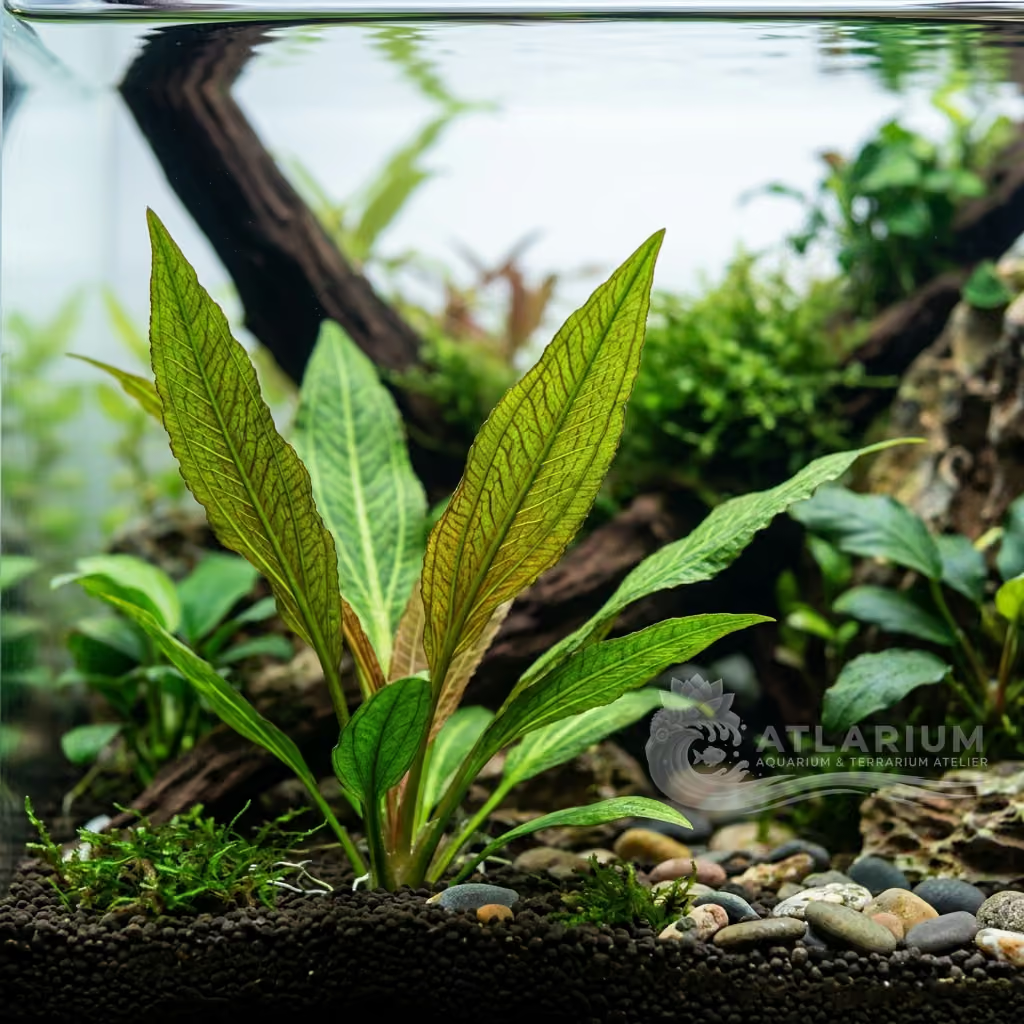
Color & Texture: The most striking feature of Hygrophila sp. 'Red' is its leaf coloration, which ranges from olive green and golden brown to an intense coppery-red under strong lighting. The leaves have a slightly leathery texture and a finely veined surface that catches the light, creating a distinct visual and structural contrast with surrounding fine-leaved green plants or groundcovers.

Care, breeding and tankmates
Lighting & CO2: To develop and maintain its signature red color and compact structure, this plant requires high-intensity lighting (at least 0.5-1 watt per liter or high PAR levels). CO2 injection is highly recommended; without gaseous carbon dioxide, growth slows down significantly, internodes become leggy, and lower leaves may drop, reducing the aesthetic appeal of the plant cluster.
Nutrition & Substrate: Hygrophila sp. 'Red' benefits greatly from a nutrient-rich substrate, although it also absorbs iron and trace minerals through its foliage. Column fertilization with chelated iron and potassium is essential to enhance the red coloration and prevent chlorosis. Potassium deficiency is quickly indicated by pinholes forming in the older leaves.
Water Chemistry: This plant prefers soft to moderately hard water, with a pH between 6.0 and 7.5. The ideal cultivation temperature ranges from 18 to 28 °C. A stable environment with regular water changes is important to prevent sudden shifts in chemical parameters, to which the plant may react by stalling its growth or shedding its apical leaves.
Space Management & Placement: Due to its compact and relatively slow growth rate compared to other species in the genus, Hygrophila sp. 'Red' is perfect for the foreground or midground of medium to large aquariums. It should be planted in small groups, with stems spaced a few centimeters apart, to allow light to reach the lower portions of the plant.
Pruning: Regular pruning is necessary to maintain the bushy, compact shape. This is done by trimming the tops of stems that grow too tall or thinning out lateral shoots. Trimmed tops can be replanted into the substrate to propagate the plant, while the remaining bottom stems will produce new shoots at the cut nodes, further thickening the group.
Risks & Diseases: The main risk is nutrient deficiency, particularly potassium and iron, which leads to leaf decay and loss of color. Additionally, due to its slow growth under suboptimal light, the leaves can easily become hosts for green spot algae or hair algae. Ensuring adequate water flow around the plant group helps prevent the accumulation of organic debris.

Geographic origin and distribution
Hygrophila sp. 'Red' is a horticultural selection or geographical variant originating from the tropical regions of Southeast Asia. In its natural environment, Hygrophila species typically grow as marginal plants along riverbanks, streams, rice paddies, and temporary wetlands. They are adapted to tolerate both emersed growth during the dry season and completely submerged growth during the monsoon season, demonstrating remarkable morphological adaptability.
Origin
South and Southeast Asia

Plant profile
- Placement
- Foreground
- Ideal as a standout focal point in the midground or background. Planting it near bright green species enhances the visual impact of its red foliage. It must be placed in a relatively unobstructed area to receive the intense light it needs.
- Botanical form
- Stem
- Features sturdy stems with lanceolate leaves that can turn a deep, vibrant red or pinkish-red under strong light. The lower leaves may remain green or bronze, while the upper leaves display the most intense color. It forms an attractive, colorful bush when properly trimmed.
- Growth
- Slow
- Has a moderate to fast growth rate when provided with optimal conditions (high light and CO2). It will quickly reach the surface if left unchecked, so regular maintenance is required. Its steady growth makes it relatively easy to shape through pruning.
- Substrate
- High
- To achieve its vibrant coloration, Hygrophila sp. 'Red' strongly relies on a high-quality aqua soil rich in iron and essential minerals. The roots require a soft, porous substrate of at least 5 cm in depth to anchor firmly and continuously draw up nutrients. While liquid fertilization is necessary, an active soil bottom is critical to prevent base deterioration and maintain its intense reddish hues.
- Column fertilization
- Recommended
- Heavily dependent on water column nutrients to sustain its vibrant colors and fast growth. Regular liquid fertilization is crucial to prevent the leaves from losing their red tint and reverting to green. It quickly shows signs of nutrient deficiency if not adequately fed.
- Root fertilization
- None
- Benefits from a nutrient-rich substrate, which helps establish a strong root system and supports overall plant health. Root tabs can provide a necessary boost, especially in older setups. However, column feeding remains vital for the best leaf coloration.
- Trimming
- Occasional
- Responds very well to regular trimming, which encourages branching and a more compact, bushy form. Topping the plant frequently helps maintain the intense red color by keeping the new growth closer to the light source. The colorful cuttings are perfect for replanting.
- Propagation
- Cuttings
- Easily propagated through stem cuttings; simply snip the top portion and replant it. The cuttings generally root quickly in a suitable environment. It is a very rewarding plant to propagate due to its striking appearance.
- Sensitivity
- Moderate
- More demanding than typical green Hygrophila species; it requires high light, CO2, and good nutrients to look its best. If conditions are suboptimal, it will lose its red coloration and may become leggy. It is recommended for aquarists familiar with managing demanding colored stem plants.
- Layout role
- Foreground, group
- Serves as a brilliant splash of color in the aquascape, drawing the eye and providing contrast. It is excellent for creating a vibrant red focal point in the midground or background. Its intense color can dramatically alter the mood of the aquarium layout.

Related species
Recommendations grouped by close relatives, companion choices, and similar care.