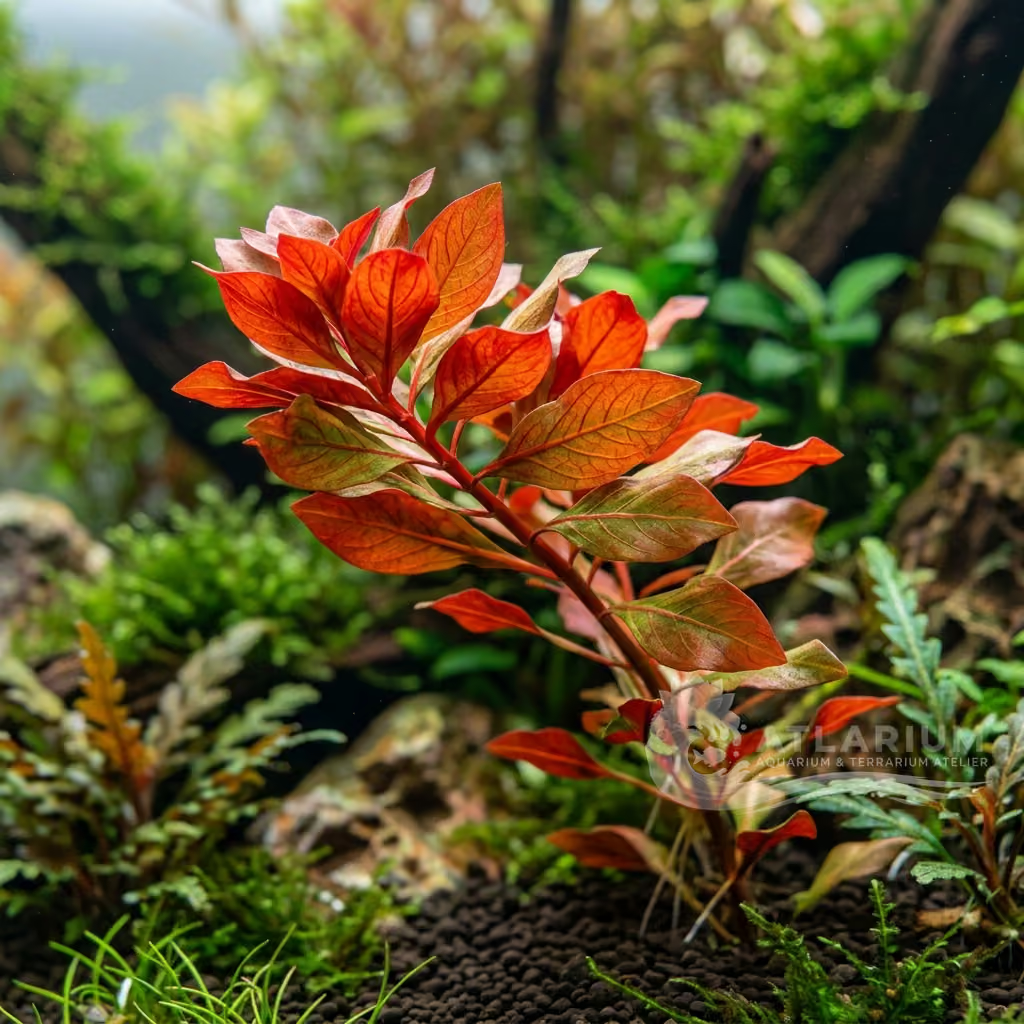
Hygrophila lancea "Araguaia"
Hygrophila lancea "Araguaia"
Hygrophila lancea 'Araguaia' is a stunning marsh plant from Brazil. It forms compact, creeping bushes with reddish-brown to purplish needle-like leaves, requiring high light and CO2 to thrive.
Water Temperature
18 - 30 °C
pH Value
4.5 - 7
Water type
Freshwater
Light
High
CO2
Medium - High
Expected height
15 cm
Expected width
15 cm
GH
4 - 15 dGH
KH
0 - 7 dKH

Species description
Geographical Origin and Habitat: This attractive species originates from the basin of the Araguaia River, located in the warm regions of central Brazil. In nature, it grows primarily as a marsh plant along the shores of watercourses and on exposed sandbanks, adapting to both seasonal flooding and emersed phases. This dynamic habitat gives it great adaptability to environmental variations, although in the aquarium it requires stable conditions to best express its compact growth habit and intense
Color & Texture: ation.
Taxonomy & Genetics: Hygrophila lancea 'Araguaia' belongs to the family Acanthaceae. For a long time, it was erroneously marketed under the name 'Staurogyne sp. Araguaia' due to its creeping growth habit similar to that of Staurogyne repens. Morphological and genetic studies later confirmed its placement in the genus Hygrophila, identifying it as a geographic variant or cultivar of the species lancea, which is renowned for its narrow, lanceolate leaves.
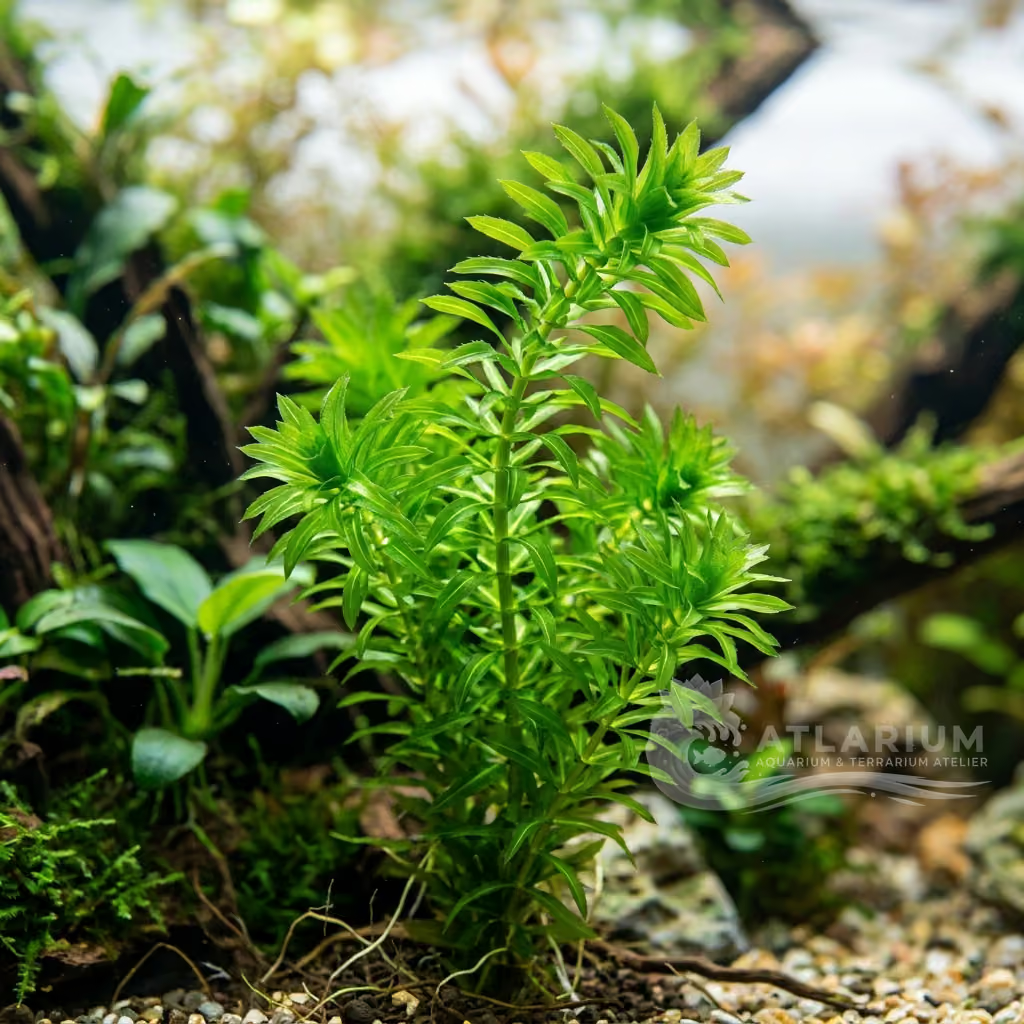
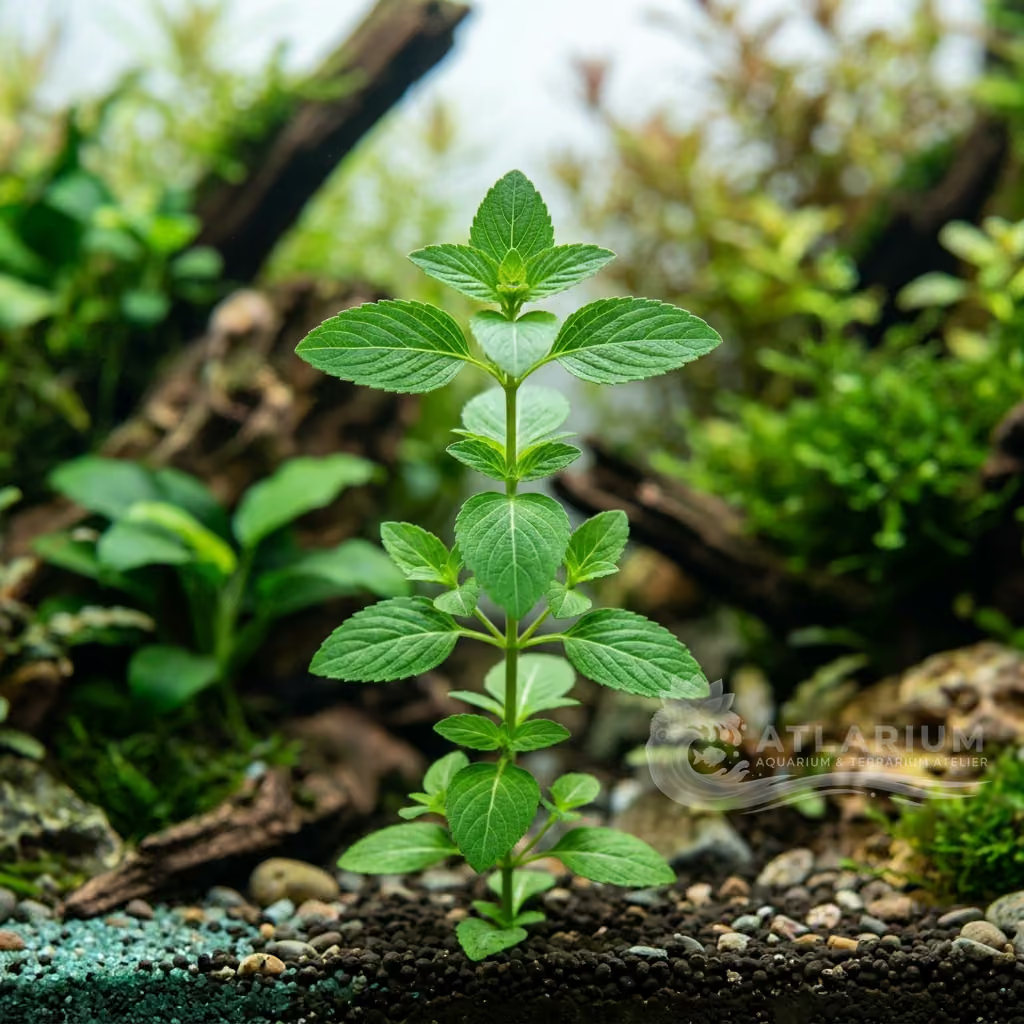
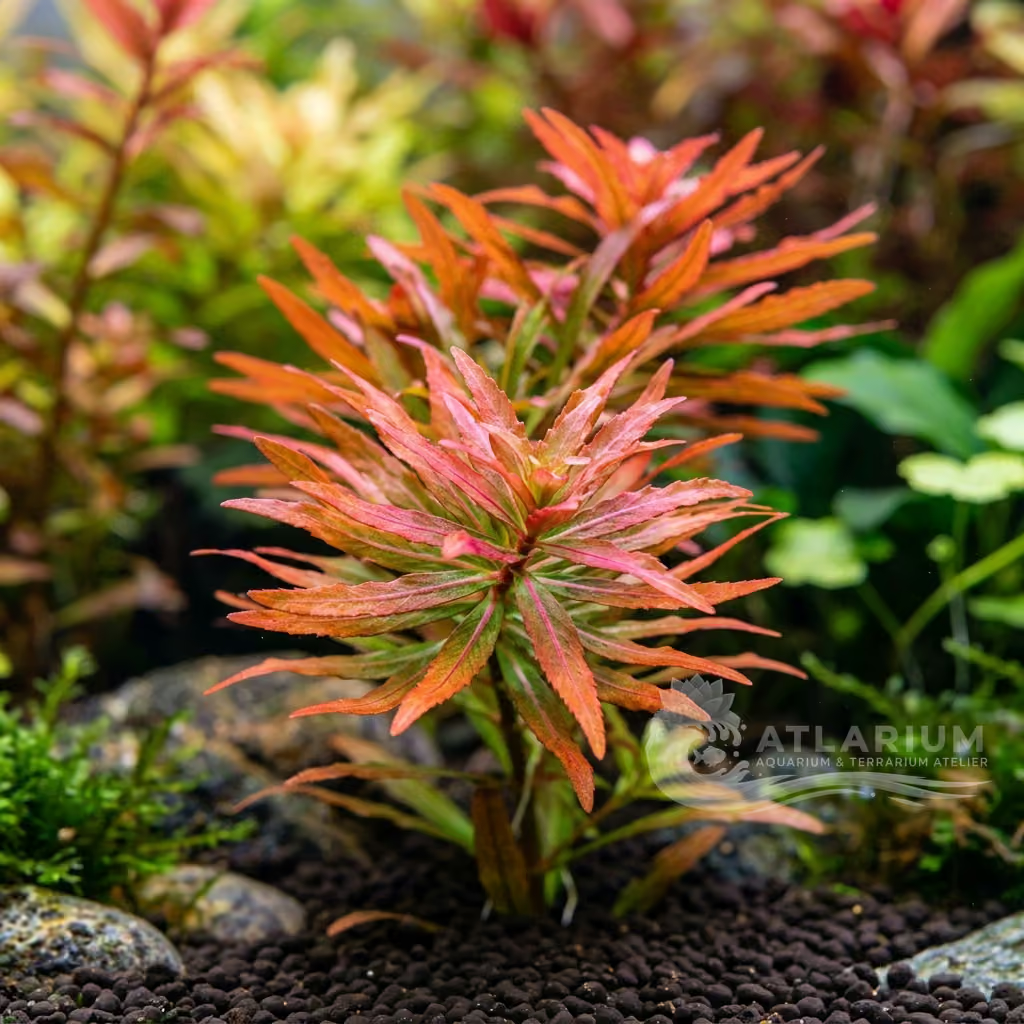
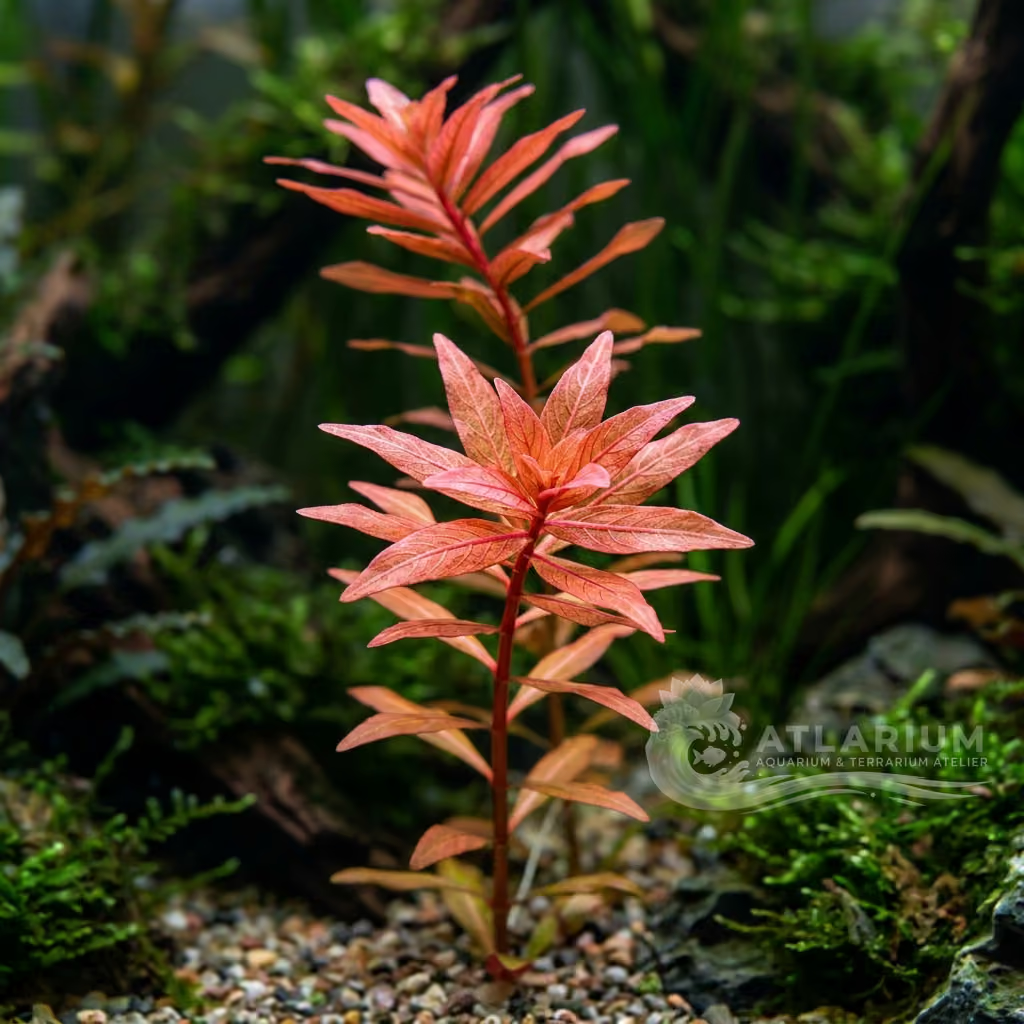
Physical Structure: Under intense lighting, the plant develops an exceptionally compact, almost creeping growth habit, with branched stems that spread laterally. The leaves are arranged in opposite pairs along the stem and are extremely narrow, linear, or needle-like, resembling small pine needles. Under optimal conditions, the plant height remains contained between 10 and 15 centimeters, making it ideal for creating dense decorative bushes.
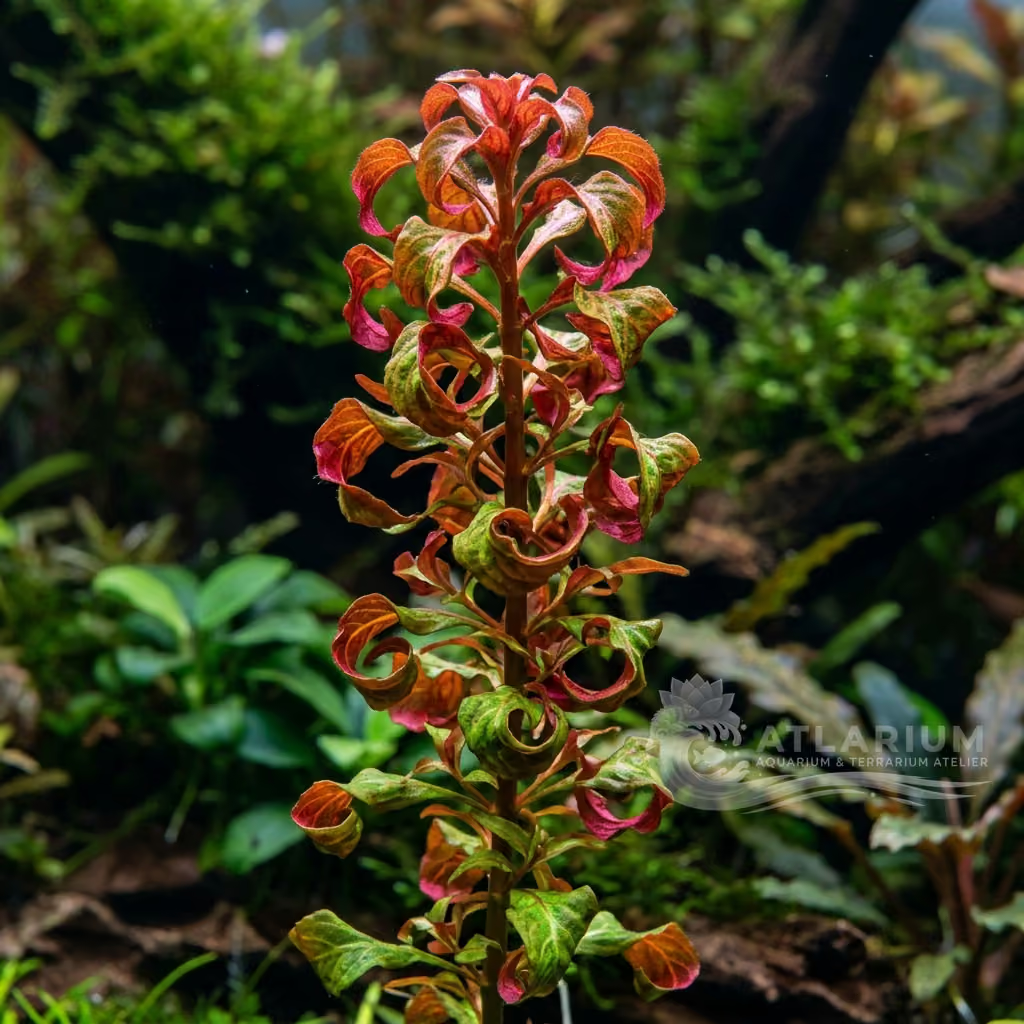
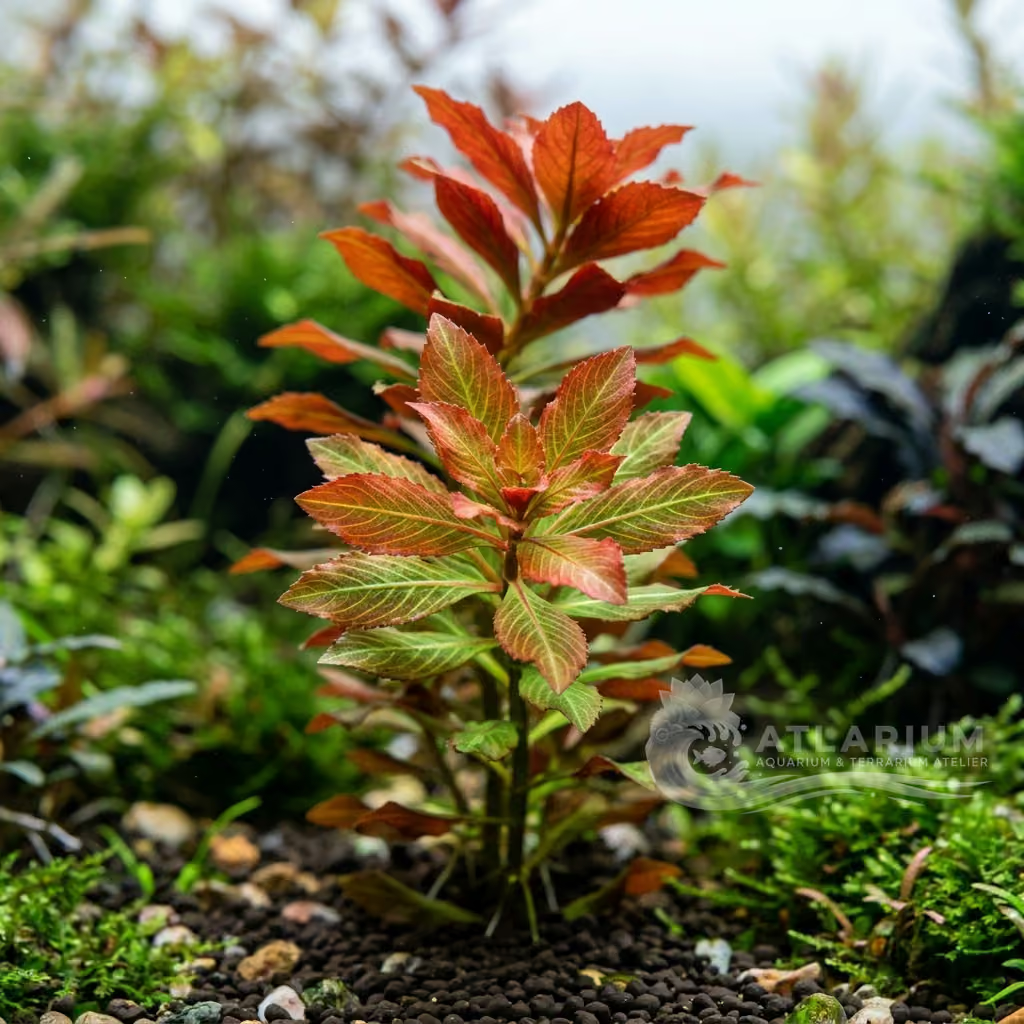
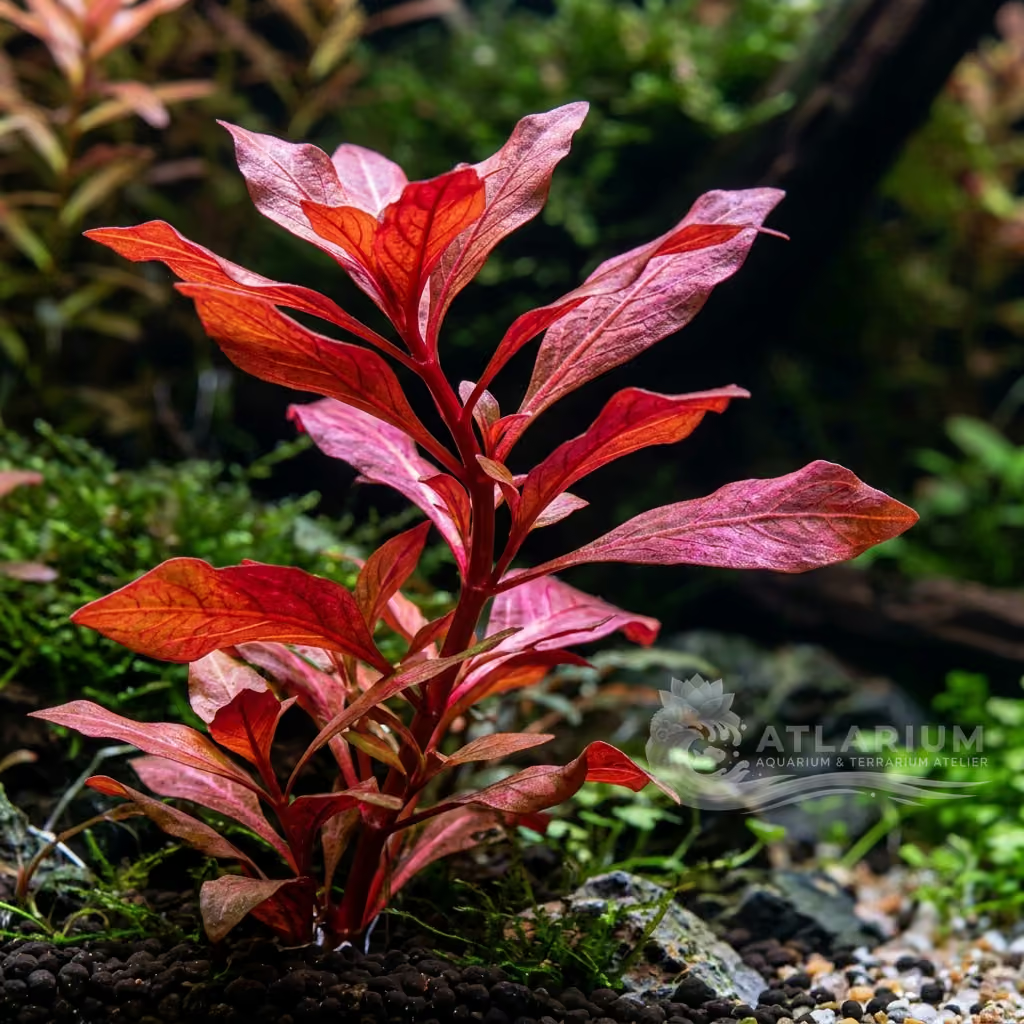
Color & Texture: The most spectacular feature of this plant is its color range, which varies from reddish-brown to intense purplish, enriched by a bright silvery central line along the main leaf vein. The leaves have a leathery and slightly rough texture to the touch, which contrasts nicely with surrounding soft-leaved plants. The underside of the leaves often maintains lighter, silvery tones that reflect light, creating a suggestive three-dimensional visual effect.

Care, breeding and tankmates
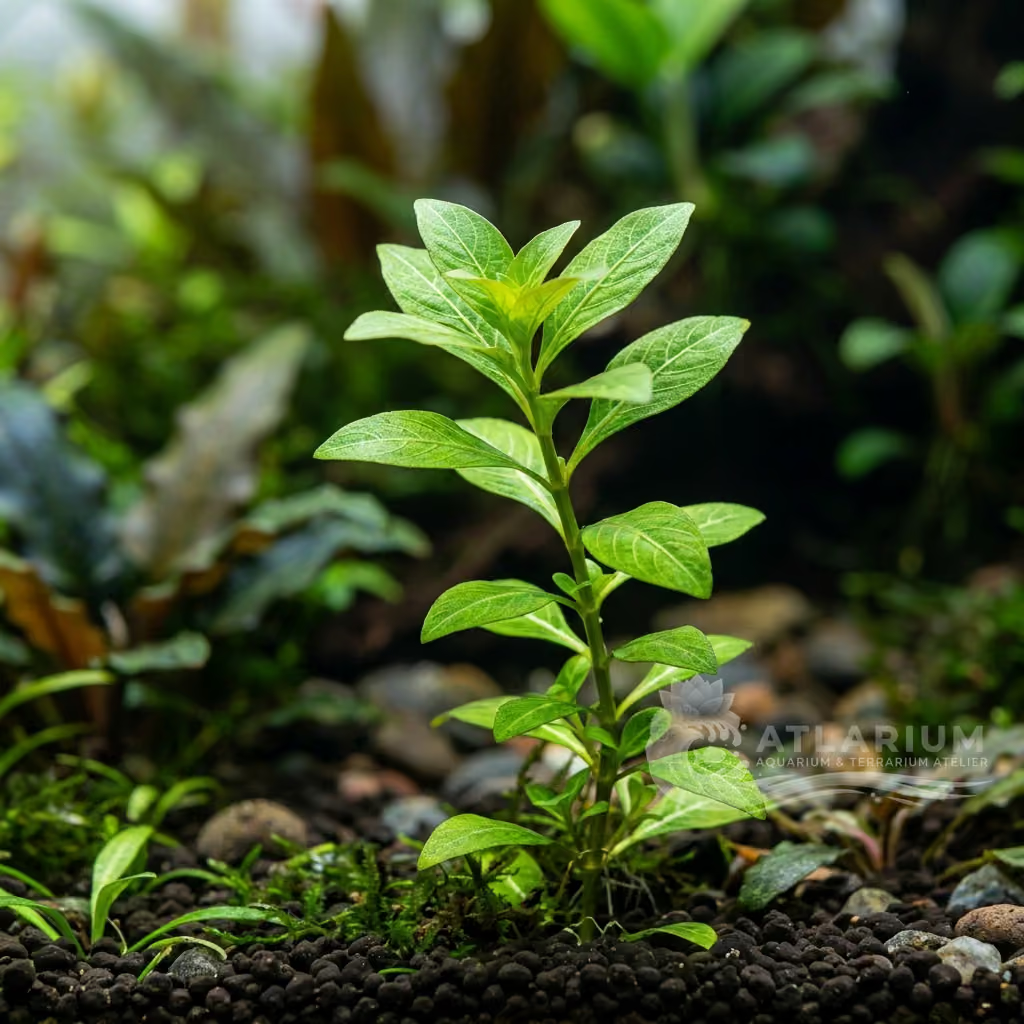
Lighting & CO2: This plant is extremely demanding in terms of light; it requires intense illumination (at least 0.5 watts per liter or high PAR) to maintain its creeping habit and reddish hues. If light is insufficient, the internodes elongate and the leaves lose color, turning green. A constant supply of CO2 (15-30 mg/l) is essential to prevent decline and stimulate healthy growth.
Nutrition & Substrate: A fertile substrate rich in iron is highly recommended to ensure a robust root system. Hygrophila 'Araguaia' also absorbs many nutrients through its leaves, so balanced liquid fertilization in the
Water Chemistry: Prefers soft to moderately hard water, with a slightly acidic or neutral pH between 4.5 and 7.0. Conductivity should be kept at medium values, and regular water changes are necessary to prevent the accumulation of organic substances that would encourage the appearance of filamentous algae on its medium-slow growing leaves.
Space Management & Placement: Its ideal placement is in the foreground or midground of the aquarium. As a medium-slow growing plant that spreads mainly in width, it must be positioned in areas free from shading caused by taller plants, ensuring it receives direct light over the entire surface of the bush.
Pruning: Pruning should be carried out regularly by cutting the tops of stems that grow too tall. This stimulates the emission of lateral shoots, making the bush even denser and more compact. Cut parts can be replanted in the substrate to propagate the plant or to expand the existing group.
Risks & Diseases: It is particularly sensitive to potassium and iron deficiencies, which manifest quickly as small holes on the leaves and loss of coloration. The leathery, moderately slow-growing leaves are also an ideal target for brush or filamentous algae if nutrients in the aquarium are not perfectly balanced or if water flow is inadequate.

Geographic origin and distribution
This attractive species originates from the basin of the Araguaia River, located in the warm regions of central Brazil. In nature, it grows primarily as a marsh plant along the shores of watercourses and on exposed sandbanks, adapting to both seasonal flooding and emersed phases. This dynamic habitat gives it great adaptability to environmental variations, although in the aquarium it requires stable conditions to best express its compact growth habit and intense
Origin
Extra-Amazon South America

Plant profile
- Placement
- Midground
- Its creeping, low-growing habit makes it an exceptional choice for the foreground or midground. Rather than growing straight up, it tends to sprawl horizontally, especially under strong lighting. It looks stunning when planted amongst low rocks or creeping over driftwood.
- Botanical form
- Stem
- It features narrow, lanceolate leaves that grow tightly along a reddish stem. Under optimal conditions, the leaves boast a striking blend of red, purple, and copper-brown tones with a distinctive lighter central vein. The stems grow at angles, branching frequently to create a sprawling, bushy shape.
- Growth
- Medium
- Unlike many of its Hygrophila cousins, 'Araguaia' has a relatively slow to moderate growth rate. It is not an aggressive grower and requires patience to form dense bushes. The addition of CO2 and high light will significantly speed up its growth, but it remains a very manageable plant.
- Substrate
- High
- Hygrophila lancea "Araguaia" has a high substrate demand and grows best in a rich aquasoil that supplies plentiful root-based nutrition. It needs a relatively deep substrate layer of 5 to 7 centimeters to anchor its delicate stems, particularly since it has a creeping, low-growing habit that spreads laterally along the bottom. Adequate soil nutrients are crucial for developing its striking reddish-brown colors and dense, narrow leaves, as it relies heavily on root uptake.
- Column fertilization
- Recommended
- Liquid fertilization is essential to provide the necessary iron and trace elements for its vibrant coloration. Regular dosing ensures the water column is rich enough to support its slow but constant metabolic needs. It responds well to a comprehensive liquid fertilizer regimen tailored for red plants.
- Root fertilization
- Required
- This plant heavily relies on a nutrient-rich substrate for long-term health and stability. An active aquasoil or the generous use of root tabs will promote a strong root system and denser foliage. Good root nutrition is often the key to achieving the deepest red and purple colors.
- Trimming
- Regular
- Trimming should be done carefully to maintain its bushy, creeping shape. Snip the longest sprawling stems at a node to encourage further lateral branching. The cut portions can be replanted to fill out the cluster, though they may take some time to establish and resume growth.
- Propagation
- Cuttings
- Propagation is done by taking stem cuttings, though patience is required due to its slower growth. Cut a healthy stem section and plant it firmly into the substrate. Alternatively, its natural sprawling habit often produces roots along the stem, making division of creeping stems very easy.
- Sensitivity
- HIGH
- It is quite sensitive to poor water conditions, lack of CO2, and insufficient light. If shaded by larger plants, it will quickly lose its color, turn green, and shed its lower leaves. Consistency in CO2 injection and nutrient dosing is required to prevent it from melting or stunting.
- Layout role
- Foreground, Midground
- It acts as a premium, high-impact accent plant in the midground or foreground. Its unique reddish-purple color and sprawling texture contrast brilliantly with bright green carpeting plants or grey hardscape. It is ideal for adding a splash of rare color and intricate detail to nano or nature aquariums.

Related species
Recommendations grouped by close relatives, companion choices, and similar care.