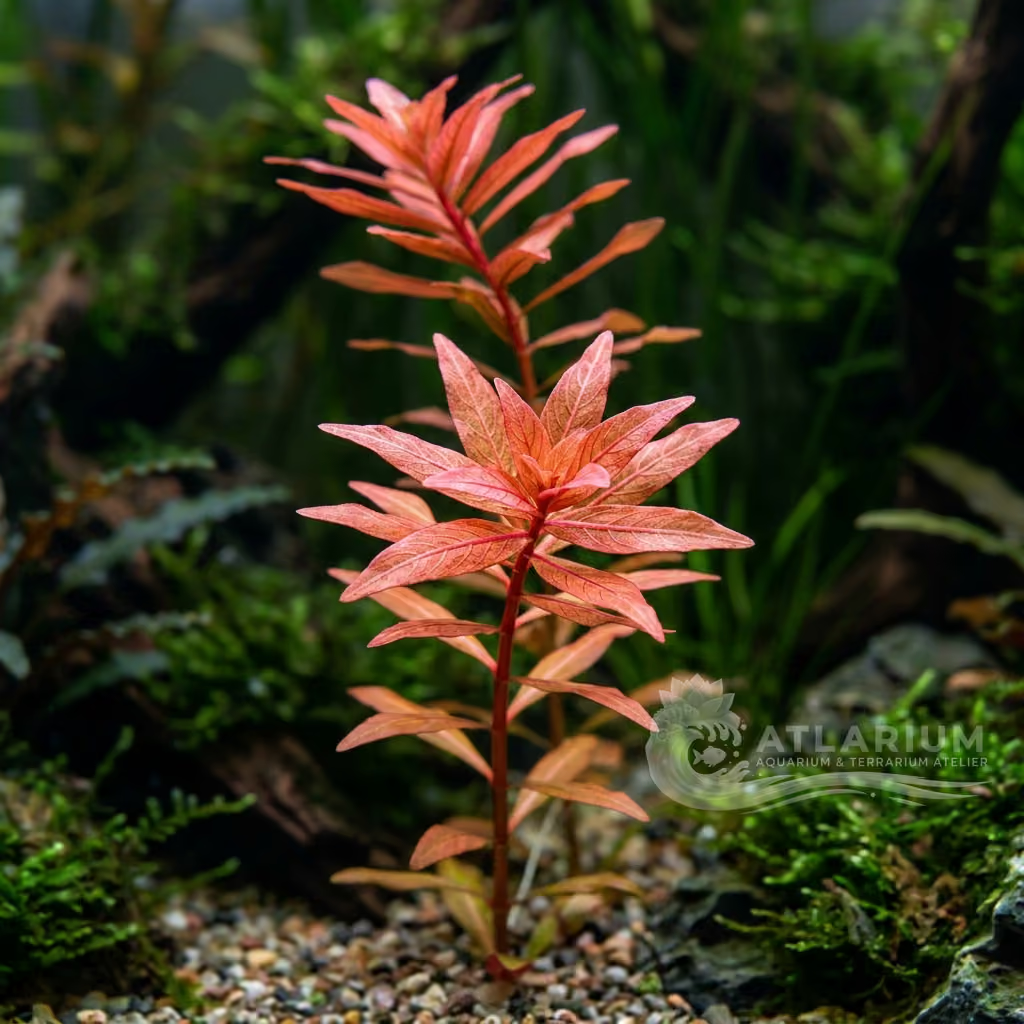
Hygrophila costata
Hygrophila costata
Adaptable species from the Americas with long, pointed leaves. Demands medium to high light and steady potassium to prevent pinholes and ensure compact growth.
Water Temperature
18 - 30 °C
pH Value
5 - 7
Water type
Freshwater
Light
Medium - High
CO2
Low to Medium
Expected height
40 cm
Expected width
20 cm
GH
4 - 20 dGH
KH
0 - 7 dKH

Species description
Geographical Origin and Habitat: Native to the Americas, ranging from Mexico down to Argentina, with a strong presence in Brazil. It grows along river margins, wetlands, and lakes, adapting to both emersed muddy shores and submerged states.
Taxonomy & Genetics: Belonging to the family Acanthaceae. This species is highly variable and has been referred to by several synonyms (such as H. lacustris or H. guianensis). It is genetically robust and highly adaptable.
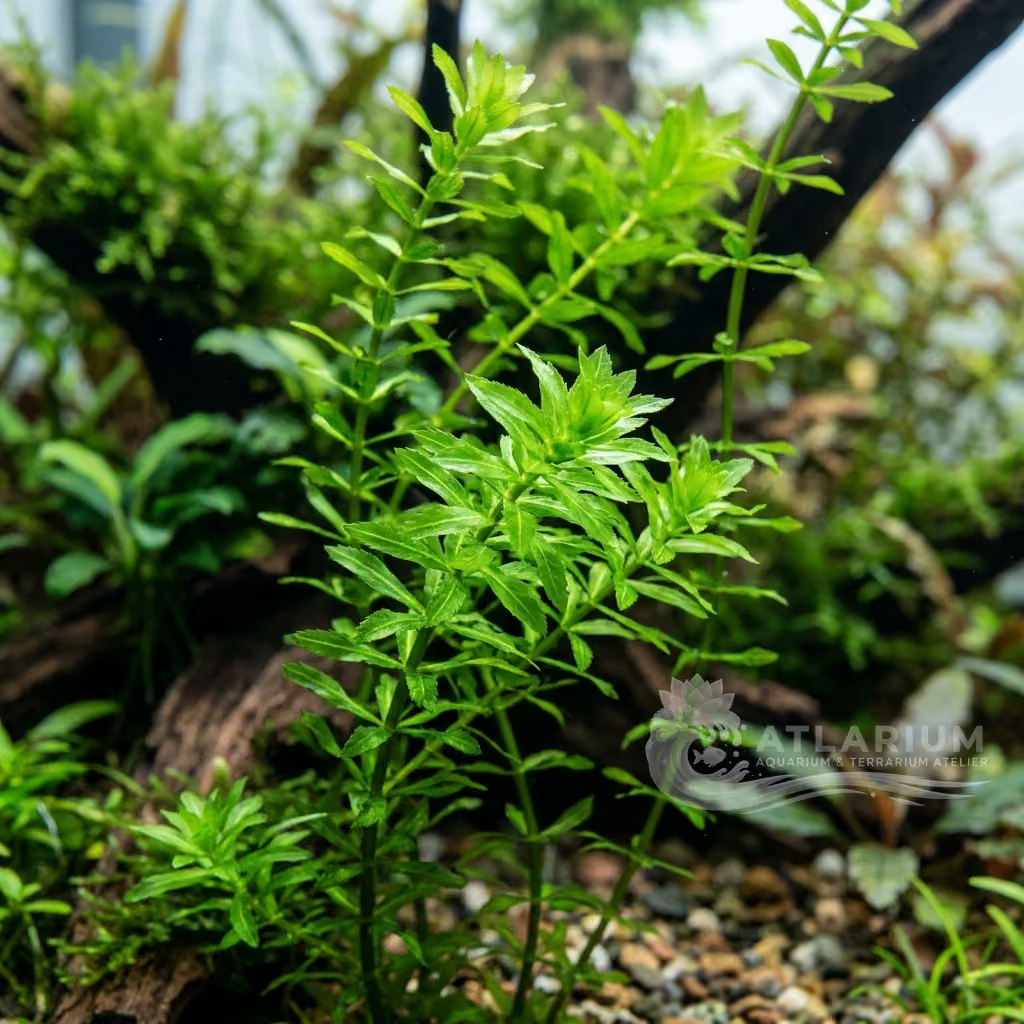
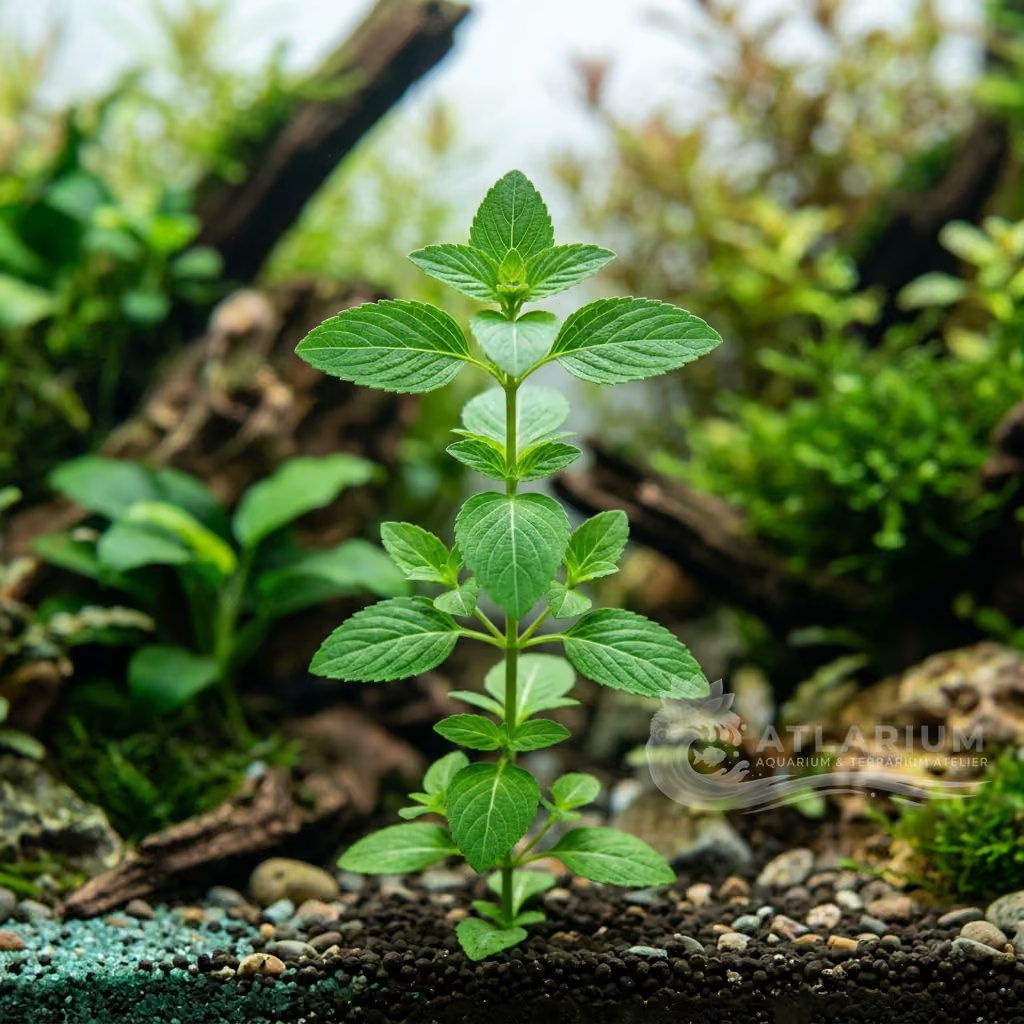
Physical Structure: Develops thick, upright stems that can become woody at the base. The leaves are arranged in opposite pairs, long, lanceolate, and pointed. It forms a strong, fibrous root system that anchors firmly into the substrate.
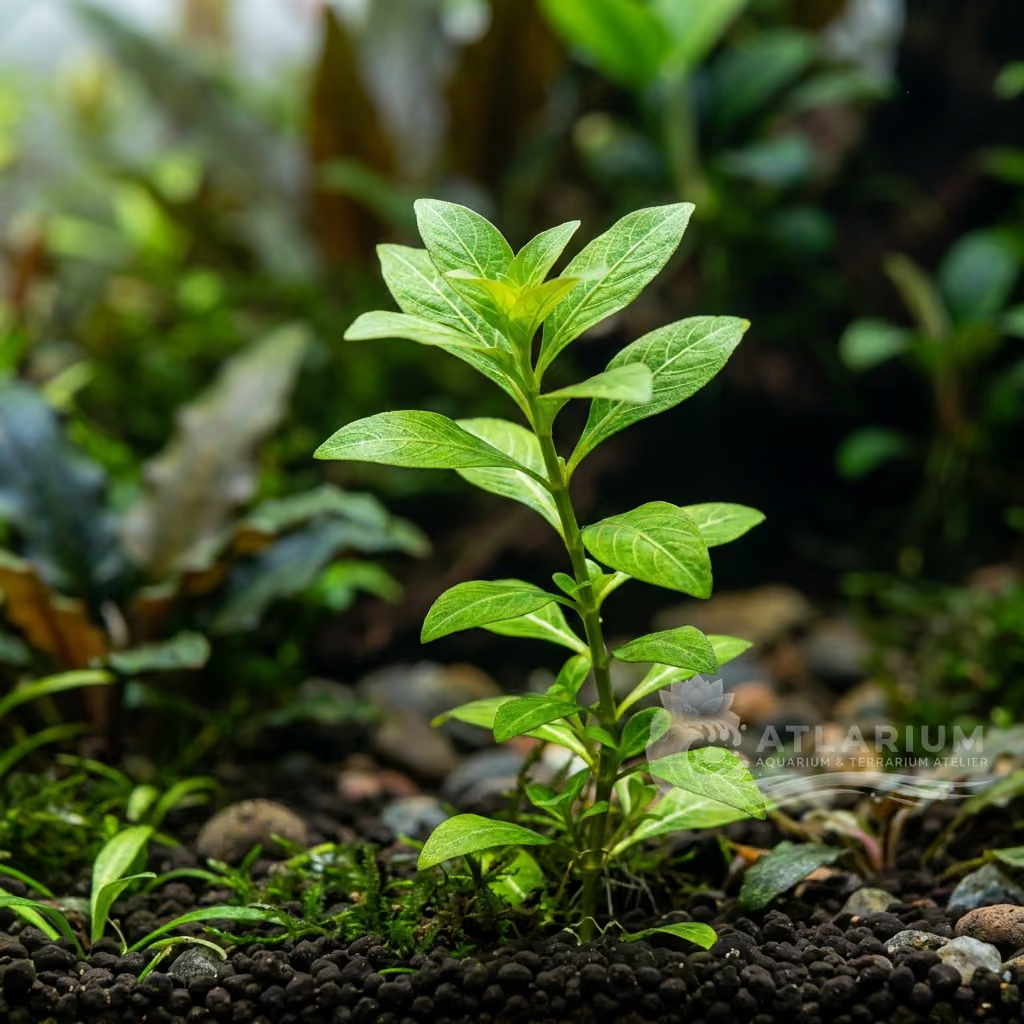
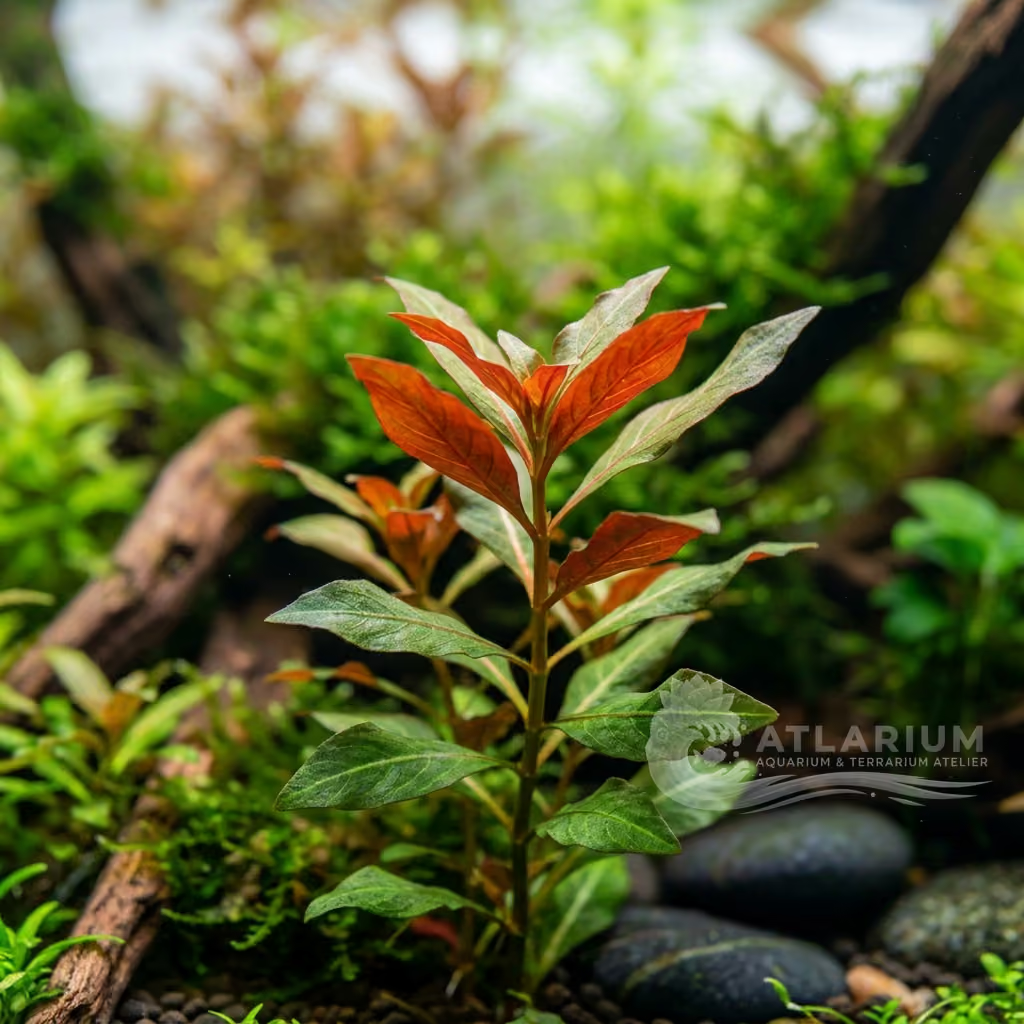
Color & Texture: Leaves are bright light green to pale olive green. The overall growth habit is upright and tall, providing an excellent vertical texture suitable for creating a lush green background.

Care, breeding and tankmates
Lighting & CO2: Requires medium to high lighting. Stronger light helps keep the internodes shorter and the growth compact. CO2 injection is beneficial for fast growth but not strictly mandatory.
Nutrition & Substrate: Not highly demanding regarding substrate, but a fertile bottom promotes healthier growth. It has a high demand for potassium and iron; potassium deficiency quickly leads to pinholes in older leaves.
Water Chemistry: Prefers soft to medium-hard water with a pH of 5.0 to 7.0. Ideal temperatures range between 18°C and 30°C (64°F - 86°F). Highly tolerant of mild water parameter shifts.
Space Management & Placement: Best suited for the background of the aquarium or midground of large tanks. It grows rapidly and will readily grow out of open aquariums, producing small white flowers in the leaf axils.
Pruning: Pruning should be done regularly by cutting the tops of the stems. The cut stems can be replanted into the substrate, where they root quickly. Trim bare lower sections to rejuvenate the plant.
Risks & Diseases: Highly sensitive to potassium deficiency, which causes lower leaves to develop holes and fall off. In low light, the lower portions of the stems will shed leaves due to shading.

Geographic origin and distribution
Native to the Americas, ranging from Mexico down to Argentina, with a strong presence in Brazil. It grows along river margins, wetlands, and lakes, adapting to both emersed muddy shores and submerged states.
Origin
Central America and CaribbeanExtra-Amazon South America

Plant profile
- Placement
- Midground
- Given its tall and upright growth habit, it is best placed in the background of the aquarium. It looks most natural when planted in dense clusters, creating a thick green curtain. Its strong vertical presence makes it ideal for framing hardscape or hiding equipment in the back corners.
- Botanical form
- Stem
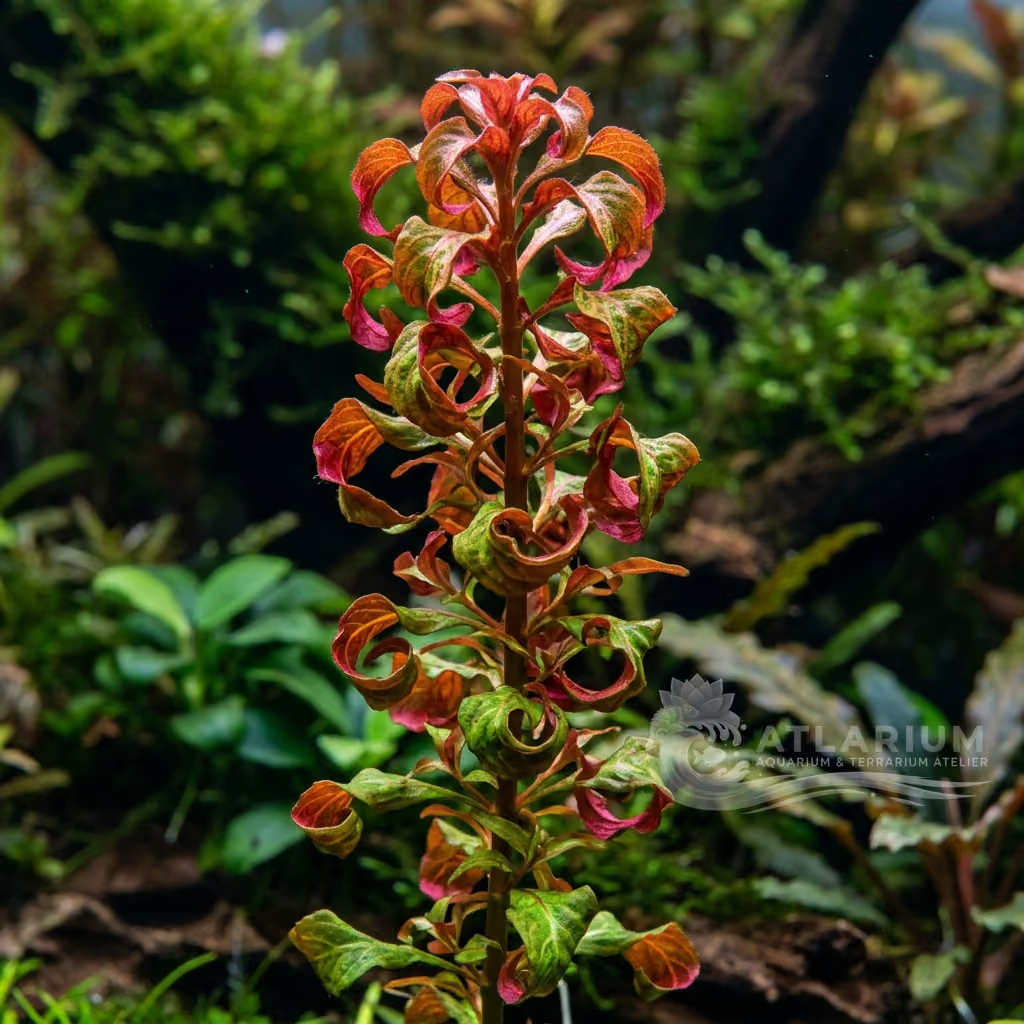
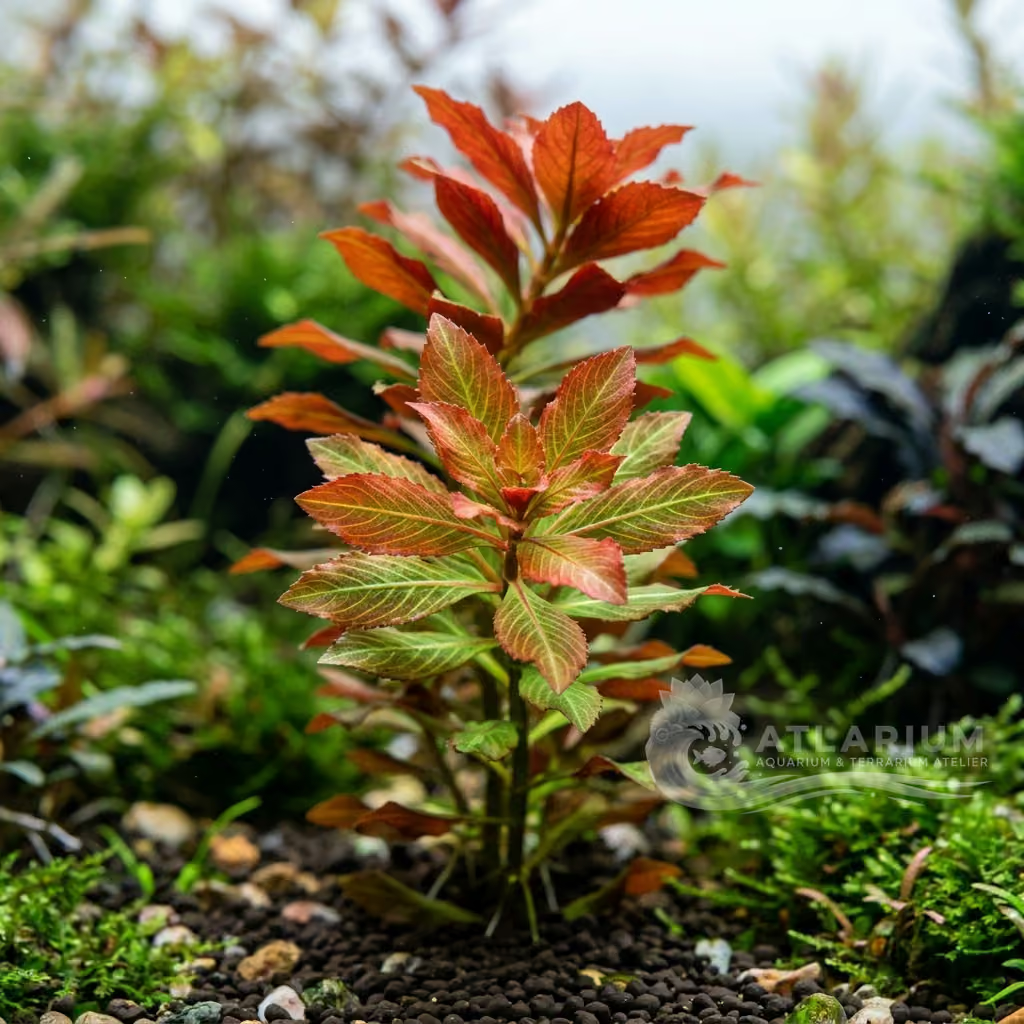
- Hygrophila costata features sturdy vertical stems with opposite, lanceolate (narrow and pointed) light green leaves. Under optimal conditions, the leaves curve slightly downward, providing a graceful appearance. The internodal distance depends on light intensity; high light keeps the plant compact with dense foliage.
- Growth
- Fast
- This plant boasts a very rapid growth rate, especially under high light and with added CO2. Even in low-tech aquariums, it grows quickly and consistently outcompetes many other stem plants. Its vigorous nature means it will quickly reach the water's surface, requiring regular maintenance to keep it in check.
- Substrate
- Medium
- Hygrophila costata grows reliably in moderately nutritious substrates, benefiting from either a dedicated aquasoil or an inert gravel enriched with root tabs. A substrate layer of 4 to 6 centimeters is generally sufficient for its roots to secure the stems firmly in place. Its moderate root-feeding tendencies mean it relies equally on the substrate and the water column, so a balanced approach to fertilization yields the healthiest green foliage.
- Column fertilization
- Recommended
- It draws a significant portion of its nutrients directly from the water column. Regular liquid fertilization with a complete comprehensive fertilizer is highly recommended. The plant responds rapidly to adjustments in liquid nutrient dosing, making it a good indicator species for overall water column fertility.
- Root fertilization
- Optional
- While it can survive mostly on water column nutrients, a fertile substrate significantly boosts its robustness. A nutrient-rich soil or root tabs will help it develop a strong, anchoring root system. Healthy roots enable the plant to grow thicker stems and larger, healthier leaves.
- Trimming
- Regular
- Frequent trimming is essential to prevent this fast grower from overshadowing slower-growing midground plants. Simply cut the upper portion of the stem and replant it to maintain the group's density. The lower trimmed section will quickly sprout new side shoots, contributing to a bushier background.
- Propagation
- Cuttings
- Propagation is exceedingly simple via stem cuttings. Any portion of the stem containing a few leaf nodes can be planted in the substrate to grow into a new plant. Lateral side shoots can also be carefully removed and replanted to quickly expand the thicket.
- Sensitivity
- Moderate
- Hygrophila costata is generally quite robust and adaptable to a wide range of water conditions. It may exhibit slight melting if subjected to sudden drastic changes in water chemistry or temperature. However, it bounces back quickly once conditions stabilize and nutrient levels are restored.
- Layout role
- Midground, Background
- It primarily serves as an excellent background filler plant due to its dense, bushy growth and height. The uniform green color provides a neutral yet vibrant backdrop that allows red or textured plants to stand out. It effectively creates depth and softens the strong lines of rocks or driftwood.

Image gallery
Licensed images linked to the species or, when marked, to the closest representative taxon.

Related species
Recommendations grouped by close relatives, companion choices, and similar care.