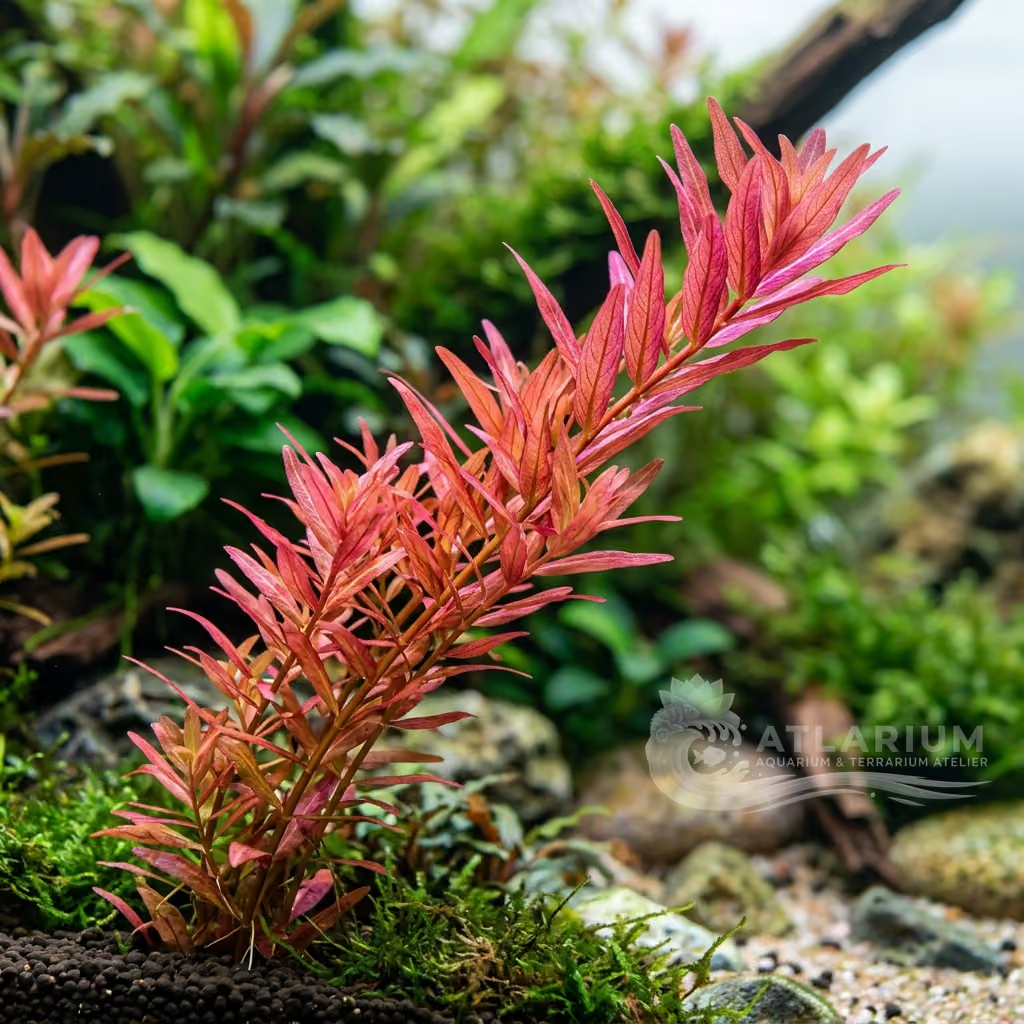
Rotala sp. 'Colorata'
Rotala sp. 'Colorata'
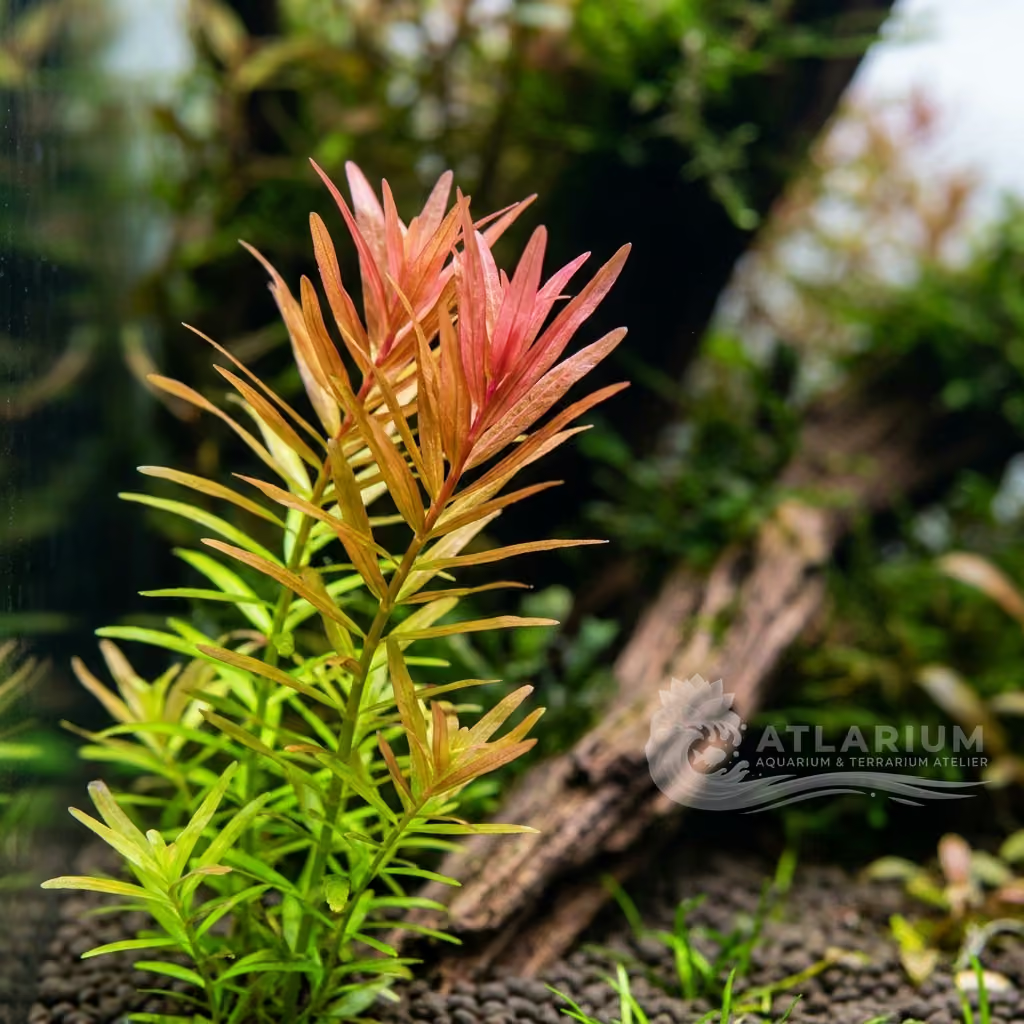
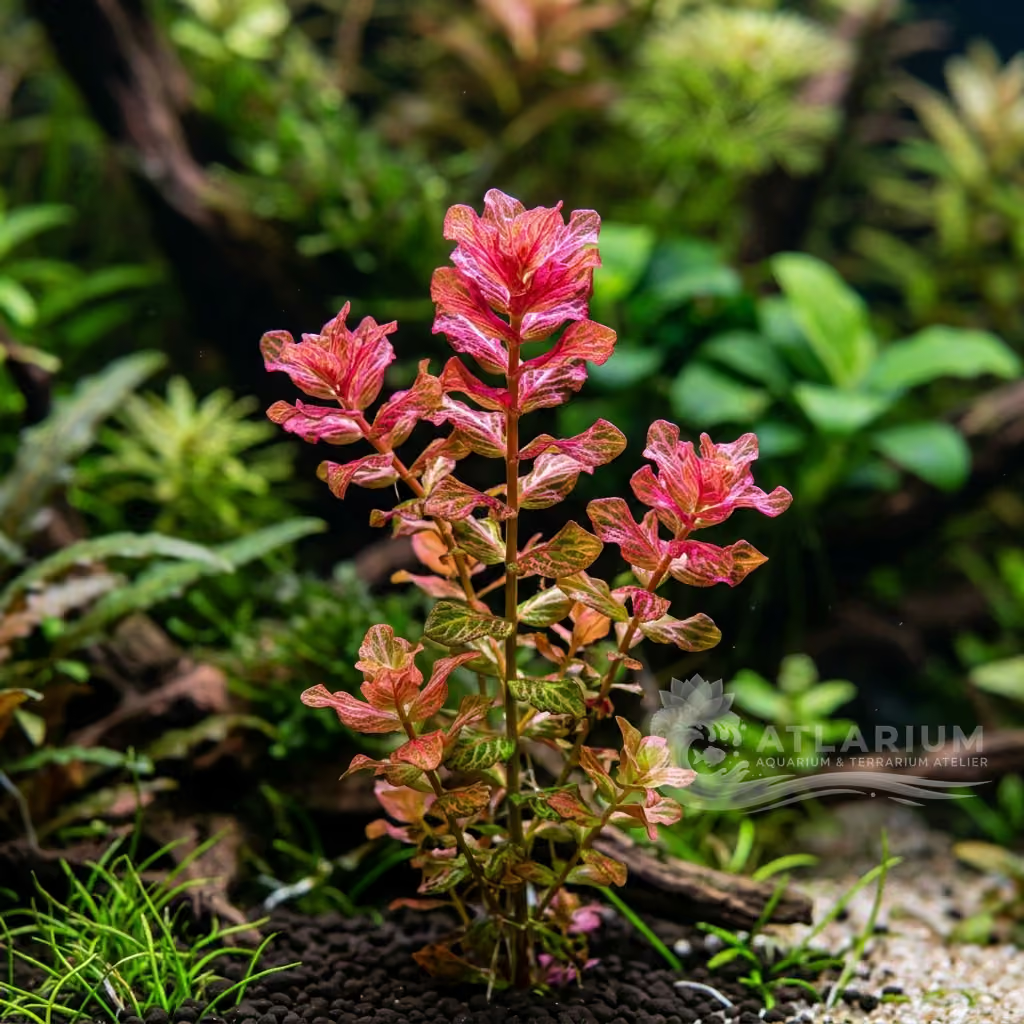
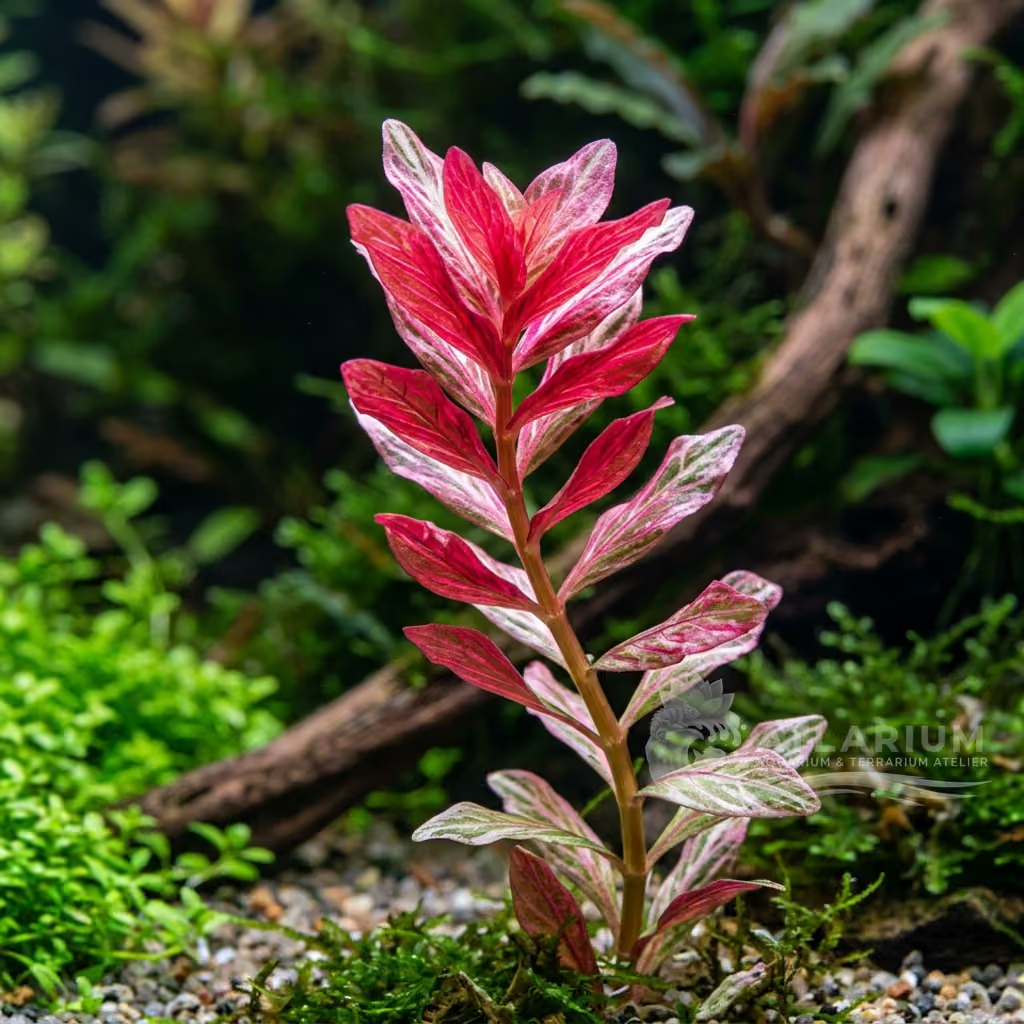
Rotala sp. 'Colorata' is a striking stem plant ideal for midground placement, valued for its ability to develop vibrant hues ranging from bright green to stunning reddish-orange. With a medium growth rate, it quickly forms dense, colorful bushes, significantly enhancing the aesthetic and depth of any planted aquarium.
Water Temperature
18 - 30 °C
pH Value
5 - 8
Water type
Freshwater
Light
Medium - High
CO2
Low - High
Expected height
50 cm
Expected width
5 cm
KH
0 - 14 dKH

Species description
Geographical Origin and Habitat: While Rotala sp. '
Color & Texture: ata' is a horticultural variety selected for its aesthetic characteristics, species of the Rotala genus typically originate from the tropical and subtropical regions of Asia. In their natural habitat, these plants are often found in marshy areas, along the banks of slow-moving streams, and in rice paddies, where they benefit from abundant sunlight and nutrient-rich substrates. The 'Colorata' thus shares the ecological preferences of its wild counterparts, thriving in humid, well-lit environments and tolerating a certain range of environmental conditions.
Taxonomy & Genetics: Rotala sp. 'Colorata' belongs to the Lythraceae family, a large group of plants that also includes other popular aquatic species in aquascaping, such as Ludwigia. The "sp." designation indicates that it is either an undescribed species or a cultivar variant of an existing species, selected for its particular color and growth properties. Its classification highlights its close kinship with other Rotala species, although 'Colorata' stands out for its ability to exhibit more intense coloration compared to many of its "cousins" under optimal light and nutrient conditions.
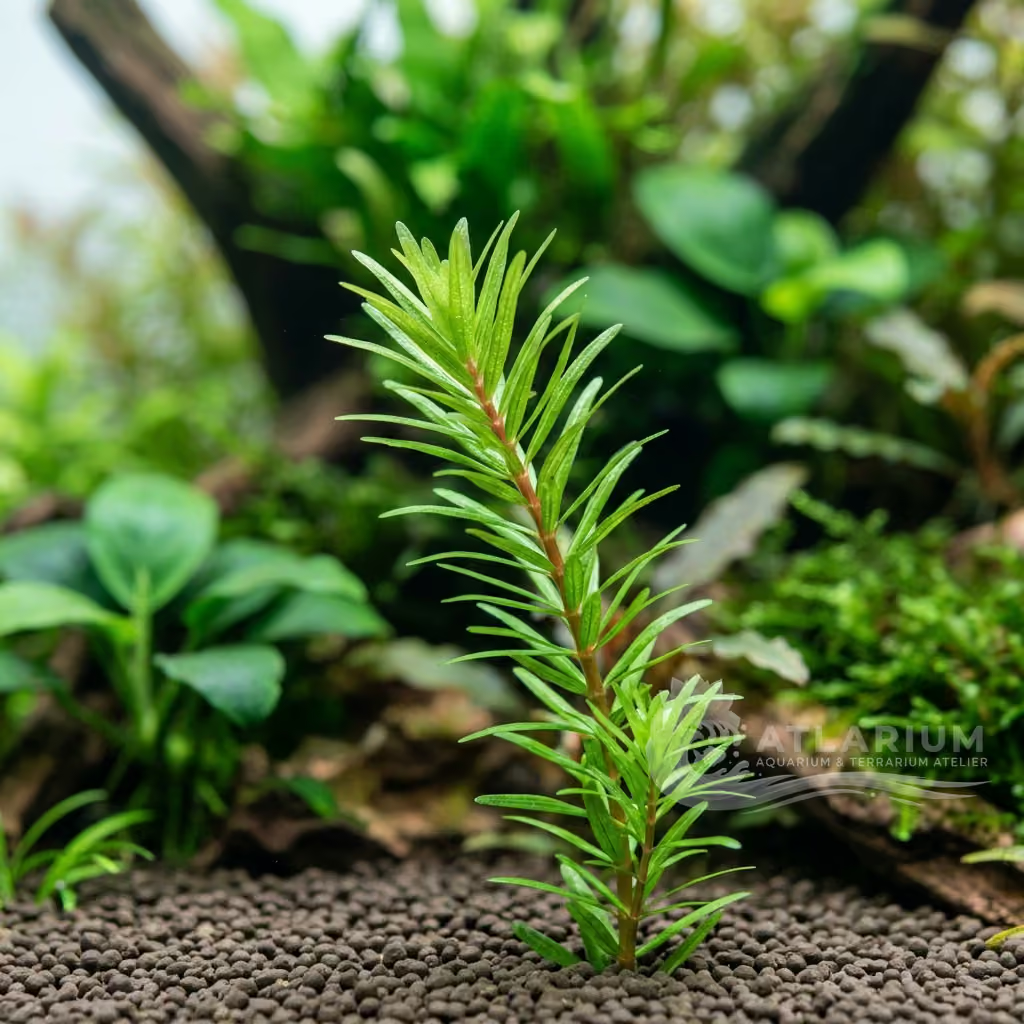
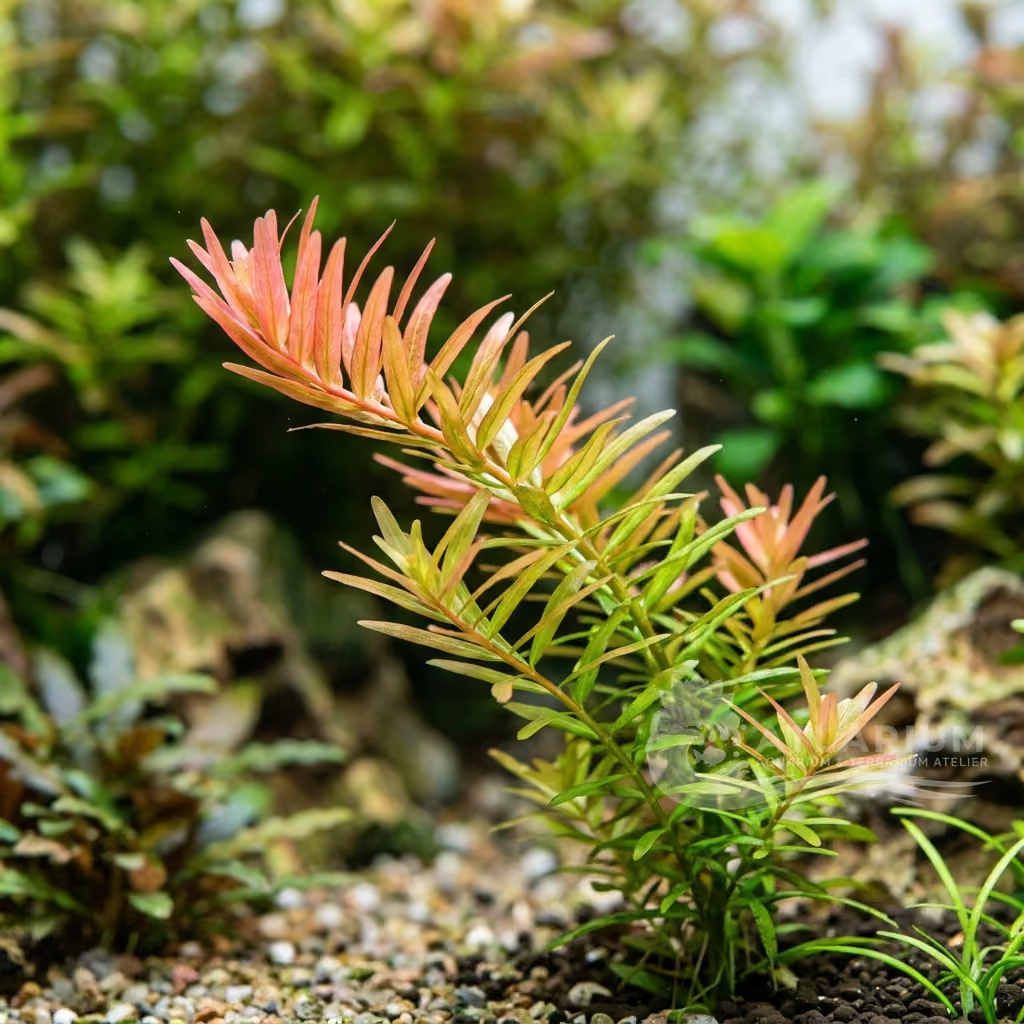
Physical Structure: Rotala sp. 'Colorata' is a stem plant characterized by a relatively robust stem and leaves arranged oppositely or in whorls along the stem. The leaves are generally lanceolate or elliptical, with smooth margins and a slightly rounded tip, and their size is moderate. Its growth habit is upright, and under adequate light, it tends to branch laterally, creating a lush, compact appearance in the midground of the aquarium. Leaf size and internode length can vary depending on light intensity, CO2 availability, and nutrients, allowing the aquascaper to influence the density of the bush.
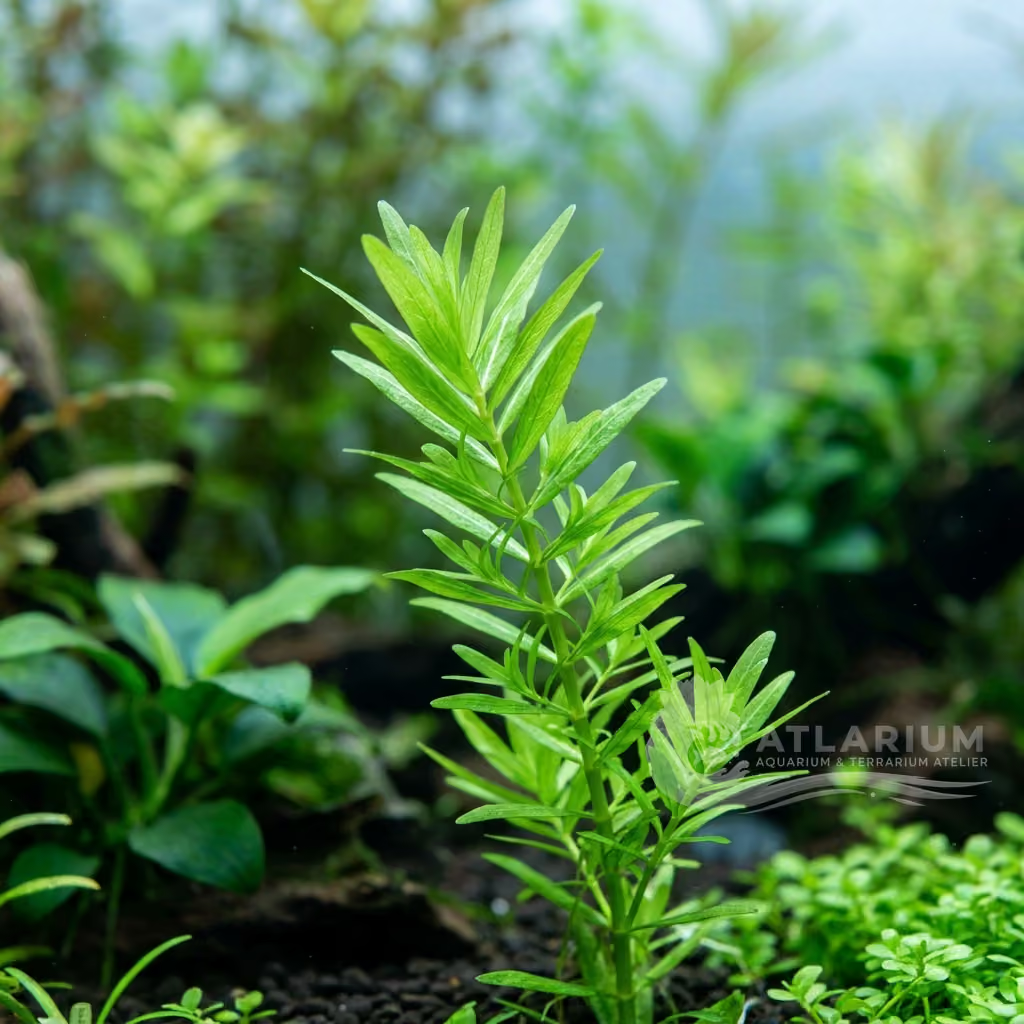
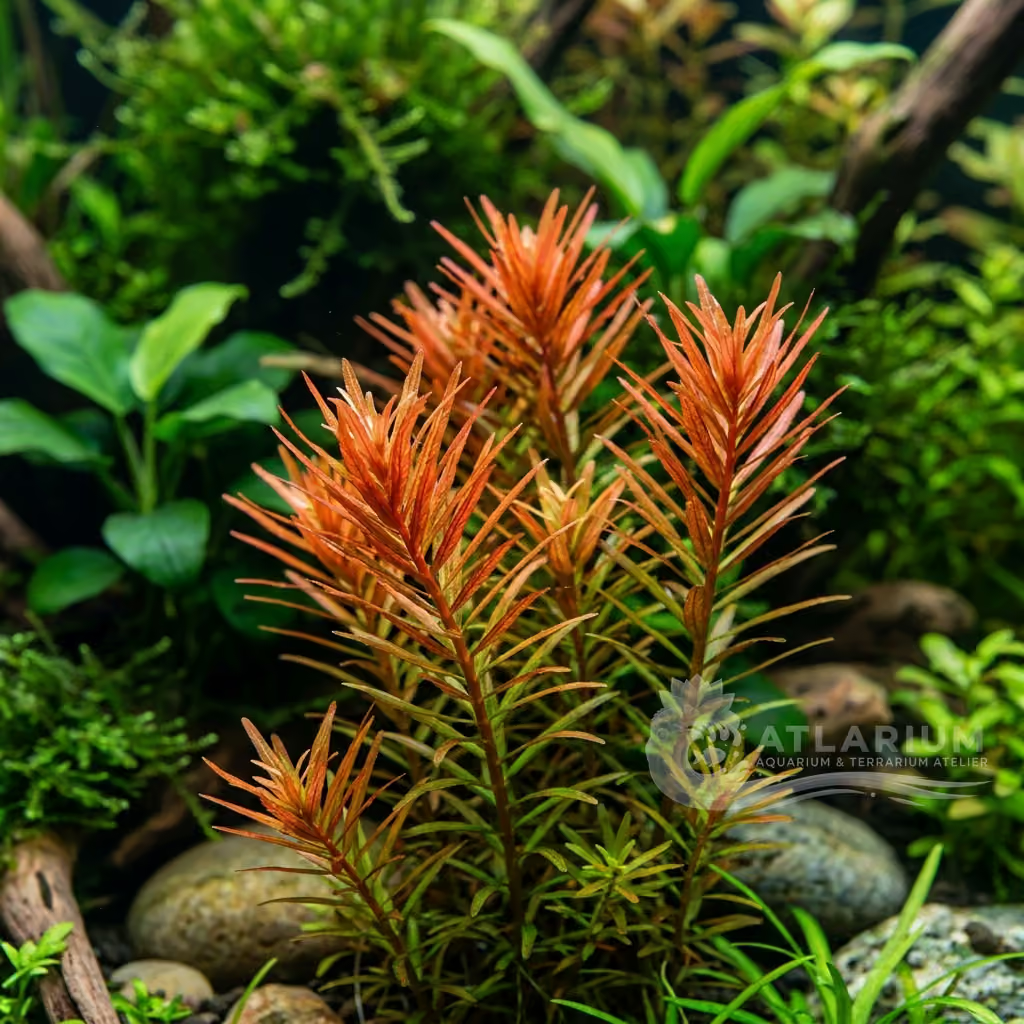
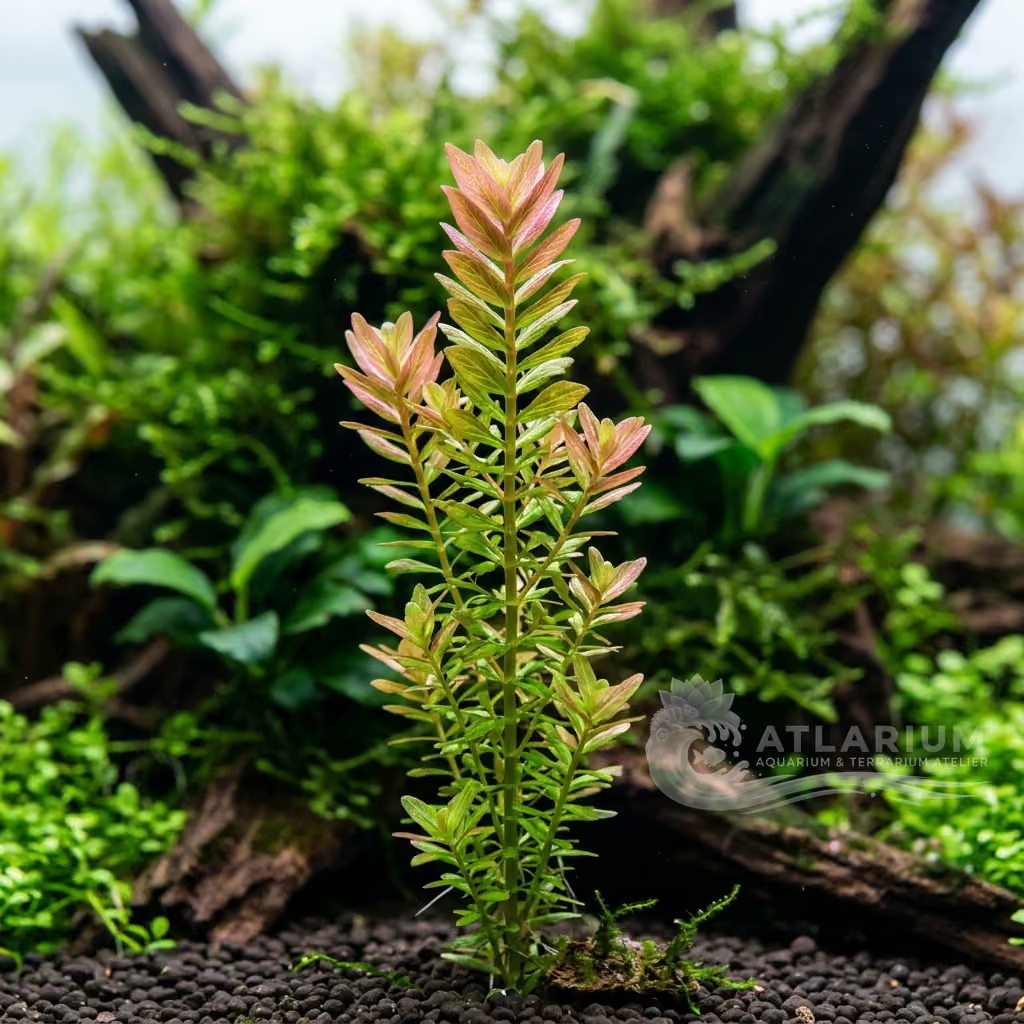
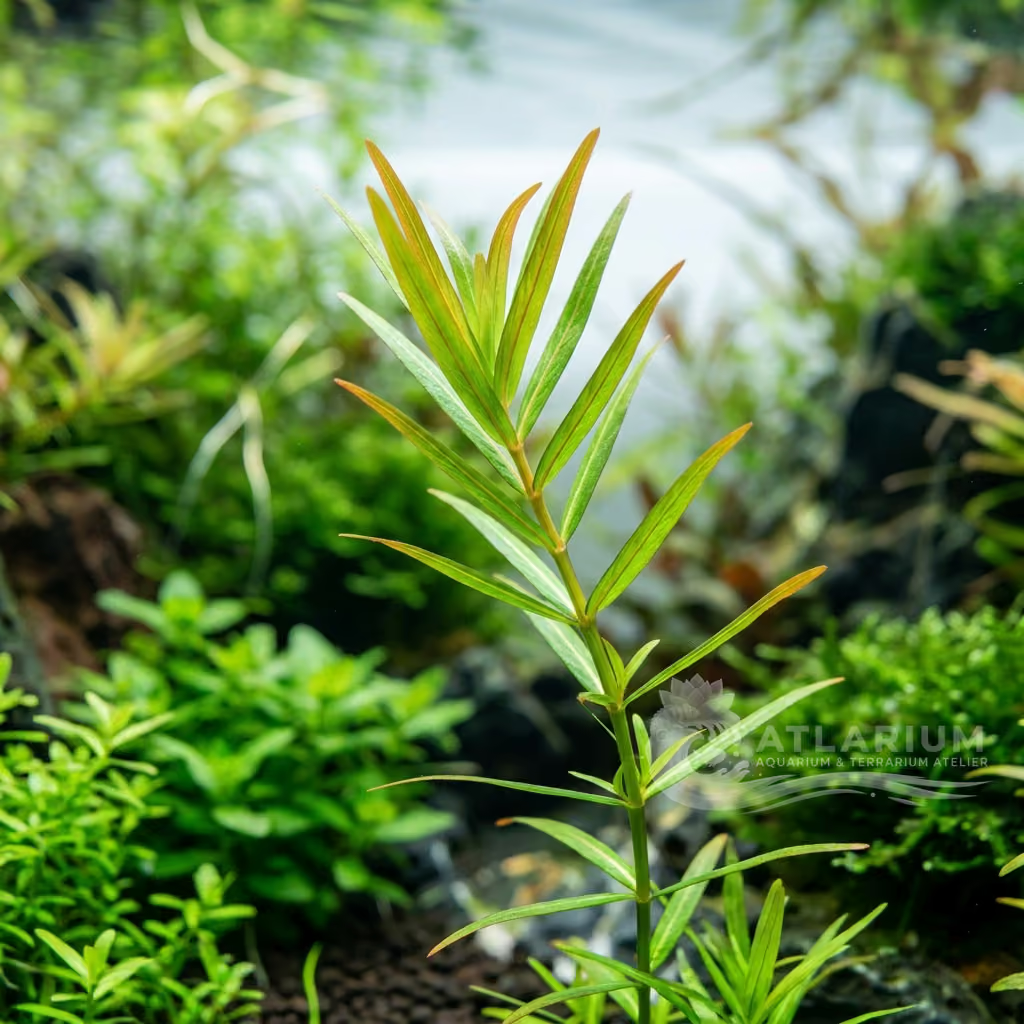
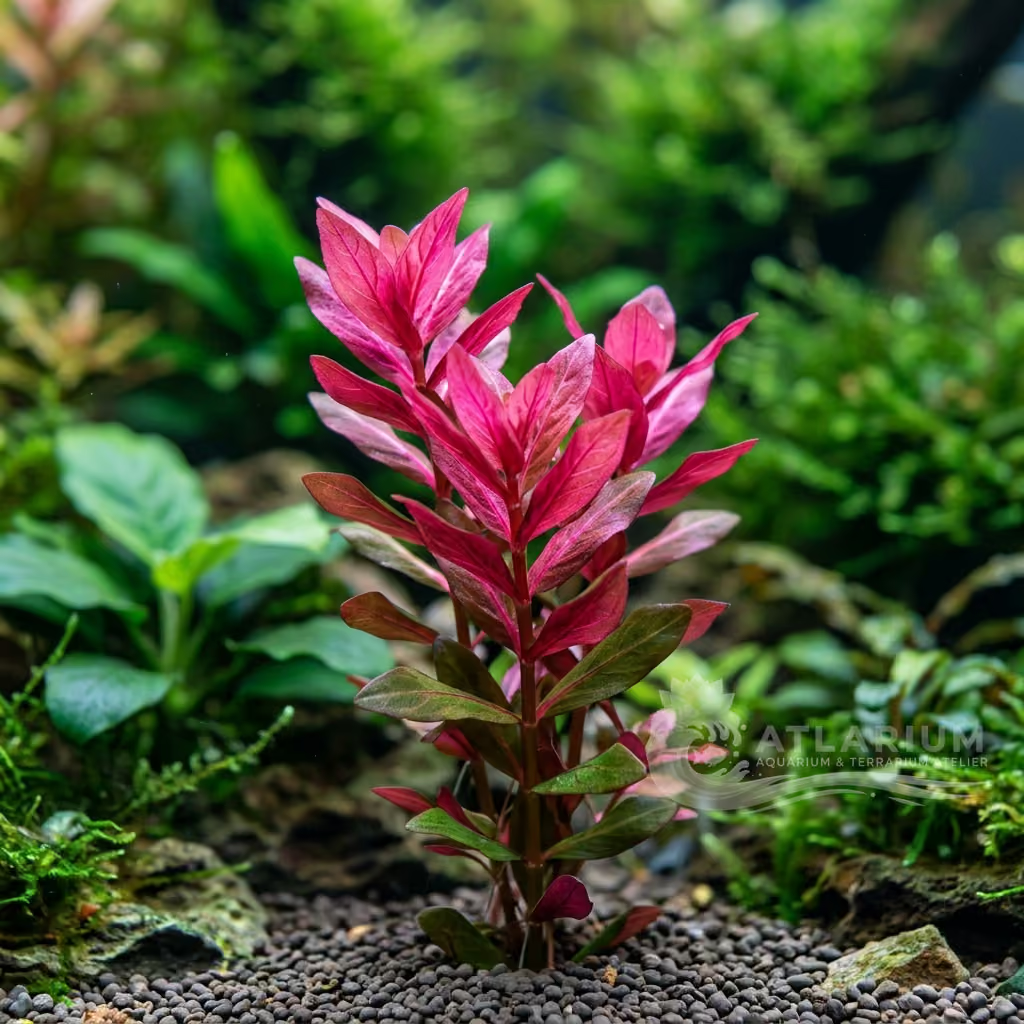
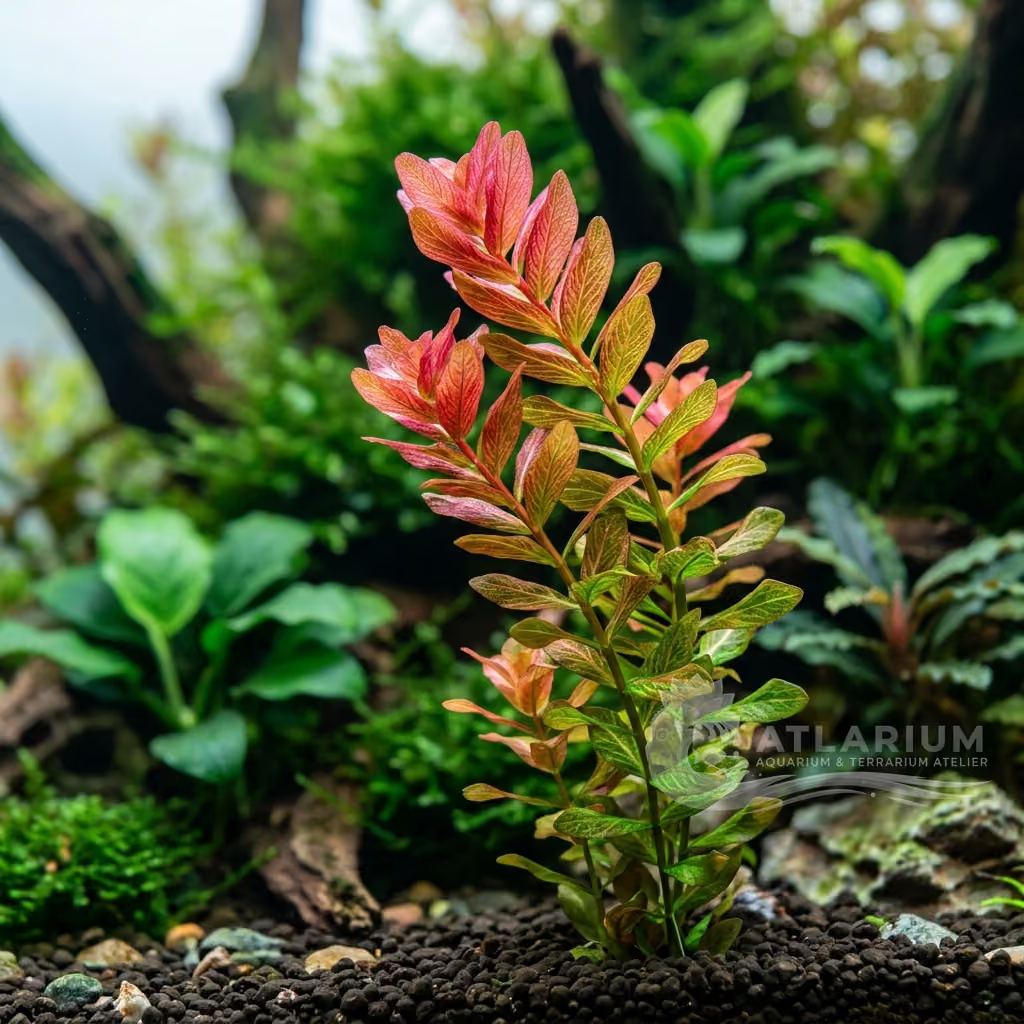
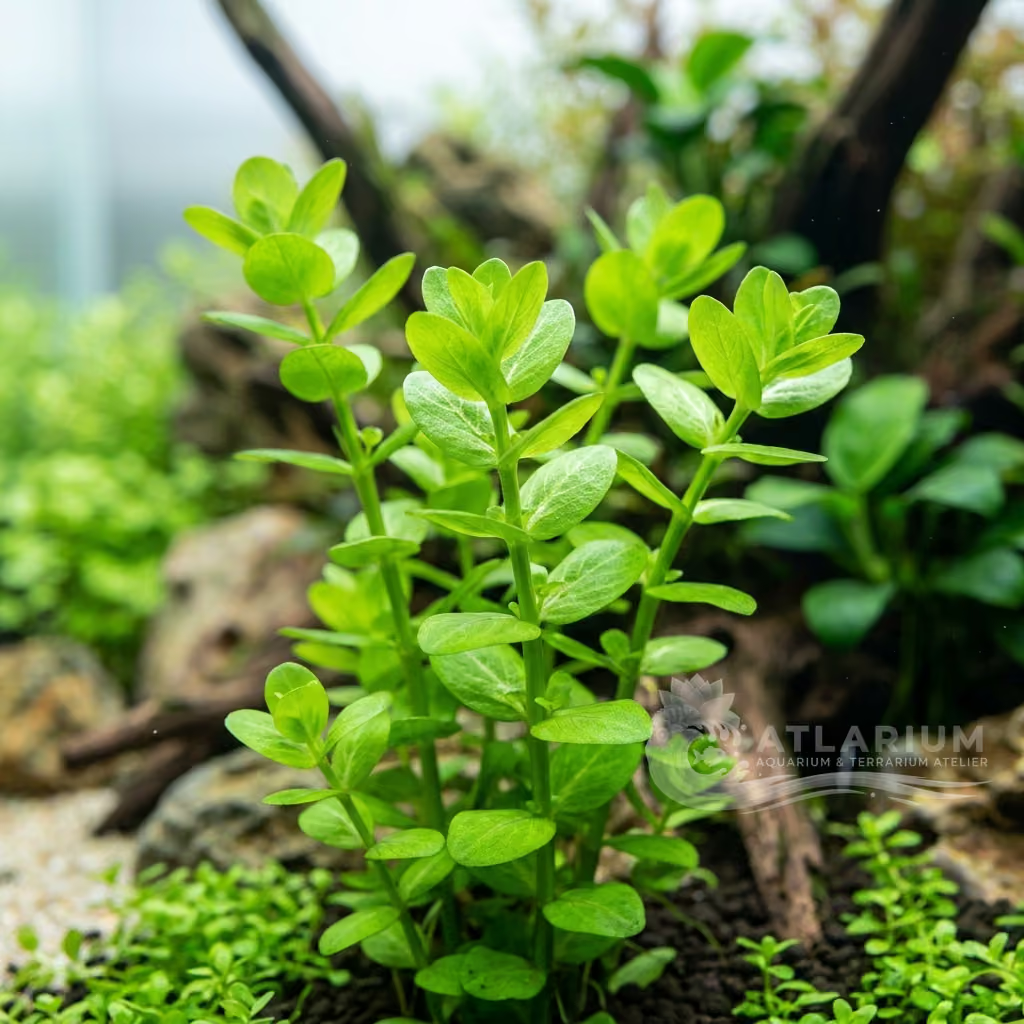
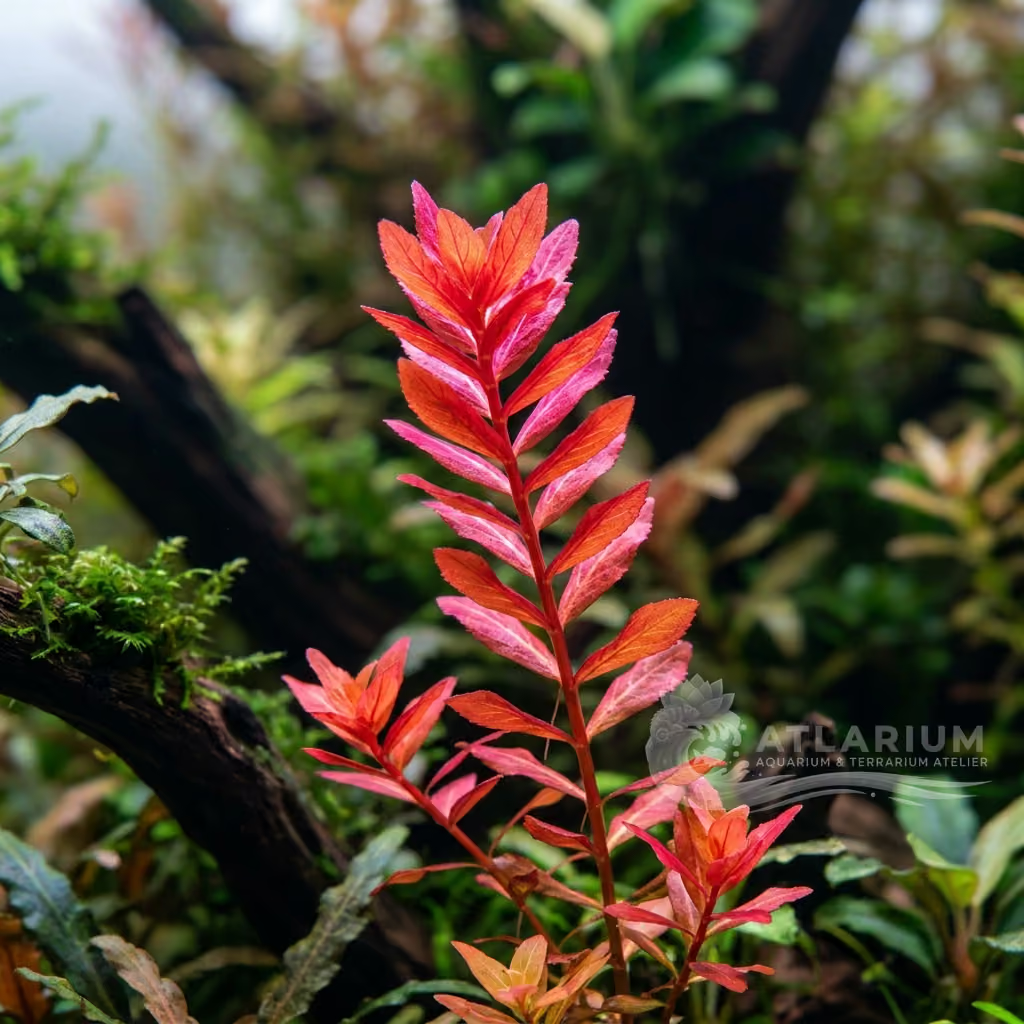
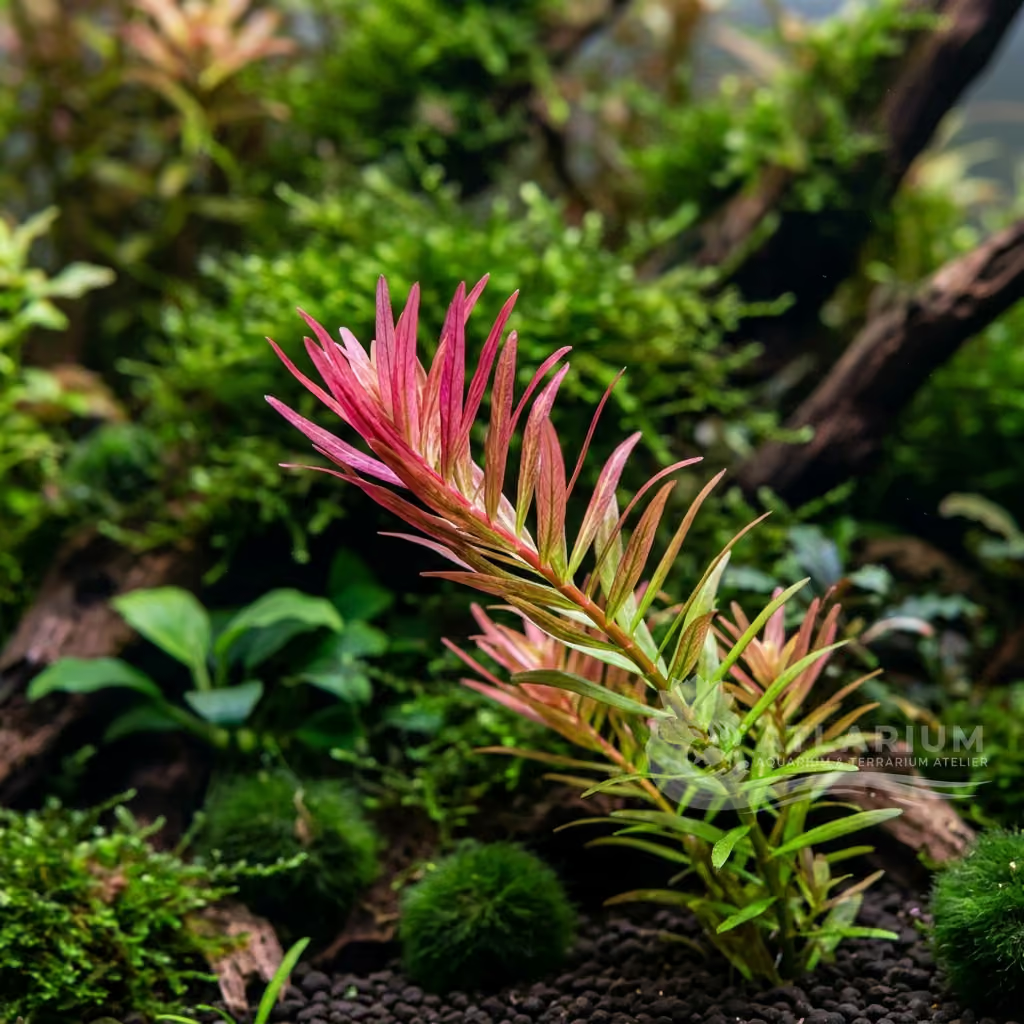
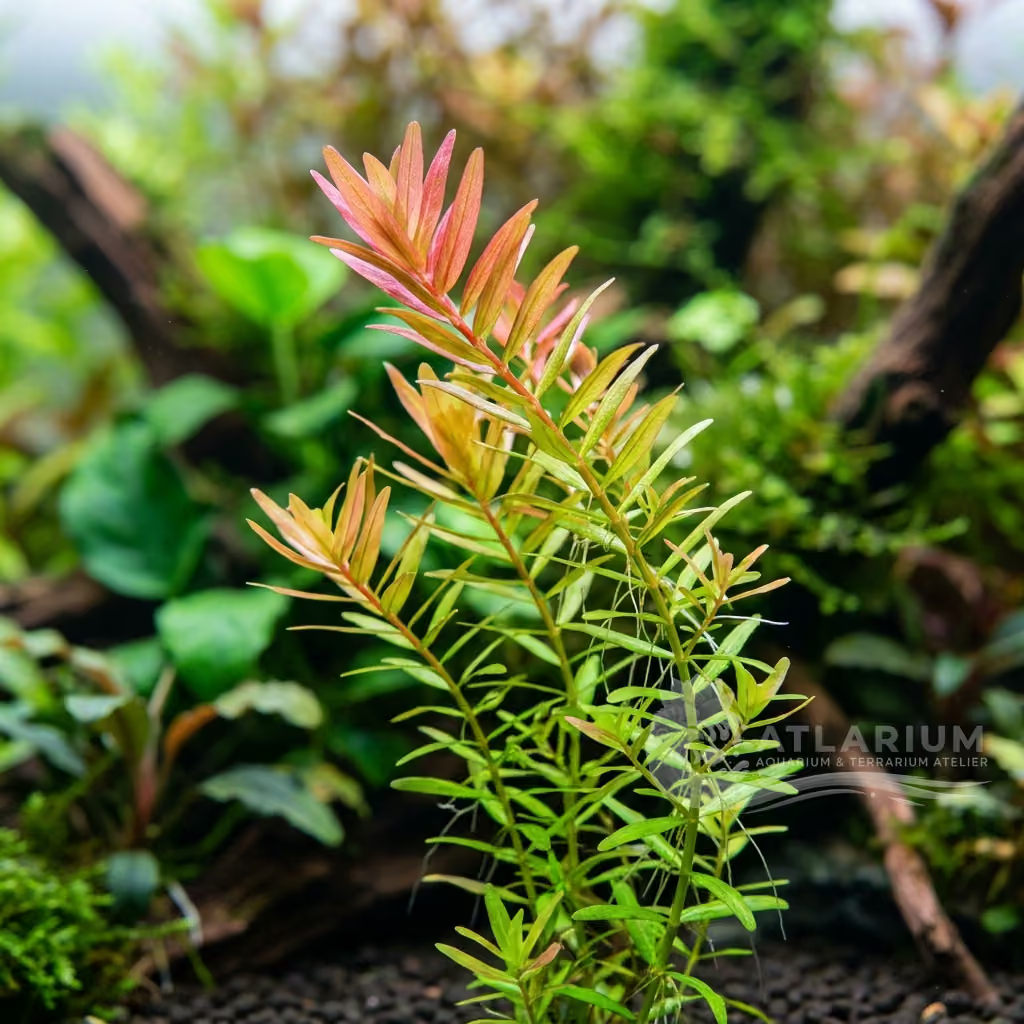
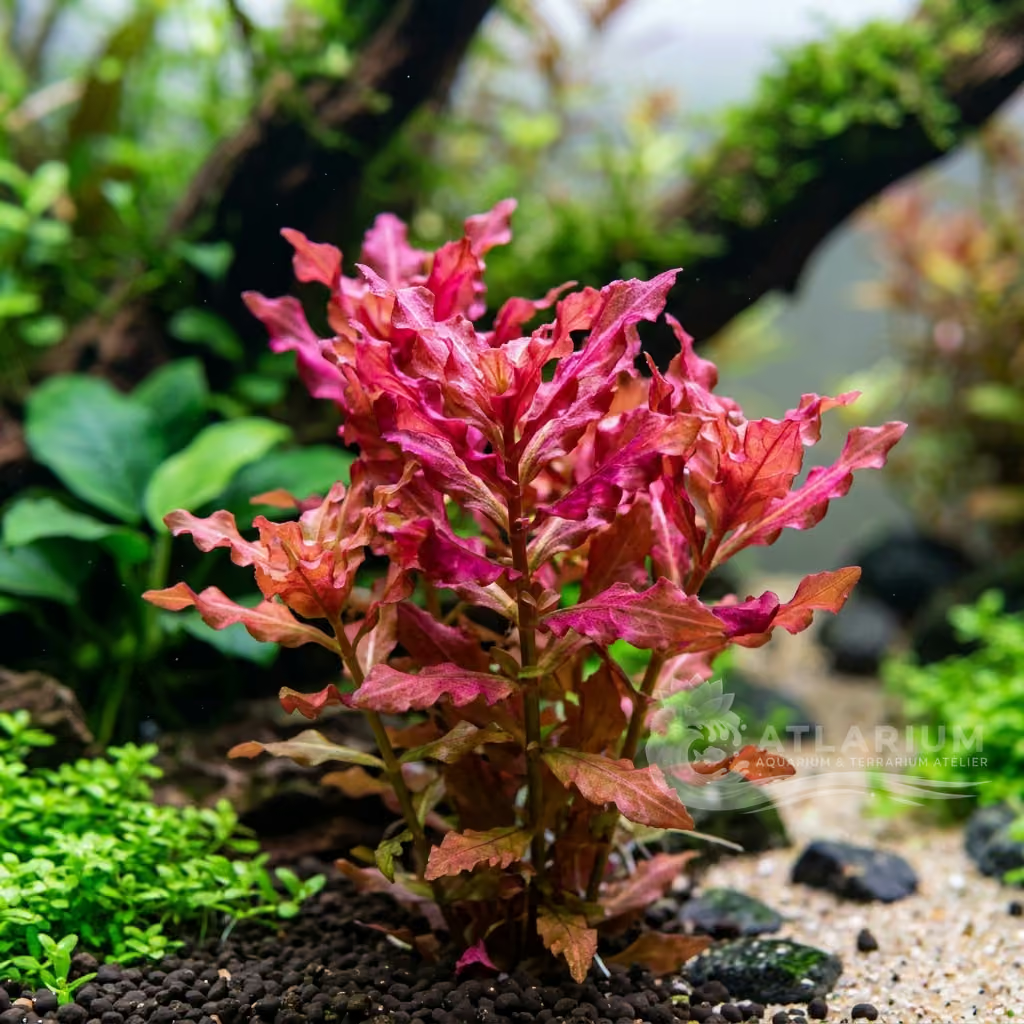
Color & Texture: The name 'Colorata' is highly indicative of this plant's main attraction: its extraordinary ability to display vibrant colors. Under medium light conditions and with proper fertilization, the leaves appear a bright green, but with more intense lighting and CO2 supplementation, the stems and undersides of the leaves, as well as the growth tips, take on shades ranging from salmon pink to orange and deep red. The texture of the leaves is smooth and slightly fleshy, giving the plant a delicate yet robust and healthy appearance that adds a strong visual contrast in the aquarium.

Care, breeding and tankmates
Lighting & CO2: Rotala sp. 'Colorata' requires medium intensity lighting for healthy growth, but to maximize its vivid red and orange colorations, more intense lighting, closer to the upper end of the medium range, is advisable. The availability of dissolved CO2 in the
Water Chemistry: is crucial; CO2 injection not only accelerates the growth rate, which is already medium, but is fundamental for stimulating the production of red pigments, making the plants more robust and less susceptible to algae. A photoperiod of 8-10 hours is generally ideal for its well-being and to prevent unwanted algal growth.
Nutrition & Substrate: This plant absorbs nutrients both through its leaves and roots, so a fertile substrate is beneficial for initial anchoring and a consistent supply of micronutrients to the root system. However, water column fertilization is indispensable for Rotala sp. 'Colorata', particularly for macronutrients such as nitrates (N), phosphates (P), and potassium (K), and micronutrients like iron (Fe). Adequate iron availability is crucial for the intensity of red hues, while a deficiency of other elements can manifest as stunted growth or discoloration, compromising its beauty.
Water Chemistry: Rotala sp. 'Colorata' thrives in a temperature range of 20 to 28 degrees Celsius (68-82°F), making it suitable for most tropical aquariums. Regarding carbonate hardness (KH), it tolerates a wide range of 2-12, although lower values (2-6 KH) tend to favor greater CO2 availability for plants. The ideal pH is between 6.0 and 7.5; a slightly acidic to neutral environment is generally preferred to stimulate vigorous growth and more intense colors, while avoiding sudden fluctuations that could stress the plant and hinder its adaptation.
Space Management & Placement: Given its classification as a midground plant and its compact growth habit, Rotala sp. 'Colorata' excels at creating focal points or soft transitions between shorter and taller plants within the aquarium. It is essential to plant it in dense groups of several stems (at least 5-7 for good visual impact) to achieve an optimal appearance and to encourage competition for light, which often intensifies the coloration of the upper parts. Ensuring that each stem receives adequate light is important, positioning it so that it is not overshadowed by larger plants or decorative elements, and guaranteeing proper water circulation.
Pruning: Regular pruning is essential to maintain Rotala sp. 'Colorata' in shape, promote bushier growth, and prevent the lower parts of the stems from being shaded and deteriorating, leading to leaf loss. It is advisable to cut the tops of the stems, leaving at least two or three internodes on the mother stem, to stimulate the growth of new lateral shoots, which contribute to a bushier appearance. The cut portions, if of sufficient length and in good health, can be easily replanted into the substrate to propagate the plant or to further thicken the group, maintaining a harmonious and dense arrangement over time.
Risks & Diseases: This Rotala is generally robust, but it can be susceptible to nutritional deficiencies that manifest as chlorosis or slow growth, especially if iron is insufficient for the desired red coloration. "Melting," or tissue degradation, can occur after transplantation, especially if the plant was grown in its emersed form, due to adaptation to the submerged conditions of the aquarium. Insufficient water circulation, lack of CO2, or a nutrient imbalance can also make it more vulnerable to algal growth on its leaves, compromising its aesthetics and long-term health.

Geographic origin and distribution
While Rotala sp. '
Origin
South and Southeast Asia

Plant profile
- Placement
- Midground
- It is best suited for the midground to background of the aquascape. Planting it in dense groups creates a striking visual impact. It should be placed where it receives unobstructed light to maintain its color. Regular pruning helps keep it in the desired position and shape.
- Botanical form
- Stem
- Submerged leaves are narrow and lanceolate, growing opposite each other on thin stems. Under high light, the foliage turns from light green to a vibrant pinkish-red. Internodes shorten under strong illumination, making the plant look bushier. Emersed growth features rounder, green leaves and small purple flowers.
- Growth
- Medium
- This plant exhibits a fast growth rate, especially under optimal conditions. Frequent trimming is necessary to prevent it from reaching the surface too quickly. Its rapid growth makes it an excellent nutrient exporter, helping to suppress algae. Consistent growth relies on a stable supply of CO2 and light.
- Substrate
- Low
- Rotala sp. 'Colorata' is relatively undemanding regarding substrate and can establish well in inert gravel or sand if adequate water column fertilization is provided. However, using a nutrient-rich aqua soil at a depth of 1.5 to 2 inches (4-5 cm) will significantly boost its growth speed and color intensity. Its fine, fibrous roots easily grasp porous substrate granules, creating a stable foundation that prevents the dense stem clusters from uprooting.
- Column fertilization
- Recommended
- As a stem plant, it efficiently absorbs nutrients directly from the water column. Liquid fertilizers containing a comprehensive mix of elements should be dosed regularly. Daily dosing is preferred to maintain stable nutrient levels in the water. Supplemental iron can be added to the water column to boost pigmentation.
- Root fertilization
- None
- While it feeds heavily from the water, a nutrient-rich substrate promotes stronger, healthier growth. Aqua soils or root tabs provide a reserve of essential minerals for the root system. A healthy root network anchors the fast-growing stems securely. Root feeding is especially beneficial during the initial acclimation phase.
- Trimming
- Regular
- Trim the plant frequently to encourage a bushy, dense appearance. Cutting the stems encourages multiple side shoots to grow from the nodes. Overgrown bushes can be rejuvenated by uprooting, discarding the old bases, and replanting the healthy tops. Trimming in a tiered fashion creates a sense of depth in the layout.
- Propagation
- Cuttings
- Propagation is simple and achieved by taking stem cuttings. Snip the top few inches of a healthy stem and plant it directly into the substrate. The cutting will quickly root and continue growing. Leaving the bottom portion in the substrate will yield new side shoots.
- Sensitivity
- Moderate
- It is generally hardy but can suffer if shaded by taller plants, leading to leaf drop at the base. Sudden fluctuations in CO2 can cause stunted tips or algae growth on the leaves. It prefers slightly acidic, soft to moderately hard water. Extremely low nutrient levels can lead to pale, washed-out foliage.
- Layout role
- Midground, accent, group
- It serves as a beautiful color accent in Dutch and Nature Aquarium styles. Its red and pink hues contrast perfectly with bright green foregrounds and midgrounds. It can be shaped into sweeping bushes or tight clusters. The fine texture of its leaves adds intricate detail to the aquascape.

Related species
Recommendations grouped by close relatives, companion choices, and similar care.